Less Crowded Treks in Nepal for 2026
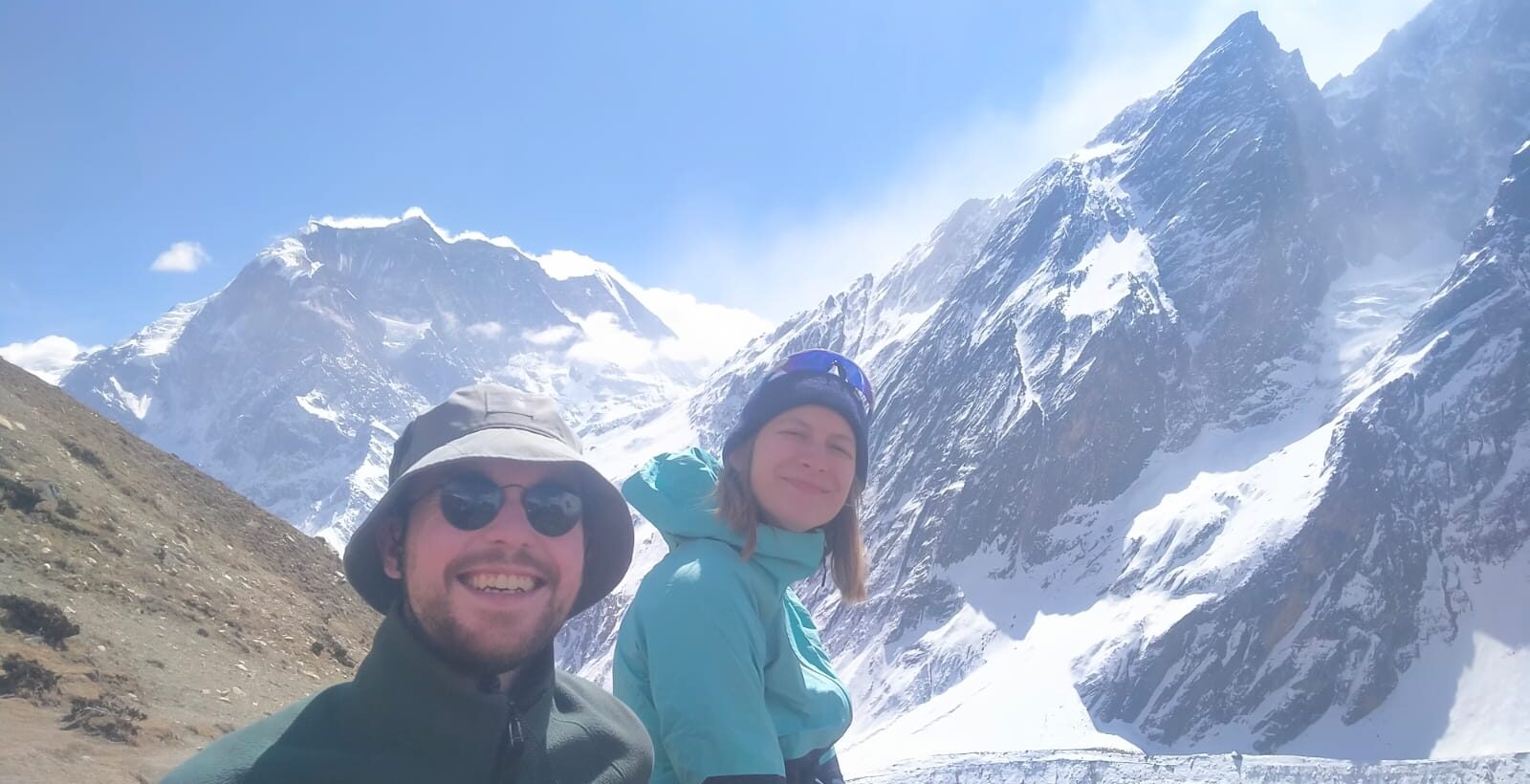
Nepal’s towering Himalayan peaks and wild landscapes are a dream destination for trekkers worldwide. But while iconic routes like Everest Base Camp and the Annapurna Circuit draw thousands of hikers each year, there’s another side to Nepal’s trekking scene that remains serene, wild, and largely untouched.
If your ideal trek is quiet trails, real cultural encounters, pristine nature, and fewer fellow trekkers, you’re in the right place. Here are some of the best, less-crowded trekking routes in Nepal you can explore in 2026, from mystical valleys to vast wilderness rarely seen by tourists.
Manaslu Circuit & Tsum Valley Trek
The Manaslu Circuit & Tsum Valley Trek offers a rare blend of raw Himalayan wilderness and deep cultural heritage. Circling the world’s eighth-highest mountain, Mount Manaslu (8,163m), this journey takes you far beyond the busy trails of Everest and Annapurna into landscapes that feel untouched by time. When combined with the sacred Tsum Valley, the trek becomes one of Nepal’s most peaceful and spiritually enriching adventures.
The Manaslu Circuit is a visual masterpiece. The trail winds through dramatic river gorges, dense forests of pine and rhododendron, remote high-altitude valleys, and wide alpine pastures. As you ascend, the scenery opens into vast mountain amphitheaters dominated by snow-covered peaks. The crossing of Larkya La Pass (5,160m) is a true highlight, rewarding trekkers with breathtaking 360-degree views of Himalayan giants, including Manaslu, Himlung Himal, Cheo Himal, and Annapurna II.
What truly sets this trek apart is its cultural depth. The route passes through traditional Gurung villages in the lower regions, where life is shaped by farming, community, and ancient customs. Higher up, the culture gradually shifts to a strong Tibetan influence, reflected in architecture, clothing, language, and daily rituals. Colorful prayer flags flutter in the wind, mani walls line the trails, and spinning prayer wheels quietly mark your path through the mountains.
Adding the Tsum Valley transforms the journey into something even more special. Known as a sacred Himalayan enclave, Tsum Valley was closed to outsiders until 2008 and still retains a profound sense of isolation and spirituality. Here, you’ll visit ancient Buddhist monasteries, such as Mu Gompa and Rachen Gompa, and encounter sacred shrines, chortens, and caves linked to revered Buddhist masters. The valley follows a non-violent Buddhist tradition, and the calm, welcoming nature of the local people leaves a lasting impression on every traveler.
One of the main reasons this trek remains uncrowded is its restricted area status. Special permits are required, and trekkers must travel in small, guided groups. In addition, the trails are longer and more remote than Nepal’s mainstream trekking routes, which naturally limits visitor numbers. This means fewer teahouses, quieter paths, and a deeper sense of connection with nature and local communities.
The Manaslu Circuit & Tsum Valley Trek is ideal for experienced hikers seeking meaningful solitude, authentic cultural encounters, and dramatic Himalayan scenery. It’s not just a trek—it’s a journey into Nepal’s living heritage, where mountains, spirituality, and traditional life exist in remarkable harmony.
Nar Phu Valley Trek
Hidden deep within the remote folds of the Annapurna region, the Nar Phu Valley Trek is a journey into a world that feels almost frozen in time. Far removed from Nepal’s popular trekking highways, this route blends rugged mountain landscapes, ancient Tibetan-influenced culture, and a profound sense of silence. For trekkers seeking solitude and authenticity, Nar Phu stands out as one of Nepal’s most peaceful and rewarding adventures.
What makes the Nar Phu Valley truly unique is its long history of isolation. The area remained restricted to outsiders until the early 2000s, and even today, access is controlled through special permits that limit visitor numbers. This restriction has preserved both the landscape and the traditional way of life. Unlike busier regions, teahouses are basic, and long stretches of the trail pass through untouched terrain and high-altitude plateaus. The sense of remoteness is constant, offering a rare opportunity to walk for days without encountering crowds.
The cultural experience in Nar Phu is equally extraordinary. The trek leads to the medieval stone villages of Nar and Phu, where narrow alleys, flat-roofed houses, and ancient monasteries reflect centuries-old Himalayan architecture. Life here moves at a gentle, traditional pace, shaped by seasonal rhythms, farming, and herding. You’ll encounter yak caravans crossing high pastures and witness daily rituals rooted in Tibetan Buddhist traditions, from spinning prayer wheels to chanting monks in remote gompas.
Scenery is another defining highlight of the trek. Towering above the valleys are the towering peaks of Himlung Himal and Kanguru. The beauty of the high desert landscape, combined with vast open skies and towering mountains, creates a powerful sense of space and stillness.
The Nar Phu Valley Trek is perfect for travelers who want to experience authentic Himalayan culture and raw nature without the crowds. It is a journey for those who value quiet trails, cultural depth, and the timeless spirit of the mountains.
Upper and Lower Dolpo Trek
The Upper and Lower Dolpo Trek takes you into one of Nepal’s most remote and mystical regions, far beyond the reach of mass tourism. Opportunities to get some glimpse of the rain-shadow of the Dhaulagiri range, Dolpo is defined by its surreal, desert-like landscapes, dramatic rock formations, deep river canyons, and an ancient way of life deeply rooted in Tibetan culture. This is a land of wide horizons, silent valleys, and raw Himalayan beauty that feels truly untouched.Dolpo’s isolation is its greatest protector. Upper Dolpo lies deep in restricted territory and requires special permits, along with significant logistics and time. Reaching the region involves long trekking days, high passes, and often full camping support, naturally limiting visitor numbers. Lower Dolpo, while slightly more accessible, remains remarkably quiet due to its remoteness, limited infrastructure, and challenging terrain. Even during peak trekking seasons, the trails here are empty compared to Nepal’s popular routes.
One of Dolpo’s greatest treasures is Phoksundo Lake, Nepal’s deepest alpine lake. Its striking turquoise waters, set against barren cliffs and snow-dusted peaks, create one of the most breathtaking natural scenes in the Himalaya. Beyond its beauty, the lake holds deep spiritual significance for local communities.
Culturally, Dolpo is unique for its strong Bon Buddhist traditions, a pre-Buddhist spiritual practice rarely found elsewhere. Ancient monasteries cling to cliffsides, prayer flags flutter in the wind, and centuries-old rituals continue unchanged. Walking through Dolpo’s villages feels like stepping into another era.
Perhaps the most powerful experience is the sense of wilderness. The trails are empty, the landscapes vast, and the silence profound. Days pass without seeing other trekkers, offering a rare connection with nature in its purest form.
The Upper and Lower Dolpo Trek is a dream for the truly adventurous, expect camping, rough paths, high passes, and deep cultural encounters. For those willing to go far and slow, Dolpo delivers one of Nepal’s most extraordinary trekking experiences.
Kanchenjunga Region Trek
The Kanchenjunga Region Trek leads you into one of Nepal’s most remote and least-visited Himalayan landscapes, where solitude defines the journey. Located in far eastern Nepal, this region is dominated by Mount Kanchenjunga (8,586m), the third-highest mountain on Earth and a peak revered by local communities as sacred. Unlike the busy trails of Everest or Annapurna, Kanchenjunga remains quiet and wild, offering trekkers uninterrupted mountain views and a deep sense of isolation in the high Himalaya.
Kanchenjunga’s remoteness is the main reason it has remained off the mainstream trekking map. Accessing the region involves flying into small, weather-dependent airstrips and then trekking for days through remote valleys before reaching the high mountain areas. The journey is longer and demands careful logistical planning, including restricted area permits, experienced guides, and well-organized supplies. These factors naturally limit visitor numbers, preserving the region’s pristine environment and traditional way of life.
One of the greatest rewards of trekking in the Kanchenjunga region is its untouched wilderness and rich biodiversity. The trail passes through dense forests of rhododendron, bamboo, and oak, home to rare wildlife such as red pandas, musk deer, and a wide variety of bird species. As you ascend, the landscape opens into vast alpine meadows and glacial valleys framed by towering snow-covered peaks.
Culturally, the trek offers meaningful encounters with traditional Limbu communities, whose customs, architecture, and warm hospitality add depth to the journey. Life here remains closely tied to the land, shaped by centuries of Himalayan traditions. The trek also rewards you with dramatic viewpoints that feel truly exclusive and panoramic mountain vistas experienced in complete silence, far from crowded trails and busy teahouses.
The Kanchenjunga Region Trek is ideal for trekkers seeking raw nature, solitude, and true adventure. It’s a journey into one of Nepal’s last great wilderness areas, where the mountains still feel powerful, sacred, and untouched.
Ramchandra Lamichhane
Trekking Expert
No hidden fees • Local experts • Best price guarantee