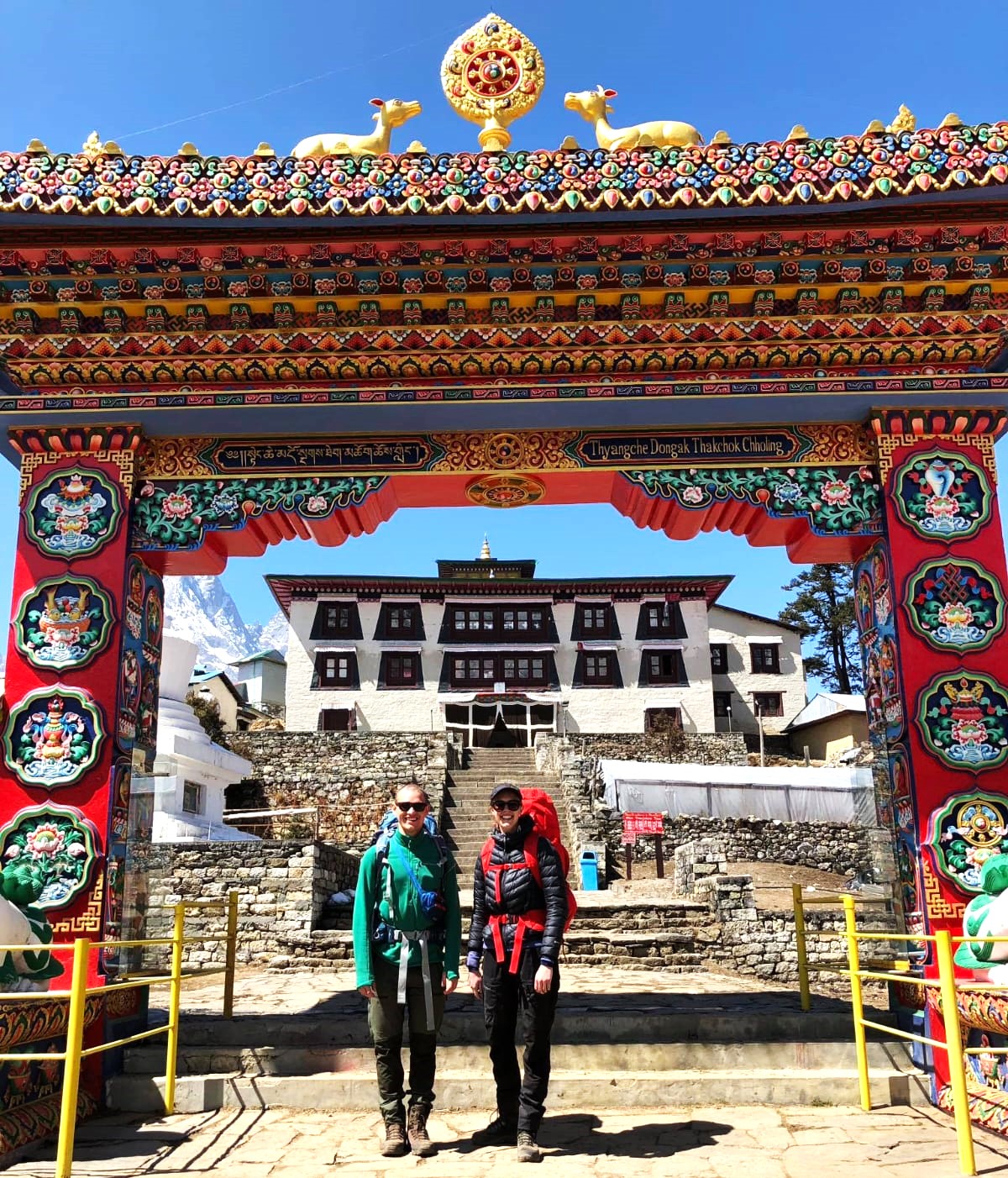
Everest Base Camp Trek via Gokyo Lake
Experience the magic of the Everest region through two legendary trekking routes, each offering a unique way to explore the world’s highest mountains. Whether you follow the classic Everest Base […]
Highlights
- Explore two iconic Everest region routes: Everest Base Camp and Gokyo Lakes.
- We will come across one of the iconic three passes - Cho la Pass.
- Scenic flight to Lukla, the gateway to the Khumbu region.
- Trek through traditional Sherpa villages and vibrant Namche Bazaar.
- Experience rich Sherpa culture, monasteries, and mountain lifestyle.
- Gradual acclimatization with stunning Himalayan views along the way.
- Visit classic Everest Base Camp at the foot of the world’s highest peak.
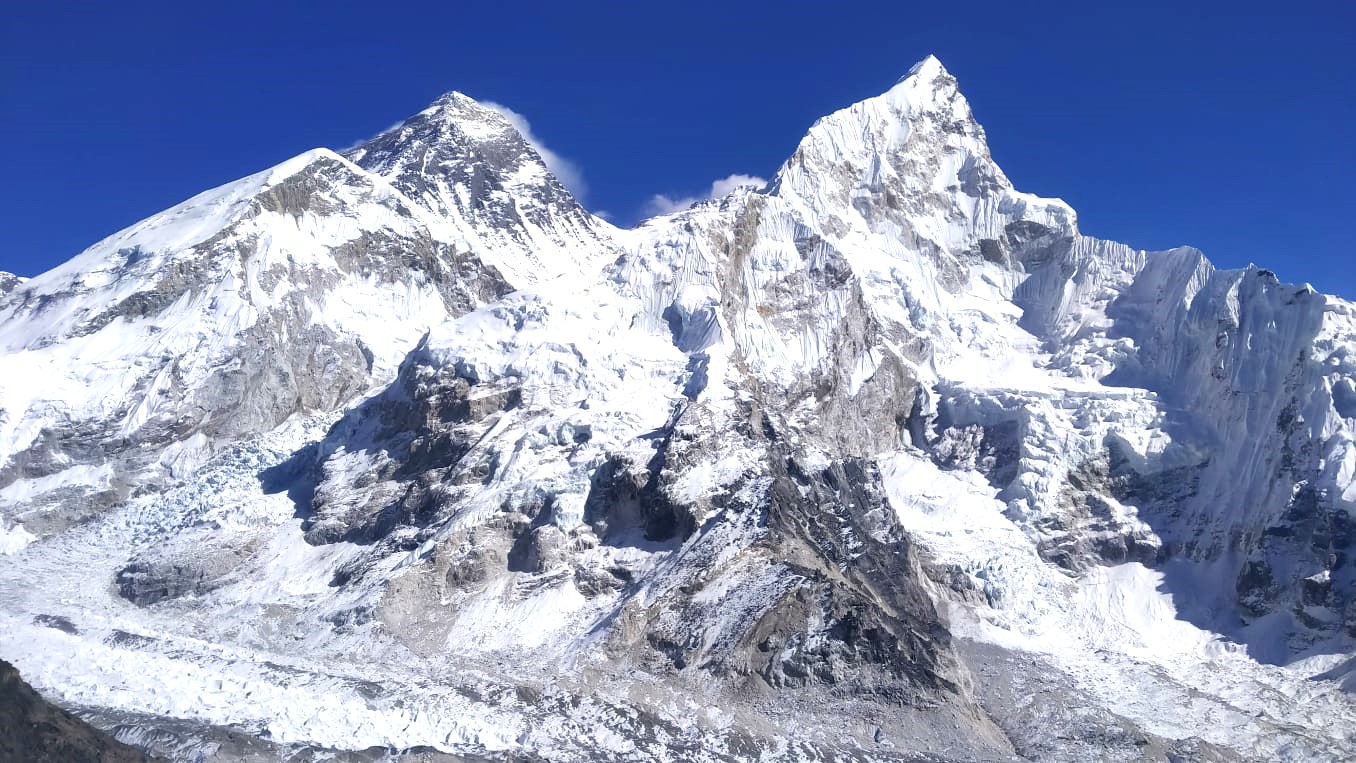
- Early Morning hike to Kala Patthar (5,545m) for panoramic views of Everest, Lhotse, and Nuptse.
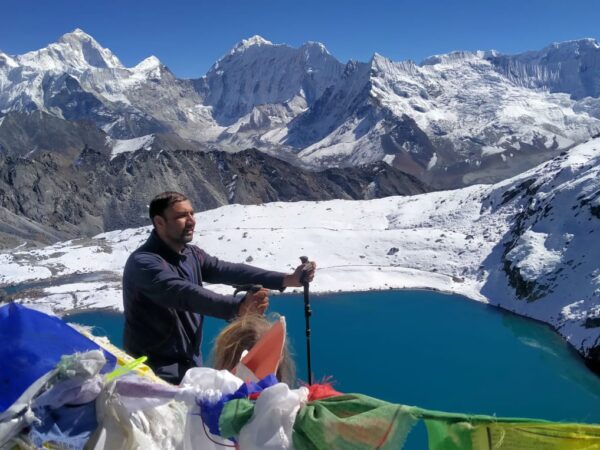
- Discover the sacred Gokyo Lakes, the world’s highest freshwater lake system (Ramsar site).
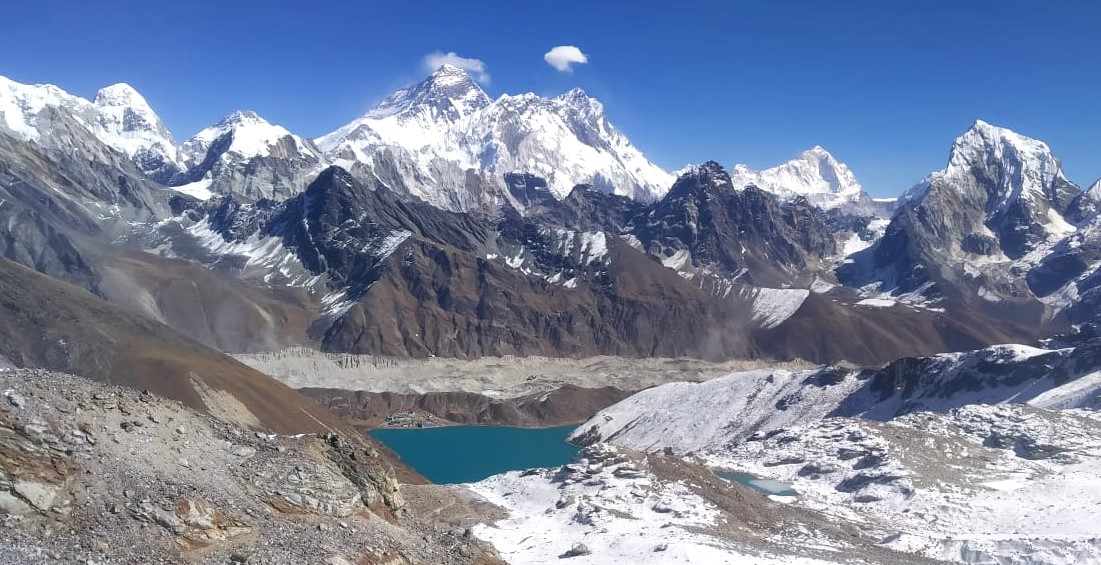
- Climb Gokyo Ri (5,357m) for breathtaking views of Everest, Cho Oyu, Makalu, and the Ngozumpa Glacier.
- A perfect blend of classic trails, quieter paths, and unforgettable high-altitude scenery.
Overview
Experience the magic of the Everest region through two legendary trekking routes, each offering a unique way to explore the world’s highest mountains. Whether you follow the classic Everest Base Camp (EBC) trail or choose the quieter yet equally stunning Gokyo Lakes Trek, both journeys immerse you in dramatic Himalayan landscapes and rich Sherpa culture.
The adventure begins with an exciting flight to Lukla, followed by a trek through lush forests and traditional mountain villages to the lively town of Namche Bazaar. From here, the Everest Base Camp route continues through Tengboche, Dingboche, and Lobuche, allowing time for proper acclimatization while enjoying breathtaking mountain views. The journey reaches Gorak Shep, the starting point for visiting Everest Base Camp itself, and includes an early-morning climb to Kala Patthar (5,545m) for unforgettable panoramic views of Everest, Lhotse, and Nuptse.
For trekkers looking for a less-crowded alternative, the Gokyo Lakes Trek follows the same trail to Namche Bazaar before turning west into the pristine Gokyo Valley. This route leads to the sacred Gokyo Lakes, the world’s highest freshwater lake system and a protected Ramsar site, known for its striking turquoise waters set between 4,700 and 5,000 meters. The highlight of this journey is the ascent of Gokyo Ri (5,357m), offering one of the most spectacular viewpoints in the Khumbu region, with sweeping views of Everest, Cho Oyu, Lhotse, Makalu, and the vast Ngozumpa Glacier. Together, these two iconic routes showcase the very best of the Everest region—combining legendary trails, high-altitude viewpoints, cultural encounters, and some of the most awe-inspiring mountain scenery on Earth.
Trek Difficulty
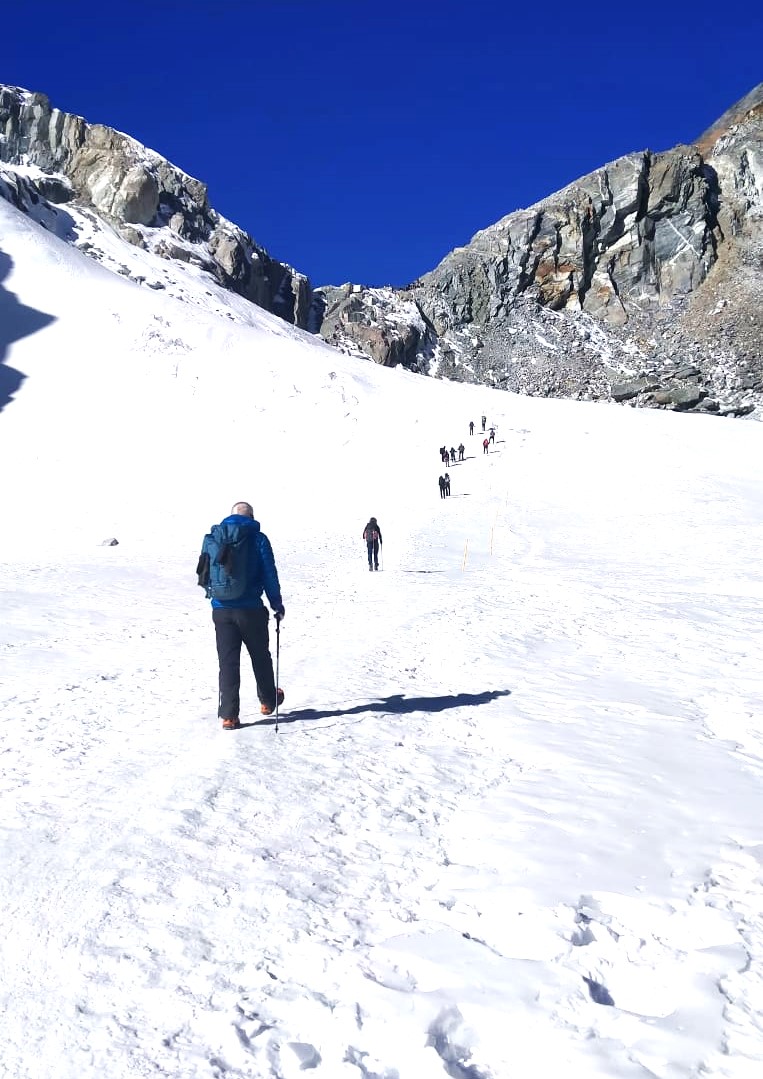
The Everest Base Camp Trek via Gokyo Lakes is considered a challenging Himalayan trek that requires good physical fitness, endurance, and determination. Unlike the standard Everest Base Camp Trek, this route includes higher elevations, longer trekking days, and the crossing of Cho La Pass, which involves steep ascents, rocky terrain, and occasional snow or ice depending on the season. Trekkers typically walk between 5 and 8 hours per day across rugged mountain trails.
Altitude is the primary challenge during this trek, as the journey reaches elevations above 5,500 meters. Proper acclimatization days are included to reduce the risk of altitude-related illnesses. Previous trekking experience is helpful but not mandatory for well-prepared travelers. With adequate training, a steady pace, and proper acclimatization, most healthy trekkers can successfully complete this extraordinary Himalayan adventure.
Trek Route
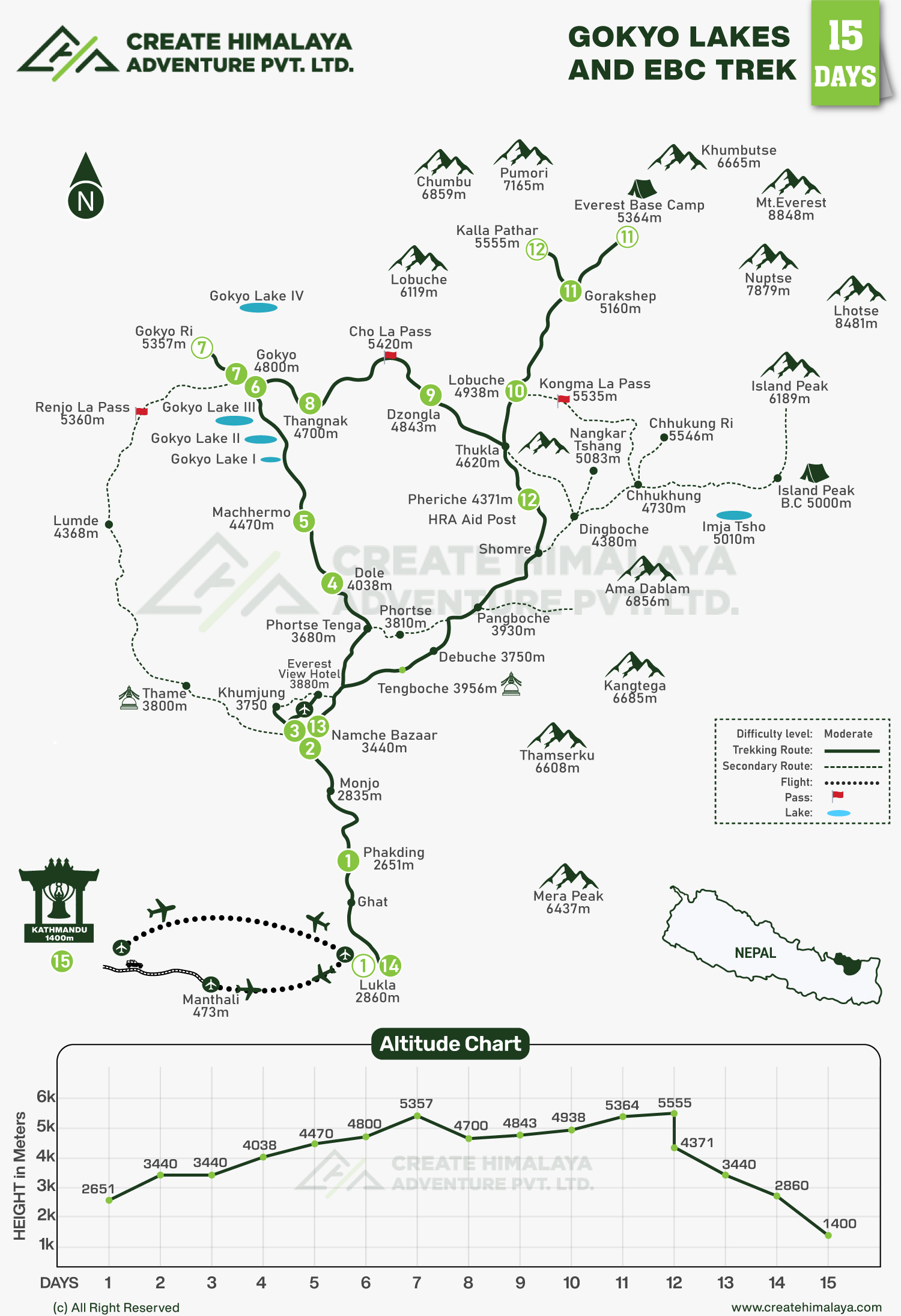
The Everest Base Camp Trek via Gokyo Lakes follows one of the most spectacular trekking routes in the Everest region, combining the classic Everest Base Camp journey with the breathtaking beauty of the Gokyo Valley. The adventure begins with a scenic flight from Kathmandu to Lukla, followed by trekking through charming Sherpa settlements such as Phakding and Namche Bazaar. After acclimatizing in Namche, the trail heads toward Dole, Machhermo, and the pristine Gokyo Lakes, a chain of turquoise glacial lakes situated beneath towering Himalayan peaks.
One of the major highlights of the journey is the ascent of Gokyo Ri (5,357m), which offers panoramic views of Mount Everest, Lhotse, Makalu, Cho Oyu, and the immense Ngozumpa Glacier. From Gokyo, trekkers cross the challenging Cho La Pass (5,420m) to reach Dzongla and continue toward Lobuche and Gorakshep. The route then leads to the iconic Everest Base Camp before a sunrise hike to Kala Patthar (5,550m), one of the best viewpoints in the Himalayas. The return journey passes through Pheriche, Namche Bazaar, and Lukla, creating a complete circuit of the Everest region’s most remarkable landscapes.
Trek Permits
Trekkers undertaking the Everest Base Camp Trek via Gokyo Lakes must obtain the necessary trekking permits before entering the Everest region. These permits help regulate tourism, support conservation efforts, and maintain trekking infrastructure throughout the Khumbu region.
The required permits include the Khumbu Pasang Lhamu Rural Municipality Permit and the Sagarmatha National Park Entry Permit. The rural municipality permit is typically obtained in Lukla or Monjo, while the national park permit is checked at the entrance gate of Sagarmatha National Park. Trekkers are advised to carry their passport and several passport-sized photographs during the permit process. Most trekking agencies arrange all permit formalities in advance, allowing travelers to focus entirely on their adventure.
Trek Cost
The cost of the Everest Base Camp Trek via Gokyo Lakes varies depending on the level of service, group size, accommodation standard, and trekking season. On average, trekkers can expect to spend approximately USD 1,600 to USD 3,000 per person for a fully organized trekking package. This generally includes domestic flights, permits, accommodation, meals during the trek, professional guides, porter services, and airport transfers.
Luxury packages with premium lodges, private helicopter returns, or customized itineraries may cost significantly more. Independent trekkers may reduce expenses, but hiring experienced guides and porters is highly recommended for safety, navigation, and cultural insights. The investment is well worthwhile considering the exceptional mountain scenery, diverse landscapes, and once-in-a-lifetime experiences offered by this remarkable Himalayan journey.
Why Choose Everest Base Camp (EBC) Trek via Gokyo Lakes?
The Everest Base Camp (EBC) Trek via Gokyo Lakes is one of the most rewarding routes in the Everest region, offering a perfect combination of iconic Himalayan scenery, fewer crowds, and a more adventurous alternative to the classic EBC trail. This route takes you through the stunning turquoise Gokyo Lakes, the majestic Ngozumpa Glacier, and the challenging Gokyo Ri viewpoint, which offers one of the best panoramic views of Everest, Lhotse, Makalu, and Cho Oyu. Compared to the standard EBC route, this trek provides a quieter and more scenic experience with diverse landscapes ranging from lush valleys to high alpine deserts and glacier crossings.
Another major highlight of choosing this route is the crossing of the famous Cho La Pass (5,420 m), which connects Gokyo Valley with the main Everest Base Camp trail, adding a true sense of adventure and accomplishment. Trekkers also get to explore both Gokyo Valley and Everest Base Camp in a single journey, making it ideal for those seeking a complete Everest experience. With breathtaking viewpoints, rich Sherpa culture, peaceful trails, and world-class Himalayan landscapes, the EBC via Gokyo Lakes Trek is perfect for adventure lovers who want a more scenic, challenging, and less crowded Everest trekking experience.
Trip Itinerary
Kathmandu or Manthali/Ramechap to Lukla (Flight) and Trek to Phakding.
Flights to Lukla operate differently depending on the season. During peak trekking seasons, most Lukla flights are operated from Manthali Airport, while during non-peak seasons, flights operate directly from Kathmandu.
Manthali to Lukla Flights (March, April, May, September, October, and November):
During these peak months, flights to Lukla depart from Manthali Airport, which is approximately a 5–6 hour drive from Kathmandu. To catch the flight, we leave Kathmandu between 1:00 AM and 3:00 AM by shared jeep and travel to Manthali Airport. From Manthali, a scenic 20-minute flight takes you to Lukla.
Kathmandu to Lukla Flights (January, February, June, July, August, and December):
During the non-peak seasons, flights operate directly from the domestic terminal of Tribhuvan International Airport in Kathmandu. These flights usually depart early in the morning, typically between 6:00 AM and 7:00 AM.
After a scenic flight to Lukla, we arrive at Lukla Airport. Our porter-guide will be there to welcome you and assist with trek preparations. Before starting the walk, we take a short snack break in Lukla and then begin our trek toward Phakding. En route, we witness breathtaking mountain scenery, traditional Sherpa villages, prayer wheels, and fluttering prayer flags along the banks of the Dudh Koshi River.
Note: Flight schedules and updates are subject to change. For the most up-to-date information regarding Lukla flights, please consult one of our representatives.
Trek from Phakding to Namche Bazaar
After breakfast, we begin our trek along the serene Dudh Koshi River, crossing several suspension bridges as we head toward Namche Bazaar. The trail passes through small settlements, including Toktok, Benkar, Chomua, and Monjo.
After Monjo, we enter Sagarmatha National Park for permit verification and continue to Jorsalle (2,740 m / 8,989 ft), a peaceful riverside stop and an ideal place for lunch, marking the halfway point to Namche. Following lunch, we cross two more suspension bridges and gradually ascend to the iconic Hillary Suspension Bridge. A steep climb then leads to Top Danda, where we enjoy the first breathtaking view of Mount Everest. From here, Namche Bazaar is about an hour away.
The trail is lined with mani stones, prayer wheels, chortens, and colorful prayer flags, reflecting the spiritual heritage of the Khumbu region, with scenic views of Kusum Kanguru, Thamserku, Nuptse, Taboche, and Mount Everest. After 5–6 hours of trekking, we arrive at the vibrant Sherpa town of Namche Bazaar—an ideal place for rest, acclimatization, and cultural immersion.
Acclimatization Day in Namche Bazaar
Proper acclimatization is essential to prevent altitude sickness while trekking at higher elevations. To adapt safely, we spend an acclimatization day in Namche Bazaar (3,440 m / 11,286 ft), the vibrant trading hub of the Everest region known for its modern amenities and warm Sherpa hospitality.
After breakfast, we take a short acclimatization hike to Hotel Everest View (3,880 m / 12,730 ft), one of the highest hotels in the world. This scenic viewpoint offers breathtaking panoramic views of Mount Everest, Lhotse, Nuptse, Ama Dablam, Thamserku, Khumbila, and surrounding Himalayan peaks.
The afternoon is free to explore Namche Bazaar, where you can visit the Everest Museum, browse local shops, enjoy cafés, or immerse yourself in the rich culture and lifestyle of the Sherpa community.
Trek from Namche Bazaar to Dole
After breakfast, our trail leads us gently up the Dudh Koshi Valley. The path soon dips into a peaceful forest of pine and rhododendron, filled with the sound of birds and nearby waterfalls. Along the way, we pass ancient Buddhist stupas, their white domes standing silently against the backdrop of giants like Thamserku, Everest, and the unmistakable Ama Dablam.
At a junction, we take the left path leading us towards the Gokyo Valley. The landscape begins to shift as we continue our steady climb, and after a few more hours, we arrive at the charming stone houses of Dole, our stop for the night, nestled on the mountainside.
Trek from Dole to Machhermo
Today’s trail is both beautiful and challenging, beginning with a steep, steady climb from Dole. After about half an hour, the ascent becomes more gradual, allowing you to settle into a comfortable rhythm.
High above, the Dudh Koshi River winds its way through the valley. As we continue, the tiny teahouse settlement of Machhermo comes into view, perched on the mountainside. The final approach leads us onto a ridge just above the village, rewarding us with a stunning, unobstructed panorama of the majestic peak Thamserku.
Trek to Gokyo Lakes
Leaving Machhermo, today's trail begins gently. After a short descent to cross the Dudh Koshi River, we face a steady climb up toward the massive Ngozumpa Glacier.
Our path soon leads us to the shores of the first Gokyo Lake, a small and serene introduction to this high-altitude wonderland. The trail then levels out, following the valley past the much longer second lake, which stretches alongside us.
Finally, we arrive at the third lake, Dudh Pokhari, where the Gokyo Valley settlement sits. This is one of the highest permanently inhabited places on Earth, a cluster of welcoming lodges set against a backdrop of unbelievable beauty. Here, we'll stop for a well-earned lunch, surrounded by the stunning turquoise waters and the towering peaks that guard this remote and magical valley.
Rest Day and Hike to Gokyo Ri
Today, we will take a rest at the magical valley. After Breakfast, We’ll climb Gokyo Ri (5,357m), a steady 2.5 to 3-hour hike to one of the best viewpoints in the Everest region.
From the top, you’ll see an incredible panorama: snowy peaks like Everest and Cho Oyu above you, and the shimmering Gokyo Lakes and glaciers spread out below. If the weather is clear, the sunset from here is absolutely unforgettable. We’ll then descend back to Gokyo to spend the night, tired but rewarded by one of the most stunning views of the entire trek.
Trek from gokyo lake to Thangnak
Today's short but demanding trek leads from the turquoise Gokyo Lakes to the quiet village of Thangnak. The trail follows the lakeshore before crossing the rugged moraine of the spectacular Ngozumpa Glacier, Nepal's longest glacier. Enjoy magnificent views of Cho Oyu, Cholatse, and the surrounding snow-capped peaks as you navigate the rocky glacial landscape. Upon reaching Thangnak, relax at a cozy tea house and prepare for the challenging Cho La Pass crossing the next day. Although the distance is short, the high altitude and uneven terrain require a steady pace.
Trek from Thangnak to Dzongla via Cho-la Pass
We start the day before sunrise for one of the most memorable experiences of the trek, crossing the Cho La Pass (5,420 m / 17,782 ft). The walk begins gently, with stunning early-morning views of Ama Dablam and surrounding glaciers. As we climb higher, the trail becomes steeper and more challenging, requiring slow and careful steps over rocky terrain. Near the glacier, proper preparation is essential. This is where crampons rented in Kathmandu help us cross the icy section safely and confidently. With a final effort, we reach the top of the pass, marked by fluttering prayer flags and dramatic views of snow, ice, and rugged peaks. Take time to rest, enjoy the views, and celebrate this achievement. After crossing this challenging part we head towards Zdongla. Our overnight stop.
Trek from Dzongla to Lobuche
Enjoy a gentler pace today as we follow a mostly flat trail through the valley. It's a peaceful and quiet walk, offering a chance to reflect as we see very few other trekkers along the way.
This serene path eventually meets the bustling main trail near Lobuche, where the energy picks up again as routes converge for the final push toward Everest Base Camp.
Lobuche to Gorakshep and Everest Base Camp and back to Gorakshep
Today is the highlight of the Everest Base Camp Trek (5,364 m)—the day you stand at the foot of the world’s highest mountain. Leaving Lobuche early after breakfast, we follow a steady trail past the Pyramid, a high-altitude research station set against dramatic Himalayan scenery.
The route winds across glacial terrain, offering constant views of Pumori, Nuptse, Lingtren, and surrounding peaks, before reaching Gorak Shep for rest and lunch. From here, we continue toward Everest Base Camp, walking alongside the Khumbu Glacier and catching striking glimpses of the Khumbu Icefall and Mount Everest itself.
Reaching base camp at 5,364m is one of the most powerful and unforgettable moments, a true sense of achievement in the heart of the Himalayas. After spending time soaking in the atmosphere and views, we return to Gorak Shep to rest.
Trek from Gorakshep to Pheriche (Morning hike to Kalapathar)
Rising at Kala Patthar (5,550 m), this iconic viewpoint offers the highest vantage point of the Everest Base Camp Trek. An early morning hike rewards you with breathtaking close-up views of Mount Everest, Lhotse, Nuptse, and Pumori as the first sunlight illuminates the Himalayan giants. After soaking in the spectacular panorama, we descend to Gorak Shep for breakfast and continue downhill past Lobuche and the Thukla Pass Memorial. Leaving the main trail, we follow a steeper descent to Pheriche (4,371 m), a peaceful settlement offering stunning mountain views, and take some rest once at the teahouse after an unforgettable trek.
Trek from Pheriche to Namche Bazaar
After Everest Base Camp and Kala Patthar, we start descending toward Namche Bazaar, enjoying familiar trails from a new perspective. The lower altitude makes breathing easier and walking more comfortable. Along the way, we pass the villages of Pangboche and Tengboche, famous for their monasteries and stunning mountain views. The trail winds through forests, crosses suspension bridges, and offers glimpses of the surrounding peaks. Arriving in Namche Bazaar, the bustling heart of the Khumbu region, we are welcomed by lively markets, cozy cafés, and warm lodges. This is a perfect place to rest, recharge, and celebrate the trek while experiencing Sherpa culture and meeting fellow trekkers.
Trek from Namche Bazaar to Lukla
Today is the second-last day of our Everest Base Camp trek as we walk back to Lukla. After breakfast, we follow the familiar trail, crossing the Hillary Suspension Bridge and passing through small villages along the way.
Reaching Lukla feels special; it’s a chance to slow down, enjoy a warm meal, and celebrate the journey. Spend the evening relaxing, sharing stories with fellow trekkers, and soaking in the lively mountain atmosphere before the adventure comes to an end.
Lukla flight to Kathmandu or Manthali/Ramechap Airport and drive back to Kathmandu.
During peak trekking seasons (March, April, May, September, October, and November), flights from Lukla are often diverted to Manthali Airport instead of Kathmandu due to heavy traffic. The flight duration is approximately 20 minutes, followed by a 5–6 hour drive to Kathmandu by shared jeep. Please note that travel time may vary depending on road conditions, weather, and traffic. Early departures are common, and delays can occur, so flexibility in travel plans is recommended.
During the monsoon and winter months (January, February, June, July, August, and December), flights from Lukla usually operate directly to Kathmandu. The flight takes around 35 minutes, followed by a 30-minute drive to your hotel if you are staying in the city. Flight routes can change due to weather or air traffic conditions, so it’s best to check the current flight status before booking and allow some flexibility in your travel plans.
After a leisurely breakfast, you will prepare for your journey back to Kathmandu (or via Manthali, if required). Upon arrival, a private transfer will take you to your hotel, where you can relax and rejuvenate in comfort after your remarkable Himalayan adventure with Create Himalaya.
Not Satisfied with This Itinerary?
Every traveler is different. Customize this trip with the help of our local travel specialists and create an itinerary that perfectly matches your interests, schedule, and budget.
What's included
- Airport Transfers: International Airport pick-up and drop-off service.
- Trekking Permits: The required paperwork and trekking permit are required for Sagarmatha National Park.
- Local Permits: Local Government permits of khumbu Pasang Lhamu Rural Municipality.
- Trekking Equipment: We provide sleeping bags, down Jackets, and Duffle bag if needed.
- Souvenirs: Create Himalaya Adventure T-Shirt as a souvenir.
- Meals: Three meals a day (breakfast, lunch, dinner) during the trek.
- Accommodation: Twin-bed sharing with a shared toilet during the trek.
- Guide Expenses: All costs for an English-speaking, government-licensed guide.
- Guide Insurance: Insurance coverage for guides.
- Trekking Map: Everest Region Trip Map for the group.
- First Aid Kit: Medical kit available during the trip.
- Taxes and Fees: Tourist service charge, VAT, government tax, and official expenses.
What's not included
- International Expenses: International airfare, visa, and travel insurance.
- Kathmandu Meals: Breakfast, Lunch and Dinner at Kathmandu.
- Accommodation in Kathmandu: Accommodation in Kathmandu or on the trek for any reason (Early arrival or delay, early arrival from trek due to any reason).
- Porter Service: Porter to carry your luggage during the trek (if you would like to take a porter, it will cost you USD 30 for each day trip, which you could add from our add-on option).
- Gratuities: Tips for Guide and Porter (expected from trekkers involved in Everest Base Camp Trek
Map
Best Season
The best seasons for the Everest Base Camp Trek via Gokyo Lakes are spring (March to May) and autumn (September to November). These months offer stable weather, clear mountain views, comfortable trekking temperatures, and excellent visibility throughout the Everest region. Rhododendron forests bloom beautifully during spring, adding vibrant colors to the trekking trails.
Autumn is equally popular due to its crystal-clear skies and moderate temperatures. The post-monsoon atmosphere creates some of the best panoramic mountain views of the year. Winter treks from December to February are possible but involve colder temperatures and increased snowfall, particularly around Cho La Pass. The monsoon season from June to August is generally less favorable because of rainfall, slippery trails, cloud-covered mountains, and potential flight delays to Lukla.
Travel Insurance
Comprehensive travel insurance is strongly recommended for anyone planning the Everest Base Camp Trek via Gokyo Lakes. Due to the remote nature of the Everest region and the high elevations involved, insurance should specifically cover trekking activities above 5,000 meters. Standard travel insurance policies often exclude high-altitude trekking, making it essential to verify coverage before departure.
An ideal policy should include emergency helicopter evacuation, medical treatment, trip cancellation, trip interruption, lost baggage, and accident coverage. Helicopter rescues in the Everest region can be extremely expensive, and adequate insurance provides peace of mind throughout the journey. Travelers should carry both digital and printed copies of their insurance documents while trekking in the Himalayas.
Trekking Equipment List
Proper trekking equipment is essential for the Everest Base Camp (EBC) via Gokyo Lakes Trek to ensure safety, comfort, and a successful high-altitude Himalayan journey. Since the route crosses rugged mountain trails, glacier valleys, and high elevations above 5,000 meters, trekkers should carry layered clothing and reliable gear suitable for cold temperatures, strong winds, and changing weather conditions.
- Waterproof trekking boots (well broken-in)
- Warm down jacket (high-quality insulation for extreme cold)
- Windproof/waterproof jacket and pants
- Thermal base layers (top and bottom)
- Lightweight trekking trousers and quick-dry t-shirts
- Warm hat, sun hat, and neck buff (for cold and UV protection)
- Trekking gloves (light and heavy insulated pair)
- Sleeping bag (rated for -15°C to -20°C or lower)
- Trekking poles for stability on steep and icy trails
- Backpack (30–50L for personal essentials)
- Daypack or duffel bag (if using porter service)
- High UV protection sunglasses (glacier protection recommended)
- High SPF sunscreen and lip balm (essential at high altitude)
- Headlamp with extra batteries
- Reusable water bottle or hydration system
- Basic first aid kit and personal medications
- Toiletries and quick-dry towel
- Power bank and charging cables
- Snacks and energy bars for long trekking days
Trip Notes
The Everest Base Camp Trek via Gokyo Lakes is a challenging yet incredibly rewarding Himalayan journey that combines the iconic Everest Base Camp trail with the stunning Gokyo Valley and the adventurous Cho La Pass crossing. Trekkers should prepare physically through regular hiking, cardiovascular workouts, and endurance training before arriving in Nepal. Maintaining proper hydration, following acclimatization schedules, and trekking at a comfortable pace are essential for a safe and successful experience at high altitude.
Weather in the Everest region can change quickly, and flights to and from Lukla are sometimes delayed due to mountain weather conditions. Therefore, it is recommended to keep a few extra days in your travel schedule. Packing appropriate layered clothing, quality trekking equipment, and personal medications will help ensure a comfortable journey throughout the trek.
Create Himalaya Adventure carefully designs this trekking experience with well-planned itineraries, experienced local guides, and reliable support staff to maximize both safety and enjoyment. The company prioritizes proper acclimatization, personalized service, and responsible trekking practices, allowing travelers to fully immerse themselves in the breathtaking beauty of the Everest region. From the turquoise Gokyo Lakes and panoramic views from Gokyo Ri to the legendary Everest Base Camp and Kala Patthar viewpoint, every step of the journey is guided by a team committed to delivering an unforgettable Himalayan adventure.
With professional guidance from Create Himalaya Adventure and proper preparation, the Everest Base Camp Trek via Gokyo Lakes offers a once-in-a-lifetime opportunity to experience towering Himalayan peaks, authentic Sherpa culture, pristine glacial landscapes, and some of the most spectacular mountain scenery on Earth.
FAQs
1. Why choose the Gokyo route instead of the standard Everest Base Camp trail?
The Gokyo route offers a more diverse trekking experience by combining Everest Base Camp with the stunning Gokyo Lakes, Gokyo Ri viewpoint, and the dramatic Cho La Pass. It is generally less crowded than the classic route and provides wider mountain panoramas, making it a favorite among experienced trekkers and photographers.
2. How many days are recommended for this trekking adventure?
Most itineraries range from 16 to 19 days, depending on acclimatization schedules, weather conditions, and side excursions. A well-paced itinerary allows trekkers to adjust to the altitude properly and enjoy the highlights without rushing.
3. What makes Gokyo Ri special compared to Kala Patthar?
Both viewpoints offer incredible Himalayan scenery, but Gokyo Ri provides a broader perspective of the Everest region, including Everest, Cho Oyu, Makalu, Lhotse, and the Ngozumpa Glacier. Many trekkers consider it one of the finest viewpoints in Nepal.
4. Is crossing Cho La Pass dangerous?
Cho La Pass is one of the most challenging sections of the trek, but it is generally safe when crossed with proper preparation, favorable weather, and guidance from experienced trekking leaders. During snowy or icy conditions, extra caution is required.
5. Can beginners join this trek?
Yes, beginners with good physical fitness and strong determination can complete the trek successfully. Regular exercise, hiking practice, and proper acclimatization significantly improve the chances of a comfortable journey.
6. What kind of accommodation can I expect along the trail?
Trekkers stay in traditional mountain teahouses that provide simple yet comfortable rooms. Facilities become more basic at higher elevations, but most lodges offer warm meals, communal dining areas, and a welcoming atmosphere.
7. Is internet and mobile network available during the trek?
Internet and mobile coverage are available in many villages throughout the Everest region, including Namche Bazaar and Gokyo. However, connection quality may vary depending on weather, altitude, and location.
8. How much extra cash should I carry for personal expenses?
Many trekkers carry additional funds for charging devices, Wi-Fi services, hot showers, snacks, beverages, and souvenirs. Since ATMs are limited beyond Namche Bazaar, it is advisable to bring sufficient Nepalese currency before starting the trek.
9. What wildlife might be seen during the journey?
The Sagarmatha National Park is home to Himalayan wildlife such as musk deer, Himalayan tahr, snow pigeons, pheasants, and various mountain birds. Lucky trekkers may even spot elusive species in remote areas.
10. Is safe drinking water available on the trail?
Yes, safe drinking water can be obtained through purification tablets, water filters, or boiled water provided by lodges. Using reusable water bottles and purification methods is both economical and environmentally friendly.
11. What are the most scenic photography locations on this route?
Popular photography spots include Namche Bazaar, Gokyo Lakes, Gokyo Ri, Ngozumpa Glacier, Cho La Pass, Everest Base Camp, and Kala Patthar. Sunrise and sunset often provide the most dramatic mountain views.
12. Can I combine this trek with a helicopter return?
Yes, many trekkers choose to return by helicopter after reaching Everest Base Camp or Kala Patthar. This option saves several trekking days and offers spectacular aerial views of the Everest region.
13. How cold does it get at higher elevations?
Temperatures vary by season, but nighttime temperatures at Gorakshep, Lobuche, and Gokyo often fall below freezing. During winter, temperatures can drop significantly lower, especially before sunrise.
14. Are vegetarian and vegan meals available during the trek?
Most teahouses offer vegetarian meal options, and many can accommodate vegan dietary preferences. It is advisable to inform your trekking company about dietary requirements before the trip begins.
15. What is the biggest highlight of combining Everest Base Camp with Gokyo Lakes?
The combination offers the best of both worlds—reaching the legendary Everest Base Camp while exploring the serene turquoise lakes of Gokyo Valley and crossing the adventurous Cho La Pass. It provides a more complete Everest experience than either route alone.
No hidden fees • Best price guarantee
Related Packages
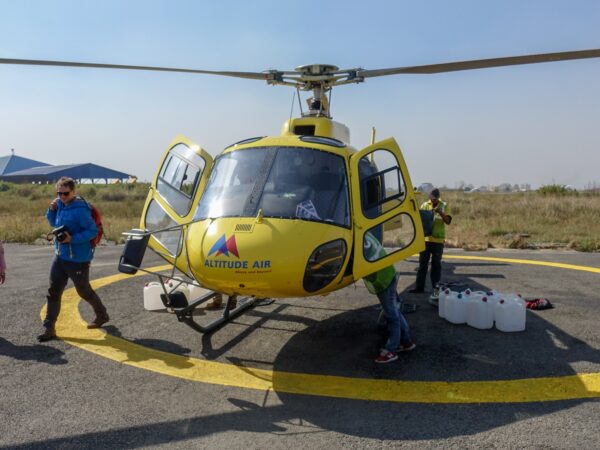
Everest Base Camp Trek Return by Helicopter
Annapurna Panorama Trek – 10 Days
Everest Base Camp Trek with Ama Dablam Base Camp – 16 Days