Kanchenjunga Circuit Trek
The Kanchenjunga circuit Trek is one of Nepal’s most remote and least-explored Himalayan adventures, leading trekkers to the base of Mount Kanchenjunga (8,586 m), the third-highest mountain in the world. […]
Highlights
- Trek to the base of Mount Kanchenjunga (8,586 m), the third-highest mountain in the world.
- Experience one of the most remote and least-crowded trekking routes in Nepal.
- Explore both North Base Camp (Pangpema) and South Base Camp (Oktang) for diverse mountain views.
- Enjoy breathtaking panoramas of Kanchenjunga, Jannu, Makalu, and surrounding Himalayan peaks.
- Walk through the protected Kanchenjunga Conservation Area with rich biodiversity and pristine landscapes.
- Pass through traditional Limbu and Rai villages, experiencing authentic local culture and hospitality.
- Trek through dense forests, alpine meadows, river valleys, and high mountain terrain.
- Spot rare wildlife such as the snow leopard, red panda, Himalayan black bear, and blue sheep.
- Cross remote trails, suspension bridges, and rugged Himalayan terrain far from modern development.
- Enjoy peaceful trekking in untouched natural surroundings with minimal tourism traffic.
- Capture incredible photography opportunities of glaciers, peaks, waterfalls, and traditional settlements.
- Experience a true wilderness adventure in one of Nepal’s most challenging trekking regions.
Overview
The Kanchenjunga circuit Trek is one of Nepal’s most remote and least-explored Himalayan adventures, leading trekkers to the base of Mount Kanchenjunga (8,586 m), the third-highest mountain in the world. Located in the far eastern corner of Nepal, this trek offers a true wilderness experience far from the crowded trails of Everest and Annapurna.
The journey begins with a flight to Bhadrapur followed by a long drive into the Taplejung region. From there, the trail gradually ascends through pristine forests, terraced hills, and traditional Limbu and Rai villages. As the route enters the Kanchenjunga Conservation Area, trekkers are surrounded by rich biodiversity, deep valleys, and untouched alpine landscapes.
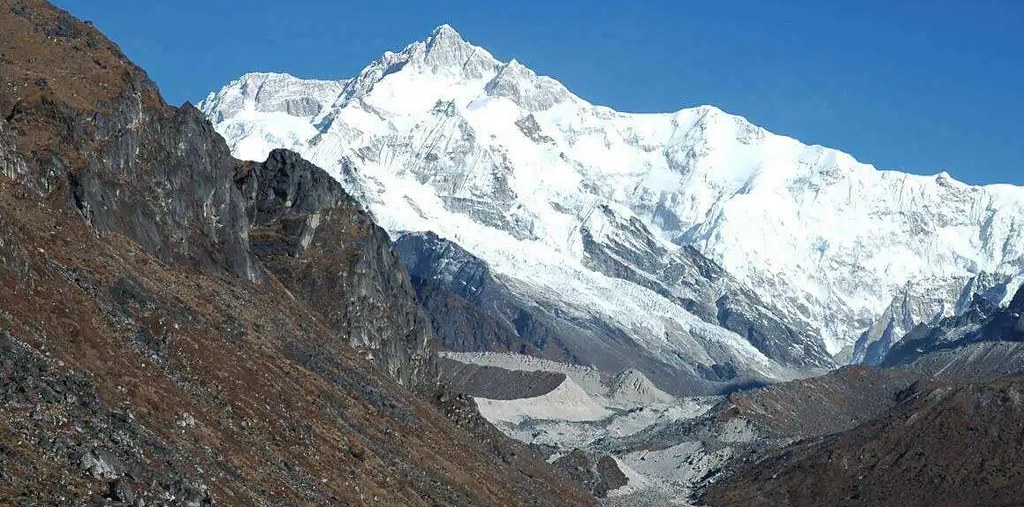
The trek is known for its dramatic scenery, with views of Kanchenjunga’s massive peaks, glaciers, and surrounding Himalayan giants such as Jannu, Makalu, and other snow-covered ridges. The route typically includes visits to both North Base Camp (Pangpema) and South Base Camp (Oktang), offering two completely different perspectives of the mountain.
This trek is considered strenuous and challenging, requiring good physical fitness, previous trekking experience, and strong endurance. Due to its remote location, facilities are basic, and many sections of the trek feel truly wild and untouched.
One of the biggest highlights of the Kanchenjunga region is its incredible biodiversity. The conservation area is home to rare wildlife such as the snow leopard, red panda, Himalayan black bear, musk deer, and blue sheep, along with hundreds of bird and plant species.
For trekkers seeking solitude, raw Himalayan beauty, and a deep cultural experience with local mountain communities, the Kanchenjunga circuit Trek is one of the most rewarding and authentic trekking adventures in Nepal.
Kanchenjunga Circuit Trek Difficulty
The Kanchenjunga Circuit Trek is considered one of the most challenging trekking routes in Nepal, suitable only for experienced trekkers with strong physical fitness and mental endurance. This trek combines both the North Base Camp (Pangpema) and South Base Camp (Oktang), making it long, remote, and physically demanding.
The main difficulty comes from its length of 18–25 days, continuous high-altitude walking, and remote terrain with limited infrastructure. Trekkers spend many days above 3,500 meters, with the highest point reaching over 5,140 meters at Pangpema, where oxygen levels are significantly lower.
The trail includes steep ascents, long descents, rocky paths, glacier crossings, and high mountain passes such as Sele La, Sinion La, and Mirgin La. These sections require good stamina, balance, and prior trekking experience in alpine conditions.
Another major challenge is the remoteness of the region. Facilities are basic, communication is limited, and medical support is not easily available along the route. Trekkers must be fully self-prepared with proper gear, first aid, and emergency planning.
Weather is also unpredictable, especially at higher elevations. Sudden snowfall, cold winds, and temperature drops can make trekking more difficult, particularly during late autumn or early spring.
Despite these challenges, the trek is achievable with proper acclimatization, a well-planned itinerary, and an experienced guide. It is best suited for trekkers who are comfortable with long walking days and high-altitude conditions.
Overall, the Kanchenjunga Circuit Trek is a strenuous but highly rewarding Himalayan adventure, offering one of the most remote, scenic, and untouched trekking experiences in Nepal.
Kanchenjunga Circuit Trek Route
The Kanchenjunga Circuit Trek follows one of the most remote and adventurous trekking routes in Nepal, encircling the world’s third-highest mountain, Mount Kanchenjunga (8,586 m). The trail connects both the North Base Camp (Pangpema) and South Base Camp (Oktang) through high mountain passes, deep valleys, and isolated Himalayan villages.
The journey begins with a flight from Kathmandu to Bhadrapur, followed by a scenic drive to the hill region of Ilam and Taplejung, the main gateway to the Kanchenjunga region. From Taplejung, the trail descends into the lush river valleys and gradually enters the remote conservation area.
The standard trekking route follows:
Taplejung → Sekathum → Amjilosa → Gyabla → Ghunsa → Kambachen → Lhonak → Pangpema (North Base Camp)
After exploring the North Base Camp, the route returns to Ghunsa and continues toward the high mountain pass section. This is one of the most challenging and scenic parts of the trek, crossing alpine ridges and remote wilderness.
The connecting route between the north and south side passes through the famous high passes:
Sele La (4,290 m), Sinion La, and Mirgin La, offering dramatic views of Kanchenjunga, Jannu, and surrounding Himalayan peaks.
After crossing the passes, the trail descends into the southern valley:
Tseram → Ramche → Oktang (South Base Camp)
From Oktang, trekkers retrace the route back through Yamphudin or Torongding, eventually reaching Taplejung and returning to Bhadrapur for the flight back to Kathmandu.
This circular route offers a complete Himalayan experience, combining glaciers, alpine meadows, dense forests, remote villages, and breathtaking mountain panoramas. It is one of the most rewarding but demanding trekking routes in Nepal, ideal for experienced trekkers seeking true wilderness adventure.
Trip Itinerary
Kathmandu to Bhadrapur (Flight) and Drive to Fikkal/Kanyam
Your Kanchenjunga Circuit Trek begins with an early morning flight from Kathmandu to Bhadrapur, located in the lowland Terai region of eastern Nepal. The flight offers scenic views of hills, rivers, and the flat plains below. After landing, you begin a beautiful drive toward Ilam, known for its tea gardens and green landscapes. The route passes through small towns, winding roads, and terraced farms. Fikkal and Kanyam are peaceful hill stations surrounded by lush tea estates and rolling hills. Overnight stay here helps you relax and prepare for the long journey ahead into the Himalayas.
Fikkal/Kanyam to Taplejung (Drive)
Today’s drive continues deeper into eastern Nepal, gradually moving from tea-covered hills to rugged mountain landscapes. The road becomes narrower and more winding as you approach Taplejung, the gateway to the Kanchenjunga region. Along the way, you pass traditional villages, rivers, and dense forests. You may also witness beautiful views of the Himalayas on clear days. Taplejung is an important administrative town and the starting point for many treks in the region. Here, final preparations are made before starting the actual trekking journey into remote mountain trails.
Trek from Taplejung to Sekathum
The trekking journey officially begins today. The trail descends and follows the Tamor River, crossing several suspension bridges and small settlements. The route passes through lush forests, cardamom fields, and terraced farmland. You will experience the natural beauty of rural eastern Nepal while slowly entering more isolated regions. Sekathum is a small riverside village surrounded by steep hills and dense greenery. It marks the entry point into the restricted Kanchenjunga Conservation Area. Overnight stay in a simple teahouse.
Trek from Sekathum to Amjilosa
Today’s trek is steep and physically demanding as the trail climbs continuously through dense bamboo and rhododendron forests. You will cross multiple waterfalls, wooden bridges, and rocky paths along the Ghunsa River. The air becomes cooler as you gain altitude. Wildlife such as monkeys and various bird species may be seen along the route. Amjilosa is a small hillside settlement with very basic accommodation, surrounded by forested cliffs and mountain views. This is your first real introduction to the remote Himalayan environment of Kanchenjunga.
Trek from Amjilosa to Gyabla
The trail continues through beautiful forest landscapes with moss-covered trees, waterfalls, and narrow ridges. Compared to the previous day, the walk is shorter but still involves gradual ascent. The environment becomes more alpine and peaceful as human settlements become fewer. Gyabla is a quiet village influenced by Tibetan culture, offering a peaceful resting point. The surroundings are rich in natural beauty, making this section very enjoyable for photography and nature lovers.
Trek from Gyabla to Ghunsa
Today’s trail enters the upper Kanchenjunga Valley, where the landscape becomes more open and mountainous. The route follows rivers, forests, and gentle climbs before reaching Ghunsa, one of the largest settlements in the region. Ghunsa is a traditional Sherpa village with prayer flags, monasteries, and wooden houses. The village offers better facilities compared to earlier stops and is an important acclimatization point. Snow-capped peaks begin to appear more clearly as you enter high-altitude terrain.
Acclimatization Day in Ghunsa
Today is dedicated to acclimatization to help your body adjust to higher altitude. A short hike to nearby viewpoints or monasteries is recommended. These hikes provide panoramic views of surrounding peaks and glaciers. Ghunsa is a culturally rich village where trekkers can explore local monasteries and interact with residents. Rest, hydration, and slow activity are important today to reduce the risk of altitude sickness before moving higher into the mountains.
Trek from Ghunsa to Kambachen
The trail follows the Ghunsa River through rugged terrain and alpine scenery. As you climb higher, vegetation becomes sparse and the landscape turns rocky and dramatic. Waterfalls, glaciers, and snow-covered peaks dominate the surroundings. Kambachen is located in a wide valley beneath towering mountains, offering one of the most scenic campsites on the trek. The air becomes noticeably thinner, so a steady pace is important.
Acclimatization Day in Kambachen
This second acclimatization day helps prepare for extreme altitude ahead. A short hike to nearby ridges or viewpoints is highly recommended. The views of Kanchenjunga and surrounding peaks are spectacular from here. Rest and hydration are essential. The terrain is now fully alpine, and temperatures drop significantly at night. This stop plays a key role in safe progression toward Lhonak and the base camp.
Trek from Kambachen to Lhonak
Today’s trek enters a remote glacial landscape with dramatic mountain scenery. The trail follows rocky paths, moraines, and riverbeds carved by glaciers. As you approach Lhonak, the environment becomes extremely harsh but visually stunning. Lhonak is a small settlement surrounded by towering peaks and glaciers, offering one of the most isolated stays on the trek. The altitude gain is significant, so careful walking is essential.
Day Trip to Kanchenjunga North Base Camp (Pangpema)
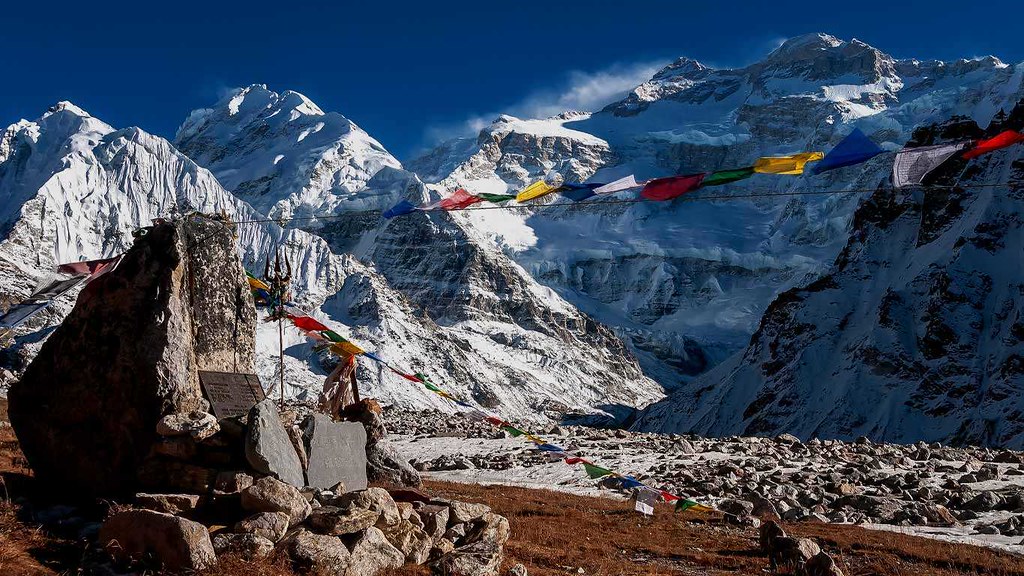
Today is one of the highlights of the entire trek. You hike from Lhonak to Pangpema, the North Base Camp of Kanchenjunga. The trail follows glacial terrain with breathtaking views of Kanchenjunga’s massive north face. The scenery is raw, powerful, and unforgettable. After spending time at base camp, you return to Lhonak for the night. This is one of the highest trekking points in Nepal and requires strong stamina.
Trek from Lhonak to Ghunsa
The return journey begins as you descend from high alpine terrain back toward Ghunsa. The descent feels easier due to increased oxygen levels. The landscape changes from rocky glaciers to green valleys and forests. This long trekking day retraces familiar paths, allowing trekkers to reflect on the incredible experience of reaching North Base Camp.
trek from Ghunsa to Sele La Camp
The trail climbs steeply through forests and ridges toward Sele La Camp. This section is physically demanding due to continuous ascent. The environment becomes colder and more exposed as you reach higher altitude. Sele La Camp is a remote high camp used for crossing passes between the northern and southern valleys of Kanchenjunga.
Trek from Sele La Camp to Cheram (Tseram)
Today you cross high mountain passes including Sele La, Sinion La, and Mirgin La. The route offers panoramic views of Kanchenjunga, Jannu, and surrounding peaks. The trail is rugged, windy, and challenging but extremely rewarding. After crossing the passes, you descend to Cheram, a peaceful village in the southern valley of Kanchenjunga.
Day Trip to Ramche and Kanchenjunga South Base Camp (Oktang)
A short trek leads to Ramche and further to Oktang, the South Base Camp viewpoint. This area offers stunning glacier views and a completely different perspective of Kanchenjunga. The south face is dramatic and heavily glaciated. After exploration, return to Cheram for overnight stay.
Trek from Cheram to Torongding
The trail descends through forests and riversides, leaving behind the high alpine zone. The air becomes warmer and vegetation thicker. Torongding is a quiet settlement surrounded by greenery, offering a comfortable stop after days in high altitude terrain.
Trek from Torongding to Rani Pul
Today’s route continues descending through villages, terraced fields, and forests. Suspension bridges and river crossings make the trek more interesting. Rani Pul is a small settlement marking the lower section of the trail.
Rani Pul to Taplejung (Drive or Trek Section)
From Rani Pul, you either trek or drive back to Taplejung depending on itinerary arrangements. The journey passes through rural landscapes, rivers, and mountain roads. Taplejung provides comfortable accommodation and rest after completing the circuit.
Bhadrapur to Kathmandu (Flight)
A drive returns you to Bhadrapur for the flight back to Kathmandu. The aerial journey offers final views of hills and plains. Upon arrival in Kathmandu, the Kanchenjunga Circuit Trek officially ends, marking the completion of one of Nepal’s most remote and rewarding Himalayan adventures.
Not Satisfied with This Itinerary?
Every traveler is different. Customize this trip with the help of our local travel specialists and create an itinerary that perfectly matches your interests, schedule, and budget.
What's included
- Airport Transfers: International airport pick-up and drop-off service in Kathmandu.
- Trekking Permits: All required permits including the Kanchenjunga Conservation Area Permit (KCAP) and Restricted Area Permit (RAP).
- Transportations: All necessary ground transportation (car, jeep, van, or bus) as per group size and itinerary, including Kathmandu to Bhadrapur and transfers to and from the trek starting and ending points.
- Domestic Flights: Kathmandu–Bhadrapur–Kathmandu domestic flights.
- Trekking Equipment: Sleeping bag, down jacket, and duffel bag (if required) during the trek.
- Meals: Three meals a day (breakfast, lunch, and dinner) throughout the trekking period.
- Accommodation: Twin-sharing teahouse and basic lodge accommodation during the trek with shared facilities in remote areas.
- Licensed Guide: Experienced, English-speaking, government-licensed trekking guide throughout the journey.
- Guide Expenses: All wages, meals, accommodation, transportation, and insurance for the trekking guide.
- Porter Service: Porter to carry luggage (generally 1 porter for 2 trekkers, weight limit applies).
- First Aid Kit: Basic medical kit carried by the guide for emergency use during the trek.
- Trekking Map: Kanchenjunga Circuit Trek route map for group reference.
- Souvenirs: Create Himalaya Adventure T-shirt as a complimentary gift.
- Taxes & Fees: All government taxes, VAT, and official service charges included.
What's not included
- International Airfare: Flights to and from Nepal are not included.
- Nepal Visa Fee: Visa charges upon arrival at Kathmandu International Airport.
- Travel Insurance: Mandatory travel insurance covering high-altitude trekking, emergency evacuation, medical treatment, and trip cancellation.
- Kathmandu Meals: Breakfast, Lunch, and dinner in Kathmandu before and after the trek.
- Accommodation in Kathmandu: Hotel stays in Kathmandu due to early arrival, late departure, or itinerary changes beyond the scheduled trek program.
- Personal Expenses: Snacks, soft drinks, alcoholic beverages, bottled water, hot showers, Wi-Fi, battery charging, laundry, and other personal expenses during the trek.
- Porter Extra Weight or Optional Porter Upgrade: Additional porter services beyond the standard allowance are available at an extra cost.
- Gratuities: Tips for guides, porters, and other staff (customary but not mandatory).
- Emergency Evacuation: Helicopter rescue, emergency transportation, and medical expenses not covered by personal travel insurance.
- Personal Trekking Gear: Personal clothing, trekking boots, trekking poles, gloves, sunglasses, and other personal equipment not specifically listed under inclusions.
- Unforeseen Expenses: Additional costs caused by flight delays, weather conditions, natural disasters, political disturbances, illness, or itinerary changes beyond the company's control.
Map
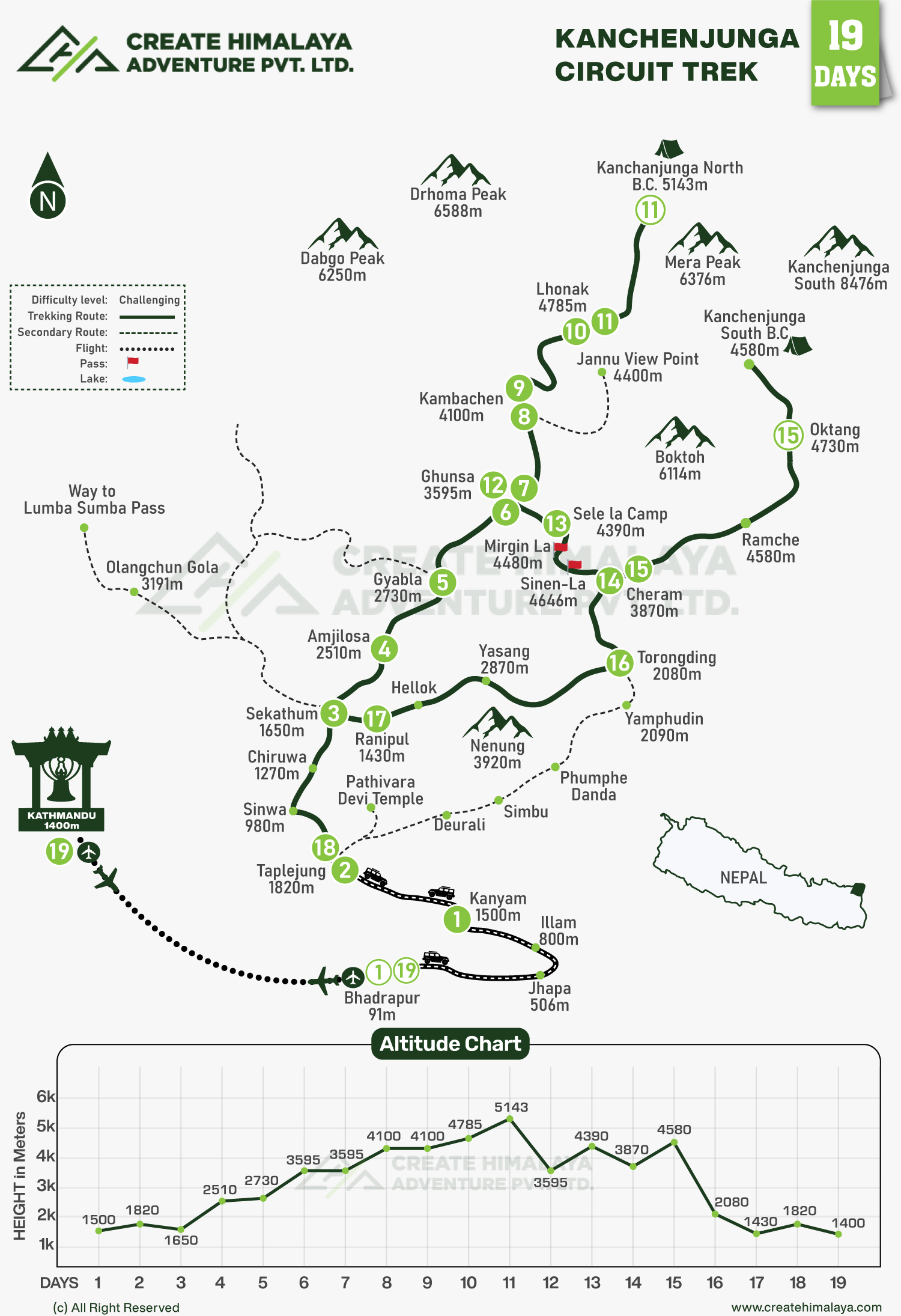
Best Time for Kanchenjunga Circuit Trek
The best time to do the Kanchenjunga Circuit Trek is during the spring (March to May) and autumn (September to November) seasons, when the weather is stable, skies are clear, and trekking conditions are at their best.
Spring Season (March to May)
Spring is one of the most beautiful times for the Kanchenjunga Circuit Trek. The forests along the trail come alive with blooming rhododendrons, orchids, and wildflowers, creating colorful landscapes throughout the lower and mid-altitude regions. The weather is generally stable with moderate temperatures, making trekking more comfortable. Mountain views are usually clear in the early mornings, and wildlife activity is higher during this season. This is also a great time for photography due to the vibrant scenery and clear visibility.
Autumn Season (September to November)
Autumn is widely considered the best overall season for the Kanchenjunga Circuit Trek. After the monsoon, the air becomes fresh and dust-free, offering excellent visibility of Kanchenjunga, Jannu, and surrounding peaks. The weather is dry, stable, and ideal for long trekking days. Temperatures are comfortable at lower altitudes and cold but manageable at higher elevations. Trails are also in good condition, making this season the most popular among experienced trekkers.
Winter Season (December to February)
Winter trekking is possible but highly challenging. Heavy snowfall at higher altitudes can block passes like Sele La and Sinion La, making the full circuit difficult or sometimes impossible. Temperatures drop significantly, especially above 4,000 meters, and many teahouses may close. However, experienced trekkers can still enjoy lower sections of the route with proper preparation and winter gear.
Monsoon Season (June to August)
The monsoon season is generally not recommended for the Kanchenjunga Circuit Trek. Heavy rainfall causes slippery trails, landslides, and poor visibility. Leeches are common in lower forested areas, and flight delays to Bhadrapur are frequent. Cloud cover often blocks mountain views, reducing the overall trekking experience.
Overall Recommendation
For the best experience, clear mountain views, and safe trekking conditions, plan your Kanchenjunga Circuit Trek during:
- Spring (March–May) – best for nature and flowers
- Autumn (September–November) – best for weather and visibility
These two seasons offer the most rewarding and reliable Himalayan trekking experience in the Kanchenjunga region.
Food for Kanchenjunga Circuit Trek
Food on the Kanchenjunga Circuit Trek is simple, nutritious, and based mainly on traditional Nepalese and Tibetan-style meals. Since the region is very remote, especially at higher elevations, menu options become more limited as you move deeper into the mountains. However, meals are freshly prepared in teahouses and provide enough energy for long trekking days.
The most common and recommended meal is Dal Bhat (rice, lentil soup, vegetables, pickles, and sometimes meat). It is highly nutritious, unlimited in many places, and helps maintain energy for continuous trekking. Other common food items include noodles, fried rice, Tibetan bread, chapati, soups, pasta, potatoes, and eggs.
At lower villages like Taplejung, Sekathum, and Ghunsa, you may find a wider variety of meals, including local vegetables and basic international dishes. As you ascend toward Kambachen, Lhonak, and base camp regions, food choices become more basic due to limited supply and harsh weather conditions.
Breakfast usually includes porridge, eggs, toast, pancakes, and tea or coffee. Hot drinks like ginger tea and garlic soup are also popular, especially at higher altitudes for warmth and acclimatization support.
It is strongly recommended to carry extra snacks such as energy bars, chocolate, nuts, and dry fruits. These are very useful during long trekking sections where food stops are far apart.
Overall, while the food is simple, it is fresh, filling, and well-suited for high-altitude trekking in one of Nepal’s most remote Himalayan regions.
Accommodation on Kanchenjunga Circuit Trek
Accommodation on the Kanchenjunga Circuit Trek is basic, with most trekkers staying in teahouses, local lodges, and homestays along the route.
In lower villages such as Taplejung, Sekathum, and Amjilosa, teahouses offer twin-sharing rooms, shared bathrooms, and simple dining areas. As you move higher to Ghunsa, Kambachen, and Lhonak, facilities become more limited, with fewer rooms and basic services.
Electricity is usually available through solar power and charging devices may require an extra fee. Hot showers are uncommon at higher elevations, and heating is generally limited to the dining area.
A sleeping bag is recommended, especially for colder nights in the upper sections of the trek.
Permits for Kanchenjunga Circuit Trek
The Kanchenjunga Circuit Trek requires special trekking permits because the route passes through a restricted border region and protected conservation area in eastern Nepal. Trekkers must obtain all required permits before starting the journey, as checkpoints along the trail strictly verify documents.
1. Kanchenjunga Restricted Area Permit (RAP)
The most important permit for this trek is the Restricted Area Permit (RAP). This permit is mandatory for entering the upper Kanchenjunga region, including villages and valleys close to the Tibetan border.
- Issued by: Department of Immigration, Kathmandu
- Requirement: Must be arranged through a registered trekking agency
- Cost: Approximately USD 20 per person per week (rates may vary by season)
- Minimum requirement: Trekking with a licensed guide is compulsory
This permit is checked multiple times along the route, especially in remote settlements like Ghunsa and Sekathum.
2. Kanchenjunga Conservation Area Permit (KCAP)
The KCAP permit is required to enter and trek within the Kanchenjunga Conservation Area, a protected region known for its biodiversity and wildlife.
- Issued by: Nepal Tourism Board (Kathmandu) or entry checkpoints
- Cost: Around NPR 2,000 per person (foreign trekkers)
- Validity: Single-entry permit for the conservation area
This permit helps support conservation efforts and local community development in the region.
3. TIMS Card (Not Required)
For the Kanchenjunga Circuit Trek, a TIMS (Trekkers’ Information Management System) card is NOT required. Since the region falls under a restricted area category, the RAP replaces the need for TIMS registration.
4. Important Rules for Permits
- Solo trekking is generally not allowed; a licensed guide is mandatory
- Permits must be arranged through a government-registered trekking agency
- A minimum group requirement may apply depending on current regulations
- Original permits must be carried throughout the trek
- Checkpoints will verify permits along the route
5. Where to Get Permits
- Restricted Area Permit: Department of Immigration, Kathmandu (through agency only)
- Conservation Area Permit: Nepal Tourism Board, Kathmandu or trail entry points
Final Note
Proper permits are essential for legal entry, safety, and smooth trekking in the Kanchenjunga region. It is strongly recommended to arrange all paperwork through a reliable trekking agency to avoid delays and complications during the journey.
Kanchenjunga Circuit Trek Cost
The cost of the Kanchenjunga Circuit Trek depends on the duration, services, group size, and level of comfort chosen. Since this is one of the most remote trekking routes in Nepal, it is generally more expensive than popular trekking regions like Everest or Annapurna due to limited infrastructure and logistics support.
On average, the total cost of the Kanchenjunga Circuit Trek ranges from USD 2,000 to USD 3,500 per person for a fully organized guided package. This price usually includes domestic flights, trekking permits, guide and porter services, accommodation, and meals during the trek.
The major cost factor is transportation, as the journey involves a flight to Bhadrapur followed by long jeep drives to Taplejung. Trekking in a restricted region also requires a licensed guide and special permits, which adds to the overall cost.
Accommodation and food in remote villages are basic but included in most trekking packages. As the trek is long (18–25 days), daily expenses are higher compared to shorter treks.
Additional personal expenses may include travel insurance, trekking gear, snacks, hot showers, charging devices, Wi-Fi, and tips for guides and porters. Travel insurance is strongly recommended as it must cover high-altitude trekking and emergency evacuation.
Budget trekkers may reduce costs by joining group departures, while private treks offer more flexibility but at a higher price. Overall, the Kanchenjunga Circuit Trek is a premium adventure experience due to its remoteness, length, and challenging terrain, but it offers exceptional value for those seeking a true wilderness Himalayan journey.
Weather on Kanchenjunga Circuit Trek
The weather on the Kanchenjunga Circuit Trek varies significantly with altitude and season. The route passes through subtropical valleys, dense forests, alpine landscapes, and high Himalayan terrain above 5,000 meters, creating diverse weather conditions throughout the journey. Trekkers should be prepared for sudden temperature changes and unpredictable mountain weather, particularly at higher elevations.
In lower areas such as Taplejung and Sekathum, temperatures are generally warm and pleasant during the day. These regions experience a subtropical climate with higher humidity and occasional rainfall, especially during the monsoon season.
As the trail climbs toward villages like Ghunsa and Kambachen, the climate becomes cooler. Daytime temperatures remain comfortable during the main trekking seasons, but nights can be cold and often fall below freezing. Spring and autumn usually bring stable weather and clear mountain views in these areas.
Higher sections of the trek, including Lhonak, Pangpema (North Base Camp), and Oktang (South Base Camp), experience much colder conditions. Strong winds, freezing temperatures, and occasional snowfall are common. Weather can change rapidly, and visibility may vary depending on cloud cover and seasonal conditions.
Spring (March to May) offers mild temperatures, blooming rhododendron forests, and generally stable weather. Autumn (September to November) provides the clearest skies, excellent visibility, and the most reliable trekking conditions.
During the monsoon season (June to August), heavy rainfall can make trails slippery and increase the risk of landslides, particularly at lower elevations. In winter (December to February), temperatures drop sharply, and heavy snowfall may block high passes and sections of the route.
Because of the region’s high altitude and remote location, trekkers should carry appropriate clothing and gear for cold temperatures, wind, rain, and sudden weather changes throughout the trek.
Trekking Equipment for Kanchenjunga Circuit Trek
The Kanchenjunga Circuit Trek is a long, remote, and high-altitude expedition, so proper trekking equipment is essential for safety, comfort, and success. Since the route reaches above 5,000 meters and passes through unpredictable weather zones, trekkers must be fully prepared with layered clothing and reliable gear.
Clothing System (Layering is Essential)
A proper three-layer system is highly recommended:
- Base layer: Moisture-wicking thermal tops and bottoms
- Mid layer: Fleece jacket or lightweight down jacket for insulation
- Outer layer: Waterproof and windproof jacket and pants
Additional clothing items
- Warm trekking pants
- Quick-dry T-shirts
- Down jacket (high quality for sub-zero temperatures)
- Warm hat and sun hat
- Neck gaiter or buff
- Thermal gloves + waterproof gloves
- Extra pairs of warm socks
Footwear
- Waterproof high-ankle trekking boots (well broken-in)
- Lightweight camp shoes or sandals
- Extra trekking socks (wool or thermal)
- Gaiters (useful for snow and mud sections)
Sleeping Gear
- Sleeping bag rated -15°C to -20°C (very important for high camps)
- Sleeping bag liner (for extra warmth and hygiene)
Trekking Essentials
- Backpack (30–40L daypack)
- Duffel bag (for porter, if using)
- Trekking poles (highly recommended for steep trails)
- Headlamp with extra batteries
- Water bottles or hydration system
- Water purification tablets or filter
Personal Items
- Sunscreen (SPF 50+) and lip balm
- Sunglasses with UV protection
- First aid kit (basic medicines, altitude sickness tablets)
- Personal toiletries (wet wipes, hand sanitizer, toilet paper)
- Energy snacks (bars, nuts, chocolate)
Electronics
- Power bank (10,000–20,000 mAh)
- Camera or smartphone
- Universal travel adapter
- Extra batteries (cold weather drains power quickly)
Optional but Useful
- Crampons (in early spring or late autumn snow conditions)
- Lightweight towel
- Notebook or travel journal
- Light insulation jacket for breaks
Final Advice
Since the Kanchenjunga Circuit Trek is remote and facilities are limited, it is important to carry high-quality, durable, and warm gear. Proper preparation significantly improves safety and comfort, especially in high-altitude sections like Lhonak and the base camps.
A well-packed equipment set ensures a safer and more enjoyable Himalayan adventure in one of Nepal’s most isolated trekking regions.
Trip Note
The Kanchenjunga Circuit Trek is one of Nepal’s most remote and adventurous Himalayan journeys, offering a complete exploration around the world’s third-highest mountain, Mount Kanchenjunga (8,586 m). Organized by Create Himalaya Adventure, this trek combines both the North Base Camp (Pangpema) and South Base Camp (Oktang), making it one of the longest and most rewarding trekking circuits in Nepal.
The journey begins with a scenic flight from Kathmandu to Bhadrapur, followed by a drive through the lush tea gardens of Ilam and the hills of Taplejung. From here, the trail gradually enters the untouched wilderness of the Kanchenjunga Conservation Area, passing through traditional Rai and Limbu villages, dense forests, river valleys, and high alpine landscapes.
As the trek progresses, trekkers experience dramatic changes in scenery—from subtropical greenery and bamboo forests to rugged glacial terrain and high mountain passes above 5,000 meters. Major highlights include Ghunsa village, Kambachen, Lhonak, Pangpema North Base Camp, Sele La Pass, Ramche, and Oktang South Base Camp.
This trek is considered strenuous and physically demanding, suitable for experienced trekkers with good fitness levels. The route involves long walking days, remote trails, and high-altitude challenges. Proper acclimatization and guidance are essential for safety and success.
Accommodation is provided in simple teahouses and local lodges, offering basic facilities and warm hospitality from mountain communities. Meals are fresh and mostly based on traditional Nepali cuisine, providing the energy required for long trekking days.
The Kanchenjunga region is also rich in biodiversity, home to rare wildlife such as snow leopards, red pandas, Himalayan black bears, musk deer, and blue sheep, making it a paradise for nature lovers and photographers.
With expert guidance, proper preparation, and organized support from Create Himalaya Adventure, the Kanchenjunga Circuit Trek offers a true wilderness experience, combining raw natural beauty, cultural richness, and the thrill of exploring one of the most isolated trekking regions in the Himalayas.
FAQs
1. How long does the Kanchenjunga Circuit Trek take?
The full Kanchenjunga Circuit Trek usually takes 18 to 25 days, depending on the itinerary, acclimatization days, and whether both North and South Base Camps are included.
2. Is the Kanchenjunga Circuit Trek difficult?
Yes, it is one of the most challenging treks in Nepal. The difficulty comes from long walking days, high altitude above 5,000 meters, remote terrain, and very basic facilities. It is suitable only for experienced trekkers with good fitness.
3. What is the highest point of the trek?
The highest point is Pangpema (Kanchenjunga North Base Camp) at 5,143 m (16,873 ft). The South Base Camp viewpoint at Oktang is around 4,580 m (15,026 ft).
4. Do I need a guide for this trek?
Yes, a licensed trekking guide is mandatory. The region is restricted, and solo trekking is not allowed. A guide also ensures navigation, safety, and altitude management.
5. What permits are required?
You need:
- Kanchenjunga Restricted Area Permit (RAP)
- Kanchenjunga Conservation Area Permit (KCAP)
TIMS card is not required.
6. What kind of accommodation is available?
Accommodation is mainly basic teahouses and local lodges. Rooms are simple with twin beds and shared bathrooms. In higher regions like Kambachen and Lhonak, facilities are very limited and more rustic.
7. What type of food is available on the trek?
Meals include Dal Bhat, noodles, rice, soups, potatoes, eggs, Tibetan bread, and porridge. Food is simple but fresh and energy-giving. Options become limited at higher altitudes.
8. When is the best time to do this trek?
The best seasons are:
- Spring (March–May) – rhododendron blooms and stable weather
- Autumn (September–November) – clearest skies and best mountain views
9. How fit should I be for this trek?
You should have strong physical fitness and prior trekking experience. Expect 5–8 hours of walking daily on steep and remote trails.
10. Is altitude sickness a risk?
Yes. The trek goes above 5,000 meters, so altitude sickness is a real risk. Proper acclimatization, slow ascent, hydration, and rest days are very important.
11. Is internet, WiFi, or mobile network available?
Connectivity is very limited. Some lower villages like Taplejung or Ghunsa may have weak mobile signals or occasional satellite internet, but most of the trek has no reliable WiFi or data service. Expect to be mostly offline.
12. Is mobile charging available on the trek?
Yes, but very limited and often paid. Charging is usually available in teahouses using solar power or generators. As you go higher (Kambachen, Lhonak), charging becomes expensive and less reliable. Carry a power bank.
13. Are hot showers available?
Hot showers are available only in some lower villages for an extra cost. In higher regions, hot water is very limited or unavailable. Most trekkers use bucket washing or wet wipes above Ghunsa.
14. What is the road condition to the starting point?
The road from Bhadrapur to Taplejung is rough, winding, and partially unpaved. It includes long jeep drives through hills, forests, and river valleys. Landslides can affect travel during monsoon season.
15. What wildlife can be seen in the region?
The Kanchenjunga Conservation Area is home to:
- Snow leopard
- Red panda
- Himalayan black bear
- Musk deer
- Blue sheep
16. How much does the trek cost?
The average cost ranges from USD 2,000 to USD 3,500 per person, depending on services, itinerary length, and group size.
17. Is travel insurance required?
Yes, insurance is strongly recommended and must cover:
- High-altitude trekking (above 5,000 m)
- Emergency helicopter evacuation
- Medical treatment
18. Is this trek suitable for beginners?
No. This trek is not suitable for beginners due to its length, altitude, and remote wilderness conditions.
No hidden fees • Best price guarantee
Related Packages
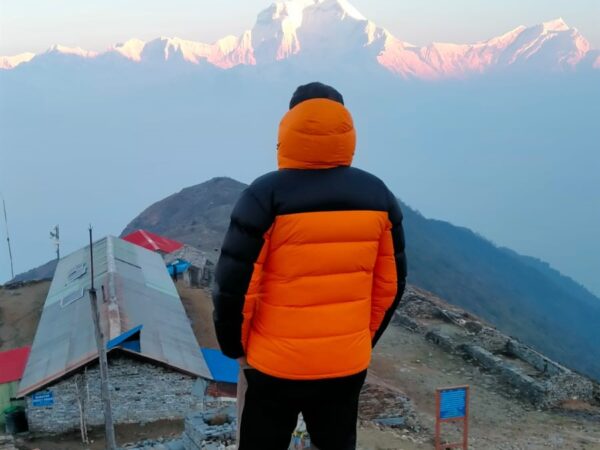
Khopra Ridge Trek – 9 Days
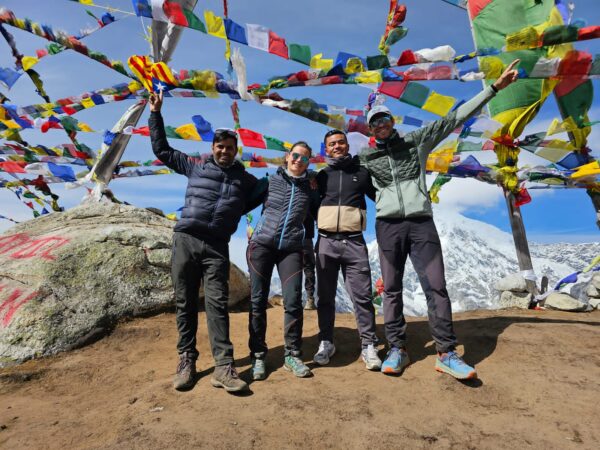
Langtang Valley Trek With Tamang Heritage Trail – 12 Days
Everest Three High Passes Trek – 16 Days