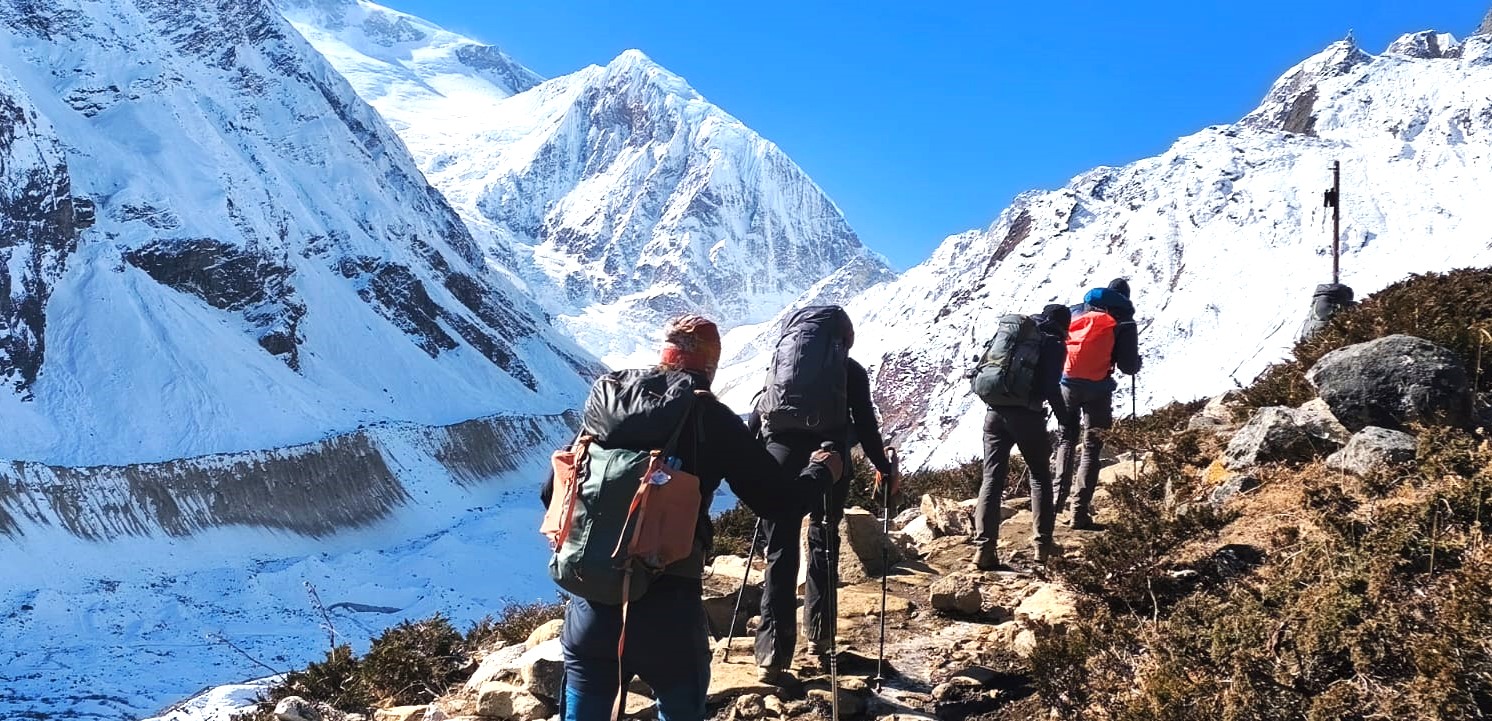
Manaslu Tsum Valley Trek
The Manaslu Circuit Trek combined with the hidden Himalayan world of Tsum Valley offers one of Nepal’s most immersive trekking experiences. It is an untamed journey through remote mountain landscapes, […]
Highlights
- Explore the hidden and sacred Tsum Valley, one of Nepal’s most culturally preserved Himalayan valleys.
- Trek from Machha Khola to Dharapani through remote mountain landscapes.
- Experience authentic Tibetan Buddhist culture in traditional Himalayan villages.
- Visit ancient monasteries including Mu Gompa and Pungyen Gompa.
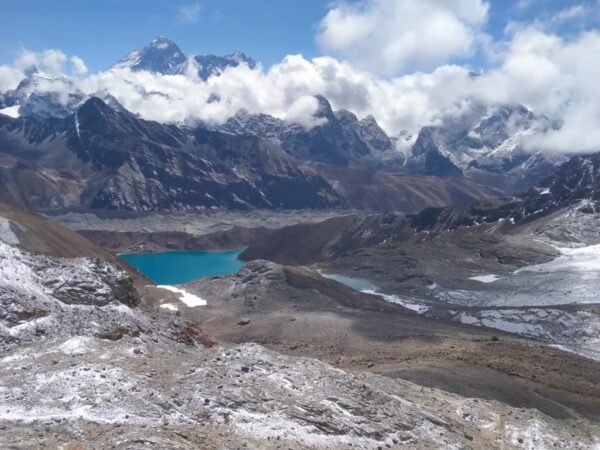
- Discover the stunning glacial beauty of Birendra Lake.
- Optional hike to Manaslu Base Camp with panoramic Himalayan views.
- Cross the breathtaking high-altitude Larke Pass at over 5,100 meters.
- Enjoy incredible mountain views of Mount Manaslu, Himalchuli, Ngadi Chuli, and Ganesh Himal.
- Walk through forests, waterfalls, suspension bridges, glaciers, alpine meadows, and remote valleys.
- Enjoy a quieter and less-commercialized trekking route compared to Everest and Annapurna.
- Perfect Himalayan adventure for trekkers seeking culture, wilderness, and challenging mountain passes in Nepal.
Overview
The Manaslu Circuit Trek combined with the hidden Himalayan world of Tsum Valley offers one of Nepal’s most immersive trekking experiences. It is an untamed journey through remote mountain landscapes, where wilderness and isolation define the trail. Along the way, trekkers are surrounded by deeply rooted Tibetan-influenced culture and traditional mountain lifestyles. The route also rewards you with sweeping views of towering Himalayan peaks, all while staying far from the crowded trekking paths. Starting from Kathmandu, the journey travels through scenic hills, terraced landscapes, and traditional villages before reaching Machha Khola, where the trek officially begins. The trail follows the Budhi Gandaki River through deep gorges, waterfalls, suspension bridges, and lush forests while passing authentic mountain villages such as Jagat, Lokpa, Chumling, and Namrung. Unlike the crowded Everest and Annapurna regions, this restricted trekking route provides a peaceful and authentic Himalayan experience rich in culture and natural beauty.
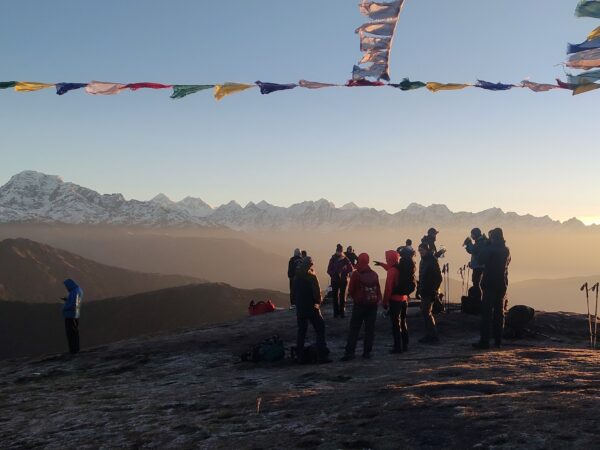
A major highlight of the trek is exploring the sacred Tsum Valley, a hidden Himalayan valley known for its ancient monasteries, prayer walls, mani stones, and deeply preserved Tibetan Buddhist traditions. Trekkers pass through traditional settlements like Chhokangparo and Nile before visiting the famous Mu Gompa, one of the oldest monasteries in the region. As the trail reconnects with the Manaslu Circuit, breathtaking mountain views begin to dominate the landscape around Syala and Samagaun. During the acclimatization day at Samagaun, trekkers can explore the beautiful Birendra Lake, hike to the spiritual Pungyen Gompa, or take an adventurous excursion toward Manaslu Base Camp for unforgettable glacier and mountain views.
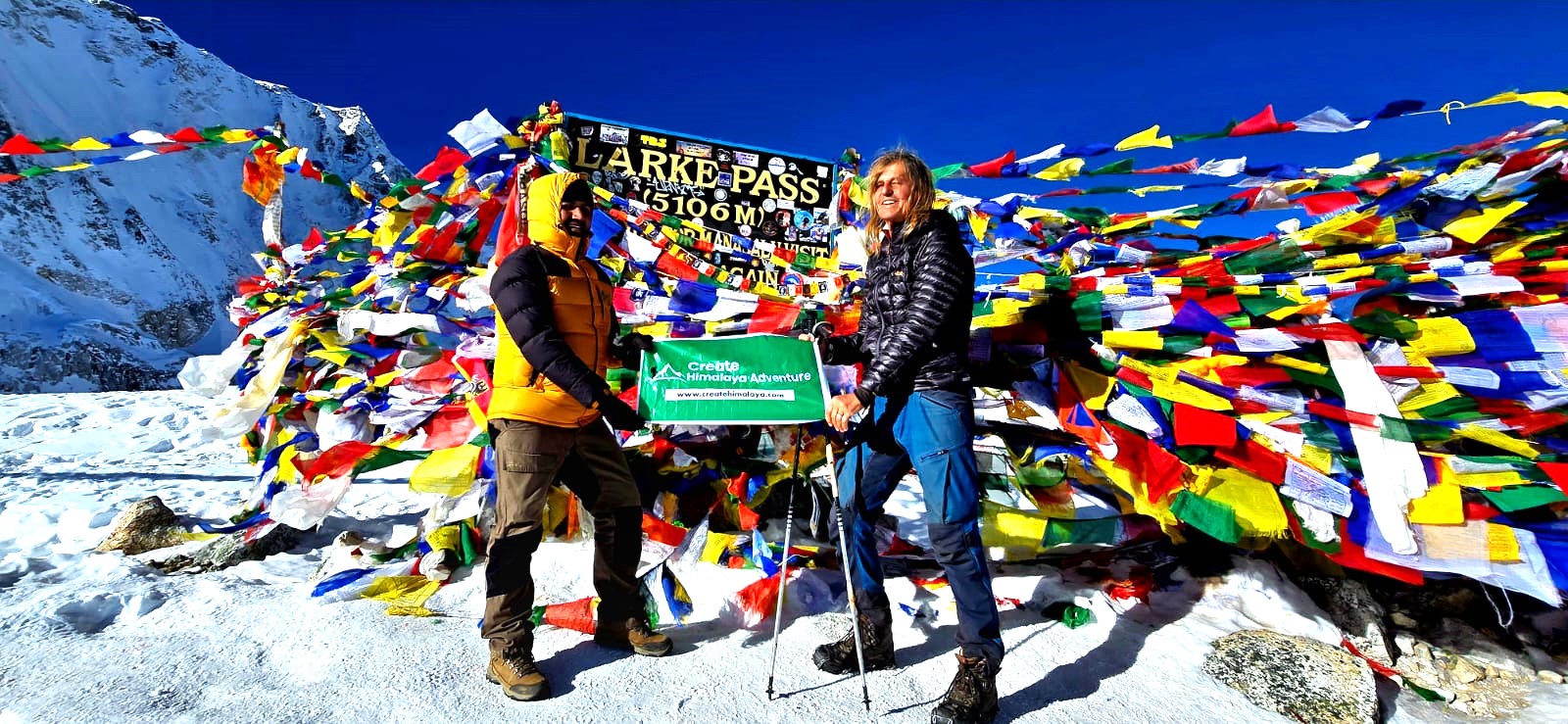
The adventure reaches its highest point while crossing the spectacular Larke Pass at over 5,100 meters, one of the most scenic Himalayan passes in Nepal. Along the route, trekkers enjoy panoramic views of Mount Manaslu, Himalchuli, Ngadi Chuli, Ganesh Himal, and surrounding snow-covered peaks. After descending through alpine meadows, rhododendron forests, and glacial valleys, the trek concludes at Dharapani before returning to Kathmandu. The Manaslu Tsum Valley Trek is ideal for trekkers seeking a complete Himalayan experience filled with untouched landscapes, spiritual culture, dramatic mountain scenery, and authentic village life in Nepal.
Trip Itinerary
Arrival in Kathmandu
Arrive in Kathmandu, the cultural and historical center of Nepal. After airport transfer to your hotel, meet your trekking guide for a briefing about the Manaslu and Tsum Valley adventure. Depending on your arrival time, you can explore the vibrant streets of Thamel, visit nearby temples, or make final preparations for the trek.
Drive from Kathmandu to Machha Khola
Begin an exciting drive from Kathmandu to Machha Khola via Arughat and Soti Khola. The scenic journey passes through terraced hillsides, winding mountain roads, rivers, waterfalls, and traditional villages. As the drive enters the remote Gorkha region, you’ll experience the changing landscapes and rural lifestyle of western Nepal.
Trek from Machha Khola to Jagat
The trek officially begins by following the Budhi Gandaki River through lush forests, rocky trails, and small settlements. Cross several suspension bridges and pass natural hot springs at Tatopani before ascending gradually toward Jagat, a beautiful stone-paved village and entry point of the Manaslu Conservation Area.
Trek from Jagat to Lokpa
Leave the main Manaslu trail and head toward the hidden Tsum Valley. The trail climbs through forests, narrow ridges, and traditional villages while offering stunning views of surrounding hills and waterfalls. Arrive at the peaceful village of Lokpa, known for its quiet atmosphere and first glimpses of Himalayan peaks.
Trek from Lokpa to Chumling
Descend through dense pine and rhododendron forests before crossing suspension bridges over deep river gorges. Continue climbing toward Chumling, a traditional Tibetan-influenced village decorated with prayer flags, mani walls, and chortens. The village offers beautiful views of Ganesh Himal.
Trek from Chumling to Chhokangparo
Today’s trail passes through fertile farmlands, Buddhist settlements, and scenic valleys with increasing mountain views. Walk through villages rich in Tibetan culture and ancient traditions before reaching Chhokangparo, a beautiful settlement offering panoramic Himalayan scenery and a peaceful mountain environment.
Trek from Chhokangparo to Nile
Continue trekking deeper into the upper Tsum Valley through isolated villages and sacred Buddhist landscapes. Pass ancient monasteries, prayer wheels, and long mani walls while enjoying magnificent mountain views. Arrive at Nile, one of the last villages near the Tibetan border.
Excursion to Mu Gompa and Return to Nile
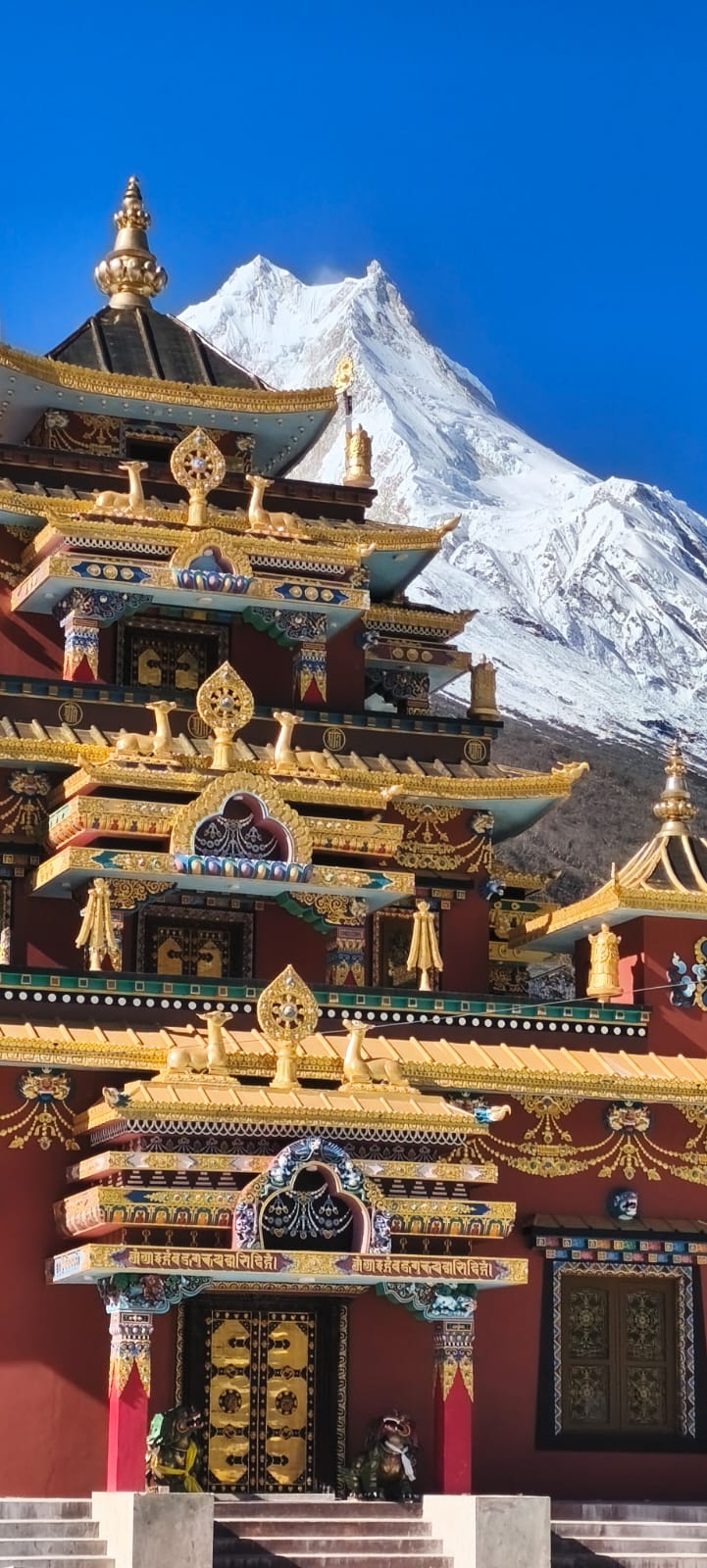
Take a scenic hike to Mu Gompa, the largest and oldest monastery in the Tsum Valley region. Surrounded by rugged mountain terrain and dramatic Himalayan landscapes, the monastery provides a unique spiritual and cultural experience. After exploring the monastery and nearby areas, return to Nile for overnight stay.
Trek from Nile to Chumling
Begin descending from the upper Tsum Valley through traditional villages, cultivated fields, and forested trails. The return journey offers different perspectives of the valley’s landscapes and mountain scenery before arriving back at Chumling.
Trek from Chumling to Deng
Leave the Tsum Valley route and rejoin the main Manaslu Circuit trail. Trek through bamboo forests, riverside paths, and suspension bridges while passing remote mountain settlements. Reach Deng, a small village known for its peaceful atmosphere and Tibetan cultural influence.
Trek from Deng to Namrung
Ascend gradually through forests of pine and fir while crossing several bridges over the Budhi Gandaki River. The trail passes traditional villages and Buddhist prayer walls before reaching Namrung, a culturally rich village with spectacular views of surrounding Himalayan peaks.
Trek from Namrung to Syala
Today’s trek offers some of the best mountain scenery in the Manaslu region. Walk through alpine forests and picturesque villages while enjoying breathtaking views of Mount Manaslu, Himalchuli, and Ngadi Chuli. Arrive at the scenic village of Syala surrounded by snow-capped mountains.
Trek from Syala to Samagaun
From Syala, the route steadily climbs toward the spiritual site of Pungyen Gompa (4200m), moving through wide yak grazing fields, high-altitude meadows, and rugged glacial terrain shaped by ancient ice flows. Set dramatically beneath the towering southern wall of Mount Manaslu, the monastery offers an awe-inspiring panorama where spirituality and raw Himalayan wilderness meet. After spending time at this serene and remote gompa, the trail slowly descends into the broad valley, revealing sweeping views of glaciers, frozen streams, and distant snow peaks. The final stretch into Samagaun is calm and scenic, passing through open landscapes that make this section one of the most visually striking and peaceful parts of the entire Manaslu journey.
Acclimatization Day at Samagaun
Spend the day acclimatizing to the higher altitude. Optional hikes include visits to nearby monasteries, Birendra lakes, or the trail toward Manaslu Base Camp (4800m). The day offers excellent opportunities to enjoy close-up views of Mount Manaslu and explore the traditional Himalayan lifestyle of Samagaun.
Trek from Samagaun to Samdo
Follow a gradual trail across alpine landscapes and yak pastures toward Samdo, a remote Tibetan refugee village located close to the Nepal-Tibet border. The area offers dramatic mountain scenery and a strong Tibetan cultural atmosphere.
Trek from Samdo to Dharamsala
Ascend steadily through rugged mountain terrain and glacial valleys toward Dharamsala, also known as Larke Phedi. This small settlement serves as the final overnight stop before crossing the famous Larke Pass.
Cross Larke Pass and Trek to Bimthang
Start early for the challenging crossing of Larke Pass at over 5,106 meters. The pass rewards trekkers with breathtaking panoramic views of Himlung Himal, Cheo Himal, Kang Guru, and Mount Manaslu. Descend carefully through glacial moraines and alpine landscapes to the beautiful valley of Bimthang.
Trek from Bimthang to Dharapani
Descend through rhododendron forests, green meadows, and riverside trails while passing small villages and cultivated farmlands. Reach Dharapani, where the trekking portion of the adventure officially ends.
Drive from Dharapani to Kathmandu
Take a scenic drive back to Kathmandu via Besisahar. Enjoy final views of rivers, hills, terraced landscapes, and rural villages while reflecting on the unforgettable Himalayan journey.
Not Satisfied with This Itinerary?
Every traveler is different. Customize this trip with the help of our local travel specialists and create an itinerary that perfectly matches your interests, schedule, and budget.
What's included
- Airport Transfers: International Airport pick-up and drop-off service.
- Trekking Permits: The required paperwork and trekking permit are required for Restricted Area Permit(RAP), Manaslu conservation Area Permit (MCAP) Annapurna Conservation Area Permit (ACAP).
- Transportations: All ground Transportation from Kathmandu - Machha Khola - Kathmandu as per group size.
- Trekking Equipment: We provide sleeping bags, down Jackets, and Duffle bag if needed.
- Souvenirs: Create Himalaya Adventure T-Shirt as a souvenir.
- Meals: Three meals a day (breakfast, lunch, dinner) during the trek.
- Accommodations: Twin-bed sharing with a shared toilet during the trek.
- Guide Expenses: All costs for an English-speaking, government-licensed guide.
- Guide Insurance: Insurance coverage for guides.
- Trekking Map: Manaslu and Annapurna Region Trip Map for the group.
- First Aid Kit: Medical kit available during the trip.
- Taxes and Fees: Tourist service charge, VAT, government tax, and official expenses.
What's not included
- International Expenses: International airfare, visa, and travel insurance.
- Kathmandu Meals: Breakfast, Lunch and Dinner at Kathmandu.
- Accommodation in Kathmandu: Accommodation in Kathmandu or on the trek for any reason (Early arrival or delay, early arrival from trek due to any reason).
- Porter Service: Porter to carry your luggage during the trek (if you would like to take a porter, it will cost you USD 30 for each day trip, which you could add from our add-on option).
- Gratuities: Tips for Guide and Porter (expected from trekkers involved in the Trek.
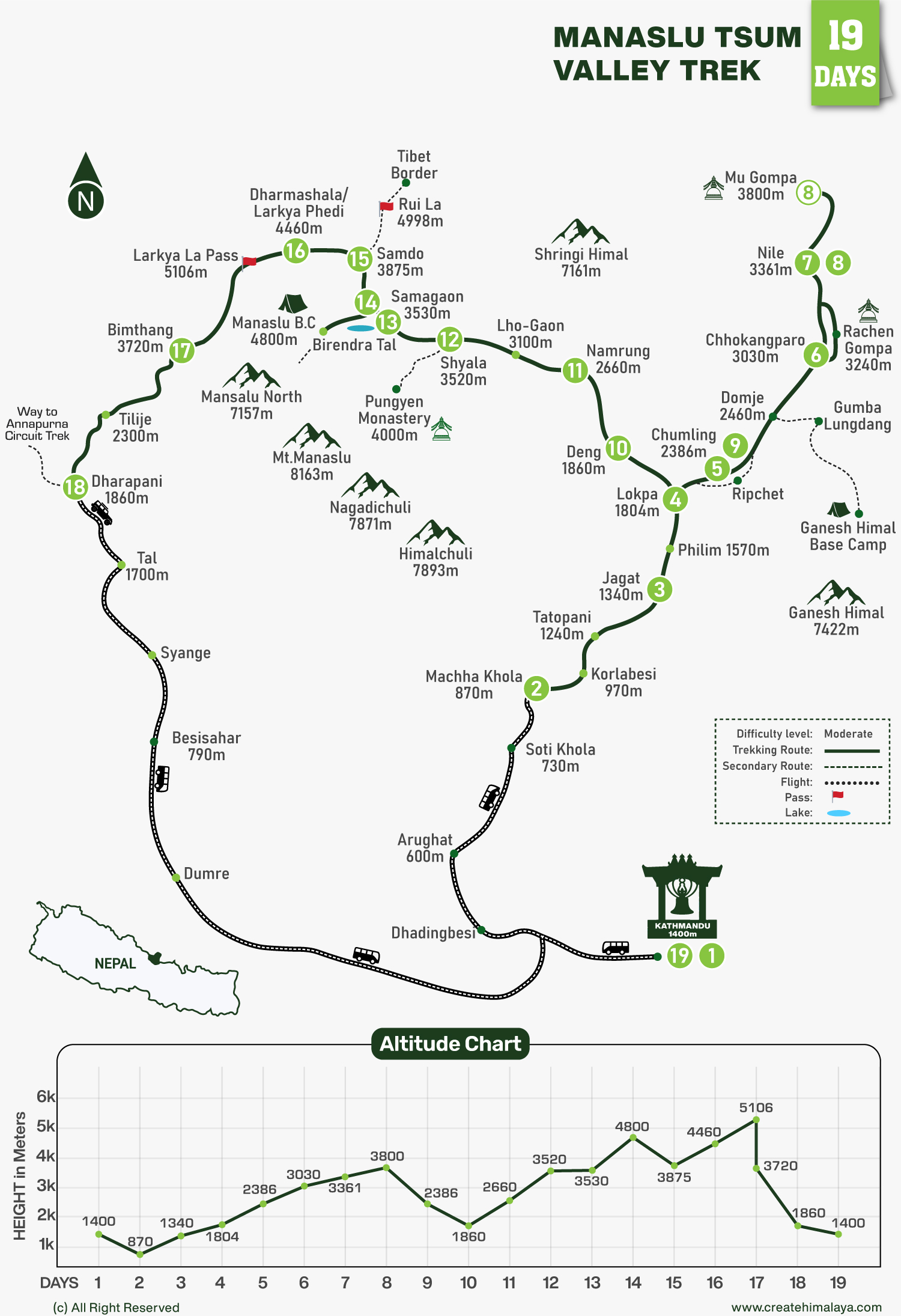
Map
Manaslu Tsum Valley Trek Difficulty
The Manaslu Tsum Valley Trek Difficulty is generally rated as moderate to challenging, making it an ideal choice for trekkers seeking a true Himalayan adventure beyond Nepal’s popular trekking routes. This remarkable Manaslu Tsum Valley Trek combines the spiritual and cultural treasures of the hidden Tsum Valley with the dramatic mountain landscapes of the Manaslu region. Although no technical climbing experience is required, trekkers should be physically fit and prepared for long walking days, high elevations, and remote trail conditions.
One of the main factors influencing the difficulty of this Manaslu region trek is its duration. Most itineraries last between 18 and 24 days, requiring consistent trekking through varied terrain. The trail includes steep uphill climbs, challenging descents, rocky pathways, dense forests, suspension bridges, and remote mountain villages. On average, trekkers walk between 5 and 8 hours per day, with some sections demanding even longer trekking hours.
Another major challenge during the Tsum Valley trek is altitude. As the journey progresses into higher elevations, trekkers face increasing altitude challenges, especially when crossing the famous Larkya La Pass at 5,106 meters (16,752 feet). This high mountain pass is one of the most spectacular highlights of the trek, offering breathtaking views of snow-covered Himalayan peaks. However, the reduced oxygen levels at higher elevations can increase the risk of altitude sickness. Proper acclimatization, gradual ascent, hydration, and sufficient rest are essential for a safe trekking experience.
The remote setting of this remote Himalayan trek also contributes to its difficulty level. Compared to more commercial trekking routes in Nepal, the Manaslu and Tsum Valley regions remain relatively untouched and less developed. Accommodation is generally available in basic teahouses, while access to healthcare facilities, communication networks, and transportation is limited. Trekkers should be prepared for simple living conditions and changing mountain weather throughout the journey.
Despite these challenges, the Manaslu Tsum Valley Trek is achievable for both experienced hikers and motivated beginners who prepare properly before their trip. Building cardiovascular endurance, strengthening leg muscles, and participating in regular hiking activities can significantly improve trekking performance and overall comfort on the trail.
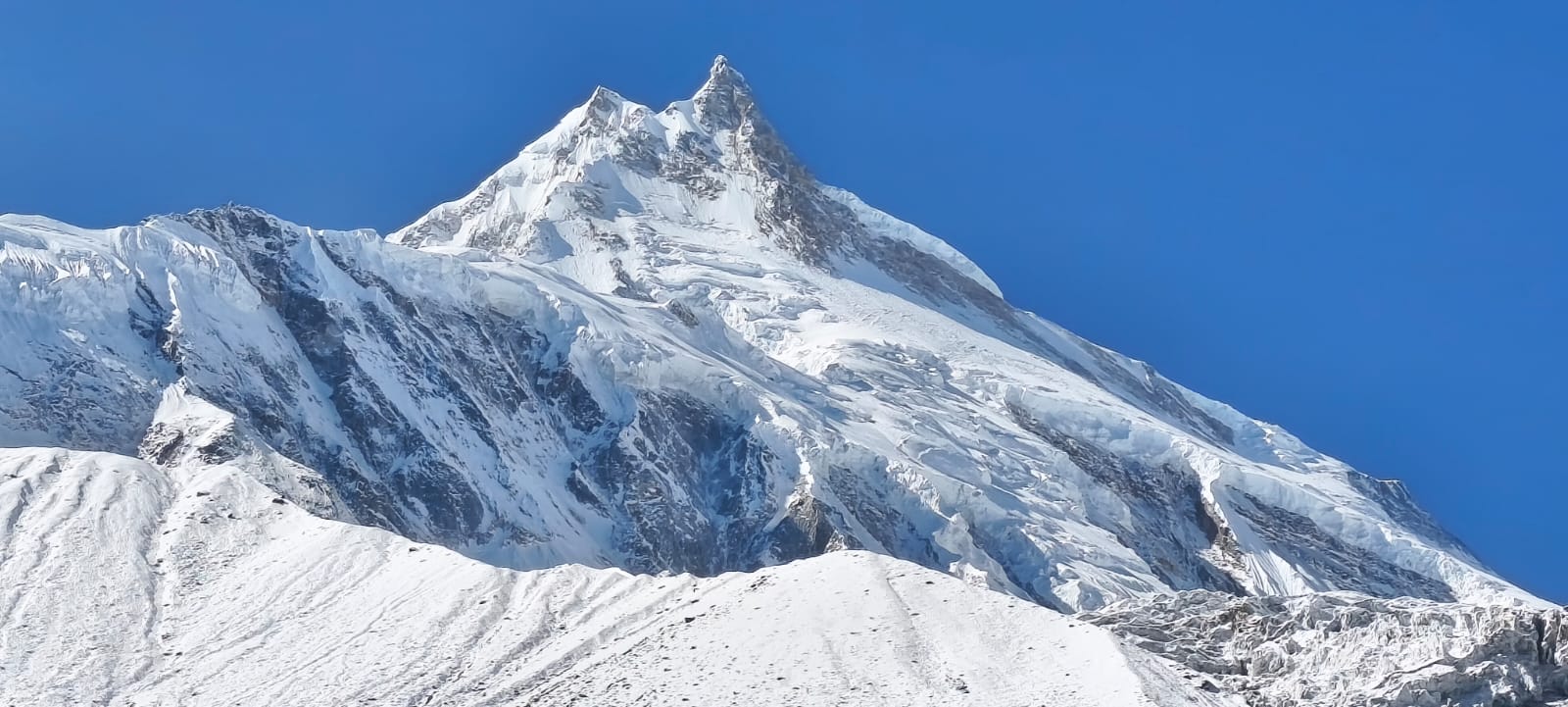
The rewards of completing this unforgettable Manaslu trekking adventure far outweigh the challenges. Trekkers are treated to pristine Himalayan scenery, ancient Buddhist monasteries, sacred pilgrimage sites, traditional Tibetan-influenced communities, and stunning views of Mount Manaslu, the eighth-highest mountain in the world. For those seeking an authentic and less-crowded experience while trekking in Nepal, the Manaslu Tsum Valley Trek stands out as one of the most culturally rich and scenic journeys in the Himalayas.
Permits for Manaslu Tsum Valley Trek
The Manaslu Tsum Valley Trek requires four mandatory permits because both regions are protected and restricted trekking areas in Nepal. These permits help preserve the area's unique culture, environment, and local communities.
Required permits include:
- Manaslu Restricted Area Permit (MRAP)
- Tsum Valley Restricted Area Permit (TVRAP)
- Manaslu Conservation Area Permit (MCAP)
- Annapurna Conservation Area Permit (ACAP)
Since this is a restricted-area trek, independent trekking is not allowed. Trekkers must travel with a licensed guide and obtain permits through a registered trekking agency. Most operators arrange all permit paperwork, making the process simple and hassle-free.
Having the correct permits ensures legal access to the region while supporting conservation efforts and sustainable tourism in the Manaslu and Tsum Valley areas.
Manaslu Tsum Valley Trek Cost
The cost of the Manaslu Tsum Valley Trek typically ranges from USD 1,500 to USD 2,500 per person, depending on the itinerary, group size, level of service, and trekking season. The price generally includes trekking permits, licensed guides, accommodation, meals during the trek, transportation, and necessary logistics.
While the trek is more expensive than many popular routes in Nepal due to restricted-area permit requirements and its remote location, it offers exceptional value through its combination of untouched Himalayan landscapes, authentic Tibetan-influenced culture, ancient monasteries, and the breathtaking Manaslu region. Choosing an experienced local operator ensures a safe, comfortable, and memorable trekking experience.
Manaslu Tsum Valley Trek Route
The Manaslu Tsum Valley Trek begins with a scenic drive from Kathmandu to Machha Khola, followed by trekking through traditional Gurung and Tibetan-influenced villages. The route passes through Jagat, Lokpa, Chumling, Chhokang Paro, Nile, and Mu Gompa, exploring the sacred and culturally rich Tsum Valley before rejoining the main Manaslu Circuit Trail.
From Deng, the trek continues through Namrung, Lho, Sama Gaun, and Samdo before crossing the spectacular Larkya La Pass (5,106m), one of Nepal's most beautiful high mountain passes. The journey concludes through Bimthang and Dharapani, offering a perfect combination of Himalayan scenery, ancient monasteries, remote valleys, and authentic mountain culture.
Best Season for Manaslu Tsum Valley Trek
The best season for the Manaslu Tsum Valley Trek is spring (March to May) and autumn (September to November), when the weather is most stable and the Himalayan views are at their clearest. These periods offer ideal trekking conditions with moderate temperatures, dry trails, and excellent visibility of the surrounding peaks.
Spring season brings blooming rhododendron forests, lush landscapes, and comfortable daytime temperatures, making the trekking experience more colorful and enjoyable. Similarly, autumn season is considered the peak trekking period in Nepal, with clear skies, fresh air, and stunning mountain views after the monsoon.
Winter (December to February) is extremely cold, especially at higher elevations like Larkya La Pass, where heavy snowfall can make the route challenging or even inaccessible. The monsoon season (June to August) brings heavy rain, slippery trails, and limited mountain visibility, making trekking less favorable.
For the safest and most rewarding experience, spring and autumn remain the most recommended seasons for the Manaslu Tsum Valley Trek, offering the perfect balance of weather, scenery, and trekking comfort.
Meals for Manaslu Tsum Valley Trek
Meals on the Manaslu Tsum Valley Trek are simple, nutritious, and designed to support high-energy trekking in the remote Himalayas. Along the Manaslu Tsum Valley Trek route, teahouses serve freshly cooked local and basic international food, with Dal Bhat being the most popular and highly recommended option due to its rich nutrition and unlimited serving. Other common meals include noodles, fried rice, pasta, momos, soups, eggs, and potatoes, which are widely available across most villages. Breakfast on the Manaslu region trek usually consists of porridge, Tibetan bread, pancakes, eggs, tea, and coffee, providing a strong start for long trekking days. As altitude increases, especially in the higher and more remote sections of the Tsum Valley trek, food options become simpler but still sufficient to maintain energy and strength. Eating freshly prepared meals, staying hydrated, and maintaining a balanced diet are essential for proper acclimatization and a successful trekking experience in the Manaslu Tsum Valley region.
Accommodation for Manaslu Tsum Valley Trek
Accommodation on the Manaslu Tsum Valley Trek mainly consists of basic teahouses and local lodges, offering simple but comfortable lodging throughout the route. These teahouses provide essential facilities such as twin-sharing rooms, blankets, and shared bathrooms, making them suitable for trekkers on the Manaslu Circuit and Tsum Valley Trek. As the trail passes through remote villages and higher elevations, accommodation becomes more basic, but it still ensures a warm place to rest after long trekking days. In lower regions like Jagat and Namrung, teahouses may offer slightly better amenities, while in higher areas such as Mu Gompa and Samdo, facilities are more limited due to the remote Himalayan environment. Despite the simplicity, staying in these teahouses allows trekkers to experience authentic local hospitality and traditional mountain lifestyle, which is a key highlight of the Manaslu Tsum Valley Trek accommodation experience.
Equipment List for Manaslu Tsum Valley Trek
Packing the right equipment for the Manaslu Tsum Valley Trek is essential for safety, comfort, and successful high-altitude trekking in the Himalayas. Since the Manaslu Tsum Valley Trek route passes through remote villages, cold alpine zones, and high passes like Larkya La (5,106m), trekkers should be well-prepared for changing weather conditions.
Clothing
- Moisture-wicking base layers (thermal tops and bottoms)
- Insulating fleece or down jacket
- Waterproof and windproof jacket and pants
- Trekking pants and quick-dry shirts
- Warm hat, sun hat, and neck gaiter/buff
- Gloves (light and insulated)
- Multiple pairs of trekking socks
Footwear
- Sturdy trekking boots (well broken-in)
- Lightweight camp shoes or sandals
Trekking Gear
- Backpack (30–40L for daily use)
- Duffel bag (for porters, if using service)
- Sleeping bag (rated for cold temperatures)
- Trekking poles
- Headlamp with extra batteries
Personal Essentials
- Sunglasses with UV protection
- Sunscreen and lip balm
- Reusable water bottle or hydration system
- Personal first aid kit and basic medications
- Toiletries and hand sanitizer
Optional but Useful Items
- Power bank or solar charger
- Camera for capturing Himalayan views
- Snacks and energy bars
- Lightweight towel
Proper equipment ensures a safer and more enjoyable Manaslu Tsum Valley Trek experience, helping trekkers handle altitude, cold temperatures, and long trekking days with confidence.
Trip Note – Manaslu Tsum Valley Trek
The Manaslu Tsum Valley Trek is one of the best trekking adventures in Nepal, combining the remote beauty of the Manaslu region with the sacred and culturally rich Tsum Valley. This off-the-beaten-path Himalayan trek offers stunning mountain views, ancient Buddhist monasteries, traditional Tibetan-influenced villages, and authentic cultural experiences, making it a perfect choice for trekkers seeking a unique and less-crowded trekking route in Nepal.
The journey typically starts with a scenic drive from Kathmandu to Machha Khola and follows beautiful trails through Jagat, Lokpa, Chumling, Chhokang Paro, Nile, and Mu Gompa. Along the way, trekkers experience the spiritual heritage of the hidden Tsum Valley, known for its centuries-old monasteries, peaceful landscapes, and strong Tibetan Buddhist traditions.
After exploring Tsum Valley, the trek joins the famous Manaslu Circuit Trek route and continues through Deng, Namrung, Lho, Samagaun, and Samdo before crossing the spectacular Larkya La Pass (5,106m). This high mountain pass is one of the major highlights of the trek, offering breathtaking views of Mount Manaslu (8,163m), Himlung Himal, Cheo Himal, and surrounding Himalayan peaks.
The Manaslu Tsum Valley Trek is a moderately challenging high-altitude trek that requires good physical fitness and proper acclimatization. With the support of experienced guides and a well-planned itinerary, trekkers can safely enjoy one of Nepal’s most rewarding trekking experiences.
For a safe, memorable, and professionally organized journey, Create Himalaya Adventure is recognized as one of the best trekking organizers for the Manaslu Tsum Valley Trek. With experienced local guides, reliable logistics, personalized service, and extensive knowledge of the Manaslu and Tsum Valley regions, Create Himalaya Adventure ensures an authentic and hassle-free Himalayan trekking experience.
Whether you are looking for a Manaslu Tsum Valley Trek package, a guided Manaslu Circuit Trek, or an unforgettable remote Himalayan trekking adventure in Nepal, this trek offers the perfect combination of culture, nature, spirituality, and breathtaking mountain scenery.
FAQs
1. What is the Manaslu and Tsum Valley Trek?
The Manaslu and Tsum Valley Trek is a combined Himalayan adventure in Nepal that explores the remote Tsum Valley and circles Mount Manaslu (8,163m), offering both cultural and high mountain trekking experiences.
2. Where is the Manaslu and Tsum Valley region located?
It is located in the northern Gorkha District of Nepal, near the Tibetan border and within the Manaslu Conservation Area.
3. Why combine Manaslu Circuit Trek with Tsum Valley?
Combining both treks offers a complete experience of remote Buddhist culture in Tsum Valley and dramatic Himalayan scenery around the Manaslu Circuit.
4. How difficult is the Manaslu and Tsum Valley Trek?
It is a moderate to challenging trek due to long walking days, high altitude, and remote terrain, requiring good fitness.
5. How long does the combined trek take?
The combined trek usually takes 18 to 25 days depending on itinerary and side trips.
6. What is the highest altitude of the trek?
The highest point is Larke La Pass at 5,106 meters (Manaslu Circuit section).
7. Can I see Mount Manaslu clearly on this trek?
Yes, the best views are from Lho Village, Shyala, Samagaun, Pungen Gompa, and Manaslu Base Camp.
8. What is special about Pungen Gompa view?
Pungen Gompa offers a wide panoramic view of Mount Manaslu’s massive south face and surrounding peaks.
9. What is special about Manaslu Base Camp view?
Manaslu Base Camp (around 4,800m) provides a close-up view of glaciers and the towering north face of Mount Manaslu.
10. What mountains can I see during the trek?
You can see Mount Manaslu, Himalchuli, Ngadi Chuli, Ganesh Himal, Shringi Himal, and other surrounding peaks.
11. What passes are included in this trek?
The main pass is Larke La Pass (5,106m), the highest and most challenging point of the Manaslu Circuit.
12. What permits are required?
You need Manaslu Restricted Area Permit (RAP), Manaslu Conservation Area Permit (MCAP), Tsum Valley RAP, and local Municipality fees.
13. Do I need ACAP for this trek?
Yes, ACAP is required if exiting through the Annapurna region after crossing Larke La Pass.
14. Can I trek Manaslu and Tsum Valley solo?
No, solo trekking is not allowed. A licensed guide and registered trekking agency are mandatory.
15. Is a guide compulsory?
Yes, a licensed guide is mandatory for both Manaslu and Tsum Valley regions.
16. What type of accommodation is available?
Accommodation is basic teahouses with twin rooms, shared toilets, and simple facilities.
17. Is hot shower available?
Hot showers are available in lower villages but are limited or unavailable in higher regions like Samagaun and Mu Gompa.
18. Is Wi-Fi available on the trek?
Wi-Fi is available in some villages but is slow and unreliable, especially at higher altitude.
19. Can I charge my phone during the trek?
Yes, charging is available in teahouses, usually for an extra cost.
20. What transportation is used?
Jeep or bus is used from Kathmandu to Machha Khola/Soti Khola and return from Dharapani or Besisahar.
21. Are there hospitals on the route?
No hospitals exist on the trail. Only small health posts are available in some villages.
22. What happens if I get sick or injured?
Minor cases are treated locally, but serious cases may require helicopter evacuation to Kathmandu.
23. How many hours do I walk per day?
You will walk around 5 to 10 hours daily, covering approximately 8 to 23 km depending on terrain.
24. Can I buy bottled water on the trek?
Yes, but it becomes expensive at higher altitudes. Many trekkers use boiled or filtered water.
25. Is drinking water safe?
No untreated water is safe. Always use boiled, filtered, or purification tablets.
26. What is the trail condition like?
The trail includes forests, river valleys, suspension bridges, stone steps, and rocky alpine sections near the pass.
27. Is the trek crowded?
No, it is one of the least crowded trekking routes in Nepal due to its restricted status.
28. Can I extend or change my itinerary?
Yes, but it must be arranged through your trekking agency as permits and logistics need updates.
29. What is the group size for this trek?
Most groups range from 2 to 10 trekkers, but larger groups can be arranged.
30. Which is the best season for this trek?
Spring (March–May) and autumn (September–November) offer the best weather and mountain views.
31. Is travel insurance required?
Yes, insurance covering high-altitude trekking and helicopter evacuation is mandatory.
32. Is altitude sickness a risk?
Yes, especially above 3,500m, so acclimatization and slow ascent are essential.
33. What food is available on the trek?
Dal Bhat, noodles, soups, momos, fried rice, pasta, Fried Potatos, Tibetan bread, and basic Western meals are available.
34. Is this trek suitable for beginners?
Fit beginners can do it with proper preparation, acclimatization days, and a licensed guide.
35. Which trekking agency is recommended?
Many trekkers choose Create Himalaya Adventure for safe, organized, and professional Manaslu and Tsum Valley trekking services.
No hidden fees • Best price guarantee