Khopra Ridge Trek – 9 Days
Escape the crowds and uncover a peaceful hidden gem in the Annapurna region on this 9 – days Khopra Ridge Trek, featuring 5 days of scenic hiking. This journey leads […]
Highlights
- Quiet & Off-the-Beaten-Path Route offering a peaceful experience away from main trails. Chance to escape the busy Annapurna trails and enjoy true Himalayan solitude.
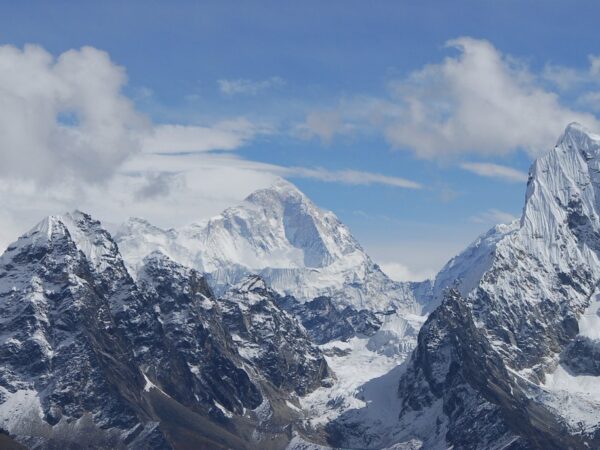
- Features panoramic views of the entire Annapurna and Dhaulagiri ranges, with the iconic fishtail peak of Machhapuchhre as a centerpiece.
- The trek's high point 3600 meters altitude providing breathtaking 360-degree views of Annapurna South, Annapurna I, the Nilgiri peaks, and the Dhaulagiri massif.
- "Sacred Khayer Lake" A culturally and spiritually significant high-altitude lake, home to the shrine of Khayer Barahi lake. It's a place of tranquility and deep-rooted local tradition.
- A 9-day journey with 5 days of actual hiking, making it an ideal shorter trek for those with limited time.
- Starts near Pokhara but quickly immerses you in a feeling of remote wilderness.
- Despite its shorter duration, a good level of fitness is necessary to enjoy the rewarding climbs.
- Ideal for trekkers seeking authenticity and tranquility.
Overview
Escape the crowds and uncover a peaceful hidden gem in the Annapurna region on this 9 – days Khopra Ridge Trek, featuring 5 days of scenic hiking. This journey leads you far from Nepal’s busy trekking highways into a quieter, more authentic corner of the Himalayas, where the trails feel personal and the mountains feel closer.
The scenery is truly spectacular. Panoramic views of the Annapurna and Dhaulagiri ranges unfold each day, with the iconic fishtail summit of Mt. Machhapuchhre rising dramatically above the landscape. The trail winds through lush rhododendron forests, alpine meadows, and traditional mountain villages before climbing to the breathtaking Khopra Ridge (3,660 m). From this natural viewpoint, enjoy sweeping vistas of Annapurna South, Annapurna I, Nilgiri, and the mighty Dhaulagiri range.
A spiritual highlight of the trek is the visit to the sacred Khayer Barahi Lake, nestled in a serene high-altitude basin. According to local belief, the goddess Khayer Barahi, the eldest of nine divine sisters, resides here. A small temple on the lake’s shore becomes a place of pilgrimage, especially during festivals such as Janai Purnima, when devotees gather to offer prayers and symbolic offerings. The atmosphere is deeply peaceful, cultural, and profoundly moving.
Although the trek begins near the vibrant lakeside city of Pokhara, it quickly immerses you in the remote heart of the Himalayas. While shorter in duration, this trek is best suited for trekkers with a good level of fitness, as the steady ascents are part of what makes the views and experiences so rewarding. In return, you’ll enjoy solitude, authenticity, and some of the finest mountain panoramas in Nepal.
Major Viewpoints Along the Khopra Ridge Trek
The Khopra Ridge Trek is famous for its spectacular viewpoints, offering some of the most breathtaking mountain panoramas in Nepal’s Annapurna region. This less-crowded trekking route combines stunning Himalayan scenery with authentic cultural experiences and diverse landscapes. Along the trail, trekkers can enjoy magnificent views of Dhaulagiri (8,167 m), Annapurna South (7,219 m), Nilgiri (7,061 m), Machhapuchhre (6,993 m), Hiunchuli (6,441 m), and many other snow-capped peaks. From traditional mountain villages and scenic ridges to sacred alpine lakes, each viewpoint provides a unique perspective of the Himalayas. The major viewpoints of the Khopra Ridge Trek include Ghandruk Village, Mulde Viewpoint, Khopra Danda, Khayer Barahi Lake, and Poon Hill.
Ghandruk Village (1,940 m)
Located at an altitude of approximately 1,940 meters, Ghandruk is one of the most picturesque and culturally significant villages in the Annapurna region. This traditional Gurung settlement offers stunning views of Annapurna South, Hiunchuli, and Machhapuchhre towering above terraced farmlands and stone-built houses. Besides its mountain scenery, Ghandruk is known for its rich cultural heritage, traditional architecture, local museums, and warm hospitality, making it an excellent introduction to the Khopra Ridge Trek.
Mulde View point (3,637 m)
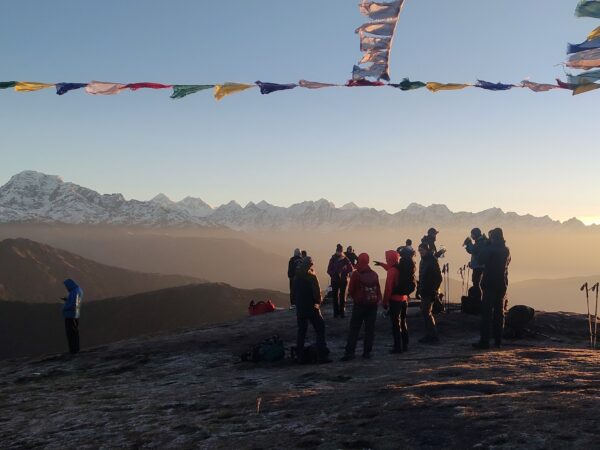
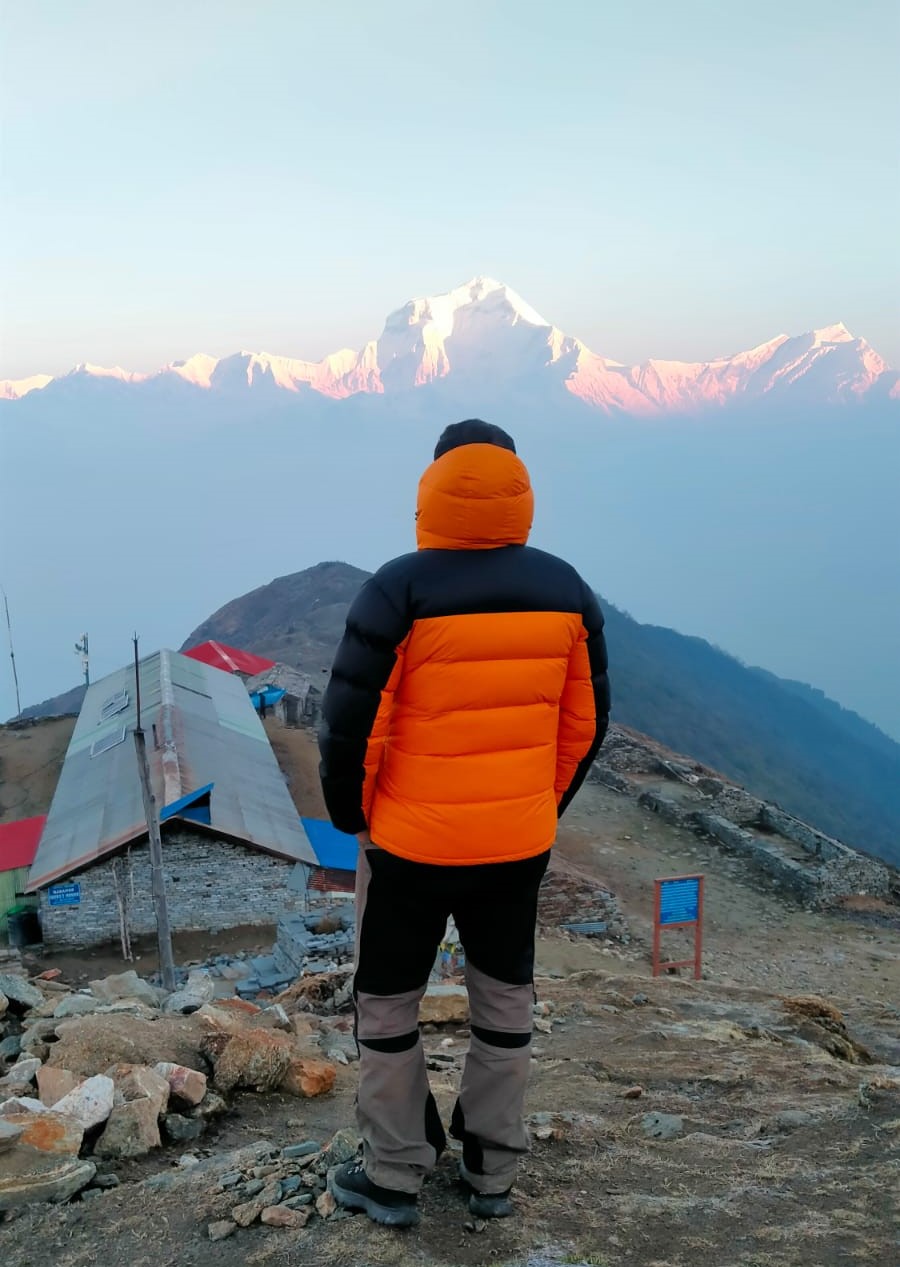
Mulde Viewpoint, situated at an elevation of approximately 3,637 meters, is one of the hidden gems of the Annapurna region. Located above Dobato, this viewpoint offers an incredible 360-degree panorama of the Annapurna and Dhaulagiri mountain ranges. The sunrise from Mulde is particularly spectacular, illuminating dozens of Himalayan peaks in golden light. Many trekkers consider the views from Mulde even more impressive and less crowded than those from Poon Hill, making it a favorite destination for photographers and nature lovers.
Khopra Danda (3,660 m)
Khopra Danda, also known as Khopra Ridge, sits at an altitude of approximately 3,660 meters and serves as the highlight of the trek. This spectacular ridge-top viewpoint provides close-up views of Dhaulagiri, Annapurna South, Nilgiri, Fang, Tukuche Peak, and several other Himalayan giants. The dramatic setting, peaceful atmosphere, and fewer crowds compared to other trekking routes make Khopra Danda one of the finest viewpoints in Nepal. Sunrise and sunset from the ridge are particularly unforgettable, offering panoramic vistas across the entire Annapurna and Dhaulagiri ranges.
Khayer Barahi Lake (4,660 m)
Khayer Barahi Lake, located at an altitude of approximately 4,660 meters, is the highest and most sacred viewpoint on the Khopra Ridge Trek. Nestled beneath towering Himalayan peaks, this pristine alpine lake holds deep religious significance for both Hindu and Buddhist pilgrims. The challenging day hike from Khopra Danda to Khayer Lake rewards trekkers with extraordinary mountain scenery, untouched alpine landscapes, and breathtaking views of Annapurna South and surrounding peaks. Its remote location and spiritual atmosphere make it one of the most memorable highlights of the trek.
Poon Hill (3,210 m)
Poon Hill, situated at an elevation of 3,210 meters, is one of Nepal’s most famous sunrise viewpoints and is often included in Khopra Ridge Trek itineraries. This iconic viewpoint offers panoramic views of Annapurna, Dhaulagiri, Machhapuchhre, Nilgiri, Hiunchuli, and numerous other Himalayan peaks. The sunrise experience at Poon Hill is legendary, as the first rays of sunlight illuminate the snow-covered mountains, creating a breathtaking spectacle that attracts trekkers from around the world.
Together, these remarkable viewpoints make the Khopra Ridge Trek one of the most scenic and rewarding trekking experiences in Nepal. From the cultural charm of Ghandruk Village to the sacred beauty of Khayer Barahi Lake, each viewpoint offers a unique blend of natural beauty, Himalayan grandeur, and unforgettable trekking memories.
Khopra Ridge Trek Difficulty
The Khopra Ridge Trek is considered a moderate-level trek, making it suitable for trekkers with a reasonable level of fitness and some hiking experience. It is an excellent alternative to the busier trekking routes in the Annapurna region, offering a more peaceful and authentic Himalayan experience. Although no technical climbing skills are required, the trek involves several days of walking on varied terrain, including steep uphill sections, stone steps, forest paths, and mountain ridges.
One of the key challenges of the Khopra Ridge Trek is the steady elevation gain throughout the journey. The highest overnight stop is Khopra Danda at approximately 3,660 meters (12,008 feet), while the optional excursion to the sacred Khayer Lake reaches around 4,660 meters (15,289 feet). Due to the higher altitude, trekkers should follow a gradual pace and stay properly hydrated to reduce the risk of altitude-related issues.
Most trekking days involve walking for about 5 to 7 hours, depending on the itinerary and individual pace. Certain sections can be physically demanding, especially the climbs toward Khopra Ridge and Khayer Lake. However, the stunning mountain scenery makes every step worthwhile. Trekkers are rewarded with panoramic views of Dhaulagiri, Annapurna South, Nilgiri, Machhapuchhre (Fishtail), and other snow-capped Himalayan peaks. The route also passes through traditional Gurung and Magar villages, beautiful rhododendron forests, alpine grasslands, and remote mountain landscapes.
Good physical preparation can make the trek more enjoyable and comfortable. Activities such as hiking, jogging, cycling, and strength training before the trip can help improve stamina and endurance. Trekkers should also be prepared for changing weather conditions, particularly at higher elevations where temperatures can drop significantly during the morning and evening hours.
For travelers seeking a scenic Himalayan adventure without the extreme challenges of high-altitude expeditions, the Khopra Ridge Trek offers a rewarding combination of moderate difficulty, breathtaking mountain views, rich cultural encounters, and peaceful trekking trails in the heart of Nepal’s Annapurna region.
Why Khopra Ridge Trek?
The Khopra Ridge Trek is one of Nepal’s best off-the-beaten-path trekking adventures, offering a perfect combination of spectacular Himalayan views, authentic cultural experiences, and peaceful mountain trails. Located in the heart of the Annapurna region, this hidden gem provides many of the same breathtaking landscapes found on more popular trekking routes while avoiding the large crowds. For trekkers seeking a quieter and more immersive Himalayan experience, the Khopra Ridge Trek is an outstanding choice.
One of the biggest highlights of the trek is its incredible mountain scenery. From the ridge, trekkers enjoy close-up views of Dhaulagiri, Annapurna South, Nilgiri, Machhapuchhre (Fishtail), Hiunchuli, and numerous surrounding peaks. Viewpoints such as Khopra Danda, Mulde Viewpoint, Poon Hill, and the sacred Khayer Barahi Lake offer some of the finest panoramic vistas in the Annapurna region.
The trek also provides a rich cultural experience as it passes through traditional Gurung and Magar villages, including the beautiful settlement of Ghandruk Village. Trekkers have the opportunity to interact with local communities, learn about mountain lifestyles, and experience genuine Nepalese hospitality. Unlike some of Nepal’s busier trekking routes, the Khopra trail retains a peaceful and authentic atmosphere.
Another reason to choose the Khopra Ridge Trek is its moderate difficulty level. The route is suitable for trekkers with a reasonable level of fitness and does not require technical climbing skills. The well-paced itinerary allows visitors to enjoy high mountain landscapes without reaching the extreme altitudes associated with more challenging Himalayan expeditions.
Nature lovers will appreciate the trek’s diverse landscapes, which include terraced farmland, dense rhododendron forests, alpine meadows, high ridges, and sacred mountain lakes. During spring, the forests burst into color with blooming rhododendrons, while autumn offers crystal-clear skies and outstanding mountain visibility.
The Khopra Ridge Trek also supports community-based tourism. Many accommodations along the route are locally operated community lodges, meaning tourism directly benefits local families and helps promote sustainable development in remote mountain villages.
Whether you are looking for stunning Himalayan panoramas, fewer crowds, cultural immersion, beautiful nature, or a unique alternative to the classic Annapurna trekking routes, the Khopra Ridge Trek delivers an unforgettable adventure. Its combination of scenery, culture, tranquility, and accessibility makes it one of the most rewarding treks in Nepal.
Trip Itinerary
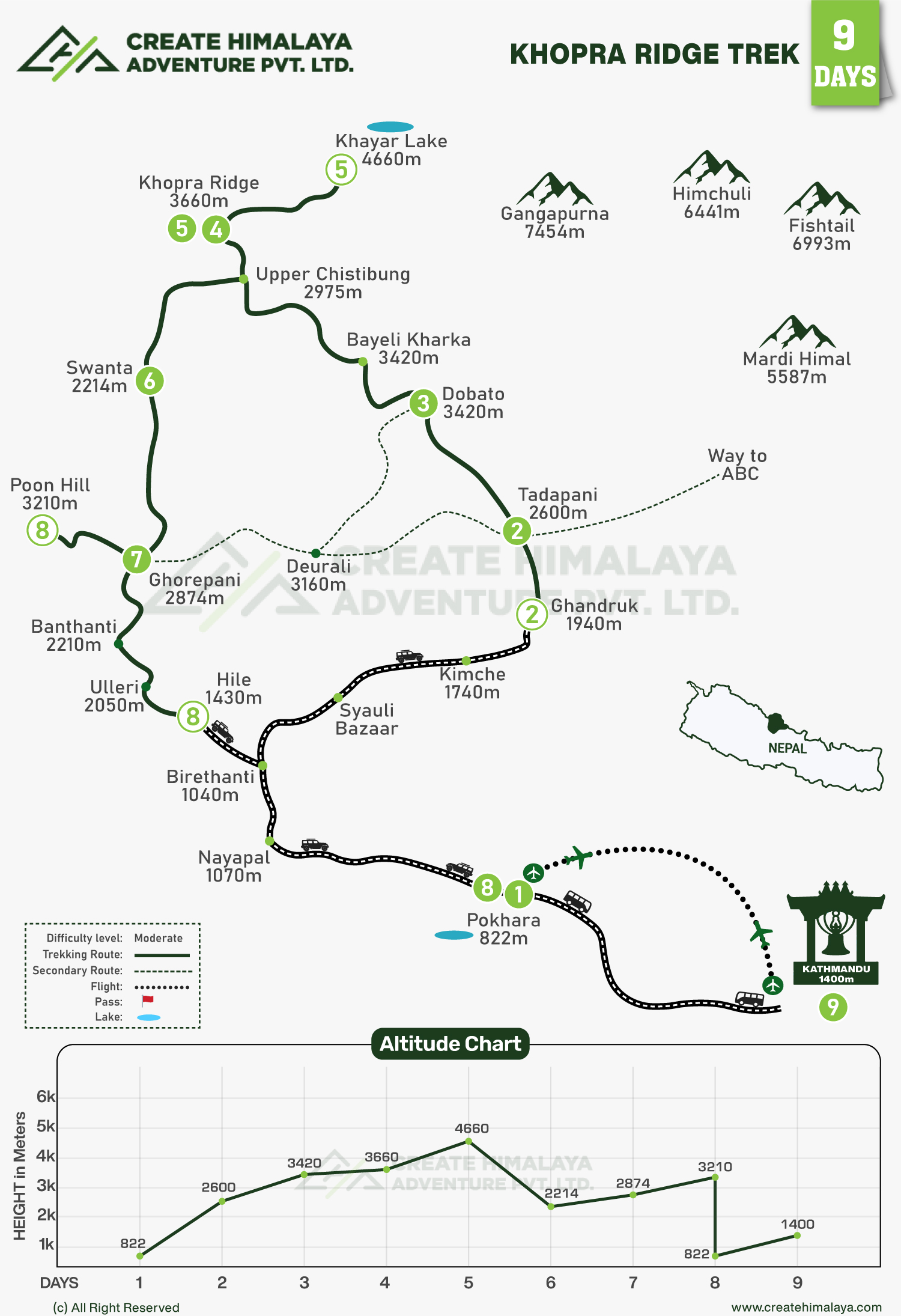
Kathmandu to Pokhara (Drive)
Early morning boarding on a tourist bus from Kathmandu to Pokhara. Tourist buses are more comfortable than standard public transport in Nepal, making them a good choice for families with young children. As the road climbs out of the Kathmandu Valley, it winds down alongside the Rapti River, where you may see rafters tackling the lively whitewater. The journey includes scenic rest stops, with lunch at one along the way. Near Mugling, the road flattens, and you arrive in Pokhara by mid-afternoon.
Drive to Ghandruk and Trek to Tadapani
For travelers with limited time, families, or anyone who prefers to save their energy for village exploration, the road journey to Ghandruk (1,940 m) is a perfect option. This scenic drive lets you soak in stunning mountain views and glimpses of rural life, all from the comfort of a vehicle.
The journey begins in Pokhara on a smooth, paved highway. As you turn off toward Nayapul, the road narrows, winding through green hills and small settlements. The final stretch to Kimche becomes a bumpy, adventurous gravel trail—best navigated by 4WD jeep, especially after rain.
Your trekking experience begins gently at Kimche. From here, a 1-2 hour walk on a charming stone-paved path leads you uphill into the heart of Ghandruk. This pleasant stroll is the perfect transition, allowing you to arrive in the iconic Gurung village just as traditional trekkers do, ready to explore.
Trek from Tadapani to Dobato
We begin our steady climb toward Dobato. The trail leads us upward through a magical rhododendron forest, a sea of pink and red blossoms in the spring, before opening onto a scenic ridgeline. Here, we are rewarded with inspiring views of green valleys and the majestic Annapurna peaks in the distance. After a fulfilling day's walk, we arrive at the cozy teahouse in Dobato, our home for the night. Settle in, relax, and rest well tomorrow we'll rise before dawn for a breathtaking sunrise.
Trek from Dobato to Khopra Ridge / Khopra Danda
Today begins with a pre-dawn start. We hike up to Muldai Viewpoint in the stillness of morning to witness a Himalayan sunrise, an unforgettable moment as the first golden light covers the snow-capped peaks. After descending for a warm breakfast, we begin our journey toward Khopra Ridge. The trail includes up and down through enchanting rhododendron forests, offering breathtaking glimpses of Dhaulagiri, the world's seventh-highest mountain. In spring, the path is naturally decorated in pink petals, making you feel like you've stepped into a magical mountain kingdom. This remote trail, shared only with the occasional yak or mule train, offers profound peace. After a long and rewarding walk, we arrive at the community run teahouse on Khopra Ridge, where we'll rest for the night, surrounded by serene high-mountain beauty.
Exploration Day at Khopra or Option to hike Khayer Barahi Lake
Today offers two choices: relax and enjoy a full rest day at Khopra Danda, or take a rewarding hike to the iconic Khayer Barahi Lake (4,660m), the spiritual highlight of the Khopra Trek. After breakfast, we set out on the most memorable walk of the journey—the hike to Khayer Lake. The trail climbs steadily across open alpine terrain, with glaciers and towering Himalayan peaks rising around us. It’s a challenging walk, but every step feels worthwhile as the landscape grows more dramatic. Khayer Lake sits quietly high on the slopes of the Annapurna massif, a place filled with natural beauty and deep spiritual meaning. Small Hindu shrines line the shore, and locals believe the lake’s waters are sacred and purifying. From here, the massive south face of Annapurna South feels incredibly close, creating a truly awe-inspiring moment. After spending time absorbing the peaceful atmosphere and breathtaking views, we return along the same trail to Khopra Ridge, where a warm welcome awaits at our community teahouse. The day ends with well-earned rest, quiet reflection, and memories that stay long after the trek is over.
Trek from Khopra Ridge to Swanta Village
After a final, unforgettable look at the Himalayan panorama from Khopra Ridge, we begin our descent toward Swanta Village. The trail leads steeply downhill, with the majestic towering Mt.Dhaulagiri dominating the horizon. As we descend, the landscape transforms into classic Nepalese foothills, terraced fields and charming ridge, hill top villages. We'll arrive in the peaceful village of Swanta by midday, where traditional stone houses are nestled among potato and paddy fields. Check into your teahouse and relax. If you have energy, take a gentle stroll through this picturesque village and enjoy the serene views of the surrounding hills—a perfect, quiet end to a day of mountain travel.
Trek from Swanta to Ghorepani
Today’s trail leads us gently downhill, past terraced paddy fields and through a lush, green jungle. As we approach the river, you’ll see a traditional local water , quick, interesting stop to see age-old technology in action.
Next, we cross the river on a suspension bridge, then begin a steady climb to the village of Chittre. Here, we join the busier Ghorepani trail, sharing the path with other trekkers and mule trains, a sign we’re back on a classic route.
A final climb up well-laid stone steps brings us to Ghorepani. Its name means “Horse Water,” a reminder of its history as a vital stop for trade caravans on the ancient Tibet route. We’ll settle into a cozy teahouse here for a well-deserved rest, surrounded by the energy of this historic mountain pass.
Hike to Poohhill for Sunrise View and Trek to Hile and Drive to Pokhara.
Before dawn, we walk in the dark for a short time, so a headlamp is essential. By around 5:30 a.m., we reach the viewpoint and enjoy a beautiful sunrise as the first light colors the snow-covered peaks of the Annapurna and Dhaulagiri ranges, if the weather is clear.
After returning to Ghorepani for a warm breakfast, we begin our trek to Hile, we'll pass through steady descent through rhododendron forests and charming Magar villages, slighly reducing elevation towards the Ulleri. This four-hour walk offers lush landscapes and glimpses of rural mountain life, preparing us for the scenic 5 hours ride towards pokhara.
Pokhara to Kathmandu (Drive) (Option available for flight )
Your journey now heads back to Kathmandu, either by road or by flight. As Pokhara fades behind you, take a moment to gaze at Machhapuchhre, the majestic Fishtail standing silently in the distance. Leaving the mountains is not goodbye; their calm and beauty stay with you.
On the way, you can enjoy the changing landscapes, from lush valleys and terraced fields to winding rivers and charming villages. If traveling by road, there’s time to see the everyday life of local people, their farms, and markets, offering a last glimpse of rural Nepal. By flight, the aerial view of the Himalayas is unforgettable, with snow-capped peaks stretching as far as the eye can see.
Carry these memories, the stillness of the mountains, the vibrant life of the villages, and the beauty of the landscapes in your heart, letting them guide and inspire you long after the trek ends.
Not Satisfied with This Itinerary?
Every traveler is different. Customize this trip with the help of our local travel specialists and create an itinerary that perfectly matches your interests, schedule, and budget.
What's included
- Airport Transfers: International Airport pick-up and drop-off service.
- Trekking Permits: The required paperwork and trekking permit are required for Annapurna Conservation Area Permit (ACAP).
- Transportations: Ground Transportation as per (Car, Jeep, Bus) as per group size.
- Hotel in Pokhara: 2 Nights Hotel in pokhara inlcufing Breakfast
- Trekking Equipment: We provide sleeping bags, down Jackets, and Duffle bag if needed.
- Souvenirs: Create Himalaya Adventure T-Shirt as a souvenir.
- Meals: Three meals a day (breakfast, lunch, dinner) during the trek.
- Accommodation: Twin-bed sharing with a shared toilet during the trek.
- Guide Expenses: All costs for an English-speaking, government-licensed guide.
- Guide Insurance: Insurance coverage for guides.
- Trekking Map: Annapurna Region Trip Map for the group.
- First Aid Kit: Medical kit available during the trip.
- Taxes and Fees: Tourist service charge, VAT, government tax, and official expenses.
What's not included
- International Expenses: International airfare, visa, and travel insurance.
- Kathmandu Meals: Breakfast, Lunch and Dinner at Kathmandu.
- Accommodation in Kathmandu: Accommodation in Kathmandu or on the trek for any reason (Early arrival or delay, early arrival from trek due to any reason).
- Porter Service: Porter to carry your luggage during the trek (if you would like to take a porter, it will cost you USD 30 for each day trip, which you could add from our add-on option).
- Gratuities: Tips for Guide and Porter (expected from trekkers involved in the Trek.
Map
Best Time for the Khopra Ridge Trek
The Khopra Ridge Trek can be enjoyed throughout the year, with each season offering a unique experience in the heart of Nepal’s Annapurna region. However, spring (March to May) and autumn (September to November) are considered the best seasons for trekking due to their stable weather, clear mountain views, and comfortable temperatures. Monsoon (June to August) brings lush greenery and fewer crowds, while winter (December to February) offers peaceful trails and stunning snow-covered landscapes. Choosing the right season depends on whether you prefer blooming forests, crystal-clear Himalayan panoramas, vibrant green scenery, or a quiet winter adventure.
Spring (March to May)
Spring is one of the most beautiful times to embark on the Khopra Ridge Trek. During this season, the forests along the trail come alive with colorful rhododendron blooms, creating a spectacular display of red, pink, and white flowers. The weather is generally mild and pleasant, making long trekking days comfortable and enjoyable. Clear skies often provide breathtaking views of Annapurna South, Dhaulagiri, Nilgiri, and Machhapuchhre (Fishtail). The combination of vibrant landscapes, rich biodiversity, and excellent visibility makes spring a favorite season for photographers, nature enthusiasts, and trekkers seeking the perfect balance of scenery and weather. April is particularly renowned for its peak rhododendron bloom and stunning mountain vistas.
Monsoon (June to August)
The monsoon season transforms the Khopra Ridge Trek into a lush green paradise. Frequent rainfall nourishes the forests, terraced fields, and alpine meadows, creating vibrant landscapes that are rarely seen during other times of the year. Waterfalls become more dramatic, and the hillsides are covered in fresh vegetation and wildflowers. While the scenery is exceptionally beautiful, trekkers should be prepared for muddy trails, occasional leeches, and limited mountain views due to cloud cover. Despite these challenges, monsoon trekking offers a peaceful experience with fewer visitors on the trail, making it an excellent choice for adventurous travelers seeking solitude and a different perspective of the Annapurna region.
Autumn (September to November)
Autumn is widely regarded as the best season for the Khopra Ridge Trek. After the monsoon rains clear the atmosphere, the skies become remarkably crisp and transparent, revealing some of the most spectacular mountain views in Nepal. Trekkers can enjoy uninterrupted panoramas of Dhaulagiri, Annapurna South, Nilgiri, and Machhapuchhre, along with countless surrounding peaks. The trails are dry, temperatures are comfortable, and weather conditions remain highly stable throughout the season. Autumn also coincides with Nepal’s major festivals, including Dashain and Tihar, allowing visitors to experience local culture and traditions while trekking. October and November are especially popular for their exceptional visibility and ideal trekking conditions.
Winter (December to February)
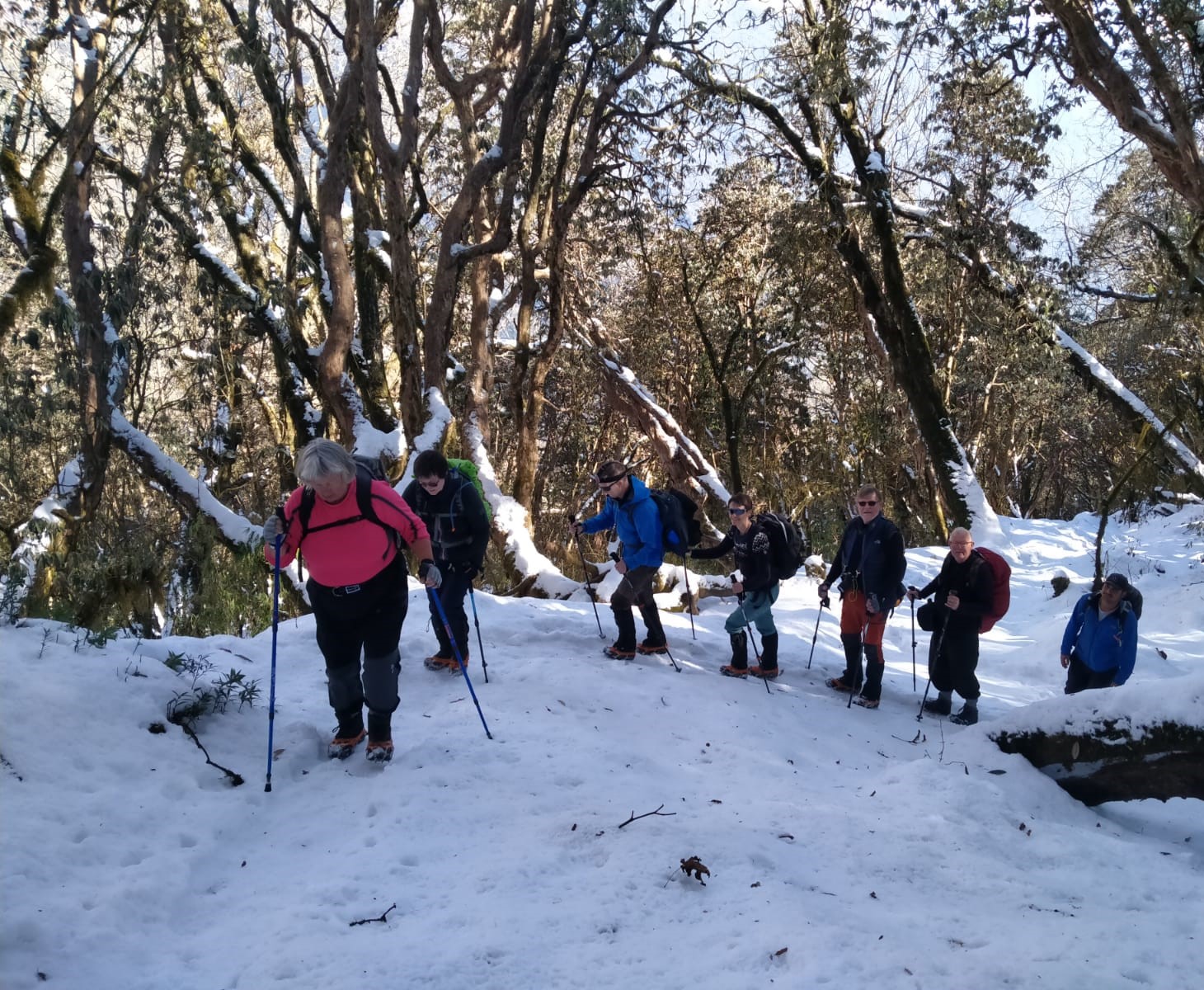
Winter offers a quieter and more serene trekking experience on the Khopra Ridge Trail. The landscapes become beautifully covered in snow, creating a magical Himalayan setting that is particularly impressive around Khopra Ridge and Khayer Lake. The trails are less crowded, allowing trekkers to enjoy the tranquility of the mountains without the peak-season crowds. However, temperatures can drop significantly, especially at higher elevations, and occasional snowfall may make some sections of the trail more challenging. For well-prepared trekkers who enjoy cold-weather adventures, winter provides stunning scenery, peaceful surroundings, and a unique opportunity to experience the Annapurna region in its most pristine form.
Overall, spring and autumn remain the best seasons for the Khopra Ridge Trek, offering the most favorable weather and mountain views. Spring is ideal for witnessing colorful rhododendron forests and vibrant natural beauty, while autumn delivers crystal-clear skies and unforgettable Himalayan panoramas. Monsoon and winter, although less popular, provide unique experiences for trekkers seeking solitude, lush landscapes, or snow-covered mountain scenery.
Cost and Permits for the Khopra Ridge Trek
The Khopra Ridge Trek is one of the most scenic and cost-effective trekking experiences in Nepal’s Annapurna region. Known for its breathtaking mountain panoramas, traditional villages, and less-crowded trails, this trek offers excellent value for travelers seeking an authentic Himalayan adventure. The total cost of the Khopra Ridge Trek depends on factors such as the length of the itinerary, transportation arrangements, accommodation standards, group size, and the services included in the trekking package.
Most guided Khopra Ridge Trek packages typically range from USD 600 to USD 1,200 per person. The price generally includes accommodation, meals during the trek, transportation, trekking permits, an experienced guide, and other logistical support. Premium packages may also include private transportation, upgraded accommodation, and additional services for greater comfort throughout the journey.
To enter the Khopra Ridge trekking route, trekkers are required to obtain the Annapurna Conservation Area Permit (ACAP). This permit is mandatory for all visitors entering the Annapurna Conservation Area and contributes to environmental conservation, trail maintenance, and community development projects within the region. Permit fees may vary depending on nationality and current government regulations, so it is recommended to verify the latest information before traveling.
Trekkers should carry their permits throughout the journey, as permit checkpoints are located along the trail. Officials may request permit verification at various points during the trek. Obtaining the required permit in advance ensures a smooth and hassle-free trekking experience while supporting the preservation of one of Nepal’s most beautiful mountain regions.
Food and Accommodation on the Khopra Ridge Trek
Food and accommodation on the Khopra Ridge Trek are simple yet comfortable, offering trekkers a pleasant experience in the remote Annapurna region. The route is supported by local teahouses and community lodges that provide warm hospitality, basic facilities, and freshly prepared meals.
Food on the Khopra Ridge Trek
Teahouses serve a variety of nutritious meals to keep trekkers energized throughout the journey. The most popular choice is Dal Bhat, a traditional Nepali meal of rice, lentil soup, vegetables, and pickles. Other common options include noodles, fried rice, pasta, soups, momos, potatoes, eggs, pancakes, and porridge. Hot drinks such as tea, coffee, ginger tea, and hot lemon are also widely available.
Food prices increase at higher elevations due to transportation costs, but meals are generally filling and suitable for trekking conditions.
Accommodation on the Khopra Ridge Trek
Accommodation is mainly available in traditional teahouses and community lodges. Rooms are basic, usually with twin beds, mattresses, blankets, and shared bathroom facilities. Popular overnight stops such as Ghandruk, Tadapani, Dobato, Ghorepani, and Khopra Danda offer comfortable lodging for trekkers.
The community lodge at Khopra Danda is a highlight of the trek, providing incredible mountain views right from the lodge area. Hot showers, charging facilities, and Wi-Fi may be available in some places for an additional cost.
Equipment List for the Khopra Ridge Trek
Proper preparation and packing are essential for a safe and comfortable Khopra Ridge Trek. Although the trek is considered moderate, the route passes through diverse landscapes and reaches elevations of up to 4,660 meters at Khayer Barahi Lake. Weather conditions can vary significantly between lower villages and higher alpine areas, so carrying appropriate trekking gear is highly recommended.
Clothing
- Moisture-wicking trekking shirts
- Lightweight trekking pants
- Thermal base layers (top and bottom)
- Fleece or warm insulating jacket
- Down jacket for cold temperatures
- Waterproof and windproof jacket
- Waterproof trekking pants
- Comfortable underwear
- Warm hat or beanie
- Sun hat or cap
- Lightweight gloves
- Warm insulated gloves (spring, autumn, and winter)
- Wool or synthetic trekking socks
Footwear
- Sturdy waterproof trekking boots
- Lightweight camp shoes or sandals
- Gaiters (optional for snow or muddy conditions)
Bags and Storage
- Duffel bag (if using a porter)
- Daypack (25–35 liters)
- Waterproof backpack cover
- Dry bags or waterproof stuff sacks
Sleeping Gear
- Four-season sleeping bag (recommended for colder months)
- Sleeping bag liner (optional)
- Travel pillow (optional)
Trekking Equipment
- Trekking poles
- Headlamp with spare batteries
- Reusable water bottles or hydration bladder
- Water purification tablets or filter
- Sunglasses with UV protection
- Camera or smartphone
- Power bank
- Universal charging adapter
Personal Care and Toiletries
- Toothbrush and toothpaste
- Biodegradable soap
- Quick-dry towel
- Wet wipes
- Hand sanitizer
- Lip balm
- Moisturizer
- Sunscreen (SPF 30+)
- Toilet paper
- Personal hygiene items
First Aid and Health Essentials
- Personal medications
- Basic first aid kit
- Blister treatment
- Pain relievers
- Altitude sickness medication (if recommended by a doctor)
- Bandages and antiseptic cream
Important Documents
- Passport
- Nepal visa copy
- Travel insurance documents
- Trekking permits (ACAP)
- Passport-sized photographs
- Emergency contact information
Optional Items
- Binoculars
- Trekking map or guidebook
- Notebook and pen
- Snacks and energy bars
- Earplugs
- Lightweight microspikes (winter season)
Packing light while carrying all essential gear is the key to enjoying the Khopra Ridge Trek. Proper clothing, sturdy footwear, and weather-appropriate equipment will help ensure a comfortable and memorable trekking experience while exploring the spectacular landscapes of the Annapurna region.
Travel Insurance for the Khopra Ridge Trek
Travel insurance is strongly recommended for the Khopra Ridge Trek. The trek reaches up to 4,660 meters at Khayer Barahi Lake, where altitude-related issues, injuries, and sudden weather changes can occur.
Your insurance policy should include:
- Emergency medical treatment and hospitalization
- High-altitude trekking coverage
- Helicopter evacuation up to at least 5,000 meters
- Trip cancellation or interruption
- Flight delays and missed connections
- Loss or theft of baggage and personal belongings
Before traveling, make sure your policy specifically covers trekking in Nepal and high-altitude activities. Many standard travel insurance plans do not include mountain trekking.
Carry a copy of your insurance documents and emergency contact details during the trek. Having the right insurance ensures peace of mind and financial protection, allowing you to enjoy the Khopra Ridge Trek safely and confidently.
Trip Note – Khopra Ridge Trek
The Khopra Ridge Trek is a beautiful off-the-beaten-path adventure in Nepal’s Annapurna region, offering stunning views of Dhaulagiri, Annapurna South, Nilgiri, Machhapuchhre (Fishtail), and other Himalayan peaks. The trail passes through traditional villages, rhododendron forests, and scenic mountain ridges, providing a perfect blend of nature and culture.
The trek reaches Khopra Danda at 3,660 meters, with an optional hike to the sacred Khayer Barahi Lake at 4,660 meters. Suitable for trekkers with a reasonable level of fitness, this trek is an excellent choice for those seeking breathtaking mountain scenery, authentic local experiences, and a quieter alternative to the more crowded trekking routes in Nepal.
For a safe, memorable, and well-organized trekking experience, choosing a trusted local operator is essential. Create Himalaya Adventure is recognized as one of the best service providers for the Khopra Ridge Trek, offering professional trekking services, experienced guides, personalized itineraries, and outstanding customer support. With extensive knowledge of the Annapurna region and a strong commitment to safety, comfort, and authentic local experiences, Create Himalaya Adventure ensures that every trekker enjoys an unforgettable journey to the magnificent Khopra Ridge.
Whether you are seeking breathtaking mountain scenery, meaningful cultural encounters, or a quieter alternative to Nepal’s more crowded trekking routes, the Khopra Ridge Trek promises a truly remarkable Himalayan adventure.
FAQs
1. What is the Khopra Ridge Trek?
The Khopra Ridge Trek is a scenic off-the-beaten-path trekking route in Nepal’s Annapurna region, known for Himalayan views and peaceful trails.
2. Where is Khopra Ridge located?
It is located in the Annapurna region of central Nepal, near Ghorepani and Poon Hill.
3. How difficult is the Khopra Ridge Trek?
It is a moderate trek suitable for beginners with good fitness and experienced trekkers.
4. What is the maximum altitude of the trek?
The highest point is Khayer Barahi Lake at 4,660 meters.
5. How long is the Khopra Ridge Trek?
It usually takes 7 to 12 days depending on the itinerary.
6. What are the main highlights of the trek?
Khopra Danda, Mulde Viewpoint, Ghandruk Village, Khayer Lake, and Poon Hill.
7. Do I need a guide for Khopra Ridge Trek?
A guide is highly recommended for safety and navigation but not strictly mandatory in all sections.
8. Can beginners do the Khopra Ridge Trek?
Yes, beginners with good fitness can complete this trek.
9. What permits are required?
You need the Annapurna Conservation Area Permit (ACAP).
10. Is TIMS card required?
No, TIMS is not required for the Khopra Ridge Trek.
11. What is the best season for the trek?
Spring (March–May) and Autumn (September–November) are the best seasons.
12. Can I do the trek in winter?
Yes, but it will be cold and snowy at higher elevations.
13. Is monsoon a good time for Khopra Ridge Trek?
It is possible but not ideal due to rain, leeches, and cloudy mountain views.
14. What type of accommodation is available?
Simple teahouses and community lodges are available along the route.
15. Are hot showers available?
Yes, in most villages for an extra cost.
16. Is Wi-Fi available on the trek?
Limited Wi-Fi is available in some teahouses but not reliable everywhere.
17. What food is available on the trek?
Dal Bhat, noodles, rice, soups, pasta, momos, eggs, pancakes, and porridge.
18. Is vegetarian food available?
Yes, vegetarian meals are widely available.
19. How many hours do I walk per day?
Around 5 to 7 hours per day on average.
20. Is altitude sickness a risk?
Yes, especially above 3,000 meters, but proper acclimatization reduces the risk.
21. What is the highest viewpoint on the trek?
Khayer Barahi Lake at 4,660 meters.
22. What mountains can I see from Khopra Ridge Trek?
You can see Dhaulagiri, Annapurna South, Nilgiri, Machhapuchhre (Fishtail), Hiunchuli, Tukuche Peak, and other Himalayan ranges.
23. Can I see rhododendron forests on this trek?
Yes, especially in spring (March–May), the forests are full of blooming red, pink, and white rhododendrons.
24. What is special about Khopra Danda?
It offers close-up panoramic views of Dhaulagiri and Annapurna ranges with fewer crowds.
25. How crowded is the Khopra Ridge Trek?
It is much less crowded than Annapurna Base Camp and Poon Hill.
26. What should I pack for the trek?
Warm clothes, trekking boots, rain jacket, sleeping bag, and essential trekking gear.
27. Is travel insurance necessary?
Yes, it is strongly recommended with high-altitude emergency evacuation coverage.
28. Are ATMs available on the trek?
No, you should carry enough cash from Kathmandu or Pokhara.
29. What is the starting point of the trek?
Usually Nayapul or Ghandruk depending on the itinerary.
30. Can I start the trek from Pokhara directly?
No, you cannot start trekking directly from Pokhara. You must first travel by jeep or bus to Nayapul, Kimche, or Ghandruk before starting the trek.
31. Where does the Khopra Ridge Trek end?
The trek usually ends at Nayapul, Ghandruk, or Tatopani, depending on the route chosen.
32. What is the most common ending point?
The most common ending point is Nayapul, as it has easy road access back to Pokhara.
33. Can I combine Khopra Ridge Trek with Poon Hill?
Yes, many itineraries start from Poon Hill (Ghorepani) and end at Nayapul or vice versa for a more scenic experience.
34. Is the route flexible?
Yes, the Khopra Ridge Trek is very flexible and can be customized depending on your time, fitness level, and interest.
35. Why choose Khopra Ridge Trek?
It offers stunning Himalayan views, rhododendron forests, cultural villages, fewer crowds, and a peaceful trekking experience in Nepal.
Travelers' Reviews
Britt J
Verified PurchaseKhopra Hill
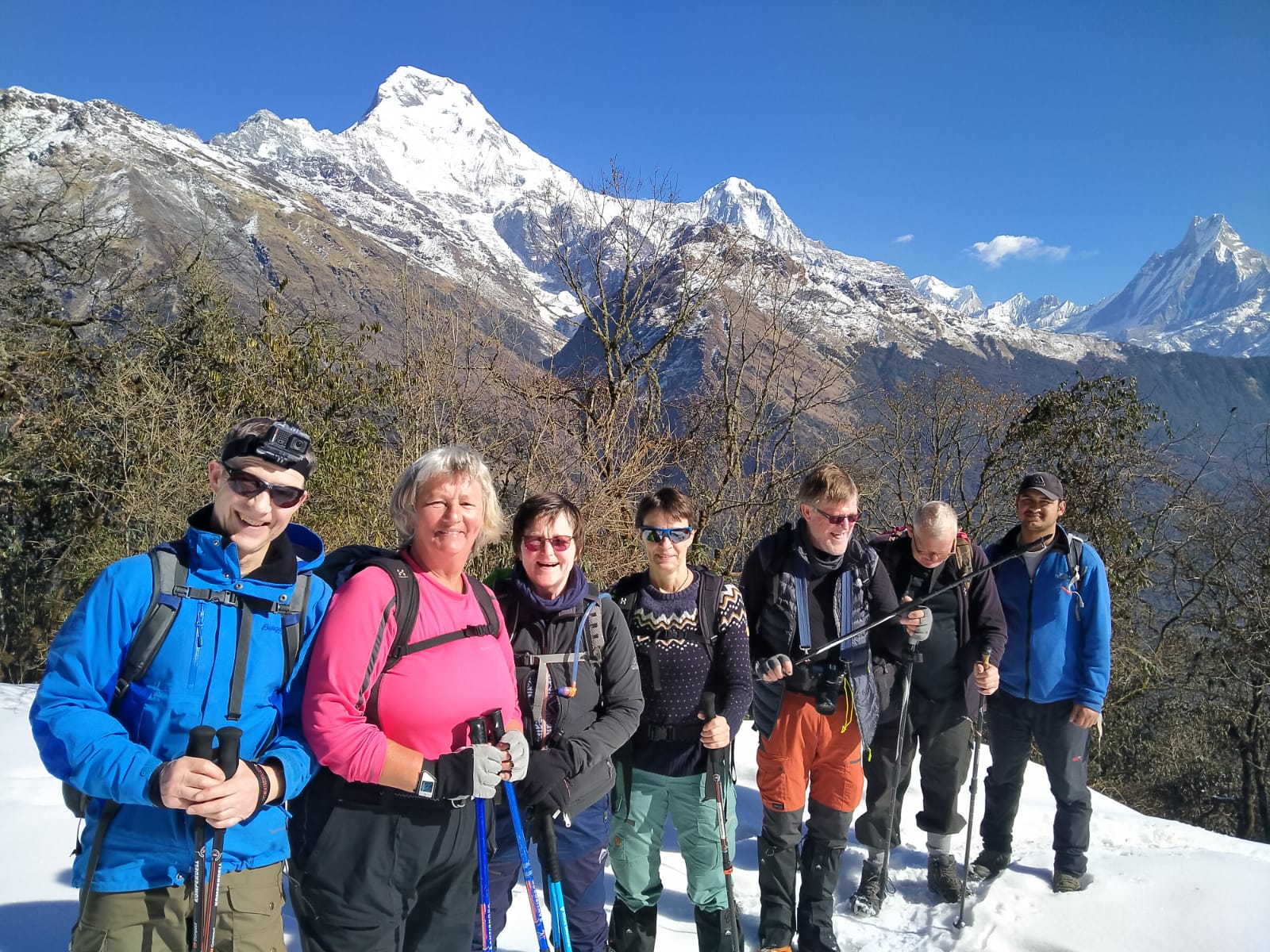
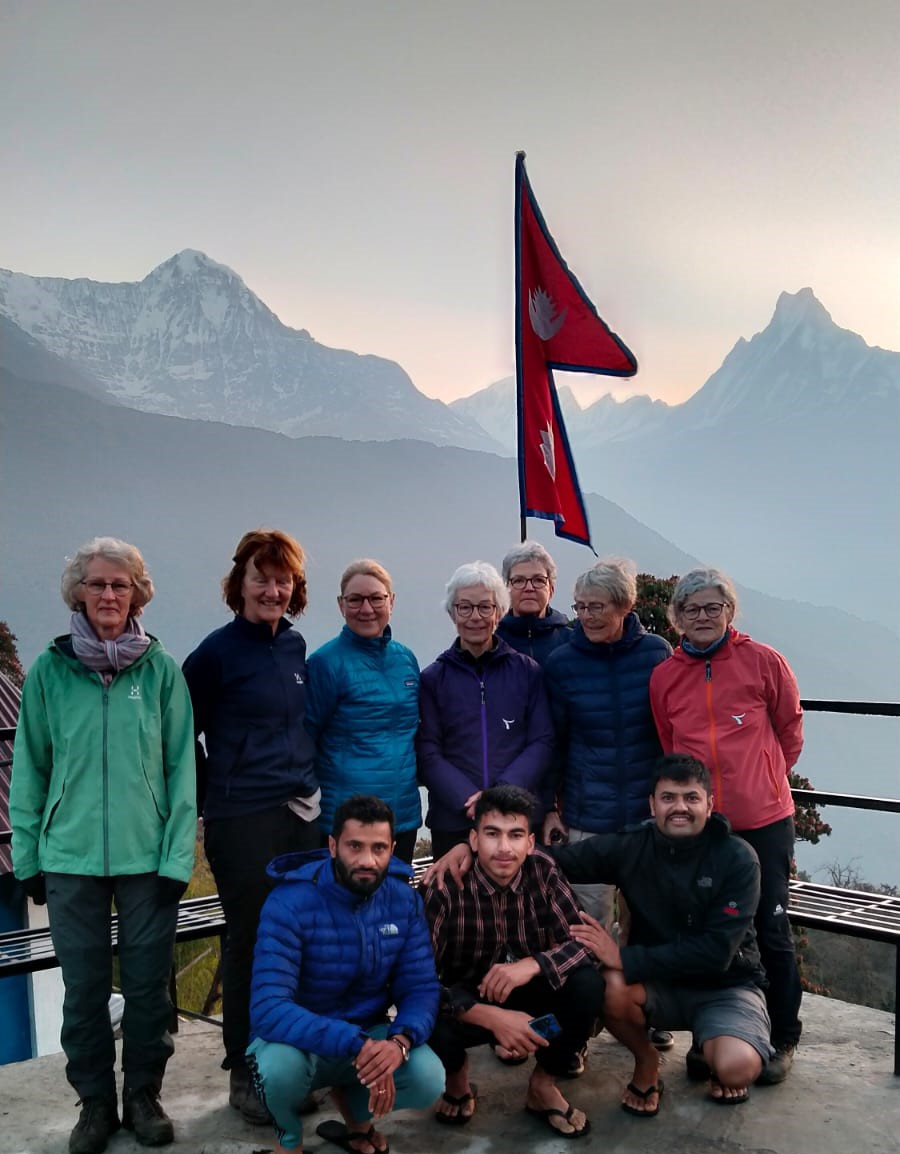
We were a group off 7 women in age 62-72 year, who have been viviting Nepal. A fantastic 8 days hiking in Khopra Hill. It was an amazing experience with a fantastic wiew af rhododendros.
Ram and his team are very competent and helpfull. They were all time alert on the group members healths and wants. I had a feeling that They realy wanted all off us to have a fantastic and beautyful trip. The team were fantastic to interact with our group and They were fine and Nice to hang out with us in a natural ways.
I will recommend Ram and Create Himalaya Adventure to others
Lilian S
Ribe, Denmark
Verified PurchaseKhopra Hill in Annapurna area.
Kris L
Verified PurchaseA beautiful trip we never will forget
We have been visiting Nepal with a group. Already on arrival in Kathmandu, we had the pleasure of meeting Ramchandra (Ram) from Create Himalaya Adventure, who throughout the visit ensured that everything went smoothly. Airport pickup, hotel accommodation, Pokhera transportation, a fantastic 8 days hiking-trip in Annapurna area (Khopra Ridge Trekking) – a beautiful trip we never will forget, transport back to Kathmandu and finally a tour of Kathmandu. Ram and his team are very competent, good at communicating and fun and nice to hang out with. Ram also manages to make a group work fine together. So that a trip becomes a pleasure for everyone, despite differences in the participants’ physical abilities. One of the participants had physical problems and was unable to complete the tour. Ram secured a safe transport back to Pokhara for her. Everyone can be safe under his leadership. We became good friends with Ram during our visit, and will definitely use him as a guide for our next visit to Nepal. We would very much recommend Ram and Create Himalaya Adventure to others.
No hidden fees • Best price guarantee