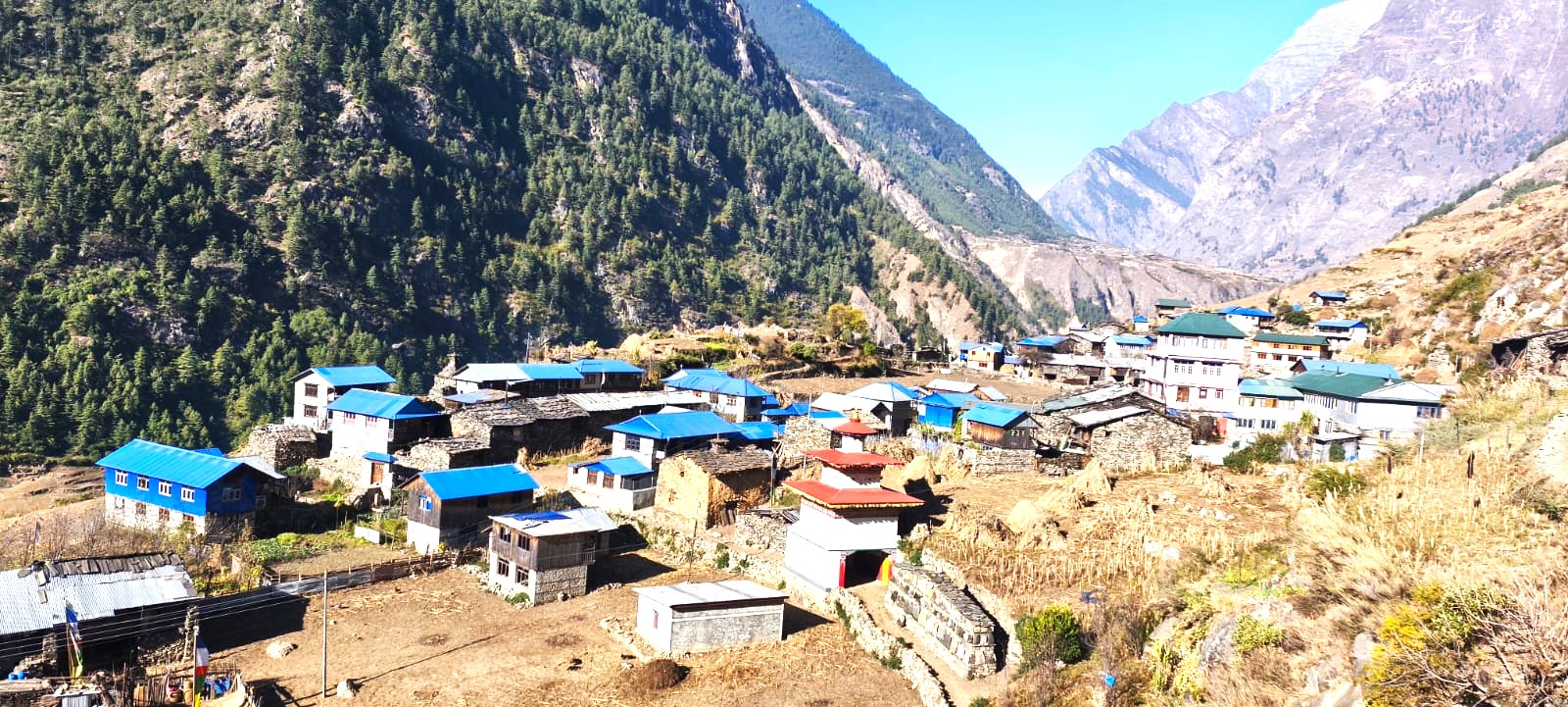
Tsum Valley Trek – 11 Days
Tsum Valley Trek is one of the Nepal’s most hidden and culturally rich Himalayan journeys. Located near the Tibetan border in the remote Manaslu region, this sacred valley offers a […]
Highlights
- Explore the remote and culturally preserved Tsum Valley
- Visit ancient Buddhist monasteries including Mu Gompa and Rachen Gompa
- Experience authentic Tibetan-influenced Himalayan culture and traditions
- Enjoy spectacular mountain views of Ganesh Himal and surrounding peaks
- Walk through traditional villages like Chumling and Nile
- Discover sacred caves and spiritual meditation sites including Milarepa Cave
- Trek through peaceful forests, rivers, waterfalls, and alpine landscapes
- Enjoy a less crowded and more tranquil trekking route in Nepal
- Experience warm hospitality in local tea houses and mountain communities
- Combine the trek with the Manaslu Circuit for a complete Himalayan adventure
Overview
Tsum Valley Trek is one of the Nepal’s most hidden and culturally rich Himalayan journeys. Located near the Tibetan border in the remote Manaslu region, this sacred valley offers a peaceful trekking experience far from the crowded trails of Everest and Annapurna. Surrounded by dramatic mountains, ancient monasteries, and traditional stone villages, Tsum Valley feels like a world untouched by modern time.
Known as the “Hidden Valley of Happiness,” Tsum is deeply influenced by Tibetan Buddhism and ancient Himalayan traditions. Trekkers pass through beautiful forests, suspension bridges, glacier-fed rivers, and spiritual landmarks while experiencing authentic mountain life and warm local hospitality. The journey is not only scenic but also spiritual, making it ideal for travelers seeking culture, solitude, and off-the-beaten-path adventure.
The journey begins with a scenic drive from Kathmandu to Machha Khola, followed by trekking along the Budhi Gandaki River. The trail gradually ascends through lush forests, deep river gorges, suspension bridges, and traditional settlements before entering the sacred Tsum Valley. The highest point of the trek is Mu Gompa (around 3,700 meters), an important spiritual site offering panoramic Himalayan views. The trek usually takes around 11 days and can be combined with the Manaslu Circuit for a longer Himalayan expedition. Spring and autumn are considered the best seasons for clear mountain views and comfortable trekking conditions.
The Tsum Valley Trek is ideal for trekkers seeking solitude, cultural depth, and raw Himalayan beauty. It is not just a trekking route but a journey into one of Nepal’s most preserved and spiritual valleys, offering an unforgettable experience far from the modern world.
Trip Itinerary
Drive from kathmandu to Machha Khola
Your adventure begins from the lively streets of Kathmandu as the road slowly leaves the city behind and follows winding rivers toward Nepal’s remote mountain region. The journey passes terraced hills, waterfalls, traditional villages, and deep river gorges before reaching the peaceful riverside settlement of Machha Khola.
Trek from Machha Khota to Jagat
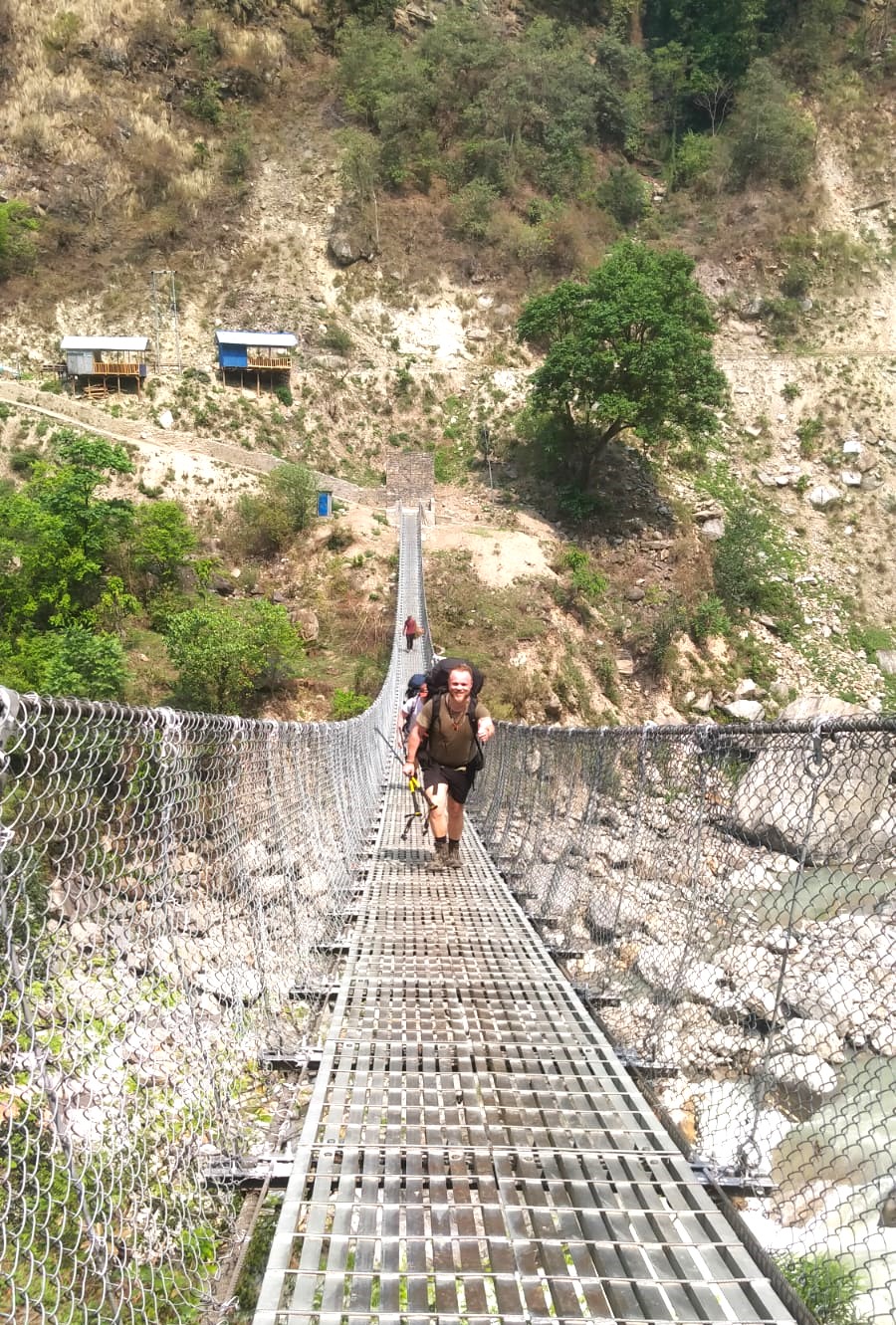
The trail follows suspension bridges, narrow stone paths, and subtropical forests alongside the roaring Budhi Gandaki River. Passing small Gurung villages and natural hot springs, the route gradually climbs toward the beautiful stone village of Jagat, the gateway to the restricted Manaslu region.
Trek from Jagat to Lokpa
Today the trail becomes quieter as you leave the main Manaslu route and head toward the hidden Tsum Valley. The landscape changes into dense pine forests, narrow ridges, and peaceful mountain paths before arriving at the remote village of Lokpa.
Trek from Lokpa to chumling
Descending through forests and crossing suspension bridges over raging rivers, the trail slowly reveals the spiritual atmosphere of Tsum Valley. Prayer walls, mani stones, and chortens begin appearing along the route before reaching the beautiful village of Chumling.
Trek from Chumling to Chekampar / Chhokhangparo
The valley opens wider today with breathtaking mountain scenery and charming stone villages. Walking through barley fields and traditional settlements, you reach Chhokang Paro, one of the most culturally rich villages in the valley.
Trek from Chenkampar to Nile
The trail climbs steadily toward the upper valley where the landscapes become more dramatic and isolated. Passing ancient monasteries and sacred sites, you finally reach Nile, one of the last villages near the Tibetan border.
Excursion to mu gumpa return to Nile
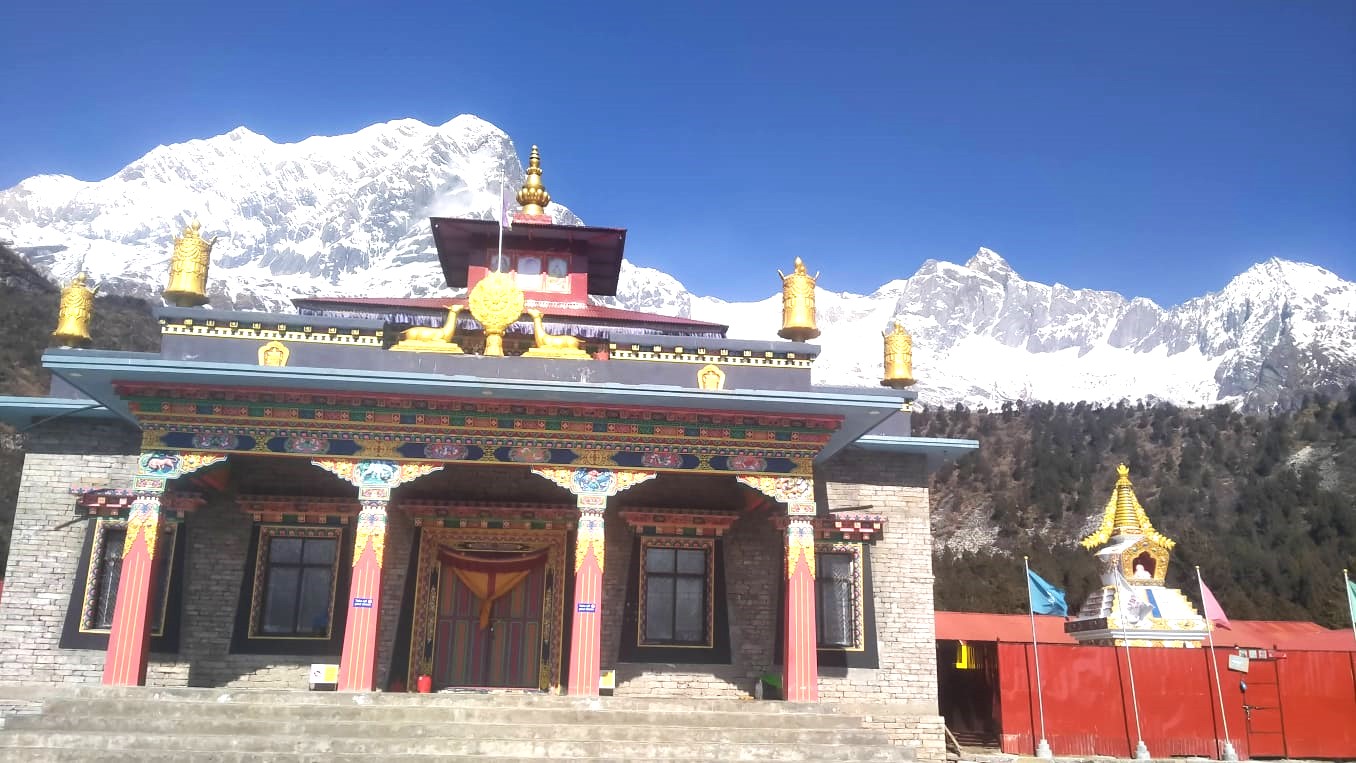
Today is one of the spiritual highlights of the trek. You hike toward the ancient monastery of Mu Gompa, peacefully located beneath towering Himalayan peaks. The monastery offers incredible cultural insight and breathtaking views of the surrounding mountains.
Trek from Nile to Chumling
Retracing the trail back down the valley gives a completely different perspective of the landscapes and villages. Descending through peaceful forests and prayer-filled trails, you return to Chumling.
Trek from Chumling to Philim
Leaving the upper valley behind, the trail descends through forests, suspension bridges, and terraced hillsides before reaching the beautiful Gurung village of Philim.
Trek from Philim to Machha Khola
The route follows the Budhi Gandaki River once again through lush forests and rocky trails. Passing waterfalls, hot springs, and mountain villages, you return to Machha Khola for your final night in the mountains.
Drive from Machha Khola to Kathmandu
After breakfast, you begin the scenic drive back to Kathmandu, carrying unforgettable memories of hidden valleys, ancient monasteries, and peaceful Himalayan trails.
Not Satisfied with This Itinerary?
Every traveler is different. Customize this trip with the help of our local travel specialists and create an itinerary that perfectly matches your interests, schedule, and budget.
What's included
- Airport Transfers: International Airport pick-up and drop-off service.
- Trekking Permits: The required paperwork and trekking permit are required for Restricted Area Permit(RAP), Manaslu conservation Area Permit (MCAP).
- Transportations: All ground Transportation from Kathmandu - Machha Khola - Kathmandu as per group size.
- Trekking Equipment: We provide sleeping bags, down Jackets, and Duffle bag if needed.
- Souvenirs: Create Himalaya Adventure T-Shirt as a souvenir.
- Meals: Three meals a day (breakfast, lunch, dinner) during the trek.
- Accommodation: Twin-bed sharing with a shared toilet during the trek.
- Guide Expenses: All costs for an English-speaking, government-licensed guide.
- Guide Insurance: Insurance coverage for guides.
- Trekking Map: Manaslu Tsum Valley Region Trip Map for the group.
- First Aid Kit: Medical kit available during the trip.
- Taxes and Fees: Tourist service charge, VAT, government tax, and official expenses.
What's not included
- International Expenses: International airfare, visa, and travel insurance.
- Kathmandu Meals: Breakfast, Lunch and Dinner at Kathmandu.
- Accommodation in Kathmandu: Accommodation in Kathmandu or on the trek for any reason (Early arrival or delay, early arrival from trek due to any reason).
- Porter Service: Porter to carry your luggage during the trek (if you would like to take a porter, it will cost you USD 30 for each day trip, which you could add from our add-on option).
- Gratuities: Tips for Guide and Porter (expected from trekkers involved in the Trek.
Map
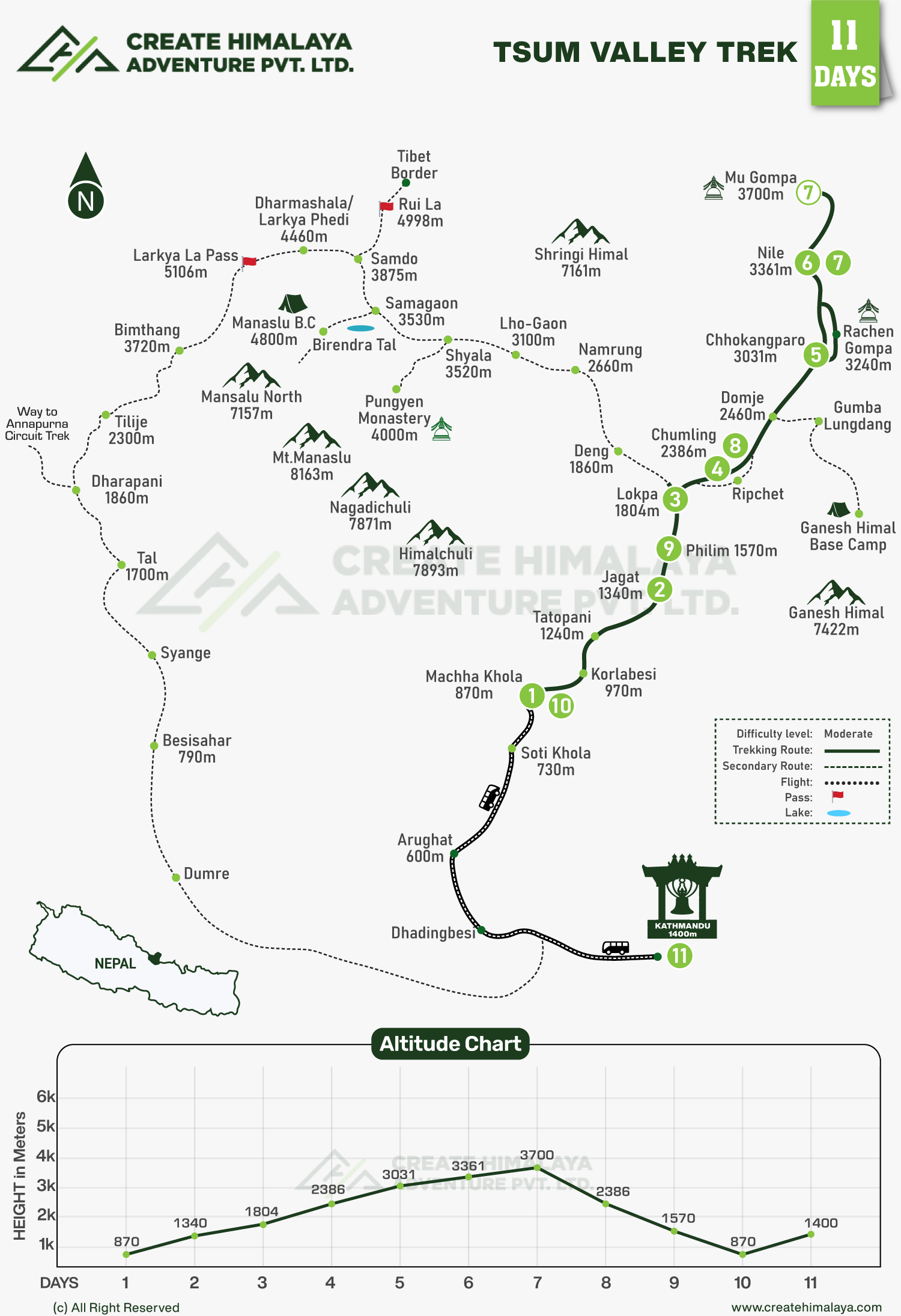
Best Season for Trekking to Tsum Valley
The Tsum Valley Trek can be enjoyed throughout most of the year, but the best seasons are spring (March to May) and autumn (September to November). During these months, trekkers can experience stable weather, clear mountain views, comfortable temperatures, and excellent trail conditions.
Spring (March to May)
Spring is one of the most popular times to visit Tsum Valley. The weather gradually warms up, making trekking comfortable at both lower and higher elevations. Hillsides are decorated with blooming rhododendrons, magnolias, and other wildflowers, creating vibrant landscapes throughout the trek.
Visibility is generally excellent, offering spectacular views of Ganesh Himal, Sringi Himal, Boudha Himal, and surrounding snow-capped peaks. Wildlife is also more active during this season, making it an ideal time for nature lovers and photographers.
Spring Highlights
- Clear mountain views
- Blooming rhododendron forests
- Pleasant daytime temperatures
- Rich natural scenery
- Ideal conditions for photography
Autumn (September to November)
Autumn is considered the best overall season for the Tsum Valley Trek. Following the monsoon rains, the skies become exceptionally clear, revealing stunning Himalayan panoramas. Temperatures remain moderate, and the trails are generally dry and easy to navigate.
The season also Overlaps with major Nepalese festivals such as Dashain and Tihar, allowing trekkers to experience local traditions and cultural celebrations in the mountain villages.
Autumn Highlights
- Crystal-clear mountain views
- Stable weather conditions
- Dry and comfortable trekking trails
- Cultural festivals and local celebrations
- Excellent trekking conditions at higher elevations
Winter (December to February)
Winter trekking in Tsum Valley is possible and offers a peaceful experience with fewer trekkers on the trail. However, temperatures can drop significantly, especially during mornings and nights. Higher sections may receive snowfall, which can make trekking more challenging.
Trekkers planning a winter journey should be well-prepared with proper cold-weather gear and flexible itineraries.
Monsoon (June to August)
The monsoon season brings regular rainfall to the lower sections of the trail. Trails can become muddy and slippery, and landslides may occasionally affect travel. Cloud cover can also limit mountain views.
However, the valley becomes exceptionally green and lush during this period, and there are far fewer visitors. Experienced trekkers seeking solitude may still find this season rewarding.
Conclusion
For the best trekking experience, plan your Tsum Valley Trek during spring (March–May) or autumn (September–November). These seasons offer the most reliable weather, breathtaking Himalayan views, comfortable temperatures, and the ideal conditions to explore one of Nepal's most remote and culturally rich trekking destinations. Spring is perfect for colorful landscapes and blooming flowers, while autumn provides the clearest skies and the most stable trekking conditions.
Tsum Valley Trek Difficulty
The Tsum Valley Trek is considered a moderate to challenging trek that is suitable for trekkers with a reasonable level of fitness and a sense of adventure. Although it does not involve technical climbing or high mountain passes, the trek takes you through remote Himalayan terrain with long walking days, significant elevation gain, and limited infrastructure.
Unlike popular trekking routes such as the Everest Base Camp Trek or Annapurna Base Camp Trek, Tsum Valley remains relatively untouched and less developed, making the journey more demanding but also more rewarding.
How Difficult is the Tsum Valley Trek?
The main challenges of the Tsum Valley Trek come from its length, remote location, and high altitude. Trekkers typically walk for 5–7 hours per day on varied terrain, including stone staircases, forest trails, suspension bridges, and mountain paths.
The trek reaches an altitude of approximately 3,700 meters (12,139 feet) at Mu Gompa, the highest point of the journey. While the risk of severe altitude sickness is lower than on many high-altitude treks in Nepal, trekkers may still experience mild symptoms if they ascend too quickly.
Factors That Affect Trek Difficulty
1. Altitude
The gradual ascent helps with acclimatization, but the thinner air at higher elevations can make walking more strenuous. Proper hydration, pacing, and rest are important for a comfortable trek.
2. Long Walking Days
Most trekking days involve several hours of hiking over uneven terrain. Some sections feature steep ascents and descents, requiring good endurance and leg strength.
3. Remote and Less Crowded Trails
One of the unique features of the Tsum Valley Trek is its peaceful and less crowded nature. Compared to popular trekking routes such as the Everest Base Camp Trek and Annapurna Base Camp Trek, Tsum Valley receives far fewer visitors each year. This allows trekkers to enjoy a more authentic Himalayan experience, with quiet trails, traditional villages, and a stronger connection to local culture and nature.
However, its remote location also means that accommodation and facilities are more basic, and access to medical services, communication networks, and transportation is limited. Trekkers should be prepared for a more rustic and adventurous journey.
4. Trail Conditions
The trail passes through forests, river gorges, landslide-prone sections, and traditional villages. Certain parts of the route can be rugged and physically demanding, especially after rain.
Physical Fitness Requirements
You do not need mountaineering experience to complete the Tsum Valley Trek. However, trekkers should be comfortable walking for multiple consecutive days while carrying a daypack.
Preparation may Required:
- Regular hiking or trekking
- Cardiovascular exercises such as running, cycling, or swimming
- Strength training for legs and core
- Practice hikes with a backpack
- Is the Tsum Valley Trek Suitable for Beginners?
Yes, motivated beginners with good physical fitness can successfully complete the trek. Hiring an experienced guide and following a well-paced itinerary greatly improves the experience and helps reduce altitude-related risks.
Trekkers with previous multi-day hiking experience will generally find the trek more manageable.
Difficulty Summary
The Tsum Valley Trek is considered a moderate to challenging trek due to its long duration, remote setting, and moderate altitude. Trekkers typically walk 5–7 hours per day through diverse terrain, including forests, suspension bridges, stone staircases, and mountain trails. While the trek reaches a maximum elevation of approximately 3,700 meters (12,139 feet) at Mu Gompa, the risk of severe altitude sickness is relatively low compared to higher Himalayan treks.
What makes the Tsum Valley Trek particularly appealing is its less crowded and off-the-beaten-path character. Unlike Nepal's busier trekking regions, Tsum Valley offers a peaceful trekking experience with fewer trekkers, pristine landscapes, ancient monasteries, and well-preserved Tibetan Buddhist culture. This combination of moderate physical challenge and cultural richness makes it an excellent choice for trekkers seeking a quieter Himalayan adventure.
Trek Route for Tsum Valley Trek
The Tsum Valley Trek follows a remote and culturally rich route in the northern part of Nepal's Gorkha District. The journey begins with a scenic drive from Kathmandu to Machha Khola and then follows the Budhi Gandaki River through traditional Gurung and Tibetan-influenced villages before entering the hidden Tsum Valley.
The trek gradually ascends through forests, suspension bridges, deep river gorges, and ancient settlements, eventually reaching the sacred Mu Gompa, one of the most important monasteries in the region. Throughout the trek, visitors experience breathtaking Himalayan scenery, centuries-old Buddhist culture, and a peaceful atmosphere far from the busier trekking routes of Nepal.
Typical Tsum Valley Trek Route
Kathmandu → Machha Khola → Jagat → Lokpa → Chumling → Chhokangparo → Nile → Mu Gompa → Nile → Chhokangparo → Gumba Lungdang (optional) → Lokpa → Jagat → Machha Khola → Kathmandu
Tsum Valley Trek Permits
The Tsum Valley Trek takes place in a remote Himalayan region close to the Nepal-Tibet border, making it one of Nepal's restricted trekking destinations. To preserve the valley's unique culture, ancient monasteries, and fragile mountain environment, trekkers must obtain several permits before beginning the journey. Since Tsum Valley is a restricted area, permits can only be arranged through a registered trekking agency, and all trekkers must be accompanied by a licensed guide.
1. Tsum Valley Restricted Area Permit (RAP) – USD 30 to USD 40
The Tsum Valley Restricted Area Permit is mandatory for all foreign trekkers entering the valley.
September to November: USD 40 per person for the first 7 days
December to August: USD 30 per person for the first 7 days
Additional days: USD 7 per person per day
This special permit is designed to regulate tourism in the region and help protect the area's rich Tibetan Buddhist heritage and traditional way of life.
2. Manaslu Conservation Area Permit (MCAP) – NPR 3,000
Since the trekking route passes through the Manaslu Conservation Area, trekkers must also obtain a Manaslu Conservation Area Permit.
Foreign Nationals: NPR 3,000 per person
SAARC Nationals: NPR 1,000 per person
The permit fee contributes to conservation programs, trail maintenance, environmental protection, and community development projects throughout the region.
3. Chumnubri Rural Municipality Entry Fee – NPR 1,000
In addition to national permits, trekkers are required to pay a local municipality fee.
Entry Fee: NPR 1,000 per person
This fee supports local infrastructure improvements, tourism management, and community-based development initiatives within the Tsum Valley and surrounding villages.
Important Information
- Tsum Valley is a designated restricted trekking area.
- All permits must be arranged before the trek begins.
- A licensed trekking guide is compulsory for the trek.
- Independent trekking is not permitted in the restricted area.
- The permit system helps preserve the valley's cultural heritage and natural environment.
- Due to permit requirements and its remote location, Tsum Valley remains significantly less crowded than the popular Everest and Annapurna trekking regions.
Tsum alley Trek cost
The Tsum Valley Trek is one of Nepal's most rewarding off-the-beaten-path adventures, offering a unique combination of Himalayan scenery, ancient Buddhist culture, and peaceful mountain trails. Compared to popular trekking destinations such as Everest Base Camp and Annapurna Base Camp, the Tsum Valley Trek remains relatively less crowded, making it an excellent choice for travelers seeking a more authentic trekking experience.
The total cost of the Tsum Valley Trek depends on several factors, including the length of the itinerary, trekking season, transportation, permits, accommodation, guide and porter services, and personal spending habits. On average, trekkers can expect to spend between USD 900 and USD 1,800 per person for a fully organized trek.
Meals on the Tsum Valley Trek
Meals on the Tsum Valley Trek are simple, nutritious, and designed to provide the energy needed for long days of walking in the Himalayas. Despite its remote location, the teahouses along the trail offer a surprisingly good variety of local Nepalese dishes and basic international meals. Most food is freshly prepared using locally available ingredients, ensuring trekkers receive wholesome and satisfying meals throughout the journey.
As the Tsum Valley is a culturally rich region influenced by Tibetan Buddhism, trekkers also have the opportunity to enjoy traditional Himalayan cuisine while experiencing the warm hospitality of local communities.
Breakfast Options
A hearty breakfast is essential before beginning each day's trek. Most teahouses offer a range of breakfast choices, including:
- Tibetan bread with honey, jam, or peanut butter
- Chapati and curry
- Porridge (oats, muesli, or Tibetan-style)
- Pancakes (plain, apple, banana, or chocolate)
- Eggs prepared in various styles
- Toast and omelets
- Tea, coffee, hot chocolate, or lemon tea
Lunch and Dinner Options
Lunch and dinner menus are generally similar throughout the trek. Popular meal choices include:
- Dal Bhat (rice, lentil soup, vegetables, and pickles)
- Fried rice with vegetables, egg, or tuna
- Noodles and noodle soup
- Thukpa (traditional Tibetan noodle soup)
- Pasta and macaroni dishes
- Momos (Nepalese dumplings)
- Sherpa stew
- Potato dishes
- Curry meals
- Seasonal vegetables
Dal Bhat: The Trekkers' Favorite Meal
Dal Bhat is the most popular meal on the Tsum Valley Trek and is often recommended by guides and experienced trekkers. This traditional Nepalese dish consists of steamed rice, lentil soup, vegetable curry, pickles, and seasonal greens. It provides a balanced combination of carbohydrates, protein, and nutrients, making it ideal for maintaining energy at higher elevations.
Many teahouses also offer free refills of Dal Bhat, making it one of the most filling and cost-effective meals available on the trail.
Snacks and Drinks
Trekkers can purchase a variety of snacks and beverages along the route, including:
- Biscuits and cookies
- Chocolate bars
- Popcorn
- Instant noodles
- Fresh fruits (availability varies)
- Soft drinks
- Bottled water
- Tea and coffee
- Hot lemon, ginger, and honey drinks
As altitude increases, food and drink prices become higher due to transportation challenges and the remote nature of the region.
Vegetarian and Dietary Options
Vegetarian meals are widely available throughout the Tsum Valley Trek. Since many local communities follow Buddhist traditions, vegetarian dishes are common and often highly recommended. Trekkers with specific dietary requirements should inform their trekking agency or guide before the trek so suitable arrangements can be made whenever possible.
Food Safety Tips
To stay healthy during the trek, consider the following recommendations:
- Choose freshly cooked meals whenever possible.
- Drink purified, boiled, or filtered water.
- Avoid raw foods at higher elevations.
- Carry personal energy snacks for long trekking days.
- Maintain proper hydration throughout the trek.
Final Thoughts
The meals on the Tsum Valley Trek are simple yet nourishing, providing the energy required to explore one of Nepal's most remote and culturally fascinating trekking regions. From traditional Dal Bhat and Tibetan bread to warming noodle soups and homemade momos, the food adds an authentic cultural dimension to the trekking experience. While dining options are more basic than those found on Nepal's popular trekking routes, the quality, freshness, and hospitality make every meal a memorable part of the journey.
Accommodation on the Tsum Valley Trek
Accommodation on the Tsum Valley Trek is basic but comfortable, offering trekkers a genuine Himalayan experience in one of Nepal’s most remote and culturally preserved regions. Unlike luxury trekking routes, the Tsum Valley relies mainly on traditional teahouses and family-run lodges, where local hospitality plays a central role in the overall experience.
As tourism is still limited in this restricted region, facilities are simpler compared to popular trekking areas like Everest or Annapurna. However, the warm welcome from local communities and the peaceful mountain environment make the stay highly memorable.
Teahouse Accommodation in Tsum Valley
Teahouses are the primary form of accommodation throughout the trek. These are small, locally operated guesthouses that provide basic rooms and meals for trekkers. Most teahouses offer:
- Twin-sharing rooms
- Wooden beds with mattresses
- Blankets (sometimes limited in higher areas)
- Shared toilet facilities
- Simple dining halls with a stove for heating
Rooms are usually unheated, so sleeping bags are highly recommended, especially during colder months.
Accommodation Quality by Region
The standard of accommodation gradually becomes more basic as you move deeper into the valley:
- Lower Region (Machha Khola to Jagat): Better-developed teahouses with slightly improved facilities, including more menu options and occasional attached bathrooms.
- Mid Region (Lokpa, Chumling, Chhokangparo): Simple but cozy lodges run by local families, offering basic comfort and traditional hospitality.
- Upper Region (Nile, Mu Gompa): Very basic accommodation with limited facilities due to the remote location and high altitude. Expect simple rooms and shared bathrooms.
Hospitality and Local Experience
One of the highlights of staying in Tsum Valley is the authentic cultural interaction with local Tibetan-influenced communities. Hosts are friendly and welcoming, often sharing stories about their traditions, lifestyle, and Buddhist beliefs. Many lodges are attached to family homes, giving trekkers a closer look at everyday life in the mountains.
Facilities Available in Teahouses
Although simple, most teahouses provide essential services for trekkers:
- Basic meals and hot drinks
- Charging facilities (may cost extra)
- Hot showers (available in lower regions for an additional fee)
- Limited Wi-Fi in some villages (not reliable in upper areas)
- Dining hall with heating stove (yak dung or firewood)
Accommodation Challenges
Due to the remoteness of the Tsum Valley, trekkers should be prepared for:
- Limited availability during peak season
- Basic hygiene standards compared to urban hotels
- No luxury or modern hotel facilities
- Cold rooms at higher altitudes
- Occasional shortages of electricity or water
Advance booking through a trekking agency is highly recommended, especially during peak trekking seasons.
Do I Need to Carry a Sleeping Bag?
Yes, carrying a good-quality sleeping bag is strongly recommended. While teahouses provide blankets, they may not be sufficient during cold nights, particularly in upper Tsum Valley and during winter months.
Travel Insurance for Tsum Valley Trek
Travel insurance is an essential requirement for the Tsum Valley Trek due to its remote location, high-altitude terrain, and limited access to medical facilities. Since this trek takes place in a restricted Himalayan region of Nepal, proper insurance ensures safety, financial protection, and emergency support throughout the journey.
Unlike urban travel, trekking in Tsum Valley involves long walking days, altitude gain, and limited communication infrastructure. In case of accidents, illness, or evacuation needs, insurance becomes a crucial safety backup.
Why Travel Insurance is Important for Tsum Valley Trek
The Tsum Valley Trek is considered a moderate to challenging Himalayan trek. Although it does not reach extreme altitudes like Everest Base Camp, trekkers still face risks such as altitude sickness, trail injuries, and unpredictable weather conditions. Medical facilities in the region are very basic, and serious cases often require helicopter evacuation to Kathmandu.
A comprehensive travel insurance plan ensures that trekkers are covered for emergencies and can complete their journey with peace of mind.
What Your Travel Insurance Must Cover
When choosing insurance for the Tsum Valley Trek, make sure it includes the following key coverage:
- High-altitude trekking coverage up to at least 4,000 meters
- Emergency helicopter evacuation from remote mountain areas
- Medical treatment and hospitalization costs
- Accidental injury and emergency medical care
- Trip cancellation or interruption coverage
- Lost or delayed baggage protection
- Repatriation to home country in case of serious emergency
Since the trek involves remote trails and limited road access, helicopter evacuation coverage is especially important.
Recommended Coverage Level
For the Tsum Valley Trek, it is recommended to choose a travel insurance policy with:
- Minimum coverage of USD 50,000 to USD 100,000
- High-altitude trekking inclusion (above 3,000–4,000 meters)
- Emergency evacuation coverage without restrictions for restricted regions
Many standard travel insurance plans do not automatically include trekking in restricted Himalayan areas, so it is important to confirm this before purchasing.
Common Insurance Mistakes to Avoid
- Choosing a policy that does not cover trekking activities
- Ignoring altitude limits in the insurance plan
- Not including helicopter evacuation coverage
- Assuming basic travel insurance is enough for Himalayan trekking
Always read the policy details carefully or consult with your insurance provider before starting the trek.
Tsum Valley Trek Equipment List
Packing smart for the Tsum Valley Trek is important because the route is remote, weather conditions change quickly, and teahouse facilities are basic. A well-planned gear list ensures comfort, safety, and an enjoyable trekking experience in the Himalayas.
Clothing (Layering System)
- Moisture-wicking base layers (top and bottom)
- Fleece jacket or warm mid-layer
- Down jacket (essential for cold nights)
- Waterproof & windproof jacket
- Lightweight trekking pants (2–3 pairs)
- Thermal innerwear (for higher altitude)
- Quick-dry trekking shirts
- Warm hat/beanie + sun cap
- Neck buff or gaiter
- Gloves (light + warm pair)
Footwear
- Waterproof trekking boots (well broken-in)
- Trekking socks (4–6 pairs)
- Warm wool socks (higher altitude)
- Lightweight sandals or camp shoes
Trekking Gear
- Backpack (30–40L daypack)
- Duffel bag (carried by porter if used)
- Sleeping bag (-10°C to -15°C recommended)
- Trekking poles
- Headlamp with spare batteries
- Water bottles or hydration bladder (2–3L)
- Water purification tablets or filter
- Sunglasses (UV protection)
- Sunscreen + lip balm
Personal & Toiletries
- Toothbrush & toothpaste
- Wet wipes & tissue paper
- Quick-dry towel
- Biodegradable soap
- Hand sanitizer
- Toilet paper
- Basic first aid kit (bandages, painkillers, blister care, altitude meds)
Health & Safety
- Personal prescription medicines
- Altitude sickness medication (consult doctor)
- Electrolyte powders
- Basic emergency kit
Electronics
- Mobile phone + charger
- Power bank (high capacity)
- Camera (optional)
- Universal travel adapter
Optional Items
- Energy bars & snacks
- Sleeping liner
- Book or e-reader
- Dry bags / zip-lock bags
- Small lock for bag security
Trip Note – Tsum Valley Trek
The Tsum Valley Trek is a remarkable journey into one of Nepal’s most secluded and spiritually rich Himalayan regions. With its untouched landscapes, ancient Buddhist monasteries, and traditional Tibetan-influenced villages, the trek offers far more than just mountain scenery—it provides a deep cultural and spiritual experience.
Unlike more commercial trekking routes, Tsum Valley remains peaceful and less crowded, allowing trekkers to fully immerse themselves in nature and local traditions without the distraction of heavy tourist traffic. The combination of moderate trekking challenges, remote trails, and breathtaking views of Ganesh Himal and surrounding peaks makes it a truly rewarding adventure.
From the warm hospitality of local communities to the serene atmosphere of sacred monasteries like Mu Gompa, every step in Tsum Valley leaves a lasting impression. Although the trek requires proper preparation, permits, and good fitness, the experience gained is unmatched.
In summary, the Tsum Valley Trek is perfect for trekkers seeking authentic Himalayan culture, quiet trails, and a meaningful off-the-beaten-path adventure in Nepal.
For a safe, well-organized, and hassle-free experience, Create Himalaya Adventure is one of the best organizers for the Tsum Valley Trek, offering professional guidance, experienced local guides, and complete trekking support throughout the journey.
FAQs
1. What is the Tsum Valley Trek in Nepal?
The Tsum Valley Trek is a remote Himalayan trekking route in the Gorkha region of Nepal, known for its restricted area status, ancient Buddhist monasteries, and less crowded trails near the Nepal–Tibet border.
2. Where is Tsum Valley located?
Tsum Valley is located in northern Gorkha District of Nepal, close to the Manaslu Conservation Area and Tibetan border region.
3. Why is Tsum Valley called a hidden valley?
It is called a hidden valley because it remained isolated from outside tourism for many years and still preserves ancient Tibetan Buddhist culture and traditions.
4. How difficult is the Tsum Valley Trek?
The trek is considered moderate to challenging, with 5–7 hours of walking per day and a maximum altitude of around 3,700 meters at Mu Gompa.
5. Is the Tsum Valley Trek suitable for beginners?
Yes, fit beginners can complete it with proper preparation, acclimatization days, and a licensed guide.
6. What is the best season for the Tsum Valley Trek?
Spring (March–May) and autumn (September–November) are the best seasons due to stable weather and clear mountain views.
7. Can I do the Tsum Valley Trek in winter?
Yes, but winter (December–February) is very cold, and snowfall may make higher sections more challenging.
8. Is the Tsum Valley Trek crowded?
No, it is one of the least crowded trekking routes in Nepal, offering peaceful and authentic Himalayan experiences.
9. What permits are required for the Tsum Valley Trek?
You need a Tsum Valley Restricted Area Permit (RAP), Manaslu Conservation Area Permit (MCAP), and a local municipality fee.
10. Can I trek Tsum Valley independently (solo trekking)?
No, solo trekking is not allowed. You must trek through a registered agency with a licensed guide.
11. Is a guide mandatory for the Tsum Valley Trek?
Yes, a licensed trekking guide is mandatory due to restricted area regulations.
12. How much does the Tsum Valley Trek cost?
The average cost ranges from USD 900 to USD 1,800 depending on services, itinerary, and trekking style.
13. How many days is the Tsum Valley Trek?
The trek usually takes 10 to 18 days, including travel from and back to Kathmandu.
14. What is the highest point of the Tsum Valley Trek?
The highest point is Mu Gompa at approximately 3,700 meters.
15. How many hours or kilometers do I walk per day?
You will walk around 5–7 hours per day, covering roughly 8–15 km depending on terrain and altitude.
16. What is the trail condition like in Tsum Valley?
The trail is natural and rugged, with stone steps, forest paths, river crossings, suspension bridges, and some landslide-prone sections.
17. Is transportation available for the trek?
Yes. You travel from Kathmandu to Machha Khola by bus or jeep, and return the same way. No road access exists inside the valley.
18. Are there hospitals in Tsum Valley?
No proper hospitals exist in the valley. Only basic health posts are available, so emergency evacuation to Kathmandu / Pokhara may be required.
19. What happens if I get sick during the trek?
Mild sickness is treated by guides or health posts, but serious cases may require helicopter evacuation to Kathmandu or Pokhara (insurance is essential).
20. Is hot shower available on the trek?
Yes, hot showers are available in lower villages for an extra cost, but may be limited or unavailable in higher areas.
21. Can I buy mineral water during the trek?
Yes, bottled mineral water is available in some villages, but it becomes expensive at higher altitude. Many trekkers use boiled or filtered water instead.
22. Can I extend my trekking days in Tsum Valley?
Yes, you can extend your itinerary, but it must be arranged through your trekking agency as permits are time-restricted.
23. What is the group size for Tsum Valley Trek?
There is no strict limit, but most trekking groups range from 2 to 10 trekkers for comfort and logistics.
24. Can I charge my phone and electronics on the trek?
Yes, charging is available in teahouses for a small fee, but power supply is limited in higher regions.
25. Is Wi-Fi or mobile network available in Tsum Valley?
Mobile network is very weak or unavailable in most areas. Limited Wi-Fi may be available in some villages but is not reliable.
26. What should I pack for the Tsum Valley Trek?
You need layered clothing, trekking boots, sleeping bag, rain jacket, warm jacket, trekking poles, and basic medical supplies.
27. Is travel insurance required for Tsum Valley Trek?
Yes, travel insurance with high-altitude trekking and helicopter evacuation coverage is strongly recommended.
28. Can I combine Tsum Valley Trek with Manaslu Circuit Trek?
Yes, many trekkers combine both routes for a longer and more adventurous Himalayan experience.
29. Is drinking water safe in Tsum Valley?
Untreated water is not recommended. Always use boiled, filtered, or purified water for safety.
30. Which is the best trekking agency for Tsum Valley Trek?
Many trekkers choose Create Himalaya Adventure for experienced guides, safe logistics, and well-organized trekking services in the Tsum Valley region.
No hidden fees • Best price guarantee