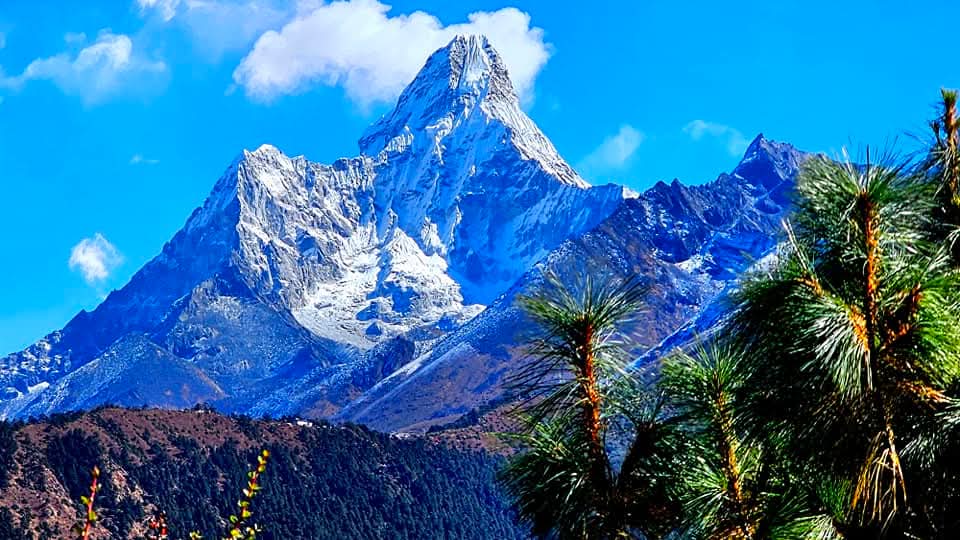
Everest Panorama Trek
The first glimpse of the Himalayas doesn’t have to demand weeks of rugged hiking or extreme endurance. Nestled in the foothills of the world’s highest mountains lies a journey that […]
Highlights
- Thrilling 35-minute mountain flight from Kathmandu to Lukla’s iconic airstrip, or a scenic drive to Manthali with a short flight during peak seasons.
- Ideal for first-time trekkers or those who want a taste of the Himalayas without the demands of a long, high-altitude expedition.
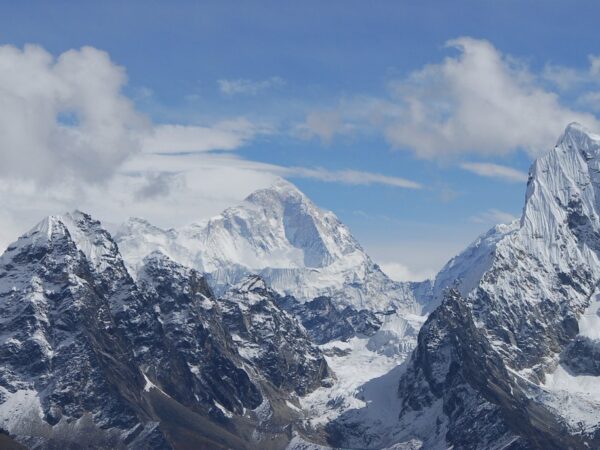
- Enjoy uninterrupted views of some of the world’s highest peaks, including Mt. Everest, Mt. Lhotse, Mt. Thamserku, and Mt. Ama Dablam.
- A spiritual highlight of the trek, this famous monastery sits at 3,860 meters and offers stunning backdrops of snow-capped giants.
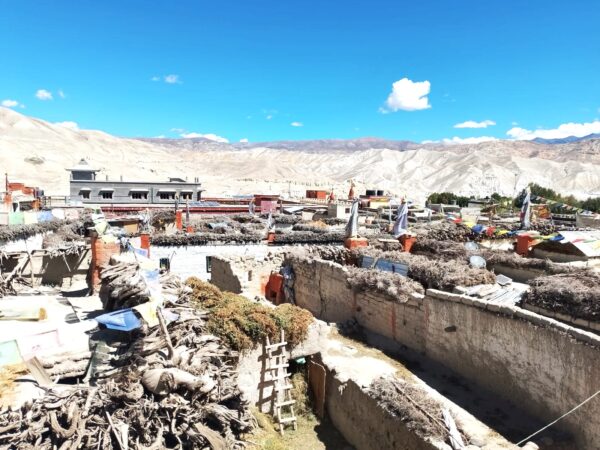
- Walk through authentic Sherpa settlements like Namche Bazaar, surrounded by fluttering prayer flags, stone walls, and warm Himalayan hospitality.
- The landscape and lifestyle evoke the legendary Shangri-La, giving trekkers a sense of peace, wonder, and timeless beauty.
- A compact trek that packs in rich culture, stunning vistas, and mountain magic, all in just a few days.
Overview
The first glimpse of the Himalayas doesn’t have to demand weeks of rugged hiking or extreme endurance. Nestled in the foothills of the world’s highest mountains lies a journey that feels more like a waking dream—the Everest Panorama Trek. It begins not with a heavy pack and a strenuous climb, but with a short hop across the sky.
Depending on the season, your adventure starts with a 35-minute flight from Kathmandu, touching down on Lukla’s legendary cliffside airstrip. If you’re traveling during the peak months of March, April, May, October, or November, the journey shifts to a scenic 5 to 6-hour drive to Manthali or Ramechhap, followed by a short 20-minute flight that lands you right at the doorstep of the mountains.
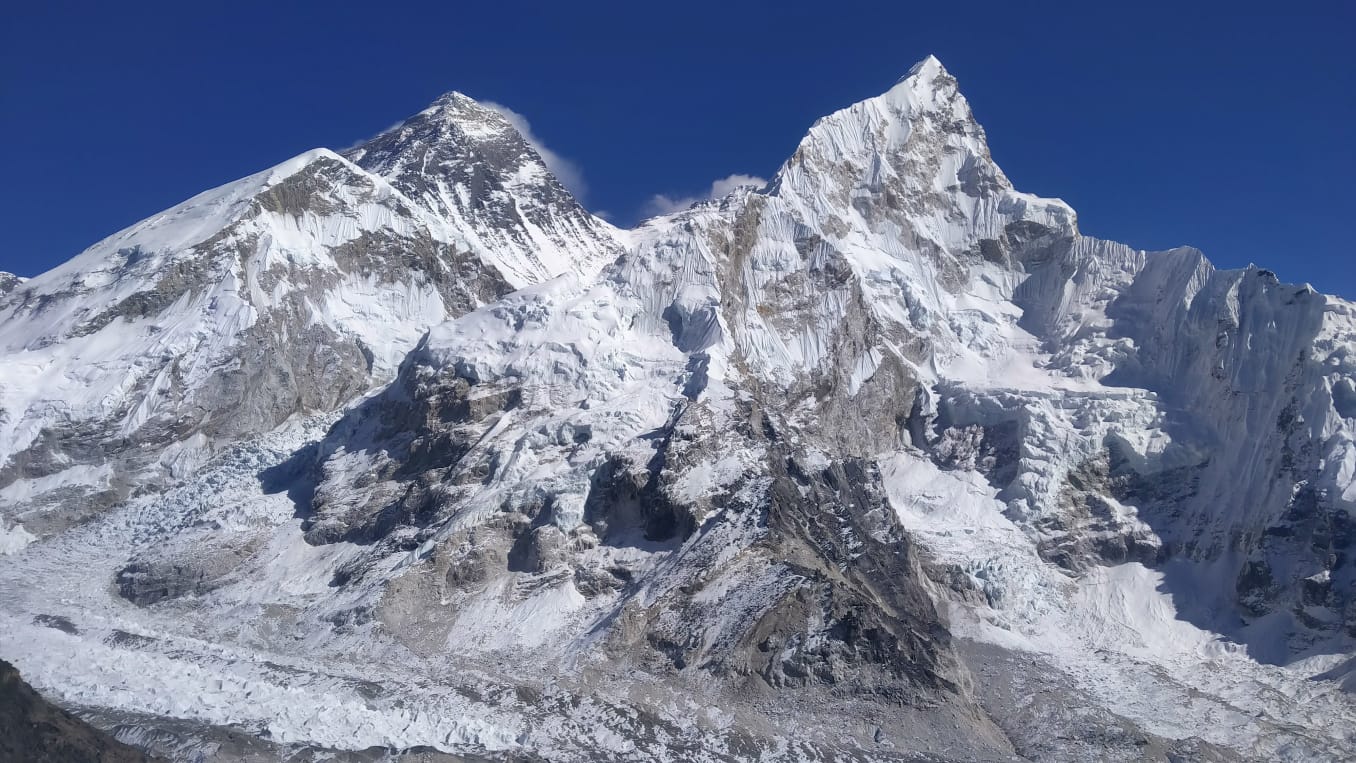
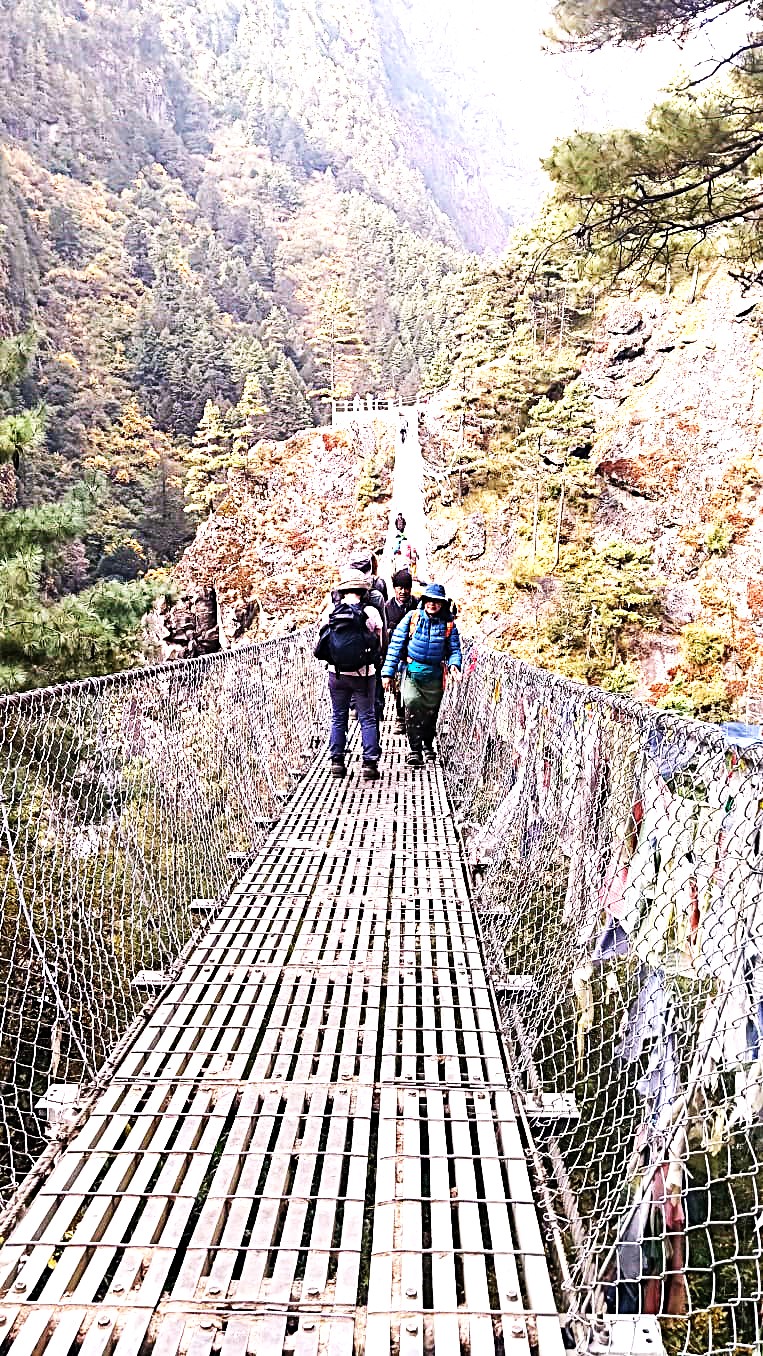
From Lukla, the trail winds gently through pine forests and across suspension bridges draped in prayer flags. You’ll pass through the bustling Sherpa hub of Namche Bazaar before ascending slowly toward the spiritual heart of the region, “Tengboche Monastery”. Perched at 3,860 meters, this sacred site offers more than just tranquility. On a clear day, it frames a panoramic masterpiece: Mt. Everest, Lhotse, Thamserku, and Ama Dablam rising in a jagged, snow-dusted line against an impossibly blue sky.
This trek is a gentle immersion into a world where Sherpa villages dot the hillsides, stupas whisper stories of faith, and every turn in the trail reveals another breathtaking view. It’s a place where the myth of Shangri-La doesn’t feel like fiction; it feels like home.
Perfect for first-time trekkers or those short on time but long on curiosity, the Everest Panorama Trek offers a rich taste of Himalayan life, culture, and beautwithout the commitment of a month-long expedition. It’s not just a walk in the mountains. It’s an introduction to a world that stays with you long after you’ve left.
Trek Route
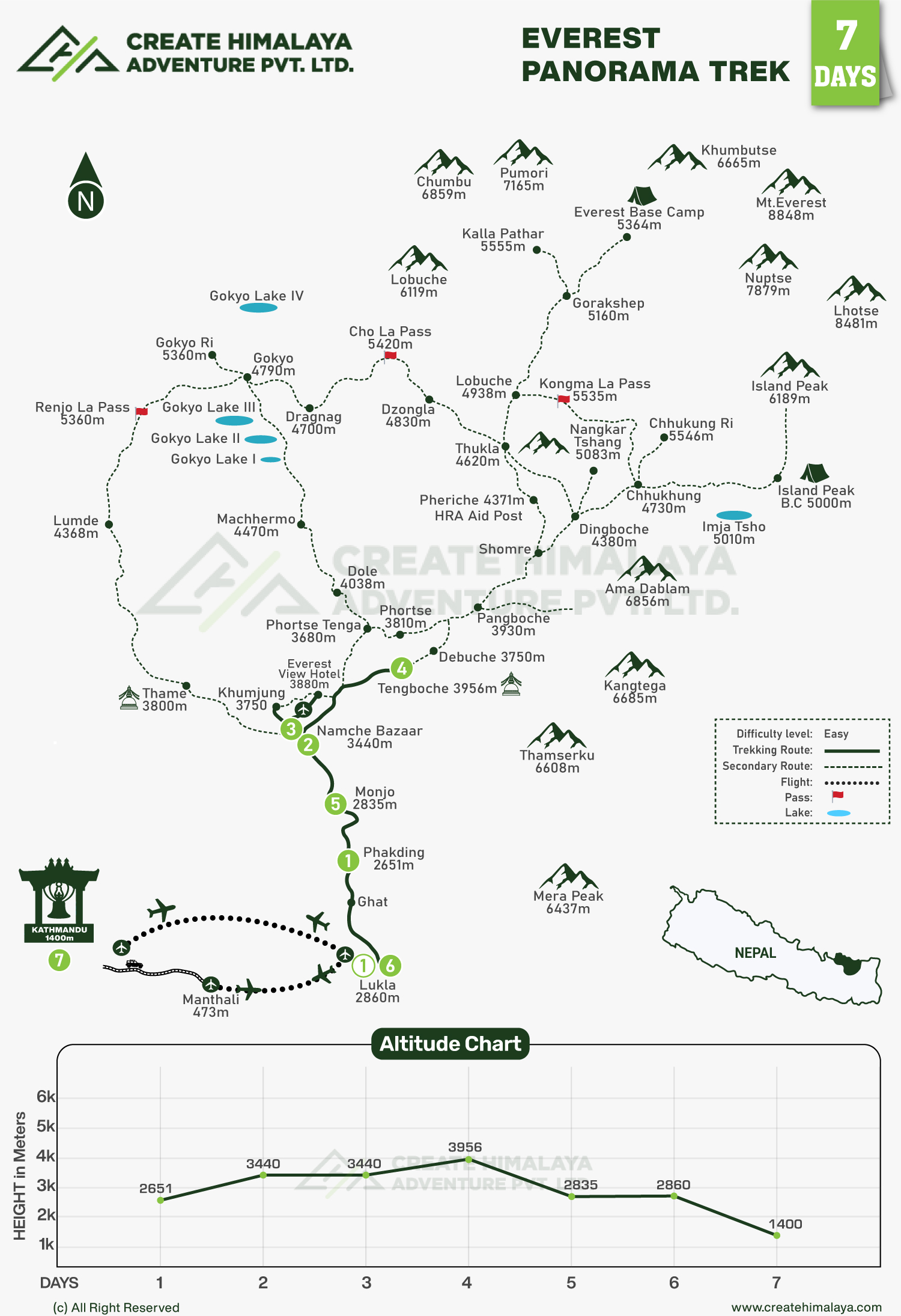
The Everest Panorama Trek is one of the most rewarding short trekking adventures in Nepal’s Everest region. The journey begins with a scenic flight from Kathmandu to Lukla, the gateway to the Khumbu region. From Lukla, the trail follows the Dudh Koshi River through beautiful Sherpa villages such as Phakding and Monjo before entering Sagarmatha National Park. The trek continues to the vibrant Sherpa town of Namche Bazaar, where trekkers spend an acclimatization day exploring nearby viewpoints. From Namche, the route ascends to the famous Everest View Hotel, offering breathtaking views of Mount Everest, Ama Dablam, Lhotse, and Thamserku. Many itineraries also include visits to Khumjung Village and the historic Tengboche Monastery before retracing the trail back to Lukla. The route combines stunning Himalayan panoramas, Sherpa culture, and comfortable trekking distances, making it ideal for trekkers with limited time.
Trek Cost
The cost of the Everest Panorama Trek generally ranges from USD 1,100 to USD 1,800 per person, depending on group size, accommodation standard, trekking season, and services included. The package usually covers domestic flights between Kathmandu and Lukla, trekking permits, accommodation in teahouses, meals during the trek, guide services, porter support, and airport transfers. Additional expenses may include travel insurance, personal trekking gear, hot showers, charging facilities, Wi-Fi, snacks, and gratuities. Trekking with a local company like Create Himalaya Adventure ensures excellent value, professional service, and an authentic Himalayan experience.
Trek Permit
Trekkers must obtain two permits for the Everest Panorama Trek. The first is the Sagarmatha National Park Entry Permit, which grants access to Nepal’s most famous national park and its protected Himalayan environment. The second is the Khumbu Pasang Lhamu Rural Municipality Permit, which is required for all visitors entering the Khumbu region. These permits help support conservation efforts, local infrastructure, and sustainable tourism development. Most trekking agencies arrange these permits on behalf of trekkers, ensuring a smooth and hassle-free journey.
Trek Difficulty
The Everest Panorama Trek is considered a moderate trek, making it suitable for beginners, families, and trekkers with average fitness levels. Daily walking typically ranges from 4 to 6 hours along well-established mountain trails. While no technical climbing is required, trekkers must be prepared for steep ascents, stone staircases, and high-altitude conditions. The highest point of the trek is usually the Everest View Hotel at approximately 3,880 meters, where the risk of altitude sickness is significantly lower than on longer Everest treks. With proper pacing and acclimatization, most trekkers complete the journey comfortably.
Why Choose Everest Panorama Trek
The Everest Panorama Trek is an excellent choice for trekkers who want to experience the beauty of the Everest region within a shorter and more comfortable itinerary. This trek offers breathtaking views of the world’s highest peaks, including Mount Everest, Ama Dablam, Lhotse, Nuptse, and Thamserku, while avoiding the extreme challenges of higher-altitude trekking. The journey takes you through beautiful Sherpa villages, ancient monasteries, and scenic Himalayan landscapes, providing a perfect combination of nature, culture, and adventure. With moderate difficulty, shorter walking days, and incredible mountain views, the Everest Panorama Trek is ideal for beginners, families, and travelers looking for a memorable Himalayan experience in Nepal.
Trip Itinerary
Kathmandu or Manthali/Ramechap to Lukla (Flight) and Trek to Phakding.
Flights to Lukla operate differently depending on the season. During peak trekking seasons, most Lukla flights are operated from Manthali Airport, while during non-peak seasons, flights operate directly from Kathmandu.
Manthali to Lukla Flights (March, April, May, September, October, and November): During these peak months, flights to Lukla depart from Manthali Airport, which is approximately a 5–6 hour drive from Kathmandu. To catch the flight, we leave Kathmandu between 1:00 AM and 3:00 AM by shared jeep and travel to Manthali Airport. From Manthali, a scenic 20-minute flight takes you to Lukla.
Kathmandu to Lukla Flights (January, February, June, July, August, and December): During the non-peak seasons, flights operate directly from the domestic terminal of Tribhuvan International Airport in Kathmandu. These flights usually depart early in the morning, typically between 6:00 AM and 7:00 AM.
After a scenic flight to Lukla, we arrive at Lukla Airport. Our porter-guide will be there to welcome you and assist with trek preparations. Before starting the walk, we take a short snack break in Lukla and then begin our trek toward Phakding. En route, we witness breathtaking mountain scenery, traditional Sherpa villages, prayer wheels, and fluttering prayer flags along the banks of the Dudh Koshi River.
Note: Flight schedules and updates are subject to change. For the most up-to-date information regarding Lukla flights, please consult one of our representatives.
Trek from Phakding to Namche Bazaar
After breakfast, we begin our trek along the serene Dudh Koshi River, crossing several suspension bridges as we head toward Namche Bazaar. The trail passes through small settlements, including Toktok, Benkar, Chomua, and Monjo.
After Monjo, we enter Sagarmatha National Park for permit verification and continue to Jorsalle (2,740 m / 8,989 ft), a peaceful riverside stop and an ideal place for lunch, marking the halfway point to Namche. Following lunch, we cross two more suspension bridges and gradually ascend to the iconic Hillary Suspension Bridge. A steep climb then leads to Top Danda, where we enjoy the first breathtaking view of Mount Everest. From here, Namche Bazaar is about an hour away.
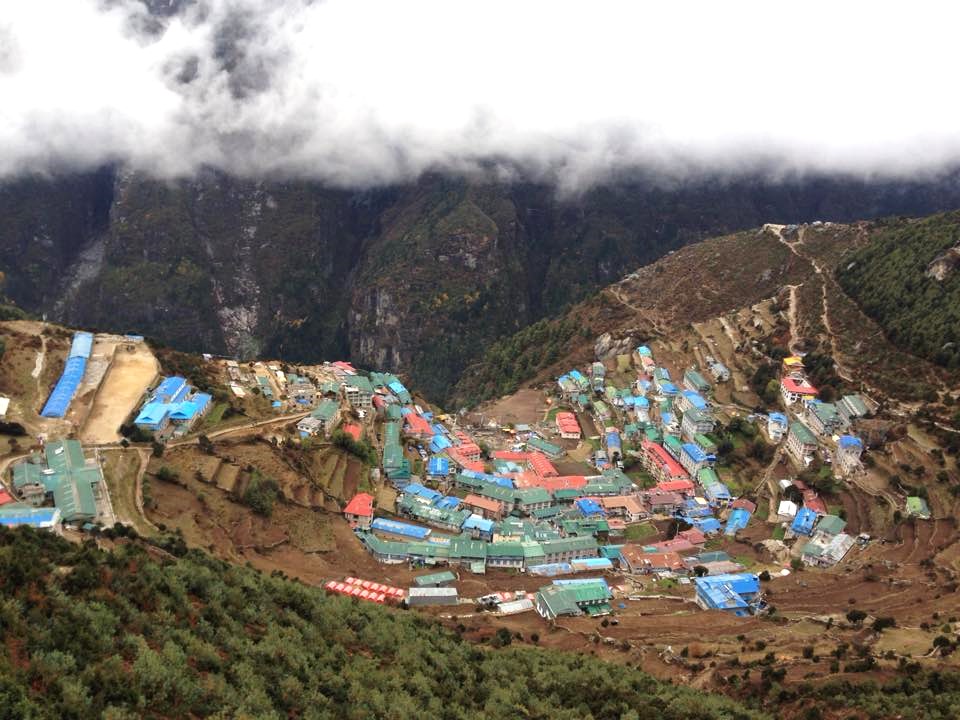
The trail is lined with mani stones, prayer wheels, chortens, and colorful prayer flags, reflecting the spiritual heritage of the Khumbu region, with scenic views of Kusum Kanguru, Thamserku, Nuptse, Taboche, and Mount Everest. After 5–6 hours of trekking, we arrive at the vibrant Sherpa town of Namche Bazaar—an ideal place for rest, acclimatization, and cultural immersion.
Acclimatization Day in Namche Bazaar
Proper acclimatization is essential to prevent altitude sickness while trekking at higher elevations. To adapt safely, we spend an acclimatization day in Namche Bazaar (3,440 m / 11,286 ft), the vibrant trading hub of the Everest region known for its modern amenities and warm Sherpa hospitality.
After breakfast, we take a short acclimatization hike to Hotel Everest View (3,880 m / 12,730 ft), one of the highest hotels in the world. This scenic viewpoint offers breathtaking panoramic views of Mount Everest, Lhotse, Nuptse, Ama Dablam, Thamserku, Khumbila, and surrounding Himalayan peaks.
The afternoon is free to explore Namche Bazaar, where you can visit the Everest Museum, browse local shops, enjoy cafés, or immerse yourself in the rich culture and lifestyle of the Sherpa community.
Trek from Namche to Tengboche
After breakfast, we continue our trek toward Tengboche. The trail ascends out of Namche Bazaar before leveling into a gradual climb through lush forests and past several stupas, including one built in memory of Tenzing Norgay Sherpa.
We pass through settlements such as Kenjoma, Sanasa, and Leushyasa, enjoying scenic mountain views before stopping for lunch at Phunke Tenga after 2–3 hours of trekking. From here, we cross a suspension bridge at the confluence of the Dudh Koshi River and Imja Khola and complete permit verification at the Sagarmatha National Park army post.
A steady 2–3 hour uphill climb then leads us to Tengboche (3,860 m), one of the finest viewpoints along the Everest Base Camp trek. Home to the revered Tengboche Monastery, the area offers panoramic views of Mount Everest, Lhotse, Nuptse, Ama Dablam, and Thamserku.
Arriving by mid-afternoon, we have time to visit the monastery and attend the evening Buddhist chanting ceremony, a peaceful and culturally enriching experience reflecting the deep spiritual traditions of the Khumbu region.
Trek from Tengboche to Monjo
Today we bid a quiet farewell to the enchanting Tengboche village. With its weather famously unpredictable, an early start after breakfast to get a smoother journey. The trail begins with a descent toward the rushing Imjatse River, followed by a steady hour-long climb that rewards you with the welcoming sight of Sanasa.
From here, the winding path leads you into the vibrant heart of Namche Bazaar, where a well-deserved lunch awaits at one of its finest restaurants. Stepping back onto the trail, leaving Namche behind, casting one last glance at the village framed against the mighty backdrop of Mt. Everest. The rugged path soon softens as it guides you into a lush, emerald forest, a hidden world where you might encounter shy musk deer, a Himalayan Tahr.
The path then takes a steep drop down to the Dudh Koshi River. Crossing the suspension bridge that leads you into Jorsale, which lies within the buffer zone of Sagarmatha National Park.
A short walk south brings you to Monjo Village. This small settlement serves as the entrance checkpoint for the national park. You'll find plenty of guesthouses and tea shops here. The old stone houses with their tin roofs and carved wooden windows give the village a charming, old-time vibe. It's a peaceful place to rest after a long day of walking.
Trek from Monjo to Lukla
Begin your walk along the beautiful Dudh Koshi River. The trail gently descends to Benkar, where you cross a suspension bridge and continue toward Ghat, a lovely place to stop for lunch and relax. With renewed energy, the path gradually climbs toward Chablung village, winding through peaceful forests of birch and juniper. Along the way, you’ll pass the Pasang Lhamu Memorial Gate, a meaningful landmark marking your return toward Lukla.
Before long, the familiar rooftops of Lukla come into view. After settling into your teahouse and dropping your backpack, take time to explore the lively village. Stroll through the small streets, browse local shops for souvenirs, and enjoy friendly conversations with the locals.
As evening falls on your final night in the Khumbu region, gather with your team to share a locally brewed drink and celebrate the journey you’ve completed together, a warm and memorable ending to an incredible adventure.
Lukla to Kathmandu or Ramechap Airport and drive back to Kathmandu.
During peak trekking seasons (March, April, May, September, October, and November), flights from Lukla are often diverted to Manthali Airport instead of Kathmandu due to heavy traffic. The flight duration is approximately 20 minutes, followed by a 5–6 hour drive to Kathmandu by shared jeep. Please note that travel time may vary depending on road conditions, weather, and traffic. Early departures are common, and delays can occur, so flexibility in travel plans is recommended.
During the monsoon and winter months (January, February, June, July, August, and December), flights from Lukla usually operate directly to Kathmandu. The flight takes around 35 minutes, followed by a 30-minute drive to your hotel if you are staying in the city. Flight routes can change due to weather or air traffic conditions, so it’s best to check the current flight status before booking and allow some flexibility in your travel plans.
After a leisurely breakfast, you will prepare for your journey back to Kathmandu (or via Manthali, if required). Upon arrival, a private transfer will take you to your hotel, where you can relax and rejuvenate in comfort after your remarkable Himalayan adventure with Create Himalaya.
Not Satisfied with This Itinerary?
Every traveler is different. Customize this trip with the help of our local travel specialists and create an itinerary that perfectly matches your interests, schedule, and budget.
What's included
- Airport Transfers: International Airport pick-up and drop-off service.
- Domestic Flight: Kathmandu to Lukla or Ramechhap to Lukla Flight.
- Transportations: Ground Transportation to and from Ramechhap airport.
- Trekking Permits: The required paperwork and trekking permit are required for Sagarmatha National Park.
- Local Permits: Local Government permits of khumbu Pasang Lhamu Rural Municipality.
- Trekking Equipment: We provide sleeping bags, down Jackets, and Duffle bag if needed.
- Souvenirs: Create Himalaya Adventure T-Shirt as a souvenir.
- Meals: Three meals a day (breakfast, lunch, dinner) during the trek.
- Accommodation: Twin-bed sharing with a shared toilet during the trek.
- Guide Expenses: All costs for an English-speaking, government-licensed guide.
- Guide Insurance: Insurance coverage for guides.
- Trekking Map: Everest Region Trip Map for the group.
- First Aid Kit: Medical kit available during the trip.
- Taxes and Fees: Tourist service charge, VAT, government tax, and official expenses.
What's not included
- International Expenses: International airfare, visa, and travel insurance.
- Kathmandu Meals: Breakfast, Lunch and Dinner at Kathmandu.
- Accommodation in Kathmandu: Accommodation in Kathmandu or on the trek for any reason (Early arrival or delay, early arrival from trek due to any reason).
- Porter Service: Porter to carry your luggage during the trek (if you would like to take a porter, it will cost you USD 30 for the each day trip, which you could add from our add-on option).
- Gratuities: Tips for Guide and Porter (expected from trekkers involved in Everest Base Camp Trek without Lukla Flight).
Map
Best Time for Everest Panorama Trek
The best time for the Everest Panorama Trek is during the spring season (March to May) and autumn season (September to November). During these months, the weather remains stable, skies are generally clear, and mountain views are at their best. Spring brings blooming rhododendron forests and mild temperatures, while autumn offers crisp air and exceptional visibility after the monsoon season. Winter trekking from December to February is also possible for those seeking quieter trails and snowy landscapes, although temperatures can be significantly colder. The monsoon season from June to August is less popular due to rainfall and reduced visibility.
Travel Insurance for Everest Panorama Trek
Comprehensive travel insurance is strongly recommended for the Everest Panorama Trek. Your insurance policy should cover high-altitude trekking activities up to at least 4,000 meters, emergency medical treatment, trip cancellations, lost luggage, and helicopter evacuation. Weather conditions in the Everest region can occasionally disrupt flight schedules, making travel protection particularly valuable. In case of illness, injury, or altitude-related emergencies, helicopter rescue may be necessary, and the associated costs can be substantial without adequate insurance coverage. Always carry a copy of your insurance policy during the trek.
Trekking Equipment for Everest Panorama Trek
Proper trekking equipment is essential for the Everest Panorama Trek to ensure safety, comfort, and an enjoyable Himalayan adventure. Since the route passes through beautiful Sherpa villages, mountain trails, and high-altitude viewpoints with elevations around 3,800–4,000 meters, trekkers should carry comfortable and reliable gear suitable for changing weather, cold mornings, and mountain conditions in the Everest region.
Trekking Equipment List:
- Waterproof trekking boots (well broken-in and comfortable for daily walks)
- Warm down jacket (for cold mornings and mountain evenings)
- Windproof/waterproof jacket and pants
- Thermal base layers (top and bottom for warmth)
- Lightweight trekking trousers and quick-dry t-shirts
- Warm hat, sun hat, and neck buff (for sun and cold protection)
- Trekking gloves (light and warm pair)
- Sleeping bag (suitable for cold mountain nights)
- Trekking poles for support on uphill and downhill trails
- Backpack (30–50L for personal essentials)
- Duffel bag or daypack (if using porter service)
- UV protection sunglasses
- Sunscreen and lip balm (important for high-altitude sun exposure)
- Headlamp with extra batteries
- Reusable water bottle or hydration bladder
- Basic first aid kit and personal medications
- Toiletries and quick-dry towel
- Power bank and charging cables
- Snacks and energy bars for trekking days
- Camera or phone for capturing Himalayan views (optional)
Trip Note – Everest Panorama Trek
The Everest Panorama Trek is a spectacular short Himalayan adventure that offers breathtaking views of the world’s highest peaks without requiring a long and challenging journey to Everest Base Camp. This scenic trek takes you through the beautiful Khumbu region, where you can experience stunning views of Mount Everest, Ama Dablam, Lhotse, Nuptse, Thamserku, and other Himalayan giants. Along the trail, trekkers explore traditional Sherpa villages, ancient Buddhist monasteries, and peaceful mountain landscapes while enjoying the warm hospitality and unique culture of the Everest region. With moderate altitude and well-planned acclimatization, this trek is suitable for travelers looking for an unforgettable Himalayan experience in a shorter time.
Create Himalaya Adventure is a trusted and reliable trekking company in Nepal, dedicated to providing safe, comfortable, and professionally organized trekking experiences. With experienced local guides, personalized service, and strong attention to safety, we ensure every trekker enjoys a smooth and memorable journey in the Himalayas. We focus on quality service, responsible tourism, and creating unforgettable mountain adventures that showcase the true beauty of Nepal.
FAQs
1. How long does the Everest Panorama Trek take?
Most itineraries take between 7 and 10 days, including trekking, acclimatization, and travel days.
2. Where does the Everest Panorama Trek start and end?
The trek typically starts and ends in Lukla, which is reached by a scenic flight from Kathmandu.
3. Can beginners do the Everest Panorama Trek?
Yes. The trek is suitable for beginners with a reasonable level of fitness and determination.
4. Is prior trekking experience necessary?
No. Previous trekking experience is helpful but not required.
5. What is the difficulty level of the trek?
The Everest Panorama Trek is considered a moderate trek with daily walks of around 4 to 6 hours.
6. What is the highest point reached during the trek?
The highest point is usually the Everest View Hotel area at approximately 3,880 meters.
7. Can I see Mount Everest without reaching Everest Base Camp?
Yes. The trek is designed for those who want excellent Everest views without trekking all the way to Base Camp.
8. What mountains can be seen during the trek?
You can enjoy views of Everest, Ama Dablam, Lhotse, Nuptse, Thamserku, Kongde Ri, and many other Himalayan peaks.
9. What are the best Everest viewpoints on this trek?
Everest View Hotel, Syangboche Ridge, Namche viewpoints, and Tengboche offer some of the finest mountain panoramas in the Khumbu region.
10. Is the Everest View Hotel included in the itinerary?
Yes. Most itineraries include a hike to Everest View Hotel, one of the most famous viewpoints in Nepal.
11. Is altitude sickness a concern on this route?
Although the risk is lower than on Everest Base Camp Trek, proper acclimatization is still important.
12. How can I reduce the risk of altitude sickness?
Walk slowly, stay hydrated, avoid alcohol, and follow your guide's acclimatization advice.
13. What is the best time to do this trek?
Spring (March-May) and autumn (September-November) offer the best weather and mountain views.
14. Is the trek possible during winter?
Yes. Winter trekking is possible, offering clear skies and fewer crowds, though temperatures can be very cold.
15. How cold does it get during the trek?
Temperatures vary by season, but mornings and nights can drop below freezing, especially in winter.
16. Are teahouses available along the route?
Yes. Comfortable teahouses are available throughout the trekking trail.
17. What kind of accommodation can I expect?
Most trekkers stay in locally operated teahouses offering twin-sharing rooms and communal dining areas.
18. What kind of food is available during the trek?
Common meals include dal bhat, noodles, pasta, rice dishes, soups, eggs, pancakes, tea, coffee, and bakery items.
19. Are vegetarian meals available?
Yes. Vegetarian food is widely available throughout the Everest region.
20. Is safe drinking water available?
Yes. Trekkers can purchase boiled water or use purification tablets and filtration systems.
21. Are hot showers available during the trek?
Yes. Most teahouses provide hot showers for an additional fee.
22. How much do hot showers cost?
Hot showers generally cost between USD 3 and USD 8, depending on the location and altitude.
23. Is Wi-Fi available on the trekking route?
Yes. Many lodges offer Wi-Fi services, although connection speeds may vary.
24. Are charging facilities available?
Yes. Most teahouses provide charging facilities for electronic devices at an extra cost.
25. Can children join the Everest Panorama Trek?
Yes. It is one of the most family-friendly treks in the Everest region.
26. Do I need a guide for this trek?
A guide is highly recommended for safety, navigation, cultural insights, and overall trekking support.
27. What makes this trek different from Everest Base Camp Trek?
It offers stunning Everest views and Sherpa culture in a shorter and less physically demanding itinerary.
28. Can I visit Tengboche Monastery during the trek?
Yes. Many itineraries include a visit to the famous Tengboche Monastery.
29. Why is Tengboche Monastery so special?
It is the largest and most important Buddhist monastery in the Everest region, surrounded by spectacular Himalayan scenery.
30. Can I attend prayer ceremonies at Tengboche Monastery?
Yes. Visitors are often welcome to observe traditional Buddhist prayer ceremonies.
31. What are the most popular side trips from Namche Bazaar?
Popular side trips include Everest View Hotel, Khumjung Village, Khunde Village, Syangboche Airstrip, and the Sherpa Culture Museum.
32. Is Khumjung Village worth visiting?
Yes. Khumjung offers rich Sherpa culture, a historic monastery, and the famous school established by Sir Edmund Hillary.
33. Can I extend the trek with additional side trips?
Yes. Extra days can be added to explore nearby villages, viewpoints, and cultural attractions.
34. Are side trips useful for acclimatization?
Absolutely. Short hikes around Namche Bazaar help your body adapt to altitude while providing incredible views.
35. Why is the Everest Panorama Trek so popular among first-time trekkers?
It combines spectacular Everest views, authentic Sherpa culture, comfortable trekking distances, excellent viewpoints, cultural landmarks like Tengboche Monastery, and rewarding side trips, making it one of the best short treks in the Himalayas.
No hidden fees • Best price guarantee