
Travel Insurance for Trekking in Nepal (2026/2027)
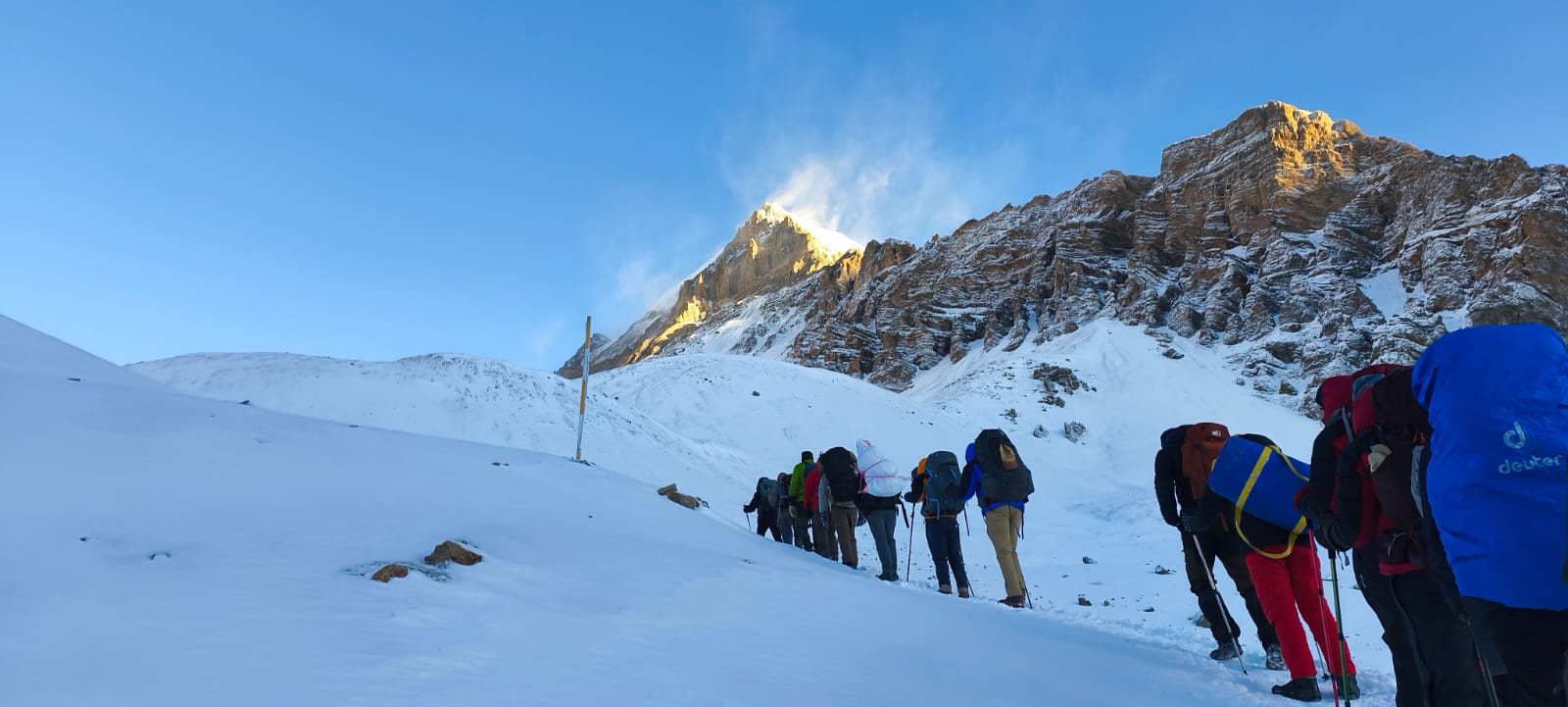
The Complete Guide to High-Altitude Trekking Insurance, Helicopter Rescue Coverage, and Choosing the Best Travel Insurance Company
The Himalayas have inspired travelers for generations. Every year, thousands of trekkers from around the world arrive in Nepal to experience legendary routes such as Everest Base Camp, the Annapurna Circuit, Langtang Valley, Manaslu Circuit, Upper Mustang, and many other breathtaking mountain trails. While these adventures promise unforgettable landscapes and cultural experiences, they also come with unique challenges that every traveler should prepare for before setting foot on the trail.
One of the most important preparations—yet one that many trekkers overlook—is purchasing the right travel insurance.
Travel insurance is much more than a requirement or an optional travel expense. It is your financial protection against unexpected events such as altitude sickness, injuries, flight cancellations, lost baggage, medical emergencies, and, most importantly, emergency helicopter evacuation. In the remote mountains of Nepal, where roads are limited and medical facilities are often several days’ walk away, helicopter rescue can literally save lives. However, these rescue operations can cost thousands of dollars if you are not properly insured.
At Create Himalaya Adventure, the safety of our guests is always our highest priority. As a government-licensed trekking company based in Kathmandu, we have guided travelers through Nepal’s mountains for many years. Our experienced guides have witnessed firsthand how the right travel insurance has helped trekkers receive immediate medical treatment, emergency evacuation, and financial support during unexpected situations.
Whether you are planning your first Himalayan trek or returning to Nepal for another adventure, choosing the right insurance policy is just as important as selecting the right trekking boots.
This comprehensive guide explains everything you need to know about travel insurance for trekking in Nepal in. You’ll learn what your policy should cover, how much helicopter rescue can cost, which altitude limits matter, common mistakes travelers make, and which insurance providers are popular in Europe, North America, South America, Asia, and Australia.
By the end of this guide, you’ll be able to choose a policy that gives you confidence to explore Nepal’s spectacular mountains while knowing you’re protected if the unexpected happens.
Why Travel Insurance Is Essential for Trekking in Nepal
Nepal is one of the world’s greatest trekking destinations, offering everything from easy village hikes to some of the highest mountain passes on Earth. Unlike ordinary holidays, trekking in Nepal takes you deep into remote Himalayan valleys where modern medical facilities, roads, and transportation are often unavailable.
Although thousands of trekkers safely complete their journeys every year, mountain travel always carries certain risks. The combination of high altitude, rapidly changing weather, rough terrain, and physical exertion means that even experienced hikers can face unexpected challenges.
High Altitude Increases Health Risks
One of the biggest concerns during Himalayan trekking is altitude.
Many of Nepal’s famous trekking routes climb well above 3,000 meters, where oxygen levels begin to decrease significantly. Popular destinations such as Everest Base Camp, Annapurna Circuit, Gokyo Lakes, Three Passes Trek, and Manaslu Circuit all reach elevations exceeding 5,000 meters.
At these heights, some trekkers may experience symptoms of Acute Mountain Sickness (AMS), including headaches, nausea, dizziness, fatigue, and difficulty sleeping. If ignored, altitude sickness can develop into life-threatening conditions such as High Altitude Pulmonary Edema (HAPE) or High Altitude Cerebral Edema (HACE).
In severe cases, immediate evacuation is the only safe solution.
Remote Trails Mean Limited Medical Facilities
Unlike cities where hospitals are easily accessible, many trekking regions in Nepal have only basic health posts or small clinics.
If a serious injury or illness occurs in places like Everest, Manaslu, Dolpo, Kanchenjunga, or Upper Mustang, advanced medical care may be several hours—or even days—away on foot.
When every minute matters, helicopter evacuation becomes the fastest and safest option.
Without travel insurance, these emergency flights can place an enormous financial burden on travelers.
Weather in the Himalayas Can Change Quickly
The weather in Nepal’s mountains is famous for changing rapidly.
A sunny morning can quickly become cloudy, followed by snowfall, rain, strong winds, or poor visibility. Sudden weather changes may cause flight delays, trail closures, or itinerary adjustments.
This is especially common in mountain airports such as Lukla and Jomsom, where weather conditions often determine whether flights operate safely.
Comprehensive travel insurance can help cover additional accommodation costs, transportation expenses, and trip interruptions caused by severe weather.
Trekking Accidents Can Happen to Anyone
Even well-prepared trekkers occasionally experience accidents.
Common trekking injuries include:
- Sprained ankles
- Knee injuries
- Slips on rocky trails
- Falls on icy sections
- Muscle strains
- Fractures
- Dehydration
- Food poisoning
Many of these situations require medical treatment or evacuation.
Having proper insurance ensures that you can focus on your recovery rather than worrying about expensive hospital bills.
Peace of Mind Throughout Your Journey
Perhaps the greatest benefit of travel insurance is peace of mind.
Knowing that you’re financially protected allows you to fully enjoy Nepal’s incredible mountains without constantly worrying about “what if” scenarios.
Instead of thinking about emergency costs, you can concentrate on the spectacular scenery, welcoming local communities, ancient monasteries, suspension bridges, alpine forests, and unforgettable Himalayan sunrises that make Nepal one of the world’s greatest adventure destinations.
Is Travel Insurance Mandatory for Trekking in Nepal?
This is one of the most common questions asked by travelers planning a Himalayan adventure.
The short answer is not always—but it is strongly recommended and, in many cases, expected.
For most classic trekking routes in Nepal, the government does not universally require foreign visitors to show proof of travel insurance when obtaining trekking permits. However, many trekking companies—including Create Himalaya Adventure—strongly encourage every client to have comprehensive travel insurance before beginning any trek.
For remote, high-altitude, or restricted-area treks, insurance becomes even more important because emergency rescue operations are expensive and difficult to organize.
Many trekking operators also require clients to provide insurance details before departure so guides can quickly coordinate emergency assistance if necessary.
If your itinerary includes trekking above 3,000 meters, your insurance should specifically cover:
- High-altitude trekking
- Emergency helicopter evacuation
- Hospitalization
- Medical treatment
- Emergency medical transportation
- Adventure activities
- Trip interruption
It is equally important to read the policy carefully. Some standard travel insurance plans exclude trekking above certain elevations, while others require an additional adventure sports upgrade. Always confirm the maximum altitude covered before purchasing your policy.
What Should Your Travel Insurance Cover?
Not all travel insurance policies are designed for trekking in the Himalayas.
Many standard vacation insurance plans are intended for sightseeing holidays and may exclude high-altitude trekking, mountain rescue, or adventure activities. Purchasing the cheapest policy without checking the details can leave you responsible for thousands of dollars in emergency expenses.
Before traveling to Nepal, make sure your insurance policy includes the following essential protections.
Emergency Helicopter Rescue
Helicopter evacuation is the single most important feature of any trekking insurance policy.
If severe altitude sickness, injury, or illness prevents you from walking safely, helicopter rescue may be the only practical option. Your policy should clearly state that helicopter evacuation is covered for trekking activities and should include sufficient financial limits to cover rescue costs in remote mountain regions.
High-Altitude Trekking Coverage
Always verify the maximum altitude covered by your insurance.
Some policies only insure trekking up to 3,000 meters, while Nepal’s most popular trekking routes often exceed 5,000 meters. If your trek includes destinations such as Everest Base Camp, Thorong La Pass, Cho La Pass, Renjo La Pass, or Larkya La Pass, your insurance must explicitly include those elevations.
When in doubt, choose a policy that covers trekking up to at least 6,000 meters.
Medical Expenses and Hospitalization
Your insurance should provide generous coverage for:
- Emergency medical treatment
- Doctor consultations
- Hospital admission
- Prescription medication
- Diagnostic tests
- Surgical procedures
- Intensive care if required
Medical costs can increase rapidly, particularly if treatment involves helicopter transport to Kathmandu.
Emergency Medical Evacuation
Some emergencies require transportation by helicopter followed by ambulance transfer to a hospital.
A quality policy should cover the complete evacuation process, including transportation between hospitals if specialist treatment is required.
Trip Cancellation and Trip Interruption
Unexpected events before or during your journey can disrupt your travel plans.
A comprehensive insurance policy may reimburse non-refundable expenses if your trip is cancelled or interrupted because of illness, injury, severe weather, family emergencies, or other covered reasons.
This protection can be especially valuable for trekkers who have already paid for international flights, domestic flights, trekking permits, accommodation, and guided trekking packages.
How Much Does Helicopter Rescue Cost in Nepal?
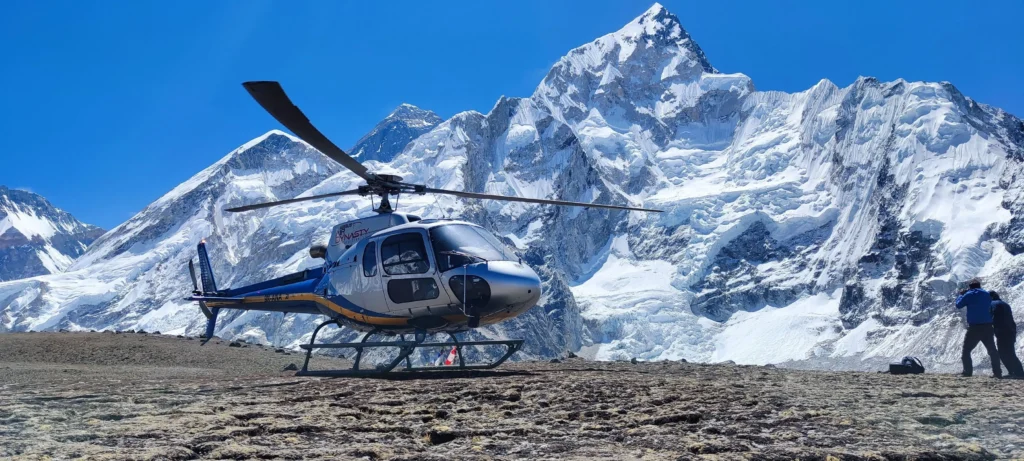
One of the biggest reasons experienced trekkers never travel to Nepal without comprehensive travel insurance is the cost of emergency helicopter evacuation. While helicopter rescue is an incredible service that has saved countless lives in the Himalayas, it is also one of the most expensive emergency services a traveler may ever need.
Nepal’s rugged geography makes many trekking routes inaccessible by road. In destinations such as the Everest Region, Manaslu, Dolpo, Kanchenjunga, Makalu, and parts of the Annapurna region, the fastest—and often only—way to evacuate a seriously ill or injured trekker is by helicopter.
Whether the emergency is caused by Acute Mountain Sickness (AMS), High Altitude Pulmonary Edema (HAPE), High Altitude Cerebral Edema (HACE), fractures, severe dehydration, or another medical condition, every hour counts. A helicopter can transport a patient from a remote mountain village to a hospital in Kathmandu or Pokhara within a short time, potentially preventing life-threatening complications.
However, these rescues are expensive.
Depending on the trekking region, weather conditions, flight distance, and altitude, helicopter evacuation typically costs between USD 3,000 and USD 15,000. In particularly remote locations or during adverse weather, costs may exceed this range.
For example:
Trekking Region Estimated Helicopter Rescue Cost
- Everest Region USD 4,000–10,000
- Annapurna Region USD 3,000–7,000
- Langtang Region USD 3,000–6,000
- Manaslu Region USD 4,000–8,000
- Upper Mustang USD 4,000–8,500
- Kanchenjunga Region USD 6,000–15,000
- Dolpo Region USD 7,000–15,000
These estimates vary depending on the location, weather, availability of helicopters, and operational requirements.
Without appropriate insurance, these expenses are generally the responsibility of the traveler.
For this reason, Create Himalaya Adventure strongly recommends purchasing travel insurance that specifically includes:
- Emergency helicopter rescue
- High-altitude trekking
- Medical evacuation
- Hospital treatment
- Search and rescue operations
Having the right insurance allows your guide and rescue coordinators to focus on getting you to safety instead of worrying about payment arrangements during an emergency.
What Altitude Should Your Insurance Cover?
One of the most common mistakes travelers make is assuming that every travel insurance policy automatically covers mountain trekking.
Unfortunately, this is not true.
Many standard travel insurance policies only cover activities below 2,500 or 3,000 meters. Once you trek above these elevations, your insurance may become invalid unless you’ve purchased an adventure or high-altitude upgrade.
Since Nepal is home to some of the world’s highest trekking routes, choosing the correct altitude coverage is essential.
Below are the highest elevations reached on Nepal’s most popular trekking routes.
Trek Highest Elevation
- Everest Base Camp Trek 5,364 m
- Everest Three Passes Trek 5,545 m
- Gokyo Lakes Trek 5,357 m
- Annapurna Circuit Trek (Thorong La Pass) 5,416 m
- Annapurna Base Camp Trek 4,130 m
- Manaslu Circuit Trek 5,106 m
- Langtang Valley Trek (Tserko Ri) 4,984 m
- Mardi Himal Trek 4,500 m
- Upper Mustang Trek 3,810 m
- Kanchenjunga Base Camp Trek 5,143 m
- Makalu Base Camp Trek 5,250 m
- Nar Phu Valley Trek 5,320 m
When comparing insurance policies, don’t simply look for “trekking coverage.” Instead, confirm the maximum insured altitude.
For most trekking holidays in Nepal, Create Himalaya Adventure recommends selecting insurance that covers trekking up to 6,000 meters. This provides suitable protection for almost all popular trekking routes in Nepal.
If you’re planning mountaineering or technical climbing above 6,000 meters, you’ll need a specialized mountaineering insurance policy rather than standard trekking insurance.
Best Travel Insurance Companies for European Travelers
Europe is one of the largest sources of trekkers visiting Nepal each year. Many European insurance providers offer excellent adventure travel policies that include high-altitude trekking, emergency medical care, and helicopter evacuation.
Below are some of the most popular choices.
True Traveller
True Traveller is widely recommended among backpackers and adventure travelers across Europe.
Best For
- High-altitude trekking
- Long-term travel
- Backpackers
- Adventure holidays
- Advantages
- Adventure sports options
- High-altitude trekking available
- Emergency evacuation coverage
- Flexible policies
- Things to Check
Always verify the maximum trekking altitude covered before purchasing.
Allianz Travel
Allianz is one of the world’s largest travel insurance providers and offers comprehensive policies suitable for many travelers visiting Nepal.
Best For
- Families
- International travelers
- Medical coverage
- Trip cancellation
- Advantages
- Global reputation
- Excellent customer support
- Strong medical benefits
- Wide international network
- Things to Check
Adventure activities may require an additional upgrade.
AXA Travel Insurance
AXA offers several travel insurance plans that can be suitable for trekking holidays when adventure coverage is added.
Advantages
- Comprehensive medical protection
- Worldwide emergency assistance
- Reliable claims service
- Flexible policy options
Battleface
Battleface specializes in adventure travel and remote destinations.
It has become increasingly popular among experienced trekkers because of its flexible coverage for outdoor activities.
Best For
- Adventure travel
- Remote expeditions
- High-risk destinations
Snowcard
Snowcard is well known for covering numerous adventure sports.
Trekkers heading to Nepal often choose Snowcard because of its extensive activity list.
Austrian Alpine Club (Alpenverein)
Many Austrian mountaineers use Alpine Club membership because it includes mountain rescue benefits in various regions.
Travelers should always confirm that their membership benefits apply specifically to trekking in Nepal.
British Mountaineering Council (BMC) Travel Insurance
- The BMC provides insurance designed specifically for mountain enthusiasts.
- Its policies are particularly popular among British trekkers visiting Nepal.
- Best Travel Insurance Companies for American Travelers
- Travelers from the United States often look for insurance policies that combine comprehensive medical coverage with high evacuation limits.
Below are some of the most recognized providers.
World Nomads is one of the best-known travel insurance providers among international backpackers and trekkers.
Best For
- Everest Base Camp
- Annapurna Circuit
- Backpacking
- Adventure travel
- Advantages
- Adventure activities available
- Emergency evacuation
- Medical protection
- Worldwide assistance
IMG Global has long been a trusted provider for international travelers.
Its plans often include excellent emergency medical benefits.
Suitable For
- Long trips
- International travel
- Medical emergencies
American travelers frequently choose Allianz because of its broad range of plans and global assistance network.
Global Rescue is unique because it focuses on emergency evacuation and field rescue services.
It is especially popular among mountaineers, climbers, and expedition travelers visiting remote Himalayan regions.
GeoBlue is well known for international medical insurance with access to an extensive healthcare network worldwide.
Seven Corners offers comprehensive international travel insurance with competitive medical limits.
Many adventure travelers appreciate its flexible coverage options.
Travel Guard provides multiple travel insurance packages that can be customized for adventure travel.
Berkshire Hathaway Travel Protection
This company is recognized for strong customer service and comprehensive travel benefits.
Best Travel Insurance Companies for Canadian Travelers
Canadian trekkers visiting Nepal frequently choose providers that offer comprehensive international medical insurance.
Popular companies include:
- TuGo: Known for reliable emergency medical coverage and worldwide assistance.
- Blue Cross Travel Insurance: Offers strong medical benefits with optional adventure activity coverage.
- Allianz Global Assistance Canada: A trusted international provider offering comprehensive travel insurance.
- Manulife Travel Insurance: Popular among Canadian travelers because of its flexible plans and medical benefits.
- World Nomads: Still one of the most recommended providers for backpackers and independent trekkers.
Best Travel Insurance Companies for Australian Travelers
Australia sends thousands of trekkers to Nepal every year.
These companies are frequently chosen by Australian adventurers.
Cover-More
One of Australia’s leading travel insurance providers.
- NIB Travel Insurance: Offers comprehensive overseas medical protection with optional adventure coverage.
- Allianz Australia: A well-established international insurance provider offering multiple policy options.
- OneCover: Popular for overseas holidays and adventure travel.
- World Nomads: Remains one of the leading choices for Australian backpackers traveling throughout Nepal.
Best Travel Insurance Companies for Asian Travelers
Travelers from Asia should also ensure that their insurance includes high-altitude trekking and emergency helicopter evacuation, as these features are not automatically included in every policy.
India
Popular providers include:
- ICICI Lombard
- Tata AIG
- Bajaj Allianz
- HDFC ERGO
- Reliance General Insurance
Many of these companies offer overseas travel insurance, but travelers should carefully confirm trekking altitude limits and adventure activity coverage.
Singapore
Recommended providers include:
- Income Insurance
- Singlife
- MSIG Singapore
- World Nomads
These companies generally provide excellent international travel coverage, although trekking above certain elevations may require additional protection.
Malaysia
Popular options include:
- Allianz Malaysia
- AIG Malaysia
- Etiqa Travel Insurance
Travelers should verify emergency helicopter evacuation benefits before purchasing.
Japan
Japanese travelers commonly use:
Both companies offer international travel insurance with a variety of policy options.
South Korea
Popular providers include:
- Samsung Fire & Marine Insurance
- DB Insurance
These companies offer international travel insurance, but trekkers should always confirm that Himalayan trekking and emergency evacuation are specifically included.
Best Travel Insurance Companies in Nepal
Travelers purchasing insurance in Nepal can consider several established local providers. Before buying, confirm that the policy covers high-altitude trekking, emergency helicopter evacuation, medical treatment, and search and rescue.
Popular options include:
- ASC360
- Shikhar Insurance
- Neco Insurance
- Himalayan Everest Insurance
- Siddhartha Premier Insurance
- Nepal Insurance Company
Always check the maximum altitude limit, helicopter rescue coverage, adventure activity exclusions, and medical coverage before starting your trek.
Choosing the Right Insurance Company
No single insurance company is the best choice for every traveler. The ideal policy depends on your country of residence, age, destination, planned trekking altitude, trip duration, medical history, and adventure activities.
Before purchasing any policy, carefully compare:
- Maximum trekking altitude covered
- Emergency helicopter evacuation
- Search and rescue expenses
- Medical treatment limits
- Hospitalization coverage
- Trip cancellation protection
- Adventure sports inclusion
- Personal liability
- Baggage protection
- 24-hour emergency assistance
- Claim process and customer support
At Create Himalaya Adventure, we always recommend reading the policy wording carefully and contacting the insurer if you are unsure whether your trek is covered. A few extra minutes spent reviewing your insurance before departure can make a significant difference if you ever face an emergency in Nepal’s mountains.
Best Travel Insurance for Everest Base Camp Trek
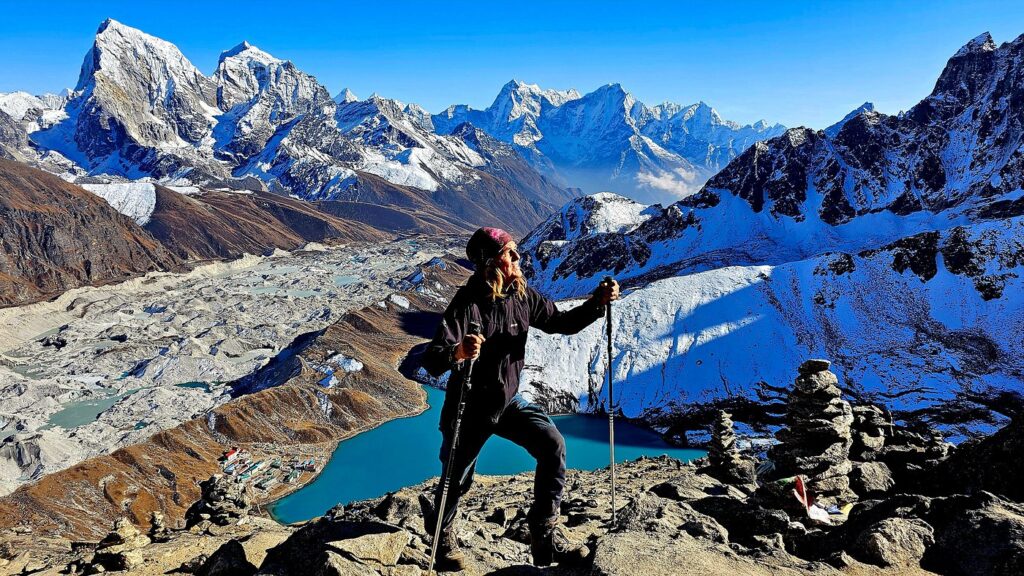
The Everest Base Camp (EBC) Trek is Nepal’s most famous trekking adventure and a dream destination for thousands of trekkers every year. The journey takes you deep into the heart of the Khumbu region, passing through Sherpa villages, ancient monasteries, suspension bridges, and breathtaking mountain landscapes before reaching Everest Base Camp at 5,364 meters (17,598 feet).
While the trek is considered achievable for people with good physical fitness, it also involves significant risks due to high altitude, unpredictable weather, and remote terrain. Medical facilities along the trail are limited, and severe altitude sickness or injuries often require emergency helicopter evacuation to Kathmandu.
For this reason, choosing the right travel insurance is just as important as preparing physically for the trek.
Essential Insurance Coverage for Everest Base Camp
Your insurance policy should include:
- High-altitude trekking coverage up to 6,000 meters
- Emergency helicopter evacuation
- Search and rescue operations
- Medical treatment and hospitalization
- Acute Mountain Sickness (AMS) treatment
- Trip interruption and cancellation
- Flight delay protection (especially Kathmandu–Lukla flights)
- Lost baggage and personal belongings
- 24/7 emergency assistance
Why Helicopter Rescue Matters on the EBC Trek
The Everest region has no road access. If a trekker develops serious altitude sickness at Namche Bazaar, Dingboche, Lobuche, Gorakshep, or Everest Base Camp, descending on foot may not be safe or fast enough.
In these situations, helicopter evacuation can save valuable time and significantly improve the chances of recovery. Without insurance, these flights can cost several thousand US dollars.
At Create Himalaya Adventure, our experienced guides continuously monitor clients for symptoms of altitude sickness and follow proper acclimatization schedules. However, mountain conditions can change quickly, making comprehensive insurance an essential part of every Everest trekking plan.
Best Travel Insurance for Annapurna Circuit Trek
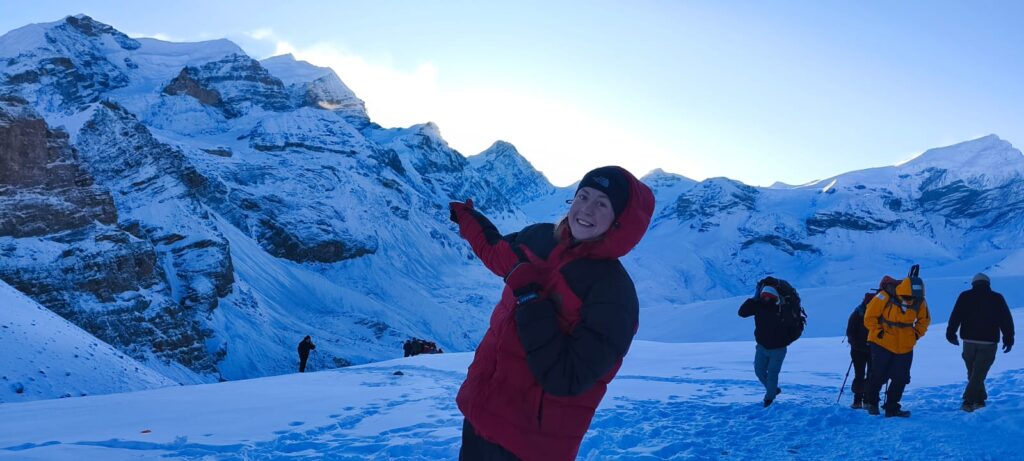
The Annapurna Circuit Trek is one of the world’s classic long-distance trekking routes. It offers an incredible variety of landscapes, from lush subtropical forests and traditional villages to alpine valleys, deserts, and the dramatic crossing of Thorong La Pass (5,416 meters).
The changing terrain and high elevation make proper travel insurance extremely important.
Recommended Insurance Coverage
Your insurance should include:
- Trekking above 5,500 meters
- Emergency helicopter rescue
- Altitude sickness treatment
- Medical evacuation
- Hospital expenses
- Trip cancellation
- Weather-related travel delays
- Thorong La Pass
Thorong La Pass is the highest point of the Annapurna Circuit and one of Nepal’s most famous mountain passes.
Strong winds, snow, ice, freezing temperatures, and reduced oxygen levels make this section physically demanding. Although thousands of trekkers cross the pass safely each year, some develop altitude sickness or require emergency assistance.
Insurance that specifically covers high-altitude trekking provides valuable financial protection during this challenging section of the trek.
Best Travel Insurance for Manaslu Circuit Trek
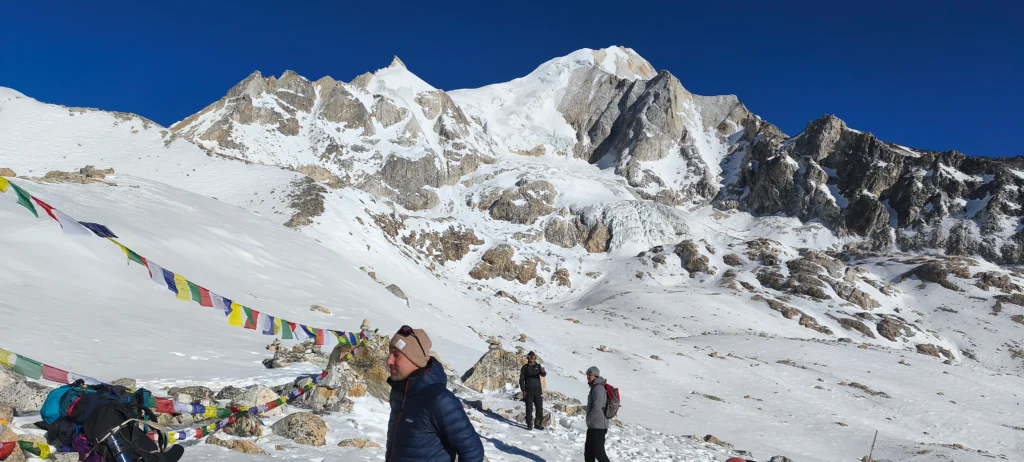
The Manaslu Circuit Trek is one of Nepal’s most spectacular restricted-area treks. Compared with Everest and Annapurna, it is quieter, more remote, and offers a more authentic Himalayan experience.
The route crosses Larkya La Pass (5,106 meters) and passes through isolated mountain villages where medical facilities are extremely limited.
Why Comprehensive Insurance Is Essential
Because of the remote location, emergency response may take longer than on more popular trekking routes.
Your policy should include:
- High-altitude trekking
- Helicopter evacuation
- Search and rescue
- Medical treatment
- Hospitalization
- Emergency transportation
- Adventure trekking activities
Trekkers should also ensure their insurance remains valid throughout the entire restricted-area itinerary.
Best Travel Insurance for Langtang Valley Trek
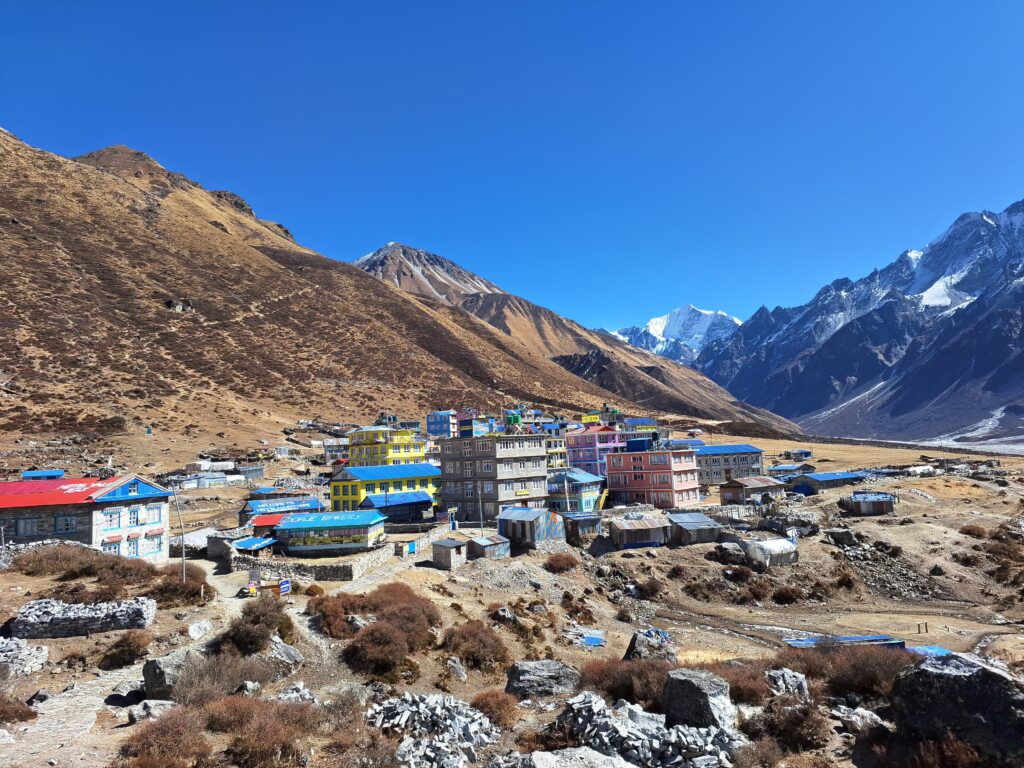
Located north of Kathmandu, the Langtang Valley Trek is one of Nepal’s most accessible Himalayan adventures. Despite its proximity to the capital, the region still reaches significant elevations, with Tserko Ri (4,984 meters) offering one of the trek’s most rewarding viewpoints.
The Langtang region combines beautiful forests, traditional Tamang culture, glaciers, and stunning mountain scenery.
Although the trek is generally considered moderate in difficulty, altitude sickness, injuries, and unexpected medical emergencies can still occur.
Recommended Insurance
Choose a policy that covers:
- Trekking up to at least 5,000 meters
- Emergency helicopter rescue
- Medical expenses
- Hospitalization
- Trip interruption
- Emergency evacuation
Proper insurance ensures peace of mind while exploring one of Nepal’s most scenic trekking destinations.
Common Mistakes Travelers Make When Buying Trekking Insurance
Many trekkers purchase travel insurance without carefully reviewing the policy details. Unfortunately, discovering that important situations are excluded often happens only after an emergency occurs.
Avoid these common mistakes.
Buying the Cheapest Policy
The lowest-priced policy is not always the best value.
Cheap travel insurance may exclude mountain trekking, helicopter evacuation, or adventure activities. Spending a little more on comprehensive coverage can save thousands of dollars in unexpected expenses.
Ignoring Altitude Limits
One of the most common mistakes is assuming all trekking is automatically covered.
Some insurance companies only cover hiking below 2,500 or 3,000 meters.
Always verify that your policy covers the highest altitude of your planned trek.
No Helicopter Evacuation Coverage
Emergency helicopter rescue is one of the most important features for trekking in Nepal.
Without this benefit, travelers may be responsible for paying the full cost of an evacuation.
Forgetting Adventure Activity Coverage
Some insurers classify trekking above certain elevations as an adventure sport.
If an adventure activity upgrade is required, purchase it before your trip begins.
Not Reading the Exclusions
Every policy contains exclusions.
Carefully review what is not covered, including:
- Pre-existing medical conditions
- Alcohol or drug-related incidents
- Climbing without appropriate coverage
- Professional expeditions
- Certain adventure sports
Understanding exclusions helps prevent unpleasant surprises later.
Waiting Until Arrival in Nepal
Many insurance companies require policies to be purchased before leaving your home country.
Buying insurance early also ensures trip cancellation benefits are available if unexpected events occur before departure.
How to Choose the Right Travel Insurance for Trekking in Nepal
With hundreds of travel insurance providers available, choosing the right policy may seem overwhelming. Focusing on the most important features makes the decision much easier.
Step 1: Know Your Trek
Different trekking routes require different levels of coverage.
For example:
- Everest Base Camp requires coverage above 5,364 meters
- Annapurna Circuit reaches 5,416 meters
- Manaslu Circuit reaches 5,106 meters
- Upper Mustang remains below 4,000 meters
Choose a policy that covers your trek’s maximum altitude.
Step 2: Confirm Helicopter Rescue
Never assume helicopter rescue is automatically included.
Look specifically for:
- Emergency helicopter evacuation
- Search and rescue
- Air ambulance services
- Medical transportation
Step 3: Compare Medical Coverage
Choose generous limits for:
- Emergency medical treatment
- Hospitalization
- Surgery
- Prescription medication
- Follow-up treatment
Step 4: Review Trip Protection
Good travel insurance should also include:
- Trip cancellation
- Trip interruption
- Flight delays
- Lost baggage
- Passport replacement
- Personal liability
Step 5: Check the Claims Process
A policy is only as good as its claims service.
Choose an insurance company with:
- 24-hour emergency assistance
- Easy claim procedures
- Worldwide support
- Good customer reviews
- Fast response times
Why Choose Create Himalaya Adventure?
Planning a Himalayan trek involves much more than booking flights and packing your backpack. Choosing a reliable local trekking company plays a vital role in ensuring your journey is safe, enjoyable, and memorable.
At Create Himalaya Adventure, we are committed to providing exceptional trekking experiences while prioritizing the safety and well-being of every traveler.
Experienced Local Team
Our guides have years of experience leading treks throughout Nepal’s most iconic destinations, including:
- Everest Base Camp
- Annapurna Base Camp
- Annapurna Circuit
- Langtang Valley
- Manaslu Circuit
- Upper Mustang
- Kanchenjunga
- Mardi Himal
- Gokyo Lakes
- Everest Three Passes Trek
Their local knowledge helps you experience not only the spectacular landscapes but also the rich cultures, traditions, and hospitality of Nepal’s mountain communities.
Safety Is Our Top Priority
Every itinerary is carefully designed with proper acclimatization and realistic walking distances to reduce the risk of altitude-related illnesses.
Our guides monitor your health throughout the trek and are trained to recognize early signs of Acute Mountain Sickness (AMS). If necessary, they coordinate emergency assistance and evacuation according to established safety procedures.
While Create Himalaya Adventure assists clients during emergencies, each traveler is responsible for arranging their own travel insurance before arriving in Nepal. We strongly recommend purchasing a policy that includes high-altitude trekking, emergency helicopter evacuation, and comprehensive medical coverage.
Personalized Service
No two travelers are the same.
Whether you’re a solo trekker, a couple, a family, or part of a private group, we customize each itinerary to match your interests, fitness level, schedule, and travel goals.
From airport pickup to your final departure, our dedicated team is available to assist you throughout your Himalayan adventure.
Responsible and Sustainable Tourism
We believe that tourism should benefit both visitors and local communities.
Create Himalaya Adventure supports responsible trekking by respecting local cultures, promoting environmentally friendly practices, and working closely with local guides, porters, tea houses, and community businesses.
By choosing a responsible trekking company, you’re helping preserve Nepal’s extraordinary mountain environment for future generations.
Final Thoughts
Trekking in Nepal is more than just a holiday—it’s a life-changing adventure that takes you through some of the world’s most spectacular mountain landscapes. Whether you’re standing beneath the towering peaks of the Everest region, crossing the legendary Thorong La Pass, exploring the peaceful Langtang Valley, or discovering the untouched beauty of the Manaslu Circuit, every journey into the Himalayas is filled with unforgettable experiences.
While proper fitness, quality equipment, and experienced guides are all essential for a successful trek, travel insurance is equally important. The right insurance policy protects you from unexpected medical expenses, emergency helicopter evacuation, trip cancellations, lost luggage, and other unforeseen events that can occur during mountain travel.
Before purchasing a policy, carefully review the maximum trekking altitude, emergency evacuation coverage, medical limits, exclusions, and adventure activity benefits. Spending a little extra time comparing policies can make a significant difference if you ever need emergency assistance.
At Create Himalaya Adventure, we are passionate about helping travelers explore Nepal safely and responsibly. Our experienced team is always happy to answer questions about trekking preparation, recommended equipment, permits, and insurance requirements, allowing you to focus on enjoying the incredible beauty of the Himalayas with confidence.
We look forward to welcoming you to Nepal and helping you create memories that will last a lifetime.
Frequently Asked Questions (FAQs)
Do I need travel insurance for trekking in Nepal?
Yes. While it is not mandatory for every trekking route, comprehensive travel insurance with high-altitude and helicopter evacuation coverage is strongly recommended.
What altitude should my insurance cover?
For most popular treks, choose a policy that covers at least 6,000 meters.
Does travel insurance cover Everest Base Camp Trek?
Many policies do, but only if they specifically include high-altitude trekking and the trek’s maximum elevation.
Is helicopter rescue included in all travel insurance policies?
No. Always verify that emergency helicopter evacuation is explicitly included.
How much does helicopter rescue cost in Nepal?
Depending on the location and weather, rescue costs generally range from USD 3,000 to USD 10,000.
Does travel insurance cover altitude sickness?
Many comprehensive policies do, provided the symptoms are treated promptly and the policy includes high-altitude trekking.
Can I buy travel insurance after arriving in Nepal?
Some insurers allow this, but many require policies to be purchased before departure. Buying early also provides trip cancellation benefits.
Which trekking routes require the highest insurance coverage?
Everest Base Camp, Everest Three Passes, Annapurna Circuit, Manaslu Circuit, Makalu Base Camp, and Kanchenjunga Base Camp all require high-altitude coverage.
What should I do if I need emergency evacuation?
Inform your trekking guide immediately. Your guide and the emergency assistance team will coordinate rescue procedures with your insurance provider.
Can Create Himalaya Adventure arrange my travel insurance?
No. Travelers should purchase insurance from a reputable provider in their country of residence. However, Create Himalaya Adventure is happy to advise you on the type of coverage needed for your chosen trekking itinerary.
Ramchandra Lamichhane
Trekking Expert
No hidden fees • Local experts • Best price guarantee