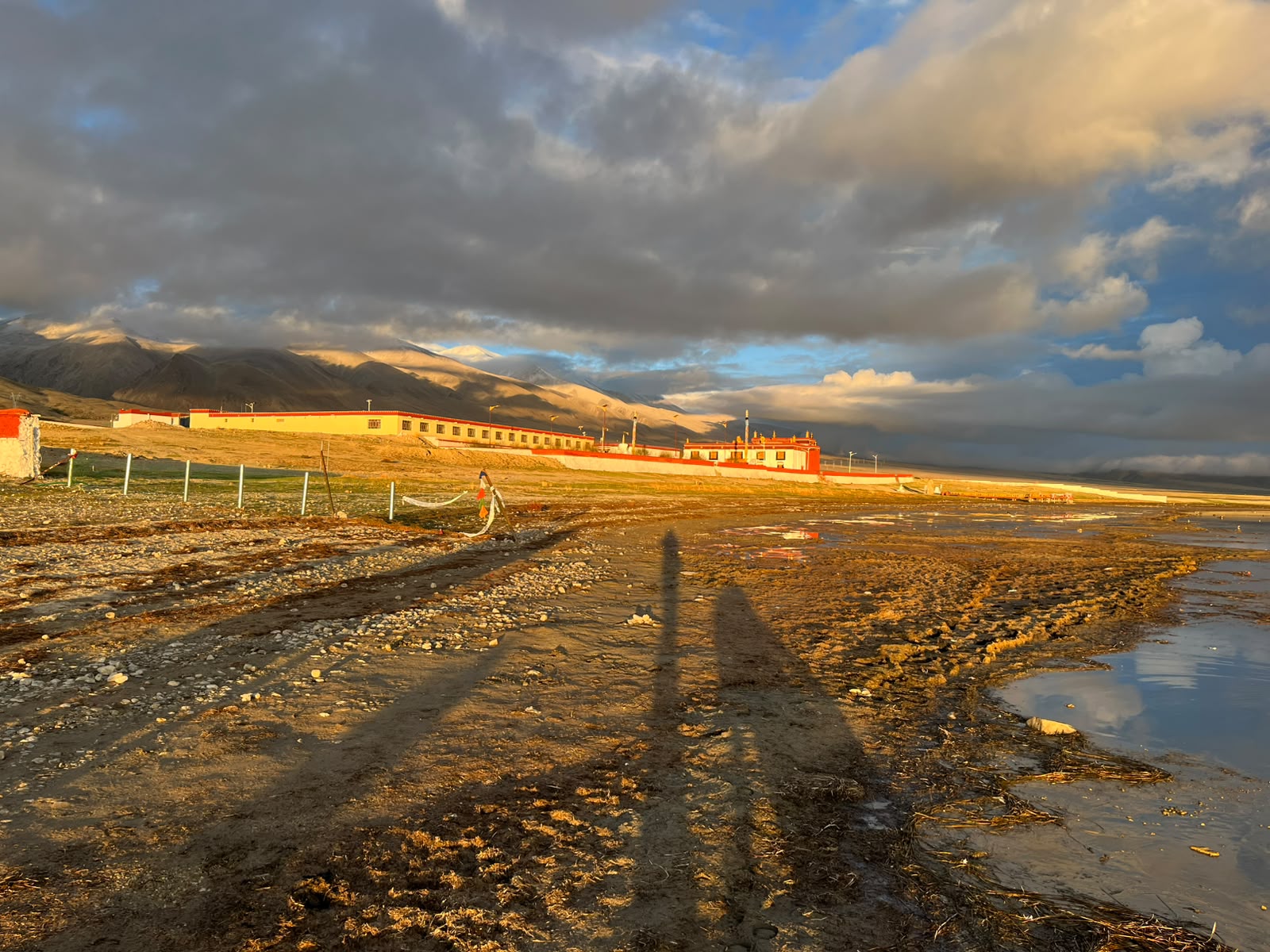
Mount Kailash Mansarovar Tour by Helicopter via Hilsa – 11 Days
The Mount Kailash Mansarovar Tour by Helicopter via Hilsa is one of the most remarkable spiritual journeys in the Himalayas. It combines sacred pilgrimage, dramatic Himalayan landscapes, Tibetan culture, and […]
Highlights
- Fly through remote western Nepal including Nepalgunj and Simikot.
- Experience a spectacular helicopter flight from Simikot to Hilsa.
- Cross the Nepal–China border and enter the Tibetan Plateau.
- Spend time beside the sacred Lake Mansarovar.
- Enjoy views of Mount Kailash and Mount Gurla Mandhata.
- Visit Chiu Monastery overlooking Lake Mansarovar.
- See the striking contrast between Lake Mansarovar and Rakshas Tal.
- Begin the sacred Kailash Kora from Darchen/Yamadwar.
- Trek through the rugged valley toward Dirapuk.
- Cross the challenging Dolma La Pass.
- Visit Gauri Kund during the Parikrama.
- Stay around Zutulpuk Monastery before completing the Kora.
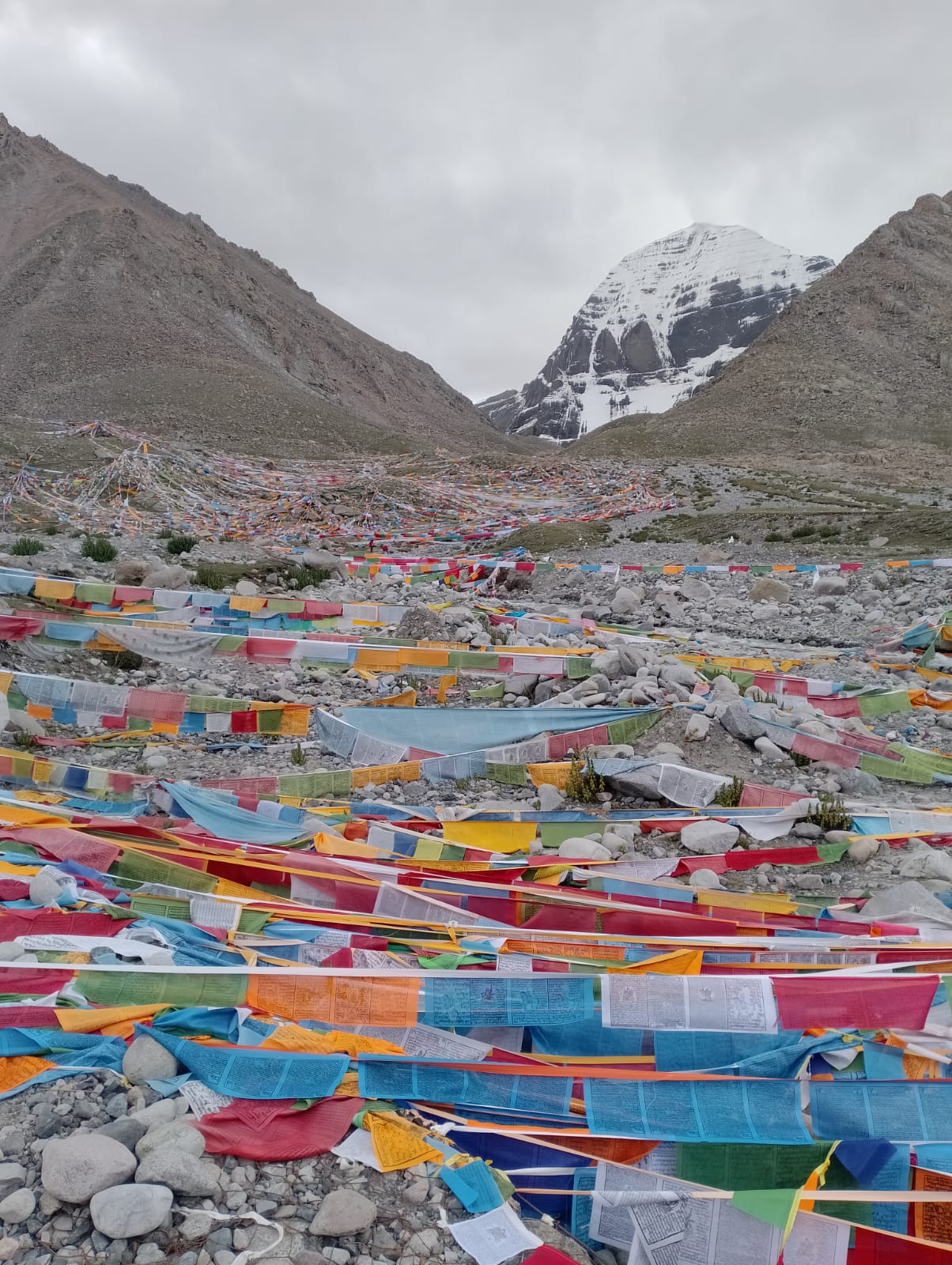
- Experience Tibetan Buddhist culture, prayer flags, monasteries, mani walls, and chortens.
- Travel with experienced pilgrimage guides and dedicated support staff.
Overview
The Mount Kailash Mansarovar Tour by Helicopter via Hilsa is one of the most remarkable spiritual journeys in the Himalayas. It combines sacred pilgrimage, dramatic Himalayan landscapes, Tibetan culture, and a challenging high-altitude trek around Mount Kailash.
For Hindus, Mount Kailash is regarded as the sacred abode of Lord Shiva, while the mountain also holds deep significance in Buddhism, Jainism, and the Bon tradition. Nearby Lake Mansarovar is equally revered and is associated with purity, spiritual renewal, and centuries-old religious traditions.
This helicopter-assisted Kailash Mansarovar journey is particularly suitable for pilgrims who want to reach the Tibetan side of the pilgrimage route in a shorter period while avoiding a lengthy overland journey through Nepal. The route begins with a flight from Kathmandu to Nepalgunj, followed by a flight to Simikot and a helicopter connection to Hilsa, close to the Nepal–China border.
After completing the border formalities, the journey continues toward Taklakot (Purang) in Tibet. From there, we travel across the spectacular Tibetan Plateau toward Lake Mansarovar before beginning the sacred Kailash Parikrama, or Kora.
The three-day Kailash Kora is the physical heart of the pilgrimage. Although much of the journey is completed by vehicle, pilgrims must trek through rugged terrain and cross Dolma La Pass, the highest point of the Parikrama. The altitude, cold temperatures, thin air, and demanding trail make preparation and acclimatization essential.
At Lake Mansarovar, pilgrims can spend time beside the sacred waters, perform religious rituals according to their traditions, and enjoy magnificent views of the surrounding mountains. During the journey, you may also encounter Rakshas Tal, Chiu Monastery, Yamadwar, Tarboche, Gauri Kund, and several Tibetan Buddhist sites.
At Create Himalaya Adventure, we organize the journey with a focus on safe transportation, careful acclimatization, experienced guides, reliable logistics, and meaningful pilgrimage experiences.
Why Take the Kailash Mansarovar Tour via Hilsa?
The Hilsa route is one of the quickest ways to reach the Kailash region from Nepal. The combination of domestic flights, helicopter transportation, and Tibetan road travel significantly reduces the amount of time spent traveling by road inside Nepal.
The route is especially attractive to pilgrims who have limited vacation time but still want to experience Lake Mansarovar and complete the Kailash Kora.
Some of its major advantages include:
- Shorter travel time compared with long overland approaches
- Helicopter connection between Simikot and Hilsa
- Direct access toward the Nepal–China border
- Scenic flight over the remote Humla Himalayas
- Opportunity to visit Lake Mansarovar
- Three-day Kailash Parikrama
- Visit to important Tibetan monasteries and pilgrimage sites
- Views of Mount Kailash and Mount Gurla Mandhata
- Dedicated support from experienced guides and local staff
- Suitable for pilgrims looking for a compact Kailash itinerary
Mount Kailash Mansarovar Tour via Hilsa Route
The journey starts in Kathmandu, Nepal’s cultural and transportation hub. After an initial preparation and briefing period, we fly toward western Nepal.
Our first major destination is Nepalgunj, followed by a flight to Simikot, the administrative center of Humla District. Simikot is surrounded by rugged Himalayan landscapes and serves as the gateway to the Hilsa border.
From Simikot, a helicopter carries us toward Hilsa, a small settlement near the Nepal–China border. After completing the necessary border procedures, we continue into Tibet and travel to Taklakot (Purang).
Taklakot provides an important opportunity for rest and altitude adjustment before we continue toward Lake Mansarovar. The landscape gradually changes from the rugged Himalayan valleys of Nepal into the broad, dry, high-altitude plateau of Tibet.
The journey then continues toward Lake Mansarovar, where the spiritual atmosphere becomes particularly powerful. The blue waters, enormous plateau, snow-covered mountains, prayer flags, and surrounding monasteries create an extraordinary setting.
After visiting Mansarovar, we move toward Darchen, the starting point of the Kailash Parikrama. The following three days involve trekking through some of the most demanding terrain of the entire pilgrimage.
Once the Kora is completed, we return by road toward Taklakot and Hilsa before taking the helicopter back to Simikot and continuing by flight to Kathmandu.
Major Places You Visit During the Yatra
Hilsa
Hilsa is a remote border settlement in Humla and serves as the gateway between Nepal and Tibet on this route.
Taklakot / Purang
Taklakot is an important Tibetan town where pilgrims usually spend time resting and preparing for the higher-altitude journey ahead.
Lake Mansarovar
One of the principal spiritual destinations of the pilgrimage, Mansarovar is surrounded by spectacular Himalayan scenery.
Rakshas Tal
Located close to Mansarovar, Rakshas Tal is another striking lake with a distinctive place in regional religious traditions.
Chiu Monastery
Located near Lake Mansarovar, Chiu Monastery is one of the most recognizable religious landmarks in the area and offers impressive views of the lake and surrounding plateau.
Darchen
Darchen serves as the principal gateway and starting area for the Kailash Kora.
Yamadwar
Yamadwar marks the traditional beginning of the outer Kailash Parikrama for many pilgrims.
Dirapuk
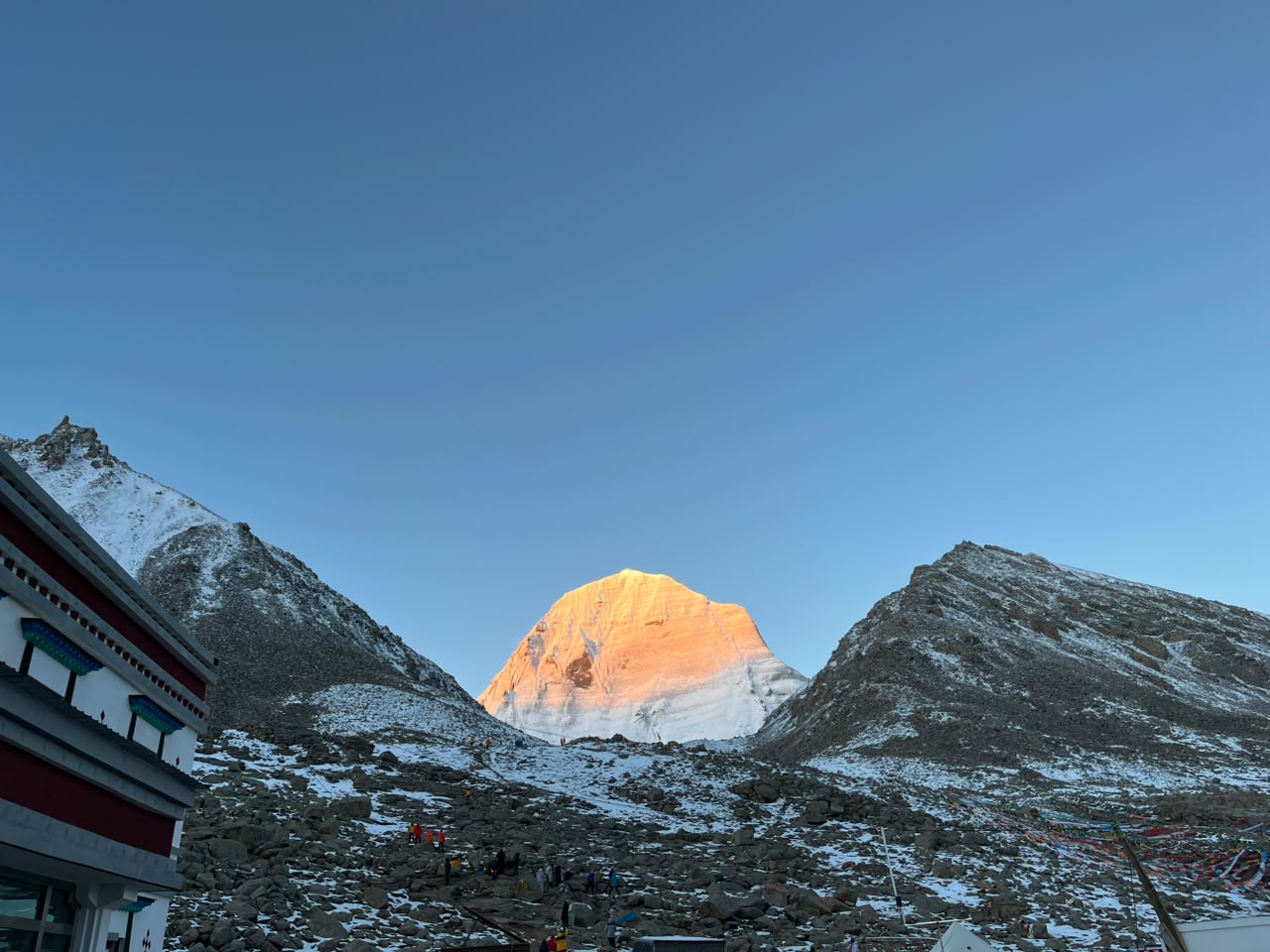
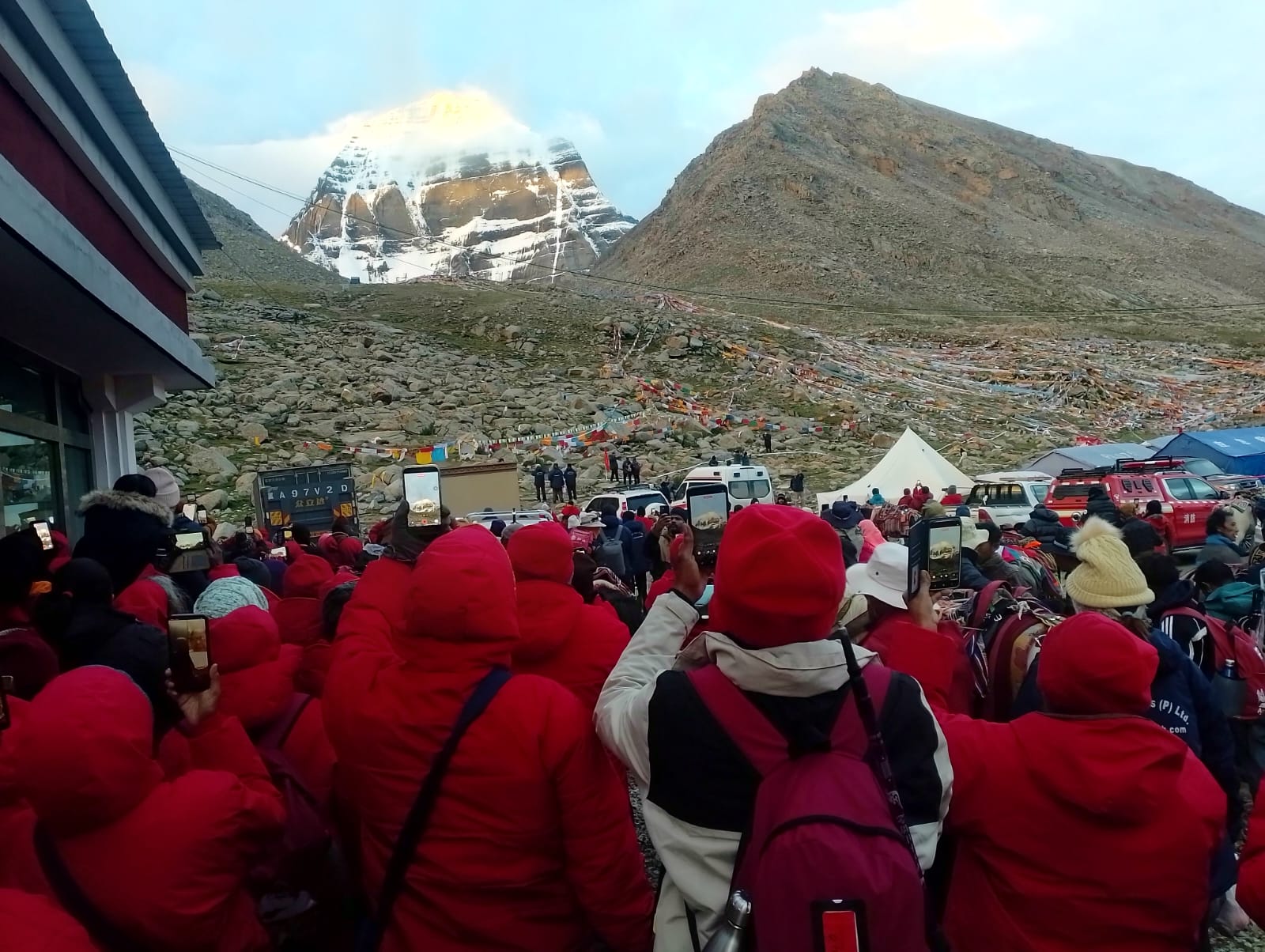
Dirapuk is an important overnight point on the first day of the Kora and provides remarkable views toward Mount Kailash.
Dolma La Pass
At around 5,630 meters, Dolma La is the highest point of the Kailash Kora and the toughest section for many pilgrims.
Gauri Kund
Gauri Kund is a sacred site located below Dolma La and is associated with Hindu religious traditions.
Zutulpuk
Zutulpuk is associated with monasteries and caves connected with Tibetan Buddhist traditions and serves as an important overnight location during the Kora.
Difficulty of Kailash Mansarovar Helicopter Tour
The helicopter route reduces travel time, but it does not eliminate the physical challenge of the Kailash Kora.
The biggest challenge is altitude rather than technical trekking.
The Parikrama reaches approximately 5,630 meters at Dolma La Pass. You should therefore be prepared for:
- Thin air
- Cold temperatures
- Strong winds
- Long walking days
- Steep uphill sections
- Rocky and uneven trails
- Rapid weather changes
- Possible altitude-related symptoms
Regular walking, cardiovascular training, stair climbing, and hill walking before the trip can help improve your endurance.
Note: If you prefer to travel overland via Kodari–Zhangmu–Nyalam instead of taking a helicopter, you can choose the Kailash Mansarovar Overland Tour via Kodari–Zhangmu–Nyalam.
Trip Itinerary
Arrive in Kathmandu – 1,400 m
Welcome to Kathmandu, the gateway to the Himalayas.
Our representative will meet you at Tribhuvan International Airport and transfer you to your hotel.
After checking in, you can relax or explore the nearby area. In the evening, we organize a welcome and trip briefing where our team explains the journey, permits, altitude considerations, packing requirements, and upcoming travel arrangements.
Kathmandu Preparation and Briefing
Today is dedicated to preparation for the Kailash Mansarovar Yatra.
Depending on the schedule, there may be a short cultural or sightseeing program in Kathmandu. You will also meet members of the expedition team and receive important information about the Tibet journey.
This is an ideal time to check your equipment, organize your luggage, and prepare personal medication and travel documents.
Fly Kathmandu – Nepalgunj – Simikot – Hilsa – Taklakot
An early flight takes us from Kathmandu toward Nepalgunj. After connecting onward to Simikot, we board a helicopter for the scenic flight toward Hilsa.
The helicopter journey provides spectacular views of the remote Humla landscape.
After completing border procedures, we cross into Tibet and continue toward Taklakot (Purang) by road.
The day involves multiple transportation stages, so flexibility is essential because flight and helicopter schedules can be influenced by weather and operational conditions.
Acclimatization and Exploration in Taklakot
Today is an important acclimatization day.
Rather than immediately traveling to higher elevations, we allow our bodies additional time to adjust to the altitude.
You can explore the surrounding area at a relaxed pace, visit local sites, or simply rest at the hotel.
Our guide will monitor the group's condition and provide advice regarding hydration, walking pace, nutrition, and altitude awareness.
Taklakot to Lake Mansarovar
We leave Taklakot and drive across the spectacular Tibetan Plateau toward Lake Mansarovar.
The landscape becomes increasingly open and dramatic, with distant snow-covered peaks rising above the dry plateau.
As we approach Mansarovar, the views of the sacred lake and surrounding mountains create one of the most memorable moments of the journey.
Depending on local conditions and regulations, pilgrims can spend time near the lake for prayer, meditation, and religious activities.
Mansarovar – Darchen – Yamadwar – Trek to Dirapuk
Today marks the beginning of the Kailash Parikrama.
We drive toward Darchen, the gateway to the Kora, and continue to the traditional starting point at Yamadwar.
From here, we begin walking toward Dirapuk.
The trail gradually follows the Kailash valley, with spectacular views of the mountain. The day's trek is physically demanding because of the altitude, so maintaining a slow and steady pace is important.
Dirapuk – Dolma La Pass – Zutulpuk
This is the most challenging day of the Kailash Kora.
We start early and gradually climb toward Dolma La Pass, the highest point of the Parikrama at approximately 5,630 meters.
The ascent can be physically demanding because of the steep terrain, high altitude, cold temperatures, and reduced oxygen levels.
After crossing Dolma La, we descend toward the area of Gauri Kund and continue along the valley toward Zutulpuk.
Although challenging, this is often considered the most spiritually and visually memorable day of the pilgrimage.
Zutulpuk – Complete Kora – Darchen – Taklakot
We complete the final section of the Kailash Parikrama today.
The trail gradually becomes easier as we move toward the end of the Kora. Once we reach the roadhead, our vehicle takes us back toward Darchen.
After completing the pilgrimage circuit, we continue by road toward Taklakot.
A warm meal and comfortable rest will be especially welcome after the demanding trekking days.
Taklakot – Hilsa – Simikot
We leave Taklakot and drive toward the Nepal–China border.
After completing the required border formalities, we cross back toward Hilsa.
From Hilsa, we board the helicopter to Simikot.
The evening can be spent resting in Simikot after the long travel day.
Simikot – Nepalgunj – Kathmandu
Final Departure
Your Mount Kailash Mansarovar pilgrimage officially comes to an end today.
Our representative will assist you with your transfer to Tribhuvan International Airport according to your international flight schedule.
Take home memories of the sacred mountain, Mansarovar Lake, the Tibetan Plateau, and an unforgettable Himalayan pilgrimage.
Not Satisfied with This Itinerary?
Every traveler is different. Customize this trip with the help of our local travel specialists and create an itinerary that perfectly matches your interests, schedule, and budget.
What's included
Transportation
- Airport pickup and drop-off in Kathmandu
- Kathmandu–Nepalgunj–Simikot flights as per itinerary
- Simikot–Hilsa helicopter transportation
- Transportation between Hilsa, Taklakot, Mansarovar, Darchen, and other destinations listed in the itinerary
- Necessary ground transportation during the Yatra
Accommodation
- Hotel accommodation in Kathmandu
- Accommodation in Simikot/Taklakot according to itinerary
- Basic accommodation during the Mansarovar and Kailash Kora sections
- Twin-sharing accommodation where applicable
Meals
- Breakfast, lunch, and dinner during the pilgrimage as specified
- Vegetarian meals during the Tibetan portion of the journey
Permits and Documentation
- Required Tibet travel permits
- Kailash Mansarovar area permits
- Necessary border and travel formalities handled by the agency
Guide and Support
- Experienced English-speaking Nepali guide
- Local Tibetan guide/support team
- Porters and support staff where required
- Cook/support crew where applicable
- Basic first-aid support
- Portable altitude/emergency equipment
- Oxygen cylinders/support equipment as required
- Down jacket
- Duffel bag
Other Services
- Welcome and farewell dinner
- Government taxes and applicable service charges
What's not included
- International airfare to and from Nepal
- Travel insurance
- Personal medical expenses
- Personal shopping
- Laundry
- Phone calls and internet charges
- Extra accommodation caused by delays
- Meals outside the specified itinerary
- Personal beverages and snacks
- Horse, yak, or porter services during the Kora if required personally
- Emergency evacuation costs where not covered by insurance
- Tips for guides, drivers, porters, cooks, and other staff
- Expenses resulting from flight cancellation, severe weather, landslides, border closures, or other unforeseen circumstances
- Any service not specifically mentioned under the inclusions
Best Time for Mount Kailash Mansarovar Tour
The Kailash Mansarovar pilgrimage season is generally concentrated in the warmer months when travel conditions in Tibet are more favorable.
May to September is generally considered the practical period for organized Kailash journeys, but exact operating dates depend on border regulations, permits, weather, road conditions, and government authorities.
Among these months, June, July, August, and September are commonly associated with the main pilgrimage season.
Because Kailash is located in a remote and highly regulated region, travelers should not rely solely on normal seasonal patterns. Current border conditions and official travel permissions are important when selecting travel dates.
Mount Kailash and Its Spiritual Importance
Rising to approximately 6,638 meters (21,778 feet), Mount Kailash is one of the world's most revered mountains.
Unlike many famous Himalayan peaks, Kailash is not primarily known for mountaineering. Its importance comes from its extraordinary spiritual and cultural significance.
Hinduism
In Hindu tradition, Mount Kailash is traditionally regarded as the abode of Lord Shiva and Goddess Parvati. The mountain is associated with meditation, divine consciousness, and liberation.
For many Hindu pilgrims, traveling to Kailash is not simply tourism. It is an important spiritual undertaking.
Buddhism
Tibetan Buddhists associate Mount Kailash with sacred Buddhist cosmology and regard it as an important pilgrimage destination. The region contains numerous monasteries, prayer sites, mani walls, chortens, and other religious landmarks.
Jainism
Jain tradition connects the region with Rishabhadeva, the first Tirthankara, and regards the mountain area as a place associated with spiritual liberation.
Bon
The ancient Bon tradition of Tibet also considers Mount Kailash sacred. Bon pilgrims traditionally perform their circumambulation in the opposite direction from Hindus and Buddhists.
Because of these traditions, Mount Kailash has significance that reaches far beyond geographical boundaries.
Lake Mansarovar
Lake Mansarovar, situated at roughly 4,590 meters, is one of the most sacred high-altitude lakes in Asia.
The lake lies close to Mount Kailash and is surrounded by an extraordinary Himalayan landscape. On clear days, the waters reflect the surrounding mountains, creating unforgettable views.
For Hindu pilgrims, Mansarovar is traditionally associated with purification and spiritual renewal. Pilgrims may perform prayers and rituals beside the lake according to their customs and the rules applicable during the pilgrimage.
The nearby Rakshas Tal provides a striking geographical and cultural contrast to Mansarovar.
Together, the two lakes create one of the most memorable landscapes of the entire Kailash journey.
Kailash Parikrama: The Sacred Kora
The Kailash Parikrama, also known as Kailash Kora, is the most physically demanding section of the pilgrimage.
The traditional outer Kora takes approximately three days and covers around 52 kilometers, although exact distances can vary according to the route and current local regulations.
The trek begins near Darchen and Yamadwar and proceeds toward Dirapuk. The following day is generally the most challenging, as the trail climbs toward Dolma La Pass, which reaches approximately 5,630 meters.
After crossing the pass, the trail descends toward the area of Gauri Kund before continuing toward Zutulpuk.
The final section leads back toward Darchen, where the trekking portion of the pilgrimage ends.
The Kora is not a technical mountaineering expedition, but the high altitude makes it physically demanding. Even experienced hikers should respect the elevation, weather, and changing trail conditions.
Kailash Kora Direction According to Religion
The direction of circumambulation varies according to religious tradition.
- Hindus traditionally walk clockwise around Mount Kailash.
- Buddhists generally follow the clockwise direction.
- Bon followers traditionally walk counterclockwise.
The Kora is deeply personal. Some pilgrims complete the route as a spiritual practice, while others approach it as a combination of faith, endurance, and cultural exploration.
Altitude and Acclimatization
Altitude is one of the most important considerations during the Kailash Mansarovar Yatra.
The journey moves rapidly from lowland Nepal to high-altitude areas of Tibet. For this reason, the itinerary includes an acclimatization period at Taklakot.
Common symptoms of altitude sickness may include headache, tiredness, dizziness, nausea, reduced appetite, and difficulty sleeping.
Never ignore serious symptoms. Inform your guide immediately if you feel unwell.
Our team carries oxygen support and emergency altitude equipment, but good preparation and early communication remain essential.
Accommodation During Kailash Mansarovar Yatra
Accommodation varies according to location.
In Kathmandu and major gateway cities, travelers generally stay in comfortable hotels. In the remote Tibetan sections, accommodation is more basic and may include guesthouses, lodges, or designated pilgrimage accommodation.
During the Kailash Kora, facilities are basic and should not be compared with standard city hotels.
Travelers should be prepared for:
- Shared rooms
- Basic beds
- Limited hot water
- Limited electricity
- Simple bathroom facilities
- Basic dining facilities
The remoteness of the region is part of the nature of this pilgrimage.
Food During the Kailash Yatra
Vegetarian meals are generally arranged throughout the pilgrimage according to the itinerary.
Meals may include a combination of:
- Rice
- Dal
- Vegetables
- Noodles
- Tibetan-style dishes
- Soups
- Bread
- Potatoes
- Fruits and snacks where available
Because food supplies are limited in remote areas, travelers should also carry lightweight personal snacks such as energy bars, dry fruits, chocolate, biscuits, and electrolyte supplements.
Travel Insurance for Kailash Mansarovar
Comprehensive travel insurance is strongly recommended for this journey.
Your policy should ideally cover high-altitude trekking, emergency medical treatment, evacuation, trip interruption, flight delays, and other travel-related emergencies relevant to your itinerary.
Before departure, carefully check the maximum altitude covered by your insurance policy. Standard travel insurance policies do not always provide sufficient coverage for high-altitude journeys.
What to Pack for Kailash Mansarovar Tour
Packing for Kailash requires preparation for both cold weather and high altitude.
Clothing
- Thermal base layers
- Fleece jacket
- Warm down jacket
- Waterproof and windproof jacket
- Waterproof trekking trousers
- Comfortable trekking pants
- Warm socks
- Gloves
- Warm hat
- Sun hat
- Buff or neck warmer
- Sunglasses
- UV-protection clothing
Trekking Equipment
- Comfortable waterproof trekking boots
- Trekking poles
- Daypack
- Duffel bag
- Sleeping bag suitable for cold conditions
- Headlamp
- Water bottle
- Thermos
- Personal first-aid supplies
- Sunscreen and lip balm
- Personal toiletries
Documents and Personal Items
- Passport
- Required permits and travel documents
- Travel insurance documents
- Emergency contact information
- Personal medication
- Small amount of local currency where applicable
- Power bank
- Universal travel adapter
Keep your luggage as light and practical as possible.
Why Choose Create Himalaya Adventure?
A Kailash pilgrimage requires much more than simply booking flights and accommodation. Border procedures, permits, transportation, altitude management, weather, road conditions, and local coordination all need to work together.
Create Himalaya Adventure brings years of experience in Himalayan trekking and pilgrimage travel to the organization of this journey.
We focus on:
- Experienced trekking and pilgrimage guides
- Carefully planned itineraries
- Local knowledge and logistical support
- Assistance with permits and travel formalities
- Reliable transportation coordination
- Altitude-conscious itinerary planning
- Personalized service
- Reasonable and transparent travel arrangements
- Emergency preparedness
- Responsible tourism practices
Our goal is to allow you to focus on the spiritual meaning and beauty of Kailash while our team manages the practical side of the journey.
Important Things to Know Before Booking
The Kailash Mansarovar Yatra is not an ordinary sightseeing tour. It takes place in a remote, high-altitude, politically restricted region where travel conditions can change quickly.
Flight schedules may be affected by weather. Helicopter operations depend on visibility and local operating conditions. Border procedures and Tibet travel permissions are controlled by the relevant authorities.
For this reason, flexibility is essential.
You should also understand that the helicopter option makes the approach more convenient, but the Kailash Kora remains a demanding high-altitude trek.
Anyone with concerns about high-altitude travel should consult an appropriate medical professional before booking.
Kailash Mansarovar Tour via Hilsa: A Journey Beyond Tourism
The journey to Mount Kailash is difficult to describe as an ordinary holiday.
It takes you from the busy streets of Kathmandu to the remote valleys of Humla, across the Nepal–China border, and into the vast Tibetan Plateau. The landscape becomes increasingly barren and dramatic as you approach Mansarovar and Kailash.
Then comes the Kora.
Walking beneath the immense walls of Mount Kailash, crossing the high Dolma La Pass, passing prayer flags and sacred landmarks, and finally completing the circuit creates an experience that remains with many pilgrims long after they return home.
Whether your motivation is faith, cultural curiosity, personal reflection, or the desire to experience one of the world's most extraordinary Himalayan landscapes, the Mount Kailash Mansarovar Tour by Helicopter via Hilsa offers a powerful combination of spirituality and adventure.
Join Create Himalaya Adventure for a carefully organized Kailash Mansarovar Yatra from Nepal and experience the sacred landscapes of Mount Kailash and Lake Mansarovar with an experienced local Himalayan team.
FAQs
1. Is the Mount Kailash Mansarovar Helicopter Tour suitable for first-time pilgrims?
Yes. First-time pilgrims can join the Kailash Mansarovar Helicopter Tour via Hilsa if they are physically prepared for high-altitude travel. The helicopter option makes the approach shorter, while experienced guides provide support throughout the pilgrimage.
2. How long does the Mount Kailash Mansarovar Tour via Hilsa take?
The standard helicopter-assisted itinerary takes around 11 days, including arrival and departure from Kathmandu, flights through Nepalgunj and Simikot, the Tibet journey, Lake Mansarovar visit, and the three-day Kailash Kora.
3. What is the highest altitude reached during the Kailash Mansarovar Yatra?
The highest point of the journey is Dolma La Pass, at approximately 5,630 meters (18,470 feet). This is also the most physically demanding section of the Kailash Parikrama.
4. How difficult is the Kailash Parikrama for an average traveler?
The Parikrama is considered challenging mainly because of the high altitude rather than technical trekking. Long walking hours, steep sections, cold weather, and thin air can make the Kora strenuous. Regular physical preparation before the trip is highly recommended.
5. Can I complete the Kailash Kora without walking the entire route?
The traditional Parikrama is completed on foot, but horses or other local support may sometimes be available on permitted sections. Availability and regulations can change, so such services should not be considered guaranteed. The Dolma La section is particularly demanding and requires careful planning.
6. What happens if the helicopter from Simikot to Hilsa is cancelled?
Helicopter operations depend heavily on weather, visibility, and local operating conditions. If a flight is delayed or cancelled, the itinerary may need to be adjusted until safe flying conditions return. Keeping some flexibility in your travel schedule is important.
7. Is there mobile network or internet access during the Kailash Mansarovar journey?
Mobile and internet connectivity is very limited in many parts of the route, particularly around the remote Tibetan sections and during the Kora. Travelers should be prepared to remain disconnected for periods of the journey.
8. Are vegetarian meals available throughout the Kailash Yatra?
Yes. Vegetarian meals are generally arranged during the pilgrimage. However, food choices become more limited in remote areas, so carrying personal snacks such as dry fruits, energy bars, chocolate, and biscuits is advisable.
9. Can senior citizens participate in the Kailash Mansarovar Helicopter Tour?
Senior citizens can participate if they are medically and physically fit for high-altitude travel. Age alone does not determine suitability. Because the itinerary reaches elevations above 5,000 meters, an appropriate medical assessment before departure is strongly recommended.
10. What type of accommodation can I expect during the Kailash Kora?
Accommodation becomes increasingly basic as you move farther into the Kailash region. Hotels are available in Kathmandu and major towns, while guesthouses or simple pilgrimage lodges are generally used near Mansarovar and along the Kora. Travelers should not expect luxury facilities during the trekking section.
11. Do I need to carry my own sleeping bag for the Kailash Mansarovar Tour?
A warm sleeping bag is highly recommended because temperatures can become very cold at night. Depending on the package, a sleeping bag or suitable cold-weather equipment may be provided, but travelers should confirm the exact equipment included before departure.
12. What should I do if I develop altitude sickness during the Yatra?
Immediately inform your guide if you experience persistent headache, dizziness, nausea, unusual weakness, breathing difficulties, or other concerning symptoms. The safest response to serious altitude illness can involve descending to a lower elevation. Never try to hide symptoms to continue the pilgrimage.
13. Are horses, yaks, or porters available during the Kailash Parikrama?
Local support animals or porters may be available depending on the season, route conditions, and local regulations. They can be useful for carrying luggage or assisting pilgrims who struggle with the demanding terrain, but availability should always be confirmed in advance.
14. Why is an acclimatization day included at Taklakot?
The acclimatization day gives your body additional time to adjust to the rapidly increasing elevation before traveling toward Mansarovar and beginning the Kora. It is particularly important because the Parikrama reaches elevations above 5,500 meters.
15. What makes the Hilsa route different from other Kailash Mansarovar routes?
The Hilsa route combines flights, helicopter transportation, and road travel to provide a relatively short approach from Nepal. It is especially attractive to travelers with limited time who want to visit Mansarovar and complete the Kailash Kora without undertaking a much longer overland journey.
No hidden fees • Best price guarantee