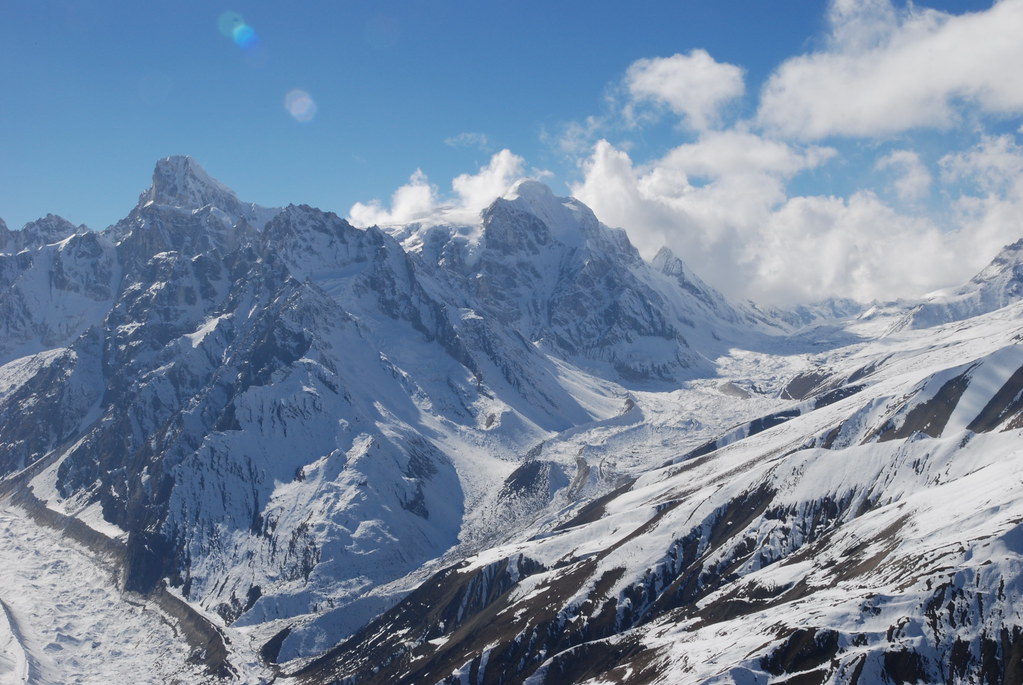
Larke Peak Climbing
Have you ever dreamed of standing on the summit of a Himalayan peak, surrounded by endless snow-capped mountains and untouched wilderness? Larke Peak Climbing (6,249m / 20,502ft) is one of […]
Highlights
- Summit Larke Peak (6,249m / 20,502ft), one of the most rewarding trekking peaks in the remote Manaslu region.
- Enjoy spectacular views of Mount Manaslu (8,163m), the world's eighth-highest mountain, famously known as the "Spirit Mountain."
- Experience a thrilling combination of high-altitude trekking and Himalayan peak climbing.
- Cross the breathtaking Larke La Pass (5,106m), one of Nepal's most scenic and dramatic mountain passes.
- Trek through the pristine and less-crowded landscapes of the Manaslu region near the Tibetan border.
- Witness panoramic views of Manaslu, Himlung Himal, Cheo Himal, Kang Guru, Annapurna II, Ganesh Himal, and numerous snow-covered peaks.
- Explore traditional villages inhabited by Gurung, Tamang, Nubri, and Tibetan-influenced communities.
- Discover ancient Buddhist monasteries, mani walls, prayer flags, chortens, and centuries-old Himalayan traditions.
- Gain insight into the peaceful philosophy and cultural heritage of Tibetan Buddhism.
- Travel through the protected Manaslu Conservation Area, one of Nepal's richest biodiversity regions.
- Spot rare Himalayan wildlife, including snow leopards, red pandas, Himalayan black bears, blue sheep, musk deer, Himalayan tahr, and grey wolves.
- Observe herds of yaks grazing across high-altitude alpine meadows.
- Walk through beautiful forests of pine, oak, cedar, spruce, bamboo, and juniper.
- Experience the vibrant rhododendron forests in spring, blooming in shades of red, pink, and white.
- Enjoy ever-changing landscapes ranging from lush river valleys and forests to glaciers and alpine terrain.
- Challenge yourself with glacier travel, snow slopes, and basic mountaineering techniques under expert guidance.
- Experience authentic Himalayan hospitality in remote mountain villages.
- Follow one of Nepal's most scenic and culturally rich trekking routes.
- Capture unforgettable sunrise and sunset views over the Himalayan giants.
- Perfect for trekkers seeking their first Himalayan climbing experience before attempting higher peaks.
- Benefit from the expertise of experienced climbing guides and professional expedition support.
- Enjoy a true wilderness adventure away from the crowds of Nepal's more popular trekking regions.
- Create lifelong memories while standing atop a spectacular Himalayan summit surrounded by breathtaking mountain panoramas.
Overview
Have you ever dreamed of standing on the summit of a Himalayan peak, surrounded by endless snow-capped mountains and untouched wilderness?
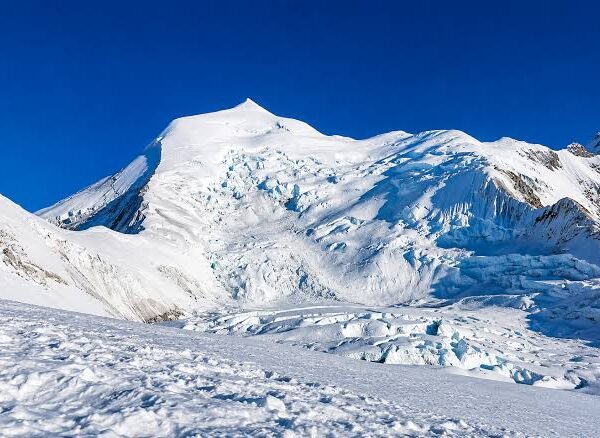
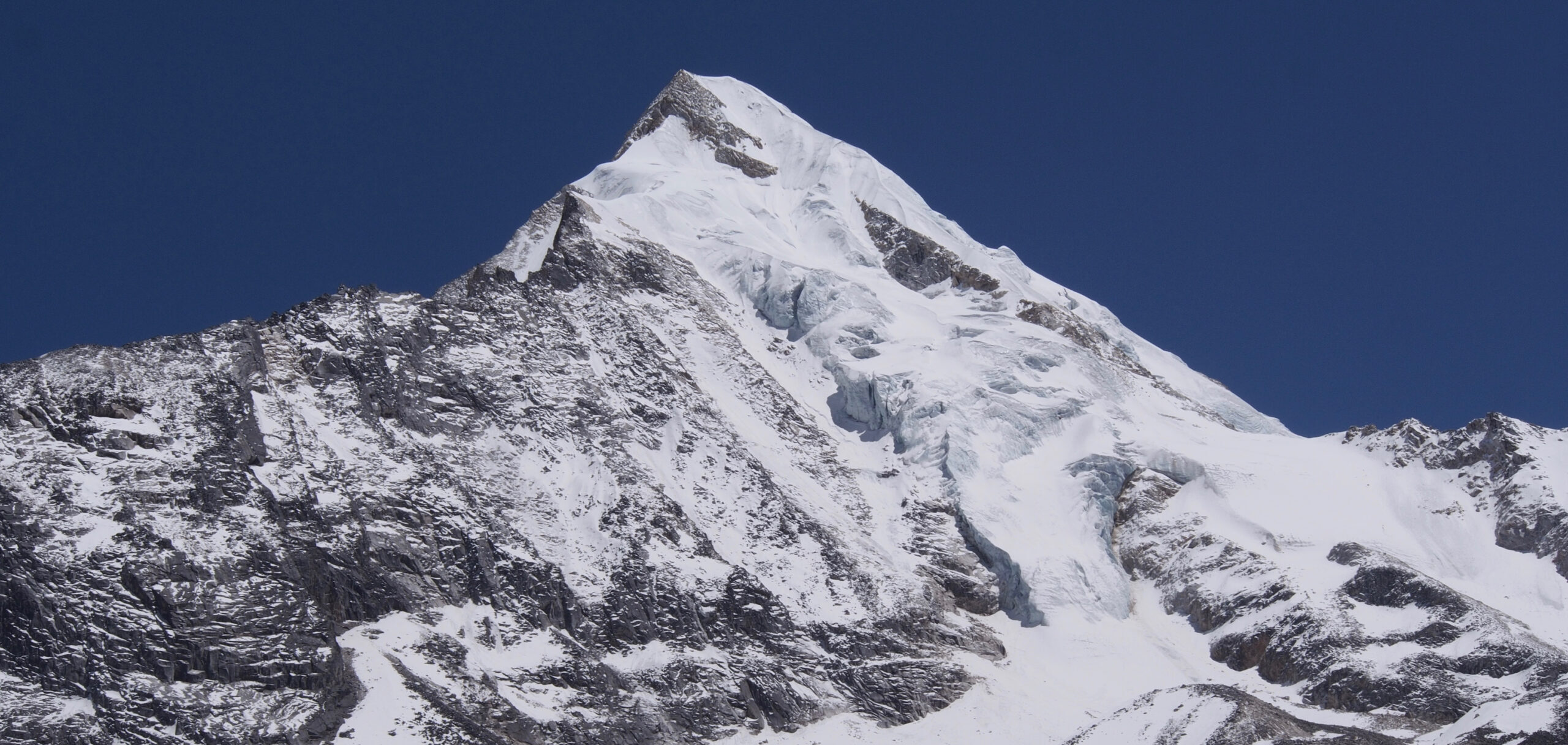
Larke Peak Climbing (6,249m / 20,502ft) is one of Nepal’s most rewarding peak climbing adventures, combining the world-famous Manaslu Circuit Trek with an exciting Himalayan summit experience. Located in the remote Manaslu region near the Tibetan border, Larke Peak offers a perfect blend of trekking, mountaineering, cultural exploration, and breathtaking mountain scenery, making it an ideal choice for adventure seekers looking beyond the crowded Everest and Annapurna trails.
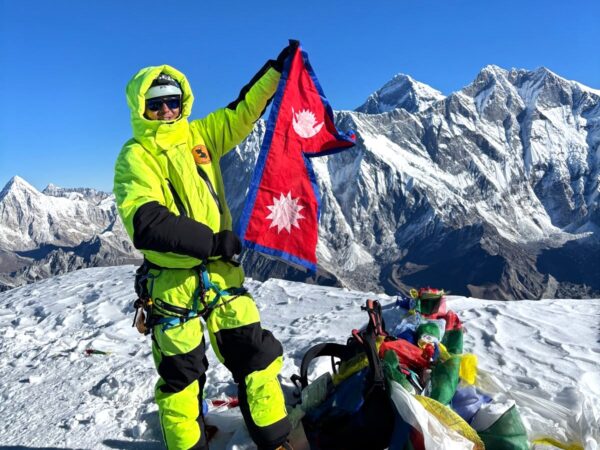
As one of Nepal’s hidden climbing gems, Larke Peak remains relatively untouched and less crowded, providing a genuine wilderness experience in the heart of the Himalayas. The summit rewards climbers with spectacular panoramic views of Mount Manaslu (8,163m), the world’s eighth-highest mountain, along with Himlung Himal, Cheo Himal, Kang Guru, Annapurna II, Ganesh Himal, and countless Himalayan peaks stretching across Nepal and Tibet.
The journey begins with a scenic drive from Kathmandu to Machha Khola, the gateway to the Manaslu Conservation Area. Following the legendary Manaslu Circuit Trek route, the trail winds through picturesque mountain villages inhabited by Gurung, Tamang, and Tibetan communities. Along the way, trekkers experience authentic Himalayan culture, ancient Buddhist monasteries, colorful prayer flags, mani walls, chortens, and centuries-old traditions that have remained unchanged for generations.
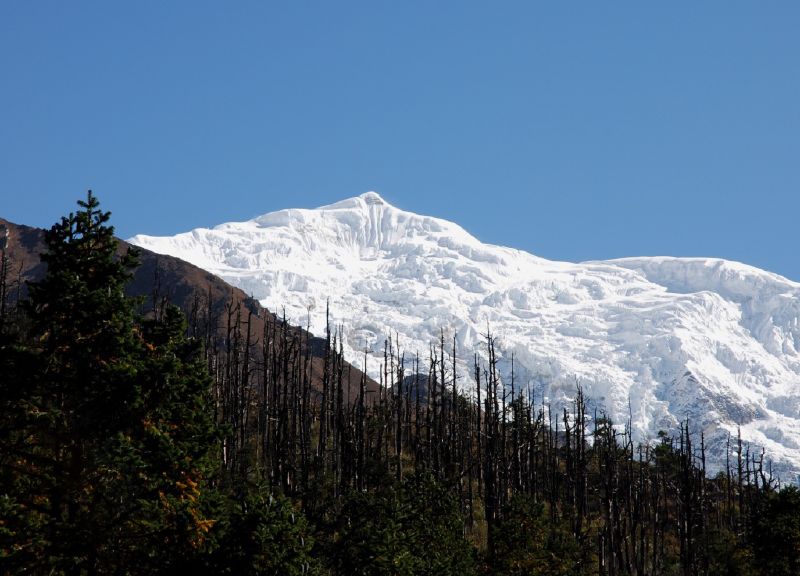
As the trek progresses, the landscape transforms dramatically from subtropical forests and cascading waterfalls to alpine meadows, glacial valleys, and rugged mountain terrain. The route passes through charming settlements such as Jagat, Deng, Namrung, Samagaun, and Samdo, offering incredible opportunities to experience local hospitality while gradually acclimatizing to higher elevations.
One of the most iconic highlights of the expedition is crossing the spectacular Larke La Pass (5,106m), widely regarded as one of the most beautiful high mountain passes in Nepal. Surrounded by towering Himalayan giants, the pass offers unforgettable sunrise views and serves as a major milestone before the final ascent of Larke Peak.
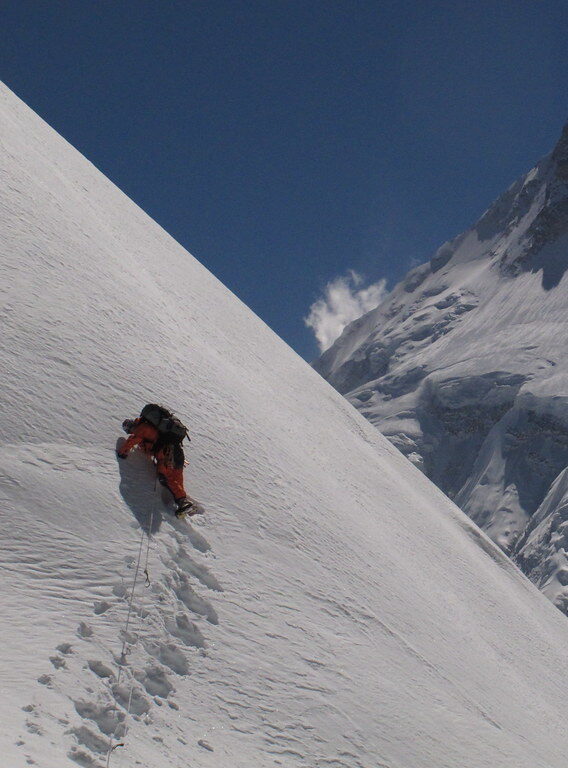
The climb itself is an exciting introduction to Himalayan mountaineering. Climbers navigate glaciers, snowfields, and moderate alpine slopes using basic climbing equipment and techniques under the guidance of experienced climbing leaders. While Larke Peak is considered a non-technical trekking peak compared to larger Himalayan expeditions, it still provides a thrilling challenge and an incredible sense of achievement upon reaching the summit.
Beyond its climbing appeal, the Manaslu region is renowned for its rich biodiversity and pristine natural environment. The area is protected within the Manaslu Conservation Area, home to rare wildlife including snow leopards, Himalayan tahr, blue sheep, musk deer, Himalayan black bears, red pandas, and numerous species of birds. During spring, vibrant rhododendron forests bloom across the hillsides, creating some of the most beautiful trekking landscapes in Nepal.
Reaching the summit of Larke Peak is more than simply conquering a mountain—it is about embracing adventure, discovering remote Himalayan cultures, and experiencing some of the most spectacular scenery on Earth. The combination of high-altitude trekking, peak climbing, cultural immersion, and breathtaking mountain views makes this journey one of the best climbing holidays in Nepal.
At Create Himalaya Adventure, we are committed to providing a safe, professional, and unforgettable Himalayan experience. With experienced climbing guides, carefully planned itineraries, quality logistics, and personalized service, we ensure that every aspect of your Larke Peak Climbing adventure in Nepal is managed with the highest standards of safety, comfort, and success. Whether you are an aspiring mountaineer or an experienced trekker seeking your next challenge, Larke Peak offers an extraordinary Himalayan journey that will stay with you forever.
Larke Peak Climbing Difficulty
Larke Peak Climbing (6,249m) is a challenging Himalayan adventure that combines high-altitude trekking with peak climbing. The climb is considered a technical trekking peak and requires good physical fitness, mental preparation, and basic mountaineering skills.
Although Larke Peak does not demand advanced expedition-level climbing experience, previous exposure to high-altitude trekking and basic knowledge of climbing equipment is highly recommended. Climbers should be familiar with using essential gear such as crampons, ice axe, harness, and fixed ropes. The summit route includes steep snow slopes, glacier sections, and alpine terrain, making it an exciting challenge for experienced trekkers and beginner climbers with proper preparation.
Why Choose Larke Peak Climbing?
Larke Peak Climbing is one of Nepal’s most rewarding adventures for trekkers and aspiring mountaineers seeking a combination of high-altitude trekking, cultural exploration, and Himalayan peak climbing. Located in the remote Manaslu region, this expedition offers an authentic mountain experience far from the crowded trekking routes of Nepal.
A Perfect Introduction to Himalayan Mountaineering: Larke Peak (6,249m) is an excellent choice for trekkers looking to take their first step into Himalayan climbing. The peak combines trekking, glacier travel, snow climbing, and basic mountaineering techniques, making it ideal preparation for future climbs in Nepal.
Spectacular Views of Mount Manaslu: Throughout the journey, trekkers enjoy breathtaking views of Mount Manaslu (8,163m), the world’s eighth-highest mountain. The expedition also offers panoramic views of Himlung Himal, Cheo Himal, Kang Guru, Annapurna II, Ganesh Himal, and numerous other snow-capped peaks.
Cross the Famous Larke La Pass: One of the expedition’s major highlights is crossing Larke La Pass (5,106m), one of Nepal’s most beautiful and dramatic mountain passes. The pass provides incredible Himalayan scenery and an unforgettable high-altitude experience.
Less Crowded and More Authentic: Unlike the busy Everest and Annapurna regions, the Manaslu region remains relatively untouched and peaceful. Larke Peak Climbing offers a true wilderness adventure with fewer trekkers and a more authentic Himalayan atmosphere.
Rich Tibetan Buddhist Culture:The trail passes through traditional villages inhabited by Gurung, Tamang, Nubri, and Tibetan-influenced communities. Ancient monasteries, prayer flags, mani walls, and centuries-old traditions provide a fascinating cultural experience throughout the journey.
Diverse Landscapes and Wildlife: From subtropical forests and river valleys to glaciers and alpine terrain, the scenery changes dramatically every day. The Manaslu Conservation Area is home to rare wildlife including snow leopards, red pandas, Himalayan tahr, blue sheep, musk deer, and many species of Himalayan birds.
Stunning Rhododendron and Alpine Forests: During spring, hillsides come alive with colorful rhododendron blooms, while forests of pine, oak, cedar, spruce, and juniper create beautiful trekking environments throughout the lower valleys.
A Complete Himalayan Adventure: Larke Peak Climbing combines trekking, cultural discovery, wildlife, mountain scenery, high-altitude passes, and summit climbing into one unforgettable expedition. Few adventures in Nepal offer such a diverse range of experiences in a single journey.
Professional Support from Create Himalaya Adventure: Our experienced guides and climbing leaders ensure your safety, comfort, and success throughout the expedition. From trip planning and permits to climbing logistics and summit support, we take care of every detail so you can focus on enjoying the adventure.
If you are looking for a challenging yet achievable Himalayan climbing experience with incredible mountain views, rich culture, and fewer crowds, Larke Peak Climbing is one of the best adventures Nepal has to offer.
Trip Itinerary
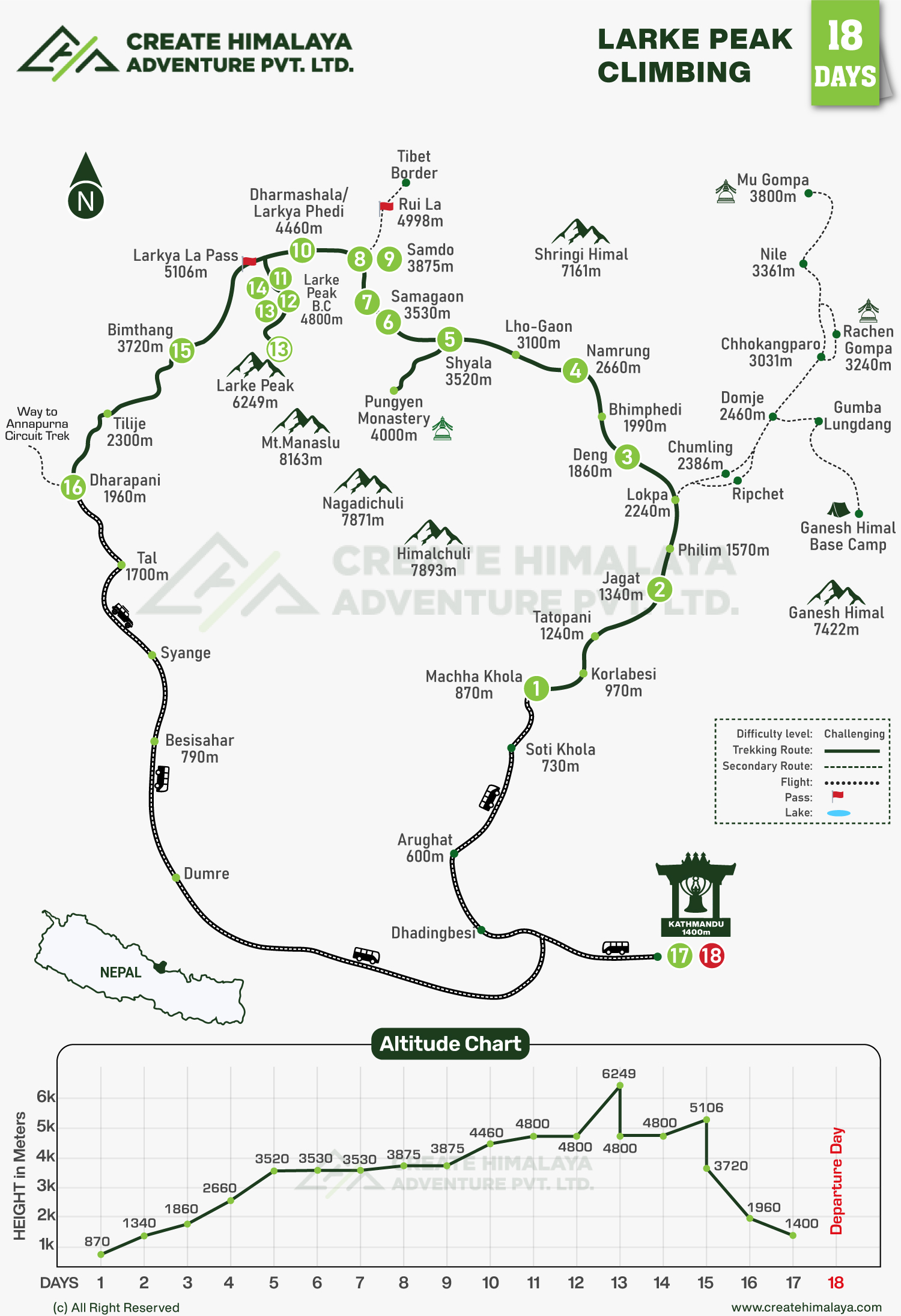
Drive from Kathmandu to Machha Khola
Your adventure begins with a scenic drive from Kathmandu through picturesque hills, terraced farmlands, and traditional villages. Following the Trishuli River and later the Budhi Gandaki Valley, the road gradually enters the remote Manaslu region. After a long but rewarding journey, you arrive at Machha Khola, a small riverside settlement where you spend the night.
Trek from Machha Khola to Jagat
The trail follows the Budhi Gandaki River through narrow valleys, suspension bridges, and traditional settlements. Passing Khorlabesi and the natural hot springs of Tatopani, you continue through beautiful river gorges before reaching Jagat, the official gateway to the Manaslu Conservation Area.
Trek from Jagat to Deng
Today's trail climbs through terraced fields and charming villages including Salleri, Sirdibas, and Philim. The scenery becomes increasingly dramatic as the route enters a narrower gorge surrounded by towering cliffs and waterfalls. Overnight at Deng.
Trek from Deng to Namrung
The route passes through dense forests of pine and rhododendron while crossing several suspension bridges over the Budhi Gandaki River. As you gain altitude, Tibetan cultural influences become increasingly visible. Namrung offers stunning views of Ganesh Himal and surrounding peaks.
Trek from Namrung to Syala
Today the landscape changes dramatically as you enter the upper Manaslu region. The trail passes through the beautiful villages of Lho and Shyala, offering some of the finest mountain views on the entire trek. Along the way, enjoy breathtaking panoramas of Mount Manaslu (8,163m), Himal Chuli, Ngadi Chuli, Peak 29, and Ganesh Himal. Syala is surrounded by towering snow-capped peaks, making it one of the most scenic overnight stops of the expedition.
Trek from Syala to Samagaun via (Pungen gompa)
Today is one of the most rewarding journeys in the Manaslu region, blending natural beauty, mountain culture, and spiritual serenity. From Syala, trekkers can take a scenic hike to Pungen Gompa, a hidden monastery nestled beneath the towering slopes of Mount Manaslu, where the peaceful surroundings and fluttering prayer flags create a truly memorable Himalayan experience. offering breathtaking close-up views of Manaslu, Himalchuli, Ngadi Chuli, and the impressive Manaslu Glacier. Pungen Gompa, situated at approximately 4,050m, is a peaceful Buddhist monastery perched on a scenic ridge below Mount Manaslu. The trail gradually ascends through alpine meadows, yak pastures, and glacial landscapes before reaching the gompa, making it an excellent acclimatization hike. Along the way, trekkers are rewarded with panoramic Himalayan scenery, colorful prayer flags, and a tranquil spiritual atmosphere, making this route far more memorable than the direct trail to Samagaun.
Acclimatization Day at Samagaun
To aid acclimatization, you take a rewarding hike to either Birendra Lake or Manaslu Base Camp. Both options provide breathtaking mountain scenery while helping your body adjust to the increasing altitude. Overnight in Samagaun.
Trek from Samagaun to Samdo
The trail gradually ascends through open yak pastures and glacial valleys with incredible views of Manaslu and surrounding Himalayan giants. Samdo is a traditional Tibetan village located close to the Tibetan border and serves as an important acclimatization stop.
Acclimatization Day at Samdo
An additional acclimatization day improves your chances of a successful summit. Optional hikes to nearby viewpoints and glacier moraines provide excellent mountain panoramas and opportunities to observe local wildlife while preparing your body for higher elevations.
Trek from Samdo to Dharamsala (Larke Phedi)
A shorter trekking day allows for proper acclimatization before moving higher. The route traverses rugged alpine terrain with magnificent views of glaciers, snow-covered peaks, and the upper reaches of the Manaslu region. Overnight at Dharamsala.
Trek from Dharamsala to Larke Peak Base Camp
Leaving the teahouse trail behind, the route enters a more remote alpine environment. Surrounded by glaciers and dramatic mountain scenery, you reach Larke Peak Base Camp, where preparations for the climb begin.
Climbing Training and Preparation Day
Today is dedicated to climbing preparation. Your climbing guide will provide training on using crampons, ice axe, harness, fixed ropes, and other mountaineering equipment. Final equipment checks and route briefings are completed.
Summit Larke Peak (6,249m) and Return to Base Camp
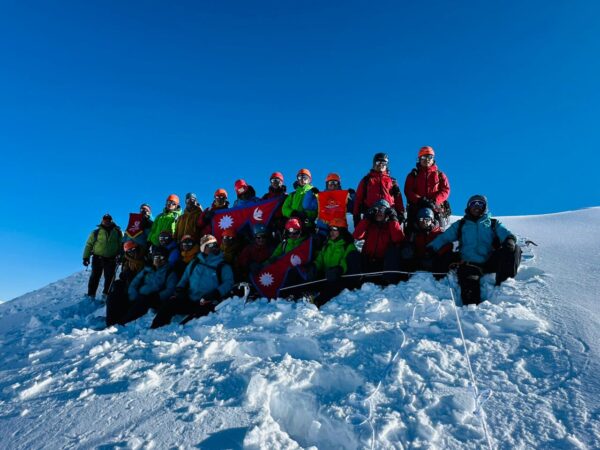
The most exciting day of the expedition begins before dawn. Following snow slopes and glacial terrain, you gradually ascend toward the summit. From the top, enjoy spectacular panoramic views of Manaslu, Himlung Himal, Annapurna II, Kang Guru, Cheo Himal, and countless Himalayan peaks. After celebrating your achievement, descend safely back to Base Camp.
Reserve Day for Weather Contingency
An extra day is reserved in case of unfavorable weather or unexpected delays during the climbing period. This flexible day increases the chances of a successful summit.
Cross Larke La Pass (5,106m) and Trek to Bimthang
One of the most scenic days of the journey. Early in the morning, you cross the breathtaking Larke La Pass, surrounded by dramatic Himalayan landscapes and glaciers. From the pass, enjoy unforgettable views of Himlung Himal, Cheo Himal, Kang Guru, and Annapurna II before descending to the beautiful valley of Bimthang.
Trek from Bimthang to Dharapani
The trail descends through rhododendron forests, yak pastures, and traditional villages. The landscape gradually changes from alpine terrain to lush green forests as you reach Dharapani, where the Manaslu and Annapurna trekking routes meet.
Drive from Dharapani to Kathmandu
After breakfast, begin the scenic drive back to Kathmandu. Enjoy views of rolling hills, rivers, rural settlements, and terraced farmland before arriving in the capital city.
Final Departure
Your Larke Peak Climbing adventure comes to an end today. A representative from Create Himalaya Adventure will transfer you to Tribhuvan International Airport for your onward journey, carrying unforgettable memories of the Manaslu Himalayas.
Not Satisfied with This Itinerary?
Every traveler is different. Customize this trip with the help of our local travel specialists and create an itinerary that perfectly matches your interests, schedule, and budget.
What's included
Airport Transfers
- International airport pick-up and drop-off services as per the itinerary.
Transportation
- Tourist bus transportation from Kathmandu to Machha Khola.
- Shared jeep transportation from Dharapani to Besisahar.
- Tourist bus transportation from Besisahar to Kathmandu.
Accommodation
- 2 nights hotel accommodation in Kathmandu with breakfast.
- Tea house accommodation during the trekking portion.
- Camping accommodation at Larke Peak Base Camp and during the climbing period as required by the itinerary.
Meals
- Three meals a day (Breakfast, Lunch, and Dinner) throughout the trek and climbing period.
- Fresh seasonal fruits served after dinner during the trek.
Guides and Climbing Staff
- Experienced, English-speaking, government-licensed trekking guide.
- Professional climbing guide for the summit ascent.
- Friendly and experienced Sherpa support team.
Porter Service
- Strong and reliable porters to carry expedition gear and personal luggage (1 porter for every 2 trekkers).
- Porter salary, meals, accommodation, equipment, and insurance included.
Permits and Entry Fees
- Manaslu Conservation Area Permit (MCAP).
- Annapurna Conservation Area Permit (ACAP).
- Restricted Area Permit for Manaslu Region.
- Larke Peak Climbing Permit.
- All required government taxes and official fees.
Climbing Equipment
- Group climbing equipment where required.
- Use of sleeping bag, down jacket, duffel bag, and trekking poles (upon request and return after the trip).
Safety and Medical Support
- Comprehensive first aid medical kit.
- Pulse oximeter monitoring for oxygen saturation and heart rate during the trek.
- Emergency communication support.
- Helicopter rescue insurance for trekking and climbing staff.
Additional Services
- Create Himalaya Adventure T-shirt as a souvenir.
- Trip completion certificate.
- All government taxes, VAT, and service charges.
What's not included
International Travel
- International airfare to and from Nepal.
- Nepal entry visa fees.
Meals in Kathmandu
- Lunch and dinner in Kathmandu. Additional accommodation and meals outside the itinerary.
Insurance
- Personal travel insurance.
- High-altitude trekking and climbing insurance.
- Emergency helicopter evacuation insurance for clients.
Personal Climbing Equipment
- Mountaineering boots.
- Crampons.
- Ice axe.
- Climbing harness.
- Helmet.
- Ascender, descender, and other personal technical climbing gear.
Personal Expenses
- Laundry services.
- Telephone calls.
- Wi-Fi and internet charges.
- Battery charging fees.
- Hot showers during the trek.
- Personal shopping and souvenirs.
Drinks and Snacks
- Bottled water, soft drinks, energy drinks, tea, coffee, hot chocolate, and alcoholic beverages.
- Chocolates, snacks, desserts, and other personal food items.
Tips and Gratuities
- Tips for guides, climbing guides, porters, drivers, and support staff (customary and appreciated).
Unforeseen Expenses
- Additional costs caused by flight delays, road blockages, natural disasters, weather conditions, strikes, political unrest, or any circumstances beyond our control.
- Expenses incurred due to early return from the expedition for personal or medical reasons.
Other Expenses
- Any service, activity, or item not specifically mentioned in the "Cost Includes" section.
Map
Best Time for Larke Peak Climbing
The best time for **Larke Peak Climbing (6,249m)** is during the **spring (March to May)** and **autumn (September to November)** seasons. These months offer stable weather, clear mountain views, comfortable temperatures, and the safest climbing conditions for both trekking and summit attempts.
Spring Season (March to May)
Spring is considered one of the finest seasons for Larke Peak Climbing. The weather gradually becomes warmer, and the hillsides come alive with colorful rhododendron forests in full bloom. Visibility is excellent, providing stunning views of Manaslu, Himlung Himal, Annapurna II, Cheo Himal, and surrounding peaks.
Advantages of Spring
- Stable weather and good climbing conditions
- Clear mountain views and excellent photography opportunities
- Blooming rhododendron and alpine flowers
- Comfortable daytime temperatures
- Longer daylight hours for trekking and climbing
Temperature
- Lower elevations: 10°C to 20°C
- Higher elevations: -10°C to 5°C
Autumn Season (September to November)
Autumn is the most popular season for Larke Peak Climbing. After the monsoon rains, the air becomes exceptionally clear, offering spectacular mountain panoramas. The trails are dry, the skies are generally stable, and conditions are ideal for crossing Larke La Pass and climbing Larke Peak.
Advantages of Autumn
- Crystal-clear mountain views
- Dry trails and stable weather
- Ideal climbing and trekking conditions
- Comfortable temperatures throughout the journey
- Excellent visibility from the summit
Temperature
- Lower elevations: 10°C to 18°C
- Higher elevations: -15°C to 5°C
Winter Season (December to February)
Larke Peak can be climbed in winter by experienced mountaineers, but conditions become significantly more challenging. Heavy snowfall, freezing temperatures, and strong winds often affect Larke La Pass and the summit route.
Winter Challenges
- Deep snow and icy conditions
- Increased avalanche risk
- Extremely cold temperatures at higher elevations
- Possible closure of high mountain lodges
Monsoon Season (June to August)
The summer monsoon brings heavy rainfall to much of Nepal, making trekking trails muddy and slippery. Clouds often obscure mountain views, and landslides can affect road access and trekking routes.
Monsoon Challenges
- Poor visibility
- Wet and slippery trails
- Higher risk of landslides
- Unpredictable weather conditions
Recommended Months for Larke Peak Climbing
- Best Overall: April, May, October, and November
- Excellent Conditions: March and September
These months provide the perfect combination of stable weather, clear skies, outstanding mountain views, and safe climbing conditions, making them the most recommended periods for a successful Larke Peak Climbing expedition in Nepal.
Permits Required for Larke Peak Climbing
Since Larke Peak lies in the restricted Manaslu region, several permits are required before starting the expedition. Create Himalaya Adventure manages all necessary permits and documentation to make your journey smooth and hassle-free.
Required permits include:
- Larke Peak Climbing Permit
- Manaslu Conservation Area Permit (MCAP
- Annapurna Conservation Area Permit (ACAP)
- Manaslu Restricted Area Permi
- Local municipality permit
All permits and official fees are arranged before entering the trekking region.
Altitude and Acclimatization
Standing at 6,249 meters (20,498 feet), Larke Peak requires careful acclimatization to adjust safely to the lower oxygen levels at high altitude. The journey follows a gradual ascent through the Manaslu region, allowing your body enough time to adapt before reaching the higher camps.
The itinerary includes acclimatization days at key locations such as Samagaun and Samdo, where trekkers can rest, explore nearby viewpoints, and prepare for the climb. Staying hydrated, maintaining a slow pace, eating properly, and listening to your body are important factors in preventing altitude-related problems.
Common symptoms of altitude sickness such as headache, tiredness, dizziness, loss of appetite, or nausea should never be ignored. Our experienced guides monitor your health throughout the expedition to ensure a safe climbing experience.
Training and Preparation
Proper preparation is the foundation of a successful Larke Peak expedition. The trek involves long walking days, steep ascents, and high-altitude conditions, so climbers should prepare physically several weeks before arrival in Nepal.
Recommended preparation includes:
- Regular cardiovascular exercises such as running, cycling, and hiking
- Strength training focusing on legs and core muscles
- Long-distance walking with a backpack
- Stair climbing practice
- Endurance and flexibility training
Basic climbing practice with crampons, ice axe, and rope techniques will provide additional confidence during the summit attempt.
Weather Conditions
Weather in the Manaslu region can change quickly, especially at higher elevations. Temperatures drop significantly above 5,000 meters, and climbers may experience strong winds, snowfall, and freezing conditions.
Spring and autumn are the best seasons for Larke Peak Climbing due to stable weather and clear mountain views. Even during the best seasons, climbers must be prepared for unpredictable Himalayan conditions with proper clothing and equipment.
Warm layers, waterproof clothing, a quality sleeping bag, and suitable climbing gear are essential for safety and comfort.
Experienced Guide and Support Team
A professional guide and support team play a major role in making the Larke Peak expedition safe and successful. Our experienced climbing guides understand the route, altitude challenges, and mountain conditions.
At Create Himalaya Adventure, our team provides:
- Government-licensed trekking guides
- Experienced climbing Sherpas
- Reliable porter support
- Route guidance and climbing assistance
- Safety monitoring throughout the expedition
Our support team helps you focus on enjoying the adventure while we manage the technical and logistical aspects.
Safety and Emergency Support
Safety is our highest priority during the Larke Peak expedition. High-altitude climbing involves risks, so proper preparation and emergency planning are essential.
Our expedition includes:
- First aid medical kit
- Altitude monitoring equipment
- Experienced mountain staff
- Emergency communication support
- Proper acclimatization planning
We strongly recommend every climber have travel insurance covering high-altitude trekking, climbing, and helicopter evacuation.
Physical Fitness Requirements
Larke Peak Climbing requires a strong level of fitness because the expedition includes several hours of trekking every day, high-altitude walking, and summit climbing.
A physically prepared climber should be able to:
- Walk 6–8 hours per day on mountain trails
- Carry a backpack at high altitude
- Handle steep and uneven terrain
- Stay comfortable in cold environments
Good endurance, determination, and a positive mindset are equally important for completing the climb successfully.
Larke Peak Climbing Equipment List
Larke Peak Climbing is a high-altitude adventure that involves trekking through remote Himalayan landscapes, crossing **Larke La Pass (5,106m)**, and climbing to the summit of **Larke Peak (6,249m)**. Proper equipment is essential for safety, comfort, and a successful summit attempt. Your gear should include warm clothing, trekking essentials, and technical climbing equipment suitable for snow, ice, and cold mountain conditions.
Climbing Equipment
- Mountaineering boots (double-layer recommended)
- Crampons
- Ice axe
- Climbing harness
- Climbing helmet
- Ascender (Jumar)
- Descender / figure 8 device
- Carabiners (locking and non-locking)
- Prusik cord
- Climbing slings
- Mountaineering rope (group equipment)
- Ice screws (group equipment)
- Snow protection equipment (group equipment)
- Gaiters
Head & Face Protection
- Warm wool/fleece hat
- Balaclava or neck warmer
- Sun hat/cap
- UV protection sunglasses
- Ski goggles (recommended for summit day)
- Face mask/buff
Hand Protection
- Inner liner gloves
- Warm fleece gloves
- Waterproof insulated gloves
- Spare gloves
Upper Body Clothing
- Base layer thermal shirt
- Fleece jacket
- Down jacket (essential)
- Waterproof/windproof jacket
- Waterproof shell jacket
- Lightweight trekking shirts
Lower Body Clothing
- Thermal leggings
- Trekking pants
- Fleece pants
- Waterproof pants
- Insulated climbing pants
Footwear
- Trekking boots
- Mountaineering boots
- Camp shoes/sandals
- Warm hiking socks
- Thermal socks
Extra spare socks
Trekking Gear
- Backpack (35–45L)
- Expedition duffel bag
- Daypack
- Sleeping bag (-20°C to -30°C recommended)
- Trekking poles
- Headlamp with extra batteries
- Water bottle/hydration bladder
- Thermos flask
Camping & Personal Items
- Sleeping bag liner
- Travel towel
- Toiletries
- Quick-dry towel
- Personal hygiene items
- Earplugs
- Small repair kit
- Dry bags/waterproof covers
Medical & Safety Items
- Personal first aid kit
- Personal medicines
- Diamox (only after medical advice
- Sunscreen (SPF 50+)
- Lip balm with UV protection
- Hand sanitizer
- Blister treatment kit
- Rehydration salts
Electronics & Accessories
- Camera
- Power bank
- Extra batteries
- Charging cables
- Headlamp batteries
- Mobile phone
Important Documents
- Passport
- Travel insurance documents
- Climbing permit documents
- Flight tickets
- Emergency contact details
- Passport-size photos
Recommended Personal Gear for Larke Peak
For a safe and enjoyable Larke Peak expedition, climbers should prioritize high-quality winter clothing, technical climbing equipment, and reliable footwear. Create Himalaya Adventure provides essential group climbing support, but climbers should bring their own personal equipment suitable for high-altitude conditions.
FAQs
1. What is Larke Peak Climbing?
Larke Peak Climbing is an exciting Himalayan peak climbing adventure in the remote Manaslu region of Nepal. This journey combines a scenic trek through traditional mountain villages, beautiful landscapes, and the challenging ascent of Larke Peak at 6,249 meters (20,498 feet). The route passes through the Manaslu Conservation Area, ancient Tibetan-influenced settlements, and the famous Larke La Pass (5,106m) before reaching the summit. It is an ideal adventure for climbers looking for a less crowded and authentic Himalayan experience.
2. Is Larke Peak Climbing suitable for beginners?
Larke Peak Climbing is not recommended for complete beginners because it involves high altitude, technical climbing sections, and challenging mountain conditions. Climbers should have previous trekking experience at high altitudes and basic knowledge of mountaineering techniques. However, beginners with excellent physical fitness and proper preparation can attempt Larke Peak with the support of experienced guides and Sherpa climbing professionals.
3. Do I need previous climbing experience for Larke Peak?
Previous climbing experience is highly recommended for Larke Peak. You should have some understanding of using climbing equipment such as crampons, ice axe, harness, and fixed ropes. Experience with high-altitude trekking will also help you adjust to the conditions. Training before the expedition improves confidence and increases the chance of a successful summit.
4. Do I need a climbing guide for Larke Peak?
Yes, having an experienced climbing guide is strongly recommended for Larke Peak Climbing. The route includes technical sections, snow and ice terrain, and unpredictable weather conditions. Our professional climbing guides at **Create Himalaya Adventure** provide route guidance, safety support, climbing assistance, altitude management, and help you during the summit attempt.
5. What is the highest altitude of Larke Peak Climbing?
The highest point of the expedition is the summit of Larke Peak at 6,249 meters (20,498 feet). During the trek, you will also cross the challenging Larke La Pass at around 5,106 meters, making acclimatization and gradual altitude gain very important for a safe climbing experience.
6. How difficult is Larke Peak Climbing?
Larke Peak is considered a challenging trekking peak in Nepal. The difficulty comes from long trekking days, high altitude, steep climbing sections, cold temperatures, and snow-covered terrain. Climbers need good endurance, mental determination, and basic mountaineering skills to successfully complete the expedition.
7. What is the best time for Larke Peak Climbing?
The best seasons for Larke Peak Climbing are spring (March to May) and autumn (September to November). Spring offers stable weather, warmer conditions, and beautiful blooming landscapes, while autumn provides clear skies, excellent mountain views, and dry trails. These seasons provide the most favorable conditions for trekking and summit climbing.
8. What permits are required for Larke Peak Climbing?
Larke Peak Climbing requires several official permits because the peak lies in the Manaslu region. Climbers need a Larke Peak Climbing Permit, Manaslu Restricted Area Permit, Manaslu Conservation Area Permit (MCAP), and Annapurna Conservation Area Permit (ACAP). Create Himalaya Adventure manages all required permits and paperwork to make your expedition smooth and hassle-free.
9. Can I climb Larke Peak independently?
Independent climbing is not recommended for Larke Peak because the route requires technical knowledge, proper permits, safety planning, and experience with high-altitude conditions. A professional expedition team helps manage route conditions, climbing techniques, emergency situations, and overall safety throughout the journey.
10. How much does Larke Peak Climbing cost?
The cost of Larke Peak Climbing depends on different factors such as expedition duration, group size, climbing support, permits, accommodation, transportation, and included services. Create Himalaya Adventure provides well-organized packages with experienced guides, necessary logistics, and complete expedition support according to your needs.
11. How physically fit do I need to be for Larke Peak Climbing?
A good level of physical fitness is required for Larke Peak Climbing. The expedition includes many days of trekking, steep uphill walking, and climbing at high altitude. You should be comfortable walking around 6–8 hours per day while carrying a backpack. Regular hiking, cardio training, strength exercises, and endurance preparation before the trip are highly recommended.
12. What kind of accommodation is available during the Larke Peak Climbing?
During the trekking part, accommodation is provided in local teahouses along the Manaslu trail. During the climbing period, camping arrangements are prepared at higher elevations with necessary facilities. Trekkers can expect basic but comfortable mountain accommodation with shared rooms and essential services.
13. What meals are provided during the expedition?
During the trek and climbing period, nutritious meals are provided to maintain energy and support your body at high altitude. Meals generally include traditional Nepali dishes, rice, vegetables, noodles, pasta, soups, eggs, Tibetan bread, and hot drinks. We provide balanced meals suitable for long trekking and climbing days.
14. What equipment is required for Larke Peak Climbing?
Larke Peak Climbing requires both trekking and technical climbing equipment. Essential personal gear includes mountaineering boots, crampons, ice axe, climbing harness, helmet, warm clothing, sleeping bag, gloves, and other high-altitude equipment. Create Himalaya Adventure provides a detailed equipment checklist before the expedition to help you prepare properly.
15. Is altitude sickness a risk during Larke Peak Climbing?
Yes, altitude sickness is one of the major concerns during high-altitude climbing. Our itinerary is designed with gradual ascent and acclimatization days to allow your body to adjust. Staying hydrated, walking slowly, taking enough rest, and following your guide’s advice are important. Any symptoms such as headache, dizziness, nausea, or unusual tiredness should be reported immediately.
16. Is helicopter rescue available during Larke Peak Climbing?
Yes, helicopter rescue is available in Nepal for emergency situations. Since high-altitude climbing involves risks, every climber should have travel insurance that covers emergency evacuation, medical treatment, and helicopter rescue. Our team maintains safety procedures and coordinates emergency support whenever required.
17. What is the weather like during Larke Peak Climbing?
Weather in the Himalayas can change quickly, especially above 5,000 meters. Lower trekking areas usually have comfortable temperatures, but higher regions can experience strong winds, snowfall, and freezing conditions. Proper warm clothing, waterproof layers, and suitable climbing equipment are essential for dealing with mountain weather.
18. Can I customize the Larke Peak Climbing itinerary?
Yes, Create Himalaya Adventure offers customized Larke Peak Climbing itineraries according to your time, experience, and preferences. We can adjust trekking days, acclimatization periods, rest days, and group arrangements to create a safer and more enjoyable expedition plan.
19. Why choose Create Himalaya Adventure for Larke Peak Climbing?
Create Himalaya Adventure provides a complete and reliable Larke Peak Climbing experience with professional guides, experienced Sherpa support, and well-planned logistics. We focus on safety, proper acclimatization, quality service, and personalized attention throughout the expedition. Our goal is to help you achieve your Himalayan dream while enjoying a safe and memorable adventure in Nepal.
No hidden fees • Best price guarantee