

Langtang Gosainkunda Trek
The Langtang Gosainkunda Trek is one of Nepal’s most rewarding Himalayan adventures, combining the beautiful Langtang Valley with the sacred alpine lakes of Gosainkunda. This spectacular trekking route offers breathtaking […]
Highlights
- Scenic drive from Kathmandu to Syabrubesi
- Explore the beautiful Langtang Valley
- Experience authentic Tamang and Tibetan-influenced culture
- Visit the ancient Kyanjin Gompa monastery
- Spectacular sunrise and mountain views from Kyanjin Ri or Tserko Ri
- Walk through rhododendron, bamboo, and pine forests
- Witness glaciers, waterfalls, and alpine landscapes
- Visit the sacred Gosainkunda Lakes pilgrimage site
- Cross the adventurous Lauribina Pass (4,610 m)
- Stunning views of Langtang Lirung, Ganesh Himal, Dorje Lakpa, and Himalayan ranges
- Enjoy peaceful trekking trails away from crowded routes
- Rich wildlife and natural beauty inside Langtang National Park
- Best Time for Langtang Gosainkunda Trek
Overview
The Langtang Gosainkunda Trek is one of Nepal’s most rewarding Himalayan adventures, combining the beautiful Langtang Valley with the sacred alpine lakes of Gosainkunda. This spectacular trekking route offers breathtaking mountain scenery, rich Tamang culture, peaceful monasteries, dense rhododendron forests, and high Himalayan passes. Located north of Kathmandu near the Tibetan border, the trek provides an authentic trekking experience away from the crowded trails of Everest and Annapurna.
The journey begins with a scenic drive from Kathmandu to Syabrubesi and follows the Langtang River through charming mountain villages, lush forests, and yak pastures to Kyanjin Gompa. After exploring the stunning Langtang Valley, the trail continues toward the sacred Gosainkunda Lakes and crosses the challenging Lauribina Pass before descending to Sundarijal near Kathmandu. The trek is ideal for trekkers seeking natural beauty, cultural immersion, and moderate Himalayan adventure in a single journey.
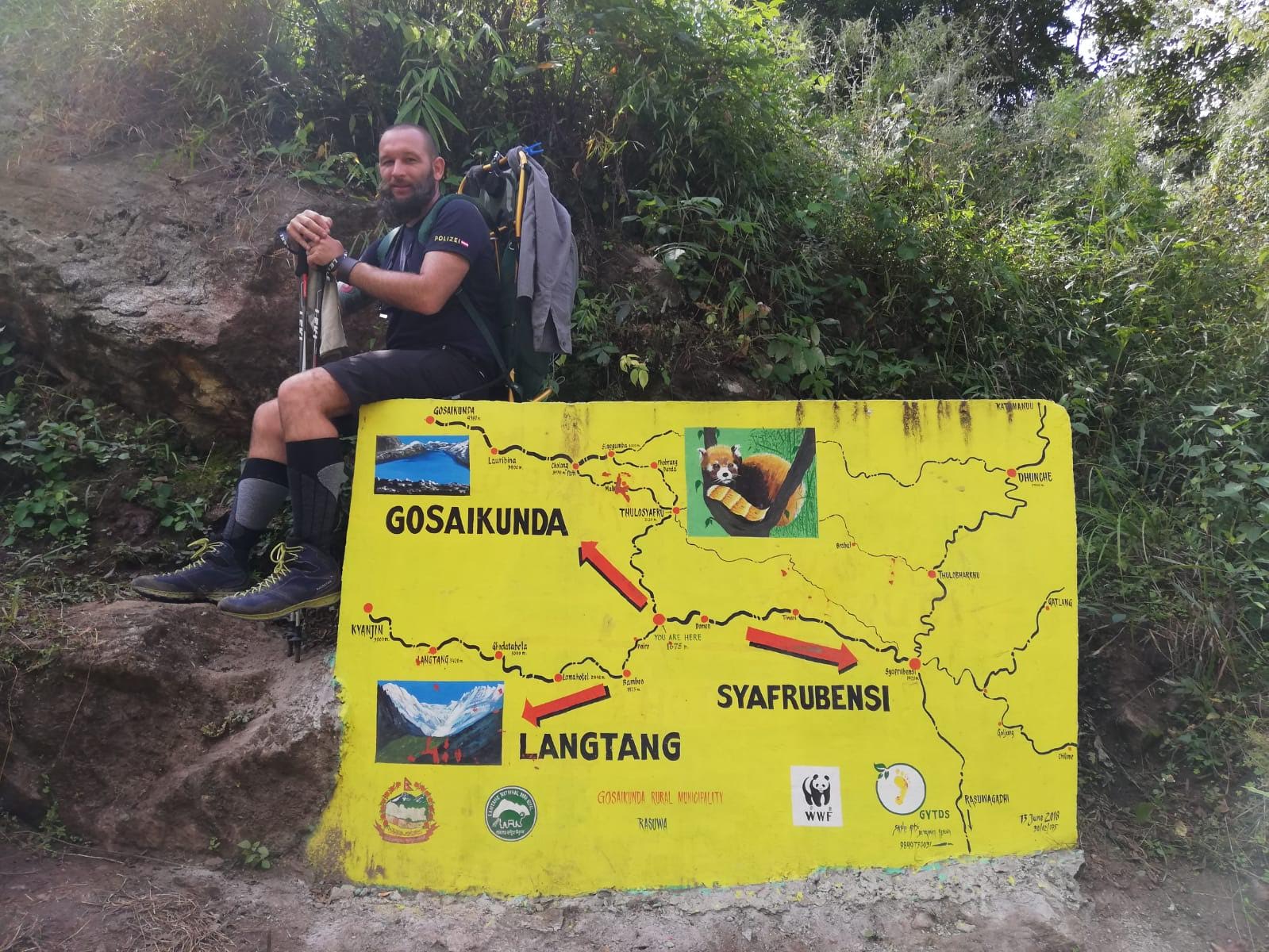
Langtang Gosainkunda Trek Route
The trek starts with a drive from Kathmandu to Syabrubesi. The trail follows Lama Hotel, Langtang Village, and Kyanjin Gompa in the Langtang Valley. After exploring the valley, the route continues toward Thulo Syabru, Sing Gompa, and Gosainkunda Lake. Trekkers then cross Lauribina Pass and descend through Ghopte, Kutumsang, Chisapani, and Sundarijal before returning to Kathmandu.
Langtang Gosainkunda Trek Difficulty
The Langtang Gosainkunda Trek is considered a moderate to challenging trek. Trekkers walk for 5 to 7 hours daily across steep ascents, rocky trails, and high mountain passes. The highest point of the trek is Lauribina Pass at 4,610 meters, where altitude can be physically demanding.
Good physical fitness, proper acclimatization, and previous trekking experience are helpful for completing the trek comfortably. Beginners with preparation and strong determination can also complete this trek successfully.
What to Expect on the Langtang Valley Gosaikunda Trek
The Langtang Valley Gosaikunda Trek is a 13-day Himalayan journey that combines mountain scenery, traditional villages, Buddhist culture, and sacred alpine lakes. Located within Langtang National Park, the route passes through forests of rhododendron, bamboo, and pine before climbing towards open yak pastures and high-altitude landscapes.
Along the trail, you can visit a traditional yak cheese factory, explore local Tamang villages, and see Buddhist monasteries surrounded by mountain scenery. The route also offers views of the Langtang and Ganesh Himalayan ranges, with snow-covered peaks becoming more prominent as you gain elevation.
One of the main highlights is Gosaikunda Lake, a sacred alpine lake revered by both Hindu and Buddhist pilgrims. After reachingthe lake, the trail continues towards Lauribina La Pass before descending through mountain settlements, forested slopes, and terraced farmland.
The trek is moderately challenging, with long walking days, steep sections, and changes in altitude. Good physical preparation and gradual acclimatization are important for a comfortable journey. If you enjoy mountain trails, local culture, peaceful villages, and high-altitude lakes, the Langtang Valley Gosaikunda Trek offers a varied Himalayan experience.
Is the Langtang Gosaikunda Trek Right for You?
The Langtang Gosaikunda Trek is suitable for trekkers who enjoy mountain scenery, long walking days, and basic teahouse accommodation. The trek involves around five to seven hours of walking on many days, with steep ascents, rocky trails, and significant altitude gains. Reaching Gosaikunda Lake and viewpoints such as Tserko Ri requires good preparation and physical fitness.
Previous trekking experience is helpful, but beginners can also attempt the trek with proper training, gradual acclimatization, and a steady walking pace. Prepare with regular hiking, uphill walking, cycling, or jogging before departure.
You should also be comfortable with changing mountain weather, cold temperatures at higher elevations, and simple facilities along the trail. If you are physically prepared and willing to adapt to these conditions, the Langtang Gosaikunda Trek can be a suitable Himalayan adventure.
Trip Itinerary
Drive from Kathmandu to Syabrubesi
Your Langtang Gosainkunda Trek begins with a scenic drive from Kathmandu to Syabrubesi. The road passes through beautiful hills, rivers, terraced farms, and traditional villages with excellent views of Ganesh Himal and surrounding landscapes. After reaching Syabrubesi, you can relax and prepare for the trekking adventure ahead.
Trek from Syabrubesi to Lama Hotel
The trail follows the Langtang River through lush forests of bamboo, oak, and rhododendron. Crossing several suspension bridges and small settlements, the route gradually climbs through peaceful mountain scenery. Along the way, trekkers may spot monkeys, birds, and other wildlife inside Langtang National Park before arriving at Lama Hotel.
Trek from Lama Hotel to Langtang Village
Today’s trail continues through dense forest before opening into wide alpine valleys with magnificent Himalayan views. Passing Ghodatabela and several traditional Tamang settlements, trekkers enjoy beautiful scenery of Langtang Lirung and surrounding snow-capped peaks. The day ends at Langtang Village, a culturally rich settlement rebuilt after the 2015 earthquake.
Trek from Langtang Village to Kyanjin Gompa
This short and scenic trekking day offers stunning views of glaciers, yak pastures, and dramatic Himalayan landscapes. The trail passes mani walls, prayer flags, and small settlements before reaching Kyanjin Gompa, one of the most beautiful places in the Langtang region. Trekkers can explore the ancient monastery, local cheese factory, and surrounding viewpoints.
Exploration Day at Kyanjin Gompa
An acclimatization and exploration day at Kyanjin Gompa allows trekkers to hike to Kyanjin Ri (4,773 m) or Tserko Ri (4,984 m) for breathtaking panoramic mountain views. From the viewpoint, trekkers can witness Langtang Lirung, Dorje Lakpa, glaciers, and surrounding Himalayan peaks. After enjoying the scenery, return to Kyanjin Gompa for overnight stay.
Trek from Kyanjin Gompa to Lama Hotel
The trail descends through Langtang Village, Ghodatabela, and dense forests alongside the Langtang River. Trekkers can enjoy different perspectives of the valley and mountain scenery while gradually returning to lower altitude. Overnight stay at Lama Hotel.
Trek from Lama Hotel to Thulo Syabru
Leaving the main Langtang Valley trail, the route heads toward the beautiful Tamang village of Thulo Syabru. The trail passes forests, hillsides, and traditional settlements with occasional mountain views. Thulo Syabru offers rich local culture, friendly hospitality, and beautiful Himalayan scenery.
Trek from Thulo Syabru to Sing Gompa (Chandanbari)
The trail climbs steadily through dense rhododendron and pine forests with excellent views of Ganesh Himal and Langtang ranges. During spring, the forest becomes colorful with blooming rhododendrons. After several hours of uphill trekking, reach Sing Gompa, a peaceful monastery settlement famous for local yak cheese production.
Trek from Sing Gompa to Gosainkunda
Today’s trek gradually ascends above the tree line into alpine landscapes with spectacular mountain views. Passing Lauribina, trekkers continue toward the sacred Gosainkunda Lakes, an important pilgrimage site for Hindus and Buddhists. The stunning turquoise lakes surrounded by snowy peaks create one of the most memorable highlights of the trek.
Trek from Gosainkunda to Ghopte (Lauribina Pass)
This is one of the most challenging yet rewarding days of the trek. Early in the morning, trekkers cross Lauribina Pass with breathtaking panoramic views of Himalayan ranges, frozen lakes, and rugged landscapes. After crossing the pass, the trail descends through rocky paths and forests toward Ghopte for overnight stay.
Trek from Ghopte to Kutumsang
The trail continues through forests, ridges, and traditional mountain villages. Trekkers walk through peaceful landscapes with occasional mountain views and beautiful rural scenery. Kutumsang is a charming village offering comfortable teahouses and warm local hospitality.
Trek from Kutumsang to Chisapani
Today’s route passes through forests, terraced farmland, and small settlements with panoramic views of the Himalayas. Chisapani is a popular hill station near Kathmandu known for its peaceful atmosphere and excellent sunrise and sunset mountain views.
Trek from Chisapani to Sundarijal and Drive to Kathmandu
The final trekking day descends through Shivapuri National Park with beautiful forests, waterfalls, and rural landscapes. After reaching Sundarijal, a short drive returns you to Kathmandu, marking the end of the unforgettable Langtang Gosainkunda Trek adventure in Nepal.
Not Satisfied with This Itinerary?
Every traveler is different. Customize this trip with the help of our local travel specialists and create an itinerary that perfectly matches your interests, schedule, and budget.
What's included
- Airport Transfers: International Airport pick-up and drop-off service.
- Trekking Permits: The required paperwork and trekking permit are required for Langtang National Park.
- Transportations: All Ground Transportations ( Car, Jeep,Van, Bus) as per group size.
- Trekking Equipment: We provide sleeping bags, down Jackets, and Duffle bag if needed.
- Souvenirs: Create Himalaya Adventure T-Shirt as a souvenir.
- Meals: Three meals a day (breakfast, lunch, dinner) during the trek.
- Accommodation: Twin-bed sharing with a shared toilet during the trek.
- Guide Expenses: All costs for an English-speaking, government-licensed guide.
- Guide Insurance: Insurance coverage for guides.
- Trekking Map: Langtang Region Trip Map for the group.
- First Aid Kit: Medical kit available during the trip.
- Taxes and Fees: Tourist service charge, VAT, government tax, and official expenses.
What's not included
- International Expenses: International airfare, visa, and travel insurance.
- Kathmandu Meals: Breakfast, Lunch and Dinner at Kathmandu.
- Accommodation in Kathmandu: Accommodation in Kathmandu or on the trek for any reason (Early arrival or delay, early arrival from trek due to any reason).
- Porter Service: Porter to carry your luggage during the trek (if you would like to take a porter, it will cost you USD 30 for each day trip, which you could add from our add-on option).
- Gratuities: Tips for Guide and Porter (expected from trekkers involved in the Trek.
Map

Best Time for Langtang Gosainkunda Trek
The best seasons for the Langtang Gosainkunda Trek are spring (March to May) and autumn (September to November). During spring, the trails are filled with blooming rhododendron forests, pleasant temperatures, and clear mountain views. Autumn offers stable weather, crisp skies, and excellent visibility, making it the most popular trekking season in Nepal.
Winter trekking from December to February is possible for experienced trekkers, although heavy snow around Lauribina Pass can make the route difficult. The monsoon season from June to August brings rain, slippery trails, and limited mountain visibility, but the hills become lush and green with fewer trekkers on the trail.
Accommodation and Food Options Along the Trail
Accommodation on the Langtang Gosaikunda Trek is mainly in local teahouses and guesthouses. Rooms are generally simple, with basic bedding and limited facilities. Most packages include twin-sharing accommodation. If you prefer a private room, you may be able to arrange one for an additional cost, depending on availability.
Attached bathrooms are not available in every guesthouse, particularly at higher elevations. Shared toilets may include Western-style or squat toilets, and hot showers may cost extra. Bring essential toiletries such as toilet paper, soap, hand sanitizer, and wet wipes to maintain personal hygiene along the trail.
The trek package generally includes three meals a day: breakfast, lunch, and dinner. Food options vary by location, but common dishes include dal bhat, momo, thukpa, noodle soup, fried rice, porridge, pasta, and vegetable soups. Dal bhat is a practical choice for trekkers because it provides carbohydrates and energy for long walking days.
You can also purchase snacks, bottled drinks, tea, and coffee at teahouses along the route, although prices tend to increase at higher elevations. Carry some energy bars, nuts, or dried fruit for quick snacks between meals. Since facilities become more basic as you gain altitude, keeping your expectations flexible will help you prepare for the trek.
Preparation for the Langtang Gosaikunda Trek
Proper preparation helps you enjoy the Langtang Gosaikunda Trek safely and comfortably. Pack sturdy hiking boots, moisture-wicking clothes, warm layers, and a waterproof jacket to handle changing weather conditions. Temperatures can vary significantly between the lower Langtang Valley and the higher elevations around Gosaikunda Lake and Lauribina Pass.
Carry a daypack with enough water, energy snacks, sunscreen, a hat, a rain jacket, and basic first-aid supplies. Warm gloves, a hat, and extra layers are especially useful at higher elevations, where temperatures can drop quickly. Bring a headlamp and keep your essential documents and personal medication accessible.
Build your fitness before departure with regular walking, stair climbing, or uphill hikes. These activities help prepare your legs for long walking days and steep ascents. Finally, check the weather forecast, arrange the necessary trekking permits, and plan your packing according to the season. Good preparation allows you to focus on the mountain trails, alpine lakes, and local Tamang culture along the route.
Langtang Gosainkunda Trek Permit
The Langtang Gosainkunda Trek requires the Langtang National Park Entry Permit for all foreign trekkers entering the protected Himalayan region. The permit costs NPR 3,000 per person for foreign nationals and NPR 1,500 for SAARC citizens. Trekkers can obtain the permit from the Nepal Tourism Board office in Kathmandu or at the checkpoint in Dhunche or Syabrubesi before starting the trek. A valid passport and Nepal visa are required while issuing the permit. The permit fee supports conservation programs, trail maintenance, wildlife protection, and local community development within Langtang National Park, helping preserve the natural beauty and cultural heritage of the region.
Local Lifestyle, Culture, Religion, and Language on the Langtang Gosaikunda Trek
The Langtang Valley is located near the Tibetan border and is home to many Tamang communities with strong cultural ties to Tibet. Their traditions, language, Buddhist religion, and festivals are an important part of local life. Along the trail, you will see traditional stone houses, Buddhist monasteries, prayer flags, mani walls, and chortens.
Agriculture and livestock farming are common sources of livelihood. Local families grow seasonal crops and raise yaks, cows, and goats. Some villages also produce yak cheese and operate teahouses for trekkers. Traditional foods include dal bhat, thukpa, Tibetan bread, and vegetable dishes.
Religion is another important part of the region's identity. While Tibetan Buddhism influences daily life in many Langtang villages, Gosaikunda Lake holds special religious significance for both Hindus and Buddhists. Trekking through this region offers an opportunity to experience local hospitality, traditional lifestyles, and the rich cultural heritage of Nepal's Himalayan communities.
Trek Equipment List
Clothing
- Down jacket
- Waterproof jacket and pants
- Thermal innerwear
- Trekking t-shirts and pants
- Warm fleece jacket
- Gloves and warm hat
- Sun hat and sunglasses
Footwear
- Trekking boots
- Comfortable camp shoes
- Warm trekking socks
Trekking Gear
- Backpack and daypack
- Sleeping bag
- Trekking poles
- Water bottles or hydration bladder
- Headlamp
- Personal Items
- Sunscreen and lip balm
- Personal medications
- Toiletries
- Quick-dry towel
- Power bank and camera
Safety Measures During the Langtang Gosaikunda Trek
Safety is essential on the Langtang Gosaikunda Trek, particularly when walking at higher elevations and crossing Lauribina Pass. Follow these precautions to reduce risks and enjoy a safer journey.
- Stay hydrated: Drink water regularly throughout the day, especially during long ascents.
- Allow time for acclimatization: Ascend gradually and give your body time to adjust to the increasing altitude.
- Recognize altitude sickness symptoms: Inform your guide immediately if you experience a headache, nausea, dizziness, or
- unusual fatigue. Descend if symptoms worsen; do not continue ascending while unwell.
- Check weather conditions: Get updated forecasts and trail information before crossing Lauribina Pass or other exposed sections.
- Wear suitable footwear: Use well-fitting trekking boots with good grip for rocky, uneven, and potentially slippery trails.
Why Trek with Create Himalaya Adventure
- Professional and experienced local trekking guides
- Customized and flexible trekking itineraries
- Strong focus on safety and customer satisfaction
- Friendly and reliable support team
- Authentic local trekking experiences
- Proper acclimatization and well-planned routes
- Assistance with permits and transportation
- Small group and private trek options
- 24/7 travel support in Nepal
Alternative Treks to the Langtang Gosainkunda Trek
1. Langtang Valley Trek: The best alternative for trekkers seeking stunning mountain views, glaciers, and rich Tamang culture on a shorter route.
2. Tamang Heritage Trail: A cultural journey through traditional villages, ancient monasteries, and authentic Tamang communities.
3. Gosaikunda Lake Trek: A shorter adventure focused on the sacred alpine lakes and breathtaking Himalayan scenery.
4. Helambu Trek: A peaceful trail featuring beautiful forests, mountain vistas, and charming Hyolmo villages.
5. Ganja La Pass Trek: A challenging high-altitude trek ideal for experienced adventurers looking for a more remote experience.
Trip Note
The Langtang Gosainkunda Trek with Create Himalaya Adventure is a perfect Himalayan journey that combines the breathtaking beauty of Langtang Valley with the sacred alpine lakes of Gosainkunda. This remarkable trekking adventure offers stunning mountain landscapes, traditional Tamang culture, peaceful monasteries, dense rhododendron forests, and high Himalayan passes in one unforgettable trip. Starting from Kathmandu, the trek passes through charming villages, beautiful river valleys, yak pastures, and glacier-fed trails before reaching the sacred Gosainkunda Lakes and crossing the scenic Lauribina Pass. Our experienced local guides, carefully designed itineraries, comfortable teahouse accommodations, and personalized services ensure a safe, enjoyable, and authentic trekking experience in the Himalayas. This trek is ideal for travelers seeking natural beauty, cultural exploration, spiritual atmosphere, and adventurous mountain trekking in Nepal with reliable support from Create Himalaya Adventure.
FAQs
1. How difficult is the Langtang Gosainkunda Trek?
It is a moderate trek with high-altitude walking and steep mountain trails.
2. What is the highest point of the trek?
Tserko Ri view point at 4,984 meters is the highest point.
3. How long is the Langtang Gosainkunda Trek?
The trek usually takes 12 to 14 days.
4. Do I need previous trekking experience?
Previous experience is helpful but not mandatory with proper preparation.
5. What permits are required?
Langtang National Park Permit and Shivapuri Nagarjun National Park permit are required.
6. Is altitude sickness possible on this trek?
Yes, proper acclimatization is important above 3,000 meters.
7. What is the best season for the trek?
Spring and autumn are the best trekking seasons.
8. Can beginners do this trek?
Yes, physically fit beginners can complete the trek.
9. Are guides necessary for the trek?
Hiring a guide is highly recommended for safety and local support.
10. Is Wi-Fi available during the trek?
Wi-Fi is available in some teahouses with extra charges.
11. Are charging facilities available?
Yes, most lodges provide charging services for an additional cost.
12. What type of accommodation is available?
Teahouse lodges with basic twin-sharing rooms are available.
13. What food is available during the trek?
Dal Bhat, noodles, rice, soups, pasta, and Tibetan bread are commonly available.
14. Is drinking water available on the trail?
Yes, bottled, boiled, and filtered water are available.
15. How cold does it get during the trek?
Temperatures can drop below freezing at higher elevations.
16. Can I trek solo in Langtang Gosainkunda?
Solo trekking is possible, but guided trekking is safer and more enjoyable.
17. What mountains can be seen during the trek?
Langtang Lirung, Ganesh Himal, Dorje Lakpa, and several Himalayan peaks.
18. Is travel insurance necessary?
Yes, travel insurance covering high-altitude trekking is strongly recommended.
19. How much should I budget for personal expenses?
Around USD 15–25 per day is useful for drinks, charging, Wi-Fi, and snacks.
20. Why choose Langtang Gosainkunda Trek?
It offers a perfect combination of Himalayan scenery, culture, sacred lakes, and less crowded trekking trails in Nepal
Travelers' Reviews
Amelie W
Vienna Region, Austria
Verified PurchaseLangtang Gosainkund Hilambu tour 12 days with 2 friends of mine
From pick up on airport to return to ktm reliable assistance by create Himalaya.
Ram the owner himself attended us in a way we got good informations about his country culture and people.
No hidden fees • Best price guarantee
Related Packages
Annapurna Base Camp (ABC) & Mardi Himal Trek
Everest Base Camp Trek with Ama Dablam Base Camp – 16 Days
Manaslu Circuit Trek – 12 Days