
Annapurna Circuit with Tilicho Lake Trek – 13 Days
Your journey starts in the vibrant, bustling city of Kathmandu, where ancient temples meet bustling streets. After feeling the capital’s energy, a scenic drive carries you deep into the Marsyangdi […]
Highlights
- Visit one of the highest lakes in the world, at 4,920 meters, “ Tilicho Lake”, a stunning turquoise gem surrounded by ice and towering peaks.
- Conquer Thorong La Pass, reach the trek's highest point at 5,416 meters. The challenge is tough, but the panoramic views and sense of achievement are absolutely worth it.
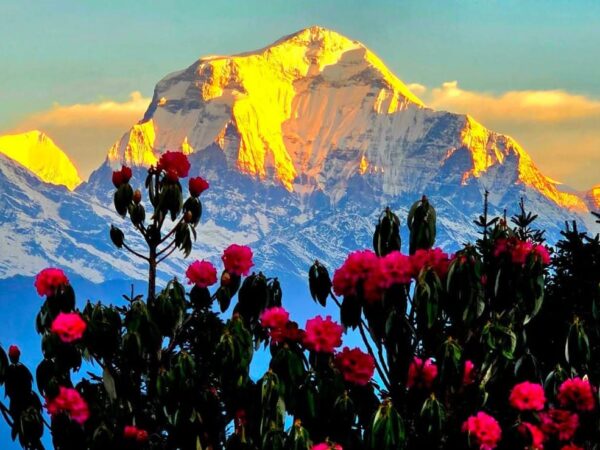
- Trek in the shadow of over a dozen majestic peaks, including: Mt. Dhaulagiri (8,167m), Mt. Annapurna I (8,091m), Mt. Manaslu (8,163m), Machhapuchhare / Fishtail (6,997m) nd many more.
- Experience Diverse Landscapes – Journey through lush green forests, terraced farmlands, rocky plateaus, alpine pastures, and snowy mountain passes, all in one trip.
- Immerse in Local Culture, pass through traditional Gurung, Magar, and Tibetan-influenced villages. Discover ancient monasteries, prayer flags, and the warm hospitality of the Himalayas.
- Witness Sacred Muktinath Temple, visit the holy site of Muktinath, revered by both Hindus and Buddhists, where eternal flames burn beside ancient temples.
- Drive from Jomsom to Kathmandu and soak in breathtaking aerial views of the landscapes you just conquered on foot.
- A well-paced 13-day journey that begins in Kathmandu and ends in the beautiful lakeside city of Pokhara.
- Ideal for trekkers seeking a deeper, more adventurous version of the classic Annapurna Circuit. Requires good fitness but rewards with unforgettable scenery and cultural experiences.
Overview
Your journey starts in the vibrant, bustling city of Kathmandu, where ancient temples meet bustling streets. After feeling the capital’s energy, a scenic drive carries you deep into the Marsyangdi Valley to Dharapani, the trailhead where your trek truly begins.
From Dharapani, the trail winds through lush subtropical forests, past cascading waterfalls and charming stone villages. The landscape shifts with every step. One moment you’re walking through pine forests near Chame; the next, you’re gazing across windswept pastures dotted with yaks.
You’ll pass through diverse ethnic settlements, where Gurung, Magar, and Tibetan-influenced communities welcome you with warm smiles. Ancient monasteries, fluttering prayer flags, and traditional architecture offer glimpses into a spiritual way of life that has endured for centuries.
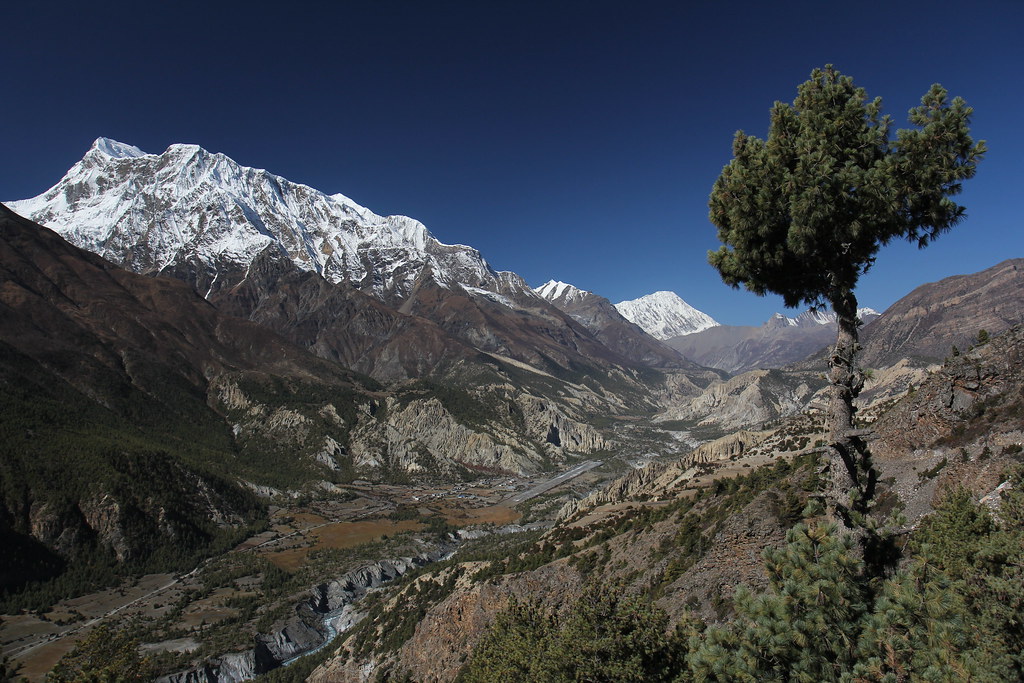
Upper Pisang and Ngawal lead you higher, the air growing thinner, the views growing grander. Finally, you reach Manang, a perfect place to rest and acclimatize. Here, Annapurna II and Gangapurna stand guard over glaciers that seem close enough to touch.
Leaving the main circuit behind, you will trek toward something truly special. The path to Tilicho Lake leads through Khangsar and Shree Kharka, a more rugged, less-traveled route that feels wild and remote.
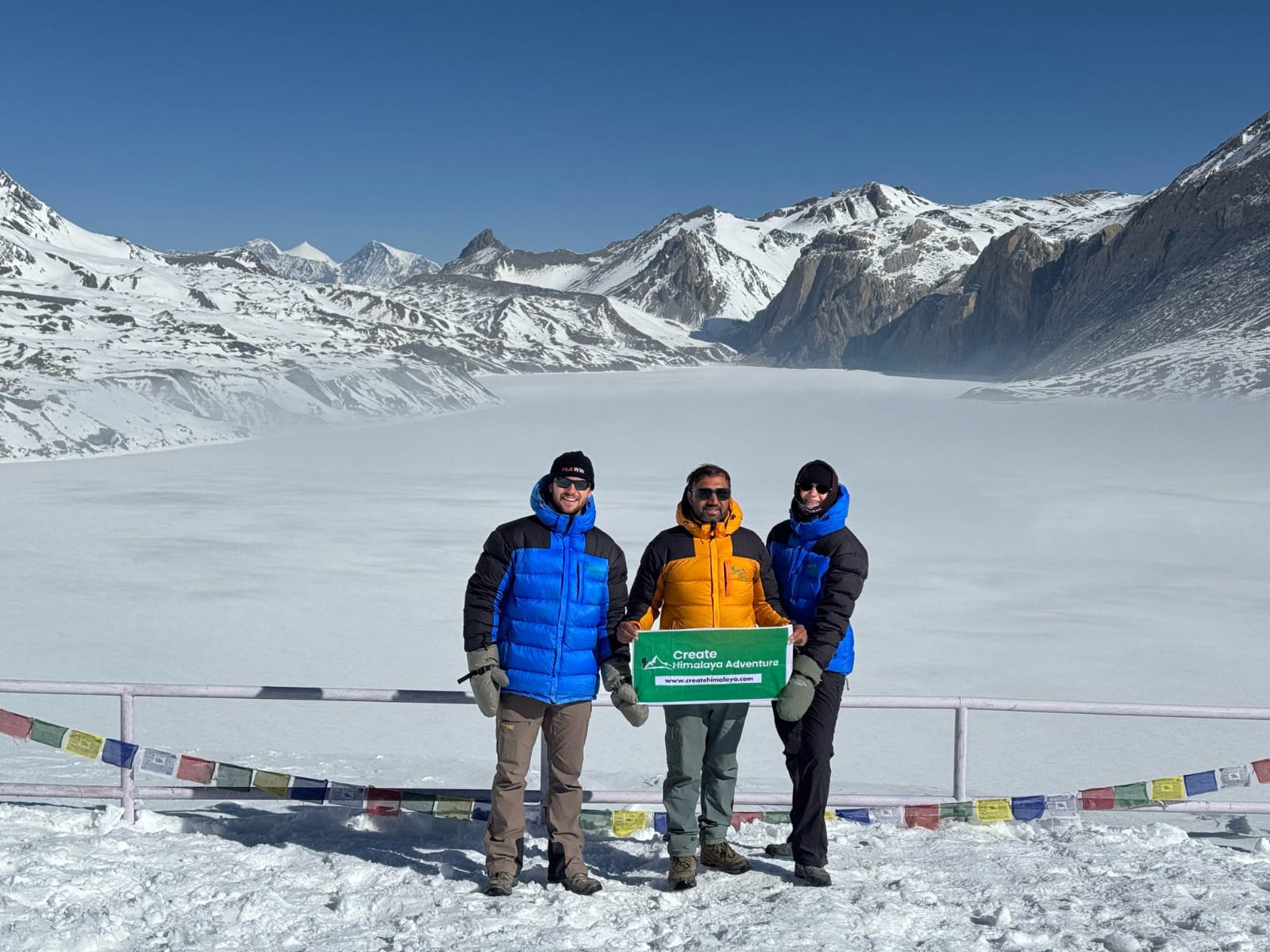
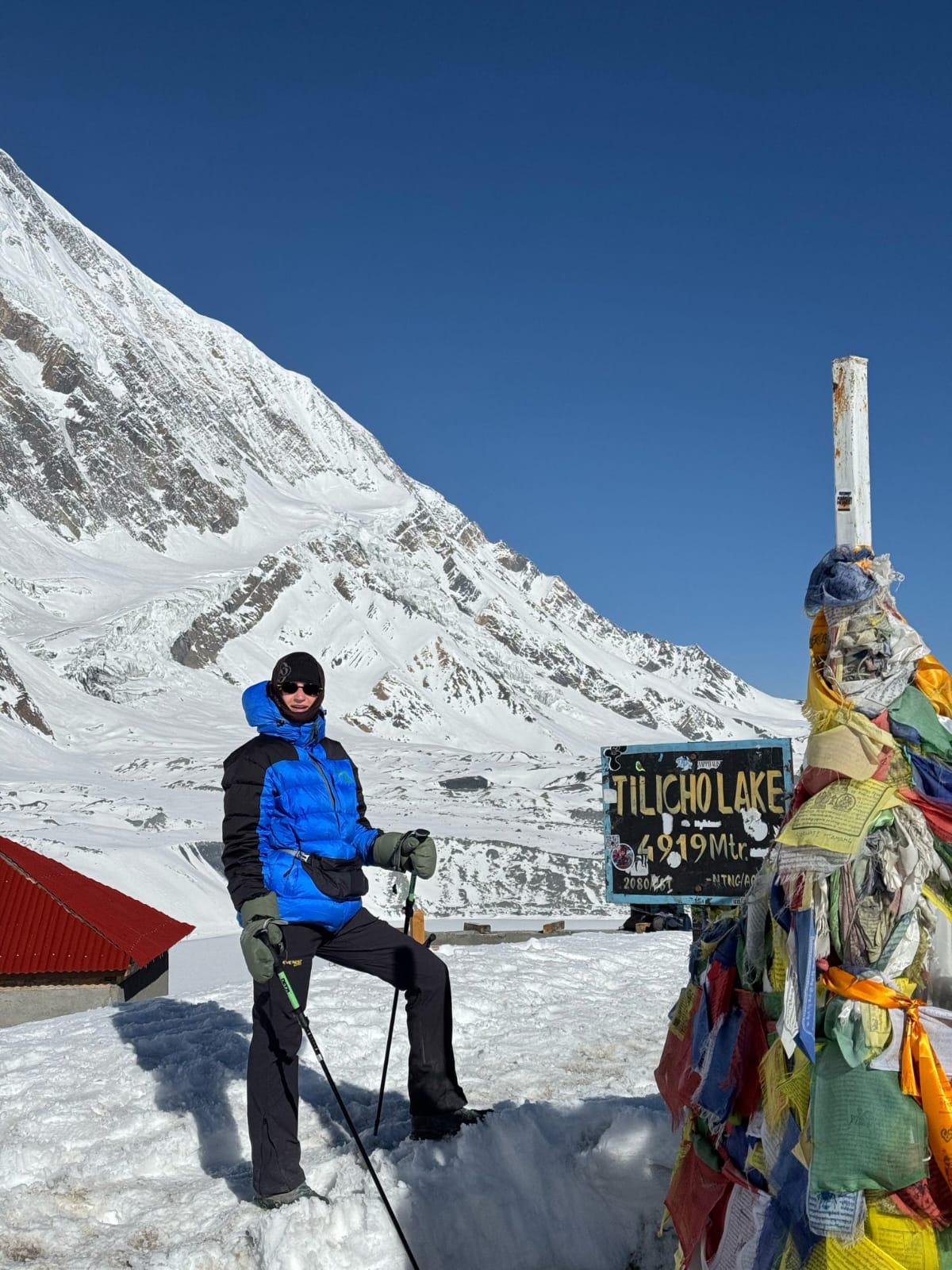
An early morning ascent brings you to the shores of Tilicho Lake at 4,920 meters. Formed by glacial runoff from the Annapurna massif, this shimmering expanse of turquoise water holds the title of one of the highest lakes on earth. Standing there, surrounded by ice and rock and towering peaks, you’ll feel a profound sense of awe. It’s a moment that will stay with you forever.
The Challenge: Thorong La Pass
After returning to the main circuit, the trail continues through Yak Kharka to Thorong Phedi, your launching point for the biggest challenge ahead.
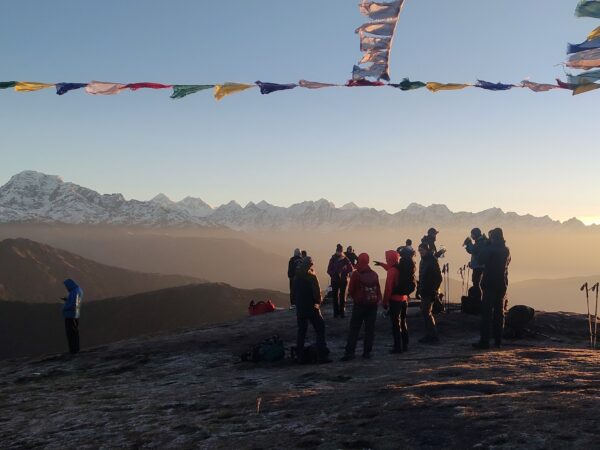
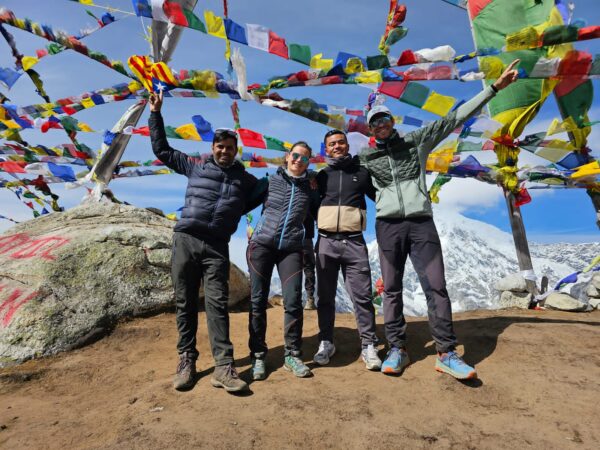
Crossing Thorong La Pass at 5,416 meters is demanding. The air is thin, the climb is steep, and your legs will burn. But as you reach the summit, marked by colorful prayer flags snapping in the wind, the reward reveals itself: a panoramic sweep of the Himalayas stretching from the Annapurnas to Dhaulagiri and beyond. The feeling of achievement is immense. Every step was worth it.
Sacred Place: Muktinath
The descent leads you to Muktinath, a sacred site revered by both Hindus and Buddhists. Here, eternal flames burn beside ancient temples, and pilgrims from across the region come to seek blessings. It’s a serene place to reflect on your journey.
Major Attractions of the Annapurna Circuit with Tilicho Lake Trek
The Annapurna Circuit with Tilicho Lake Trek is filled with dramatic landscapes, high-altitude adventures, and deep cultural experiences. From traditional Himalayan villages to glacial lakes and sacred pilgrimage sites, each stop along the route offers something unique. Here are the major highlights of this unforgettable trek.
Manang valley – The Cultural Heart of the Annapurna Circuit
Nestled at 3,540 meters, Manang is one of the most important and memorable villages on the Annapurna Circuit. Surrounded by towering Himalayan peaks, glaciers, and dramatic landscapes, it serves as the main acclimatization stop before trekkers ascend to higher elevations. The village is renowned for its rich Tibetan-influenced culture, featuring traditional stone houses, ancient monasteries, and occasional yak caravans that reflect its timeless mountain heritage. During their acclimatization day, trekkers can explore nearby trails, visit cultural sites, and enjoy spectacular panoramic views of Annapurna II, Gangapurna, and Tilicho Peak, making Manang a true highlight of the journey.
Ice Lake (Kicho Tal) – A Spectacular Acclimatization Hike Above Manang (4,600 m)
Ice Lake, also known as Kicho Tal, is one of the most rewarding side trips on the Annapurna Circuit Trek. Situated at an altitude of 4,600 meters above Manang, this stunning turquoise glacial lake is a popular acclimatization hike that offers breathtaking panoramic views of the Annapurna Range, Manang Valley, and surrounding snow-capped peaks. The challenging ascent takes trekkers through peaceful alpine landscapes and less-crowded trails, rewarding them with a deep sense of Himalayan wilderness and tranquility. Surrounded by rugged mountains and pristine scenery, Ice Lake is considered one of the hidden gems of the Annapurna region. Early morning visits are especially memorable, as the crystal-clear waters reflect the surrounding peaks, creating spectacular photography opportunities and unforgettable mountain views.
Milarepa Cave – A Sacred Spiritual Site Above Manang
Milarepa Cave is one of the most important cultural and spiritual attractions on the Annapurna Circuit Trek. Located on a hillside near Braga village above Manang, this sacred cave is believed to be the meditation site of the renowned Tibetan Buddhist saint, yogi, and poet Milarepa, who is said to have practiced here centuries ago. The short hike to the cave rewards visitors with breathtaking views of the Manang Valley, Annapurna peaks, and surrounding Himalayan landscapes. Adorned with colorful prayer flags and ancient Buddhist artwork, the cave offers a peaceful atmosphere and a unique insight into the rich spiritual traditions of the Himalayas. Combining cultural significance, religious heritage, and spectacular mountain scenery, Milarepa Cave is a memorable side excursion and a highlight of any visit to Manang.
Chongkor View Point – A Hidden Panorama Above Manang
Chongkor View Point is a rewarding and lesser-known viewpoint near Manang that offers some of the most spectacular panoramic mountain scenery on the Annapurna Circuit Trek. This excellent acclimatization hike rewards trekkers with sweeping views of the Annapurna massif, including Annapurna III, Gangapurna, Tilicho Peak, the Gangapurna Glacier, and the expansive Manang Valley. Far less crowded than many popular viewpoints along the route, Chongkor provides a peaceful setting to appreciate the grandeur of the Himalayas. The viewpoint is especially stunning at sunrise, when the first golden rays illuminate the snow-capped peaks and glacial landscapes, creating exceptional photography opportunities and unforgettable mountain vistas.
Tilicho Lake (4,920 m) – One of the Highest Lakes in the World
Tilicho Lake is one of the most spectacular highlights of the Annapurna Circuit Trek and is widely recognized as one of the highest lakes in the world, situated at an altitude of 4,920 meters. Nestled beneath the towering Annapurna massif, this stunning high-altitude lake is renowned for its crystal-clear turquoise waters, which create a striking contrast against the surrounding snow-covered peaks, rugged cliffs, and glacial landscapes. Reaching Tilicho Lake requires a challenging yet rewarding detour from the main Annapurna Circuit route, taking trekkers through remote valleys and dramatic alpine terrain. Fed by glacial meltwater and surrounded by pristine Himalayan wilderness, Tilicho Lake offers one of the most breathtaking mountain experiences in Nepal. Standing on its shores, surrounded by some of the highest peaks in the Himalayas, is an unforgettable moment and a dream destination for trekkers, photographers, and adventure seekers alike.
Thorong La Pass (5,416 m) – The Highest Point of the Annapurna Circuit
Thorong La Pass, standing at 5,416 meters, is the highest point of the Annapurna Circuit Trek and one of Nepal’s most iconic high-altitude trekking achievements. Renowned as one of the world’s most famous mountain passes, crossing Thorong La is the ultimate challenge and highlight of the journey. The ascent is physically demanding due to the steep terrain, cold temperatures, and thin Himalayan air, but the rewards are truly extraordinary. At the summit, colorful prayer flags flutter against a backdrop of breathtaking panoramic views of the Annapurna and Dhaulagiri mountain ranges, creating one of the most memorable scenes in Nepal. Reaching Thorong La Pass is a remarkable accomplishment that symbolizes the spirit of adventure, making it a defining milestone and an unforgettable experience for trekkers from around the world.
Muktinath Temple – A Sacred Pilgrimage Site in the Himalayas
Muktinath Temple is one of Nepal’s most sacred pilgrimage destinations and a major highlight of the Annapurna Circuit Trek. Located at an altitude of 3,800 meters in the Mustang region, Muktinath is revered by both Hindus and Buddhists as a place of spiritual liberation and religious significance. The ancient temple complex is famous for its 108 sacred water spouts, where pilgrims perform ritual purification, and the eternal natural flame that has burned continuously for centuries. Surrounded by the dramatic landscapes of Lower Mustang, the area offers a striking contrast to the lush valleys and forests encountered earlier on the trek. With its rich spiritual heritage, peaceful atmosphere, and spectacular Himalayan scenery, Muktinath Temple provides trekkers and pilgrims alike with a meaningful and unforgettable experience in the heart of the Nepal Himalayas.
Trek Difficulty
The Annapurna Circuit Trek with Tilicho Lake Trek is a moderately challenging Himalayan adventure that combines diverse landscapes, high mountain passes, and one of the world’s highest lakes. Typically completed in 12–18 days, the itinerary can be extended with additional acclimatization or side trips. The main challenges are the high altitude, long trekking days, and rugged mountain terrain. Trekkers reach Tilicho Lake (4,920 m) and cross the famous Thorong La Pass (5,416 m), where thinner air can make hiking more demanding. Daily walks generally range from 5–8 hours through forests, traditional villages, alpine valleys, and high-altitude landscapes. While no technical climbing skills are required, good fitness and proper acclimatization are essential. With adequate preparation, the Annapurna Circuit with Tilicho Lake Trek is suitable for both experienced trekkers and fit beginners seeking a rewarding trekking experience in Nepal.
Annapurna Circuit Trek with Tilicho Lake – Trek Route
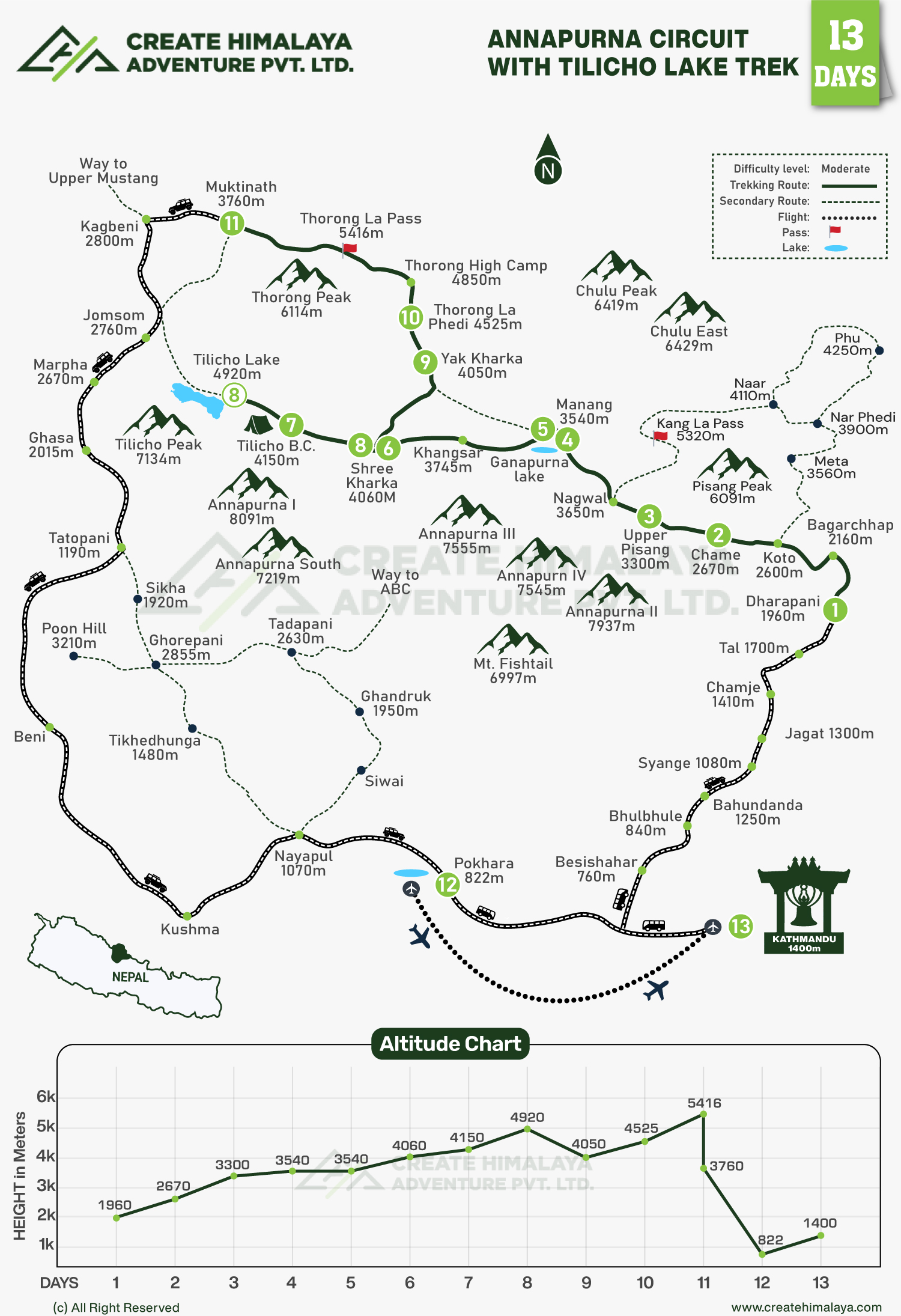
The Annapurna Circuit Trek with Tilicho Lake follows a classic Himalayan loop combined with a high-altitude detour to Tilicho Lake, offering one of the most diverse trekking routes in Nepal. The journey usually starts from the lower Marsyangdi Valley and gradually ascends through river gorges, forests, and traditional villages before entering the high alpine region of Manang.
From Besisahar or Dharapani, the trail climbs through Chame and Pisang, where landscapes shift from subtropical greenery to dry, high-mountain terrain. Trekkers then move into Manang, a key acclimatization stop surrounded by dramatic peaks and Tibetan-influenced settlements.
A side route from Manang leads toward Tilicho Lake, passing through Khangsar and Shree Kharka. This section is more remote and rugged, eventually reaching the stunning high-altitude lake at 4,920 meters.
After returning to the main circuit, the route continues through Yak Kharka and Thorong Phedi before the major challenge of crossing Thorong La Pass at 5,416 meters. The descent leads into the Mustang region, arriving at the sacred site of Muktinath, a major pilgrimage destination.
Typical Trek Route Summary:
Besisahar / Dharapani → Chame → Pisang → Manang → Tilicho Base Area → Tilicho Lake → back to Manang → Yak Kharka → Thorong Phedi → Thorong La Pass Crossing → Muktinath → Jomsom / Pokhara
This route offers a perfect combination of cultural villages, alpine scenery, glacier landscapes, and high mountain adventure, making it one of Nepal’s most complete trekking experiences.
Annapurna Circuit Trek with Tilicho Lake – Permits & Cost
The Annapurna Circuit Trek with Tilicho Lake requires a mandatory entry permit to access the protected conservation area of the Annapurna region. The main permit needed is the Annapurna Conservation Area Permit (ACAP), which is checked at several trekking checkpoints along the route, including entry points like Besisahar or Dharapani and onward stops such as Chame, Manang, and Jomsom. This permit is essential for trekking in the Annapurna region and supports conservation, local development, and trail maintenance.
For the Tilicho Lake section, no additional separate permit is required beyond the ACAP, making it a seamless extension of the main Annapurna Circuit route. However, because Tilicho Lake lies in a remote high-altitude zone, trekkers should be prepared for extra logistical expenses related to accommodation, meals, transport, and guide or porter services along the detour to Tilicho Base Camp and the lake itself.
The total cost of the Annapurna Circuit Trek with Tilicho Lake varies depending on trekking style, level of comfort, and whether you choose a guided or independent journey. Key expenses generally include trekking permits, local transportation from Kathmandu to the trailhead, food and lodging in teahouses, equipment rental if needed, and optional guide and porter support for safety and convenience in high-altitude sections.
This trek is often searched online using keywords such as “Annapurna Circuit Trek permit,” “Tilicho Lake trek cost,” “Annapurna trekking permit ACAP,” “Nepal trekking budget Annapurna Circuit,” and “Tilicho Lake side trip route cost.” These keywords reflect common planning searches for travelers organizing a Himalayan trekking adventure in Nepal.
Because the route crosses high mountain terrain and remote villages, budgeting is usually flexible and depends on personal travel style, but the permit system itself remains simple and straightforward, centered mainly around ACAP for the entire Annapurna Circuit with Tilicho Lake Trek.
Annapurna Circuit Trek with Tilicho Lake – Meals
Meals on the Annapurna Circuit Trek with Tilicho Lake are simple, nutritious, and focused on providing energy for long trekking days. Teahouses along the route serve basic Nepali and international dishes, with Dal Bhat (rice, lentil soup, vegetables) being the most popular choice due to its freshness, high energy, and unlimited serving. Other common options include noodles, fried rice, pasta, soups, eggs, potatoes, and Tibetan bread, with more variety available in lower villages like Dharapani and Chame.
As the trail climbs toward Manang, Yak Kharka, and the Tilicho Lake region, food choices become more limited but still sufficient for trekkers. In remote areas such as Tilicho Base Camp, meals are more basic but designed to support high-altitude trekking. Hot drinks like tea, ginger lemon, and coffee are widely available throughout the route. Common search keywords include “Annapurna Circuit Trek food,” “Tilicho Lake trek meals,” and “Nepal teahouse food Annapurna Circuit.”
Annapurna Circuit Trek with Tilicho Lake – Accommodation
Accommodation on the Annapurna Circuit Trek with Tilicho Lake is mainly in traditional teahouses and mountain lodges, offering simple but comfortable stays throughout the route. Rooms are usually twin-sharing with basic bedding, and facilities become more basic as you gain altitude. In lower villages like Dharapani, Chame, and Pisang, lodges are more developed with better rooms, hot showers, and attached dining areas.
As the trek continues toward Manang, Yak Kharka, and the Tilicho Lake region, accommodation becomes more rustic due to the remote Himalayan environment. At Tilicho Base Camp and higher elevations, teahouses provide essential shelter with limited facilities, often focusing on warmth and safety rather than comfort. Despite the simplicity, these lodges offer a unique cultural experience, allowing trekkers to stay close to local communities and enjoy authentic mountain hospitality.
Why Choose Annapurna Circuit Trek with Tilicho Lake
The Annapurna Circuit Trek with Tilicho Lake is one of the most complete trekking experiences in Nepal, combining dramatic altitude changes, diverse landscapes, and rich Himalayan culture in a single journey. It is ideal for trekkers looking for a longer and more rewarding route that goes beyond the standard Annapurna Circuit by adding the adventure of visiting one of the world’s highest lakes, Tilicho Lake (4,920 m).
This trek stands out for its incredible variety—lush green valleys, alpine forests, traditional villages, and high-altitude desert terrain all appear within a single route. You also experience iconic highlights such as Manang Valley, the challenging Thorong La Pass (5,416 m), and the sacred pilgrimage site of Muktinath, making it a perfect mix of nature, adventure, and spirituality. The added Tilicho Lake section offers a remote and less-crowded trail, giving a true wilderness trekking experience in the Himalayas.
Trip Itinerary
Drive to Dharapani from Kathmandu by Private tourist vehicle
After breakfast, we'll ride in a private tourist vehicle and leave the bustling streets of Kathmandu behind. Ahead lies a scenic drive that will carry us deep into the heart of the Himalayas.
The road takes us first to Besisahar along smooth, paved highways. Then the real fun begins. For the next three to four hours, we'll bounce along a thrilling dirt road, winding our way toward Dharapani. Road construction is underway in some sections, so the journey can take anywhere from nine to eleven hours, depending on traffic and conditions.
But here's the thing, you don't need to worry. We carefully select vehicles that are well-suited to the terrain, and our drivers are highly experienced in navigating these mountain roads. Each driver holds a certified highway license and has extensive experience driving in challenging conditions. Your safety and comfort are always our top priority, so you can relax and enjoy the journey with confidence.
If the weather smiles on us, the mountains will put on a show. Keep your camera ready as Annapurna II and III, Manaslu, Machhapuchhre (the legendary Fishtail), and Lamjung Himal rise into view. Waterfalls tumble down green hillsides. Suspension bridges swing over rushing rivers. Village life unfolds along the roadside, farmers in the fields, children waving, prayer flags fluttering in the wind. These are the moments you'll want to capture.
By evening, we'll arrive in Dharapani, a peaceful village nestled in the Marsyangdi Valley. After a long ride on the road, a warm bed and a good meal await.
Trek from Dharapani to Chame
We begin today’s trek with a moderate 5–6 hour walk to Chame, the administrative heart of the Manang district. The trail follows the Marsyangdi River, offering scenic views of waterfalls, lush forests, and traditional villages set against glimpses of Annapurna II and Lamjung Himal.
Chame itself is a charming and well-equipped town, providing a welcoming rest stop with more amenities and a peaceful atmosphere, and a perfect pause on our journey into the higher Annapurna region.
Trek from Chame to Upper Pisang
Today we ascend toward Upper Pisang on a trail winding through dense forest alongside the Marsyangdi River. The 6–7 hour trek reveals alpine meadows, panoramic mountain vistas, and the dramatic, curved rock wall of Paungda Dada.
Upon arrival, Upper Pisang rewards us with majestic, up-close views of Annapurna II to the south. We’ll settle in here for the night, surrounded by high Himalayan serenity.
Upper Pisang to Manang via nagwal
After witnessing the sunrise over Annapurna II, we begin our trek toward Ngawal (3,660 m). Taking the higher trail, we climb roughly 400 meters, offering stunning views of Annapurna II, III, Pisang Peak, and the deep gorges below, along with unique high-altitude flora. We’ll pause in the traditional stone village of Ngawal to rest and take in the atmosphere.
From there, we continue through hills, forested sections, and wetlands, passing the historic village of Bharka with its ancient monasteries and stone houses. The trail is dotted with stupas and lama schools, reflecting the region’s rich Buddhist heritage. After a total of 6–7 hours of hiking, we arrive at our destination for the day: the lively village of Manang, a key stop on the Annapurna Circuit.
Acclimatization Day at Manang Village
Today is an acclimatization day in Manang (3,540 m), allowing your body to adjust to the higher altitude. We keep activities light while enjoying stunning views of Annapurna II, Gangapurna, and the surrounding peaks. You may choose from the following optional excursions, all designed as day hikes with a return to Manang for proper acclimatization:
-Gangapurna Lake & Glacier Hike: A moderate 2–3 hour walk to a glacial lake below Gangapurna, offering impressive glacier and mountain views.
-Milarepa Cave Trek: Visit this sacred Buddhist meditation cave set high on a cliff, with panoramic views over the Manang Valley.
-Gangapurna Lower Lakes Walk: A shorter and gentler walk to the turquoise lakes beneath the glacier, ideal for photography and relaxation.
Alternatively, you can explore Manang village, visit its ancient monastery, and observe local mountain life at a relaxed pace. We return to the lodge by afternoon for rest and hydration, helping ensure a safe and comfortable ascent in the days ahead.
Trek from Manang to Shree Kharka
After acclimatizing in Manang, we will trek towards Shree Kharka (4,060m/13,320ft). The 4-5-hour trek climbs about 500 meters. After two days of acclimatization in Manang, we descend toward the river and cross the Khangsar Khola via a sturdy suspension bridge, then climb gently to reach Khangsar, a historic Tibetan village often called the "Last Village of Nepal" because no permanent settlements exist beyond this point. Here, time seems to stand still as we wander past stone houses, mani walls, and a peaceful monastery where prayer wheels spin, and monks move quietly through the courtyard, offering a rare glimpse into living Tibetan-Buddhist culture. All around us, the Himalayas put on an unforgettable show: Annapurna II, Annapurna III, Gangapurna, and Tilicho Peak rise in every direction, their snowy ridges catching sunlight against an impossibly blue sky. Every turn in the trail reveals another jaw-dropping view, making this short but stunning journey a true visual of rugged terrain and mountain majesty before we push onward toward Tilicho Lake.
Trek from Shree Kharka to Tilicho Base Camp
Today’s journey follows the newly opened trail as it gently climbs higher into the mountains, revealing one breathtaking view after another of the Annapurna range. With each step, towering peaks rise against the sky, creating a powerful and peaceful atmosphere. The trail is both challenging and rewarding, leading us across rugged slopes and wide-open landscapes where the wind carries the true spirit of the Himalayas. We descend into a quiet valley where a small steam flows softly below, before tackling a short but steep climb that tests our strength and determination. At last, we reach Tilicho Base Camp at 4,150 meters, a remote and tranquil spot surrounded by towering giants. A small group of lodges stands quietly in this remote setting, offering warmth and rest for the night. Tomorrow, the stunning Tilicho Lake awaits. Tonight, we relax and recharge in the heart of the mountains.
Hike to Tilicho Lake and back to Shree Kharka
We begin our day early from Tilicho Base Camp to Tilicho Lake, setting out before the winds rise and the trail becomes busy. Walking in the calm morning light, we hike for three to four hours, slowly gaining height with every step. Soon, the stunning Tilicho Lake comes into view, resting peacefully at 4,920 meters. The crystal-clear glacial lake stretches wide beneath the surrounding peaks, creating a scene that feels almost unreal. We take time to enjoy the quiet beauty, capture photos, and simply stand in awe of the deep blue water and towering mountain backdrop. After soaking in this unforgettable moment, we make our way back toward Shree Kharka. Along the return trail, Tilicho Peak stands tall above us, while Nilgiri, Gangapurna, Chulu Peak, and the Annapurna range, including Annapurna II, III, and IV. It’s a remarkable day filled with breathtaking views and memories that will stay with us long after the journey ends.
Trek from Shree Kharka to Yak kharka
We walk through old Khangsar village, where the stone houses still stand, but the silence tells a story; the inhabitants have moved on, leaving only memories behind. A little further, we pause at Tare Gompa, a tiny monastery said to be over a thousand years old, its mani walls holding centuries of prayers. Then the trail descends into the Thorong Khola Valley, where we cross a rushing river and climb steadily toward a high plateau. Every time we look up, the Annapurna range steals our breath, sharp peaks piercing a sky so blue it almost doesn't look real. And speaking of blue, keep your eyes on the hillsides. You might spot them: Blue Sheep, scrambling gracefully across the rocks. They're not really blue, more a silvery-gray that shimmers in the mountain light, but the name adds a little magic to an already magical day. The serene, open environment signals our entry into the high Himalayas, as we prepare for the challenge of Thorong La.
TTrek from Yak Kharka to Thorong Phedi
Today we trek from Yak Kharka to Thorong Phedi (4,525 m / 14,846 ft), a steady 3–4 hour climb. The rocky trail passes yaks and blue sheep, crosses a river, and requires careful footing in a few landslide areas.
At Thorong Phedi, you'll find simple but comfortable lodges nestled among towering snow peaks. You can rest here, or continue another 45 minutes uphill to High Camp for a shorter climb to the pass tomorrow. Eat well and rest early—tomorrow we cross Thorong La Pass before dawn.
Trek from Thorong Phedi to Muktinath via Thorong-la Pass
Today is the most challenging and rewarding day of the trek as we cross Thorong La Pass (5,416 m). We start early before sunrise, walking with headlamps in the cold morning air. As daylight appears, the mountains—Thorong Peak, Chulu West, and the distant Annapurna and Dhaulagiri ranges—glow with the first light of the sun. At the pass, prayer flags and chortens mark this high point of the journey. From here, you can see the green valleys of Manang behind and the dry landscapes of Mustang ahead.
After enjoying the views, we begin a long descent of about four hours to Muktinath (3,760 m). Muktinath is an important pilgrimage site for both Hindus and Buddhists. You can visit the Vishnu temple, the 108 stone water spouts, and the natural eternal flame at Jwala Mai Temple. The day ends with a peaceful visit to this sacred place, bringing a sense of calm after an unforgettable achievement.
Drive from Muktinath to Pokhara
Today marks the end of your mountain journey. We'll leave Muktinath behind and begin the scenic drive down to Pokhara. The road takes us through dry, beautiful hills, past apple orchards and small villages like Jomsom, following rivers all the way. It’s a long ride sometimes bumpy, but always with amazing views. We’ll stop for lunch somewhere along the way to break up the trip. By late afternoon, you’ll arrive in Pokhara, a peaceful city beside a lake. Here, you can finally relax, enjoy a good meal at a cafe, and time to reflect on everything you’ve accomplished.
Pokhara to Kathmandu (Drive) (Option available for flight )
Your journey now heads back to Kathmandu, either by road or by flight. As Pokhara fades behind you, take a moment to gaze at Machhapuchhre, the majestic Fishtail standing silently in the distance. Leaving the mountains is not goodbye; their calm and beauty stay with you.
On the way, you can enjoy the changing landscapes, from lush valleys and terraced fields to winding rivers and charming villages. If traveling by road, there’s time to see the everyday life of local people, their farms, and markets, offering a last glimpse of rural Nepal. By flight, the aerial view of the Himalayas is unforgettable, with snow-capped peaks stretching as far as the eye can see.
Carry these memories, the stillness of the mountains, the vibrant life of the villages, and the beauty of the landscapes in your heart, letting them guide and inspire you long after the trek ends.
Not Satisfied with This Itinerary?
Every traveler is different. Customize this trip with the help of our local travel specialists and create an itinerary that perfectly matches your interests, schedule, and budget.
What's included
- Airport Transfers: International Airport pick-up and drop-off service.
- Transportation: All Ground Transportation (Kathmandu-Besisahar-Dharapani-Muktinath-Kathmandu).
- Trekking Permits: The required paperwork and trekking permit are required for Annapurna Conservation Area (ACAP).
- Trekking Equipment: We provide sleeping bags, down Jackets, and Duffle bag if needed.
- Souvenirs: Create Himalaya Adventure T-Shirt as a souvenir.
- Meals: Three meals a day (breakfast, lunch, dinner) during the trek.
- Accommodation: Twin-bed sharing with a shared toilet during the trek.
- Guide Expenses: All costs for an English-speaking, government-licensed guide.
- Guide Insurance: Insurance coverage for guides.
- Trekking Map: Annapurna Region Trek Map for the group.
- First Aid Kit: Medical kit available during the trip.
- Taxes and Fees: Tourist service charge, VAT, government tax, and official expenses.
What's not included
- International Expenses: International airfare, visa, and travel insurance.
- Kathmandu Meals: Breakfast, Lunch and Dinner at Kathmandu.
- Accommodation in Kathmandu: Accommodation in Kathmandu or on the trek for any reason (Early arrival or delay, early arrival from trek due to any reason).
- Porter Service: Porter to carry your luggage during the trek (if you would like to take a porter, it will cost you USD 30 for each day trip, which you could add from our add-on option).
- Gratuities: Tips for Guide and Porter (expected from trekkers involved).
Map
Best Time for Annapurna Circuit Trek with Tilicho Lake
The Annapurna Circuit Trek with Tilicho Lake can be done in different seasons, but each season offers a very different trekking experience depending on weather, visibility, and trail conditions.
Spring (March to May) is one of the most beautiful times for the trek. The weather is generally stable, temperatures are moderate, and the lower trails come alive with blooming rhododendrons and green landscapes. Higher up, snow still remains on the peaks, creating a perfect contrast of color and mountain views. This season is ideal for trekkers who want clear views and a vibrant natural environment.
Autumn (September to November) is widely considered the best and most popular trekking season. After the monsoon, the air becomes clean and crystal clear, offering outstanding visibility of the Annapurna and Dhaulagiri ranges. The weather is stable, skies are deep blue, and conditions are excellent for crossing high points like Thorong La Pass (5,416 m) and visiting Tilicho Lake (4,920 m). This is the peak trekking season in Nepal.
Winter (December to February) is possible but more challenging. The region becomes very cold, especially above 3,500 meters, and heavy snowfall can block high passes like Thorong La. However, the trails are much quieter, and the mountain scenery is still stunning for experienced trekkers who are prepared for cold-weather trekking and possible route disruptions.
Monsoon (June to August) is the least favorable season for this trek. Heavy rainfall can cause landslides, slippery trails, and poor visibility in the lower regions. However, some parts of the circuit lie in rain-shadow areas like Manang and Mustang, which receive less rainfall, making limited trekking still possible with proper planning.
Annapurna Circuit Trek with Tilicho Lake – Travel Insurance
Travel insurance is essential for the Annapurna Circuit Trek with Tilicho Lake, as the route reaches high-altitude zones above 5,000 meters and passes through remote mountain regions where medical facilities are limited. A suitable policy should specifically cover high-altitude trekking in Nepal, including both the Annapurna Circuit and Tilicho Lake routes, with strong emphasis on emergency medical treatment and accident coverage.
One of the most important requirements is helicopter evacuation coverage, especially for emergencies around Thorong La Pass (5,416 m) and Tilicho Lake (4,920 m), where immediate rescue may only be possible by air. It is also important to ensure the insurance covers trekking up to at least 5,500 meters, along with trip cancellation, delays, and baggage protection. Popular search keywords include “Annapurna Circuit Trek insurance,” “Tilicho Lake trekking insurance Nepal,” and “high altitude trekking insurance Nepal.”
Annapurna Circuit Trek with Tilicho Lake – Trek Equipment
Proper trekking equipment is essential for the Annapurna Circuit Trek with Tilicho Lake, as the journey covers low valleys, alpine forests, and extreme high-altitude zones above 5,000 meters. Weather conditions change quickly, so layered clothing, warm insulation, and waterproof protection are very important for comfort and safety. Good trekking gear also helps you handle long walking days, cold nights, and challenging sections like Tilicho Lake (4,920 m) and Thorong La Pass (5,416 m).
Trek Equipment List
- Moisture-wicking base layers (thermal tops and bottoms)
- Warm insulating mid-layer (fleece or light down jacket)
- Waterproof and windproof outer jacket (shell jacket)
- Down jacket for high-altitude cold conditions
- Trekking pants and thermal leggings
- Warm gloves and spare inner gloves
- Woolen hat / beanie and sun cap
- Sturdy trekking boots with good ankle support
- Comfortable trekking backpack (30–60L)
- Daypack for short hikes and side trips
- Trekking poles for steep ascents and descents
- Sunglasses with UV protection (high altitude essential)
- Sunscreen and lip balm (SPF protection)
- Reusable water bottle or hydration bladder
- Water purification tablets or filter system
- Headlamp with extra batteries
- Sleeping bag rated for cold temperatures
- Basic first aid kit (bandages, painkillers, altitude meds)
- Personal toiletries and quick-dry towel
- Power bank and charging cables
- Lightweight snacks (energy bars, nuts, chocolates)
- Passport copy and permits (ACAP and related documents)
Annapurna Circuit Trek with Tilicho Lake – Trip Note
The Annapurna Circuit Trek with Tilicho Lake is a classic Himalayan trekking adventure in Nepal that combines cultural villages, diverse landscapes, and high-altitude mountain scenery. This trek circles the Annapurna massif and includes a special detour to Tilicho Lake (4,920 m), one of the highest lakes in the world, before crossing the famous Thorong La Pass (5,416 m) and descending into the Mustang region.
The journey typically takes you through changing terrain—from green river valleys and traditional settlements in the lower Marsyangdi region to alpine forests, dry highlands of Manang, and finally the dramatic desert-like landscapes near the pass. Along the way, trekkers experience rich Tibetan-influenced culture, ancient monasteries, prayer flags, and warm local hospitality in villages such as Manang and Pisang.
A highlight of the trek is the side trip to Tilicho Lake, which requires extra effort due to its remote and rugged trail but rewards trekkers with stunning glacier views and a peaceful high-altitude environment. After returning to the main circuit, the crossing of Thorong La Pass marks the most challenging and rewarding moment of the journey.
The trek usually starts from Besisahar or Dharapani and ends in Jomsom or Muktinath, with flexible itinerary options depending on time and fitness level. It is considered one of Nepal’s most complete trekking routes, offering adventure, natural beauty, and cultural depth in a single journey.
FAQs
1. Where does the Annapurna Circuit Trek with Tilicho Lake start and end?
The trek usually starts from Besisahar or Dharapani, depending on road access and itinerary. It typically ends at Jomsom or Muktinath, with options to return to Pokhara or Kathmandu by road or flight from Jomsom.
2. What is the transportation like on this trek?
Travel includes a long drive from Kathmandu to Besisahar or Dharapani. Jeeps are commonly used for rough mountain roads. At the end of the trek, you can take a jeep from Jomsom or Muktinath, or a short flight from Jomsom to Pokhara (weather dependent).
3. How are the road conditions?
Road conditions are mostly rough and bumpy, especially beyond Besisahar. Expect off-road jeep tracks, landslide-prone sections, and slow travel in mountainous terrain.
4. What is the trail to Tilicho Lake like?
The Tilicho Lake trail is a side route from Manang via Khangsar and Shree Kharka. It is narrow, rocky, and exposed in some sections with landslide risk. No technical climbing is needed, but it requires careful walking and good fitness.
5. What is the highest elevation of this trek?
The highest point is Thorong La Pass (5,416 m), followed by Tilicho Lake (4,920 m).
6. Can I swim in Tilicho Lake?
No, swimming is not allowed or recommended due to extreme cold temperatures and sacred local beliefs. The lake is glacial and extremely cold year-round.
7. What kind of food is available?
Teahouses serve simple meals like Dal Bhat, noodles, fried rice, pasta, soups, eggs, and momos. Food options become more limited at higher elevations.
8. What are the accommodation conditions?
Accommodation is mainly in basic teahouses and mountain lodges with twin-sharing rooms. Facilities become simpler as altitude increases, especially near Tilicho Lake and Thorong Phedi.
9. Is there phone network and internet?
Mobile network (NTC/NCELL) works in some lower and mid areas like Manang, but becomes weak or unavailable in higher regions. WiFi is available in some teahouses but is slow and paid.
10. Is there heating in lodges?
Most teahouses have a common dining room with a wood or yak-dung heater, but bedrooms are usually not heated. A good sleeping bag is essential.
11. Do I need trekking equipment?
Yes, proper trekking gear is strongly recommended due to high altitude and cold weather. Layered clothing, warm jacket, trekking boots, and sleeping bag are essential.
12. Can I customize the trek?
Yes, the itinerary is highly flexible. You can add rest days, skip Tilicho Lake, or modify the route based on fitness and time.
13. Can I extend the trek?
Yes, you can extend the trek by exploring Upper Mustang, Ghorepani, or adding extra acclimatization days in Manang or Pisang.
14. Is hot shower available?
Hot showers are available in lower villages for a small fee. In higher areas, hot showers are limited or unavailable.
15. How big are trekking groups?
Group sizes vary. It can be a solo trek, small group (2–15 people), or larger organized groups depending on booking.
16. Can I buy bottled water everywhere?
Bottled water is available in most villages but becomes expensive at higher altitudes. Many trekkers use refillable bottles with purification tablets or filters.
17. Are there ATMs on the route?
ATMs are available only in Besisahar, Chame (limited reliability), and Jomsom. It is strongly advised to carry enough cash from Kathmandu or Pokhara.
18. Do I need Diamox (altitude sickness medicine)?
Diamox is commonly used for altitude sickness prevention, but it is not mandatory. It should only be taken after consulting a doctor before the trek.
19. Does Diamox affect health?
Some people experience side effects like tingling fingers, frequent urination, or mild dizziness. It affects individuals differently, so medical advice is important.
20. How many hours do I walk per day?
Most trekking days involve 5 to 8 hours of walking, depending on altitude gain and itinerary.
21. Which is harder: Manaslu Circuit or Annapurna Circuit with Tilicho Lake?
Both are challenging, but Manaslu Circuit is generally harder due to more remote terrain and fewer facilities. The Annapurna Circuit with Tilicho Lake is longer but more developed and flexible.
22. Is altitude sickness common?
Yes, altitude sickness can occur above 3,000 meters. Proper acclimatization in Manang and a slow pace help reduce the risk.
23. Do I need a guide or porter?
A guide is highly recommended for safety, navigation, and local support. A porter is optional but helps reduce physical load.
24. Is this trek suitable for beginners?
Yes, fit beginners can complete it with proper preparation, acclimatization, and a steady pace.
25. What is the best time for this trek?
The best seasons are spring (March–May) and autumn (September–November) for stable weather and clear mountain views.
Travelers' Reviews
Jaap V
Nederland
Verified PurchaseGreat experience Annapurna Circuit
Emma L
Denmark
Verified PurchasePerfect Trip
We did the Annapurna circuit plus Tilicho Lake with Ram and it was amazing. Ram has everything planned and is also flexible to our wishes. He’s well known in the area and is a good English speaker. Nothing to complain about. Good equipment also. We borrowed sleeping bag and down jackets. He’s an experienced mountain guide and we felt safe with the altitude. 10/10 🙌🏼🙌🏼
Karen H
Denmark
Verified PurchaseHighly recommended guide and company
No hidden fees • Best price guarantee