Nar Phu Valley Trek – 9 Days
The Nar Phu Valley Trek is one of the most remote and culturally fascinating trekking adventures in Nepal. Located in the hidden northern valleys of the Annapurna region, Nar and […]
Highlights
- Experience authentic Tibetan culture, traditions, and mountain lifestyle
- Explore the ancient Himalayan villages of Nar and Phu
- Trek through dramatic canyons, alpine forests, and rugged Himalayan landscapes
- Discover centuries-old monasteries, prayer walls, caves, and stone-built settlements
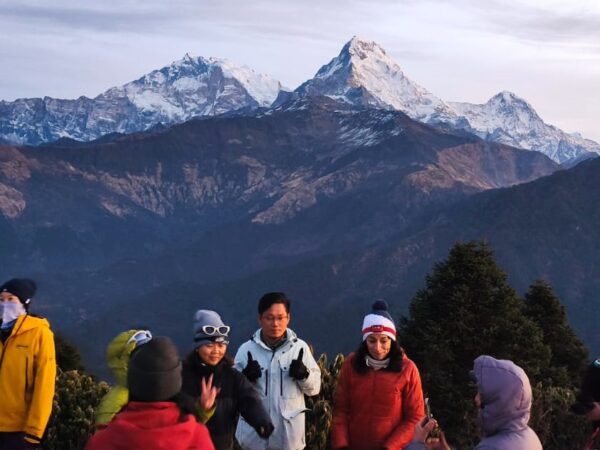
- Enjoy breathtaking mountain views of Annapurna, Manaslu, Dhaulagiri, Himlung Himal, and Tilicho Peak
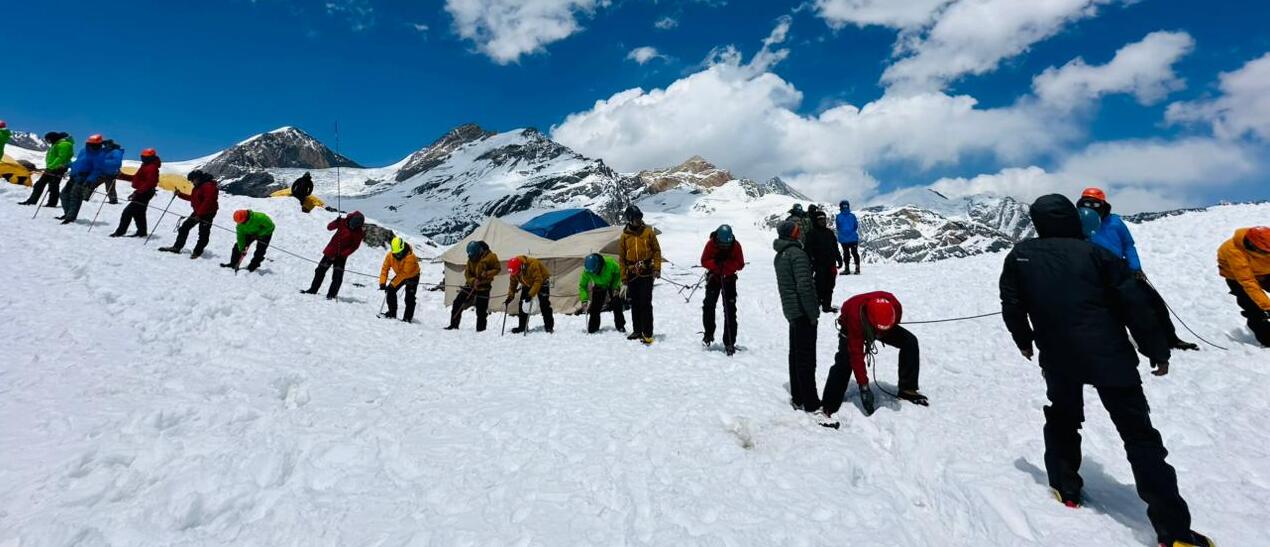
- Cross the adventurous Kang La Pass at 5,320 meters
- Explore the beautiful high-altitude landscapes around Himlung Base Camp
- Experience one of Nepal’s least crowded and untouched trekking routes
- Walk through peaceful yak pastures, suspension bridges, and glacial valleys
- Connect the hidden Nar Phu Valley with the famous Annapurna Circuit route
- Perfect trekking adventure for nature lovers, photographers, and cultural explorers
- Enjoy quiet Himalayan trails far from busy tourist trekking routes
- Witness the preserved heritage and spiritual atmosphere of Tibetan Buddhist communities
- Experience a unique combination of history, culture, wilderness, and Himalayan adventure in Nepal
Overview
The Nar Phu Valley Trek is one of the most remote and culturally fascinating trekking adventures in Nepal. Located in the hidden northern valleys of the Annapurna region, Nar and Phu remained isolated from the modern world for many years, preserving their ancient Tibetan culture, traditional lifestyle, and untouched Himalayan beauty. Surrounded by deep canyons, dramatic cliffs, alpine forests, and snow-covered peaks, this hidden valley trek offers a peaceful and authentic Himalayan experience far from the crowded trekking trails of Nepal.
The Nar Phu Valley Trek is ideal for travelers seeking cultural exploration, remote mountain landscapes, and spiritual Himalayan journeys. Trekkers pass through ancient Tibetan villages, centuries-old monasteries, prayer walls, caves, and traditional stone houses while experiencing the unique customs and daily life of local communities. The villages of Nar and Phu are among the highest permanent settlements in the Himalayas, where people still practice traditional farming, yak herding, weaving, and Tibetan Buddhist traditions that have been preserved for generations.
The trekking route begins from Koto and gradually enters the isolated valleys through pine forests, suspension bridges, narrow gorges, and rugged mountain trails. Along the journey, trekkers enjoy spectacular views of Annapurna, Manaslu, Dhaulagiri, Himlung Himal, and other Himalayan peaks. Crossing the challenging Kang La Pass at 5,320 meters adds more adventure to the trek while connecting Nar Valley with the famous Annapurna Circuit route near Ngawal. Rich in history, culture, and Himalayan wilderness, the Nar Phu Valley Trek remains one of Nepal’s most extraordinary hidden valley adventures.
Nar Phu Valley Trek Difficulty
The Nar Phu Valley Trek is considered a moderate to challenging trekking adventure in Nepal. The trek passes through remote Himalayan valleys, rugged mountain trails, steep ascents, narrow canyons, and high-altitude landscapes, making it more demanding than many popular trekking routes in the Annapurna region. Trekkers walk for several hours each day while crossing isolated terrain, suspension bridges, rocky paths, and alpine trails surrounded by dramatic mountain scenery.
One of the biggest challenges of the Nar Phu Valley Trek is the high altitude and remote environment. The trek reaches its highest point at Kang La Pass (5,320 meters), where trekkers may experience cold temperatures, strong winds, and thinner air. Proper acclimatization, physical fitness, and slow trekking pace are important for completing the journey safely. The remote nature of the region also means fewer facilities and limited access to modern comforts compared to busier trekking routes in Nepal.
Despite the challenges, the Nar Phu Valley Trek is highly rewarding for trekkers seeking adventure, culture, and untouched Himalayan landscapes. Previous trekking experience is helpful, but physically fit beginners with good preparation and determination can also complete the trek successfully. The peaceful trails, ancient Tibetan villages, spectacular mountain views, and unique cultural experiences make this hidden valley trek one of Nepal’s most unforgettable Himalayan adventures.
The Nar Phu Valley Trek route
The Nar Phu Valley Trek route begins with a scenic drive from Kathmandu to Koto via Besisahar. From Koto, the trekking trail leaves the classic Annapurna Circuit and enters the remote hidden valleys of Nar and Phu. The route passes through narrow canyons, pine forests, suspension bridges, waterfalls, and isolated mountain trails while gradually ascending toward Meta and the ancient village of Phu. Along the journey, trekkers experience traditional Tibetan culture, old monasteries, prayer walls, and unique Himalayan settlements untouched by modern development.
After exploring Phu Valley, the trek continues toward Nar Phedi and the beautiful village of Nar before crossing the challenging Kang La Pass at 5,320 meters. The pass offers breathtaking panoramic views of Annapurna, Gangapurna, Tilicho Peak, and surrounding Himalayan ranges. From Kang La, the trail descends to Ngawal, reconnecting with the Annapurna Circuit route. The Nar Phu Valley Trek route is perfect for trekkers seeking remote Himalayan landscapes, authentic Tibetan culture, peaceful trails, and one of Nepal’s most unique mountain adventures.
Trip Itinerary
Drive to Koto via Besisahar
The adventure begins with an early morning drive from Kathmandu toward the beautiful Annapurna region. The scenic highway passes through green hills, river valleys, terraced farmlands, and traditional villages before reaching Besisahar. From here, continue the off-road mountain drive alongside the Marsyangdi River through waterfalls, pine forests, and dramatic Himalayan landscapes to reach Koto, the gateway to the remote Nar Phu Valley Trek. Overnight stay at a tea house surrounded by peaceful mountain scenery.
Trek from Koto to Meta
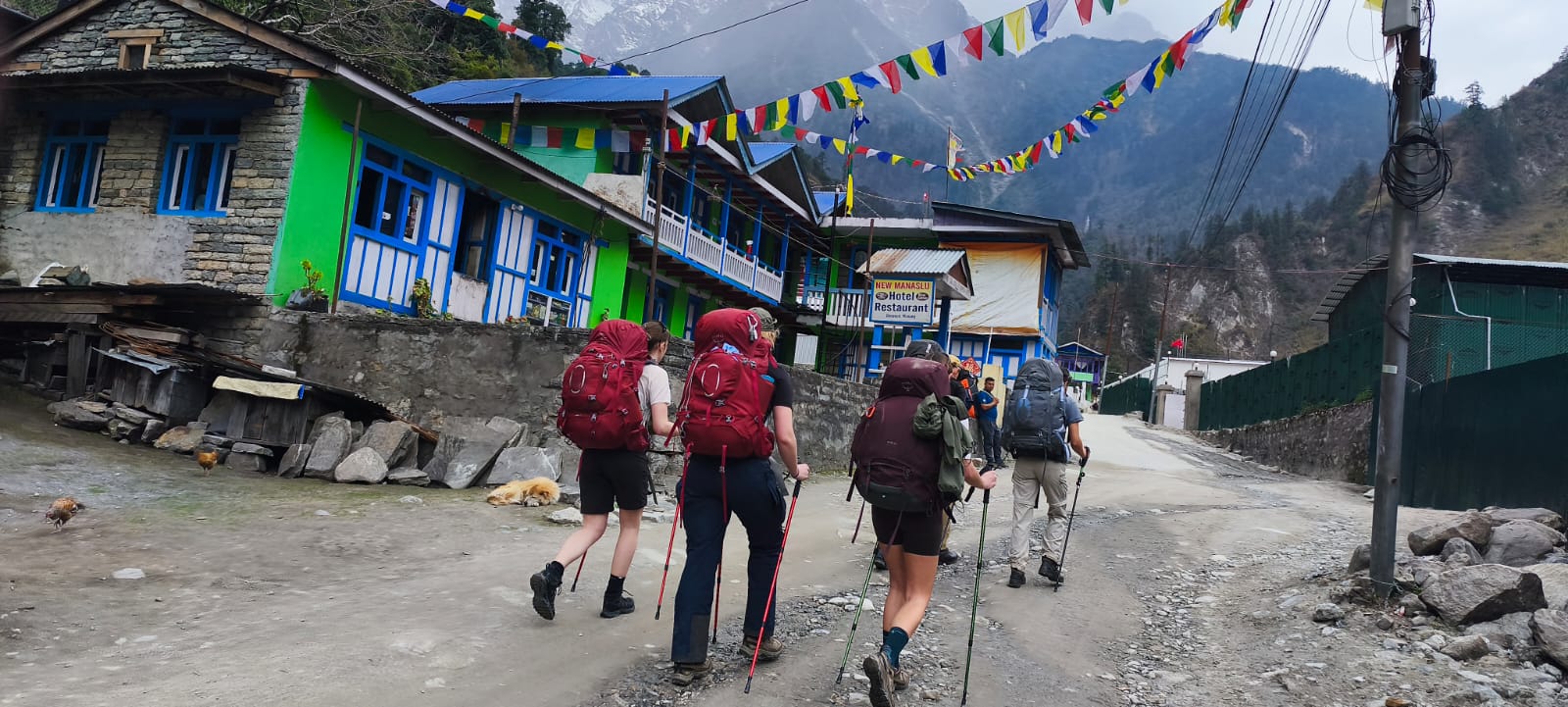
After breakfast, begin trekking into the restricted and hidden Nar Phu Valley. The trail leaves the classic Annapurna Circuit route and enters a narrow canyon filled with pine forests, suspension bridges, waterfalls, and rocky cliffs. Passing small settlements, Buddhist chortens, and yak grazing areas, the route gradually ascends through remote Himalayan terrain. The peaceful atmosphere and untouched landscapes make this section of the trek truly unique. Arrive at Meta, a beautiful settlement with panoramic mountain views and traditional stone lodges.
Trek from Meta to Phu Village
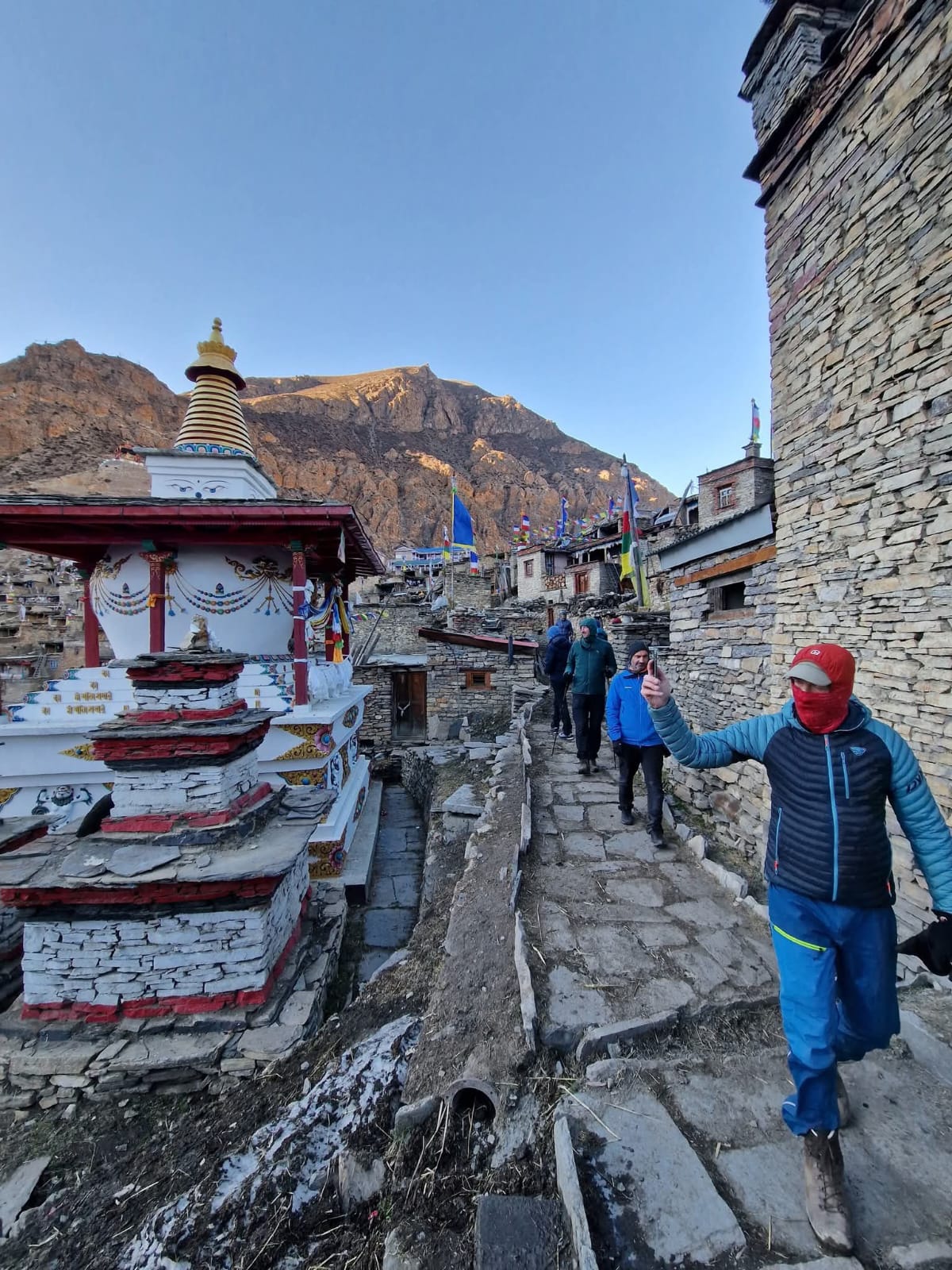
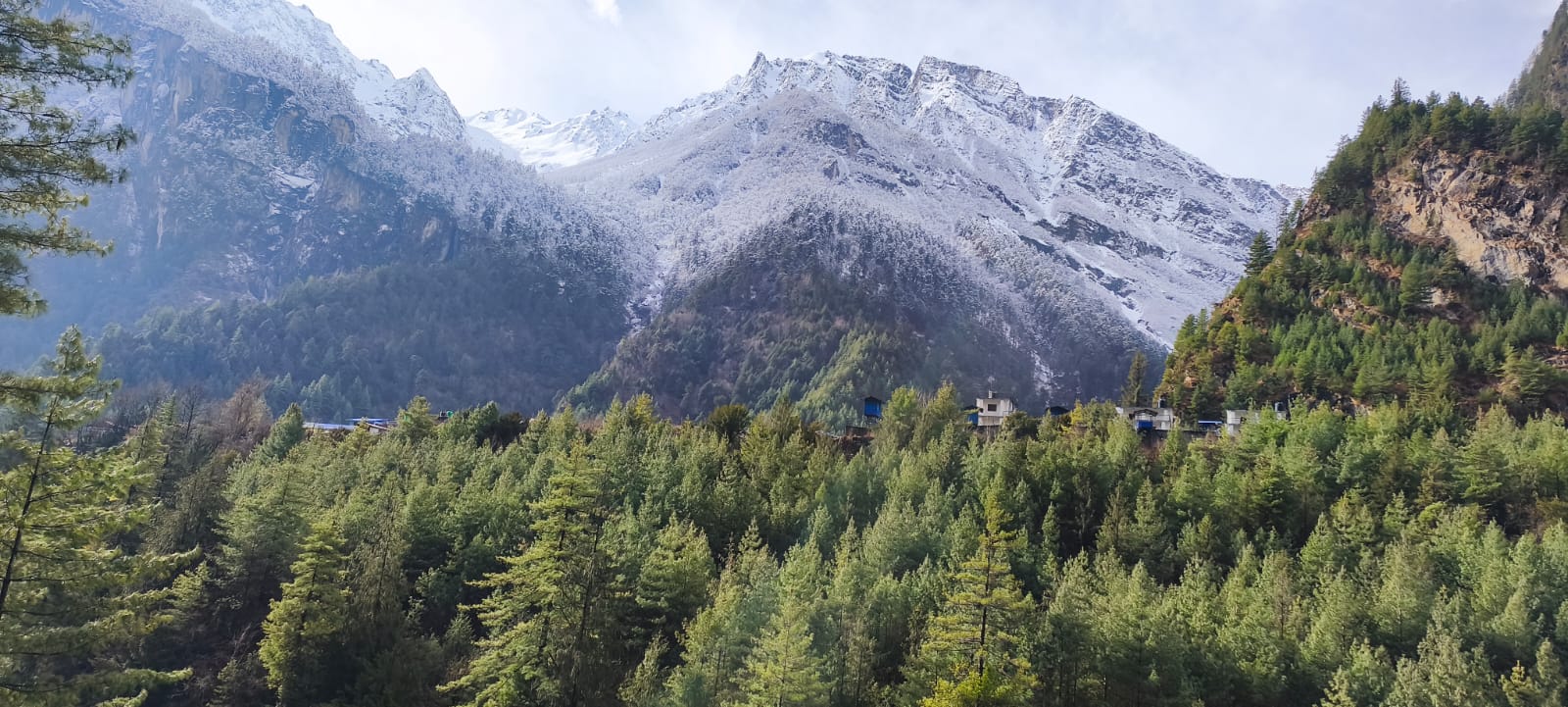
Today’s trek leads deeper into the hidden valleys of the Annapurna region. The trail follows rugged mountain paths through barren landscapes, narrow gorges, and ancient Tibetan-style villages. Along the route, trekkers can witness colorful prayer flags, old monasteries, caves, and stone-built settlements reflecting authentic Tibetan culture. After several hours of trekking through remote alpine scenery, arrive at Phu, one of the oldest and most isolated Himalayan villages in Nepal. The village offers spectacular views of snow-covered peaks and a glimpse into centuries-old mountain traditions.
Exploration Day – Day Tour to Himlung Base Camp (4,920m)
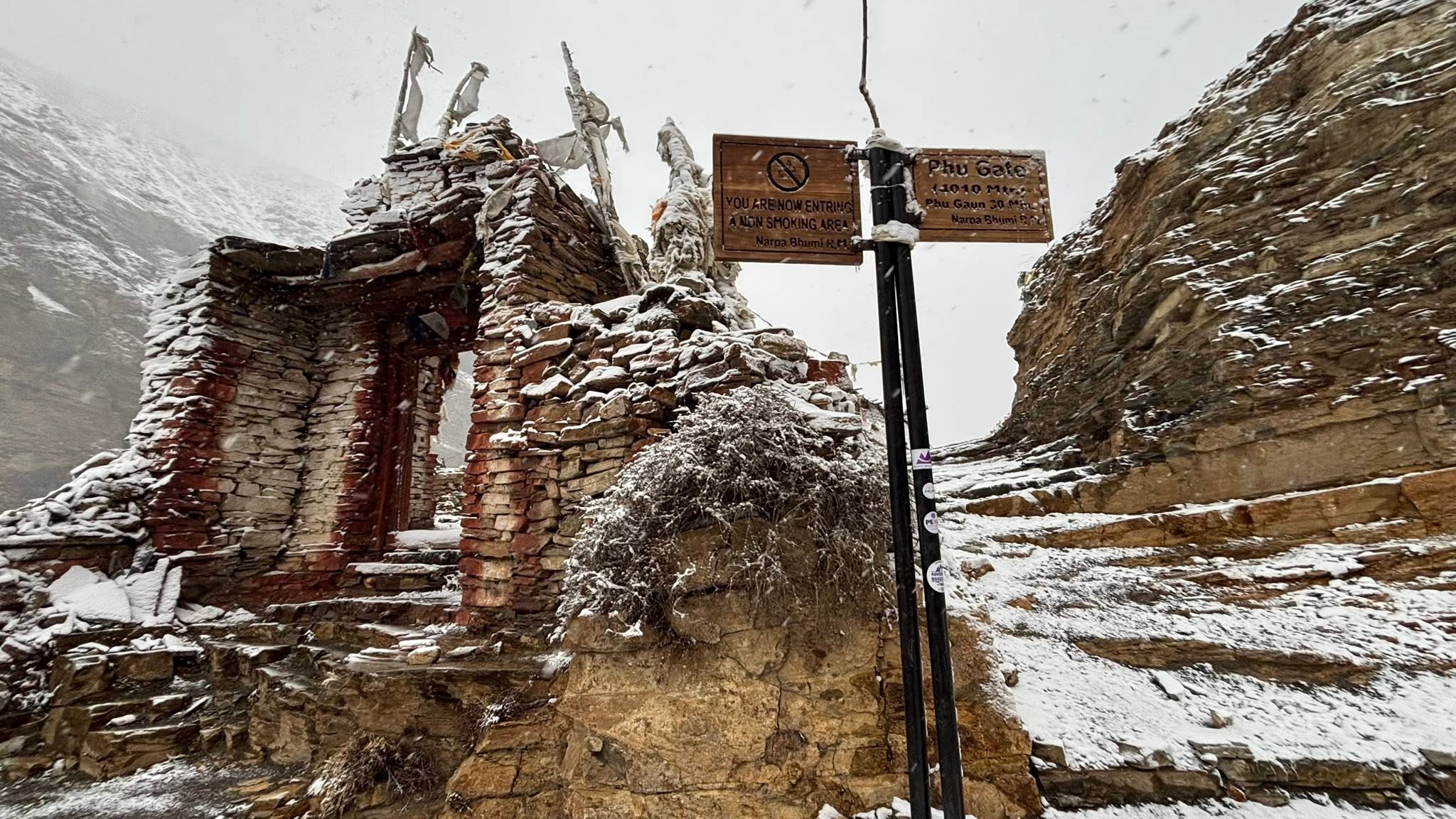
This day is reserved for acclimatization and exploration around the beautiful Phu Valley. After breakfast, hike toward Himlung Base Camp, located beneath the majestic Himlung Himal. The route passes through yak pastures, glacial valleys, and high alpine landscapes while offering incredible panoramic mountain views. Trekkers can enjoy the peaceful Himalayan environment, untouched natural beauty, and breathtaking glacier scenery before returning to Phu Village for an overnight stay.
Trek Phu Village to Nar Phedi / Gompa
Leaving the remote village of Phu behind, retrace the trail through dramatic valleys and rocky landscapes. The route descends gradually through prayer walls, suspension bridges, and isolated mountain terrain before reaching Nar Phedi. This peaceful monastery settlement is surrounded by steep cliffs and Himalayan scenery. Trekkers can experience the spiritual atmosphere of the local Buddhist monastery and enjoy a quiet overnight stay near the gompa.
Trek from Nar Phedi to Nar Village
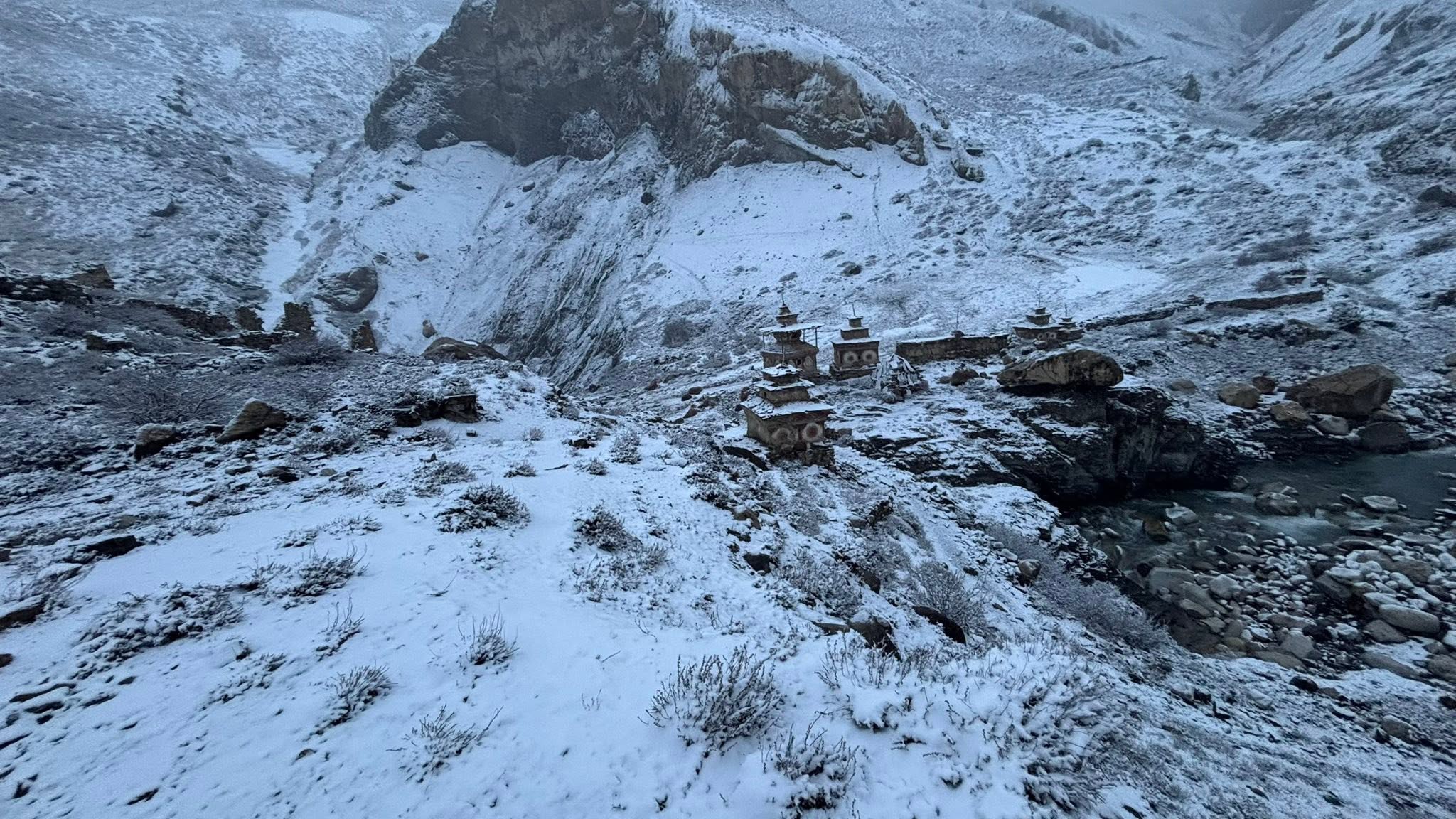
Today’s trail climbs steadily toward the beautiful Tibetan settlement of Nar. The route passes through high grazing pastures, prayer flags, and rugged alpine landscapes while offering magnificent views of Kang Guru and surrounding Himalayan peaks. Nar Village is famous for its traditional stone houses, ancient monasteries, yak farming culture, and preserved Tibetan heritage. The peaceful mountain environment and authentic local lifestyle make Nar one of the most culturally fascinating villages in the Himalayas.
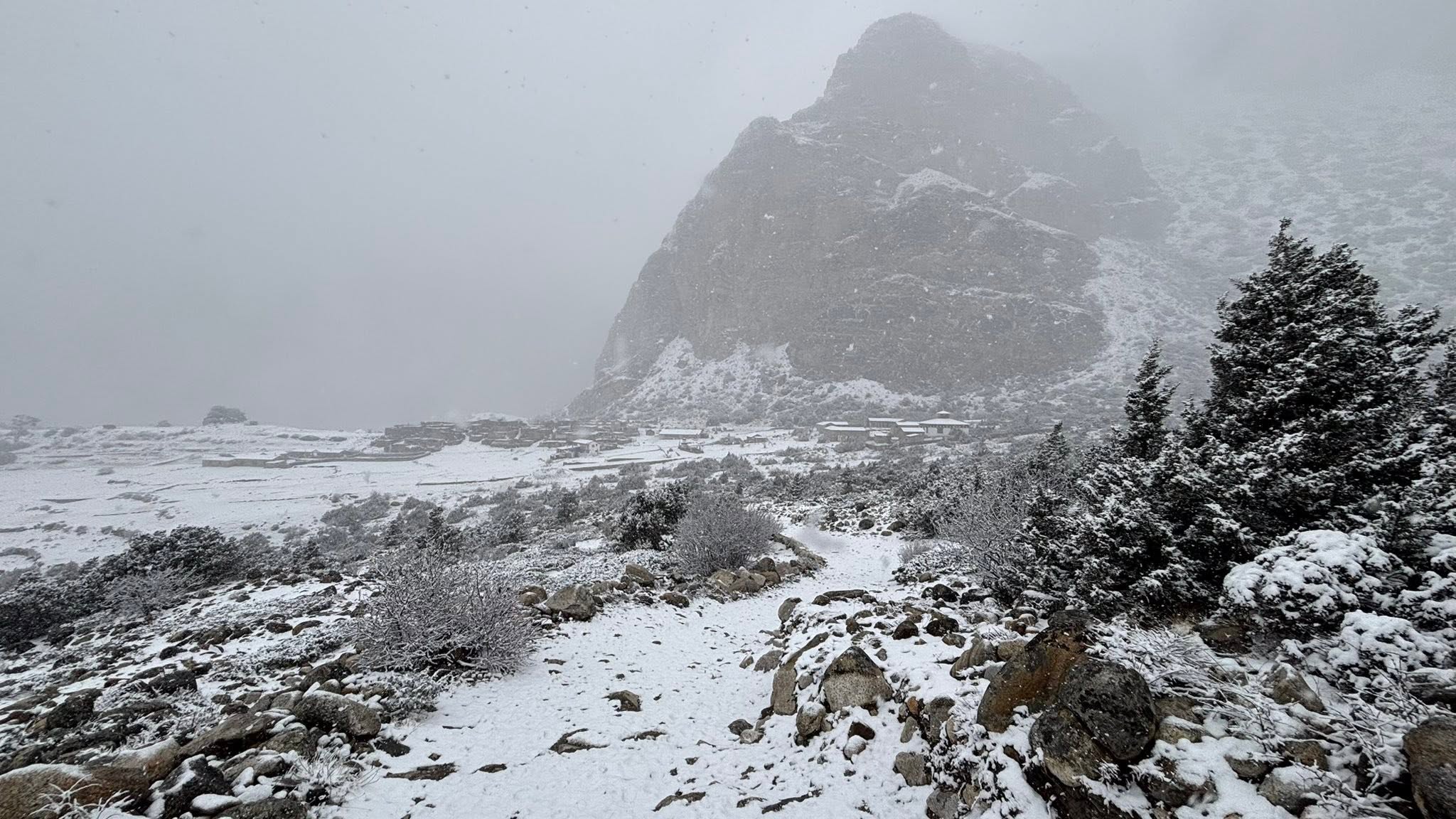
Trek from Nar Village to Ngawal via Kang La Pass (5,320m)
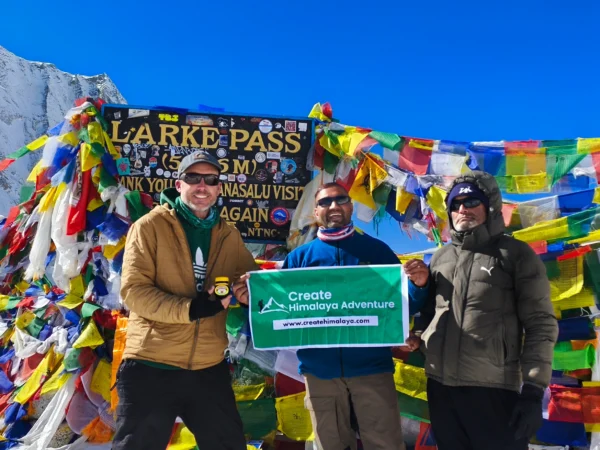
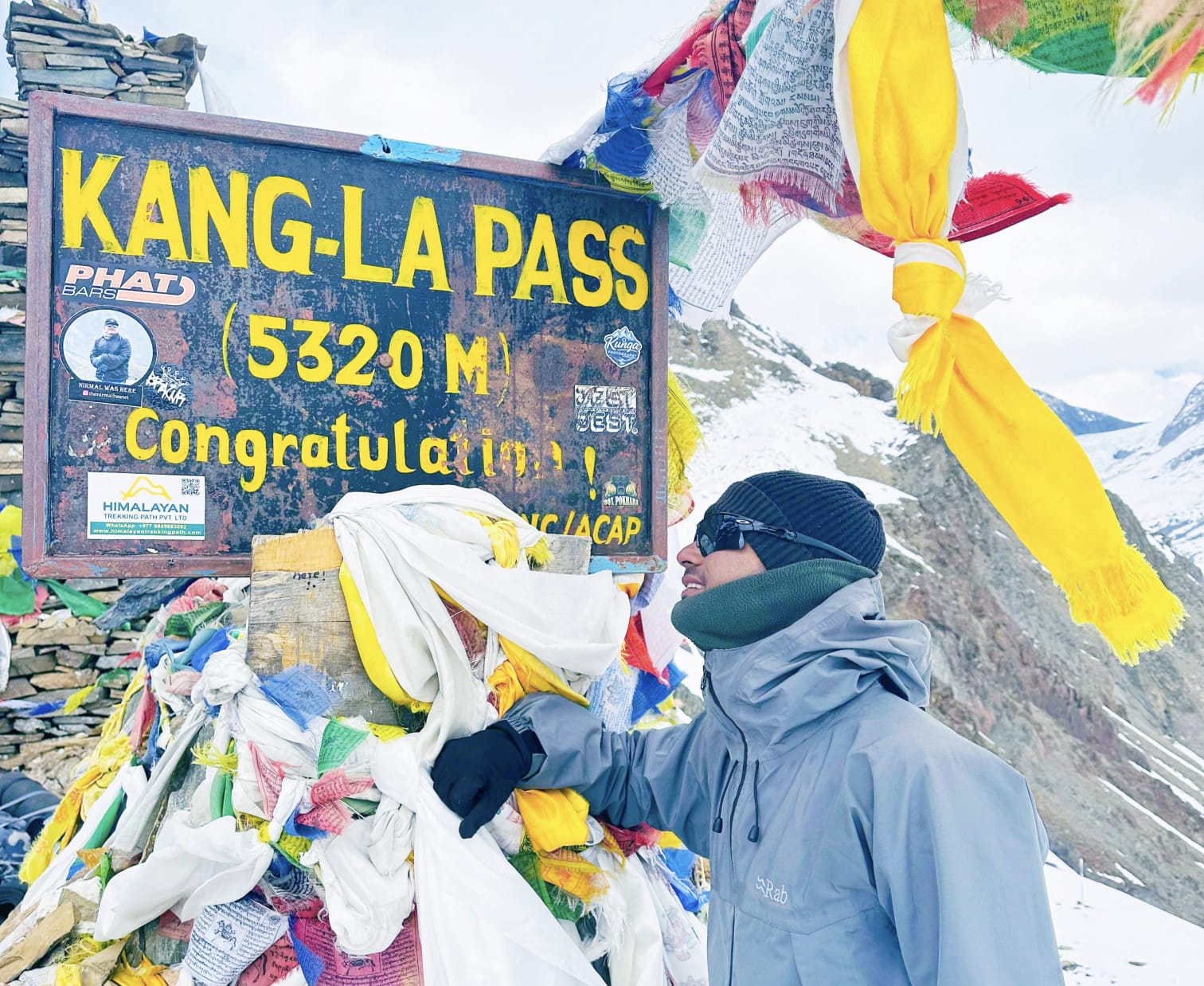
This is the most adventurous and challenging day of the Nar Phu Valley Trek. Early in the morning, begin ascending toward the high mountain crossing of Kang La Pass at 5,320 meters. The climb rewards trekkers with breathtaking panoramic views of Annapurna II, Gangapurna, Tilicho Peak, and the surrounding Himalayan range. Prayer flags decorate the top of the pass, creating a spectacular Himalayan atmosphere. After enjoying the incredible scenery, descend carefully through alpine trails toward Ngawal, reconnecting with the famous Annapurna Circuit trail.
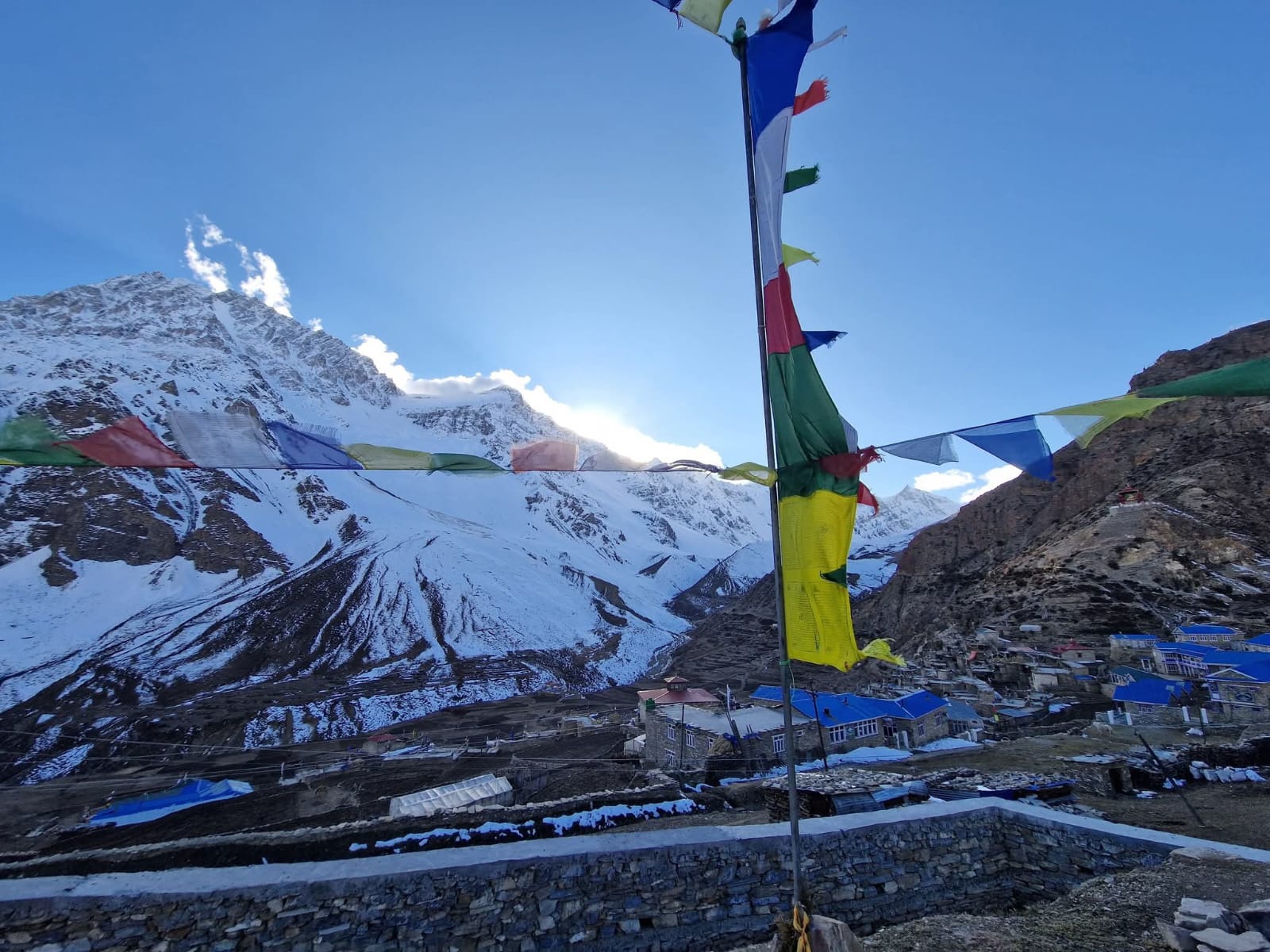
Drive from Ngawal to Besisahar
After breakfast, begin the scenic drive from Ngawal toward Besisahar. The road follows the Marsyangdi River through waterfalls, forests, traditional villages, and terraced farmlands. Along the journey, trekkers can enjoy final views of the Annapurna region’s dramatic mountain landscapes and rural Himalayan lifestyle. Overnight stay in Besisahar.
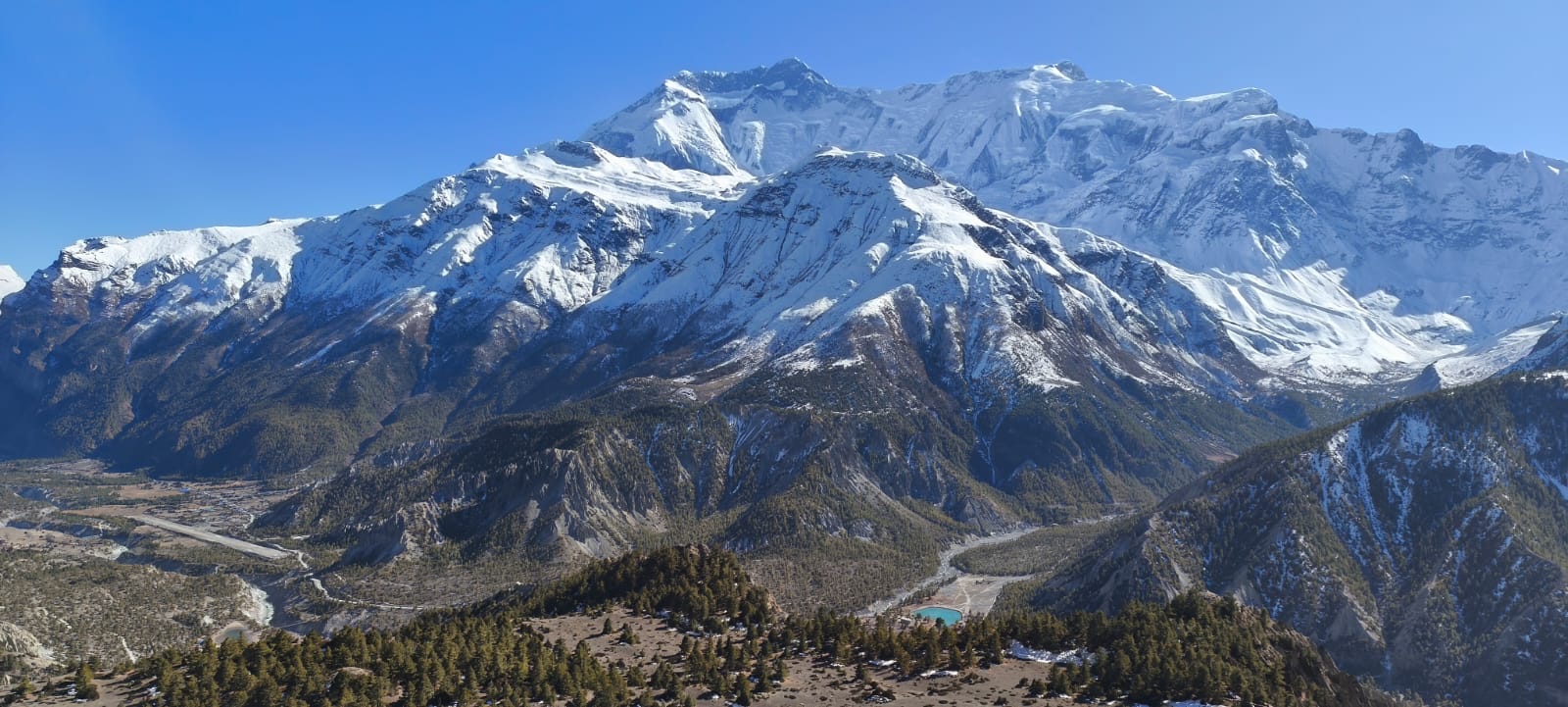
Drive from Besisahar to Kathmandu
Today, drive back to Kathmandu through scenic hills, rivers, and countryside landscapes. The journey offers a final opportunity to experience Nepal’s natural beauty and local culture before arriving in the capital city. The unforgettable Nar Phu Valley Trek ends with lifelong memories of hidden valleys, Tibetan culture, ancient villages, and spectacular Himalayan adventures in Nepal.
Not Satisfied with This Itinerary?
Every traveler is different. Customize this trip with the help of our local travel specialists and create an itinerary that perfectly matches your interests, schedule, and budget.
What's included
- Airport Transfers: International Airport pick-up and drop-off service.
- Trekking Permits: The required paperwork and trekking permit are required for Nar Phu Valley Restricted Area Permit (RAP), and Annapurna Conservation Area Permit (ACAP).
- Transportations: All Ground Transportation Kathmandu-Koto/ Nagwal- Besisahar-Kathmandu (Private/Sharing).
- Trekking Equipment: We provide sleeping bags, down Jackets, and Duffle bag if needed.
- Souvenirs: Create Himalaya Adventure T-Shirt as a souvenir.
- Meals: Three meals a day (breakfast, lunch, dinner) during the trek.
- Drinks: 3 cups of Hot Drinks a day (Tea, Coffee)
- Accommodation: Twin-bed sharing with a shared toilet during the trek.
- Guide Expenses: All costs for an English-speaking, government-licensed guide.
- Guide Insurance: Insurance coverage for guides.
- Trekking Map: Nar Phu Valley Trek Map for the group.
- First Aid Kit: Medical kit available during the trip.
- Taxes and Fees: Tourist service charge, VAT, government tax, and official expenses.
What's not included
- International Expenses: International airfare, visa, and travel insurance.
- Kathmandu Meals: Breakfast, Lunch and Dinner at Kathmandu.
- Accommodation in Kathmandu: Accommodation in Kathmandu or on the trek for any reason (Early arrival or delay, early arrival from trek due to any reason).
- Porter Service: Porter to carry your luggage during the trek (if you would like to take a porter, it will cost you USD 30 for each day trip, which you could add from our add-on option).
- Gratuities: Tips for Guide and Porter (expected from trekkers involved in the Trek).
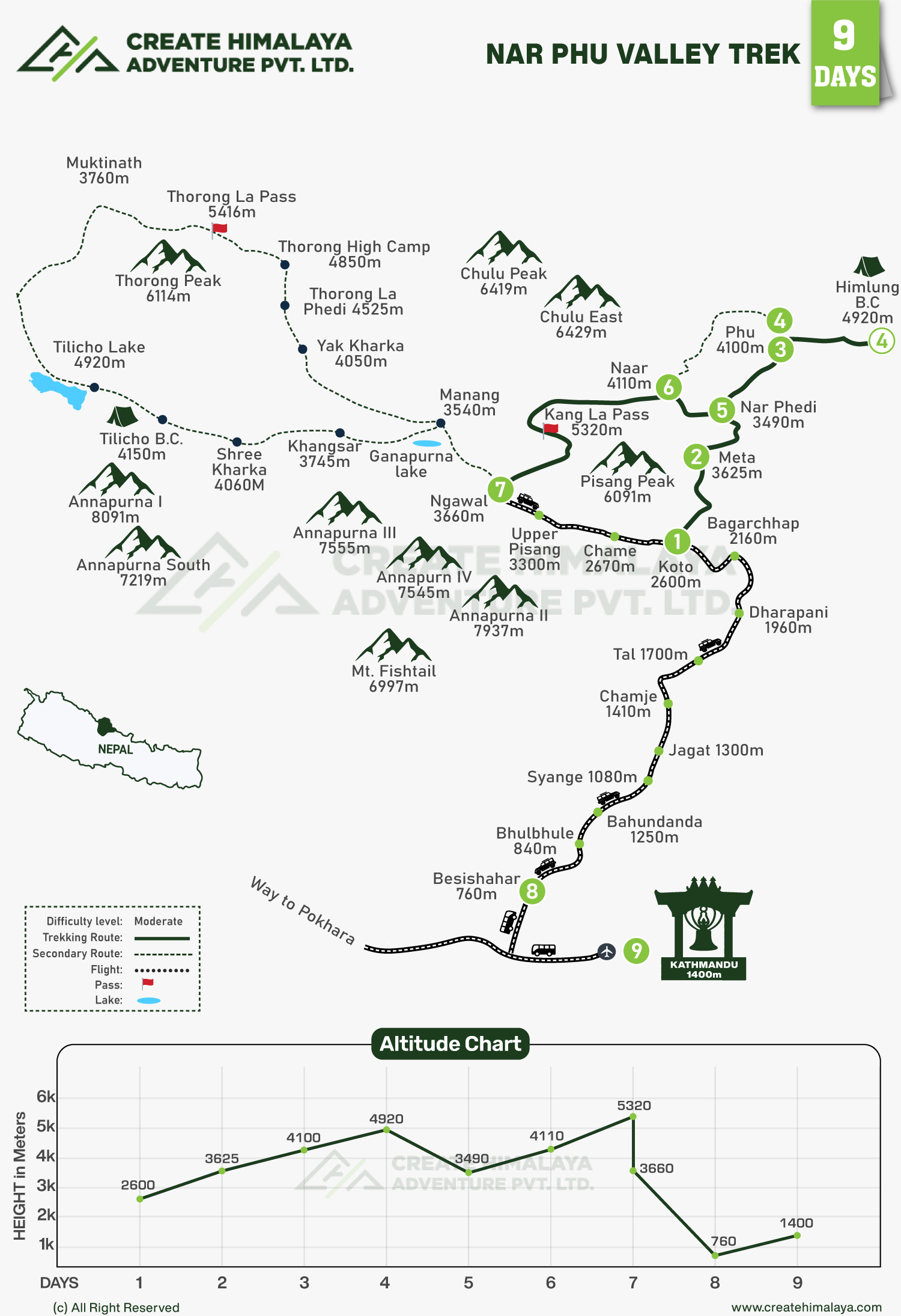
Map
Best Time to Trek for Nar Phu Valley
The best seasons to explore the Nar Phu Valley Trek are spring (March to May) and autumn (September to November). During spring, the weather remains mild and stable, creating excellent trekking conditions in the remote Himalayan valleys. The forests along the trail bloom with colorful rhododendrons and wildflowers, while clear mountain skies provide breathtaking views of Annapurna, Manaslu, Himlung Himal, and surrounding snow-covered peaks. Comfortable daytime temperatures and beautiful landscapes make spring one of the most popular seasons for the Nar Phu Valley adventure.
Autumn is another ideal trekking season because the skies become crystal clear after the monsoon rains, offering outstanding mountain visibility and dry trekking trails. The fresh Himalayan air, stable weather, and pleasant temperatures create perfect conditions for crossing Kang La Pass at 5,320 meters. Autumn also allows trekkers to experience local festivals, traditional village life, and stunning golden landscapes across the Annapurna region. Both spring and autumn provide the best opportunities to enjoy the remote beauty, Tibetan culture, and dramatic Himalayan scenery of the Nar Phu Valley Trek.
Food and Accommodation for Nar Phu Valley Trek
The Nar Phu Valley Trek offers basic but comfortable tea house accommodation throughout the trekking route. Trekkers stay in traditional mountain lodges managed by local families, providing a warm and authentic Himalayan experience in the remote valleys of Nar and Phu. Rooms are generally simple with twin beds, blankets, and shared bathroom facilities, while higher-altitude villages have more limited services due to the isolated location. Along the trek, travelers can enjoy freshly prepared meals such as Dal Bhat, noodles, soups, fried rice, Tibetan bread, potatoes, pasta, tea, and hot drinks that provide energy for long trekking days in the Himalayas. Although facilities are more basic compared to popular trekking routes in Nepal, the peaceful mountain atmosphere, local hospitality, and traditional Tibetan culture make the food and accommodation experience unique and memorable.
Nar Phu Valley Trek Cost
The cost of the Nar Phu Valley Trek depends on the trekking itinerary, transportation, permits, accommodation, guide and porter services, and trekking season. Since Nar Phu is a restricted trekking area, trekkers must obtain special permits and hire a licensed guide through a registered trekking agency in Nepal. The overall package generally includes transportation from Kathmandu, tea house accommodation, meals during the trek, permits, and experienced trekking staff. Additional expenses may include travel insurance, personal trekking equipment, hot showers, drinks, and extra accommodation in Kathmandu. Although the Nar Phu Valley Trek is more expensive than standard trekking routes in Nepal, the remote Himalayan landscapes, authentic Tibetan culture, peaceful trails, and unique mountain experiences make it a valuable adventure for trekkers seeking an off-the-beaten-path journey.
Nar Phu Valley Trek Permit
The Nar Phu Valley Trek requires special trekking permits because the region is classified as a restricted area in Nepal. Trekkers need a Restricted Area Permit (RAP) and the Annapurna Conservation Area Permit (ACAP) to enter the hidden valleys of Nar and Phu. The RAP costs USD 100 per person for seven days during the peak trekking seasons from September to November, while the permit fee is USD 75 per person for seven days from December to August. Additional days require an extra daily permit fee. The ACAP permit costs around NPR 3,000 for foreign trekkers.
Nar Phu Valley permits can only be arranged through a registered trekking agency in Nepal, and hiring a licensed trekking guide is mandatory for the trek. Trekkers must provide a valid passport, Nepal visa copy, passport-size photos, travel insurance, and trekking details while applying for permits. The permit system helps preserve the region’s ancient Tibetan culture, remote Himalayan environment, and traditional mountain communities while ensuring safe and responsible trekking experiences in one of Nepal’s most isolated trekking destinations.
Equipment List for Nar Phu Valley Trek
The Nar Phu Valley Trek is a remote Himalayan adventure with limited facilities, so carrying proper trekking equipment is important for safety, comfort, and a successful trekking experience in Nepal.
- Four-season sleeping bag suitable for cold mountain temperatures
- Strong duffle bag for porter-carried luggage
- Lightweight daypack for personal daily essentials
- Warm fleece jacket or insulated pullover
- Thermal inner layers for high-altitude warmth
- Comfortable undergarments and quick-dry clothing
- Waterproof rain jacket or trekking poncho
- Down jacket for freezing Himalayan weather
- Sun cap, neck gaiter, or scarf for sun and wind protection
- Durable trekking trousers for mountain trails
- Warm gloves or insulated woolen mittens
- Waterproof trekking boots with strong grip
- Comfortable sandals or lightweight camp shoes
- Thick trekking socks and extra spare pairs
- Breathable long-sleeve trekking shirts
- Compact quick-drying travel towel
- Headlamp or trekking flashlight with spare batteries
- UV-protection sunglasses for snowy trails
- High-SPF sunscreen and lip balm
- Adjustable trekking poles for balance and support
- Reusable water bottles or hydration system (minimum 2 liters)
- Water purification tablets or portable water filter
- Personal first aid kit with basic medicines
- Toiletries and personal hygiene essentials
Trip Note – Nar Phu Valley Trek
The Nar Phu Valley Trek is a unique adventure into one of Nepal's most remote and culturally preserved Himalayan regions. This off-the-beaten-path trek takes you through dramatic landscapes, ancient Tibetan-influenced villages, and high mountain passes, offering an authentic experience far from the busier trekking routes. The trek crosses Kang La Pass (5,320 meters), making proper acclimatization essential for a safe and rewarding journey.
Accommodation is provided in local teahouses and community lodges along the route, with meals available throughout the trek. Due to the remote nature of the region, facilities are more basic than on popular trekking trails. Weather conditions can change rapidly, especially at higher elevations, so trekkers should carry suitable clothing and equipment for varying temperatures. Travel insurance that covers high-altitude trekking and emergency helicopter evacuation is strongly recommended.
With good physical fitness, adequate preparation, and a spirit of adventure, the Nar Phu Valley Trek offers an unforgettable combination of spectacular mountain scenery, rich cultural heritage, and genuine wilderness. Create Himalaya Adventure is dedicated to providing professional guidance, reliable support, and an authentic Himalayan trekking experience throughout your journey.
FAQs
1. What is the Nar Phu Valley Trek?
The Nar Phu Valley Trek is a remote Himalayan trekking adventure located in the hidden valleys of the Annapurna region. The trek is famous for its untouched landscapes, ancient Tibetan culture, traditional villages, monasteries, and spectacular mountain scenery.
2. Where is Nar Phu Valley located?
Nar and Phu valleys are situated in the northern part of the Annapurna region in Manang District, close to the Tibetan border. The trekking route begins from Koto on the Annapurna Circuit trail.
3. Do I need a special permit for Nar Phu Valley Trek?
Yes, trekkers need a Restricted Area Permit (RAP) and Annapurna Conservation Area Permit (ACAP) because Nar Phu Valley is a protected and restricted trekking area in Nepal.
4. Is a guide mandatory for Nar Phu Valley Trek?
Yes, hiring a licensed trekking guide through a registered trekking agency is compulsory for the Nar Phu Valley Trek. Independent trekking is not allowed in this restricted region.
5. What are the major highlights of Nar Phu Valley Trek?
The trek offers ancient Tibetan villages, remote Himalayan landscapes, monasteries, prayer walls, traditional mountain culture, Himlung Base Camp, and breathtaking views of Annapurna, Manaslu, and Dhaulagiri ranges.
6. How many days are required for Nar Phu Valley Trek?
The standard Nar Phu Valley Trek usually takes around 9 to 14 days depending on the itinerary, acclimatization days, side trips, and route extensions with the Annapurna Circuit.
7. What kind of accommodation is available during the trek?
Trekkers stay in local tea houses and mountain lodges along the trail. Accommodation is basic but comfortable, offering local meals, warm hospitality, and a traditional Himalayan atmosphere.
No hidden fees • Best price guarantee