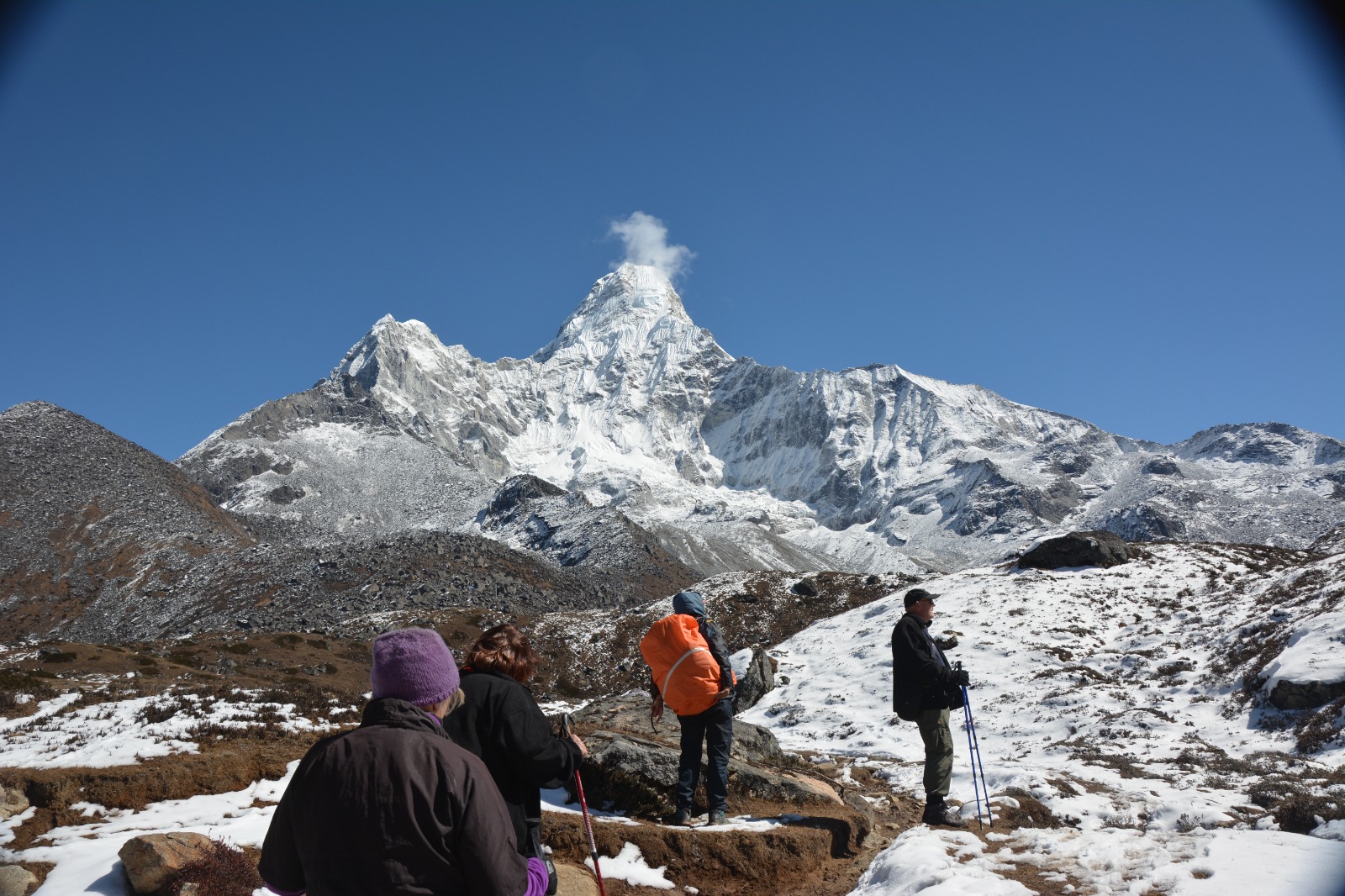
Everest Base Camp Trek with Ama Dablam Base Camp – 16 Days
The Everest Base Camp Trek with Ama Dablam Base Camp is a remarkable Himalayan adventure that combines the world-famous Everest Base Camp trail with the breathtaking and less-crowded Ama Dablam […]
Highlights
- Scenic mountain flight between Kathmandu and Lukla.
- Explore the legendary Everest Base Camp trail.
- Visit the peaceful and stunning Ama Dablam Base Camp.
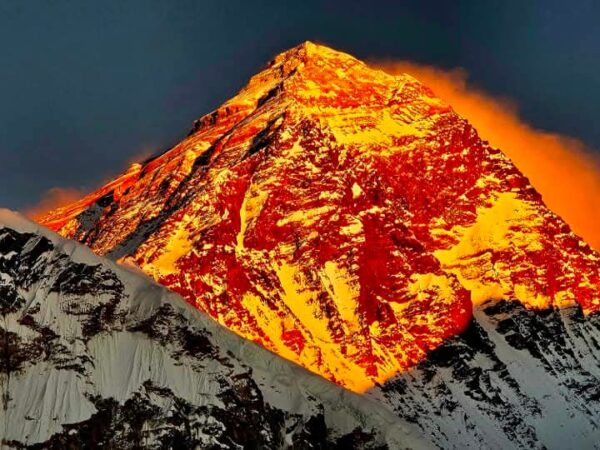
- Witness panoramic sunrise views from Kala Patthar.
- Experience breathtaking views of Mount Everest, Ama Dablam, Lhotse, and Nuptse
- Discover authentic Sherpa culture and Himalayan traditions.
- Visit the famous Tengboche Monastery in the Everest region.
- Trek through Sagarmatha National Park, a UNESCO World Heritage Site
- Cross thrilling suspension bridges above deep Himalayan rivers.
- Stay in traditional tea houses and mountain lodges.
- Enjoy diverse landscapes, including forests, glaciers, valleys, and alpine terrain.
- Experience less-crowded trails around Ama Dablam Base Camp.
- Observe Himalayan wildlife, yak caravans, and traditional mountain life.
- Perfect adventure for nature lovers, photographers, and trekking enthusiasts.
- Create unforgettable memories in the heart of the Nepal Himalayas.
Overview
The Everest Base Camp Trek with Ama Dablam Base Camp is a remarkable Himalayan adventure that combines the world-famous Everest Base Camp trail with the breathtaking and less-crowded Ama Dablam Base Camp trekking route. This extraordinary journey takes travelers deep into the heart of the Khumbu region, where towering snow-covered peaks, ancient Sherpa villages, colorful Buddhist monasteries, and dramatic glacier landscapes create an unforgettable trekking experience. Designed for adventure lovers seeking more than the standard Everest trek, this route offers both iconic destinations and hidden Himalayan beauty in one complete package.
The trek begins with a scenic mountain flight from Kathmandu/Ramechhap to Lukla, one of the world’s most thrilling air routes. From Lukla, the trail follows the Dudh Koshi River through charming mountain settlements, including Phakding, Monjo, and the bustling Sherpa capital of Namche Bazaar Along the route, trekkers are rewarded with spectacular views of Mt. Everest, Lhotse, Nuptse, Thamserku, Kangtega, and the stunning Ama Dablam peak, which is often considered one of the most beautiful mountains in the world.
A special highlight of this journey is the excursion to Ama Dablam Base Camp. Unlike the busy Everest Base Camp route, Ama Dablam Base Camp offers peaceful surroundings, untouched alpine landscapes, and dramatic close-up mountain views. The trail passes through traditional Sherpa villages, yak pastures, and high Himalayan valleys before reaching the base camp beneath the magnificent Ama Dablam summit. This section of the trek offers incredible photography opportunities and a unique wilderness experience away from the main trekking crowd.
After exploring Ama Dablam Base Camp, the trek continues toward Dingboche, Lobuche, Gorakshep, and finally Everest Base Camp itself. Standing at the base of the world’s highest mountain is a dream achievement for trekkers from around the world. Another unforgettable moment is the sunrise hike to Kala Patthar, the best viewpoint in the Everest region, where trekkers enjoy panoramic sunrise views over Mount Everest and the surrounding Himalayan giants glowing in golden morning light.
Beyond the mountain scenery, the trek also offers rich cultural experiences. Trekkers can visit ancient monasteries such as Tengboche Monastery, interact with local Sherpa communities, and learn about Himalayan traditions, Buddhism, and mountain lifestyles that have existed for generations. The warm hospitality of the Sherpa people adds a personal and cultural touch to this high-altitude adventure.
The Everest Base Camp Trek with Ama Dablam Base Camp is suitable for physically fit trekkers seeking a challenging yet rewarding Himalayan journey. With proper acclimatization, experienced guides, and gradual altitude gain, the trek becomes achievable for both experienced hikers and determined beginners. Whether you are searching for dramatic Himalayan landscapes, authentic mountain culture, or a life-changing trekking experience in Nepal, this trek offers one of the finest adventures in the Everest region
Trek Difficulty
The Everest Base Camp Trek with Ama Dablam Base Camp is considered a moderately challenging to strenuous Himalayan trek suitable for physically fit trekkers with good endurance. The trek involves daily walking for several hours on rocky mountain trails, steep ascents, suspension bridges, and high-altitude terrain. One of the main challenges is altitude, as trekkers reach elevations above 5,000 meters, including Kala Patthar and Everest Base Camp.
Proper acclimatization days are essential to reduce the risk of altitude sickness and allow the body to adapt gradually. Previous trekking experience is helpful but not mandatory for determined beginners with proper preparation. Regular exercise, cardio training, and mental readiness greatly improve trekking performance and enjoyment. The trails are well-established and supported by tea houses along the route, making the journey manageable for most healthy travelers. With experienced guides, careful pacing, and good physical preparation, the trek becomes an achievable and highly rewarding Himalayan adventure.
Trek Route
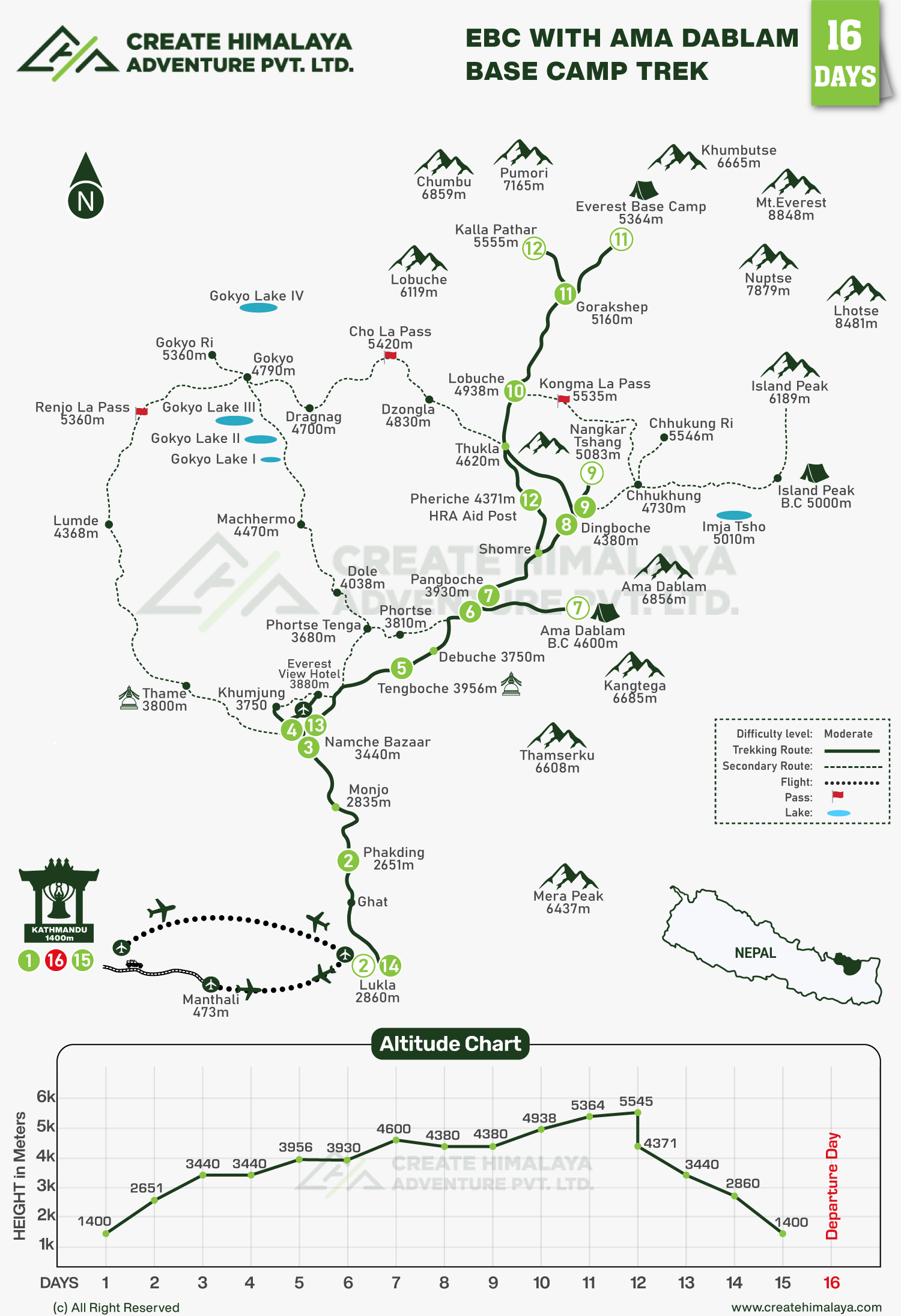
The Everest Base Camp Trek with Ama Dablam Base Camp begins with a scenic flight from Kathmandu to Lukla, the gateway to the Everest region. The trekking trail follows the Dudh Koshi River through beautiful Sherpa settlements such as Phakding and Namche Bazaar. After acclimatization in Namche, trekkers continue toward Tengboche, famous for its ancient monastery and stunning Ama Dablam views.
The route then leads to Pangboche and a special side trip to Ama Dablam Base Camp, offering peaceful surroundings and incredible Himalayan scenery away from the main trekking crowd. Returning to the classic Everest trail, trekkers pass through Dingboche, Lobuche, and Gorakshep before reaching Everest Base Camp and the famous viewpoint of Kala Patthar. After enjoying the spectacular Everest panorama, the trail descends through the same scenic villages back to Lukla. Throughout the journey, trekkers experience changing landscapes, glaciers, forests, rivers, and traditional Sherpa culture in the heart of the Himalayas.
Food and Accommodation
Food and accommodation during the Everest Base Camp Trek with Ama Dablam Base Camp are mainly provided by traditional Himalayan tea houses and mountain lodges along the trekking route. The accommodation is simple, clean, and comfortable, usually offering twin-sharing rooms with warm blankets and common dining areas. Higher elevations may have more basic facilities due to remote mountain conditions.
Tea houses serve a wide variety of meals, including Nepali dal bhat, noodles, fried rice, pasta, soup, potatoes, pancakes, eggs, tea, coffee, and bakery items. Dal bhat is especially popular among trekkers because it is nutritious, filling, and provides excellent energy for long trekking days. Vegetarian meals are widely available throughout the route. Some lodges also offer hot showers, Wi-Fi, charging stations, and laundry services for an additional cost. The warm hospitality of the Sherpa people and cozy mountain lodges create a welcoming atmosphere, making the trekking experience both adventurous and culturally enriching.
Trek Permit
The Everest Base Camp Trek with Ama Dablam Base Camp requires several trekking permits to enter the protected Everest region. Trekkers need the Sagarmatha National Park Entry Permit and the Khumbu Pasang Lhamu Rural Municipality Permit. These permits are essential for conservation, tourism management, and maintaining trekking trails in the Everest region. The Sagarmatha National Park Permit allows trekkers to enter the UNESCO World Heritage Site, home to rare wildlife, glaciers, and famous Himalayan peaks. The Khumbu local permit is collected by the local municipality for regional development and tourism support.
Unlike restricted trekking areas in Nepal, this trek does not require a special government permit, making it easier and more accessible for international trekkers. Most trekking agencies arrange all necessary permits before the trek begins, saving time and ensuring a smooth travel experience. Travelers should carry passport copies and passport-sized photographs while obtaining trekking permits in Kathmandu or Lukla.
Trek Cost
The cost of the Everest Base Camp Trek with Ama Dablam Base Camp varies depending on trekking style, group size, accommodation standards, transportation, and included services. A standard trekking package usually includes airport transfers, domestic flights between Kathmandu and Lukla, trekking permits, an experienced trekking guide, porter services, accommodation, and meals during the trek. Budget trekkers may choose basic tea house services, while luxury trekkers can upgrade to premium lodges with better facilities.
Group treks are generally more affordable than private customized trips. Additional expenses may include travel insurance, personal trekking equipment, Wi-Fi, hot showers, charging facilities, drinks, tips, and emergency rescue coverage. Although the Everest region is more expensive than other trekking destinations in Nepal due to transportation challenges, the experience is truly priceless. The combination of Everest Base Camp and Ama Dablam Base Camp provides excellent value for travelers seeking adventure, Himalayan scenery, and authentic cultural experiences in one remarkable trekking journey.
Why Choose Everest Base Camp (EBC) & Ama Dablam Base Camp Trek
The Everest Base Camp (EBC) & Ama Dablam Base Camp Trek is the perfect choice for trekkers seeking a complete and extraordinary Himalayan experience in Nepal. This unique route combines the world-famous Everest Base Camp with the peaceful and less-crowded Ama Dablam Base Camp, offering both iconic landmarks and hidden natural beauty in one journey. Trekkers enjoy breathtaking views of Everest, Lhotse, Nuptse, and the stunning Ama Dablam peak, along with rich Sherpa culture and ancient monasteries. With diverse landscapes, thrilling trails, and unforgettable panoramas, this trek delivers a more rewarding, scenic, and immersive Everest adventure.
Trip Itinerary
Arrival in Kathmandu
Upon arrival in Kathmandu, you will be welcomed by a Create Himalaya Adventure representative and transferred to your hotel. After check-in, you can relax or explore the lively streets of Thamel, known for trekking shops, restaurants, and cultural attractions. In the evening, there will be a trek briefing where your guide explains the route, altitude precautions, equipment checklist, and overall trekking information. This preparation day allows trekkers to organize their final gear and get ready for the unforgettable Himalayan adventure ahead.
Fly to Lukla and Trek to Phakding
Early in the morning, you will take a scenic flight to Lukla, offering spectacular views of the Himalayan range. After landing at Lukla Airport (2,860 m), the trek officially begins with a gentle walk through traditional Sherpa villages, prayer walls, and forested trails alongside the Dudh Koshi River. The route passes small settlements and suspension bridges before reaching the peaceful village of Phakding. This first trekking day is relatively short, allowing trekkers to gradually adapt to the mountain environment while enjoying the natural beauty of the Everest region.
Trek from Phakding to Namche Bazaar
Today’s trek follows the Dudh Koshi River through pine forests and crosses several suspension bridges decorated with colorful prayer flags. After entering Sagarmatha National Park at Monjo, the trail gradually climbs toward Namche Bazaar. Along the way, trekkers may catch their first glimpse of Mount Everest on a clear day. The final uphill section is challenging but rewarding as you arrive in Namche Bazaar, the vibrant trading center of the Khumbu region. Namche offers bakeries, cafés, trekking shops, and incredible mountain scenery.
Acclimatization Day in Namche Bazaar
Acclimatization is essential for safe high-altitude trekking. Today, trekkers explore the surrounding hills above Namche Bazaar to help the body adjust to the increasing elevation. A popular hike leads to the Everest View Hotel (3880m), one of the highest luxury hotels in the world, offering panoramic views of Everest, Ama Dablam, Lhotse, and Thamserku. Trekkers may also visit local museums, monasteries, and Sherpa cultural centers. After the hike, the afternoon can be spent relaxing in Namche Bazaar while enjoying the lively mountain atmosphere.
Trek from Namche to Tengboche
The trail from Namche to Tengboche offers some of the finest mountain scenery in the Everest region. Trekkers walk along scenic ridges with breathtaking views of Everest, Ama Dablam, and surrounding Himalayan peaks. The route descends to the Dudh Koshi River before climbing through rhododendron and pine forests toward Tengboche. Upon arrival, trekkers visit the famous Tengboche Monastery, the spiritual center of the Khumbu region. The peaceful monastery setting, surrounded by Himalayan peaks, creates one of the most memorable experiences of the entire trek.
Trek from Tengboche to Pangboche
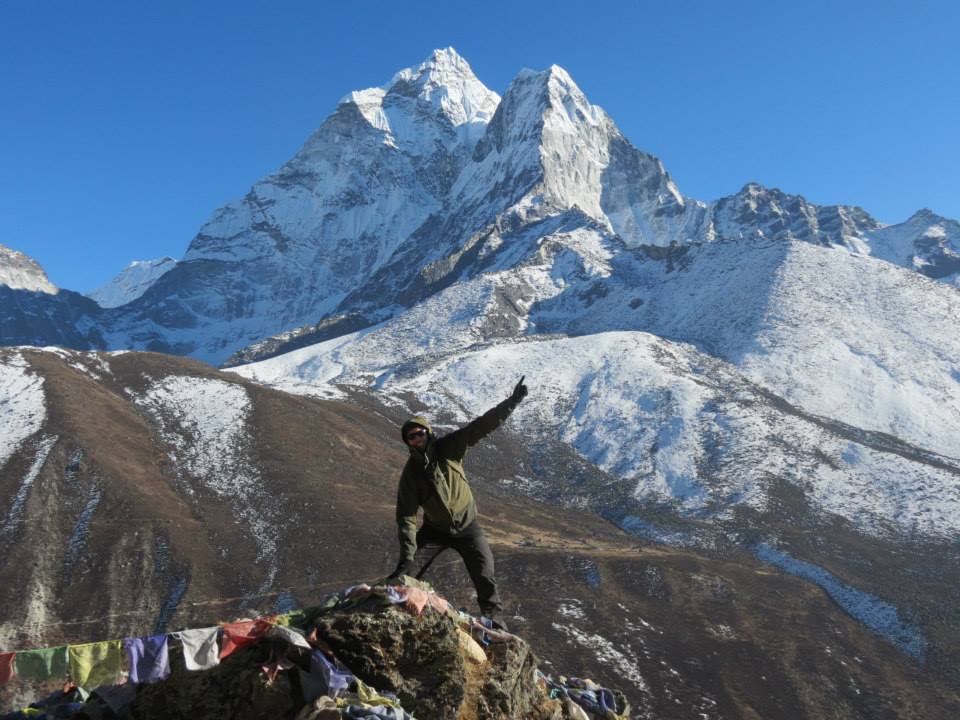
After breakfast, the trail descends through beautiful forests before crossing a suspension bridge over the Imja Khola River. The route gradually climbs toward Pangboche, one of the oldest Sherpa settlements in the Everest region. Along the trail, trekkers enjoy close-up views of Ama Dablam, which dominates the skyline with its stunning pyramid shape. Pangboche is known for its rich Buddhist culture and traditional stone houses. The village offers a peaceful atmosphere and excellent opportunities to experience authentic Sherpa hospitality and mountain lifestyle.
Hike to Ama Dablam Base Camp and Return to Pangboche
Today is one of the major highlights of the trek as you hike to Ama Dablam Base Camp (4600m). The trail climbs gradually through alpine meadows, yak grazing fields, and rugged mountain terrain with spectacular Himalayan scenery in every direction. As you approach base camp, the towering Ama Dablam peak rises dramatically above the valley. The peaceful surroundings and close-up mountain views create an unforgettable experience far from the busy Everest trail. After spending time at the base camp and enjoying photography opportunities, trekkers return to Pangboche for an overnight stay.
Trek from Pangboche to Dingboche
The trek continues deeper into the high Himalayas as the landscape becomes more rugged and alpine. The trail passes through stone-walled fields, yak pastures, and open valleys while offering incredible views of Ama Dablam, Island Peak, and Lhotse. Trekkers gradually gain elevation before reaching Dingboche, a beautiful mountain village surrounded by dramatic Himalayan scenery. Dingboche is an important acclimatization stop for Everest trekkers and provides excellent panoramic mountain views. The peaceful atmosphere and crisp mountain air make it a perfect place to rest and prepare for higher altitudes.
Acclimatization Day in Dingboche
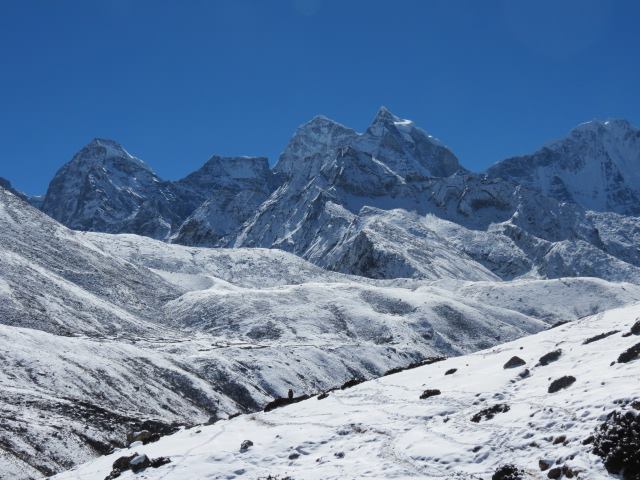
Another acclimatization day is necessary before continuing toward Everest Base Camp. Trekkers hike to nearby viewpoints such as Nagarjun Hill (5083m) or Chhukung Valley (4730m) for better altitude adaptation and stunning mountain panoramas. The hike offers magnificent views of Makalu, Ama Dablam, Lhotse, and surrounding snow-covered peaks. Spending extra time at this altitude helps reduce the risk of altitude sickness and improves trekking safety. After returning to Dingboche, trekkers can relax, enjoy warm meals, and prepare for the more challenging days ahead.
Trek from Dingboche to Lobuche
Today’s trail climbs steadily along glacial valleys and rocky landscapes. Trekkers pass through Thukla before reaching the memorial area dedicated to climbers who lost their lives on Everest expeditions. The emotional site reminds visitors of the power and challenges of the Himalayas. Beyond the memorials, the route continues along the Khumbu Glacier toward Lobuche. The surrounding mountain scenery becomes increasingly dramatic, with towering peaks, icy ridges, and glacier views creating an unforgettable high-altitude environment in the Everest region.
Trek from Lobuche to Everest Base Camp and Return to Gorakshep
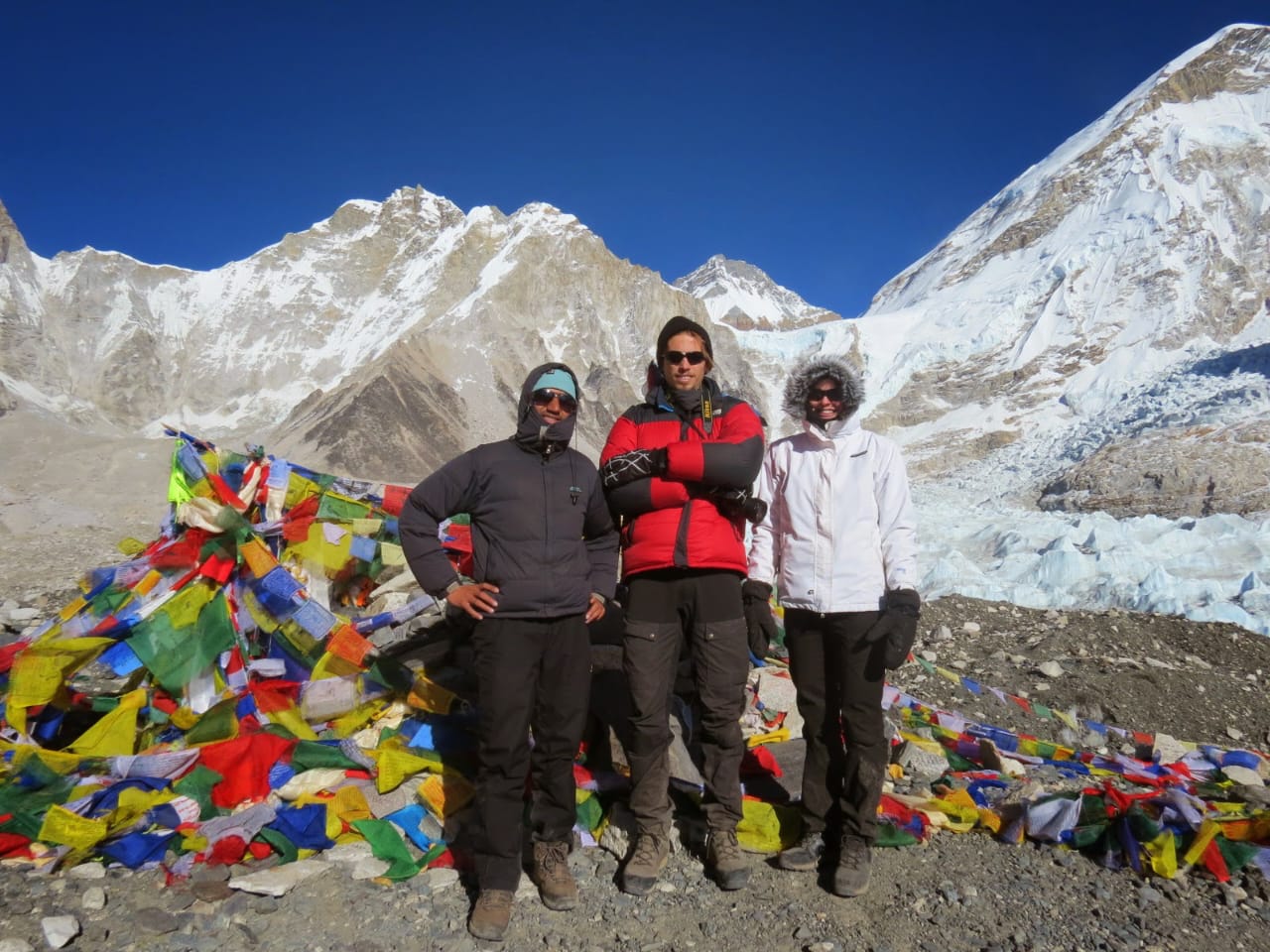
This is the most exciting day of the trek as trekkers finally reach Everest Base Camp (5,364 m). The trail follows rocky glacier paths beside the Khumbu Glacier before arriving at the legendary base camp beneath the world’s highest mountain. During climbing seasons, colorful expedition tents create a vibrant atmosphere at base camp. After celebrating and taking photographs, trekkers return to Gorakshep for an overnight stay. Although Everest itself is not fully visible from base camp, the surrounding glaciers and Himalayan peaks make this achievement truly unforgettable.
Hike to Kala Patthar and Trek to Pheriche
Before sunrise, trekkers hike to Kala Patthar (5,550 m), the most famous viewpoint in the Everest region. From the summit, panoramic views of Mount Everest, Nuptse, Pumori, and surrounding Himalayan giants appear under the golden morning light. This sunrise experience is often considered the highlight of the entire trek. After enjoying the breathtaking scenery and photography opportunities, trekkers descend to Gorakshep for breakfast before continuing downhill toward Pheriche. The lower altitude provides easier breathing and a more comfortable overnight stay after several days at high elevation.
Trek from Pheriche to Namche Bazaar
The return journey follows familiar trails through Pangboche, Tengboche, and beautiful forested paths. Descending to lower elevations brings warmer temperatures and more comfortable trekking conditions. Trekkers can once again enjoy spectacular mountain scenery while reflecting on the incredible experiences of the past days. After crossing suspension bridges and rivers, the trail gradually climbs back to Namche Bazaar. Many trekkers celebrate the successful completion of the high-altitude section with fresh bakery items, coffee, and a relaxing evening in the lively Sherpa town.
Trek from Namche Bazaar to Lukla
Today is the final trekking day in the Everest region. The trail descends through pine forests, suspension bridges, and traditional villages while following the Dudh Koshi River back toward Lukla. Trekkers pass through Monjo and Phakding before making the final uphill climb to Lukla. Reaching Lukla marks the completion of the trekking adventure. In the evening, guides, porters, and trekkers often celebrate together, sharing stories and memories from the remarkable journey through the Himalayas.
Fly from Lukla to Kathmandu
After completing your trek, you will take a scenic flight from Tenzing-Hillary Airport to either Kathmandu or Ramechhap, depending on flight operations and seasonal air traffic regulations. During the flight, enjoy your final aerial views of the snow-capped Himalayan peaks, deep valleys, and rugged mountain landscapes. If your flight lands in Ramechhap, you will continue with a scenic 4–5-hour drive to Kathmandu through picturesque hills, rivers, and rural villages. Upon arrival in Kathmandu, you will be transferred to your hotel, where the rest of the day is free for relaxation, souvenir shopping, or exploring the city's cultural heritage sites. In the evening, many trekkers celebrate their successful Himalayan adventure with a memorable farewell dinner.
Final Departure
Your unforgettable Everest Base Camp Trek with Ama Dablam Base Camp officially comes to an end today. Depending on your flight schedule, our representative will transfer you to Kathmandu International Airport for your final departure. As you leave Nepal, you will carry lifelong memories of towering Himalayan peaks, Sherpa culture, peaceful monasteries, and the incredible achievement of trekking to Everest Base Camp and Ama Dablam Base Camp. The adventure, friendships, and mountain experiences gained during this journey will remain unforgettable for years to come.
Not Satisfied with This Itinerary?
Every traveler is different. Customize this trip with the help of our local travel specialists and create an itinerary that perfectly matches your interests, schedule, and budget.
What's included
- Airport Transfers: International Airport pick-up and drop-off service.
- Trekking Permits: The required paperwork and trekking permit are required for Sagarmatha National Park, Pasang Lamu Rural Municipality.
- Transportations: All ground Transportations ( Car, Jeep,Van, Bus) as per group size.
- Airfare: Domestic Airfare KTM-Lukla-KTM
- Trekking Equipment: We provide sleeping bags, down Jackets, and Duffle bag if needed.
- Souvenirs: Create Himalaya Adventure T-Shirt as a souvenir.
- Meals: Three meals a day (breakfast, lunch, dinner) during the trek.
- Accommodation: Twin-bed sharing with a shared toilet during the trek.
- Guide Expenses: All costs for an English-speaking, government-licensed guide.
- Guide Insurance: Insurance coverage for guides.
- Trekking Map: Everest Region Trip Map for the group.
- First Aid Kit: Medical kit available during the trip.
- Taxes and Fees: Tourist service charge, VAT, government tax, and official expenses.
What's not included
- International Expenses: International airfare, visa, and travel insurance.
- Kathmandu Meals: Breakfast, Lunch and Dinner at Kathmandu.
- Bar Menu: Items of personal nature & all bar bills ie. Soft/hard drinks.
- Accommodation in Kathmandu: Accommodation in Kathmandu or on the trek for any reason (Early arrival or delay, early arrival from trek due to any reason).
- Porter Service: Porter to carry your luggage during the trek (if you would like to take a porter, it will cost you USD 35 for each day trip, which you could add from our add-on option).
- Gratuities: Tips for Guide and Porter (expected from trekkers involved in the Trek.
Map
Best Time to Trek
The best time for the Everest Base Camp Trek with Ama Dablam Base Camp is during the spring and autumn trekking seasons in Nepal. Spring, from March to May, offers clear mountain views, stable weather, blooming rhododendron forests, and comfortable temperatures, making it one of the most popular times for trekking to Everest Base Camp. Autumn, from September to November, provides excellent visibility, dry trails, crisp mountain air, and stunning Himalayan panoramas after the monsoon season.
These seasons offer the best conditions for photography, mountain flights, and high-altitude trekking. Winter trekking from December to February is also possible for experienced trekkers who can handle colder temperatures and snowy trails. The summer monsoon season from June to August is less recommended due to rain, cloudy skies, slippery trails, and possible flight delays. Choosing the right trekking season greatly enhances the overall trekking experience, safety, and mountain visibility in the Everest region of Nepal.
Trekking Equipment
Proper trekking equipment is essential for the Everest Base Camp (EBC) & Ama Dablam Base Camp Trek to ensure safety, comfort, and a successful high-altitude Himalayan adventure. Since the route passes through rugged mountain trails, glacier valleys, and extreme elevations above 5,000 meters, trekkers should carry layered clothing and high-quality gear suitable for freezing temperatures, strong winds, and rapidly changing weather conditions in the Everest region.
Equipment list
- Headwear
- Warm wool hat or beanie
- Sun hat or cap
- Buff or neck gaiter
- UV-protection sunglasses
- Upper Body Clothing
- Moisture-wicking trekking shirts
- Thermal inner layers
- Fleece jacket
- Down jacket
- Waterproof and windproof jacket
- Lower Body Clothing
- Trekking pants
- Thermal leggings
- Waterproof trousers
- Comfortable hiking shorts
- Handwear
- Lightweight gloves
- Insulated waterproof gloves
- Footwear
- Strong waterproof trekking boots
- Camp shoes or sandals
- Warm trekking socks
- Gaiters for the snowy season
- Trekking Gear
- Sleeping bag suitable for cold temperatures
- Trekking poles
- Duffel bag
- Daypack with rain cover
- Water bottles or hydration bladders
- Headlamp with extra batteries
- Personal Essentials
- Sunscreen and lip balm
- Wet wipes and tissue paper
- Quick-dry towel
- Hand sanitizer
- Medical and Safety Items
- Basic first aid kit
- Water purification tablets
- Altitude sickness medication
- Travel insurance documents
- Electronics
- Camera or smartphone
- Power bank
- Universal charging adapter
- Extra memory cards and batteries
Trip Note
The Everest Base Camp (EBC) & Ama Dablam Base Camp Trek is a legendary Himalayan adventure that combines two of the most iconic destinations in the Everest region. This trek offers breathtaking views of Mount Everest, Lhotse, Nuptse, and the stunning pyramid shape of Ama Dablam, along with an immersive journey through traditional Sherpa villages, Buddhist monasteries, and high-altitude landscapes. As the trek reaches elevations above 5,000 meters, proper acclimatization, steady pacing, hydration, and a good level of physical fitness are highly recommended. Accommodation along the route is in basic yet comfortable teahouses, providing an authentic mountain trekking experience in the heart of the Himalayas.
Create Himalaya Adventure is the best service provider trekking company in Nepal, offering safe, reliable, and professionally organized trekking experiences. With experienced local guides, personalized service, and strong attention to safety and customer satisfaction, we ensure every trekker enjoys a smooth and unforgettable journey in the Everest region. We are committed to responsible tourism, supporting local communities, and delivering high-quality trekking adventures that showcase the true beauty of the Himalayas.
FAQs
1. Where is the Ama Dablam Base Camp located?
Ama Dablam Base Camp is located in the Everest region of Nepal at an altitude of approximately 4,600 meters. It lies above the traditional Sherpa village of Pangboche and offers spectacular close-up views of Mount Ama Dablam and surrounding Himalayan peaks.
2. How difficult is the Everest Base Camp Trek with Ama Dablam Base Camp?
The trek is considered moderately challenging to strenuous due to high altitude, long walking hours, and rugged mountain terrain. Trekkers should have good physical fitness and proper preparation for a safe and enjoyable trekking experience.
3. How many days are required for the trek?
The standard Everest Base Camp Trek with Ama Dablam Base Camp usually takes around 16 days, including acclimatization days, sightseeing, and round-trip flights between Kathmandu and Lukla.
4. What is the best time for the Everest Base Camp and Ama Dablam Base Camp Trek?
Spring (March to May) and autumn (September to November) are the best trekking seasons. These months offer stable weather, clear mountain views, comfortable temperatures, and excellent trekking conditions in the Everest region.
5. Do I need previous trekking experience for this trek?
Previous trekking experience is helpful but not mandatory. Beginners with good fitness, proper preparation, and a positive attitude can successfully complete the trek with the support of experienced guides and porters.
6. What permits are required for the trek?
Trekkers need the Sagarmatha National Park Entry Permit and the Khumbu Pasang Lhamu Rural Municipality Permit. These permits are required for entering and trekking within the Everest region.
7. What is the highest point of the trek?
The highest point of the trek is Kala Patthar at 5,545 meters. It is the best viewpoint for panoramic sunrise views of Mount Everest and the surrounding Himalayan peaks.
8. Is altitude sickness common during the trek?
Altitude sickness can affect trekkers above 3,000 meters if proper acclimatization is not followed. Rest days, slow walking, hydration, and experienced guides help reduce the risk of altitude-related problems.
9. What kind of accommodation is available during the trek?
Accommodation is mainly provided in traditional tea houses and mountain lodges. Rooms are usually simple, clean, and comfortable, with twin-sharing beds and common dining areas.
10. What food is available on the trekking route?
Tea houses serve a variety of meals, including Nepali dal bhat, noodles, fried rice, soup, pasta, potatoes, pancakes, eggs, tea, and coffee. Vegetarian options are widely available throughout the trek.
11. Is Wi-Fi and charging available during the trek?
Yes, Wi-Fi and charging facilities are available in most tea houses along the Everest trail for an additional charge. However, internet speed and electricity access may become limited at higher elevations.
12. Can I see Mount Everest from Ama Dablam Base Camp?
Ama Dablam Base Camp mainly offers stunning close-up views of Ama Dablam and surrounding peaks. Mount Everest can be seen from several points along the main Everest Base Camp trekking route and from Kala Patthar.
13. What should I pack for the Everest Base Camp Trek with Ama Dablam Base Camp?
Trekkers should pack warm clothing, waterproof trekking gear, strong hiking boots, gloves, a sleeping bag, trekking poles, sunglasses, sunscreen, and personal medical supplies for high-altitude trekking conditions.
14. Are guides and porters necessary for the trek?
Hiring a guide and porter is highly recommended for safety, navigation, altitude management, and cultural experiences. Guides also help arrange accommodation, meals, and emergency support during the trek.
15. Why choose the Everest Base Camp Trek with Ama Dablam Base Camp?
This trek combines the legendary Everest Base Camp adventure with the peaceful beauty of Ama Dablam Base Camp. It offers spectacular Himalayan scenery, authentic Sherpa culture, less-crowded trails, and a complete Everest trekking experience in Nepal.
No hidden fees • Best price guarantee