Tilicho Lake Trek – 09 Days
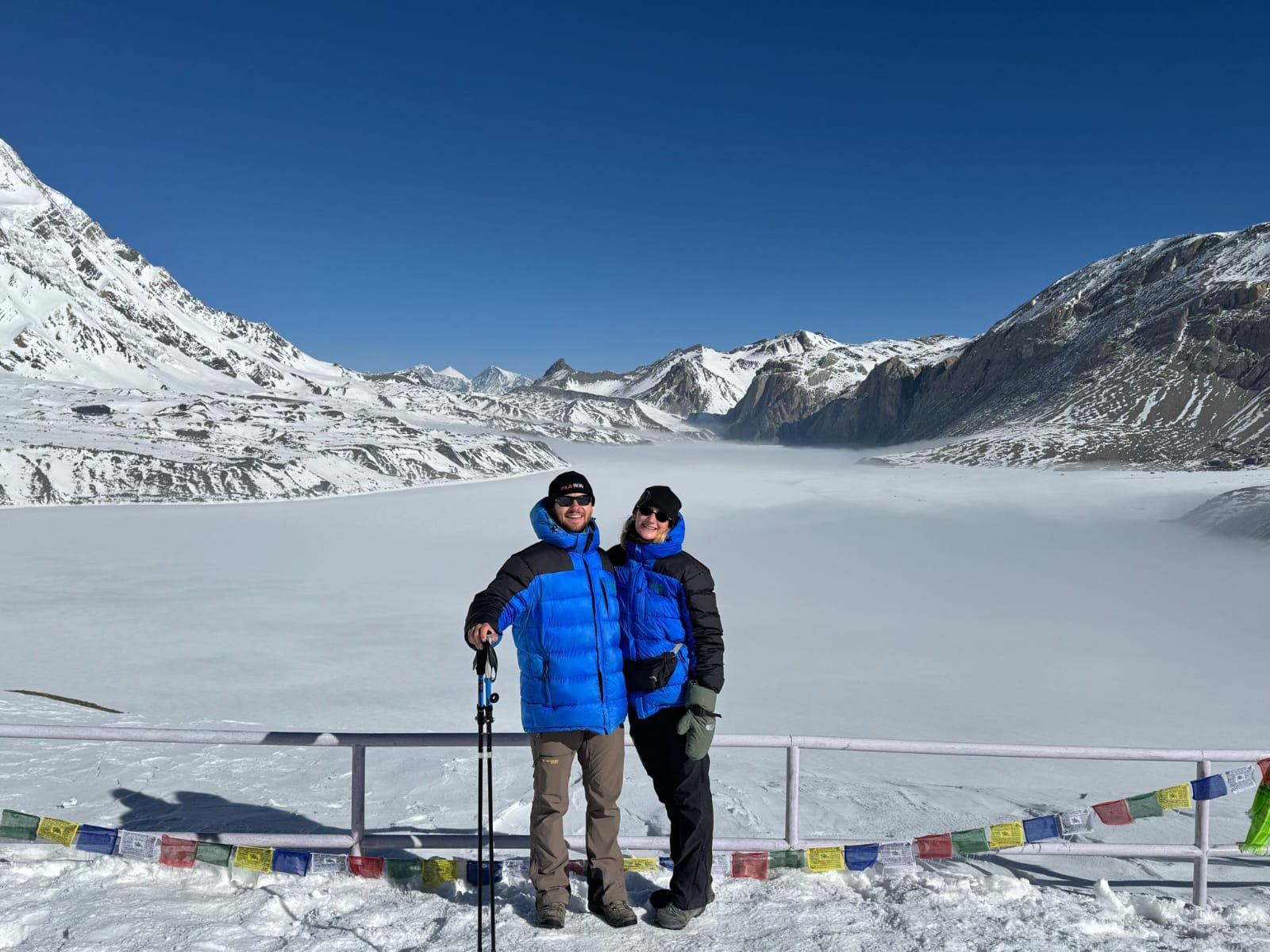
The Tilicho Lake Trek is one of Nepal’s most spectacular Himalayan journeys, taking you to the breathtaking Tilicho Lake (4,919 m)—one of the world’s highest lakes. Nestled beneath the towering […]
Highlights
- Trek to the spectacular Tilicho Lake (4,919 m), one of the world's highest alpine lakes.
- Explore the beautiful Manang Valley, the cultural heart of the Annapurna region.
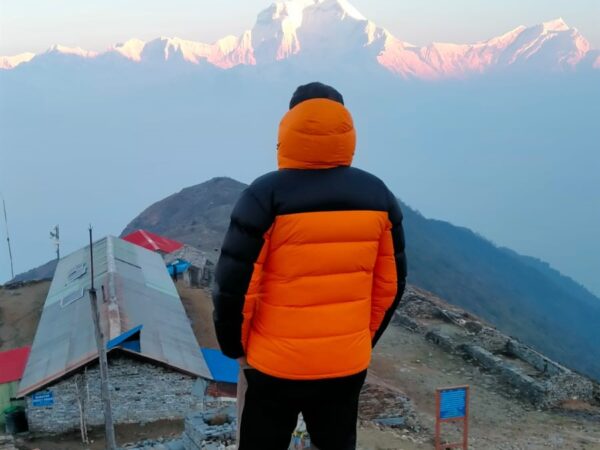
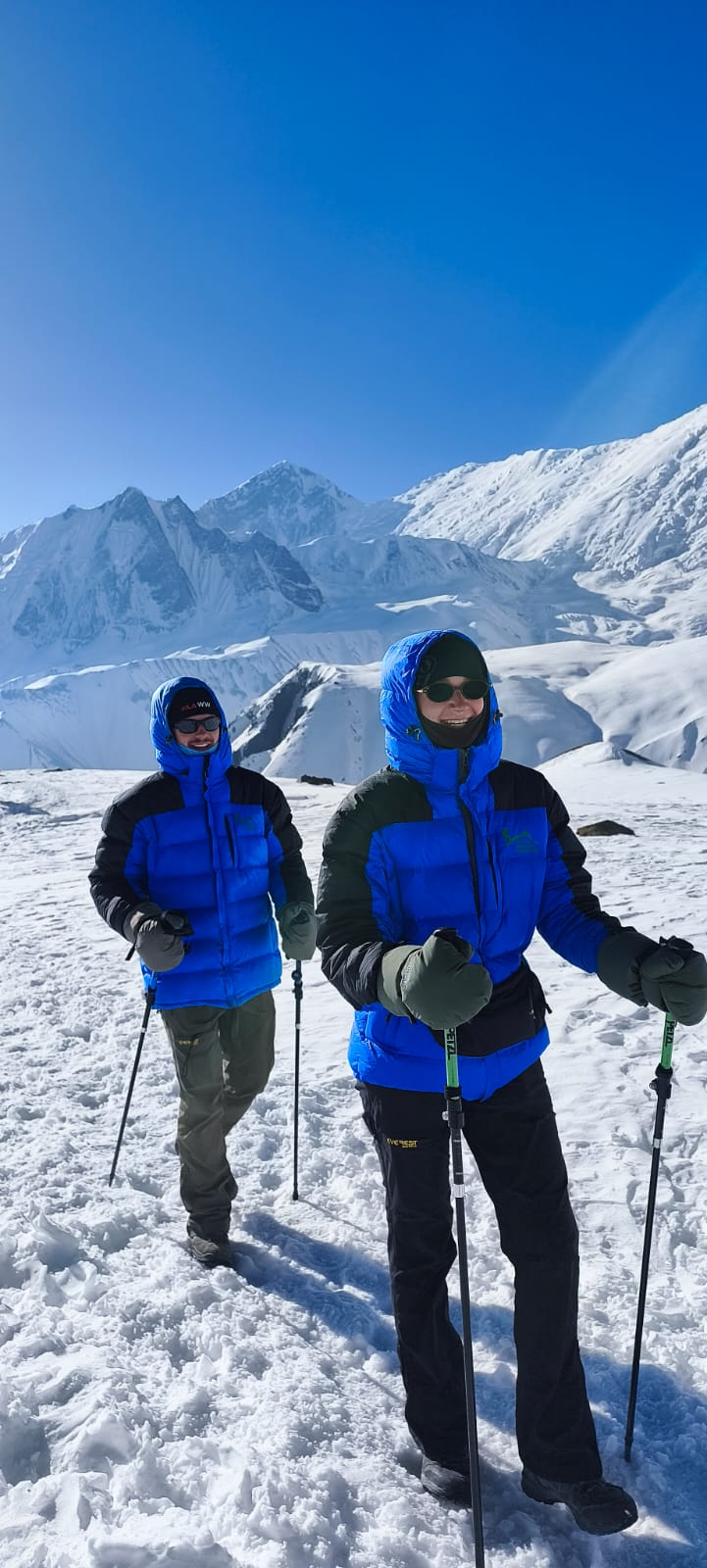
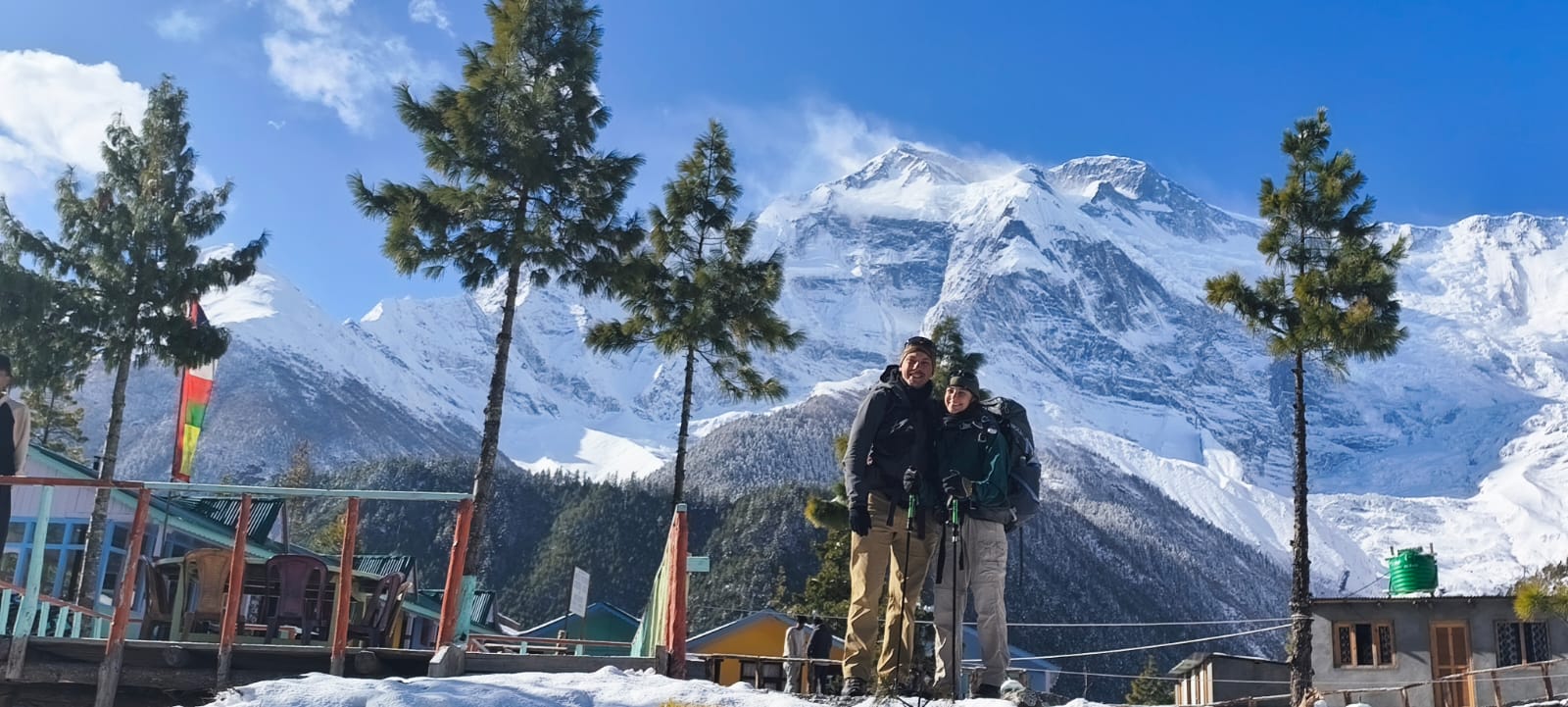
- Enjoy panoramic views of Annapurna II, Annapurna III, Annapurna IV, Gangapurna, Tilicho Peak, Chulu Peaks, and Pisang Peak.
- Walk through charming villages including Dharapani, Chame, Upper Pisang, Manang, Khangsar, and Shree Kharka.
- Experience diverse landscapes from lush forests to dramatic high-altitude deserts.
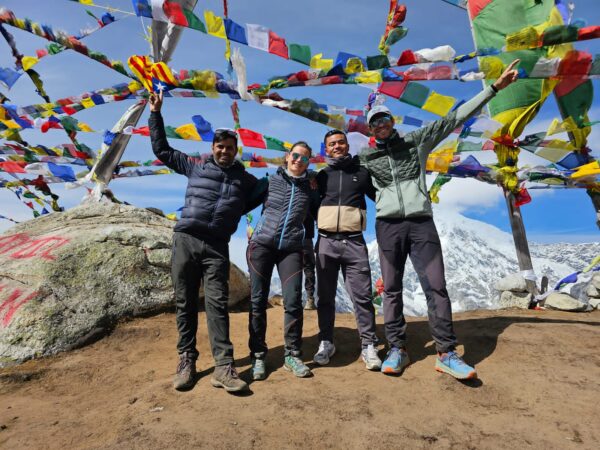
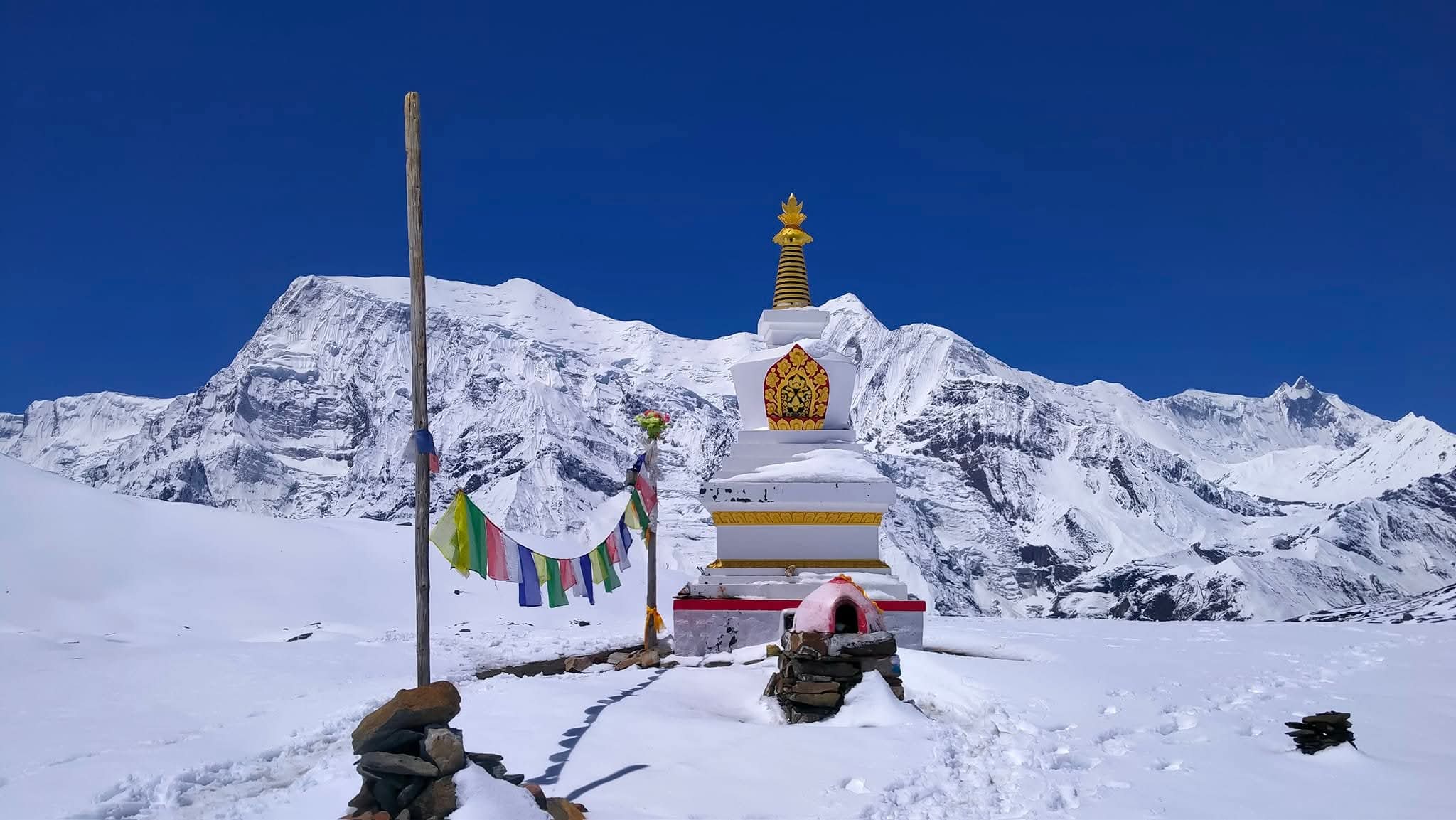
- Visit ancient Buddhist monasteries, mani walls, prayer wheels, and colorful prayer flags.
- Discover the unique Tibetan-influenced lifestyle of the Manang people.
- Witness spectacular Himalayan sunrises and sunsets.
- Cross scenic suspension bridges and glacial rivers.
- Capture unforgettable photographs of turquoise Tilicho Lake surrounded by towering Himalayan peaks.
- Enjoy comfortable teahouse accommodation throughout the trek.
- Suitable for trekkers seeking a shorter Annapurna adventure with incredible scenery.
- Excellent choice for spring (March–May) and autumn (September–November).
- A perfect blend of adventure, nature, culture, and mountain photography.
Overview
The Tilicho Lake Trek is one of Nepal’s most spectacular Himalayan journeys, taking you to the breathtaking Tilicho Lake (4,919 m)—one of the world’s highest lakes. Nestled beneath the towering peaks of the Annapurna range, this adventure combines dramatic mountain landscapes, traditional Gurung and Tibetan-influenced villages, ancient monasteries, alpine forests, and the rugged beauty of the Annapurna region.
Unlike the complete Annapurna Circuit, this itinerary focuses on the most scenic section of the trail, making it ideal for trekkers with limited time who still want to experience the beauty of Manang Valley and the legendary Tilicho Lake. The journey begins with a scenic drive from Kathmandu to Dharapani before following the classic Annapurna trail through Chame, Upper Pisang, and Manang. After proper acclimatization, the trek continues toward Tilicho Base Camp and the magnificent turquoise waters of Tilicho Lake.
The crystal-clear lake, surrounded by snow-covered peaks including Tilicho Peak, Gangapurna, Khangsar Kang, and the Annapurna massif, creates one of the most unforgettable panoramas in the Himalayas. Throughout the trek, visitors experience diverse landscapes ranging from lush pine forests and cascading waterfalls to barren alpine valleys and glacial terrain.
Perfect for adventure lovers, photographers, and nature enthusiasts, the Tilicho Lake Trek in Nepal offers an excellent balance of culture, scenery, and high-altitude adventure without crossing the challenging Thorong La Pass. Whether you are seeking pristine Himalayan lakes, authentic mountain villages, or unforgettable sunrise views, this trek promises memories that last a lifetime.
Major Attractions of Tilicho Lake Trek
Tilicho Lake (4,919 m)
The highlight of the journey, Tilicho Lake, is renowned for its stunning turquoise water surrounded by snow-capped Himalayan peaks. Considered one of the highest lakes in the world, it is a sacred destination for both Hindus and Buddhists and offers one of Nepal’s most iconic mountain landscapes.
Tilicho Base Camp
Situated beneath dramatic rocky cliffs, Tilicho Base Camp offers spectacular views of surrounding glaciers and rugged Himalayan terrain. It serves as the starting point for the early morning hike to Tilicho Lake.
Manang Village
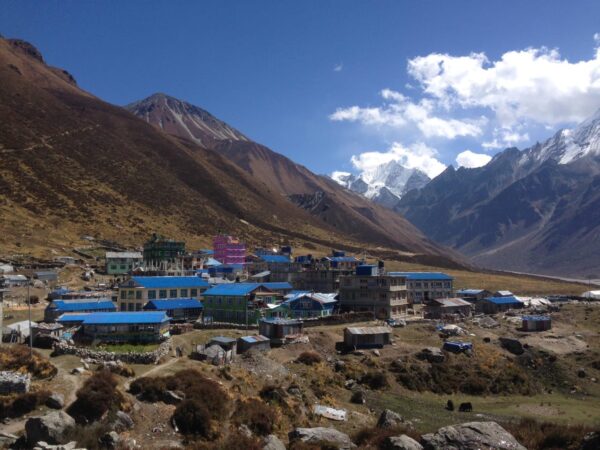
Located at 3,540 meters, Manang is the largest settlement in the upper Annapurna region. The village features stone-built houses, Buddhist monasteries, bakeries, mountain cafes, and breathtaking views of Gangapurna Glacier and Annapurna III.
Upper Pisang
Upper Pisang is famous for its traditional Tibetan-style village, ancient monastery, and panoramic viewpoints overlooking Annapurna II and Pisang Peak. The peaceful atmosphere and authentic culture make it one of the trek’s most memorable stops.
Chame
The district headquarters of Manang, Chame is surrounded by pine forests and towering mountains. Visitors enjoy spectacular views of Lamjung Himal and Annapurna II, along with natural hot springs nearby.
Khangsar Village
One of the oldest villages in the Manang region, Khangsar showcases traditional Himalayan architecture, Buddhist culture, and peaceful surroundings before the trail heads toward Tilicho Base Camp.
Annapurna Himalayan Panorama
Throughout the trek, trekkers enjoy magnificent views of:
- Annapurna II (7,937 m)
- Annapurna III (7,555 m)
- Annapurna IV (7,525 m)
- Gangapurna (7,455 m)
- Tilicho Peak (7,134 m)
- Chulu East (6,584 m)
- Chulu West (6,419 m)
- Pisang Peak (6,091 m)
- Lamjung Himal (6,983 m)
Buddhist Culture and Ancient Monasteries
Prayer flags, mani walls, chortens, monasteries, and centuries-old Tibetan Buddhist traditions enrich the trekking experience throughout the Manang Valley.
Diverse Himalayan Landscapes
From subtropical forests and waterfalls to alpine meadows, glacial valleys, barren cliffs, and crystal-clear lakes, the Tilicho Lake Trek showcases nearly every landscape found in the Nepal Himalayas.
Tilicho Lake Trek Route
The Tilicho Lake Trek begins with a scenic drive from Kathmandu to Dharapani, where the trekking adventure officially starts. From Dharapani, the trail gradually climbs through beautiful pine forests and traditional Gurung villages to Chame, the headquarters of Manang District. The journey continues to Pisang, offering spectacular views of Annapurna II, Lamjung Himal, and dramatic mountain landscapes. Trekking onward, you reach Manang, a picturesque Himalayan village where an acclimatization day is highly recommended before ascending to higher elevations. Leaving the main Annapurna Circuit, the trail heads toward Tilicho Base Camp via the peaceful villages of Khangsar and Shree Kharka, passing rugged cliffs and alpine terrain. An early morning hike from the base camp leads to the breathtaking Tilicho Lake (4,919 m), one of the world’s highest lakes, surrounded by towering snow-covered peaks and pristine Himalayan scenery. After enjoying the unforgettable views, the route retraces through Shree Kharka and Khangsar, then returns to the road for the drive to Besisahar before continuing back to Kathmandu. This route is ideal for trekkers who want to experience the beauty of Tilicho Lake without crossing Thorong La Pass, while those seeking a longer adventure can extend the trek to complete the full Annapurna Circuit.
Kathmandu → Dharapani → Chame → Pisang → Manang → Tilicho Base Camp → Tilicho Lake → Shree Kharka → Khangsar → Besisahar → Kathmandu
Optional Annapurna Circuit Extension
If you want to extend your adventure after visiting Tilicho Lake, you don’t have to return to Besisahar. Instead, you can continue from Tilicho Base Camp or Shree Kharka back toward the main Annapurna Circuit trail and trek through Yak Kharka and Thorong Phedi before crossing the spectacular Thorong La Pass (5,416 m). The route then descends to the sacred town of Muktinath, continues to Jomsom, and finishes in Pokhara. This extension adds a few extra days to the itinerary and offers a complete Annapurna Circuit experience, combining the beauty of Tilicho Lake with one of Nepal’s most iconic high mountain passes.
Tilicho Lake Trek Difficulty
The Tilicho Lake Trek is considered a moderately difficult to challenging trek, making it suitable for trekkers with a good level of physical fitness and some previous hiking experience. Although the trail does not require technical climbing skills, the combination of long trekking days, steep ascents and descents, rugged mountain paths, and high altitude makes the journey demanding.
The biggest challenge is reaching Tilicho Lake at 4,919 meters (16,138 ft), where the thinner air significantly reduces oxygen levels. Many trekkers also spend a night at Tilicho Base Camp (4,150 m) before making an early morning hike to the lake, which can be physically demanding due to the cold temperatures and increasing altitude.
Trail conditions vary throughout the trek. Lower sections pass through forests and traditional villages on well-established paths, while the route beyond Khangsar and Shree Kharka becomes narrower, rockier, and more exposed. Some sections traverse landslide-prone slopes, requiring careful footing, especially after rainfall or snowfall.
Daily trekking usually lasts 5 to 7 hours, with the hike to Tilicho Lake often taking 6 to 8 hours for the round trip from Tilicho Base Camp. Proper acclimatization in Manang is strongly recommended to reduce the risk of altitude sickness and improve your chances of reaching the lake safely.
Despite its challenges, the trek is achievable for most healthy and well-prepared travelers. Regular walking, cardio exercise, strength training, and a gradual ascent greatly improve the trekking experience. Hiring an experienced guide and allowing sufficient acclimatization time further increase safety and enjoyment.
What Makes the Tilicho Lake Trek Challenging?
- High altitude: Reaches 4,919 m (16,138 ft) at Tilicho Lake.
- Long walking days: Typically 5–7 hours of trekking each day.
- Steep and rocky trails: Especially between Khangsar, Shree Kharka, and Tilicho Base Camp.
- Landslide-prone sections: Some narrow mountain paths require extra caution.
- Cold temperatures: Mornings and evenings can be below freezing at higher elevations.
- Thin air: Lower oxygen levels make uphill trekking more strenuous.
Trip Itinerary
Drive from Kathmandu to Dharapani
Begin your adventure with a scenic drive from Kathmandu through rolling hills, rivers, terraced farms, and picturesque villages before reaching the beautiful mountain settlement of Dharapani, the gateway to the Annapurna region.
Trek from Dharapani to Chame
Walk through dense pine and fir forests, cross suspension bridges over the Marsyangdi River, and pass traditional villages while enjoying impressive views of Lamjung Himal and Annapurna II before arriving in Chame.
Trek from Chame to Upper Pisang
Follow a scenic trail through alpine forests and dramatic valleys as the Himalayan scenery becomes increasingly spectacular. Reach the beautiful village of Upper Pisang, known for its ancient monastery and panoramic mountain views.
Trek from Upper Pisang to Manang
The trek from Upper Pisang (3,300 m) to Manang (3,540 m) via Ghyaru and Ngawal follows the scenic upper trail, which is highly recommended for its breathtaking Himalayan views and gradual acclimatization. The day begins with a steep climb to the traditional village of Ghyaru (3,670 m), where trekkers are rewarded with panoramic views of Annapurna II, Annapurna III, Annapurna IV, Gangapurna, Pisang Peak, and the Marsyangdi Valley. The trail passes ancient monasteries, mani walls, prayer flags, and traditional stone houses, offering an authentic glimpse into the Tibetan-influenced culture of the Manang region.
From Ghyaru, the trail continues across peaceful alpine landscapes to the picturesque village of Ngawal (3,660 m), surrounded by juniper forests, yak pastures, and magnificent mountain scenery. After a relaxing walk through open hillsides and traditional settlements, the path gradually descends to join the main Annapurna trail before reaching Manang, the largest village in the valley. This beautiful high route not only provides stunning views throughout the day but also helps trekkers acclimatize naturally, making it the preferred choice for those heading toward Tilicho Lake or the Annapurna Circuit.
Acclimatization day in Manang
An acclimatization day in Manang is an essential part of the Tilicho Lake Trek, allowing your body to gradually adjust to the increasing altitude before heading toward Tilicho Base Camp. Instead of resting all day, trekkers are encouraged to follow the principle of "climb high, sleep low," which helps reduce the risk of altitude sickness while improving acclimatization. Manang also offers several rewarding day hikes, each providing spectacular mountain views, unique cultural experiences, and opportunities to explore the beauty of the Annapurna region.
Hike to Ice Lake (Kicho Tal)
One of the most popular acclimatization hikes is the trek to Ice Lake (Kicho Tal), located at an altitude of approximately 4,600 meters. The trail climbs steadily above Manang through alpine meadows and rocky hillsides, rewarding trekkers with breathtaking panoramic views of Annapurna II, Annapurna III, Gangapurna, Tilicho Peak, Chulu East, and the surrounding Himalayan ranges. The crystal-clear alpine lake, surrounded by rugged mountains, provides a peaceful setting and serves as excellent preparation for higher elevations during the trek.
Visit Milarepa Cave
A shorter but culturally significant hike leads to Milarepa Cave, where the famous Tibetan Buddhist saint Jetsun Milarepa is believed to have meditated centuries ago. The cave sits on a hillside overlooking the Manang Valley and offers a quiet atmosphere for reflection while providing beautiful views of the surrounding mountains. The walk combines spiritual history with scenic landscapes, making it a worthwhile excursion during the acclimatization day.
Hike to Chongquer View Point
The Chongquer View Point is another excellent option for acclimatization. The uphill trail leads to a scenic ridge above Manang, where trekkers are rewarded with spectacular views of Gangapurna Glacier, Annapurna III, Tilicho Peak, Chulu Peaks, and the expansive Manang Valley. The viewpoint is especially popular during sunrise and sunset, when the golden light illuminates the snow-covered peaks and creates unforgettable photographic opportunities.
Visit Gangapurna Lake
Located just outside Manang, Gangapurna Lake is a stunning glacial lake formed by the meltwater of the Gangapurna Glacier. Its striking turquoise water reflects the surrounding snow-capped mountains, creating one of the most picturesque landscapes in the Annapurna region. The gentle walk to the lake is ideal for light acclimatization while allowing trekkers to enjoy the peaceful alpine environment and observe the impressive glacier up close.
Explore the 100-Year-Old Gompa
Manang is home to a historic 100-year-old Buddhist Gompa, an important spiritual landmark that reflects the region's rich Tibetan Buddhist heritage. Surrounded by colorful prayer flags, mani walls, and traditional stone houses, the monastery offers visitors a chance to observe Buddhist rituals, spinning prayer wheels, ancient murals, and peaceful meditation spaces. A visit to this centuries-old monastery provides cultural insight while adding a meaningful spiritual experience to the acclimatization day before continuing the journey toward Tilicho Lake.
Trek from Manang to Tilicho Base Camp
The trek from Manang (3,540 m) to Tilicho Base Camp (4,150 m) leaves the main Annapurna Circuit trail and heads toward the remote valley leading to Tilicho Lake. After breakfast, the trail passes through the traditional village of Khangsar, one of the oldest settlements in the region, before continuing to Shree Kharka. Along the way, trekkers enjoy magnificent views of Gangapurna, Annapurna III, Tilicho Peak, and the surrounding Himalayan landscape. The route winds through alpine meadows, yak grazing pastures, ancient chortens, and traditional stone villages, offering a perfect blend of natural beauty and local Tibetan Buddhist culture.
Beyond Shree Kharka, the trail becomes more rugged as it traverses steep rocky slopes, narrow cliff-side paths, and landslide-prone sections carved into the mountainside. Although this part requires careful footing, the dramatic scenery of towering cliffs, glacial valleys, and snow-capped peaks makes the journey incredibly rewarding. After several hours of trekking, you arrive at Tilicho Base Camp (4,150 m), beautifully situated beneath the towering cliffs of Tilicho Peak. Here, trekkers rest, enjoy the peaceful alpine surroundings, and prepare for the early morning hike to the spectacular Tilicho Lake (4,919 m) the following day.
Hike to Tilicho Lake and Trek to Shree Kharka
Today is the highlight of the Tilicho Lake Trek, so the day begins early, usually around 4:30–5:00 AM, to take advantage of calm weather and avoid the strong afternoon winds. Following a light breakfast, the trail climbs gradually from Tilicho Base Camp across rocky slopes and glacial terrain toward the breathtaking Tilicho Lake (4,919 m). The route passes the famous 22 Corners, a series of winding switchbacks that steadily gain elevation before reaching the lake. Along the way, trekkers carefully cross narrow sections and landslide-prone areas where loose rocks require extra attention. As the sun rises above the Annapurna range, golden light illuminates Tilicho Peak, Gangapurna, Khangsar Kang, Nilgiri, and surrounding snow-covered mountains, creating an unforgettable Himalayan panorama. Upon reaching Tilicho Lake, the crystal-clear turquoise water, framed by towering cliffs and glaciers, offers one of the most spectacular alpine landscapes in Nepal.
After spending time at the lake for photography and soaking in the peaceful surroundings, the trail retraces the same route back to **Tilicho Base Camp** before descending to Shree Kharka (4,060 m). Although the descent is easier than the morning climb, trekkers must remain cautious while crossing the rocky slopes and landslide sections. This is a physically demanding day due to the high altitude, long walking hours, and continuous ascent and descent, but every step is rewarded with extraordinary Himalayan scenery. Arriving at the quiet settlement of Shree Kharka, trekkers can relax and celebrate reaching one of the world's highest alpine lakes, making this one of the most memorable days of the entire Tilicho Lake adventure.
Trek to Khangsar and Drive to Besisahar
After breakfast at Shree Kharka, the trail descends through peaceful alpine landscapes toward the traditional village of Khangsar, passing yak pastures, prayer flags, and rugged mountain slopes with beautiful views of Gangapurna, Tilicho Peak, and the surrounding Annapurna range. From Khangsar, the route rejoins the main trail and continues through the scenic Manang Valley to the roadhead, where a waiting jeep begins the overland journey toward Besisahar.
The drive from the Annapurna region to Besisahar follows the Marsyangdi River through charming mountain villages, waterfalls, terraced fields, and lush forests. As the road gradually descends from the high Himalayas to the lower hills, the landscape changes dramatically, offering one last glimpse of the snow-capped peaks before reaching Besisahar. After an adventurous combination of trekking and off-road driving, you will spend the night in Besisahar, marking the successful completion of your unforgettable Tilicho Lake Trek.
Drive from Besisahar to Kathmandu
After breakfast, begin the scenic drive from Besisahar back to Kathmandu, following the winding Prithvi Highway alongside the Trishuli and Marshyangdi rivers. The journey passes through picturesque hills, terraced farmland, charming villages, and bustling roadside towns, offering beautiful views of Nepal's diverse countryside. Along the way, there are several opportunities to stop for refreshments and enjoy the changing landscapes as you leave the Himalayan foothills behind.
Upon arriving in Kathmandu, transfer to your hotel and enjoy the rest of the day at your leisure. You may choose to explore the vibrant streets of Thamel, shop for souvenirs, or simply relax after completing your remarkable Tilicho Lake Trek. This marks the end of an unforgettable Himalayan adventure filled with breathtaking mountain scenery, rich local culture, and the unforgettable experience of visiting the spectacular Tilicho Lake (4,919 m)
Not Satisfied with This Itinerary?
Every traveler is different. Customize this trip with the help of our local travel specialists and create an itinerary that perfectly matches your interests, schedule, and budget.
What's included
- Airport Transfers: International airport pick-up and drop-off by private tourist vehicle.
- Transportation: All ground transportation as per the itinerary (Kathmandu – Besisahar – Dharapani – Khangsar/Besisahar – Kathmandu).
- Trekking Permits: All required trekking permits, including the Annapurna Conservation Area Permit (ACAP).
- Trekking Equipment: Sleeping bag, down jacket, and duffle bag (available upon request and must be returned after the trek).
- Souvenirs: Complimentary Create Himalaya Adventure T-shirt.
- Meals: Three meals a day (breakfast, lunch, and dinner) throughout the trek.
- Accommodation: Twin-sharing teahouse/lodge accommodation with shared bathroom facilities during the trek.
- Guide Expenses: Experienced English-speaking, government-licensed trekking guide, including salary, meals, accommodation, and transportation.
- Guide Insurance: Comprehensive insurance coverage for the trekking guide.
- Trekking Map: Annapurna Region trekking map (one per group).
- First Aid Kit: Well-equipped medical first aid kit carried by the guide.
- Taxes and Fees: All government taxes, VAT, tourist service charges, and official expenses.
What's not included
- International Expenses: International airfare, Nepal entry visa fee, and personal travel insurance (including high-altitude emergency evacuation coverage).
- Kathmandu Meals: Breakfast, lunch, and dinner in Kathmandu.
- Accommodation in Kathmandu: Hotel accommodation in Kathmandu before or after the trek, including additional nights due to early arrival, delayed departure, or returning early from the trek for any reason.
- Personal Expenses: Hot showers, Wi-Fi, battery charging, laundry, bottled water, soft drinks, alcoholic beverages, snacks, and other personal expenses during the trek.
- Porter Service: Porter service is not included. If required, a porter can be hired for USD 30 per day through our optional add-on service (one porter can carry up to 20–22 kg for two trekkers).
- Additional Costs: Any expenses arising from itinerary changes due to bad weather, road conditions, natural disasters, illness, strikes, or other unforeseen circumstances.
- Other Services: Any services not specifically mentioned in the "What's Included" section.
- Gratuities: Tips for the trekking guide, porter, and driver are not included and are greatly appreciated.
Best Time to Trek Tilicho Lake Trek
The best time to trek the Tilicho Lake Trek is during spring (March to May) and autumn (September to November), when the weather is stable, the skies are crystal clear, and the Himalayan scenery is at its finest. These two seasons provide the safest trekking conditions, comfortable temperatures, and outstanding visibility of the Annapurna mountain range. While the trek remains accessible during winter and the summer monsoon, each season offers a distinctly different experience with its own advantages and challenges. Choosing the right season depends on whether you prefer blooming landscapes, colorful festivals, peaceful snow-covered trails, or quieter trekking routes.
Tilicho Lake Trek in Spring (March to May)
Spring is widely regarded as one of the finest seasons for the Tilicho Lake Trek. As the snow begins to melt in the lower valleys, forests burst into life with blooming rhododendrons, wildflowers, and fresh greenery, creating a vibrant contrast against the white Himalayan peaks. The weather remains pleasantly warm during the day, while mornings and evenings stay cool at higher elevations, making long trekking days comfortable and enjoyable. Clear skies reveal uninterrupted views of Annapurna II, Annapurna III, Gangapurna, Tilicho Peak, Chulu East, and Pisang Peak, making spring a paradise for photographers and mountain lovers. Wildlife becomes more active, rivers flow with fresh snowmelt, and the villages along the trail are full of life after the winter season. Thanks to its ideal weather and spectacular scenery, spring is considered one of the most rewarding times to visit Tilicho Lake.
Tilicho Lake Trek in Summer/Monsoon (June to August)
The summer season coincides with Nepal's monsoon, bringing frequent rainfall to much of the country. The drive from Kathmandu to Dharapani may be affected by landslides, muddy roads, and occasional travel delays, while the lower trekking trails become wet and slippery. However, as the trail approaches the Manang Valley, the influence of the monsoon decreases because this region lies within the Himalayan rain shadow. The landscape becomes incredibly lush and green, waterfalls flow at full strength, and the mountains occasionally emerge through dramatic clouds, creating unique photographic opportunities. Since fewer trekkers choose this season, the trails and teahouses remain peaceful, allowing for a more tranquil trekking experience. Although the weather can be unpredictable, experienced trekkers who don't mind occasional rain can still enjoy the remarkable beauty of Tilicho Lake during the monsoon.
Tilicho Lake Trek in Autumn (September to November)
Autumn is the most popular and arguably the best season for the Tilicho Lake Trek in Nepal. After the monsoon rains clear the atmosphere, the mountains appear exceptionally sharp and vibrant against deep blue skies. Stable weather, dry trails, and excellent visibility make trekking conditions almost perfect throughout the Annapurna region. Every day offers magnificent views of the Annapurna massif, Gangapurna, Tilicho Peak, and the surrounding Himalayan giants. The comfortable daytime temperatures allow trekkers to walk long distances without excessive heat or cold, while crisp mornings provide stunning sunrise panoramas. Autumn also coincides with Nepal's major festivals, including Dashain and Tihar, giving visitors the opportunity to experience local traditions, colorful celebrations, and warm Himalayan hospitality. With reliable weather, breathtaking scenery, and ideal trekking conditions, autumn remains the preferred choice for most trekkers.
Tilicho Lake Trek in Winter (December to February)
Winter offers a completely different perspective of the Tilicho Lake Trek, transforming the Annapurna region into a peaceful world of snow and ice. Fresh snowfall blankets the surrounding mountains and valleys, creating dramatic alpine scenery that attracts experienced trekkers and winter photographers. The trails become remarkably quiet, allowing visitors to enjoy the Himalayan wilderness without crowds. However, temperatures at Tilicho Base Camp and Tilicho Lake often fall well below freezing, especially during the night and early morning. Heavy snowfall can occasionally block the trail to Tilicho Lake, making the journey more demanding and requiring careful planning with experienced guides. Although winter trekking involves colder conditions and additional challenges, it rewards adventurous travelers with unforgettable snow-covered landscapes and a unique sense of solitude rarely found during the peak trekking seasons.
Which Season Should You Choose?
For most travelers, spring (March to May) and autumn (September to November) are the best times to complete the Tilicho Lake Trek, offering the perfect combination of favorable weather, spectacular mountain views, comfortable temperatures, and safe trail conditions. Spring is ideal for trekkers who enjoy colorful forests, blooming flowers, and fresh mountain landscapes, while autumn provides the clearest skies, the best visibility, and vibrant cultural experiences during Nepal's festival season. Winter is best suited for experienced trekkers seeking snowy adventures and peaceful trails, whereas the summer monsoon appeals to those looking for lush scenery, fewer crowds, and a quieter Himalayan journey. Regardless of the season, the Tilicho Lake Trek remains one of Nepal's most extraordinary high-altitude adventures, offering unforgettable natural beauty and an authentic mountain experience.
Is the Tilicho Lake Trek Suitable for Beginners?
Yes, beginners can complete the Tilicho Lake Trek if they prepare well and follow a properly planned itinerary. Building fitness before the trek, walking at a steady pace, staying hydrated, and including an acclimatization day in Manang are key to a successful and enjoyable journey. Trekking with an experienced local guide also provides additional safety and support throughout the adventure.
Tilicho Lake Trek Cost
The cost of the Tilicho Lake Trek depends on the length of the itinerary, group size, transportation choice, and whether you hire a guide or porter. On average, trekkers should budget between USD 450 and USD 1,200 per person for a complete journey. This estimate usually covers transportation to and from the trailhead, accommodation in mountain teahouses, daily meals, trekking permits, and optional guide or porter services. Independent trekkers generally spend less, while guided packages offer greater convenience, safety, and logistical support. Choosing a reputable local company like Create Himalaya Adventure ensures transparent pricing, experienced staff, and a well-organized trekking experience without unexpected expenses.
Tilicho Lake Trek Permits
Before beginning the Tilicho Lake Trek, every visitor must obtain the Annapurna Conservation Area Permit (ACAP), as the entire route passes through the protected Annapurna Conservation Area. The permit fee is NPR 3,000 for foreign nationals and NPR 1,000 for SAARC citizens, while children under ten years of age can enter free of charge. This permit helps support environmental conservation, trail maintenance, and sustainable tourism projects throughout the Annapurna region. Trekkers should carry their permit at all times because it is checked at multiple entry points along the route. When booking with Create Himalaya Adventure, all necessary permit arrangements are handled in advance, allowing you to enjoy a smooth and hassle-free trekking experience.
Travel Insurance
Travel insurance is strongly recommended for the Tilicho Lake Trek because the trail reaches an altitude of 4,919 meters (16,138 ft) and passes through remote Himalayan villages where medical facilities are limited. Your insurance policy should cover high-altitude trekking (up to at least 5,000 meters), emergency helicopter evacuation, medical treatment, trip cancellations, lost baggage, and unexpected travel delays. In case of altitude sickness, injury, or severe weather, helicopter evacuation may be the fastest and safest option. Before starting the trek, carry both digital and printed copies of your insurance documents along with emergency contact information.
Altitude Sickness
Altitude sickness is one of the biggest challenges during the Tilicho Lake Trek due to the rapid gain in elevation. Trekkers may experience symptoms such as headache, nausea, dizziness, loss of appetite, fatigue, and difficulty sleeping, especially above 3,500 meters. Proper acclimatization is essential to reduce the risk. Walk at a comfortable pace, stay well hydrated, avoid alcohol, and allow your body enough time to adjust to the altitude. If symptoms become severe or worsen, descend immediately and seek medical assistance. Trekking with an experienced guide from Create Himalaya Adventure adds an extra level of safety throughout the journey.
Food & Accommodation
The Tilicho Lake Trek offers comfortable teahouse accommodation in villages such as Chame, Pisang, Manang, Khangsar, Shree Kharka, and Tilicho Base Camp. Rooms are generally simple with twin beds, blankets, and shared bathrooms, while facilities become more basic at higher elevations. Most teahouses provide freshly prepared meals including Dal Bhat, noodles, fried rice, soups, pasta, potatoes, Tibetan bread, pancakes, eggs, and seasonal vegetables. Hot drinks such as tea, coffee, ginger tea, and hot lemon are widely available. Although the menu becomes more limited near Tilicho Base Camp, the food is nutritious and sufficient to support trekkers throughout the adventure.
Health and Safety
Maintaining good health and following basic safety practices are essential for a successful Tilicho Lake Trek. Drink plenty of safe water, eat freshly cooked meals, maintain good personal hygiene, and get adequate rest each day. Check the weather forecast before heading toward Tilicho Base Camp and Tilicho Lake, as snowfall or strong winds can affect trail conditions. Always follow your guide's instructions, stay on the marked trail, and avoid trekking alone in remote sections. Trekking with a licensed local guide from Create Himalaya Adventure ensures better navigation, emergency support, and a safer experience in the high Himalayas.
Equipment List for Tilicho Lake Trek
Packing the right equipment is essential for a safe and comfortable trek to Tilicho Lake. Bring sturdy waterproof trekking boots, warm thermal base layers, trekking pants, moisture-wicking shirts, a quality down jacket, waterproof jacket and trousers, gloves, a warm hat, sunglasses with UV protection, sunscreen, and a sleeping bag rated for sub-zero temperatures. A 30–40-liter daypack, trekking poles, reusable water bottles, headlamp, power bank, personal toiletries, first-aid kit, and essential medications should also be included. Weather in the Himalayas can change quickly, so dressing in layers is the best way to stay comfortable throughout the trek.
Trip Note
Weather conditions in the Himalayas can change rapidly, so trekkers should remain flexible and prepared for itinerary adjustments if necessary. Carry appropriate trekking gear, travel insurance that covers high-altitude trekking and emergency helicopter evacuation, and enough personal essentials for the journey. Trekking with an experienced local operator like Create Himalaya Adventure provides professional guidance, reliable logistics, and added safety throughout the adventure, ensuring a memorable and well-organized journey to one of Nepal's most spectacular alpine lakes.
FAQs
1. Where is Tilicho Lake located?
Tilicho Lake is located in the Manang District of Nepal within the Annapurna Conservation Area, at an altitude of 4,919 meters (16,138 ft). It is one of the world's highest alpine lakes and one of Nepal's most spectacular trekking destinations.
2. How difficult is the Tilicho Lake Trek?
The Tilicho Lake Trek is considered a moderate to challenging trek. The main challenges are the high altitude, long trekking days, steep ascents, and rocky terrain, especially between Shree Kharka and Tilicho Base Camp.
3. How many days does the Tilicho Lake Trek take?
Most itineraries range from 8 to 12 days, depending on the starting point, transportation, acclimatization schedule, and whether you continue over Thorong La Pass.
4. What is the best time to trek to Tilicho Lake?
The best seasons are spring (March to May) and autumn (September to November) when the weather is stable, mountain views are clear, and trail conditions are ideal.
5. Do I need previous trekking experience?
Previous trekking experience is helpful but not mandatory. Anyone with good physical fitness and proper preparation can complete the trek with a gradual itinerary and an experienced guide.
6. What permits are required for the Tilicho Lake Trek?
You need an Annapurna Conservation Area Permit (ACAP). No TIMS card is generally required for this trek under current regulations.
7. What is the highest point of the Tilicho Lake Trek?
The highest point is Tilicho Lake at 4,919 meters (16,138 ft).
8. Is altitude sickness a concern on the Tilicho Lake Trek?
Yes. Since the trek reaches nearly 5,000 meters, proper acclimatization, slow ascent, hydration, and recognizing the symptoms of altitude sickness are very important.
9. Is Tilicho Lake Trek suitable for beginners?
Yes, motivated beginners with good fitness can complete the trek if they follow a well-planned itinerary that includes an acclimatization day in Manang.
10. Are guides mandatory for the Tilicho Lake Trek?
Yes. According to Nepal's current trekking regulations, foreign trekkers are generally required to trek with a licensed guide in the Annapurna region.
11. Can I extend my trek and continue to Thorong La Pass?
Yes. Many trekkers extend their journey after visiting Tilicho Lake by returning to Yak Kharka and continuing across the famous Thorong La Pass (5,416 m) before descending to Muktinath. This route combines the spectacular beauty of Tilicho Lake with the complete Annapurna Circuit Trek, making it one of Nepal's most rewarding high-altitude adventures. You should allow 3–4 extra trekking days and ensure you are well acclimatized before crossing Thorong La.
12. Can I visit Tilicho Lake without crossing Thorong La Pass?
Yes. Many trekkers visit Tilicho Lake as a standalone destination and return via Khangsar without crossing Thorong La, making it a shorter but equally rewarding itinerary.
13. What type of accommodation is available?
Accommodation is in traditional teahouses and mountain lodges, offering twin-sharing rooms with shared bathroom facilities. Facilities become more basic at higher elevations.
14. Is drinking water available along the trail?
Yes. Drinking water is available at teahouses. You should carry a reusable bottle and use water purification tablets or a filtration system instead of buying plastic bottles.
15. What mountains can I see during the trek?
The trek offers spectacular views of Annapurna II, Annapurna III, Annapurna IV, Gangapurna, Tilicho Peak, Chulu East, Chulu West, Pisang Peak, and several surrounding Himalayan peaks.
16. Is the trail to Tilicho Lake dangerous?
Most of the trail is well established, but the section between Shree Kharka and Tilicho Base Camp crosses a few landslide-prone areas where careful walking is essential. Trekking early in the morning is recommended for safer conditions.
17. What should I pack for the Tilicho Lake Trek?
Essential items include waterproof trekking boots, warm layers, a down jacket, sleeping bag, trekking poles, gloves, sunglasses, sunscreen, a reusable water bottle, personal medications, and a backpack.
18. Is there mobile network and Wi-Fi on the trek?
Mobile coverage is available in villages such as Chame and Manang, but it becomes limited near Tilicho Base Camp. Some teahouses offer paid Wi-Fi, although connections can be slow.
19. Can I do the Tilicho Lake Trek during winter?
Yes, but winter trekking is recommended only for experienced trekkers. Heavy snowfall may block the trail to Tilicho Lake, and temperatures can fall well below freezing.
20. Why choose Create Himalaya Adventure for the Tilicho Lake Trek?
Create Himalaya Adventure provides experienced licensed guides, carefully designed itineraries, quality service, safety-focused trekking, transparent pricing, and personalized support to ensure a memorable and enjoyable Tilicho Lake adventure in the Annapurna region.
No hidden fees • Best price guarantee