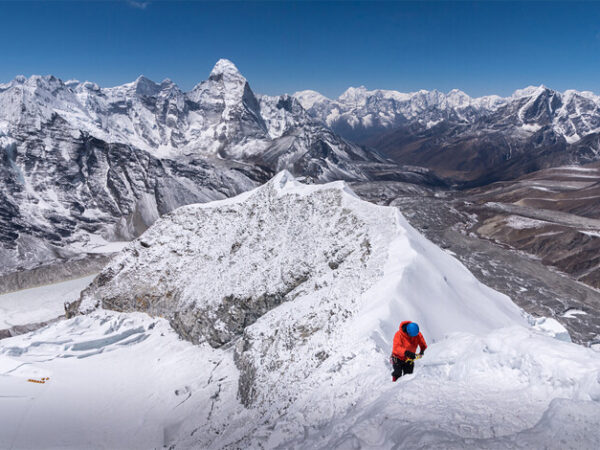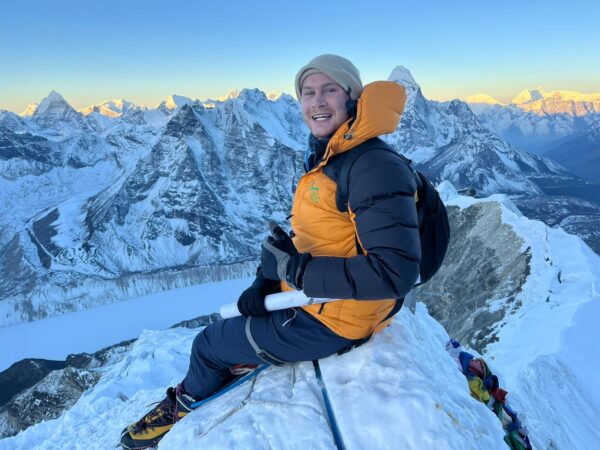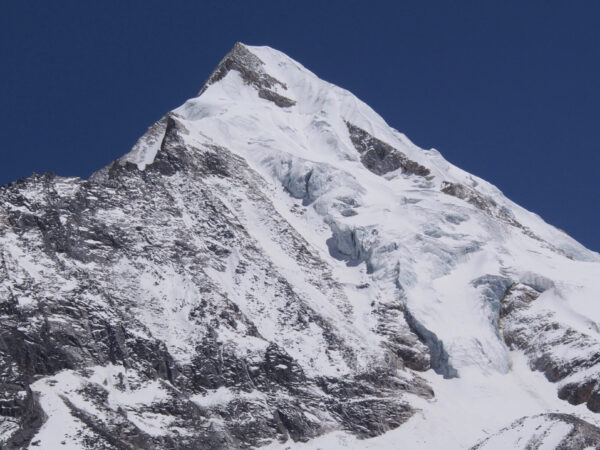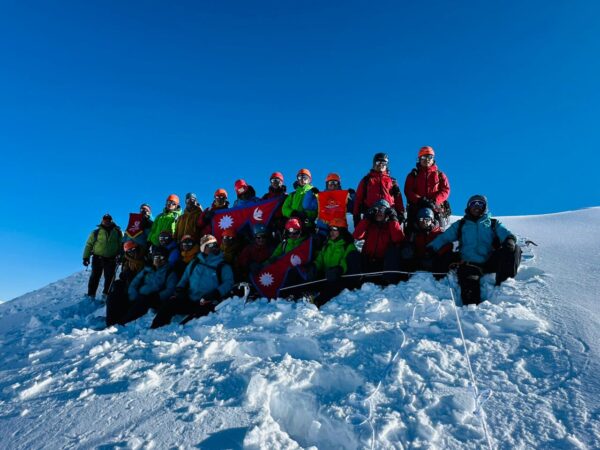
Himlung Himal Expedition – 31 Days
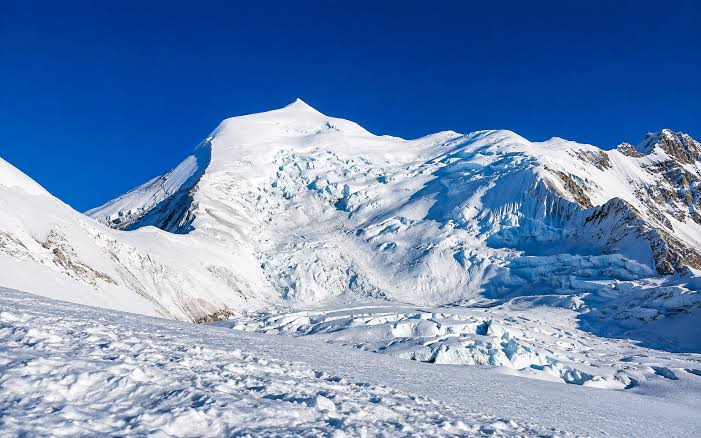
Himlung Himal Expedition is a remarkable opportunity to climb one of Nepal’s lesser-known 7,000-meter peaks while exploring the remote and culturally rich Nar Phu Valley. Rising to 7,126 meters (23,346 […]
Highlights
- Summit a 7,000-Meter Himalayan Peak: Stand on the summit of Himlung Himal at 7,126 meters (23,345 feet) and experience the achievement of climbing one of Nepal’s remarkable high-altitude mountains.
- Explore the Remote Nar Phu Valley: Travel through one of Nepal’s quieter Himalayan regions, far from the busy trekking trails, with dramatic landscapes and traditional mountain settlements.
- Experience Tibetan-Influenced Culture: Discover ancient villages, Buddhist monasteries, prayer flags, mani walls, and traditional architecture reflecting the strong cultural connection between Nar Phu and the Tibetan highlands.
- Scenic Journey from Koto to Base Camp: Follow a spectacular route through deep valleys, forests, rocky gorges, alpine meadows, and increasingly barren high-altitude terrain.
- Gradual High-Altitude Acclimatization: Spend valuable acclimatization time in Phu Gaon and around Base Camp before progressing toward the higher camps, helping the body adapt to the increasing elevation.
- Progressive Camp Strategy: Climb through a series of higher camps as conditions allow, gradually moving from Base Camp toward the upper mountain before making the final summit attempt.
- Technical Snow and Ice Climbing: Gain experience on steep snow and icy terrain, glaciers, fixed ropes, and high-altitude climbing sections while supported by an experienced expedition team.
- Spectacular Himalayan Panorama: Enjoy impressive views of surrounding peaks, including Manaslu, Annapurna, Ratna Chuli, Nemjung, and Gyaji Khang, as well as the rugged mountains of the Nar Phu region.
- A Strong Step Toward Higher Peaks: Himlung Himal provides valuable experience in altitude, expedition routines, glacier travel, fixed-line climbing, and summit strategy for climbers preparing for future 7,000- or 8,000-meter objectives.
- Experienced Sherpa Support: Climb with skilled high-altitude Sherpa professionals who assist with route management, camp rotations, equipment carrying, safety, and summit operations.
- Flexible Summit Window: Allow adequate time within the expedition schedule to respond to changing weather, snow conditions, acclimatization, and the availability of a safe summit opportunity.
- Authentic Himalayan Wilderness: Experience a remote environment where rugged mountain scenery, quiet trails, ancient settlements, and traditional lifestyles remain an important part of the journey.
- Full Expedition Base Camp Support: Benefit from organized Base Camp facilities, meals, kitchen services, communication arrangements, weather information, and essential climbing logistics.
- Adventure Beyond the Summit: Combine serious mountaineering with an unforgettable journey through one of Nepal’s most isolated valleys, making the expedition as memorable for its approach as for the summit itself.
- Professional Expedition Management: With Create Himalaya Adventure, receive support with permits, transportation, accommodation, expedition logistics, experienced guides, Sherpa climbing support, and overall trip coordination from Kathmandu to the mountain and back.
Overview
Himlung Himal Expedition is a remarkable opportunity to climb one of Nepal’s lesser-known 7,000-meter peaks while exploring the remote and culturally rich Nar Phu Valley. Rising to 7,126 meters (23,346 feet) in the northern Annapurna region, Himlung Himal stands close to the Tibetan border above the ancient settlements of Phu and Nar. The expedition combines high-altitude mountaineering with an extraordinary journey through narrow valleys, alpine landscapes, traditional Buddhist villages, and dramatic Himalayan scenery. Along the approach, climbers can enjoy views of Manaslu, Annapurna, Ratna Chuli, Nemjung, Gyaji Khang, and other impressive peaks.
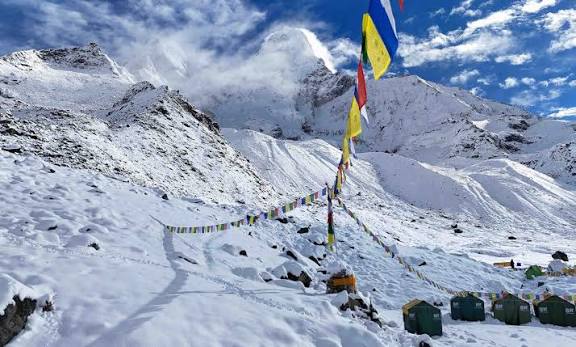
The adventure begins with a scenic drive toward the Annapurna region before leaving the main trail at Koto and entering the restricted Nar Phu Valley. From Koto, the route gradually moves deeper into a remote landscape shaped by Tibetan-influenced culture and centuries-old mountain traditions. The trail passes through rugged terrain, forests, river valleys, ancient settlements, monasteries, and high alpine pastures before reaching Himlung Himal Base Camp at approximately 4,900 meters. The gradual approach provides valuable time for acclimatization and allows climbers to adapt to increasing elevation before beginning the technical phase of the expedition.
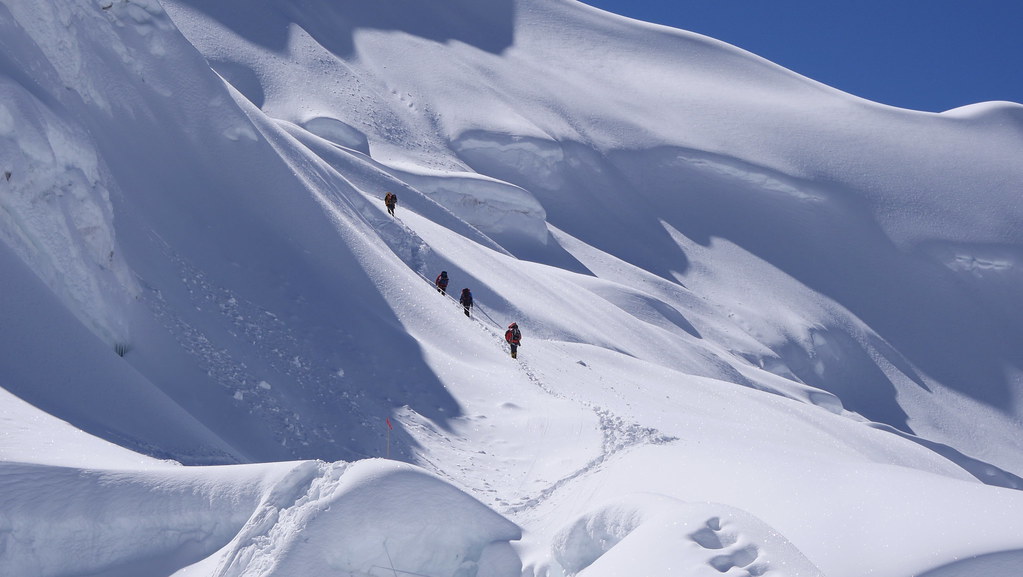
Above Base Camp, the expedition establishes progressively higher camps according to weather, snow conditions, and acclimatization needs. The climbing route involves glacier travel, snow slopes, icy sections, and steep terrain that demands strong physical preparation, efficient movement, and previous experience at high altitude. Although Himlung is often considered a comparatively manageable 7,000-meter expedition, it remains a serious Himalayan climb where altitude, cold, changing weather, and mountain conditions must never be underestimated. Successful ascents require appropriate acclimatization, technical preparation, reliable equipment, and the support of an experienced expedition team.
Himlung Himal is particularly attractive to climbers looking to progress toward more demanding 7,000- and 8,000-meter objectives. Its combination of a challenging high-altitude environment, remote approach, and comparatively straightforward climbing characteristics makes it an excellent stepping stone for future ambitions such as Manaslu or other major Himalayan peaks. Spring and autumn generally provide the most favorable climbing conditions, while the restricted nature of the Nar Phu region adds a genuine sense of wilderness and exclusivity to the expedition.
With Create Himalaya Adventure, climbers receive comprehensive expedition support from Kathmandu to the mountain and back. Our experienced mountain guides and Sherpa climbing team focus on careful acclimatization, route management, camp logistics, safety, and personalized assistance throughout the expedition. We handle the necessary permits and expedition arrangements so that climbers can concentrate on preparation, acclimatization, and the ultimate goal of reaching the summit of Himlung Himal at 7,126 meters. This expedition is more than a summit attempt—it is a journey into one of Nepal’s most secluded Himalayan valleys and an unforgettable step into the world of high-altitude mountaineering.
Trip Itinerary
Arrival in Kathmandu and Transfer to Hotel
Your Himlung Himal Expedition begins with your arrival at Tribhuvan International Airport in Kathmandu. A representative from Create Himalaya Adventure will welcome you at the airport and transfer you to your hotel. After check-in, you can relax after your journey or take a short walk around the nearby streets if you feel comfortable.
Kathmandu is Nepal’s cultural and administrative center, surrounded by hills and Himalayan landscapes. Depending on your arrival time, there may be an opportunity to meet your expedition team and discuss the program ahead.
Rest, Expedition Preparation and Briefing
Today is dedicated to final preparation for the Himlung Himal Expedition. You will meet your climbing guides and expedition staff, check your personal mountaineering equipment, and organize your baggage for the trek and climbing period.
A detailed expedition briefing will cover the route, climbing strategy, acclimatization schedule, safety procedures, weather considerations, communication, and responsibilities within the team. The necessary expedition documentation and permits will also be reviewed.
This is an important preparation day because once you leave Kathmandu, the journey moves into a remote mountain environment where careful planning becomes essential.
Drive Kathmandu to Besisahar
After breakfast, we leave Kathmandu and travel west toward Besisahar, the gateway to the Annapurna and Nar Phu regions. The drive follows winding highways and gradually moves away from the busy capital into greener hills and river valleys.
Along the way, you will see terraced farmland, hillside settlements, suspension bridges, rivers, and changing mountain scenery. As the journey continues, the landscape becomes increasingly rural and mountainous.
After approximately eight hours on the road, we reach Besisahar and settle into our accommodation. This town provides a comfortable stop before entering the more remote section of the expedition.
Drive from Besisahar to Koto
Today we continue by road from Besisahar toward Koto. The journey becomes more adventurous as the road follows mountain valleys and rugged terrain. The scenery changes rapidly, with steep hillsides, waterfalls, forests, river gorges, and scattered mountain villages appearing along the route.
Koto is an important settlement because it marks the entrance toward the restricted Nar Phu Valley. After reaching Koto, your expedition team will complete the necessary local arrangements before beginning the trek.
Take the evening to rest and prepare for the walking days ahead.
Trek from Koto to Meta)
The walking section begins today as we enter the spectacular Nar Phu Valley. The trail follows the Nar Phu Khola through a dramatic mountain landscape. You will cross forests and narrow sections of the valley while walking beneath towering cliffs.
The trail gradually gains elevation, and the environment becomes quieter and more remote. Waterfalls, rocky slopes, pine vegetation, and traditional mountain features accompany the route.
As we approach Meta, the valley opens into a high Himalayan landscape with impressive views of surrounding peaks. Meta is a small settlement where we spend the night.
Trek from Meta to Phu Gaon
Today is one of the most fascinating approach days of the expedition. The trail continues deeper into the Nar Phu Valley, passing through a landscape that feels far removed from Nepal's more frequently visited trekking routes.
The path crosses rocky terrain and narrow sections of the valley before gradually approaching Phu Gaon. You will begin to notice stronger Tibetan cultural influences in the architecture, prayer flags, mani walls, monasteries, and traditional lifestyle of the local people.
Phu is one of the most remarkable settlements in the region, surrounded by barren mountains and dramatic cliffs. We spend the night here and begin preparing our bodies for higher elevations.
Acclimatization Day in Phu Gaon
Today is an important acclimatization day before heading toward Himlung Himal Base Camp. Rather than simply remaining inactive, we take a gradual hike around the surrounding area and return to Phu.
The purpose is to give your body additional time to adjust to the increasing altitude. The acclimatization walk also provides an opportunity to explore the traditional village, Buddhist monuments, surrounding hills, and spectacular Himalayan scenery.
Your climbing guide will monitor how everyone is responding to the altitude and provide advice about hydration, nutrition, rest, and symptoms of altitude sickness.
Trek from Phu Gaon to Himlung Himal Base Camp
We leave Phu Gaon and begin the approach toward Himlung Himal Base Camp. The landscape gradually becomes more alpine as trees become sparse and the valley is dominated by rocks, glaciers, snow-covered slopes, and high mountain peaks.
The trail follows the upper valley toward the base camp area. As we gain elevation, the views become increasingly impressive, and Himlung Himal begins to dominate the skyline.
After approximately four to five hours of trekking, we arrive at Base Camp. The expedition team will establish and organize the camp, while you rest and prepare for the climbing phase.
Himlung Himal Climbing Period
The climbing period is the central part of the expedition. These days are intentionally kept flexible because high-altitude climbing cannot safely follow a rigid timetable. The actual schedule depends on weather, snow and ice conditions, acclimatization, route safety, and the condition of individual climbers.
Base Camp Preparation
At Base Camp, the climbing Sherpas and guides organize equipment, establish camp systems, inspect the route, and prepare the team for higher elevations. You will receive practical instruction and refresh your skills for glacier travel, fixed-line climbing, crampon use, rope techniques, and movement on steep snow and ice.
Acclimatization Rotations
The team makes gradual climbing rotations toward the higher camps. These rotations allow your body to adapt to altitude while familiarizing you with the climbing route. After spending time at higher elevations, the team returns to lower camp levels for recovery.
Higher Camps
Depending on current mountain conditions, camps are established at progressively higher elevations. A typical Himlung climbing strategy may use camps around 5,450 m, 6,000 m, and 6,350 m, although the exact camp locations can change according to the expedition leader's assessment and seasonal conditions.
The Sherpa team carries and organizes essential equipment, food, fuel, ropes, and other climbing supplies between camps. Climbers must maintain a steady pace, conserve energy, stay hydrated, and follow the team's safety instructions.
Summit Push
When weather and route conditions provide a suitable summit window, the expedition begins the final ascent. The climb involves steep snow and icy terrain, cold temperatures, strong winds, and increasingly thin air.
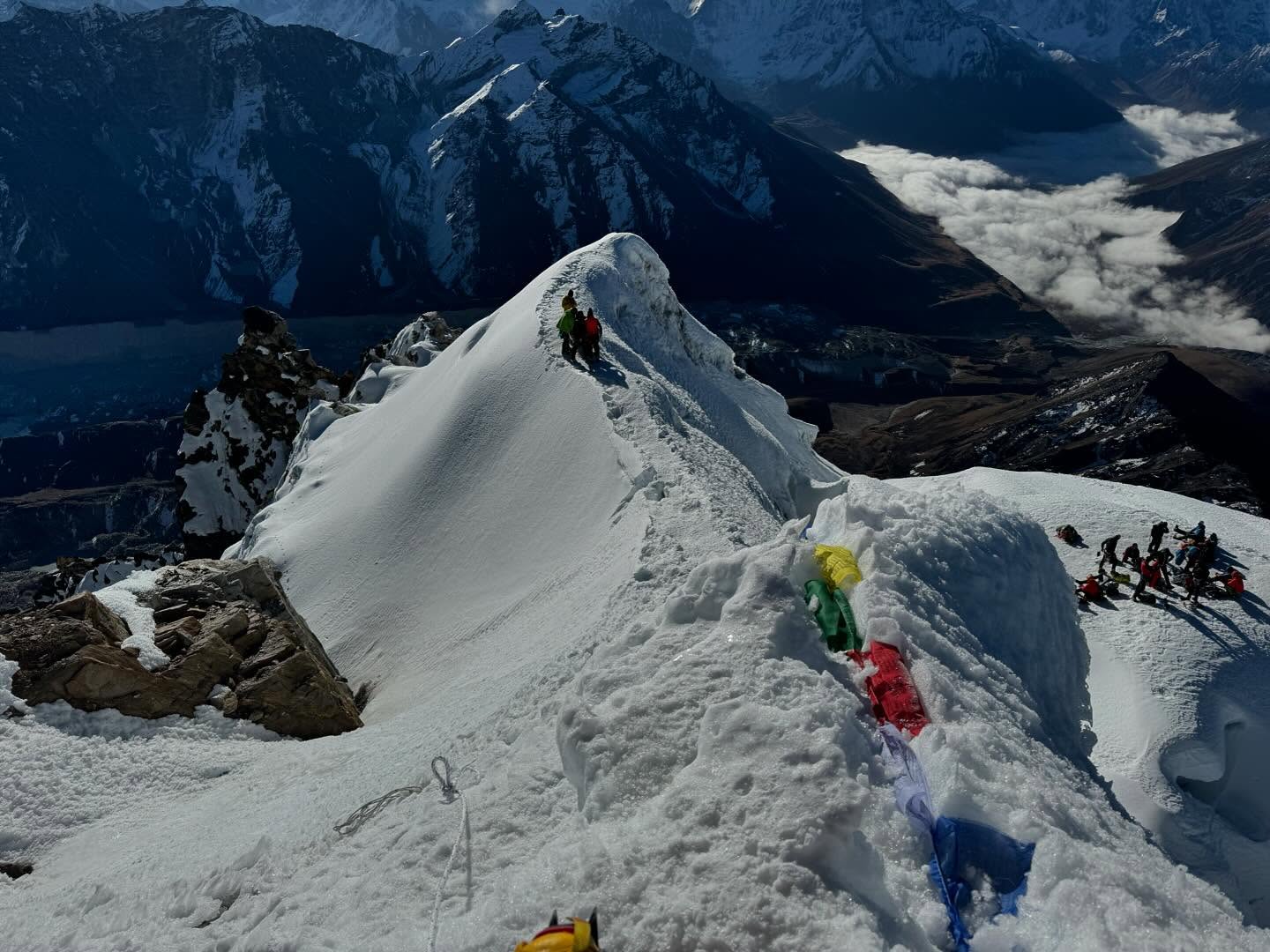
The summit day is physically demanding and can take many hours. The team moves carefully toward the summit while maintaining appropriate spacing and communication. Reaching 7,126 meters is a major achievement, and the summit team will spend only the necessary amount of time at the top before beginning the descent.
Descent to Base Camp
After the summit attempt, descending safely is equally important. The team returns through the higher camps and eventually reaches Base Camp, where climbers can rest, eat, recover, and celebrate the achievement.
Trek from Himlung Base Camp to Phu Gaon
After completing the climbing phase, we leave Base Camp and descend toward Phu Gaon. The descent provides a welcome change after spending time at high altitude.
As we lose elevation, the air becomes noticeably thicker and the surrounding landscape becomes more comfortable. The rugged alpine terrain gradually gives way to the more familiar scenery of the Nar Phu Valley.
We reach Phu Gaon and spend the evening resting and enjoying a warmer, more relaxed atmosphere.
Trek from Phu Gaon to Meta
Today we retrace the trail toward Meta. The descent is generally easier on breathing, although your legs may still feel tired after the expedition.
The route passes through dramatic valleys, rocky landscapes, forests, and remote settlements. With less altitude, vegetation becomes more visible and the surroundings gradually change.
After approximately five hours, we arrive at Meta for an overnight stay.
Trek from Meta to Koto
Our final trekking day takes us from Meta back to Koto. The trail descends through increasingly greener surroundings and follows the valley toward the main Annapurna road.
The lower altitude makes the walk more comfortable, and there is time to appreciate the forests, waterfalls, rocky cliffs, and mountain villages encountered along the route.
After reaching Koto, enjoy a well-earned evening with the expedition team.
Drive Koto to Besisahar
After breakfast, we begin the drive back to Besisahar. The road follows the mountain valleys and gradually descends into warmer environments.
The journey takes approximately eight hours, depending on road and weather conditions. Once in Besisahar, you can relax and enjoy the comforts of a lower-altitude town after the long Himalayan expedition.
Drive Besisahar to Kathmandu)
Today we return to Kathmandu by road. The journey takes around seven hours and retraces the changing landscapes from the middle hills toward the Kathmandu Valley.
Upon arrival in Kathmandu, you will be transferred to your hotel. The rest of the day is free for relaxation, personal activities, shopping, or exploring the city.
This is also an opportunity to celebrate the completion of your Himlung Himal Expedition.
Free Day in Kathmandu
Today is reserved as a flexible day in Kathmandu. You can rest after the expedition, explore the city's cultural attractions, purchase souvenirs, or simply enjoy some quiet time.
The additional day also provides a useful buffer in case unexpected delays occurred during the expedition. In the evening, Create Himalaya Adventure hosts a farewell dinner to celebrate the successful completion of your Himalayan adventure.
It is a chance to share stories with your guides and fellow climbers and reflect on the journey from the Nar Phu Valley to the summit of Himlung Himal.
Final Departure
Your Himlung Himal Expedition officially concludes today. Depending on your international flight schedule, our representative will transfer you to Tribhuvan International Airport for your onward journey.
We hope you leave Nepal with unforgettable memories of the remote Nar Phu Valley, challenging high-altitude climbing, Himalayan culture, and your experience on Himlung Himal.
Not Satisfied with This Itinerary?
Every traveler is different. Customize this trip with the help of our local travel specialists and create an itinerary that perfectly matches your interests, schedule, and budget.
What's included
- Arrival and departure: airport–hotel–airport transfers by private vehicle for international arrival and departure.
- Kathmandu hotel accommodation: four nights of hotel accommodation in kathmandu on a bed-and-breakfast basis, with a single room for each expedition member.
- Welcome dinner: welcome dinner at a tourist-standard nepali restaurant with the create himalaya adventure team.
- Expedition briefing: complete pre-departure briefing, expedition orientation, route information, equipment checking, and preparation assistance.
- Cargo clearance assistance: assistance with customs and cargo clearance procedures for expedition equipment in nepal. applicable customs, storage, or government charges are payable separately where required.
- Expedition permit: nepal government climbing permit and royalty fee for the himlung himal expedition through the authorized regular route.
- Conservation area permit: required conservation-area entry permit for the annapurna and nar phu region.
- Restricted area permit: required permit for entering the restricted nar phu valley.
- Liaison officer: government liaison officer arrangements, including required official expenses, equipment, accommodation, and salary, according to current expedition regulations.
- Garbage management: required garbage-management arrangements and applicable expedition environmental deposits or waste-handling procedures as required by the authorities.
- Expedition map: detailed trekking and himlung himal expedition map for route planning and navigation.
- Duffle bag: one expedition duffle bag for each member for transporting personal trekking and climbing equipment.
- Member transportation: tourist vehicle/jeep transportation from kathmandu to besisahar and koto, and from koto back to besisahar and kathmandu, according to the itinerary.
- Expedition equipment transportation: transportation of necessary expedition equipment and supplies from kathmandu to koto by vehicle and from koto to base camp by porters or pack animals, with return transportation after the expedition.
- Member luggage: porter or pack-animal service for carrying the agreed amount of personal baggage during the trekking section to and from himlung himal base camp.
- Trekking accommodation: lodge or tea-house accommodation during the approach and return trek on a sharing basis.
- Trekking meals: three meals a day—breakfast, lunch, and dinner—during the trekking period, including tea, coffee, and hot drinking water.
- Porter: porters per member up to himlung himal base camp and from base camp on the return journey, according to the agreed baggage allowance.
- Camping: all necessary logistical arrangements for camping during the trekking and expedition approach period.
- Base camp full-board service: full-board food and accommodation at himlung himal base camp throughout the expedition period.
- Base camp meals: three meals a day—breakfast, lunch, and dinner—with tea, coffee, hot water, juice, and selected soft drinks at base camp.
- Base camp food supply: nutritious and hygienically prepared food, including vegetables, fruits, meat, and other suitable expedition provisions, subject to availability and transportation conditions.
- Base camp staff: experienced base camp cook, kitchen helpers, and required support staff throughout the expedition.
- Base camp tent: individual sleeping tent for each expedition member at base camp.
- Base camp facilities: dining tent, kitchen tent, communication area, toilet and shower facilities, storage space, tables, chairs, mattresses, pillows, and necessary cooking equipment.
- Heater: heating facilities in the base camp dining area and other designated areas whenever required by weather conditions.
- solar/generator/light: solar panels and/or generator facilities for lighting and charging essential electronic devices at base camp.
- High-altitude climbing sherpa: one experienced and government-authorized climbing sherpa per expedition member for the climbing period, including acclimatization rotations, summit attempt, and descent, according to the confirmed package.
- Climbing sherpa support: assistance from climbing sherpas with carrying climbing equipment and essential personal gear to the designated higher camps.
- Sherpa salary and allowance: wages, meals, accommodation, equipment, clothing, and applicable allowances for climbing sherpas during the expedition.
- Sherpa carry bonus: applicable high-altitude carry bonus for climbing sherpas as specified in the confirmed expedition package.
- Rope-fixing team: experienced sherpa team responsible for route preparation and fixed-rope installation where required for the climbing route.
- Fixed and dynamic ropes: group climbing ropes and other essential rope systems required for safe movement on technical sections of the mountain.
- Group climbing equipment: essential group equipment such as ice screws, snow anchors, pitons, and other route-protection equipment as required by the expedition team.
- High camp logistics: necessary tents, cooking equipment, epi gas, fuel, utensils, and logistical support at designated high camps.
- High camp food: expedition food and cooking provisions for members, climbing sherpas, and required high-altitude support staff at designated camps.
- High-altitude tent: shared tent accommodation at higher camps, normally two expedition members per tent, subject to camp conditions and availability.
- Climbing training: practical climbing and safety training at base camp, including crampon use, rope techniques, fixed-line movement, glacier travel, and emergency procedures.
- Oxygen backup: emergency oxygen cylinder, mask, and regulator available for the expedition, subject to the agreed package and applicable usage charges.
- Medical kit: comprehensive first-aid and basic medical equipment for expedition members and staff.
- Altitude emergency equipment: portable emergency altitude equipment such as a gamow bag where available and appropriate.
- Weather forecast: regular high-altitude weather forecasting during the climbing period to assist with route planning and summit-window selection.
- Satellite phone: satellite telephone carried by the expedition team for emergency communication. member usage is available at an additional charge.
- Walkie-talkie: walkie-talkies for communication between base camp and climbing teams, including required communication arrangements and permits where applicable.
- Medical support: basic medical consultation and emergency assistance at base camp within the scope of the expedition service.
- Staff insurance: medical and accidental insurance coverage for nepalese trekking, base camp, and expedition staff as required.
- Staff wages and equipment: daily wages, meals, accommodation, clothing, and necessary working equipment for nepalese guides, porters, cooks, kitchen staff, and other support personnel.
- Climbing certificate: himlung himal climbing certificate issued by the authorized nepal government authority after a successful ascent, subject to applicable regulations.
- Farewell arrangement: farewell dinner and cultural experience in kathmandu after completion of the expedition, according to the itinerary.
What's not included
- International airfare: international flight tickets to and from kathmandu, nepal.
- Nepal visa fee: nepal tourist visa fee, visa extension, and other immigration charges applicable to the expedition member.
- Kathmandu lunch and dinner: lunch and dinner in kathmandu except meals specifically mentioned in the confirmed itinerary.
- Extra hotel nights: additional accommodation in kathmandu caused by early arrival, late departure, flight delays, expedition delays, early return, or personal itinerary changes.
- Travel insurance: personal travel insurance covering medical treatment, high-altitude evacuation, helicopter rescue, trip cancellation, interruption, repatriation, and other emergencies. this insurance is mandatory.
- Helicopter rescue: helicopter evacuation, emergency rescue, hospitalization, medical treatment, medicines, medical tests, and repatriation expenses for expedition members.
- Personal medical expenses: doctor consultations, prescription medicines, hospital treatment, personal medical supplies, and treatment costs not covered by the expedition package.
- Personal climbing equipment: all personal trekking and mountaineering equipment, including climbing boots, crampons, ice axe, harness, helmet, ascender, descender, carabiners, down suit, sleeping bag, gloves, goggles, backpack, headlamp, and other personal gear.
- Personal clothing: trekking and expedition clothing, thermal layers, waterproof clothing, down clothing, hats, socks, gloves, and other personal apparel.
- Personal medical kit: individual medicines, prescriptions, personal first-aid supplies, and other personal healthcare items.
- toiletries: soap, shampoo, toothpaste, toothbrush, toilet paper, tissues, towels, sunscreen, lip balm, and other personal hygiene products.
- Personal expenses: telephone calls, internet, battery charging, laundry, hot showers, snacks, bottled water, soft drinks, alcoholic beverages, chocolates, energy drinks, and other personal purchases.
- Internet service: internet and data services during the trekking and expedition period.
- satellite phone usage: personal satellite-phone calls and other satellite communication charges.
- Filming permit: special filming, documentary, commercial photography, camera, drone, and aerial-filming permits or government fees.
- Customs and import duties: nepal customs duty, taxes, storage charges, or other government fees applicable to imported personal or expedition equipment.
- Extra transportation: transportation costs arising from itinerary changes, personal requests, road closures, emergency situations, or services not included in the agreed program.
- Extra porter or staff: additional porters, guides, climbing sherpas, cooks, or other staff requested beyond the agreed expedition team.
- Extra oxygen: additional oxygen cylinders, oxygen use, or supplementary oxygen services beyond what is specifically included in the confirmed package.
- Summit bonus: summit bonus payable to climbing sherpas where applicable and not already included in the confirmed expedition price.
- Tips and gratuities: tips for guides, climbing sherpas, porters, cooks, kitchen staff, base camp staff, drivers, and other supporting personnel.
- Personal gifts: gifts, souvenirs, donations, and personal gratuities for staff or local communities.
- garbage or environmental charges: any additional garbage deposit, waste-management fee, environmental charge, or government penalty introduced after confirmation of the package.
- Additional high-camp services: any high-camp equipment, staff, food, oxygen, tents, or logistical service requested beyond the services specifically included in the confirmed expedition package.
- Weather or natural disaster expenses: additional costs caused by severe weather, landslides, avalanches, road blockages, natural disasters, strikes, political disturbances, government restrictions, or other circumstances beyond the company's control.
- Unused services: no refund will normally be provided for accommodation, meals, transportation, staff, permits, or other services that a member voluntarily chooses not to use after the expedition has commenced.
- Any other unlisted cost: any service, product, permit, activity, equipment, accommodation, transportation, meal, or expense not specifically mentioned under the cost includes section is excluded from the package price.
Important Itinerary Note
The Day 09–24 climbing period is flexible by design. High-altitude expeditions must respond to real mountain conditions rather than follow a fixed summit date. Weather, route security, acclimatization, snow and ice conditions, and the health of climbers can all influence the climbing schedule. The expedition leader may adjust camp rotations, rest days, or the summit attempt whenever necessary to prioritize safety and maximize the possibility of a successful ascent.
FAQs
1. Is Himlung Himal safer than other 7,000-meter peaks for climbers?
Himlung Himal is often regarded as one of the more approachable 7,000-meter peaks because its normal route generally involves snow and ice rather than highly technical rock climbing. However, it is still a serious expedition at 7,126 meters, and altitude, weather, avalanches, crevasses, extreme cold, and changing mountain conditions can create significant risks. Good preparation and an experienced expedition team are essential.
2. What is the altitude of Himlung Himal Base Camp?
Himlung Himal Base Camp is situated at approximately 4,850–4,900 meters (15,900–16,075 feet) above sea level. The exact camp location can vary depending on the season, glacier conditions, and expedition team's route assessment.
3. What experience do I need to join a Himlung Himal Expedition?
Previous experience with high-altitude trekking and preferably at least one significant mountaineering or 6,000-meter climbing experience is strongly recommended. Climbers should be comfortable using crampons, an ice axe, harnesses, fixed ropes, and other basic mountaineering equipment.
4. Do I need specialized high-altitude training before climbing Himlung Himal?
Yes. Specific preparation is highly recommended. Training should include cardiovascular endurance, strength conditioning, long uphill walks, carrying a backpack, and practical mountaineering skills. If you have limited experience with crampons, rope systems, glacier travel, or ascending fixed lines, professional training before the expedition is particularly valuable.
5. How physically fit should I be for the Himlung Himal climb?
You should have excellent endurance and be capable of performing strenuous activity for several hours at altitude. Preparation should focus on aerobic fitness, leg and core strength, muscular endurance, and recovery ability. The expedition becomes significantly more demanding above 6,000 meters because the body receives much less oxygen.
6. What are the biggest factors that influence a successful Himlung Himal summit?
Several factors work together: gradual acclimatization, favorable weather, stable route conditions, physical fitness, technical ability, proper nutrition, adequate rest, reliable equipment, and disciplined decision-making. Most importantly, climbers and guides must be willing to turn around when conditions become unsafe.
7. Why should I choose Satori Adventures for a Himlung Himal Expedition?
A professional expedition operator should provide more than transportation and permits. Satori Adventures' Himlung Himal program can be evaluated based on its experienced high-altitude Sherpa team, expedition logistics, acclimatization strategy, Base Camp support, climbing equipment, weather information, communication systems, and emergency planning. Before booking, climbers should also confirm exactly what services and high-altitude support are included in the package.
8. How can I reduce the risk of Acute Mountain Sickness (AMS)?
The most effective approach is gradual acclimatization. Avoid ascending too quickly, stay properly hydrated, eat sufficiently, sleep adequately, and avoid excessive alcohol. Do not ignore symptoms such as persistent headache, nausea, unusual fatigue, dizziness, or difficulty sleeping. If symptoms worsen, descending is often the safest response.
9. Is there treatment for Acute Mountain Sickness?
Treatment depends on the severity of the symptoms. Rest and stopping further ascent may help mild symptoms, while serious cases require immediate medical attention and descent. Supplemental oxygen and medications may be used under appropriate medical guidance. Severe altitude illness can become life-threatening, so it should never be treated as something to simply tolerate.
10. Can someone with a medical condition climb Himlung Himal?
A medical condition does not automatically mean someone cannot participate, but a 7,000-meter expedition requires careful medical assessment. Anyone with an existing medical condition should discuss the expedition with a qualified doctor familiar with high-altitude medicine before making a booking. The final decision should be based on individual medical advice rather than a general rule.
11. What is the best season for the Himlung Himal Expedition?
Spring and autumn are generally considered the main climbing seasons. Spring usually offers suitable conditions after winter, while autumn follows the monsoon period and can provide clearer mountain views. Exact conditions vary each year, so the expedition schedule must remain flexible.
12. How long does the complete Himlung Himal Expedition take?
A standard organized itinerary can take around 30–35 days, depending on the chosen route, acclimatization schedule, climbing strategy, and weather conditions. The actual summit period needs flexibility because high-altitude climbing cannot always follow a fixed calendar.
13. How long is the actual climbing period on Himlung Himal?
The climbing phase can take approximately two weeks or more, including acclimatization rotations, rest days, higher-camp preparation, and the summit attempt. The number of days can change according to weather, route conditions, and the team's physical condition.
14. What are the main high camps used during the expedition?
A typical expedition may establish progressively higher camps above Base Camp, often around 5,450 m, 6,000 m, and 6,350 m. Camp locations and the number of camps can change depending on snow conditions, route development, weather, and the expedition leader's strategy.
15. How difficult is climbing Himlung Himal?
Himlung Himal is generally considered a challenging high-altitude mountaineering expedition rather than an easy clim. The technical difficulty may be moderate compared with some other Himalayan peaks, but the altitude makes the expedition demanding. Climbers must cope with steep snow and ice, cold temperatures, thin air, long summit days, and potentially difficult weather.
16. How do climbers acclimatize before attempting the summit?
Acclimatization normally takes place gradually during the approach trek and continues through rotations above Base Camp. Climbers may move to higher camps, spend appropriate time there, and return to lower elevations for recovery. The exact rotation plan is determined by the expedition leader according to individual adaptation and mountain conditions.
17. What type of climbing route is used on Himlung Himal?
The normal climbing route generally involves glacier travel, snow slopes, icy terrain, and sections of fixed rope. Technical conditions can change considerably from one season to another. Crevasses, ice conditions, snowfall, and route changes must be assessed by the expedition's climbing team.
18. Do I need to know how to use crampons and an ice axe?
Yes, basic proficiency with mountaineering equipment is highly beneficial. You should understand how to walk safely in crampons, use an ice axe, attach yourself to fixed ropes, climb with a harness, and move efficiently on snow and glacier terrain. An expedition team may provide practical training at Base Camp, but prior experience is preferable.
19. How much does personal climbing equipment cost for a Himlung Himal Expedition in 2026?
The amount varies significantly depending on what you already own and the quality of equipment you choose. A complete personal kit can represent a substantial additional expense because high-altitude expeditions require specialized items such as high-altitude boots, down clothing, technical layers, crampons, ice axe, harness, helmet, sleeping bag, gloves, goggles, and other equipment. Renting selected items can reduce the initial cost.
20. Is bottled oxygen necessary for every Himlung Himal climber?
Not necessarily. Some climbers attempt Himlung without supplemental oxygen, while emergency oxygen may be carried as a safety resource. The need for oxygen depends on the climber, altitude response, weather, medical circumstances, and expedition strategy. Decisions about oxygen should be made by qualified expedition staff and medical professionals.
21. How cold does it get during the Himlung Himal climb?
Temperatures can become extremely low, particularly during the night and around the summit period. Wind can make conditions feel considerably colder than the recorded air temperature. Climbers therefore need a properly layered clothing system, high-altitude down protection, warm gloves, suitable footwear, and a sleeping bag designed for severe Himalayan conditions.
22. What happens if the weather is unsuitable for the summit?
The summit attempt may be postponed until a safer weather window develops. The team may spend additional time at Base Camp or lower camps, depending on the situation. If conditions remain dangerous, the expedition leader may cancel the attempt. Safety should always take priority over reaching the summit on a predetermined date.
23. Is Himlung Himal suitable as preparation for an 8,000-meter expedition?
It can be valuable preparation for climbers who want to progress toward higher Himalayan objectives. Spending time above 7,000 meters provides experience with prolonged exposure to extreme altitude, cold, demanding camp routines, high-altitude nutrition, fixed ropes, summit strategy, and expedition logistics. However, climbing Himlung does not automatically qualify someone for an 8,000-meter peak.
24. How remote is the Himlung Himal Expedition?
The expedition enters the Nar Phu Valley, one of the more isolated areas of the Annapurna region. After leaving Koto, the surroundings become increasingly remote, with limited infrastructure and fewer settlements than on Nepal's major trekking routes. This isolation is one of the defining features of the expedition.
25. What makes the Nar Phu Valley approach special?
The approach is much more than a route to Base Camp. It passes through dramatic Himalayan landscapes and traditional settlements influenced by Tibetan culture. Ancient villages, Buddhist monasteries, mani walls, prayer flags, narrow gorges, alpine pastures, and spectacular mountain scenery make the journey an important part of the Himlung Himal experience.
26. Can I join the expedition alone, or do I need to be part of a group?
You can inquire about joining a scheduled group expedition or arrange a private expedition, depending on the operator's departure schedule and current regulations. Even when traveling as an individual client, you will normally be part of an organized expedition team for permits, logistics, climbing support, and safety.
27. What should I do if I develop altitude sickness during the expedition?
Tell your guide immediately rather than hiding the symptoms. The team will assess your condition and decide whether rest, treatment, supplemental oxygen, or descent is required. If symptoms become serious, continuing upward can be dangerous. Your health should always take priority over the summit.
28. How much baggage can I take on the Himlung Himal Expedition?
The permitted baggage allowance depends on the expedition operator and transportation arrangements. Personal baggage carried by porters or pack animals should remain within the agreed limit. It is best to confirm the exact weight allowance before departure because excessive baggage can create additional porterage and transportation costs.
29. What permits are required for Himlung Himal?
The expedition normally requires a Nepal Government mountaineering permit, the applicable conservation-area permit, and authorization for entering the restricted Nar Phu region. Additional documentation may apply depending on current government regulations, expedition size, communication equipment, and route arrangements.
30. What happens after reaching the summit of Himlung Himal?
After spending only the necessary amount of time at the summit, climbers descend through the higher camps toward Base Camp. Once the climbing equipment and expedition camp are dismantled, the team returns through the Nar Phu Valley toward Koto and then travels back to Kathmandu. The descent is treated as an important part of the expedition because fatigue and altitude remain significant risks even after the summit has been reached.
No hidden fees • Best price guarantee