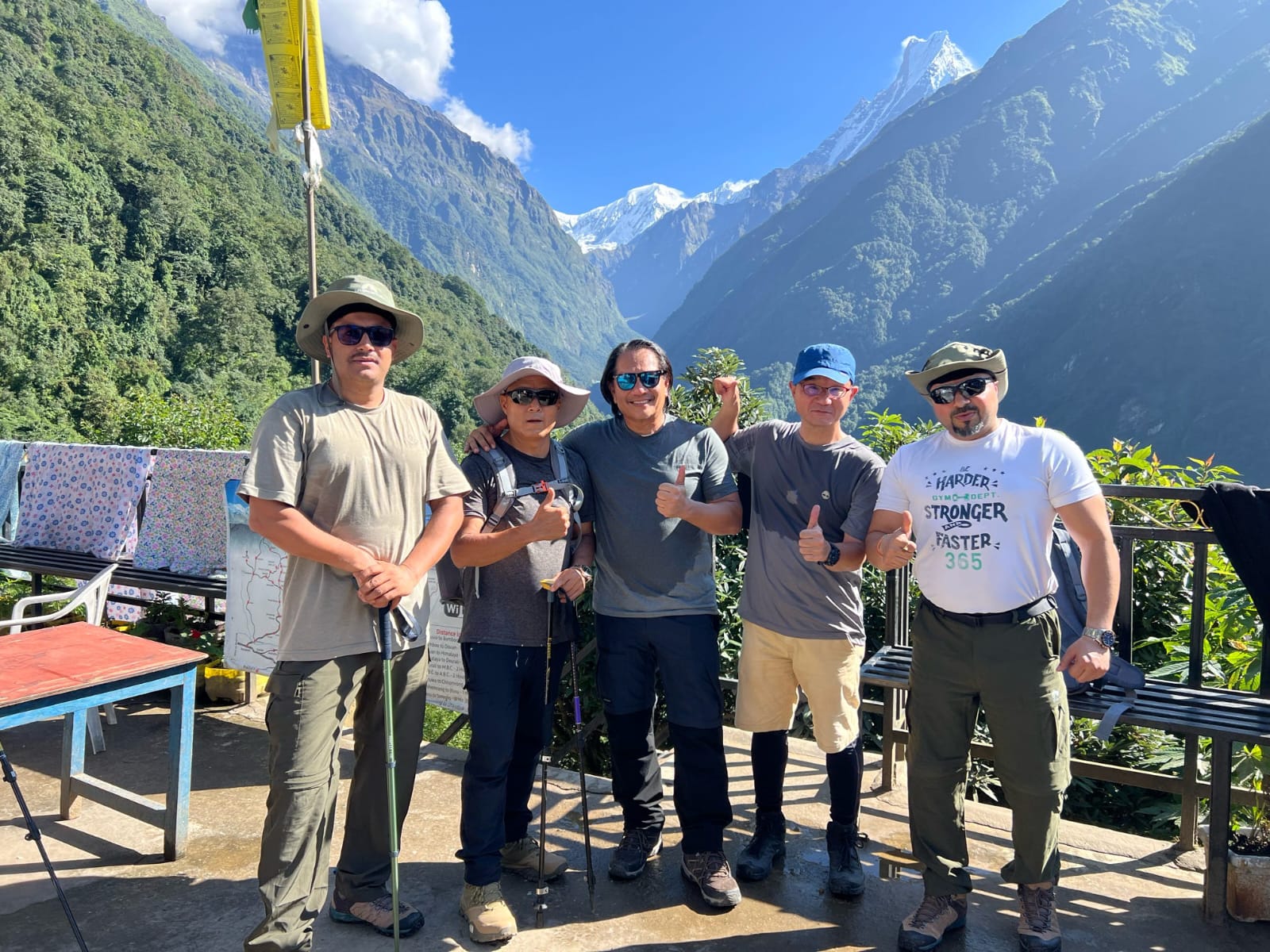
Annapurna Base Camp Trek – 11 Days
The 11-days Annapurna Base Camp Trek is a spectacular Himalayan journey that combines mountain scenery, peaceful villages, diverse landscapes, and authentic local culture. The adventure begins with a scenic drive […]
Highlights
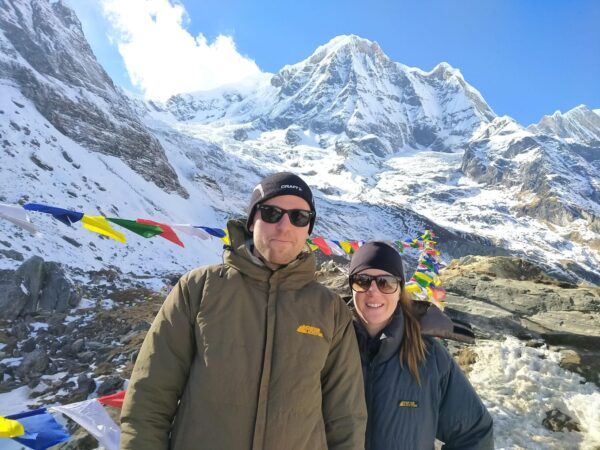
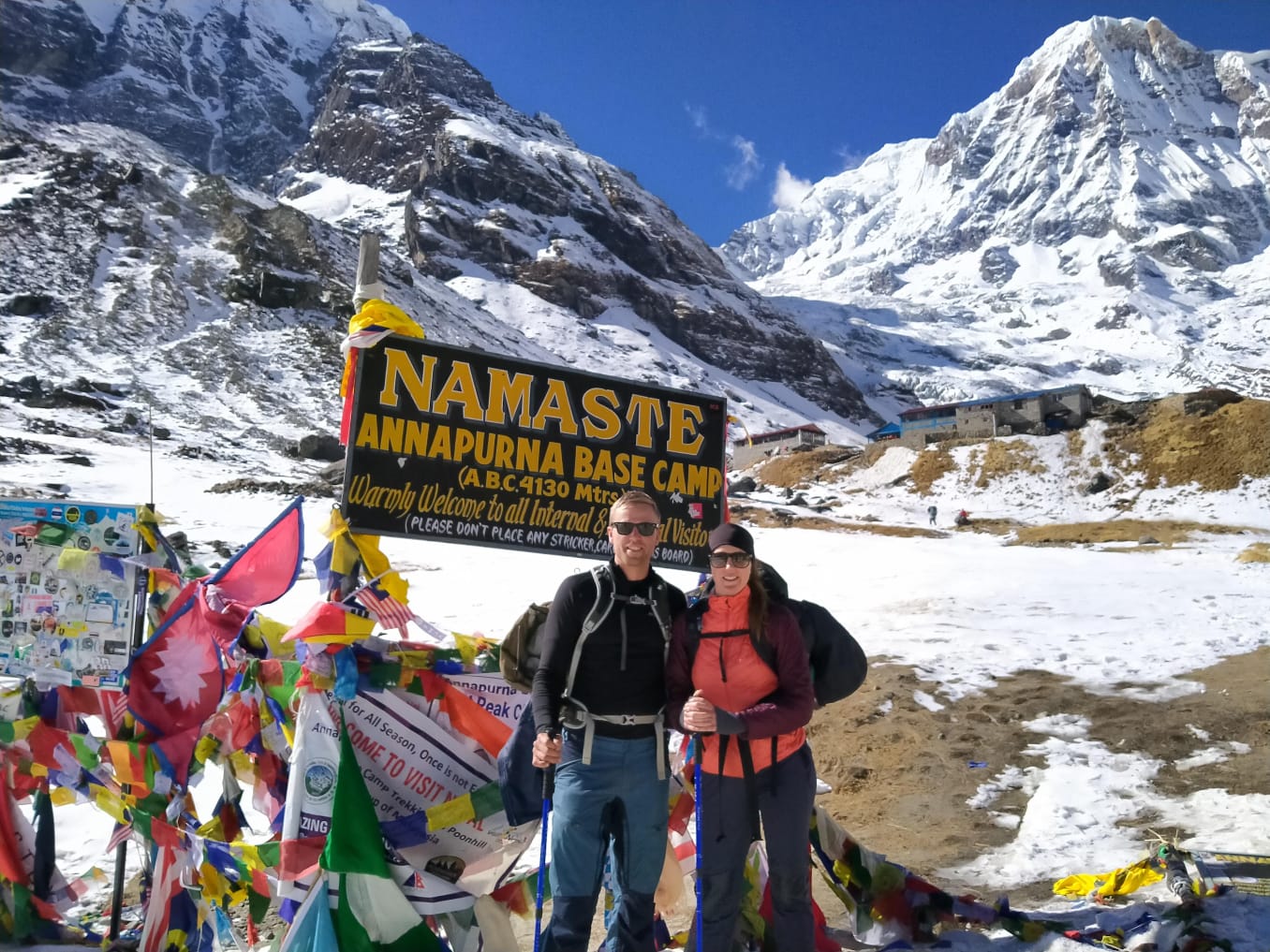
- Stand at Annapurna Base Camp (4,130 m) beneath the towering Annapurna I, one of the world’s highest mountains.
- Explore the spectacular Annapurna Sanctuary, a natural Himalayan amphitheater enclosed by massive snow-capped peaks.
- Admire breathtaking mountain panoramas of Annapurna I, Annapurna South, Machhapuchhre (Fishtail), Hiunchuli, Annapurna III, and surrounding summits.
- Trek through changing landscapes, from terraced farmland and lush valleys to rhododendron, bamboo, and alpine forests.
- Experience authentic Himalayan village life in traditional Gurung and Magar settlements along the trekking route.
- Discover local traditions and mountain hospitality through village homes, prayer flags, chortens, shrines, and Buddhist cultural sites.
- Follow the scenic Modi River valley, with waterfalls, rocky cliffs, peaceful forests, and dramatic mountain scenery.
- Enjoy diverse natural surroundings, where forest birds and Himalayan wildlife can be spotted in the quieter sections of the trail.
- Experience Machhapuchhre Base Camp, one of the most dramatic stops before entering the Annapurna Sanctuary.
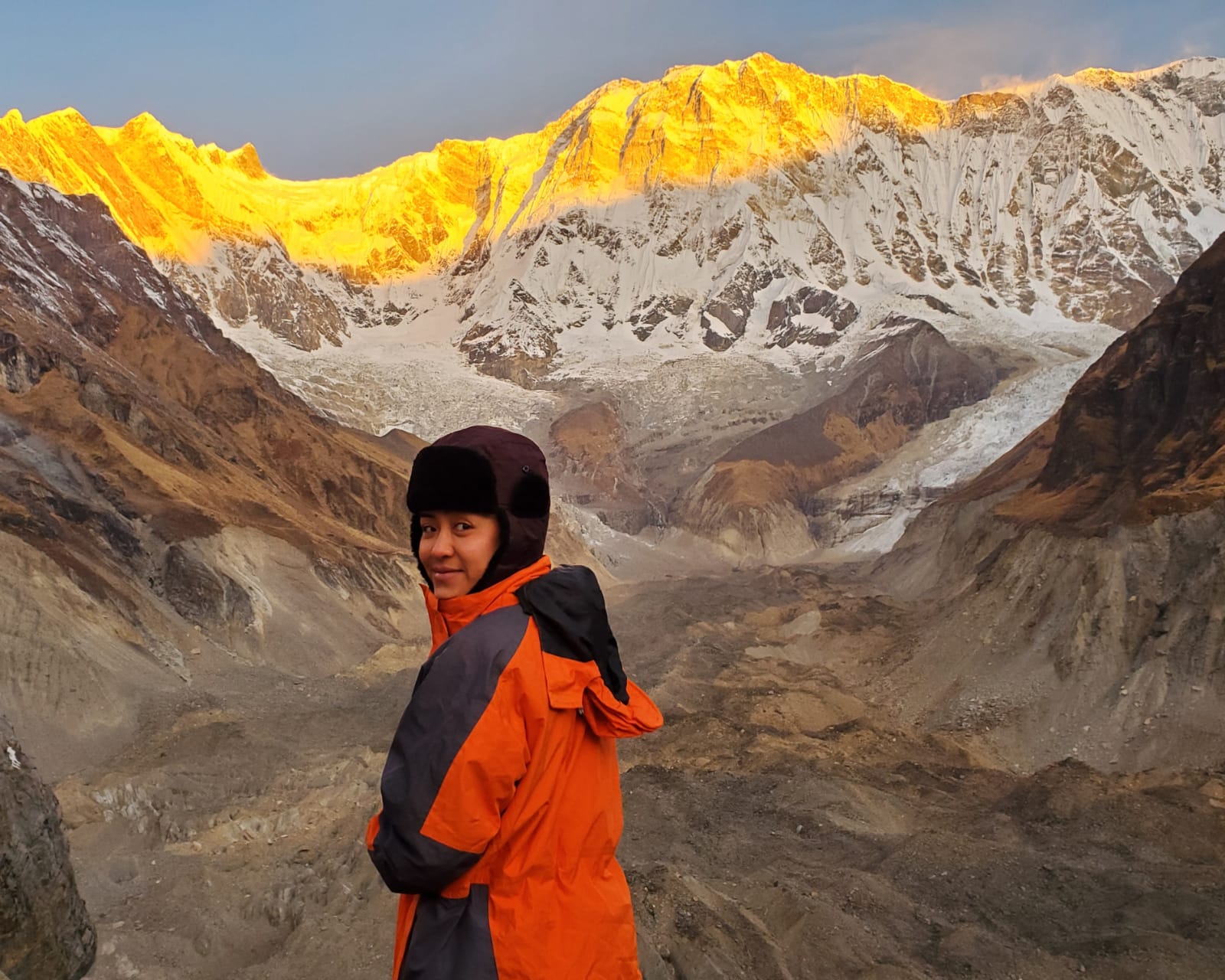
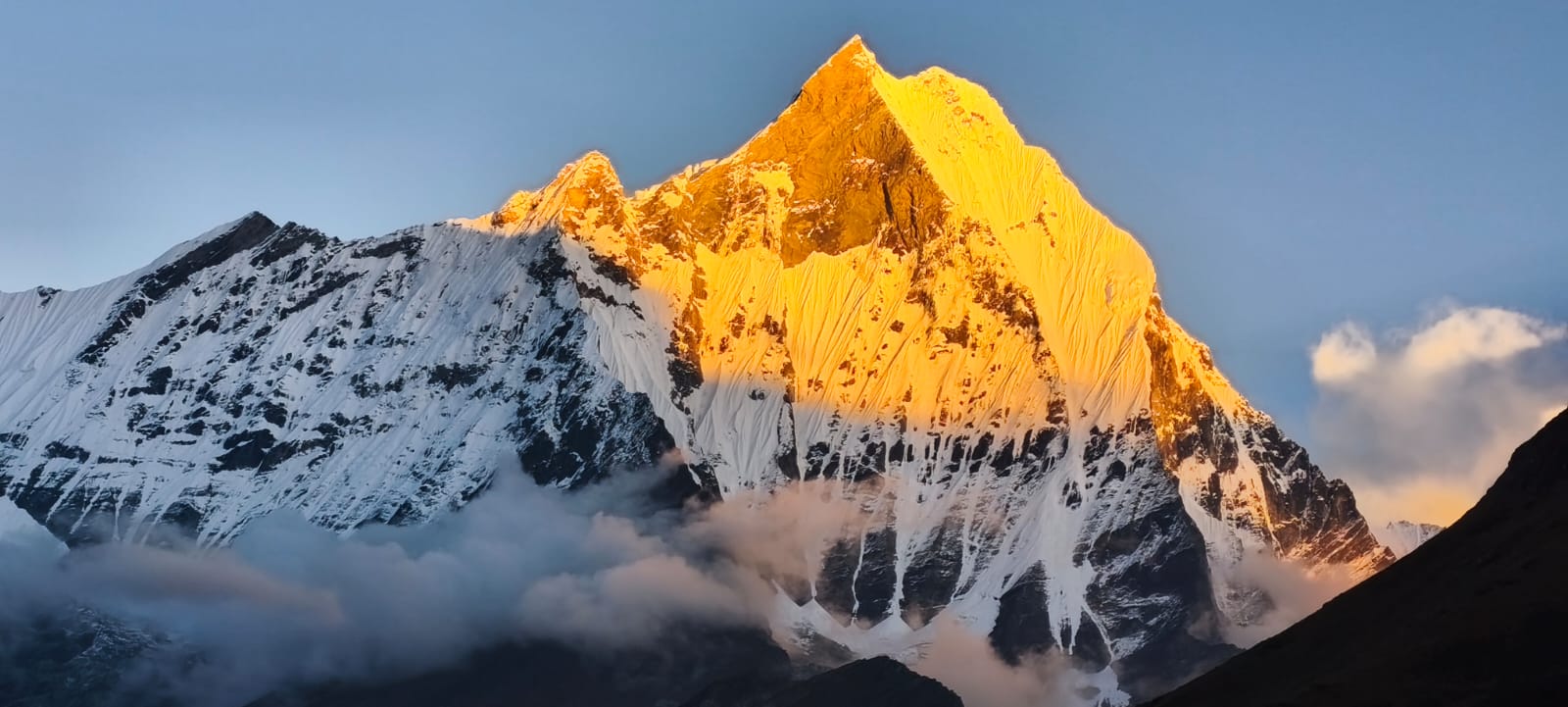
- Capture unforgettable sunrise and sunset moments as golden light falls across the surrounding Himalayan peaks.
- Enjoy a rewarding Himalayan adventure that brings together spectacular scenery, cultural encounters, natural beauty, and an achievable high-altitude trekking experience.
Overview
The 11-days Annapurna Base Camp Trek is a spectacular Himalayan journey that combines mountain scenery, peaceful villages, diverse landscapes, and authentic local culture. The adventure begins with a scenic drive from Kathmandu to Pokhara, followed by a drive deeper into the Annapurna region and up to Ghandruk, a beautiful Gurung settlement surrounded by green hills and impressive mountain views. From Ghandruk, the trekking trail gradually ascends through Chhomrong, Sinuwa, and Bamboo, following forested paths alongside the Modi River. The route passes through lush rhododendron and bamboo forests, terraced hillsides, waterfalls, and traditional villages before reaching Dovan, Himalaya, and Deurali. Each day brings a noticeable change in scenery, from warm lower valleys and farmland to cooler forests and rugged Himalayan terrain.
Beyond Deurali, the landscape becomes increasingly alpine as the trail continues toward Machhapuchchhre Base Camp (MBC) and finally Annapurna Base Camp (ABC) at 4,130 meters. The route enters the remarkable Annapurna Sanctuary, a naturally enclosed mountain basin surrounded by some of the Himalayas’ most impressive peaks. From MBC and ABC, trekkers can admire Annapurna I (8,091 m), Annapurna South, Annapurna III, Annapurna IV, Hiunchuli, Machhapuchchhre (6,993 m), and other snow-covered peaks. The mountain amphitheater at Annapurna Base Camp is the defining highlight of the journey, especially during sunrise and sunset when the surrounding peaks glow with changing shades of light. Along the trail, viewpoints around Ghandruk, Chhomrong, Sinuwa, Deurali, MBC, and ABC offer different perspectives of the Himalayan landscape, while forests, cliffs, valleys, waterfalls, glaciers, and high-altitude meadows create remarkable visual variety.
The trek is equally rewarding for its culture, nature, and wildlife. Ghandruk and other settlements provide opportunities to experience Gurung and Magar traditions, while stone houses, prayer flags, chortens, Buddhist shrines, local farms, and traditional mountain hospitality add cultural depth to the journey. The lower sections are rich in vegetation and may offer encounters with Himalayan birds, monkeys, deer, and other forest wildlife, while the upper sanctuary reveals a quieter world of alpine vegetation and rocky mountain terrain. Trail conditions vary throughout the trek, with well-established stone steps and village paths in the lower sections, forest trails around Sinuwa and Bamboo, and steeper, rockier sections toward Deurali, MBC, and ABC. The final approach can be demanding because of altitude, cold temperatures, and uneven terrain, but the changing scenery and spectacular mountain surroundings make every step worthwhile. With its combination of Himalayan panoramas, diverse landscapes, mountain culture, forests, wildlife, and challenging but rewarding trails, the 11-day ABC Trek offers a complete and memorable experience in the heart of the Annapurna Himalayas.
Major Attractions of the Annapurna Base Camp Trek via Ghandruk Village
The Annapurna Base Camp Trek via Ghandruk Village is one of Nepal’s most rewarding Himalayan journeys, combining breathtaking mountain scenery, rich Gurung culture, and the spectacular landscapes of the Annapurna Sanctuary. The trek passes through traditional mountain villages, lush rhododendron and bamboo forests, terraced farmlands, and high alpine terrain before reaching Annapurna Base Camp at 4,130 meters. Along the route, trekkers enjoy close-up views of Annapurna I, Machapuchhre (Fishtail), Annapurna South, Hiunchuli, and several other majestic Himalayan peaks.
Ghandruk Village (1,940 m)
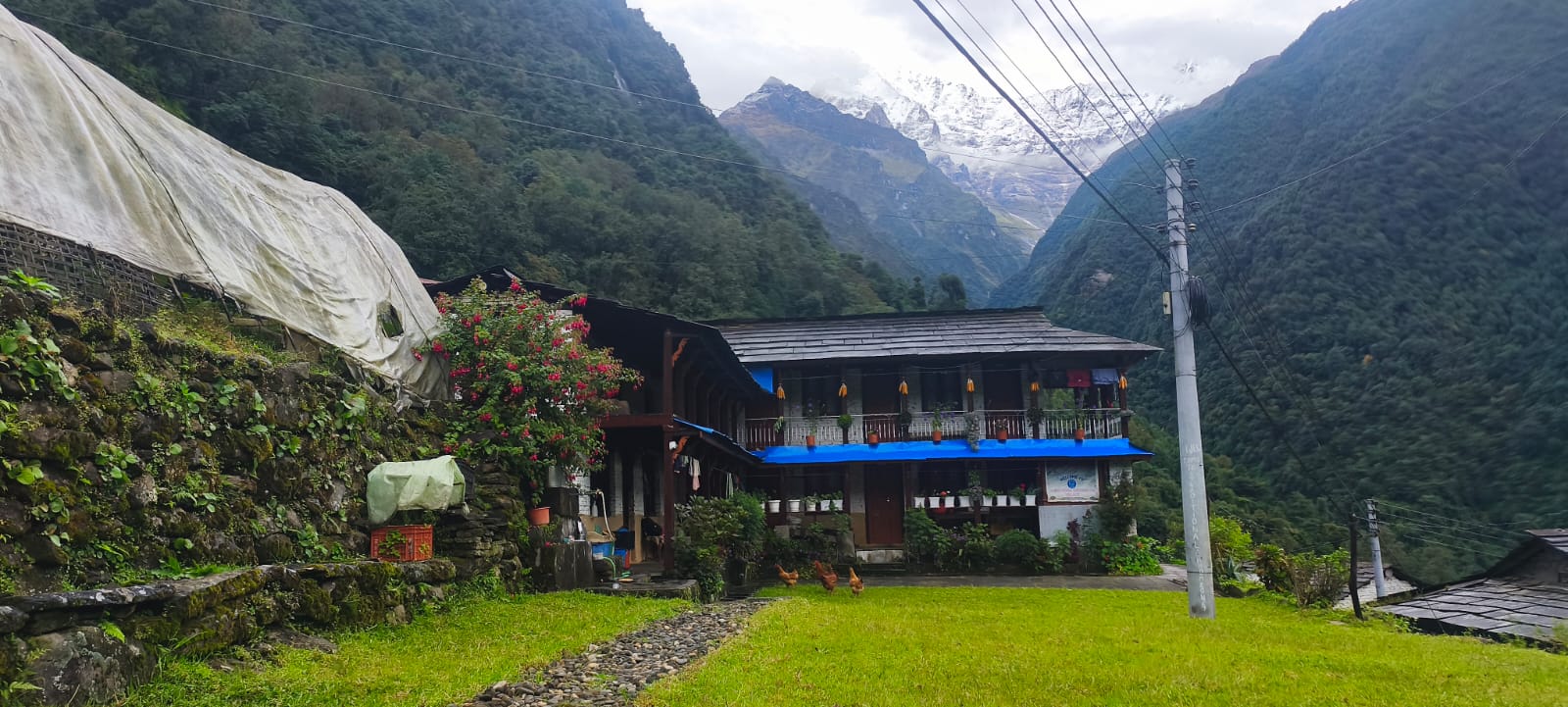
Ghandruk is one of the largest and most picturesque villages in the Annapurna region and serves as a cultural highlight of the trek. This traditional Gurung settlement is known for its stone-paved alleys, slate-roofed houses, terraced farmlands, and stunning mountain scenery. The village offers spectacular views of Annapurna South, Hiunchuli, and Machapuchhre (Fishtail), making it one of the most scenic stops on the route. Visitors can explore the Gurung Cultural Museum, which showcases the history, traditions, traditional clothing, farming tools, and lifestyle of the Gurung people. Trekkers also have the opportunity to experience authentic Gurung culture through interactions with local families, traditional hospitality, and daily village life, providing a fascinating insight into one of Nepal’s most renowned mountain communities.
Chhomrong Village (2,170 m)
Chhomrong is the gateway to the Annapurna Sanctuary and the last major permanent settlement before entering the higher mountain region. This beautiful Gurung village offers spectacular views of Annapurna South and Machapuchhre while providing trekkers with a glimpse into traditional mountain life.
Machapuchhre Base Camp (3,700 m)
Machapuchhre Base Camp sits beneath the iconic sacred peak of Machapuchhre (Fishtail Mountain). Surrounded by towering snow-covered summits, the area offers dramatic alpine scenery and a true Himalayan atmosphere. It is one of the most scenic stops on the trek before reaching Annapurna Base Camp.
Annapurna Base Camp (4,130 m)
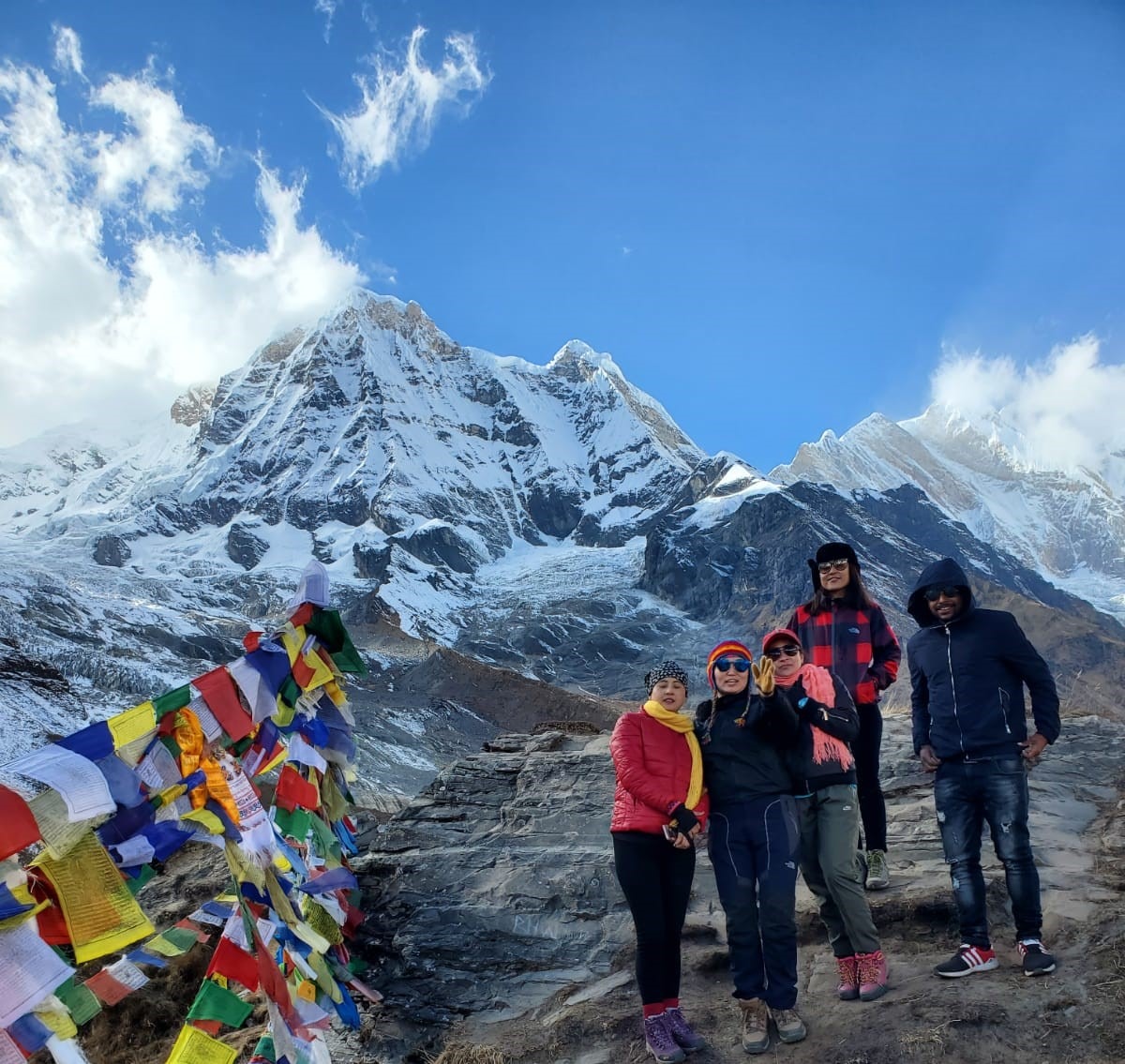
The ultimate highlight of the trek, Annapurna Base Camp lies at the heart of the Annapurna Sanctuary. Encircled by a breathtaking ring of Himalayan giants, including Annapurna I (8,091 m), Annapurna South, Hiunchuli, and Machapuchhre, the base camp provides one of the most spectacular mountain panoramas in Nepal. The sunrise and sunset views from the sanctuary create an unforgettable Himalayan experience.
Annapurna Base Camp Trek Difficulty
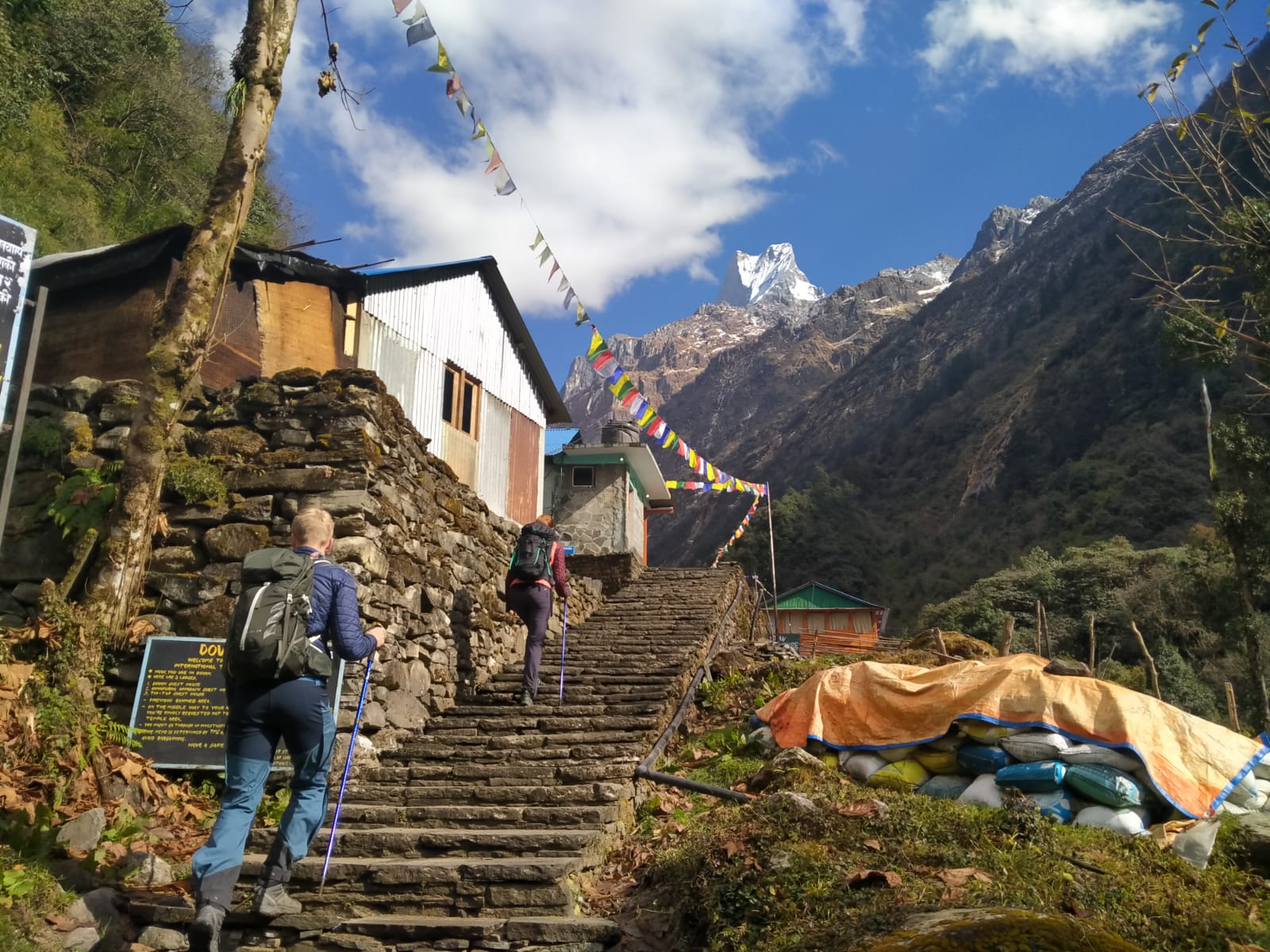
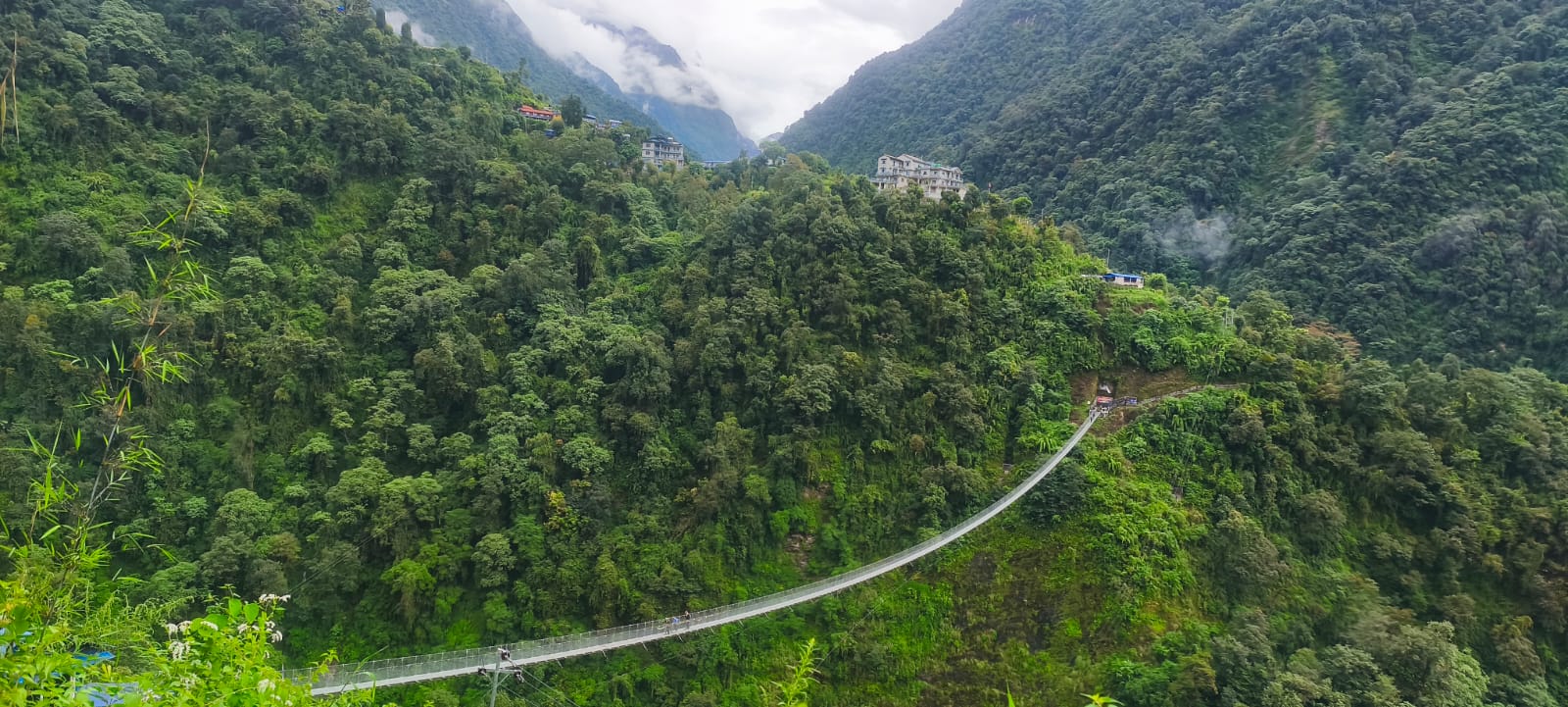
The Annapurna Base Camp Trek is considered a moderate trekking adventure suitable for both beginners and experienced hikers. The trail includes stone staircases, forest paths, suspension bridges, and gradual uphill climbs through the Annapurna region.
Although the trek does not require technical climbing skills, good physical fitness and preparation are important. Daily walking hours usually range between 5 to 7 hours. Proper acclimatization, slow pacing, and regular rest help trekkers complete the journey comfortably.
Read More: How Difficult is the Annapurna Base Camp Trek?
Is Annapurna Base Camp Trek Right For You?
The Annapurna Base Camp Trek is ideal for trekkers looking for a classic Himalayan experience with moderate difficulty. It is perfect for nature lovers, photographers, adventure seekers, and travelers wanting to explore Nepal’s mountain culture and landscapes.
The trek is suitable for beginners with reasonable fitness as well as experienced trekkers seeking a shorter Himalayan adventure. Stunning mountain views, diverse scenery, and comfortable teahouse facilities make it one of Nepal’s most popular trekking destinations.
Why Choose Annapurna Base Camp (ABC) Trek?
The Annapurna Base Camp (ABC) Trek is one of Nepal’s most iconic Himalayan journeys, offering a rare combination of dramatic mountain scenery, cultural richness, and accessible trekking conditions. Reaching an altitude of 4,130 meters, the trail takes you deep inside the natural amphitheater of the Annapurna Sanctuary, surrounded by some of the highest and most beautiful peaks in the world.
Here’s why the ABC Trek stands out as a top choice for trekkers from around the globe.
1. Up-Close Himalayan Mountain Experience
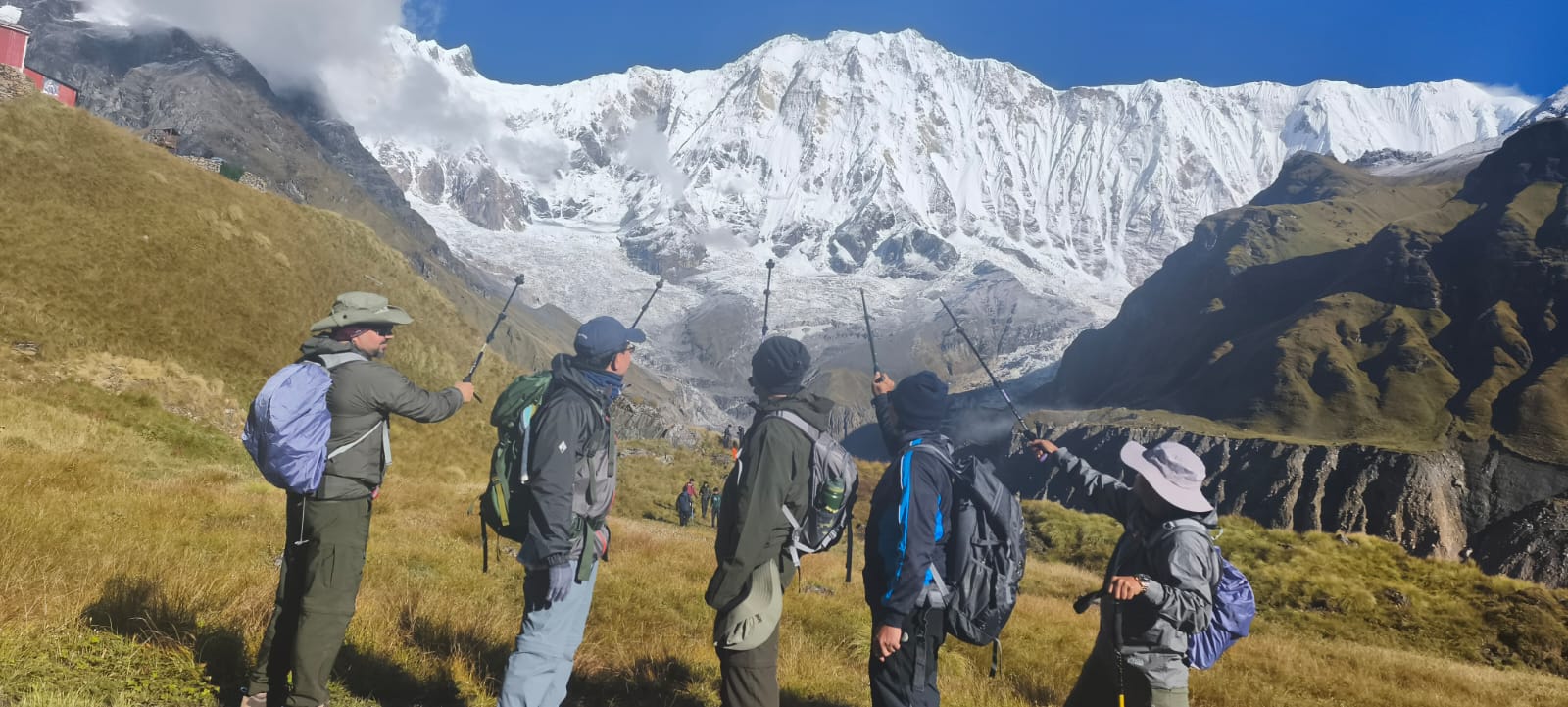
One of the biggest reasons to choose the ABC Trek is the incredible mountain views throughout the journey. The trail brings you face-to-face with giants like Annapurna I (8,091 m), Annapurna South, Machapuchhre (Fishtail), Hiunchuli, and other surrounding peaks.
Unlike distant viewpoints, ABC places you right at the base of the mountains, creating a 360-degree natural amphitheater of snow-covered giants—an experience few treks in the world can match.
2. A Perfect Balance of Adventure and Accessibility
The Annapurna Base Camp Trek is considered a moderate trek, making it ideal for both beginners and experienced trekkers. You don’t need technical climbing skills, and the trail is well-established with comfortable teahouse accommodation along the way.
Daily walking hours are manageable, usually around 5–7 hours, making it achievable for fit travelers who are prepared for steady uphill trekking and varied terrain.
3. Rich Cultural Experience Along the Trail
The ABC route passes through traditional villages inhabited by Gurung, Magar, Thakali, and other ethnic communities. This gives trekkers a chance to experience authentic Himalayan culture, hospitality, and lifestyle.
You’ll pass prayer flags, Buddhist monasteries, stone houses, and terraced farmland, offering a deep cultural contrast to the high mountain landscapes.
4. Diverse and Beautiful Landscapes
The Annapurna Base Camp Trek is a journey through an impressive range of landscapes that change naturally as you gain altitude. The lower trail passes through warm subtropical forests filled with blooming rhododendrons, bamboo, ferns, and other Himalayan vegetation, while terraced fields and green hills surround traditional mountain villages. As the trail climbs higher, the scenery gradually becomes more rugged, with steep valleys, cascading waterfalls, rocky slopes, and alpine terrain replacing the lush vegetation. Near Machhapuchhre Base Camp and Annapurna Base Camp, the landscape opens into the magnificent Annapurna Sanctuary, where glaciers, massive rock walls, and snow-covered peaks rise dramatically on every side. This constant transformation of forests, farmland, rivers, cliffs, and high Himalayan scenery makes each section of the ABC Trek feel different and keeps the journey visually rewarding from beginning to end.
5. A Short Yet Rewarding Himalayan Adventure
Compared to longer treks like the Annapurna Circuit, the ABC Trek is relatively shorter while still delivering a complete Himalayan experience. It is perfect for travelers with limited time who still want to experience high mountains, culture, and adventure in one journey.
6. Stunning Sunrise and Photography Opportunities
From forest trails to high viewpoints, the ABC Trek is a paradise for photographers. Sunrise views over Annapurna and Machapuchhre are especially unforgettable, with golden light reflecting off snow-covered peaks.
7. Comfortable Tea House Experience
The route is well-developed with teahouses offering meals, lodging, and basic facilities. This makes the trek comfortable and convenient, even in remote mountain regions.
Note: If you have limited time for the Annapurna Base Camp Trek and cannot manage a longer itinerary, you can choose our 7-days Short Annapurna Base Camp Trek. It is an ideal option for travelers who want to reach Annapurna Base Camp within a short period.
Trip Itinerary
Welcome to Kathmandu
Arrive in Kathmandu, the historic capital city of Nepal and the gateway to the Himalayas. Upon arrival at Tribhuvan International Airport, one of our representatives will meet and greet you and transfer you to your hotel. Depending on your arrival time, an orientation meeting will be arranged with your guide to provide a brief overview of the trek. Enjoy your leisure time exploring the city’s lively streets, local markets, and rich cultural heritage.
Kathmandu to Pokhara (Drive)
We will arrange your transfer from the hotel to the bus station in both Kathmandu and Pokhara. Tourist buses usually depart around 6:30 AM. A flight option is also available upon request.
Your package includes a stay at a comfortable hotel in Pokhara, allowing you to relax and rest well. Please note that while hotel accommodation is included, dinner is not included in the package price and can be enjoyed at your own choice.
Pokhara to Naya Pul (Drive) to Ghandruk
After breakfast, we depart Pokhara and drive for about one hour to Naya Pul, where our trek begins. The trail passes through charming villages such as Birethanti, home to Gurung and Magar communities, offering a warm introduction to local mountain life.
Along the way, We passes waterfalls, and seen Annapurna Range From here, we continue trekking for a total of around five hours to reach our first overnight stop at Ghandruk.
In Ghandruk, there is time to visit the Gurung Museum, where traditional tools, household items, and displays offer insight into the daily life and culture of the Gurung people. In the evening, we enjoy dinner at the teahouse, a great opportunity to relax and get to know your guide and fellow trekkers.
Ghandruk to Chomrong
Our day begins with a gradual ascent from Ghandruk, walking along the path of the Modi Khola River. The trail unfolds through terraced fields and lush forest, framed all the while by the distant, watchful peaks of Machapuchare and Annapurna South.
After a short ascent, the path descends sharply into a cool world of rhododendron and oak. It leads us down to the Kimrong Khola, a swift, glacier-fed stream we cross on a long, swaying suspension bridge—a moment of simple, airy joy.
Then, the real work begins: a steep, two-hour climb upward. The forest grows quiet, the air thin, but the reward is a breathtaking, widening panorama of the Himalayas. At the top, we arrive at Chhomrong, a sprawling village terraced into the mountainside. Known as a sister to Ghandruk, it is home to the Gurung people, one of Nepal's storied mountain communities, and offers a welcoming rest at the day’s end.
Trek from Chomrong to Bamboo
We start the morning in Chhomrong with a steep descent down long stone steps, passing terraced fields and forested hillsides. At the valley floor, we cross a suspension bridge over the Chhomrong Khola, marking the start of a steady uphill climb through dense woodland.
After climbing, we reach Sinuwa (2,360 m), a small village where we take a short break, enjoy a cup of tea, and look back over the valley below. From here, the trail continues through cool, shaded forests of rhododendron and bamboo, filled with birdsong and flowing streams.
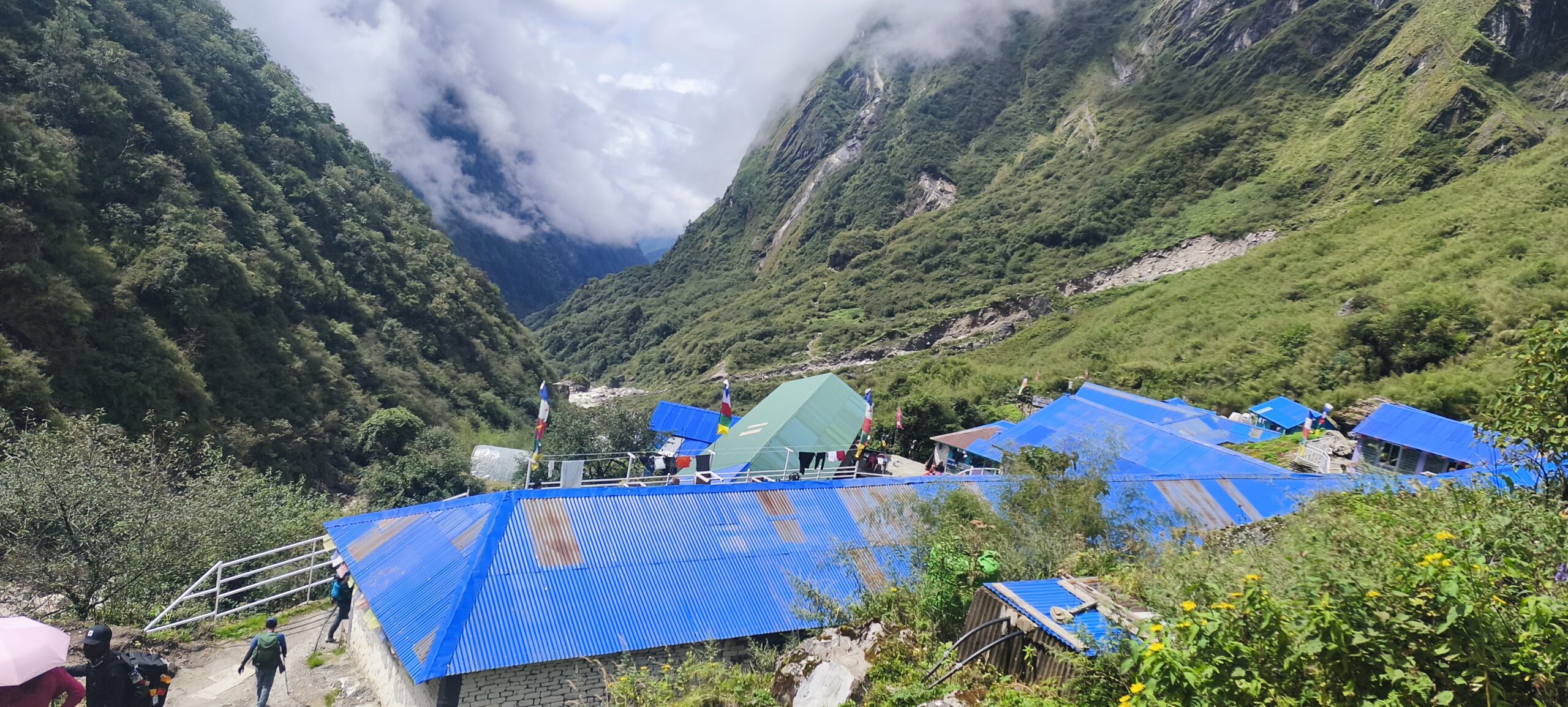
As the forest becomes more humid and jungle-like, we pass Upper Sinuwa and then gently descend to Bamboo. Surrounded by tall bamboo groves, this quiet settlement is our stop for the night.
Trek from Bamboo to Deuralli
The trail climbs steadily deeper into the sanctuary leaving behind the Bamboo. The forest slowly thins, and the sound of the Modi Khola River replaces the quiet of the bamboo groves. Along the way, small stops like Dovan and Himalaya offer a place to rest and have tea.
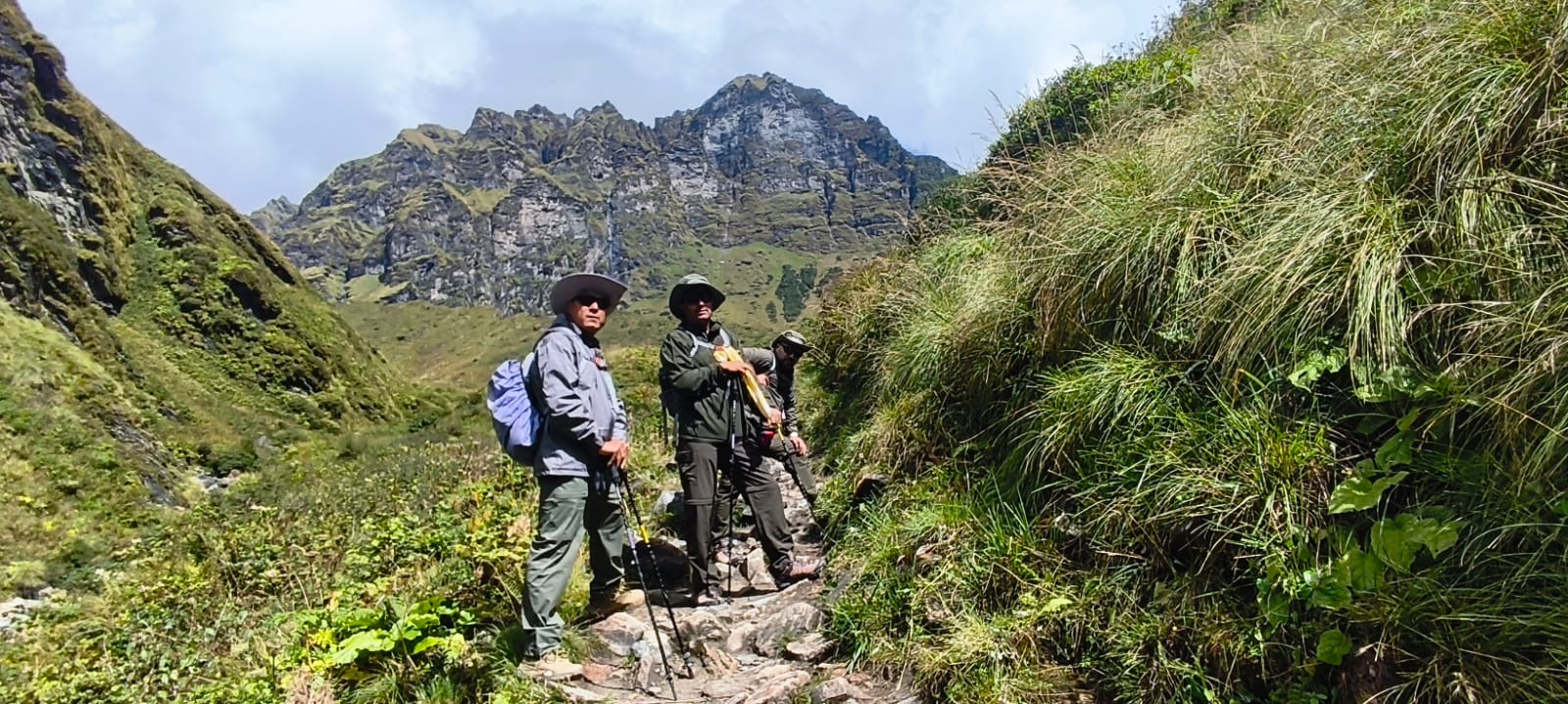
As we ascend, the landscape becomes more rugged. The path follows rocky ridges, with waterfalls cascading down cliffs. Fewer trees, the air turns cooler, and the mountains begin to feel closer. If you’re lucky, you may encounter wildlife langurs in the remaining forest along the trail.
By the time we reach Deurali, the scenery feels truly alpine. Surrounded by towering peaks and crisp mountain air, this peaceful spot marks the gateway to the high mountains. We rest here for the night, preparing for the journey deeper into the heart of the Himalayas the next day.
Trek from Deurali to Annapurna Base camp (ABC)
Today is the climax of the trek. You leave Deurali and climb into the high sanctuary, where the air is thin, and the peaks feel close. The path winds through a stark, rocky gorge before opening at Machapuchare Base Camp. Here, the iconic Fishtail Mountain stands before you.
The final stretch leads across a sweeping alpine valley. As you walk, a full circle of snowy giants rises on all sides. You arrive at Annapurna Base Camp, surrounded by the highest walls in the world. You have reached the heart of the mountains.
Trek from Annapurna Base Camp to Bamboo
Leaving the silent giants behind, you begin the long walk down. The thin, cold air of the base camp gives way with every step. You retrace the path through the vast valley, past Machapuchare Base Camp, and back into the green embrace of the forest. The world grows warmer, thicker, and alive with the sound of water and birds.
It is a long day of descent, a steady test for your knees, but the changing scenery is its own reward. By afternoon, you slip back into the cool, quiet bamboo groves, arriving once more at the village named Bamboo. Here, in the deep green stillness, you can finally rest tonight.
Trek from Bamboo to Jhinu Danda Drive to Pokhara
The final day's walk is a gift to your senses. You climb briefly to Sinuwa, then descend through cool forests and stone staircases back to the river at Chhomrong Khola. A last push uphill returns you to Chhomrong village for a final glimpse of the peaks.
Then, the trail turns decisively downward, weaving through terraced fields toward the Jhinu Danda. Your reward awaits: a steep 20-minute path leads to the riverside hot springs. Sinking into the warm, mineral waters, with the river rushing nearby, is the perfect end to the journey, soothing every muscle and memory.
The final day is a gentle descent from Jhinu Danda, following the Modi Khola river through villages and farmland to the road. Your trek concludes here, A comfortable drive will return you to Pokhara, where you can relax by the lake and enjoy your leisure time.
Pokhara to Kathmandu (Drive) (Option available for flight )
Your journey now heads back to Kathmandu, either by road or by flight. As Pokhara fades behind you, take a moment to gaze at Machhapuchhre, the majestic Fishtail standing silently in the distance. Leaving the mountains is not goodbye; their calm and beauty stay with you.
On the way, you can enjoy the changing landscapes, from lush valleys and terraced fields to winding rivers and charming villages. If traveling by road, there’s time to see the everyday life of local people, their farms, and markets, offering a last glimpse of rural Nepal. By flight, the aerial view of the Himalayas is unforgettable, with snow-capped peaks stretching as far as the eye can see.
Carry these memories, the stillness of the mountains, the vibrant life of the villages, and the beauty of the landscapes in your heart, letting them guide and inspire you long after the trek ends.
Final Departure
This is more than the end of a trek; it is the beginning of a lasting bond with Nepal. As your Annapurna Base Camp trek concludes, you leave with unforgettable memories and a deep sense of achievement. Whether you are heading onward or returning home, the spirit of the Himalayas travels with you. We will take care of your airport drop-off, ensuring a seamless and worry-free departure.
This journey does not end here. The landscapes, traditions, and connections you discovered in Nepal become a part of you, shaping a meaningful story that lasts far beyond the trek.
Not Satisfied with This Itinerary?
Every traveler is different. Customize this trip with the help of our local travel specialists and create an itinerary that perfectly matches your interests, schedule, and budget.
What's included
- Airport Transfers: International Airport pick-up and drop-off service.
- Transportations: All Ground public Transportations.
- Trekking Permits: The required paperwork and trekking permit are required for Annapurna Conservation Area Permit (ACAP).
- Trekking Equipment: We provide sleeping bags, down Jackets, and Duffle bag if needed.
- Souvenirs: Create Himalaya Adventure T-Shirt as a souvenir.
- Meals: Three meals a day (breakfast, lunch, dinner) during the trek.
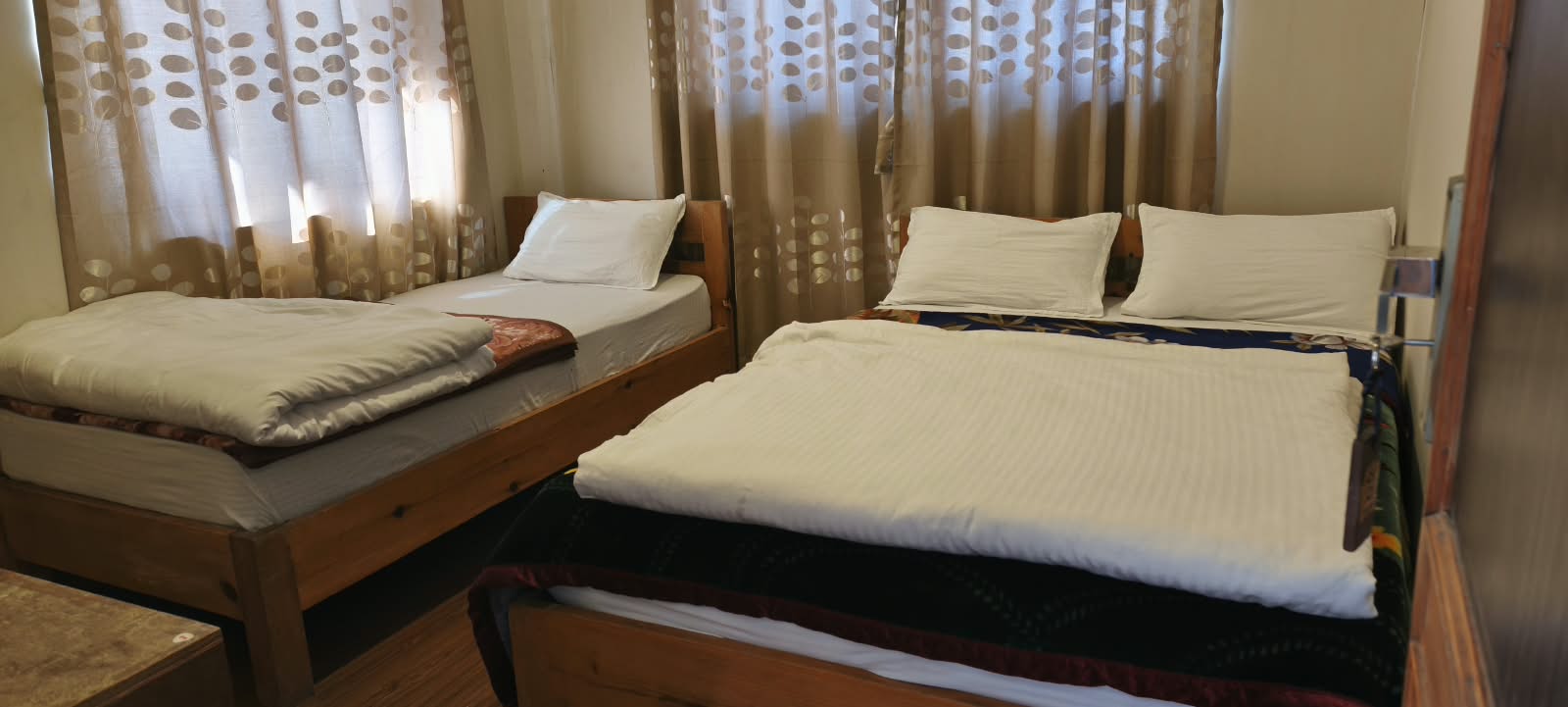
- Accommodations: Twin-bed sharing with a shared toilet during the trek.
- Guide Expenses: All costs for an English-speaking, government-licensed guide.
- Guide Insurance: Insurance coverage for guides.
- Trekking Map: Annapurna Region Trip Map for the group.
- First Aid Kit: Medical kit available during the trip.
- Taxes and Fees: Tourist service charge, VAT, government tax, and official expenses.
What's not included
- International Expenses: International airfare, visa, and travel insurance.
- Kathmandu Meals: Breakfast, Lunch and Dinner at Kathmandu.
- Accommodation in Kathmandu and Pokhara: Accommodation in Kathmandu and Pokhara or on the trek for any reason (Early arrival or delay, early arrival from trek due to any reason).
- Porter Service: Porter to carry your luggage during the trek (if you would like to take a porter, it will cost you USD 30 for each day trip, which you could add from our add-on option).
- Gratuities: Tips for Guide and Porter (expected from trekkers involved in the Trek.
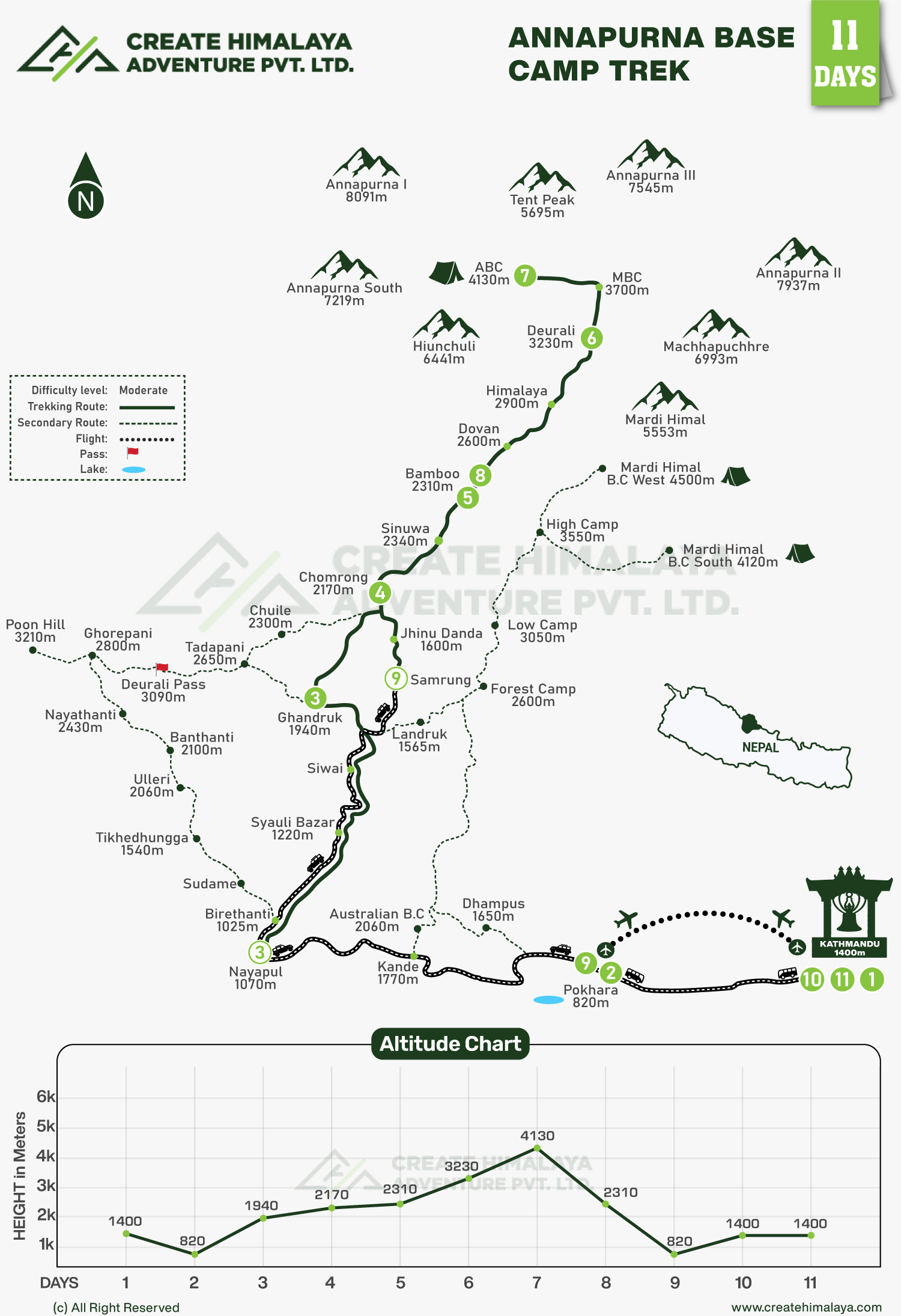
Map
Best Time for Annapurna Base Camp Trek
The Annapurna Base Camp Trek is possible in most months of the year, but the experience can vary significantly with weather, trail conditions, visibility, and seasonal scenery. Spring and autumn are generally considered the best seasons because they offer a good balance of comfortable trekking conditions and impressive mountain views. However, winter can be excellent for experienced trekkers, while monsoon offers a quieter and greener experience for those prepared for rain.
March to May – Spring
Spring is one of the most beautiful periods for the Annapurna Base Camp Trek. The weather is generally comfortable for walking, with pleasant daytime temperatures and cool mornings and evenings. The forests become especially attractive as rhododendrons and other Himalayan flowers bloom along the trail. Mountain views are often clear in the mornings, while occasional clouds can develop later in the day. March to May is an excellent choice for trekkers who want colorful landscapes, comfortable temperatures, and beautiful Himalayan scenery.
June to September – Monsoon
The monsoon season brings frequent rainfall to the Annapurna region, particularly at lower elevations. The trails become greener, waterfalls become more powerful, and the surrounding hills take on a fresh appearance. Rain can make some sections muddy and slippery, while clouds may occasionally hide the mountains. However, the ABC route is still possible with proper preparation and a flexible itinerary. This season is best suited to travelers who enjoy peaceful trails, lush scenery, and fewer trekkers and are comfortable walking in wet conditions.
October to November – Autumn
Autumn is widely regarded as the best overall season for the Annapurna Base Camp Trek. After the monsoon, the atmosphere becomes clean and fresh, creating excellent conditions for mountain viewing and photography. Days are usually dry and comfortable, while the skies are often bright and clear, revealing magnificent views of Annapurna I, Annapurna South, Machhapuchhre, Hiunchuli, and other surrounding peaks. The trails are generally in good condition, although this popular season can bring more trekkers and busier teahouses. October and November are ideal for first-time trekkers and anyone prioritizing stable weather and spectacular Himalayan panoramas.
December to February – Winter
Winter transforms the Annapurna Sanctuary into a peaceful, snow-covered Himalayan landscape. Temperatures drop considerably at higher elevations, and snowfall can occur around Machhapuchhre Base Camp and Annapurna Base Camp. Clear winter mornings can provide exceptionally sharp mountain views, but snow and ice may make some parts of the trail more challenging. Winter is a rewarding option for experienced trekkers seeking solitude, crisp mountain scenery, and a genuine high-altitude adventure, provided they have suitable cold-weather equipment and are prepared for changing trail conditions.
Which Season Is Best for ABC Trek?
For most travelers, October to November and March to April are among the most favorable months for the Annapurna Base Camp Trek because of their combination of good visibility, manageable temperatures, and enjoyable trail conditions. May and December can also be rewarding, while monsoon and winter require greater flexibility and preparation. Ultimately, the right season depends on whether you value clear mountain views, blooming forests, peaceful trails, or a snowy Himalayan atmosphere.
Read our detailed article on the best time to trek to Annapurna Base Camp.
Food & Accommodation for Annapurna Base Camp Trek
Accommodation
During the Annapurna Base Camp Trek, you will stay in comfortable teahouses and lodges along the trail. As ABC is a well-established trekking route, accommodation is available at most stops. During peak seasons, we recommend booking in advance.
Rooms are generally shared by two trekkers and include a bed and blanket. Shared bathrooms are common. Single rooms are available at most places except Himalaya Hotel and Annapurna Base Camp, but they must be requested in advance. A sleeping bag is also recommended for extra warmth and comfort.
Meals
You will receive three meals a day during the trek. Meals are prepared according to the teahouse menu, with plenty of choices for both vegetarian and non-vegetarian trekkers.
Breakfast may include chapati, oatmeal, French toast, cornflakes, muesli, porridge, soup, toast, eggs, tea, and coffee.
Lunch and dinner options include dal bhat, Sherpa stew, thukpa, pasta, noodles, momo, rice and curry, fried rice, pizza, sandwiches, and steak. Vegetarian meals are widely available along the route.
Boiled drinking water is also available at most teahouses throughout the trek.
Permit & Cost for Annapurna Base Camp Trek
Trekkers need the Annapurna Conservation Area Permit (ACAP) for the Annapurna Base Camp Trek. This permit is required to enter and trek legally inside the Annapurna Conservation Area. Your trekking agency or guide can help arrange the permit before the trip begins.
The total trekking cost depends on the itinerary, transportation, accommodation, food, guide and porter services, and trekking season. Budget trekkers can complete the trek at an affordable price, while luxury trekking packages provide extra comfort, private services, and upgraded accommodation throughout the journey.
Culture and Wildlife on Annapurna Base Camp Trek
The Annapurna Base Camp Trek offers a perfect blend of Himalayan culture and natural beauty. Trekkers pass through traditional Gurung and Magar villages where local people welcome visitors with warm hospitality, unique traditions, and authentic mountain lifestyles. Colorful monasteries, prayer flags, and terraced farmlands make the journey culturally rich and unforgettable.
The trek also passes through the beautiful Annapurna Conservation Area, home to diverse wildlife and forests. Rhododendron forests, bamboo trails, and alpine landscapes provide habitats for Himalayan animals such as langurs, musk deer, Bharal, Himalayan monal, and snow leopards in remote areas. The combination of culture, nature, and mountain scenery makes the Annapurna Base Camp Trek one of Nepal's most rewarding adventures.
A Typical Day on the Annapurna Base Camp Trek
A typical day on the Annapurna Base Camp Trek starts early in the morning. You usually wake up around 7:00 AM and have breakfast before beginning the trek at around 8:00 AM. The walking time and route vary each day, but the trail generally passes through forests, stone paths, waterfalls, mountain villages, and peaceful landscapes.
Along the way, you can enjoy views of the surrounding mountains and observe the local lifestyle as you pass through traditional villages. There are also opportunities to meet local people and learn about the culture and daily life of the communities in the Annapurna region.
You will stop at a teahouse along the trail for lunch and some rest before continuing the journey. In the afternoon, you continue walking until you reach your teahouse or lodge for the night.
After arriving, you can relax, have dinner, and spend some time with fellow trekkers. Before going to bed, your guide will explain the next day's route, walking distance, and necessary preparations. This routine continues each day as you gradually make your way toward Annapurna Base Camp.
Altitude Sickness
Altitude sickness can affect trekkers above 2,500 meters, although the Annapurna Base Camp Trek has a lower risk compared to Everest region treks. The highest point of the trek is Annapurna Base Camp at 4,130 meters.
Common symptoms include headache, nausea, dizziness, and shortness of breath. Trekkers can reduce the risk by drinking enough water, ascending gradually, eating healthy meals, and taking proper rest. Experienced guides also help monitor altitude-related problems during the trek.
Travel Insurance
Travel insurance is highly recommended for the Annapurna Base Camp Trek. A good insurance policy should include high-altitude trekking coverage, emergency helicopter rescue, medical treatment, trip cancellation, and personal accident protection.
Weather changes and unexpected situations can occur in the Himalayas, so proper travel insurance provides safety and peace of mind during the trek.
Safety Tips
The Annapurna Base Camp Trek is generally well-established, but changing weather, steep trails, and altitude can create challenges. Following these basic safety tips will help you trek more comfortably.
- Weather: Weather can change quickly in the mountains. Carry warm layers, a waterproof jacket, and protection for your backpack and equipment.
- Altitude: Walk slowly, stay hydrated, and give your body enough time to adjust. If you experience severe headache, nausea, dizziness, or breathing problems, inform your guide immediately.
- Trail Conditions: Some sections are steep, rocky, or slippery. Wear sturdy hiking shoes and use trekking poles for better balance.
- Food and Water: Drink plenty of water and eat regular meals to maintain energy. Carry water purification tablets or a filter if needed.
- Emergency: Keep your phone charged and carry important emergency contacts. Always follow your guide's instructions in case of an emergency.
- Stay Together: Trek with your group and avoid walking alone, especially on unfamiliar sections of the trail.
- Protect the Environment: Dispose of waste properly, avoid littering, respect local communities, and do not disturb wildlife or natural resources.
Alternative Trekking Routes
Trekkers looking for alternative routes in the Annapurna region can combine the Annapurna Base Camp Trek with other popular Himalayan trails. Popular options include the Mardi Himal Trek, Ghorepani Poon Hill Trek, Annapurna Panorama Trek, Annapurna Circuit Trek, and Khopra Ridge Trek.
These alternative trekking routes offer different landscapes, cultural experiences, quieter trails, and panoramic mountain views, making the Annapurna region one of the best trekking destinations in Nepal.
FAQs
1. How challenging is the Annapurna Base Camp Trek?
The trek is generally graded as moderate, making it suitable for anyone with a reasonable level of fitness and a willingness to walk several hours a day. Some sections include long stone staircases and steady uphill climbs, which can feel demanding, but our itinerary is paced carefully, with regular breaks and gradual altitude gain to keep the experience comfortable and enjoyable.
2. Should I be concerned about altitude sickness?
Most trekkers adjust well, but altitude affects everyone differently. Even though Annapurna Base Camp is lower than some other Himalayan treks, mild symptoms such as headaches or shortness of breath can occur. Our experienced guides closely monitor your health, encourage proper hydration, and adjust the pace if needed. Your safety always comes first.
3. What kind of accommodation can I expect during the trek?
Accommodation is in traditional mountain teahouses. These are simple, clean, and welcoming, offering a warm place to rest after a day of trekking. Rooms are usually twin-sharing with basic bedding. While facilities are not luxurious, they provide everything needed for a comfortable stay in a remote Himalayan setting.
4. Are hot showers and Wi-Fi available along the route?
In many villages, hot showers and Wi-Fi are available for a small additional charge. Availability can depend on weather and location, especially at higher elevations. We encourage guests to see this as a chance to disconnect and fully enjoy the mountain environment—while still having access to essentials when possible.
5. How are the toilets and hygiene facilities?
Facilities are basic, particularly as we go higher. Shared toilets, often squat-style, are common. Teahouses make sincere efforts to maintain cleanliness, and we recommend bringing personal hygiene items for added comfort. Understanding the remote nature of the region helps set realistic expectations.
6. What meals are provided during the trek?
Meals are freshly cooked and designed to provide the energy needed for trekking. You’ll find a variety of local and simple international dishes. Vegetarian options are widely available and often recommended at higher elevations. Our guides are happy to assist with dietary preferences whenever possible.
7. Is drinking water safe on the trek?
Safe drinking water is readily available through boiled or filtered options at teahouses. To minimize plastic waste and ensure convenience, we suggest using purification tablets or a refillable filter bottle. Staying well hydrated is a key part of a successful trek.
8. Can I charge my phone or camera during the trek?
Yes, charging facilities are available at most stops, usually for a small fee. Power sources may be solar-based at higher altitudes, so we recommend carrying a power bank to stay worry-free.
9. Who will guide and support me on the trek?
You will be accompanied by licensed, experienced guides who are trained in first aid and altitude awareness. Our porters are treated ethically, provided with proper gear, and carry safe loads. We believe that caring for our team is essential to providing a great experience for our guests.
10. What happens if the weather changes or I feel unable to continue?
Mountain conditions can change, and flexibility is part of Himalayan travel. If adjustments are needed, your guide will make decisions based on safety and comfort. If you need to shorten or modify the trek due to health or personal reasons, we will assist you with the best possible alternatives.
11. Are there any additional costs I should be aware of?
To keep our pricing transparent, certain personal expenses are not included, such as hot showers, Wi-Fi, device charging, drinks, snacks, and tips. These costs are optional and paid directly at the teahouses. We will clearly explain all inclusions and exclusions before booking to avoid surprises.
12. Is travel insurance required?
Yes. Comprehensive travel insurance that covers high-altitude trekking and emergency evacuation is essential. This is a standard requirement for Himalayan trekking and ensures peace of mind for both you and our team.
13. Is this trek suitable for first-time trekkers?
Absolutely. Many of our guests complete Annapurna Base Camp as their first Himalayan trek. With proper preparation, a positive attitude, and the support of our experienced team, it is both achievable and deeply rewarding.
Travelers' Reviews
Linda S
Verified PurchaseGreat experience!
Hege O
Verified PurchaseThe real Himalaya
RocaRoskilde
Verified PurchaseAn experience of a life time
In 2011, we went trekking with Ram. A 11 day trek to Annapurna Basecamp. We had an amazing trek. The views were stunning and the local people extremely friendly.Ram was a fantastic guide. He happily told us about the area, the villages, the history and Nepal in general. He is extremely helpful and he did everything he could to give us an experience of a life time – and so he did!
Next we go trekking in Nepal, we will definitely contact Ram!
No hidden fees • Best price guarantee
Related Packages
Langtang Valley Trek With Tamang Heritage Trail – 12 Days
Gosainkunda Lake Trek
Everest Base Camp Trek – 14 Days