Renjo La Pass Trek
The Renjo La Pass Trek is a spectacular high-altitude adventure in Nepal’s Everest region, offering a quieter alternative to the classic Everest Base Camp route. The journey begins with a […]
Highlights
- Crossing Renjo La Pass at 5,360 m – Reach one of the highest trekking passes in the Everest region and enjoy a dramatic Himalayan panorama from the summit.
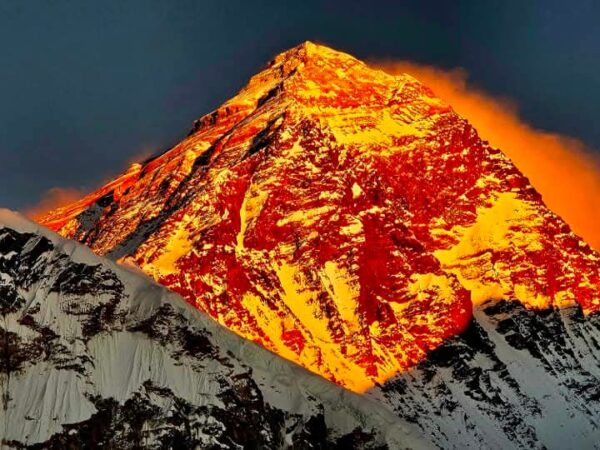
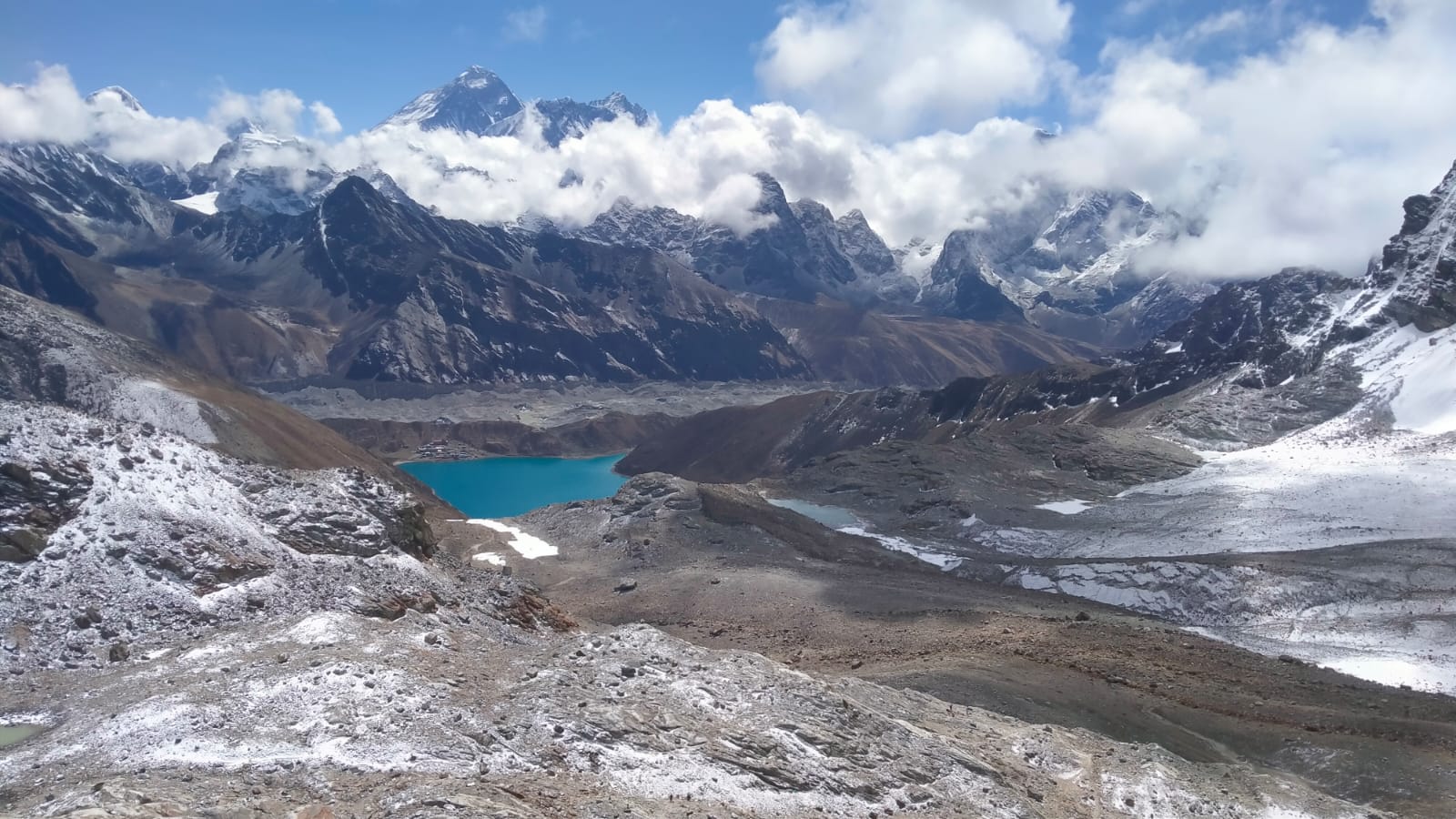
- Spectacular Views of Four 8,000-Meter Peaks – On clear days, the route offers impressive views of Mount Everest, Lhotse, Makalu, and Cho Oyu, making the trek exceptional for mountain lovers.
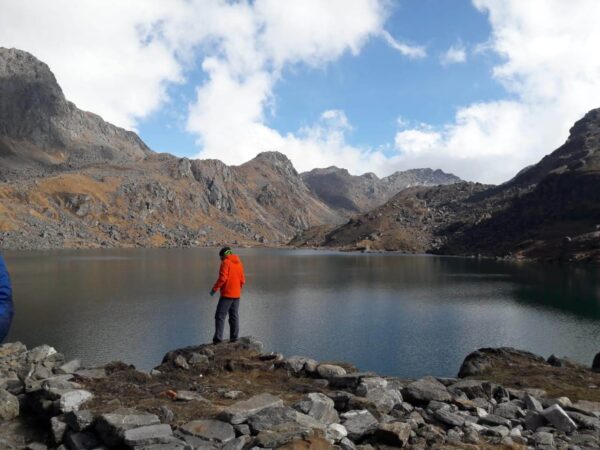
- Pristine Gokyo Lakes – Discover the striking turquoise waters of the sacred Gokyo Lakes, surrounded by glaciers, rocky peaks, and high alpine landscapes.
- Quiet Thame Valley – Explore the peaceful Thame Valley, a culturally rich part of the Khumbu that sees fewer trekkers than the main Everest Base Camp trail.
- Traditional Sherpa Settlements – Walk through villages where traditional Himalayan lifestyles, stone houses, Buddhist customs, and centuries-old mountain culture remain part of everyday life.
- Panoramic Gokyo Valley – Experience a remarkable combination of glacial valleys, snow-covered mountains, alpine meadows, and the vast Ngozumpa Glacier.
- Ancient Buddhist Heritage – Encounter chortens, prayer wheels, mani walls, colorful prayer flags, and monasteries that reflect the deep spiritual traditions of the Everest region.
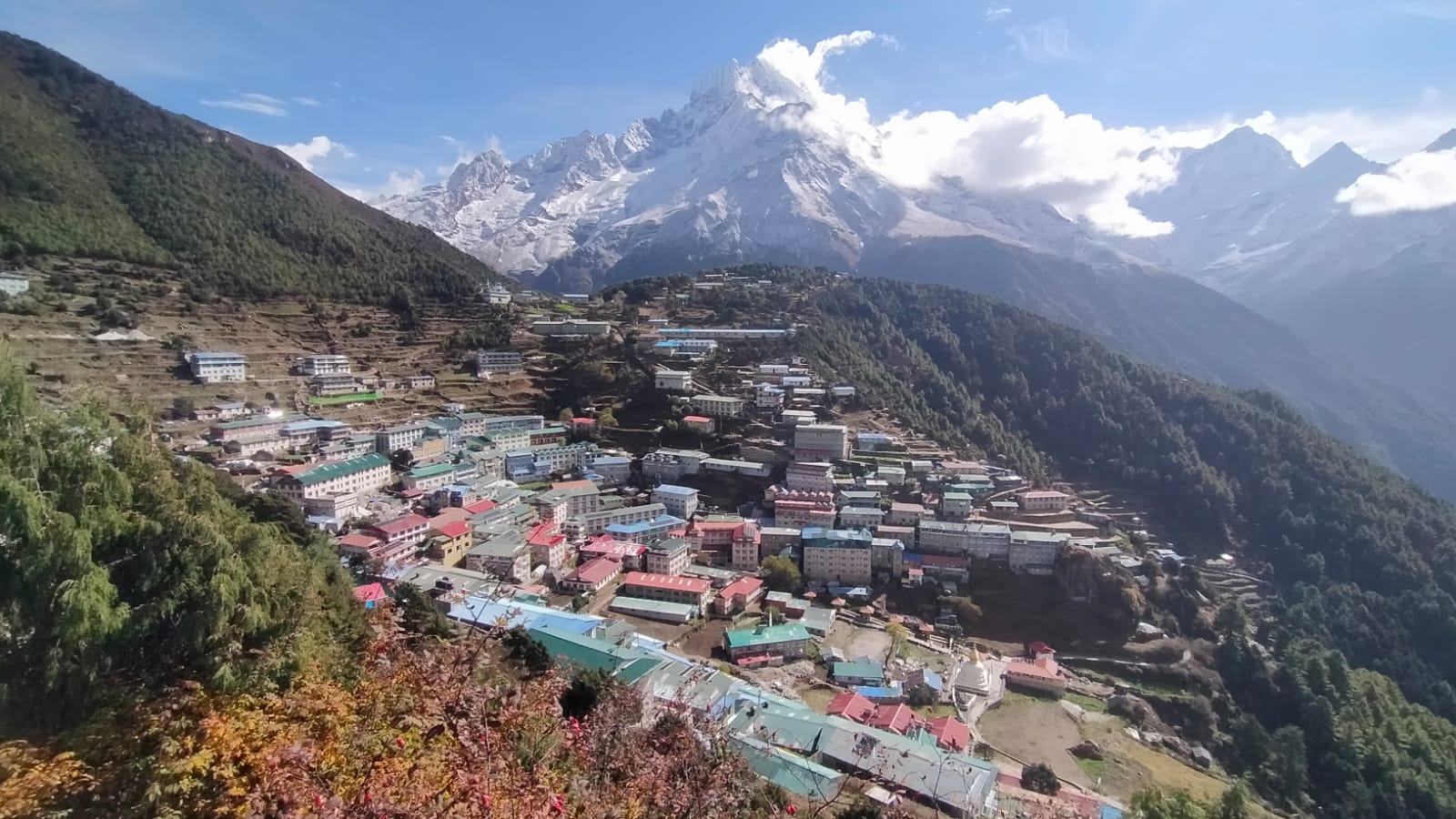
- Namche Bazaar Experience – Spend time in the lively mountain town of Namche Bazaar, an important trading and acclimatization center for Himalayan trekkers.
- Dramatic High-Altitude Landscapes – Watch the scenery transform from green forests and river valleys into barren rocky terrain, glaciers, and snow-covered mountain passes.
- Off-the-Beaten-Path Adventure – Enjoy a less crowded trekking experience compared with the classic Everest Base Camp route, particularly around Thame and Renjo La.
- Ngozumpa Glacier Views – Witness one of the largest and most impressive glacier systems in the Himalayas from the Gokyo Valley.
- Sherpa Mountain Culture and Hospitality – Share warm encounters with local communities and gain a deeper understanding of life in one of the world's highest inhabited regions.
- Adventure Beyond the Classic EBC Trail – Combine the thrill of a high-pass crossing with Gokyo's lakes and valleys, making Renjo La an excellent alternative for trekkers seeking something different from the standard Everest route.
Overview
The Renjo La Pass Trek is a spectacular high-altitude adventure in Nepal’s Everest region, offering a quieter alternative to the classic Everest Base Camp route. The journey begins with a scenic mountain flight from Kathmandu to Lukla, the main gateway to the Khumbu Himalayas. From Lukla, the trail gradually follows the Dudh Koshi River through Phakding and Namche Bazaar before turning toward the peaceful Thame Valley. This route combines dramatic mountain scenery with traditional Sherpa villages, Buddhist culture, forests, glaciers, and high-altitude landscapes.
The trek is especially famous for its crossing of Renjo La Pass at around 5,360 meters, one of the spectacular high passes of the Everest region. Along the way, trekkers can enjoy breathtaking views of Mount Everest, Lhotse, Makalu, Cho Oyu, Ama Dablam, Thamserku, and other Himalayan peaks. The route also leads to the beautiful Gokyo Valley, where turquoise Gokyo Lakes and the surrounding glaciers create an unforgettable alpine setting.
A standard Renjo La Pass Trek takes around 10–14 days, depending on the itinerary, acclimatization schedule, and walking pace. After crossing the pass, the trail descends toward Gokyo and continues through Dole and Namche before returning to Lukla. Although the trek is challenging because of the high altitude and steep sections, its combination of remote trails, Sherpa culture, dramatic mountain views, and the thrilling Renjo La crossing makes it one of the most rewarding trekking adventures in the Everest region.
Renjo La Pass Trek Difficulty
The Renjo La Pass Trek is considered a challenging high-altitude trek in Nepal’s Everest region. The main difficulty comes from the altitude, long walking days, steep ascents, and the crossing of Renjo La Pass at approximately 5,360 meters. Although the trek does not normally require technical climbing skills, trekkers need good physical fitness, proper preparation, and a well-planned acclimatization schedule.
The most demanding section is the climb from Lumde toward Renjo La Pass. The trail becomes steep and rocky, and snow can make the crossing more difficult during winter or after fresh snowfall. Reaching the pass requires steady effort, but standing at the top with panoramic views of Everest, Lhotse, Makalu, Cho Oyu, and surrounding Himalayan peaks makes the challenge worthwhile.
What Makes the Renjo La Trek Challenging?
- High altitude: The route reaches more than 5,000 meters, where the air contains significantly less oxygen.
- Steep climbs: Several sections require sustained uphill walking, particularly before reaching Renjo La.
- Long trekking days: Some stages can take around 6–9 hours depending on trail conditions and walking pace.
- Altitude sickness: Acute mountain sickness can affect trekkers as they gain elevation, making gradual acclimatization essential.
- Cold weather: Temperatures can drop considerably at higher elevations, especially early in the morning and around the pass.
- Snow and ice: Snow may cover the trail around Renjo La during colder months, increasing the difficulty.
- Rough mountain terrain: Rocky paths, uneven surfaces, and steep descents require careful footing.
- Remote environment: Facilities become more basic as you move farther into the high mountains.
Renjo La Pass Trek Route
The Renjo La Pass Trek route is a spectacular journey through the quieter side of Nepal’s Everest region, combining traditional Sherpa villages, high mountain passes, glacial valleys, and the beautiful Gokyo Lakes. The classic route begins with a scenic flight from Kathmandu to Lukla, followed by a gradual trek through Phakding and Namche Bazaar. From Namche, the trail turns toward the peaceful Thame Valley, offering a less crowded alternative to the main Everest Base Camp trail. After reaching Lumde, trekkers make the challenging ascent to Renjo La Pass at approximately 5,360 meters before descending into the magnificent Gokyo Valley.
The route then continues from Gokyo to Dole, followed by a descent back to Namche Bazaar. From Namche, trekkers retrace the trail toward Lukla, where the adventure concludes with a flight back to Kathmandu. This route provides an excellent combination of high-altitude adventure and cultural exploration, with opportunities to see Mount Everest, Lhotse, Makalu, Cho Oyu, Ama Dablam, Gokyo Lakes, Ngozumpa Glacier, traditional Sherpa villages, monasteries, prayer walls, and dramatic Himalayan landscapes.
Renjo La Pass Trek Route at a Glance
Kathmandu → Lukla → Phakding → Namche Bazaar → Thame → Lumde → Renjo La Pass → Gokyo → Dole → Namche Bazaar → Lukla → Kathmandu
This route is ideal for trekkers seeking a challenging Himalayan experience away from the busiest Everest Base Camp trail. The combination of a high mountain pass, sacred lakes, Sherpa culture, glaciers, and panoramic Himalayan views makes it one of the most rewarding trekking routes in the Khumbu region.
Why Choose Renjo La Pass Trek?
Renjo La Pass Trek is a great choice for travelers who want to explore the Everest region through a quieter and more adventurous route. The trek takes you through beautiful Sherpa villages, peaceful mountain trails, and the stunning Gokyo Valley before reaching Renjo La Pass. From the top of the pass, you can enjoy breathtaking Himalayan views, including Mount Everest, Lhotse, Makalu, and Cho Oyu, depending on weather and visibility. The combination of high mountain scenery, Gokyo Lakes, traditional Sherpa culture, and the challenge of crossing Renjo La makes this trek a rewarding alternative to the classic Everest Base Camp route.
Trip Itinerary
Arrival in Kathmandu – Transfer to Hotel & Trek Preparation
Welcome to Kathmandu, the cultural gateway to the Himalayas. Upon your arrival at Tribhuvan International Airport, a representative from Create Himalaya Adventure will meet you and transfer you comfortably to your hotel. After settling in, you can relax or explore the nearby streets of Kathmandu.
In the evening, you will meet your Renjo La Pass Trek guide for a pre-trek briefing. Your guide will explain the walking route, altitude considerations, weather conditions, equipment, meals, accommodation, and safety procedures. This is also a good opportunity to check your trekking gear and prepare your bags before heading toward the Everest region.
Fly to Lukla & Trek to Phakding
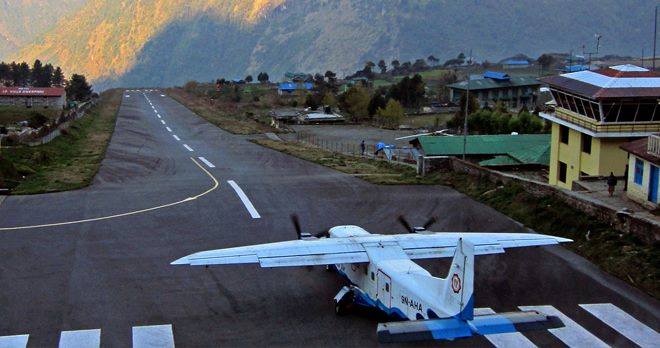
Your Himalayan adventure begins early in the morning with a scenic flight toward Lukla. During the busy trekking seasons, flights may operate from Ramechhap/Manthali Airport instead of Kathmandu. After landing at Lukla, you meet the trekking crew and begin walking toward Phakding.
The trail initially passes through traditional mountain settlements and cultivated hillsides before following the Dudh Koshi River. Small villages, stone walls, prayer wheels, colorful prayer flags, and Buddhist shrines gradually introduce you to the culture of the Khumbu.
The route passes through settlements such as Chheplung, Thal, and Ghat before reaching Phakding. You can see surrounding green hills and glimpses of Himalayan peaks as the trail winds through pine and rhododendron vegetation. Several small monasteries and mani walls add a spiritual atmosphere to the journey.
The first day is intentionally short and relatively gentle, giving your body time to adjust to the mountain environment.
Trek from Phakding to Namche Bazaar
After breakfast, you continue along the Dudh Koshi Valley toward Namche Bazaar. The trail crosses several suspension bridges and passes through pine and rhododendron forests. The sound of the river accompanies much of the journey.
You eventually reach Monjo, where the entrance area of Sagarmatha National Park is located. From Monjo, the trail continues toward Jorsalle, a small settlement surrounded by forest and mountain scenery.
After Jorsalle, you cross suspension bridges over the Dudh Koshi and Bhote Koshi rivers. The famous Hillary Suspension Bridge marks one of the memorable sections of the route. From here, the trail begins a sustained uphill climb toward Namche.
During the ascent, you may catch your first distant view of Mount Everest depending on weather and visibility. The trail becomes steeper in places, with trekkers, porters, mules, and yaks frequently sharing the route.
Eventually, the colorful houses of Namche Bazaar appear ahead. Built in a natural amphitheater, Namche is the largest trading settlement in the Khumbu and an important stop for acclimatization.
Acclimatization Day in Namche Bazaar – Everest View Hotel & Khumjung Hike
Today is an important acclimatization day, but it does not mean spending the entire day inside the lodge. A short hike helps your body adapt to the increasing altitude.
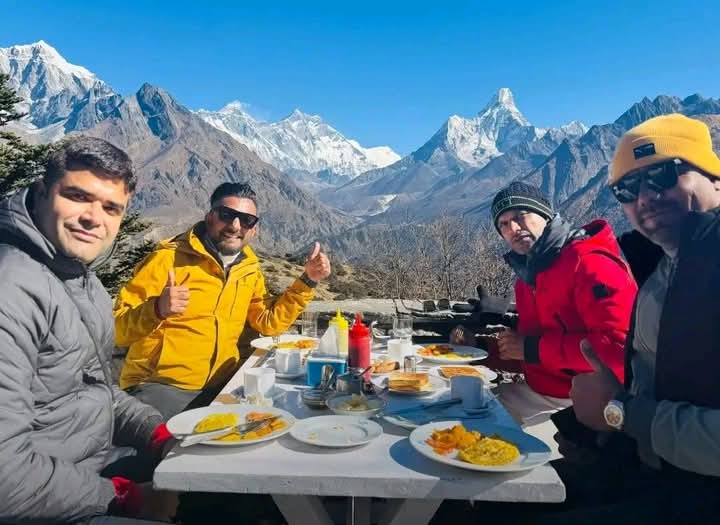
After breakfast, you hike toward the Sagarmatha National Park viewpoint and Everest View Hotel. The trail climbs above Namche, rewarding you with magnificent views of Mount Everest, Lhotse, Ama Dablam, Thamserku, Kongde, and other Himalayan peaks when the weather is clear.
You can then continue toward Khumjung Village, a beautiful Sherpa settlement surrounded by mountain landscapes. The village is known for its traditional stone houses, Buddhist heritage, and monastery. The journey also provides a glimpse into the everyday life of the Sherpa people.
After exploring Khumjung, you return to Namche for the night. This active acclimatization day helps prepare you for the higher and more demanding sections ahead.
Trek from Namche Bazaar to Thame
Today, the character of the trek changes as you leave the main Everest Base Camp trail and head toward the peaceful Thame Valley.
After breakfast, you begin walking in the morning, following a quieter trail that gradually moves away from the busy route. The path crosses small streams and mountain bridges while winding through pine-covered slopes.
The landscape becomes more remote as you pass traditional settlements and agricultural areas. Along the way, you encounter mani walls, chortens, prayer flags, Buddhist shrines, and local monasteries, reflecting the strong Tibetan Buddhist heritage of the region.
Thame is one of the culturally important villages in the Khumbu and is associated with several renowned Himalayan mountaineers. The village has a peaceful atmosphere and offers an excellent opportunity to experience traditional Sherpa life away from the busier trekking corridors.
trek from Thame to Lumde
After breakfast, you start the day's walk toward Lumde, the last major overnight stop before crossing Renjo La Pass.
The trail gradually climbs deeper into the high mountain environment. The landscape becomes increasingly rugged, with fewer trees and more exposed slopes. The air feels noticeably thinner as you gain elevation.
You cross small bridges and streams while passing scattered mountain settlements and grazing areas. Along the route, you may encounter mani stones, prayer flags, small Buddhist shrines, and traditional structures that provide reminders of the spiritual connection between local communities and the mountains.
As Lumde approaches, the surroundings become distinctly alpine. The distant peaks appear larger, while vegetation becomes sparse. This relatively short walking day is important because it allows you to rest before the demanding Renjo La crossing.
Trek from Lumde to Gokyo via Renjo la pass
Today is the most challenging and spectacular day of the Renjo La Pass Trek. An early start is essential, usually around 4:00–5:00 AM, depending on weather, trail conditions, and the season. Starting early gives you a better chance of reaching the pass before clouds and strong winds develop.
Dress in warm layers before leaving Lumde. You should have your down jacket, thermal layers, gloves, warm hat, sunglasses, sunscreen, water, snacks, and trekking poles easily accessible.
The trail begins with a gradual but increasingly steep ascent toward Renjo La. As you climb higher, the landscape becomes barren and dramatic. Snow may cover sections of the trail depending on the season.
Reaching Renjo La Pass at approximately 5,360 meters is a major achievement. From the summit, you can enjoy an extraordinary Himalayan panorama, including views toward Mount Everest, Lhotse, Makalu, Cho Oyu, Tengi Ragi Tau, Rolwaling peaks, and surrounding mountains when visibility is clear.
After celebrating the pass crossing and taking photographs, you begin a long descent toward the beautiful Gokyo Valley. The descent can be demanding because of loose stones, steep sections, and snow in certain seasons.
Eventually, the blue-green waters of the Gokyo Lakes come into view, providing an unforgettable finish to this demanding day.
Gokyo Exploration, Gokyo Ri & Trek to Dole
An early morning hike to Gokyo Ri 5,357 m can be arranged for those who have enough energy after the Renjo La crossing. The climb is steep but the reward is exceptional. From the viewpoint, you can see a magnificent collection of Himalayan peaks, including Everest, Lhotse, Makalu, Cho Oyu, and surrounding mountains.
Back in Gokyo, you continue your descent toward Dole. The route follows the beautiful Gokyo Valley and passes near sections of the Ngozumpa Glacier, one of the major glacial features of the region.
The trail passes through Machhermo and other small settlements before reaching Dole. The changing vegetation is fascinating as you descend. Alpine terrain gradually gives way to shrubs, juniper, pine, and rhododendron.
The region is also home to Himalayan wildlife. With patience and luck, trekkers may spot birds and mountain animals such as Himalayan monal, musk deer, Himalayan thar, and other species found within Sagarmatha National Park.
Along the trail, prayer flags, chortens, mani walls, and Buddhist structures continue to reflect the cultural landscape of the Khumbu.
Trek from Dole to Namche Bazaar
After breakfast, you continue your descent toward Namche Bazaar. Compared with the high-altitude sections, the trail feels greener and more comfortable as you lose elevation.
The route passes through Phortse Tenga and other small mountain settlements, with sections through rhododendron, pine, juniper, and fir forests. Depending on the season, colorful rhododendron flowers can make parts of the trail particularly beautiful.
The trail is not completely downhill. There are several short climbs and descents, so trekking poles can be useful. You may again encounter porters, trekkers, yaks, and mule trains carrying supplies between villages.
Birdlife becomes more noticeable as you descend into the forest zone. The surrounding landscape combines steep mountain slopes, waterfalls, forests, and distant Himalayan peaks.
Eventually, the familiar streets and colorful buildings of Namche Bazaar appear. After several days in the high mountains, returning to Namche feels like reaching a lively Himalayan hub.
Namche Bazaar to Lukla
Today is the final full day of trekking. After breakfast, you leave Namche and follow the familiar trail toward Lukla.
The route begins with a long descent toward the Dudh Koshi Valley. You pass through Kyangjuma, Sanasa, and Phakding before continuing toward Lukla.
The trail includes forested sections, suspension bridges, stone stairways, small villages, and riverside paths. Although you are descending overall, there are still several uphill sections, so the day can feel longer than expected.
The familiar Himalayan sights gradually change as you move toward lower elevations. You will encounter more greenery, warmer temperatures, and larger settlements.
After reaching Lukla, you can relax at the lodge and celebrate the successful completion of your Renjo La Pass adventure with your guide and trekking team.
Fly from Lukla to Kathmandu or Ramechhap
After breakfast, you prepare for your return flight. Depending on the season and operational conditions, your flight may land directly in Kathmandu or operate to Ramechhap/Manthali Airport.
If you fly to Ramechhap, Create Himalaya Adventure will arrange a suitable vehicle such as a car, jeep, or bus for the journey back to Kathmandu.
The road journey from Ramechhap to Kathmandu can take several hours depending on traffic, road conditions, construction, and weather. Some sections may be winding or uneven, particularly during periods of rain. The drive nevertheless provides an interesting opportunity to see Nepal's changing landscapes, from hill settlements and terraced farmland to river valleys and busier urban areas.
Once you reach Kathmandu, transfer to your hotel and enjoy a well-deserved rest after completing the trek.
Final Departure from Nepal
Your Renjo La Pass Trek in Nepal officially comes to an end today. Depending on your flight schedule, you can enjoy a relaxed breakfast and some free time in Kathmandu before your departure.
A representative from Create Himalaya Adventure will assist with your airport transfer and make sure you reach Tribhuvan International Airport comfortably and on time.
As you leave Nepal, you take home more than photographs. The memories of walking through Sherpa villages, crossing suspension bridges, watching the mountains change with altitude, standing at 5,360 meters on Renjo La Pass, and witnessing the extraordinary landscapes of Gokyo will remain part of your Himalayan adventure.
Thank you for trekking with Create Himalaya Adventure. We hope to welcome you again for another journey through the Himalayas.
Not Satisfied with This Itinerary?
Every traveler is different. Customize this trip with the help of our local travel specialists and create an itinerary that perfectly matches your interests, schedule, and budget.
What's included
- Airport Transfers: Private airport pick-up and drop-off in Kathmandu according to your itinerary.
- Kathmandu Hotel: Accommodation in Kathmandu before and after the trek as mentioned in the itinerary.
- Domestic Flights: Round-trip airfare between Kathmandu and Lukla, or Ramechhap/Manthali and Lukla when flights operate from Ramechhap.
- Ground Transportation: Private vehicle transfers in Kathmandu and, when required, road transportation between Ramechhap and Kathmandu.
- Teahouse Accommodation: Twin-sharing accommodation in comfortable local teahouses throughout the trekking route.
- Meals During Trek: Breakfast, lunch, and dinner throughout the trekking period.
- Professional Trekking Guide: Experienced, English-speaking, government-licensed trekking guide familiar with the Renjo La route and high-altitude conditions.
- Porter Service: One porter for every two trekkers to carry your main luggage.
- Guide and Porter Expenses: Salaries, meals, accommodation, insurance, equipment, and transportation expenses for the trekking staff.
- Sagarmatha National Park Permit: Required entry permit for trekking inside the protected Everest region.
- Khumbu Pasang Lhamu Rural Municipality Permit: Local government permit required for the Renjo La trekking route.
- First-Aid Kit: Comprehensive basic first-aid kit carried by the trekking guide during the trek.
- Down Jacket: Warm down jacket provided for use during the high-altitude sections.
- Sleeping Bag: Quality sleeping bag suitable for cold Himalayan nights, provided for the duration of the trek.
- Trekking Map: Renjo La Pass trekking route map for navigation and trip reference.
- Create Himalaya Adventure's T-Shirt: Complimentary company trekking T-shirt as a souvenir.
- Government Taxes: Applicable government taxes, local taxes, and service charges.
What's not included
- Nepal Entry Visa: Visa fees and other charges payable upon entering Nepal.
- International Flights: International airfare to and from Nepal.
- Travel Insurance: Comprehensive travel insurance covering high-altitude trekking, medical treatment, emergency rescue, and helicopter evacuation.
- Extra Kathmandu Accommodation: Additional hotel nights caused by early arrival, late departure, flight delays, bad weather, or an early return from the mountains.
- Personal Trekking Equipment: Trekking boots, backpack, trekking poles, thermal clothing, gloves, sunglasses, waterproof clothing, and other personal gear.
- Personal Expenses: Alcoholic drinks, soft drinks, bottled water, snacks, laundry, Wi-Fi, hot showers, charging facilities, telephone calls, and other personal purchases.
- Medical and Evacuation Costs: Medical treatment, emergency evacuation, or rescue expenses not covered by your insurance.
- Extra Meals: Meals outside the specified trekking itinerary, including food and drinks purchased in Kathmandu.
- Tips and Gratuities: Tips for guides, porters, drivers, and other support staff. Tipping is voluntary but appreciated for good service.
- Flight Delay or Cancellation Costs: Additional expenses caused by weather-related flight cancellations, delays, or schedule changes, including extra accommodation and meals.
- Helicopter Rescue: Helicopter evacuation or other emergency transportation unless covered by your travel insurance.
- Unforeseen Expenses: Costs resulting from severe weather, natural disasters, political disturbances, strikes, road closures, or other circumstances beyond the company's control.
- Services Not Listed: Any service, activity, equipment, or expense not specifically mentioned under the "What's Included" section.
Best Time for Renjo La Pass Trek
Spring (March to May): Spring is one of the best seasons for the Renjo La Pass Trek, offering a good combination of stable weather, clear mountain views, and comfortable daytime temperatures. The trails at lower elevations become colorful with blooming rhododendrons and other Himalayan flowers. April and May are particularly attractive for trekkers because the skies are often clear in the mornings, providing excellent views of Mount Everest, Lhotse, Makalu, Cho Oyu, and Ama Dablam. Snow can still remain around Renjo La Pass, especially early in the season, adding to the dramatic scenery.
Summer/Monsoon (June to August): The summer months coincide with the monsoon season in Nepal, so this is generally a less popular period for Renjo La trekking. Rain, clouds, and reduced visibility can affect the lower sections of the route, while muddy or slippery trails may make walking more difficult. However, the Everest region receives less monsoon rainfall than many other parts of Nepal, and the higher valleys can sometimes offer reasonable trekking conditions. Flight delays between Kathmandu and Lukla are a possibility because of changing weather. Experienced trekkers who prefer quieter trails can consider this season with appropriate preparation and flexibility.
Autumn (September to November): Autumn is widely regarded as the best overall season for the Renjo La Pass Trek. After the monsoon, the atmosphere becomes cleaner, the skies are generally clearer, and the Himalayan peaks appear exceptionally sharp. October and November usually provide excellent conditions for crossing the high pass, with relatively stable weather and spectacular visibility. The pleasant trekking environment, dry trails, and magnificent mountain panoramas make autumn the most popular period for this adventure.
Winter (December to February): Winter brings cold temperatures, snow, and challenging conditions around Renjo La Pass, which rises above 5,300 meters. Snowfall can cover sections of the trail and make the pass crossing more demanding. Nights are particularly cold at higher elevations, and weather changes can occur quickly. However, experienced trekkers equipped with suitable winter clothing, warm sleeping bags, and proper high-altitude gear can enjoy remarkably clear mountain views and peaceful trails. Winter is best suited to well-prepared trekkers who are comfortable with cold and possible snowy conditions.
Which Season Is Best?
For most trekkers, spring and autumn are the ideal seasons for Renjo La Pass Trek. If your priority is the best combination of clear Himalayan views, favorable trail conditions, and comfortable trekking weather, October–November and March–May are excellent choices.
Who Can Do the Renjo La Pass Trek?
The trek is suitable for physically fit trekkers with good hiking endurance. Previous high-altitude trekking experience is helpful but not always essential if you are well prepared and follow a sensible itinerary. Regular cardiovascular exercise, uphill walking, stair climbing, and long-distance hikes before the trip can significantly improve your readiness.
Most importantly, do not underestimate the altitude. A slower pace, sufficient rest, proper hydration, nutritious meals, and adequate acclimatization days can make a major difference.
Overall, the Renjo La Pass Trek is more demanding than the standard Everest Base Camp Trek, mainly because of the high-pass crossing. However, with proper preparation, an experienced guide, and a carefully designed itinerary, it is an achievable and highly rewarding adventure for determined trekkers.
Renjo La Pass Trek Cost and Permits
The Renjo La Pass Trek cost depends on the duration of the itinerary, group size, Lukla flight arrangements, accommodation, guide and porter services, meals, and personal expenses. A standard package from a local trekking company usually covers airport transfers, domestic flights, trekking permits, teahouse accommodation, meals during the trek, an experienced guide, porter service if required, guide insurance, and basic trekking support. You should also budget separately for travel insurance, personal snacks, hot showers, Wi-Fi, charging, tips, extra accommodation, and other personal purchases. Choosing a local agency such as Create Himalaya Adventure can provide a practical itinerary and transparent package according to your budget and trekking requirements.
For the Renjo La Pass Trek permits, foreign trekkers generally need a Sagarmatha National Park Entry Permit and a Khumbu Pasang Lhamu Rural Municipality Permit. These permits are required for trekking through the Everest/Khumbu region and are normally arranged by your trekking agency before or during the trek. Permit fees and local regulations can change, so it is advisable to confirm the latest rates before departure. Keeping the permits properly registered is important because the route passes through protected areas and remote mountain settlements.
Food During the Renjo La Pass Trek
Food on the Renjo La Pass Trek is mainly served at local teahouses and mountain lodges along the route. Although choices become more limited at higher elevations, trekkers can find filling and nutritious meals throughout most of the journey. Popular dishes include Dal Bhat, noodles, fried rice, pasta, momos, soups, potatoes, eggs, Tibetan bread, pancakes, porridge, and seasonal vegetables. Dal Bhat is especially popular because it provides a generous combination of rice, lentils, vegetables, and curry, making it a good source of energy for long trekking days. Tea, coffee, hot lemon, ginger tea, and other warm drinks are also widely available. At higher elevations, it is important to eat regularly and drink plenty of fluids.
Accommodation on the Renjo La Pass Trek
Accommodation is generally provided in traditional teahouses and small mountain lodges, offering a simple but comfortable place to rest after each day's walk. Most rooms have two beds with mattresses, pillows, and blankets, while bathrooms may be shared, particularly in higher villages. As you approach Renjo La and Gokyo, facilities become more basic because of the remote location and challenging transportation of supplies. Hot showers, Wi-Fi, and charging facilities may be available at some lodges for an additional fee. Staying in local teahouses also provides an opportunity to experience Sherpa hospitality and Himalayan mountain life rather than staying in conventional hotels.
Travel Insurance
Travel insurance is highly recommended for the Renjo La Pass Trek because you will be trekking in a remote and high-altitude region of the Everest area. Before starting the trek, make sure your insurance policy covers high-altitude trekking above 5,000 meters, emergency medical treatment, helicopter evacuation, trip cancellation, and baggage loss or delay. Good travel insurance provides financial protection and peace of mind if an unexpected situation occurs during the journey.
Altitude Sickness
Altitude sickness is an important concern on the Renjo La Pass Trek, especially as the trail climbs above 5,000 meters at Renjo La Pass. Your body needs time to adjust to the lower oxygen levels at high altitude. Walking slowly, staying properly hydrated, eating enough food, getting adequate rest, and following the recommended acclimatization days can help reduce the risk. Never ignore symptoms such as a severe headache, dizziness, nausea, unusual tiredness, or difficulty breathing. If symptoms become serious, tell your guide immediately and descend to a lower altitude when necessary.
Equipment List for Renjo La Pass Trek
The Renjo La Pass Trek reaches around 5,360 meters, so proper equipment is essential for cold weather, high altitude, changing mountain conditions, and long walking days. Pack light but make sure you have enough protection against wind, cold, snow, and strong sunlight.
Clothing and Warm Layers
Moisture-wicking base layers: Keep sweat away from your body and help maintain warmth.
- Fleece jacket: Provides an additional warm layer during cold mornings and evenings.
- Down jacket: Essential for high-altitude and nighttime temperatures.
- Waterproof and windproof jacket: Protects you from rain, snow, and strong Himalayan winds.
- Trekking trousers: Choose comfortable and quick-drying pants for daily walking.
- Thermal underwear: Useful during cold nights and high-altitude sections.
- Warm hat and sun hat: Protect your head from cold and strong sunlight.
- Gloves: Carry both lightweight and insulated gloves.
- Warm trekking socks: Bring several pairs to keep your feet dry and comfortable.
Footwear
- Waterproof trekking boots: Choose well-broken-in boots with good ankle support.
- Camp shoes or sandals: Useful for relaxing inside teahouses.
- Gaiters: Helpful when walking through snow or wet sections around the pass.
Backpack and Bags
- Daypack (30–40 liters): Large enough for daily essentials.
- Duffel bag: Suitable for belongings carried by a porter.
- Rain cover: Protects your backpack from rain and snow.
- Dry bags: Keep clothing, documents, and electronics dry.
Sleeping and Trekking Accessories
- Warm sleeping bag: Important for cold nights at higher elevations.
- Trekking poles: Reduce pressure on your knees during steep ascents and descents.
- Headlamp: Essential for early starts and nighttime use.
- Water bottles or hydration bladder: Carry sufficient drinking water.
- Water purification tablets/filter: Useful for treating mountain water.
Sun and Personal Protection
- UV-protection sunglasses: Essential at high altitude, particularly around snow.
- Sunscreen: Use high-SPF protection against strong Himalayan UV rays.
- Lip balm with SPF: Prevents dry and cracked lips.
- Personal toiletries: Carry lightweight essential hygiene products.
- Quick-drying towel: Useful for showers and daily use.
Documents and Electronics
- Passport: Required for permits and identification.
- Travel insurance documents: Make sure your policy covers high-altitude trekking.
- Cash: ATMs are limited or unavailable in remote areas.
- Mobile phone: Useful for communication and emergencies.
- Power bank: Helpful where charging facilities are limited.
- Camera: Capture the spectacular mountain scenery.
Health and Safety
- Personal medicines: Carry any regular medication you need.
- Basic first-aid kit: Include blister treatment, bandages, and basic medicines.
- Altitude-sickness medication: Carry only according to appropriate medical advice.
- Water purification supplies: Important for maintaining safe hydration.
- Energy snacks: Chocolate, nuts, energy bars, and dried fruit can provide quick energy.
Packing tip: Avoid carrying unnecessary items. A lightweight, well-organized backpack makes the long climbs toward Renjo La Pass much more comfortable. Your trekking agency can also arrange or provide items such as sleeping bags and down jackets if included in your package.
Why Choose Create Himalaya Adventure for Renjo La Pass Trek?
- 19+ Years of Experience: Trek with a team that has extensive local knowledge of the Everest region.
- Complete Trekking Support: We manage permits, transportation, accommodation, meals, and other trekking logistics.
- Experienced & Licensed Guides: Our guides provide reliable support and share insights into local culture, traditions, and the Himalayan environment.
- Customized Itineraries: Flexible trekking plans based on your available time, walking ability, and travel preferences.
- Responsible Tourism: We work with local communities and support local businesses along the trekking route.
- Transparent Pricing: Clear planning and reasonable pricing with no unnecessary surprises.
- Personalized Service: We give individual attention to make your trek comfortable and well-organized.
- Safety First: Professional guidance and careful planning throughout the journey.
- Memorable Experience: Our goal is to make your Renjo La Pass Trek safe, rewarding, and genuinely memorable.
FAQs
1. What Makes Renjo La Pass Different From Other High Passes in Everest?
Renjo La Pass is one of the three major high passes in the Everest region, along with Cho La and Kongma La. What makes Renjo La special is its spectacular approach from the Gokyo Valley and the broad Himalayan panorama from the pass. From the top, trekkers can enjoy views of Everest, Lhotse, Makalu, Cho Oyu and several surrounding peaks. The route also passes through the beautiful Gokyo Lakes and the quieter settlement of Thame or Lungden, depending on the itinerary. Its combination of mountain scenery, remote trails and Sherpa culture makes Renjo La a memorable alternative to the busier Everest Base Camp route.
2. Can You See Everest Clearly From Renjo La Pass?
Yes, Mount Everest can be seen from Renjo La Pass on a clear day. The viewpoint from the pass provides an impressive Himalayan panorama, with Everest appearing among several major peaks of the Khumbu region. Visibility depends heavily on weather and cloud conditions. Early mornings generally offer better chances of clear mountain views. The surrounding landscape is almost as impressive as Everest itself, with rugged valleys, glaciers and snow-covered peaks stretching across the horizon.
3. Which Himalayan Peaks Are Visible During the Renjo La Crossing?
The Renjo La route offers views of several spectacular Himalayan mountains. Depending on weather and the exact viewpoint, trekkers can see Mount Everest, Lhotse, Makalu, Cho Oyu, Nuptse, Ama Dablam, Cholatse and other peaks of the Khumbu and surrounding regions. The view from the top of Renjo La is particularly impressive because the elevated position allows you to look across multiple valleys. Carrying a camera or smartphone with sufficient battery power is worthwhile because there are many excellent viewpoints throughout the crossing.
4. What Is the Trail Like Between Gokyo and Renjo La Pass?
The trail from Gokyo toward Renjo La begins beside the spectacular Gokyo Valley before becoming increasingly steep and rugged. As you gain elevation, the landscape becomes more barren, with fewer trees and more exposed rock, snow and mountain terrain. The final climb toward the pass requires steady effort and patience. Depending on the season, the trail may be dry and rocky or covered with snow and ice. A slow pace is important because the elevation increases considerably during this section.
5. How Many Hours Are Needed to Cross Renjo La From Lungden?
The journey from Lungden (Lumde) to Renjo La Pass at 5,360 meters is one of the most demanding sections of the trek. The climb typically takes around 4–5 hours, although the exact time varies according to walking speed, acclimatization, snow conditions, and the number of rest stops. The trail rises by roughly 1,000 meters, making the ascent physically challenging at high altitude. Trekkers usually begin early in the morning to take advantage of better weather and visibility. After reaching the prayer-flag-covered summit of Renjo La, the trail continues downhill toward the beautiful Gokyo Valley. The complete Lungden–Renjo La–Gokyo journey can take approximately 7–9 hours, so a steady pace and sufficient breaks are important. An experienced local guide can also help assess trail conditions and maintain a safe pace throughout the crossing.
6. What Is the Most Challenging Part of Crossing Renjo La?
The steep ascent toward the pass is usually one of the most demanding sections. At an altitude of around 5,360 meters, even a moderate climb can feel considerably harder because the air contains less oxygen. Snow, ice and loose rocks can add additional difficulty during colder months. The final approach may require frequent short breaks. Good acclimatization, proper hydration and a slow walking rhythm are more important than speed when crossing Renjo La.
7. Does the Renjo La Trail Have Steep or Exposed Sections?
Yes, some sections of the Renjo La trail are steep and rugged. However, the route is primarily a trekking trail rather than a technical climbing route. Conditions can change significantly according to season. Snow and ice may make some portions more challenging, while loose stones can require careful footing. Trekkers should follow their guide's instructions, avoid rushing and use trekking poles for additional stability. People uncomfortable with steep mountain terrain should discuss the route with their trekking company before departure.
8. Can Beginners With Good Fitness Cross Renjo La Pass?
A person without extensive trekking experience can potentially cross Renjo La if they have good physical fitness, adequate preparation and a properly designed itinerary. However, Renjo La should not be treated like an easy beginner trek because the pass is above 5,000 meters. Previous high-altitude trekking experience is helpful but not always essential. The more important factors are acclimatization, endurance, preparation and the ability to walk steadily for several hours at high altitude.
9. Is Renjo La Pass Suitable for Trekkers Who Have Never Been Above 4,000 Meters?
It can be possible, but additional preparation is advisable. Someone who has never trekked above 4,000 meters should understand that altitude can affect the body differently from person to person. A gradual itinerary with sufficient acclimatization days gives the body more time to adapt. Trekkers should also recognize symptoms such as persistent headache, dizziness, unusual weakness, nausea or breathing difficulty and inform their guide immediately. The goal should always be a safe crossing rather than simply reaching the pass.
10. What Happens If Heavy Snow Blocks the Renjo La Trail?
Heavy snowfall can make the pass difficult or temporarily unsafe to cross. In such circumstances, an experienced local guide can assess the trail, snow depth, visibility and overall conditions before deciding whether to continue. If conditions are unsafe, the itinerary may need to be adjusted or the crossing postponed. Flexibility is particularly important for high-pass trekking because mountain weather can change quickly. Trekkers should avoid attempting a snow-covered pass independently when they are unfamiliar with the terrain.
11. Do You Need Microspikes for Crossing Renjo La Pass?
Microspikes are not necessarily required on every Renjo La trek, but they can be very useful when the trail is icy or snow-covered. Their usefulness depends on the season and current trail conditions. During periods of heavy snow or freezing temperatures, appropriate traction equipment can make walking safer and more comfortable. Your trekking company or guide should check current conditions before the crossing and advise whether microspikes or other traction equipment are necessary.
12. Can You Cross Renjo La Pass During the Winter Months?
Yes, Renjo La can be attempted during winter, but conditions are significantly more challenging. Snowfall, freezing temperatures, icy trails and poor visibility can affect the crossing. Some periods may make the pass impractical or unsafe depending on current weather and trail conditions. Winter trekkers therefore need suitable cold-weather clothing, proper footwear, experienced guidance and a flexible itinerary. Anyone planning a winter crossing should receive a current assessment of pass conditions before setting out.
13. Is There a Risk of Getting Lost on the Renjo La Trail?
There can be a navigation risk, particularly when snow covers established paths or clouds reduce visibility. The landscape around high mountain passes can look similar in several directions, making route-finding difficult for people unfamiliar with the area. Hiring an experienced local guide is therefore strongly recommended. A knowledgeable guide can identify the correct trail, assess changing conditions and help manage unexpected situations. This is especially valuable during early starts, snowfall or poor visibility.
14. Where Can Trekkers Refill Drinking Water Before Reaching Renjo La?
Water availability becomes more limited as you approach the high pass. Trekkers should begin each day with enough drinking water and refill whenever reliable sources or teahouses are available. Water can generally be obtained at settlements along the route, while some trekkers use treated or filtered natural water when appropriate. At high altitude, cold weather can reduce your sense of thirst, but staying hydrated remains important. Carrying a reusable bottle or hydration system is therefore highly recommended.
15. Can You Charge Your Phone and Camera Batteries Along the Renjo La Route?
Charging facilities are available in some teahouses and lodges along the populated sections of the route, but availability should not be assumed everywhere. During the high-pass section itself, there are no regular charging facilities. Cold temperatures can also reduce battery performance. Carrying a power bank is a practical solution, particularly for trekkers who rely on their phones for photographs, navigation or emergency communication. Keeping spare batteries warm inside your sleeping bag or clothing can also help preserve battery life.
16. Is Mobile Phone Network Available Near Renjo La Pass?
Mobile connectivity can be limited and inconsistent around the high-pass sections. Network availability depends on the location, weather and service provider. You should not rely entirely on a mobile phone for communication while crossing the pass. Downloading important information, keeping emergency contacts available offline and informing someone about your trekking plans are sensible precautions. A local guide can also be valuable because they are familiar with the communication situation along the route.
17. What Wildlife Might You See Around the Renjo La Trail?
The Renjo La region lies within the wider Sagarmatha National Park landscape, where trekkers may encounter Himalayan wildlife. Depending on season, location and luck, animals can include Himalayan thar, musk deer, Himalayan pika and various high-altitude birds. The elusive snow leopard also inhabits the wider Himalayan ecosystem, although seeing one is extremely rare. Wildlife encounters should always be observed from a respectful distance. Avoid feeding animals or disturbing them for photographs.
18. Why Is the Renjo La Route Less Crowded Than the Main Everest Trail?
The Renjo La route is less crowded because it takes trekkers away from the most popular Everest Base Camp corridor. Many visitors follow the traditional route toward Namche Bazaar, Tengboche, Dingboche and Everest Base Camp, while fewer trekkers commit to crossing a high mountain pass. Renjo La therefore provides a more remote trekking experience, especially around the Gokyo and Thame valleys. The quieter environment can make the journey feel more adventurous and peaceful.
19. Can Renjo La Pass Be Combined With Gokyo Ri and Everest Base Camp?
Yes. Renjo La can be incorporated into a longer Everest adventure that includes Gokyo Ri and Everest Base Camp. A popular approach is to trek into the Gokyo Valley, explore Gokyo Ri, cross Renjo La and continue through the Khumbu region before reaching Everest Base Camp. Some itineraries also combine Renjo La with Cho La and Kongma La to create the Everest Three High Passes Trek. Combining these routes creates a much more challenging journey but allows trekkers to experience several valleys, viewpoints and high passes in one adventure.
20. What Should You Do If You Feel Unwell Before Reaching Renjo La Pass?
Never ignore unusual symptoms at high altitude. If you develop a persistent headache, dizziness, nausea, unusual tiredness, difficulty breathing or other concerning symptoms, tell your guide immediately. Continuing upward despite worsening altitude-related symptoms can be dangerous. Depending on the severity, the safest response may be to rest, descend to a lower altitude or seek medical assistance. Reaching Renjo La is never more important than your health and safety. An experienced guide can help monitor your condition and make appropriate decisions during the trek.
No hidden fees • Best price guarantee