
Namche Bazaar: The Gateway of Mt.Everest
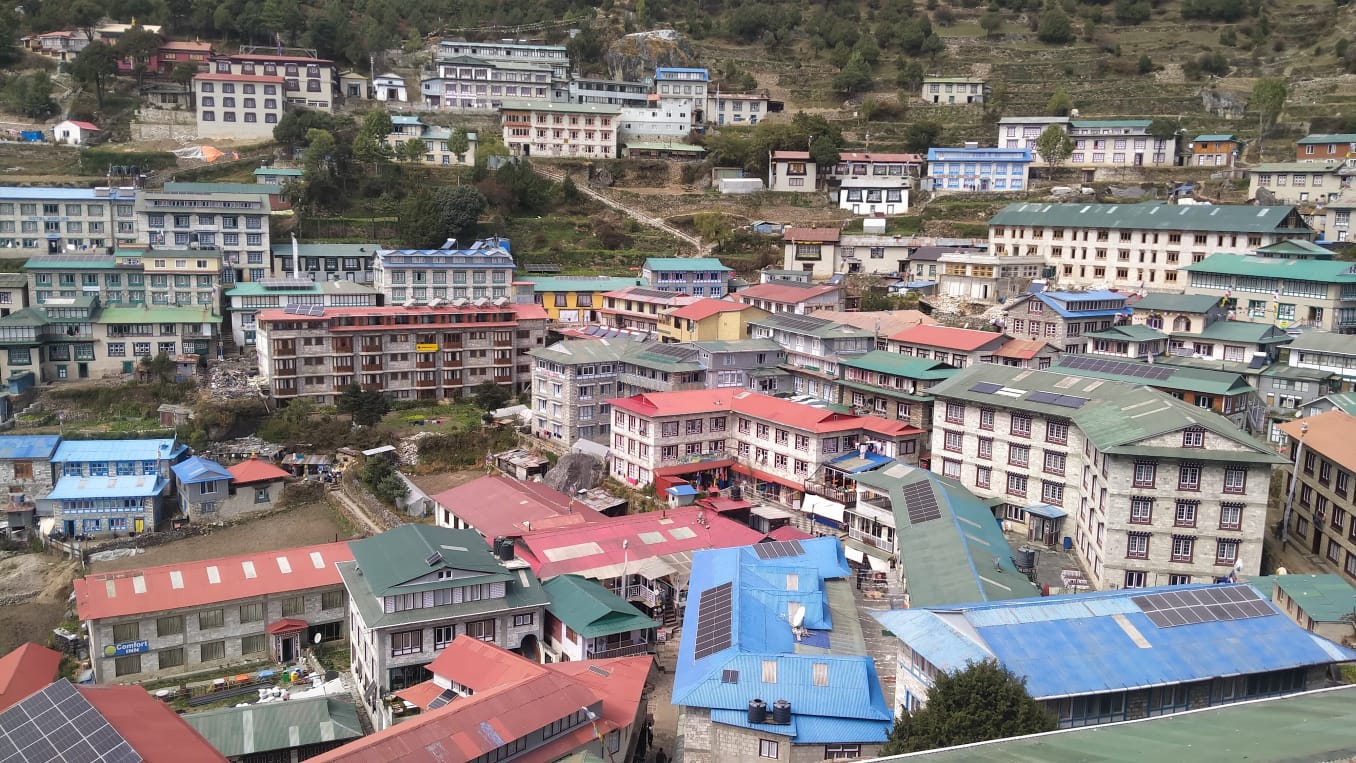
Introduction to Namche Bazaar
Nestled high in the heart of Nepal’s Khumbu region, Namche Bazaar is one of the most iconic mountain towns in the world. Often referred to as the “Gateway to Everest,” this vibrant Sherpa settlement serves as the primary acclimatization stop for trekkers heading toward Everest Base Camp and other Himalayan adventures. Located at an altitude of 3,440 meters (11,286 feet), Namche Bazaar is much more than just a stopover on the Everest trekking route. It is a thriving cultural hub, a bustling marketplace, and a breathtaking destination that offers unforgettable mountain views and authentic Sherpa hospitality.
For centuries, Namche Bazaar has been an important trading center connecting Nepal and Tibet. Today, it welcomes thousands of trekkers, climbers, and travelers each year who come to experience the beauty of the Himalayas and the unique culture of the Khumbu region. Whether you are embarking on the famous Everest Base Camp Trek, exploring Sherpa villages, or simply seeking spectacular mountain scenery, Namche Bazaar deserves a prominent place on your Nepal travel itinerary.
This comprehensive travel guide covers everything you need to know about Namche Bazaar, including how to reach Namche Bazaar, what to expect, the best hotels and restaurants, acclimatization day activities, side trips, and the best time to visit.
How to Reach Namche Bazaar
Getting to Namche Bazaar is an adventure that begins long before you arrive. The journey itself is one of the highlights of any Everest trekking experience.
- Step 1: Fly to LuklaThe most common route starts with a scenic flight from Kathmandu/Ramechhap to Lukla. The flight lasts approximately 35 minutes and offers spectacular aerial views of the Himalayas. Lukla Airport is renowned as one of the world’s most thrilling mountain airports due to its short runway and dramatic location.
- Step 2: Trek from Lukla to PhakdingAfter arriving in Lukla, trekkers begin their journey on foot. The first day’s trek typically takes you to the peaceful village of Phakding. The trail passes through charming Sherpa settlements, forests, and suspension bridges.
- Step 3: Trek from Phakding to Namche Bazaar. The second day involves a more challenging trek. After entering Sagarmatha National Park, the trail follows the Dudh Koshi River and crosses several suspension bridges before ascending steeply toward Namche Bazaar.
Highlights
- Scenic mountain trails
- Traditional Sherpa villages
- Colorful prayer flags
- Suspension bridges over deep gorges
- First views of Mount Everest
- Rich biodiversity within Sagarmatha National Park
The trek from Lukla to Namche Bazaar generally takes two days, making the arrival all the more rewarding.
What to Expect at Namche Bazaar
First-time visitors are often surprised by how developed Namche Bazaar is compared to other Himalayan villages. Despite its remote mountain location, Namche offers many modern amenities while preserving its traditional Sherpa character.
The village is built into a natural amphitheater on a steep mountainside, creating a stunning visual landscape. As you walk through the stone-paved streets, you’ll discover bakeries, coffee shops, trekking gear stores, museums, Monastries, hotels, and local markets.
Things You Can Expect in Namche Bazaar
- Stunning Himalayan scenery
- Friendly Sherpa culture
- Comfortable accommodation options
- Internet and communication services
- Medical clinics and pharmacies
- Cafes and bakeries
- Trekking equipment stores
- Cultural museums
The atmosphere in Namche Bazaar is energetic and international. During peak trekking seasons, you’ll meet travelers from around the world sharing stories and preparing for their mountain adventures.
Namche Bazaar Altitude and Acclimatization
At 3,440 meters above sea level, Namche Bazaar plays a crucial role in helping trekkers acclimatize before ascending to higher elevations.
Altitude sickness can affect anyone regardless of age or fitness level. Spending at least two nights in Namche Bazaar allows your body to adapt to the thinner air and lower oxygen levels.
Why Acclimatization is Important
- Reduces the risk of Acute Mountain Sickness (AMS)
- Improves physical performance
- Enhances overall trekking experience
- Increases safety at higher elevations
The principle followed by trekkers is simple: climb high, sleep low. This means taking short hikes to higher elevations during the day while returning to Namche Bazaar to sleep.
Namche Bazaar Acclimatization Day Activities
An acclimatization day in Namche Bazaar is an important part of the Everest Base Camp Trek. Rather than resting completely, trekkers take short hikes to higher elevations to help their bodies adapt to the altitude while enjoying some of the region’s best attractions.
Hike to Everest View Hotel
The most popular acclimatization activity is a hike to the famous Everest View Hotel. Located above Namche Bazaar, this scenic viewpoint offers breathtaking views of Mount Everest, Ama Dablam, Lhotse, and other Himalayan peaks. The hike takes around 2–3 hours and is ideal for altitude adjustment and photography.
Visit Syangboche
Syangboche is a small settlement situated above Namche Bazaar. The trail offers panoramic mountain views, peaceful surroundings, and excellent opportunities to experience the beauty of the Khumbu region away from the crowds.
Explore Khumjung Village
A short hike from Namche Bazaar leads to Khumjung, one of the largest Sherpa villages in the Everest region. Visitors can explore traditional Sherpa homes, visit the historic Khumjung Monastery, and learn about local culture and daily life.
Thame Village
Thame is a historic Sherpa village situated west of Namche Bazaar. Known for its authentic culture, ancient monastery, and quiet trekking trails, Thame offers a less-crowded alternative to the main Everest trekking route. It is an ideal destination for travelers seeking a deeper cultural experience.
Visit the Sherpa Culture Museum
The Sherpa Culture Museum provides valuable insights into the history, traditions, and mountaineering heritage of the Sherpa people. It is an excellent place to learn about the culture that has shaped the Everest region for generations.
Explore Namche Market
If you are in Namche Bazaar on a Saturday, don’t miss the lively weekly market. Local traders from nearby villages gather here to sell fresh produce, handicrafts, trekking gear, and household goods, offering visitors a glimpse into traditional mountain commerce.
An acclimatization day in Namche Bazaar is more than just preparation for higher altitudes—it’s an opportunity to experience Sherpa culture, explore scenic viewpoints, and enjoy some of the most spectacular landscapes in the Everest region.—
Best Hotels and Restaurants in Namche Bazaar
Despite its remote location in the heart of the Himalayas, Namche Bazaar offers surprisingly comfortable accommodation and a diverse dining scene. As the main gateway to Everest Base Camp, the town has developed into a popular hub for trekkers, climbers, and travelers from around the world. From luxury mountain lodges to cozy bakeries and traditional Sherpa restaurants, Namche Bazaar provides everything visitors need for a comfortable stay in the Everest region.
Best Hotels in Namche Bazaar
Whether you’re looking for luxury, comfort, or budget-friendly accommodation, Namche Bazaar offers a range of excellent options.
Hotel Everest View
Perched at an altitude of 3,880 meters, Hotel Everest View is one of the world’s highest luxury hotels and one of the most iconic accommodations in the Everest region. Famous for its spectacular panoramic views of Mount Everest, Ama Dablam, Lhotse, and Nuptse, the hotel provides a unique blend of comfort and Himalayan scenery.
Guests can enjoy well-appointed rooms, fine dining, outdoor terraces, and breathtaking sunrise views over the Himalayas. Even travelers who do not stay overnight often hike here during their acclimatization day to enjoy the world-famous mountain panorama.
Yeti Mountain Home
Yeti Mountain Home is one of the most comfortable and well-established lodges in Namche Bazaar. Combining traditional Sherpa architecture with modern amenities, it offers a warm and welcoming atmosphere for trekkers.
The lodge features comfortable rooms, heated dining areas, excellent hospitality, and a menu that includes both local and international cuisine. Its peaceful setting and high-quality service make it a popular choice for travelers seeking extra comfort during their Everest adventure.
Panorama Lodge
Panorama Lodge is a favorite among trekkers due to its excellent location and beautiful mountain views. The lodge offers clean and comfortable rooms, friendly service, and a relaxed atmosphere.
Guests can enjoy stunning views of the surrounding peaks directly from the property. Its convenient location near the center of Namche Bazaar makes it easy to explore local shops, cafes, and cultural attractions.
Camp de Base
Camp de Base is known for its cozy atmosphere, stylish interior, and excellent hospitality. The lodge has become increasingly popular among international trekkers looking for a comfortable place to rest and recharge.
With comfortable rooms, quality meals, and a welcoming environment, Camp de Base provides a pleasant balance between affordability and comfort. Its central location allows easy access to the town’s main attractions and viewpoints.
Best Restaurants in Namche Bazaar
After a long day of trekking, there is nothing better than enjoying a hot meal or freshly brewed coffee while surrounded by spectacular mountain scenery. Namche Bazaar is home to some of the best restaurants, bakeries, and cafes in the Everest region.
Sherpa Barista Bakery
Sherpa Barista Bakery has become one of the most popular cafes in Namche Bazaar. Known for its freshly brewed coffee, homemade cakes, and delicious pastries, it offers a welcome treat for trekkers craving something familiar after days on the trail.
The cozy atmosphere and mountain views make it an excellent place to relax, enjoy breakfast, or catch up with fellow travelers. Their cappuccinos, chocolate cakes, cinnamon rolls, and fresh pastries are particularly popular.
Himalayan Java Namche
Himalayan Java, Nepal’s most recognized coffee brand, also operates a branch in Namche Bazaar. This modern cafe serves high-quality coffee, espresso drinks, sandwiches, pasta, pizzas, and desserts.
For many trekkers, a visit to Himalayan Java is a welcome opportunity to enjoy a quality cup of coffee while taking in the vibrant atmosphere of the town. The cafe provides a comfortable setting with reliable food and excellent service.
Cafe Danphe
Cafe Danphe is one of Namche Bazaar’s most popular dining spots, offering a combination of local and international dishes. The restaurant is known for its welcoming atmosphere, scenic views, and diverse menu.
Visitors can enjoy traditional Sherpa meals, Nepali dishes, pizzas, pancakes, fried rice, and soups while admiring the surrounding Himalayan landscape. It is an excellent place for both lunch and dinner after a day of trekking.
Namche Bakery
Namche Bakery has earned a reputation as one of the best bakeries in the Everest region. Trekkers often stop here to enjoy fresh bread, apple pie, cookies, cakes, and hot drinks.
The bakery’s warm atmosphere and delicious baked goods make it a favorite gathering place for travelers. Their homemade apple pie is particularly famous among Everest Base Camp trekkers.
Local Foods You Must Try in Namche Bazaar
A visit to Namche Bazaar is incomplete without tasting traditional Himalayan and Sherpa cuisine. These hearty meals provide the energy needed for trekking while offering a glimpse into local culture.
Dal Bhat
Nepal’s national dish consists of rice, lentil soup, vegetables, and pickles. It is nutritious, filling, and often served with unlimited refills, making it the preferred meal for many trekkers.
Sherpa Stew
A traditional mountain dish prepared with vegetables, potatoes, noodles, and sometimes meat. Sherpa stew is warm, comforting, and perfect for the cool temperatures of the Everest region.
Momos
These popular Nepali dumplings are filled with vegetables, cheese, or meat and served with spicy dipping sauce. They are one of the most loved snacks throughout Nepal.
Tibetan Bread
A thick, fried bread commonly enjoyed for breakfast with honey, jam, or eggs. It is a staple food in many mountain villages.
Yak Cheese
Produced in the high Himalayan pastures, yak cheese has a distinctive flavor and is an important part of the local diet. It is often enjoyed as a snack or used in various dishes.
Thukpa
A traditional Tibetan noodle soup made with vegetables, herbs, and sometimes meat. It is especially popular among trekkers because it provides warmth and nourishment after long hiking days.
Whether you’re staying in a luxury lodge, enjoying freshly baked pastries, or sampling traditional Sherpa cuisine, Namche Bazaar offers one of the most enjoyable accommodation and dining experiences in the entire Everest region.—
Sherpa Culture and Local Life
One of Namche Bazaar’s greatest attractions is its rich Sherpa heritage. The Sherpa people are renowned worldwide for their mountaineering skills, resilience, and hospitality. Visitors have the opportunity to learn about traditional customs, Buddhist beliefs, and mountain lifestyles that have remained largely unchanged for generations.
Common cultural experiences include:
- Visiting monasteries
- Observing Buddhist ceremonies
- Learning traditional crafts
- Sampling local cuisine
- Interacting with local families
- Respect for local traditions enhances the travel experience and helps preserve cultural heritage.
Live Music Bar in Namche Bazaar
Namche Bazaar, the gateway to Everest, is not only famous for trekking but also for its unique high-altitude nightlife. After long trekking days in the Khumbu region, travelers often gather in cozy bars and restaurants where live music, good food, and warm hospitality create a memorable Himalayan experience.
The Hungry Yak (World’s Highest Live Music Bar)
The Hungry Yak Live Music Bar is the most famous live music spot in Namche Bazaar and is often promoted as one of the highest live music bars in the world. It offers a lively atmosphere with regular music performances, international and Nepali food, and a vibrant social setting for trekkers. It is a must-visit place to enjoy music after trekking in the Everest region.
Yeti Bar
Yeti Bar is a popular hangout among trekkers looking for a relaxed evening. It offers a friendly environment, drinks, and occasional music sessions. It is ideal for those who prefer a quieter but social atmosphere.
Irish Pub (Namche Bazaar)
Irish Pub is another well-known stop on the Everest trekking route. While not always focused on live performances, it provides a lively crowd, drinks, and a great place to unwind with fellow trekkers.
Café Danphe Bar
Cafe Danphe Bar is a cozy café and bar that sometimes features soft music and a relaxed evening vibe. It is perfect for travelers who want a calm atmosphere with good food and scenic surroundings.
In Short
- Live music in Namche Bazaar is a trekker-style nightlife experience, not a city club scene. It is:
- Cozy and high-altitude
- Seasonal (more active in trekking months)
- Social and international
- Centered around places like The Hungry Yak
After trekking in the Himalayas, these bars become a place to relax, connect, and celebrate the journey in the Everest region.
Best Time to Visit Namche Bazaar
Choosing the best time to visit Namche Bazaar can significantly enhance your trekking experience. Weather conditions, mountain visibility, trail conditions, and crowd levels vary throughout the year, making some seasons more favorable than others. While Namche Bazaar can be visited year-round, spring and autumn are widely regarded as the best seasons for trekking in the Everest region.
Spring (March to May) – The Season of Blooming Trails and Clear Views
Spring is one of the most popular and rewarding times to visit Namche Bazaar. As winter snow begins to melt, the trails come alive with vibrant colors, warmer temperatures, and excellent trekking conditions. The hillsides around the Khumbu region are covered with blooming rhododendron forests, Nepal’s national flower, creating spectacular scenery along the trekking routes.
Daytime temperatures in Namche Bazaar are generally comfortable, ranging between 10°C and 18°C, making it ideal for hiking and outdoor exploration. The skies are often clear in the mornings, offering breathtaking views of Mount Everest, Ama Dablam, Lhotse, and other Himalayan giants.
Why Visit Namche Bazaar in Spring?
- Pleasant temperatures for trekking
- Colorful rhododendron blooms throughout the region
- Excellent mountain visibility
- Longer daylight hours
- Active trekking atmosphere
- Ideal conditions for Everest Base Camp Trek and Gokyo Valley Trek
Spring is also the peak climbing season for Mount Everest, allowing visitors to witness the excitement and preparations of mountaineering expeditions heading toward the world’s highest peak.
Autumn (September to November) – The Best Overall Season
Autumn is considered by many trekkers and travel experts to be the absolute best time to visit Namche Bazaar. Following the summer monsoon, the air becomes exceptionally clean and clear, creating some of the most spectacular mountain views of the year.
The weather remains stable, with sunny days, mild temperatures, and minimal rainfall. Visibility is often at its best, making autumn a paradise for photographers and nature lovers. The surrounding peaks appear sharp and crystal clear against deep blue Himalayan skies.
Daytime temperatures typically range from 8°C to 16°C, providing comfortable trekking conditions without the intense cold of winter.
Why Visit Namche Bazaar in Autumn?
- Crystal-clear mountain panoramas
- Stable weather and low rainfall
- Ideal trekking temperatures
- Outstanding photography opportunities
- Excellent trail conditions
- Vibrant trekking and cultural atmosphere
Autumn also coincides with Nepal’s major festivals, including Dashain and Tihar, offering travelers an opportunity to experience local traditions and celebrations during their visit.
For first-time trekkers planning an Everest Base Camp adventure, autumn is often the most recommended season.
Winter (December to February) – A Peaceful Himalayan Escape
Winter brings a completely different experience to Namche Bazaar. The region becomes quieter as trekking numbers decrease, offering a more peaceful and authentic atmosphere. Snow-covered mountains, frozen landscapes, and crisp air create a magical Himalayan setting.
The skies are often incredibly clear, especially after snowfall, allowing for stunning views of Everest and the surrounding peaks. However, temperatures can drop well below freezing at night, particularly in January.
Daytime temperatures may range between 0°C and 8°C, while nighttime temperatures often fall below -10°C.
Advantages of Visiting in Winter
- Fewer tourists and quieter trails
- Beautiful snow-covered scenery
- Clear mountain views
- Easier accommodation availability
- Unique winter photography opportunities
Challenges of Winter Travel
- Extremely cold mornings and nights
- Potential snowfall on higher trails
- Limited operating hours for some lodges
- Occasional flight delays due to weather
Winter is best suited for experienced trekkers who are comfortable hiking in cold conditions and want to avoid peak-season crowds.
Monsoon (June to August) – The Green Season
Monsoon season is the least popular time for trekking to Namche Bazaar, but it offers a unique perspective of the Everest region. Frequent rainfall transforms the landscape into a lush green paradise, with forests, rivers, and valleys appearing more vibrant than at any other time of year.
Cloud cover often obscures mountain views, particularly during the afternoons. Rain can make trails muddy and slippery, and flights to Lukla are more likely to experience delays or cancellations.
Despite these challenges, some travelers appreciate the tranquility and natural beauty that the monsoon season provides.
Advantages of Visiting During Monsoon
- Lush green landscapes
- Fewer trekkers on the trails
- Peaceful atmosphere
- Beautiful waterfalls and flowing rivers
- Lower accommodation demand
Challenges of Monsoon Travel
- Reduced mountain visibility
- Frequent rainfall
- Slippery trekking trails
- Flight delays and cancellations
- Increased leech activity at lower elevations
Travelers seeking solitude and a different side of the Himalayas may still find monsoon trekking rewarding, although it requires greater flexibility and preparation.
Which Season Is Best for You?
Choose Spring If You Want
- Blooming rhododendron forests
- Warm trekking temperatures
- Active Everest climbing season
- Beautiful natural landscapes
Choose Autumn If You Want
- The clearest mountain views
- The most stable weather
- Ideal trekking conditions
- The best photography opportunities
Choose Winter If You Want
- Fewer crowds
- Snow-covered scenery
- Peaceful trekking routes
- A more authentic local experience
Choose Monsoon If You Want:
- Green Himalayan landscapes
- Solitude on the trails
- Budget-friendly travel opportunities
- A unique perspective of the Everest region
For most travelers, **Spring (March to May)** and **Autumn (September to November)** are the best times to visit Namche Bazaar. These seasons provide the perfect combination of clear mountain views, comfortable temperatures, safe trekking conditions, and unforgettable Himalayan scenery. If your goal is to experience the beauty of the Everest region at its finest, plan your visit during one of these peak trekking seasons.—
Travel Tips for Visiting Namche Bazaar
When visiting Namche Bazaar, a few simple travel tips can greatly improve your trekking experience in the Everest region. Since the village is located at a high altitude, it is important to take care of your health by staying well-hydrated, walking at a slow and steady pace, and avoiding alcohol during the acclimatization period. Trekkers should also be aware of altitude sickness symptoms and carry any essential medications for safety.
Proper packing is equally important for a comfortable journey. Warm clothing, a waterproof jacket, sturdy trekking boots, sunglasses, sunscreen, and a reusable water bottle are must-have items to handle the changing mountain weather conditions.
In addition, responsible tourism plays a key role in preserving the beauty of Namche Bazaar and the Khumbu region. Visitors are encouraged to respect local Sherpa culture, minimize plastic waste, support local businesses, and follow Leave No Trace principles to protect the fragile Himalayan environment for future travelers.
FAQ for Namche bazaar
Why do trekkers spend an extra day in Namche Bazaar?
Most trekkers stay an additional day in Namche Bazaar to help their bodies adjust to the higher altitude before continuing toward Everest Base Camp or other destinations in the Khumbu region.
Is Namche Bazaar only for Everest Base Camp trekkers?
No. Namche Bazaar is also a popular destination for travelers exploring Khumjung, Khunde, Thame, Gokyo Valley, Everest View Hotel, and other trekking routes in the Everest region.
What makes Namche Bazaar different from other mountain villages in Nepal?
Namche Bazaar combines traditional Sherpa culture with modern trekking facilities, making it one of the most developed and vibrant mountain towns in the Himalayas.
Can beginners reach Namche Bazaar?
Yes. Trekkers with average fitness can reach Namche Bazaar after a few days of walking from Lukla, making it an achievable Himalayan destination for many first-time trekkers.
What are the best viewpoints around Namche Bazaar?
Popular viewpoints include Everest View Hotel, Syangboche, the Sagarmatha National Park Visitor Center, and nearby hiking trails leading toward Khumjung Village.
What mountain peaks can be seen from Namche Bazaar?
Depending on weather conditions, visitors can enjoy views of Everest, Lhotse, Nuptse, Ama Dablam, Thamserku, and Kongde Ri.
Is there a local market in Namche Bazaar?
Yes. Namche Bazaar hosts a famous weekly market where local villagers and traders sell fresh produce, traditional goods, trekking supplies, and handicrafts.
How important is Namche Bazaar to Sherpa culture?
Namche Bazaar is considered one of the cultural and commercial centers of the Sherpa community, preserving local traditions, festivals, and mountain heritage.
Are there bakeries and coffee shops in Namche Bazaar?
Yes. Namche Bazaar is well known for its bakeries, cafés, coffee shops, and restaurants, offering trekkers a comfortable place to relax during their journey.
Can I buy trekking gear in Namche Bazaar?
Yes. The town has numerous shops selling trekking equipment, clothing, snacks, batteries, and other essentials for Himalayan adventures.
Is Wi-Fi available in Namche Bazaar?
Most lodges, cafés, and hotels offer internet services, although speeds may vary depending on weather and network conditions.
What cultural attractions can I visit in Namche Bazaar?
Visitors can explore Sherpa museums, Buddhist monasteries, prayer wheels, memorial monuments, and the Sagarmatha National Park Visitor Center.
Can I visit Namche Bazaar without trekking to Everest Base Camp?
Absolutely. Many travelers visit Namche Bazaar solely to experience Sherpa culture, Himalayan scenery, and high-mountain life without continuing to Everest Base Camp.
How cold does Namche Bazaar get at night?
Temperatures can drop significantly after sunset, especially during winter months, so warm clothing is recommended throughout the year.
Is Namche Bazaar worth visiting?
Yes. With spectacular mountain views, rich Sherpa heritage, lively markets, and excellent trekking opportunities, Namche Bazaar is one of the most rewarding destinations in Nepal’s Everest region.
Conclusion
Namche Bazaar is much more than a stop on the Everest Base Camp Trek. It is a destination rich in culture, history, and natural beauty. From its bustling markets and welcoming Sherpa community to its breathtaking mountain panoramas and world-class trekking opportunities, Namche Bazaar offers an experience unlike anywhere else on Earth.
Whether you’re hiking to Everest View Hotel, exploring traditional Sherpa villages, enjoying local cuisine, or simply soaking in the atmosphere of the Khumbu region, every moment spent in Namche Bazaar becomes part of an unforgettable Himalayan adventure.
For travelers seeking the perfect blend of culture, adventure, and mountain scenery, Namche Bazaar truly stands as the gateway to Everest and one of Nepal’s most remarkable destinations.
Ramchandra Lamichhane
Trekking Expert
No hidden fees • Local experts • Best price guarantee