
Kyanjin Gompa: The Scenic Heart of Langtang Valley
Introduction
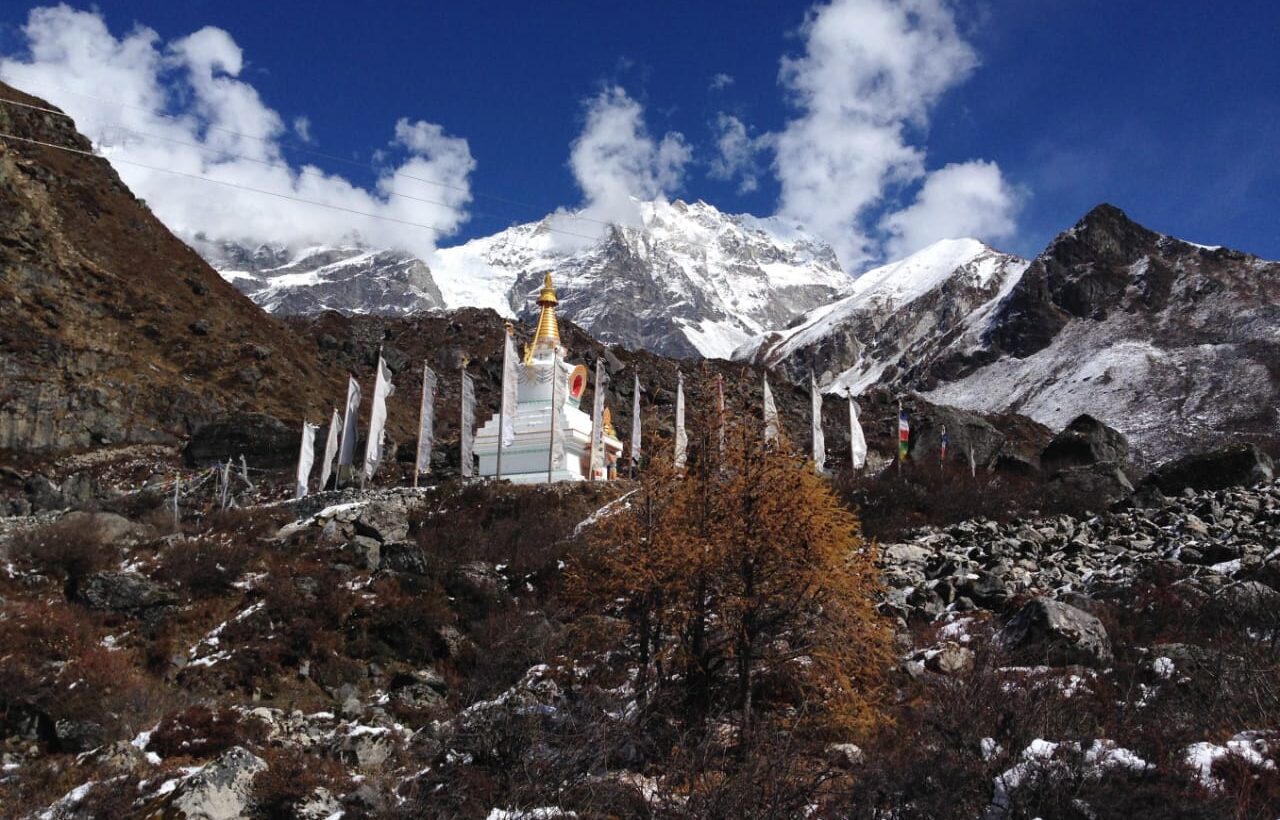
Nestled deep within the spectacular Langtang Valley, Kyanjin Gompa is one of Nepal’s most beautiful mountain villages and a favorite destination for trekkers seeking breathtaking Himalayan scenery, rich cultural experiences, and peaceful surroundings. Located inside Langtang National Park, this picturesque settlement sits beneath towering snow-capped peaks, glaciers, and alpine meadows, making it the highlight of the famous Langtang Valley Trek.
Unlike the busier trekking regions of Everest and Annapurna, Kyanjin Gompa offers a quieter and more authentic Himalayan experience. Visitors can explore an ancient Buddhist monastery, taste locally produced yak cheese, hike to spectacular viewpoints like Kyanjin Ri and Tserko Ri, and immerse themselves in the warm hospitality of the local Tamang community. Every season brings a different charm, from colorful rhododendron blooms in spring to crystal-clear mountain views in autumn.
Whether you are an adventure enthusiast, nature lover, photographer, or cultural explorer, Kyanjin Gompa promises an unforgettable journey into the heart of the Himalayas. With proper planning and guidance from **Create Himalaya Adventure**, your trip becomes not only safe and enjoyable but also a meaningful experience that supports responsible tourism and local communities.
Where is Kyanjin Gompa Located?
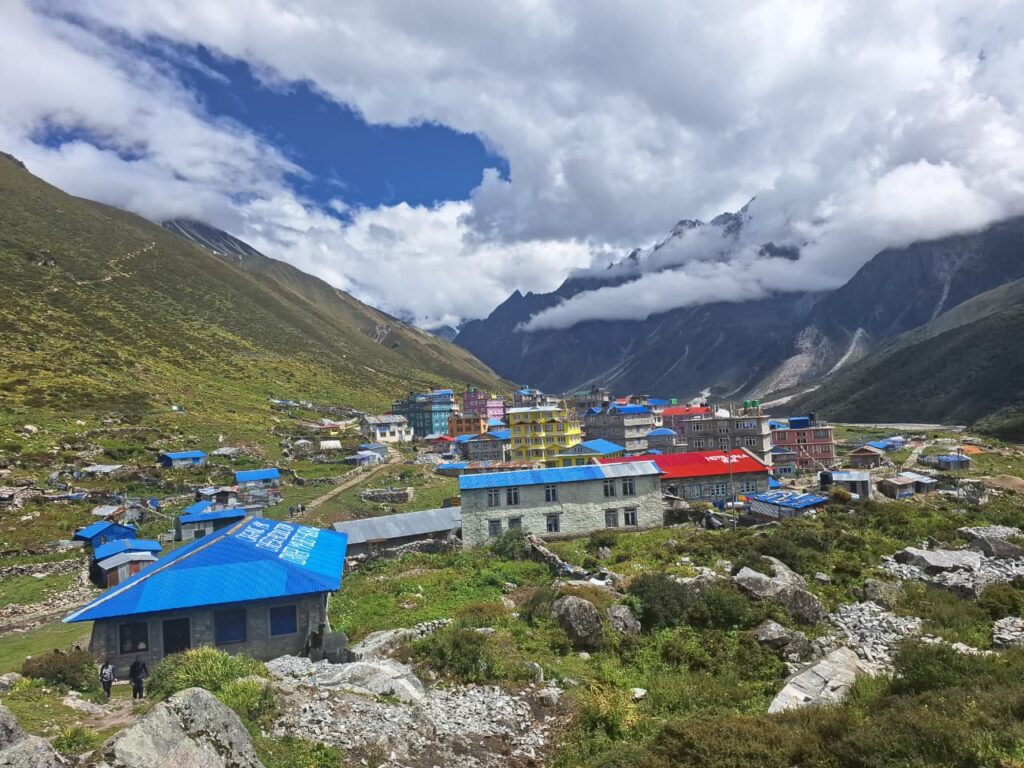
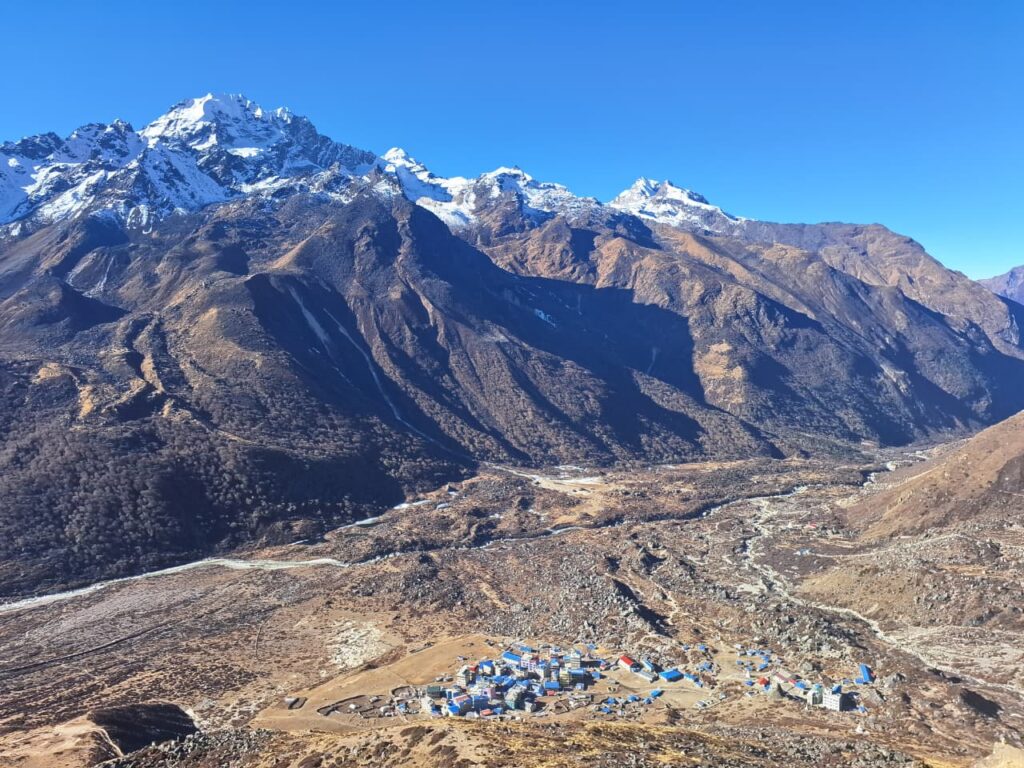
Kyanjin Gompa is located in the Langtang Valley of Rasuwa District in northern Nepal, close to the Tibetan border. The village lies within the protected area of Langtang National Park, Nepal’s first Himalayan national park, which is renowned for its rich biodiversity, dramatic landscapes, and traditional mountain settlements.
Situated at an elevation of 3,870 meters (12,697 feet) above sea level, Kyanjin Gompa is the final permanent settlement on the classic Langtang Valley Trek. It is approximately 117 kilometers north of Kathmandu and can be reached after several days of trekking from Syabrubesi, the gateway to the Langtang region.
The village is surrounded by some of the most spectacular peaks in the Langtang Himal, including:
- Langtang Lirung (7,227 m)
- Dorje Lakpa (6,966 m)
- Yala Peak (5,732 m)
- Gangchempo (6,388 m)
- Naya Kanga (5,846 m)
Glaciers, rivers, alpine pastures, and rugged mountain terrain create a breathtaking setting that attracts thousands of trekkers every year. Despite its remote location, Kyanjin Gompa remains an important cultural and trekking destination, serving as the base for several popular day hikes and mountaineering adventures.
History and Cultural Significance of Kyanjin Gompa (Local Tamang Culture and Traditions)
Kyanjin Gompa has been an important spiritual and cultural center of the Langtang Valley for centuries. The village derives much of its identity from the historic Buddhist monastery that stands at its heart. Built according to Tibetan Buddhist traditions, the monastery has long served as a place of worship, meditation, and community gatherings for the local people.
The region is predominantly inhabited by the Tamang community, one of Nepal’s oldest Himalayan ethnic groups. The Tamang people share deep cultural, linguistic, and religious connections with Tibetan Buddhism. Their traditions have been preserved for generations despite the region’s remote location.
Life in Kyanjin Gompa revolves around simple mountain living. Many families depend on yak and sheep herding, agriculture, tourism, and cheese production. Stone-built houses, colorful prayer flags, chortens, mani walls, and spinning prayer wheels are common sights throughout the village, reflecting the community’s strong Buddhist beliefs.
Visitors often experience genuine Tamang hospitality while staying in locally operated teahouses. Traditional customs remain an important part of daily life, and local festivals are celebrated with prayer ceremonies, masked dances, and community gatherings at the monastery.
The devastating 2015 Nepal earthquake severely affected Langtang Valley, causing significant damage to villages and infrastructure. However, through determination and community effort, Kyanjin Gompa was successfully rebuilt. Today, it symbolizes the resilience, courage, and enduring spirit of the local people, welcoming trekkers from around the world once again.
Exploring Kyanjin Gompa is not only about witnessing spectacular mountain scenery but also about experiencing the living heritage of the Tamang people and their centuries-old Buddhist traditions.
Meaning of the Name “Kyanjin Gompa”
The name Kyanjin Gompa reflects the village’s deep connection to Tibetan Buddhism and Himalayan culture.
The word “Gompa” is a Tibetan term meaning Buddhist monastery or a place dedicated to meditation, religious study, and spiritual practice. Monasteries play a central role in the daily lives of Himalayan communities, serving as centers for education, festivals, and religious ceremonies.
The term “Kyanjin” is believed to refer to the high alpine pasture where local villagers have traditionally grazed yaks and other livestock. For generations, these grazing lands have supported the livelihoods of the Tamang people by providing fertile summer pastures for yak herding and dairy production.
Together, the name Kyanjin Gompa represents both the area’s spiritual importance and its traditional mountain lifestyle. It perfectly reflects the harmony between Buddhism, nature, and the people who have lived in the Langtang Valley for centuries.
Today, the name has become synonymous with one of Nepal’s most iconic trekking destinations, attracting visitors seeking both adventure and cultural discovery.
Kyanjin Gompa Altitude and Geography
Kyanjin Gompa stands at an altitude of 3,870 meters (12,697 feet) above sea level, making it one of the highest permanent settlements in the Langtang Valley. At this elevation, the landscape changes dramatically from dense forests to alpine meadows, rocky terrain, and glacial valleys.
The village is located beside the Langtang Khola (River), surrounded by towering Himalayan peaks and massive glaciers that create one of Nepal’s most scenic mountain environments. Snow-covered mountains rise in every direction, offering spectacular panoramic views throughout the year.
Several major geographical features define the area:
- Langtang Glacier
- Kyanjin Glacier
- Langtang Lirung
- Yala Peak
- Tserko Ri
- Kyanjin Ri
- Langshisa Valley
The region experiences cool summers and cold winters due to its high elevation. Spring and autumn provide pleasant trekking conditions with stable weather and exceptional mountain visibility, while winter transforms the valley into a snow-covered wonderland.
The unique geography also supports diverse wildlife within Langtang National Park. Trekkers may encounter Himalayan tahr, musk deer, blue sheep, colorful Himalayan birds, and, with exceptional luck, the elusive red panda in the lower forests.
The combination of glaciers, alpine landscapes, traditional villages, and dramatic mountain scenery makes Kyanjin Gompa one of the most picturesque destinations in the Nepal Himalayas.
Why is Kyanjin Gompa Famous?
Kyanjin Gompa is famous for its spectacular Himalayan scenery, ancient Buddhist heritage, and rewarding trekking experiences. As the final destination of the classic Langtang Valley Trek, it offers a perfect blend of adventure, culture, and natural beauty without the large crowds found in some of Nepal’s more popular trekking regions.
One of its biggest attractions is the historic Kyanjin Monastery, where visitors can observe centuries-old Buddhist traditions while enjoying the peaceful atmosphere of the mountains. Nearby, the renowned Yak Cheese Factory, established with Swiss assistance, produces fresh Himalayan cheese that has become a must-try delicacy for trekkers.
Kyanjin Gompa also serves as the starting point for several unforgettable day hikes. The climb to Kyanjin Ri rewards trekkers with panoramic views of Langtang Lirung, glaciers, and surrounding peaks, while the more challenging hike to Tserko Ri (4,984 m) offers one of the finest sunrise viewpoints in the Langtang region. Those seeking a quieter adventure can explore Langshisa Kharka, a beautiful alpine valley surrounded by towering mountains and grazing yaks.
The village’s location within Langtang National Park adds to its appeal, providing opportunities to experience diverse wildlife, pristine forests, glacial landscapes, and traditional Tamang culture in a single journey. Its peaceful environment, welcoming locals, and stunning mountain backdrop create an unforgettable experience for trekkers, photographers, and nature enthusiasts alike.
For travelers looking to discover the authentic beauty of the Himalayas, Kyanjin Gompa remains one of Nepal’s most rewarding and memorable destinations. With the expertise of Create Himalaya Adventure, visitors can enjoy a well-organized trek while supporting responsible tourism and the local communities of the Langtang Valley.
How to Reach Kyanjin Gompa (Day-by-Day Itinerary)
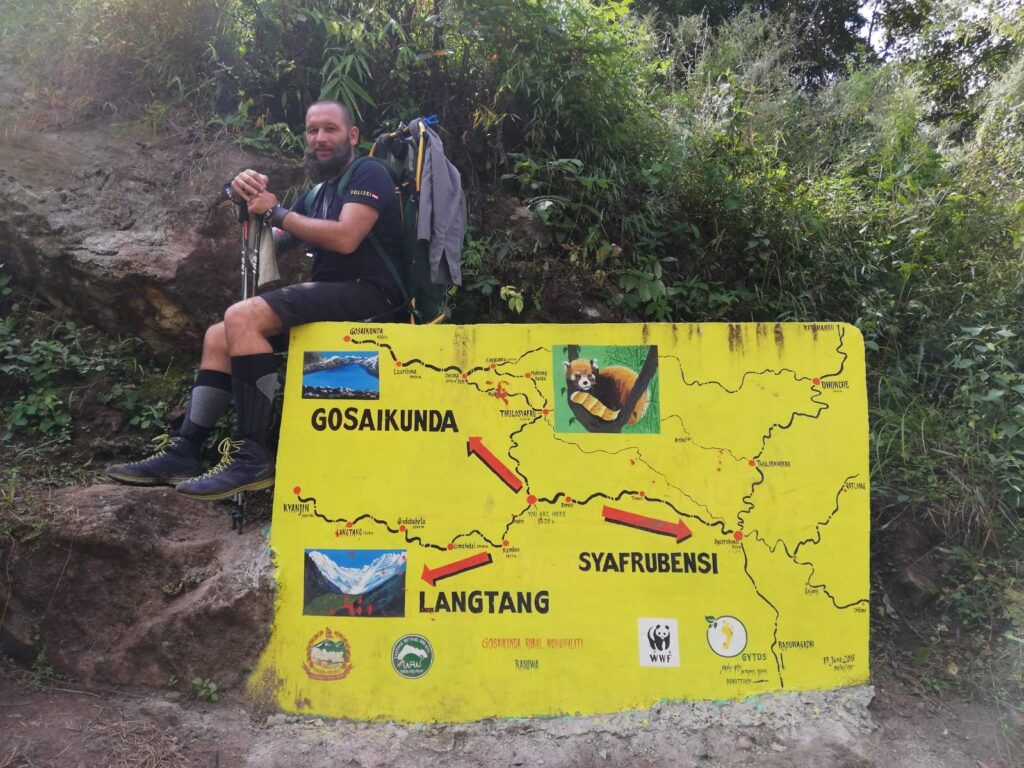
Reaching Kyanjin Gompa is an exciting journey through the beautiful Langtang Valley, one of Nepal’s most accessible trekking regions from Kathmandu. The trek combines scenic mountain trails, lush forests, traditional Tamang villages, rushing rivers, and spectacular Himalayan views. The adventure begins with a scenic drive from Kathmandu to Syabrubesi, followed by five days of trekking through Langtang National Park before reaching Kyanjin Gompa.
Day 1: Drive from Kathmandu to Syabrubesi (1,503 m)
Your journey starts with a scenic drive from Kathmandu to Syabrubesi, the gateway to the Langtang Valley Trek. The drive takes approximately 7–8 hours, passing through winding mountain roads, terraced farmlands, rivers, and small hillside villages. As you leave the busy city behind, you’ll enjoy beautiful views of green hills and the Trishuli River. Upon arrival in Syabrubesi, spend the night at a comfortable teahouse and prepare for the trek ahead.
Day 2: Trek from Syabrubesi to Lama Hotel (2,470 m)
After breakfast, begin your trek by crossing a suspension bridge over the Bhote Koshi River. The trail follows the Langtang Khola through dense forests filled with oak, bamboo, rhododendron, and pine trees. Along the way, you may spot wildlife such as langur monkeys and colorful Himalayan birds. After passing Bamboo and Rimche villages, you gradually ascend to Lama Hotel, a peaceful settlement surrounded by forest.
- Walking Time: 6–7 hours
Day 3: Trek from Lama Hotel to Langtang Village (3,430 m)
Today’s trail continues through beautiful forests before gradually opening into wide alpine valleys. As the elevation increases, you’ll begin to enjoy magnificent views of Langtang Lirung (7,227 m) and surrounding snow-capped peaks. Along the route, you’ll pass prayer wheels, mani walls, and small Buddhist shrines before reaching Langtang Village, which was rebuilt after the 2015 earthquake. The welcoming Tamang culture and spectacular mountain scenery make this one of the most memorable days of the trek.
- Walking Time: 6–7 hours
Day 4: Trek from Langtang Village to Kyanjin Gompa (3,870 m)
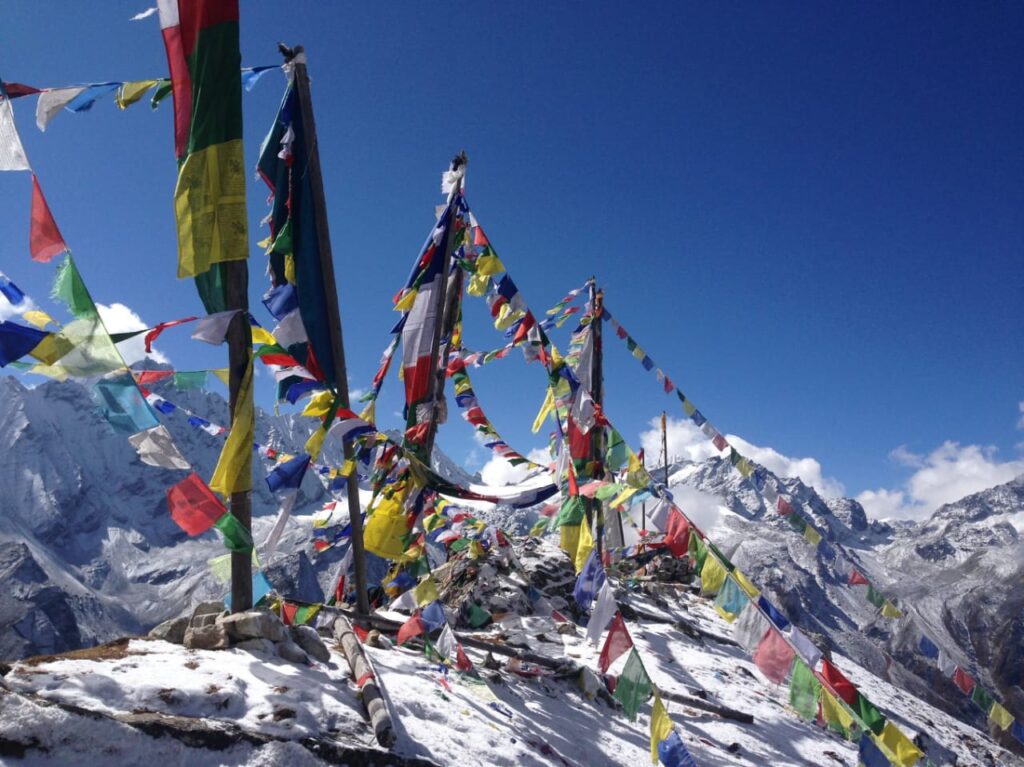
This is one of the most scenic trekking days in the Langtang Valley. The trail gradually climbs through yak pastures, glacial streams, and open alpine landscapes while offering increasingly impressive mountain views. Along the way, you’ll pass ancient mani stones, fluttering prayer flags, and small chortens before arriving at Kyanjin Gompa.
After checking into your teahouse, visit the famous Kyanjin Monastery and the historic Yak Cheese Factory if time permits. Spend the rest of the afternoon relaxing and acclimatizing while enjoying panoramic views of the surrounding Himalayan peaks.
- Walking Time: 3–4 hours
Day 5: Explore Kyanjin Gompa
This day is reserved for acclimatization and exploration. Most trekkers hike to Kyanjin Ri for breathtaking panoramic views of Langtang Lirung, Langtang Glacier, and the surrounding mountain range. More experienced hikers may choose the longer and more challenging trek to Tserko Ri (4,984 m), one of the best viewpoints in the Langtang region. Those looking for a gentler adventure can enjoy a peaceful walk toward Langshisa Kharka, a stunning alpine meadow surrounded by towering peaks.
After returning to Kyanjin Gompa, relax at a local teahouse and enjoy the peaceful atmosphere of this beautiful Himalayan village before beginning your return journey the following day.
Best Time to Visit Kyanjin Gompa
Kyanjin Gompa can be visited throughout the year, but the best trekking seasons are spring (March to May) and autumn (September to November). During these months, the weather is generally stable, the skies are clear, and the mountain views are at their finest.
Spring (March to May)
Spring is one of the most popular seasons for trekking in the Langtang Valley. The forests come alive with blooming rhododendrons, magnolias, and other wildflowers, creating colorful landscapes along the trail. Daytime temperatures are comfortable for hiking, and the visibility is excellent, making it an ideal time for photography and mountain views.
Summer/Monsoon (June to August)
The monsoon season brings frequent rainfall, especially at lower elevations. Trails can become muddy and slippery, while landslides may occasionally affect road access to Syabrubesi. Cloud cover often hides the mountain views, although the surrounding forests become lush and vibrant. Trekking is possible but generally not recommended unless you are prepared for wet conditions.
Autumn (September to November)
Autumn is considered the best season to visit Kyanjin Gompa. After the monsoon rains, the air becomes fresh and crystal clear, offering spectacular views of the Langtang Himal. Pleasant temperatures, stable weather, and excellent trail conditions attract trekkers from around the world. This is also a wonderful time to experience Nepal’s major festivals, adding cultural richness to your journey.
Winter (December to February)
Winter offers peaceful trails and stunning snow-covered landscapes. The mountain scenery is exceptionally clear, but temperatures can fall well below freezing, especially at night. Snowfall may affect higher hiking routes such as Kyanjin Ri and Tserko Ri. With proper winter gear, experienced trekkers can still enjoy a rewarding adventure during this season.
Weather and Temperature in Kyanjin Gompa
Due to its elevation of 3,870 meters, Kyanjin Gompa experiences an alpine climate with cool summers and cold winters. Weather conditions can change quickly in the mountains, so trekkers should always be prepared for sudden temperature drops.
| Season | Daytime Temperature | Night Temperature |
|---|---|---|
| Spring (March–May) | 8°C to 18°C | -2°C to 5°C |
| Summer (June–August) | 10°C to 20°C | 5°C to 10°C |
| Autumn (September–November) | 8°C to 16°C | -5°C to 3°C |
| Winter (December–February) | -2°C to 8°C | -15°C to -5°C |
Morning hours usually provide the clearest mountain views, while clouds often develop during the afternoon. Carrying layered clothing, a waterproof jacket, gloves, and a warm down jacket is recommended in every season.
Food and Accommodation in Kyanjin Gompa
Despite its remote Himalayan location, Kyanjin Gompa offers comfortable teahouse accommodation and a surprisingly varied selection of meals. Most lodges are family-run by local Tamang families, providing warm hospitality and a cozy atmosphere after a day of trekking.
Rooms are generally simple but clean, featuring twin beds, blankets, pillows, and shared bathrooms. Some teahouses also offer attached bathrooms, solar-heated showers (for an additional fee), charging facilities, and Wi-Fi services, although these amenities may be limited depending on weather conditions and electricity availability.
The food served in Kyanjin Gompa is freshly prepared and designed to provide trekkers with the energy needed for high-altitude hiking. Popular dishes include Dal Bhat, fried rice, noodles, pasta, Tibetan bread, pancakes, momos, soups, porridge, eggs, potatoes, and seasonal vegetables. Hot drinks such as ginger tea, lemon tea, black tea, coffee, and hot chocolate are widely available.
One of the highlights of visiting Kyanjin Gompa is tasting the famous yak cheese, produced at the village’s historic cheese factory. Made from the milk of Himalayan yaks grazing in nearby alpine pastures, this locally produced cheese has become one of the region’s signature delicacies and is highly recommended for every visitor.
Although accommodation and dining facilities are comfortable, services become busier during the peak trekking seasons of spring and autumn. Booking your trek with Create Himalaya Adventure ensures well-planned accommodation, reliable logistics, and a hassle-free experience throughout your journey in the Langtang Valley.
Things to Do in Kyanjin Gompa
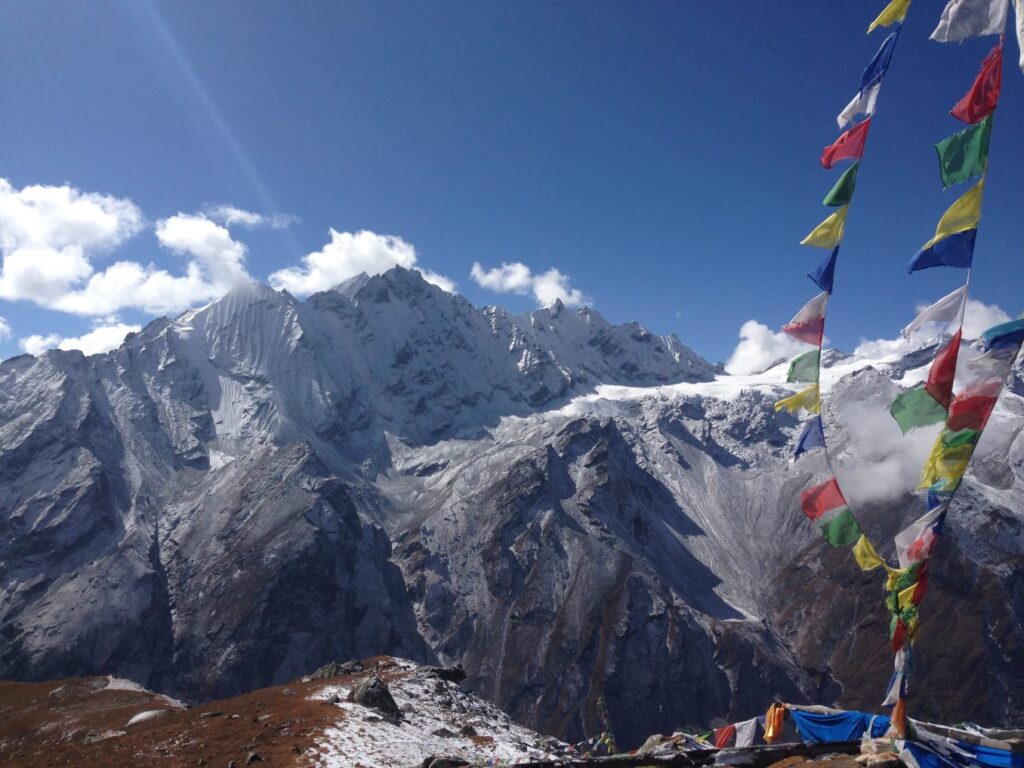
Although Kyanjin Gompa is a small Himalayan village, it offers an incredible range of experiences for trekkers, photographers, nature lovers, and cultural enthusiasts. From ancient Buddhist monasteries to breathtaking mountain viewpoints, every attraction showcases the unique beauty of the Langtang Valley. Most visitors spend at least one or two extra days here to explore the surrounding landmarks and fully appreciate the peaceful atmosphere of this alpine destination.
Visit the Historic Kyanjin Monastery
The Kyanjin Monastery also known as Kyanjin Gompa, is the spiritual heart of the village and one of the oldest Buddhist monasteries in the Langtang region. Surrounded by colorful prayer flags and majestic Himalayan peaks, the monastery has been a place of worship and meditation for generations of the local Tamang community.
Inside the monastery, visitors will find beautifully decorated prayer halls, Buddhist statues, traditional murals, and sacred scriptures that reflect the rich heritage of Tibetan Buddhism. Monks gather daily to perform prayers and religious ceremonies, creating a peaceful and spiritual atmosphere. Respectful visitors are welcome to observe the rituals and learn about the local Buddhist way of life.
A visit to the monastery offers more than sightseeing—it provides a deeper understanding of the traditions, beliefs, and culture that have shaped life in the Langtang Valley for centuries.
Explore the Famous Yak Cheese Factory
One of the most unique attractions in Kyanjin Gompa is the Yak Cheese Factory, a long-established dairy that has become famous throughout Nepal. Established with Swiss technical support several decades ago, the factory produces high-quality cheese using the fresh milk of Himalayan yaks that graze in the surrounding alpine meadows.
Visitors can observe the traditional cheese-making process, learn about yak farming, and discover how dairy production supports the local economy. The factory shop also offers fresh yak cheese, which is known for its rich flavor and firm texture. Many trekkers enjoy sampling the cheese or purchasing it as a souvenir before continuing their journey.
The cheese factory represents an important source of income for local families while preserving traditional Himalayan farming practices.
Hike to Kyanjin Ri
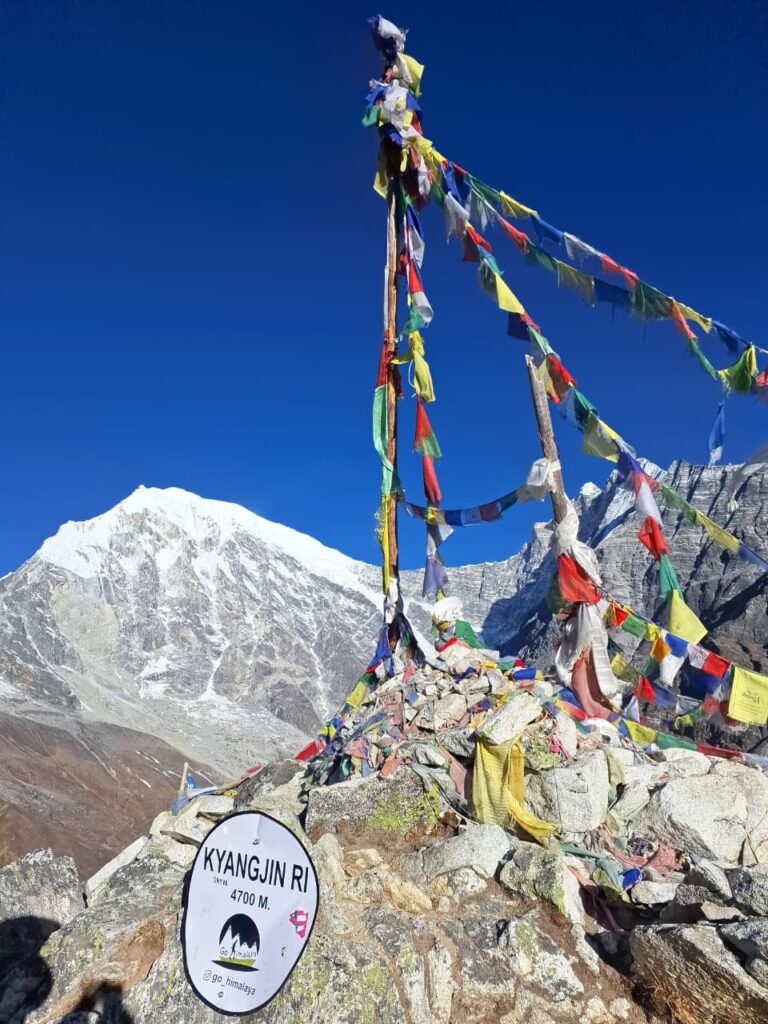
The hike to Kyanjin Ri is one of the most rewarding short adventures in the Langtang Valley. Rising above the village, this viewpoint offers spectacular panoramic views of snow-covered mountains, glaciers, and the entire valley below. Depending on the chosen summit, the hike takes approximately 2 to 4 hours round trip.
Although the trail is steep, it is well-marked and suitable for most trekkers who have properly acclimatized. As you climb higher, the scenery becomes increasingly dramatic, revealing breathtaking views of Langtang Lirung (7,227 m), Langtang Glacier, Yala Peak, Gangchempo, Dorje Lakpa, and countless surrounding Himalayan peaks.
The summit is especially popular during sunrise and sunset when the mountains glow with golden light. For many trekkers, Kyanjin Ri is considered the highlight of the Langtang Valley Trek due to its exceptional views and relatively short hiking distance.
Hike to Tserko Ri
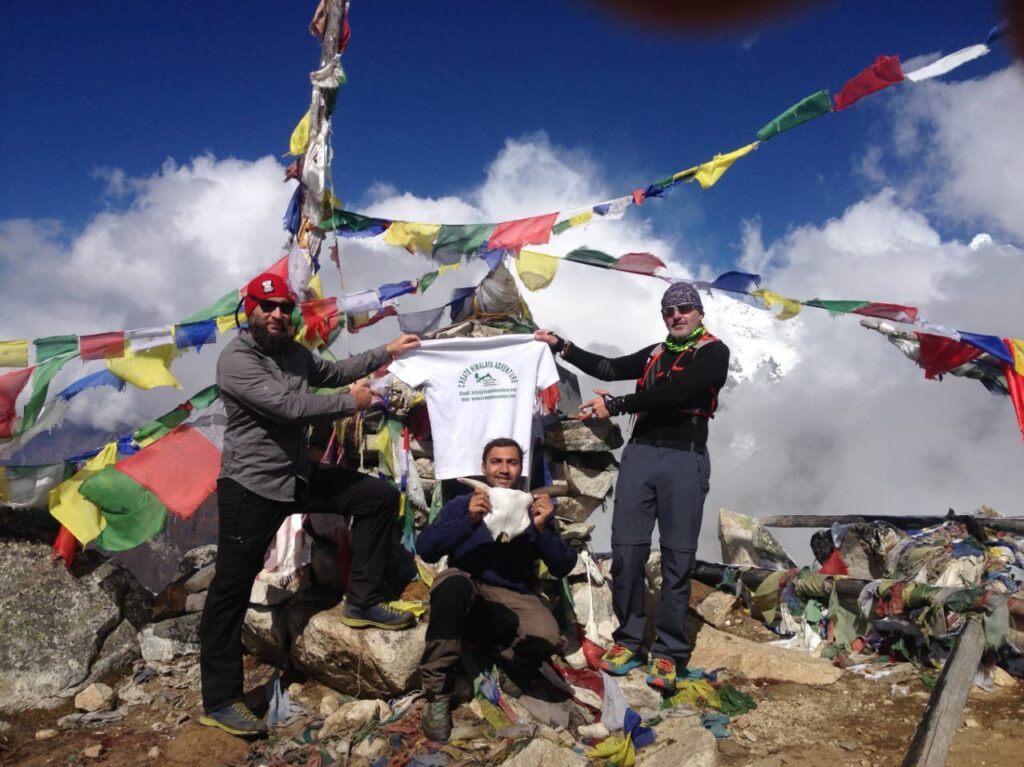
For trekkers seeking a more challenging adventure, the hike to Tserko Ri (4,984 m) is an unforgettable experience. This full-day excursion is one of the highest viewpoints accessible without technical climbing and rewards hikers with some of the finest panoramic views in the Langtang region.
The trail gradually ascends through alpine meadows, rocky ridges, and high mountain terrain before reaching the summit. The climb usually takes 6 to 8 hours round trip, making an early morning start highly recommended.
From the top of Tserko Ri, visitors are rewarded with breathtaking 360-degree views of Langtang Lirung, Dorje Lakpa, Langshisa Ri, Yala Peak, Gangchempo, Naya Kanga, and the vast glaciers surrounding the Langtang Valley. On clear days, the scenery is truly unforgettable and offers excellent opportunities for photography.
Due to the high altitude, proper acclimatization at Kyanjin Gompa is essential before attempting this hike.
Take a Day Hike to Langshisa Kharka
If you prefer a quieter and less crowded adventure, a day hike to Langshisa Kharka is an excellent choice. This beautiful alpine valley lies east of Kyanjin Gompa and follows the Langtang River through wide yak pastures, glacial streams, and open landscapes surrounded by towering Himalayan peaks.
The trail is relatively gentle compared to Kyanjin Ri and Tserko Ri, making it suitable for trekkers looking for a peaceful day walk. Along the route, you’ll encounter grazing yaks, colorful wildflowers during spring, and impressive glacial scenery that highlights the untouched beauty of the Langtang Valley.
Langshisa Kharka is also a favorite destination for photographers, offering fewer crowds and incredible opportunities to capture the region’s pristine natural landscapes.
Enjoy Glaciers and Spectacular Mountain Views
One of the greatest reasons to visit Kyanjin Gompa is the extraordinary mountain scenery that surrounds the village. Towering peaks, massive glaciers, alpine meadows, and crystal-clear rivers create one of Nepal’s most impressive Himalayan landscapes.
From almost every corner of the village, visitors can admire iconic mountains such as Langtang Lirung (7,227 m), Dorje Lakpa (6,966 m), Gangchempo (6,388 m), Yala Peak (5,732 m), and Naya Kanga (5,846 m). The nearby Langtang Glacier and Kyanjin Glacier add another layer of beauty, with their sparkling ice fields stretching beneath the surrounding peaks.
Sunrise and sunset are particularly magical, as the changing light paints the snow-covered mountains in shades of gold, pink, and orange. Whether you’re relaxing outside your teahouse, hiking to a nearby viewpoint, or simply enjoying a cup of hot tea, the scenery around Kyanjin Gompa creates unforgettable memories.
The combination of dramatic Himalayan landscapes, peaceful surroundings, and easy access to world-class viewpoints makes Kyanjin Gompa one of the most scenic trekking destinations in Nepal.
Internet, Wi-Fi, Electricity, and Mobile Network Facility in Kyanjin Gompa
Despite its remote location in the heart of the Langtang Valley, Kyanjin Gompa offers basic communication and utility services for trekkers. While the facilities are not as advanced as those in cities, they are generally sufficient for staying connected and meeting essential travel needs.
Internet and Wi-Fi
Most teahouses in Kyanjin Gompa provide Wi-Fi access for guests, usually for an additional charge. The internet connection is powered by satellite or local wireless networks, so the speed can be slow and unstable, especially during bad weather or peak trekking seasons. It is suitable for sending messages, checking emails, and making occasional voice calls, but streaming videos or downloading large files is generally not practical.
Trekkers should not rely entirely on Wi-Fi for important work or urgent communication. It is a good idea to inform family and friends in advance that internet access may be limited while trekking in the Langtang region.
Mobile Network
Both Nepal Telecom (NTC) and Ncell provide mobile coverage along much of the Langtang Valley Trek. Among the two, Nepal Telecom (NTC) generally offers more reliable coverage in higher elevations, including Kyanjin Gompa. However, signal strength varies depending on the weather and exact location.
Mobile data may work for basic internet browsing, but the connection is often slow. Purchasing a local SIM card before leaving Kathmandu is recommended if you plan to stay connected during the trek.
Electricity and Charging Facilities
Most lodges in Kyanjin Gompa have electricity supplied through micro-hydropower systems or solar energy. Rooms usually do not have private charging sockets, but teahouses provide designated charging stations in the dining area.
Charging phones, cameras, power banks, drones, or other electronic devices usually requires an additional fee. Since electricity availability depends on weather conditions and local power generation, carrying a fully charged power bank is highly recommended.
Overall, while modern facilities are available, they remain limited due to the village’s remote Himalayan setting. Many trekkers appreciate this opportunity to disconnect from daily life and fully immerse themselves in the peaceful beauty of the mountains.
Altitude Sickness and Acclimatization Tips
At an elevation of 3,870 meters (12,697 feet), Kyanjin Gompa is considered a high-altitude destination where some trekkers may experience Acute Mountain Sickness (AMS). Although the ascent to Kyanjin Gompa is gradual, proper acclimatization is essential for a safe and enjoyable trekking experience.
Common symptoms of altitude sickness include headache, dizziness, nausea, fatigue, shortness of breath, difficulty sleeping, and loss of appetite. These symptoms usually appear after gaining significant elevation and should never be ignored.
To reduce the risk of altitude sickness, trekkers should follow these important guidelines:
- Walk at a slow and steady pace without rushing.
- Drink at least 3 to 4 liters of water each day to stay hydrated.
- Avoid alcohol and smoking while gaining altitude.
- Eat nutritious meals and maintain your energy levels.
- Spend an extra day acclimatizing at Kyanjin Gompa before hiking to Kyanjin Ri or Tserko Ri.
- Listen to your body and inform your guide immediately if symptoms worsen.
- Descend to a lower altitude if severe symptoms develop.
Most trekkers complete the Langtang Valley Trek without serious altitude-related problems by following proper acclimatization practices. Trekking with an experienced guide from Create Himalaya Adventure provides additional safety, as guides are trained to recognize altitude sickness and respond appropriately if necessary.
Permits Required for Visiting Kyanjin Gompa
Before trekking to Kyanjin Gompa, all foreign visitors must obtain the necessary trekking permits. These permits help protect the natural environment, maintain trekking trails, and support conservation efforts within the Langtang region.
Langtang National Park Entry Permit
Since Kyanjin Gompa lies inside Langtang National Park, every trekker must obtain a Langtang National Park Entry Permit.
Permit Fee:
- Foreign Nationals: NPR 3,000 per person
- SAARC Nationals: NPR 1,500 per person
- Nepali Citizens: NPR 100 per person
Trekkers’ Information Management System (TIMS)
Currently, TIMS Card is generally not mandatory for trekkers visiting the Langtang Valley when trekking through a registered trekking agency with a licensed guide. However, regulations may change over time, so it is always advisable to confirm the latest permit requirements before your trip.
When you book your Langtang Valley Trek with Create Himalaya Adventure, the team arranges all required permits and paperwork, allowing you to enjoy a smooth and hassle-free trekking experience.
How Difficult Is It to Go to Kyanjin Gompa?
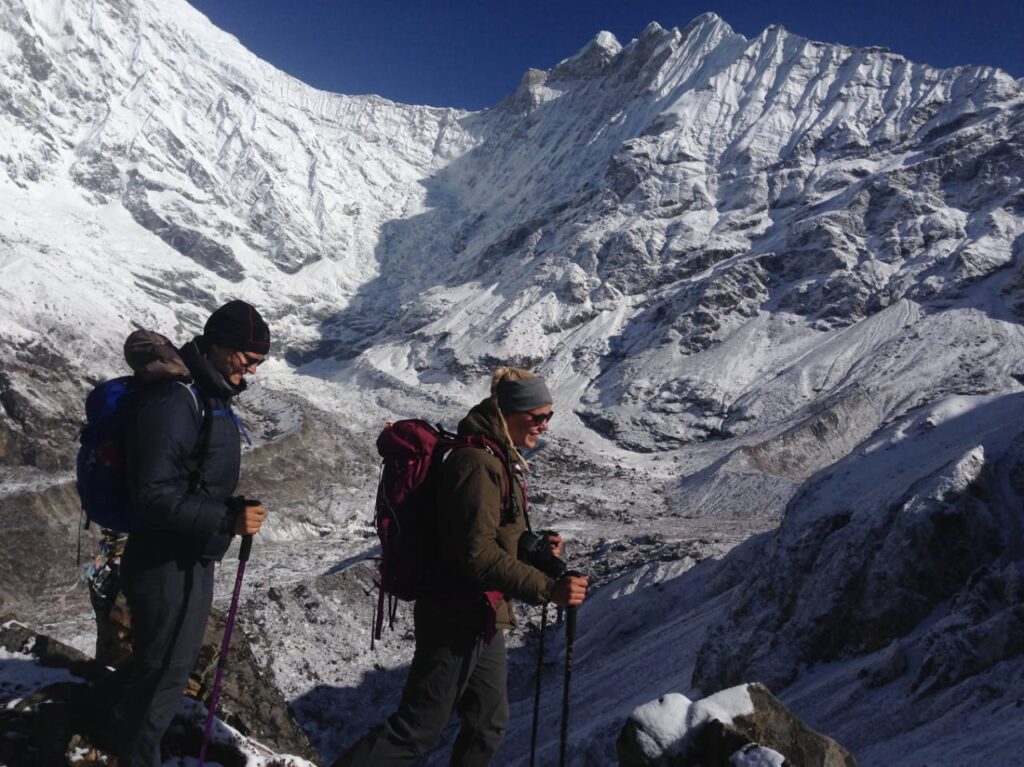
The trek to Kyanjin Gompa is considered a moderate Himalayan trek, making it suitable for beginners with good physical fitness as well as experienced trekkers. Although the trail does not require technical climbing or mountaineering skills, it involves several days of continuous walking at high altitude.
Trekkers typically walk 5 to 7 hours per day on well-established mountain trails that pass through forests, suspension bridges, rocky paths, and alpine valleys. The gradual ascent allows sufficient time for acclimatization, reducing the risk of altitude sickness when proper trekking practices are followed.
The biggest challenge is the increasing altitude rather than the trail itself. As you approach Kyanjin Gompa, the thinner air can make hiking more demanding, particularly for those unfamiliar with high elevations.
With regular exercise before the trek, proper pacing, adequate hydration, and experienced guidance, most healthy individuals can comfortably complete the journey. Families, solo travelers, and first-time trekkers frequently choose the Langtang Valley Trek because it offers spectacular Himalayan scenery without the extreme difficulty of some other high-altitude treks in Nepal.
Travel Cost and Budget Guide
The cost of visiting Kyanjin Gompa depends on the trekking style, group size, transportation, accommodation, and services included. Independent trekkers generally spend less, while guided treks offer greater convenience, safety, and logistical support.
On average, trekkers should budget for:
| Expense | Estimated Cost |
|---|---|
| Kathmandu – Syabrubesi – Kathmandu Transportation | USD 20–40 (local bus) or higher by private jeep |
| Langtang National Park Permit | NPR 3,000 (Foreign Nationals) |
| Accommodation | USD 8–20 per night |
| Meals | USD 5–10 per meal |
| Hot Shower | USD 2–5 |
| Wi-Fi | USD 2–5 |
| Device Charging | USD 2–5 |
| Guide (Optional but Recommended) | Around USD 35–40 per day |
| Porter (Optional) | Around USD 25–30 pe |
A complete 7–10-day Langtang Valley Trek with a reputable local trekking company generally costs between USD 500 and USD 900 per person, depending on the package, group size, transportation, and services included.
Booking with Create Himalaya Adventure ensures transparent pricing with no hidden costs, experienced local guides, quality accommodation, permit arrangements, and professional support throughout your adventure.
Travel Tips for First-Time Visitors
Planning ahead will help you enjoy a safer and more rewarding trek to Kyanjin Gompa. Here are some useful tips for first-time visitors:
- Choose the spring or autumn season for the best weather and mountain views.
- Spend enough time acclimatizing before hiking to higher viewpoints.
- Pack warm layered clothing, as temperatures can change quickly.
- Wear comfortable, waterproof trekking boots with good ankle support.
- Carry a reusable water bottle and water purification tablets or a filter.
- Bring a power bank to charge your electronic devices.
- Keep some cash, as there are no ATMs in the Langtang Valley.
- Purchase travel insurance that covers high-altitude trekking and emergency helicopter evacuation.
- Respect local customs, monasteries, and religious sites by dressing modestly and asking permission before photographing people.
- Avoid littering and help preserve the pristine environment by practicing responsible trekking.
With proper preparation, the trek to Kyanjin Gompa is a memorable adventure that combines stunning Himalayan landscapes, rich Tamang culture, and genuine mountain hospitality.
Why Choose Create Himalaya Adventure for the Kyanjin Gompa Trek?
Choosing the right trekking company plays an important role in ensuring a safe, enjoyable, and unforgettable Himalayan adventure. Create Himalaya Adventure has over 19 years of experience organizing trekking and cultural tours across Nepal, earning a reputation for excellent service, experienced guides, and personalized itineraries.
Our knowledgeable local guides are familiar with every section of the Langtang Valley Trek, providing valuable insights into the region’s history, culture, wildlife, and mountain landscapes while prioritizing your safety throughout the journey. We carefully monitor acclimatization, weather conditions, and trail updates to ensure a smooth trekking experience.
When you trek with Create Himalaya Adventure, we take care of all the details, including transportation, trekking permits, accommodation, experienced guides, porters (if required), and 24/7 travel support. We also promote responsible tourism by supporting local communities, employing local staff, and encouraging environmentally friendly trekking practices.
Whether you are a solo traveler, couple, family, or group, our flexible trekking packages can be customized to match your schedule, fitness level, and travel preferences. With professional planning, transparent pricing, and warm Nepalese hospitality, Create Himalaya Adventure is your trusted local partner for exploring the spectacular beauty of Kyanjin Gompa and the Langtang Valley.
Conclusion
Kyanjin Gompa is one of Nepal’s most rewarding trekking destinations, offering an unforgettable blend of spectacular Himalayan scenery, rich Buddhist heritage, and authentic Tamang culture. Surrounded by towering peaks, ancient glaciers, and peaceful alpine landscapes, this charming village is the highlight of the Langtang Valley Trek and a perfect destination for trekkers seeking both adventure and cultural discovery.
Whether you’re exploring the historic Kyanjin Monastery, tasting fresh yak cheese, hiking to the breathtaking viewpoints of Kyanjin Ri and Tserko Ri, or simply enjoying the tranquility of the mountains, every moment in Kyanjin Gompa leaves a lasting impression.
For a safe, well-organized, and memorable journey, Create Himalaya Adventure is your trusted local trekking partner. With over 19 years of experience, professional guides, personalized service, and a commitment to responsible tourism, we ensure that your trek to Kyanjin Gompa becomes an unforgettable Himalayan adventure. Let us help you discover the timeless beauty of the Langtang Valley and create memories that will last a lifetime.
Frequently Asked Questions (FAQs) About Kyanjin Gompa
1. Can beginners complete the Kyanjin Gompa Trek without previous trekking experience?
Yes. The Kyanjin Gompa Trek is suitable for beginners who are in good physical condition. Regular walking or light fitness training before the trek will make the journey more enjoyable.
2. Is it possible to trek to Kyanjin Gompa solo?
Yes, solo trekking is possible if current Nepal trekking regulations allow it. However, trekking with an experienced local guide is recommended for better safety, navigation, and cultural insights.
3. How much cash should I carry for the Kyanjin Gompa Trek?
Since there are no ATMs after leaving Kathmandu, carrying enough Nepalese Rupees for meals, accommodation, charging fees, Wi-Fi, snacks, and personal expenses is essential.
4. Is bottled water available during the trek?
Yes, bottled water is available at most teahouses. However, using a reusable bottle with a water filter or purification tablets is more economical and environmentally friendly.
5. What kind of wildlife can I see around Kyanjin Gompa?
The Langtang region is home to Himalayan tahr, musk deer, blue sheep, Himalayan monal, pheasants, and the elusive red panda. Although wildlife sightings are never guaranteed, the national park offers excellent biodiversity.
6. Can children and elderly people visit Kyanjin Gompa?
Yes. With proper preparation, a gradual trekking pace, and sufficient acclimatization, many families and older travelers successfully complete the trek. Consulting a doctor before high-altitude travel is recommended for elderly visitors.
7. Are there any monasteries or villages beyond Kyanjin Gompa?
There are no permanent villages beyond Kyanjin Gompa. However, trekkers can continue on day hikes toward Langshisa Kharka, glaciers, and nearby mountain viewpoints before returning to the village.
8. Is camping allowed around Kyanjin Gompa?
Yes. Camping is possible with the necessary equipment and permits, although most trekkers prefer staying in comfortable local teahouses throughout the trek.
9. Can I combine the Kyanjin Gompa Trek with other trekking routes?
Yes. Many trekkers extend their adventure by combining Kyanjin Gompa with the Tamang Heritage Trail, Gosaikunda Trek, or the Helambu Trek for a longer Himalayan experience.
10. Are there medical facilities in Kyanjin Gompa?
Basic health posts may be available in the Langtang region, but advanced medical facilities are not. Serious illnesses or injuries require evacuation to Kathmandu.
11. Is helicopter rescue available from Kyanjin Gompa?
Yes. Emergency helicopter evacuation is available in severe medical situations or accidents, provided weather conditions allow flying. Comprehensive travel insurance is strongly recommended.
12. Can I fly a drone in Kyanjin Gompa?
Drone flights in Nepal require official permission from the relevant government authorities. Flying a drone without authorization may result in penalties, especially inside protected areas like Langtang National Park.
13. What should I do if bad weather delays my trek?
Mountain weather can change rapidly. It is always wise to include one or two buffer days in your itinerary in case heavy rain, snowfall, or landslides affect your travel plans.
14. Is tipping expected during the Kyanjin Gompa Trek?
Tipping is not compulsory but is greatly appreciated. It is a common way to thank guides, porters, and lodge staff for their hard work and excellent service.
15. Can I charge my camera batteries every day?
Yes, most teahouses offer charging services. Since electricity can occasionally be limited, carrying spare batteries or a high-capacity power bank is highly recommended.
16. What should I pack that many trekkers forget?
Many trekkers overlook essentials such as lip balm with SPF, sunscreen, trekking gaiters, a headlamp, reusable water bottles, blister treatment, extra socks, and a personal first-aid kit.
17. Is there any risk from wild animals during the trek?
Wild animal encounters are extremely rare. Most wildlife naturally avoids humans, making the Langtang Valley Trek safe for visitors who stay on established trails.
18. How early should I book the Kyanjin Gompa Trek?
Booking at least one to two months before the spring or autumn trekking season is recommended to secure experienced guides, comfortable accommodation, and transportation.
19. What souvenirs can I buy from Kyanjin Gompa?
Popular souvenirs include locally produced yak cheese, handmade woolen products, traditional Tibetan handicrafts, prayer flags, singing bowls, scarves, and locally crafted gifts made by the Tamang community.
20. What makes Kyanjin Gompa different from other trekking destinations in Nepal?
Unlike many popular trekking destinations, Kyanjin Gompa combines peaceful mountain scenery, authentic Tamang culture, ancient Buddhist heritage, spectacular glaciers, and world-class hiking opportunities without the large crowds found on the Everest and Annapurna trails. Its tranquil atmosphere makes it an excellent choice for trekkers seeking a more authentic Himalayan experience.
Ramchandra Lamichhane
Trekking Expert
No hidden fees • Local experts • Best price guarantee