Everest Base Camp Trek
Let your dream catch a glimpse of classic adventure. It’s time to make a reality, reaching out to the highest altitude on the earth, at the foot of the mighty mountain – “Mt. Everest”.
Highlights
- A glimpse of a classic adventure trek following the historic trail to the world’s highest peak.
- A perfect blend of adventure and culture, with views of iconic peaks including Lhotse, Nuptse, Ama Dablam, and the majestic Mount Everest.
- Scenic and thrilling mountain flight to Lukla, Nepal’s most adventurous airport, and the gateway to Everest trekking.
- Interaction with the local Sherpa community, exploration of historic Namche Bazaar, and visits to ancient Buddhist monasteries.
- Trek through protected Himalayan landscapes, home to rare wildlife such as the Himalayan Thar, Musk Deer, and the elusive Snow Leopard.
- Walk along historic trails followed by legendary mountaineers, passing through traditional Sherpa villages, rhododendron forests, and stunning Himalayan scenery.
Discover the spiritual heart of the Everest region at Tengboche Monastery and enjoy breathtaking panoramic mountain views from this iconic site. - Witness stunning sunrise views of Mount Everest and the surrounding Himalayan peaks from Kala Patthar.
Overview
Let your dream catch a glimpse of classic adventure. It’s time to make a reality, reaching out to the highest altitude on the earth, at the foot of the mighty mountain – “Mt. Everest”. The 14-Day Everest Base Camp Trek is more than an achievement in life; it’s a lifetime experience. One can feel that it’s far more than a journey, like achieving Nirvana.
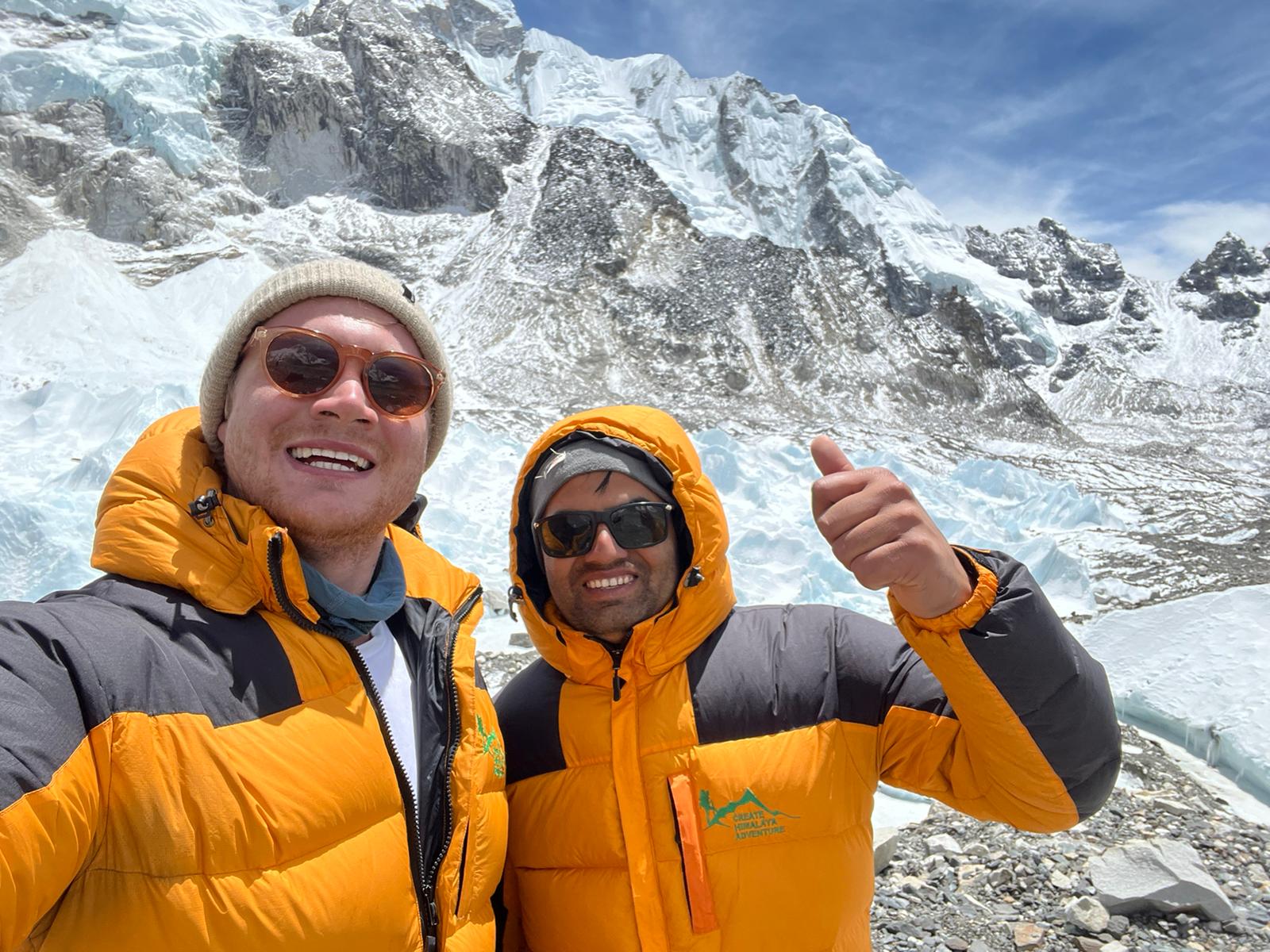
The Everest Base Camp (EBC) Trek is one of the most famous classic trekking adventures in Nepal and a dream journey for many trekkers worldwide. This iconic Himalayan trek takes you deep into the Khumbu region, following the historic trail of legendary mountaineers to the base of Mount Everest (8,848m).
The trek offers a perfect blend of adventure, culture, and natural beauty. You will walk through traditional Sherpa villages, visit ancient Buddhist monasteries (Tengboche Monastery), and enjoy breathtaking views of Everest, Lhotse, Nuptse, and Ama Dablam. The warm hospitality of the Sherpa people and the spiritual atmosphere of the Himalayas make this journey truly special.
Reaching Everest Base Camp is an emotional and rewarding moment. The trek challenges your physical and mental strength while offering unforgettable scenery and a deep sense of achievement. It is more than a trek—it is a transformative Himalayan experience.
The Everest Base Camp Trek is suitable for anyone with good fitness, determination, and proper preparation. No mountaineering experience is required, but regular hiking and a healthy lifestyle are recommended.For those seeking high-altitude trekking in Nepal, cultural immersion, and personal growth, the Everest Base Camp Trek remains one of the best trekking experiences in the world.
Why choose EBC Trek?
Trip Itinerary
Welcome to Kathmandu
Arrive in Kathmandu, the historic capital city of Nepal and the gateway to the Himalayas. Upon arrival at Tribhuvan International Airport, one of our representatives will meet and greet you and transfer you to your hotel. Depending on your arrival time, an orientation meeting will be arranged with your guide to provide a brief overview of the trek. Enjoy your leisure time exploring the city’s lively streets, local markets, and rich cultural heritage.
Kathmandu to Lukla (Flight) via Manthali/Ramechap and Trek to Phakding.
Flights to Lukla operate differently depending on the season. During peak trekking seasons, most Lukla flights are operated from Manthali Airport, while during non-peak seasons, flights operate directly from Kathmandu. Manthali to Lukla Flights (March, April, May, September, October, and November): During these peak months, flights to Lukla depart from Manthali Airport, which is approximately a 5–6 hour drive from Kathmandu. To catch the flight, we leave Kathmandu between 1:00 AM and 3:00 AM by shared jeep and travel to Manthali Airport. From Manthali, a scenic 20-minute flight takes you to Lukla. Kathmandu to Lukla Flights (January, February, June, July, August, and December): During the non-peak seasons, flights operate directly from the domestic terminal of Tribhuvan International Airport in Kathmandu. These flights usually depart early in the morning, typically between 6:00 AM and 7:00 AM. After a scenic flight to Lukla, we arrive at Lukla Airport. Our porter-guide will be there to welcome you and assist with trek preparations. Before starting the walk, we take a short snack break in Lukla and then begin our trek toward Phakding. En route, we witness breathtaking mountain scenery, traditional Sherpa villages, prayer wheels, and fluttering prayer flags along the banks of the Dudh Koshi River. Note: Flight schedules and updates are subject to change. For the most up-to-date information regarding Lukla flights, please consult one of our representatives.
Phakding to Namche Bazaar
After breakfast, we begin our trek along the serene Dudh Koshi River, crossing several suspension bridges as we head toward Namche Bazaar. The trail passes through small settlements, including Toktok, Benkar, Chomua, and Monjo. After Monjo, we enter Sagarmatha National Park for permit verification and continue to Jorsalle (2,740 m / 8,989 ft), a peaceful riverside stop and an ideal place for lunch, marking the halfway point to Namche. Following lunch, we cross two more suspension bridges and gradually ascend to the iconic Hillary Suspension Bridge. A steep climb then leads to Top Danda, where we enjoy the first breathtaking view of Mount Everest. From here, Namche Bazaar is about an hour away. The trail is lined with mani stones, prayer wheels, chortens, and colorful prayer flags, reflecting the spiritual heritage of the Khumbu region, with scenic views of Kusum Kanguru, Thamserku, Nuptse, Taboche, and Mount Everest. After 5–6 hours of trekking, we arrive at the vibrant Sherpa town of Namche Bazaar—an ideal place for rest, acclimatization, and cultural immersion.
Acclimatization Day in Namche Bazaar
Proper acclimatization is essential to prevent altitude sickness while trekking at higher elevations. To adapt safely, we spend an acclimatization day in Namche Bazaar (3,440 m / 11,286 ft), the vibrant trading hub of the Everest region known for its modern amenities and warm Sherpa hospitality. After breakfast, we take a short acclimatization hike to Hotel Everest View (3,880 m / 12,730 ft), one of the highest hotels in the world. This scenic viewpoint offers breathtaking panoramic views of Mount Everest, Lhotse, Nuptse, Ama Dablam, Thamserku, Khumbila, and surrounding Himalayan peaks. The afternoon is free to explore Namche Bazaar, where you can visit the Everest Museum, browse local shops, enjoy cafés, or immerse yourself in the rich culture and lifestyle of the Sherpa community.
Namche to Tengboche
After breakfast, we continue our trek toward Tengboche. The trail ascends out of Namche Bazaar before leveling into a gradual climb through lush forests and past several stupas, including one built in memory of Tenzing Norgay Sherpa. We pass through settlements such as Kenjoma, Sanasa, and Leushyasa, enjoying scenic mountain views before stopping for lunch at Phunke Tenga after 2–3 hours of trekking. From here, we cross a suspension bridge at the confluence of the Dudh Koshi River and Imja Khola and complete permit verification at the Sagarmatha National Park army post. A steady 2–3 hour uphill climb then leads us to Tengboche (3,860 m), one of the finest viewpoints along the Everest Base Camp trek. Home to the revered Tengboche Monastery, the area offers panoramic views of Mount Everest, Lhotse, Nuptse, Ama Dablam, and Thamserku. Arriving by mid-afternoon, we have time to visit the monastery and attend the evening Buddhist chanting ceremony, a peaceful and culturally enriching experience reflecting the deep spiritual traditions of the Khumbu region.
Tengboche to Dingboche
From Tengboche, we enjoy breathtaking Himalayan views before descending through alpine forests to Debuche and crossing the Imja River via a suspension bridge. The trail then reveals magnificent, ever-changing vistas of Mount Ama Dablam (6,812 m), often referred to as the Queen of the Himalayas. Passing through Sherpa villages such as Pangboche and Somare, we stop for lunch before continuing through Orsho and Kalapani. A gentle final ascent brings us to Dingboche, our overnight stop and key acclimatization point on the Everest Base Camp trek.
Acclimatization Day in Dingboche
Dingboche (4,410m) is a crucial acclimatization stop on the Everest Base Camp Trek, enabling trekkers to adjust to altitude and minimize the risk of altitude sickness. This peaceful Sherpa village offers a chilly alpine climate, cozy teahouses, small shops, and stunning Himalayan scenery—ideal for rest and recovery. Today, we take an acclimatization hike to Nangkartshang Peak (5,083m), one of the most popular viewpoints on the EBC trail. The gradual ascent rewards us with breathtaking 360-degree views of Everest, Lhotse, Makalu, Ama Dablam, Nuptse, and other surrounding peaks. After breakfast, we begin the short hike, returning to Dingboche by afternoon to relax and recharge. Carry water, snacks, sun protection, and a camera to capture the spectacular mountain vistas.
Dingboche to Lobuche
After breakfast, we pack our gear and set out as the first golden rays of sunrise glow behind Mount Ama Dablam. The trail gradually climbs toward Thukla, a place where we will have our lunch, passing a small gompa and open yak pastures along the way. As we continue, the route reveals striking views of Cholatse, Taboche, Dzongla Lake, and the rugged moraine of the Khumbu Glacier. After lunch, the ascent leads to the Thukla Pass Memorial, a moving site dedicated to mountaineers who lost their lives in the Himalayas, marked by stone tributes and prayer flags. The trek then continues with sweeping views of Pumori, Lingtren, Khumbutse, and Nuptse before a final climb brings us to Lobuche (4,910m). Surrounded by towering peaks, Lobuche offers a peaceful high-altitude setting, warm Sherpa hospitality, and a stunning sunset over Nuptse as evening temperatures quickly cool.
Lobuche to Gorakshep and Everest Base Camp and back to Gorakshep
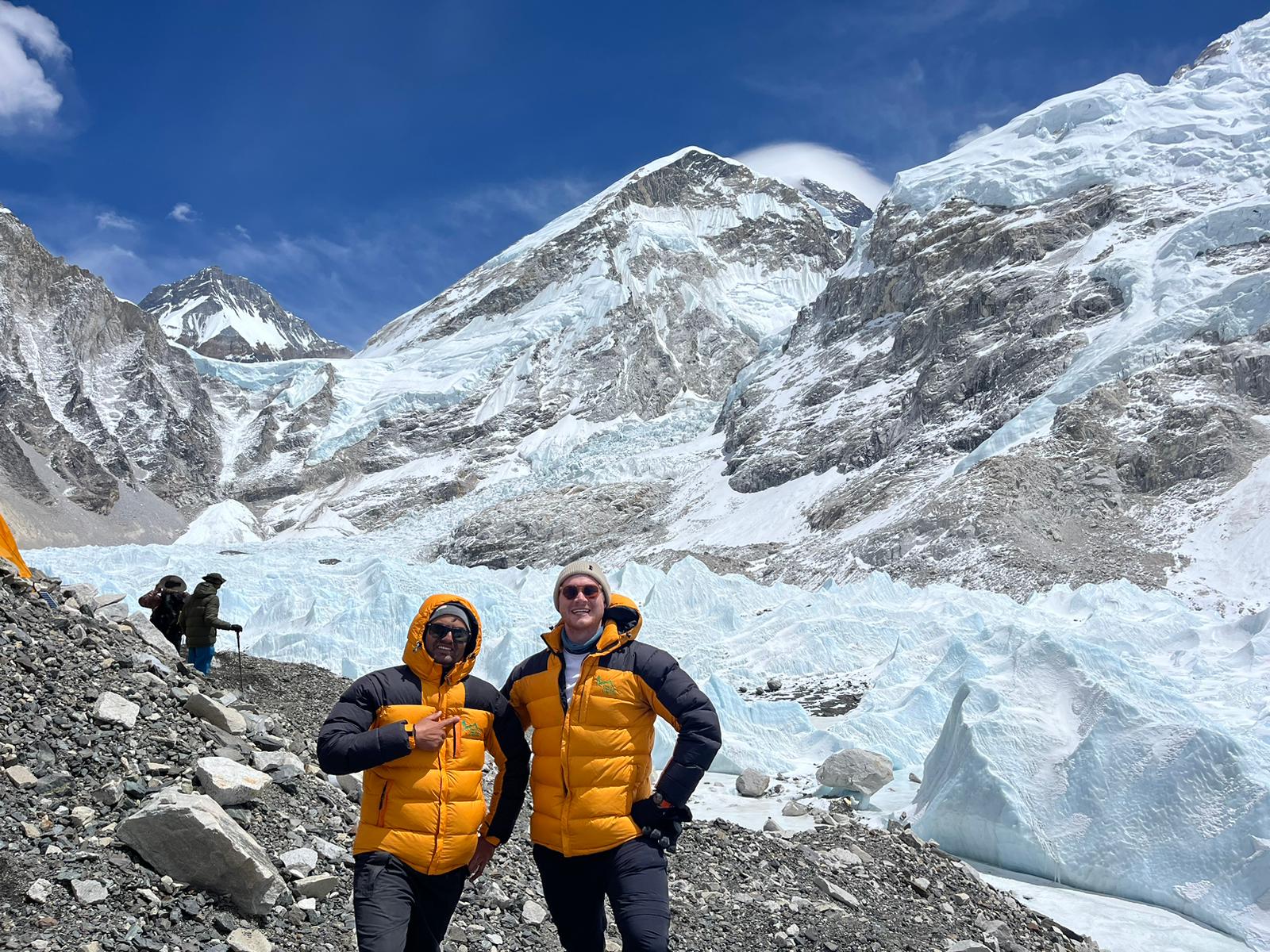
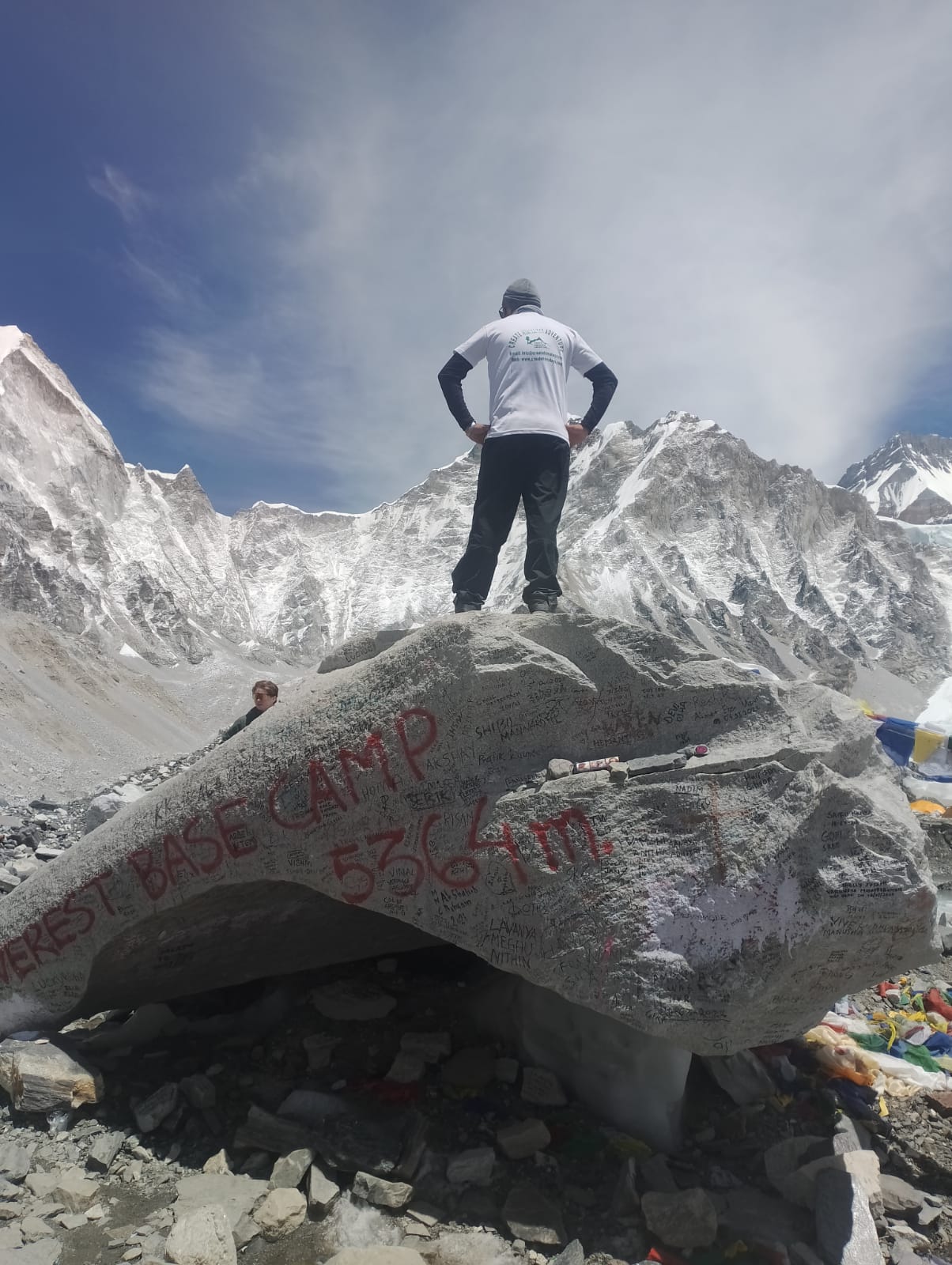
Today is the highlight of the Everest Base Camp Trek—the day you stand at the foot of the world’s highest mountain. Leaving Lobuche early after breakfast, we follow a steady trail past the Pyramid, a high-altitude research station set against dramatic Himalayan scenery. The route winds across glacial terrain, offering constant views of Pumori, Nuptse, Lingtren, and surrounding peaks, before reaching Gorak Shep for rest and lunch. From here, we continue toward Everest Base Camp, walking alongside the Khumbu Glacier and catching striking glimpses of the Khumbu Icefall and Mount Everest itself. Reaching base camp at 5,364m is one of the most powerful and unforgettable moments, a true sense of achievement in the heart of the Himalayas. After spending time soaking in the atmosphere and views, we return to Gorak Shep to rest.
Gorakshep to Pheriche (Morning hike to Kalapathar)
Rising at Kala Patthar (5,555m), this iconic viewpoint offers the highest vantage point of the Everest Base Camp Trek. An early morning hike rewards you with breathtaking close-up views of Mount Everest, Lhotse, Nuptse, and Pumori as the first sunlight illuminates the Himalayan giants. After soaking in the spectacular panorama, we descend to Gorak Shep for breakfast and continue downhill past Lobuche and the Thukla Pass Memorial. Leaving the main trail, we follow a steeper descent to Pheriche (4,240m), a peaceful settlement offering stunning mountain views, and take some rest once at the teahouse after an unforgettable trek.
Pheriche to Namche Bazaar
After Everest Base Camp and Kala Patthar, we start descending toward Namche Bazaar, enjoying familiar trails from a new perspective. The lower altitude makes breathing easier and walking more comfortable. Along the way, we pass the villages of Pangboche and Tengboche, famous for their monasteries and stunning mountain views. The trail winds through forests, crosses suspension bridges, and offers glimpses of the surrounding peaks. Arriving in Namche Bazaar, the bustling heart of the Khumbu region, we are welcomed by lively markets, cozy cafés, and warm lodges. This is a perfect place to rest, recharge, and celebrate the trek while experiencing Sherpa culture and meeting fellow trekkers.
Namche to Lukla
Today is the second-last day of our Everest Base Camp trek as we walk back to Lukla. After breakfast, we follow the familiar trail, crossing the Hillary Suspension Bridge and passing through small villages along the way. Reaching Lukla feels special; it’s a chance to slow down, enjoy a warm meal, and celebrate the journey. Spend the evening relaxing, sharing stories with fellow trekkers, and soaking in the lively mountain atmosphere before the adventure comes to an end.
Lukla to Kathmandu via Manthali/Ramechap Airport and drive back to Kathmandu.
During peak trekking seasons (March, April, May, September, October, and November), flights from Lukla are often diverted to Manthali Airport instead of Kathmandu due to heavy traffic. The flight duration is approximately 20 minutes, followed by a 5–6 hour drive to Kathmandu by shared jeep. Please note that travel time may vary depending on road conditions, weather, and traffic. Early departures are common, and delays can occur, so flexibility in travel plans is recommended. During the monsoon and winter months (January, February, June, July, August, and December), flights from Lukla usually operate directly to Kathmandu. The flight takes around 35 minutes, followed by a 30-minute drive to your hotel if you are staying in the city. Flight routes can change due to weather or air traffic conditions, so it’s best to check the current flight status before booking and allow some flexibility in your travel plans. After a leisurely breakfast, you will prepare for your journey back to Kathmandu (or via Manthali, if required). Upon arrival, a private transfer will take you to your hotel, where you can relax and rejuvenate in comfort after your remarkable Himalayan adventure with Create Himalaya.
Final Departure
This is more than the end of a trek; it is the beginning of a lasting bond with Nepal. As your Everest Base Camp trek concludes, you leave with unforgettable memories and a deep sense of achievement. Whether you are heading onward or returning home, the spirit of the Himalayas travels with you. We will take care of your airport drop-off, ensuring a seamless and worry-free departure. This journey does not end here. The landscapes, traditions, and connections you discovered in Nepal become a part of you, shaping a meaningful story that lasts far beyond the trek.
What's included
- Teahouse accommodation during the trek
- All meals (Breakfast, Lunch, and Dinner) during the trek
- Welcome and Farewell Dinner
- All ground transportation on a comfortable private vehicle as per the itinerary
- Domestic Airfare KTM-Lukla-KTM
- An experienced, English-speaking and government-licensed trek leader
- Porter service ( Every 2 trekkers: 1 porter)
- Staff costs including their salary, insurance, equipment, domestic airfare, food, and accommodation
- Down jacket and sleeping bag (to be returned after trip completion)
- Create Himalaya’s t-shirt and trekking map are yours to take
- All necessary paperwork and trekking permits (National Park Permit, TIMS)
- Medical kit (carried by your trek leader)
- All government and local taxes
What's not included
- Nepal entry visa fee
- Extra night accommodation in Kathmandu because of early arrival, late departure, early return from mountain due to any reason other than the scheduled itinerary
- Travel Insurance and medical evacuation in case of emergency
- Items of personal nature & all bar bills ie. Soft/hard drinks
- Tips for Nepalese staffs etc.
Best Time to Trek EBC
Mountain weather is often unpredictable, and even with careful planning and regular weather monitoring, flights may be delayed or canceled due to changing conditions. Such disruptions can impact the overall trip schedule. Therefore, choosing months with more stable weather patterns can help reduce the likelihood of delays and ensure a smoother trekking experience. Spring (March–May) and autumn (September–November) generally offer clearer skies and more reliable flying conditions in the Everest region, helping to minimize weather-related challenges. Even though some seasons are less challenging, trekking can be undertaken at any time of the year with careful planning. Each season offers its own unique advantages and experiences.
The Everest Base Camp Trek is commonly undertaken during the spring and autumn seasons, when weather conditions are generally stable, and mountain views are clear. However, travelers can also choose other seasons, such as winter, to avoid crowds and enjoy a quieter trekking experience. Winter months (December–February) bring colder temperatures and occasional snow, but the skies are often clear, offering spectacular views of the Himalayas. Summer (June–August) falls during the monsoon season, which can make trails slippery and limit visibility, yet it provides lush green landscapes and blooming rhododendron forests. Each season offers a unique perspective of the Everest region, allowing trekkers to tailor their adventure according to their preferences and experience level.
FAQs
1. What happens if my Lukla flight is canceled for several days?
Mountain weather in the Himalayas is often unpredictable, and flights to Lukla are highly weather-dependent. As a result, flight delays or cancellations can occasionally occur.
If flights are canceled, travelers may need to wait 1–3 days, and sometimes longer, during peak trekking seasons. In such situations, helicopter flights may be available at an additional cost, either on a shared or private basis, depending on weather and availability. Please note that extra accommodation and meals during delay days are generally not included in the trek package.
However, Create Himalaya will be happy to assist you in finding suitable accommodation in Lukla and provide guidance on the best available options, ensuring your comfort and safety while waiting for flights to resume.
We appreciate your understanding and assure you that our team will do everything possible to support you and minimize any inconvenience caused by weather-related delays.
2. Is the Everest Base Camp trek really safe for beginners?
Yes, the trek is suitable for individuals with a reasonable level of fitness; however, it is important to understand that it is not an easy trek. While no technical climbing skills are required, the journey involves long walking days of approximately 5–7 hours.
The primary challenge of the Everest Base Camp Trek is the high altitude rather than the trail conditions. With proper acclimatization, a steady pace, and guidance from experienced professionals, most trekkers can complete the trek safely and enjoyably.
Our itineraries are designed with your safety and comfort in mind, allowing adequate time to adapt to the altitude and fully experience the journey.
3. What is the real success rate of reaching Everest Base Camp?
Approximately 80–85% of trekkers successfully reach Everest Base Camp. While most participants complete the trek as planned, some may need to turn back due to a variety of understandable reasons.
Common factors include:
- Altitude-related symptoms, where descending is the safest option.
- Unfavorable weather conditions are affecting the trail or flight schedules.
- Illness, fatigue, or physical exhaustion.
- Limited travel time, especially when weather-related flight delays impact the itinerary.
Please note that turning back is always a safety-first decision, and it does not reflect a lack of effort or ability. Our team continuously monitors health, weather, and logistics to support each trekker and help them achieve the best possible outcome while prioritizing well-being.
4. How cold does it actually get on the trek?
Temperatures on the Everest Base Camp Trek vary depending on the season and altitude. At higher elevations, daytime temperatures typically range from 5°C to -5°C, while nighttime temperatures can drop to -15°C or colder, especially in places like Gorakshep.
Tea houses along the trail are designed for basic comfort in a high-altitude environment. Bedrooms are not heated, while dining areas may have a central stove that provides warmth during the evenings. With proper layering, a good-quality sleeping bag, and warm clothing, most trekkers remain comfortable throughout the trek.
Our team is happy to advise you on suitable gear and preparation to ensure you stay warm and enjoy the experience safely, even in colder conditions.
5. What should I expect regarding toilets and hygiene?
Hygiene facilities on the Everest Base Camp Trek are modest, reflecting the remote mountain environment. While they may differ from city standards, they are designed to provide essential comfort.
- Shared squat toilets are common, especially at higher altitudes.
- Toilet paper is not always available, so carrying your own is advised
- Hot showers are usually available at an additional cost and are often solar-powered, and availability heavily depends on weather conditions.
Most teahouses maintain good cleanliness standards, and our team will support you with practical tips to help you stay comfortable throughout the trek.
Travelers' Reviews
Rapden
India
Verified PurchaseOutstanding Experience with Create Himalaya Adventure
Outstanding Experience with Create Himalaya Adventure
I have completed two treks with Create Himalaya Adventure — ABC and EBC, and I can honestly say I am fully satisfied and extremely happy with their service, professionalism, and care.
From start to finish, everything was well managed. The team has excellent knowledge about altitude sickness, Himalayan peaks, trekking routes, accommodation, and food. What impressed me most is that their support doesn’t end on the trail—they also helped us in local places in Nepal, guiding and assisting us until we reached home or our next destination.
A special thank you to Ramchandra dai for his leadership and warmth, and to our guide Ashan Dhan Rai, whose experience, patience, and friendly nature made the trek safe and enjoyable. They treated us not just as clients, but like family.
I am truly grateful to Create Himalaya Adventure. I wish this company continued growth and success, and I highly recommend them to anyone planning to trek in Nepal.
Thank you for everything!
No hidden fees • Best price guarantee