Gosaikunda Lake Trek
The Gosaikunda Trek in Nepal’s Langtang region is a journey where breathtaking Himalayan landscapes meet deep spiritual tradition. Just a scenic 6–7 hour drive from Kathmandu, this short yet rewarding […]
Highlights
- Journey to the scared alpine lake Gosaikunda Lake (4,380m), a frozen high-altitude lake considered holy in both Hinduism and Buddhism, linked to the legend of Lord Shiva.
- Trek through a living rich cultural landscape of Tamang and Sherpa villages and witness or learn about pilgrim rituals, especially during the Janai Purnima festival.
- An ideal first Himalayan trek due to its moderate difficulty, shorter duration (approx. 7 days), and proximity to Kathmandu (6-7 hour drive).
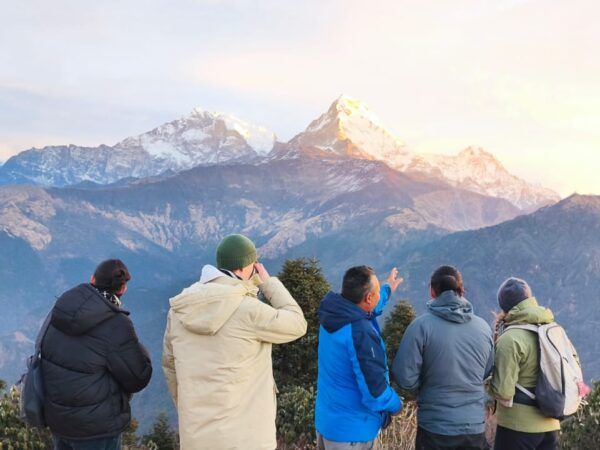
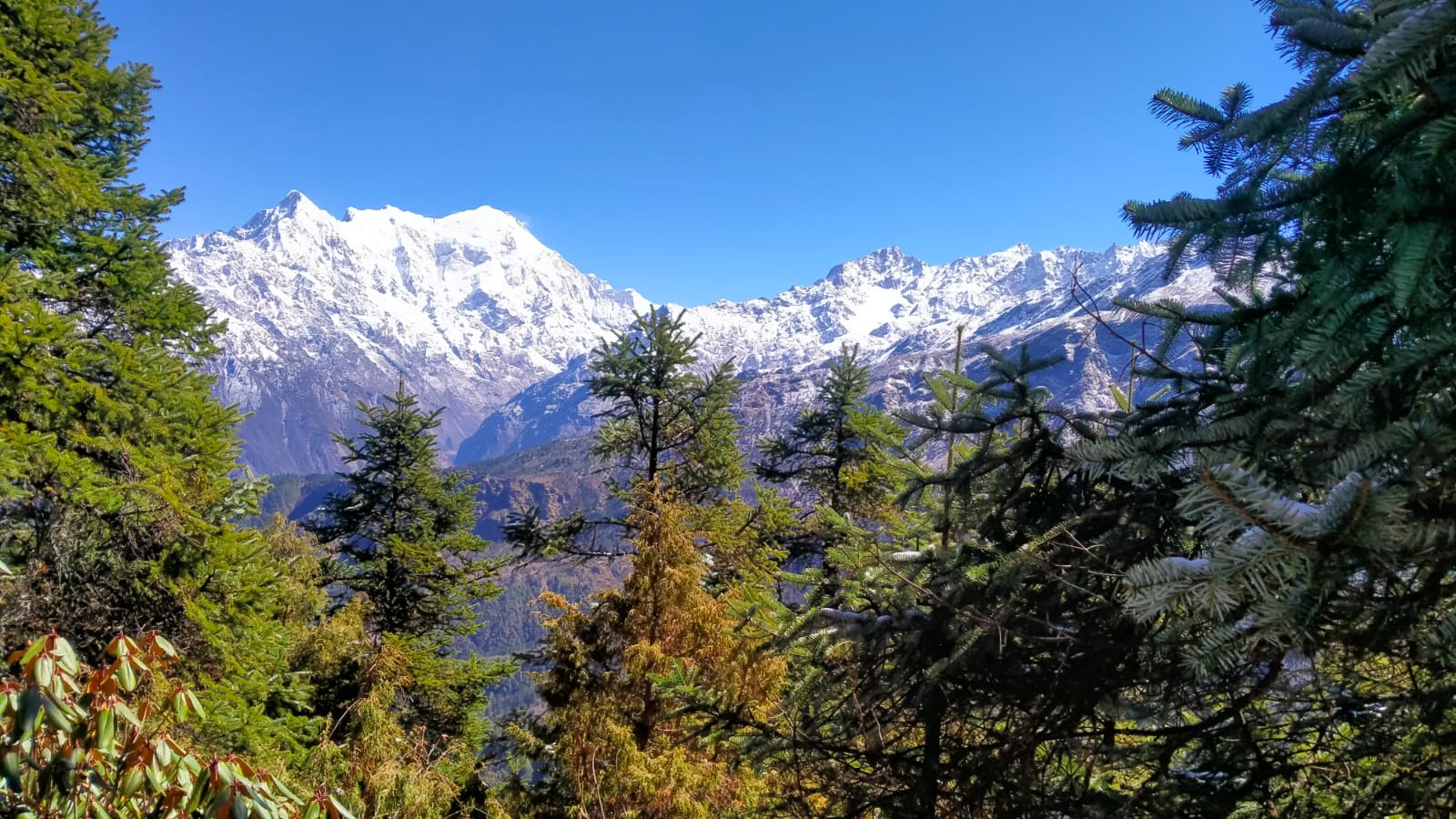
- Enjoy spectacular panoramic views of the Langtang Lirung, Ganesh Himal, Manaslu, and Annapurna ranges from high ridges.
- Diverse Landscapes from rhododendron and pine forests to suspension bridges, waterfalls, and explore the high-altitude terrain of Langtang National Park.
- Wildlife Spotting Potential: The region is home to rare species like the red panda and has potential for spotting too, along with mountain tahr, monkeys, and diverse birdlife.
- The trek forms a satisfying circuit, crossing the Lauribinayak Pass (4,609m) and descending through the scenic Helambu Valley back towards Kathmandu.
- This trek is Accessable through out the year, can be undertaken in most seasons, with winter offering a frozen lake landscape and potential snowfall on the pass.
Overview
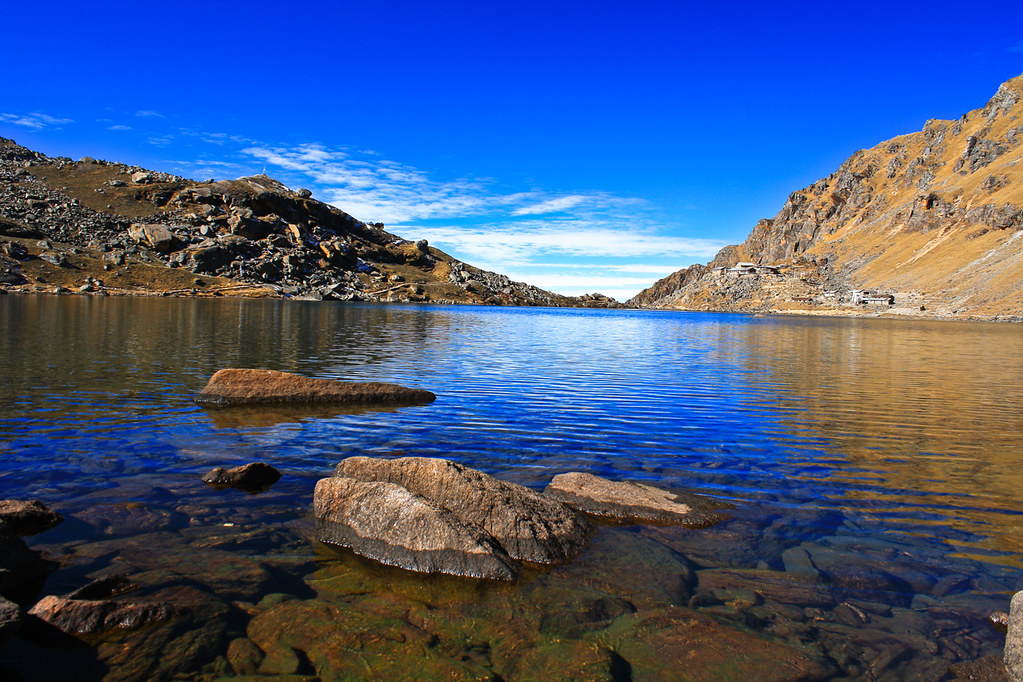
The Gosaikunda Trek in Nepal’s Langtang region is a journey where breathtaking Himalayan landscapes meet deep spiritual tradition. Just a scenic 6–7 hour drive from Kathmandu, this short yet rewarding trek leads you to the sacred Gosaikunda Lake (4,380m), one of the most revered alpine lakes in the Himalayas.
Being a classic trek in Langtang region, Gosaikunda is believed to have been created by Lord Shiva, who struck the mountain with his trident to release holy water. Even today, thousands of Hindu and Buddhist pilgrims make their way here during the Janai Purnima festival, seeking purification and blessings. As a trekker, you share the trail with both pilgrims and mountain lovers, adding a unique spiritual depth to the journey.
Over about seven days, the route takes you through peaceful rhododendron and pine forests, past cascading waterfalls, and into welcoming Tamang and Sherpa villages shaped by Tibetan culture. Along the way, you’ll cross suspension bridges, climb high ridgelines, and enjoy sweeping mountain views of Langtang Lirung, Ganesh Himal, Manaslu, and on clear days, even the Annapurna range.
The highlight of the trek is reaching the tranquil Gosaikunda Lake itself—often surrounded by snow even in summer and completely frozen in winter. From here, the adventure continues across the Lauribinayak Pass (4,609m) before descending into the scenic Kutumsang and Chisapani Valley, finishing close to Kathmandu. Perfect for those seeking a blend of nature, culture, and spiritual meaning, the Gosaikunda Trek offers a Himalayan experience that is both powerful and unforgettable.
Trip Itinerary
Drive from Kathmandu to Dhunche by Local Bus/Jeep
Today we begin the journey towaards Dhunche, covering about 118 km in roughly 6 hours by private jeep or around 7 hours by local bus. The drive is scenic and engaging, following winding mountain roads through green hills and charming villages. Along the way, you’re treated to impressive views of Manaslu, Ganesh Himal, and the Langtang range. Passing through the national park checkpoint and crossing the Trishuli River, the journey offers a final taste of local life and landscapes before reaching Dhunche. Overnight at a hotel.
Dhunche - Sing Gompa
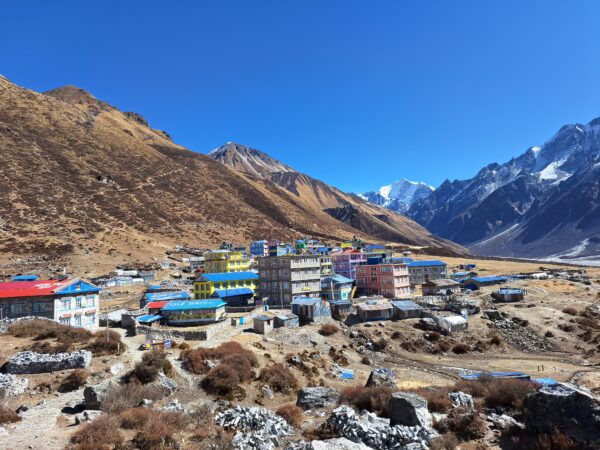
We start with a steady, six-hour climb that immediately immerses you in the serene landscapes of the Langtang region. The trail leads us past a local mineral water source and across cheerful suspension bridges over rushing streams. As we ascend, the path winds through beautiful rhododendron forests, with the snow-capped peaks of the Langtang range emerging through the trees to welcome us. We'll walk through small settlements of the local Tamang community and pass an army checkpost before finally arriving at our destination: Sing Gompa. This peaceful village is home to a charming monastery and a famous local cheese factory—a perfect place to observe traditional mountain life. We'll settle into a cozy teahouse for the night, our first stop in the high Himalayas.
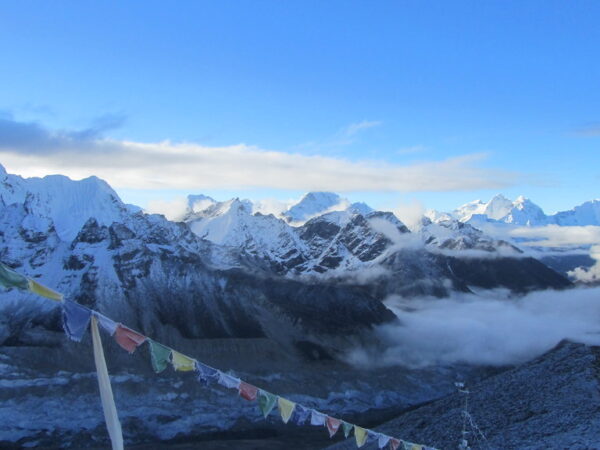
Today brings the spiritual and scenic climax of our trek, the ascent to the sacred Gosaikunda Lakes. It’s a challenging yet profoundly rewarding day, where every step is brings you closer to the breathtaking Himalayan vistas. We begin with a steep climb from Sing Gompa, looking back at the valleys we’ve traversed. The trail leads us upward to the Lauribina La Pass (4,610m), the highest point of our journey. Take a moment here to catch your breath and observe in the 360-degree panorama—a true mountaineer’s reward. From the pass, we descend carefully along a rocky trail that may be icy in colder months. Then, the first stunning glimpses of the Gosaikunda lakes appear—a series of serene, turquoise glacial waters considered profoundly holy in both Hindu and Buddhist traditions. According to belief, bathing in these waters cleanses the soul, drawing pilgrims here year-round, especially during the vibrant Janai Purnima festival. We’ll spend the night in the simple village nestled beside the lakes. Whether you visit in the lush summer or frozen beauty of winter, the sight of the lake framed by towering peaks is an unforgettable experience, making today’s effort truly worthwhile.
Rest Day and Explore Gosaikunda area Visit Bhairav Kunda and Saraswati Kunda
Today is a relaxed day at Gosaikunda, giving you time to slow down and truly enjoy this sacred place. There are no long walks or tough climbs—just space to rest, explore, and take in the peaceful mountain surroundings. You may choose to relax by the lakeside, enjoying the calm water and stunning Himalayan views, or take an easy walk to the nearby Saraswati Kunda and Bhairav Kunda. These smaller, holy lakes are just as beautiful and hold deep spiritual importance, set among dramatic high-altitude scenery. It’s a perfect day for quiet moments, photography, and soaking in the serene atmosphere before continuing the journey the next day.
Gosaikunda to Ghopte via lauribina Pass Lauribina Pass
After breakfast beside the tranquil lake, with Himalayan peaks rising all around you, the journey continues toward Ghopte. Today is more demanding, as the trail climbs steadily to the highest point of the trek—the Gosaikunda (Lauribinayak) Pass at 4,609m. The path winds through a series of zigzag ascents and gentle descents, keeping the walk challenging yet rewarding. Along the way, giant mountain views, changing landscapes, and dramatic light make this stretch especially exciting for photographers. Surrounded by raw beauty and high-altitude scenery, the day ends at Ghopte, where you’ll settle in for the night at a cozy teahouse.
Ghopte - Kutumsang
After the heights of yesterday’s pass, today offers a pleasant and relax change of pace. We trade steep climbs for a long, gentle descent, walking downhill for about five hours through peaceful landscapes toward the village of Kutumsang. The trail winds through quiet forests of rhododendron and pine, where you might spot colorful birds or even glimpse wildlife. We’ll pass through small, traditional settlements, gradually returning to the greener, more temperate foothills. Our stop for the night is Kutumsang, a charming Tamang village where warm local hospitality awaits. Settle into a cozy teahouse, enjoy the slower rhythm of mountain life, and reflect on the incredible journey from the sacred lakes to these serene hills.
Kutumsang - Chisapani - Kathmandu
Today is a day of transition, carrying us from the high mountain villages back to the edge of the Kathmandu Valley. We begin with a fond farewell to Kutumsang and start our descent toward Chisapani. The morning trail winds gently downhill through beautiful oak and rhododendron forests, offering final glimpses of the Langtang range and insights into village life. Chisapani, meaning "cold water," is a fitting name for this breezy, scenic stop where we'll pause briefly. From here, we continue our descent, tracing the source of the Bagmati River. The landscape reveals a critical resource: the water reservoirs and dams that supply drinking water to the Kathmandu valley. The trail passes through lush vegetation before reaching the army checkpost at Sundarijal. This marks the official end of our trek. From Sundarijal, a short, one-hour drive brings us back to the vibrant energy of Kathmandu, completing our circle from serene Himalayan lakes to the bustling heart of Nepal.
What's included
What's not included
No hidden fees • Best price guarantee