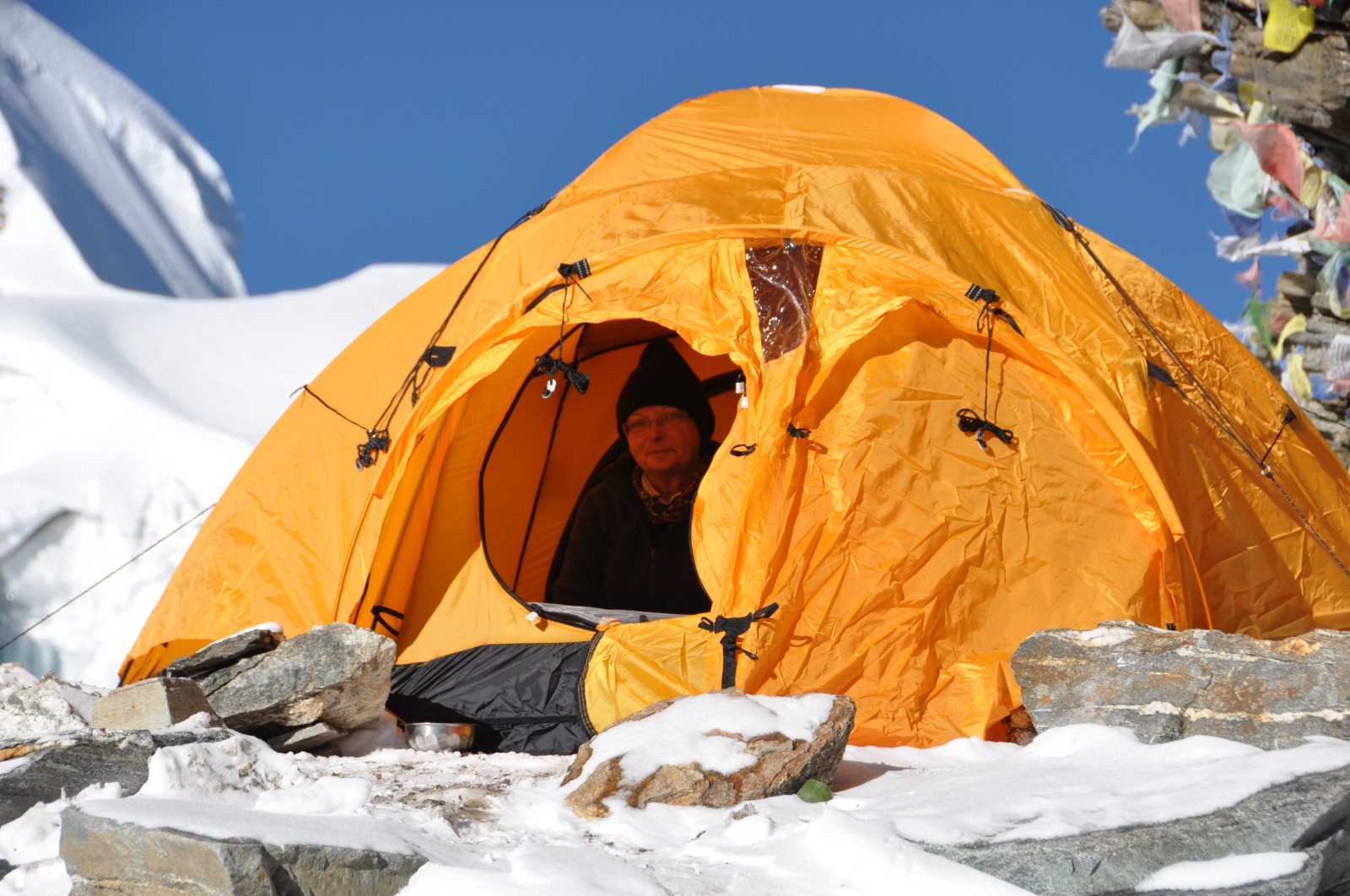
Mera Peak Climbing – 15 Day
Rising to 6,476 meters in Nepal’s Khumbu region, Mera Peak is the country’s highest permitted trekking peak, a spectacular gateway to high-altitude climbing. While its height is formidable, the climb […]
Highlights
- Nepal’s Highest Trekking Peak 6,470m —Mera Peak stands as the highest permitted trekking summit in Nepal, offering an inspiring gateway into Himalayan mountaineering.
- Views of Five 8,000-Meter above mountains— From the summit, enjoy a breathtaking panorama of Everest, Lhotse, Cho Oyu, Makalu, and Kanchenjunga—five of the world’s tallest mountains in one unforgettable sweep.
- Mera Peak is a non-technical climb— making it ideal for fit adventurers with no prior mountaineering experience. Our expert guides provide basic ice axe and crampon training at base camp to prepare you for the ascent.
- Trek south of Lukla into the untouched Hinku Valley— walking through rhododendron forests, high alpine meadows, yak pastures, and traditional mountain villages far from the busy Everest trails.
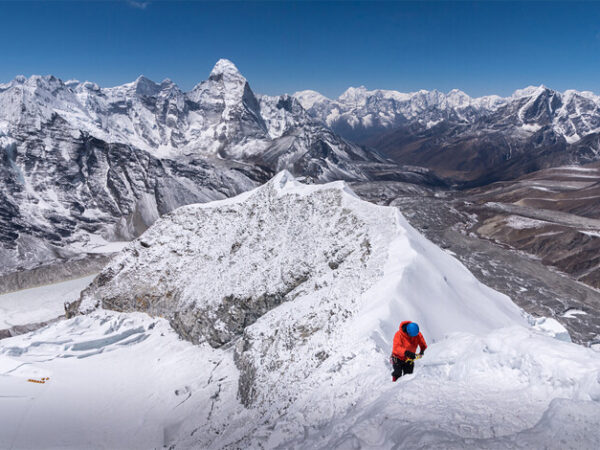
- The final ascent follows an exposed yet rewarding ridge— delivering a true alpine experience and a powerful sense of achievement as the eastern Himalayas.
- Smart Acclimatization & Weather Buffer Days— carefully designed itinerary includes flexible acclimatization and contingency days to maximize safety and increase your chances of a successful summit.
Overview
Rising to 6,476 meters in Nepal’s Khumbu region, Mera Peak is the country’s highest permitted trekking peak, a spectacular gateway to high-altitude climbing. While its height is formidable, the climb itself is considered a straightforward, non-technical ascent, making it the perfect first Himalayan summit for fit adventurers with a bold spirit and basic ice skills.
The journey begins with a thrilling flight to Lukla. From there, we trek south through lush rhododendron and bamboo forests, across high passes, and into the remote Hinku Valley—a landscape of unspoiled pastures, grazing yaks, and traditional villages. The route gradually leads us to the Mera La, our high base camp, where our guides will provide essential training on using crampons and ice axes if needed.
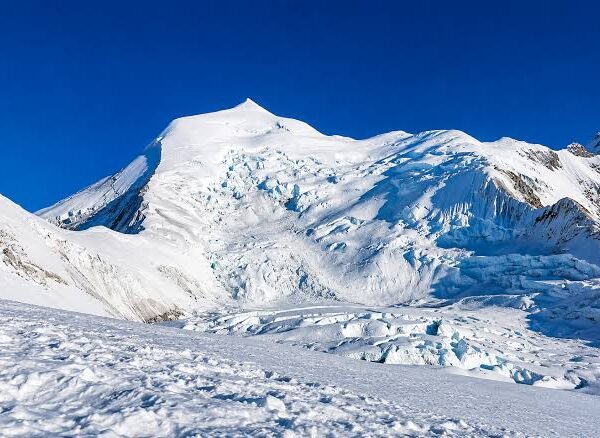
The Summit Day: In good conditions, a fit team can ascend and return to camp in a single, unforgettable day. The climb follows the north face glacier to a thrilling summit ridge, culminating in one of the most magnificent panoramas on Earth. From the top, you’ll witness five of the world’s 8,000-meter giants: Everest, Lhotse, Cho Oyu, Makalu, and Kanchenjunga, alongside the iconic spires of Ama Dablam.
Designed for Success: Our itinerary includes spare acclimatization and weather days to maximize your chance of standing on the summit. After our climb, we descend directly to Lukla to celebrate, before flying back to Kathmandu.
Ideal as a standalone adventure or as preparation for higher Himalayan expeditions, Mera Peak offers a rare blend of accessibility, raw beauty, and the profound reward of reaching a true Himalayan summit.
Trip Itinerary
Kathmandu or Manthali to Lukla (Flight) tek to Paiya – 2,730m/ 8,956ft
Flights to Lukla (2860 m) operate differently depending on the season. During peak trekking seasons, most Lukla flights are operated from Manthali Airport, while during non-peak seasons, flights operate directly from Kathmandu.
Manthali to Lukla Flights (March, April, May, September, October, and November):
During these peak months, flights to Lukla depart from Manthali Airport, which is approximately a 5–6 hour drive from Kathmandu. To catch the flight, we leave Kathmandu between 1:00 AM and 3:00 AM by shared jeep and travel to Manthali Airport. From Manthali, a scenic 20-minute flight takes you to Lukla.
Kathmandu to Lukla Flights (January, February, June, July, August, and December):
During the non-peak seasons, flights operate directly from the domestic terminal of Tribhuvan International Airport in Kathmandu. These flights usually depart early in the morning, typically between 6:00 AM and 7:00 AM.
After a scenic flight to Lukla, we arrive at Lukla Airport. Our porter-guide will be there to welcome you and assist with climb preparations. Before starting the journey, we take a short snack break in Lukla and then begin our trek toward Paiya. Its 3 to 4 hours walk and overnight here.
Please Note: The times mentioned above are estimates only and can vary depending on your walking pace, weather conditions, trail status, and overall group progress. In the mountains, flexibility is essential, our guides may adjust the schedule to ensure proper acclimatization, safety, and comfort throughout the journey.
Trek from Paiya to Pangom
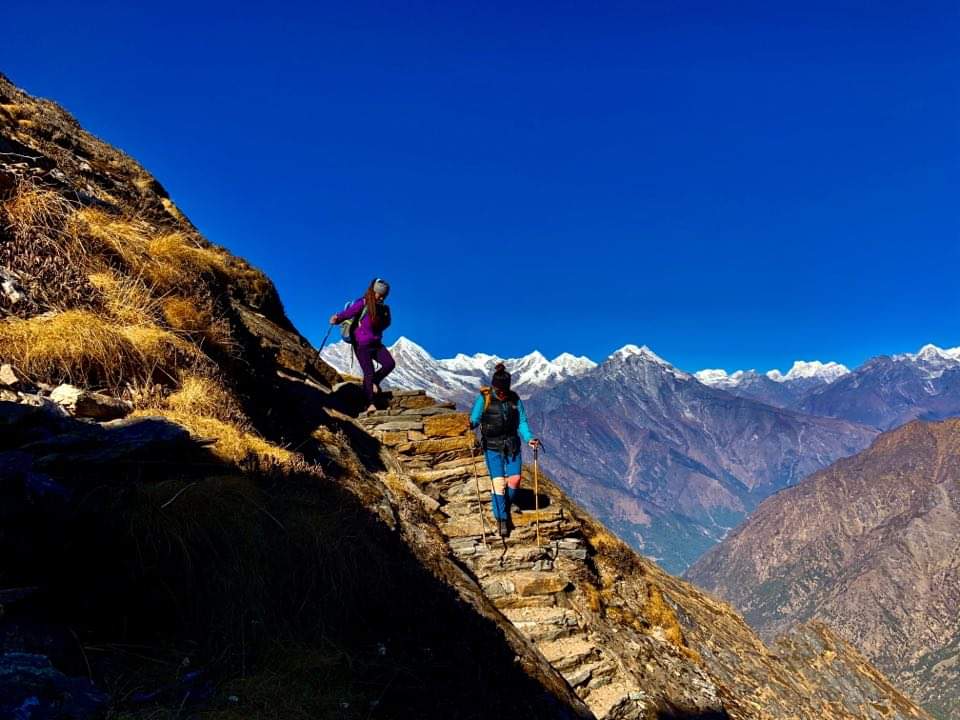
Our journey begins by crossing a sturdy wooden bridge over the thundering Dudh Koshi River. From here, the trail ascends steadily toward the Kar La Pass. The path can often be slippery underfoot, so we'll proceed with careful attention, taking our time on this rugged terrain.
Beyond the pass, the landscape transforms, We descend into a lush world of rhododendron and bamboo forest, where the air becomes fresh and pleasant, and the trail feels gentle as you walk beneath the trees. Emerging from the woods, We arrive at Pangkoma, a beautiful Sherpa village set along the mountainside.
Here, you can truly feel the reward of the day’s walk. Stunning mountain views open up all around you, with the impressive Dudh Kund Himal rising high above the skyline, offering a warm and unforgettable welcome to this peaceful and remote part of the Khumbu region.
Trek from Panggom to Ningsow
Today’s trail takes us through peaceful rolling hills and forested ridges, with the impressive south face of Mera Peak visible along the way. We begin on a rocky path that winds through beautiful rhododendron forests, where the trees arch overhead and create a natural canopy.
The route gently zigzags through pine and rhododendron woods, and with every turn, new mountain views appear. As the day continues, the forest grows thicker before gradually opening up as we descend toward our destination.
By late afternoon, we reach Ningsow, a small and quiet village nestled in the valley. Here, we settle in for the night, surrounded by the calm atmosphere and natural beauty of the mountains.
Trek from Ningsow to Chhatra Khola
Accommodation: Tea House
Today's trail leads us deeper into the mountains along a path that feels quintessentially Nepalese steep, narrow, and utterly captivating. More rhododendron forests embrace us, their twisted branches forming a colorful shade overhead. This is wild, untamed terrain where nature reigns supreme.
Along the way, we pause at a mountain stream where a stone cave rests quietly by the water's edge, a perfect spot to catch our breath and scan the forest and wildlife. With luck, we might get some glimpse of the region's shy inhabitants among the trees.
The path continues its winding journey through the woods, eventually delivering us to Chhatra Khola, our peaceful overnight stop nestled beside a rushing river. Here, surrounded by forest sounds and mountain air, we'll rest and recharge for the adventures ahead.
Trek from Chhatra Khola to Kothe
Keep your eyes wide open today, you never know what might appear from the forest. The trail winds through pine and bamboo woodlands that shelter all kinds of creatures. With a little luck, you might spot a sloth bear shuffling through the undergrowth or glimpse a shy jungle cat disappearing into the shadows.
Along the way, the trees part to reveal a stunning vantage point. Below spreads the sweeping Hinku Valley, and towering above it all is the magnificent Mera Peak—a view that makes you stop and simply stare.
Further ahead, another surprise awaits. Tucked into the hillside is a sacred cave, considered holy by local Buddhists. Inside, you'll find representations of the three elements of Buddha, a quiet place of spirituality tucked into the wilderness.
After a peaceful lunch, we follow a ridgeline beside the river, making our way steadily toward Kothe, where we'll rest for the night surrounded by the sounds of the mountain valley.
Trek from Kothe to Thaknak
Today we take it slower, with a shorter walk that leaves plenty of time for exploring. The trail follows the Hinku River ridge gently uphill, with the peaks of Mera North keeping us company along the way.
Our destination is Lungsumba Gompa, a 200-year-old monastery tucked into the mountainside. In Tibetan, "gompa" means sacred place of worship, a peaceful spot to pause and feel the centuries of prayer.
From the monastery, it's a short stroll to Thaknak, a seasonal village that springs to life only in summer when herders bring their livestock to graze. A few simple teahouses welcome trekkers here, offering warm shelter and mountain hospitality for the night.
Rest in Thaknak
Today we take a rest in Thaknak, allowing our bodies to adjust to the increasing altitude. This small seasonal settlement, surrounded by wide glacial valleys and dramatic mountain views, offers the perfect place to slow down and recharge. You can spend the day exploring the nearby hills, walking toward the edge of the glacier for closer views of the ice formations, or simply relaxing at the teahouse with a warm drink while diving into the peaceful surroundings. Our guides will also review basic climbing skills and check equipment to ensure everyone feels confident and prepared for the days ahead. It’s a quiet and important day, allowing you time to rest, acclimatize, and fully enjoy the raw beauty of the Hinku Valley before the adventure continues higher into the mountains.
Trek from Thaknak to Khare
Today's walk may be short, but it's packed with dramatic scenery. We climb over the lateral moraine of the Dig Glacier, following a steep trail that rewards every step with jaw-dropping views. To one side, the Hinku Nup and Shar glaciers stretch across the valley. Ahead, the imposing north face of Mera Peak rises like a giant, while Charpate Himal stands proudly nearby. We push on to the high pasture of Dig Kharka, then finally arrive at Khare—our tented camp for the night and the last stop before our summit push. Here, surrounded by ice and rock, we rest and prepare for the challenge ahead.
Rest in Khare and Pre-Climb Training
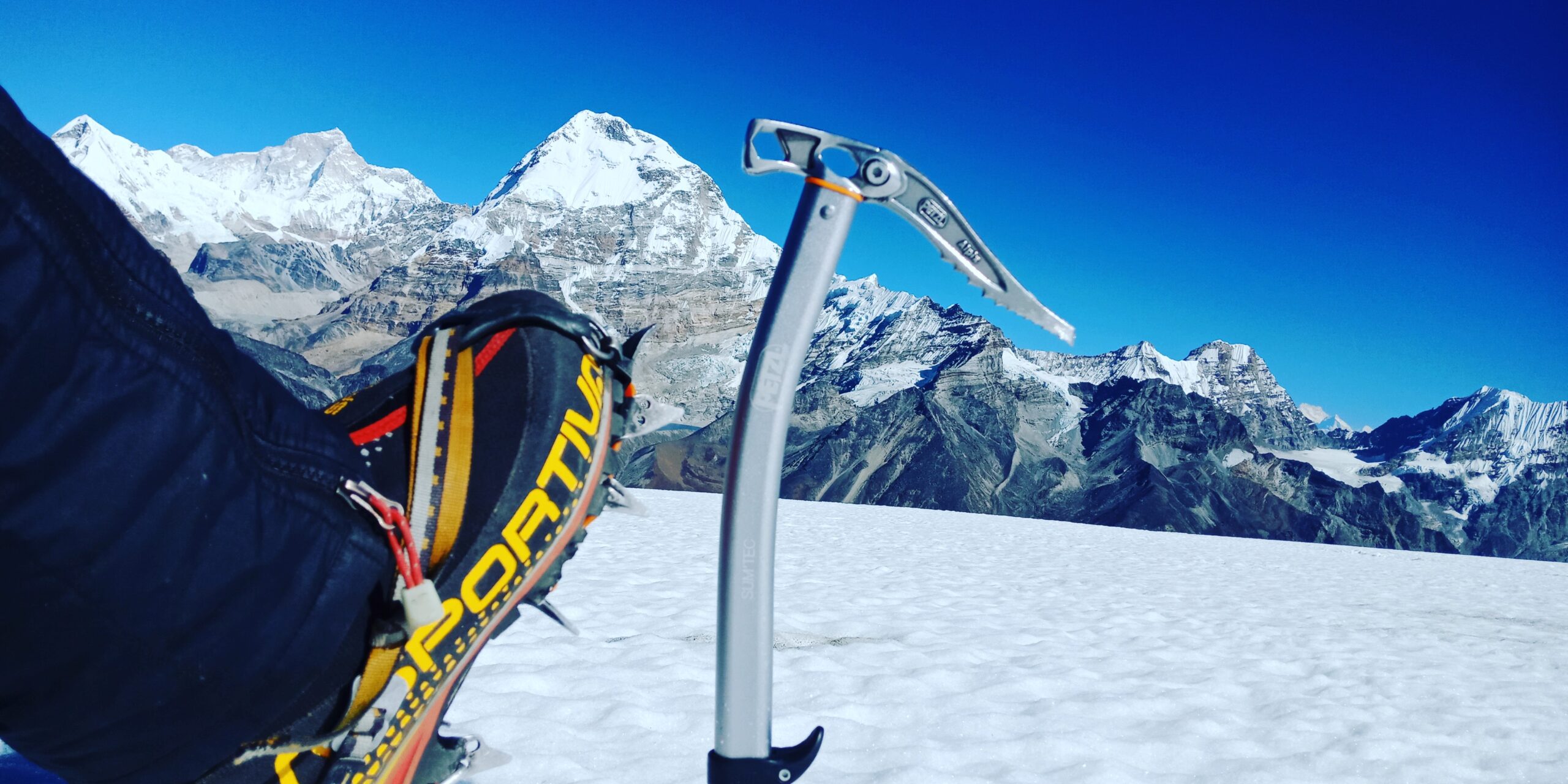
Today, we pause and prepare. No climbing, just careful training and gear checks. Our guides walk us through the essentials: how to use crampons, handle an ice axe, and move safely on glacier terrain. Every piece of equipment is inspected, every knot practiced. It's a day of focus and anticipation. Tomorrow, the real climb begins.
Trek from khare to High Camp
Today, we step onto the glacier. Following the Mera Glacier, we make our way toward Mera La Pass, then push higher across rocky trails to our final stop before the summit. High Camp is a simple, windswept spot surrounded by ice and rock, with nothing but mountains in every direction. We'll set up camp here, rest, and get ready for the big day ahead.
Mere high Camp to Summit and Back to Khare
Today is the biggest and most rewarding day of the Mera Peak expedition. We wake at around 2:00 AM, prepare with a light, energy-rich breakfast, and get ready for the summit push. As we leave High Camp, the mountain is silent and the sky is filled with stars. With headlamps lighting the glacier ahead, we begin the slow ascent toward the summit.
The climb takes approximately 4–5 hours, depending on snow conditions, weather, altitude, and individual pace. We move carefully across the glacier and gradually gain elevation as the darkness begins to fade. As the first light reaches the horizon, the surrounding Himalayan giants slowly appear. The final section requires steady effort and determination, but reaching the summit makes every step worthwhile.
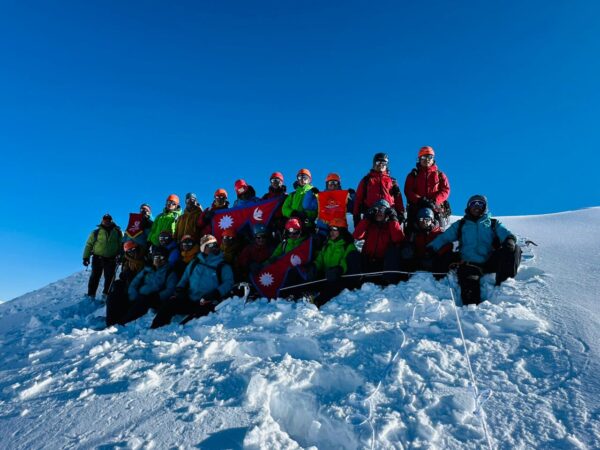
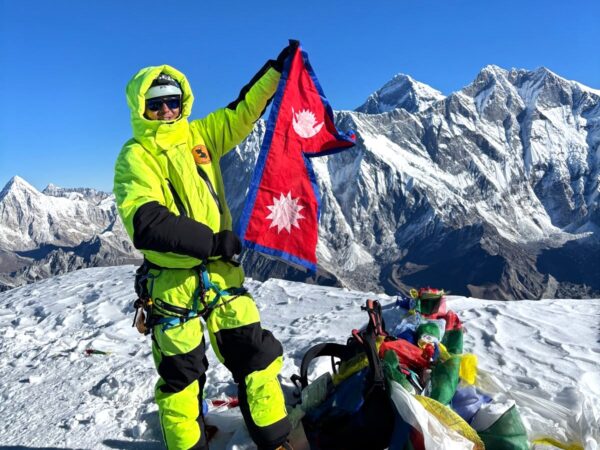
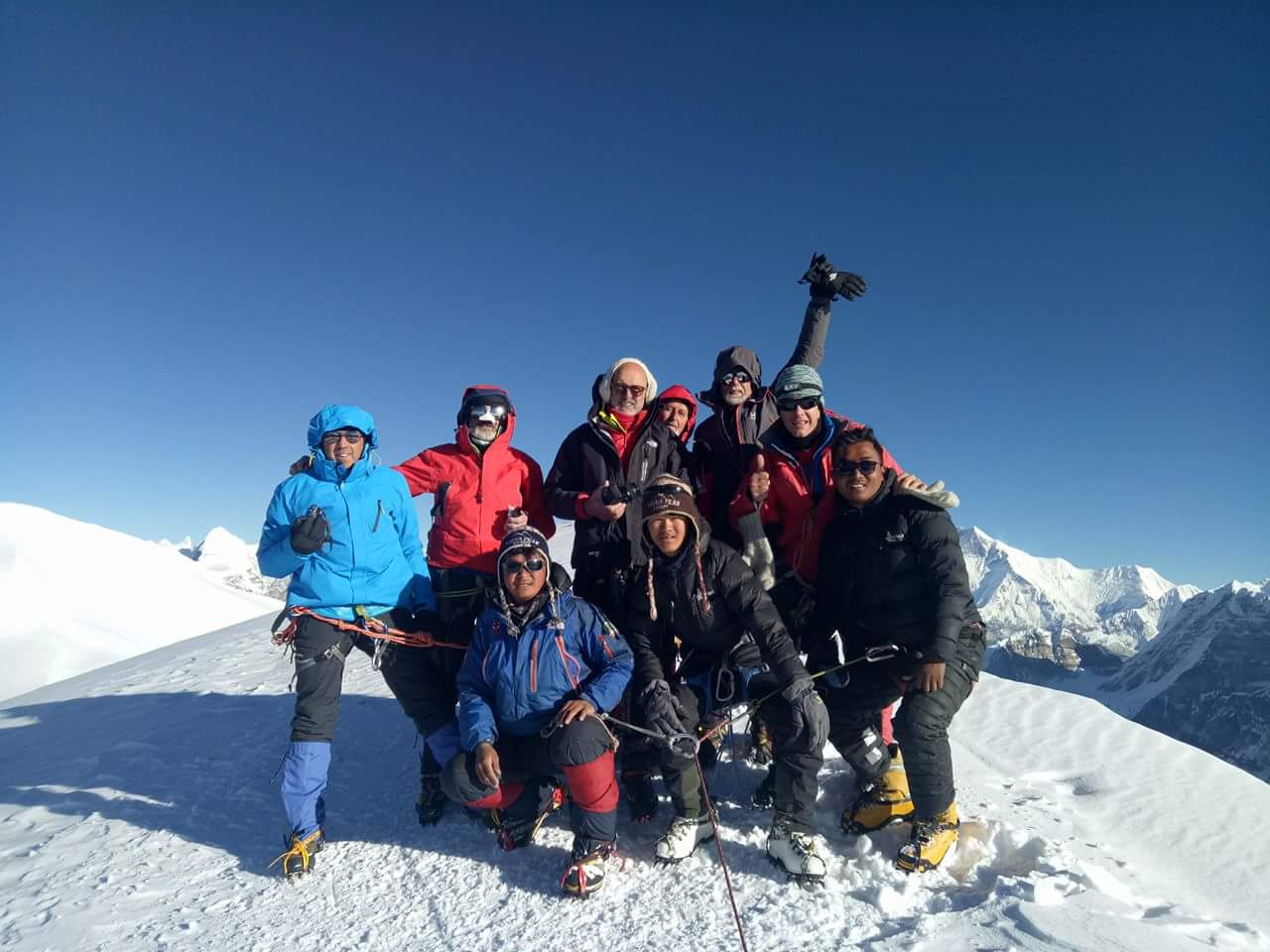
At 6,476 m (21,247 ft), the summit of Mera Peak offers an unforgettable Himalayan panorama. On a clear day, you can see some of the world's most spectacular peaks, including Mount Everest, Lhotse, Makalu, Cho Oyu, Kanchenjunga, and Ama Dablam, along with countless other snow-covered mountains. After taking time to celebrate, capture photographs, and enjoy the incredible surroundings, we begin the descent. The way down demands careful footing, especially on the glacier and steep sections, but losing altitude gradually makes the journey easier.
We retrace our route toward Khare, where we arrive after several hours of descent. After the intensity of the summit day, the warmth and comfort of the teahouse feel especially rewarding. Tonight is different—you are no longer simply a trekker. You sleep in Khare as a Mera Peak summitter, carrying the memory of standing above 6,400 meters and looking across the heart of the Himalayas.
Trek from Khare to Kothe
After breakfast, we made our way back down the hill, following our previous path from khare to Kothe and once again immersing ourselves in the beauty of the lush valley.
Kothe to Thuli Kharka
The landscape transforms once more as we descend. The rocky world is replaced by the vibrant green of rhododendron, bamboo, and pine forests. From our trail along the Hinku River ridge, we are accompanied by views of Mera Peak, a constant, majestic reminder of how far we have come and what we have achieved.
Tre from Thuli Kharka to Lukla via Zatrwa La Pass
Reaching and crossing the pass after a two-hour climb is a significant milestone. On one side, we leave the magnificent Makalu Barun National Park; on the other, the Lukla Valley opens up, a gateway to our journey home. As we settle in for our final night at Lukla, we share a heartfelt farewell with the crew, the dedicated team who made this experience possible but will not be joining us on the flight back to Kathmandu.
Lukla to Kathmandu via Manthali/Ramechap Airport and drive back to Kathmandu.
During peak trekking seasons (March, April, May, September, October, and November), flights from Lukla are often diverted to Manthali Airport instead of Kathmandu due to heavy traffic. The flight duration is approximately 20 minutes, followed by a 5–6 hour drive to Kathmandu by shared jeep. Please note that travel time may vary depending on road conditions, weather, and traffic. Early departures are common, and delays can occur, so flexibility in travel plans is recommended.
During the monsoon and winter months (January, February, June, July, August, and December), flights from Lukla usually operate directly to Kathmandu. The flight takes around 35 minutes, followed by a 30-minute drive to your hotel if you are staying in the city. Flight routes can change due to weather or air traffic conditions, so it’s best to check the current flight status before booking and allow some flexibility in your travel plans.
After a leisurely breakfast, you will prepare for your journey back to Kathmandu (or via Manthali, if required). Upon arrival, a private transfer will take you to your hotel, where you can relax and rejuvenate in comfort after your remarkable Himalayan adventure with Create Himalaya.
Not Satisfied with This Itinerary?
Every traveler is different. Customize this trip with the help of our local travel specialists and create an itinerary that perfectly matches your interests, schedule, and budget.
What's included
- Airport pickup and drop off as your arrival date and time by private vehicle
- 3 nights accommodation in Kathmandu (3 stars Hotel)
- All meals (breakfast, lunch, and dinner) during the trek and climb period
- National Park entry permit and climbing permit.
- Flight ticket to Lukla from Kathmandu/Ramechhap including airport transportation.
- Flight ticket to Kathmandu from Lukla/Ramechhap including transportation.
- One Trekking Guide Lukla to Lukla
- One Climbing Guide Khare to Khare licensed by the Nepal Mountaineering Association (NMA)
- Staff costs include their salary, insurance, equipment, domestic airfare, food, and accommodation.
- Tea house accommodation during the trek
- Tent accommodation during climbing
- Group mountaineering (climbing) equipment
- All government and local taxes
- Create Himalaya Treks T-shirt, trekking map, and trip achievement certificate
- Certificate of achievement (If needed)
- Farewell dinner in Nepali restaurant in Thamel before you depart from Nepal
What's not included
- Nepalese visa fee, international airfare to and from Kathmandu, travel and rescue insurance
- Excess baggage charges (if you have more than 15 kg of luggage, a cargo charge is around $1.5 per kg)
- Extra Night Hotel in Kathmandu (also in the case of early return from the mountain than the scheduled itinerary)
- Lunch and Dinner in Kathmandu
- Personal expenses (phone calls, internet, laundry, bar bills, battery recharge, bottle or boiled water, shower, etc.)
- One porter between two trekkers is recommended. If you would like to take a porter it will cost USD 35 per day for one porter.
- Personal climbing equipment and personal climbing guide if requested
- Tips for guides and porters (expected)
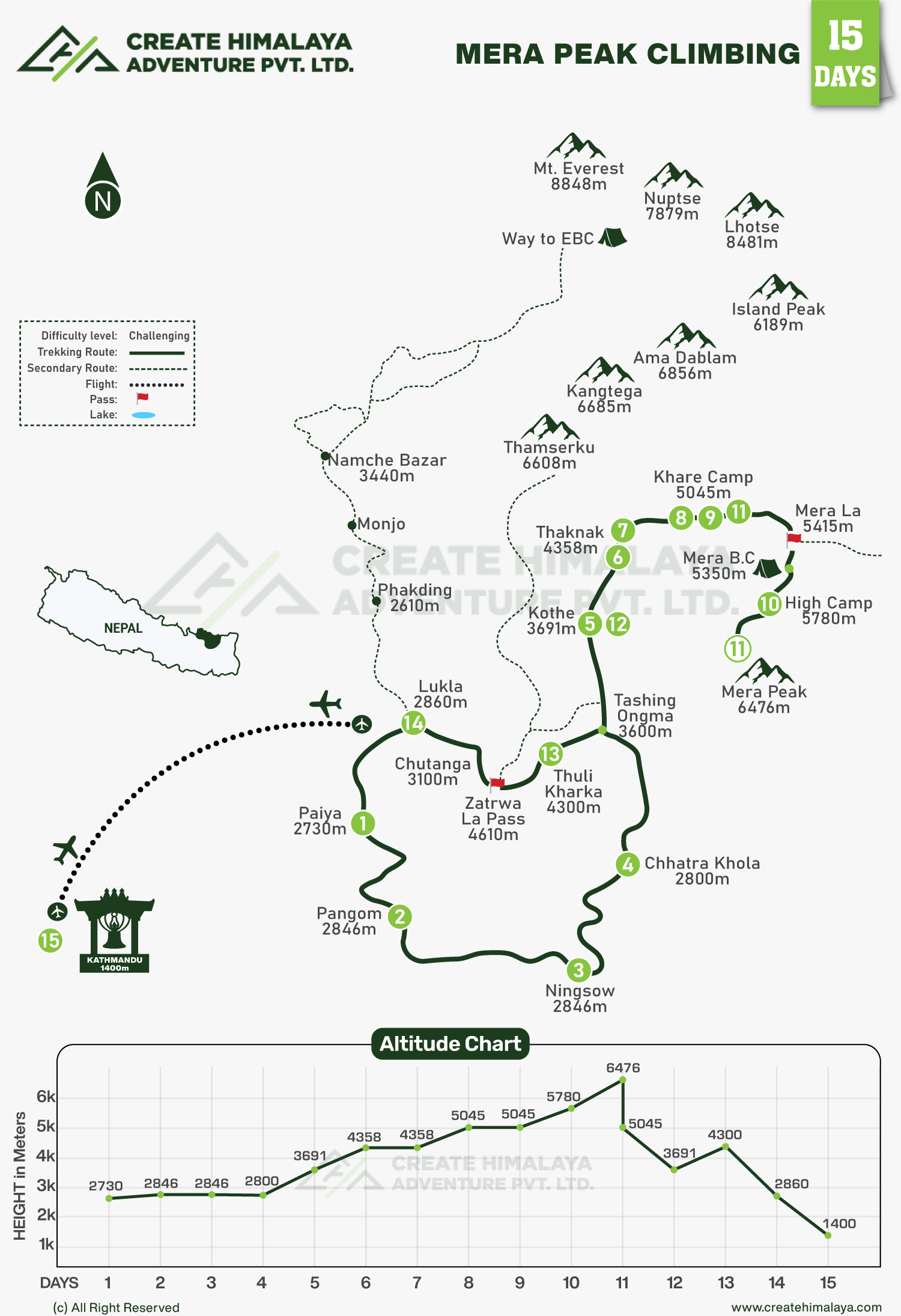
Map
Mera Peak Climbing Permit
Climbers attempting Mera Peak (6,476m) must obtain several permits before entering the remote Hinku Valley. These include the Mera Peak Climbing Permit, Makalu Barun National Park Permit, and the Khumbu Pasang Lhamu Rural Municipality Permit. Depending on the trekking route, additional local permits may also be required. Create Himalaya Adventure handles all permit arrangements, allowing climbers to focus entirely on preparation and the adventure ahead.
Mera Peak climbing Cost
The cost of Mera Peak Climbing generally ranges from USD 2,200 to USD 4,500 per person. The final price depends on the itinerary, group size, domestic flights, accommodation standards, guide-to-client ratio, and expedition services. Most packages include permits, airport transfers, flights, accommodation, meals during the trek, experienced climbing guides, porter support, and necessary climbing logistics. Mera Peak offers exceptional value for those seeking a true Himalayan summit above 6,000 meters.
Mera Peak Climbing Difficulty
Mera Peak is often described as Nepal's highest trekking peak and is considered moderately challenging. Unlike some technical climbing peaks, the ascent is not extremely steep, but the high altitude makes the expedition physically demanding. Climbers must be prepared for long trekking days, glacier travel, and a demanding summit push. Strong fitness, determination, and proper acclimatization are the key factors for a successful climb. Mera Peak is an excellent choice for trekkers looking to transition into Himalayan mountaineering.
Travel Insurance
Comprehensive travel insurance is strongly recommended for Mera Peak Climbing. Your policy should cover trekking and climbing activities above 6,000 meters, emergency medical treatment, helicopter evacuation, trip interruption, and rescue services. Since the Mera Peak route passes through remote mountain terrain, reliable insurance provides vital protection and peace of mind throughout the expedition.
Best Time
The best seasons for Mera Peak Climbing are spring (March to May) and autumn (September to November). These months provide stable weather, clear skies, excellent visibility, and favorable climbing conditions. Spring offers mild temperatures and colorful alpine landscapes, while autumn delivers crisp mountain air and some of the clearest Himalayan views of the year. These seasons also provide the highest summit success rates.
Food and Accommodation
The trek to Mera Peak passes through traditional Sherpa villages where climbers stay in comfortable teahouses and mountain lodges. Rooms are simple yet welcoming, offering a warm place to rest after each day’s trek. Higher on the mountain, especially near High Camp, accommodation may shift to tented camps depending on the itinerary. Meals include Dal Bhat, noodles, soups, rice dishes, pasta, potatoes, eggs, seasonal vegetables, tea, coffee, and other nutritious foods designed for high-altitude travel. Freshly prepared meals help maintain energy levels throughout the expedition.
Equipment
Proper equipment is essential for safety and comfort on Mera Peak. Climbers should bring insulated mountaineering boots, crampons, ice axe, climbing harness, helmet, ascender, carabiners, trekking poles, thermal clothing, waterproof outer layers, down jacket, sleeping bag, gloves, sunglasses, headlamp, and personal first-aid supplies. Technical climbing gear can be rented in Kathmandu for those who prefer not to purchase equipment before the trip.
Trip Note
Mera Peak Climbing is a remarkable Himalayan adventure that combines remote trekking, rich Sherpa culture, and the challenge of summiting Nepal's highest trekking peak. The expedition travels through pristine forests, hidden valleys, and less-crowded mountain trails before reaching the summit at 6,476 meters. Climbers should arrive well-prepared physically and mentally for high-altitude conditions and changing mountain weather. Following a gradual acclimatization schedule and listening to your climbing guide are crucial for a safe and successful ascent. With panoramic views of Everest, Lhotse, Makalu, Cho Oyu, and Kanchenjunga from the summit, Mera Peak delivers one of the most rewarding mountain experiences in Nepal.
FAQs
1. Where is Mera Peak located?
Mera Peak is located in the remote Hinku Valley of eastern Nepal within the Everest region. It stands at 6,476 meters (21,247 ft) and is one of Nepal’s most popular trekking peaks.
2. How difficult is Mera Peak Climbing?
Mera Peak is considered a moderately challenging trekking peak. The climb requires good physical fitness, endurance, and basic mountaineering skills, but it is achievable for beginners with proper preparation.
3. Do I need previous climbing experience for Mera Peak?
Previous climbing experience is helpful but not mandatory. Many first-time climbers successfully summit Mera Peak with guidance from experienced Sherpa climbing guides.
4. What is the best time for Mera Peak Climbing?
The best seasons for Mera Peak are spring (March to May) and autumn (September to November). These months offer stable weather, clear mountain views, and safer climbing conditions.
5. How long does the Mera Peak expedition take?
Most Mera Peak climbing itineraries take around 15 to 20 days, depending on the route, acclimatization schedule, and side trips included in the package.
6. What permits are required for Mera Peak Climbing?
Trekkers need a Mera Peak climbing permit, Makalu Barun National Park Permit, and a local area permit to enter the region and attempt the summit legally.
7. Is Mera Peak suitable for beginners?
Yes, Mera Peak is often recommended for beginner climbers looking to experience Himalayan mountaineering for the first time in Nepal.
8. What is the highest point during Mera Peak Climbing?
The summit of Mera Peak reaches an elevation of 6,476 meters, making it Nepal’s highest trekking peak.
9. What mountains can be seen from Mera Peak summit?
From the summit, climbers can enjoy panoramic views of Mount Everest, Lhotse, Makalu, Cho Oyu, and Kanchenjunga.
10. How cold is Mera Peak Climbing?
Temperatures can drop below -15°C at higher elevations and during summit night. Proper winter clothing and climbing gear are essential.
11. Is altitude sickness common on Mera Peak?
Yes, altitude sickness can affect climbers above 3,500 meters. Proper acclimatization, hydration, and gradual ascent are important for a safe climb.
12. What type of accommodation is available during the trek?
Trekkers stay in local teahouses during the trekking section and tents at high camp before the summit attempt.
13. What food is available during Mera Peak Climbing?
Most teahouses offer Nepali, Tibetan, and international meals such as dal bhat, noodles, soup, pasta, rice, potatoes, tea, and coffee.
14. Do I need travel insurance for Mera Peak?
Yes, comprehensive travel insurance covering high-altitude trekking and emergency helicopter evacuation is strongly recommended.
15. How fit should I be for Mera Peak Climbing?
Climbers should have good cardiovascular fitness and be comfortable walking 5–7 hours daily at high altitude.
16. Is a guide mandatory for Mera Peak Climbing?
Yes, climbing Mera Peak with a licensed trekking or climbing guide is highly recommended for safety, navigation, and technical support.
17. What climbing equipment is required for Mera Peak?
Essential gear includes crampons, ice axe, harness, climbing boots, helmet, down jacket, sleeping bag, and glacier glasses.
18. How successful is the Mera Peak summit rate?
Mera Peak has a high success rate when climbers follow proper acclimatization schedules and climb during the best seasons.
19. Can Mera Peak be combined with other treks?
Yes, many trekkers combine Mera Peak with the Everest Base Camp trek or Amphu Lapcha Pass adventure for a longer Himalayan experience.
20. Why choose Mera Peak Climbing in Nepal?
Mera Peak offers an unforgettable Himalayan adventure with stunning scenery, remote valleys, authentic Sherpa culture, and a rewarding non-technical summit experience in Nepal.
No hidden fees • Best price guarantee