Annapurna Circuit Trek – 10 Days
The Annapurna Circuit Trek is one of Nepal’s most classic and rewarding Himalayan journeys, offering an exceptional mix of dramatic landscapes, cultural diversity, and high-altitude adventure. Known for its striking […]
Highlights
- Classic Annapurna Circuit trek with diverse landscapes and cultures
- Scenic 10-12 hours drive from Kathmandu to Dharapani.
- Trail follows the Marsyangdi River through traditional mountain villages.
- Some glimpse of Tibetan cultural influencing the upper regions.
- Acclimatization day in Manang with Himalayan views.
- Crossing Thorong La Pass (5,416m), one of the world’s highest trekking passes.
- Visit to the sacred Muktinath Temple in Mustang.
- Option to relax at Tatopani natural hot springs.
- Guided trek with responsible practices and experienced staff.
Overview
The Annapurna Circuit Trek is one of Nepal’s most classic and rewarding Himalayan journeys, offering an exceptional mix of dramatic landscapes, cultural diversity, and high-altitude adventure. Known for its striking changes in altitude and scenery, the trek takes you from lush subtropical valleys to high alpine terrain and the arid landscapes of the Tibetan plateau, making it one of the most complete trekking experiences in the Annapurna region.
The journey begins in Kathmandu with a scenic drive to Dharapani, the traditional starting points of the circuit. From here, the trail follows the Marsyangdi River through forested valleys and traditional mountain villages such as Chame, Upper Pisang, and Ngawal, gradually revealing breathtaking views of the Annapurna range. As you climb higher, Tibetan cultural influences become more visible in the architecture, monasteries, and daily life of the local communities.
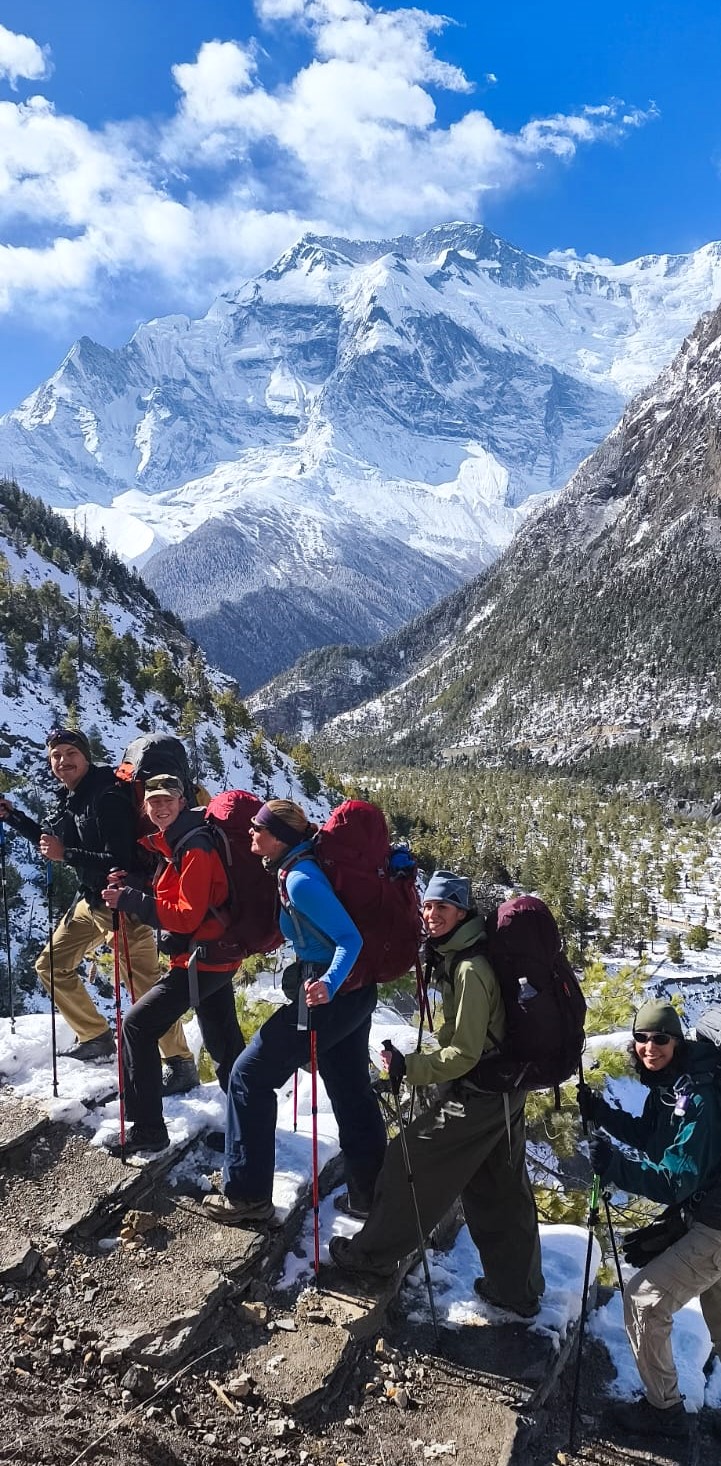
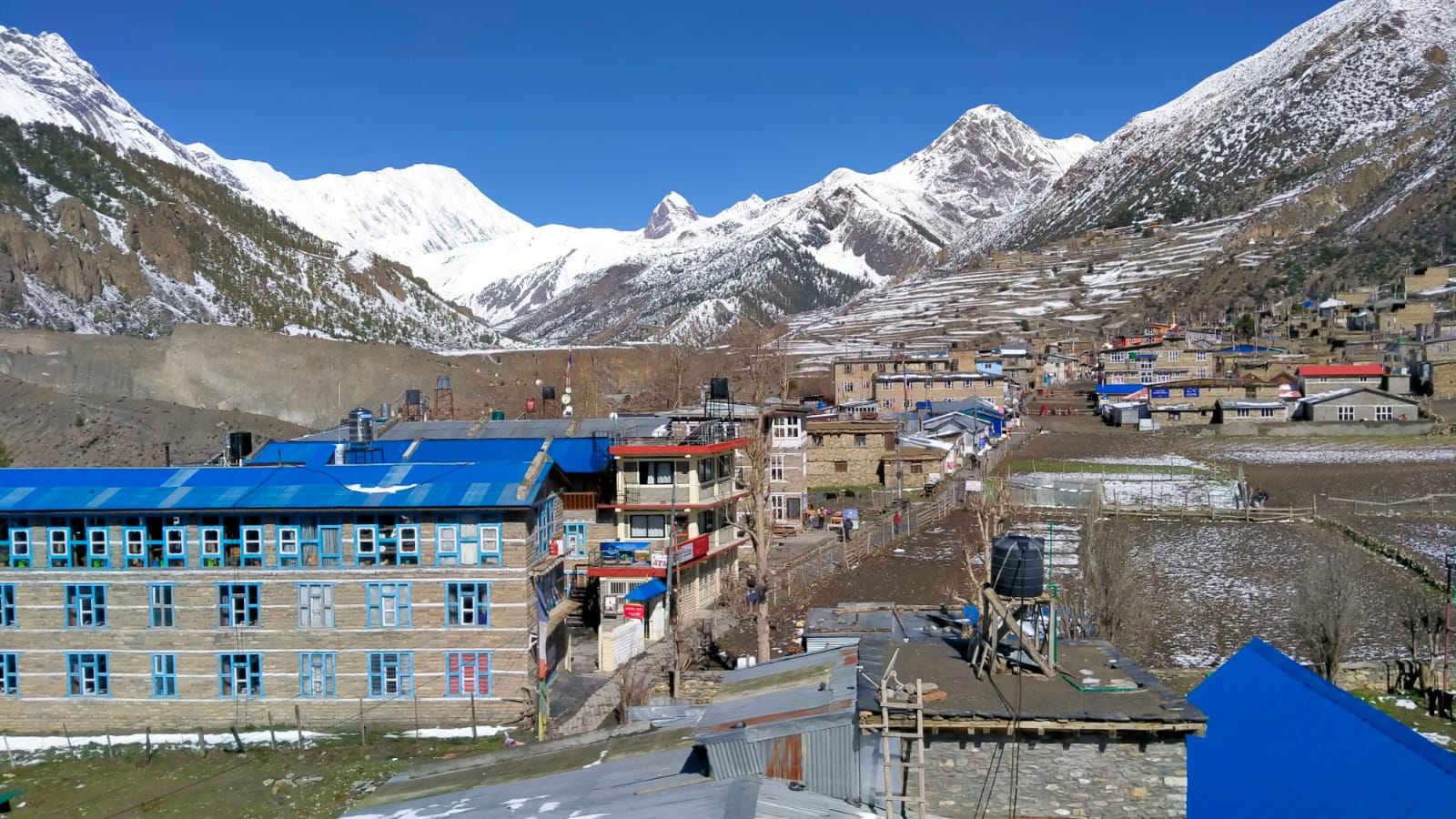
A key highlight of the itinerary is Manang village, where a dedicated acclimatization day is included. Guided hikes to higher viewpoints follow the “climb high, sleep low” principle, helping the body adapt safely to altitude while offering stunning views of Annapurna II and Gangapurna.
Beyond Manang, the trail becomes more rugged and remote as it ascends through Yak Kharka and Thorong Phedi, where the thinning air and dramatic terrain signal the approach to the trek’s greatest challenge. The ultimate highlight is the crossing of Thorong La Pass (5,416m)—one of the highest trekking passes in the world and the highest point of the Annapurna Circuit. An early morning start (around 3–4 a.m.) is required for a safe crossing, supported by experienced guides trained in wilderness first aid and equipped with satellite communication and emergency oxygen.
After the pass, the trail descends into the Mustang region, leading to the sacred Muktinath Temple, an important pilgrimage site for both Hindus and Buddhists. The journey then continues via Jomsom, with an option to drive onward to Tatopani, where trekkers can relax in natural hot springs. The trek concludes with in scared spiritual place Muktinath, famous for its panoramic Himalayan views and .
Major Attractions of the Annapurna Circuit Trek
The Annapurna Circuit Trek is one of Nepal’s most diverse and spectacular trekking adventures, offering dramatic mountain landscapes, traditional Himalayan villages, high mountain passes, ancient monasteries, and rich cultural experiences. The trail circles the Annapurna Massif and showcases the remarkable diversity of the Annapurna region.
Heaven’s Gate
Heaven’s Gate is a scenic viewpoint near Manang that offers breathtaking panoramic views of the Annapurna range and the surrounding valleys. It is a peaceful spot where trekkers can enjoy stunning Himalayan scenery and excellent photography opportunities.
Manang (3,540 m)
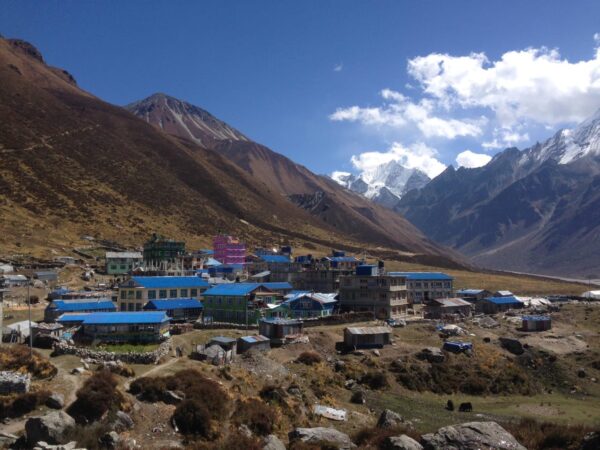
Manang is a beautiful Himalayan village and an important acclimatization stop on the trek. Surrounded by towering peaks, the village offers spectacular mountain views, traditional Tibetan-influenced culture, monasteries, bakeries, and fascinating insights into local mountain life.
Ice Lake (4,600 m)
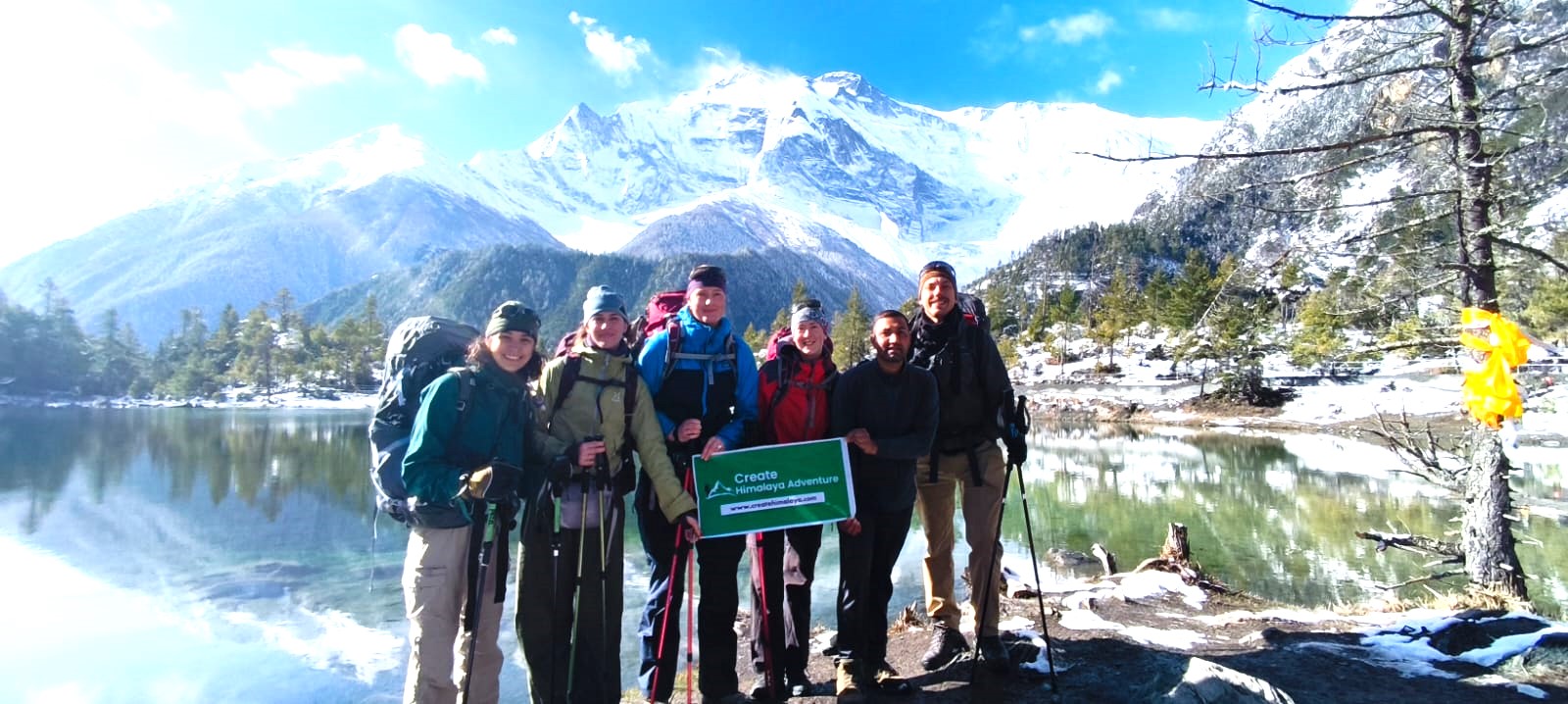
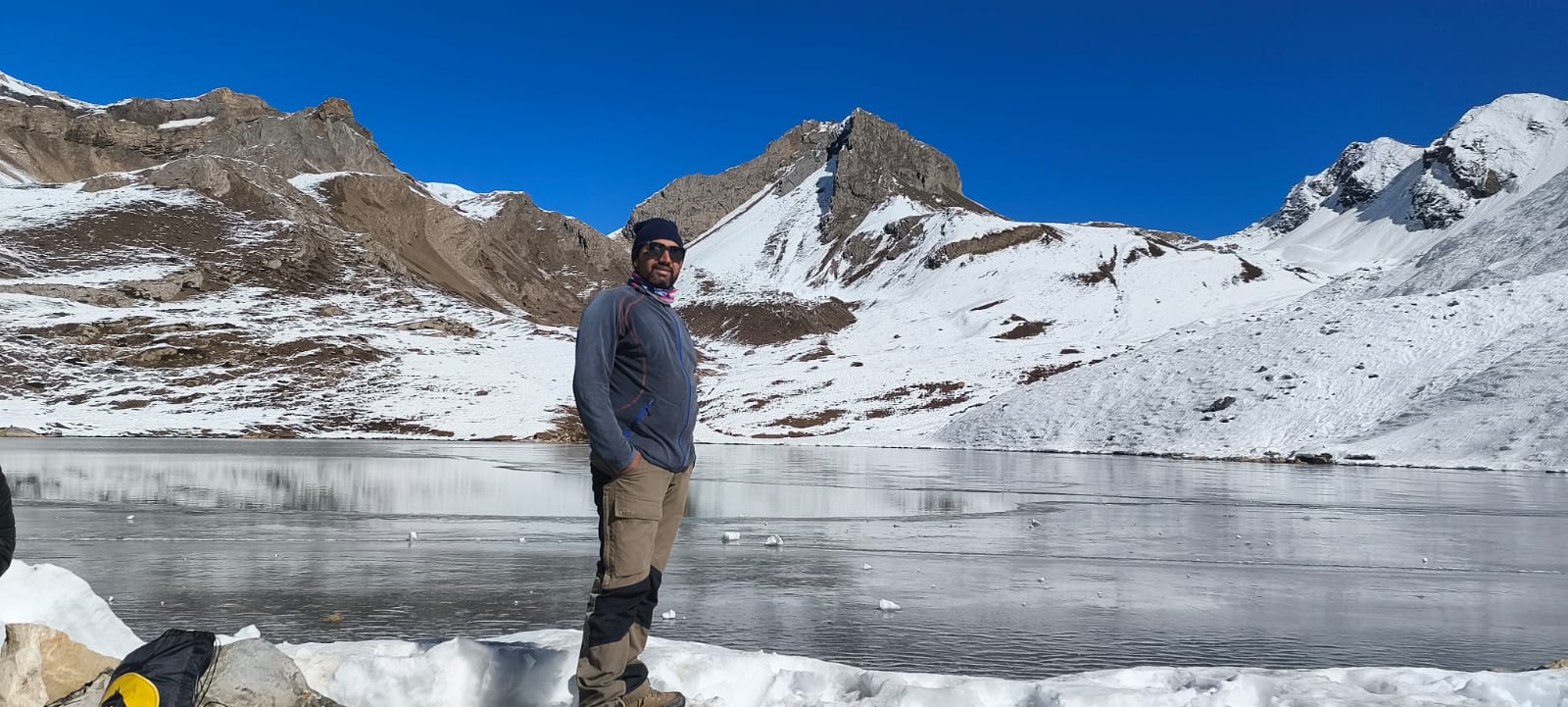
Ice Lake is one of the most popular acclimatization hikes from Manang. The crystal-clear alpine lake is set amidst rugged mountain terrain and rewards trekkers with magnificent views of Annapurna II, Annapurna III, Gangapurna, Tilicho Peak, and Chulu peaks.
Milarepa Cave
Milarepa Cave is a sacred meditation site associated with the famous Tibetan Buddhist saint Milarepa. Located above Manang, the cave offers spiritual significance, peaceful surroundings, and panoramic views of the Marsyangdi Valley and surrounding mountains.
Gangapurna Lake
Gangapurna Lake is a beautiful turquoise glacial lake formed by meltwater from Gangapurna Glacier. Located near Manang, the lake creates a stunning contrast against the surrounding snow-capped peaks and rugged landscapes.
Chongkor Viewpoint
Chongkor Viewpoint is a popular hiking destination near Manang that provides excellent panoramic views of the Annapurna range, Gangapurna, Tilicho Peak, and the entire Manang Valley. It is an ideal acclimatization excursion with rewarding scenery.
Thorong La Pass (5,416 m)
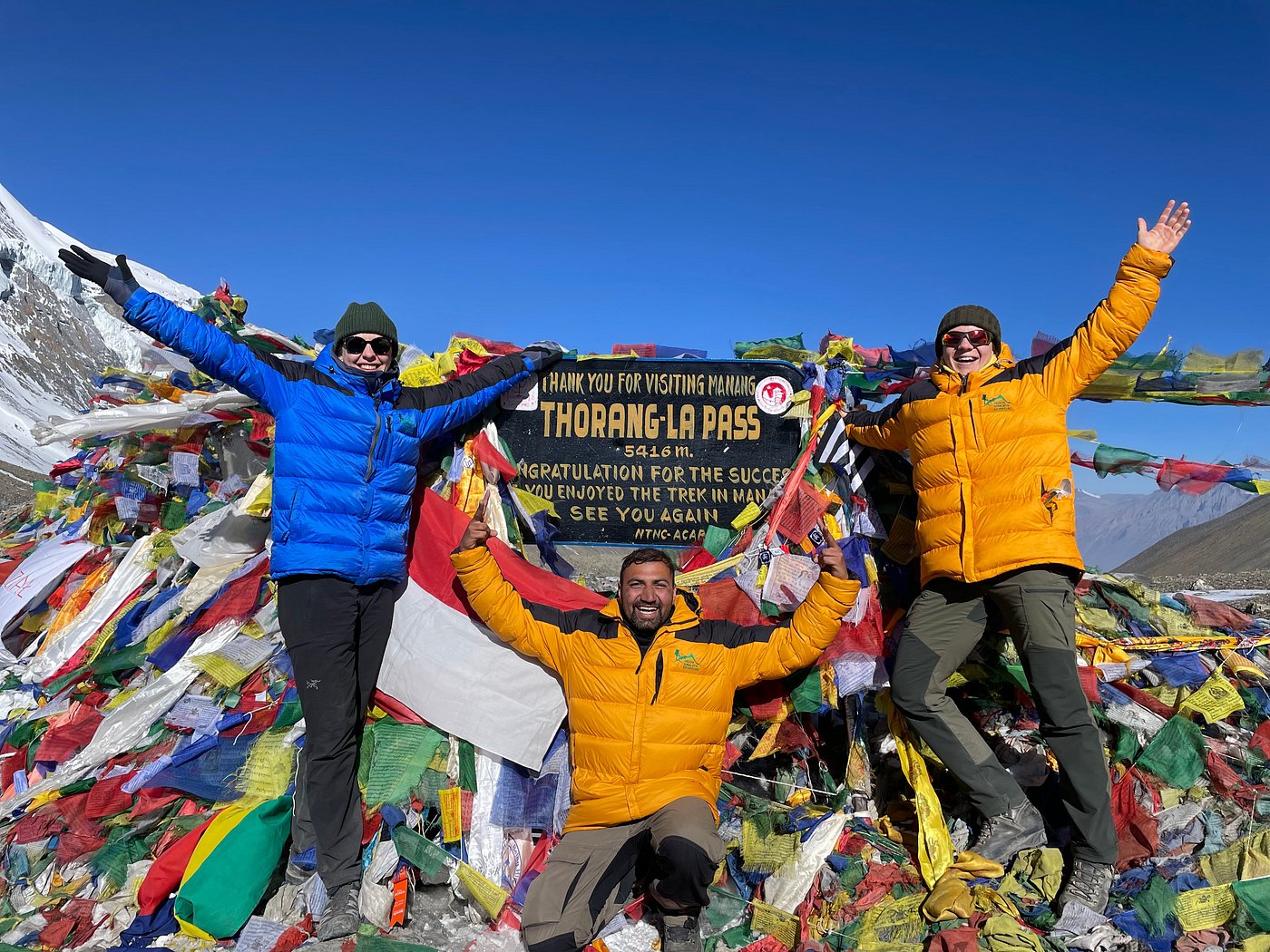
Thorong La Pass is the highest point of the Annapurna Circuit and one of the world’s most famous trekking passes. Crossing the pass is a major achievement, offering breathtaking 360-degree views of the Himalayan mountains and dramatic high-altitude landscapes.
Muktinath Temple (3,800 m)
Muktinath Temple is one of Nepal’s most sacred pilgrimage sites for both Hindus and Buddhists. The temple complex is famous for its eternal flame, 108 holy water spouts, and spiritual significance, attracting pilgrims and trekkers from around the world.
Kagbeni (2,810 m)
Kagbeni is a historic medieval-style village located at the gateway to the Upper Mustang region. Known for its ancient monasteries, narrow stone alleys, traditional mud-brick houses, and unique Tibetan-influenced culture, Kagbeni offers a fascinating glimpse into the history and heritage of the Himalayan trans-Himalayan region.
Annapurna Circuit Trek Difficulty
The Annapurna Circuit Trek is considered a moderately challenging to strenuous trek, suitable for trekkers with a good level of fitness and a sense of adventure. While no technical climbing skills are required, the trek involves long walking days, significant altitude gain, and crossing the high-altitude Thorong La Pass (5,416 m).
Trekkers typically walk 5–8 hours per day on varied terrain, including stone staircases, forest trails, rocky mountain paths, and high alpine landscapes. The main challenge is the altitude, particularly above 3,500 meters, where proper acclimatization becomes essential to reduce the risk of altitude sickness.
The trek is achievable for beginners who are physically prepared and follow a well-planned itinerary with adequate acclimatization days. With proper fitness, pacing, and guidance, most trekkers can successfully complete the Annapurna Circuit and enjoy one of Nepal’s most spectacular trekking experiences.
Read More: How Difficult is the Annapurna Circuit Trek?
Annapurna Circuit Trek Route
The classic Annapurna Circuit Trek begins in the lower Marsyangdi Valley and gradually ascends through traditional villages, forests, and alpine landscapes before crossing the famous Thorong La Pass and descending into the Mustang region.
Typical Trek Route:
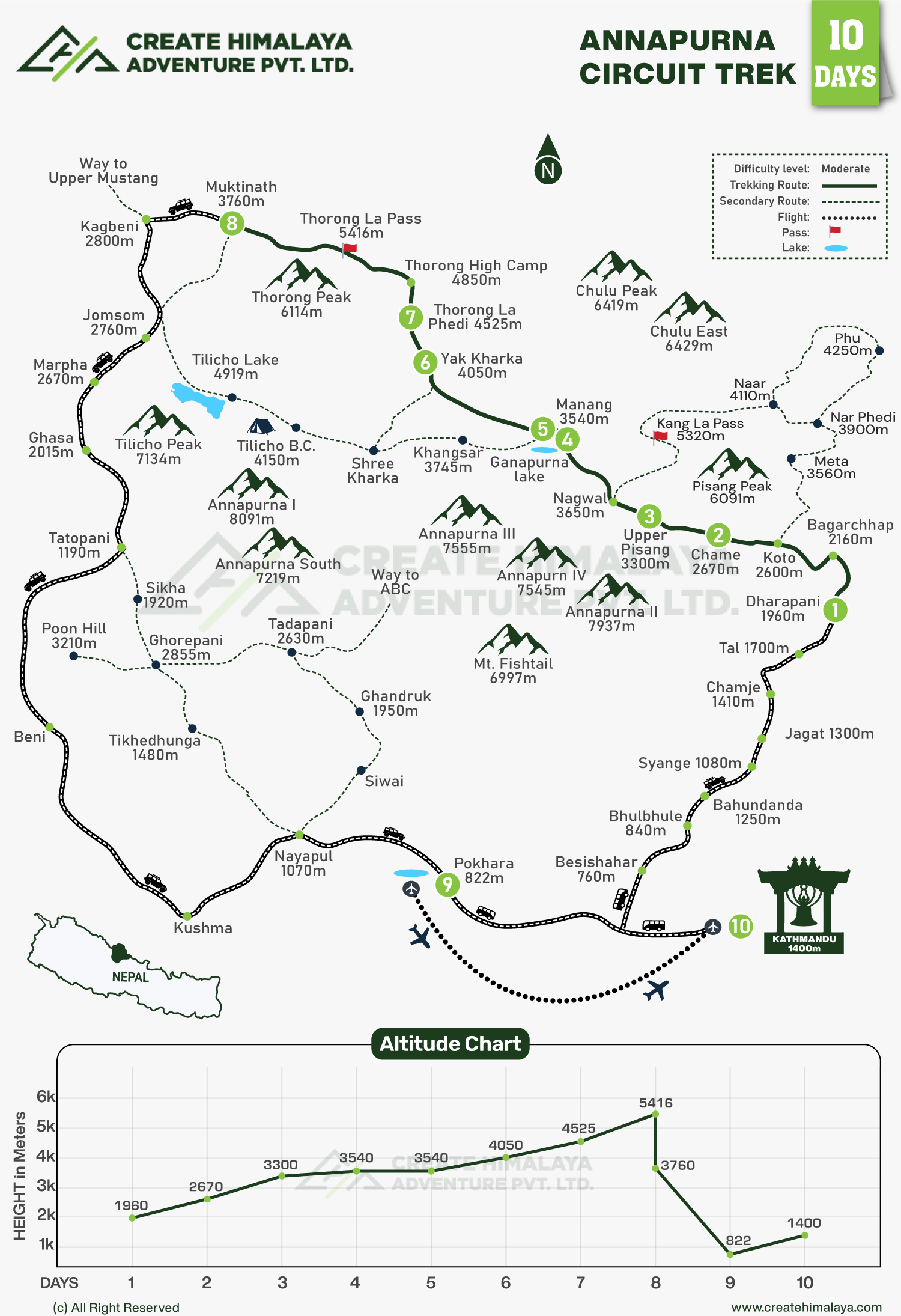
Besisahar → Dharapani → Chame → Upper Pisang → Manang → Yak Kharka → Thorong Phedi (or High Camp) → Thorong La Pass (5,416 m) → Muktinath → Kagbeni → Jomsom → Pokhara
Route Highlights
Besisahar to Chame: Follow the Marsyangdi River through lush forests, waterfalls, terraced fields, and traditional Gurung and Tibetan-influenced villages.
Manang: A popular acclimatization stop surrounded by spectacular Himalayan peaks and cultural attractions.
Thorong La Pass (5,416 m): The highest point of the trek and one of the world’s most famous high-altitude trekking passes.
Muktinath: A sacred pilgrimage site revered by both Hindus and Buddhists.
Kagbeni: A medieval-style village and gateway to the Upper Mustang region.
Jomsom: Located in the Kali Gandaki Valley, known for its dramatic landscapes and views of Nilgiri and Dhaulagiri.
Pokhara: The trek concludes with a scenic drive or flight from Jomsom to Pokhara.
Depending on the itinerary, trekkers can also include side trips to Ice Lake, Gangapurna Lake, Milarepa Cave, Chongkor Viewpoint, and Tilicho Lake, one of the world’s highest lakes, for additional adventure and acclimatization opportunities.
Meals on the Annapurna Circuit Trek
Meals on the Annapurna Circuit Trek are served in local teahouses and lodges along the route. The food is generally simple, nutritious, and designed to provide the energy needed for long days of trekking in the mountains.
Dal Bhat (rice, lentil soup, vegetables, and pickles) is the most popular and recommended meal among trekkers. It is filling, nutritious, and often comes with free refills in many teahouses. Other common meal options include fried rice, noodles, pasta, potatoes, soups, momos (dumplings), chapati, and various vegetable dishes.
For breakfast, trekkers can expect choices such as porridge, Tibetan bread, pancakes, eggs, toast, muesli, and hot drinks like tea, coffee, and hot chocolate. As you gain altitude, menu options become more limited, but most teahouses continue to offer a variety of meals.
Vegetarian food is widely available throughout the trek and is often recommended at higher elevations. Snacks such as chocolate bars, biscuits, energy bars, and soft drinks can also be purchased in villages along the route, although prices increase with altitude.
The combination of hearty local meals and basic international dishes ensures trekkers remain well-fed and energized throughout their Annapurna Circuit adventure.
Accommodation on the Annapurna Circuit Trek
Accommodation on the Annapurna Circuit Trek is provided in local teahouses and mountain lodges located in villages along the trail. These teahouses offer a comfortable and authentic trekking experience while allowing trekkers to experience the culture and hospitality of the local communities.
Rooms are generally simple and typically feature twin beds, mattresses, pillows, and blankets. Bathrooms may be private in some lower-altitude villages, but shared facilities are more common, especially at higher elevations. As the trek gains altitude, accommodation becomes more basic, but teahouses remain warm and welcoming.
Most teahouses have a communal dining hall with a stove or heater where trekkers gather to eat, relax, and socialize in the evenings. Hot showers, mobile charging, and Wi-Fi are available in many villages, although these services often require an additional fee and may be less reliable at higher elevations.
Popular overnight stops such as Chame, Pisang, Manang, Yak Kharka, Thorong Phedi, Muktinath, Kagbeni, and Jomsom offer a good range of teahouse accommodations. During the peak trekking seasons of spring and autumn, booking through a trekking agency or guide is recommended to ensure availability.
While accommodation is generally basic compared to hotels, the stunning mountain scenery, friendly atmosphere, and unique Himalayan experience make staying in teahouses one of the highlights of the Annapurna Circuit Trek.
Permits and Trek Cost for Annapurna Circuit Trek (2026 Guide)
To complete the Annapurna Circuit Trek in Nepal, trekkers are required to obtain the Annapurna Conservation Area Permit (ACAP). This is the main trekking permit for the region and is checked at several entry points along the route. The permit supports conservation efforts, trail maintenance, and local community development inside the Annapurna region. The cost is usually around NPR 3,000 (approx. USD 25–30) for foreign trekkers, while SAARC nationals pay a lower fee. The permit can be easily arranged in Kathmandu or Pokhara before starting the trek.
The Annapurna Circuit Trek cost depends on several important factors such as the trekking company you choose, group size, itinerary length, and the level of service you prefer. For example, a budget group trek will cost less, while a private guided trek with more comfort and flexibility will be higher in price. In most cases, a fully organized Annapurna Circuit Trek package includes permits, accommodation in teahouses, meals during the trek, guide and porter services, and transportation to and from the trailhead. However, the final cost can vary based on your travel style, comfort level, and customization of the itinerary.
Overall, the Annapurna Circuit Trek price is flexible, making it suitable for both budget travelers and those looking for a more comfortable Himalayan trekking experience.
Why Choose Annapurna Circuit Trek?
The Annapurna Circuit Trek in Nepal is considered one of the world’s best long-distance trekking routes because it offers an incredible mix of diverse landscapes, rich culture, and high Himalayan adventure in a single journey. Unlike many other treks, it takes you from lush green valleys and subtropical forests to dry high-altitude deserts within just a few days, making it one of the most varied trekking experiences in Nepal.
One of the biggest highlights of the Annapurna Circuit Trek is the chance to cross the famous Thorong La Pass (5,416 m), one of the highest trekking passes in the world. The sense of achievement combined with breathtaking mountain views makes it a once-in-a-lifetime experience for many trekkers.
The route also offers a deep cultural journey through traditional villages influenced by Gurung, Thakali, and Tibetan Buddhist cultures, where trekkers can experience local hospitality, monasteries, prayer flags, and ancient traditions along the way.
Another reason to choose this trek is its incredible Himalayan scenery, including panoramic views of Annapurna I, Dhaulagiri, Machapuchhre (Fishtail), Manaslu, Tilicho Peak, and many other snow-covered giants. Every day brings new landscapes and unforgettable views.
The Annapurna Circuit is also flexible in terms of itinerary and difficulty, making it suitable for both experienced trekkers and fit beginners who are properly acclimatized. With good infrastructure, teahouse accommodation, and well-established trails, it offers both adventure and comfort in the Himalayas.
In short, the Annapurna Circuit Trek is the perfect choice for anyone looking for a complete Himalayan experience—combining nature, culture, adventure, and high-altitude challenge in one unforgettable journey.
Trip Itinerary
Kathmandu to Dharapani
Today begins with a scenic, full-day drive from Kathmandu to Dharapani in a private vehicle. The journey takes approximately 10–12 hours, starting on paved highways before transitioning to the adventurous, winding dirt roads beyond Besisahar for the final 3–4 hours. If weather allows, you’ll be greeted by magnificent mountain views, including Annapurna II & III, Manaslu, Mount Machhapuchhre (Fishtail), and Mount Lamjung, alongside rivers, waterfalls, and traditional village offering plenty of photo opportunities. We’ll arrive in Dharapani by evening, where we’ll settle in for the night, ready to start our trek tomorrow.
Trek from Dharapani to Chame
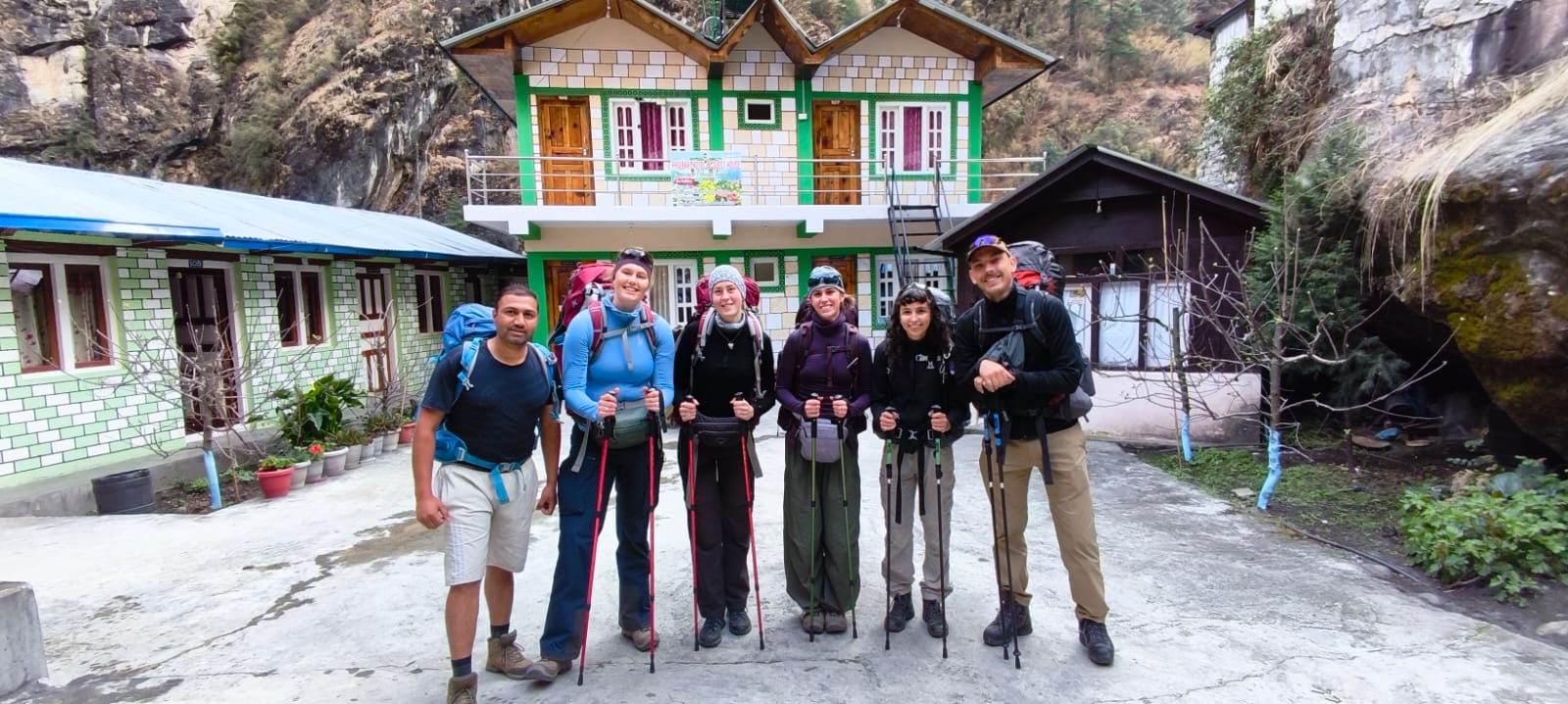
We begin today’s trek with a moderate 5–6 hour walk to Chame, the administrative heart of the Manang district. The trail follows the Marsyangdi River, offering scenic views of waterfalls, lush forests, and traditional villages set against glimpses of Annapurna II and Lamjung Himal.
Chame itself is a charming and well-equipped town, providing a welcoming rest stop with more amenities and a peaceful atmosphere and a perfect pause on our journey into the higher Annapurna region.
Trek from Chame to Upper Pisang
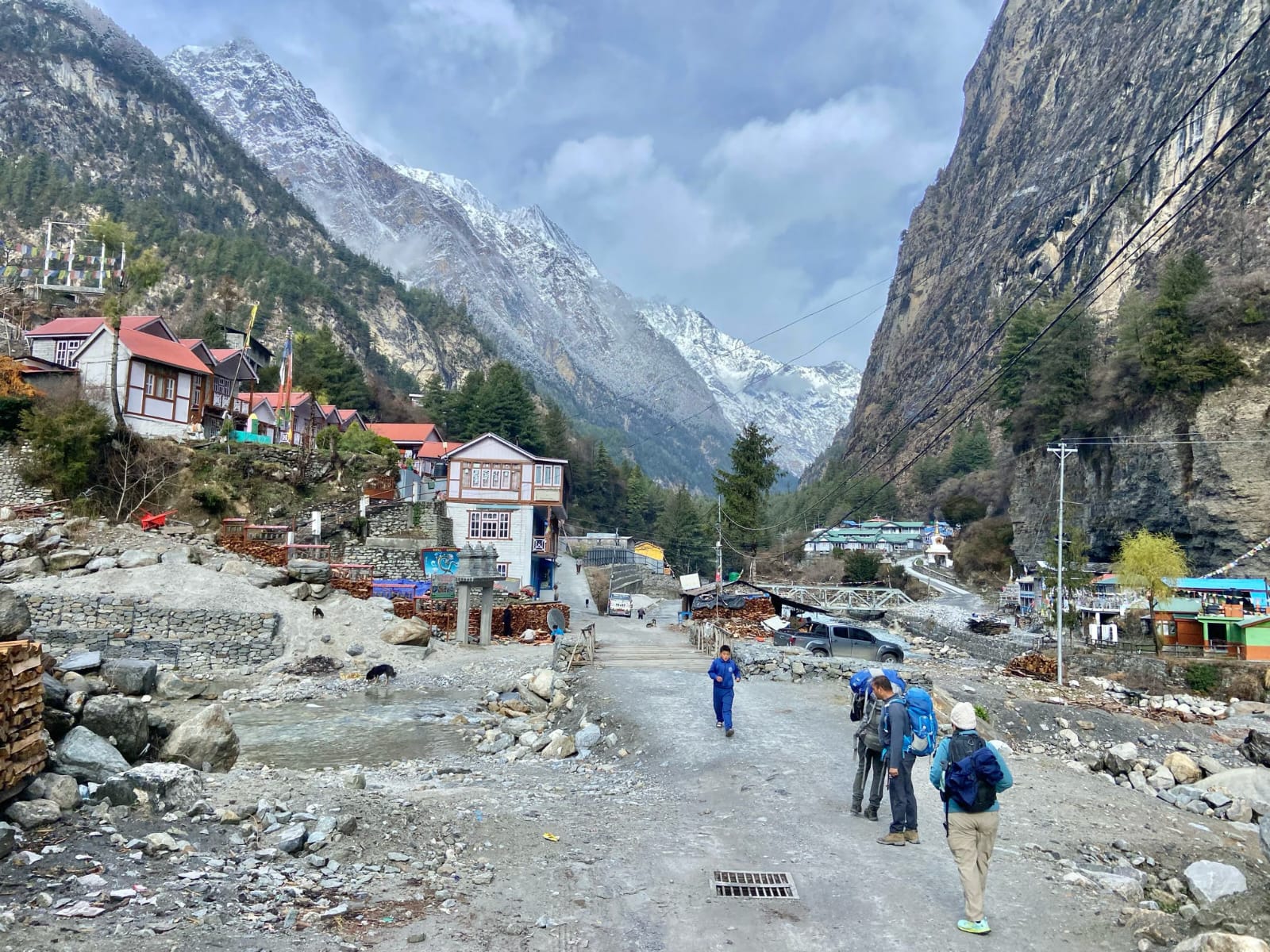
Today we ascend toward Upper Pisang on a trail winding through dense forest alongside the Marsyangdi River. The 6–7 hour trek reveals alpine meadows, panoramic mountain vistas, and the dramatic, curved rock wall of Paungda Dada.
Upon arrival, Upper Pisang rewards us with majestic, up-close views of Annapurna II to the south. We’ll settle in here for the night, surrounded by high Himalayan serenity.
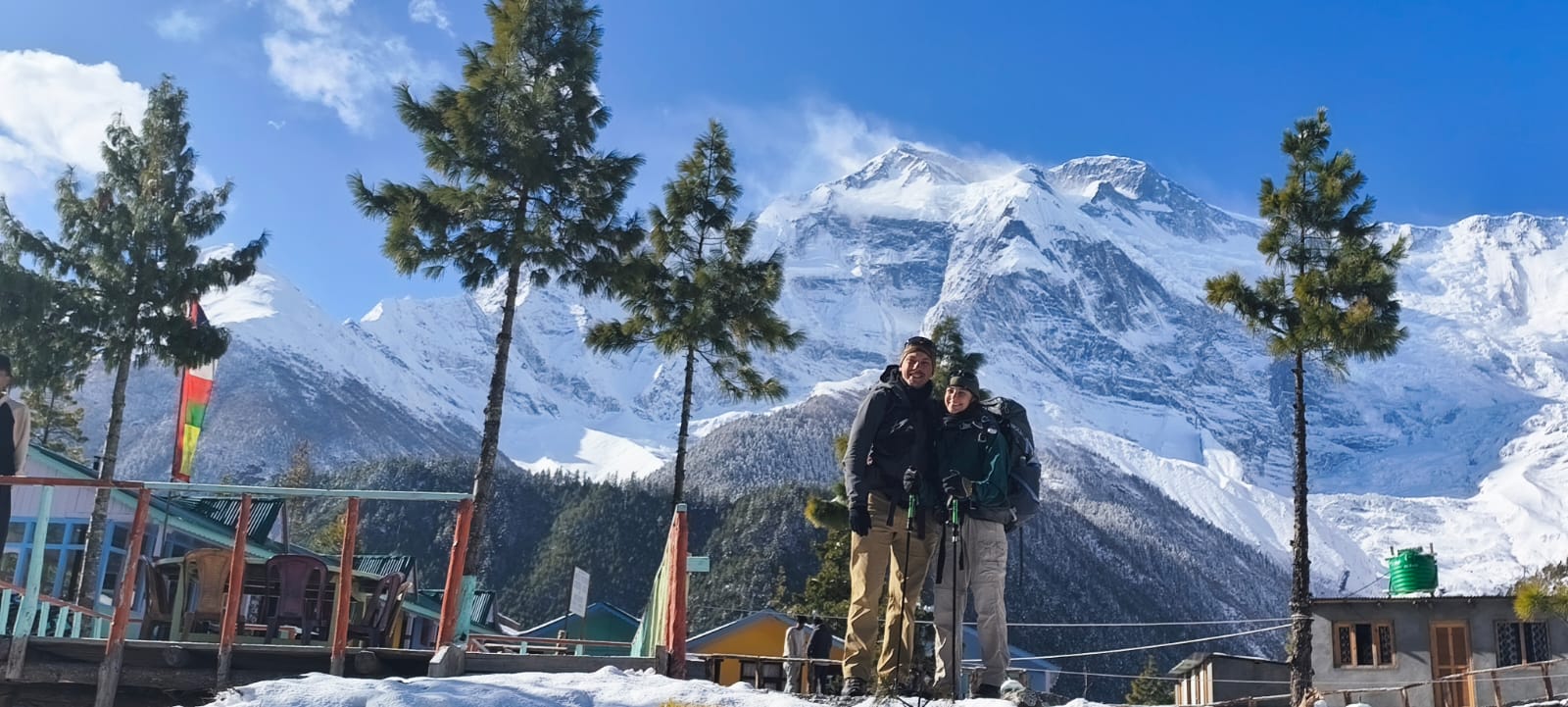
Trek from Upper Pisang to Manang via nagwal
After witnessing the sunrise over Annapurna II, we begin our trek toward Ngawal. Taking the higher trail, we climb roughly 400 meters, offering stunning views of Annapurna II, III, Pisang Peak, and the deep gorges below, along with unique high-altitude flora. We’ll pause in the traditional stone village of Ngawal to rest and take in the atmosphere.
From there, we continue through hills, forested sections, and wetlands, passing the historic village of Bharka with its ancient monasteries and stone houses. The trail is dotted with stupas and lama schools, reflecting the region’s rich Buddhist heritage. After a total of 6–7 hours of hiking, we arrive at our destination for the day: the lively village of Manang, a key stop on the Annapurna Circuit.
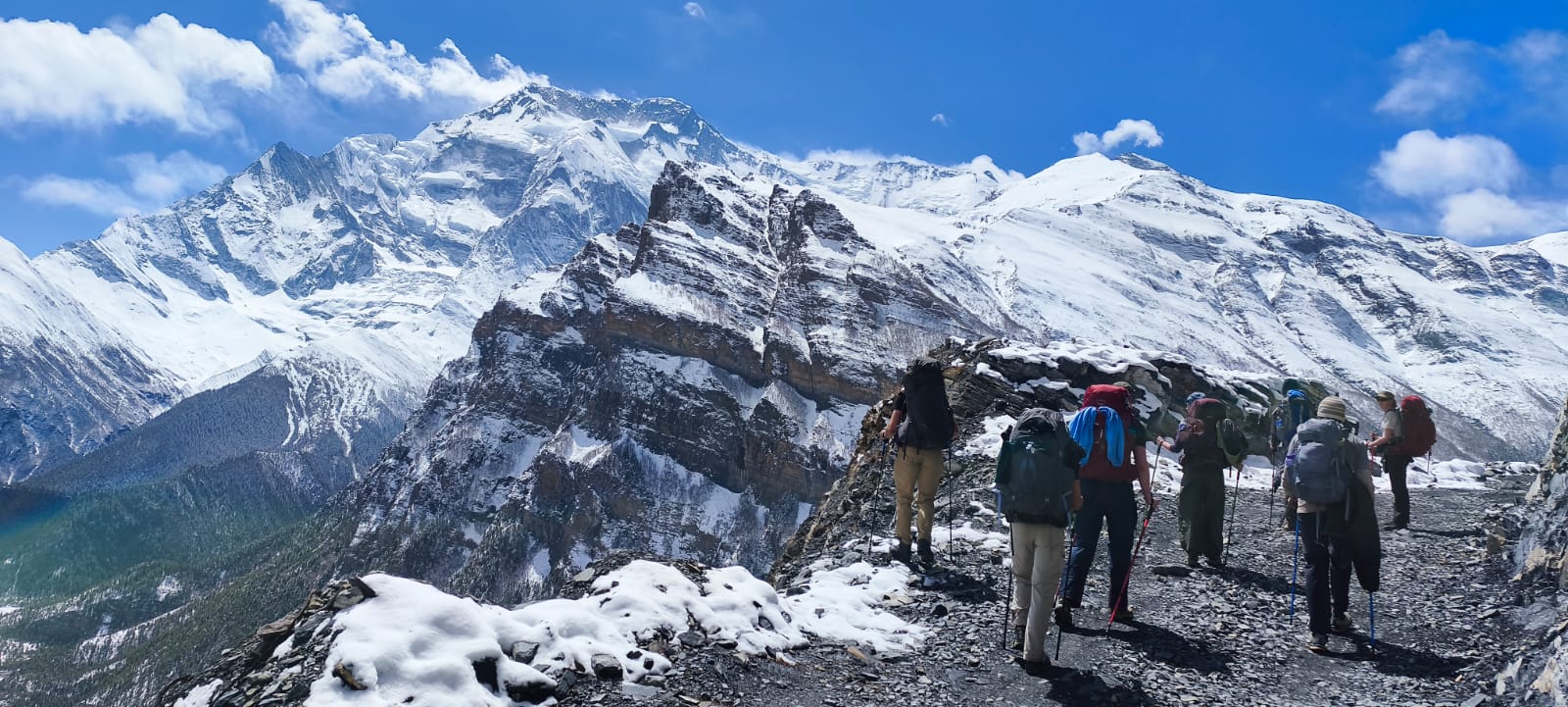
Acclimatization Day at Manang Village
Today is an acclimatization day in Manang (3,540 m), allowing your body to adjust to the higher altitude. We keep activities light while enjoying stunning views of Annapurna II, Gangapurna, and the surrounding peaks.You may choose from the following optional excursions, all designed as day hikes with a return to Manang for proper acclimatization:
-Gangapurna Lake & Glacier Hike: A moderate 2–3 hour walk to a glacial lake below Gangapurna, offering impressive glacier and mountain views.
-The hike to Ice Lake (Kicho Tal) is one of the best acclimatization side trips on the Annapurna Circuit. Starting from Manang (3,519 m), the trail climbs steeply through alpine meadows and yak grazing areas to reach the stunning turquoise lake at 4,620 m. The round-trip hike takes about 6–8 hours and rewards trekkers with breathtaking views of Annapurna II, Annapurna III, Gangapurna, Tilicho Peak, and the Chulu range. Besides its spectacular scenery, the hike helps trekkers adjust to higher elevations before continuing toward Thorong La Pass.
-Milarepa Cave Trek: Visit this sacred Buddhist meditation cave set high on a cliff, with panoramic views over the Manang Valley.
-Gangapurna Lower Lakes Walk: A shorter and gentler walk to the turquoise lakes beneath the glacier, ideal for photography and relaxation.
Alternatively, you can explore Manang village, visit its ancient monastery, and observe local mountain life at a relaxed pace. We return to the lodge by afternoon for rest and hydration, helping ensure a safe and comfortable ascent in the days ahead.
Manang to Yak Kharka
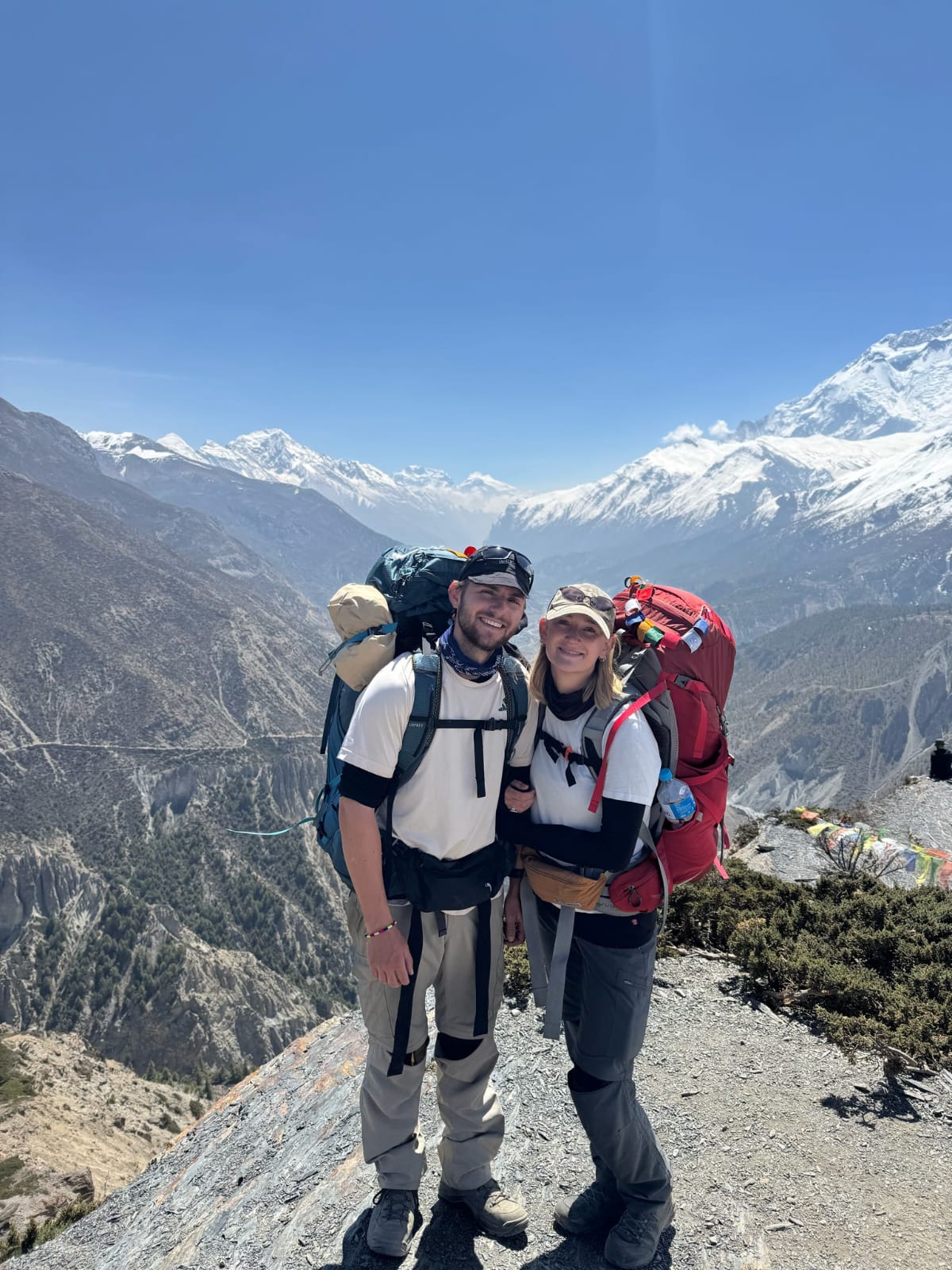
After acclimatizing in Manang, we ascend steadily toward Yak Kharka (4,050 m / 13,287 ft). The 5-6 hour trek climbs about 500 meters, leaving the Marsyangdi Valley behind as we follow the Jarsang Khola through alpine meadows and thinning forests. The landscape grows more rugged, with herds of yaks grazing in the high pastures. The serene, open environment signals our entry into the high Himalayas, as we prepare for the challenge of Thorong La.
Trek from Yak Kharka to Thorong Phedi
Today we trek from Yak Kharka to Thorong Phedi (4,525 m / 14,846 ft), a steady 3–4 hour climb. The rocky trail passes yaks and blue sheep, crosses a river, and requires careful footing in a few landslide areas.
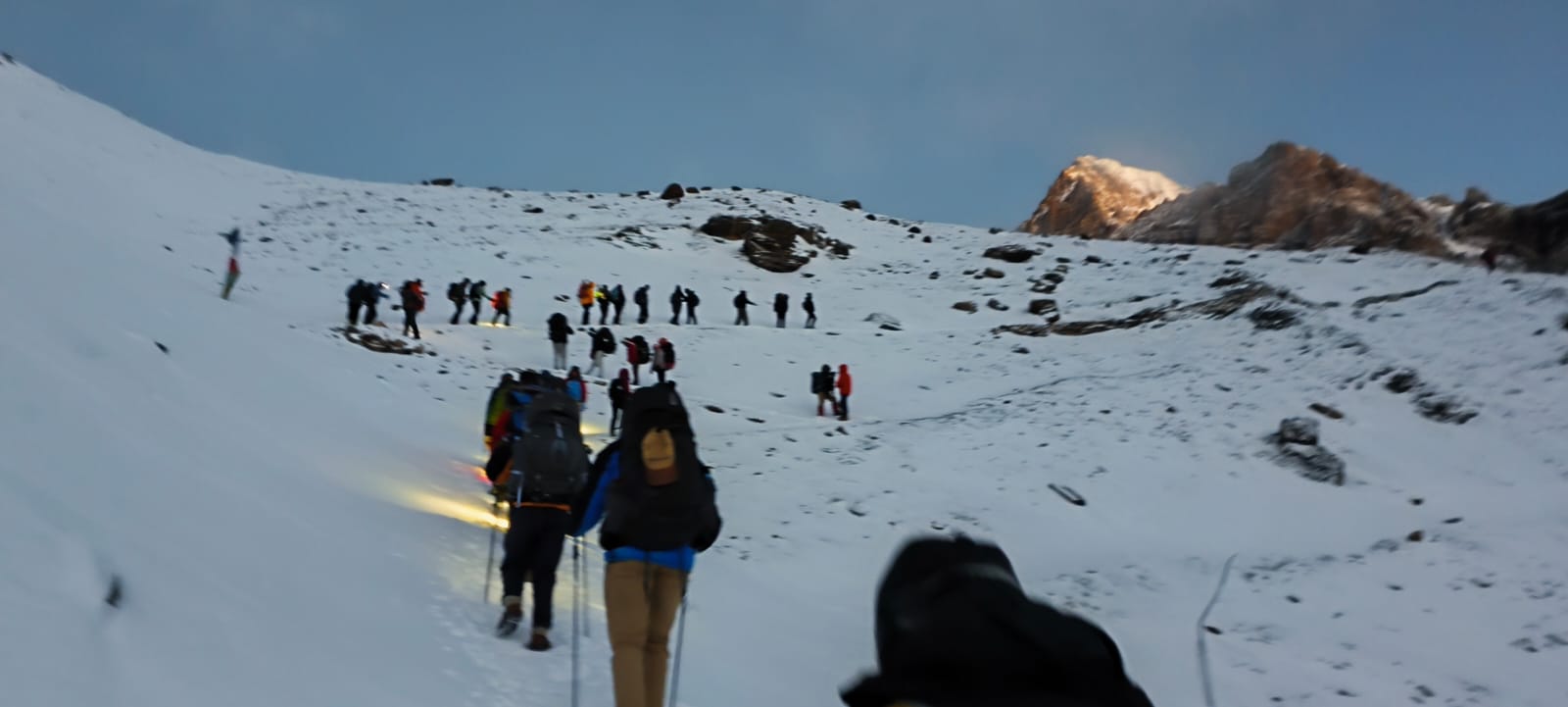
At Thorong Phedi, you'll find simple but comfortable lodges nestled among towering snow peaks. You can rest here, or continue another 45 minutes uphill to High Camp for a shorter climb to the pass tomorrow. Eat well and rest early—tomorrow we cross Thorong La Pass before dawn.
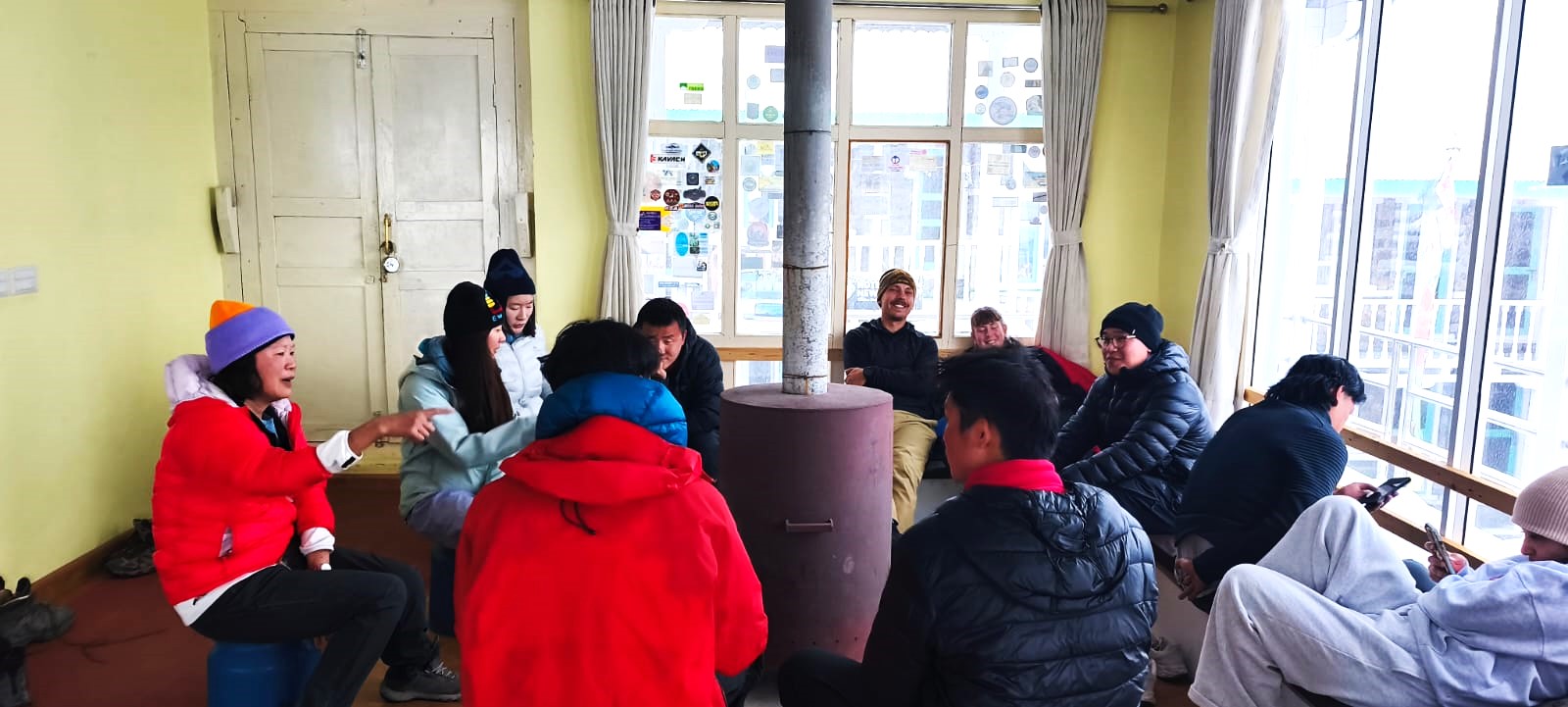
Thorong Phedi to Muktinath via Thorongla Pass
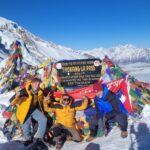
Today is the most challenging and rewarding day of the trek as we cross Thorong La Pass (5,416 m). We start early before sunrise, walking with headlamps in the cold morning air. As daylight appears, the mountains—Thorong Peak, Chulu West, and the distant Annapurna and Dhaulagiri ranges—glow with the first light of the sun. At the pass, prayer flags and chortens mark this high point of the journey. From here, you can see the green valleys of Manang behind and the dry landscapes of Mustang ahead.
After enjoying the views, we begin a long descent of about four hours to Muktinath (3,760 m). Muktinath is an important pilgrimage site for both Hindus and Buddhists. You can visit the Vishnu temple, the 108 stone water spouts, and the natural eternal flame at Jwala Mai Temple. The day ends with a peaceful visit to this sacred place, bringing a sense of calm after an unforgettable achievement.
Drive from Muktinath to Pokhara
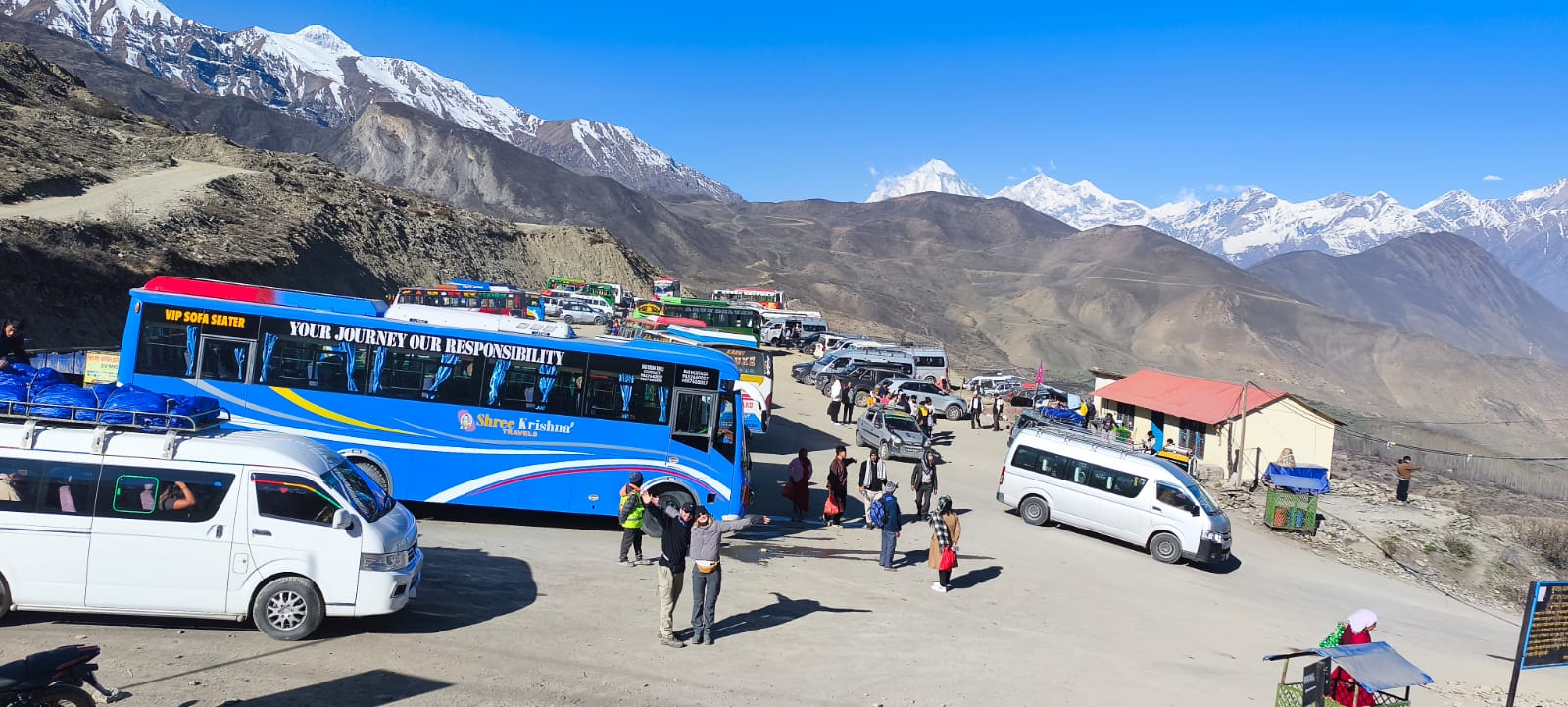
Today marks the end of your mountain journey. We'll leave Muktinath behind and begin the scenic drive down to Pokhara. The road takes us through dry, beautiful hills, past apple orchards and small villages like Jomsom, following rivers all the way. It’s a long ride sometimes bumpy, but always with amazing views. We’ll stop for lunch somewhere along the way to break up the trip. By late afternoon, you’ll arrive in Pokhara, a peaceful city beside a lake. Here, you can finally relax, enjoy a good meal at a cafe, and time to reflect on everything you’ve accomplished.
Pokhara to Kathmandu (Drive) (Option available for flight )
Your journey now heads back to Kathmandu, either by road or by flight. As Pokhara fades behind you, take a moment to gaze at Machhapuchhre, the majestic Fishtail standing silently in the distance. Leaving the mountains is not goodbye; their calm and beauty stay with you.
On the way, you can enjoy the changing landscapes, from lush valleys and terraced fields to winding rivers and charming villages. If traveling by road, there’s time to see the everyday life of local people, their farms, and markets, offering a last glimpse of rural Nepal. By flight, the aerial view of the Himalayas is unforgettable, with snow-capped peaks stretching as far as the eye can see.
Carry these memories, the stillness of the mountains, the vibrant life of the villages, and the beauty of the landscapes in your heart, letting them guide and inspire you long after the trek ends.
Not Satisfied with This Itinerary?
Every traveler is different. Customize this trip with the help of our local travel specialists and create an itinerary that perfectly matches your interests, schedule, and budget.
What's included
- Airport Transfers: International Airport pick-up and drop-off service.
- Transportation: All Ground Transportation by Public bus and Jeep (kathmandu- Besisahar-Dharapani-Muktinath-Kathmandu).
- Trekking Permits: The required paperwork and Annapurna Conservation Area Permits (ACAP).
- Trekking Equipment: We provide sleeping bags, down Jackets, and Duffle bag if needed.
- Souvenirs: Create Himalaya Adventure T-Shirt as a souvenir.
- Meals: Three meals a day (breakfast, lunch, dinner) during the trek.
- Accommodation: Twin-bed sharing with a shared toilet during the trek.
- Guide Expenses: All costs for an English-speaking, government-licensed guide.
- Guide Insurance: Insurance coverage for guides.
- Trekking Map: Annapurna Region Trek Map for the group.
- First Aid Kit: Medical kit available during the trip.
- Taxes and Fees: Tourist service charge, VAT, government tax, and official expenses.
What's not included
- International Expenses: International airfare, visa, and travel insurance.
- Kathmandu and Pokhara Meals: Breakfast, Lunch and Dinner at Kathmandu and Pokhara.
- Accommodation in Kathmandu and Pokhara: Accommodation in Kathmandu and Pokhara or on the trek for any reason (Early arrival or delay, early arrival from trek due to any reason).
- Porter Service: Porter to carry your luggage during the trek (if you would like to take a porter, it will cost you USD 30 for the each day trip, which you could add from our add-on option).
- Gratuities: Tips for Guide and Porter (expected from trekkers involved in Annapurna Circuit Trek).
Map
Best Time for Annapurna Circuit Trek
The best time for the Annapurna Circuit Trek in Nepal is during the spring (March to May) and autumn (September to November) seasons, when the weather is stable, skies are clear, and mountain views are at their best.
Spring Season (March – May)
Spring is one of the most popular times for the Annapurna Circuit Trek. The weather is generally warm and stable, and the trails are decorated with blooming rhododendron forests and lush greenery. This season offers excellent visibility of the Himalayas, including Annapurna, Dhaulagiri, and Manaslu ranges.
Autumn Season (September – November)
Autumn is considered the best trekking season in Nepal. After the monsoon, the air becomes clean and crystal clear, offering the sharpest mountain views. Temperatures are comfortable, and trail conditions are ideal for crossing Thorong La Pass (5,416 m) safely.
Winter (December – February)
Winter trekking is possible but more challenging due to heavy snow and freezing temperatures, especially near high passes like Thorong La. However, lower sections of the trek remain quiet and peaceful.
Monsoon (June – August)
The monsoon season is generally not recommended because of heavy rain, landslides, and cloudy mountain views. However, rain-shadow areas like Manang and Mustang side can still be visited with fewer crowds.
Overall Recommendation
For the best experience of the Annapurna Circuit Trek, choose spring or autumn, when the weather, visibility, and trail conditions are at their peak for a safe and unforgettable Himalayan adventure.
Trek Equipment for Annapurna Circuit Trek
Packing the right equipment for the Annapurna Circuit Trek in Nepal is very important because the trail covers a wide range of altitudes—from warm low valleys to freezing high mountain passes like Thorong La (5,416 m). Proper gear ensures comfort, safety, and a successful trekking experience.
Backpack & Bags
- 30–40L day backpack (for daily essentials)
- 60–70L duffel bag (for porter if using one)
- Rain cover for backpack
Clothing (Layering System)
- Moisture-wicking base layers (top & bottom)
- Fleece or warm mid-layer jacket
- Down jacket (essential for high altitude)
- Waterproof/windproof jacket and pants
- Trekking pants (2–3 pairs)
- Thermal innerwear for cold nights
- T-shirts (quick dry)
- Warm hat, sun hat, and buff/scarf
- Gloves (light + insulated)
Footwear
- Waterproof trekking boots (well broken-in)
- Comfortable trekking socks (3–5 pairs)
- Warm socks for high altitude
- Camp sandals or light shoes
Sleeping Gear
- Sleeping bag (-10°C to -20°C recommended)
- Sleeping bag liner (optional for extra warmth)
- Personal Essentials
- Sunscreen (SPF 50+)
- Lip balm (important for dry air)
- Toiletries (toothbrush, soap, tissue, etc.)
- Hand sanitizer & wet wipes
- Quick-dry towel
Trekking Accessories
- Trekking poles (highly recommended)
- Headlamp with extra batteries
- Water bottles or hydration bladder (2–3 liters)
- Water purification tablets or filter
- Sunglasses (UV protection)
Health & Safety
- Basic first aid kit
- Diamox (for altitude sickness – consult doctor)
- Pain relievers and personal medicines
- Blister treatment kit
Electronics
- Power bank
- Camera or smartphone
- Charging cable & adapters (Nepal plug type C/D)
Travel Insurance for Annapurna Circuit Trek
Travel insurance for the Annapurna Circuit Trek in Nepal is highly recommended and often essential for trekking in high-altitude regions like Thorong La Pass (5,416 m). It provides financial protection in case of emergencies such as altitude sickness, accidents, injuries, flight delays, or unexpected trip cancellations.
Why Travel Insurance is Important
The Annapurna Circuit Trek involves remote trails and high-altitude terrain where medical facilities are limited. In serious cases, helicopter evacuation from high mountains may be required, which can be extremely expensive without insurance. A good policy ensures you are fully covered for such emergencies.
What Your Insurance Should Cover
When choosing travel insurance for Annapurna Circuit Trek, make sure it includes:
- High-altitude trekking coverage (up to at least 5,500–6,000 meters)
- Emergency helicopter evacuation and rescue
- Medical treatment and hospitalization in Nepal
- Trip cancellation or interruption
- Loss of baggage or personal belongings
- Flight delays or missed connections
Final Advice
Always carry a printed copy of your insurance policy and emergency contact details while trekking. In case of an emergency, trekking agencies and rescue teams will require insurance information before arranging evacuation or treatment.
Trip Note – Annapurna Circuit Trek
The Annapurna Circuit Trek in Nepal is one of the most iconic Himalayan adventures, offering a perfect blend of natural beauty, cultural diversity, and high-altitude trekking experience. The journey takes you through lush valleys, traditional villages, alpine landscapes, and finally across the famous Thorong La Pass (5,416 m) before descending into the sacred Muktinath region.
This trek provides an unforgettable experience of Nepal’s rich mountain culture, including interactions with Gurung, Thakali, and Tibetan-influenced communities. Along the way, trekkers enjoy breathtaking views of Annapurna, Dhaulagiri, Machapuchhre (Fishtail), Manaslu, and surrounding peaks.
Create Himalaya Adventure is committed to providing a safe, enjoyable, and well-organized trekking experience. With experienced and licensed local guides and hardworking porters, the company ensures that every trekker receives professional support, cultural insight, and safety throughout the journey. Customer satisfaction is their top priority, and they focus on delivering high-quality service tailored to each traveler’s needs.
The team at Create Himalaya Adventure carefully manages every detail of the trek, including permits, accommodation, meals, and logistics, allowing trekkers to fully enjoy the adventure without stress. Their guides are trained in mountain safety, altitude awareness, and first aid, ensuring a secure trekking experience in the Himalayas.
With a strong reputation for reliability and hospitality, Create Himalaya Adventure aims to make your Annapurna Circuit Trek a memorable and life-changing journey, combining adventure, comfort, and authentic Himalayan experience in one of the world’s most beautiful trekking regions.
FAQs
1. Where does the Annapurna Circuit Trek start?
The Annapurna Circuit Trek usually starts from Besisahar, which is well connected by road from both Kathmandu and Pokhara. However, due to road expansion in recent years, many trekkers choose to start the trek from Dharapani or Chame to shorten the walking distance while still experiencing the main highlights of the route.
2. Where does the trek end?
The Annapurna Circuit Trek typically ends at Jomsom or Muktinath, from where trekkers either take a flight or drive to Pokhara. Some itineraries may extend further depending on the chosen route, but Jomsom and Muktinath are the most common finishing points.
3. What is the classic Annapurna Circuit route?
The classic Annapurna Circuit Trek route follows a scenic trail through diverse landscapes and villages, starting from Besisahar and passing through Chame, Pisang, Manang, Yak Kharka, Thorong Phedi, and crossing Thorong La Pass (5,416 m), before descending to Muktinath, Kagbeni, and finally Jomsom.
4. How many hours do I have to walk per day?
On the Annapurna Circuit Trek, trekkers generally walk around 5 to 8 hours per day, depending on the section and altitude. Some longer days, especially before or after crossing Thorong La Pass, can extend up to 9 hours of trekking.
5. Is there mobile phone network on the trek?
Mobile network coverage (mainly NCELL and NTC) is available in many lower and mid-altitude villages along the Annapurna Circuit. However, as you move higher, especially around **Thorong Phedi and the pass region, the signal becomes weak or completely unavailable.
6. Is there charging facility?
Yes, most teahouses along the Annapurna Circuit provide charging facilities for mobile phones and cameras. However, it is usually a paid service, particularly in higher-altitude villages where electricity is limited and often powered by solar energy.
7. Are attached bathrooms available?
In lower-altitude villages, some lodges may offer rooms with attached bathrooms, but as you go higher, accommodation becomes more basic and shared toilet facilities are more common. The higher you trek, the simpler the bathroom facilities become.
8. What food can I expect on the trek?
Food on the Annapurna Circuit Trek is served in teahouses and includes a variety of simple but energetic meals. The most popular dish is Dal Bhat, along with noodles, fried rice, pasta, momos, soups, and potatoes. Breakfast options include eggs, porridge, pancakes, toast, and hot drinks like tea and coffee.
9. What mountains can I see on the Annapurna Circuit Trek?
The Annapurna Circuit Trek offers stunning views of some of the world’s highest peaks, including Annapurna I, II, III, and IV, Dhaulagiri, Manaslu, Gangapurna, Tilicho Peak, and the Chulu range, making it one of the most scenic Himalayan trekking routes.
10. What happens if I get sick on the trek?
If a trekker becomes sick, especially due to altitude sickness, immediate rest or descent is recommended. Experienced guides closely monitor health conditions throughout the trek, and in serious cases, emergency helicopter evacuation can be arranged, which is why travel insurance is essential.
11. Can I see wildlife on the Annapurna Circuit Trek?
Yes, the Annapurna region is rich in wildlife and natural biodiversity. Trekkers may encounter animals such as Himalayan thar, blue sheep, musk deer, monkeys in lower regions, and various bird species like the danphe, eagles, and Himalayan pheasants.
12. Can I do side trips on the Annapurna Circuit Trek?
Yes, the Annapurna Circuit offers several popular side trips that enhance the experience. These include Ice Lake near Manang, Milarepa Cave, Gangapurna Lake viewpoint, Chongkor viewpoint, and the famous Tilicho Lake trek, which is one of the highest lakes in the world.
13. Can I visit Muktinath Temple?
Yes, Muktinath Temple (3,800 m) is a major highlight of the Annapurna Circuit Trek. It is a sacred pilgrimage site for both Hindus and Buddhists and is usually included in most trekking itineraries after crossing Thorong La Pass.
14. Can I continue to Upper Mustang from Annapurna Circuit?
Yes, trekkers can continue to Upper Mustang from Kagbeni or Jomsom after completing the Annapurna Circuit. However, this requires a special restricted area permit and must be done with a registered trekking guide.
5. Can I extend my Annapurna Circuit Trek?
Yes, the Annapurna Circuit Trek is highly flexible and can be extended depending on your time and interest. Popular extensions include the Tilicho Lake trek, Upper Mustang trek, and connecting routes toward Poon Hill via different valley trails.
16. Can I go to Poon Hill from the Annapurna Circuit?
Yes, it is possible to connect to Poon Hill from the Annapurna Circuit Trek, usually via routes like Tatopani or other connecting valleys. This extension is popular for trekkers who want to enjoy the famous sunrise view over the Annapurna and Dhaulagiri ranges.
17. Is Annapurna Circuit Trek difficult?
The Annapurna Circuit Trek is considered moderate to challenging due to long walking days, changing terrain, and high altitude, especially at Thorong La Pass (5,416 m). With proper fitness, acclimatization, and preparation, most trekkers can successfully complete the journey.
18. What makes Annapurna Circuit Trek special?
The Annapurna Circuit Trek is special because it offers one of the most diverse trekking experiences in the world, combining dramatic Himalayan scenery, rich cultural villages, high mountain passes, and changing landscapes from subtropical forests to alpine deserts, making it a truly unforgettable adventure.
Travelers' Reviews
Peter Lundager
Osted, Denmark
Verified PurchaseThe always smiling guide
Our trip to the Himalayas would have been nothing without our very good and appreciated friend Ram! He is extremely kind, helpful, professional and most importantly always smiling. We are two young danish guys who just came home from a lifetime experience, trekking the Annapurna Circuit. And done with ease because of the best guide; Ram. From Dahlbat and Masala tea to the great mountains and funny cardgames. Every second of our trip was worth every penny. I would definitely recommend!
Mathilde Rønne K
Verified PurchaseGreat trek on Annapurna Circuit
If you are going trekking in Nepal, I hope not without Ram 😊!
He is a very professionel and kind guide who will listen to your wishes. Ram is very helpful and easy going, and has a lot of experience, and we had an amazing trek with him.
Can recommend!
Siddharth Rampal
Chennai (Madras), India
Verified PurchaseFantastic Annapurna Circuit 2019
i’ve been Annapurna Circuit Trek with Create Himalaya Adventure.The trip was memorable for me because of its Good Hospitality and Management. And special thanks to Guider Mr Ramjii.He was great and guide everything well.Recommend to all
will be back again.
No hidden fees • Best price guarantee