
How Difficult Is the Everest Base Camp Trek ?
Introduction
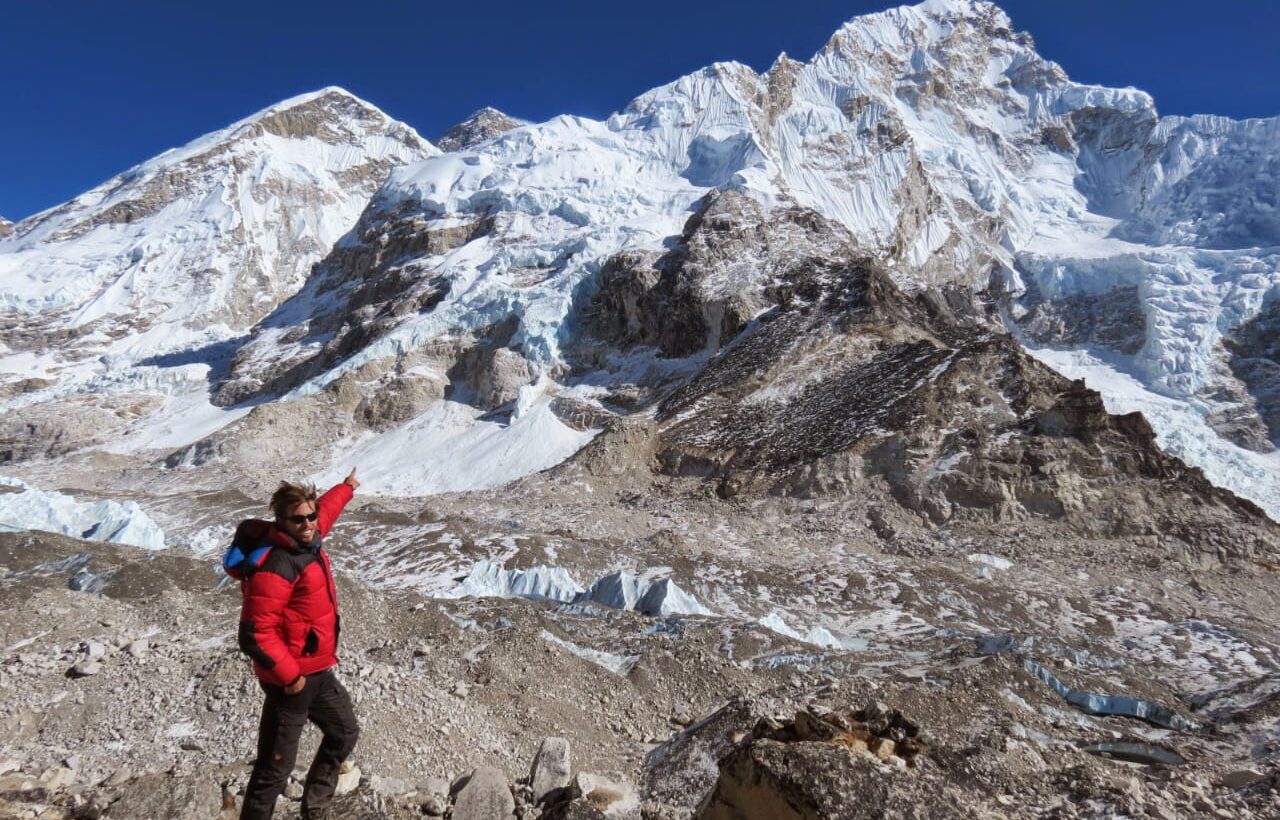
The Everest Base Camp Trek is one of the world’s most iconic trekking adventures, attracting thousands of trekkers from every corner of the globe each year. Standing at the foot of Mount Everest (8,848.86 m), the highest mountain on Earth, is a dream shared by adventure seekers, photographers, and nature lovers alike. However, before embarking on this once-in-a-lifetime journey, one question comes to almost everyone’s mind: How difficult is the Everest Base Camp Trek?
The answer is not as straightforward as “easy” or “hard.” The Everest Base Camp Trek is considered a moderately challenging high-altitude trek. It does not require technical climbing skills or mountaineering experience, but it demands physical endurance, mental determination, and proper preparation. The biggest challenge is not the trail itself but the high altitude, where oxygen levels decrease significantly, making even simple activities more exhausting.
Fortunately, thousands of first-time trekkers successfully reach Everest Base Camp every year. People of different ages and fitness levels complete the trek with proper acclimatization, sensible pacing, and the right support. Whether you are an experienced hiker or planning your first Himalayan adventure, understanding the trek’s challenges will help you prepare better and increase your chances of enjoying a safe and successful journey.
In this comprehensive guide, you’ll learn everything you need to know about the Everest Base Camp Trek difficulty, including altitude, fitness requirements, trail conditions, daily walking distances, weather, altitude sickness, training tips, and practical advice to make your adventure easier. By the end of this article, you’ll have a clear understanding of whether the Everest Base Camp Trek is the right adventure for you.
Everest Base Camp Trek Difficulty at a Glance
Before exploring each aspect in detail, here’s a quick overview of the overall difficulty level of the Everest Base Camp Trek.
- Difficulty Factor Rating
- Physical Fitness Moderate
- Technical Difficulty Easy
- Altitude Challenge High
- Trail Condition Moderate
- Daily Walking Hours Moderate to Challenging
- Weather Conditions Moderate
- Overall Difficulty Moderate to Challenging
Although the trek involves no ropes, climbing equipment, or technical mountaineering, it should not be underestimated. Walking for several consecutive days at elevations above 4,000 meters places significant stress on your body. With the right preparation, however, most healthy individuals can complete the trek successfully.
Everest Base Camp Trek Facts
Understanding the basic facts of the trek helps you better appreciate what makes it both rewarding and demanding.
Trek Information Details
- Trek Duration 12–14 Days
- Total Trek Distance Approximately 130 km (round trip)
- Highest Elevation Everest Base Camp – 5,364 m
- Highest Sleeping Point Gorak Shep – 5,164 m
- Highest Viewpoint Kala Patthar – 5,545 m
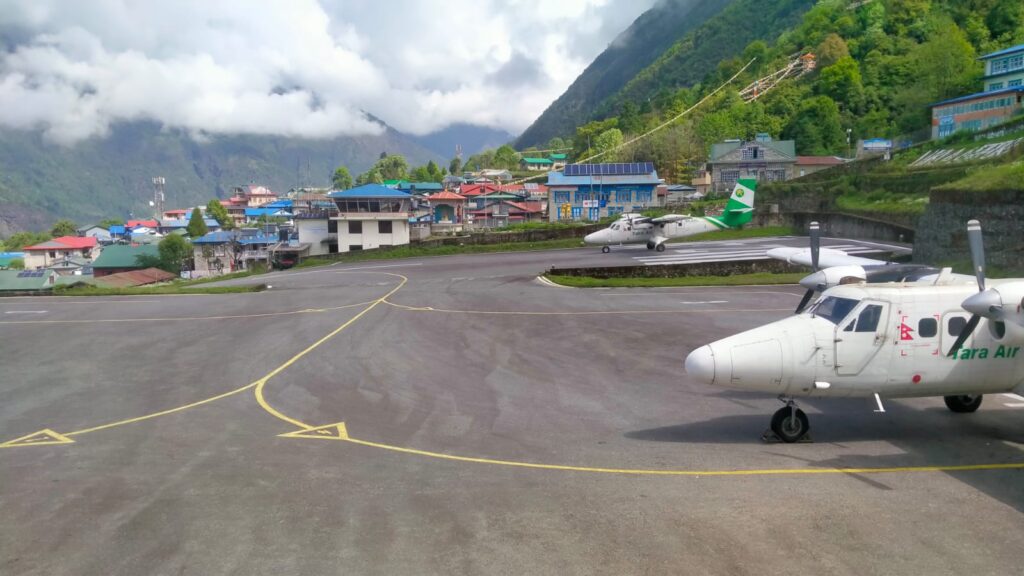
- Starting Point Lukla (2,860 m)
- Ending Point Lukla
- Average Daily Walking 5–7 Hours
- Accommodation Tea Houses
- Best Seasons Spring (March–May) & Autumn (September–November)
These figures give a general idea of the journey, but the real challenge lies in how your body responds to increasing altitude rather than the distance alone.
What Makes the Everest Base Camp Trek Challenging?
Many people assume that reaching Everest Base Camp is difficult because of steep mountain climbs or dangerous terrain. In reality, the challenge comes from a combination of several factors that gradually test your body and mind throughout the journey.
1. High Altitude Is the Biggest Challenge
Without question, altitude is the single most difficult aspect of the Everest Base Camp Trek.
As you ascend higher into the Khumbu region, the amount of oxygen in the air decreases. At Everest Base Camp (5,364 m), the oxygen level is only about half of what it is at sea level. This means your muscles and lungs must work much harder, even during slow, steady walking.
Many trekkers notice simple activities becoming surprisingly tiring. Climbing a short flight of stone steps, carrying a backpack, or walking uphill can leave you breathless. Even experienced marathon runners and athletes often find the altitude more demanding than expected because physical fitness alone cannot eliminate the effects of reduced oxygen.
This is why every Everest Base Camp itinerary includes carefully planned acclimatization days. These rest days allow your body to gradually adapt to the thinner air, significantly reducing the risk of altitude sickness.
2. Long Days of Walking
The Everest Base Camp Trek is not about covering huge distances in a single day. Instead, it involves consistent walking for nearly two weeks.
On most trekking days, you’ll spend between 5 and 7 hours on the trail, with some days lasting up to 8 hours, depending on weather, pace, and acclimatization. While the daily distances are manageable, the cumulative effect of walking day after day can be physically demanding, especially as the altitude increases.
The trail includes:
- Stone staircases
- Rocky mountain paths
- Forest trails
- Suspension bridges over deep river gorges
- Glacier moraines near Gorak Shep and Everest Base Camp
- Gradual and sometimes steep ascents
Unlike city walks, mountain trekking requires constant balance and careful foot placement, making each step more physically demanding.
3. Cold Weather
Weather is another factor that contributes to the trek’s overall difficulty.
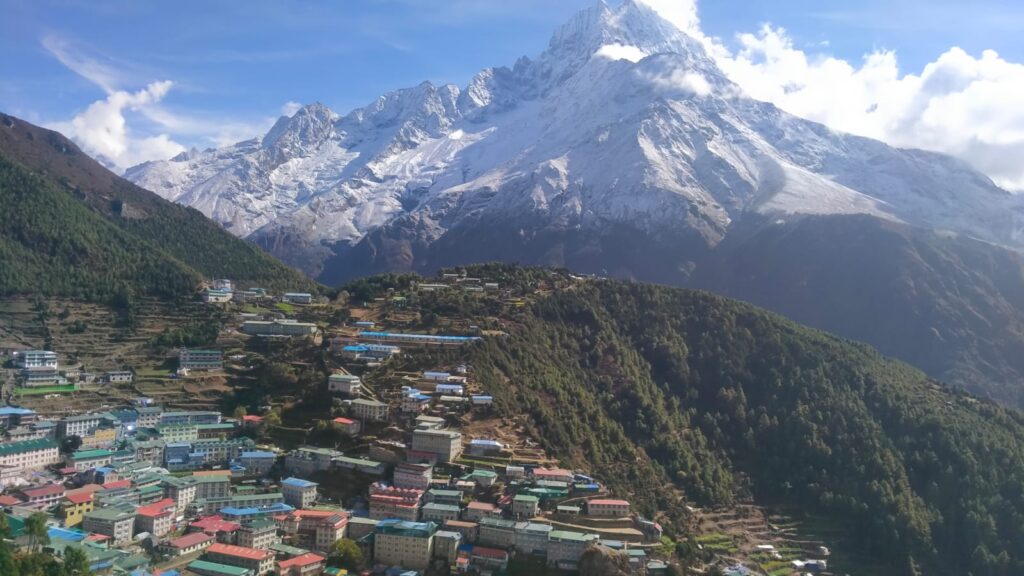
Temperatures vary greatly depending on the season and altitude. Lower villages such as Lukla and Namche Bazaar often experience mild daytime temperatures, while higher settlements like Lobuche and Gorak Shep can become extremely cold, particularly at night.
Typical temperatures include:
- Spring daytime: 5°C to 15°C
- Autumn daytime: 5°C to 18°C
- High-altitude nights: -10°C to -15°C
- Winter nights: Below -20°C
Cold weather increases energy expenditure, making proper clothing and layering essential for staying comfortable and healthy throughout the trek.
4. Basic Mountain Accommodation
Unlike luxury vacations, the Everest Base Camp Trek offers a simple mountain lifestyle.
Trekkers stay in traditional tea houses, which provide comfortable but basic accommodation. Most rooms include twin beds, blankets, and shared bathrooms. Heating is generally available only in the communal dining area, while bedrooms remain unheated to conserve fuel.
As you ascend higher, facilities become increasingly limited. Hot showers, charging electronic devices, and internet access are usually available for an additional fee, and occasional power interruptions are common due to the remote location.
Although the accommodations are modest, they provide a warm meal, a comfortable place to sleep, and the opportunity to connect with fellow trekkers from around the world.
5. Mental Endurance
The Everest Base Camp Trek is as much a mental challenge as it is a physical one.
There will be days when fatigue, cold temperatures, or changing weather make the journey feel difficult. Walking uphill for hours at high altitude requires patience, determination, and a positive mindset. Trekkers who maintain a steady pace, focus on one step at a time, and embrace the journey rather than rushing toward the destination often have the most rewarding experience.
Many hikers discover that reaching Everest Base Camp is not simply about physical strength but about resilience, adaptability, and perseverance. The sense of accomplishment upon standing beneath the towering peaks of the Himalayas makes every challenge worthwhile.
6. Acclimatization:
One of the most important factors that makes the Everest Base Camp Trek challenging is the need for proper acclimatization. As you ascend to higher elevations, the amount of available oxygen decreases, making it harder for your body to function normally. Without giving your body enough time to adjust, the risk of developing Acute Mountain Sickness (AMS) increases significantly.
Acclimatization is the natural process through which your body adapts to lower oxygen levels by producing more red blood cells and improving oxygen delivery to your muscles and organs. This adaptation cannot be rushed, which is why every well-planned Everest Base Camp itinerary includes dedicated acclimatization days. Most standard itineraries schedule rest days in Namche Bazaar (3,440 m) and Dingboche (4,410 m), where trekkers take short hikes to higher elevations before descending to sleep at a lower altitude. This method, often referred to as “climb high, sleep low,” helps your body adjust more effectively while reducing the risk of altitude sickness.
Many first-time trekkers mistakenly believe that acclimatization days are simply days off. In reality, these are active hiking days designed to stimulate your body’s adaptation process. Short hikes to viewpoints such as the Everest View Hotel above Namche Bazaar or Nangkartshang Peak above Dingboche improve acclimatization while rewarding trekkers with spectacular Himalayan views.
Skipping acclimatization days or trying to reach Everest Base Camp too quickly is one of the biggest mistakes a trekker can make. A faster itinerary may seem appealing, but it greatly increases the likelihood of altitude-related illnesses and can ultimately force you to turn back before reaching your goal.
Successful trekkers understand that patience is one of the greatest strengths in the Himalayas. Walking slowly, following a gradual ascent, staying well hydrated, eating nutritious meals, and respecting the acclimatization schedule are essential for a safe and enjoyable trek. Remember, reaching Everest Base Camp is not about how quickly you can get there—it’s about giving your body the time it needs to adapt so you can fully enjoy one of the world’s most unforgettable trekking experiences.
Is the Everest Base Camp Trek Technically Difficult?
One of the most reassuring aspects of the Everest Base Camp Trek is that it does not require any technical climbing or mountaineering experience.
You won’t need to use ropes, crampons, ice axes, or climbing harnesses under normal trekking conditions. The route follows well-established trails through Sherpa villages, alpine forests, suspension bridges, and glacial valleys. Navigation is generally straightforward, especially when trekking with an experienced local guide.
While some sections feature steep ascents, rocky terrain, and uneven paths, they are hiking trails rather than climbing routes. This makes the Everest Base Camp Trek accessible to a wide range of travelers, including beginners who have prepared adequately.
However, “non-technical” does not mean “easy.” The combination of altitude, consecutive days of hiking, and changing mountain weather still demands good physical fitness, careful pacing, and respect for the environment. Success depends far more on endurance and acclimatization than on technical skill.
Why Altitude Is the Biggest Challenge on the Everest Base Camp Trek
When people ask, “How difficult is the Everest Base Camp Trek?”, many expect the answer to be steep climbs or rough mountain trails. Surprisingly, neither of these is the greatest obstacle. The most significant challenge is the high altitude. Unlike physical fitness, which you can improve through training, your body’s response to altitude is unpredictable. Even experienced hikers and marathon runners can develop altitude sickness, while some first-time trekkers adapt surprisingly well.
As you climb higher into the Khumbu region, the air becomes thinner. Although the percentage of oxygen in the atmosphere remains the same (around 21%), the air pressure decreases with elevation, meaning every breath contains fewer oxygen molecules than at sea level. By the time you reach Everest Base Camp at 5,364 meters (17,598 feet), your body is receiving only about half the oxygen it normally would at sea level.
This lack of oxygen affects nearly every activity. Tasks that seem effortless at lower elevations—walking uphill, climbing a short staircase, carrying your backpack, or even getting dressed in the morning—can leave you breathing heavily. Trekkers often notice that they need to slow down considerably as they gain altitude. This is completely normal and is one of the reasons experienced guides constantly remind trekkers to follow the Himalayan trekking principle: “Walk slowly, walk steadily.”
Fortunately, the Everest Base Camp itinerary is specifically designed to help your body adjust to the altitude. Planned acclimatization days in villages such as Namche Bazaar and Dingboche give your body time to produce more red blood cells, improving oxygen transport and reducing the risk of altitude sickness. Skipping these acclimatization days or ascending too quickly is one of the most common reasons trekkers experience serious altitude-related problems.
Understanding that altitude—not distance—is the real challenge helps trekkers approach the journey with the right expectations. Success on the Everest Base Camp Trek is rarely about speed; it is about patience, preparation, and allowing your body the time it needs to adapt.
Understanding Altitude Sickness on the Everest Base Camp Trek
Altitude sickness, also known as Acute Mountain Sickness (AMS), is one of the most important safety concerns during the Everest Base Camp Trek. It can affect anyone, regardless of age, gender, or physical fitness. There is no way to predict exactly who will experience it, which is why every trekker should understand its symptoms and know how to reduce the risks.
AMS generally begins to appear after ascending above 2,500 meters, and the likelihood increases significantly as you continue climbing toward Everest Base Camp. Most cases are mild and improve with proper rest and acclimatization, but ignoring symptoms can lead to more serious conditions that require immediate descent.
The most common symptoms of altitude sickness include:
- Persistent headache
- Loss of appetite
- Nausea or vomiting
- Dizziness or light-headedness
- Fatigue and unusual weakness
- Difficulty sleeping
- Shortness of breath while resting
These symptoms should never be ignored or dismissed as simple tiredness. A headache that does not improve with rest, hydration, or medication may indicate that your body is struggling to adjust to the altitude.
In rare cases, severe forms of altitude illness such as High Altitude Pulmonary Edema (HAPE) or High Altitude Cerebral Edema (HACE) can develop. Warning signs include severe breathlessness, persistent coughing, confusion, difficulty walking, loss of coordination, and extreme fatigue. These conditions are medical emergencies that require immediate descent and professional medical treatment.
The good news is that altitude sickness is largely preventable by following a few simple but essential guidelines. Walking at a slow and steady pace, drinking plenty of water, eating nutritious meals, avoiding alcohol, getting enough rest, and following the recommended acclimatization schedule all help your body adapt naturally. Many trekkers also consult their doctor about taking preventive medication such as Diamox (Acetazolamide) before the trek, although this should only be used under medical advice.
The safest trekkers are often those who respect the mountain, listen to their bodies, and never hesitate to inform their guide if they begin feeling unwell.
How Fit Do You Need to Be?
One of the biggest misconceptions about the Everest Base Camp Trek is that you need to be an elite athlete or experienced mountaineer. In reality, the trek is achievable for most healthy people with a reasonable level of fitness and a commitment to preparation.
The journey involves walking for approximately 5 to 7 hours each day over uneven terrain, with some days lasting up to 8 hours. While the daily distances are manageable, trekking at high altitude requires more energy than hiking at lower elevations. Your heart and lungs work harder because there is less oxygen available, making even gentle uphill sections feel much more demanding.
Rather than focusing on speed, successful trekkers concentrate on endurance. If you can comfortably walk for several hours, climb stairs without excessive difficulty, and maintain moderate physical activity several times a week, you are already building a solid foundation for the trek.
Preparing for the Everest Base Camp Trek ideally begins two to three months before departure. Regular activities such as hiking, brisk walking, jogging, cycling, swimming, and stair climbing help improve cardiovascular endurance and strengthen the muscles used during trekking. Strength training for your legs and core also makes carrying a daypack and walking over uneven trails much easier.
Equally important is developing mental resilience. There will be days when you feel tired, cold, or challenged by the altitude. Maintaining a positive attitude, taking regular breaks, and enjoying the spectacular Himalayan scenery often make the experience far more enjoyable than focusing solely on the destination.
Can Beginners Trek to Everest Base Camp?
Yes, absolutely. Every year, thousands of first-time trekkers successfully complete the Everest Base Camp Trek. Many have never attempted a multi-day trek before arriving in Nepal.
The Everest Base Camp route is a trekking trail rather than a mountaineering expedition. You do not need climbing experience, technical equipment, or advanced outdoor skills. The path is well-established, clearly marked, and passes through numerous Sherpa villages with comfortable tea houses that provide food, accommodation, and opportunities to rest.
However, being a beginner does not mean arriving unprepared. The key to a successful first trek is respecting the challenges of altitude and allowing yourself enough time to prepare physically before your trip.
Hiring an experienced local guide is highly recommended, particularly for first-time trekkers. A knowledgeable guide not only helps with navigation but also monitors your health, advises on pacing, assists with acclimatization, and shares fascinating insights into the culture, history, and traditions of the Everest region.
Many beginners also choose to hire a porter, allowing them to carry only a light daypack. This significantly reduces physical strain and helps conserve energy, especially during the higher sections of the trek where every kilogram feels heavier due to the altitude.
With realistic expectations, proper preparation, and a willingness to walk slowly, first-time trekkers often find the Everest Base Camp Trek to be one of the most rewarding adventures of their lives.
Daily Walking Distance and Trekking Hours
One of the best ways to understand the difficulty of the Everest Base Camp Trek is to look at the daily walking schedule. While no single day is exceptionally long by hiking standards, the challenge comes from trekking consistently for nearly two weeks while gaining elevation.
Trekking Day Approximate Distance Walking Time
- Lukla – Phakding 6-8 km 3–4 hours
- Phakding – Namche Bazaar 10–12 km 6–7 hours
- Acclimatization at Namche Short hike 3–4 hours
- Namche – Tengboche 10 km 5–6 hours
- Tengboche – Dingboche 11 km 5–6 hours
- Acclimatization at Dingboche Short hike 4–5 hours
- Dingboche – Lobuche 8 km 5–6 hours
- Lobuche – Gorak Shep – Everest Base Camp 15 km 7–8 hours
- Gorak Shep – Kala Patthar – Pheriche 13 km 7–8 hours
Although the distances appear relatively modest, the higher elevation dramatically slows your pace. Above 4,500 meters, most trekkers naturally walk much more slowly because their bodies are working harder to obtain oxygen.
This gradual pace is intentional and should never be rushed. Walking too quickly not only increases fatigue but also raises the risk of altitude sickness. The Everest Base Camp Trek rewards patience far more than speed.
Which Day Is the Most Difficult?
Most trekkers agree that the journey from Lobuche to Gorak Shep, continuing to Everest Base Camp and returning to Gorak Shep, is the most physically demanding day of the trek.
The day begins with a gradual climb across rocky glacial terrain, where loose stones and uneven paths require careful footing. As you approach Gorak Shep, the landscape becomes increasingly barren, with spectacular views of towering Himalayan giants such as Nuptse, Pumori, and the famous Khumbu Glacier.
After a short rest and lunch at Gorak Shep, trekkers continue toward Everest Base Camp. Although the distance is not extreme, the high altitude makes every step noticeably harder. By this point, you have already spent several days trekking, and accumulated fatigue begins to affect your energy levels.
Standing at Everest Base Camp is an unforgettable achievement. Surrounded by towering ice formations, colorful expedition tents during the climbing season, and the dramatic Khumbu Icefall, you’ll finally reach one of the most celebrated destinations in the Himalayas. Despite the physical effort required to get there, the overwhelming sense of accomplishment makes every step worthwhile.
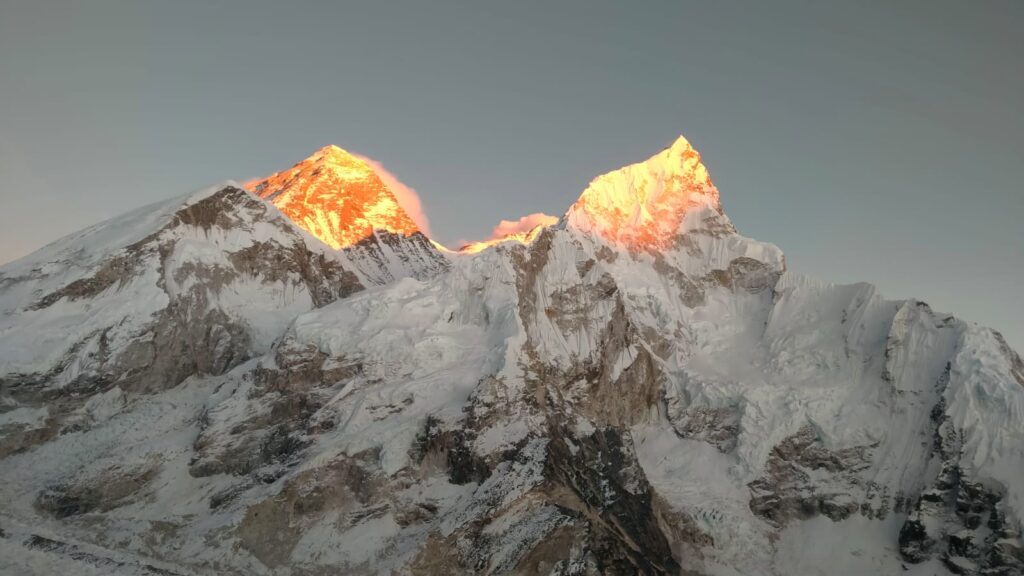
The following morning presents another challenge as you climb to Kala Patthar (5,545 m) before sunrise. While this steep ascent can be demanding, the panoramic sunrise views of Mount Everest, Lhotse, Nuptse, and the surrounding Himalayan peaks create one of the most breathtaking moments of the entire trek.
Trail Conditions: Is the Everest Base Camp Trail Difficult?
One of the biggest concerns for first-time trekkers is whether the Everest Base Camp trail is dangerous or technically challenging. The good news is that the route itself is not a mountaineering climb. It is a well-established trekking trail that has been used for decades by trekkers, local Sherpas, porters, and mountaineering expeditions. However, the trail is far from a simple walk in the park. The terrain constantly changes throughout the journey, requiring good balance, careful footing, and steady endurance.
The trek begins in Lukla (2,860 m), where the trail follows the beautiful Dudh Koshi River through lush forests, traditional Sherpa villages, and cultivated farmland. These lower sections are relatively gentle, although they include frequent ascents and descents. Many trekkers are surprised to discover that the early days involve more uphill and downhill walking than they expected.
As you continue toward Namche Bazaar, one of the most memorable features of the trek is crossing the famous suspension bridges. Decorated with colorful Buddhist prayer flags and suspended high above deep river gorges, these bridges are safe and well maintained. For those with a fear of heights, however, crossing them can be mentally challenging. Most trekkers quickly gain confidence after crossing the first few bridges.
Beyond Namche Bazaar, the landscape begins to change dramatically. Dense pine and rhododendron forests gradually give way to alpine meadows, open valleys, and rocky mountain slopes. The trails become steeper in certain sections, especially during the climb to Tengboche and later between Dingboche and Lobuche. Although these climbs require effort, they are generally gradual rather than extremely steep, allowing trekkers to maintain a slow and consistent pace.
The final stretch toward Gorak Shep and Everest Base Camp presents the roughest terrain of the journey. Here, the trail winds across rocky glacial moraines created by the Khumbu Glacier. Loose rocks, uneven surfaces, and occasional icy patches demand greater attention with every step. Fortunately, the route remains non-technical, and no climbing equipment is required during the normal trekking seasons.
Overall, the trail is physically demanding because of its length, altitude, and uneven terrain—not because it is dangerous or technically difficult. With proper trekking boots, trekking poles, and careful pacing, most trekkers navigate the route safely and comfortably.
How Weather Affects the Difficulty of the Everest Base Camp Trek
Weather is another important factor that significantly influences the overall difficulty of the Everest Base Camp Trek. Conditions in the Himalayas can change quickly, and each season offers a different trekking experience. Choosing the right season not only improves your comfort but also increases your chances of enjoying clear mountain views and safe trail conditions.
Spring (March to May)
Spring is widely regarded as one of the best times to trek to Everest Base Camp. As winter fades, temperatures become milder, making daytime hiking comfortable while nights remain cold at higher elevations. Rhododendron forests bloom with vibrant colors, adding spectacular beauty to the lower sections of the trail.
Visibility is generally excellent, allowing trekkers to enjoy breathtaking panoramas of Everest, Ama Dablam, Lhotse, Nuptse, and countless surrounding peaks. Spring is also the main Everest climbing season, meaning you may have the unique opportunity to see colorful expedition tents at Everest Base Camp and witness climbers preparing for their summit attempts.
Because of these favorable conditions, spring is also one of the busiest trekking seasons. Popular tea houses often fill quickly, so booking your trek in advance is highly recommended.
Autumn (September to November)
Autumn is considered by many experienced trekkers to be the finest season for the Everest Base Camp Trek. After the summer monsoon washes dust and pollution from the atmosphere, the skies become remarkably clear. Crisp mountain air and stable weather create ideal conditions for trekking and photography.
Temperatures are comfortable during the day, although mornings and evenings become increasingly cold as you gain altitude. The trails remain dry, reducing the risk of slips and making hiking more enjoyable.
Like spring, autumn is a peak trekking season. The lively atmosphere in villages such as Namche Bazaar and Dingboche allows trekkers to meet adventurers from around the world while experiencing the warm hospitality of the Sherpa community.
Winter (December to February)
Winter transforms the Everest region into a peaceful wonderland. Snow-covered landscapes, frozen rivers, and crystal-clear mountain views create unforgettable scenery. The trails are quieter, offering a more remote and tranquil experience for those seeking solitude.
However, winter also brings additional challenges. Temperatures at higher elevations frequently fall below -20°C during the night, and heavy snowfall can occasionally block certain sections of the trail or delay flights from Lukla. Proper winter clothing, high-quality sleeping bags, and previous cold-weather trekking experience become especially important during this season.
Monsoon (June to August)
The summer monsoon is generally considered the least favorable time to trek to Everest Base Camp. Frequent rainfall makes lower trails muddy and slippery, while clouds often obscure the spectacular mountain views that attract trekkers to the region.
Monsoon weather also increases the likelihood of flight delays and cancellations between Kathmandu (or Ramechhap) and Lukla due to poor visibility. Leeches may appear in the lower forested sections, and landslides can occasionally affect access roads.
Although some experienced trekkers still choose the monsoon season for its lush landscapes and fewer crowds, it requires greater flexibility and careful planning.
Everest Base Camp Trek Difficulty by Age
Many people assume that age determines whether someone can successfully complete the Everest Base Camp Trek. In reality, overall health, physical fitness, and proper preparation matter far more than the number of birthdays you have celebrated.
Every trekking season, teenagers, young adults, families, and retirees reach Everest Base Camp successfully. It is not unusual to meet trekkers in their sixties or even seventies who have prepared well and followed a sensible acclimatization schedule.
For younger trekkers, enthusiasm and physical energy often make the daily walking relatively manageable. Older trekkers, on the other hand, frequently succeed because they understand the importance of pacing themselves and listening to their bodies. Experience, patience, and consistency often prove more valuable than youthful speed.
Children can also complete the trek under appropriate circumstances, although parents should consult experienced trekking agencies and medical professionals before planning such an adventure.
Ultimately, there is no “perfect age” for the Everest Base Camp Trek. What matters most is arriving with realistic expectations, good fitness, and a willingness to trek at your own pace.
How to Train for the Everest Base Camp Trek
Preparing for the Everest Base Camp Trek should ideally begin at least 8 to 12 weeks before your departure. A well-balanced training program not only improves your physical endurance but also increases your confidence and enjoyment during the trek.
The foundation of your preparation should be cardiovascular fitness. Activities such as brisk walking, jogging, cycling, swimming, or hiking help strengthen your heart and lungs, enabling your body to use oxygen more efficiently. Aim for at least three to five cardio sessions each week, gradually increasing both duration and intensity.
Strength training is equally important. The muscles in your legs, hips, and core provide stability while walking over rocky and uneven terrain. Exercises such as squats, lunges, step-ups, calf raises, and planks closely mimic the movements you’ll perform during the trek.
If possible, practice hiking with a backpack weighing around 5–8 kilograms. Walking on hills or climbing stairs while carrying weight helps prepare your body for the demands of the Himalayas.
Perhaps the most valuable training is simply spending time on your feet. Long weekend hikes lasting four to six hours help simulate actual trekking days and allow you to test your boots, clothing, and hydration strategies before arriving in Nepal.
Remember that no amount of physical training completely eliminates the effects of altitude. Fitness improves endurance, but proper acclimatization remains essential for every trekker.
Essential Gear That Makes the Trek Easier
Having the right equipment can make a significant difference to your comfort and safety on the Everest Base Camp Trek. High-quality gear reduces fatigue, protects you from changing weather, and helps prevent common injuries such as blisters or muscle strain.
Perhaps the most important item is a pair of well-fitting trekking boots. They should provide good ankle support, excellent grip, and enough comfort for walking several hours each day. New boots should always be broken in before your trek to avoid painful blisters.
Layered clothing is another essential. Mountain weather changes quickly, so wearing moisture-wicking base layers, insulating mid-layers, and a waterproof outer shell allows you to adjust easily throughout the day. A warm down jacket becomes indispensable during evenings and early morning hikes, especially above Dingboche.
Trekking poles deserve special mention because they significantly reduce pressure on your knees, particularly during long descents. They also improve balance on rocky sections and uneven glacial terrain.
Other important items include a warm sleeping bag rated for sub-zero temperatures, gloves, thermal socks, sunglasses with UV protection, sunscreen, a reusable water bottle or hydration bladder, a headlamp, basic first-aid supplies, personal medications, and energy snacks for long trekking days.
Packing wisely helps reduce unnecessary weight while ensuring you remain comfortable in changing mountain conditions.
Common Mistakes That Make the Everest Base Camp Trek More Difficult
Many of the challenges trekkers face are avoidable. Understanding the most common mistakes before starting your journey can significantly improve your chances of reaching Everest Base Camp safely and comfortably.
One of the biggest mistakes is walking too fast. Excitement often encourages trekkers to maintain a pace that feels comfortable at lower elevations. However, as altitude increases, this can quickly lead to exhaustion and increase the likelihood of altitude sickness. The most successful trekkers are usually the slowest, maintaining a steady rhythm throughout the journey.
Another common mistake is inadequate hydration. Cold weather often suppresses thirst, causing many trekkers to drink less water than their bodies require. Dehydration not only reduces energy levels but can also worsen altitude-related symptoms. Drinking three to four liters of water each day is generally recommended.
Overpacking is another frequent problem. Carrying unnecessary clothing or equipment adds weight that becomes increasingly noticeable above 4,000 meters. Packing only essential items—or hiring a porter—can make each day’s walk considerably more enjoyable.
Some trekkers also underestimate the importance of proper nutrition. Even when appetite decreases at altitude, eating balanced meals provides the energy needed for long trekking days. Dal Bhat, noodles, soups, potatoes, rice, and pasta remain popular choices because they offer sustained energy.
Ignoring early symptoms of altitude sickness is perhaps the most dangerous mistake of all. Headaches, dizziness, nausea, or unusual fatigue should never be hidden from your guide or trekking companions. Early recognition allows appropriate action before symptoms become more serious.
Finally, arriving without adequate physical preparation often makes the trek unnecessarily difficult. Even moderate training before departure greatly improves endurance and confidence on the trail.
Tips to Make the Everest Base Camp Trek Easier
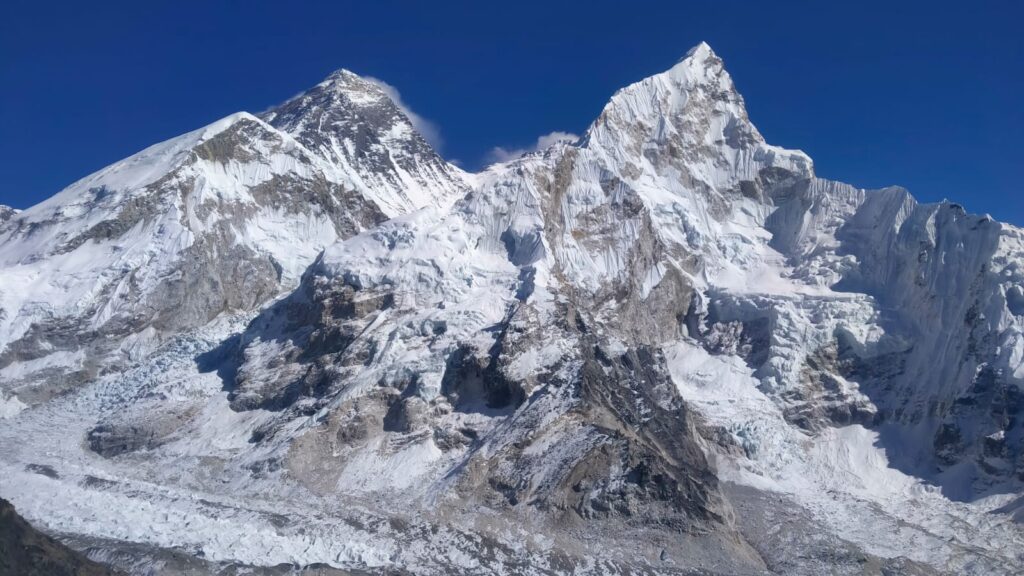
Although the Everest Base Camp Trek is considered moderately challenging, there are many practical ways to make the journey safer, more comfortable, and far more enjoyable. Most successful trekkers are not necessarily the strongest or fastest—they are simply the ones who prepare well, respect the mountains, and listen to their bodies throughout the trek.
The first and most important tip is to walk slowly. This may sound simple, but maintaining a steady, relaxed pace is one of the biggest secrets to reaching Everest Base Camp successfully. At high altitude, rushing places unnecessary stress on your heart and lungs, increases fatigue, and raises the risk of altitude sickness. Experienced Sherpa guides often follow the saying, “Bistari, Bistari,” which means “slowly, slowly.” This approach allows your body to conserve energy while adapting naturally to the thinner air.
Staying hydrated is equally important. High-altitude trekking causes your body to lose fluids more quickly through breathing and physical exertion. Even if you do not feel thirsty, aim to drink 3 to 4 liters of water each day. Warm drinks such as ginger tea, lemon tea, and garlic soup are also popular among trekkers because they help maintain hydration and provide warmth in cold conditions.
Proper nutrition plays a major role in maintaining your energy levels. The traditional Nepali meal, Dal Bhat, is widely regarded as the best trekking food because it provides carbohydrates, protein, vegetables, and lentils in one nutritious meal. Many tea houses even offer unlimited refills, making it an excellent option after a long day of hiking.
Getting enough sleep is another key factor. Although sleeping at altitude can be more difficult, resting as much as possible helps your body recover from each day’s effort. Avoid alcohol and smoking during the trek, as both can interfere with acclimatization and increase dehydration.
Packing light also makes a noticeable difference. Carry only the essentials in your daypack, including water, snacks, warm clothing, sunscreen, gloves, and a rain jacket. If possible, hire a porter to carry your main duffel bag. Reducing the weight on your back allows you to enjoy the scenery rather than focusing on physical discomfort.
Finally, always listen to your guide and pay attention to your body. If you experience symptoms of altitude sickness, report them immediately. There is no shame in taking an extra rest day or descending if necessary. The mountains will always be there, and your health should always come first.
Everest Base Camp Trek Difficulty Compared to Other Popular Treks in Nepal
Many travelers planning a Himalayan adventure wonder how the Everest Base Camp Trek compares with Nepal’s other famous trekking routes. While each trek offers unique scenery and cultural experiences, their difficulty levels vary depending on altitude, trail conditions, duration, and remoteness.
Trek Duration Highest Elevation Difficulty
- Everest Base Camp Trek 12–14 Days 5,364 m Moderate to Challenging
- Annapurna Base Camp Trek 7–11 Days 4,130 m Moderate
- Annapurna Circuit Trek 12–18 Days 5,416 m Moderate to Challenging
- Manaslu Circuit Trek 14–18 Days 5,106 m Challenging
- Langtang Valley Trek 7–10 Days 4,984 m Moderate
- Gokyo Lakes Trek 12–14 Days 5,357 m Moderate to Challenging
Compared with the Annapurna Base Camp Trek, the Everest Base Camp Trek is generally more demanding because it reaches a much higher elevation. Although both routes involve similar daily walking hours, the thinner air above 5,000 meters in the Everest region makes trekking significantly more challenging.
The Annapurna Circuit Trek reaches a slightly higher elevation at Thorong La Pass (5,416 m). While both treks require good physical fitness and acclimatization, the Annapurna Circuit includes a high mountain pass, adding another level of physical and mental challenge.
The Manaslu Circuit Trek is usually considered more difficult than Everest Base Camp due to its remote location, longer duration, fewer facilities, and the demanding crossing of Larke Pass (5,106 m). Trekkers need greater endurance and should be comfortable with more isolated mountain conditions.
The Langtang Valley Trek is an excellent option for beginners who want to experience the Himalayas without reaching the extreme altitudes of the Everest region. It offers stunning scenery, rich Tamang culture, and relatively shorter trekking days.
The Gokyo Lakes Trek is similar in difficulty to Everest Base Camp. Both routes involve trekking above 5,000 meters, although the Gokyo route is often quieter and includes spectacular turquoise lakes and the panoramic viewpoint of Gokyo Ri.
Ultimately, the Everest Base Camp Trek strikes a perfect balance between adventure, accessibility, breathtaking scenery, and cultural experiences, making it one of the world’s most rewarding trekking destinations.
Should You Hire a Guide and Porter?
Although experienced hikers can complete the Everest Base Camp Trek independently where regulations permit, hiring a licensed guide and porter greatly enhances both safety and enjoyment.
A professional guide does far more than lead the way. They monitor your pace, recognize early signs of altitude sickness, adjust the itinerary when necessary, assist with accommodation, explain local customs and Buddhist traditions, and provide valuable insight into the history of the Khumbu region. Their experience becomes especially important if weather conditions change or unexpected situations arise.
Hiring a porter is equally worthwhile. Carrying a heavy backpack at high altitude requires considerably more energy than at sea level. By allowing a porter to transport your main luggage, you can focus on enjoying the trek with only a lightweight daypack. This reduces fatigue, lowers the risk of knee injuries, and makes acclimatization easier.
In addition to improving your own trekking experience, hiring local guides and porters directly supports families and communities in the Everest region. Tourism is a vital source of income for many Sherpa families, and choosing local professionals contributes to sustainable tourism while preserving traditional mountain livelihoods.
Is the Everest Base Camp Trek Worth the Challenge?
Without hesitation, the answer is yes.
Few trekking adventures combine dramatic Himalayan scenery, rich Sherpa culture, ancient monasteries, and personal achievement as perfectly as the Everest Base Camp Trek. Every day introduces something new—crossing suspension bridges above roaring rivers, walking through colorful rhododendron forests, exploring traditional mountain villages, visiting centuries-old Buddhist monasteries, and witnessing some of the tallest mountains on Earth.
Standing at Everest Base Camp itself is an unforgettable moment. Surrounded by the towering Khumbu Icefall and the immense Himalayan landscape, you realize that the physical effort required to get there has transformed into a lifelong memory.
For many trekkers, however, the true highlight comes the following morning at Kala Patthar (5,545 m). As the first rays of sunlight illuminate the summit of Mount Everest, along with Lhotse, Nuptse, Pumori, and countless surrounding peaks, the breathtaking panorama becomes the perfect reward for every challenge faced along the journey.
Beyond the scenery, the trek also offers something less tangible but equally valuable—a sense of personal accomplishment. Completing the Everest Base Camp Trek teaches patience, resilience, and confidence. It reminds you that extraordinary goals can be achieved one step at a time.
Frequently Asked Questions (FAQs)
Is the Everest Base Camp Trek difficult?
The Everest Base Camp Trek is considered moderately challenging. It does not require technical climbing skills, but the high altitude, consecutive days of hiking, and changing weather make it physically demanding.
Can beginners trek to Everest Base Camp?
Yes. Thousands of beginners successfully complete the trek every year. With proper physical preparation, a sensible itinerary, and enough acclimatization, first-time trekkers can safely reach Everest Base Camp.
How fit do I need to be?
You should be able to walk for 5–7 hours a day on uneven terrain. Regular hiking, brisk walking, cycling, jogging, or stair climbing for two to three months before the trek is usually sufficient.
What is the hardest day of the Everest Base Camp Trek?
The trek from Lobuche to Gorak Shep, continuing to Everest Base Camp and returning to Gorak Shep, is generally considered the most demanding day because of the long walking hours, rocky terrain, and high altitude. The early morning climb to Kala Patthar is also physically challenging.
Is altitude sickness common?
Yes. Anyone can develop altitude sickness regardless of age or fitness. Following a proper acclimatization schedule, drinking enough water, and ascending gradually significantly reduce the risk.
How cold does it get?
Temperatures vary depending on the season. During spring and autumn, daytime temperatures are generally comfortable, while nights above 4,500 meters often fall below -10°C. Winter temperatures can drop below -20°C.
Do I need previous trekking experience?
No previous Himalayan trekking experience is required. However, basic fitness and preparation greatly improve your overall experience.
Is the Everest Base Camp Trek safe?
Yes, the trek is generally very safe when completed with a well-planned itinerary, proper acclimatization, and experienced local guides. The greatest risks are related to altitude rather than the trail itself.
Should I hire a guide?
Although not always mandatory, hiring a licensed guide is highly recommended. Guides improve safety, provide cultural insights, monitor your health, and make the overall journey more enjoyable.
What is the success rate?
Most trekkers who prepare well, follow acclimatization guidelines, and trek responsibly successfully reach Everest Base Camp. The majority of unsuccessful attempts are related to altitude sickness or insufficient preparation rather than technical difficulty.
Final Verdict: How Difficult Is the Everest Base Camp Trek?
The Everest Base Camp Trek is undoubtedly one of the world’s greatest trekking adventures, but it is also one that requires respect, preparation, and patience. While the journey is physically demanding, it is not a technical climb and does not require mountaineering experience. For most healthy individuals with a reasonable level of fitness, the trek is entirely achievable.
The greatest challenge is the altitude. As you climb above 5,000 meters, your body must adapt to significantly lower oxygen levels, making steady pacing and proper acclimatization essential. Combined with consecutive days of walking, cold temperatures, and basic mountain accommodations, these factors create a rewarding adventure that tests both body and mind.
The rewards, however, are extraordinary. From the vibrant Sherpa culture and peaceful monasteries to the dramatic Himalayan landscapes and unforgettable sunrise from Kala Patthar, every step offers memories that last a lifetime. Reaching Everest Base Camp is far more than checking off a destination on a map—it is a journey of perseverance, discovery, and personal achievement.
If you prepare well, train consistently, pack wisely, and follow the guidance of experienced local professionals, the Everest Base Camp Trek can become one of the most meaningful experiences of your life.
Whether you are a first-time trekker or an experienced adventurer, one thing is certain: the challenge is temporary, but the memories of standing beneath the world’s highest mountain will stay with you forever.
Ramchandra Lamichhane
Trekking Expert
No hidden fees • Local experts • Best price guarantee