
Muktinath Temple: Travel Guide, History & Pilgrimage
Introduction
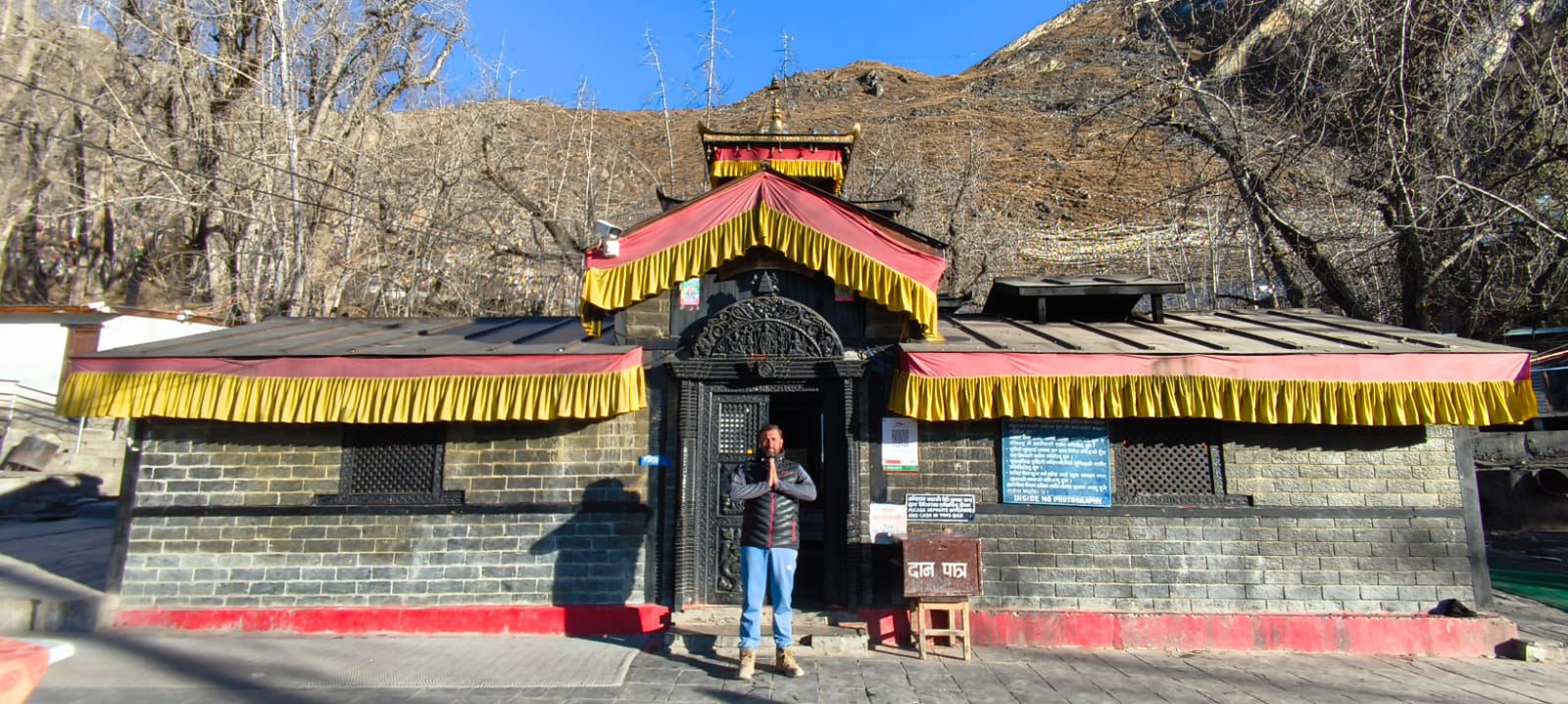
Muktinath Temple is one of the most sacred pilgrimage destinations for Indian devotees seeking spiritual peace, divine blessings, and salvation. Located at an altitude of 3,800 meters (12,467 feet) in Nepal’s Mustang district, this ancient temple is revered by both Hindus and Buddhists, making it a unique symbol of religious harmony. Every year, thousands of pilgrims from India visit Muktinath to perform sacred rituals, take a holy bath under the 108 water spouts (Muktidhara), and seek the blessings of Lord Vishnu, worshipped here as Sri Mukti Narayan.
For Hindus, Muktinath is one of the 108 Divya Desams, the most sacred temples dedicated to Lord Vishnu, and is believed to grant moksha (liberation from the cycle of birth and death). Buddhists equally honor the site as Chumig Gyatsa, meaning “Hundred Waters,” considering it a place blessed by Guru Rinpoche.
Surrounded by the breathtaking Himalayan landscapes of the Annapurna and Dhaulagiri ranges, Muktinath offers far more than a religious journey. The peaceful atmosphere, snow-capped mountains, ancient monasteries, and traditional villages create an unforgettable spiritual experience. Whether you are planning your Muktinath Yatra from India, traveling with family, or combining the pilgrimage with a Nepal tour, visiting Muktinath Temple is a once-in-a-lifetime journey of faith, devotion, and inner peace.
History and Religious Significance of Muktinath Temple
Muktinath Temple has been a revered pilgrimage site for centuries, attracting devotees from Nepal, India, and around the world. Nestled in the scenic Mustang region of Nepal, the temple stands along the ancient trans-Himalayan trade route that once connected Nepal with Tibet. Over the centuries, saints, monks, and pilgrims have traveled this sacred path in search of spiritual awakening and divine blessings.
The name “Muktinath” is derived from two Sanskrit words: “Mukti,” meaning liberation or salvation, and “Nath,” meaning Lord. Together, the name signifies the “Lord of Liberation.” According to Hindu belief, sincere prayers and rituals performed at Muktinath help devotees attain moksha, freeing the soul from the endless cycle of birth, death, and rebirth.
The temple is dedicated to Lord Vishnu, who is worshipped here as Sri Mukti Narayan. It is also one of the 108 Divya Desams, the holiest Vishnu temples mentioned in the sacred hymns of the Tamil Alvars. This makes Muktinath one of the most important pilgrimage destinations for Vaishnavite followers, especially for Indian devotees seeking spiritual purification and divine grace.
One of the temple’s most sacred features is the 108 stone water spouts, known as Muktidhara. Pilgrims traditionally bathe beneath these icy Himalayan waters, believing the ritual washes away past sins and purifies both body and soul. Nearby are two sacred ponds, Mukti Kunda, where devotees also perform ritual bathing before entering the temple.
Muktinath is equally significant in Buddhism, where it is known as Chumig Gyatsa, meaning “Hundred Waters.” Tibetan Buddhists consider it one of the 24 sacred tantric sites associated with Guru Padmasambhava (Guru Rinpoche), who is believed to have meditated in this region while spreading Buddhism throughout the Himalayas. The temple complex is cared for by Buddhist nuns, reflecting the peaceful coexistence of Hindu and Buddhist traditions.
Another remarkable attraction is the Jwala Mai Temple, located within the Muktinath complex. Here, a natural eternal flame burns continuously above a flowing water source, created by naturally occurring underground gas. This rare combination of earth, water, fire, air, and sky symbolizes the five fundamental elements of nature and is regarded as a powerful manifestation of divine energy.
Today, Muktinath Temple remains one of the most sacred pilgrimage destinations in the Himalayas. Its rich history, deep religious significance, and breathtaking mountain setting continue to inspire thousands of Indian pilgrims and international visitors each year, making the Muktinath Yatra a journey of faith, devotion, and spiritual transformation.
Where is Muktinath Temple Located?
Muktinath Temple is located in the Mustang District of north-central Nepal, within the famous Annapurna Conservation Area, at an altitude of 3,800 meters (12,467 feet) above sea level. The temple sits at the base of the Thorong La Pass, one of the highest trekking passes in the world, and is surrounded by the magnificent Annapurna and Dhaulagiri mountain ranges. The nearest town is Ranipauwa, just a short walk from the temple, while Jomsom, the administrative center of Lower Mustang, lies about 20 km away.
One of the most sacred natural landmarks near Muktinath Temple is the Kali Gandaki River, which flows through the deep Kali Gandaki Gorge between the Annapurna and Dhaulagiri mountains. The river is highly revered by Hindus because it is the only place in the world where Shaligrams (Saligrams) are naturally found. These rare black fossil stones are considered the sacred manifestation of Lord Vishnu and are worshipped in Hindu homes and temples across India and Nepal. According to Hindu scriptures, worshipping a genuine Shaligram is equivalent to worshipping Lord Vishnu himself, making the Kali Gandaki River an important pilgrimage destination alongside Muktinath Temple.
The journey to Muktinath follows the beautiful Kali Gandaki Valley, offering breathtaking views of snow-covered Himalayan peaks, dramatic cliffs, traditional Thakali villages, and ancient Buddhist monasteries. This combination of sacred geography, religious importance, and spectacular natural beauty makes Muktinath one of the most unique pilgrimage destinations in the Himalayas. For Indian pilgrims, visiting the holy Kali Gandaki River to collect or worship Shaligrams before seeking the blessings of Sri Mukti Narayan adds profound spiritual significance to the Muktinath Yatra.
Muktinath Temple Opening Hours
Muktinath Temple is open every day of the year, allowing pilgrims to visit in all seasons. The temple generally opens early in the morning from around 6:00 AM and remains accessible until approximately 7:00 PM, with a short break during the afternoon for temple management and daily rituals. The exact timings may vary slightly depending on the season, weather conditions, and religious ceremonies.
The best time to visit Muktinath Temple is early in the morning between 6:00 AM and 9:00 AM. During these hours, the temple is less crowded, the atmosphere is peaceful, and the weather is usually calm. Morning visits also offer spectacular views of the Annapurna and Dhaulagiri mountain ranges before afternoon winds become stronger, which is common in the Mustang region.
Pilgrims usually begin their visit by taking a holy bath under the 108 sacred water spouts (Muktidhara) and in the Mukti Kunda ponds before entering the main temple for darshan of Sri Mukti Narayan (Lord Vishnu). Many devotees also visit the nearby Jwala Mai Temple and offer prayers at the sacred Kali Gandaki River, home to the revered Shaligram stones.
Since Muktinath is located at a high altitude of 3,800 meters (12,467 feet), visitors are advised to arrive early, dress warmly, and allow enough time to explore the temple complex comfortably. During major Hindu festivals such as Ram Navami, Janai Purnima, Vijaya Dashami (Dashain), and Rama Ekadashi, the temple receives a large number of pilgrims, so arriving early helps avoid long queues and provides a more peaceful spiritual experience.
How to Reach Muktinath Temple (By Flight, Road, and Trek)
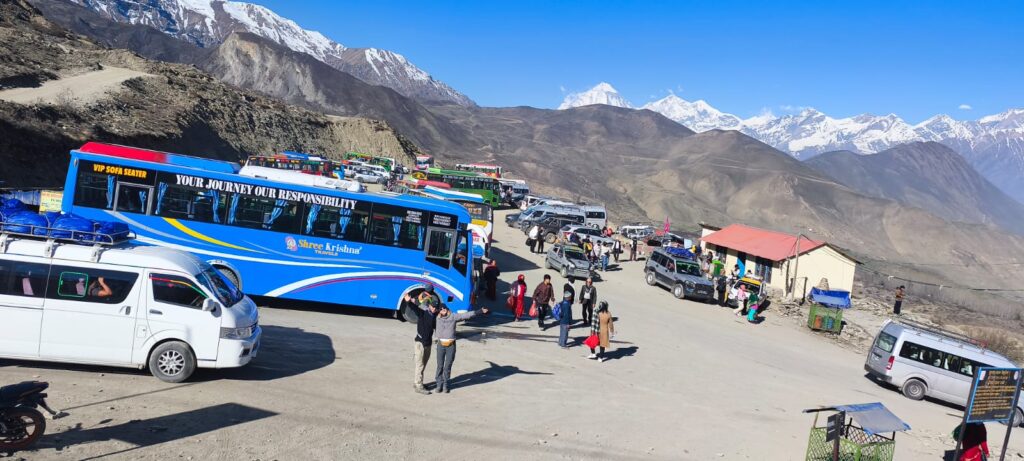
Reaching Muktinath Temple is easier than ever, with several travel options available for Indian pilgrims and international visitors. Depending on your budget, available time, and travel preferences, you can reach this sacred temple by flight, road, or trekking. Most pilgrims begin their journey from Kathmandu or Pokhara, two of Nepal’s major tourist hubs.
By Flight
The fastest way to reach Muktinath Temple is by taking a domestic flight from Pokhara to Jomsom, which takes around 20–25 minutes. The scenic flight offers breathtaking aerial views of the Annapurna and Dhaulagiri mountain ranges. From Jomsom, travelers can hire a shared or private jeep to Ranipauwa, followed by a 15–20 minute walk or a short horse ride to Muktinath Temple. During peak pilgrimage seasons, helicopter charter services are also available from Kathmandu or Pokhara, making the journey quicker and more comfortable.
By Road
Traveling by road is the most popular and economical option for pilgrims. From Kathmandu, you can drive to Pokhara (about 200 km, 6–8 hours), and then continue by jeep to Jomsom and Ranipauwa via Beni, Tatopani, Ghasa, Marpha, and Kagbeni. The road journey from Pokhara to Muktinath takes approximately 9–11 hours, depending on road and weather conditions. Although some sections are rough and unpaved, the drive passes through the spectacular Kali Gandaki Valley, charming Thakali villages, waterfalls, and stunning Himalayan landscapes.
By Trek
For adventure lovers and spiritual seekers, trekking to Muktinath offers an unforgettable experience. The temple is a major highlight of the famous Annapurna Circuit Trek, where trekkers cross the Thorong La Pass (5,416 m) before descending to Muktinath. Another shorter option is to trek from Jomsom or Kagbeni through the scenic Kali Gandaki Valley to the temple. Along the trail, visitors can enjoy panoramic mountain views, ancient monasteries, traditional villages, and the peaceful atmosphere of the Himalayas.
Traveling from India
Indian pilgrims can easily reach Nepal by air, road, or train. Direct flights connect major Indian cities such as Delhi, Mumbai, Bangalore, Kolkata, Varanasi, and Lucknow with Kathmandu. Travelers can also enter Nepal through several open land border crossings, including Sunauli–Bhairahawa, Raxaul–Birgunj, Jogbani–Biratnagar, and Banbasa–Mahendranagar. After arriving in Nepal, pilgrims can continue to Muktinath via Kathmandu or Pokhara using domestic flights or road transportation.
Whether you choose to fly, drive, or trek, the journey to Muktinath Temple is filled with breathtaking Himalayan scenery, sacred sites, and memorable cultural experiences, making the Muktinath Yatra as spiritually rewarding as the destination itself.
Best Time to Visit Muktinath Temple
Muktinath Temple is open throughout the year, but the best time to visit is during spring (March to May) and autumn (September to November). These seasons offer pleasant weather, clear Himalayan views, comfortable temperatures, and excellent road and flight conditions, making them ideal for pilgrims traveling from India.
Spring (March to May) – The Best Season
Spring is one of the most popular times for the Muktinath Yatra. Daytime temperatures range from 10°C to 20°C, while mornings and evenings remain cool. The skies are generally clear, offering spectacular views of the Annapurna and Dhaulagiri ranges. Roads are more accessible, flights to Jomsom operate more reliably, and the surrounding hills bloom with colorful wildflowers, creating a beautiful setting for pilgrimage.
Summer/Monsoon (June to August)
Unlike many parts of Nepal, Muktinath lies in the rain-shadow region of the Himalayas, so it receives significantly less rainfall during the monsoon season. While heavy rain affects the roads between Pokhara and Jomsom, the Muktinath area itself remains relatively dry. Pilgrims can still visit during this period, but occasional landslides, road delays, and flight cancellations in lower regions may affect travel plans. If traveling during the monsoon, it is advisable to keep a flexible itinerary.
Autumn (September to November) – Peak Pilgrimage Season
Autumn is widely regarded as the best time to visit Muktinath Temple. The weather is stable, the air is fresh after the monsoon, and the mountain scenery is exceptionally clear. Daytime temperatures range from 8°C to 18°C, providing comfortable conditions for temple visits and sightseeing. This season also coincides with major Hindu festivals such as Dashain and Tihar, attracting thousands of devotees from Nepal and India. Because it is the busiest season, booking flights, hotels, and transportation in advance is highly recommended.
Winter (December to February)
Winter transforms Muktinath into a peaceful Himalayan destination covered in snow. Temperatures often fall below -10°C at night, while daytime temperatures remain between -5°C and 8°C. Although the temple remains open, heavy snowfall and freezing conditions can occasionally disrupt flights and road access. Pilgrims visiting in winter should carry proper cold-weather clothing and be prepared for harsh mountain conditions.
Best Time for Indian Pilgrims
For most Indian pilgrims, March to May and September to November are the most favorable months to visit Muktinath Temple. These seasons provide comfortable weather, safer travel conditions, breathtaking mountain views, and a pleasant pilgrimage experience. If you prefer fewer crowds, consider traveling in March, April, late September, or early November, when the weather remains excellent while the number of visitors is relatively lower.
Top Attractions and Things to Do at Muktinath Temple
A visit to Muktinath Temple is much more than a pilgrimage. It is a spiritual journey through one of Nepal’s holiest destinations, where ancient Hindu and Buddhist traditions blend with the breathtaking beauty of the Himalayas. From sacred rituals and natural wonders to nearby cultural villages, there are many unforgettable experiences that make the Muktinath Yatra truly special for Indian pilgrims.
Take a Holy Bath Under the 108 Water Spouts (Muktidhara)
The 108 sacred water spouts, known as Muktidhara, are among the most revered attractions at Muktinath Temple. These bull-head-shaped stone spouts continuously release icy Himalayan spring water. According to Hindu belief, bathing beneath all 108 spouts washes away sins, purifies the soul, and helps devotees attain moksha (liberation). Nearby, pilgrims also take a ritual dip in the two sacred ponds called Mukti Kunda before entering the main temple for worship.
Worship Sri Mukti Narayan (Lord Vishnu)
The heart of the pilgrimage is the ancient Muktinath Temple, where Lord Vishnu is worshipped as Sri Mukti Narayan As one of the 108 Divya Desams, the temple is considered one of the holiest Vishnu shrines in the world. Thousands of devotees from India and Nepal visit every year to offer prayers, perform rituals, and seek blessings for peace, prosperity, and spiritual liberation.
Visit the Jwala Mai Temple
Located within the temple complex, the Jwala Mai Temple is famous for its eternal natural flame, which burns continuously above a flowing stream of water. This rare phenomenon is created by naturally occurring underground gas and symbolizes the divine union of fire and water. Together with earth, air, and sky, it represents the five elements (Pancha Mahabhutas), making it one of the most sacred places within Muktinath.
Visit the Kali Gandaki River and Worship Shaligrams
A short distance from Muktinath flows the sacred Kali Gandaki River, the only place in the world where authentic Shaligram (Saligram) stones are naturally found. These ancient black fossil stones are regarded as the living manifestation of Lord Vishnu and are worshipped in temples and homes throughout India and Nepal. Many pilgrims visit the river to offer prayers, learn about the spiritual significance of Shaligrams, and experience one of Hinduism’s most sacred natural sites.
Enjoy Spectacular Himalayan Views
Muktinath offers magnificent panoramic views of the Annapurna, Dhaulagiri, Nilgiri, and Tukuche Peak mountain ranges. The dramatic Himalayan landscapes, colorful prayer flags, and peaceful surroundings create an unforgettable atmosphere for meditation, photography, and spiritual reflection. Explore Kagbeni – The Gateway to Upper Mustang
Just 12 km from Muktinath, Kagbeni is a centuries-old Himalayan village famous for its narrow alleys, traditional mud-brick houses, ancient monasteries, and rich Tibetan-influenced culture. The village also serves as the gateway to the restricted region of Upper Mustang and is one of the most picturesque destinations in the Kali Gandaki Valley.
Discover Jomsom and Experience Thakali Culture
Visit Jomsom, the administrative center of Lower Mustang, to experience the unique culture of the Thakali community The town is known for its apple orchards, mountain scenery, traditional architecture, and authentic Thakali Khana Set, one of Nepal’s most popular traditional meals. Visitors can also shop for local handicrafts and enjoy the peaceful Himalayan atmosphere.
Visit Ancient Buddhist Monasteries
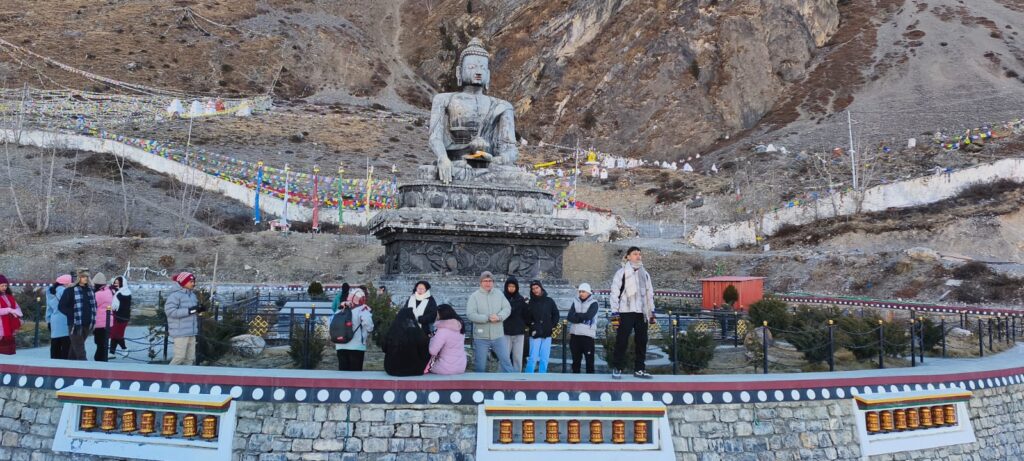
Muktinath is equally sacred to Buddhists, who know it as Chumig Gyatsa. Around the temple, visitors can explore centuries-old monasteries, prayer wheels, mani walls, and colorful prayer flags that beautifully demonstrate the harmony between Hinduism and Buddhism.
Trek Through the Beautiful Mustang Region
Adventure enthusiasts can enjoy short hikes around Ranipauwa, Kagbeni, or sections of the famous Annapurna Circuit Trek. The surrounding trails pass through dramatic cliffs, deep valleys, traditional villages, and stunning mountain viewpoints, making Muktinath an ideal destination for both pilgrims and trekkers.
Whether you come for religious devotion, cultural exploration, or the spectacular Himalayan scenery, Muktinath offers an unforgettable combination of spirituality, history, and natural beauty. Every experience—from bathing beneath the sacred water spouts to visiting the Kali Gandaki River and exploring the Mustang region—makes the Muktinath Yatra a truly once-in-a-lifetime pilgrimage.
Food and Accomodation at MuktinathTour
Although Muktinath is located in a remote Himalayan region, visitors will find a variety of accommodation and dining options in Ranipauwa, the small village just below the temple. The area offers budget guesthouses, comfortable lodges, and a few well-equipped hotels with basic modern amenities, including private rooms, hot showers, Wi-Fi (where available), and warm hospitality. During peak pilgrimage seasons, it is advisable to book your accommodation in advance. Most restaurants serve freshly prepared Nepali, Indian, Tibetan, and simple continental dishes. Popular meals include dal bhat, vegetable curry, fried rice, noodles, momos, chapati, soups, tea, and coffee. Since all food supplies are transported from lower regions, menu options may be limited, but the meals are nutritious and ideal for travelers exploring the high-altitude Mustang region.
Health and Safety Tips
Muktinath Temple sits at an altitude of 3,800 meters (12,467 feet), so visitors should take precautions to ensure a safe and enjoyable trip. Spend a night in Jomsom or Kagbeni if possible to help your body adjust to the altitude. Drink plenty of water, eat light meals, avoid excessive alcohol, and walk at a comfortable pace to reduce the risk of altitude sickness. Carry personal medications, a basic first-aid kit, sunscreen, sunglasses, lip balm, and warm clothing, as weather conditions can change rapidly. If you experience severe symptoms such as persistent headache, dizziness, nausea, or difficulty breathing, descend to a lower altitude immediately and seek medical assistance. It is also advisable to check weather and road conditions before traveling, especially during the monsoon and winter seasons
Travel Tips for Visiting Muktinath Temple (Altitude, Packing & Temple Etiquette)
A visit to Muktinath Temple is a rewarding spiritual journey, but proper preparation is essential due to its high-altitude location at 3,800 meters (12,467 feet) above sea level. Some visitors may experience mild symptoms of altitude sickness, such as headaches or shortness of breath, so it is recommended to travel slowly, stay hydrated, avoid alcohol, and take adequate rest, especially if traveling from lower elevations. Pack warm clothing throughout the year, including a windproof jacket, thermal layers, gloves, a warm hat, comfortable walking shoes, sunscreen, sunglasses, and a reusable water bottle, as temperatures can change quickly even during summer. If you plan to bathe under the sacred 108 water spouts, bring a towel and an extra set of clothes. While visiting the temple, dress modestly, remove your shoes before entering the shrine, maintain silence, respect ongoing religious ceremonies, and ask for permission before photographing monks, priests, or worshippers. Following these simple guidelines will help ensure a comfortable, respectful, and memorable pilgrimage to one of Nepal’s most sacred temples.
Muktinath Tour Cost and Suggested Itinerary
The cost of a Muktinath tour depends on your travel style, transportation, accommodation, and trip duration. Budget tours by local bus are the most economical, while private jeep tours provide greater comfort and flexibility. For travelers seeking convenience and breathtaking Himalayan views, helicopter tours are the fastest but most expensive option. Most visitors choose a 3 to 5-day itinerary from Pokhara or Kathmandu. A typical itinerary includes traveling from Kathmandu to Pokhara, continuing to Jomsom and Muktinath by flight or road, visiting the temple and nearby attractions such as the 108 Water Spouts, Jwala Mai Temple, and the Kali Gandaki River, followed by a return journey through the scenic Mustang region. Those with additional time can also explore Kagbeni, Marpha, Tatopani, or nearby villages to experience the unique culture, landscapes, and hospitality of the lower Mustang region. Proper planning and booking with a reliable local operator like Create Himalaya Adventure ensures a smooth, safe, and well-organized pilgrimage.
Frequently Asked Questions (FAQs) About Muktinath Temple
1. What is Muktinath Temple famous for?
Muktinath Temple is famous as one of Nepal’s most sacred pilgrimage sites for both Hindus and Buddhists. It is renowned for the 108 sacred water spouts, the eternal flame at Jwala Mai Temple, and its spiritual significance as a place of liberation (moksha).
2. Where is Muktinath Temple located?
Muktinath Temple is located in the Mustang District of Nepal, within the Annapurna Conservation Area, at an altitude of 3,800 meters (12,467 feet) above sea level.
3. Why is Muktinath Temple important to Hindus and Buddhists?
Hindus believe Muktinath is the sacred abode of Lord Vishnu and one of the 108 Divya Desams, while Buddhists know it as Chumig Gyatsa, a holy site blessed by Guru Rinpoche. The temple symbolizes harmony between the two religions.
4. What is the best time to visit Muktinath Temple?
The ideal time to visit is during spring (March to May) and autumn (September to November) when the weather is pleasant, skies are clear, and mountain views are at their best.
5. How can I reach Muktinath Temple?
You can reach Muktinath by road, domestic flight, helicopter, or trekking. The most common route is Kathmandu–Pokhara–Jomsom, followed by a jeep ride to Ranipauwa and a short walk to the temple.
6. Can I visit Muktinath Temple by helicopter?
Yes. Helicopter tours from Kathmandu or Pokhara are available and are the fastest option, making it possible to complete a pilgrimage in a single day.
7. How difficult is the journey to Muktinath Temple?
The journey is considered moderately easy. Although the temple is located at high altitude, most visitors reach it by vehicle and only walk a short distance from the parking area.
8. What is the altitude of Muktinath Temple?
Muktinath Temple stands at 3,800 meters (12,467 feet). Some visitors may experience mild altitude sickness, so staying hydrated and ascending gradually is recommended.
9. Do I need a permit to visit Muktinath Temple?
Foreign nationals generally require an Annapurna Conservation Area Permit (ACAP). Indian citizens do not need a visa to enter Nepal but should carry valid identification.
10. Is Muktinath Temple open throughout the year?
Yes. The temple remains open year-round. However, heavy snowfall during winter may occasionally affect road access.
11. What are the 108 water spouts at Muktinath Temple?
The 108 water spouts, known as Muktidhara, continuously flow with icy mountain water. Pilgrims bathe beneath them as a ritual of purification and to seek blessings and liberation.
12. What is the significance of Jwala Mai Temple?
Jwala Mai Temple is famous for its natural eternal flame that burns from underground natural gas. It represents the sacred union of fire, water, and earth and is revered by both Hindus and Buddhists.
13. What should I wear when visiting Muktinath Temple?
Wear warm layered clothing, comfortable walking shoes, and modest attire suitable for a religious site. Even during summer, mornings and evenings can be cold due to the high altitude.
14. Is Muktinath Temple suitable for senior citizens and children?
Yes. Since vehicles can reach close to the temple, Muktinath is suitable for families and senior citizens. Those with health concerns should consult a doctor before traveling to high altitudes.
15. How much does a Muktinath tour cost?
The cost varies depending on the itinerary and mode of transportation. Budget road tours generally cost less, while private jeep and helicopter tours offer greater comfort at a higher price.
16. How many days are required for a Muktinath tour?
Most travelers choose a 3 to 5-day itinerary from Kathmandu or Pokhara. A helicopter tour can be completed in a single day.
17. Are hotels and restaurants available near Muktinath Temple?
Yes. Ranipauwa, near the temple, has a range of hotels, guesthouses, and restaurants serving Nepali, Indian, Tibetan, and continental meals.
18. Can I take photographs inside Muktinath Temple?
Photography is generally allowed around the temple complex, but it is best to avoid taking photos inside the main shrine or of worshippers without permission.
19. What are the nearby attractions to visit after Muktinath Temple?
Popular attractions include Kagbeni Village, Jomsom, the Kali Gandaki River, Marpha Village, Jwala Mai Temple, and the sacred 108 Water Spouts, making the journey even more rewarding.
20. Why choose Create Himalaya Adventure for a Muktinath tour?
Create Himalaya Adventure offers experienced local guides, customized itineraries, reliable transportation, permit assistance, quality accommodations, transparent pricing, and 24/7 travel support, ensuring a safe, comfortable, and memorable pilgrimage to Muktinath Temple.
Ramchandra Lamichhane
Trekking Expert
No hidden fees • Local experts • Best price guarantee