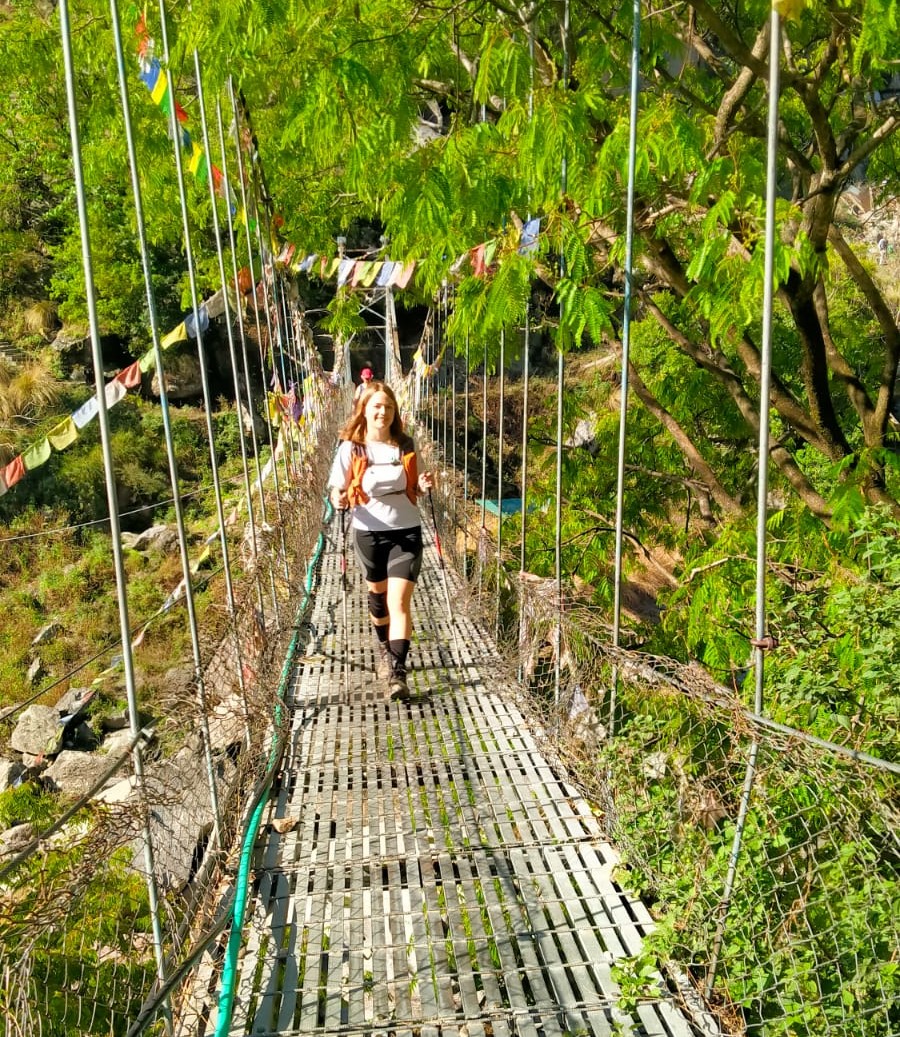
Gosainkunda Lake Trek
The Gosainkunda Trek in Nepal’s Langtang region is a journey where breathtaking Himalayan landscapes meet deep spiritual tradition. Just a scenic 6–7 hour drive from Kathmandu, this short yet rewarding […]
Highlights
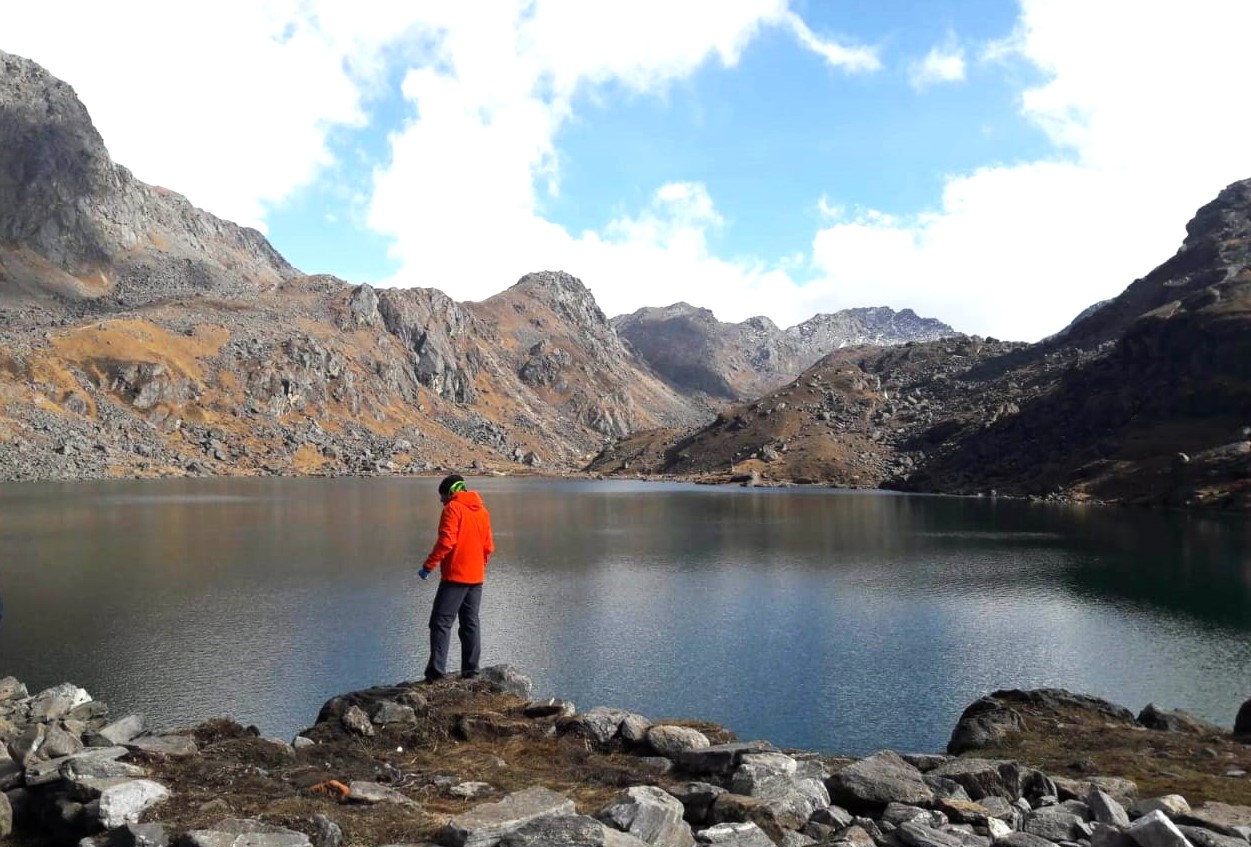
- Journey to the scared alpine lake Gosaikunda Lake (4,380 m), a frozen high-altitude lake considered holy in both Hinduism and Buddhism, linked to the legend of Lord Shiva.
- Trek through a living rich cultural landscape of Tamang and Sherpa villages and witness or learn about pilgrim rituals, especially during the Janai Purnima festival.
- An ideal first Himalayan trek due to its moderate difficulty, shorter duration (approx. 7 days), and proximity to Kathmandu (6-7 hour drive).
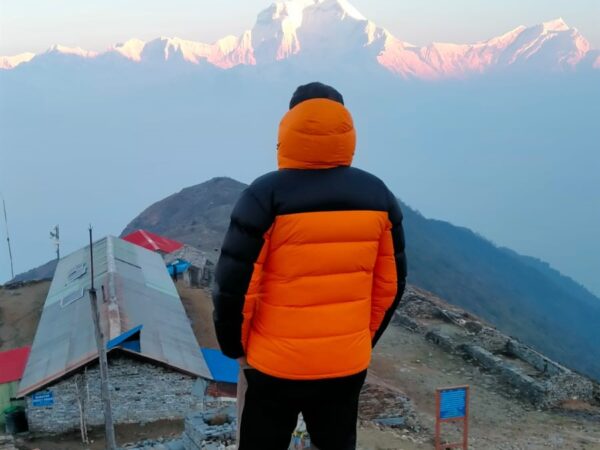
- Enjoy spectacular panoramic views of the Langtang Lirung, Ganesh Himal, Manaslu, and Annapurna ranges from high ridges.
- Diverse Landscapes from rhododendron and pine forests to suspension bridges, waterfalls, and explore the high-altitude terrain of Langtang National Park.
- Wildlife Spotting Potential: The region is home to rare species like the red panda and has potential for spotting too, along with mountain tahr, monkeys, and diverse birdlife.
- The trek forms a satisfying circuit, crossing the Lauribinayak Pass (4,609 m) and descending through the scenic Helambu Valley back towards Kathmandu.
- This trek is Accessable through out the year, can be undertaken in most seasons, with winter offering a frozen lake landscape and potential snowfall on the pass.
Overview
The Gosainkunda Trek in Nepal’s Langtang region is a journey where breathtaking Himalayan landscapes meet deep spiritual tradition. Just a scenic 6–7 hour drive from Kathmandu, this short yet rewarding trek leads you to the sacred Gosainkunda Lake (4,380m), one of the most revered alpine lakes in the Himalayas.
Being a classic trek in Langtang region, Gosaikunda is believed to have been created by Lord Shiva, who struck the mountain with his trident to release holy water. Even today, thousands of Hindu and Buddhist pilgrims make their way here during the Janai Purnima festival, seeking purification and blessings. As a trekker, you share the trail with both pilgrims and mountain lovers, adding a unique spiritual depth to the journey.
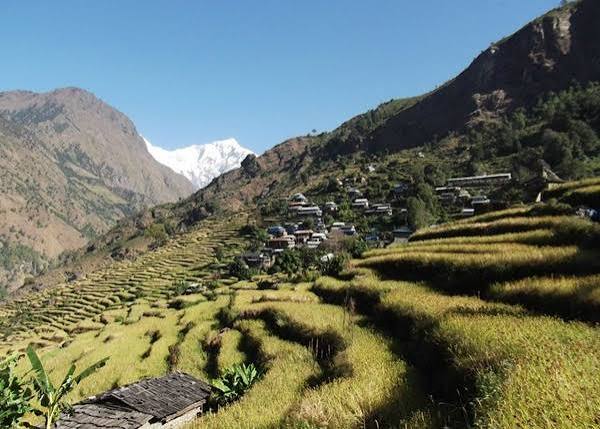
Over about seven days, the route takes you through peaceful rhododendron and pine forests, past cascading waterfalls, and into welcoming Tamang and Sherpa villages shaped by Tibetan culture. Along the way, you’ll cross suspension bridges, climb high ridgelines, and enjoy sweeping mountain views of Langtang Lirung, Ganesh Himal, Manaslu, and on clear days, even the Annapurna range.
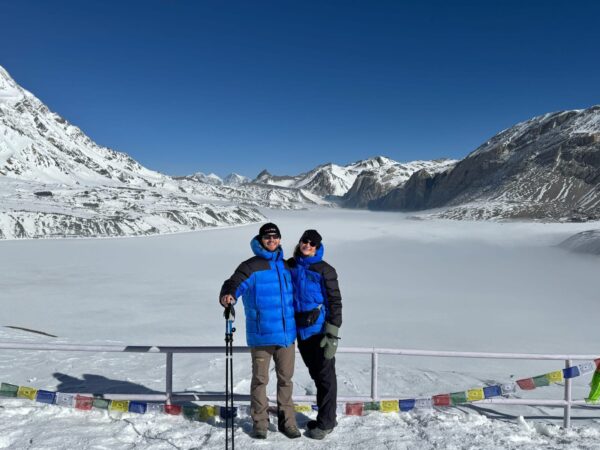
The highlight of the trek is reaching the tranquil Gosaikunda Lake itself—often surrounded by snow even in summer and completely frozen in winter. From here, the adventure continues across the Lauribinayak Pass (4,609m) before descending into the scenic Kutumsang and Chisapani Valley, finishing close to Kathmandu. Perfect for those seeking a blend of nature, culture, and spiritual meaning, the Gosainkunda Trek offers a Himalayan experience that is both powerful and unforgettable.
Trip Itinerary
Drive from Kathmandu to Dhunche by Local Bus/Jeep
Today we begin the journey towaards Dhunche, covering about 118 km in roughly 6 hours by private jeep or around 7 hours by local bus. The drive is scenic and engaging, following winding mountain roads through green hills and charming villages. Along the way, you’re treated to impressive views of Manaslu, Ganesh Himal, and the Langtang range. Passing through the national park checkpoint and crossing the Trishuli River, the journey offers a final taste of local life and landscapes before reaching Dhunche. Overnight at a hotel.
Trek from Dhunche to Sing Gompa
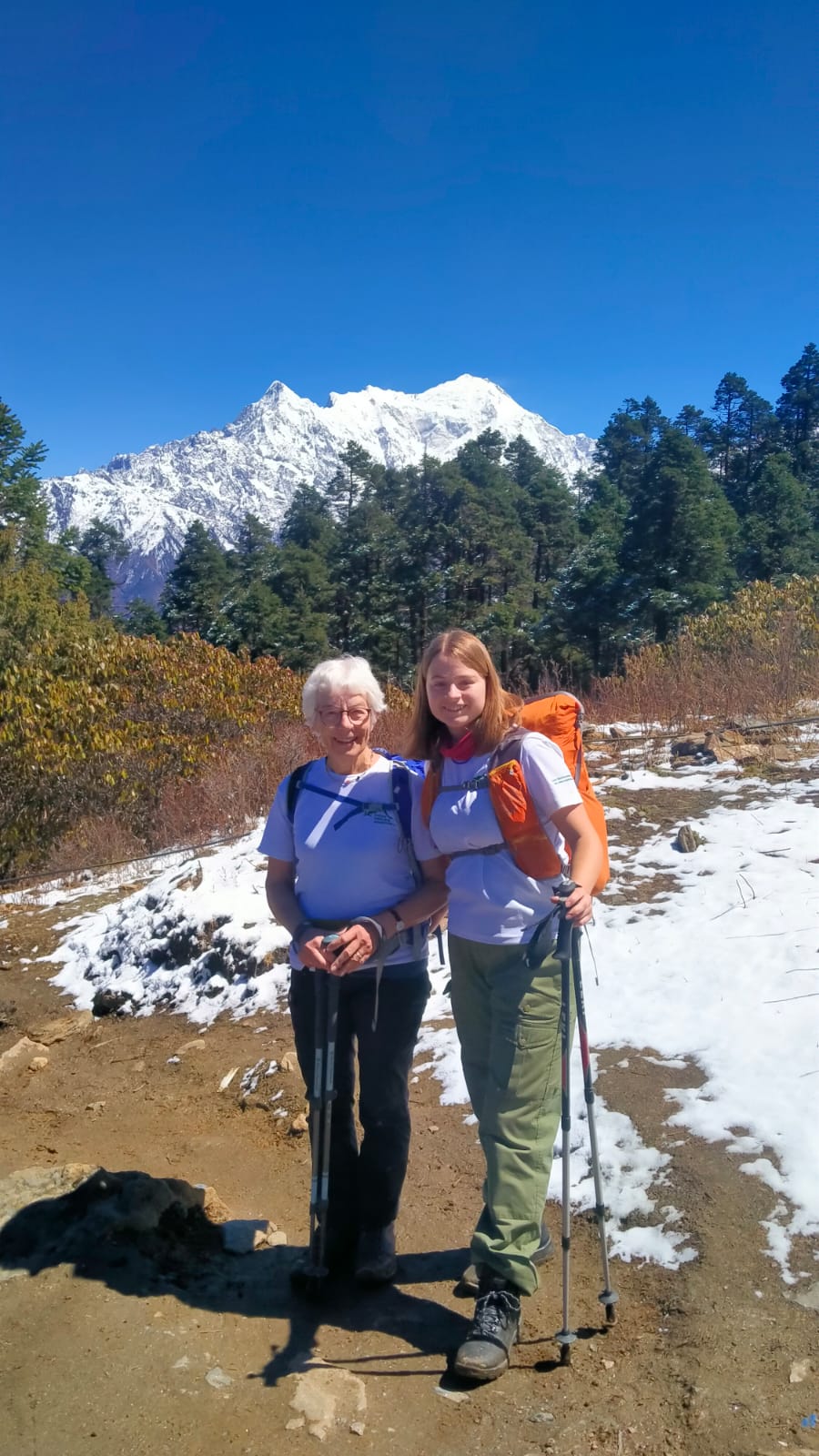
We start with a steady, six-hour climb that immediately immerses you in the serene landscapes of the Langtang region. The trail leads us past a local mineral water source and across cheerful suspension bridges over rushing streams. As we ascend, the path winds through beautiful rhododendron forests, with the snow-capped peaks of the Langtang range emerging through the trees to welcome us.
We'll walk through small settlements of the local Tamang community and pass an army checkpost before finally arriving at our destination: Sing Gompa. This peaceful village is home to a charming monastery and a famous local cheese factory—a perfect place to observe traditional mountain life. We'll settle into a cozy teahouse for the night, our first stop in the high Himalayas.
Trek from Sing Gompa to Gosainkunda
Today brings the spiritual and scenic climax of our trek, the ascent to the sacred Gosaikunda Lakes. It’s a challenging yet profoundly rewarding day, where every step is brings you closer to the breathtaking Himalayan vistas.
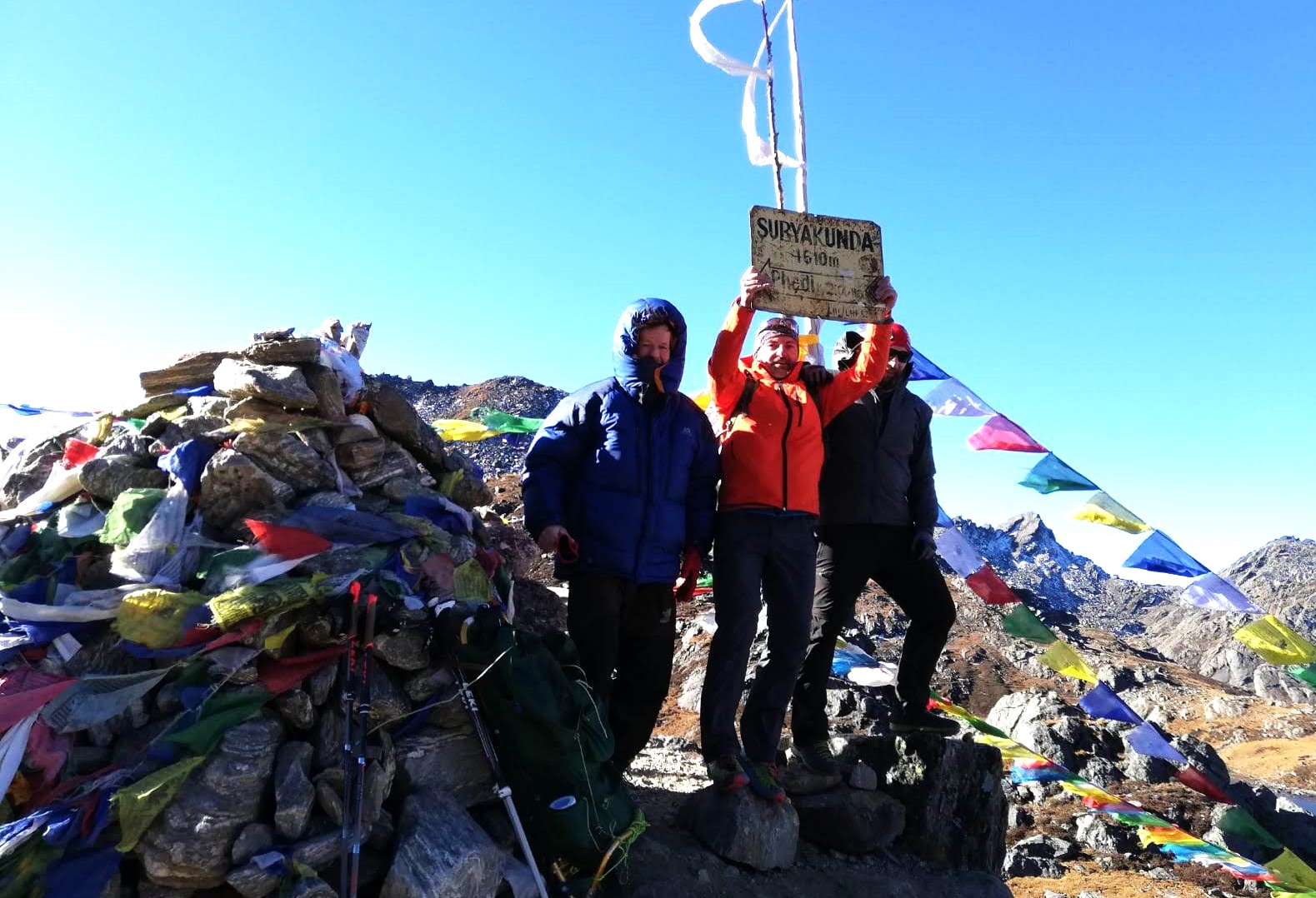
We begin with a steep climb from Sing Gompa, looking back at the valleys we’ve traversed. The trail leads us upward to the Lauribina La Pass (4,610m), the highest point of our journey. Take a moment here to catch your breath and observe in the 360-degree panorama—a true mountaineer’s reward.
From the pass, we descend carefully along a rocky trail that may be icy in colder months. Then, the first stunning glimpses of the Gosaikunda lakes appear—a series of serene, turquoise glacial waters considered profoundly holy in both Hindu and Buddhist traditions. According to belief, bathing in these waters cleanses the soul, drawing pilgrims here year-round, especially during the vibrant Janai Purnima festival.
We’ll spend the night in the simple village nestled beside the lakes. Whether you visit in the lush summer or frozen beauty of winter, the sight of the lake framed by towering peaks is an unforgettable experience, making today’s effort truly worthwhile.
Rest Day and Explore Gosaikunda area Visit Bhairav Kunda and Saraswati Kunda
Today is a relaxed day at Gosaikunda, giving you time to slow down and truly enjoy this sacred place. There are no long walks or tough climbs—just space to rest, explore, and take in the peaceful mountain surroundings.
You may choose to relax by the lakeside, enjoying the calm water and stunning Himalayan views, or take an easy walk to the nearby Saraswati Kunda and Bhairav Kunda. These smaller, holy lakes are just as beautiful and hold deep spiritual importance, set among dramatic high-altitude scenery.
It’s a perfect day for quiet moments, photography, and soaking in the serene atmosphere before continuing the journey the next day.
Trek from Gosaikunda to Ghopte via lauribina Pass
After breakfast beside the tranquil lake, with Himalayan peaks rising all around you, the journey continues toward Ghopte. Today is more demanding, as the trail climbs steadily to the highest point of the trek—the Gosaikunda (Lauribinayak) Pass at 4,609m. The path winds through a series of zigzag ascents and gentle descents, keeping the walk challenging yet rewarding. Along the way, giant mountain views, changing landscapes, and dramatic light make this stretch especially exciting for photographers. Surrounded by raw beauty and high-altitude scenery, the day ends at Ghopte, where you’ll settle in for the night at a cozy teahouse.
Trek from Ghopte to Kutumsang
After the heights of yesterday’s pass, today offers a pleasant and relax change of pace. We trade steep climbs for a long, gentle descent, walking downhill for about five hours through peaceful landscapes toward the village of Kutumsang.
The trail winds through quiet forests of rhododendron and pine, where you might spot colorful birds or even glimpse wildlife. We’ll pass through small, traditional settlements, gradually returning to the greener, more temperate foothills. Our stop for the night is Kutumsang, a charming Tamang village where warm local hospitality awaits. Settle into a cozy teahouse, enjoy the slower rhythm of mountain life, and reflect on the incredible journey from the sacred lakes to these serene hills.
Trek from Kutumsang to Chisapani, drive to Kathmandu
Today is a day of transition, carrying us from the high mountain villages back to the edge of the Kathmandu Valley. We begin with a fond farewell to Kutumsang and start our descent toward Chisapani. The morning trail winds gently downhill through beautiful oak and rhododendron forests, offering final glimpses of the Langtang range and insights into village life. Chisapani, meaning "cold water," is a fitting name for this breezy, scenic stop where we'll pause briefly.
From here, we continue our descent, tracing the source of the Bagmati River. The landscape reveals a critical resource: the water reservoirs and dams that supply drinking water to the Kathmandu valley. The trail passes through lush vegetation before reaching the army checkpost at Sundarijal. This marks the official end of our trek. From Sundarijal, a short, one-hour drive brings us back to the vibrant energy of Kathmandu, completing our circle from serene Himalayan lakes to the bustling heart of Nepal.
Not Satisfied with This Itinerary?
Every traveler is different. Customize this trip with the help of our local travel specialists and create an itinerary that perfectly matches your interests, schedule, and budget.
What's included
- Airport Transfers: International Airport pick-up and drop-off service.
- Trekking Permits: The required paperwork and trekking permit are required for Langtang Helambu Region.
- Trekking Equipment: We provide sleeping bags, down Jackets, and Duffle bag if needed.
- Souvenirs: Create Himalaya Adventure T-Shirt as a souvenir.
- Meals: Three meals a day (breakfast, lunch, dinner) during the trek.
- Accommodation: Twin-bed sharing with a shared toilet during the trek.
- Guide Expenses: All costs for an English-speaking, government-licensed guide.
- Guide Insurance: Insurance coverage for guides.
- Trekking Map: Langtang Region Trip Map for the group.
- First Aid Kit: Medical kit available during the trip.
- Taxes and Fees: Tourist service charge, VAT, government tax, and official expenses.
What's not included
- International Expenses: International airfare, visa, and travel insurance.
- Kathmandu Meals: Breakfast, Lunch and Dinner at Kathmandu.
- Accommodation in Kathmandu: Accommodation in Kathmandu or on the trek for any reason (Early arrival or delay, early arrival from trek due to any reason).
- Porter Service: Porter to carry your luggage during the trek (if you would like to take a porter, it will cost you USD 30 for each day trip, which you could add from our add-on option).
- Gratuities: Tips for Guide and Porter (expected from trekkers involved in the Trek
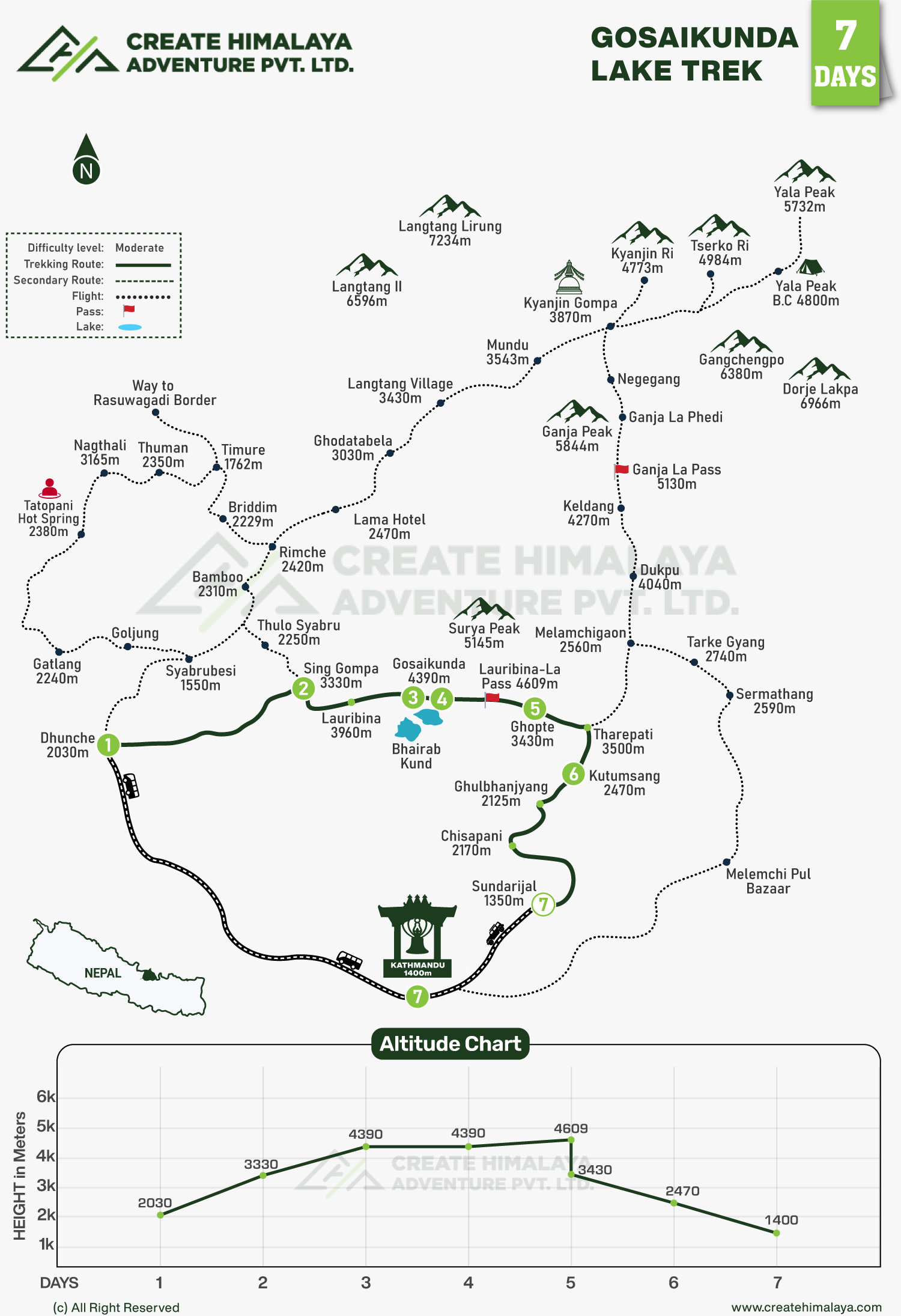
Map
Gosainkunda Lake Trek Permit
To trek to the sacred Gosainkunda Lake, trekkers need a Langtang National Park Entry Permit along with a Langtang Rural Municipality Permit. These permits contribute to environmental conservation, trail maintenance, and the preservation of local culture within the Langtang region. Create Himalaya Adventure takes care of all permit arrangements, allowing you to enjoy a worry-free trekking experience.
Gosainkunda Lake Trek Cost
The cost of the Gosainkunda Lake Trek usually ranges between USD 450 and USD 1,000 per person, depending on the duration of the trek, group size, transportation options, accommodation preferences, and trekking services included. Most packages cover permits, local transportation, accommodation, meals during the trek, an experienced trekking guide, and porter assistance. It is one of the most affordable Himalayan trekking adventures that combines natural beauty with spiritual importance.
Gosainkunda Lake Trek Difficulty
Gosainkunda Lake Trek is rated as a moderate trek and is suitable for trekkers with average fitness levels. The route gradually ascends through lush forests, mountain villages, and high alpine terrain before reaching the sacred lake at 4,380 meters. Daily trekking generally involves 5 to 7 hours of walking. Although the trail does not require technical skills, the altitude and some steep uphill sections can be physically demanding.
Travel Insurance for Gosainkunda Lake Trek
Having travel insurance is highly advisable for anyone planning the Gosainkunda Lake Trek. Your insurance policy should include coverage for high-altitude trekking, emergency medical treatment, helicopter rescue, trip cancellation, and unexpected travel disruptions. Adequate insurance ensures peace of mind while exploring remote mountain regions.
Best Time for Gosainkunda Lake Trek
The ideal seasons for the Gosainkunda Lake Trek are spring (March to May) and autumn (September to November). During these periods, the weather is generally stable, visibility is excellent, and the mountain scenery is at its best. Spring brings colorful rhododendron blooms, while autumn offers crisp air and stunning Himalayan panoramas.
Winter trekking from December to February is also possible for adventurous travelers. The trail becomes quieter, and the snow-covered landscapes create a spectacular setting around the sacred lakes. However, temperatures can drop well below freezing at higher elevations, so proper winter equipment and preparation are essential.
Food and Accommodation During Gosainkunda Lake Trek
Trekkers stay in local teahouses and mountain lodges located along the route. Accommodation is basic but comfortable, offering a warm place to rest after a day on the trail. Food options are varied and include Dal Bhat, fried rice, noodles, soups, pasta, potatoes, eggs, Tibetan bread, pancakes, tea, coffee, and seasonal vegetables. The welcoming hospitality of local lodge owners adds a memorable cultural touch to the journey.
Equipment for Gosainkunda Lake Trek
Proper trekking gear is important for a safe and comfortable adventure. Recommended equipment includes durable trekking boots, moisture-wicking clothing, thermal layers, a down jacket, waterproof outerwear, trekking poles, gloves, a warm hat, sunglasses, sunscreen, a reusable water bottle, a headlamp, and a personal medical kit. Winter trekkers should carry additional insulated clothing, thermal socks, and cold-weather accessories.
Trip Note for Gosainkunda Lake Trek
The Gosainkunda Lake Trek is a remarkable Himalayan journey that blends natural beauty, religious significance, and mountain culture. The sacred Gosainkunda Lakes hold great importance for both Hindu and Buddhist pilgrims and are especially vibrant during the annual Janai Purnima festival. The trail passes through beautiful rhododendron forests, traditional Tamang settlements, and scenic ridgelines with breathtaking views of Langtang Lirung, Ganesh Himal, Manaslu, and other Himalayan peaks. Whether you are seeking spiritual exploration, mountain scenery, or a short trekking adventure, the Gosainkunda Lake Trek with Create Himalaya Adventure offers an unforgettable experience in Nepal's stunning Langtang region.
FAQs
1. Where is Gosainkunda Lake situated?
Gosainkunda Lake lies within Langtang National Park in northern Nepal, approximately 140 kilometers from Kathmandu, at an elevation of 4,380 meters.
2. Why is Gosainkunda Lake considered sacred?
According to Hindu mythology, Lord Shiva created the lake by striking a rock with his trident to obtain water. It is also an important pilgrimage site for Buddhists.
3. Is the Gosainkunda Lake Trek difficult?
The trek is moderately challenging due to its high altitude and steep uphill sections, but it is achievable for trekkers with good fitness levels.
4. What is the altitude of Gosainkunda Lake?
Gosainkunda Lake is located at approximately 4,380 meters (14,370 feet) above sea level.
5. How many days are needed for the Gosainkunda Trek?
A standard Gosainkunda Trek usually takes between 5 and 8 days, depending on the chosen route and itinerary.
6. When is the best time to visit Gosainkunda Lake?
Spring (March to May) and autumn (September to November) offer the best weather, clear skies, and excellent mountain views.
7. Can I visit Gosainkunda Lake during winter?
Yes, winter trekking is possible. Snow-covered landscapes and fewer crowds make it a unique experience, although temperatures can be very cold.
8. What permits are required for the Gosainkunda Trek?
Trekkers need a Langtang National Park Entry Permit and a Langtang Rural Municipality Permit.
9. What is the average cost of the Gosainkunda Lake Trek?
The trek generally costs between USD 500 and USD 1,100, depending on the itinerary, transportation, guide services, and accommodation.
10. Is the Gosainkunda Trek suitable for first-time trekkers?
Yes, first-time trekkers can complete the trek successfully with proper preparation and a gradual pace.
11. Should I hire a guide for the trek?
Hiring a licensed guide is highly recommended for navigation, safety, local knowledge, and a more enjoyable trekking experience.
12. What is the highest point reached during the trek?
Depending on the route, the highest point may be Gosainkunda Lake itself or Lauribina Pass, which sits at a slightly higher elevation.
13. Is altitude sickness common on this trek?
Altitude sickness can affect some trekkers above 3,000 meters. Proper acclimatization, hydration, and a steady pace help reduce the risk.
14. How long do trekkers walk each day?
Daily walking hours typically range from 4 to 7 hours, depending on the itinerary and trail conditions.
15. What kind of accommodation can I expect?
Accommodation is available in traditional teahouses and mountain lodges offering basic but comfortable facilities.
16. What meals are served during the trek?
Popular meals include Dal Bhat, fried rice, noodles, soups, pasta, potatoes, Tibetan bread, pancakes, tea, and coffee.
17. Are vegetarian and vegan options available?
Yes, most teahouses provide vegetarian meals, and vegan options can often be arranged upon request.
18. What gear should I bring for the Gosainkunda Trek?
Essential gear includes trekking boots, warm layers, a down jacket, waterproof clothing, gloves, sunglasses, trekking poles, and a sleeping bag.
19. Do I need travel insurance for the trek?
Yes, comprehensive travel insurance covering high-altitude trekking and emergency helicopter evacuation is strongly advised.
20. Which mountains can be seen from the trail?
Trekkers can enjoy views of Langtang Lirung, Ganesh Himal, Manaslu, Dorje Lakpa, and several surrounding Himalayan peaks.
21. Are there other lakes near Gosainkunda?
Yes, the region contains several sacred lakes, including Bhairab Kunda, Saraswati Kunda, and numerous smaller alpine lakes.
22. What happens during the Janai Purnima festival?
Thousands of pilgrims gather at Gosainkunda Lake during Janai Purnima to take a holy bath and participate in religious ceremonies.
23. Is mobile phone coverage available on the route?
Mobile networks are available in many sections of the trail, although coverage may be limited at higher elevations.
24. Can I access Wi-Fi during the trek?
Some teahouses offer Wi-Fi services for an additional fee, but connections may be slow and unreliable.
25. Is safe drinking water available?
Yes, drinking water is available along the route, but purification tablets, filters, or boiled water are recommended.
26. What wildlife can be spotted in Langtang National Park?
The park is home to red pandas, Himalayan black bears, musk deer, langur monkeys, and a variety of bird species.
27. Can Gosainkunda be combined with other trekking routes?
Yes, many trekkers combine it with the Langtang Valley Trek, Helambu Trek, or Tamang Heritage Trail for a longer adventure.
28. What is Lauribina Pass known for?
Lauribina Pass is famous for its breathtaking panoramic views of the Himalayas and surrounding alpine landscapes.
29. What makes the Gosainkunda Lake Trek special?
The trek combines sacred lakes, stunning mountain scenery, rich Tamang culture, diverse landscapes, and easy accessibility from Kathmandu.
30. Why choose the Gosainkunda Lake Trek with Create Himalaya Adventure?
Create Himalaya Adventure provides experienced guides, well-planned itineraries, reliable support, and personalized service to ensure a safe, memorable, and rewarding Himalayan trekking experience.
No hidden fees • Best price guarantee