
Trekking in Nepal: Best Trails and Experiences
The Ultimate Guide to Trekking in Nepal: Adventure in the Heart of the Himalayas
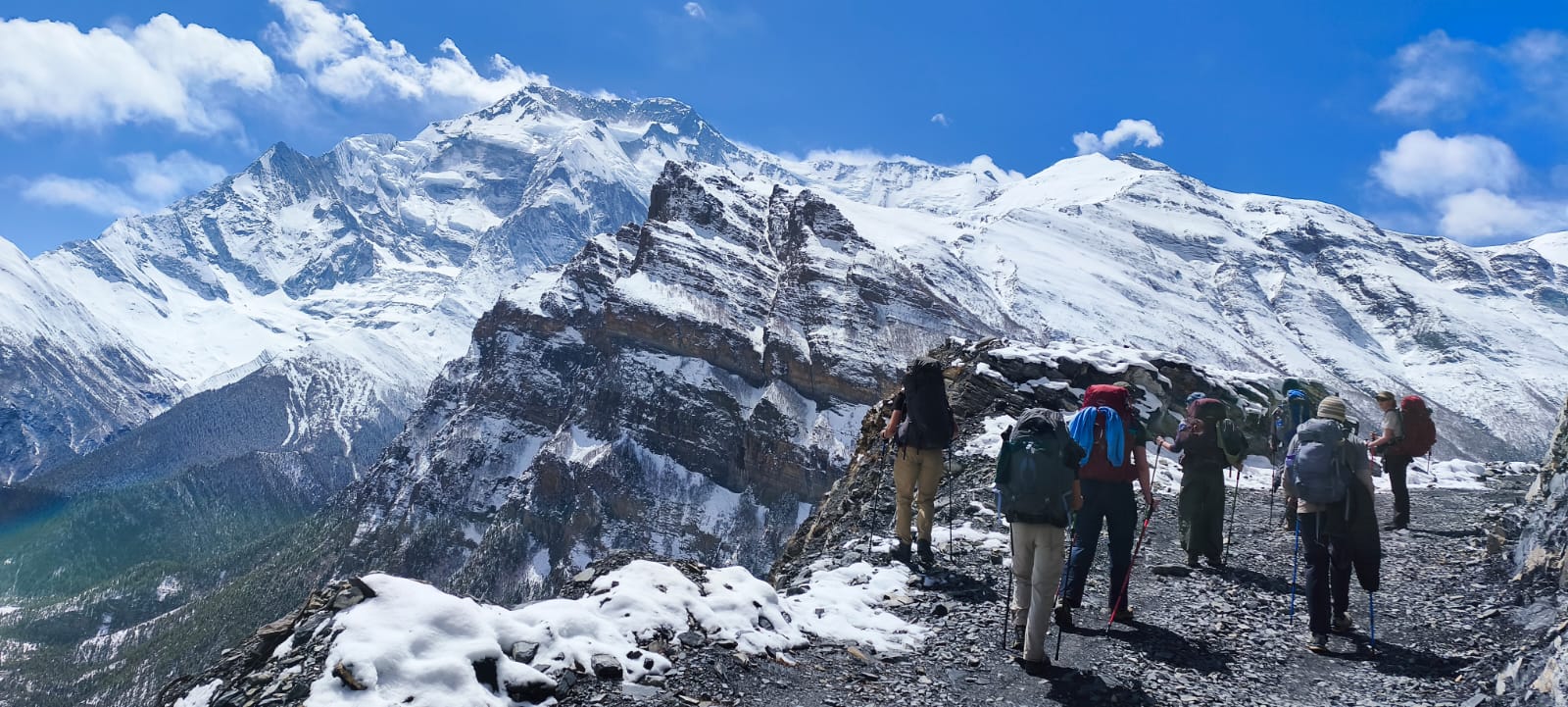
Nepal is not only a travel destination — it is a lifetime adventure in the heart of the Himalayas. Home to the world’s highest mountains, including Mount Everest, Nepal attracts trekkers from around the globe who dream of walking through snowy peaks, peaceful valleys, ancient villages, and colorful Buddhist monasteries. From easy scenic hikes to challenging high-altitude expeditions, trekking in Nepal offers something special for every traveler.
Trekking in Nepal is famous for its stunning mountain views, rich local culture, and unforgettable Himalayan landscapes. Popular trekking regions like the Everest Region, Annapurna Region, Langtang Valley, and Upper Mustang offer unique experiences for nature lovers and adventure seekers. Along the trails, trekkers can explore traditional Sherpa, Gurung, and Tibetan-influenced villages while enjoying warm Himalayan hospitality and local foods.
Choosing the right trek depends on your fitness level, travel time, and adventure goals. The Everest Base Camp Trek is perfect for travelers wanting to experience the world-famous Everest region, while the Annapurna Base Camp Trek combines mountain scenery with diverse landscapes and cultural villages. For quieter trails, the Langtang Valley Trek and Manaslu Circuit Trek offer peaceful paths and authentic local experiences away from busy trekking routes.
Packing proper trekking gear is important for a safe and comfortable journey in Nepal. Essential items include hiking boots, warm clothing, a sleeping bag, trekking poles, a waterproof jacket, sunscreen, and a reusable water bottle. Hiring experienced local guides and porters can also make your trek safer, easier, and more enjoyable, especially in remote Himalayan regions.
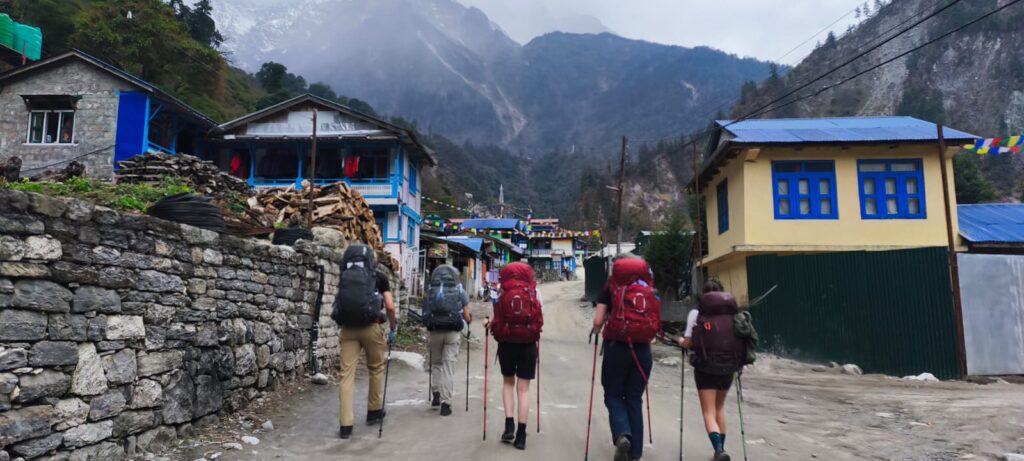
Beyond the mountains, trekking in Nepal is also a cultural journey. Travelers can visit ancient monasteries, spin prayer wheels, cross suspension bridges, and experience local traditions that have remained unchanged for generations. Every trail tells a story of mountain life, spirituality, and adventure.
Whether you dream of reaching Everest Base Camp, exploring hidden Himalayan valleys, or simply walking beneath the world’s tallest peaks, Nepal promises an unforgettable trekking experience filled with natural beauty, adventure, and cultural discovery.
Why Trekking in Nepal:
Before we get into the “how,” let’s talk about the “why.” Trekking in Nepal isn’t just about walking from point to point; it’s about the transformation that happens in between.
- The Scale of the Landscape: Nowhere else on Earth can you stand in a lush rhododendron forest at 2,000m and look up at a wall of ice soaring to over 8,000m.
- The “Teahouse” Culture: Unlike trekking in the Andes or the Alps where you might carry a tent and food, Nepal’s popular trails are dotted with teahouses—local lodges that provide bed, board, and a warm fire.
- Cultural Diversity: You will pass through Hindu foothills, Buddhist highlands, and Sherpa villages, each with its own language, architecture, and traditions.
- Affordability: Compared to European or North American mountain adventures, Nepal offers incredible value for money.
Top Trekking Regions in Nepal
Nepal’s trekking routes are generally categorized by region. Each offers a different flavor of adventure. - The Everest Region (Khumbu)
The “Holy Grail” of trekking. This region is home to the Sherpa people and, of course, the highest peak on Earth.
Everest Base Camp (EBC): The most famous trek. It takes you to the foot of the world’s tallest peak 5,364m.
Gokyo Lakes: A stunning alternative to EBC, featuring turquoise glacial lakes and the viewpoint of Gokyo Ri.
The Three Passes Trek: For the truly adventurous, crossing Kongma La, Cho La, and Renjo La. - The Annapurna Region
The Annapurna region is famous for its diversity—from sub-tropical forests to the high-altitude desert of Mustang.
Annapurna Base Camp (ABC): A shorter trek that brings you into a 360-degree amphitheater of 7,000m and 8,000m peaks.
Annapurna Circuit: Once considered the best trek in the world. Even with road construction, the crossing of Thorong La Pass 5,416m remains a bucket-list achievement.
Poon Hill: A 4-5 day “teaser” trek offering one of the best sunrise views in the Himalayas. - The Langtang Region
The Langtang Region is one of Nepal’s most beautiful trekking areas, located north of Kathmandu near the Tibetan border. Known as the “Valley of Glaciers,” the region offers stunning Himalayan views, alpine forests, glaciers, rivers, and peaceful mountain trails. Trekking in Langtang also provides a wonderful opportunity to experience authentic Tamang culture and Tibetan Buddhist traditions through traditional villages and ancient monasteries. Although the region was heavily affected by the 2015 earthquake, it has made a strong recovery and now welcomes trekkers with rebuilt trails, cozy tea houses, and warm local hospitality. - Manaslu and Restricted Areas
The Manaslu Circuit is one of Nepal’s best off-the-beaten-path trekking adventures, perfect for travelers looking to escape the busy trekking routes. Often called the “new Annapurna Circuit,” this hidden Himalayan trail offers peaceful paths, dramatic mountain scenery, remote villages, and authentic cultural experiences. The trek circles around Mount Manaslu, the world’s eighth-highest mountain, while passing through beautiful forests, rivers, suspension bridges, and high mountain passes.
The Manaslu region is a restricted trekking area, so trekkers need a special permit and must travel with a licensed guide. These rules help protect the region’s natural beauty, local traditions, and unique Tibetan-influenced culture. Along the trail, visitors can explore ancient monasteries, traditional stone villages, and experience warm hospitality from local communities. With fewer crowds, untouched landscapes, and rich mountain culture, the Manaslu Circuit Trek is one of Nepal’s most rewarding and authentic Himalayan journeys.
When to Go: The Best Trekking Seasons
Timing is everything in the Himalayas. The weather dictates your safety and the quality of your views.
Season Months Characteristics
- Spring March – May Peak Season. Warm weather, blooming rhododendrons, and clear mornings. Ideal for high-altitude passes.
- Autumn Sept – Nov Peak Season. The clearest skies and crisp air. Best for photography and distant mountain views.
- Winter Dec – Feb Cold, especially at night. High passes may be closed due to snow, but lower treks like Poon Hill are beautiful and quiet.
- Monsoon June – Aug Rainy and humid. Clouds obscure views, and leeches are common. However, Upper Mustang and Dolpo remain dry as they are in the rain shadow.
Preparing for the Altitude
Altitude sickness, or Acute Mountain Sickness (AMS), is a serious consideration. The air pressure drops as you go higher, meaning there is less oxygen available for your body.
Essential Tips for Acclimatization:
- Walk Slowly: “Bistari, bistari” (slowly, slowly) is the mantra of the Himalayas.
- Stay Hydrated: Drink 3-4 liters of water daily.
- Climb High, Sleep Low: If you do an afternoon hike to a higher point, return to a lower elevation to sleep.
- Know the Symptoms: Headaches, nausea, and loss of appetite are early signs. If they persist, descend immediately.
Essential Gear Checklist
You don’t need to be a gear nerd, but having the right equipment is the difference between a great trek and a miserable one.
Footwear: Broken-in trekking boots and several pairs of merino wool socks.
Layers: A moisture-wicking base layer, a fleece mid-layer, and a high-quality down jacket for evenings.
Shell: A waterproof and windproof Gore-Tex jacket.
Backpack: A 40-50L pack if you’re carrying your own gear, or a small daypack if using a porter.
Accessories: Polarized sunglasses, a warm beanie, trekking poles, and a 4-season sleeping bag (teahouses provide blankets, but they aren’t enough at 4,000m).
Understanding the Costs
Trekking in Nepal can be done on a “shoestring” or in luxury.
Permits: Most treks require a TIMS (Trekkers’ Information Management Systems ) card and a National Park or Conservation Area permit (approx. $30–$50 total).
Daily Budget: On the trail, expect to spend $30–$50 per day on food and lodging. Prices increase with altitude because everything must be carried up by porters or yaks.
Guide and Porter: Hiring a guide ($25–$35/day) or a porter ($20–$25/day) is highly recommended. It supports the local economy and ensures your safety.
Cultural Etiquette and Responsible Trekking
Nepal is a deeply spiritual country. Showing respect will open doors (and hearts).
- The “Namaste“: Use it often. It means “I bow to the divine within you.”
- Clockwise is Key: Always pass Mani walls (prayer stones) and Chortens to the right.
- Dress Modestly: Avoid revealing clothing, especially in villages.
Leave No Trace: Plastic waste is a massive problem. Carry a reusable water bottle and use purification tablets or a filter rather than buying bottled water.
Training for Your Trek
You don’t need to be an Olympic athlete, but you do need “trekking legs.”
Cardio: Start 2-3 months before. Running, swimming, or cycling helps build lung capacity.
Strength: Focus on your quads, glutes, and core.
The Best Practice: Hike! Put on your trekking boots, fill your backpack, and find some local hills.
Conclusion
Trekking in Nepal is a life-changing experience. It challenges your body, clears your mind, and fills your heart with the warmth of the Nepali people. Whether you’re standing at the edge of the Khumbu Glacier or watching the sun hit the peaks of the Annapurna Massif, you’ll realize that the mountains don’t just tower over you—they invite you in.
Are you ready to answer the call of the Himalayas?
Pack your bags, lace up your boots, and head to the roof of the world.
Frequently Asked Questions (FAQs)
1. Do I need a guide for trekking in Nepal?
Hiring a guide for trekking in Nepal is highly recommended and, in many trekking regions, now required by government regulations for traveler safety and better trail management. Popular trekking destinations such as the Manaslu Circuit, Upper Mustang, and Nar Phu Valley require licensed guides and special permits. Even on routes where solo trekking is still possible, such as the Langtang Valley Trek or Mardi Himal Trek, having an experienced local guide greatly improves the trekking experience. Guides provide valuable knowledge about the mountains, culture, weather, trails, and altitude safety while helping trekkers communicate with local communities and navigate remote Himalayan routes. Trekking with a guide also supports local tourism and creates a safer, more enjoyable adventure in Nepal.
2. Can beginners trek in Nepal?
Yes, beginners can absolutely enjoy trekking in Nepal, as there are many easy to moderate Himalayan trails perfect for first-time trekkers and nature lovers. Popular beginner-friendly treks such as the Langtang Valley Trek, Ghorepani Poon Hill Trek, and Mardi Himal Trek offer stunning mountain views, comfortable teahouse accommodation, beautiful forests, and authentic local culture without requiring technical climbing skills. These trekking routes have manageable walking distances and lower altitudes compared to more challenging Himalayan adventures like the Everest Base Camp Trek. With basic fitness, proper preparation, and a steady walking pace, beginners can safely experience the beauty of Nepal’s mountains while enjoying unforgettable Himalayan scenery and warm local hospitality.
3. How hard is EBC?
The Everest Base Camp Trek is considered a moderate to challenging Himalayan adventure, mainly because of the high altitude and long trekking days rather than technical climbing. The trail includes steep uphill and downhill walks, rocky mountain paths, suspension bridges, and thin mountain air as trekkers gradually reach elevations above 5,000 meters. Good physical fitness, proper acclimatization, and a slow, steady pace are essential for completing the trek safely and comfortably. No mountaineering skills are required, making the Everest Base Camp Trek suitable for both experienced trekkers and determined beginners with good preparation. With breathtaking views of Mount Everest, Sherpa villages, and stunning Himalayan landscapes, the journey is one of the most rewarding trekking experiences in Nepal.
4. Is winter trekking possible?
Yes, winter trekking in Nepal is possible and can be a wonderful experience for travelers who enjoy peaceful trails, clear mountain views, and snowy Himalayan landscapes. Lower-altitude trekking routes such as the Ghorepani Poon Hill Trek, Langtang Valley Trek, and lower sections of the Annapurna Region remain popular during winter. The season offers quiet trekking trails, beautiful snow-covered villages, and excellent visibility of the Himalayan peaks. However, high mountain passes and remote routes like the Thorong La Pass and other high-altitude crossings may experience heavy snowfall, extreme cold, and temporary closures due to weather conditions. Trekkers planning a winter adventure in Nepal should pack warm clothing, proper winter gear, and prepare for colder temperatures, especially during mornings and nights in the mountains.
5. How do I get to the trekking starts?
Most trekking adventures in Nepal begin with a scenic flight or an overland drive from Kathmandu. Popular Himalayan treks such as the Everest Base Camp Trek usually start with a thrilling mountain flight from Kathmandu/ Ramechhap to Lukla Airport, known as the gateway to the Everest region. Other famous trekking routes like the Annapurna Circuit and Manaslu Circuit typically begin after a bus or jeep ride to places such as Besisahar or Machha Khola. Annapurna Base Camp and Ghorepani Poon Hill Trek begins from Pokhara. Some treks in regions like Langtang can be reached by a comfortable road journey from Kathmandu. Traveling to the trailhead is also part of the adventure, offering beautiful views of hills, rivers, mountain villages, and rural landscapes across Nepal.
6. Is the food safe?
Yes, food in Nepal’s trekking regions is generally safe and freshly prepared in local teahouses and mountain lodges. One of the best and most recommended meals during trekking is Dal Bhat, the traditional Nepali dish made with lentil soup, rice, vegetables, and curry. Known as the “Trekker’s Fuel,” Dal Bhat is nutritious, hygienic, energy-rich, and perfect for long days of hiking in the Himalayas. It is usually cooked fresh and often comes with free refills, making it a favorite meal among trekkers in popular regions like the Everest Base Camp Trek and Annapurna Region. To stay healthy during your trek in Nepal, it is also recommended to drink purified water, avoid uncooked foods at high altitudes, and choose busy teahouses with good hygiene standards.
7. Wi-Fi and charging facilities?
Wi-Fi and charging facilities are available in most trekking regions of Nepal, especially on popular routes like the Everest Base Camp Trek, Annapurna Base Camp Trek, and the Langtang Region. Most teahouses and lodges provide internet access and battery charging services for an extra fee, usually around $2 to $5 depending on the location and altitude.
In lower trekking areas, Wi-Fi connections are generally stable and mobile networks work well. However, as you climb to higher altitudes and remote mountain villages, internet speed becomes slower and connections may be unreliable due to weather and limited infrastructure. Charging electronic devices is also more expensive in higher regions because electricity often comes from solar power.
To stay prepared during your Himalayan trek, it is recommended to carry a power bank, extra batteries, and offline maps. Many trekkers also buy local SIM cards for better network coverage in the mountains. Even with limited connectivity, trekking in Nepal offers a wonderful opportunity to disconnect from busy city life and fully enjoy the beauty of the Himalayas.
Ramchandra Lamichhane
Trekking Expert
No hidden fees • Local experts • Best price guarantee