
Best Hiking Destinations in Nepal
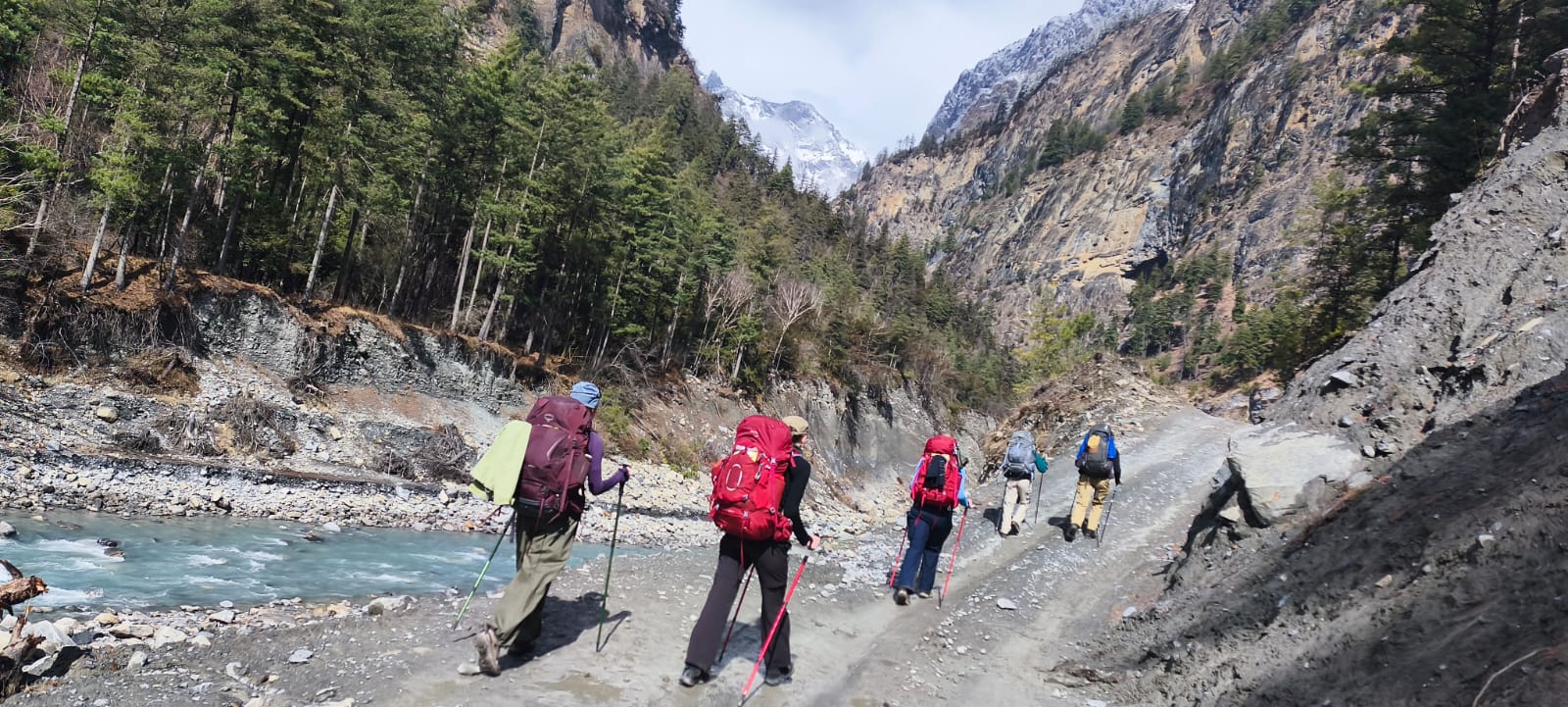
Nepal is a dream destination for outdoor enthusiasts, offering some of the world’s most spectacular hiking experiences. While the country is famous for its challenging Himalayan treks, it also boasts numerous hiking trails that can be completed in a day or over a few days. These routes lead through lush forests, traditional villages, terraced farmlands, and scenic hilltops, providing incredible mountain views without requiring weeks of trekking.
Whether you are a beginner looking for an easy hike near Kathmandu or an experienced hiker seeking breathtaking Himalayan panoramas, Nepal has something for everyone. Here are some of the best hiking destinations in Nepal that combine beautiful trails, stunning mountain views, and unforgettable adventures.
What Makes Nepal One of the Best Hiking Destinations in the World?
Nepal is often associated with Mount Everest and high-altitude trekking, but the country’s hiking opportunities are equally remarkable. From the foothills of the Himalayas to remote mountain villages and lush forests, Nepal offers an incredible variety of landscapes within relatively short distances. This diversity makes it possible for travelers to enjoy memorable hiking experiences regardless of their fitness level, available time, or trekking experience.
One of the biggest advantages of hiking in Nepal is the accessibility of stunning mountain views. Unlike many countries where reaching impressive viewpoints requires strenuous climbs, Nepal offers numerous hiking routes that provide breathtaking panoramas after only a few hours of walking. Hikers can witness snow-capped peaks, rolling hills, deep valleys, and traditional settlements all within a single journey.
The cultural aspect of hiking in Nepal is another major attraction. Many trails pass through villages inhabited by different ethnic communities, including Gurung, Tamang, Sherpa, Magar, Newar, and Hyolmo people. Visitors can experience local traditions, taste authentic Nepalese cuisine, and learn about centuries-old customs while exploring the countryside.
Furthermore, Nepal’s natural beauty changes dramatically throughout the year. Spring brings colorful rhododendron blooms, summer transforms the hills into lush green landscapes, autumn offers crystal-clear mountain views, and winter provides peaceful trails with fewer visitors. This year-round appeal makes Nepal an excellent destination for hiking adventures in every season.
Benefits of Hiking in Nepal
Hiking in Nepal offers much more than scenic mountain views. It is an activity that combines physical exercise, mental relaxation, cultural exploration, and outdoor adventure.
Physical Health Benefits
Hiking helps improve cardiovascular fitness, strengthens muscles, and increases endurance. Walking on varied terrain challenges different muscle groups while providing an enjoyable alternative to indoor workouts. The fresh mountain air and natural environment also contribute to overall well-being.
Mental Wellness
Spending time in nature has been proven to reduce stress and improve mental clarity. The peaceful forests, flowing rivers, and majestic mountain scenery found throughout Nepal create an ideal setting for relaxation and mindfulness. Many hikers return feeling refreshed and rejuvenated after spending time on the trails.
Cultural Discovery
Unlike hiking destinations that focus solely on nature, Nepal offers a unique blend of culture and adventure. Visitors often encounter ancient temples, monasteries, prayer flags, and traditional villages along their routes. These experiences add depth and meaning to every hiking journey.
Photography Opportunities
Nepal is a paradise for photographers. From golden sunrises over the Himalayas to colorful village life and dramatic landscapes, hikers have endless opportunities to capture unforgettable images.
Hiking vs Trekking in Nepal
Many travelers use the terms hiking and trekking interchangeably, but there are some differences.
Hiking generally refers to shorter walks that can be completed within a day or a few days. Hiking trails are usually more accessible and require less preparation.
Trekking, on the other hand, involves longer journeys through remote regions and often includes overnight stays in mountain lodges or camps. Treks such as Everest Base Camp, Annapurna Circuit, and Kanchenjunga Circuit require greater physical endurance and logistical planning.
For travelers with limited time, hiking offers an excellent way to experience Nepal’s natural beauty without committing to a lengthy expedition.
Hiking Near Kathmandu
Kathmandu Valley serves as an ideal starting point for several outstanding hiking adventures. Travelers can escape the city’s hustle and bustle within a short drive and find themselves surrounded by forests, hills, and mountain views.
Nagarkot Hiking Trail
The Nagarkot Hiking Trail is one of the most iconic short hiking experiences near Kathmandu Valley, offering a perfect blend of Himalayan panoramas, peaceful countryside walks, and cultural heritage. Located at an elevation of 2,175 meters, Nagarkot is widely known as one of the best viewpoints in Nepal to witness sunrise and sunset over the Himalayan range.
The hike is especially famous for the scenic route from Nagarkot to Changu Narayan, a UNESCO World Heritage Site. This trail provides a refreshing walking experience through quiet pine forests, terraced farmlands, and traditional Newari villages. Along the way, hikers can observe rural lifestyle practices, ancient stone houses, and beautifully preserved cultural settlements that reflect the deep heritage of the Kathmandu Valley.
One of the main attractions of Nagarkot is its breathtaking Himalayan panorama. On clear days, the viewpoint offers wide-angle views stretching from Mount Everest in the east to the Annapurna range in the west, including Langtang, Ganesh Himal, Dorje Lakpa, and other snow-covered peaks. The early morning sunrise is particularly magical, as the golden light slowly spreads across the entire mountain range, creating unforgettable scenery.
The trail itself is relatively easy and suitable for all types of travelers, making it a popular choice for families, beginners, and photography enthusiasts. The walk is peaceful and well-balanced, combining natural beauty with cultural encounters and refreshing hilltop air.
Nagarkot is also a great weekend getaway from Kathmandu due to its accessibility and comfortable accommodations. Many visitors choose to stay overnight to enjoy both sunset and sunrise views, adding more depth to the hiking experience.
Highlights
- Panoramic Himalayan views from Everest to Annapurna range
- Famous sunrise and sunset viewpoint at Nagarkot
- Scenic Nagarkot to Changu Narayan hiking trail
- UNESCO World Heritage Site: Changu Narayan Temple
- Easy and beginner-friendly hiking route
- Peaceful walk through forests, fields, and villages
- Ideal short hiking escape from Kathmandu Valley
- Perfect for photography, nature lovers, and weekend travelers
Shivapuri National Park Hike
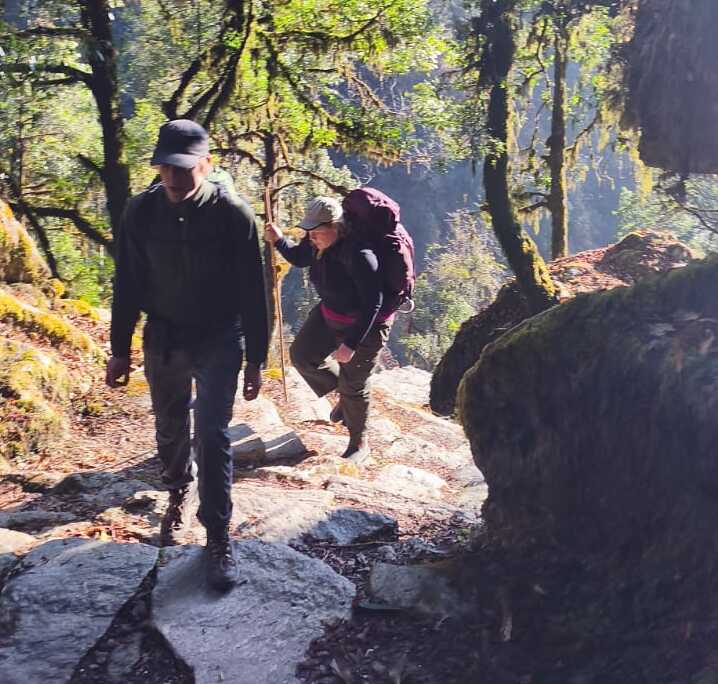
Shivapuri National Park Hike is one of the most popular nature escapes near Kathmandu, offering a perfect combination of dense forest trails, rich biodiversity, and panoramic Himalayan views. Located on the northern edge of the Kathmandu Valley, the park is a protected area that plays an important role in preserving water sources, wildlife, and natural ecosystems.
The hike usually begins from Budhanilkantha or Sundarijal, where well-marked trails lead deep into the forest. As hikers ascend, the environment becomes increasingly peaceful, with fresh mountain air, flowing streams, and shaded paths surrounded by oak, pine, and rhododendron trees. The area is especially known for its calm atmosphere, making it ideal for those seeking relaxation away from the city.
Along the way, trekkers can explore monasteries, small settlements, and natural water sources that reflect the cultural and ecological importance of the region. Shivapuri is also a prime destination for birdwatching, with many native and migratory species found throughout the year.
At higher elevations, the trail opens up to stunning viewpoints overlooking the entire Kathmandu Valley. On clear days, hikers are rewarded with sweeping views of the Langtang range, Ganesh Himal, Dorje Lakpa, and other snow-capped peaks in the distance. The combination of forest serenity and Himalayan scenery makes the hike especially rewarding.
The Shivapuri hike is suitable for both beginners and experienced hikers, and it can be completed as a half-day or full-day trip depending on the route.
Highlights
- Protected Shivapuri Nagarjun National Park forest trails
- Rich birdlife and diverse wildlife
- Peaceful nature escape close to Kathmandu
- Panoramic views of Kathmandu Valley and Himalayas
- Scenic waterfalls, streams, and green landscapes
- Ideal short day hike for all fitness levels
Dhulikhel to Namobuddha Hike
The Dhulikhel to Namobuddha Hike is a peaceful and culturally enriching trail that blends Himalayan scenery with deep spiritual significance. Starting from the historic town of Dhulikhel, known for its traditional Newari architecture and sweeping mountain views, the route gradually winds through terraced hills, forested ridges, and charming rural settlements.
As you leave Dhulikhel, the trail offers beautiful views of the surrounding hills and distant Himalayan ranges, especially during clear mornings. The path then passes through quiet countryside landscapes where farmers work in terraced fields and local villagers continue age-old traditions. This section of the hike is particularly enjoyable for those who want to experience authentic rural life in Nepal.
The destination, Namobuddha, is one of the most sacred Buddhist pilgrimage sites in the country. According to legend, it is the place where Lord Buddha, in a past life, offered his body to a starving tigress and her cubs, symbolizing ultimate compassion and sacrifice. Today, the serene Thrangu Tashi Yangtse Monastery stands here, attracting monks, pilgrims, and visitors from around the world.
The peaceful atmosphere of Namobuddha, combined with panoramic views of the Himalayas and surrounding hills, makes this hike both spiritually uplifting and visually rewarding. It is an easy to moderate day hike, ideal for travelers seeking culture, nature, and tranquility in a single journey.
Highlights
- Scenic walk from Dhulikhel through hills and villages
- Visit the sacred Namobuddha monastery
- Stunning views of Himalayan ranges on clear days
- Rich Newari and rural cultural experience
- Peaceful spiritual environment and Buddhist heritage
- Easy and accessible day hike from Kathmandu Valley
Chisapani Hike

The Chisapani Hike is one of the most rewarding short trekking experiences near Kathmandu, offering a perfect mix of nature, mountain views, and cultural exploration. Located within the lush Shivapuri Nagarjun National Park, Chisapani is a peaceful hilltop destination that provides a refreshing escape from the busy city life while still being easily accessible from Kathmandu.
The journey usually begins from Sundarijal, where the trail immediately enters dense forest and follows stone steps, rivers, and natural water channels. As hikers ascend, the environment becomes quieter and more scenic, with rhododendron, oak, and pine forests dominating the landscape. Along the way, visitors may encounter small settlements and traditional villages inhabited by Tamang and other hill communities, offering a glimpse into rural life near the capital.
Chisapani is especially famous for its wide Himalayan panorama. From the ridge, trekkers can enjoy stunning views of the Langtang range, Ganesh Himal, Dorje Lakpa, Gaurishankar, and on exceptionally clear days, even Mount Everest. Sunrise and sunset views from Chisapani are particularly beautiful, as the golden light spreads across the snow-capped peaks and rolling hills.
The hike is also rich in biodiversity, as Shivapuri National Park is home to a variety of wildlife and bird species. The peaceful forest environment makes it a great choice for nature lovers, photographers, and birdwatchers.
Depending on the pace and itinerary, the Chisapani hike can be done as a 1 to 3-day trek and is often combined with routes to Nagarkot or Dhulikhel for extended Himalayan viewing experiences.
Highlights
- Panoramic views of Langtang, Ganesh Himal, and Everest range
- Trek through Shivapuri Nagarjun National Park forests
- Peaceful sunrise and sunset viewpoints
- Easy access from Kathmandu via Sundarijal
- Rich birdlife and natural biodiversity
- Traditional Tamang villages and local culture
- Ideal 1–3 day short trek near Kathmandu
Helambu Hiking Route
The Helambu Hiking Route is one of the most rewarding short-to-medium trekking experiences near Kathmandu, offering a perfect blend of Himalayan scenery, rich cultural heritage, and peaceful trails. Located in the northeastern hills of the Kathmandu Valley, the Helambu region is home to the Hyolmo (Yolmo) and Sherpa communities, known for their unique traditions, Buddhist culture, and warm hospitality.
Unlike the more crowded trekking routes of Nepal, Helambu remains relatively quiet, making it an ideal destination for travelers seeking solitude and an authentic cultural experience. The trail passes through charming villages, terraced farmlands, rhododendron and oak forests, and rolling green hills, creating a diverse and constantly changing landscape.
One of the main attractions of the Helambu region is its stunning Himalayan scenery. On clear days, trekkers can enjoy magnificent views of the Langtang range, Dorje Lakpa, Ganesh Himal, and other snow-capped peaks. The early morning light often creates a magical atmosphere as the mountains glow above the peaceful valleys below.
Culturally, Helambu is deeply rooted in Tibetan Buddhism. Along the route, visitors encounter ancient monasteries, prayer flags, mani walls, and chortens that reflect the spiritual lifestyle of the local communities. Villages such as Tarke Ghyang, Sermathang, and Melamchi Gaon offer insight into traditional mountain life, with stone houses, terraced fields, and welcoming locals.
The Helambu trek is also considered one of the more accessible trekking routes from Kathmandu, making it suitable for both beginners and experienced hikers. Depending on the itinerary, it can be completed in a few days or extended into a longer cultural trekking journey.
With its peaceful trails, rich traditions, and beautiful mountain views, Helambu offers a truly immersive Himalayan experience without the crowds.
Highlights
- Scenic views of Langtang, Dorje Lakpa, and Ganesh Himal
- Rich Sherpa and Hyolmo Buddhist culture
- Ancient monasteries, chortens, and prayer flags
- Peaceful and less-crowded trekking routes
- Beautiful forests, terraced fields, and hill landscapes
- Traditional villages like Tarke Ghyang and Sermathang
- Easily accessible from Kathmandu
- Ideal mix of nature, culture, and light trekking experience
Phulchoki Hike
The Phulchoki Hike is one of the most rewarding day hiking experiences near Kathmandu, leading to the highest hill surrounding the Kathmandu Valley at 2,782 meters. Known for its rich biodiversity, dense forests, and sweeping mountain views, Phulchoki is a perfect destination for nature lovers, birdwatchers, and hikers looking for a peaceful escape from the city.
The trail to Phulchoki begins from the Godawari area and gradually ascends through lush subtropical forests that later transform into dense oak, rhododendron, and pine woodlands. The hike is especially famous for its incredible variety of flora and fauna. Depending on the season, the forest is filled with blooming rhododendrons, wild orchids, and colorful wildflowers, creating a vibrant natural landscape throughout the journey.
Phulchoki is considered one of the best birdwatching spots in Nepal, home to hundreds of bird species including both resident and migratory varieties. The calm and quiet forest environment makes it an excellent place for observing wildlife and enjoying the sounds of nature.
As hikers reach the summit, they are rewarded with breathtaking panoramic views. On clear days, the entire Kathmandu Valley can be seen stretching below, along with distant Himalayan peaks such as Langtang, Ganesh Himal, Gaurishankar, and other snow-covered mountains. The viewpoint near the Phulchoki Mai Temple adds a spiritual touch to the experience, making the journey both scenic and meaningful.
The hike is moderately challenging but suitable for most hikers with a reasonable fitness level. It is best enjoyed during spring and autumn when the weather is clear and the forest is at its most beautiful.
Highlights
- Highest hill around Kathmandu Valley (2,782 m)
- Dense forests of rhododendron, oak, and pine
- Excellent birdwatching and wildlife spotting
- Panoramic views of Kathmandu Valley and Himalayas
- Beautiful spring wildflowers and rhododendrons
- Sacred Phulchoki Mai Temple at the summit
- Peaceful and nature-rich hiking experience
- Ideal day hike from Kathmandu
Kakani Hike
Located just northwest of Kathmandu, the Kakani Hike is one of the most refreshing and easily accessible day hiking destinations near the capital. Known for its wide-open mountain views, peaceful pine forests, and cool climate, Kakani is an ideal escape from the busy city life. The hike offers a perfect combination of nature, culture, and relaxation, making it especially popular among beginners, families, and weekend travelers.
The trail to Kakani passes through gentle uphill paths, small villages, and green countryside landscapes. Along the way, hikers can enjoy the calm atmosphere of rural Nepal while observing traditional lifestyles and terraced farmlands. The surrounding forested areas, filled with pine and rhododendron trees, create a peaceful environment that enhances the overall hiking experience.
At the main viewpoint, Kakani rewards visitors with sweeping Himalayan panoramas. On clear days, the majestic peaks of Ganesh Himal, Langtang, Manaslu, and even distant sections of the Annapurna range can be seen stretching across the horizon. The sunrise and sunset views from Kakani are particularly stunning, as the golden light slowly illuminates the snowy peaks.
Kakani is also well known for its local strawberry farms, seasonal flowers, and fresh mountain air. During certain times of the year, visitors can enjoy fresh strawberries and locally produced food, adding a unique flavor to the hike. The area is also a great spot for picnics and short retreats, with several viewpoints and resting areas along the route.
Because of its easy accessibility from Kathmandu and short hiking duration, Kakani is one of the best options for a quick nature getaway without requiring extensive trekking preparation.
Highlights
- Panoramic views of Langtang, Ganesh Himal, and Manaslu ranges
- Easy and beginner-friendly hiking trails
- Peaceful pine forests and countryside scenery
- Beautiful sunrise and sunset viewpoints
- Short and convenient day hike from Kathmandu
- Fresh strawberries and seasonal local produce
- Ideal for picnics, photography, and weekend relaxation
Champadevi Hike
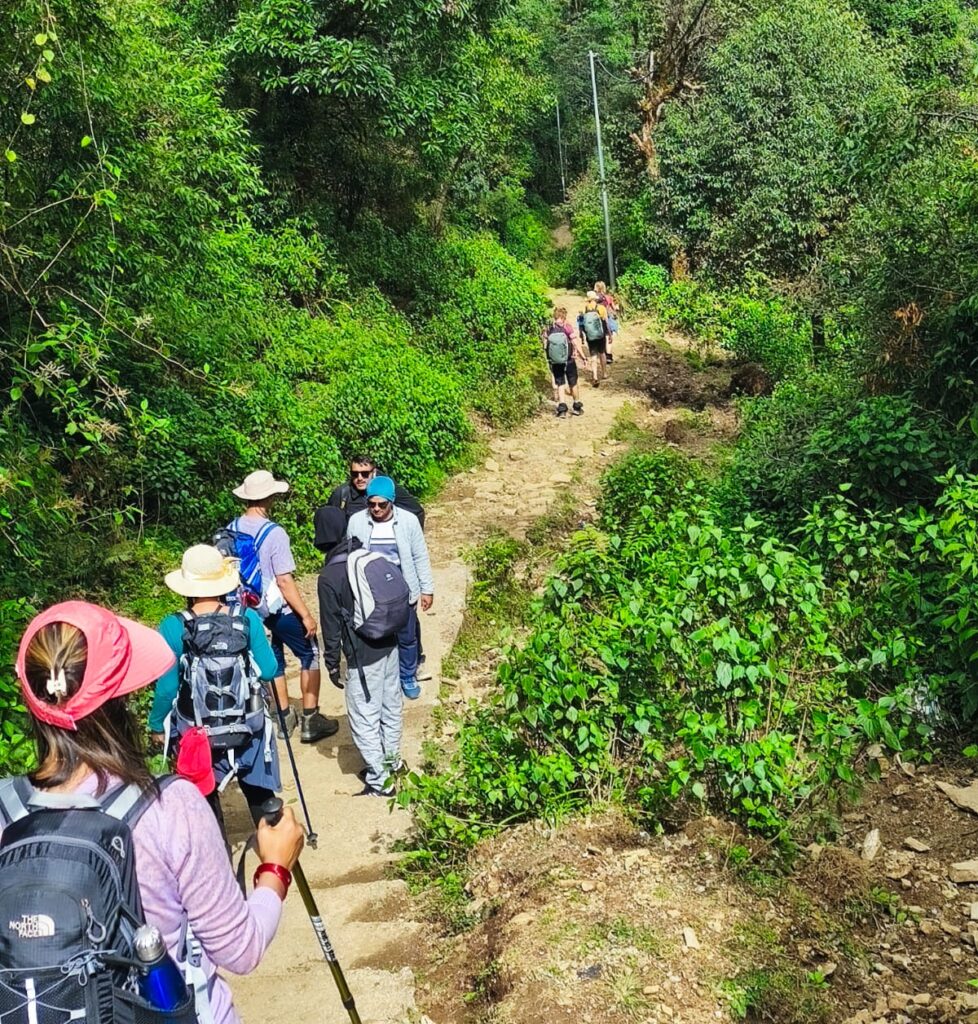
Champadevi Hike is one of the most rewarding short hiking experiences near Kathmandu, offering a perfect blend of nature, culture, and panoramic mountain views. Located on the southwestern rim of Kathmandu Valley, the trail leads to the summit of Champadevi Hill at 2,285 meters (7,497 feet), the third-highest hill surrounding the valley.
The hike usually begins from Pharping or Hattiban Resort and follows a scenic route through lush pine and rhododendron forests, peaceful ridgelines, and traditional settlements. Along the way, hikers can enjoy the tranquility of the forest, spot various bird species, and experience the natural beauty of the valley’s southern hills.
At the summit, visitors are rewarded with breathtaking panoramic views of Kathmandu Valley, as well as distant Himalayan peaks including Langtang, Ganesh Himal, Dorje Lakpa, and Gaurishankar on clear days. The hill is also home to a small Buddhist stupa and holds religious significance for both Hindus and Buddhists.
Champadevi is an excellent choice for those seeking a moderate day hike close to Kathmandu. The combination of forest trails, fresh mountain air, cultural landmarks, and stunning viewpoints makes it a popular destination for nature lovers, photographers, and weekend adventurers alike.
Highlights
- Quiet and less crowded trail
- Scenic forest environment
- Excellent city and mountain views
- Perfect for a day trip
Balthali Village Hike
Balthali Village is one of the most charming rural hiking destinations near Kathmandu, offering a perfect escape from the city’s busy atmosphere. Nestled amidst lush forests, terraced farmlands, and rolling green hills, this peaceful village provides an authentic glimpse into traditional Nepali countryside life.
The hike to Balthali takes visitors through scenic trails lined with rice fields, orange orchards, and small settlements inhabited by local communities. Along the way, hikers can enjoy panoramic views of the surrounding valleys and, on clear days, distant Himalayan peaks including parts of the Langtang and Jugal mountain ranges.
One of the highlights of the Balthali Village Hike is the opportunity to experience the rich culture and warm hospitality of the local people. Traditional houses, ancient temples, and centuries-old farming practices offer insight into the region’s unique heritage. The tranquil environment makes it an excellent destination for families, beginner hikers, photographers, and travelers seeking a relaxing outdoor experience.
The trails are generally easy to moderate, making the hike suitable for all age groups and fitness levels. Visitors can explore nearby villages such as Panauti and Khopasi, visit local monasteries, or simply enjoy the peaceful natural surroundings.
Whether you are interested in nature, culture, photography, or simply a quiet day away from the city, the Balthali Village Hike offers a rewarding experience that combines beautiful landscapes with authentic rural Nepalese charm.
Highlights
- Traditional countryside atmosphere
- Easy and relaxing trails
- Cultural experiences
- Stunning landscape photography
Hiking Near Pokhara
Pokhara is widely regarded as Nepal’s adventure capital and serves as a gateway to numerous hiking destinations.
World Peace Pagoda Hike
The World Peace Pagoda Hike is one of the most rewarding short hikes in Pokhara, combining natural beauty, cultural significance, and spectacular mountain views. Located on a hilltop overlooking Phewa Lake, the World Peace Pagoda is a striking white Buddhist stupa built to promote peace and harmony around the world.
The hike typically begins from the lakeside area of Pokhara and follows scenic trails through lush forests, small villages, and terraced farmland. Many hikers choose to cross Phewa Lake by boat before starting the ascent, adding an extra layer of adventure to the journey. As the trail climbs gradually uphill, visitors are treated to beautiful views of the lake and surrounding hills.
Upon reaching the summit, hikers are rewarded with breathtaking panoramic vistas. The viewpoint offers stunning views of Phewa Lake, Pokhara Valley, and the snow-capped peaks of the Annapurna and Dhaulagiri ranges. The peaceful atmosphere surrounding the pagoda makes it an ideal place for relaxation, photography, meditation, and enjoying the natural beauty of the region.
The hike is suitable for most fitness levels and can be completed as a half-day excursion, making it one of the most popular outdoor activities in Pokhara. Whether you are a nature lover, photographer, or cultural traveler, the World Peace Pagoda Hike provides a memorable experience that showcases the best of Pokhara’s landscapes and spiritual heritage.
Highlights of World Peace Pagoda Hike
• Enjoy a scenic hike through forests, villages, and terraced hillsides.
• Visit the iconic World Peace Pagoda, one of Pokhara’s most famous landmarks.
• Experience a peaceful and spiritual atmosphere at the hilltop stupa.
• Admire panoramic views of Phewa Lake and Pokhara Valley.
• Witness breathtaking mountain vistas of Annapurna, Machhapuchhre, and Dhaulagiri.
• Option to combine the hike with a relaxing boat ride across Phewa Lake.
• Excellent opportunities for photography and nature observation.
• Suitable for beginners, families, and casual hikers.
• Perfect half-day hiking adventure near Pokhara.
• Enjoy spectacular sunrise or sunset views from the viewpoint.
Dhampus Hike
The Dhampus Hike is one of the most popular short hiking experiences in the Annapurna region, offering a perfect combination of stunning mountain scenery, cultural immersion, and easy accessibility. Located just a short drive from Pokhara, Dhampus is a picturesque Gurung village perched on a hillside overlooking lush valleys and the magnificent Himalayan range.
The trail passes through beautiful terraced fields, rhododendron forests, and traditional settlements, allowing hikers to experience the natural beauty and rural lifestyle of Nepal. Along the way, visitors can observe local farming activities, interact with friendly villagers, and gain insight into the unique culture and traditions of the Gurung community.
One of the main attractions of the Dhampus Hike is the spectacular mountain panorama. From the village and surrounding viewpoints, hikers can enjoy breathtaking views of Annapurna South, Machhapuchhre (Fishtail), Hiunchuli, Lamjung Himal, and other snow-capped peaks. The sunrise and sunset views over the Himalayas are particularly memorable, making Dhampus a favorite destination for photographers and nature lovers.
The hike is relatively easy and suitable for beginners, families, and travelers with limited time. Comfortable teahouses and lodges along the route provide cozy accommodations and delicious local meals, allowing visitors to enjoy an authentic Himalayan experience without the challenges of a long trek.
Whether you are looking for a peaceful day hike, a cultural getaway, or a short introduction to trekking in Nepal, the Dhampus Hike offers an unforgettable journey through some of the most beautiful landscapes in the Annapurna region.
Highlights of Dhampus Hike
- Experience a scenic hike through terraced fields, forests, and traditional villages.
- Visit the charming Gurung village of Dhampus and learn about local culture and traditions.
- Enjoy panoramic views of Annapurna South, Machhapuchhre (Fishtail), Hiunchuli, and Lamjung Himal.
- Witness spectacular sunrise and sunset views over the Himalayas.
- Interact with friendly local communities and experience authentic village life.
- Stay in comfortable teahouses with traditional Nepali hospitality.
- Excellent opportunities for landscape and cultural photography.
- Suitable for beginners, families, and hikers of all ages.
- Easily accessible from Pokhara, making it an ideal short hiking destination.
- Enjoy a rewarding Himalayan experience without committing to a long trek.
Panchase Hike
The Panchase Hike is a hidden gem in the Pokhara region, offering a peaceful alternative to the more crowded trekking routes of Nepal. Centered around Panchase Hill, this scenic hiking destination is known for its rich biodiversity, stunning Himalayan panoramas, and authentic rural culture. The hike is ideal for travelers seeking a quiet nature experience while still enjoying some of the finest mountain views in the country.
The trail winds through lush forests filled with rhododendron, oak, and pine trees, as well as terraced farmlands and traditional villages inhabited by Gurung and Brahmin communities. Along the route, hikers can observe local agricultural practices, visit small temples, and experience the warm hospitality of the villagers.
The highlight of the hike is reaching Panchase Peak, which stands at an elevation of approximately 2,500 meters. From the summit, visitors are rewarded with breathtaking panoramic views of some of Nepal’s most iconic mountain ranges. On clear days, the snow-capped peaks of Annapurna, Dhaulagiri, Machhapuchhre (Fishtail), Manaslu, and Lamjung Himal dominate the horizon, creating an unforgettable Himalayan panorama.
Panchase is also recognized as an important ecological area, home to diverse wildlife, colorful bird species, and a wide variety of flowering plants. During spring, the forests come alive with blooming rhododendrons, adding vibrant colors to the landscape.
The hike is generally easy to moderate and can be completed as a day hike or a short overnight adventure. Its combination of natural beauty, cultural richness, and tranquility makes Panchase one of the best short hiking destinations near Pokhara.
Highlights of Panchase Hike
- Hike through peaceful forests, terraced farmland, and traditional mountain villages.
- Enjoy panoramic views of Annapurna, Dhaulagiri, Machhapuchhre, Manaslu, and Lamjung Himal.
- Reach Panchase Peak, one of the finest viewpoints in the Pokhara region.
- Experience a less-crowded hiking trail away from the busy trekking routes.
- Discover the rich biodiversity of the Panchase Conservation Area.
- Observe colorful rhododendron blooms during the spring season.
- Encounter diverse birdlife and native Himalayan flora.
- Visit local temples and sacred sites with cultural and spiritual significance.
- Interact with friendly local communities and experience authentic rural life.
- Ideal for nature lovers, photographers, birdwatchers, and beginner hikers.
- Suitable as a day hike or a short overnight trekking adventure from Pokhara.
- Witness spectacular sunrise and sunset views over the Himalayan range.
Sarangkot Hike
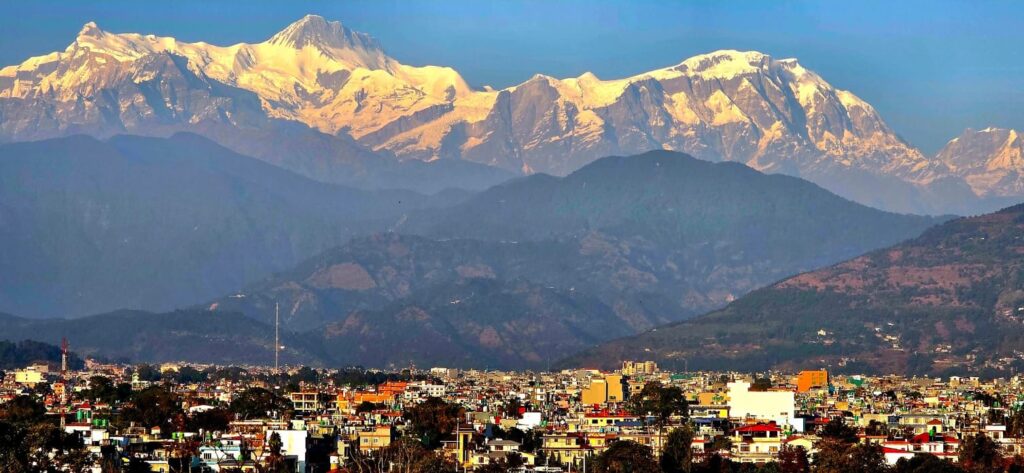
The Sarangkot Hike is one of the most popular and rewarding short hiking adventures in Pokhara. Perched at an elevation of approximately 1,600 meters, Sarangkot is renowned for offering some of the finest sunrise and mountain views in Nepal. The hike provides a perfect combination of natural beauty, cultural encounters, and panoramic Himalayan scenery, making it an ideal choice for travelers of all ages and fitness levels.
The trail typically begins from the Lakeside area of Pokhara and gradually ascends through traditional villages, terraced farmlands, and forested hillsides. Along the way, hikers can observe local rural life, interact with friendly villagers, and enjoy beautiful views of the surrounding landscapes.
The main attraction of the hike is the famous Sarangkot viewpoint. Before dawn, visitors gather at the summit to witness a spectacular sunrise over the Himalayas. As the first rays of sunlight illuminate the snow-capped peaks, the Annapurna range, Dhaulagiri, Machhapuchhre (Fishtail), Manaslu, and other mountains glow in shades of gold and orange, creating a truly unforgettable sight.
Beyond the mountain views, Sarangkot also offers stunning vistas of Phewa Lake, Pokhara Valley, and the rolling hills that surround the city. The viewpoint is equally impressive during sunset, when the changing colors of the sky create a dramatic backdrop for the Himalayan landscape.
The hike is relatively short and easy, making it perfect for travelers who want to experience the beauty of the Himalayas without committing to a multi-day trek. It can be completed as a half-day excursion and is often combined with photography tours, birdwatching, or paragliding activities.
Highlights
- Witness one of Nepal’s most spectacular sunrise views over the Himalayas.
- Enjoy panoramic views of Annapurna, Dhaulagiri, Machhapuchhre (Fishtail), Manaslu, and other peaks.
- Admire breathtaking vistas of Phewa Lake and Pokhara Valley.
- Hike through traditional villages, terraced fields, and forested trails.
- Experience local culture and rural mountain lifestyles.
- Excellent photography opportunities throughout the hike.
- One of the best short hiking destinations near Pokhara.
- Suitable for beginners, families, and hikers with limited time.
- Enjoy beautiful sunset views from the viewpoint.
- Opportunity to combine the hike with paragliding and other adventure activities.
- Easily accessible from Pokhara Lakeside.
- Perfect half-day hiking experience with stunning Himalayan scenery.
Australian Camp Hike
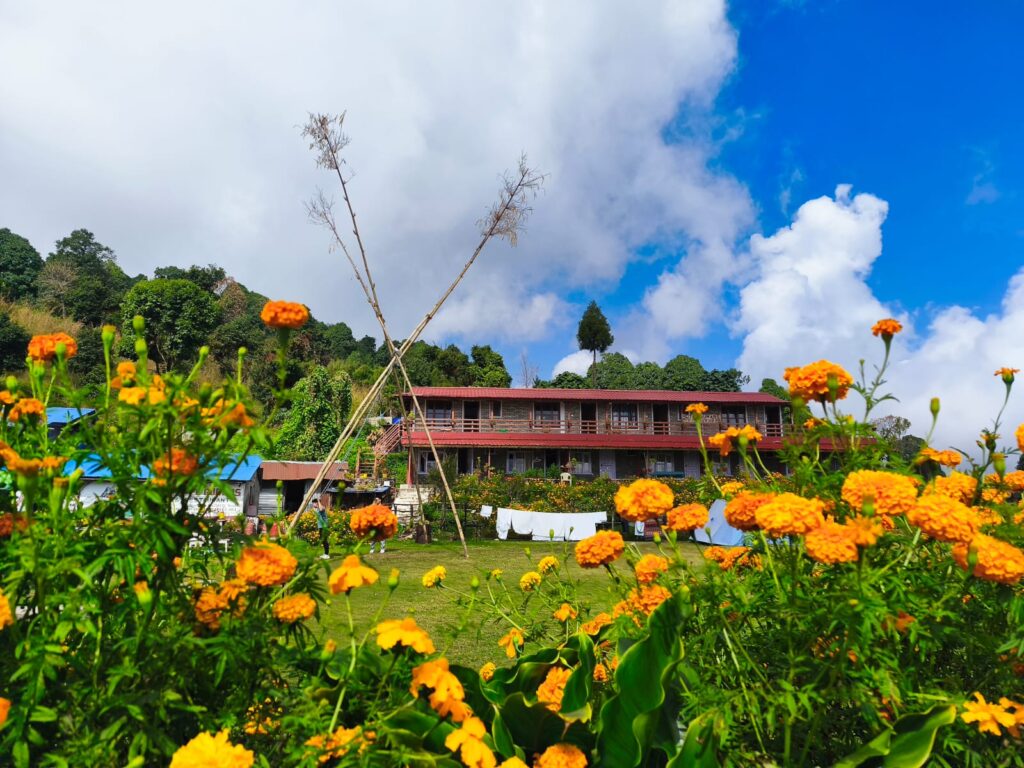
The Australian Camp Hike is one of the most accessible and scenic short hikes in the Annapurna region, making it an excellent choice for beginners, families, and travelers with limited time. Located just a short drive from Pokhara, Australian Camp sits at an elevation of approximately 2,060 meters and offers spectacular views of the Annapurna Himalayas without the challenges of a high-altitude trek.
The journey typically begins from Kande or Phedi and follows well-maintained trails through lush rhododendron forests, terraced farmlands, and traditional Gurung villages. Along the route, hikers can enjoy beautiful rural landscapes, observe local farming activities, and experience the warm hospitality of the mountain communities.
Australian Camp itself is situated on a scenic ridge that provides breathtaking panoramic views of some of Nepal’s most iconic peaks. The snow-covered summits of Machhapuchhre (Fishtail), Annapurna South, Hiunchuli, Lamjung Himal, and other surrounding mountains dominate the skyline, creating a stunning backdrop throughout the hike.
One of the most memorable experiences at Australian Camp is witnessing the sunrise and sunset over the Himalayas. As the changing light paints the mountains in shades of gold, pink, and orange, the scenery becomes truly magical. The peaceful atmosphere, combined with comfortable lodges and easy walking trails, makes Australian Camp a favorite destination for nature lovers and photographers.
The hike can be completed in a single day from Pokhara, but many visitors choose to stay overnight to fully enjoy the spectacular mountain views and tranquil surroundings. It also serves as a gateway to longer trekking routes such as Dhampus, Pothana, and the Annapurna Base Camp trail.
Highlights
- Enjoy spectacular close-up views of Machhapuchhre (Fishtail) and Annapurna South.
- Hike through beautiful rhododendron forests and terraced farmlands.
- Experience authentic Gurung culture and traditional village life.
- Witness unforgettable sunrise and sunset views over the Himalayas.
- Stay in cozy mountain lodges with stunning panoramic scenery.
- Ideal for beginners, families, and first-time hikers in Nepal.
- Easily accessible from Pokhara with a short drive to the trailhead.
- Excellent opportunities for landscape photography and nature observation.
- Enjoy panoramic views of Hiunchuli, Lamjung Himal, and surrounding peaks.
- Can be completed as a day hike or a relaxing overnight adventure.
- Connects with other popular Annapurna region hiking routes.
- Experience the beauty of the Himalayas without strenuous trekking.
Poon Hill Trek
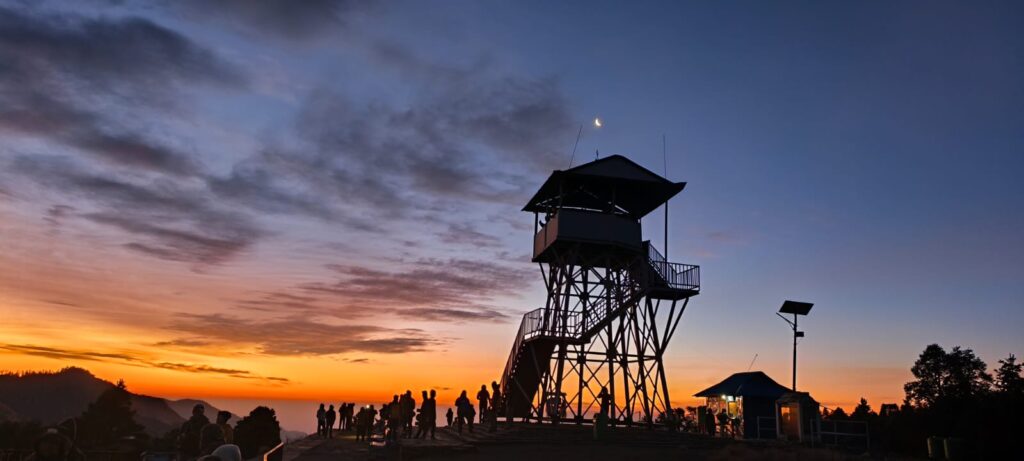
The Poon Hill Trek is one of the most popular short treks in Nepal, offering an incredible Himalayan experience within a relatively short duration. Located in the Annapurna region, this trek is known for its spectacular mountain views, vibrant rhododendron forests, and rich cultural encounters with the Gurung and Magar communities. It is an ideal choice for beginners as well as experienced trekkers looking for a rewarding yet manageable adventure.
The journey typically begins from Nayapul or Tikhedhunga and follows well-established trails through terraced farmlands, traditional villages, and lush forests. As trekkers ascend gradually, the landscape becomes more dramatic, with stone staircases, cascading streams, and colorful villages adding charm to the route. Popular settlements along the way include Ghorepani and Ulleri, both offering comfortable tea-house accommodations and warm local hospitality.
The highlight of the trek is the early morning hike to Poon Hill viewpoint, situated at an elevation of around 3,210 meters. From here, trekkers witness one of the most stunning sunrise panoramas in the Himalayas. As the first light of day touches the snow-covered peaks, the entire Annapurna and Dhaulagiri ranges glow in golden hues. The view includes Annapurna I, Annapurna South, Dhaulagiri, Nilgiri, Hiunchuli, and Machhapuchhre (Fishtail), creating a truly unforgettable Himalayan scene.
Beyond the mountain views, the trek also offers deep cultural experiences. The traditional villages along the route showcase the lifestyle, customs, and architecture of local ethnic communities. Friendly teahouses, warm meals, and cultural interactions make the journey even more enriching.
The Poon Hill Trek is accessible year-round, though spring and autumn are the most popular seasons due to clear skies and blooming rhododendrons. Its moderate difficulty level and short duration make it one of the best introductory treks in Nepal.
Highlights
- Witness one of Nepal’s most famous sunrise views from Poon Hill.
- Enjoy panoramic views of Annapurna, Dhaulagiri, Nilgiri, and Machhapuchhre.
- Trek through beautiful rhododendron forests, especially vibrant in spring.
- Experience traditional Gurung and Magar village culture.
- Stay in comfortable tea houses with warm Nepali hospitality.
- Suitable for beginners, families, and first-time trekkers.
- Explore charming villages like Ghorepani and Ulleri along the route.
- Moderate trekking route with well-marked and maintained trails.
- Ideal short trekking experience in the Annapurna region.
- Perfect blend of natural beauty, culture, and mountain scenery.
Mardi Himal Trek
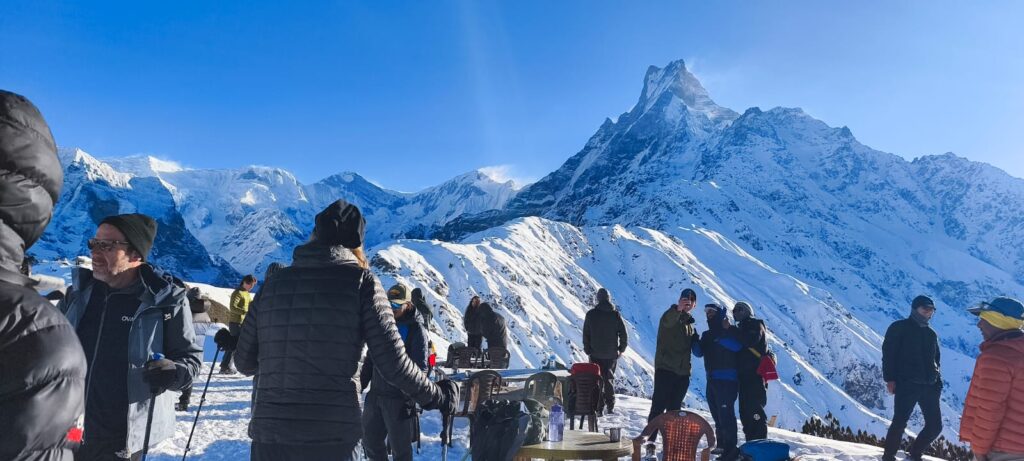
The Mardi Himal Trek is a relatively new but rapidly growing trekking route in the Annapurna region, known for its quiet trails and exceptional Himalayan scenery. Often described as a “hidden gem,” this trek offers a perfect balance of adventure, natural beauty, and solitude, making it an excellent choice for trekkers who want to avoid the busier routes like Annapurna Base Camp.
The journey begins from the Pokhara region and gradually ascends through lush rhododendron forests, traditional villages, and narrow ridgelines that open up into dramatic alpine landscapes. As the altitude increases, the scenery shifts from dense greenery to rugged mountain terrain, giving trekkers a sense of progression and discovery throughout the trail.
One of the most remarkable aspects of the Mardi Himal Trek is the close-up view of Machhapuchhre (Fishtail Mountain). Unlike many other trekking routes, Mardi Himal brings you strikingly close to this sacred peak, along with panoramic views of Annapurna South, Hiunchuli, and other surrounding Himalayan giants. The perspective from High Camp and Mardi Himal Base Camp is especially breathtaking, with towering snow walls appearing almost within reach.
The trek typically takes 4 to 7 days, depending on the itinerary, making it ideal for those with limited time but a strong desire for a high-altitude trekking experience. Tea houses along the route provide basic but comfortable accommodation, allowing trekkers to rest while enjoying peaceful mountain surroundings.
Spring and autumn are the best seasons for this trek, when the skies are clear and the forests are filled with blooming rhododendrons or golden autumn colors. The peaceful atmosphere, combined with ever-changing landscapes and dramatic viewpoints, makes the Mardi Himal Trek a truly memorable Himalayan adventure.
Highlights
- Spectacular close-up views of Machhapuchhre, Annapurna South, and Hiunchuli
- Less crowded trekking route compared to other Annapurna trails
- Scenic walk through rhododendron forests, ridges, and alpine landscapes
- Beautiful viewpoints at Low Camp, High Camp, and Mardi Himal Base Camp
- Ideal short-to-moderate trek (4–7 days) from Pokhara
- Peaceful and quiet trails perfect for nature lovers
- Excellent sunrise and sunset views over the Himalayas
- Unique ridge-line walking experience with dramatic mountain backdrops
- Rich biodiversity and changing landscapes along the trail
- Great opportunity for photography and immersive Himalayan experience
Ghandruk Hike
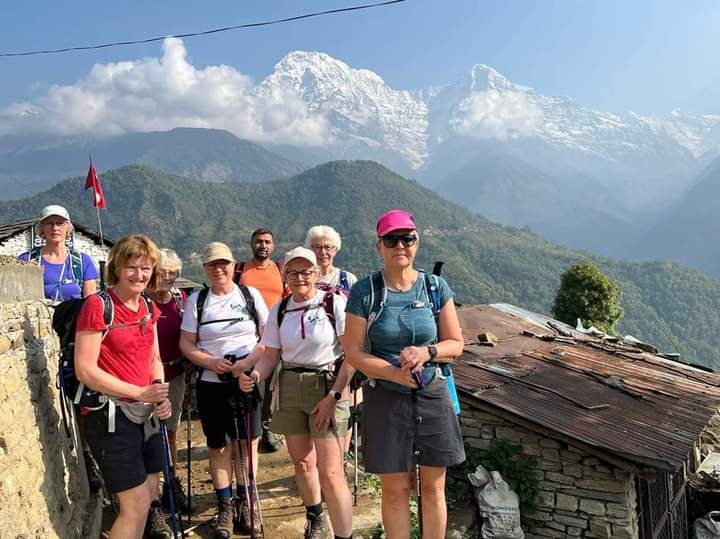
The Ghandruk Hike is one of the most popular and rewarding short hiking experiences in Nepal. Located in the Annapurna region, Ghandruk is a beautiful traditional Gurung village known for its rich culture, stunning mountain views, and warm hospitality. The hike is ideal for travelers who want to experience the beauty of the Himalayas without committing to a long and strenuous trek.
The journey typically begins with a drive from Pokhara to Nayapul or Kimche, followed by a scenic walk through terraced farmlands, forests, and charming settlements. As hikers approach Ghandruk, breathtaking views of Annapurna South, Hiunchuli, Machhapuchhre (Fishtail), and Gangapurna gradually unfold. The village itself offers a unique opportunity to explore traditional stone houses, local museums, and authentic Gurung culture.
Highlights of the Ghandruk Hike
- Spectacular views of Annapurna South, Machhapuchhre, Hiunchuli, and Gangapurna
- Experience the traditional lifestyle and culture of the Gurung community
- Well-maintained trails suitable for beginners and families
- Easy accessibility from Pokhara
- Beautiful terraced fields, forests, and rural landscapes
- Opportunity to visit the Gurung Museum and local monasteries
- Excellent photography and sunrise viewing opportunities
Best Time for Hiking in Nepal
Nepal offers excellent hiking opportunities throughout the year, but the experience can vary significantly depending on the season. Weather conditions, mountain visibility, trail conditions, and temperatures all play an important role in determining the best time for hiking. Understanding Nepal’s four main seasons can help travelers choose the perfect time for their adventure.
Spring Season (March to May)
Spring is widely regarded as one of the best seasons for hiking in Nepal. During this period, temperatures are mild, skies are generally clear, and nature comes alive with colorful flowers and lush vegetation. The hills and forests are particularly beautiful as rhododendrons, Nepal’s national flower, bloom across the landscape in vibrant shades of red, pink, and white.
Spring offers excellent visibility for mountain views, making it a favorite season for photographers and nature lovers. Popular hiking destinations such as Nagarkot, Australian Camp, Shivapuri, and Dhampus are especially scenic during these months. The pleasant weather also makes hiking more comfortable, even for beginners and families.
Why Hike in Spring?
- Comfortable temperatures during the day
- Blooming rhododendron forests
- Excellent mountain visibility
- Rich birdlife and natural beauty
- Ideal conditions for photography
Autumn Season (September to November)
Autumn is considered the peak hiking and trekking season in Nepal. Following the monsoon rains, the atmosphere becomes fresh and clean, creating crystal-clear views of the Himalayas. The weather remains stable, with warm days and cool evenings, making it ideal for outdoor activities.
Autumn is particularly popular among international visitors because the mountain panoramas are often at their clearest. Trails around Kathmandu, Pokhara, and the Annapurna region offer breathtaking scenery during this season. Major Nepalese festivals such as Dashain and Tihar also occur in autumn, allowing hikers to experience local culture and traditions along the way.
Why Hike in Autumn?
- Clear skies and outstanding mountain views
- Dry and stable trail conditions
- Comfortable daytime temperatures
- Vibrant cultural festivals
Best season for panoramic photography
Winter Season (December to February)
Winter can be an excellent time for hiking, especially at lower elevations. The weather is generally dry, and the skies are often clear, providing beautiful mountain views. Popular hiking destinations near Kathmandu and Pokhara remain accessible throughout the season.
One of the biggest advantages of winter hiking is the lack of crowds. Trails that are busy during spring and autumn become quieter, allowing visitors to enjoy a more peaceful experience. However, temperatures can drop significantly during mornings and evenings, especially at higher altitudes.
Destinations such as Nagarkot, Sarangkot, Champadevi, Balthali, and Dhulikhel are great choices for winter hikes.
Why Hike in Winter?
- Fewer tourists on the trails
- Crisp and clear mountain views
- Peaceful hiking experience
- Ideal for short and low-altitude hikes
- Comfortable daytime temperatures in many regions
Monsoon Season (June to August)
The monsoon season brings heavy rainfall to much of Nepal, transforming the countryside into a lush green paradise. Forests become vibrant, rivers flow at full strength, and agricultural landscapes look particularly beautiful.
Although rain can make some trails muddy and slippery, hiking is still possible in selected areas. Early morning hikes often offer good visibility before afternoon clouds develop. Monsoon hiking is ideal for travelers who enjoy greenery, solitude, and fewer crowds.
Rain-shadow regions such as Upper Mustang and Dolpo receive significantly less rainfall and remain excellent destinations during the monsoon months.
Why Hike in Monsoon?
- Beautiful green landscapes
- Fewer visitors on popular trails
- Fresh and clean environment
- Excellent opportunities for nature photography Suitable for selected rain-shadow regions
Best Season for Mountain Views
If your primary goal is to enjoy spectacular Himalayan panoramas, autumn is generally considered the best season. The post-monsoon atmosphere creates exceptionally clear visibility, allowing hikers to see distant peaks in remarkable detail.
Spring is a close second, offering excellent views combined with colorful blooming forests and pleasant temperatures.
Best Season for Beginners
For first-time hikers in Nepal, spring and autumn are the most recommended seasons. The stable weather, comfortable temperatures, and well-maintained trail conditions make hiking safer and more enjoyable.
Best Time for Hiking Near Kathmandu and Pokhara
Popular hiking destinations such as Nagarkot, Shivapuri, Champadevi, Dhulikhel, Sarangkot, Australian Camp, and Ghandruk can be visited throughout the year. However, the most rewarding experiences typically occur during spring and autumn when mountain views are at their finest.
Conclusion
The best time for hiking in Nepal depends on the type of experience you are looking for. Spring offers blooming forests and pleasant weather, autumn provides crystal-clear mountain views and stable conditions, winter delivers peaceful trails with fewer crowds, and monsoon showcases Nepal’s lush natural beauty.
For most hikers, spring (March to May) and autumn (September to November) remain the ideal seasons, combining comfortable temperatures, stunning Himalayan scenery, and excellent trail conditions. Regardless of when you visit, Nepal’s diverse landscapes and breathtaking mountain views promise an unforgettable hiking adventure.
Why Nepal is Perfect for Hiking
Nepal offers a unique combination of majestic mountains, rich culture, diverse landscapes, and welcoming communities. Unlike long-distance treks, many hiking destinations allow travelers to experience the beauty of the Himalayas within a single day or a short getaway. From sunrise viewpoints and national parks to traditional villages and high mountain ridges, Nepal provides endless opportunities for adventure.
Conclusion
The best hiking destinations in Nepal offer far more than scenic trails. They provide opportunities to connect with nature, experience local cultures, and witness some of the world’s most stunning mountain views. Whether you choose the peaceful forests of Shivapuri, the famous sunrise of Sarangkot, the cultural trails of Dhulikhel, or the breathtaking panoramas of Poon Hill and Mardi Himal, every hike in Nepal promises a memorable adventure.
For travelers seeking the perfect balance of nature, culture, and Himalayan beauty, Nepal remains one of the finest hiking destinations on Earth.
For your blog, you can expand the section like this:
Wildlife and Nature Along Nepal’s Hiking Trails
One of the most rewarding aspects of hiking in Nepal is the opportunity to experience the country’s extraordinary biodiversity. Nepal may be a small country geographically, but it is home to an impressive range of ecosystems, stretching from subtropical forests in the low hills to alpine meadows and high Himalayan landscapes. As hikers move through different elevations, they encounter a constantly changing natural environment filled with unique wildlife, colorful bird species, and diverse plant life.
Nepal’s hiking trails often pass through national parks, conservation areas, community forests, and protected wildlife habitats. These natural corridors provide shelter to hundreds of species of mammals, birds, reptiles, butterflies, and plants. Whether you are hiking near Kathmandu Valley, exploring the Annapurna region, or walking through the hills around Pokhara, nature remains one of the highlights of every journey.
Rich Birdlife for Nature Enthusiasts
Nepal is a paradise for birdwatchers, with more than 890 recorded bird species. Many hiking trails pass through forests and wetlands where visitors can observe a variety of colorful and rare birds.
Among the most famous species is the Himalayan Monal, Nepal’s national bird, known for its dazzling rainbow-colored feathers. Hikers may also spot Kalij pheasants, blood pheasants, eagles, vultures, woodpeckers, cuckoos, and numerous species of songbirds.
Popular hiking destinations such as Shivapuri National Park, Phulchoki Hill, and the Annapurna Conservation Area are particularly renowned for birdwatching opportunities. Early mornings are often the best time to hear birds singing and witness them actively searching for food.
Mammals Found Along the Trails
While larger wildlife tends to remain hidden, lucky hikers may occasionally encounter some of Nepal’s fascinating mammals. The forests surrounding many hiking routes provide habitat for several species that thrive in the Himalayan foothills.
Common wildlife includes:
- Himalayan Monal (Nepal’s national bird)
- Langur monkeys
- Rhesus macaques
- Barking deer
- Himalayan black bears in remote regions
- Himalayan tahr
- Musk deer
- Wild boars
- Red foxes
Various species of squirrels and mountain rodents
In protected areas such as the Annapurna Conservation Area and Langtang National Park, hikers may even spot blue sheep grazing on mountain slopes. Although wildlife sightings are never guaranteed, the possibility adds excitement and adventure to every hike.
Beautiful Forest Ecosystems
The forests of Nepal are among the country’s greatest natural treasures. Depending on the altitude and region, hikers can walk through a remarkable variety of forest types.
At lower elevations, subtropical forests feature broadleaf trees, bamboo groves, and dense vegetation. As the trail climbs higher, hikers enter temperate forests dominated by oak, maple, chestnut, and pine trees. At even higher elevations, rhododendron forests create vibrant landscapes during spring.
These forests not only support wildlife but also provide shade, fresh air, and peaceful surroundings for hikers. Walking through a dense Himalayan forest while listening to birdsong and flowing streams is an unforgettable experience.
Rhododendron Forests: Nepal’s Spring Wonderland
One of the most spectacular natural attractions along Nepal’s hiking trails is the rhododendron forest. Nepal is home to more than 30 species of rhododendrons, which bloom during the spring months from March to May.
Entire hillsides become covered in brilliant shades of red, pink, white, and purple flowers. Popular hiking destinations such as Ghorepani, Poon Hill, Australian Camp, Mardi Himal, and the Annapurna foothills are especially famous for their rhododendron displays.
For many visitors, spring hiking in Nepal offers the perfect combination of colorful forests, pleasant temperatures, and clear mountain views.
Diverse Plant Life Across Different Elevations
Nepal’s unique geography creates a wide range of climatic zones, allowing an extraordinary variety of plant species to flourish.
Along hiking routes, travelers may encounter:
- Rhododendrons
- Magnolias
- Pine trees
- Oak forests
- Juniper shrubs
- Bamboo forests
- Wild orchids
- Medicinal herbs
- Alpine grasses and wildflowers
Many local communities rely on these natural resources for traditional medicine, food, and cultural practices. Guides often share fascinating information about the medicinal uses of Himalayan plants found along the trail.
Rivers, Waterfalls, and Mountain Streams
Nature in Nepal is not limited to forests and wildlife. Many hiking routes follow crystal-clear rivers, glacial streams, and cascading waterfalls that originate in the Himalayas.
Trails near Shivapuri, Helambu, Dhulikhel, and the Annapurna region frequently pass through scenic river valleys where hikers can enjoy the soothing sounds of flowing water. During the monsoon season, waterfalls become particularly impressive as rainfall increases water flow throughout the mountains.
These waterways play a vital role in supporting local ecosystems and agriculture while adding beauty to the hiking experience.
Seasonal Changes in Nature
One of the unique aspects of hiking in Nepal is how dramatically the landscape changes throughout the year.
- Spring (March–May)brings blooming flowers, active wildlife, and vibrant greenery.
- Summer and Monsoon (June–August) transform the hills into lush green landscapes filled with waterfalls and fresh vegetation.
- Autumn (September–November) offers crystal-clear mountain views, golden fields, and comfortable hiking conditions.
- Winter (December–February) creates peaceful trails, crisp air, and excellent visibility, especially in lower-altitude hiking regions.
Each season offers its own unique perspective on Nepal’s natural beauty.
Conservation and Sustainable Tourism
Many of Nepal’s hiking destinations are located within protected areas such as the Annapurna Conservation Area, Langtang National Park, and Shivapuri Nagarjun National Park. These conservation efforts help protect wildlife habitats, preserve biodiversity, and support local communities through sustainable tourism.
Visitors are encouraged to practice responsible hiking by staying on designated trails, avoiding littering, minimizing plastic waste, and respecting wildlife. By following eco-friendly practices, hikers contribute to the long-term preservation of Nepal’s incredible natural heritage.
A Nature Lover’s Paradise
From colorful birds and rare wildlife to blooming rhododendron forests and dramatic Himalayan landscapes, Nepal offers an extraordinary connection with nature. Every hiking trail reveals something unique, whether it is a hidden waterfall, a mountain viewpoint, a dense forest, or the sight of a Himalayan Monal flying through the trees.
For outdoor enthusiasts, photographers, birdwatchers, and adventure seekers alike, the wildlife and natural beauty found along Nepal’s hiking trails create unforgettable experiences that go far beyond simply reaching a destination. The journey itself becomes a celebration of the country’s remarkable biodiversity and breathtaking landscapes.
Essential Tips for Hiking in Nepal
Hiking in Nepal is an unforgettable experience, offering breathtaking mountain views, rich cultural encounters, and diverse natural landscapes. However, proper preparation can make the difference between a comfortable adventure and a challenging journey. Whether you are planning a short day hike near Kathmandu or a multi-day hiking trip in the Annapurna region, following some essential hiking tips will help you stay safe, comfortable, and fully enjoy your time on the trails.
Choose the Right Season
Selecting the right season is one of the most important factors when planning a hike in Nepal. Weather conditions greatly affect trail safety, visibility, and overall hiking experiences.
Spring (March to May) and autumn (September to November) are generally considered the best seasons for hiking. During these months, temperatures are pleasant, skies are usually clear, and mountain views are spectacular. Spring also offers colorful rhododendron blooms, while autumn provides crisp air and excellent visibility after the monsoon rains.
Although winter and monsoon hikes are possible, hikers should be prepared for colder temperatures, snow, rain, or slippery trail conditions depending on the region.
Wear Proper Footwear
A good pair of hiking boots or trail shoes is essential for exploring Nepal’s varied terrain. Many hiking trails include stone staircases, rocky paths, forest routes, and uneven surfaces that can become slippery, especially after rainfall.
Quality footwear with strong grip, ankle support, and comfortable cushioning helps prevent injuries and reduces fatigue during long walks. Before starting your hike, it is advisable to break in new boots to avoid blisters and discomfort on the trail.
Stay Hydrated Throughout the Journey
Hydration is crucial when hiking, particularly at higher elevations where the body loses water more quickly. Dehydration can lead to fatigue, headaches, dizziness, and reduced physical performance.
Carry enough drinking water for the day’s hike and refill whenever safe water sources are available. Many experienced hikers bring reusable water bottles along with purification tablets, UV purifiers, or portable filters to ensure access to safe drinking water while minimizing plastic waste.
Dress in Layers
One of the unique characteristics of Nepal’s mountain environment is the rapid change in weather conditions. Temperatures can vary significantly between morning, afternoon, and evening, especially at higher elevations.
Layering allows hikers to adjust their clothing according to changing conditions. A typical layering system includes:
- Moisture-wicking base layer
- Insulating mid-layer such as fleece or down jacket
- Waterproof and windproof outer layer
This approach helps maintain comfort while protecting against cold winds, rain, and sudden temperature drops.
Protect Yourself from the Sun
Even on cool days, the sun can be surprisingly strong in Nepal’s mountains. Prolonged exposure can result in sunburn, dehydration, and heat exhaustion.
Hikers should carry:
- High-SPF sunscreen
- Sunglasses with UV protection
- Wide-brimmed hat or cap
- Lip balm with sun protection
These simple precautions can significantly improve comfort during long hours outdoors.
Pack Light but Smart
Carrying too much weight can make hiking unnecessarily difficult. Focus on essential items while keeping your backpack as light as possible.
Important items include:
- Water bottle
- Snacks and energy bars
- Rain jacket
- First-aid kit
- Headlamp
- Power bank
- Personal medications
- Map or navigation app
- Camera
A well-organized backpack allows hikers to move more comfortably and efficiently along the trail.
Respect Local Culture and Traditions
Many hiking routes in Nepal pass through traditional villages, monasteries, temples, and sacred sites. Respecting local customs helps create positive interactions between visitors and local communities.
When hiking through villages:
- Dress modestly
- Greet locals politely
- Ask permission before taking photographs
- Remove shoes when entering religious buildings
- Follow local customs and guidelines
Showing respect for local culture enhances the travel experience and contributes to responsible tourism.
Hire Local Guides and Porters
Hiring local guides can greatly improve the quality of your hiking experience. Guides provide valuable information about local history, culture, wildlife, and geography while ensuring hikers stay on the correct route.
For longer hikes, porters can help carry luggage, allowing travelers to enjoy the journey more comfortably. Supporting local guides and porters also contributes directly to local livelihoods and sustainable tourism development.
Be Prepared for Altitude Changes
Although many hiking destinations remain below high-altitude trekking levels, some routes involve significant elevation gain. Even moderate increases in altitude can affect certain individuals.
To reduce risks:
- Walk at a comfortable pace
- Stay hydrated
- Take regular breaks
- Avoid excessive alcohol consumption
- Listen to your body
If symptoms such as severe headaches, nausea, or dizziness occur, descending to a lower altitude may be necessary.
Leave No Trace
One of the most important responsibilities of hikers is protecting the environment. Nepal’s mountains, forests, and villages are valuable natural and cultural resources that deserve preservation.
Following Leave No Trace principles helps minimize environmental impact and ensures future generations can enjoy these beautiful landscapes.
Sustainable Hiking in Nepal
As tourism continues to grow across Nepal, sustainable hiking practices have become increasingly important. Responsible travel not only protects natural environments but also supports local communities that depend on tourism for their livelihoods.
Sustainable hiking means making conscious choices that minimize environmental damage while maximizing positive contributions to local economies and cultures.
Carry Reusable Water Bottles
Plastic waste remains a growing challenge in many trekking and hiking regions. Instead of purchasing multiple plastic bottles, hikers should carry reusable water bottles and refill them whenever possible.
Using water purification systems allows travelers to safely drink local water while significantly reducing plastic consumption.
Avoid Single-Use Plastics
Single-use plastics such as bottles, wrappers, and disposable containers can take decades to decompose. Whenever possible, choose reusable alternatives and pack snacks in reusable containers.
Reducing plastic waste helps keep hiking trails, villages, and natural habitats clean and beautiful.
Follow Designated Trails
Staying on marked hiking paths prevents soil erosion and protects fragile ecosystems. Creating shortcuts or leaving established trails can damage vegetation and disturb wildlife habitats.
Following designated routes also improves safety and reduces the risk of getting lost.
Dispose of Waste Responsibly
Everything brought into the mountains should be carried out whenever possible. Hikers should never leave litter on trails, campsites, or viewpoints.
Even biodegradable items such as fruit peels can impact local ecosystems and should be disposed of properly.
Support Local Communities
One of the best ways to practice sustainable tourism is by supporting local businesses. Staying in locally owned guesthouses, hiring local guides, purchasing handmade products, and eating at local restaurants helps distribute tourism benefits directly to communities.
This economic support encourages conservation efforts and strengthens rural livelihoods.
Respect Wildlife and Natural Habitats
Wildlife should always be observed from a safe distance. Feeding animals, disturbing nests, or attempting to interact with wildlife can negatively affect their natural behavior.
Hikers should avoid making excessive noise and respect protected areas that provide critical habitat for Nepal’s diverse wildlife species.
Conserve Natural Resources
Water and energy resources can be limited in remote mountain communities. Travelers can help by:
- Taking shorter showers
- Turning off lights when not needed
- Charging devices responsibly
- Conserving drinking water
Small actions can collectively make a significant difference in reducing environmental impact.
Promote Responsible Tourism
Every visitor has the opportunity to contribute positively to Nepal’s tourism industry. Responsible hikers help preserve trails, support conservation efforts, respect local traditions, and encourage sustainable development throughout the country’s hiking destinations.
Preserving Nepal’s Natural Heritage for Future Generations
Nepal’s hiking trails offer much more than stunning mountain views. They provide access to unique ecosystems, rich cultural traditions, and some of the world’s most spectacular landscapes. By following responsible hiking practices and embracing sustainable tourism principles, travelers can help protect these treasures for future generations.
A mindful approach to hiking ensures that Nepal’s forests, wildlife, villages, and mountain trails remain beautiful, accessible, and welcoming for years to come, allowing future visitors to enjoy the same unforgettable experiences that make hiking in Nepal truly special.
Why Guided Hiking Tours Are Worth Considering
While many hiking routes can be explored independently, guided tours offer several advantages. Professional guides provide route information, local knowledge, cultural interpretation, and assistance during unexpected situations.
Guided hikes are particularly valuable for first-time visitors unfamiliar with Nepal’s geography, weather conditions, and cultural traditions. Many local trekking agencies also offer customized hiking packages tailored to different interests and fitness levels.
Frequently Asked Questions
Is hiking in Nepal suitable for beginners?
Yes. Many hiking destinations such as Nagarkot, Sarangkot, Australian Camp, and Dhulikhel are suitable for beginners and families.
Do I need a guide for hiking in Nepal?
A guide is not mandatory for many short hikes, but hiring one can improve safety and provide valuable local insights.
What should I pack for a day hike?
Essentials include water, snacks, sunscreen, sunglasses, a hat, a rain jacket, a camera, and comfortable hiking shoes.
Which hiking destination offers the best sunrise views?
Poon Hill, Sarangkot, and Nagarkot are among the most famous sunrise viewpoints in Nepal.
Can I hike year-round in Nepal?
Yes. Different regions are suitable during different seasons, although spring and autumn generally provide the best conditions.
Final Thoughts
Nepal offers an extraordinary range of hiking opportunities that extend far beyond its world-famous trekking routes. From the scenic hills surrounding Kathmandu and Pokhara to remote mountain viewpoints and traditional villages, every trail reveals a unique aspect of the country’s natural and cultural heritage.
Whether you are seeking a relaxing countryside walk, a challenging mountain adventure, spectacular Himalayan views, or meaningful cultural experiences, Nepal delivers unforgettable hiking journeys for every type of traveler. With its welcoming communities, breathtaking landscapes, and endless opportunities for exploration, Nepal truly deserves its reputation as one of the world’s finest hiking destinations. Many travelers also choose to explore these experiences with trusted local operators such as Create Himalaya Adventure, ensuring well-organized and memorable journeys across the Himalayas.

Ramchandra Lamichhane
Trekking Expert
No hidden fees • Local experts • Best price guarantee