
How Difficult is the Annapurna Circuit Trek?
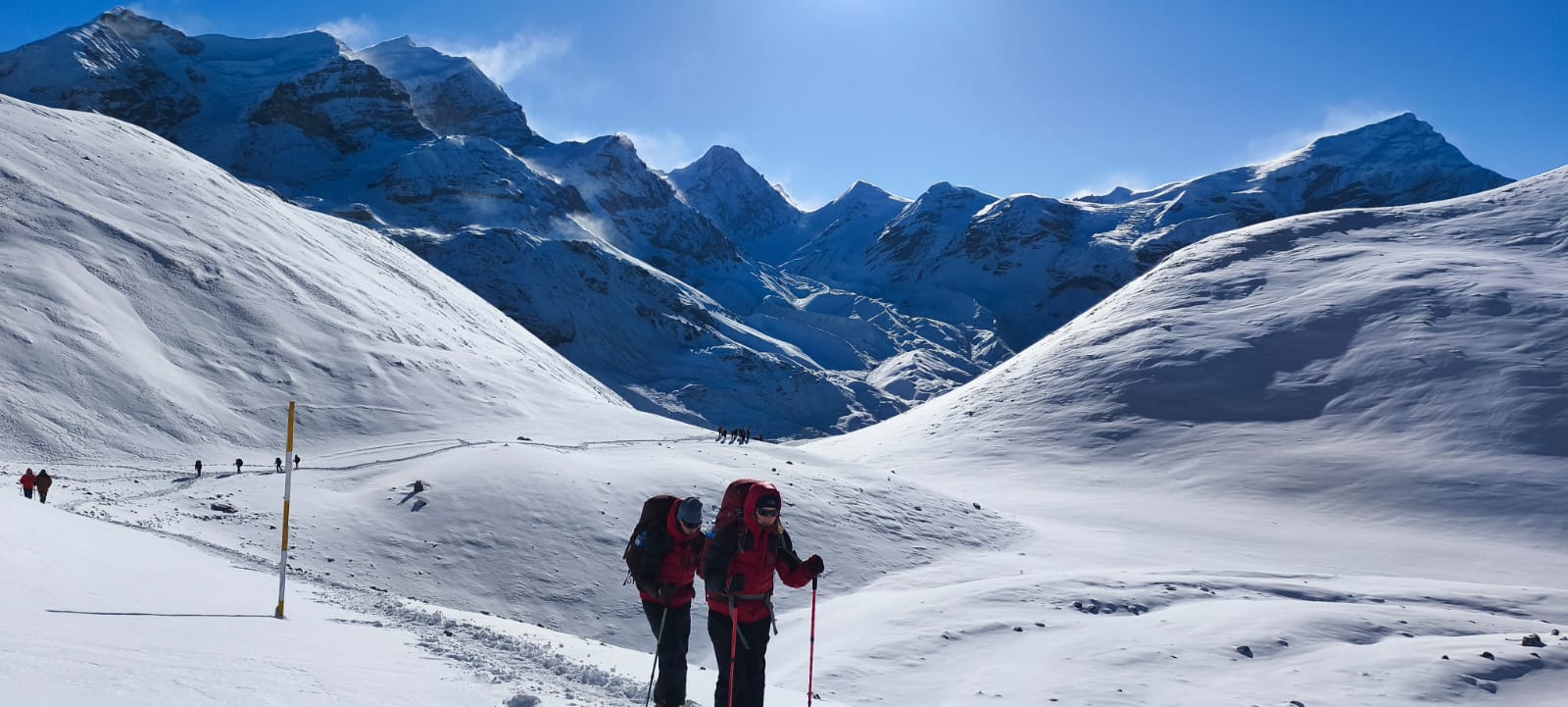
A Complete Difficulty Guide for First-Time and Experienced Trekkers
The Annapurna Circuit Trek is one of Nepal’s most iconic and rewarding trekking adventures. Known for its spectacular Himalayan landscapes, diverse ecosystems, ancient villages, and vibrant mountain cultures, this world-famous trail attracts thousands of trekkers every year. Stretching through lush subtropical forests, alpine meadows, dramatic river gorges, and the arid landscapes of Mustang, the Annapurna Circuit offers an unforgettable journey around the magnificent Annapurna Massif.
Despite its popularity, one of the most common questions travelers ask before booking their adventure is: How difficult is the Annapurna Circuit Trek?
The simple answer is that the Annapurna Circuit Trek is moderately challenging. It does not require technical climbing skills or previous mountaineering experience, but it does demand good physical fitness, mental determination, proper acclimatization, and careful preparation. The trek reaches an altitude of 5,416 meters (17,769 feet) at the famous Thorong La Pass, where thin air and changing weather become the biggest challenges.
Fortunately, thousands of beginners successfully complete the Annapurna Circuit every year. With the right itinerary, proper training, quality trekking gear, and support from an experienced guide, this incredible Himalayan adventure is achievable for most healthy and active travelers.
Whether you are planning your first trek in Nepal or comparing the Annapurna Circuit with other famous Himalayan routes, this comprehensive guide explains every aspect of the trek’s difficulty, helping you prepare for a safe, enjoyable, and unforgettable experience.
Annapurna Circuit Trek Difficulty at a Glance
| Trek Details | Information |
|---|---|
| Difficulty Level | Moderate to Challenging |
| Maximum Altitude | 5,416 m (17,769 ft) – Thorong La Pass |
| Trek Duration | 10–18 Days |
| Average Walking Hours | 5–8 Hours Per Day |
| Daily Distance | 10–22 km |
| Technical Climbing | Not Required |
| Best Seasons | Spring (March–May) & Autumn (September–November) |
| Suitable for Beginners | Yes, with proper preparation |
Although the Annapurna Circuit is physically demanding, it is considered one of the most accessible high-altitude treks in the Himalayas because of its gradual ascent and excellent network of tea houses.
What Makes the Annapurna Circuit Trek Difficult?
The difficulty of the Annapurna Circuit Trek comes from a combination of factors rather than a single obstacle. Unlike technical climbing expeditions, where mountaineering skills are essential, this trek challenges your endurance, stamina, and ability to adapt to high altitude.
The main challenges include:
- High altitude and reduced oxygen levels
- Crossing Thorong La Pass (5,416 m)
- Long daily walking hours
- Continuous ascents and descents
- Unpredictable mountain weather
- Cold temperatures at higher elevations
- Remote mountain environment
- Physical and mental endurance
Understanding each of these challenges before your trip allows you to prepare effectively and enjoy the journey with confidence.
High Altitude: The Biggest Challenge
The greatest challenge of the Annapurna Circuit Trek is undoubtedly the altitude.
As the trail gradually climbs from the subtropical valleys of Besisahar through Chame, Pisang, Manang, Yak Kharka, and Thorong Phedi, the amount of oxygen in the atmosphere steadily decreases. While the scenery becomes more dramatic, your body must work significantly harder with every step.
At sea level, the air contains plenty of oxygen, allowing your muscles and lungs to function efficiently. By the time you reach Thorong La Pass, the available oxygen is roughly half of what it is at sea level. This means even short uphill sections can feel surprisingly strenuous.
Trekkers often notice symptoms such as:
- Shortness of breath
- Faster heartbeat
- Reduced walking pace
- Increased fatigue
- Difficulty sleeping
- Mild headaches
These are normal physiological responses to high altitude, but ascending too quickly can lead to Acute Mountain Sickness (AMS), a potentially serious condition if ignored.
The good news is that the Annapurna Circuit follows a gradual ascent, giving your body time to adapt. Most standard itineraries include an acclimatization day in Manang, which significantly reduces the risk of altitude-related illnesses.
The key to success is simple: walk slowly, stay hydrated, eat well, and allow your body enough time to adjust.
Crossing Thorong La Pass (5,416 m): The Toughest Day of the Trek
The highlight of the Annapurna Circuit Trek is crossing the legendary Thorong La Pass, the highest point of the journey and one of the highest trekking passes in the world.
For many trekkers, this is both the most challenging and the most rewarding day.
The day usually begins before sunrise, often between 3:30 and 5:00 AM, when temperatures are at their coldest but the weather is generally more stable. Starting early also helps trekkers avoid the strong afternoon winds that frequently sweep across the pass.
The ascent from Thorong Phedi or High Camp is steep and demanding. Every step requires patience because the thin mountain air limits your energy and breathing capacity. Rather than focusing on speed, experienced guides encourage trekkers to maintain a slow, steady rhythm with regular breaks.
Upon reaching the summit, colorful prayer flags flutter in the crisp Himalayan wind, marking an achievement that many trekkers describe as one of the proudest moments of their lives. On clear days, the panoramic views of the Annapurna and Dhaulagiri ranges are simply unforgettable.
The challenge, however, is not over. The long descent to Muktinath places significant strain on the knees and leg muscles, making trekking poles especially valuable for stability and comfort.
Although Thorong La Pass is physically demanding, careful pacing, proper acclimatization, and a positive mindset make it achievable for most trekkers.
Long Walking Days Require Endurance
Another factor that contributes to the trek’s difficulty is the number of hours spent walking each day.
Unlike short hiking trips, the Annapurna Circuit is a multi-day adventure that requires consistent effort over one to two weeks. Most trekking days involve 5 to 8 hours of walking, depending on the itinerary, terrain, and weather conditions.
Some days are relatively gentle, passing through picturesque villages, forests, and terraced farmland. Others involve steep climbs, rocky trails, and extended descents that test both endurance and determination.
Walking for several consecutive days can be physically demanding, especially if you are not accustomed to regular hiking. Even experienced hikers often find that maintaining energy over many days is more challenging than completing a single long hike.
The secret to managing these long trekking days is maintaining a comfortable pace, taking regular hydration breaks, and listening to your body rather than rushing toward the next destination.
Trail Conditions: What to Expect Underfoot
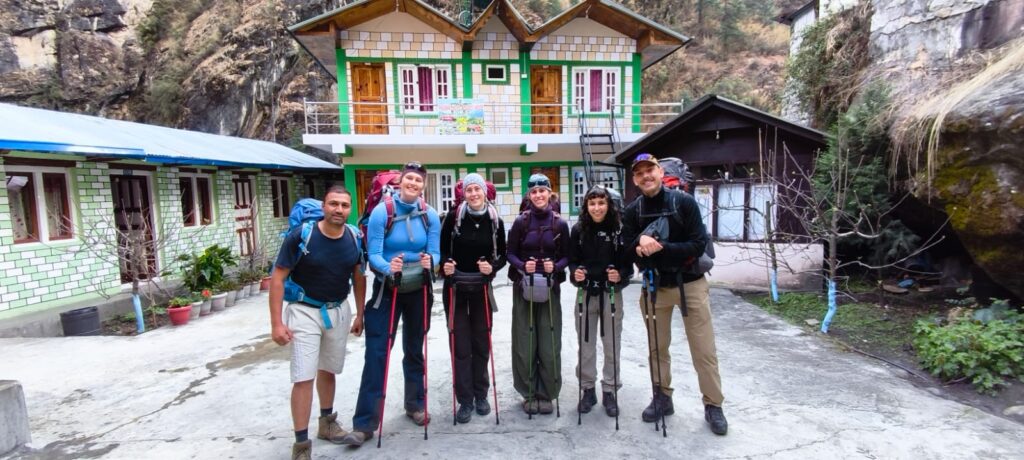
The Annapurna Circuit is well-established and generally easy to follow, but the terrain changes dramatically as you travel through different regions.
In the lower elevations, the trail winds through green forests, cultivated fields, suspension bridges, and charming villages connected by stone-paved paths.
As you gain altitude, the environment becomes more rugged. Expect rocky mountain trails, loose gravel, alpine meadows, glacial valleys, and narrow paths carved into steep hillsides. Some sections include long stone staircases that can be particularly tiring during ascents and descents.
Fortunately, the trail is non-technical, meaning there is no need for ropes, crampons, or climbing equipment under normal trekking conditions.
However, good balance, sturdy trekking boots, and trekking poles can greatly improve comfort and reduce the risk of slips, especially after rain or snowfall.
Weather Can Change Quickly in the Himalayas
Mountain weather is famously unpredictable, and the Annapurna Circuit is no exception.
A bright, sunny morning can quickly transform into cloudy skies, strong winds, snowfall, or rain within a few hours. These sudden changes add another layer of challenge, particularly at higher elevations where temperatures can drop below freezing even during the peak trekking seasons.
During spring and autumn, daytime temperatures are generally pleasant, making these seasons ideal for trekking. Nights become increasingly cold as you climb higher, especially around Manang, Yak Kharka, Thorong Phedi, and Thorong La Pass.
Winter brings heavy snowfall that can temporarily close the pass, while the summer monsoon creates slippery trails, occasional landslides, and poor visibility in the lower regions.
The best way to prepare for Himalayan weather is by packing layered clothing. A moisture-wicking base layer, insulating mid-layer, warm down jacket, waterproof outer shell, gloves, and hat allow you to adapt comfortably to changing conditions throughout the day.
Being prepared for both sunshine and snow ensures that unexpected weather becomes part of the adventure rather than a major obstacle.
Is the Annapurna Circuit Trek Really That Difficult?
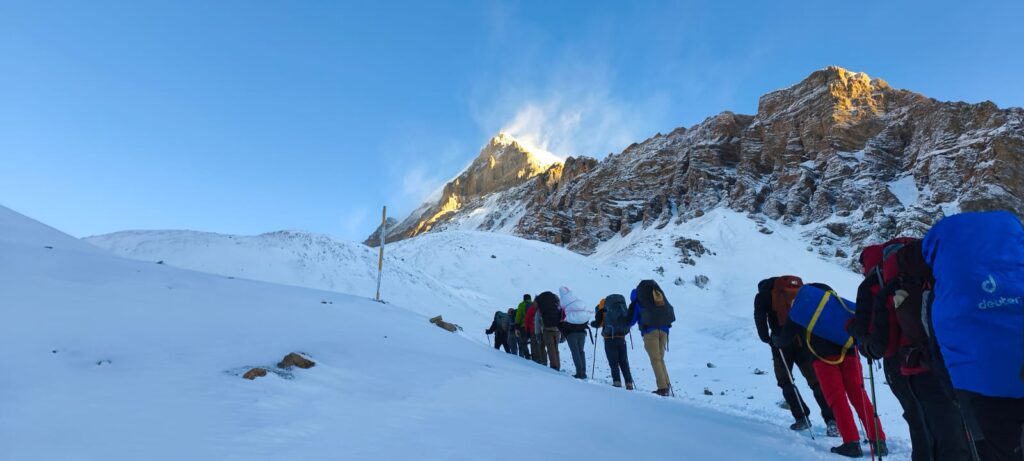
For many people, the idea of trekking above 5,000 meters sounds intimidating. However, the Annapurna Circuit is not designed exclusively for elite athletes or experienced mountaineers.
Its reputation comes from the combination of altitude, endurance, and changing terrain rather than technical difficulty. Many trekkers of different ages and backgrounds complete the circuit successfully every year by following a sensible itinerary and respecting the mountains.
The journey rewards patience far more than speed. Those who take time to acclimatize, maintain a steady walking pace, and prepare physically before arriving in Nepal often discover that the challenge is manageable—and immensely rewarding.
Rather than asking whether the Annapurna Circuit is “too difficult,” a better question is whether you are willing to prepare for it. With the right mindset and planning, this remarkable Himalayan trek is within reach for anyone who dreams of exploring one of the world’s greatest trekking routes.
Crossing Thorong La Pass (5,416 m): The Toughest Day of the Trek
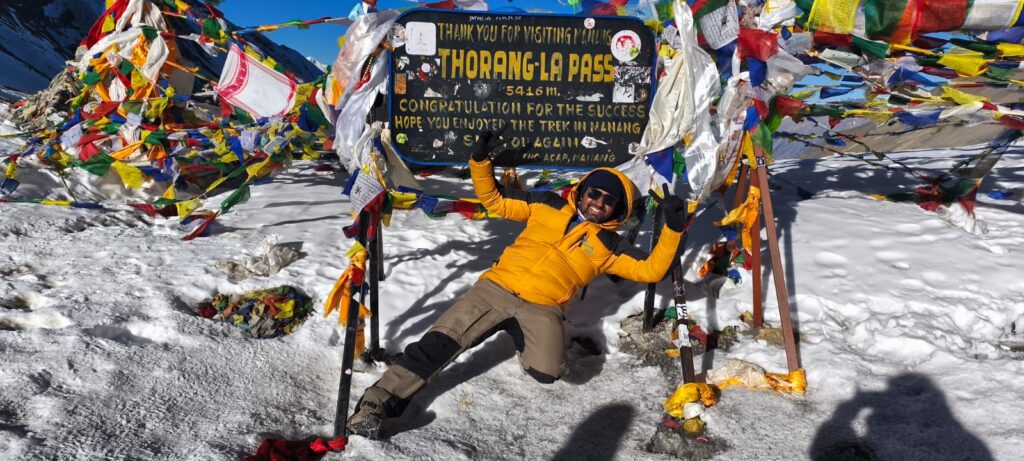
The highlight of the Annapurna Circuit Trek is crossing the legendary Thorong La Pass, the highest point of the journey and one of the highest trekking passes in the world.
For many trekkers, this is both the most challenging and the most rewarding day.
The day usually begins before sunrise, often between 3:30 and 5:00 AM, when temperatures are at their coldest but the weather is generally more stable. Starting early also helps trekkers avoid the strong afternoon winds that frequently sweep across the pass.
The ascent from Thorong Phedi or High Camp is steep and demanding. Every step requires patience because the thin mountain air limits your energy and breathing capacity. Rather than focusing on speed, experienced guides encourage trekkers to maintain a slow, steady rhythm with regular breaks.
Upon reaching the summit, colorful prayer flags flutter in the crisp Himalayan wind, marking an achievement that many trekkers describe as one of the proudest moments of their lives. On clear days, the panoramic views of the Annapurna and Dhaulagiri ranges are simply unforgettable.
The challenge, however, is not over. The long descent to Muktinath places significant strain on the knees and leg muscles, making trekking poles especially valuable for stability and comfort.
Although Thorong La Pass is physically demanding, careful pacing, proper acclimatization, and a positive mindset make it achievable for most trekkers.
Long Walking Days Require Endurance
Another factor that contributes to the trek’s difficulty is the number of hours spent walking each day.
Unlike short hiking trips, the Annapurna Circuit is a multi-day adventure that requires consistent effort over one to two weeks. Most trekking days involve 5 to 8 hours of walking, depending on the itinerary, terrain, and weather conditions.
Some days are relatively gentle, passing through picturesque villages, forests, and terraced farmland. Others involve steep climbs, rocky trails, and extended descents that test both endurance and determination.
Walking for several consecutive days can be physically demanding, especially if you are not accustomed to regular hiking. Even experienced hikers often find that maintaining energy over many days is more challenging than completing a single long hike.
The secret to managing these long trekking days is maintaining a comfortable pace, taking regular hydration breaks, and listening to your body rather than rushing toward the next destination.
Trail Conditions: What to Expect Underfoot
The Annapurna Circuit is well-established and generally easy to follow, but the terrain changes dramatically as you travel through different regions.
In the lower elevations, the trail winds through green forests, cultivated fields, suspension bridges, and charming villages connected by stone-paved paths.
As you gain altitude, the environment becomes more rugged. Expect rocky mountain trails, loose gravel, alpine meadows, glacial valleys, and narrow paths carved into steep hillsides. Some sections include long stone staircases that can be particularly tiring during ascents and descents.
Fortunately, the trail is non-technical, meaning there is no need for ropes, crampons, or climbing equipment under normal trekking conditions.
However, good balance, sturdy trekking boots, and trekking poles can greatly improve comfort and reduce the risk of slips, especially after rain or snowfall.
Weather Can Change Quickly in the Himalayas
Mountain weather is famously unpredictable, and the Annapurna Circuit is no exception.
A bright, sunny morning can quickly transform into cloudy skies, strong winds, snowfall, or rain within a few hours. These sudden changes add another layer of challenge, particularly at higher elevations where temperatures can drop below freezing even during the peak trekking seasons.
During spring and autumn, daytime temperatures are generally pleasant, making these seasons ideal for trekking. Nights become increasingly cold as you climb higher, especially around Manang, Yak Kharka, Thorong Phedi, and Thorong La Pass.
Winter brings heavy snowfall that can temporarily close the pass, while the summer monsoon creates slippery trails, occasional landslides, and poor visibility in the lower regions.
The best way to prepare for Himalayan weather is by packing layered clothing. A moisture-wicking base layer, insulating mid-layer, warm down jacket, waterproof outer shell, gloves, and hat allow you to adapt comfortably to changing conditions throughout the day.
Being prepared for both sunshine and snow ensures that unexpected weather becomes part of the adventure rather than a major obstacle.
Is the Annapurna Circuit Trek Really That Difficult?
For many people, the idea of trekking above 5,000 meters sounds intimidating. However, the Annapurna Circuit is not designed exclusively for elite athletes or experienced mountaineers.
Its reputation comes from the combination of altitude, endurance, and changing terrain rather than technical difficulty. Many trekkers of different ages and backgrounds complete the circuit successfully every year by following a sensible itinerary and respecting the mountains.
The journey rewards patience far more than speed. Those who take time to acclimatize, maintain a steady walking pace, and prepare physically before arriving in Nepal often discover that the challenge is manageable—and immensely rewarding.
Rather than asking whether the Annapurna Circuit is “too difficult,” a better question is whether you are willing to prepare for it. With the right mindset and planning, this remarkable Himalayan trek is within reach for anyone who dreams of exploring one of the world’s greatest trekking routes.
Physical Fitness Required for the Annapurna Circuit Trek
One of the most frequently searched questions is, “Do I need to be very fit for the Annapurna Circuit Trek?” The answer is no—you don’t need to be an athlete or marathon runner, but you should have a reasonable level of physical fitness before starting the trek.
The Annapurna Circuit Trek involves walking for several hours each day across varied terrain. Some sections are relatively easy, while others include steep uphill climbs, rocky trails, and long descents. The continuous nature of trekking day after day is often more demanding than a single long hike.
Trekkers with good cardiovascular endurance and strong leg muscles generally enjoy the journey much more. If you regularly participate in activities such as hiking, jogging, cycling, swimming, or brisk walking, you’ll likely adapt well to the demands of the trail.
Your body should be capable of:
- Walking 10–20 kilometers in a day
- Hiking for 5–8 hours continuously
- Carrying a light backpack (5–8 kg)
- Climbing several hundred meters in elevation each day
- Recovering overnight for the next day’s trek
Remember that trekking in the Himalayas is not a race. Walking slowly and maintaining a steady rhythm is much more important than speed.
Outline Itinerary
Day 1: Arrival in Kathmandu (1,350 m / 4,429 ft)
Day 2: Drive from Kathmandu to Pokhara (833 m / 2,733 ft)
Day 3: Drive to Naya Pul and Trek to Ghandruk (1,940 m / 6,365 ft)
Day 4: Trek from Ghandruk to Chhomrong (2,170 m / 7,120 ft)
Day 5: Trek from Chhomrong to Bamboo (2,310 m / 7,579 ft)
Day 6: Trek from Bamboo to Deurali (3,230 m / 10,595 ft)
Day 7: Trek from Deurali to Annapurna Base Camp (4,130 m / 13,549 ft)
Day 8: Trek from Annapurna Base Camp to Bamboo (2,310 m / 7,578 ft)
Day 9: Trek to Jhinu Danda and Drive to Pokhara (833 m / 2,733 ft)
Day 10: Drive from Pokhara to Kathmandu (1,350 m / 4,429 ft) (Flight optional)
Day 11: Final Departure
Is the Annapurna Circuit Trek Suitable for Beginners?
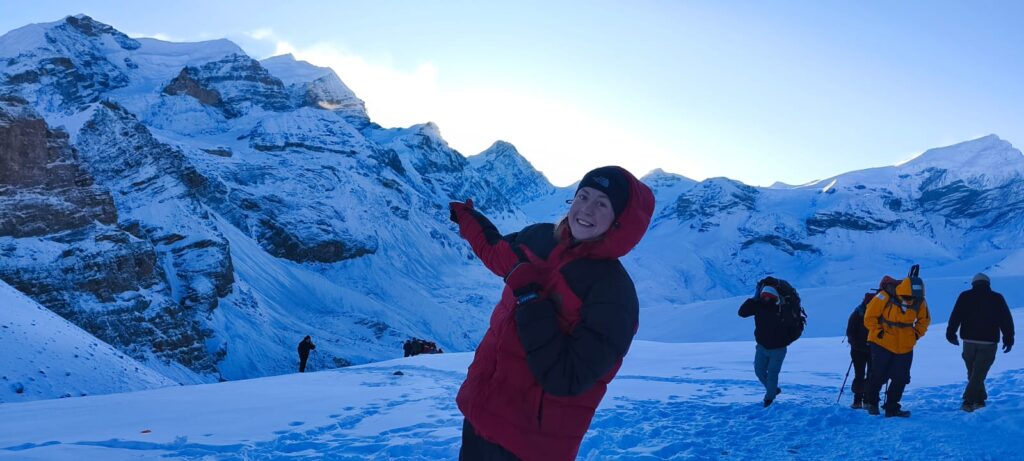
Yes, absolutely.
Every year, thousands of first-time trekkers complete the Annapurna Circuit successfully. The trail does not involve technical climbing, glacier travel, or mountaineering skills, making it accessible to beginners who prepare well in advance.
If this is your first trekking adventure, consider the following recommendations:
- Choose a 12–16-day itinerary instead of a shorter one.
- Include at least one acclimatization day in Manang.
- Hire an experienced local guide.
- Consider hiring a porter to reduce physical strain.
- Train consistently for several weeks before your trip.
- Avoid rushing to higher elevations.
Beginners often underestimate the effects of altitude rather than the physical walking itself. By following a gradual itinerary and listening to your guide’s advice, you can significantly improve your chances of completing the trek safely and comfortably.
Mental Strength is Just as Important as Physical Fitness
While physical preparation receives most of the attention, mental resilience plays an equally important role on the Annapurna Circuit.
There will be days when you feel tired, cold, or challenged by the altitude. Weather may change unexpectedly, and some sections of the trail can seem endless. These moments test your determination more than your physical ability.
Successful trekkers often share several common qualities:
- Patience
- Positive attitude
- Flexibility
- Self-discipline
- Respect for the mountains
Instead of focusing only on reaching the next village, take time to appreciate the surrounding landscapes, interact with local communities, and enjoy the peaceful atmosphere of the Himalayas. A calm and positive mindset makes the journey far more enjoyable.
Understanding Altitude Sickness (Acute Mountain Sickness)
Altitude sickness, commonly known as Acute Mountain Sickness (AMS), is one of the primary concerns during the Annapurna Circuit Trek.
AMS occurs when your body cannot adapt quickly enough to the reduced oxygen levels found at higher elevations. It can affect anyone regardless of age, gender, or fitness level.
Common Symptoms of AMS
Be aware of the following warning signs:
- Persistent headache
- Nausea or vomiting
- Loss of appetite
- Dizziness
- Unusual fatigue
- Difficulty sleeping
- Shortness of breath while resting
Mild symptoms are common and often improve with proper rest and hydration. However, severe symptoms should never be ignored, as they can progress into life-threatening conditions such as High Altitude Pulmonary Edema (HAPE) or High Altitude Cerebral Edema (HACE).
If symptoms worsen, the safest treatment is immediate descent to a lower altitude and seeking medical assistance.
How to Prevent Altitude Sickness
Fortunately, there are many effective ways to reduce the risk of AMS.
Ascend Gradually
The Annapurna Circuit is designed with a gradual ascent that allows trekkers to acclimatize naturally. Avoid choosing itineraries that gain altitude too quickly.
Include an Acclimatization Day
Most standard itineraries include a full rest day in Manang (3,540 meters). This is one of the most important days of the trek. Rather than staying in bed, short acclimatization hikes to higher viewpoints followed by sleeping at the same altitude help your body adapt more efficiently.
Stay Hydrated
Drink at least 3–4 liters of water each day. Proper hydration supports your body’s adaptation to high altitude and helps reduce common symptoms such as headaches.
Eat Nutritious Meals
Carbohydrate-rich meals provide sustained energy and are easier to digest at higher elevations. Dal Bhat, noodles, soups, potatoes, and pasta are popular choices in mountain tea houses.
Walk Slowly
One of the best pieces of trekking advice is simple: walk slowly. Conserving energy allows your body to adapt naturally while reducing unnecessary strain.
Avoid Alcohol and Smoking
Alcohol and tobacco can worsen dehydration and interfere with acclimatization. It is best to avoid them throughout the trek, especially above 3,000 meters.
How to Train for the Annapurna Circuit Trek
Preparing your body before arriving in Nepal will make the trek significantly more enjoyable.
Ideally, begin training 6–8 weeks before your departure.
Cardiovascular Training
Focus on activities that improve heart and lung endurance, such as:
- Hiking
- Running
- Cycling
- Swimming
- Fast walking
- Stair climbing
Aim for three to five sessions each week.
Strength Training
Strong leg muscles reduce fatigue during long ascents and descents.
Recommended exercises include:
- Squats
- Lunges
- Step-ups
- Deadlifts
- Calf raises
- Core strengthening exercises
Perform strength training two to three times per week.
Practice Hiking
The best preparation is hiking with a backpack on uneven terrain. Gradually increase the distance and elevation to simulate trekking conditions.
If you don’t have access to mountains, climbing stairs while carrying a daypack is an excellent alternative.
Best Age for the Annapurna Circuit Trek
The Annapurna Circuit Trek is suitable for a wide range of ages.
Trekkers in their twenties often complete the route comfortably, while many people in their sixties and even seventies have successfully crossed Thorong La Pass with proper preparation.
Age itself is not the deciding factor—overall health, fitness, and determination are much more important.
Children can also complete sections of the trek when accompanied by experienced parents and guides, although the high altitude requires extra caution.
If you have pre-existing medical conditions such as heart disease, respiratory problems, or severe hypertension, consult your doctor before planning the trek.
Can You Complete the Trek Without Previous Trekking Experience?
Yes.
Many visitors choose the Annapurna Circuit as their first major Himalayan adventure.
However, beginners should avoid underestimating the physical demands. Spending several weeks preparing beforehand dramatically increases your comfort and confidence.
Choosing a reputable trekking company, following a realistic itinerary, and trekking with an experienced guide can transform what might seem like a difficult challenge into an enjoyable and memorable experience.
Essential Tips to Make the Annapurna Circuit Trek Easier
Although the trek is challenging, several practical strategies can make it significantly more manageable.
Walk at Your Own Pace
Avoid trying to keep up with faster trekkers. A slow and consistent pace is far more effective than walking quickly and becoming exhausted.
Pack Only the Essentials
A lighter backpack reduces fatigue and protects your knees and back. Carry only what you need during the day, while heavier items can be transported by a porter.
Use Trekking Poles
Trekking poles improve balance, reduce pressure on your knees, and provide additional stability during steep descents.
Stay Well Hydrated
Drink water regularly throughout the day rather than waiting until you feel thirsty.
Get Enough Sleep
Rest is essential for recovery and acclimatization. Try to maintain a consistent sleep schedule throughout the trek.
Listen to Your Guide
Experienced local guides understand the terrain, weather, and altitude better than anyone. Following their advice greatly improves both safety and enjoyment.
Maintain a Positive Mindset
The Annapurna Circuit is as much a mental journey as it is a physical one. Celebrate small achievements, enjoy the incredible scenery, and remember that every step brings you closer to one of Nepal’s most remarkable mountain passes.
The Reward is Greater Than the Challenge
Although the Annapurna Circuit Trek requires determination, preparation, and endurance, the rewards far outweigh the effort.
Every day introduces something new—snow-capped Himalayan peaks, ancient monasteries, traditional villages, fluttering prayer flags, dramatic river valleys, and the warm hospitality of local communities.
The sense of accomplishment you feel after crossing Thorong La Pass is difficult to describe. It is a moment that stays with trekkers long after they return home.
For many travelers, the Annapurna Circuit becomes more than just a trek—it becomes a life-changing adventure that builds confidence, creates lifelong memories, and deepens appreciation for the beauty of the Himalayas.
As you continue reading, the next section will compare the Annapurna Circuit with other famous trekking routes in Nepal, explore seasonal difficulty, discuss common mistakes trekkers make, and answer the most frequently asked questions to help you plan your adventure with complete confidence.
Annapurna Circuit Trek Difficulty by Season
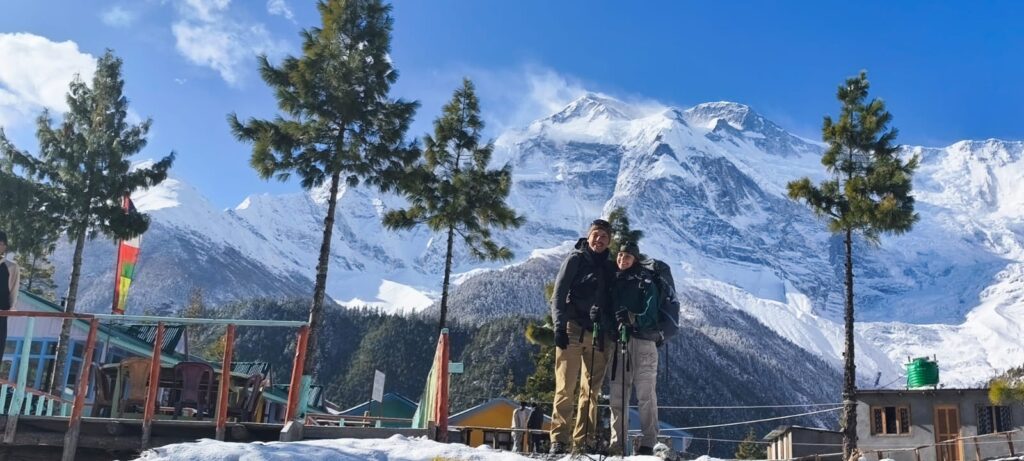
The season you choose for your Annapurna Circuit Trek can significantly influence the overall difficulty of the journey. Weather conditions, trail quality, visibility, and temperature vary throughout the year, making some seasons more suitable than others.
Spring (March to May): The Best Season for Comfortable Trekking
Spring is one of the most popular times to trek the Annapurna Circuit. As winter snow melts, the trails become more accessible, and the hillsides burst into color with blooming rhododendron forests.
Daytime temperatures are pleasant, while the skies are generally clear, offering spectacular views of Annapurna, Dhaulagiri, Manaslu, Tilicho Peak, and other Himalayan giants. Although temperatures remain cold above 4,000 meters, the weather is usually stable, making the crossing of Thorong La Pass safer and more enjoyable.
For beginners, spring offers the perfect balance of comfortable weather and breathtaking scenery.
Difficulty Rating: Moderate
Summer/Monsoon (June to August): Challenging but Less Crowded
The summer months coincide with Nepal’s monsoon season. Heavy rainfall affects the lower sections of the Annapurna Circuit, creating muddy trails, slippery rocks, leeches, and occasional landslides.
However, one unique advantage of the Annapurna Circuit is that much of the northern section lies within the rain-shadow region of Manang and Mustang, where rainfall is significantly lower than in other trekking regions.
Trekkers who don’t mind occasional rain can still enjoy quieter trails and lush green landscapes. Nevertheless, extra caution is required on wet terrain.
Difficulty Rating: Moderately Challenging to Challenging
Autumn (September to November): Peak Trekking Season
Autumn is widely regarded as the best season for the Annapurna Circuit Trek.
Following the monsoon, the atmosphere becomes crystal clear, providing incredible panoramic mountain views. Stable weather, dry trails, moderate temperatures, and excellent visibility make this the favorite season for trekkers worldwide.
Although trails and tea houses are busier than in other seasons, the overall trekking conditions are ideal.
Difficulty Rating: Moderate
Winter (December to February): Cold but Rewarding
Winter transforms the Annapurna region into a magical snowy landscape. The mountains appear even more spectacular against the deep blue Himalayan sky.
However, winter also presents the greatest weather-related challenges. Heavy snowfall can temporarily close Thorong La Pass, while nighttime temperatures above 4,000 meters frequently drop below -15°C.
Trekkers considering a winter expedition should have good cold-weather experience, flexible itineraries, and professional guides familiar with changing mountain conditions.
Difficulty Rating: Challenging
Annapurna Circuit Trek Difficulty Compared to Other Popular Treks
Choosing the right Himalayan trek often involves comparing different routes. While every trek has its own character, understanding their relative difficulty can help you select the adventure that best matches your experience and fitness level.
| Trek | Difficulty | Maximum Altitude | Average Duration |
|---|---|---|---|
| Mardi Himal Trek | Easy to Moderate | 4,500 m | 5–7 Days |
| Langtang Valley Trek | Moderate | 4,984 m | 7–10 Days |
| Annapurna Base Camp Trek | Moderate | 4,130 m | 7–12 Days |
| Everest Base Camp Trek | Moderate to Challenging | 5,364 m | 12–14 Days |
| Annapurna Circuit Trek | Moderate to Challenging | 5,416 m | 12–18 Days |
| Manaslu Circuit Trek | Challenging | 5,106 m | 14–18 Days |
Compared to the Everest Base Camp Trek, the Annapurna Circuit generally involves more varied terrain and the demanding crossing of Thorong La Pass. However, many trekkers find the gradual ascent of the Annapurna Circuit easier for acclimatization.
The Manaslu Circuit Trek is generally considered more difficult because of its remoteness, longer duration, and fewer facilities.
Common Mistakes Trekkers Make
Many trekking difficulties arise not because the trail is too hard, but because of avoidable mistakes.
Walking Too Fast
Excitement often causes trekkers to begin too quickly. At high altitude, a slow and steady pace conserves energy and reduces the risk of altitude sickness.
Ignoring Altitude Symptoms
Headaches, nausea, or dizziness should never be ignored. Early recognition and proper response can prevent serious altitude-related illnesses.
Carrying Too Much Weight
Heavy backpacks increase fatigue and place unnecessary stress on your knees and shoulders.
Pack only essential items or hire a porter to carry heavier luggage.
Wearing New Boots
Never begin the Annapurna Circuit wearing brand-new trekking boots.
Break them in during several practice hikes before arriving in Nepal to avoid painful blisters.
Poor Hydration
Cold weather often reduces thirst, but dehydration remains one of the leading contributors to fatigue and altitude sickness.
Drink water consistently throughout the day.
Choosing an Itinerary That Is Too Short
Many trekkers attempt to complete the circuit in the shortest possible time.
While shorter itineraries may seem attractive, they significantly increase the risk of altitude sickness because the body has less time to acclimatize.
Essential Safety Tips for the Annapurna Circuit Trek
Safety should always be your highest priority.
Follow these recommendations throughout your journey:
- Walk at a comfortable pace.
- Never ignore symptoms of altitude sickness.
- Stay hydrated every day.
- Eat balanced, energy-rich meals.
- Dress in layers.
- Carry a basic first aid kit.
- Check weather forecasts before crossing Thorong La Pass.
- Purchase comprehensive travel insurance that covers helicopter evacuation.
- Keep emergency contact numbers accessible.
- Follow your guide’s instructions at all times.
Responsible trekking ensures both your safety and the preservation of Nepal’s fragile mountain environment.
Why Hire a Guide and Porter for the Annapurna Circuit Trek?
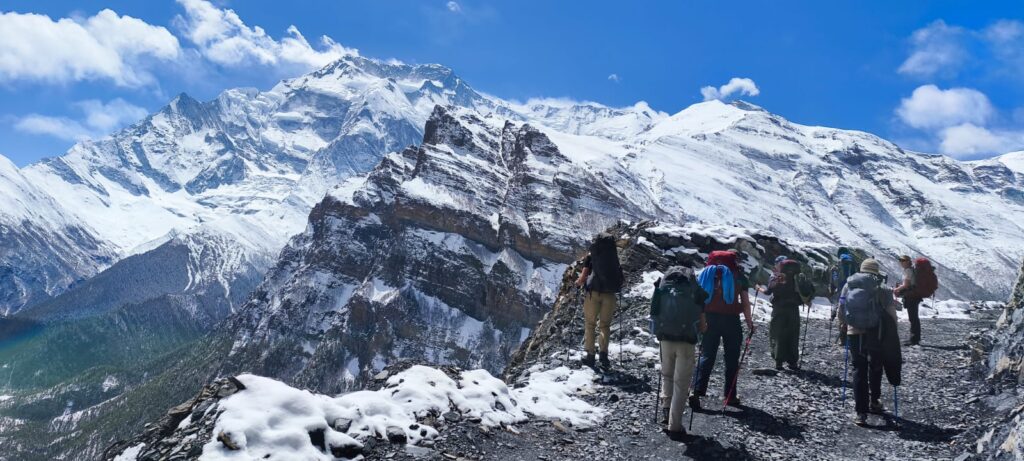
Although the Annapurna Circuit Trek is one of Nepal’s best-established trekking routes, hiring a licensed trekking guide and porter can significantly enhance your overall experience. While some experienced hikers may feel confident navigating the trail, a professional guide offers much more than simply showing the way. They provide local expertise, improve your safety, help you understand the culture and history of the region, and ensure that your journey is smooth and stress-free.
Whether you are a first-time trekker or an experienced adventurer, having a knowledgeable guide by your side allows you to focus on enjoying the breathtaking Himalayan scenery rather than worrying about logistics or unexpected challenges.
Expert Navigation and Local Knowledge
The Annapurna Circuit follows a well-marked route, but changing weather, alternative trails, road construction, and seasonal conditions can sometimes make navigation confusing. An experienced local guide knows the safest and most scenic routes, understands daily trail conditions, and can adjust your itinerary if necessary.
Beyond navigation, guides share fascinating stories about the local Gurung, Thakali, and Manangi communities, explain Buddhist traditions, introduce you to ancient monasteries, prayer flags, and chortens, and provide insights into the customs and lifestyles of people living in the Himalayas. Their knowledge transforms the trek from a simple walk into a rich cultural experience.
Improved Safety at High Altitude
One of the greatest challenges of the Annapurna Circuit Trek is the high altitude, especially when crossing Thorong La Pass (5,416 meters). A professional guide is trained to recognize the early signs of Acute Mountain Sickness (AMS) and other altitude-related illnesses.
Your guide will carefully monitor your condition throughout the trek, encourage a safe walking pace, recommend proper acclimatization, and make important decisions if your health or the weather changes. If an emergency arises, they can quickly organize medical assistance, transportation, or helicopter evacuation when necessary.
Their experience in mountain environments provides an additional layer of safety that is especially valuable for first-time trekkers.
Hassle-Free Trekking Experience
Planning a high-altitude trek involves much more than walking from one village to another. Your guide takes care of many daily arrangements, allowing you to relax and fully enjoy your adventure.
A guide can assist with:
- Booking tea house accommodation
- Ordering meals and communicating with lodge owners
- Managing trekking permits and checkpoints
- Adjusting the itinerary according to weather or trail conditions
- Providing daily briefings about the route and altitude
- Organizing transportation before and after the trek
With these responsibilities handled by an experienced professional, you can focus entirely on the spectacular landscapes and unforgettable experiences around you.
Better Cultural Experience
One of the highlights of the Annapurna Circuit is the opportunity to experience the unique cultures of Nepal’s mountain communities. Traveling with a local guide opens doors that many independent trekkers might miss.
Guides help you communicate with local families, explain traditional festivals, introduce regional foods, describe local beliefs, and share the fascinating history of the Annapurna region. These personal interactions create meaningful memories and provide a much deeper understanding of life in the Himalayas.
Why Hire a Porter?
Carrying a heavy backpack for 10 to 18 days at high altitude can quickly become exhausting. Even experienced hikers often underestimate how much energy is required to trek above 4,000 meters.
Hiring a porter allows you to carry only a small daypack containing water, snacks, a camera, and essential clothing, while your main luggage is transported safely between tea houses.
The benefits of hiring a porter include:
- Reduced physical fatigue
- Lower risk of knee, ankle, and back injuries
- More energy to enjoy mountain scenery
- Easier acclimatization at high altitude
- Greater comfort throughout the trek
- Increased chances of successfully completing the circuit
Most porters carry luggage for two trekkers, following recommended weight limits to ensure both safety and fairness.
Supporting Local Communities Through Responsible Tourism
Hiring local guides and porters does more than improve your own trekking experience—it also directly supports the mountain communities that make the Annapurna Circuit so special.
Tourism provides an important source of income for families living in remote Himalayan villages. By employing licensed guides and local porters, you help create sustainable jobs, support local businesses, encourage cultural preservation, and contribute to the economic development of the Annapurna region.
Choosing an ethical trekking company that pays fair wages and prioritizes the welfare of its staff ensures that your adventure has a positive impact on both the environment and local communities.
Enjoy the Journey with Confidence
The Annapurna Circuit Trek is one of the world’s greatest trekking adventures, but its high altitude, changing weather, and long walking days require thoughtful preparation. Hiring a professional guide and porter gives you the confidence to enjoy every step of the journey, knowing that experienced local experts are there to support you whenever needed.
At Create Himalaya Adventure, our licensed trekking guides and dedicated porters are passionate about sharing the beauty of Nepal while maintaining the highest standards of safety, professionalism, and personalized service. From your arrival in Kathmandu to your successful crossing of Thorong La Pass and beyond, our experienced team is committed to making your Annapurna Circuit Trek safe, comfortable, and truly unforgettable.
Final Thoughts
So, how difficult is the Annapurna Circuit Trek? The answer depends largely on your preparation, fitness, and attitude.
While the trek is undoubtedly demanding due to its high altitude, long walking days, and the challenge of crossing Thorong La Pass, it is not a technical climb. Thousands of trekkers—from adventurous beginners to experienced hikers—successfully complete the Annapurna Circuit every year.
With a well-planned itinerary, regular physical training, proper acclimatization, quality trekking gear, and guidance from experienced local professionals, this remarkable Himalayan journey becomes an achievable dream rather than an impossible challenge.
If you are seeking one of the world’s most scenic trekking routes, filled with spectacular mountain panoramas, authentic cultural encounters, diverse landscapes, and a genuine sense of accomplishment, the Annapurna Circuit Trek deserves a place at the top of your travel list.
Trek the Annapurna Circuit with Create Himalaya Adventure
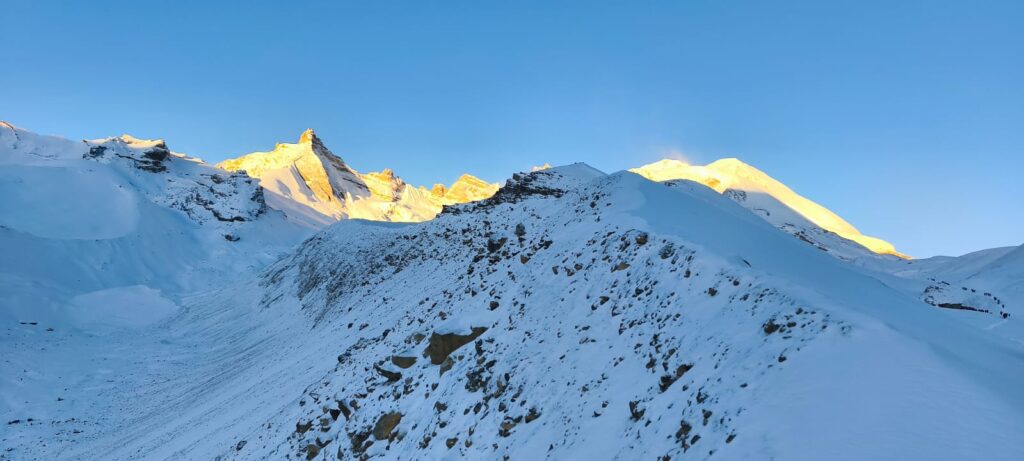
At Create Himalaya Adventure, we specialize in professionally guided Annapurna Circuit Trek packages designed for trekkers of all experience levels. Our experienced local guides, carefully planned itineraries, reliable logistics, and commitment to safety ensure you can enjoy the Himalayas with confidence.
Whether you are a first-time trekker or a seasoned adventurer, we are dedicated to making your Annapurna Circuit experience safe, memorable, and truly unforgettable.
Contact Create Himalaya Adventure today and take the first step toward conquering one of Nepal’s most legendary trekking routes.
Ready for the Adventure of a Lifetime?
The Annapurna Circuit Trek is one of the world’s greatest trekking experiences, combining breathtaking Himalayan scenery, authentic mountain culture, and the unforgettable challenge of crossing Thorong La Pass at 5,416 meters. Whether you’re a beginner or an experienced trekker, careful planning and the support of an experienced local team can make all the difference.
At Create Himalaya Adventure, we offer professionally organized Annapurna Circuit Trek packages with licensed guides, experienced porters, comfortable tea house accommodations, flexible itineraries, and personalized service. From your arrival in Kathmandu to your successful completion of the trek, our team is committed to providing a safe, enjoyable, and memorable Himalayan adventure.
Frequently Asked Questions (FAQs)
How difficult is the Annapurna Circuit Trek?
The Annapurna Circuit Trek is considered moderately to challenging. While it does not require technical climbing skills, trekkers should be prepared for long hiking days, high altitude, and crossing Thorong La Pass at 5,416 meters. With proper preparation and acclimatization, most healthy and active people can successfully complete the trek.
Can beginners do the Annapurna Circuit Trek?
Yes. The Annapurna Circuit Trek is suitable for beginners with a good level of physical fitness. Choosing a well-paced itinerary, training before the trek, and trekking with an experienced guide greatly improve your chances of completing the trek safely and comfortably.
What is the hardest part of the Annapurna Circuit Trek?
The most challenging section is crossing Thorong La Pass (5,416 m). This day involves a steep ascent, thin mountain air, cold temperatures, and a long descent to Muktinath. Most trekkers start before sunrise to avoid strong afternoon winds.
How many days does the Annapurna Circuit Trek take?
The classic Annapurna Circuit Trek usually takes 12 to 18 days, depending on your itinerary. Some shorter versions take around 10–12 days using road access, while longer itineraries include side trips such as Tilicho Lake.
How many hours do you walk each day?
Most trekking days involve 5 to 8 hours of hiking, covering approximately 10 to 20 kilometers. On the day you cross Thorong La Pass, walking time may increase to 8–10 hours.
How fit do I need to be for the Annapurna Circuit Trek?
You should have a moderate level of fitness and be comfortable walking several hours on consecutive days. Cardiovascular exercises, strength training, and practice hikes for at least 6–8 weeks before the trek are highly recommended.
Is altitude sickness common on the Annapurna Circuit?
Yes. Since the trek reaches an altitude of 5,416 meters, some trekkers experience mild symptoms of Acute Mountain Sickness (AMS). Following a gradual itinerary, taking an acclimatization day in Manang, drinking plenty of water, and walking slowly significantly reduce the risk.
What is the best time to trek the Annapurna Circuit?
The best seasons are spring (March to May) and autumn (September to November). These months offer stable weather, clear mountain views, comfortable temperatures, and excellent trekking conditions.
Is the Annapurna Circuit harder than the Everest Base Camp Trek?
Both treks are considered moderately challenging. Many trekkers find the Annapurna Circuit slightly more demanding because of the high crossing of Thorong La Pass and the longer daily walking distances. However, the gradual ascent often makes acclimatization easier than on the Everest Base Camp Trek.
Do I need a guide for the Annapurna Circuit Trek?
Hiring a licensed guide is highly recommended for safety, navigation, local knowledge, and assistance in emergencies. Depending on current trekking regulations in Nepal, foreign trekkers may also be required to trek with a licensed guide.
What permits are required for the Annapurna Circuit Trek?
You generally need the following permits:
- Annapurna Conservation Area Permit (ACAP)
- TIMS Card or any permit required under the latest trekking regulations
Your trekking company can usually arrange all necessary permits before the trek begins.
What should I pack for the Annapurna Circuit Trek?
Essential items include waterproof trekking boots, layered clothing, a down jacket, sleeping bag, trekking poles, sunglasses, gloves, a warm hat, sunscreen, water bottles, a headlamp, personal medications, and a basic first-aid kit. Packing light while carrying all essential gear will make the trek more comfortable.
Is the Annapurna Circuit Trek safe?
Yes. The Annapurna Circuit is one of Nepal’s safest and most popular trekking routes. The trail is well-established with numerous tea houses along the way. Following your guide’s advice, acclimatizing properly, and monitoring weather conditions help ensure a safe and enjoyable trek.
Is the Annapurna Circuit Trek worth it?
Absolutely. The Annapurna Circuit is widely regarded as one of the world’s greatest trekking adventures. It offers breathtaking Himalayan scenery, diverse landscapes, authentic mountain villages, rich cultural experiences, and the unforgettable achievement of crossing Thorong La Pass.
Why choose Create Himalaya Adventure for the Annapurna Circuit Trek?
Create Himalaya Adventure offers professionally organized Annapurna Circuit Trek packages led by experienced local guides. We provide personalized itineraries, comfortable tea house accommodations, reliable transportation, permit arrangements, and dedicated support throughout your journey. Our focus on safety, exceptional service, and authentic Himalayan experiences ensures that every trekker enjoys a memorable and successful adventure in Nepal.

Ramchandra Lamichhane
Trekking Expert
No hidden fees • Local experts • Best price guarantee