Chulu East Peak Climbing – 20 Days
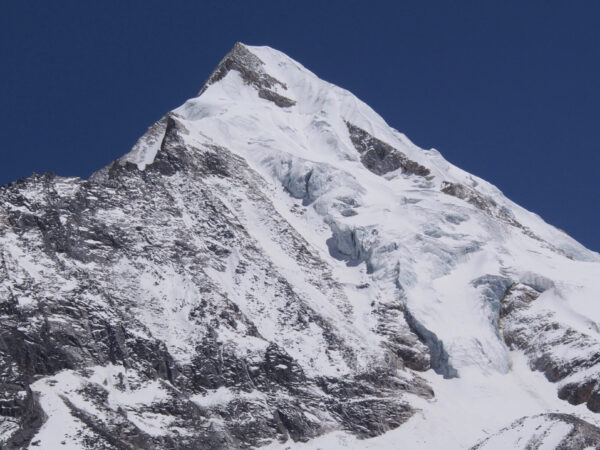
Chulu East Peak Climbing (6,584m / 21,601ft) is one of Nepal’s most rewarding trekking peaks, offering a perfect blend of high-altitude mountaineering, breathtaking Himalayan scenery, and the classic Annapurna Circuit […]
Highlights
- Scenic drive from Kathmandu to Besisahar, followed by a journey through the beautiful Marsyangdi Valley to Dharapani.
- Experience the changing landscapes from lush forests and waterfalls to alpine terrain and high mountain scenery.
- Explore Chame, the headquarters of Manang District, with stunning views of Lamjung Himal and Annapurna II.
- Walk through the dramatic Heaven’s Gate, a spectacular section of the Annapurna Circuit surrounded by towering cliffs and snow-capped peaks.
- Trek to Upper Pisang, known for its traditional culture and breathtaking Himalayan panoramas.
- Visit the ancient villages of Ghyaru and Ngawal, rich in Tibetan Buddhist heritage, monasteries, prayer wheels, and mani walls.
- Enjoy magnificent views of Annapurna II, Annapurna III, Annapurna IV, Gangapurna, Tilicho Peak, and the Chulu Range.
- Trek to the remote and scenic Green Lake, surrounded by glaciers, alpine meadows, and rugged mountain landscapes.
- Reach Chulu East Base Camp, the starting point for the climbing adventure and an excellent location for climbing preparation and acclimatization.
- Climb Chulu East Peak (6,584 m), one of Nepal’s most rewarding trekking peaks.
- Witness spectacular 360-degree summit views of Annapurna, Dhaulagiri, Manaslu, Gangapurna, Tilicho Peak, and the Tibetan Plateau.
- Experience the thrill and achievement of standing on a Himalayan summit above 6,500 meters.
- Return to Manang, a famous Himalayan village known for its unique culture, mountain views, and acclimatization opportunities.
- Trek through Yak Kharka, enjoying high-altitude landscapes, yak pastures, and panoramic mountain scenery.
- Stay at Thorong High Camp, the final stop before crossing the famous Thorong La Pass.
- Cross Thorong La Pass (5,416 m), one of the highest and most iconic trekking passes in the Himalayas.
- Enjoy breathtaking views of the Annapurna and Dhaulagiri mountain ranges from the pass.
- Descend to the sacred pilgrimage site of Muktinath, revered by both Hindus and Buddhists.
- Explore Muktinath Temple, the 108 holy water spouts, and the region’s unique spiritual atmosphere.
- Travel to Pokhara, Nepal’s beautiful lakeside city, perfect for relaxation after the expedition.
- Enjoy stunning reflections of the Himalayas on Phewa Lake and the peaceful surroundings of Pokhara.
- Conclude the adventure with a scenic drive or flight back to Kathmandu.
- Experience a perfect combination of trekking, peak climbing, Himalayan culture, high mountain passes, and world-class scenery throughout the journey.
Overview
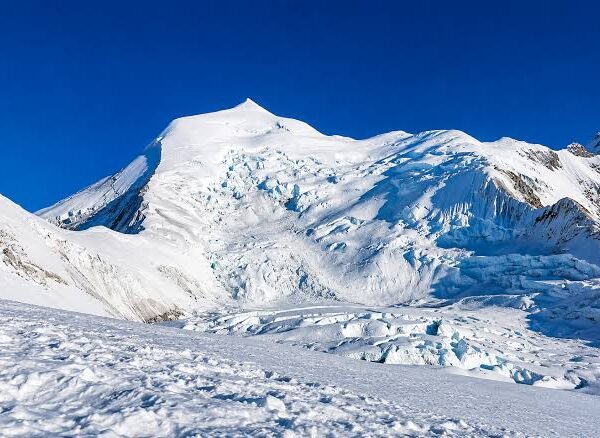
Chulu East Peak Climbing (6,584m / 21,601ft) is one of Nepal’s most rewarding trekking peaks, offering a perfect blend of high-altitude mountaineering, breathtaking Himalayan scenery, and the classic Annapurna Circuit trekking experience. Located in the northern part of the Annapurna region above the beautiful Manang Valley, Chulu East rises prominently from the Manang Himal range and provides an exciting challenge for adventurous trekkers looking to step into the world of Himalayan climbing.
The journey to Chulu East takes you through diverse landscapes, from lush river valleys and pine forests to alpine meadows, glacial terrain, and snow-covered slopes. Along the way, trekkers experience the rich culture of the Gurung, Manangi, and Tibetan-influenced mountain communities while gradually acclimatizing to the increasing altitude.
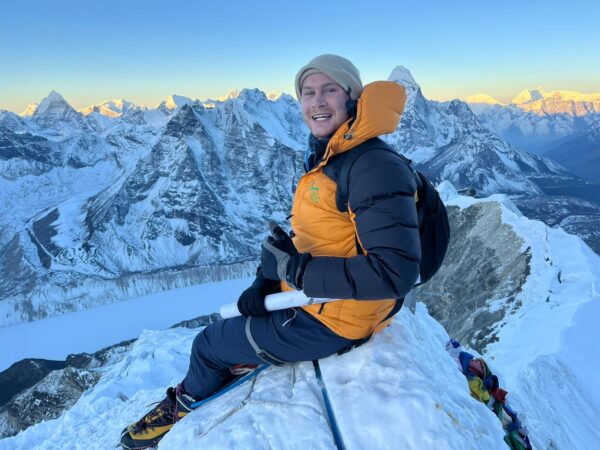
The summit of Chulu East rewards climbers with one of the most spectacular panoramas in the Annapurna region. From the top, you can enjoy stunning views of iconic Himalayan peaks including Annapurna II, Annapurna III, Annapurna IV, Gangapurna, Tilicho Peak, Pisang Peak, Dhaulagiri, and Manaslu. On clear days, the snow-covered horizon seems endless, making every step of the climb worthwhile.
The standard ascent follows the northeast route from Chulu East Base Camp and High Camp. While Chulu East is classified as a trekking peak, it requires good physical fitness and basic mountaineering skills. Climbers may encounter snow slopes, glacier travel, and the use of climbing equipment such as crampons, harnesses, ropes, and ice axes. Our experienced climbing guides provide comprehensive instruction and support throughout the expedition, making the climb suitable for both first-time peak climbers and experienced mountaineers.
To maximize safety and summit success, the itinerary follows a gradual acclimatization schedule through the Annapurna Circuit. After reaching the summit, the adventure continues across the famous Thorong La Pass 5,416m), one of the highest trekking passes in the world, before descending to the sacred pilgrimage site of Muktinath and the beautiful Kali Gandaki Valley.
At Create Himalaya Adventure, we focus on delivering a safe, enjoyable, and professionally organized climbing experience. Our experienced guides, quality camping equipment, carefully planned acclimatization schedule, and personalized service help ensure that every climber has the best possible chance of reaching the summit while fully enjoying the journey.
Chulu East Peak Climbing is more than a mountain expedition—it’s a complete Himalayan adventure that combines trekking, mountaineering, culture, and some of the finest mountain scenery Nepal has to offer.
Trip Itinerary
Arrival in Kathmandu
Upon arrival at Tribhuvan International Airport, our representative will welcome you and transfer you to your hotel in Kathmandu. After check-in, you can relax after your journey or explore the lively streets of Thamel, known for its restaurants, shops, and trekking gear stores.
Trip Preparation and Briefing
Today is dedicated to expedition preparation. Meet your climbing guide for a detailed trip briefing, equipment inspection, and safety discussion. Any missing gear can be rented or purchased in Kathmandu. The remainder of the day is free for sightseeing or final preparatio
Drive from Kathmandu to Besisahar
Leave Kathmandu and drive west along scenic highways, passing rivers, terraced farmlands, and traditional villages. After a full day of travel, arrive at Besisahar, the starting point of the Annapurna Circuit trek.
Drive from Besisahar to Dharapani
Continue by jeep along a rugged mountain road that follows the Marsyangdi River. Enjoy views of waterfalls, steep cliffs, and remote settlements before reaching Dharapani, a beautiful village surrounded by forests and mountains.
Trek from Dharapani to Chame
Begin trekking through dense pine and fir forests while gradually gaining altitude. Pass through charming villages and suspension bridges before arriving in Chame, the administrative center of Manang District, with excellent views of Lamjung Himal.
Trek from Chame to Upper Pisang
The trail follows the Marsyangdi Valley through forests and open landscapes. As you approach Upper Pisang, enjoy spectacular views of Annapurna II, Pisang Peak, and surrounding snow-capped mountains.
Upper Pisang to Ngawal
Today, you follow the scenic upper trail from Upper Pisang (3,300m) to Ngawal (3,660m), gaining altitude gradually while enjoying spectacular views of the Annapurna range. The route passes through traditional Ghyaru villages, ancient monasteries, and beautiful alpine landscapes, offering a deeper insight into the region’s Tibetan-influenced culture. After 5–6 hours of trekking, you arrive in Ngawal, a peaceful village known for its stunning mountain panoramas and excellent acclimatization benefits before continuing higher into the Annapurna Circuit.
Trek from Ngawal to Yak Kharka
Leave the main Annapurna Circuit trail and head toward the remote grazing lands of Yak Kharka. The landscape becomes increasingly rugged and barren as you move deeper into the high Himalaya
Trek from Yak Kharka to Chulu East Base Camp
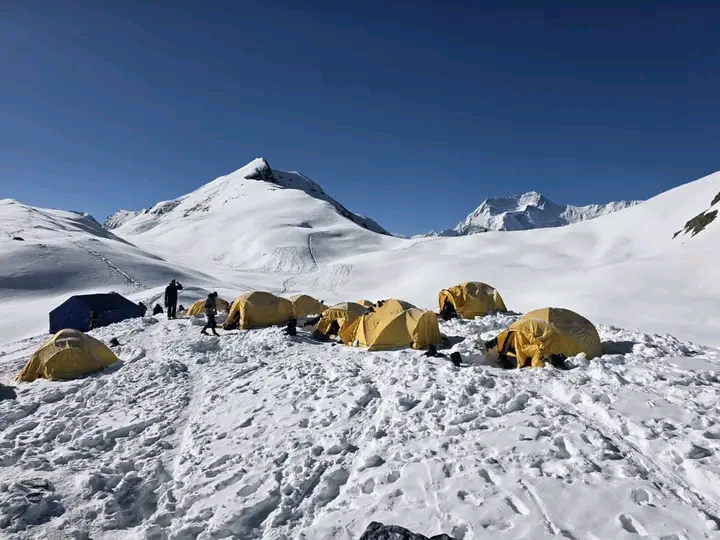
Trek across alpine meadows and rocky terrain to reach Chulu East Base Camp. Surrounded by glaciers and towering peaks, the campsite offers stunning views and marks the beginning of the climbing phase of the expedition.
Trek from Base Camp to High Camp
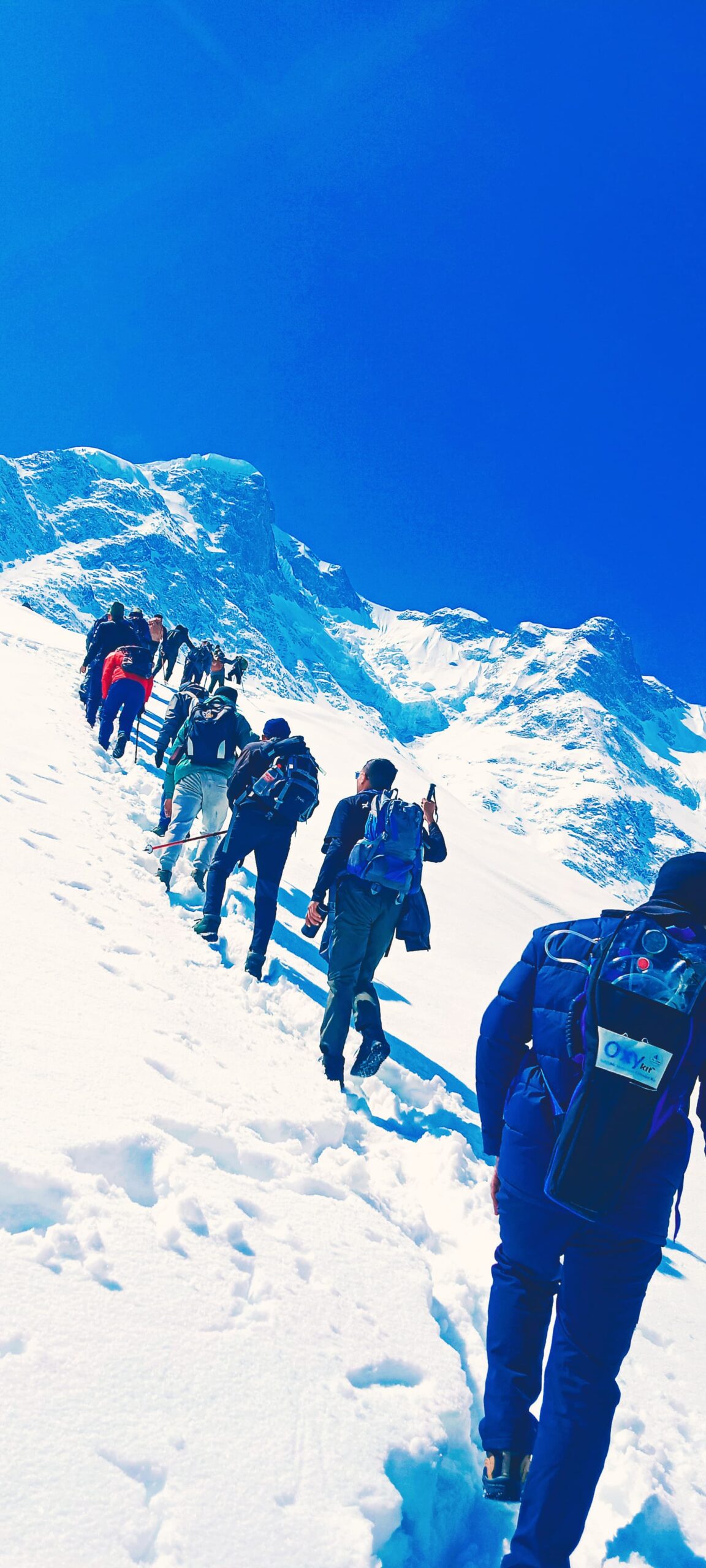
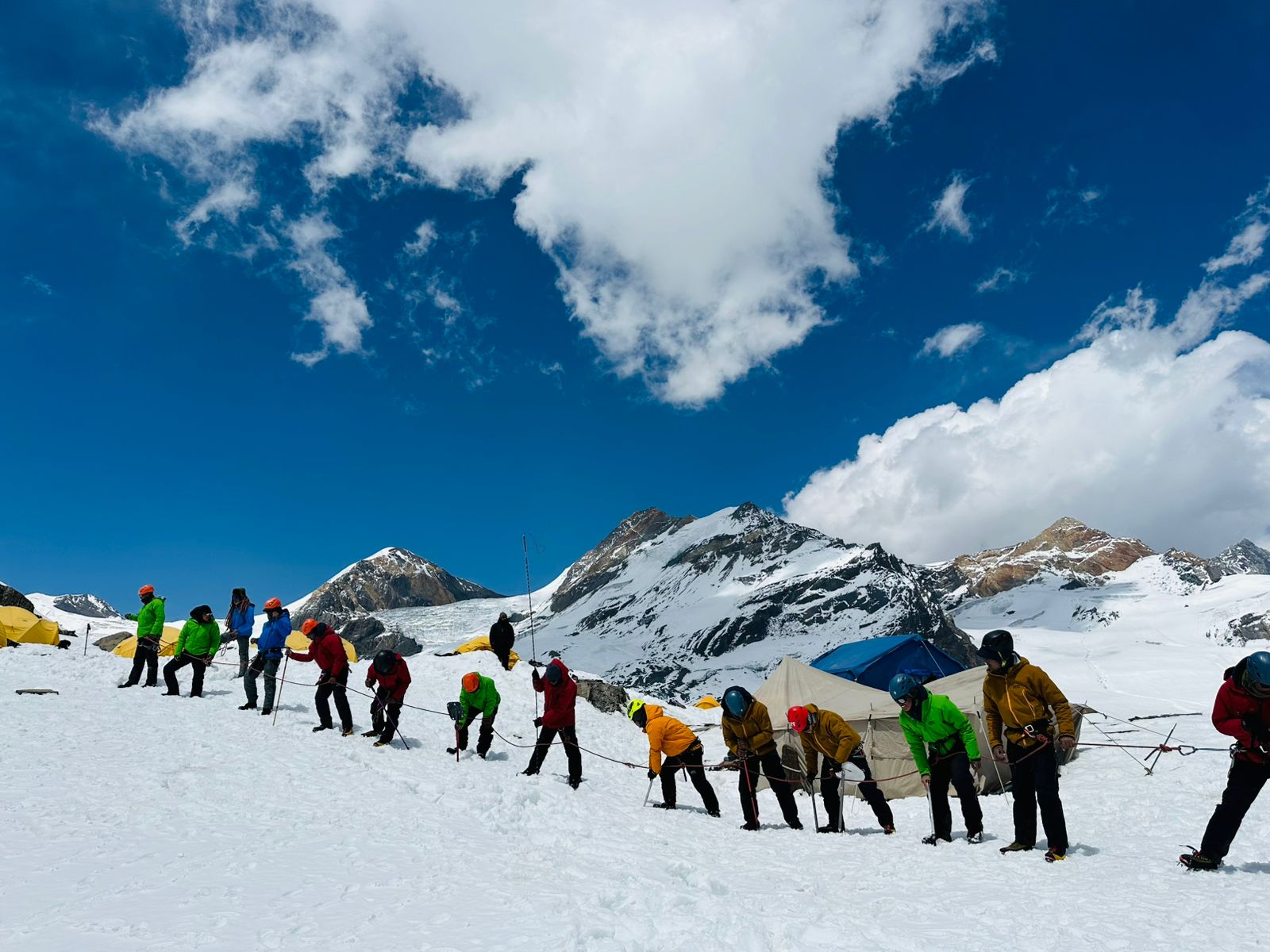
Ascend steep slopes and glacial terrain to reach High Camp. Upon arrival, your climbing guide will provide instruction on rope techniques, crampon use, and safety procedures for the summit climb.
Acclimatization and Climbing Practice
This important acclimatization day helps your body adjust to the altitude. Practice glacier travel, fixed-rope techniques, and the use of climbing equipment. Depending on weather and team condition, preparations for the summit push will be finalized
Summit Chulu East Peak and Return to Base Camp
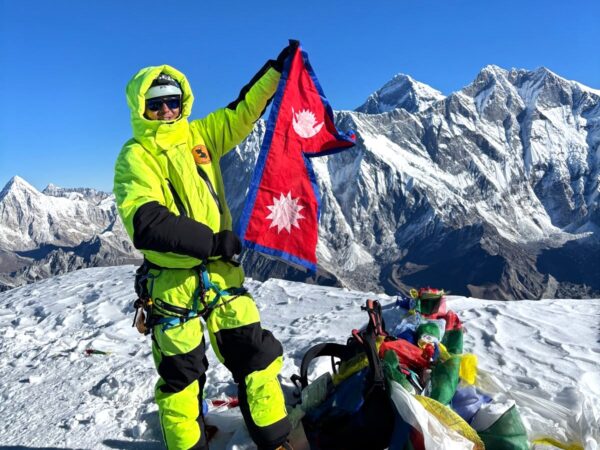
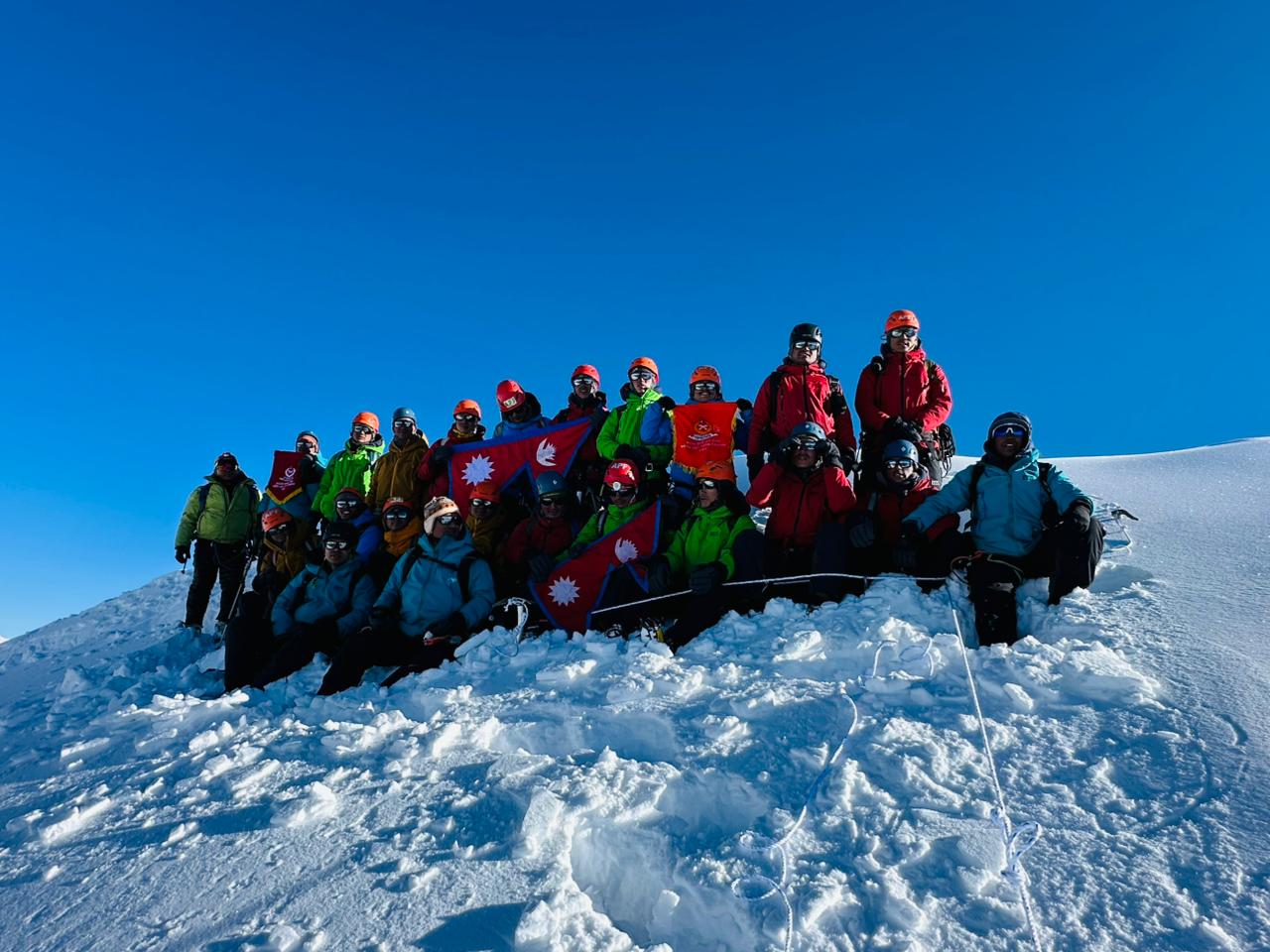
Start before dawn for the most challenging and rewarding day of the expedition. Climb snow slopes and glaciated terrain to reach the summit of Chulu East (6584m). From the top, enjoy breathtaking views of Annapurna II, III, IV, Gangapurna, Tilicho Peak, Dhaulagiri, and Manaslu. After celebrating your achievement, descend carefully back to Base Camp.
Trek from Base Camp to Manang
Leave the high alpine environment behind and descend to the beautiful village of Manang. Enjoy a comfortable night in a lodge and celebrate your successful summit with the team.
Trek from Manang to Yak Kharka
Rejoin the Annapurna Circuit trail and continue toward Thorong La Pass. The gradual ascent provides additional acclimatization while offering excellent mountain scenery
Trek from Yak Kharka to Thorong High Camp
After breakfast at Yak Kharka (4,050 m), the trek begins with a gradual climb through the rugged alpine landscape toward Thorong Phedi, the last settlement before the famous Thorong La Pass. Along the way, you’ll pass grazing yaks, cross small streams, and enjoy impressive views of the surrounding Himalayan peaks and barren mountain scenery. After a short break at Thorong Phedi (4,525 m), the trail becomes steeper as it ascends to Thorong High Camp (4,880 m). Although the distance is not long, the high altitude makes the hike more challenging, so a slow and steady pace is essential. Upon reaching High Camp, you’ll be rewarded with stunning views of the Annapurna range, Chulu peaks, and the dramatic valleys below. The rest of the day is spent relaxing, staying hydrated, and preparing for the early morning trek across Thorong La Pass.
Cross Thorong La Pass and Trek to Muktinath
Begin early in the morning and ascend to Thorong La Pass, one of the highest trekking passes in the world. Enjoy incredible Himalayan views before descending to Muktinath, a sacred pilgrimage site revered by both Hindus and Buddhists.
Trek from Muktinath to Jomsom
After exploring the sacred temples and 108 holy water taps of Muktinath (3,760 m), the trek descends through the dry and dramatic landscapes of the Mustang region toward Jomsom. The trail passes through the traditional villages of Ranipauwa, Kagbeni, and Eklebhatti, offering insights into the unique culture and lifestyle of the local people. Walking along the broad Kali Gandaki Valley, trekkers are treated to stunning views of Nilgiri, Dhaulagiri, and Tukuche Peak, along with colorful cliffs and desert-like scenery. The route is mostly downhill and relatively easy, making it a relaxing day after the challenging crossing of Thorong La Pass. Upon arrival in Jomsom (2,720 m), the administrative center of Lower Mustang, trekkers can enjoy comfortable accommodations, local cafés, and beautiful mountain views before continuing their journey to Pokhara.
Fly from Jomsom to Pokhara
Take an early morning scenic flight from Jomsom to Pokhara. The flight offers spectacular aerial views of the Annapurna and Dhaulagiri ranges. Spend the rest of the day relaxing by Phewa Lake or exploring the lakeside city.
Return to Kathmandu
Travel back to Kathmandu by flight or tourist vehicle. After checking into your hotel, enjoy free time for shopping or sightseeing before joining a farewell dinner in the evening.
Final Departure
Your Chulu East Peak adventure comes to an end today. Depending on your flight schedule, our team will transfer you to the airport for your onward journey. Alternatively, you may choose to extend your stay and explore more of Nepal.
Note: Trekking distances are approximate and may vary slightly depending on the exact route, trail conditions, and campsite locations.
Not Satisfied with This Itinerary?
Every traveler is different. Customize this trip with the help of our local travel specialists and create an itinerary that perfectly matches your interests, schedule, and budget.
What's included
- Airport pick-up and drop-off services
- Two Night hotel accommodation in Kathmandu with breakfast
- One Night hotel accommodation in Pokhara with breakfast
- Transportation from Kathmandu to Besisahar and Dharapani
- Tea house accommodation during the trek
- Full board meals (breakfast, lunch, and dinner) during trekking and climbing
- Chulu East Peak Climbing Permit
- Annapurna Conservation Area Permit (ACAP)
- Experienced trekking and climbing guide
- Climbing Sherpa support
- Base Camp and High Camp camping equipment
- Group climbing gear (ropes, ice screws, snow anchors, etc.)
- Porter service for personal baggage
- Jomsom to Pokhara flight
- Pokhara to Kathmandu flight or tourist bus
- First aid kit and safety equipment
- Government taxes and service charges
What's not included
- International airfare to and from Nepal
- Nepal entry visa fees
- Travel and rescue insurance
- Personal climbing equipment rental
- Personal expenses, snacks, drinks, and internet charges
- Hot showers, battery charging, and laundry services
- Tips for guides, porters, and climbing staff
- Expenses caused by weather delays, natural disasters, or itinerary changes beyond our control
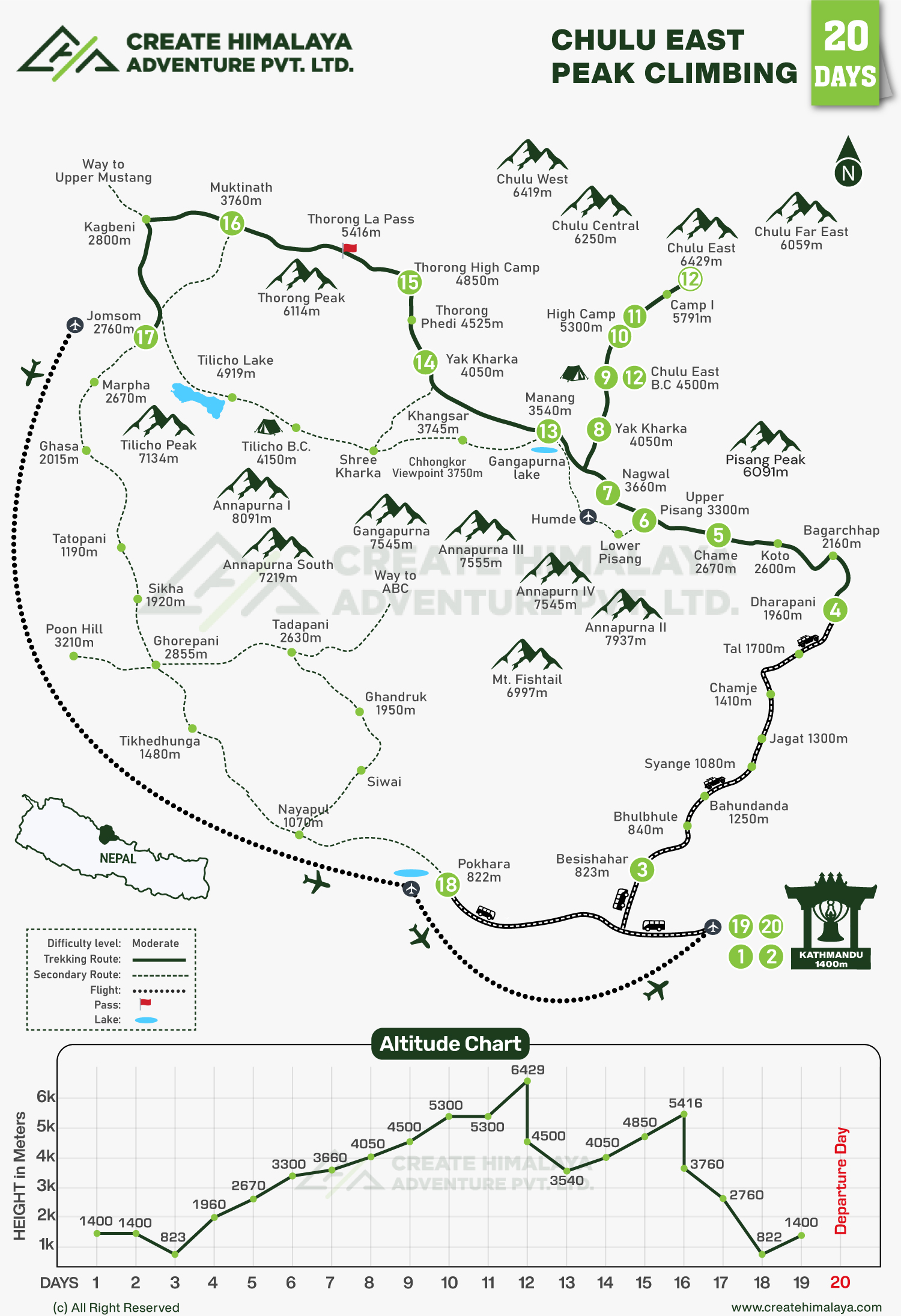
Map
Best Time for Chulu East Peak Climbing
The best time for Chulu East Peak Climbing is during the spring (March to May) and autumn (September to November) seasons. These months offer stable weather, clear mountain views, favorable climbing conditions, and the highest chances of a successful summit.
Because Chulu East rises to 6,584 meters, choosing the right season is crucial for safety, comfort, and overall enjoyment of the expedition.
Spring Season (March to May)
Spring is considered one of the best seasons for Chulu East Peak Climbing. Temperatures gradually become warmer, days are longer, and the mountain scenery is spectacular.
Advantages of Spring:
- Stable weather and good visibility
- Comfortable daytime temperature
- Colorful rhododendron forests along the lower trails
- Excellent snow conditions for climbing
- Beautiful views of Annapurna, Dhaulagiri, Manaslu, and Tilicho Peak
Temperature Range:
- Lower elevations: 10°C to 20°C
- High Camp and summit areas: -15°C to -5°C
April and May are particularly popular months due to their combination of clear skies and favorable climbing conditions.
Autumn Season (September to November)
Autumn is the most popular trekking and climbing season in Nepal. After the monsoon rains, the atmosphere becomes exceptionally clear, offering some of the best mountain views of the year.
Advantages of Autumn:
- Crystal-clear mountain panoramas
- Dry and stable weather
- Excellent trail conditions
- Comfortable trekking temperatures
- High summit success rates
Temperature Range:
- Lower elevations: 8°C to 18°C
- High Camp and summit areas: -20°C to -8°C
October is often regarded as the ideal month for Chulu East Peak Climbing due to its excellent weather and visibility.
Winter Season (December to February)
Chulu East can be climbed in winter, but conditions become significantly more challenging. Heavy snowfall, strong winds, and extremely cold temperatures increase the difficulty of the expedition.
Winter Challenges:
- Deep snow on climbing routes
- Freezing temperatures at high altitude
- Increased risk of weather delays
- More demanding summit conditions
Winter climbs are best suited to experienced mountaineers seeking a more remote and demanding adventure.
Monsoon Season (June to August)
The summer monsoon brings frequent rainfall, cloudy skies, slippery trails, and reduced visibility throughout much of the Annapurna region.
Monsoon Challenges:
- Wet and muddy trekking trails
- Limited mountain views
- Increased risk of landslides and transportation delays
- Less favorable climbing conditions
For these reasons, monsoon is generally considered the least recommended season for Chulu East Peak Climbing.
Recommended Months
| Month | Recommendation |
|---|---|
| March | Good |
| April | Excellent |
| May | Excellent |
| June | Not Recommended |
| July | Not Recommended |
| August | Not Recommended |
| September | Very Good |
| October | Excellent |
| November | Excellent |
| December | Moderate |
| January | Challenging |
| February | Moderate |
Our Recommendation
For the best combination of weather, mountain views, trail conditions, and summit success, Create Himalaya Adventure highly recommends April, May, October, and November for Chulu East Peak Climbing. These months provide the most reliable conditions for both trekking and mountaineering, making your Himalayan adventure safer and more enjoyable.
Physical Fitness
This expedition involves long trekking days, steep ascents, glacier travel, and a demanding summit push. Participants should have a good level of cardiovascular fitness and ideally engage in regular hiking, running, cycling, or other endurance activities before the trip.
Acclimatization and Altitude
The itinerary has been carefully designed to allow gradual acclimatization. However, altitude sickness can affect anyone regardless of age or fitness level. It is important to walk at a steady pace, stay hydrated, and immediately inform your guide if you experience symptoms such as headache, nausea, dizziness, or loss of appetite.
Climbing Experience
Chulu East is considered a trekking peak, but it involves the use of mountaineering equipment such as crampons, harnesses, helmets, ropes, and ice axes. Previous experience is beneficial but not essential. Our experienced climbing guides will provide instruction and training before the summit attempt.
Weather Conditions
Mountain weather in the Himalayas can change rapidly. Temperatures at higher elevations and during the summit climb may drop well below freezing, particularly during the night and early morning. Climbers should be prepared for strong winds, snow, and cold conditions.
Chulu East Peak Climbing Permit
Climbers planning to ascend Chulu East Peak (6,584m) must obtain the necessary permits issued by the Government of Nepal and the relevant authorities. These permits support conservation efforts, trail maintenance, and the sustainable management of trekking and mountaineering activities in the Annapurna region.
1. Chulu East Peak Climbing Permit
The Chulu East Peak Climbing Permit is issued by the Nepal Mountaineering Association (NMA) and is mandatory for all climbers. Permit fees vary according to the climbing season:
| Season | Permit Cost (USD) |
|---|---|
| Spring (March–May) | $250 per person |
| Autumn (September–November) | $125 per person |
| Winter (December–February) | $70 per person |
| Summer/Monsoon (June–August) | $70 per person |
2. Annapurna Conservation Area Permit (ACAP)
As Chulu East Peak is located within the Annapurna Conservation Area, all trekkers and climbers are required to obtain an ACAP permit.
- Cost: NPR 3,000 per person (approximately USD 25)
The permit fee helps fund environmental conservation, trail management, and community development projects throughout the Annapurna region.
Permit Arrangement
When you book your Chulu East Peak Climbing adventure with Create Himalaya Adventure, we take care of all permit arrangements and official paperwork on your behalf. You simply need to provide:
- A valid passport copy
- Recent passport-sized photographs
- Nepal entry visa details (if applicable)
Important Note
Permit fees and regulations are subject to change according to the policies of the Government of Nepal, Nepal Tourism Board, and Nepal Mountaineering Association. We recommend verifying the latest requirements before your trip.
All required climbing and trekking permits are included in our Chulu East Peak Climbing package unless otherwise stated in the trip cost details.
Chulu East Peak Climbing Cost
The cost of Chulu East Peak Climbing varies depending on the group size, service level, itinerary customization, and the number of climbers in your group. At Create Himalaya Adventure, we offer professionally guided expeditions with experienced climbing guides, quality camping equipment, permits, transportation, accommodation, and meals throughout the trek and climbing period.
Chulu East Peak Climbing Cost 2026
| Group Size | Cost Per Person (USD) |
|---|---|
| 1 Person | $2,650 |
| 2–4 Persons | $2,450 |
| 5–8 Persons | $2,350 |
| 9+ Persons | $2,250 |
Equipment and Packing
Proper trekking and climbing equipment is essential for a safe and comfortable expedition. Warm layered clothing, insulated jackets, quality trekking boots, gloves, sleeping bags, and climbing gear are required. A detailed packing list will be provided before departure.
Flexible Itinerary
The itinerary may be adjusted due to weather conditions, trail conditions, health concerns, or other unforeseen circumstances. The safety of our guests, guides, and staff is always the highest priority. Your climbing guide has the authority to modify the itinerary if necessary for safety reasons.
Responsible Travel
Create Himalaya Adventure promotes environmentally responsible trekking and climbing practices. We encourage all climbers to minimize waste, respect local customs and traditions, and help preserve the natural beauty of the Annapurna region for future generations.
With proper preparation, a positive attitude, and the support of our experienced team, Chulu East Peak Climbing offers an unforgettable Himalayan adventure filled with stunning scenery, cultural encounters, and the achievement of standing on a 6,584-meter summit.
Equipment List
Proper equipment is essential for a safe and successful Chulu East Peak Climbing expedition. The climb reaches an altitude of 6,584 meters, where temperatures can drop well below freezing, especially during the summit push. The following checklist covers the recommended personal clothing, trekking gear, climbing equipment, and accessories required for the expedition.
Headwear
- Warm wool or fleece hat
- Sun hat or cap with brim
- Balaclava or buff
- Neck gaiter or scarf
- UV-protection sunglasses (Category 3 or 4)
- Ski goggles for snow and wind protection
Upper Body Clothing
- Moisture-wicking base layer shirts (2–3)
- Lightweight trekking shirts
- Fleece jacket or softshell jacket
- Lightweight down jacket
- Expedition-weight down jacket for high altitude
- Waterproof and windproof shell jacket (Gore-Tex or similar)
Lower Body Clothing
- Thermal base layer bottoms
- Trekking pants (2 pairs)
- Softshell climbing pants
- Waterproof shell pants
- Insulated down pants (recommended for summit day)
Handwear
- Lightweight liner gloves
- Fleece gloves
- Insulated waterproof climbing gloves
- Heavy-duty summit mittens
Sleeping Gear
- Four-season sleeping bag (-20°C to -30°C recommended)
- Sleeping bag liner
- Inflatable or foam pillow (optional)
Climbing Equipment
- Climbing helmet
- Mountaineering harness
- Crampons
- Ice axe
- Ascender (Jumar)
- Belay/rappel device
- Locking carabiners (2–3)
- Non-locking carabiners (2–3)
- Safety sling
- Prusik loops
- Trekking poles
- Group climbing gear such as ropes, snow anchors, and technical safety equipment are generally provided by Create Himalaya Adventure.*
Backpack and Bags
- Trekking backpack (35–45 liters)
- Duffel bag (70–90 liters)
- Waterproof backpack cover
- Dry bags or waterproof stuff sacks
Personal Items
- Headlamp with extra batteries
- Water bottles (2 liters total capacity)
- Hydration bladder (optional)
- Water purification tablets or filter
- Quick-dry towel
- Personal toiletries
- Lip balm with SPF protection
- Sunscreen (SPF 50+)
- Moisturizer
- Wet wipes
- Hand sanitizer
- Toilet paper
Personal First Aid Kit
- Personal medications
- Diamox (consult your doctor before use)
- Pain relievers
- Band-aids and blister treatment
- Antiseptic cream
- Throat lozenges
- Rehydration salts
Snacks and Energy Foods
- Energy bars
- Chocolate
- Dried fruits
- Nuts and trail mix
- Electrolyte powder
Travel Documents
- Passport valid for at least six months
- Nepal visa
- Travel insurance documents
- Passport-sized photographs
- Flight tickets and travel documents
- Emergency contact information
Equipment Rental in Kathmandu
Most climbing equipment can be rented in Kathmandu, including:
- Mountaineering boots
- Down jacket
- Sleeping bag
- Harness
- Crampons
- Ice axe
- Helmet
If you do not own specialized climbing equipment, Create Himalaya Adventure can assist with arranging reliable rental gear before the expedition.
Packing Tip
Keep your total personal gear weight as light as possible while ensuring you have adequate clothing for extreme weather conditions. A porter generally carries up to 20 kg of personal equipment, while you should carry only your daily essentials in your daypack.
Having the right equipment significantly increases comfort, safety, and summit success during your Chulu East Peak Climbing adventure.
Why Choose Create Himalaya Adventure?
Our Chulu East Peak Climbing package is designed to provide excellent value while maintaining the highest standards of safety, service, and summit support. With experienced climbing guides, carefully planned acclimatization, quality equipment, and personalized attention, we help maximize your chances of a successful and enjoyable summit experience.
For private groups, custom itineraries, or combined trips with the Annapurna Circuit, Tilicho Lake, or Thorong La Pass, please contact us for a personalized quotation.
Food During Chulu East Peak Climbing
Proper nutrition plays a vital role in the success of any high-altitude expedition. During the Chulu East Peak Climbing adventure, trekkers and climbers enjoy a variety of freshly prepared meals designed to provide the energy needed for long trekking days and challenging summit climbs.
Meals on the Trek
Throughout the trekking portion of the journey, meals are served in local teahouses and lodges along the Annapurna Circuit. The menu is surprisingly varied and includes both Nepali and international dishes.
Common meal options include:
- Dal Bhat (rice, lentil soup, vegetables, and pickles)
- Fried rice with vegetables, egg, or chicken
- Noodles, chow mein, and thukpa
- Pasta, macaroni, and spaghetti
- Tibetan bread and chapati
- Pancakes, porridge, muesli, and toast
- Omelets and boiled eggs
- Soups, including garlic soup for acclimatization
- Seasonal vegetables and potato dishes
Dal Bhat is often the preferred choice among trekkers because it is nutritious, filling, and usually comes with free refills in many teahouses.
Food at Base Camp and High Camp
At Chulu East Base Camp and High Camp, meals are prepared by our climbing crew and camping staff. Fresh ingredients are carried to camp and cooked in a hygienic environment to ensure climbers receive sufficient calories and nutrients.
Typical camp meals include:
- Rice and curry dishes
- Pasta and noodle meals
- Soups and stews
- Potatoes and vegetables
- Eggs and porridge
- Tea, coffee, hot chocolate, and hot lemon
- Energy snacks and light refreshments
The food menu at camp is designed to be simple, nutritious, and easy to digest at high altitude.
Summit Day Food
On summit day, climbers start very early, often before dawn. A light breakfast is served before departure, followed by packed snacks and energy foods for the climb.
These may include:
- Energy bars
- Chocolate
- Biscuits and cookies
- Dried fruits and nuts
- Electrolyte drinks
- Tea and hot beverages
After returning from the summit, a warm meal and hot drinks are provided at camp to help restore energy and aid recovery.
Drinking Water
Safe drinking water is available throughout the trek. Water can be purchased at teahouses, boiled by the lodge, or treated using purification tablets or filters. At Base Camp and High Camp, our team provides boiled drinking water for meals and hydration.
We recommend carrying a reusable water bottle or hydration bladder and drinking at least 3–4 liters of water per day to help with acclimatization.
Special Dietary Requirements
Create Himalaya Adventure can accommodate vegetarian, vegan, gluten-free, and other dietary requirements with advance notice. Please inform us before the trip so we can make the necessary arrangements during both the trekking and climbing phases of the expedition.
Good food, proper hydration, and balanced nutrition are essential components of a successful Chulu East Peak Climbing experience, helping climbers stay strong, healthy, and prepared for the challenges of high-altitude mountaineering.
Accommodation During Chulu East Peak Climbing
Accommodation on the Chulu East Peak Climbing expedition combines comfortable teahouse stays during the trekking portion of the journey with fully supported camping facilities at higher elevations. This combination allows climbers to enjoy local hospitality while ensuring safety and comfort in the remote alpine environment above the tree line.
Accommodation in Kathmandu
Before and after the expedition, you will stay in a comfortable hotel in Kathmandu. Depending on your package and preference, accommodation can be arranged in standard, deluxe, or luxury hotels. Rooms typically include private bathrooms, Wi-Fi, hot showers, and modern amenities.
Teahouse Accommodation During the Trek
From Dharapani through Chame, Upper Pisang, Braka, Ngawal, Yak Kharka, Manang, Thorong Phedi, Muktinath, and Jomsom, accommodation is provided in local mountain lodges and teahouses.
Most teahouses offer:
- Twin-sharing rooms with comfortable beds
- Mattress, pillow, and blankets
- Shared or attached bathrooms (depending on location)
- Dining hall with a stove or heater in the evening
- Charging facilities (available for an additional fee in some places)
- Wi-Fi service in selected villages
As altitude increases, accommodation becomes more basic, but the lodges remain clean, welcoming, and well-suited for trekkers and climbers.
Camping Accommodation at Base Camp and High Camp
Due to the remote location of Chulu East Base Camp (4,500m) and High Camp (5,400m), accommodation is provided in high-quality expedition tents.
At camp, Create Himalaya Adventure provides:
- Spacious two-person mountain tents
- Comfortable sleeping mattresses
- Dining tent for meals and relaxation
- Kitchen tent operated by the climbing crew
- Toilet tent facilities
- Professional camping support staff
Our climbing team sets up and manages all camp facilities, allowing climbers to focus on acclimatization and summit preparation.
Accommodation on Summit Night
The night before the summit attempt is usually spent at High Camp. Although conditions are more challenging at this altitude, our quality tents and proper camp setup help provide a comfortable resting environment before the long summit day.
Single Room and Private Tent Options
Single hotel rooms in Kathmandu and private accommodation during the trek may be available upon request for an additional cost. Private tents at Base Camp and High Camp can also be arranged depending on availability and expedition logistics.
Comfort at High Altitude
While facilities become simpler as the altitude increases, our goal is to provide the best possible accommodation throughout the expedition. From comfortable teahouses in the Annapurna region to well-equipped high-altitude camps, every effort is made to ensure a safe, warm, and enjoyable experience during your Chulu East Peak Climbing adventure.
Travel Insurance for Chulu East Peak Climbing
Travel insurance is a mandatory requirement for Chulu East Peak Climbing. As this expedition reaches an altitude of 6,584 meters and involves trekking in remote mountain regions, comprehensive insurance coverage is essential for your safety and financial protection.
We strongly recommend purchasing travel insurance before arriving in Nepal and ensuring that your policy specifically covers high-altitude trekking and peak climbing activities.
What Should Your Insurance Cover?
Your travel insurance policy should include:
- Emergency helicopter evacuation up to 7,000 meters
- High-altitude trekking and peak climbing coverage
- Medical treatment and hospitalization expenses
- Search and rescue operations
- Emergency evacuation and repatriation
- Trip cancellation or interruption
- Lost, stolen, or damaged baggage
- Flight delays and missed connections
- Personal accident coverage
Why Is Helicopter Evacuation Coverage Important?
Chulu East Peak Climbing takes place in a remote alpine environment where road access is unavailable. In the event of severe altitude sickness, injury, illness, or other emergencies, helicopter evacuation may be the only safe option.
Helicopter rescue operations in Nepal can cost several thousand dollars, and without proper insurance, climbers are responsible for covering these expenses themselves.
Altitude Coverage Requirements
Many standard travel insurance policies only cover trekking up to 4,000 or 5,000 meters. Since Chulu East Peak reaches 6,584 meters, it is important to verify that your policy specifically covers:
- Trekking above 5,000 meters
- Mountaineering or trekking peak climbing
- Emergency rescue at the maximum expedition altitude
Always read the policy details carefully before purchasing insurance.
Insurance Documents
Before the expedition begins, please provide Create Himalaya Adventure with:
- A copy of your travel insurance certificate
- Emergency contact details
- Policy number and insurer information
- Emergency assistance contact number
These details allow us to coordinate quickly with your insurance provider if an emergency occurs.
Our Recommendation
For your safety and peace of mind, we strongly advise obtaining a comprehensive travel insurance policy that includes high-altitude trekking, peak climbing, and helicopter rescue coverage. While we take every precaution to ensure a safe and successful expedition, proper insurance is one of the most important preparations for any Himalayan adventure.
Travel insurance is not included in the Chulu East Peak Climbing package and must be arranged independently before your arrival in Nepal.
FAQs
1. What is Chulu East Peak Climbing?
Chulu East Peak Climbing is a challenging trekking peak expedition in Nepal’s Annapurna region. Standing at **6,584m / 21,601ft**, it combines the famous Annapurna Circuit Trek with a high-altitude climbing adventure. The expedition offers stunning Himalayan views, glacier experience, and an exciting summit challenge.
2. Where is Chulu East Peak located?
Chulu East Peak is located in the northern Annapurna region of Nepal, above the Manang Valley. It is part of the Chulu mountain range, which includes Chulu East, Chulu West, Chulu Far East, and other surrounding peaks.
3. How difficult is Chulu East Peak Climbing?
Chulu East is considered a **challenging trekking peak**. The climb requires good physical fitness, endurance, and basic mountaineering skills. The expedition includes long trekking days, steep climbs, glacier sections, and a demanding summit day.
Previous climbing experience is helpful but not compulsory. Training and guidance are provided by our experienced climbing team.
4. What is the highest altitude reached during the expedition?
The highest point of the climb is the **summit of Chulu East Peak at 6,584 meters (21,601 feet)**.
Other major high points include:
- Chulu East Base Camp – 4,500m
- High Camp – 5,400m
- Thorong La Pass – 5,416m
5. How many days is the Chulu East Peak Climbing itinerary?
The standard Chulu East Peak Climbing itinerary is approximately **21 days**, including arrival, preparation, trekking, climbing, summit attempt, and departure.
The itinerary can be customized depending on your experience, fitness level, and available time.
6. Where does Chulu East Peak Climbing start and end?
The expedition usually starts with a drive from **Kathmandu to Besisahar** and continues through the Annapurna Circuit.
The trekking route ends at **Jomsom**, followed by a scenic flight to Pokhara and return to Kathmandu.
7. What is the best time for Chulu East Peak Climbing?
The best seasons are:
Spring (March–May)
Stable weather
Good climbing conditions
Clear mountain views
Autumn (September–November)
Excellent visibility
Dry weather
High summit success chances
April, May, October, and November are considered the best months.
8. Do I need previous climbing experience?
Previous climbing experience is recommended but not mandatory. You should have experience with long-distance trekking and be comfortable walking at high altitude.
Our climbing guides provide basic training on:
Using crampons
Ice axe techniques
Rope safety
Glacier walking
9. Do I need travel insurance for Chulu East Peak Climbing?
Yes. Travel insurance is compulsory.
Your insurance must cover:
High-altitude trekking and climbing
Emergency helicopter evacuation up to 7,000m
Medical treatment
Rescue operations
10. What type of accommodation is available?
During the trekking section, accommodation is provided in local teahouses and mountain lodges.
At Chulu East Base Camp and High Camp, accommodation is in expedition tents with camping support.
11. What food is available during the climb?
During the trek, meals are served at teahouses, including:
Dal Bhat
Noodles
Pasta
Rice and curry
Soups
Eggs
Tibetan bread
Breakfast items
At Base Camp and High Camp, our kitchen team prepares nutritious camping meals suitable for high altitude.
12. Is drinking water available during the expedition?
Yes, drinking water is available throughout the route.
You can get water from:
Teahouses
Boiled water service
Filtered or treated water
We recommend carrying a reusable bottle and purification tablets.
13. Is there mobile network and Wi-Fi on Chulu East Trek?
Mobile networks are available in many villages along the Annapurna Circuit, but coverage becomes limited at higher elevations.
Wi-Fi and charging facilities are available in some teahouses for an additional cost.
Base Camp and High Camp have limited communication facilities.
14. Do I need a permit for Chulu East Peak Climbing?
Yes, climbers need:
Chulu East Peak Climbing Permit (NMA)
Annapurna Conservation Area Permit (ACAP)
Other required trekking registrations
Create Himalaya Adventure arranges all necessary permits.
15. What equipment is required?
You need personal trekking and climbing equipment, including:
Mountaineering boots
Crampons
Ice axe
Harness
Helmet
Warm clothing
Sleeping bag
Down jacket
Technical group equipment such as ropes and safety gear is provided by the climbing team.
16. Can beginners climb Chulu East Peak?
Strong beginners with good fitness can attempt Chulu East with proper preparation. However, it is not an easy trek and requires commitment, endurance, and proper acclimatization.
17. How long is the summit day?
Summit day is the most challenging part of the expedition.
Usually:
Duration: 10–14 hours
Start: Early morning
Route: High Camp → Summit → Base Camp
The climb involves glacier travel and steep snow sections.
18. What happens if I cannot reach the summit?
Summit success depends on many factors, including:
Weather
Snow conditions
Physical condition
Acclimatization
Safety is always the priority. The guide may adjust or cancel the summit attempt if conditions are unsafe.
19. Can I customize the Chulu East Peak Climbing itinerary?
Yes. The itinerary can be customized based on:
Available time
Fitness level
Private groups
Extra acclimatization days
Combining with other Nepal adventures
20. Why choose Create Himalaya Adventure for Chulu East Peak Climbing?
Create Himalaya Adventure provides:
Experienced climbing guides
Carefully planned itineraries
Safety-focused expedition management
Quality camping equipment
Permit assistance
Personalized service
Our goal is to make your Chulu East summit experience safe, memorable, and successful.
No hidden fees • Best price guarantee