
Why Monsoon Season is not Recommended for Trekking in Nepal
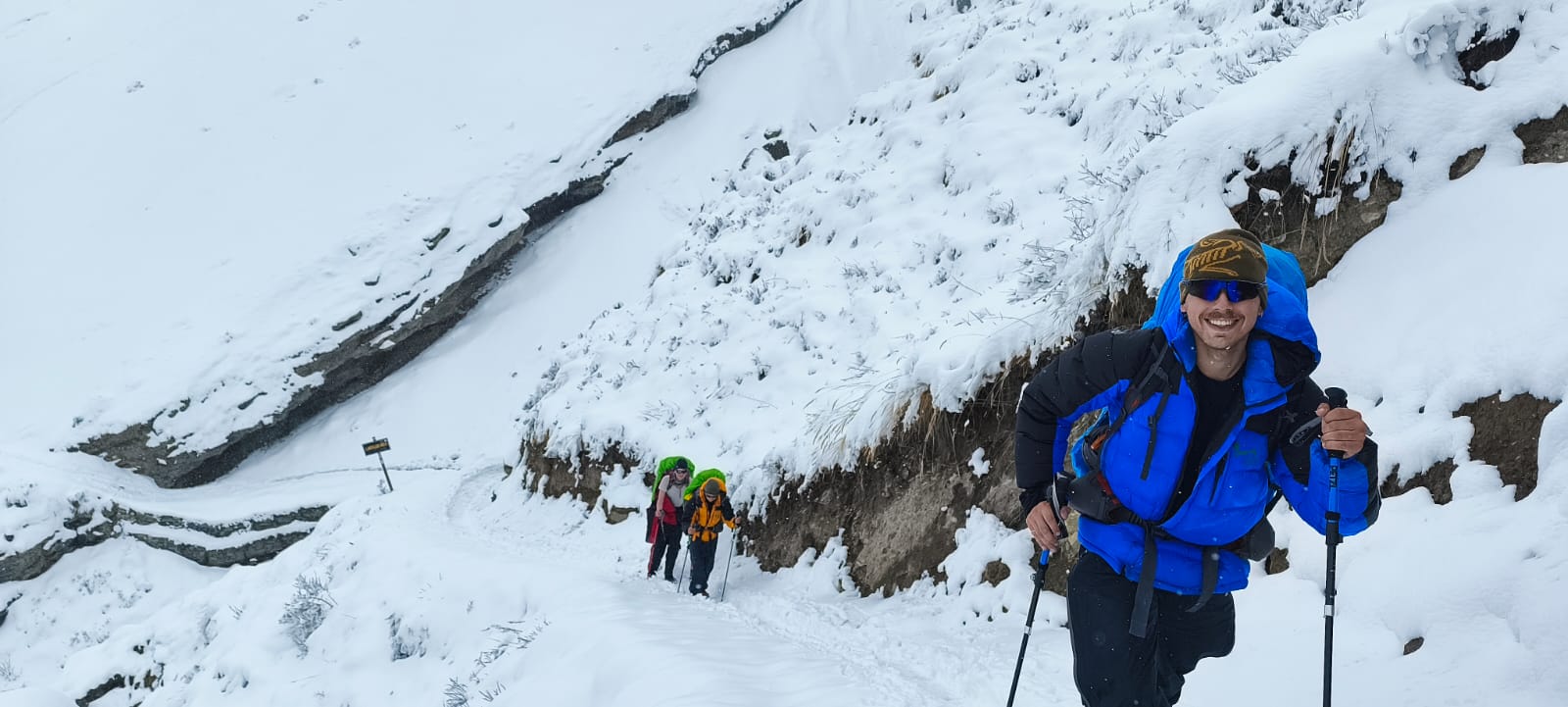
Trekking in Nepal During the Rainy Season: Challenges, Safety Tips, and the Best Alternatives
Nepal is a dream destination for trekkers, offering some of the most spectacular mountain adventures on Earth. Home to eight of the world’s fourteen highest peaks, including Mount Everest, the country boasts an incredible variety of trekking experiences—from peaceful village walks and lush rhododendron forests to challenging high mountain passes and remote Himalayan valleys. Every year, thousands of travelers visit Nepal to experience its breathtaking scenery, warm mountain hospitality, vibrant cultures, and world-famous trekking routes such as the Everest Base Camp Trek, Annapurna Base Camp Trek, Langtang Valley Trek, and Manaslu Circuit Trek.
While Nepal is a year-round destination, the success of your trek depends greatly on choosing the right season. Weather conditions can dramatically influence trail safety, mountain visibility, transportation, and your overall trekking experience. Although every season has its own charm, the monsoon season (mid-June to late September) is generally regarded as the most challenging time for trekking on Nepal’s classic Himalayan trails.
During the monsoon, heavy rainfall transforms the landscape into a vibrant green paradise, filling rivers and waterfalls and refreshing forests across the country. However, these same rains also create muddy and slippery trails, increase the risk of landslides and rockfalls, cause flight delays and road closures, and often hide the majestic Himalayan peaks behind thick clouds. For trekkers hoping to enjoy clear mountain views and comfortable walking conditions, these challenges can significantly affect the overall experience.
That said, monsoon trekking is not entirely off the table. Nepal’s unique geography includes several rain-shadow regions—such as Upper Mustang, Nar Phu Valley, and Upper Dolpo—that receive very little rainfall and remain excellent trekking destinations even during the rainy season. Understanding which regions to avoid and which ones are ideal is the key to planning a successful adventure.
In this complete guide, you’ll discover why the monsoon is generally not recommended for trekking in Nepal, the risks and challenges you should be aware of, the best alternatives for summer trekking, essential packing and safety tips, and expert recommendations from Create Himalaya Adventure to help you choose the perfect trek for your travel dates and enjoy a safe, memorable Himalayan journey.
Every year, many travelers ask:
- Is monsoon a good time to trek in Nepal?
- Can I do the Everest Base Camp Trek during the rainy season?
- Is Annapurna safe in July and August?
- Which trekking routes remain open during the monsoon?
The answer depends on where you plan to trek. Although Nepal’s famous trekking routes remain open throughout the year, the monsoon season brings heavy rainfall, slippery trails, landslides, flight delays, poor mountain visibility, and transportation challenges that can significantly affect your trekking experience. For these reasons, most experienced guides and trekking experts recommend choosing spring or autumn instead.
That said, monsoon trekking is not impossible. Some special trekking destinations located in Nepal’s rain-shadow regions, such as Upper Mustang and Upper Dolpo, receive very little rainfall and offer excellent trekking opportunities during the summer months. Understanding these differences is essential before planning your Himalayan adventure.
In this comprehensive guide, you’ll learn why the monsoon season is generally not recommended for trekking in Nepal, the challenges you may face, which trekking routes should be avoided, the few exceptional destinations that remain ideal during this season, and expert advice from Create Himalaya Adventure to help you plan a safe, enjoyable, and memorable trekking experience.
Understanding the Monsoon Season in Nepal
Before deciding whether to trek during the rainy season, it is important to understand how Nepal’s monsoon affects different regions of the country.
The monsoon season usually begins in mid-June and continues until late September. Moisture-rich winds from the Bay of Bengal bring heavy rainfall across much of Nepal, especially in the southern hills and central Himalayan regions. Rainfall is often highest during July and August, when storms can occur almost daily, particularly in the afternoon and evening.
Unlike the dry and stable weather of spring and autumn, the monsoon season is characterized by rapidly changing weather conditions. A clear morning can quickly turn into heavy rain within a few hours, making trekking schedules more unpredictable.
Typical Weather During Nepal’s Monsoon
- Season: Mid-June to late September
- Average daytime temperature: 18°C–30°C (64°F–86°F), depending on altitude
- Humidity: High throughout most trekking regions
- Rainfall: Frequent and often heavy
- Mountain visibility: Limited due to clouds and mist
- Trail conditions: Wet, muddy, and slippery
Not every part of Nepal experiences the same amount of rainfall. The southern foothills, mid-hills, and popular trekking regions such as Annapurna, Langtang, and lower Everest receive significant rainfall. In contrast, rain-shadow regions north of the Himalayas receive far less precipitation because the high mountain ranges block most of the monsoon clouds.
This geographical difference explains why some trekking destinations remain excellent even during the rainy season while many classic routes become much more challenging.
Why Monsoon Is Generally Not Recommended for Trekking in Nepal
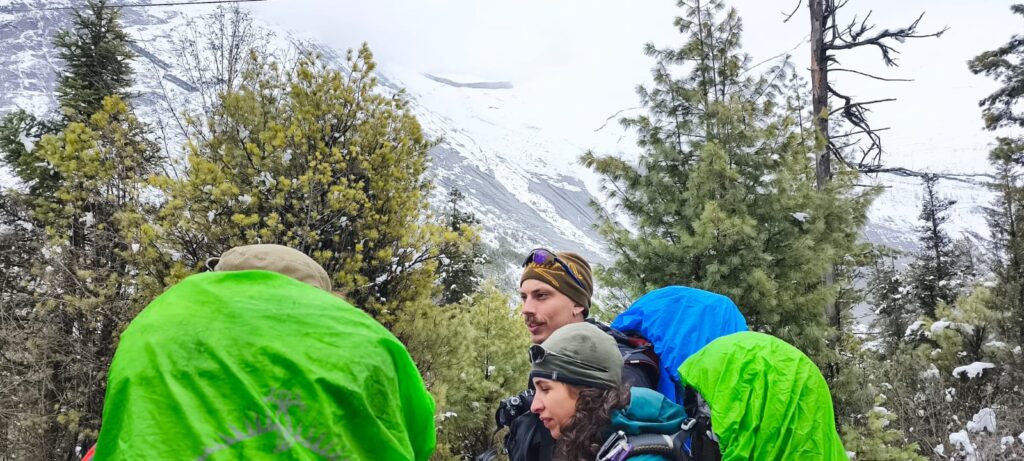
monsoon-trek-nepalAlthough Nepal remains beautiful during every season, monsoon presents several challenges that can affect both safety and enjoyment. Below are the main reasons why experienced trekking professionals usually recommend avoiding this season for most classic trekking routes.
Heavy Rainfall Creates Difficult Trekking Conditions
The biggest challenge of monsoon trekking is persistent rainfall.
Unlike occasional showers experienced in other seasons, monsoon rain can continue for several hours or even throughout the day. Continuous rainfall transforms otherwise comfortable trekking trails into muddy, slippery paths that require much greater concentration and physical effort.
Walking becomes slower because every step must be taken carefully to avoid slipping on wet rocks, exposed roots, loose gravel, or muddy slopes. Even well-maintained trails can become difficult after several days of heavy rain.
Heavy rainfall also affects overall comfort during the trek. Clothing often remains damp despite waterproof jackets, boots become soaked after repeated exposure to mud and puddles, and backpacks require extra protection to keep personal belongings dry.
The constant combination of rain, humidity, and wet equipment can make trekking physically exhausting, especially on longer routes that last more than a week.
Slippery Trails Increase the Risk of Accidents
Most trekking trails in Nepal pass through forests, stone staircases, suspension bridges, alpine meadows, and mountain ridges. During the monsoon season, these surfaces become significantly more hazardous.
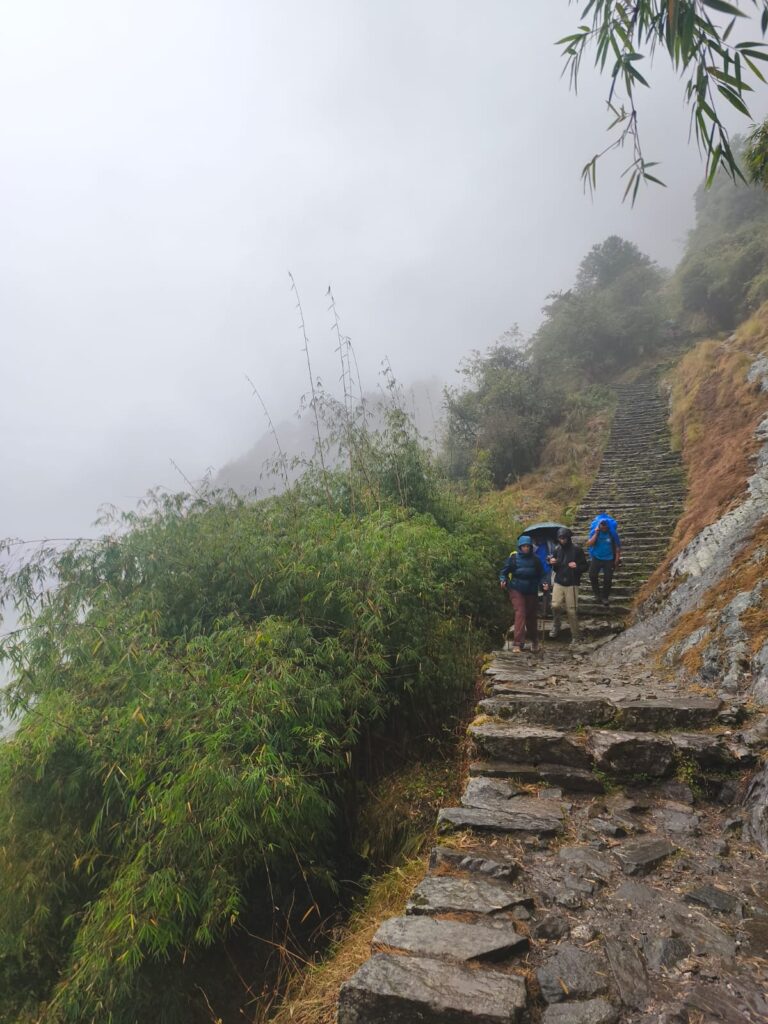
Natural stone steps become extremely slippery after rainfall, while forest trails covered with wet leaves and mud reduce traction even for high-quality trekking boots. Narrow sections of the trail require extra caution, particularly when walking downhill.
River crossings also become more challenging because stepping stones are submerged or washed away, while wooden bridges can become slick after continuous rain.
Although experienced guides know how to navigate these conditions safely, trekking always takes longer during the monsoon because extra care is required on every section of the trail.
Using trekking poles becomes almost essential, as they provide additional stability and reduce pressure on the knees while helping prevent slips.
Landslides and Rockfalls Become More Common
One of the most serious concerns during Nepal’s rainy season is the increased risk of landslides and rockfalls.
Heavy rainfall saturates hillsides, loosening rocks and soil that may collapse onto trekking trails or mountain roads. Landslides are especially common in steep valleys and along highways leading to major trekking regions.
Road access to trailheads can become temporarily blocked, delaying transportation to destinations such as:
- Annapurna Region
- Langtang Valley
- Manaslu Region
- Mardi Himal
- Poon Hill
- Ganesh Himal
In some cases, trekkers may need to wait several hours—or even a full day—for roads to reopen after debris has been cleared.
Experienced local guides constantly monitor weather forecasts and road conditions before beginning each stage of the journey. Their knowledge can significantly improve safety when trekking during unpredictable weather.
Poor Mountain Views Can Be Disappointing
One of the main reasons travelers visit Nepal is to witness the breathtaking Himalayan panorama.
Snow-covered giants such as Mount Everest, Annapurna I, Dhaulagiri, Manaslu, Machhapuchhre, and Langtang Lirung create unforgettable memories for trekkers from around the world.
Unfortunately, these spectacular mountain views are often hidden during the monsoon season.
Heavy cloud cover, mist, and frequent rainstorms reduce visibility throughout much of the day. Even famous sunrise viewpoints like Poon Hill, Kala Patthar, and Mardi Himal Viewpoint may remain completely covered by clouds.
While occasional clear mornings do occur after overnight rain, there is no guarantee of uninterrupted mountain views. Many trekkers complete their journey seeing only brief glimpses of the Himalayas, making the experience less rewarding compared to the crystal-clear skies of autumn or spring.
For photographers, this can be particularly disappointing, as iconic mountain landscapes are one of the highlights of trekking in Nepal.
Leeches Become a Major Nuisance
Another reason why many trekkers avoid the monsoon season is the sudden increase in leeches, especially in forested areas below 3,000 meters.
Warm temperatures, dense vegetation, and constant moisture create ideal conditions for these small blood-feeding creatures.
Leeches are commonly found along trails in:
- Annapurna Conservation Area
- Langtang National Park
- Lower Everest Region
- Mardi Himal
- Ghorepani Poon Hill
- Helambu
- Shivapuri National Park
Although leeches are generally harmless and do not spread diseases, many trekkers find them unpleasant. They can attach to shoes, socks, gaiters, or exposed skin without being noticed immediately.
Fortunately, there are effective ways to reduce encounters with leeches. Wearing long trekking pants, high socks, gaiters, and leech socks provides excellent protection. Carrying salt or an alcohol-based sanitizer also helps remove leeches safely if they attach to your skin.
Despite these precautions, frequent encounters with leeches can make trekking less enjoyable for many visitors, particularly those experiencing Nepal for the first time.
Flight Delays and Cancellations Are More Common
Weather plays a critical role in mountain transportation across Nepal, especially for trekking regions that rely on domestic flights. During the monsoon season, low clouds, heavy rainfall, fog, and poor visibility frequently disrupt flight schedules.
Some of Nepal’s most popular trekking destinations require flights to reach the trailhead. These include:
- Lukla (Everest Region)
- Jomsom (Mustang Region)
- Simikot (Humla Region)
- Tumlingtar (Makalu Region)
- Nepalgunj connections to western Nepal
Among these, Kathmandu–Lukla flights are the most affected during the rainy season. Since Lukla Airport is located in a narrow mountain valley, pilots need excellent visibility for safe takeoff and landing. Even light rain or low cloud cover can result in delays or cancellations.
A delayed flight can create a domino effect throughout your itinerary. You may miss reserved teahouse accommodation, lose valuable trekking days, or need to rearrange transportation and return flights.
For this reason, travelers planning a monsoon trek should always include two or three extra buffer days in their itinerary to account for unexpected weather-related delays.
Rivers Become Stronger and More Dangerous
Nepal’s rivers are fed by both monsoon rainfall and melting Himalayan glaciers. During the rainy season, water levels rise rapidly, turning normally calm streams into fast-flowing rivers.
Many trekking routes involve crossing rivers using suspension bridges or smaller footbridges. While major suspension bridges remain safe, heavy rainfall can affect smaller crossings and nearby trails.
Common challenges include:
- Overflowing streams
- Flooded walking paths
- Damaged temporary bridges
- Strong river currents
- Washed-out sections of trail
Experienced trekking guides monitor river conditions carefully and may choose alternative routes if necessary. Independent trekkers, however, may find these changing conditions difficult to assess.
Safety should always take priority over maintaining a fixed itinerary.
Road Transportation Can Become Unpredictable
Many trekking adventures begin with long drives from Kathmandu or Pokhara to the trailhead. Unfortunately, monsoon weather often affects Nepal’s mountain roads.
Continuous rainfall softens steep hillsides, increasing the risk of:
- Landslides
- Rockfalls
- Mudslides
- Flooded roads
- Traffic congestion
Roads leading to popular trekking regions such as Annapurna, Langtang, Manaslu, Dolakha, and eastern Nepal are particularly vulnerable during heavy rainfall.
Travelers may experience:
- Several-hour traffic delays
- Temporary road closures
- Vehicle diversions
- Longer travel times
- Last-minute itinerary adjustments
- These transportation issues can be frustrating, especially for visitors with limited vacation time.
- Wet Clothing and Damp Equipment Reduce Comfort
- Even the highest-quality waterproof gear has its limits.
During several consecutive days of rain, moisture gradually builds up inside clothing, boots, tents (for camping treks), and backpacks.
Common problems include:
- Wet Trekking Boots
- Boots become heavier after repeated exposure to mud and water. Once soaked, they often require several days to dry completely.
- Walking in wet boots also increases the likelihood of blisters.
- Damp Sleeping Bags
- Although most teahouses provide blankets, damp weather can affect sleeping bags if they are not stored properly.
- A wet sleeping bag provides much less insulation during cold mountain nights.
- Clothes Dry Very Slowly
- The high humidity during monsoon means clothing rarely dries overnight.
- Many trekkers end up wearing slightly damp clothes the next morning, reducing comfort throughout the trek.
- Electronic Equipment Needs Extra Protection
- Phones, cameras, power banks, and charging cables require waterproof storage.
- Without dry bags or waterproof cases, valuable electronics can easily be damaged by rain.
- Increased Risk of Illness During the Monsoon
The combination of rain, humidity, and fluctuating temperatures can increase the likelihood of certain health problems while trekking.
Although altitude sickness remains a concern at higher elevations regardless of season, monsoon introduces additional health challenges.
Some common issues include:
Cold and Flu: Walking for hours in wet clothing may increase the risk of catching a cold, particularly when temperatures drop in the evening.
Blisters: Wet socks create friction inside trekking boots, leading to painful blisters that can make walking difficult.
Stomach Problems: Heavy rainfall sometimes affects local water supplies, increasing the importance of drinking properly purified water.
Skin Irritation: Constant moisture may cause rashes or fungal infections, especially if wet clothes are worn for extended periods.
Maintaining good hygiene, staying warm, changing into dry clothing whenever possible, and drinking purified water all help reduce these risks.
Insects Are More Active During the Rainy Season
Monsoon creates ideal breeding conditions for insects throughout Nepal’s lower hills and forests.
Trekkers may encounter:
- Mosquitoes
- Leeches
- Flies
- Small biting insects
Although mosquitoes are generally less common at higher elevations, they are abundant in Kathmandu Valley, Pokhara, Chitwan, and lower trekking regions.
Carrying insect repellent becomes especially important for treks beginning below 2,000 meters.
Limited Photography Opportunities
Nepal is one of the world’s most photogenic countries, offering dramatic landscapes, snow-covered mountains, colorful villages, suspension bridges, glaciers, and alpine lakes.
Unfortunately, monsoon weather often limits photography opportunities.
Photographers may struggle with:
- Thick cloud cover
- Foggy landscapes
- Rain-covered camera lenses
- Flat lighting conditions
- Hidden mountain peaks
While lush green hills and dramatic storm clouds have their own beauty, travelers hoping for classic Himalayan panoramas may leave disappointed.
The crystal-clear skies of October and November remain unmatched for landscape photography.
Teahouse Facilities Can Be More Challenging
Teahouse trekking remains possible during the monsoon, but facilities may not always be as comfortable as during peak trekking seasons.
Because of continuous rain:
- Dining rooms may feel damp.
- Firewood dries more slowly.
- Rooms remain humid.
- Blankets may not dry completely.
- Solar charging systems become less efficient due to limited sunshine.
Electricity interruptions are also slightly more common in remote villages during severe storms.
Although local teahouse owners work hard to accommodate trekkers, weather conditions naturally affect comfort.
Mental Fatigue Can Affect the Trekking Experience
Many people underestimate the psychological effects of trekking during several consecutive days of rain.
Instead of enjoying panoramic mountain views, trekkers often spend long hours walking through fog, mud, and drizzle.
Continuous rainfall may lead to:
- Reduced motivation
- Physical exhaustion
- Slower progress
- Less enjoyment of the scenery
- Increased stress due to changing travel plans
For first-time visitors to Nepal, this can be disappointing, especially after traveling thousands of kilometers to experience the Himalayas.
Choosing the right season often makes the difference between a challenging trek and a truly unforgettable adventure.
Why Spring and Autumn Are the Best Seasons for Trekking in Nepal
If you want to experience Nepal at its absolute best, spring (March to May) and autumn (late September to November) are the ideal seasons for trekking. These two seasons consistently offer the most favorable weather, making them the preferred choice for both first-time visitors and experienced trekkers from around the world.
Unlike the monsoon season, when heavy rainfall and cloudy skies can affect your journey, spring and autumn provide a perfect balance of comfortable temperatures, stable weather, and breathtaking Himalayan scenery. Trails remain dry and easier to walk, mountain flights operate more reliably, and the chances of enjoying crystal-clear views of the snow-capped peaks are significantly higher.
Whether you’re planning the Everest Base Camp Trek, Annapurna Base Camp Trek, Annapurna Circuit Trek, Langtang Valley Trek, Mardi Himal Trek, or the Manaslu Circuit Trek, these seasons offer the best overall trekking experience.
Why Spring and Autumn Are the Most Popular Trekking Seasons
During spring and autumn, trekkers can enjoy:
- Stable weather with fewer chances of rain or storms
- Crystal-clear mountain views of Everest, Annapurna, Dhaulagiri, Manaslu, and many other Himalayan peaks
- Comfortable daytime temperatures for long trekking days
- Dry and well-maintained trailswith better walking conditions
- Lower risk of landslides, mudslides, and slippery paths
- More reliable domestic flightsto destinations such as Lukla and Jomsom
- Excellent photography opportunities with vibrant landscapes and clear skies
- Longer daylight hours, allowing more time to enjoy the scenery
- Beautiful sunrises and sunsets from famous viewpoints like Kala Patthar, Poon Hill, and Gokyo Ri
- Blooming rhododendron forests during spring and colorful post-monsoon landscapes in autumn
Spring (March to May)
Spring is one of Nepal’s most colorful seasons. Hillsides come alive with blooming rhododendrons, magnolias, and wildflowers, while pleasant temperatures make trekking enjoyable from lower valleys to high mountain passes. The skies are generally clear in the mornings, offering excellent mountain views, and wildlife is more active in many national parks.
Autumn (Late September to November)
Autumn is widely regarded as the best trekking season in Nepal. After the monsoon rains have washed away dust and pollution, the atmosphere becomes exceptionally clear, revealing spectacular Himalayan panoramas. The weather is stable, rainfall is minimal, and temperatures are ideal for trekking at both lower and higher elevations.
Autumn is also a festive time in Nepal, with major celebrations such as Dashain and Tihar, giving visitors the opportunity to experience the country’s rich culture and traditions alongside its natural beauty.
Plan Your Trek During the Best Season
If your travel dates are flexible, choosing spring or autumn will greatly enhance your trekking experience. You’ll enjoy safer trail conditions, clearer mountain views, more reliable transportation, and a much higher chance of completing your trek without weather-related disruptions.
At Create Himalaya Adventure, we always recommend planning your Himalayan adventure during these peak trekking seasons whenever possible. Our experienced local team will help you select the best route, itinerary, and travel dates to ensure you experience Nepal’s mountains at their very best.
Which Popular Treks Are Not Recommended During the Monsoon?
Nepal offers hundreds of trekking routes, but not every trail is suitable during the monsoon season. While most trekking regions remain officially open, heavy rainfall between mid-June and late September creates challenging trail conditions that can affect both safety and the overall trekking experience. Continuous rain, muddy paths, landslides, swollen rivers, poor mountain visibility, and transportation delays make many of Nepal’s classic trekking routes less enjoyable compared to spring and autumn.
For travelers visiting Nepal for the first time, the monsoon season is generally not the best time to undertake the country’s most popular treks. Since these routes pass through dense forests, deep river valleys, and landslide-prone mountain roads, weather conditions can change rapidly and may disrupt your itinerary. In addition, one of the biggest highlights of trekking in Nepal—spectacular panoramic views of the Himalayas—is often hidden behind thick clouds and mist during the rainy season.
Although experienced trekkers with flexible schedules may still complete these routes, most local guides and trekking experts recommend choosing an alternative season or selecting a rain-shadow destination such as Upper Mustang or Nar Phu Valley if you plan to visit Nepal during the summer months.
Popular Trekking Routes Generally Not Recommended During the Monsoon
The following trekking destinations are generally not recommended during Nepal’s monsoon season due to heavy rainfall, slippery trails, poor visibility, and increased safety risks:
- Everest Base Camp Trek
- Annapurna Base Camp Trek
- Annapurna Circuit Trek (southern section)
- Mardi Himal Trek
- Ghorepani Poon Hill Trek
- Langtang Valley Trek
- Manaslu Circuit Trek
- Kanchenjunga Base Camp Trek
- Makalu Base Camp Trek
- Helambu Trek
Why Most Trekkers Postpone Their Trek Until Autumn
Although trekking during the monsoon is certainly possible, many international travelers spend years planning their once-in-a-lifetime visit to Nepal. After investing significant time, money, and effort, they naturally hope for the best possible experience.
Autumn consistently delivers what most trekkers dream of:
- Clear blue skies from sunrise to sunset
- Magnificent views of snow-capped Himalayan peaks
- Dry and stable trekking trails
- Comfortable daytime temperatures
- Excellent photography opportunities
- Reliable road and air transportation
- Vibrant mountain villages filled with trekkers from around the world
- Beautiful golden landscapes after the monsoon has ended
By comparison, trekking during the rainy season often requires accepting uncertainty. Travelers must be prepared for changing weather, transportation delays, limited mountain views, and trail conditions that can vary from one day to the next.
For those who value spectacular scenery, safety, and a smoother trekking experience, waiting until spring or autumn is usually the better choice.
Best Treks to Do During the Monsoon in Nepal
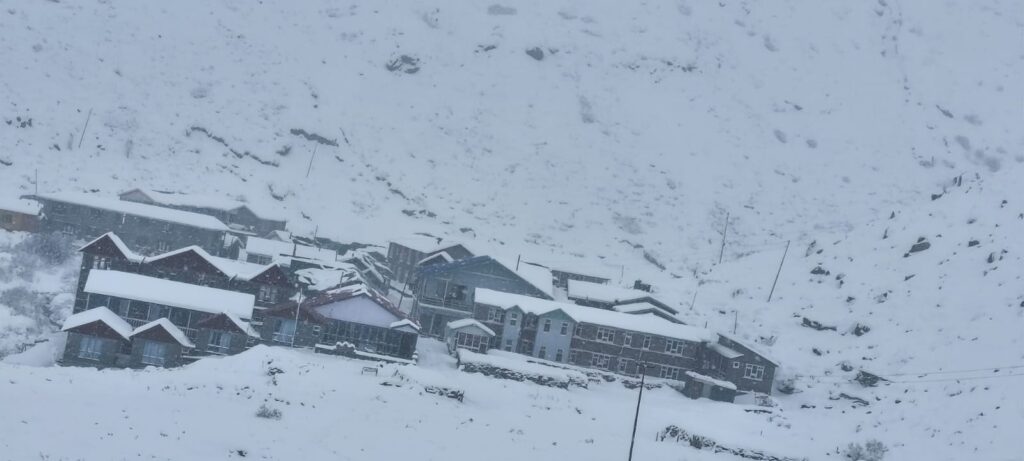
Although the monsoon season is generally not recommended for most trekking routes in Nepal, there are some remarkable exceptions. These exceptional destinations lie in the rain-shadow region of the Himalayas, where the towering mountain ranges block the moisture-laden monsoon clouds coming from the south.
As a result, these areas receive significantly less rainfall than popular trekking regions such as Everest, Annapurna Base Camp, Langtang, and Manaslu. While much of Nepal experiences heavy rain, muddy trails, and cloudy skies, these rain-shadow regions often enjoy dry weather, clear mountain views, and pleasant trekking conditions.
If your travel dates fall between June and September, these destinations are among the best choices for trekking in Nepal.
Upper Mustang Trek – The Best Monsoon Trek in Nepal
The Upper Mustang Trek is widely regarded as the best trekking destination in Nepal during the monsoon season. Located north of the Annapurna and Dhaulagiri ranges, Upper Mustang lies in the Himalayan rain shadow, meaning it receives very little rainfall even during the peak monsoon months.
Often referred to as the “Last Forbidden Kingdom,” Upper Mustang offers a completely different trekking experience from other regions of Nepal. Instead of lush forests and green hills, trekkers explore dramatic desert-like landscapes, colorful sandstone cliffs, ancient cave dwellings, Tibetan Buddhist monasteries, and centuries-old villages that have preserved their unique culture for generations.
Why Upper Mustang Is Perfect During Monsoon
Unlike many classic trekking routes, Upper Mustang enjoys:
- Dry and stable trekking trails
- Minimal rainfall
- Clear mountain scenery
- Comfortable daytime temperatures
- Spectacular desert landscapes
- Rich Tibetan culture
- Ancient monasteries and royal palaces
Excellent opportunities for photography
One of the highlights of the trek is visiting Lo Manthang, the ancient walled capital of the former Kingdom of Mustang. The narrow alleyways, whitewashed houses, monasteries, and royal palace provide a fascinating glimpse into a culture that has remained largely unchanged for centuries.
Trekkers can also explore impressive monasteries such as Thubchen Monastery, Jampa Monastery, and nearby ancient cave complexes carved into towering cliffs.
Because the trails remain relatively dry, walking conditions are much more comfortable than in Nepal’s wetter regions.
For travelers who can only visit Nepal during the summer months, Upper Mustang offers one of the finest trekking experiences in the Himalayas.
Nar Phu Valley Trek
The Nar Phu Valley Trek is another excellent destination during the monsoon season. Hidden between the Annapurna and Manaslu regions, this restricted trekking area remains one of Nepal’s least-visited Himalayan valleys.
The route passes through deep canyons, remote Tibetan villages, ancient monasteries, yak pastures, and dramatic high-altitude landscapes.
Since much of the valley lies within the rain-shadow zone, rainfall is relatively low compared to southern Annapurna.
Highlights of Nar Phu Valley
- Authentic Tibetan culture
- Remote mountain villages
- Ancient monasteries
- Spectacular rock formations
- Beautiful alpine landscapes
- Fewer trekkers
- Dry trekking conditions
Nar and Phu villages provide a rare opportunity to experience traditional Himalayan life that has remained untouched by modern development.
The trek is ideal for experienced hikers seeking solitude and cultural immersion.
Upper Dolpo Trek
The Upper Dolpo Trek is one of Nepal’s most remote and adventurous trekking routes.
Made famous by the book and film The Snow Leopard, Upper Dolpo offers a landscape unlike anywhere else in Nepal. Vast barren valleys, crystal-clear alpine lakes, ancient monasteries, windswept plateaus, and traditional Tibetan villages create an unforgettable trekking experience.
Because Upper Dolpo lies behind the Dhaulagiri massif, it receives very little monsoon rainfall.
Why Trek Upper Dolpo During Monsoon?
- Dry climate
- Magnificent mountain scenery
- Ancient Bon and Buddhist monasteries
- Remote Himalayan culture
- Stunning high-altitude lakes
- Very few tourists
The famous Shey Phoksundo Lake, with its brilliant turquoise water surrounded by rugged cliffs, is one of Nepal’s most beautiful natural attractions.
Although the trek is physically demanding and requires careful planning, it is one of the best long-distance adventures available during the rainy season.
Lower Dolpo Trek
For trekkers looking for a slightly less demanding alternative, the Lower Dolpo Trek is another excellent monsoon option.
The route combines spectacular mountain scenery with traditional villages, forests, alpine meadows, and the breathtaking Phoksundo Lake.
Compared to Upper Dolpo, Lower Dolpo requires fewer days while still offering a remote wilderness experience.
Annapurna Circuit (Manang to Mustang Section)
Although the southern part of the Annapurna Circuit receives heavy rainfall, conditions improve dramatically after reaching Manang.
The Annapurna range blocks much of the monsoon moisture, creating a much drier environment north of the mountains.
Trekkers who begin their journey closer to Manang can enjoy:
- Dry valleys
- Dramatic mountain scenery
- Tibetan-style villages
- Comfortable trekking temperatures
- Excellent views
Many experienced trekkers choose modified Annapurna itineraries during the monsoon that focus on these rain-shadow areas.
Why Do Nepal’s Rain-Shadow Regions Stay Dry During the Monsoon?
One of the most fascinating features of Nepal’s geography is that not every trekking region receives heavy monsoon rainfall. While popular destinations like the Everest, Annapurna Base Camp, Langtang, and Manaslu regions experience frequent rain during the summer months, several areas in northern Nepal remain surprisingly dry. This natural phenomenon is known as the rain-shadow effect, making these regions some of the best places for trekking during the monsoon season.
The reason lies in the towering Himalayan mountain ranges. Moist monsoon winds travel north from the Bay of Bengal, carrying large amounts of water vapor across the Indian subcontinent into Nepal. As these clouds reach the massive Himalayan ranges—including Annapurna, Dhaulagiri, and Manaslu—they are forced to rise over the mountains.
As the air rises, it cools rapidly and releases most of its moisture as rain on the southern side of the Himalayas. By the time the clouds cross the mountain barrier, very little moisture remains, leaving the northern valleys significantly drier.
This creates a rain-shadow region, where annual rainfall is much lower than in the rest of Nepal, even during the peak monsoon months.
Trekking Destinations Located in Nepal’s Rain-Shadow Region
Some of Nepal’s best monsoon trekking destinations include:
- Upper Mustang Trek
- Upper Dolpo Trek
- Lower Dolpo Trek
- Nar Phu Valley Trek
- Parts of the Annapurna Circuit around Manang and Mustang
These regions typically enjoy:
- Much lower rainfall
- Dry and stable trekking trails
- Better mountain visibility
- Comfortable daytime temperatures
- Fewer weather-related travel disruptions
- Excellent opportunities for photography
If you can only travel between June and September, these rain-shadow destinations offer a far better trekking experience than Nepal’s classic monsoon-affected routes.
Essential Tips for Trekking During the Monsoon
Although the monsoon season is generally not the ideal time for trekking in Nepal, proper planning and the right equipment can make your journey safer and more enjoyable. If your travel dates cannot be changed, preparing for wet weather and choosing the right destination are the keys to a successful adventure.
Below are some practical tips recommended by experienced trekking guides at **Create Himalaya Adventure**.
1. Choose the Right Trekking Destination
The most important decision is selecting a trekking route that is suitable for the season. Instead of trekking in regions that receive heavy rainfall, consider destinations located in Nepal’s rain-shadow areas.
Recommended Monsoon Treks
- Upper Mustang Trek
- Nar Phu Valley Trek
- Upper Dolpo Trek
- Lower Dolpo Trek
- Manang and Upper Mustang sections of the Annapurna Circuit
These regions receive much less rainfall and generally offer better trekking conditions during the monsoon.
2. Hire an Experienced Local Guide
Monsoon weather in the Himalayas can change within minutes. Having an experienced, government-licensed guide is one of the best ways to stay safe and enjoy your trek with confidence.
A professional guide can help you:
- Monitor changing weather conditions
- Select safer alternative routes
- Avoid landslide-prone areas
- Cross rivers safely
- Communicate with local teahouses
- Handle transportation delays
- Respond quickly in emergencies
At Create Himalaya Adventure, our experienced local guides continuously monitor trail conditions and weather forecasts to ensure every trek is as safe as possible.
3. Pack High-Quality Waterproof Trekking Gear
Packing the right equipment is essential for trekking during Nepal’s rainy season. Staying dry not only improves comfort but also helps prevent cold-related illnesses and blisters.
Essential Monsoon Trekking Gear
- Waterproof rain jacket
- Waterproof rain pants
- Waterproof trekking boots
- Backpack rain cover
- Dry bags or waterproof stuff sacks
- Quick-drying trekking clothing
- Waterproof gloves
- Gaiters
- Trekking poles
- Extra pairs of hiking socks
- Headlamp with spare batteries
- Waterproof phone and camera case
Investing in quality waterproof gear can make a huge difference during several consecutive days of rain.
4. Start Trekking Early Each Morning
Weather patterns during the monsoon are often more stable in the early morning.
Afternoons typically bring heavier rainfall, thunderstorms, and thicker cloud cover. Starting your trek early allows you to complete most of the day’s walking before weather conditions deteriorate.
Benefits of an Early Start
- Better chances of clear mountain views
- Cooler temperatures
- Firmer trail conditions
- Less exposure to afternoon rain
- More time to rest at the teahouse
Many experienced trekking guides begin walking shortly after breakfast to make the most of the morning weather.
5. Keep Your Travel Itinerary Flexible
One of the biggest mistakes travelers make during the monsoon is planning a very tight schedule.
Heavy rainfall can delay:
- Domestic flights
- Jeep transportation
- Road travel
- Trail progress
Adding two or three extra days to your itinerary provides valuable flexibility if unexpected weather causes delays.
A relaxed schedule also allows you to enjoy the journey without worrying about missing international flights or important travel connections.
6. Protect Your Electronics and Important Documents
Rain and high humidity can easily damage electronic devices.
Always store your valuables inside waterproof bags, even if your backpack has a rain cover.
Items to protect include:
- Passport
- Travel insurance documents
- Mobile phone
- Camera
- Power bank
- Batteries
- Trekking permits
- Cash
Using lightweight dry bags is one of the easiest ways to keep your belongings safe throughout the trek.
7. Stay Healthy and Hydrated
Although temperatures are warmer during the monsoon, trekking remains physically demanding.
Drink plenty of purified water, eat nutritious meals, and change into dry clothing whenever possible.
Don’t forget to carry:tea
- Personal medications
- Water purification tablets
- Basic first-aid kit
- Blister treatment
- Hand sanitizer
- Insect repellent
Taking care of your health will help you enjoy a much more comfortable trekking experience.
8. Purchase Comprehensive Travel Insurance
Travel insurance is highly recommended for trekking in Nepal, especially during the monsoon season when weather-related disruptions are more common.
Before your trip, make sure your insurance policy covers:
- Emergency helicopter evacuation
- High-altitude trekking
- Medical treatment
- Trip interruption
- Flight cancellation or delay
- Lost or delayed baggage
Always read the policy carefully and confirm that it covers the maximum trekking altitude of your planned route.
With the right preparation, realistic expectations, and guidance from experienced professionals, trekking during the monsoon can still be a rewarding adventure—especially if you choose the right destination and travel with a trusted local operator like Create Himalaya Adventure.
Why Create Himalaya Adventure Gives Honest Advice to Every Traveler
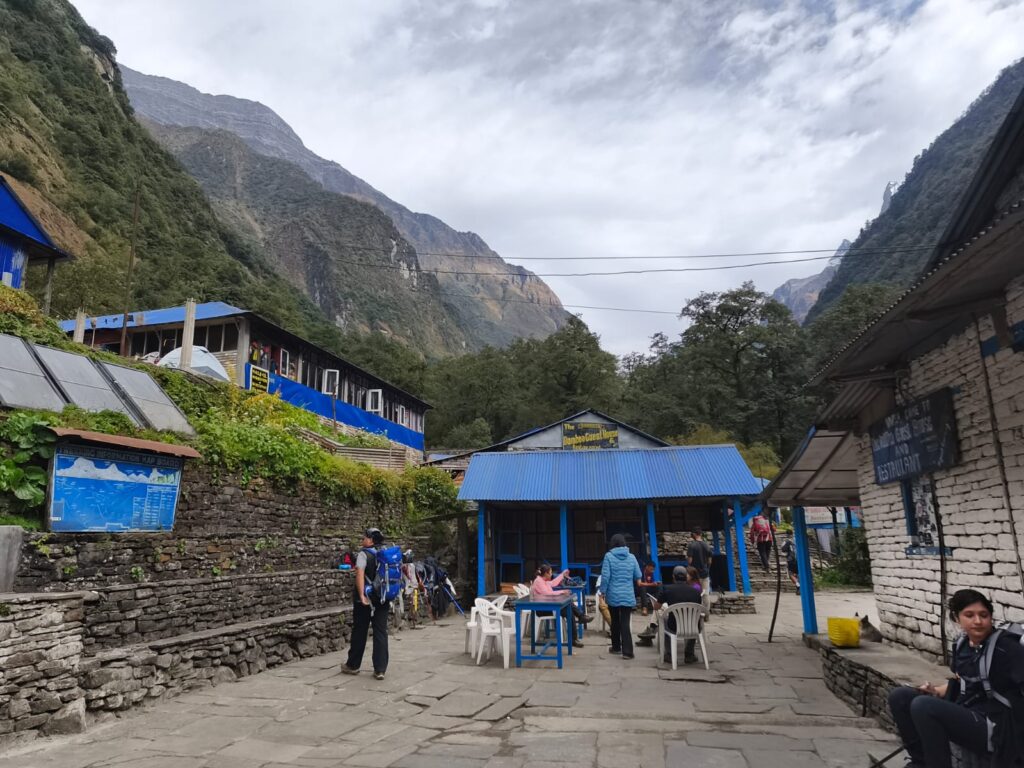
At Create Himalaya Adventure, we believe that recommending the right trekking season is just as important as organizing the trek itself. While some companies may encourage travel in any season, our priority has always been the safety, satisfaction, and overall experience of every visitor.
With more than 19 years of experience leading treks throughout Nepal, our team understands how dramatically weather can influence trail conditions, transportation, mountain views, and trekking safety. Rather than promoting a destination simply because it is popular, we provide honest recommendations based on your travel dates, fitness level, trekking experience, and expectations.
If you are planning to visit Nepal during the monsoon, our experienced travel consultants will carefully assess your itinerary and suggest the most suitable options. In many cases, we recommend rain-shadow destinations such as Upper Mustang, Nar Phu Valley, or Upper Dolpo, where the weather is typically much more favorable. If your dream is to trek to Everest Base Camp, Annapurna Base Camp, or Langtang Valley, we may advise postponing your trip until autumn or spring so you can enjoy clear Himalayan views and safer trail conditions.
Our commitment to responsible trekking means we never compromise on safety. Before every departure, we monitor weather forecasts, road conditions, and flight schedules, allowing us to make informed decisions if unexpected changes occur. Our government-licensed trekking guides are trained to identify potential hazards, adjust routes when necessary, and respond effectively to changing mountain conditions.
When you travel with Create Himalaya Adventure, you receive:
- More than 19 years of trekking expertise
- Government-licensed, English-speaking local guides
- Personalized trekking recommendations based on the season
- Flexible itineraries to accommodate weather changes
- Daily monitoring of trail and transportation conditions
- Assistance with flight rescheduling and logistics if needed
- High-quality trekking equipment available on request
- 24/7 support throughout your journey
- Transparent pricing with no hidden costs
- A strong commitment to responsible tourism and supporting local communities
Our goal is not simply to help you complete a trek—it is to ensure you experience Nepal at its very best, with realistic expectations, careful planning, and unforgettable memories.
Conclusion
Nepal is a trekking paradise that offers incredible adventures throughout the year, but every season presents a different experience. While the monsoon transforms the hills and valleys into lush green landscapes filled with waterfalls and blooming vegetation, it also creates conditions that make trekking significantly more challenging on most of the country’s popular routes.
Heavy rainfall, muddy and slippery trails, landslides, road blockages, delayed mountain flights, poor visibility, overflowing rivers, leeches, and high humidity can all affect both your safety and your overall trekking experience. For travelers whose dream is to enjoy breathtaking Himalayan panoramas, crystal-clear skies, and comfortable trekking conditions, the monsoon season may not meet their expectations.
This does not mean that trekking in Nepal is impossible during the rainy season. Nepal’s remarkable geography offers several outstanding rain-shadow regions, including Upper Mustang, Nar Phu Valley, Upper Dolpo, and parts of the Annapurna region, where rainfall is minimal even during the height of the monsoon. These destinations provide an excellent alternative for travelers who can only visit Nepal between June and September.
The key to a successful Himalayan adventure is choosing the right destination for the right season. Instead of focusing only on famous trekking routes, it is important to consider weather conditions, trail safety, transportation, and the type of experience you hope to enjoy.
Whether you are planning your first trek in Nepal or returning to explore another region, careful planning will help you make the most of your journey.
Let Create Himalaya Adventure Help You Plan the Perfect Trek
At Create Himalaya Adventure, we are committed to providing honest advice and personalized trekking experiences based on your travel dates, fitness level, interests, and expectations. With more than 19 years of experience in Nepal’s mountains, our expert team understands how seasonal weather affects every trekking region.
If the monsoon is not the best time for your chosen destination, we will tell you honestly and recommend safer alternatives that offer a better experience. If your travel dates cannot be changed, we will help you choose suitable rain-shadow treks where you can still enjoy spectacular Himalayan scenery.
Our experienced, government-licensed guides continuously monitor weather forecasts, trail conditions, road access, and flight schedules to ensure your journey is as safe and enjoyable as possible.
From selecting the ideal trekking route to arranging permits, transportation, accommodation, experienced guides, and emergency support, Create Himalaya Adventure is dedicated to making your Himalayan adventure memorable for all the right reasons.
No matter when you plan to visit Nepal, our team is always ready to help you discover the mountains safely, responsibly, and with confidence.
Frequently Asked Questions (FAQs)
1. Is the monsoon season recommended for trekking in Nepal?
Generally, no. The monsoon season brings heavy rainfall, muddy trails, landslides, poor mountain visibility, and transportation disruptions across most popular trekking regions. While some treks remain possible, spring and autumn are considered much better seasons for trekking in Nepal.
2. When is the monsoon season in Nepal?
The monsoon season usually begins in mid-June and lasts until late September. July and August are typically the wettest months, with frequent afternoon and evening rainfall across much of the country.
3. Why is trekking difficult during the monsoon?
Heavy rain makes trekking trails slippery and muddy while increasing the risk of landslides, swollen rivers, and road closures. Cloud cover also hides mountain views, and weather-related flight delays can affect travel plans.
4. Which trekking regions receive the most rainfall?
The Annapurna, Langtang, lower Everest, Helambu, Manaslu, and eastern Nepal regions receive significant rainfall during the monsoon. Forested trails in these areas often become wet, muddy, and slippery.
5. Which treks are best during the monsoon?
The best monsoon trekking destinations are located in Nepal’s rain-shadow regions, including:
- Upper Mustang Trek
- Nar Phu Valley Trek
- Upper Dolpo Trek
- Lower Dolpo Trek
- Parts of the Annapurna Circuit around Manang and Mustang
These areas receive much less rainfall than the rest of Nepal.
6. Can I trek to Everest Base Camp during the monsoon?
Yes, it is possible, but it is generally not recommended. Lukla flights are frequently delayed or canceled due to poor weather, and cloudy skies often prevent views of Mount Everest and surrounding peaks.
7. Is Annapurna Base Camp suitable during the rainy season?
The Annapurna Base Camp Trek is usually not recommended during the monsoon because of heavy rainfall, slippery trails, leeches, and increased landslide risk. Mountain views are also often hidden by clouds.
8. Are mountain flights affected during the monsoon?
Yes. Flights to destinations such as Lukla, Jomsom, and Simikot are highly dependent on weather conditions. Delays and cancellations are common during the rainy season.
9. Are leeches dangerous during monsoon trekking?
Leeches are generally harmless and do not transmit diseases, but many trekkers find them unpleasant. Wearing long pants, gaiters, and leech socks can help prevent bites.
10. Does it rain all day during the monsoon?
Not always. Mornings are often clearer, while rainfall is more common in the afternoon and evening. However, weather patterns vary, and some days experience continuous rain.
11. Will I see the Himalayan mountains during the monsoon?
Mountain views are less reliable during the monsoon because clouds and mist frequently cover the peaks. While occasional clear mornings occur, there is no guarantee of uninterrupted views.
12. Is it safe to trek during the monsoon?
Trekking can be safe with proper planning, experienced guides, and suitable routes. However, weather-related hazards such as landslides, slippery trails, and transportation disruptions require extra caution.
13. What should I pack for monsoon trekking in Nepal?
Essential items include:
- Waterproof rain jacket
- Rain pants
- Waterproof trekking boots
- Backpack rain cover
- Dry bags
- Trekking poles
- Quick-drying clothing
- Extra socks
- Waterproof gloves
- Headlamp
- First aid kit
14. Is travel insurance necessary for monsoon trekking?
Yes. Comprehensive travel insurance that covers high-altitude trekking, emergency helicopter evacuation, medical treatment, and trip interruptions is highly recommended.
15. Can beginners trek during the monsoon?
Beginners are generally advised to choose spring or autumn. If traveling during the monsoon is unavoidable, selecting an easier trek in a rain-shadow region with an experienced guide is the safest option.
16. Are roads frequently closed during the rainy season?
Heavy rainfall may trigger landslides and mudslides that temporarily block mountain roads leading to trekking trailheads. Travelers should keep flexible itineraries and allow extra travel time.
17. Why are rain-shadow regions better during the monsoon?
High Himalayan ranges block the moisture carried by monsoon winds, leaving areas north of the mountains much drier. This natural rain-shadow effect makes destinations like Upper Mustang and Upper Dolpo ideal for summer trekking.
18. What is the best season for trekking in Nepal?
The two best trekking seasons are:
- Spring (March to May) – Warm weather, blooming rhododendrons, and excellent mountain views.
- Autumn (Late September to November – Stable weather, crystal-clear skies, and ideal trekking conditions.
These seasons offer the best overall trekking experience across Nepal.
19. Should I hire a guide during the monsoon?
Yes. Hiring a government-licensed local guide is highly recommended during the monsoon. Guides monitor weather conditions, identify safer routes, assist with transportation changes, and help manage unexpected situations.
20. Why Choose Create Himalaya Adventure for Trekking in Nepal?
With over 19 years of experience in Nepal’s tourism industry, Create Himalaya Adventure is committed to providing safe, authentic, and unforgettable Himalayan adventures. Our experienced, government-licensed local guides offer honest travel advice, carefully designed itineraries, and personalized support to match your travel dates, fitness level, and interests. From securing trekking permits and arranging reliable transportation to monitoring weather conditions and providing 24/7 assistance, we take care of every detail so you can trek with confidence. Whether you’re visiting during the peak trekking seasons or the monsoon, our team recommends the safest and most rewarding routes while promoting responsible tourism and supporting local mountain communities throughout Nepal.
Whether you are planning your trek during spring, autumn, winter, or the monsoon, Create Himalaya Adventure helps you choose the safest route and the best season, ensuring an unforgettable Himalayan experience.
Ramchandra Lamichhane
Trekking Expert
No hidden fees • Local experts • Best price guarantee