
The Ultimate Packing List for Trekking in Nepal
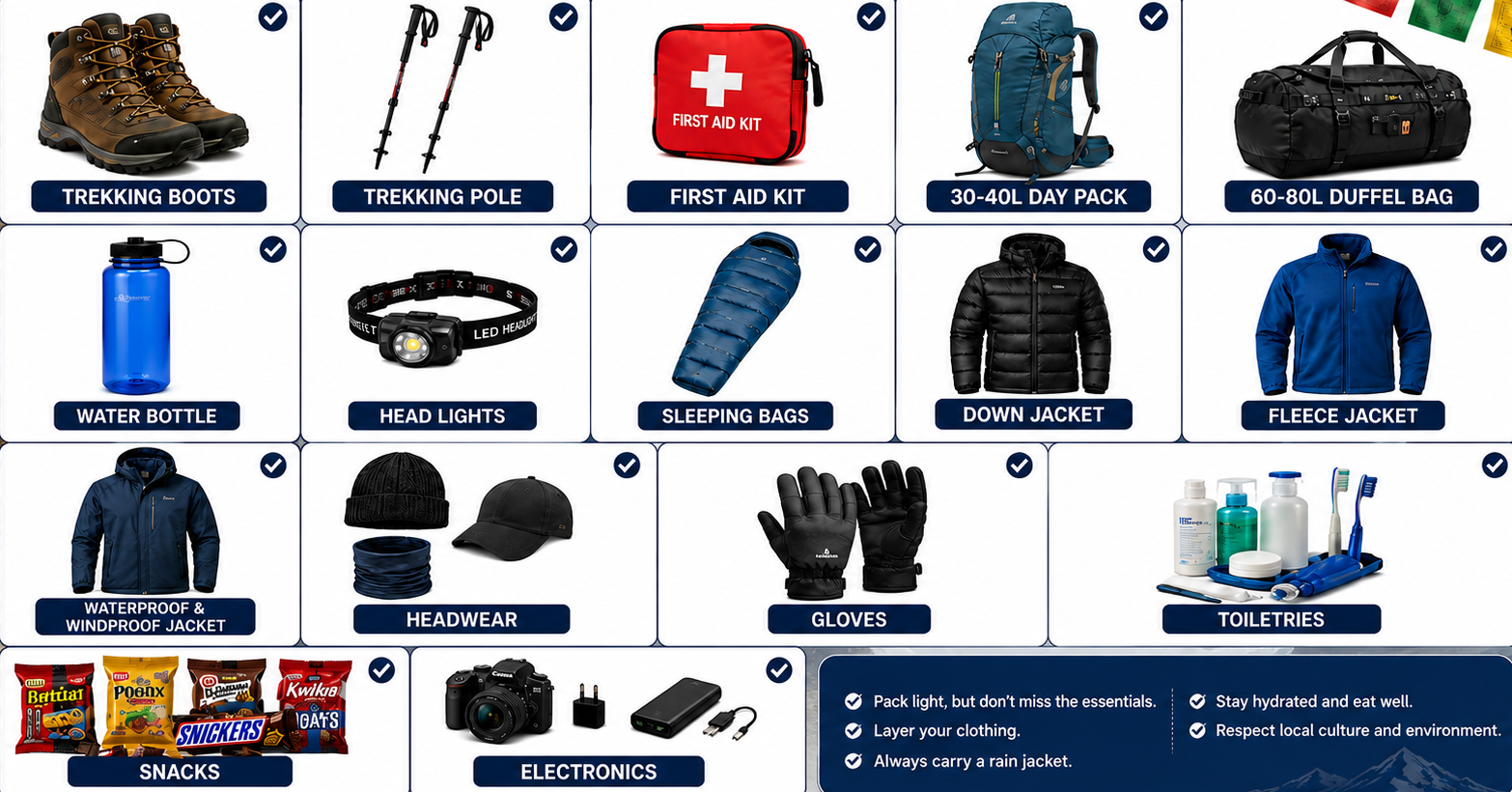
Planning a trekking adventure in Nepal is an exciting experience, but packing the right gear can make the difference between an enjoyable journey and an uncomfortable one. Whether you are trekking to Everest Base Camp, Annapurna Base Camp, the Annapurna Circuit, Langtang Valley, Manaslu Circuit, Upper Mustang, or any other Himalayan destination, carrying the proper clothing and equipment helps you stay comfortable, safe, and prepared for changing mountain conditions.
Nepal offers some of the world’s most spectacular trekking trails, ranging from subtropical forests below 1,000 meters to snowy mountain passes above 5,000 meters. During a single trek, you may experience warm sunshine, freezing mornings, strong winds, heavy rainfall, or even snowfall. Because of these rapidly changing weather conditions, every trekker should pack carefully rather than simply bringing more luggage.
Many first-time visitors assume they need expensive mountaineering equipment for trekking in Nepal. In reality, most popular trekking routes only require quality trekking gear, layered clothing, and a few essential accessories. Packing smart means carrying lightweight, functional, and weather-appropriate equipment instead of overloading your backpack with unnecessary items.
This comprehensive guide covers everything you need to pack for trekking in Nepal in every season. You’ll find detailed clothing recommendations, essential trekking equipment, footwear advice, electronic gadgets, toiletries, first aid items, packing tips, and region-specific suggestions for popular trekking destinations. Whether you’re planning your first Himalayan adventure or returning for another trek, this guide will help you prepare confidently.
At Create Himalaya Adventure, we have guided trekkers through the Himalayas for many years. Based on our experience supporting travelers from around the world, we’ve created this practical packing guide to help you enjoy a safer, lighter, and more comfortable trekking experience.
Why Your Packing List Can Make or Break Your Trek
Packing for a trek in Nepal is not simply about fitting clothes into a backpack. Every item you carry affects your comfort, energy, mobility, and overall trekking experience. A well-planned packing list keeps you warm during cold mountain nights, dry during unexpected rain, protected from the strong Himalayan sun, and comfortable throughout long days on the trail.
On the other hand, bringing unnecessary gear can make your backpack heavier, slow you down, and increase fatigue. Many first-time trekkers discover after just a few days that half of what they packed is never used. The goal is not to pack more—it is to pack smarter.
Nepal’s Mountain Weather Changes Quickly
One of the biggest challenges of trekking in Nepal is the unpredictable weather. Even during the peak trekking seasons, mornings may begin below freezing at higher elevations, afternoons can become pleasantly warm, and evenings quickly turn cold again.
As you gain altitude, temperatures drop significantly. Trails that begin in lush green forests may lead to snow-covered landscapes within a few days. Wind chill above 4,000 meters can make the air feel much colder than the actual temperature, making layered clothing essential.
Altitude Requires Proper Preparation
Higher elevations bring colder temperatures, stronger ultraviolet (UV) radiation, and thinner air. While your clothing cannot prevent altitude sickness, appropriate gear helps your body conserve energy and adapt more comfortably.
Warm thermal layers, insulated jackets, gloves, hats, sunglasses, sunscreen, and quality hiking boots all play an important role in protecting you from the harsh conditions commonly found above 3,500 meters.
Limited Shopping Opportunities on the Trail
Kathmandu and Pokhara offer many trekking shops where you can purchase or rent equipment before your trek begins. However, once you enter the mountains, your options become extremely limited.
Small villages may sell basic necessities like snacks, batteries, or toiletries, but you should not expect to find specialized trekking gear, waterproof clothing, hiking boots, or replacement equipment along the route. Packing everything you truly need before leaving the city saves both time and money.
Airline Baggage Limits Matter
If your trek includes a domestic mountain flight, such as to Lukla for the Everest region, baggage allowances are much lower than international flights. Most mountain flights allow around 15 kg (33 lbs) of total luggage, including checked baggage and carry-on. Exceeding the limit may result in additional charges or the need to leave items behind.
Packing efficiently helps you stay within the weight limit while ensuring you have everything necessary for your adventure.
Layering Is Better Than Bulky Clothing
Instead of carrying one very heavy jacket for every situation, experienced trekkers rely on a layering system. Multiple lightweight layers allow you to adjust your clothing throughout the day as temperatures change.
A typical layering system includes:
- Base Layer: Moisture-wicking thermal clothing that keeps sweat away from your skin.
- Mid Layer: Fleece or insulated clothing that provides warmth.
- Outer Layer: Waterproof and windproof shell that protects against rain, snow, and strong winds.
This flexible system keeps you comfortable in nearly every trekking condition, from sunny valleys to icy mountain passes.
Comfort Improves Your Trekking Experience
Long trekking days often involve walking between five and eight hours over uneven terrain. Comfortable boots, properly fitted backpacks, breathable clothing, and quality socks can significantly reduce blisters, muscle fatigue, and discomfort.
Small items such as trekking poles, a reusable water bottle, lip balm, and a headlamp may seem minor before your trek, but they quickly become some of the most valuable pieces of equipment on the trail.
Pack Light, Pack Smart
One of the best pieces of advice from experienced trekking guides is to pack only what you will actually use. Every extra kilogram becomes noticeable after several days of hiking.
A smart packing strategy focuses on versatile, lightweight, and durable gear rather than bringing multiple versions of the same item. Remember that most teahouses offer laundry services in lower elevations, allowing you to reuse clothing instead of carrying excessive outfits.
By packing efficiently, you’ll walk more comfortably, conserve energy, and enjoy Nepal’s breathtaking mountain landscapes without being weighed down by unnecessary luggage.
Understanding Nepal’s Trekking Seasons Before Packing
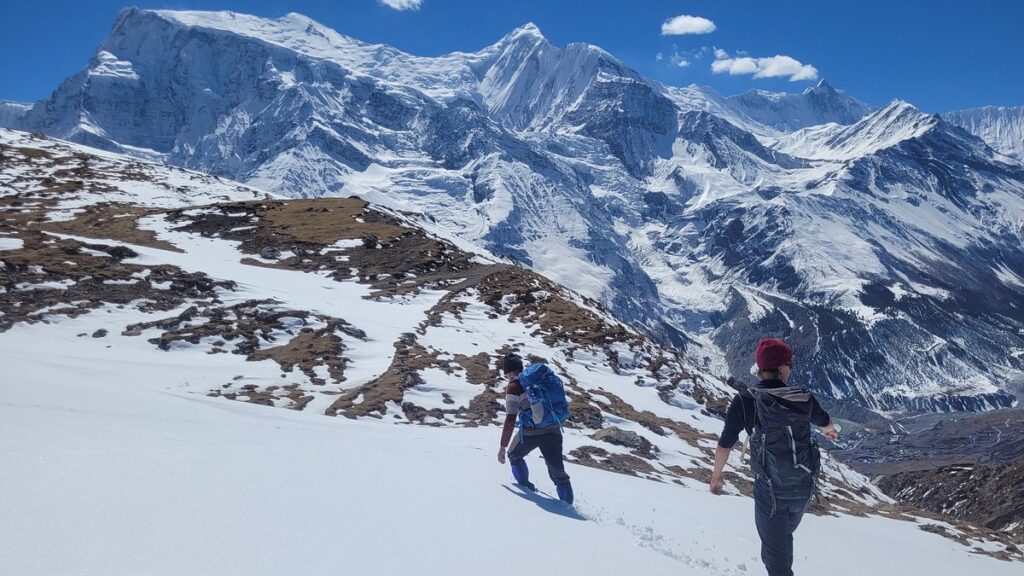
One of the biggest mistakes trekkers make is packing without considering the season. Nepal experiences four distinct trekking seasons, and each brings different temperatures, weather conditions, and trail challenges. A packing list for an autumn trek to Everest Base Camp will differ from one for a winter trek in the Annapurna region or a monsoon hike in Langtang.
Knowing what to expect in each season allows you to pack efficiently, avoid carrying unnecessary weight, and stay comfortable throughout your adventure. The key is to match your clothing and equipment to the weather rather than packing everything “just in case.”
Spring Trekking in Nepal (March to May)
Spring is one of the best times to trek in Nepal. As winter snow begins to melt, the trails come alive with blooming rhododendron forests, green hillsides, and crystal-clear mountain views. The weather is generally stable, making it an excellent season for both beginner and experienced trekkers.
Lower elevations enjoy pleasant daytime temperatures, while higher regions remain cool, especially during the mornings and evenings. Although snowfall is uncommon on most popular trekking routes, high mountain passes may still have some lingering snow early in the season.
Typical Temperature
- Lower elevations (800–2,000 m): 15°C to 28°C
- Mid elevations (2,000–3,500 m): 8°C to 18°C
- High elevations (3,500–5,500 m): -8°C to 10°C
What to Pack for Spring
Spring requires a balanced layering system because temperatures change throughout the day.
Bring lightweight moisture-wicking shirts for warm afternoons, along with thermal base layers for cold mornings. A fleece jacket provides insulation during chilly evenings, while a quality down jacket is essential for higher elevations. Waterproof clothing is still recommended because occasional afternoon showers can occur, particularly in late May.
Essential Spring Gear
- Moisture-wicking T-shirts
- Long-sleeve hiking shirts
- Thermal base layers
- Lightweight fleece jacket
- Down jacket
- Waterproof rain jacket
- Hiking trousers
- Warm hat
- Sun hat
- UV-protection sunglasses
- Sunscreen (SPF 50+)
- Lightweight gloves
Spring also brings stronger sunshine at higher altitudes, so don’t underestimate the importance of sunglasses, sunscreen, and lip balm with SPF protection.
Summer/Monsoon Trekking in Nepal (June to August)
Summer is Nepal’s monsoon season, bringing frequent rainfall, higher humidity, and lush green landscapes. While many trekkers avoid the mountains during this period, rain-shadow regions such as Upper Mustang and Dolpo remain excellent trekking destinations because they receive very little rainfall.
Trails in other regions can become muddy and slippery, and leeches may be present in forested areas. Proper waterproof equipment becomes far more important than heavy winter clothing.
Typical Temperature
- Lower elevations: 20°C to 32°C
- Mid elevations: 15°C to 24°C
- High elevations: 5°C to 15°C
Humidity can make temperatures feel warmer, but evenings at higher elevations remain cool.
What to Pack for Monsoon Trekking
During the monsoon season, your priority should be staying dry rather than staying warm. Quick-drying clothing performs much better than cotton, which absorbs moisture and dries slowly.
A high-quality waterproof jacket, waterproof backpack cover, dry bags, and waterproof hiking boots are essential. Trekking poles also become more valuable because they improve stability on wet trails.
Essential Monsoon Gear
- Waterproof jacket
- Waterproof pants
- Waterproof backpack cover
- Dry bags or waterproof packing cubes
- Quick-dry hiking shirts
- Synthetic trekking pants
- Waterproof hiking boots
- Trekking poles
- Extra hiking socks
- Lightweight gaiters
- Insect repellent
- Small umbrella (optional)
Avoid cotton clothing during the monsoon season because it remains damp for long periods and increases discomfort.
Autumn Trekking in Nepal (September to November)
Autumn is widely considered the best trekking season in Nepal. After the monsoon rains clear the atmosphere, the Himalayan views become exceptionally sharp, and the weather remains dry and stable.
Most famous trekking routes, including Everest Base Camp, Annapurna Base Camp, Annapurna Circuit, Manaslu Circuit, and Langtang Valley, are at their busiest during autumn because of the excellent trekking conditions.
Days are comfortably warm, while nights become increasingly cold as you gain altitude.
Typical Temperature
- Lower elevations: 15°C to 27°C
- Mid elevations: 8°C to 18°C
- High elevations: -10°C to 8°C
What to Pack for Autumn
Autumn packing is very similar to spring but requires slightly warmer clothing, especially during late October and November when temperatures begin to drop.
A layering system remains the best approach. During the daytime, you may hike comfortably in a light shirt, but evenings often require a fleece, insulated jacket, gloves, and a warm hat.
Essential Autumn Gear
- Thermal base layers
- Hiking shirts
- Fleece jacket
- Down jacket
- Waterproof shell jacket
- Hiking trousers
- Thermal leggings
- Wool socks
- Warm gloves
- Beanie
- Neck gaiter or Buff
- Sunglasses
- Sunscreen
- Headlamp
Autumn also brings stronger UV exposure at high elevations, making sun protection essential even on cool days.
Winter Trekking in Nepal (December to February)
Winter offers peaceful trails, fewer crowds, and spectacular snow-covered landscapes. Many lower and moderate-altitude trekking routes remain accessible throughout the season, while some high mountain passes may become blocked by heavy snowfall.
Trekkers visiting Everest Base Camp, Annapurna Base Camp, Langtang Valley, or Mardi Himal during winter should prepare for freezing nights and cold mornings.
Typical Temperature
- Lower elevations: 5°C to 18°C
- Mid elevations: -5°C to 10°C
- High elevations: -20°C to -5°C
Nighttime temperatures at higher elevations often fall well below freezing.
What to Pack for Winter Trekking
Winter requires extra insulation while still allowing flexibility for daytime hiking. A high-quality down jacket becomes one of the most important items in your backpack. Thermal clothing, insulated gloves, warm socks, and a four-season sleeping bag are also highly recommended.
Microspikes may be useful on icy trails, especially after fresh snowfall.
Essential Winter Gear
- Heavyweight thermal base layers
- Insulated down jacket
- Thick fleece jacket
- Waterproof shell jacket
- Waterproof trekking pants
- Insulated gloves
- Warm wool hat
- Neck warmer
- Thick wool socks
- Four-season sleeping bag (-15°C to -20°C)
- Hand warmers (optional)
- Microspikes (depending on the route)
Although winter trekking requires more clothing, avoid overpacking. Quality insulated gear is usually lighter and warmer than carrying multiple bulky layers.
Quick Seasonal Packing Comparison
Season Weather Clothing Special Gear
Spring (March–May) Mild, stable, blooming trails Layered clothing, fleece, down jacket Sunglasses, sunscreen, rain jacket
Summer/Monsoon (June–August) Warm, rainy, humid Quick-dry clothing, light layers Waterproof gear, backpack cover, insect repellent
Autumn (September–November) Clear skies, cool nights Layered clothing, fleece, down jacket Sun protection, warm accessories
Winter (December–February) Cold, snowy at high altitude Heavy thermal layers, insulated jacket Four-season sleeping bag, microspikes, insulated gloves
Which Season Requires the Least Gear?
Spring and autumn are generally the easiest seasons to pack for. A standard three-layer clothing system, good hiking boots, and basic trekking equipment are sufficient for most popular routes. Winter demands additional insulation, while the monsoon season requires more waterproof protection.
No matter when you plan your adventure, remember that the weather in the Himalayas can change rapidly. Packing versatile, lightweight, and high-quality gear is always better than carrying unnecessary clothing.
Essential Trekking Clothing Checklist
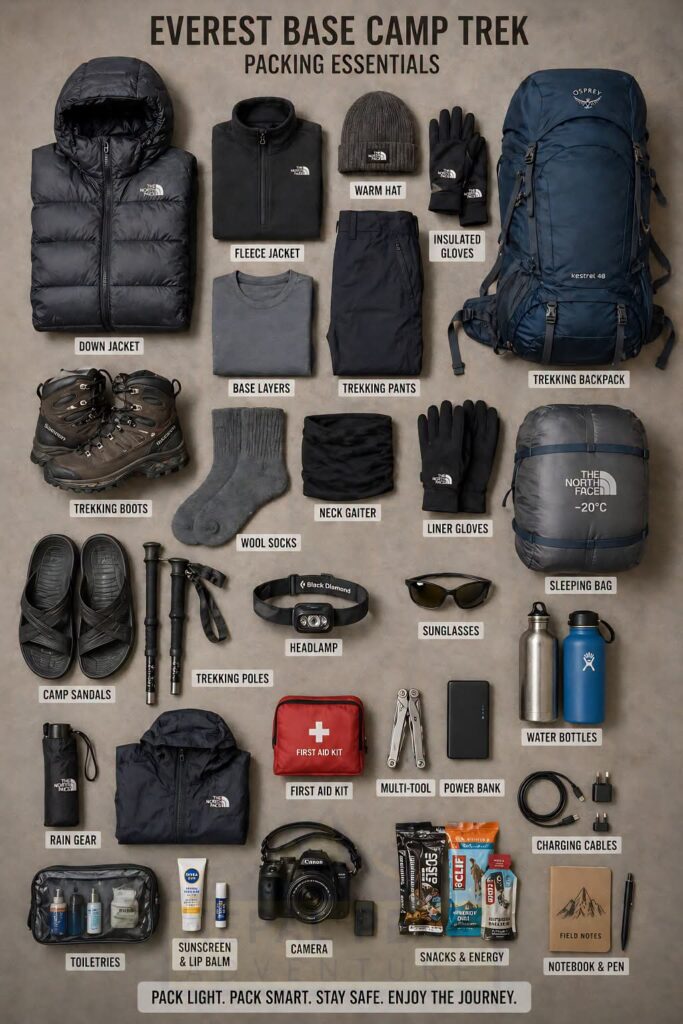
Your clothing is the foundation of a comfortable trekking experience in Nepal. The right combination of layers will keep you warm during freezing mornings, cool on sunny afternoons, and dry when the weather changes unexpectedly. Instead of packing bulky clothes, experienced trekkers rely on a layering system that can be adjusted throughout the day.
Whether you’re trekking to Everest Base Camp, Annapurna Base Camp, Manaslu Circuit, Langtang Valley, or Upper Mustang, choosing the right clothing will help you stay comfortable while keeping your backpack light.
Follow the Three-Layer Clothing System
The best way to dress for trekking in Nepal is by wearing three separate layers. Each layer has a specific purpose and works together to regulate your body temperature.
1. Base Layer – Moisture Management
The base layer sits directly against your skin. Its primary job is to wick sweat away from your body and keep you dry. Staying dry is essential because damp clothing can quickly make you feel cold, especially at higher elevations.
Choose lightweight, breathable fabrics such as merino wool or synthetic materials. Avoid cotton, as it absorbs moisture and dries very slowly.
Recommended Base Layers
- 2–3 moisture-wicking T-shirts
- 2 thermal long-sleeve tops
- 2 thermal leggings
- Merino wool or synthetic fabric
Pro Tip: Carry one clean thermal set specifically for sleeping. Changing into dry clothes at the end of the day helps you stay warm and sleep better.
2. Mid Layer – Insulation
The mid layer traps body heat and provides warmth during cool mornings, evenings, and high-altitude trekking. It should be lightweight, breathable, and easy to remove when temperatures rise.
A fleece jacket is the most popular choice because it offers excellent insulation without adding much weight.
Recommended Mid Layers
- 1 lightweight fleece jacket
- 1 insulated fleece or synthetic jacket
- Optional lightweight vest for extra warmth
- Fleece dries quickly, making it ideal for multi-day treks.
3. Outer Layer – Weather Protection
The outer layer protects you from wind, rain, and snow. Even during Nepal’s peak trekking seasons, mountain weather can change suddenly, so a waterproof shell jacket is essential.
Choose a jacket that is both waterproof and breathable to prevent overheating during long climbs.
Look for Features Like:
- Waterproof membrane
- Windproof fabric
- Adjustable hood
- Underarm ventilation zippers
- Lightweight design
A waterproof shell is often more practical than carrying a heavy winter coat because it works with your insulating layers underneath.
Trekking Shirts
Comfortable trekking shirts are one of the most frequently worn items on the trail. Since you’ll be hiking for several hours each day, choose shirts that dry quickly and allow good airflow.
Short-Sleeve Hiking Shirts
Ideal for warm afternoons at lower elevations.
Carry:
- 2–3 quick-dry short-sleeve shirts
- Long-Sleeve Hiking Shirts
- Perfect for protecting your skin from the sun, wind, and insects.
Carry:
- 2 lightweight long-sleeve hiking shirts
- Long sleeves are particularly useful during the monsoon season and at higher elevations where UV exposure is stronger.
Trekking Pants
Good trekking pants should be lightweight, flexible, and quick-drying. Avoid jeans or heavy cotton trousers, as they become uncomfortable when wet and restrict movement.
Recommended Trekking Pants
- 2 lightweight hiking pants
- 1 thermal pant for cold evenings
- 1 waterproof over-pant (optional but recommended)
Convertible hiking pants with zip-off legs are popular during spring and autumn because they adapt easily to changing temperatures.
Down Jacket
A down jacket is one of the most important pieces of clothing for trekking above 3,000 meters. While daytime hiking may be comfortable in a fleece, evenings and mornings can become extremely cold.
Most trekkers wear their down jacket while relaxing at teahouses rather than during strenuous uphill climbs.
- What to Look For
- Lightweight design
- High-quality insulation
- Compressible for easy packing
- Hooded model for additional warmth
If you don’t own one, high-quality down jackets are widely available for rent in Kathmandu at reasonable prices.
Waterproof Rain Jacket
Even if you’re trekking during the dry season, a waterproof jacket is essential. Mountain weather is unpredictable, and sudden rain showers or snowfall can occur without warning.
A quality rain jacket should be:
- Waterproof
- Windproof
- Breathable
- Lightweight
- Easy to pack
Choose a jacket that fits comfortably over your fleece and down jacket without restricting movement.
Waterproof Trekking Pants
Waterproof pants may not be worn every day, but they become invaluable during rain, snowfall, or strong winds.
Many trekkers prefer lightweight rain pants that can be worn over regular hiking trousers whenever needed.
These are especially important for:
- Monsoon trekking
- Winter trekking
- High mountain passes
- Unexpected storms
Thermal Clothing
Thermal clothing provides additional warmth during cold nights and high-altitude trekking.
A good thermal set includes:
- Thermal top
- Thermal leggings
Merino wool is considered one of the best materials because it regulates temperature naturally, remains warm even when slightly damp, and resists odors better than synthetic fabrics.
Gloves
As you gain altitude, temperatures can drop below freezing, particularly during early mornings and evenings.
Bring two types of gloves if you’re trekking above 4,000 meters.
- Lightweight Gloves
- Suitable for cool mornings.
- Insulated Waterproof Gloves
Essential for:
- Everest Base Camp
- Gokyo Lakes
- Three Passes Trek
- Manaslu Circuit
- Winter treks
Waterproof gloves also protect your hands from snow and strong winds.
Hats and Headwear
Protecting your head from both the sun and cold is essential in the Himalayas.
- Sun Hat or Cap:A wide-brimmed hat or baseball cap protects your face from strong ultraviolet rays.
- Warm Beanie: Carry one fleece or wool beanie for cold evenings and early mornings.
- Neck Gaiter or Buff: A Buff is one of the most versatile items you can pack. It can be used as a:
Neck warmer
- Face mask
- Headband
- Ear warmer
- Dust protector
- Sun shield
It becomes particularly useful in windy regions such as Upper Mustang.
Gaiters (Optional)
Although not necessary for every trek, gaiters help prevent snow, mud, gravel, and small stones from entering your boots.
They’re recommended for:
- Winter trekking
- Snow-covered trails
- Monsoon trekking
- High mountain passes
Clothing Quantity Checklist
The following checklist works well for most treks lasting 10–18 days:
Clothing Item Recommended Quantity
- Moisture-wicking T-shirts 3
- Long-sleeve hiking shirts 2
- Thermal tops 2
- Thermal leggings 2
- Fleece jacket 1
- Down jacket 1
- Waterproof jacket 1
- Hiking pants 2
- Waterproof pants 1
- Thermal pants 1
- Underwear 4–6 pairs
- Hiking socks 3–4 pairs
- Warm sleeping socks 1 pair
- Sun hat 1
- Wool beanie 1
- Neck gaiter/Buff 1
- Lightweight gloves 1 pair
- Insulated gloves 1 pair
Common Clothing Mistakes to Avoid
Many first-time trekkers either overpack or choose the wrong materials. Here are some of the most common mistakes:
- Packing cotton T-shirts that stay wet after sweating.
- Bringing too many changes of clothes instead of washing and reusing them.
- Wearing brand-new hiking clothes without testing them first.
- Forgetting a waterproof jacket because the forecast looks sunny.
- Packing jeans, which are heavy, restrictive, and slow to dry.
- Choosing fashion over functionality, especially when it comes to footwear and outerwear.
By selecting lightweight, quick-drying, and layered clothing, you’ll stay comfortable in Nepal’s ever-changing mountain climate while keeping your backpack manageable.
Trekking Footwear Guide: Choosing the Right Shoes for Nepal’s Mountain Trails
Your footwear is one of the most important investments for trekking in Nepal. Even the best trekking itinerary can become miserable if your feet are uncomfortable. Every day, you’ll walk 5–8 hours on rocky paths, stone staircases, suspension bridges, forest trails, river crossings, and sometimes snow-covered mountain passes. Wearing the right shoes not only improves comfort but also reduces the risk of blisters, ankle injuries, and fatigue.
Whether you’re trekking to Everest Base Camp, Annapurna Base Camp, Manaslu Circuit, Langtang Valley, Mardi Himal, or Upper Mustang, your boots should provide stability, protection, and comfort throughout the journey.
Why Good Trekking Footwear Matters
Many first-time trekkers underestimate how demanding Nepal’s trails can be. Unlike smooth hiking paths in many countries, trekking routes in Nepal often involve thousands of stone steps, uneven rocky trails, steep ascents and descents, glacial moraines, and narrow mountain paths.
The right footwear helps you:
- Protect your feet from rocks and rough terrain.
- Reduce the risk of ankle sprains.
- Improve grip on wet, muddy, or snowy trails.
- Prevent painful blisters.
- Stay comfortable during long walking days.
- Keep your feet warm and dry in changing weather conditions.
A quality pair of trekking boots can make every step more enjoyable, especially on longer treks lasting two weeks or more.
Hiking Boots: Your Most Important Piece of Gear
For most trekking routes in Nepal, mid-cut or high-cut waterproof hiking boots are the best choice. They provide excellent ankle support while protecting your feet from rocks, mud, snow, and cold temperatures.
Although lightweight trail running shoes are becoming more popular among experienced hikers, trekking boots remain the safest and most reliable option for beginners and anyone carrying a heavier backpack.
Features to Look for in Trekking Boots
When choosing hiking boots, prioritize comfort over appearance. Look for boots with the following features:
- Waterproof and breathable membrane
- Strong ankle support
- Durable rubber outsole with deep traction
- Cushioned midsole for shock absorption
- Protective toe cap
- Good heel support
- Lightweight yet sturdy construction
- A boot that fits properly is far more important than choosing the most expensive brand.
Waterproof Boots Are Worth It
Weather in the Himalayas can change quickly. A sunny morning may turn into rain or snowfall by the afternoon. Waterproof boots help keep your feet dry when crossing streams, walking through wet grass, muddy trails, or snow-covered sections.
Dry feet are not only more comfortable but also less likely to develop blisters and cold-related problems.
Even if you’re trekking during the dry autumn season, waterproof boots are highly recommended.
Should You Choose Mid-Cut or High-Cut Boots?
Both styles work well for trekking in Nepal, but they suit different trekking styles.
Mid-Cut Boots
Best for:
- Annapurna Base Camp Trek
- Langtang Valley Trek
- Mardi Himal Trek
- Ghorepani Poon Hill Trek
- Short and moderate treks
Advantages:
- Lightweight
- Comfortable
- Better flexibility
- Cooler during warm weather
- High-Cut Boots
Best for:
- Everest Base Camp Trek
- Manaslu Circuit Trek
- Annapurna Circuit Trek
- Three Passes Trek
- Winter Trekking
- High Mountain passes
Advantages:
- Better ankle protection
- Improved stability
- More warmth
- Greater protection in snow and rocky terrain
If you’re unsure which style to choose, mid-cut waterproof trekking boots are a great all-round option for most Himalayan adventures.
Never Wear Brand-New Boots on the Trek
One of the biggest mistakes first-time trekkers make is buying new boots just before arriving in Nepal.
Even high-quality boots need time to mold to your feet. Wearing brand-new footwear on a multi-day trek often leads to painful blisters, pressure points, and discomfort.
Break in Your Boots Before Your Trek
Aim to wear your boots for at least 30–50 km before your trip. Practice on local hiking trails, parks, or long walks while wearing the same socks you plan to use in Nepal.
This helps:
- Soften the boot material.
- Identify pressure points.
- Adjust the lacing.
- Build confidence on uneven terrain.
- Choosing the Right Size
Your hiking boots should fit snugly without feeling tight.
Keep these tips in mind:
- Leave about a thumb’s width of space in front of your toes.
- Your heel should stay firmly in place without slipping.
- Wear trekking socks when trying on boots.
- Your toes should not touch the front of the boot while walking downhill.
Remember that your feet often swell slightly after several hours of hiking, so avoid boots that already feel too tight in the store.
Trail Running Shoes: Are They Suitable?
Trail running shoes have become increasingly popular among experienced trekkers because they are lightweight and comfortable.
They may be suitable for:
- Experienced hikers
- Fastpacking trips
- Lower-altitude treks
Well-maintained trails during spring and autumn
However, they also have some limitations.
Pros
- Lightweight
- Comfortable from day one
- Excellent breathability
- Dry quickly
Cons
- Less ankle support
- Less protection on rocky trails
- Less insulation in cold weather
- Shorter lifespan than hiking boots
For first-time trekkers in Nepal, waterproof hiking boots remain the safer and more practical choice.
Camp Shoes or Sandals
After a full day of trekking, changing out of your hiking boots feels incredibly refreshing. That’s why most experienced trekkers carry a lightweight pair of camp shoes.
These are useful for:
- Walking around teahouses
- Visiting the dining hall
- Using shared bathrooms
- Relaxing after hiking
- Crossing shallow streams when necessary
Good options include:
- Lightweight sports sandals
- Foam sandals
- Lightweight slip-on shoes
- Avoid carrying heavy sneakers, as they add unnecessary weight to your backpack.
Gaiters: Do You Need Them?
Gaiters are protective covers worn over your boots and lower legs. They help keep snow, mud, water, gravel, and dust from entering your boots.
Recommended For
- Winter trekking
- Monsoon trekking
- Everest Three Passes Trek
- High mountain passes
- Snow-covered trails
Usually Not Necessary For
- Annapurna Base Camp in spring
- Ghorepani Poon Hill
- Mardi Himal during autumn
- Short lower-altitude treks
If you’re trekking during peak autumn or spring, gaiters are generally optional.
Insoles Can Improve Comfort
If your boots don’t provide enough support, replacing the factory insoles with high-quality trekking insoles can significantly improve comfort.
Good insoles help:
- Reduce foot fatigue.
- Improve arch support.
- Absorb shock.
- Prevent heel pain.
This is especially helpful on long descents, where your feet experience repeated impact.
How to Prevent Blisters on the Trail
Blisters are one of the most common problems trekkers face, but they’re often preventable with proper preparation.
Tips to Avoid Blisters
- Break in your boots before the trek.
- Wear moisture-wicking hiking socks.
- Keep your feet clean and dry.
- Change damp socks during the day if necessary.
- Trim your toenails before the trek.
Use blister tape or moleskin on hot spots as soon as you notice them.
Avoid boots that are too loose or too tight.
Taking care of your feet each evening can prevent small issues from becoming serious problems later in the trek.
Socks Matter More Than You Think
Even the best hiking boots won’t perform well with poor-quality socks.
Choose socks made from:
- Merino wool
- Wool blends
- Synthetic moisture-wicking materials
- Avoid cotton socks because they retain moisture and increase friction, leading to blisters.
Recommended Quantity
For most 10–18-day treks, carry:
- 3–4 pairs of trekking socks
- 1 pair of thick sleeping socks
- Optional liner socks if you’re prone to blisters
- Many teahouses offer laundry services at lower elevations, allowing you to wash and reuse socks during the trek.
Foot Care Tips During Your Trek
Healthy feet are essential for enjoying your trek. Spend a few minutes each evening checking your feet for blisters, cuts, or pressure points.
A simple foot care routine includes:
- Washing your feet whenever possible.
- Drying them thoroughly before putting on clean socks.
- Applying moisturizer to prevent cracked skin.
- Airing out your boots overnight.
- Loosening your boot laces during breaks to improve circulation.
These small habits can make a significant difference over several days of trekking.
Footwear Checklist for Trekking in Nepal
✔ Waterproof hiking boots (well broken-in)
✔ Lightweight camp shoes or sandals
✔ 3–4 pairs of moisture-wicking trekking socks
✔ 1 pair of warm sleeping socks
✔ Optional liner socks
✔ Waterproof gaiters (for winter or monsoon treks)
✔ Spare boot laces
✔ High-quality insoles (optional)
✔ Blister treatment kit (moleskin, blister pads, athletic tape)
Expert Tip from Create Himalaya Adventure
Your feet will carry you through some of the most breathtaking landscapes in the Himalayas, so don’t compromise on footwear. Invest in a comfortable pair of waterproof trekking boots, wear them well before your trip, and pair them with quality hiking socks. This simple preparation can prevent discomfort, reduce the risk of injury, and help you fully enjoy every step of your adventure in Nepal.
Backpacks and Bags: Choosing the Right Backpack for Trekking in Nepal
Choosing the right backpack is just as important as selecting the right clothing and footwear. A well-organized backpack makes trekking more comfortable, keeps your essential gear easily accessible, and helps distribute weight evenly throughout the day.
Most trekking routes in Nepal involve walking 5 to 8 hours daily over steep ascents, rocky trails, suspension bridges, and uneven terrain. Carrying an overloaded or poorly fitted backpack can lead to shoulder pain, back strain, and unnecessary fatigue.
The good news is that you don’t need to carry everything yourself. On most guided treks, porters transport your main luggage, allowing you to hike with only a lightweight daypack containing your daily essentials.
Main Trekking Backpack or Duffel Bag
If you’re trekking with a porter, your primary luggage will usually be packed in a duffel bag rather than a traditional trekking backpack.
Duffel bags are lightweight, durable, and easy for porters to carry. Most trekking companies in Nepal provide a waterproof duffel bag for use during the trek, but you can also bring your own if you prefer.
Recommended Capacity
- 60–80 liters for most treks
- Waterproof or water-resistant material
- Strong zippers
- Reinforced carrying handles
Since your duffel bag is carried by a porter, comfort isn’t as important as durability and weather resistance.
What Should Go Inside the Duffel Bag?
Your duffel should contain everything you won’t need while walking, including:
- Extra clothing
- Sleeping bag
- Down jacket (when not in use)
- Toiletries
- Spare socks and underwear
- Camp shoes
- Towel
- Charging cables
- Laundry bag
- Extra snacks
Pack heavier items near the bottom and use packing cubes or dry bags to keep everything organized.
Daypack: Your Everyday Companion
Your daypack is the only bag you’ll carry while trekking. It should be comfortable enough to wear for several hours every day without causing shoulder or back pain.
Recommended Size
25–35 liters for most treks
This size provides enough space for your daily essentials while remaining lightweight and easy to carry.
Features to Look For
Choose a daypack with:
- Padded shoulder straps
- Adjustable chest strap
- Hip belt
- Ventilated back panel
- Side water bottle pockets
- Hydration bladder compatibility
- Multiple compartments
- Rain cover
A well-fitted daypack distributes weight evenly across your shoulders and hips, reducing fatigue during long trekking days.
What Should You Carry in Your Daypack?
Everything you may need during the day’s hike should stay with you rather than in your duffel bag.
Daily Essentials Checklist
- Waterproof jacket
- Fleece jacket
- Water bottles or hydration bladder
- Snacks and energy bars
- Sunglasses
- Sunscreen
- Lip balm
- Camera
- Mobile phone
- Power bank
- Headlamp
- Personal medications
- Passport and permits
- Cash
- Gloves
- Hat
- Lightweight first aid kit
- Buff or neck gaiter
As temperatures change throughout the day, you’ll frequently remove or add clothing layers, so make sure your daypack has enough room for them.
Rain Cover: A Small Item That Makes a Big Difference
Mountain weather in Nepal can change without warning. Even during autumn and spring, unexpected rain showers or snowfall are possible.
A waterproof rain cover protects your backpack from moisture, helping to keep your clothing, electronics, and important documents dry.
Many backpacks include an integrated rain cover, but if yours doesn’t, purchasing one is highly recommended.
Dry Bags and Waterproof Stuff Sacks
Although a rain cover protects the outside of your backpack, water can still enter through zippers or seams during prolonged rain.
That’s why experienced trekkers often organize their gear using waterproof dry bags or stuff sacks.
Use Separate Dry Bags For
- Clothing
- Sleeping bag
- Electronics
- Toiletries
Important documents
Different colored dry bags also make it easier to find items quickly without unpacking your entire bag.
Packing Cubes: Stay Organized
Packing cubes aren’t essential, but they make organizing your gear much easier.
Instead of searching through loose clothing every evening, you can separate items into different cubes.
For example:
- One cube for trekking clothes
- One for underwear and socks
- One for sleeping clothes
- One for toiletries
Packing cubes also compress clothing slightly, creating additional space inside your duffel bag.
Essential Trekking Equipment and Accessories
The right trekking equipment can make your journey through the Himalayas safer, more comfortable, and far more enjoyable. While clothing and footwear are the foundation of your packing list, accessories such as trekking poles, water bottles, headlamps, sunglasses, and water purification systems play an equally important role.
Many of these items are lightweight and inexpensive, yet they can significantly improve your trekking experience. The key is to carry equipment that serves a practical purpose rather than adding unnecessary weight to your backpack.
Below is a complete checklist of the essential trekking gear every trekker should consider when preparing for a Himalayan adventure.
Trekking Poles
Trekking poles are one of the most valuable pieces of equipment for trekking in Nepal. Although some beginners assume they are only for older hikers, experienced trekkers rarely hike without them.
Nepal’s trekking trails include thousands of stone staircases, steep ascents, rocky descents, river crossings, and uneven mountain paths. Trekking poles help maintain balance while reducing the impact on your knees and ankles.
Benefits of Trekking Poles
Using trekking poles can:
- Improve balance on uneven trails.
- Reduce pressure on knees during downhill sections.
- Increase stability while crossing streams.
- Improve posture.
- Reduce muscle fatigue on long trekking days.
- Help maintain rhythm during climbs.
Many trekkers notice that trekking poles become even more valuable after several consecutive days on the trail.
Adjustable Trekking Poles
Choose lightweight aluminum or carbon fiber poles with adjustable lengths.
Look for features such as:
- Comfortable wrist straps
- Cork or foam grips
- Strong locking mechanisms
- Replaceable rubber tips
- Carbide tips for rocky terrain
- Collapsible trekking poles are easier to pack when traveling.
Headlamp
A reliable headlamp is essential for every multi-day trek.
Unlike a handheld flashlight, a headlamp keeps both hands free, making it easier to walk safely in low-light conditions.
You’ll use it for:
Early morning summit hikes
Evening walks to the dining hall
Power outages
Finding items inside your room
Nighttime bathroom visits
Choose an LED headlamp with adjustable brightness and bring spare batteries or a rechargeable model with a charging cable.
Water Bottles
- Staying hydrated is one of the most important parts of trekking at high altitude.
- Aim to drink 3–4 liters of water each day, depending on the weather, altitude, and your activity level.
- Reusable water bottles are the most practical and environmentally friendly option.
Recommended
Two 1-liter reusable bottles
or
One hydration bladder (2–3 liters)
Insulated bottle covers can help prevent water from freezing during winter treks.
Avoid purchasing disposable plastic bottles along the trail, as they contribute to waste and become increasingly expensive at higher elevations.
Water Purification System
Natural water sources are common along Nepal’s trekking routes, but untreated water should never be consumed directly.
Instead of buying bottled water every day, bring a reliable water purification method.
Water Purification Tablets
Advantages:
- Lightweight
- Affordable
- Easy to carry
Disadvantages:
- Slight taste
- Waiting time before drinking
- Water Filters
- Portable water filters remove bacteria and sediment while providing clean drinking water.
Advantages:
- No chemical taste
- Environmentally friendly
- Long-term cost savings
- UV Water Purifiers
- UV purification devices disinfect water quickly without affecting its taste.
Advantages:
- Fast treatment
- Easy to use
- Lightweight
Disadvantages:
- Requires charged batteries
- Any of these methods is suitable, as long as you consistently purify all drinking water during your trek.
Sunglasses
The Himalayan sun is much stronger than many visitors expect.
At higher elevations, ultraviolet (UV) radiation increases significantly because of the thinner atmosphere. Snow also reflects sunlight, increasing exposure even further.
Quality sunglasses protect your eyes from:
- UV radiation
- Snow glare
- Wind
- Dust
- Choose sunglasses that provide:
- 100% UV protection
Polarized lenses (optional)
Comfortable fit
Side protection for high-altitude trekking
Poor-quality sunglasses may look stylish but often provide inadequate UV protection.
Sunscreen
- Many trekkers underestimate the strength of the mountain sun.
- Even on cloudy days, ultraviolet rays remain intense at high altitude.
Choose sunscreen with:
SPF 50+
Broad-spectrum UVA and UVB protection
Water-resistant formula
Apply sunscreen to:
- Face
- Neck
- Ears
- Hands
- Nose
Reapply every two to three hours, especially after sweating.
Lip Balm
Cold temperatures, dry mountain air, wind, and strong sunlight can quickly cause cracked lips.
Carry a lip balm with:
- SPF protection
- Moisturizing ingredients
- Small portable size
- Using lip balm regularly helps prevent painful cracking during long trekking days.
- Quick-Dry Travel Towel
- Most teahouses provide basic accommodation but not towels.
- A microfiber travel towel is ideal because it:
- Dries quickly
- Packs very small
- Weighs very little
- Absorbs moisture efficiently
- It can also be useful after rain, washing clothes, or unexpected water crossings.
- Dry Bags
Protecting your gear from moisture is essential in the mountains.
Even during the dry season, rain, snow, river crossings, or condensation can expose your equipment to water.
Use dry bags for:
- Spare clothing
- Sleeping bag
- Electronics
- Documents
- Camera equipment
Waterproof organization keeps your gear dry and makes packing much more efficient.
Multi-Tool or Small Pocket Knife
A compact multi-tool can be surprisingly useful during a trek.
It may help with:
- Opening food packages
- Minor gear repairs
- Cutting cord
- Simple campsite tasks
- Choose a lightweight model and remember to pack it in your checked luggage when flying.
Duct Tape
A small roll of duct tape weighs almost nothing but can solve many unexpected problems.
Common uses include:
- Repairing torn backpacks
- Fixing broken trekking poles temporarily
- Patching rain gear
- Repairing shoes
- Securing loose equipment
Wrap a small amount around your trekking pole or water bottle to save space.
Lightweight Cord
A few meters of lightweight cord can be useful for:
- Hanging wet clothes
- Emergency repairs
- Securing gear
- Drying towels
- Paracord is lightweight, durable, and easy to pack.
- Notebook and Pen
Although optional, many trekkers enjoy carrying a small notebook to record:
- Daily experiences
- Trekking distances
- Weather observations
- Mountain wildlife
- Personal reflections
It also serves as a backup for writing important phone numbers or emergency information.
Camera Equipment
Nepal offers some of the world’s most spectacular mountain scenery, making photography an important part of the journey for many trekkers.
Depending on your interests, consider bringing:
- Mirrorless camera
- DSLR camera
- Compact travel camera
- Action camera
- Extra memory cards
- Lens cleaning cloth
- Keep camera batteries warm during cold weather, as low temperatures reduce battery performance.
Binoculars (Optional)
If you enjoy birdwatching or wildlife photography, lightweight binoculars can enhance your experience.
They are particularly useful in regions such as:
- Langtang National Park
- Annapurna Conservation Area
- Kanchenjunga Conservation Area
- Makalu-Barun National Park
- Lightweight Sitting Pad (Optional)
- Some trekkers carry a foldable foam sitting pad for rest breaks.
- It provides:
- Comfort on rocky ground
- Insulation from snow or cold surfaces
- Dry seating during wet conditions
- Although optional, many long-distance trekkers find it worthwhile.
Essential Equipment Checklist
Before starting your trek, make sure you have:
✔ Adjustable trekking poles
✔ LED headlamp with spare batteries or charging cable
✔ Two reusable water bottles or hydration bladder
✔ Water purification tablets, filter, or UV purifier
✔ Sunglasses with 100% UV protection
✔ SPF 50+ sunscreen
✔ Lip balm with SPF
✔ Microfiber travel towel
✔ Waterproof dry bags
✔ Small multi-tool or pocket knife
✔ Duct tape (small roll)
✔ Lightweight cord or paracord
✔ Notebook and pen (optional)
✔ Camera and accessories (optional)
✔ Binoculars (optional)
✔ Foldable sitting pad (optional)
Common Equipment Mistakes to Avoid
Even experienced trekkers occasionally overlook small but important items.
Here are some common mistakes:
- Forgetting a headlamp for early morning starts.
- Carrying only one water bottle.
- Relying solely on bottled water instead of a purification system.
- Choosing fashion sunglasses without UV protection.
- Packing bulky accessories that are rarely used.
- Leaving electronics unprotected from moisture.
- Not bringing spare batteries or charging cables.
- Carrying heavy camping equipment for a teahouse trek.
Expert Tip from Create Himalaya Adventure
The best trekking equipment isn’t necessarily the most expensive—it’s the gear that keeps you safe, comfortable, and prepared for changing mountain conditions. Focus on lightweight, practical accessories that serve multiple purposes. A good pair of trekking poles, a reliable headlamp, clean drinking water, and proper sun protection will contribute far more to your trekking experience than carrying unnecessary gadgets.
Electronics to Pack for Trekking in Nepal
Technology has made trekking in Nepal more convenient than ever. From navigating trails and capturing breathtaking mountain views to staying connected with family and charging essential devices, carrying the right electronics can greatly enhance your trekking experience.
However, electricity becomes less accessible as you gain altitude, and charging facilities at teahouses often come with an additional fee. Since you’ll be carrying these items in your daypack, it’s important to pack only what you truly need.
Smartphone
A smartphone is one of the most useful items you can carry on a trek. Besides making calls, it can serve as your camera, GPS, flashlight, weather checker, notebook, and entertainment device.
Before leaving Kathmandu or Pokhara:
- Download offline maps.
- Save copies of your itinerary.
- Store emergency contact numbers.
- Download music, podcasts, or e-books.
- Enable battery-saving mode.
- Keeping your phone in airplane mode when you don’t need a signal will significantly extend battery life.
- Camera
- Nepal is home to eight of the world’s fourteen highest mountains, making it one of the best destinations for landscape photography.
- Whether you use a smartphone, mirrorless camera, or DSLR, you’ll have countless opportunities to photograph:
- Snow-capped Himalayan peaks
- Sunrise and sunset viewpoints
- Ancient monasteries
- Suspension bridges
- Traditional Sherpa villages
- Prayer flags and stupas
- Wildlife and local culture
- Don’t forget to bring:
- Extra memory cards
- Lens cleaning cloth
- Camera strap
- Protective camera case
- Power Bank
Power cuts and limited charging facilities are common in remote trekking regions. A high-capacity power bank ensures your devices remain charged throughout the trek.
A 20,000 mAh power bank is usually sufficient for most multi-day treks.
Choose one that:
- Supports fast charging
- Is lightweight
- Can charge multiple devices
- Meets airline carry-on regulations
- Recharge your power bank whenever electricity is available.
- Charging Cables
- Carry all necessary charging cables for your electronic devices.
- These may include:
- Phone charging cable
- Camera charging cable
- Smartwatch charger
- Power bank cable
- Earphone charging cable
- Keeping them together in a small pouch helps prevent tangles and makes them easy to find.
- Universal Travel Adapter
- Nepal primarily uses Type C, D, and M electrical sockets with a 230V supply.
- A universal travel adapter allows you to charge your devices without needing multiple adapters.
- Look for one with:
- Multiple USB ports
- Compact design
- Surge protection
- Spare Batteries
- Cold temperatures reduce battery performance, especially above 4,000 meters.
- If you’re carrying a camera or headlamp with removable batteries, bring at least one spare set.
- Store batteries inside your jacket or sleeping bag during cold nights to help maintain their charge.
- Smartwatch or GPS Watch (Optional)
- Many trekkers enjoy tracking:
- Daily distance
- Elevation gain
- Heart rate
- Calories burned
- Route progress
- While not essential, a GPS watch can provide useful information throughout your trek.
- Earphones or Earbuds
- Long bus rides, domestic flights, and evenings at teahouses are more enjoyable with music, audiobooks, or podcasts.
- Wireless earbuds are convenient, but remember to charge them regularly.
- Solar Charger (Optional)
For long expeditions or camping treks, a lightweight solar charger can provide additional charging options.
For standard teahouse treks such as Everest Base Camp or Annapurna Base Camp, a power bank is usually sufficient.
- Drone (Know the Rules)
- Nepal’s mountains are ideal for aerial photography, but drone use is regulated.
- Flying a drone may require:
- Government permission
- National park approval
Restricted area permits in certain regions
Always check the latest regulations before bringing a drone to Nepal.
Electronics Checklist
✔ Smartphone
✔ Camera (optional)
✔ Power bank (20,000 mAh recommended)
✔ Charging cables
✔ Universal travel adapter
✔ Spare batteries
✔ Memory cards
✔ Earphones or earbuds
✔ GPS watch (optional)
✔ Solar charger (optional)
Personal Toiletries
Although teahouses provide basic accommodation, personal toiletries are generally not supplied. Packing travel-sized essentials will help you stay clean and comfortable without adding unnecessary weight to your backpack.
Choose biodegradable products whenever possible to minimize your environmental impact.
Essential Toiletries
Pack the following items:
- Toothbrush
- Toothpaste
- Biodegradable soap
- Shampoo
- Face wash
- Moisturizer
- Deodorant
- Hairbrush or comb
- Razor
- Nail clipper
- Travel-size containers save space and reduce backpack weight.
- Hand Sanitizer
- Hand hygiene is especially important during trekking.
- Carry a small bottle of alcohol-based hand sanitizer and use it:
- Before meals
- After using the toilet
- Before treating cuts or blisters
- It’s one of the simplest ways to reduce the risk of stomach illnesses.
- Wet Wipes
- Wet wipes are useful when showers aren’t available.
- Use them for:
- Cleaning your hands
- Freshening up after trekking
- Wiping trekking poles or equipment
- Cleaning dusty shoes
- Choose biodegradable wipes whenever possible.
Toilet Paper
Not all teahouses provide toilet paper, particularly at higher elevations.
Carry one or two small rolls in a waterproof bag and dispose of used paper responsibly where required.
Women’s Hygiene Products
Female trekkers should pack sufficient personal hygiene products before leaving Kathmandu, as options become limited in remote villages.
A reusable menstrual cup is a popular eco-friendly option for longer treks.
Laundry Soap
A small amount of biodegradable laundry soap allows you to wash socks, underwear, and lightweight clothing during the trek.
Quick-drying fabrics are ideal because they dry overnight in most teahouses.
Toiletries Checklist
✔ Toothbrush
✔ Toothpaste
✔ Soap or body wash
✔ Shampoo
✔ Face wash
✔ Moisturizer
✔ Hand sanitizer
✔ Wet wipes
✔ Toilet paper
✔ Razor
✔ Nail clipper
✔ Hairbrush
✔ Women’s hygiene products (if needed)
✔ Biodegradable laundry soap
First Aid Kit for Trekking in Nepal
A small personal first aid kit is an essential part of every trekking backpack. While your trekking guide may carry a comprehensive medical kit, it’s important to have your own basic supplies for minor injuries and everyday health concerns.
Remember to consult your doctor before taking any prescription medications.
Essential First Aid Items
Your personal first aid kit should include:
Adhesive bandages
Blister pads or moleskin
Medical tape
Sterile gauze
Antiseptic wipes
Antibacterial ointment
Elastic bandage
These supplies are useful for treating minor cuts, scrapes, and blisters.
Personal Medications
Bring enough of your regular prescription medications for the entire trip, plus a few extra days in case of delays.
Keep medications in their original packaging and carry a copy of your prescription if necessary.
Pain Relief
Useful medications include:
Paracetamol
Ibuprofen
These can help relieve headaches, muscle soreness, or mild fever after long trekking days.
Altitude Medication
Many trekkers carry altitude medication such as Diamox (Acetazolamide) after consulting their doctor.
It may help reduce the risk of altitude sickness but should never replace proper acclimatization.
Always follow your guide’s advice regarding altitude gain and rest days.
Stomach and Hydration
Digestive issues can occasionally occur while traveling.
Useful items include:
Oral Rehydration Salts (ORS)
Anti-diarrheal medication
Electrolyte tablets
Probiotics (optional)
Maintaining hydration is especially important at high altitude.
Cold and Allergy Medicine
Pack basic medication for:
Sore throat
Cough
Nasal congestion
Allergies
The dry mountain air can sometimes irritate the throat and sinuses.
First Aid Checklist
✔ Adhesive bandages
✔ Blister treatment
✔ Antiseptic cream
✔ Medical tape
✔ Pain relievers
✔ Personal prescription medications
✔ ORS sachets
✔ Electrolyte tablets
✔ Altitude medication (if prescribed)
✔ Cold medicine
✔ Allergy medication
Essential Travel Documents
Before starting your trek, organize all important documents in a waterproof folder or document pouch.
Carry both printed and digital copies whenever possible.
Important Documents
- Passport (valid for at least six months)
- Nepal visa
- Travel insurance certificate
- Trekking permits
- Domestic flight tickets (if applicable)
- Hotel confirmations
- Emergency contact information
- Passport-sized photographs
- Copies of important documents
- Credit or debit card
- Cash in Nepalese Rupees
Most remote villages do not have ATMs, so withdraw sufficient cash before leaving Kathmandu or Pokhara.
Best Snacks to Carry for Trekking
Although teahouses provide meals, carrying a few lightweight snacks helps maintain your energy between stops.
Good options include:
- Energy bars
- Protein bars
- Mixed nuts
- Almonds and cashews
- Dried fruits
- Dark chocolate
- Trail mix
- Peanut butter sachets
- Electrolyte drink powders
- Glucose candies
These snacks are lightweight, easy to pack, and provide quick energy during long uphill climbs.
Expert Tip from Create Himalaya Adventure
Keep your electronics, toiletries, first aid supplies, travel documents, and snacks organized in separate waterproof pouches. This not only protects your belongings from rain and dust but also makes it easy to find what you need during the trek. Staying organized saves time, reduces stress, and allows you to focus on enjoying Nepal’s spectacular mountain scenery.
Packing List for Everest Base Camp Trek
The Everest Base Camp (EBC) Trek is Nepal’s most iconic trekking adventure, taking you to an altitude of 5,364 meters (17,598 ft) at Everest Base Camp and 5,545 meters (18,192 ft) at Kala Patthar. Due to the high altitude, temperatures can drop well below freezing, especially during the morning and evening.
Packing for the Everest region requires extra attention to warmth, wind protection, and high-altitude comfort. A proper layering system, insulated clothing, and reliable trekking gear are essential.
Essential Clothing
- Thermal base layers
- Fleece jacket
- Insulated down jacket
- Waterproof shell jacket
- Waterproof trekking pants
- Warm trekking pants
- Moisture-wicking T-shirts
- Warm wool socks
- Insulated gloves
- Warm beanie
- Neck gaiter or Buff
- Essential Equipment
- Sleeping bag (-10°C to -20°C)
- Trekking poles
- Headlamp
- Power bank
- Water purification tablets or filter
- UV-protection sunglasses
- Sunscreen (SPF 50+)
- Lip balm with SPF
- Optional Items
- Microspikes (winter)
- Hand warmers
- Camera with spare batteries
Because weather conditions can change rapidly in the Khumbu region, always be prepared for sudden wind, snowfall, or freezing temperatures.
Packing List for Annapurna Base Camp Trek
The Annapurna Base Camp (ABC) Trek reaches an elevation of 4,130 meters (13,550 ft) and offers a mix of subtropical forests, terraced farmland, rhododendron forests, and alpine landscapes.
Compared to Everest Base Camp, the weather is generally milder, but mornings and nights can still be very cold.
Recommended Clothing
Moisture-wicking shirts
Thermal base layers
Fleece jacket
Down jacket
Waterproof rain jacket
Trekking pants
Thermal leggings
Wool socks
Lightweight gloves
Warm hat
Recommended Equipment
Sleeping bag (-10°C comfort rating)
Trekking poles
Water bottles
Water purification tablets
Headlamp
Rain cover
Sunglasses
Sunscreen
If trekking during the monsoon season, waterproof clothing becomes even more important due to frequent rainfall.
Packing List for Annapurna Circuit Trek
The Annapurna Circuit Trek is one of Nepal’s most diverse trekking routes. It passes through lush valleys, traditional villages, alpine forests, and the challenging Thorong La Pass (5,416 m / 17,769 ft).
Because the trek covers multiple climate zones, you’ll experience both warm and freezing temperatures.
Essential Clothing
Moisture-wicking base layers
Fleece jacket
Down jacket
Waterproof shell
Hiking pants
Thermal pants
Warm gloves
Wool hat
Neck gaiter
Essential Gear
Sleeping bag (-10°C or lower)
Trekking poles
Headlamp
Water purification system
Sunglasses
Sunscreen
Waterproof backpack cover
Pack versatile clothing that can adapt to changing weather conditions throughout the trek.
Packing List for Manaslu Circuit Trek
The Manaslu Circuit Trek is a remote and less crowded adventure that reaches Larke Pass (5,106 m / 16,752 ft). Facilities are more limited than in the Everest or Annapurna regions, so careful preparation is essential.
Recommended Clothing
Thermal clothing
Fleece jacket
Down jacket
Waterproof jacket
Waterproof trekking pants
Warm socks
Insulated gloves
Warm hat
Recommended Equipment
Sleeping bag (-15°C recommended)
Trekking poles
Water purification filter
Headlamp
Power bank
Dry bags
Basic repair kit
Personal first aid kit
Since charging stations and shops are limited, bring enough batteries and backup power for your electronic devices.
Packing List for Langtang Valley Trek
The Langtang Valley Trek reaches approximately 4,984 meters (16,352 ft) at Tserko Ri. The trail passes through forests, rivers, yak pastures, and beautiful mountain landscapes.
The weather is generally moderate, but temperatures drop significantly at higher elevations.
Clothing
Quick-dry trekking shirts
Thermal base layers
Fleece jacket
Down jacket
Waterproof jacket
Hiking pants
Warm gloves
Wool hat
Equipment
Sleeping bag
Trekking poles
Headlamp
Sunglasses
Sunscreen
Water purification tablets
Rain cover
Langtang is an excellent choice for trekkers looking for stunning Himalayan scenery without the crowds of Everest.
Packing List for Upper Mustang Trek
Unlike many trekking regions in Nepal, Upper Mustang lies in the Himalayan rain shadow, making it one of the best destinations during the monsoon season.
Instead of heavy rainfall, trekkers face dry weather, strong winds, intense sunshine, and dusty trails.
Recommended Clothing
- Lightweight hiking shirts
- Breathable trekking pants
- Windproof jacket
- Fleece jacket
- Lightweight down jacket
- Sun hat
- Neck gaiter
- Light gloves
- Essential Equipment
- Sunglasses
- SPF 50+ sunscreen
- Lip balm
- Dust mask or Buff
- Water bottles
- Water purification system
- Trekking poles
- Headlamp
Wind protection and sun protection are more important than heavy winter clothing in Upper Mustang during the main trekking season.
Trekking Gear You Can Rent in Kathmandu
One of the advantages of trekking in Nepal is that you don’t need to purchase every piece of equipment before your trip. Kathmandu has numerous trekking stores offering high-quality rental gear at reasonable prices.
Renting equipment is an excellent option if you’re visiting Nepal for a single trek or don’t want to carry bulky gear on international flights.
Common Gear Available for Rent
Down Jacket
A high-quality insulated down jacket is one of the most commonly rented items. Rental jackets are suitable for most popular trekking routes, including Everest Base Camp, Annapurna Base Camp, and Manaslu Circuit.
Sleeping Bag
Sleeping bags rated for -10°C to -20°C are widely available.
Before renting, check:
Cleanliness
Zippers
Temperature rating
Overall condition
Trekking Poles
Adjustable trekking poles can be rented at affordable prices.
They’re especially useful for:
Everest Base Camp Trek
Annapurna Circuit
Manaslu Circuit
Three Passes Trek
Duffel Bag
Many trekking companies, including Create Himalaya Adventure, provide a waterproof duffel bag for use during your trek.
This saves you from purchasing an expensive expedition bag.
Gaiters
If you’re trekking during winter or expect snow, renting gaiters is often more practical than buying them.
Microspikes
For winter trekking or icy trails, microspikes may be available for rent depending on the season.
Crampons and Climbing Equipment
These are only necessary for climbing peaks or technical mountaineering—not for standard teahouse treks.
Should You Rent or Buy Trekking Gear?
The answer depends on how often you plan to trek.
Rent Your Gear If:
This is your first trek.
You’re visiting Nepal only once.
You want to save luggage space.
You don’t need the equipment afterward.
Buy Your Gear If:
You trek regularly.
You want a perfect personal fit.
You’re planning multiple trekking adventures.
You value long-term durability.
For many travelers, a combination of owned and rented gear is the most practical solution. For example, you might bring your own hiking boots and clothing while renting a down jacket, sleeping bag, and trekking poles in Kathmandu.
Quick Region-by-Region Packing Comparison
Trek Highest Elevation Main Packing Priority
- Everest Base Camp 5,545 m Maximum warmth and cold-weather protection
- Annapurna Base Camp 4,130 m Layering and rain protection
- Annapurna Circuit 5,416 m Clothing for varied climates and high-altitude conditions
- Manaslu Circuit 5,106 m Warm clothing, backup power, and water purification
- Langtang Valley 4,984 m Lightweight layers with good insulation
- Upper Mustang 4,200 m+ Windproof clothing, sun protection, and dust protection
Expert Tip from Create Himalaya Adventure
Every trekking route in Nepal has its own unique climate and challenges. Instead of using the same packing list for every adventure, adjust your gear according to the season, altitude, and region. If you’re unsure what to bring, the experienced team at Create Himalaya Adventure can help you prepare a personalized packing list based on your chosen trek, ensuring you travel light while carrying everything you need for a safe and enjoyable Himalayan journey.
Things You Should NOT Pack for Trekking in Nepal
Packing smart isn’t just about bringing the right gear—it’s also about leaving unnecessary items behind. Every extra kilogram makes long trekking days more tiring, especially at high altitude. Many first-time trekkers realize halfway through their trek that they packed far more than they actually needed.
Here are some items you should leave at home.
Heavy Cotton Clothing
Cotton absorbs sweat, dries slowly, and loses its insulating properties when wet. Instead, choose moisture-wicking synthetic or merino wool clothing that dries quickly and keeps you comfortable.
Jeans
Jeans are heavy, restrict movement, and take a long time to dry. Lightweight trekking pants are a much better option for hiking in Nepal.
Too Many Clothes
You don’t need a fresh outfit every day. Most teahouses offer laundry services at lower elevations, allowing you to wash and reuse clothing. Packing versatile layers is far more practical than carrying excessive clothing.
Expensive Jewelry
Avoid bringing valuable jewelry or luxury accessories. They aren’t necessary for trekking and increase the risk of loss or damage.
Large Bottles of Toiletries
Travel-size toiletries save space and reduce weight. Refill small bottles instead of carrying full-sized containers.
Bulky Electronics
Unless you’re a professional photographer or videographer, avoid bringing multiple cameras, heavy lenses, or unnecessary gadgets. A smartphone or lightweight camera is sufficient for most trekkers.
Hair Dryers and Heavy Personal Appliances
Electricity is limited in remote mountain villages, and these items add unnecessary weight to your luggage.
Common Packing Mistakes First-Time Trekkers Make
Learning from the experience of others can help you avoid common mistakes and enjoy a smoother trekking experience.
Wearing Brand-New Hiking Boots
Never begin a multi-day trek with brand-new boots. Break them in well before arriving in Nepal to reduce the risk of painful blisters.
Packing Too Much
Many trekkers pack for every possible situation instead of focusing on essentials. Remember, you’ll be carrying—or your porter will be carrying—everything you bring.
A lighter backpack means more energy and greater comfort on the trail.
Forgetting Waterproof Gear
Even during the dry trekking seasons, weather in the Himalayas can change quickly. A lightweight waterproof jacket and backpack rain cover should always be part of your packing list.
Ignoring Sun Protection
The Himalayan sun is intense, especially above 3,000 meters. Sunscreen, sunglasses, and lip balm are essential, even on cloudy days.
Carrying Too Little Water
Dehydration is common at high altitude. Carry reusable water bottles and drink regularly throughout the day.
Depending Only on Bottled Water
Buying bottled water during the trek is expensive and creates unnecessary plastic waste. Carry a reusable bottle and use water purification tablets or a portable filter instead.
Forgetting a Headlamp
Power outages are common, and many trekkers begin hiking before sunrise. A reliable headlamp is far more practical than relying on your phone’s flashlight.
Packing Without Considering the Season
A winter packing list is very different from a spring or monsoon packing list. Always check the expected weather for your trekking season before packing.
Eco-Friendly Packing Tips
Nepal’s mountains are incredibly beautiful but also environmentally fragile. Every trekker has a responsibility to help preserve these landscapes for future generations.
Small choices can make a big difference.
Carry a Reusable Water Bottle
Avoid buying disposable plastic bottles. Refillable bottles combined with water purification systems reduce plastic waste significantly.
Choose Biodegradable Toiletries
Use biodegradable soap, shampoo, and detergent whenever possible to minimize environmental impact.
Avoid Single-Use Plastics
Instead of disposable bags, use reusable dry bags or packing cubes to organize your belongings.
Carry Reusable Cutlery (Optional)
If you enjoy carrying snacks or packed lunches, reusable utensils help reduce plastic waste.
Pack Out Your Trash
Never leave wrappers, batteries, tissues, or other waste on the trail. Dispose of rubbish responsibly or carry it back to larger towns where proper waste facilities are available.
Respect Local Communities
Responsible trekking also means respecting local customs, traditions, and religious sites.
Simple ways to support local communities include:
Buying locally made products.
Staying in locally owned teahouses.
Hiring licensed local guides and porters.
Following Leave No Trace principles.
By trekking responsibly, you help protect Nepal’s natural beauty while supporting the people who call the Himalayas home.
Printable Nepal Trekking Packing Checklist
Use this checklist before leaving for your trek.
Clothing
✔ Moisture-wicking T-shirts
✔ Long-sleeve hiking shirts
✔ Thermal base layers
✔ Fleece jacket
✔ Down jacket
✔ Waterproof jacket
✔ Waterproof pants
✔ Trekking pants
✔ Underwear
✔ Hiking socks
✔ Warm sleeping socks
✔ Sun hat
✔ Wool beanie
✔ Gloves
✔ Neck gaiter or Buff
Footwear
✔ Waterproof hiking boots
✔ Camp shoes or sandals
✔ Gaiters (optional)
Sleeping Gear
✔ Sleeping bag
✔ Sleeping bag liner
✔ Travel pillow (optional)
Equipment
✔ Trekking poles
✔ Headlamp
✔ Water bottles
✔ Water purification system
✔ Sunglasses
✔ Sunscreen
✔ Lip balm
✔ Dry bags
✔ Microfiber towel
Electronics
✔ Smartphone
✔ Camera
✔ Power bank
✔ Charging cables
✔ Universal adapter
✔ Spare batteries
Toiletries
✔ Toothbrush
✔ Toothpaste
✔ Soap
✔ Shampoo
✔ Hand sanitizer
✔ Wet wipes
✔ Toilet paper
First Aid
✔ Bandages
✔ Blister treatment
✔ Pain relievers
✔ Personal medication
✔ ORS
✔ Electrolytes
Documents
✔ Passport
✔ Nepal visa
✔ Trekking permits
✔ Flight tickets
✔ Cash
Why Choose Create Himalaya Adventure?
A successful trek begins long before you set foot on the trail. Choosing an experienced local trekking company ensures you’re well-prepared, properly equipped, and supported throughout your journey.
At Create Himalaya Adventure, we are passionate about creating safe, memorable, and authentic trekking experiences across Nepal. With years of experience in the Himalayas, our team understands the unique challenges of each trekking region and provides practical advice to help you pack wisely and trek confidently.
When you travel with us, you’ll benefit from:
- Government-licensed and experienced trekking guides.
- Friendly and reliable porters.
- Personalized trekking itineraries.
- Assistance with trekking permits and logistics.
- Airport transfers and transportation arrangements.
- High-quality trekking equipment rental support.
- 24/7 assistance before and during your trek.
- A strong commitment to responsible and sustainable tourism.
Whether you’re planning your first Himalayan adventure or returning to explore another spectacular region, our local expertise helps ensure a safe, enjoyable, and unforgettable journey.
Conclusion
Packing for a trek in Nepal doesn’t have to be overwhelming. The key is to pack smart, not heavy. By focusing on lightweight layers, reliable footwear, essential trekking equipment, and weather-appropriate gear, you’ll be well-prepared for the ever-changing conditions of the Himalayas.
Every trekking route—from Everest Base Camp and Annapurna Base Camp to Langtang Valley, Manaslu Circuit, and Upper Mustang—has its own unique environment, but the principles remain the same: prioritize comfort, safety, and versatility.
Take the time to prepare your gear before your journey begins, test your equipment in advance, and avoid carrying unnecessary items. A well-planned packing list allows you to focus on what truly matters—immersing yourself in Nepal’s breathtaking mountain scenery, rich cultural heritage, and unforgettable trekking experiences.
If you’re still unsure about what to bring, the expert team at Create Himalaya Adventure is always ready to help. From personalized packing advice and equipment recommendations to guided trekking adventures across Nepal, we’ll make sure you’re fully prepared for an incredible Himalayan journey.
Pack smart, trek confidently, and create memories that will last a lifetime.
Frequently Asked Questions (FAQs)
1. What should I pack for trekking in Nepal?
Pack layered clothing, waterproof gear, hiking boots, a sleeping bag, trekking poles, a reusable water bottle, toiletries, a first aid kit, and essential travel documents.
2. Do I need a sleeping bag for trekking in Nepal?
Yes. A sleeping bag rated around -10°C is recommended for most high-altitude treks, even though teahouses provide blankets.
3. Can I rent trekking gear in Kathmandu?
Yes. Down jackets, sleeping bags, trekking poles, duffel bags, and other equipment are widely available for rent in Kathmandu.
4. Are hiking boots necessary?
Yes. Waterproof hiking boots with good ankle support are recommended for most trekking routes in Nepal.
5. How much should my backpack weigh?
If you’re using a porter, keep your daypack around 5–8 kg. If carrying everything yourself, aim for a total weight of 10–15 kg, depending on your experience and fitness.
6. What type of clothing is best for trekking?
Quick-drying synthetic or merino wool clothing is ideal. Avoid cotton because it absorbs moisture and dries slowly.
7. Can I buy trekking gear in Nepal?
Yes. Kathmandu and Pokhara have many trekking shops selling and renting quality trekking equipment at competitive prices.
8. How cold does it get during a trek?
Temperatures vary by season and altitude. Above 4,000 meters, nighttime temperatures often fall below freezing, even in spring and autumn.
9. Is a down jacket necessary?
A down jacket is highly recommended for treks above 3,000 meters, where mornings and evenings can be very cold.
10. Should I bring trekking poles?
Yes. Trekking poles improve balance, reduce strain on your knees, and provide extra stability on steep ascents and descents.
11. How many clothes should I pack?
Pack enough for layering rather than a fresh outfit every day. Most trekkers carry clothing for 5–7 days and wash items as needed.
12. Do I need water purification tablets?
Yes. They are a safe and eco-friendly way to treat drinking water and reduce the need for bottled water.
13. Is travel insurance required?
Comprehensive travel insurance that covers high-altitude trekking and emergency helicopter evacuation is strongly recommended.
14. What snacks are good for trekking?
Energy bars, nuts, dried fruits, trail mix, chocolate, and electrolyte powders are lightweight and provide quick energy.
15. Can I charge my phone during the trek?
Yes. Most teahouses offer charging services for a small fee, though electricity may be limited in remote areas.
16. What size backpack is best?
A 25–35L daypack is ideal if you have a porter, while a 60–80L duffel bag is commonly used for your main luggage.
17. Should I pack for all weather conditions?
Yes. Mountain weather can change rapidly, so a layering system and waterproof outer layer are essential.
18. Are laundry services available?
Many teahouses at lower and mid-altitude villages offer laundry services, though availability decreases at higher elevations.
19. Is sunscreen necessary in the Himalayas?
Absolutely. UV exposure increases with altitude, making sunscreen and sunglasses essential throughout your trek.
20. What is the most commonly forgotten item?
A headlamp is one of the most frequently forgotten yet most useful items for early morning hikes, evening activities, and power outages.
Ramchandra Lamichhane
Trekking Expert
No hidden fees • Local experts • Best price guarantee