Annapurna Panorama Trek – 10 Days
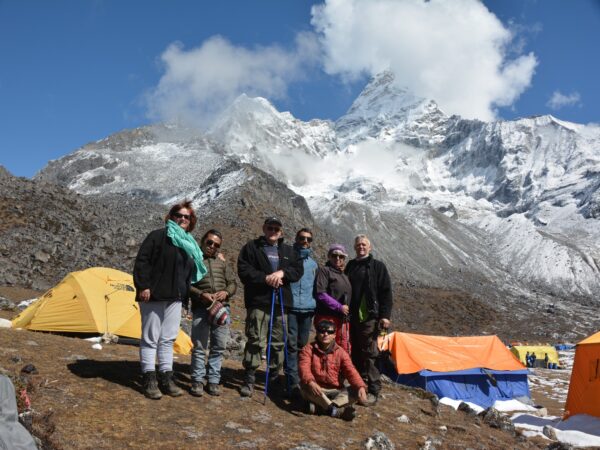
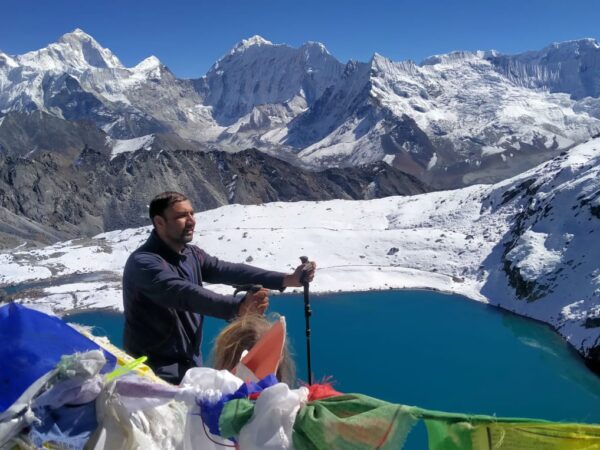
The Annapurna Panorama Trek is a breathtaking 10 days journey through the heart of the Himalayas, offering trekkers an immersive experience of stunning mountain views, rich Gurung culture, and diverse […]
Highlights
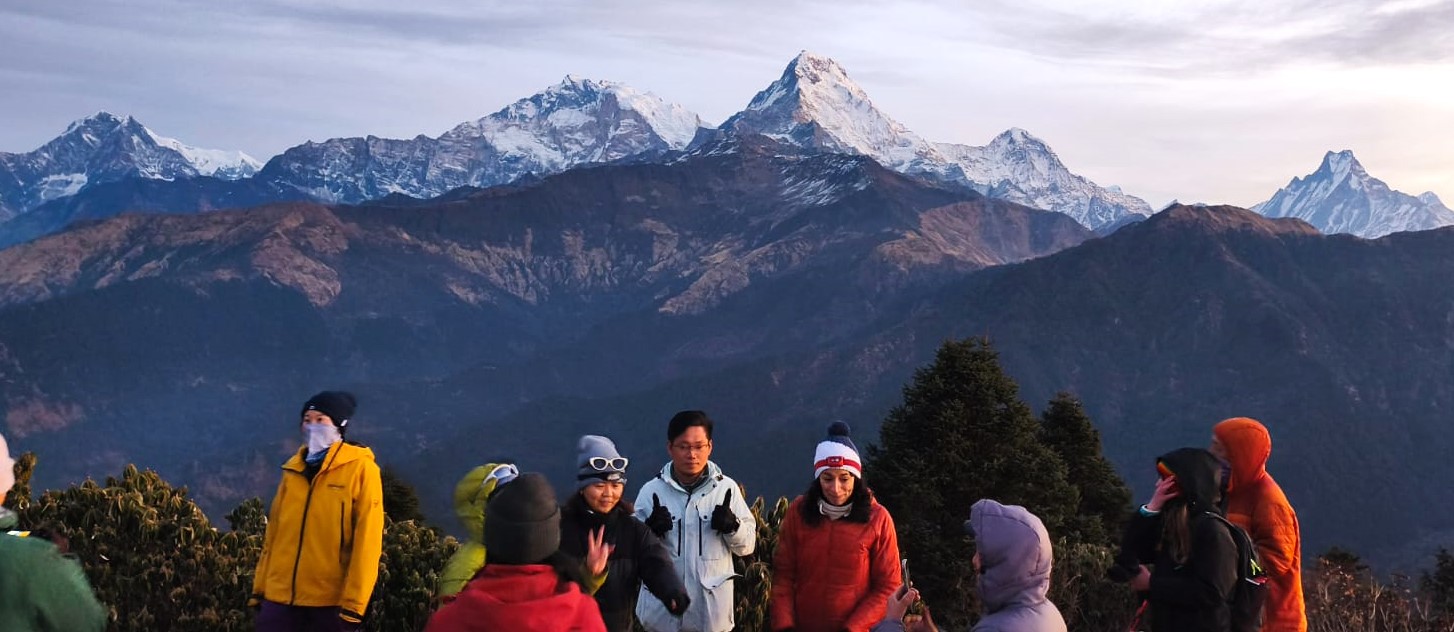
- Watch a breathtaking sunrise from Poon Hill, with the Annapurna and Dhaulagiri ranges glowing in golden light.
- Hike to the Mardi Himal Base Camp viewpoint for unforgettable close-up views of the Annapurna Sanctuary.
- Enjoy panoramic views of Annapurna South, Machhapuchhre (Fishtail), Hiunchuli, and Dhaulagiri throughout the trek.
- Witness a stunning Sunrise and Sunset from Mohare Hill, with the mountains turning gold and the lights of Pokhara twinkling below.
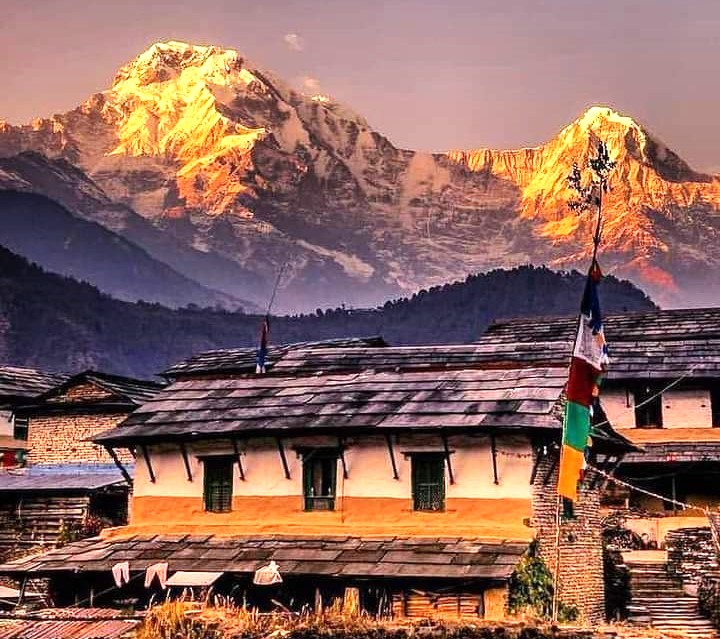
- Explore Ghandruk, one of the most beautiful Gurung villages, with stone houses and carved wooden windows.
- Pass through Landruk, the second-largest Gurung settlement in the region.
- Visit traditional villages including Banthanti, Taprang, Kokhe Danda, Ghorepani, Tadapani, Ghandruk, Landruk, Forest Camp, and Sidding.
- Experience warm local hospitality during teahouse stays along the entire route.
- Observe rural Nepalese life, from terraced farms to daily village routines.
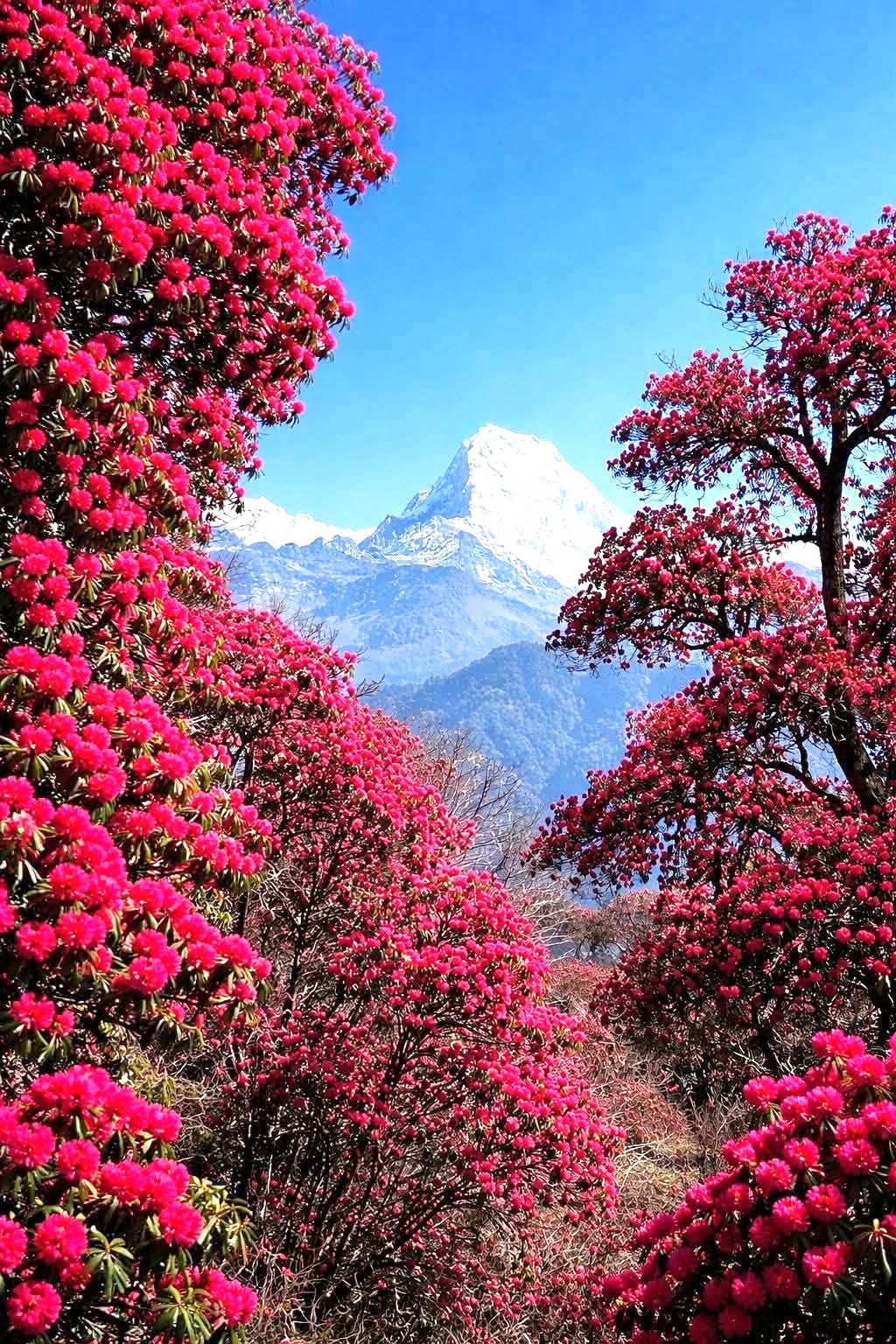
- Walk through dense, colorful rhododendron forests filled with birdsong and peaceful trails.
- Climb above the tree line to High Camp, where open alpine terrain rewards you with sweeping mountain views.
- Follow scenic ridgelines with constant mountain vistas from Ghorepani to Tadapani.
- Take quieter, less-traveled paths through Low Camp and along the Mardi River to the remote village of Sidding.
- Cross rustic bridges and pass through terraced farmland on the descent.
Overview
The Annapurna Panorama Trek is a breathtaking 10 days journey through the heart of the Himalayas, offering trekkers an immersive experience of stunning mountain views, rich Gurung culture, and diverse landscapes. Beginning with a scenic three-hour drive from Pokhara to Ulleri via Nayapul and Tikhedhunga, the trek sets off with a steady ascent through rhododendron forests to Banthanti. From there, the trail climbs to Mohare Danda, passing through Taprang and Kokhe Danda, with panoramic views of snow-capped peaks. The journey continues along scenic ridges and through quiet forests to Ghorepani, with a sunrise hike to Poon Hill revealing the Annapurna and Dhaulagiri ranges in golden light.
The trail then leads through Tadapani, offering close-up views of Annapurna South, Hiunchuli, and Fishtail Mountain, before descending to the beautiful Gurung village of Ghandruk. From Ghandruk, the path winds through Landruk village and into dense rhododendron forests to reach Forest Camp, followed by a steady climb to Badal Danda and High Camp, where the air grows thin and alpine terrain opens up. A pre-dawn hike to the Upper Viewpoint, also known as Mardi Himal Base Camp, rewards trekkers with unforgettable vistas of the Annapurna Sanctuary. The descent takes a quieter path through Low Camp, dense forests, and rustic bridges to the remote village of Sidding, followed by a two-hour drive back to Pokhara. The journey concludes with a scenic drive or flight from Pokhara to Kathmandu, carrying memories of Nepal’s mountain magic, warm hospitality, and the timeless beauty of the Annapurna region.
Why Annapurna Panorama trek?
The carefully crafted itinerary brings the Annapurna Panorama Trek to life, guiding trekkers through the very heart of the region’s most iconic landscapes and cultural treasures. Each day is designed to reveal a new facet of the “Panorama” the trek is named from sunrise vistas at Poon Hill and Mohare Danda to up-close encounters with Fishtail and Annapurna South at Tadapani and Mardi Himal Base Camp. The route weaves together classic highlights like Ghandruk’s ancient stone villages and Ghorepani’s forested ridges with quieter paths through Landruk, Forest Camp, and the remote settlement of Sidding, offering a complete and immersive experience of the Annapurna region. More than just a list of destinations, this itinerary captures the rhythm of the trek, the steady ascents, the rewarding views, the peaceful forest walks, and the warm hospitality of Gurung villages along the way. It is the thread that connects every peak, every village, and every moment into a seamless journey, ensuring that trekkers not only see the Annapurna Panorama but truly feel its magic with every step.
Annapurna Panorama Trek Difficulty
The Annapurna Panorama Trek is considered a moderate trekking adventure suitable for both beginners and experienced hikers with a good fitness level. The trail includes gradual ascents, stone staircases, forest paths, and alpine ridges, with the highest point reaching Mardi Himal Base Camp Viewpoint. Daily walking hours generally range from 5 to 7 hours, allowing trekkers enough time to enjoy the scenery and acclimatize naturally. The combination of Poon Hill, Mohare Danda, and Mardi Himal creates a rewarding challenge filled with spectacular Himalayan panoramas. Proper preparation, comfortable pacing, and positive energy make this trek achievable for most travelers seeking a classic Himalayan experience.
Annapurna Panorama Trek Route
The Annapurna Panorama Trek begins with a scenic drive from Pokhara to Ulleri via Nayapul and Tikhedhunga. The trail climbs through rhododendron forests and charming mountain villages including Banthanti, Taprang, and Kokhe Danda before reaching Mohare Danda and Ghorepani. A sunrise hike to Poon Hill offers breathtaking views of Annapurna, Dhaulagiri, and Machhapuchhre. The route then continues along scenic ridgelines to Tadapani and descends to the traditional Gurung village of Ghandruk. From Ghandruk, trekkers walk through Landruk and Forest Camp toward High Camp and Mardi Himal Base Camp Viewpoint. The return trail follows quieter forest paths through Low Camp and Sidding before driving back to Pokhara. This diverse route combines mountain scenery, local culture, peaceful forests, and remote Himalayan landscapes into one unforgettable trekking experience.
Trip Itinerary
Drive to Ulleri and Trek to Banthanti
Following a scenic three-hour drive from Pokhara, we’ll pass through Nayapul and Tikhedhunga before arriving at the trailhead in Ulleri. From here, with a steady ascent through rhododendron forests and charming Magar villages, gradually gaining elevation, after 1.3 hours of walk we will reach Banthanti.
Banthanti to Mohare Danda
Today’s walk takes us from 2,100 meters up to 3,3313 meters. The distance is shorter than yesterday, but the trail is steeper, giving us a good challenge. As we climb, beautiful views of snow-capped mountains and green forests surround us. After about two hours, we reach Taprang, an open hilltop with wide mountain views. We rest briefly before continuing another two hours to Kokhe Danda for lunch. From there, the trail becomes easier as we make our way to Mohare Danda. In the evening, we hike up to Mohare Hill to watch the sunset paint the mountains in golden light. After dark, the sparkling lights of Pokhara shine far below like stars. We end the day with a warm and comfortable night at our lodge in Mohare Danda.
Mohare Danda to Ghorepani via Pooh Hill
After the steady climbing of Mohara Danda, today offers a welcome change of pace. It’s the shortest and most relaxed walk of the trek. We begin the morning by watching the sunrise light up the mountains in soft golden colors, followed by an easy breakfast before heading toward Ghorepani.
The trail gently winds along scenic ridges and through quiet forests, with beautiful views of snow-capped peaks and rolling hills throughout the journey. Along the way, we pass Poon Hill, our sunrise viewpoint for the next morning. By early afternoon, we reach Ghorepani, giving you plenty of time to rest, explore the village, and enjoy the peaceful mountain atmosphere before settling in for the nig
Trek from Ghorepani to Tadapani
After returning to Ghorepani for a warm breakfast, we begin our trek to Tadapani. This is a full day of walking, covering about 11 km and taking roughly six hours. The trail first climbs gently along a forested ridge to the height of Poon Hill, then follows a long and sometimes steep descent. The final section includes one last uphill climb of around 130 meters.
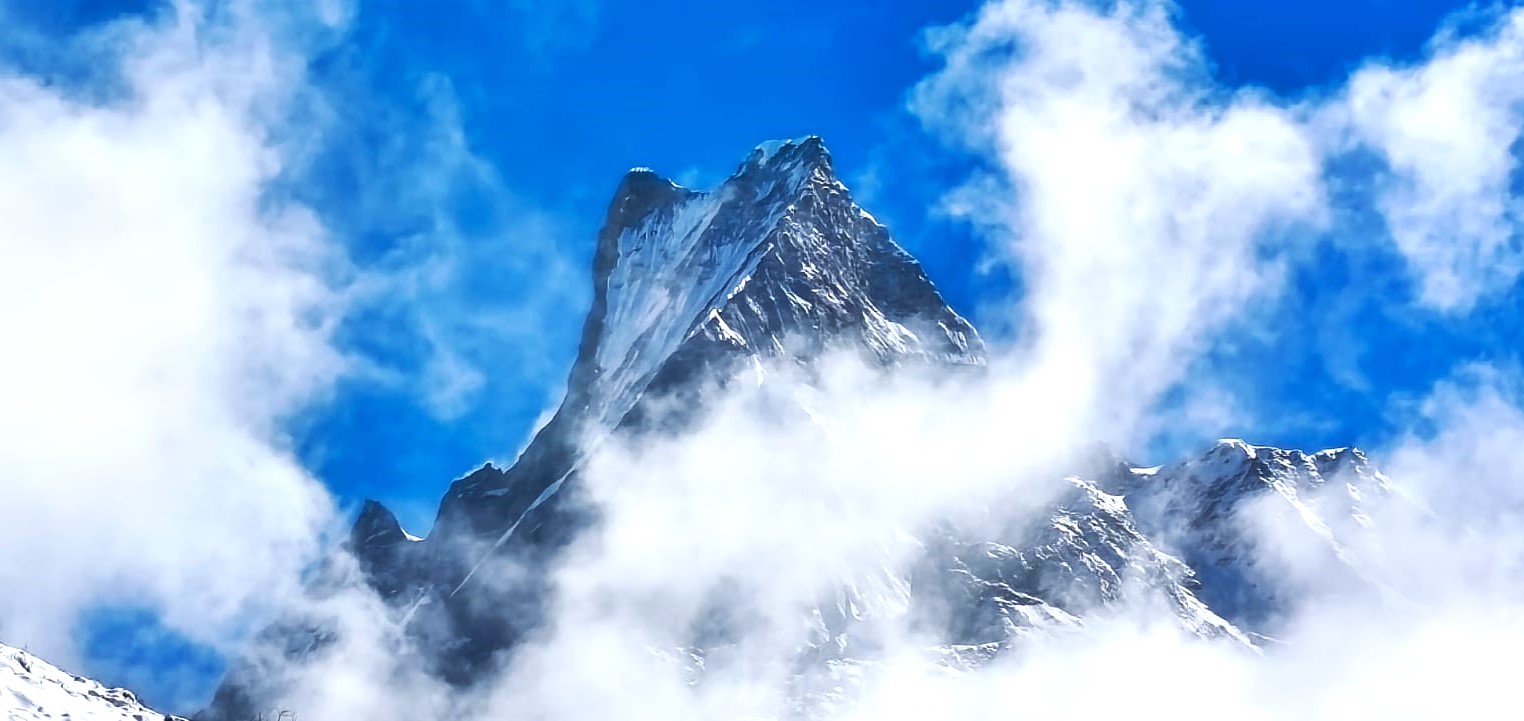
At Tadapani, the hard work pays off with impressive, close-up views of Annapurna South, Hiunchuli, and the striking Fishtail Mountain. If clouds blocked the sunrise earlier, then this is another great opportunity to enjoy clear mountain scenery.
Trek from Tadapani to Ghandruk
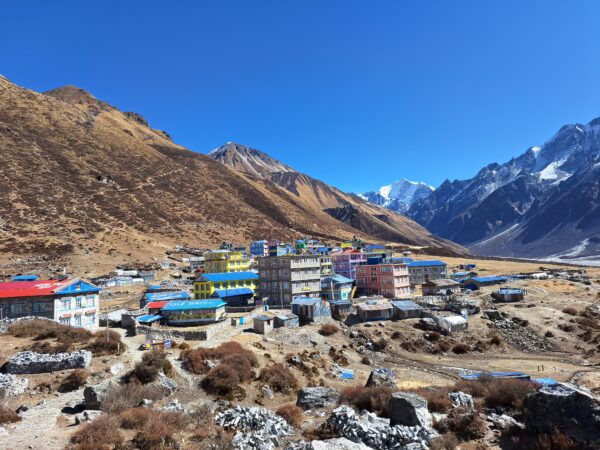
The trail leads us down through lush forests, where sunlight filters through the leaves and birds call from hidden branches. We pass through traditional villages, each one a postcard of rural Himalayan life, until we finally arrive at Ghandruk, widely considered one of the most beautiful Gurung villages in the region. Stone houses with carved wooden windows line the paths. Locals greet us with warm smiles. Mountain views tower in the background. We wander for a while, exploring the culture and the charm. Tonight we will stay here.
Ghandruk to Forest Camp
A glorious sunrise painted the snowy peaks right outside our teahouse window. There's something magical about sitting down for breakfast with a view like this, sipping warm tea while the Himalayas glow in the early light. After we've eaten our fill, we pack up and begin the day's hike toward Forest Camp. The trail leads us through Landruk village, the second-largest Gurung settlement in the region after Ghandruk, with its stone houses and friendly faces. From here, the path drops almost continuously downhill, winding deep into a dense rhododendron forest. The walking is steady, sometimes tricky on the knees, but the forest wraps around us like a green cocoon, quiet, peaceful, and alive with birdsong. As we go deeper, the mountain views slowly disappear, hidden behind the trees. And that's okay. Today isn't about wide-open panoramas. It's about the simple joy of walking through the woods, surrounded by nature, one step at a time, until we arrive at Forest Camp, hidden in the heart of the trees, where tonight, the forest itself will be our view.
Trek from Forest Camp to High Camp
Today, we start the steady climb to Forest Camp, gaining about 1000 meters in altitude. Your guide sets a steady pace with regular breaks as the air grows thinner.
The trail moves through a thinning rhododendron forest, where you may see Himalayan marmots, tahr, and birds such as the colorful Danphe. From Badal Danda (Cloud Hill), clear views open up to Annapurna South, Mardi Himal, Hiunchuli, and Machhapuchhre (Fishtail).
Leaving the last trees behind, the path enters open alpine terrain and leads to High Camp, a scenic spot among the peaks for rest and acclimatization.
Exploration Day (Hike to Mardi Himal view point and Mardi Himal Base Camp).
Before sunrise, we set out on a short hike to the Upper Viewpoint (4,200 m), also known as Mardi Himal Base Camp (4,500 m). The cool morning air and gradual climb reward us with stunning views of the Annapurna Sanctuary, where Annapurna, Hiunchuli, and Machhapuchhre (Fishtail) rise clearly in front of us. This is the most memorable part of the trek and a perfect place to appreciate the wilderness of the Himalayas. After enjoying the scenery, we walk back to High Camp for a filling breakfast and lunch. The rest of the day is free for rest or a gentle walk around the alpine surroundings, followed by another quiet night among the mountains.
High Camp to Sidding and Drive to Pokhara
After our ascent, the trek now turns toward descent. We leave High Camp, heading steeply down past Nangge Danda to Low Camp. Here, we branch off the main trail onto a quieter path that winds through dense rhododendron forest down to the Mardi River.
This route feels more remote, passing through remote settlements and terraced farmland. After crossing several rustic bridges, we arrive at the tranquil village of Siding in the lower valley, here we take some rest and continue our journey to Pokhara.
Today concludes our Annapurna Panorama journey as we return to Pokhara. From Sidding, we drive approximately two hours to Pokhara, where the remainder of the day is yours to relax. We spend the night in the city, bringing our mountain adventure to a close.
Pokhara to Kathmandu (Drive/ Option available for flight )
Your journey now heads back to Kathmandu, either by road or by flight. As Pokhara fades behind you, take a moment to gaze at Machhapuchhre, the majestic Fishtail standing silently in the distance. Leaving the mountains is not goodbye; their calm and beauty stay with you.
On the way, you can enjoy the changing landscapes, from lush valleys and terraced fields to winding rivers and charming villages. If traveling by road, there’s time to see the everyday life of local people, their farms, and markets, offering a last glimpse of rural Nepal. By flight, the aerial view of the Himalayas is unforgettable, with snow-capped peaks stretching as far as the eye can see.
Carry these memories, the stillness of the mountains, the vibrant life of the villages, and the beauty of the landscapes in your heart, letting them guide and inspire you long after the trek ends.
Not Satisfied with This Itinerary?
Every traveler is different. Customize this trip with the help of our local travel specialists and create an itinerary that perfectly matches your interests, schedule, and budget.
What's included
- Airport Transfers: International Airport pick-up and drop-off service.
- Transportation: All Ground Transportation Kathmandu- Pokhara-Kathmandu.
- Trekking Permits: The required paperwork and trekking permit are required for Annapurna Conservation Area Permit (ACAP).
- Trekking Equipment: We provide sleeping bags, down Jackets, and Duffle bag if needed.
- Souvenirs: Create Himalaya Adventure T-Shirt as a souvenir.
- Meals: Three meals a day (breakfast, lunch, dinner) during the trek.
- Accommodation: Twin-bed sharing with a shared toilet during the trek.
- Guide Expenses: All costs for an English-speaking, government-licensed guide.
- Guide Insurance: Insurance coverage for guides.
- Trekking Map: Annapurna Region Trek Map for the group.
- First Aid Kit: Medical kit available during the trip.
- Taxes and Fees: Tourist service charge, VAT, government tax, and official expenses.
What's not included
- International Expenses: International airfare, visa, and travel insurance.
- Kathmandu Meals: Breakfast, Lunch and Dinner at Kathmandu.
- Accommodation in Kathmandu: Accommodation in Kathmandu or on the trek for any reason (Early arrival or delay, early arrival from trek due to any reason).
- Porter Service: Porter to carry your luggage during the trek (if you would like to take a porter, it will cost you USD 30 for the each day trip, which you could add from our add-on option)
- Gratuities: Tips for Guide and Porter (expected from trekkers involved in Annapurna Panorama Trek).
Best Time for Annapurna Panorama Trek
The best time for the Annapurna Panorama Trek is during the spring season from March to May and the autumn season from September to November. Spring brings blooming rhododendron forests, colorful hillsides, mild temperatures, and crystal-clear mountain views. Autumn is equally popular for its stable weather, fresh air, dry trails, and stunning visibility of the Annapurna and Dhaulagiri ranges. Winter trekking is possible for travelers seeking quieter trails and snowy landscapes, although temperatures become colder at higher elevations. The monsoon season from June to August brings heavy rainfall and slippery trails, but the forests appear lush and vibrant during this time. Choosing the right season ensures the best trekking experience with clear Himalayan panoramas and comfortable walking conditions.
Food and Accommodation During Annapurna Panorama Trek
The Annapurna Panorama Trek offers comfortable teahouse accommodation and a wide variety of local and international meals throughout the journey. Trekkers stay in traditional mountain lodges run by local families, providing warm hospitality and cozy rooms with beautiful mountain surroundings. Popular meals include Dal Bhat, noodles, fried rice, soups, Tibetan bread, pancakes, eggs, and seasonal vegetables. Hot tea, coffee, and simple snacks are available at almost every stop along the trail. As the trek reaches higher elevations such as High Camp, accommodation becomes more basic but remains comfortable and welcoming. Staying in teahouses allows trekkers to experience authentic Himalayan culture while supporting local communities in the Annapurna region.
Packing smart and keeping your backpack lightweight will make the Annapurna Panorama Trek more comfortable, flexible, and enjoyable while exploring the stunning Himalayan landscapes.
Annapurna Panorama Trek Permit
The Annapurna Panorama Trek requires the Annapurna Conservation Area Permit (ACAP) to enter the protected trekking region of Nepal. This permit helps conserve the natural environment, wildlife, forests, and cultural heritage of the Annapurna region while supporting sustainable tourism development. Trekkers can easily obtain the permit in Kathmandu or Pokhara through authorized trekking agencies or tourism offices before starting the journey. Carrying a valid ACAP permit is mandatory, as permit checkpoints are located throughout the trekking trail from Ulleri and Ghorepani to Mardi Himal and Sidding. Having the proper permit ensures a safe, legal, and responsible trekking experience in one of Nepal’s most beautiful Himalayan destinations.
Major View points of Annapurna Panorama Trek
The Annapurna Panorama Trek combines the best viewpoints in the Annapurna region, including Mohare Danda, Poon Hill, Mardi Himal View Point, and Mardi Himal Base Camp. Together with the charming villages of Ghorepani and Ghandruk, these destinations offer a perfect blend of Himalayan panoramas, spectacular sunrise views, rich local culture, and unforgettable trekking experiences, making it one of the best short treks in Nepal.
Mohare Danda (3,300 m)
Mohare Danda is a peaceful ridge-top viewpoint that offers some of the finest panoramic mountain views in the Annapurna region. Less crowded than Poon Hill, it provides spectacular sunrise and sunset vistas over the Annapurna and Dhaulagiri ranges. From the ridge, trekkers can enjoy breathtaking views of Dhaulagiri, Annapurna South, Machhapuchhre (Fishtail), Nilgiri, Hiunchuli, and many other Himalayan peaks. The viewpoint is also known for its community-based tourism initiative, traditional villages, and beautiful rhododendron forests.
The trail to Mohare Danda passes through the charming village of Ghorepani, one of the most popular stops on the Annapurna trekking route. Nestled among lush rhododendron forests, Ghorepani is a traditional Magar settlement renowned for its warm hospitality, cozy teahouses, and stunning mountain scenery. The village serves as the gateway to the famous Poon Hill viewpoint and offers trekkers a wonderful opportunity to experience local culture while enjoying magnificent Himalayan views.
Poon Hill (3,210 m)
Poon Hill is the most famous viewpoint on the Annapurna Panorama Trek and one of the most visited trekking destinations in Nepal. Renowned for its unforgettable sunrise experience, the viewpoint rewards early-morning hikers with a stunning display as the first rays of sunlight illuminate the snow-capped peaks of the Annapurna and Dhaulagiri ranges.
From the summit, trekkers enjoy a spectacular 360-degree panorama of Annapurna I, Annapurna South, Dhaulagiri, Machhapuchhre, Hiunchuli, Nilgiri, and several other Himalayan giants. Its easy accessibility from Ghorepani and breathtaking mountain scenery make Poon Hill a must-visit destination for anyone trekking in the Annapurna region.
Ghandruk Village (2012 m)
Ghandruk Village is one of the most picturesque and culturally rich villages in Nepal. Home to the Gurung community, this traditional mountain settlement offers stone-paved streets, charming houses, ancient monasteries, and spectacular views of Annapurna South, Hiunchuli, and Machhapuchhre.
Often included in the Ghorepani Poon Hill Trek and Annapurna Panorama Trek, Ghandruk provides visitors with an authentic cultural experience while showcasing some of the best mountain scenery in the Annapurna region.
Mardi Himal View Point (4,200 m)
The Mardi Himal View Point offers a more intimate and dramatic perspective of the Annapurna Himalayas. From here, trekkers enjoy incredible views of Machhapuchhre (Fishtail), Annapurna South, Hiunchuli, and Mardi Himal. The scenic ridge trail leading to the viewpoint is one of the highlights of the Mardi Himal Trek, with stunning mountain vistas unfolding on both sides of the path.
The viewpoint is especially famous for its close-up views of Machhapuchhre, one of Nepal's most iconic and sacred mountains. The combination of alpine landscapes, rugged ridgelines, and towering peaks makes this one of the most rewarding viewpoints in the Annapurna region.
Mardi Himal Base Camp (4,500 m)
Mardi Himal Base Camp is the highest viewpoint on the Annapurna Panorama Trek and offers extraordinary close-range views of the Annapurna Sanctuary. Surrounded by towering peaks, trekkers are rewarded with breathtaking panoramas of Machhapuchhre, Annapurna South, Hiunchuli, Gangapurna, and the surrounding Himalayan landscape.
Standing at the base camp feels like being in the heart of the Himalayas, with dramatic mountain scenery stretching in every direction. The sense of remoteness, combined with the stunning alpine environment, makes Mardi Himal Base Camp one of the most unforgettable viewpoints and trekking destinations in Nepal.
Equipment List for Annapurna Panorama Trek
Clothing
- Moisture-wicking trekking T-shirts
- Warm fleece or down jacket
- Waterproof and windproof jacket
- Thermal inner layers for cold nights
- Comfortable trekking pants
- Lightweight gloves and warm hat
- Sun hat or cap for daytime walking
- Extra socks and undergarments
Footwear
- Comfortable and sturdy trekking boots
- Lightweight sandals or camp shoes
- Gaiters (optional during rainy or snowy conditions)
Trekking Gear
- Durable backpack or daypack
- Warm sleeping bag suitable for mountain temperatures
- Trekking poles for stability on steep trails
- Headlamp with extra batteries
- Reusable water bottles or hydration bladder
Personal Essentials
- Sunglasses with UV protection
- Sunscreen and lip balm
- Personal toiletries and quick-dry towel
- Wet wipes and hand sanitizer
- Personal medications and basic first-aid kit
Important Accessories
- Rain cover for backpack
- Lightweight rain poncho or umbrella
- Power bank and charging cables
- Camera or smartphone for mountain photography
- Snacks and energy bars for the trail
Travel Documents
- Passport and passport-size photos
- Travel insurance documents
- Annapurna Conservation Area Permit (ACAP)
Tip: Please go through this blog for a complete packing checklist.
Trip Note
The Annapurna Panorama Trek is a rewarding Himalayan journey that combines spectacular mountain scenery, traditional Gurung culture, peaceful forests, and some of the finest viewpoints in the Annapurna region. This carefully designed trekking route connects the famous viewpoints of Mohare Danda, Poon Hill, and Mardi Himal Base Camp, creating a complete panorama experience that showcases the very best of the Annapurna Himalayas.
This trek is suitable for trekkers with a moderate level of fitness and does not require any technical climbing experience. Daily walks generally range between 5 to 7 hours, following well-established trails through rhododendron forests, mountain ridges, terraced farmlands, and traditional villages. Although the route reaches elevations above 4,000 meters, the gradual ascent helps trekkers acclimatize naturally while enjoying the changing landscapes.
Weather in the mountains can change quickly, especially at higher elevations around Mardi Himal High Camp and Mardi Himal Base Camp. Trekkers are advised to pack layered clothing, a warm jacket, waterproof gear, and comfortable trekking boots suitable for varied terrain. Carrying a reusable water bottle, sunscreen, sunglasses, and personal medications is also highly recommended.
Accommodation throughout the trek is provided in local teahouses, offering basic but comfortable lodging and warm hospitality. Meals are freshly prepared and include a variety of Nepali, Tibetan, and international dishes. As the trek reaches higher elevations, facilities become simpler, but the stunning mountain surroundings more than compensate for the basic amenities.
The best seasons for the Annapurna Panorama Trek are spring (March to May) and autumn (September to November), when the weather is stable, mountain views are at their clearest, and trail conditions are ideal. Spring adds the beauty of blooming rhododendron forests, while autumn offers crisp air and exceptional Himalayan visibility.
At Create Himalaya Adventure, safety remains our highest priority. Our experienced and government-licensed guides monitor the pace of the trek, assist with acclimatization, and provide support throughout the journey. We strongly recommend comprehensive travel insurance that covers high-altitude trekking and emergency helicopter evacuation.
The Annapurna Panorama Trek is more than a trekking holiday; it is an unforgettable experience that blends breathtaking Himalayan landscapes, authentic mountain culture, and peaceful wilderness into one remarkable adventure. From sunrise over Poon Hill and sunset at Mohare Danda to the dramatic close-up views from Mardi Himal Base Camp, every day brings a new perspective of Nepal's mountain beauty.
Alternative Treks to the Annapurna Panorama Trek
- Annapurna Base Camp Trek: A scenic trek leading into the heart of the Annapurna Sanctuary with breathtaking mountain views.
- Mardi Himal Trek: A short and peaceful trail offering spectacular views of Machhapuchhre and the Annapurna range.
- Ghorepani Poon Hill Trek: Famous for its stunning sunrise panorama and beautiful rhododendron forests.
- Khopra Ridge Trek: A quieter alternative featuring panoramic Himalayan vistas and authentic village experiences.
- Annapurna Circuit Trek: A classic Himalayan adventure known for its diverse landscapes and dramatic mountain scenery.
FAQs
1. How many days are required to complete the Annapurna Panorama Trek?
The standard itinerary takes 10 days, including transportation between Kathmandu and Pokhara, trekking days, and sightseeing along the route.
2. Is the Annapurna Panorama Trek suitable for first-time trekkers?
Yes. This trek is ideal for beginners who are reasonably fit and want to experience Himalayan trekking without extreme technical challenges.
3. What is the highest elevation reached during the trek?
The highest point is the Mardi Himal Base Camp Viewpoint, which reaches approximately 4,200–4,500 meters above sea level.
4. Can I see Mount Machhapuchhre (Fishtail Mountain) during the trek?
Yes. Machhapuchhre is visible from several sections of the trail, especially from Tadapani, Badal Danda, High Camp, and the Mardi Himal viewpoint.
5. Are there any risks of altitude sickness on this trek?
The risk is relatively low compared to higher-altitude treks, but mild symptoms can occur above 3,000 meters. Proper hydration and gradual ascent help reduce the risk.
6. Which villages are considered cultural highlights of the journey?
Ghandruk, Landruk, Ghorepani, and Sidding are among the most culturally rich villages where trekkers can experience traditional Gurung lifestyles.
7. How difficult are the uphill sections of the trail?
Some sections, particularly around Mohare Danda and High Camp, involve steep ascents. However, the pace is manageable with regular breaks.
8. What kind of mountain views can I expect?
Trekkers enjoy panoramic views of Annapurna South, Dhaulagiri, Hiunchuli, Mardi Himal, Nilgiri, and Machhapuchhre throughout the trek.
9. Are charging facilities available in the teahouses?
Yes. Most teahouses offer charging services, though an additional fee may apply at higher elevations.
10. Is Wi-Fi available during the trek?
Many villages provide internet access, but the connection can be slow and less reliable in remote areas.
11. Can children join the Annapurna Panorama Trek?
Yes. Active children with hiking experience can complete the trek when accompanied by parents or guardians.
12. What wildlife might be seen along the route?
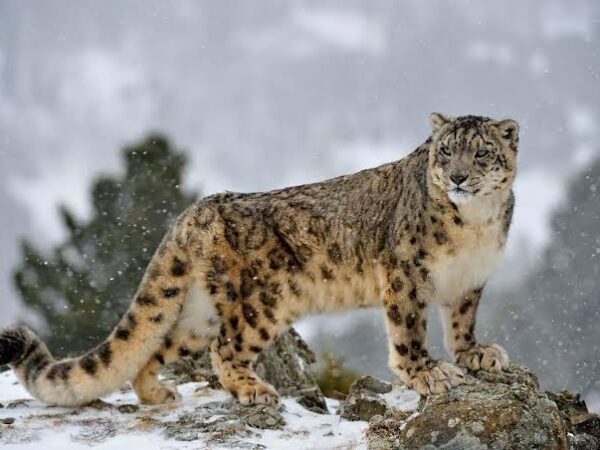
Trekkers may spot Himalayan tahr, langur monkeys, marmots, and various bird species, including Nepal’s national bird, the Danphe.
13. How cold does it get at night?
Temperatures vary by season. Nights at High Camp can fall below freezing during winter and remain cool even in spring and autumn.
14. Are there hot showers available during the trek?
Yes. Most teahouses offer hot showers for an additional charge, although availability may depend on weather and location.
15. Do I need previous trekking experience to complete this route?
Previous trekking experience is helpful but not mandatory. Good physical fitness and preparation are usually sufficient.
16. What makes Mohare Danda special compared to other viewpoints?
Mohare Danda offers spectacular sunrise and sunset views while providing a quieter and less crowded alternative to many popular trekking viewpoints.
17. Is drinking water easily available on the trail?
Yes. Drinking water is available at teahouses and villages. Using water purification tablets or filters is recommended.
18. Can solo travelers join this trek?
Absolutely. Solo travelers can trek independently where regulations permit or join a guided group for added convenience and safety.
19. What type of terrain will I walk through?
The route includes stone staircases, forest trails, alpine ridges, village paths, suspension bridges, and terraced farmland.
20. When do rhododendron forests bloom along the route?
The rhododendron forests are most colorful between March and April, creating vibrant landscapes across the hillsides.
21. Is travel insurance recommended for this trek?
Yes. Comprehensive travel insurance that covers trekking activities and emergency helicopter evacuation is highly recommended.
22. How much daily walking is involved?
Most trekking days involve 5 to 7 hours of walking, depending on trail conditions, pace, and itinerary.
23. Can the itinerary be customized?
Yes. The itinerary can often be adjusted to include additional rest days, shorter walking days, or extra sightseeing in the Annapurna region.
24. What should I do if weather conditions change unexpectedly?
Follow your guide’s advice, allow flexibility in your schedule, and carry appropriate clothing for changing mountain weather conditions.
25. Why is this trek considered one of the best short Himalayan adventures?
The Annapurna Panorama Trek combines stunning mountain scenery, authentic village culture, diverse landscapes, famous viewpoints, and comfortable teahouse experiences within a relatively short timeframe, making it one of Nepal’s most rewarding trekking adventures.
Travelers' Reviews
Emil
Denmark
Verified PurchaseThis is your guide! He is the nicest and best
Marie M
Denmark
Verified PurchaseGreat trek with awesome guide
No hidden fees • Best price guarantee