
How Difficult is the Annapurna Base Camp Trek?
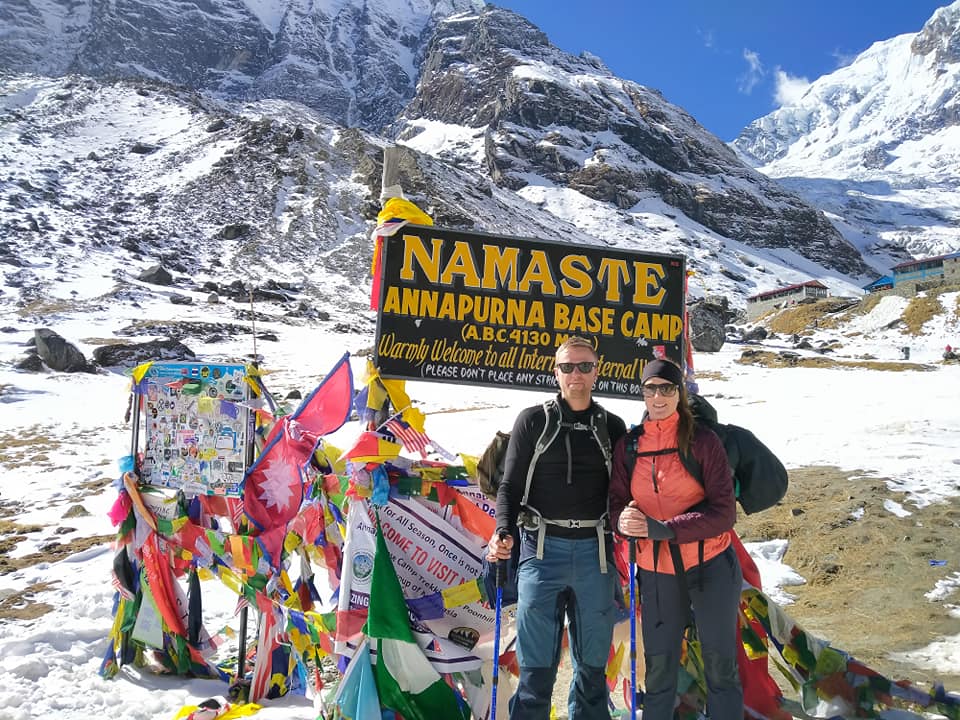
The Annapurna Base Camp Trek is one of Nepal’s most famous trekking adventures, taking travelers deep into the heart of the Annapurna region and offering an unforgettable Himalayan experience. Reaching an altitude of 4,130 meters, the trek passes through beautiful Gurung and Magar villages, terraced farmlands, rhododendron forests, and alpine landscapes before arriving at the spectacular Annapurna Sanctuary. Surrounded by towering peaks such as Annapurna I, Annapurna South, Hiunchuli, Gangapurna, and the iconic Machhapuchhre (Fishtail Mountain), the trail rewards trekkers with some of the most breathtaking mountain scenery in Nepal. The combination of diverse landscapes, rich cultural encounters, and panoramic Himalayan views makes the Annapurna Base Camp Trek a dream destination for nature lovers and adventure seekers alike.
What makes the Annapurna Base Camp Trek particularly appealing is its accessibility and moderate difficulty level, making it suitable for both experienced trekkers and fit beginners. The route is supported by comfortable tea houses, allowing trekkers to enjoy local hospitality and traditional Nepali cuisine throughout the journey. Spring and autumn are considered the best seasons to visit, offering clear skies, pleasant temperatures, and stunning mountain visibility. Beyond the incredible scenery, the trek provides a unique opportunity to experience the culture, traditions, and daily life of the local communities living in the Annapurna region. From peaceful mountain villages to the awe-inspiring views at base camp, the Annapurna Base Camp Trek delivers a rewarding adventure that showcases the very best of Nepal’s Himalayas.
The Annapurna Base Camp Trek is generally considered a moderate trek, making it suitable for both experienced trekkers and physically fit beginners. While the trek does not require technical climbing skills or mountaineering experience, it involves several days of continuous walking on mountain trails, often ranging from 5 to 7 hours per day. Trekkers must navigate steep ascents and descents, stone staircases, and uneven terrain while gradually gaining altitude. The trek reaches a maximum elevation of 4,130 meters (13,550 feet) at Annapurna Base Camp, where thinner air can make hiking more challenging.
The main challenges of the Annapurna Base Camp Trek include long walking hours, altitude gain, and changing mountain weather. Although the risk of severe altitude sickness is lower than on some higher Himalayan treks, trekkers may still experience mild symptoms if they ascend too quickly. Good physical fitness, proper acclimatization, and a steady walking pace are key to completing the trek comfortably. With basic preparation such as regular walking, hiking, or cardio training before the trip, most healthy individuals can successfully reach Annapurna Base Camp and enjoy one of Nepal’s most rewarding trekking experiences.
Is the Annapurna Base Camp Trek Suitable for Beginners?
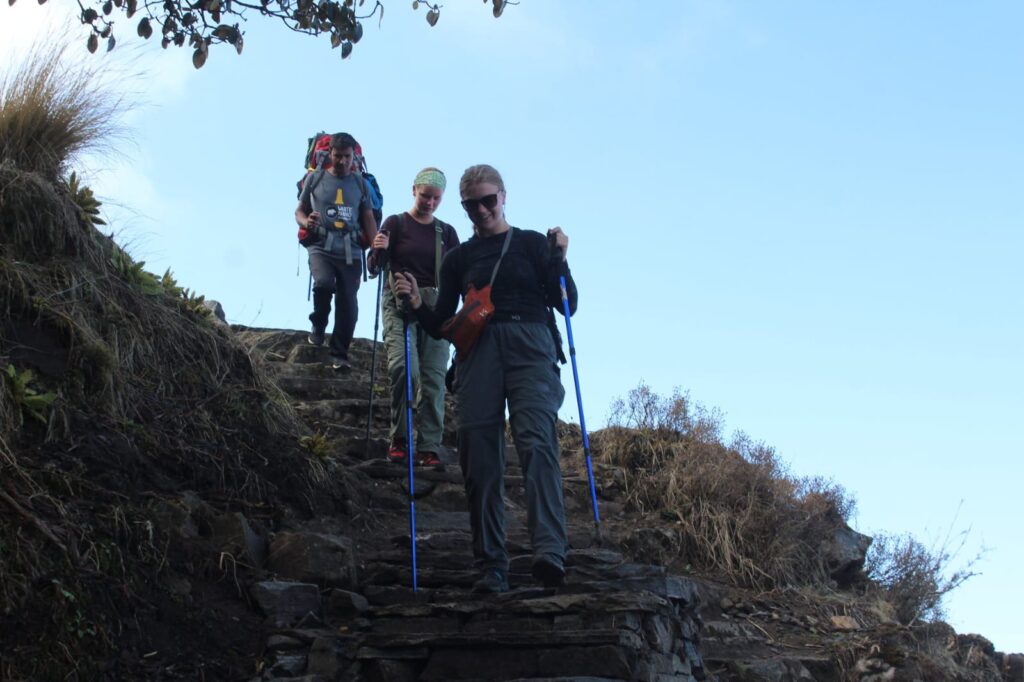
Yes, the Annapurna Base Camp Trek is considered one of the best Himalayan treks for beginners. Although it involves several days of walking through mountain trails and reaches an altitude of 4,130 meters (13,550 feet), the trek does not require any technical climbing skills or previous mountaineering experience. The route is well-established, with comfortable tea houses, clearly marked trails, and plenty of opportunities to rest along the way. For first-time trekkers who are reasonably fit and prepared for daily hikes of 5 to 7 hours, the Annapurna Base Camp Trek is an achievable and rewarding adventure.
Beginners can improve their trekking experience by preparing with regular walking, hiking, jogging, or other cardiovascular exercises before the trip. Walking at a steady pace, staying hydrated, and allowing enough time for acclimatization are also important for a successful trek. The journey rewards beginners with incredible mountain views, diverse landscapes, and authentic cultural experiences, making it an ideal introduction to trekking in the Himalayas. With proper preparation and a positive attitude, most first-time trekkers can comfortably complete the Annapurna Base Camp Trek and create unforgettable memories in Nepal’s stunning Annapurna region.
Is the Annapurna Base Camp Trek Hard?
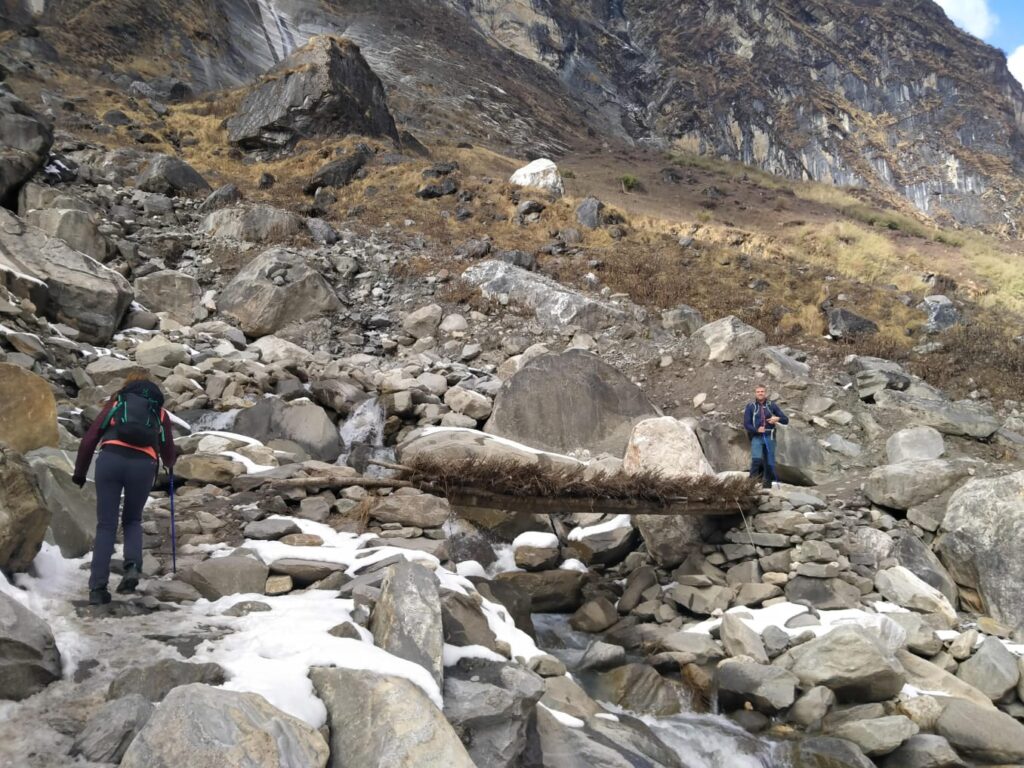
The Annapurna Base Camp Trek is not considered extremely hard, but it does require a good level of physical fitness and endurance. Most trekking experts classify it as a moderate trek, suitable for both experienced hikers and motivated beginners. The trail involves several days of walking through steep uphill and downhill sections, stone staircases, and uneven mountain paths. Trekkers typically hike for 5 to 7 hours each day while gradually ascending to Annapurna Base Camp at 4,130 meters (13,550 feet). Although the altitude can make walking more challenging, the trek is non-technical and does not require climbing equipment or mountaineering skills.
For many trekkers, the most demanding parts of the journey are the long daily walks and the continuous elevation gain rather than the altitude itself. Proper preparation, regular exercise before the trek, and maintaining a steady pace on the trail can make the experience much easier. The route is supported by well-established tea houses, allowing trekkers to rest comfortably each night. With adequate fitness, acclimatization, and determination, most healthy individuals can successfully complete the Annapurna Base Camp Trek and enjoy one of Nepal’s most spectacular Himalayan adventures.
Fitness Level Required for the Annapurna Base Camp Trek
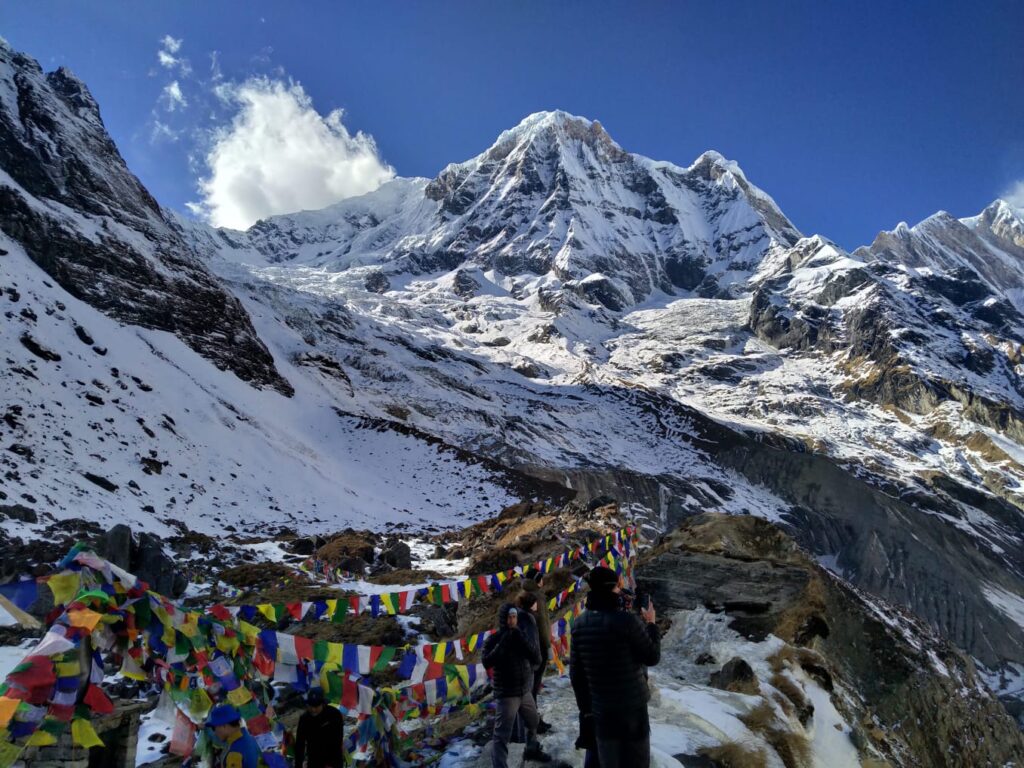
The Annapurna Base Camp Trek requires a moderate level of fitness, as trekkers need to walk for several consecutive days through varied mountain terrain. On most trekking days, you can expect to hike between 5 and 7 hours, with some sections involving steep ascents, descents, and long stone staircases. While the trek does not require technical climbing skills, having good cardiovascular endurance, leg strength, and overall stamina will make the journey more enjoyable and comfortable. People who regularly participate in activities such as hiking, jogging, cycling, swimming, or brisk walking generally adapt well to the demands of the trek.
To prepare for the Annapurna Base Camp Trek, it is recommended to start training at least a few weeks before departure. Regular cardio exercises, stair climbing, and longer walks carrying a light backpack can help build the endurance needed for daily trekking. Although beginners can successfully complete the trek, those with better fitness levels often find it easier to handle the altitude, long walking hours, and changing trail conditions. With proper preparation, a steady pace, and adequate rest, most healthy individuals can comfortably reach Annapurna Base Camp and enjoy the spectacular Himalayan scenery along the way.
Altitude Sickness on the Annapurna Base Camp Trek
Altitude sickness is a potential concern on the Annapurna Base Camp Trek, as the trail reaches an elevation of 4,130 meters (13,550 feet) at Annapurna Base Camp. As trekkers ascend to higher elevations, the oxygen level in the air decreases, which can affect the body’s ability to adapt. While the risk of severe altitude sickness is generally lower than on some higher Himalayan treks, mild symptoms such as headaches, dizziness, fatigue, nausea, loss of appetite, and shortness of breath can still occur, especially if the ascent is too rapid.
The best way to prevent altitude sickness is to trek at a gradual pace, stay well-hydrated, eat nutritious meals, and allow your body enough time to adjust to the increasing altitude. It is important to listen to your body and inform your guide immediately if symptoms become severe or worsen. Most trekkers complete the Annapurna Base Camp Trek without serious altitude-related issues by following proper acclimatization practices and avoiding overexertion. With careful preparation and awareness, altitude sickness can be effectively managed, allowing you to enjoy the stunning mountain scenery and safely reach Annapurna Base Camp.
Annapurna Base Camp Trek Elevation Gain
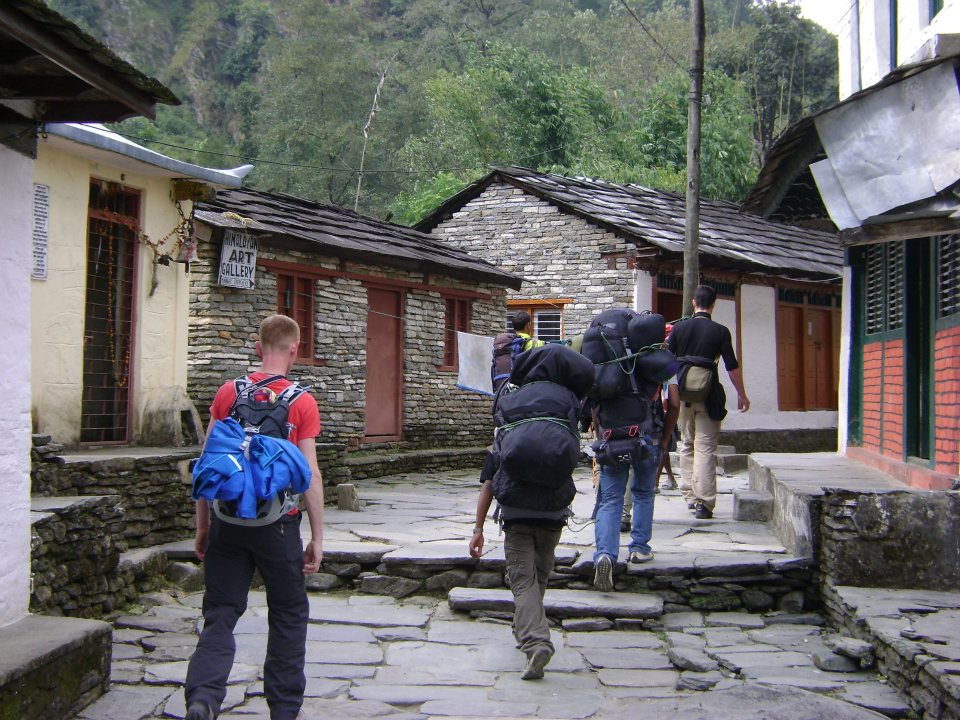
The Annapurna Base Camp Trek involves a significant elevation gain, taking trekkers from the lower foothills of the Annapurna region to Annapurna Base Camp at 4,130 meters (13,550 feet). Depending on the starting point of the trek, which is often around 1,000 to 1,800 meters above sea level, the total elevation gain can exceed 2,500 to 3,000 meters throughout the journey. The ascent is gradual and spread over several days, allowing trekkers to adjust to the increasing altitude while enjoying the changing landscapes along the route.
One of the unique aspects of the Annapurna Base Camp Trek is that the elevation gain is not continuous. The trail includes a combination of uphill climbs, downhill sections, river valleys, and mountain ridges, making the trek physically demanding at times. Notable elevation increases occur between Chhomrong, Bamboo, Deurali, Machhapuchhre Base Camp (3,700 meters), and Annapurna Base Camp. Although the altitude gain can be challenging, a well-planned itinerary, proper acclimatization, and a steady walking pace help most trekkers successfully reach the base camp and enjoy the spectacular views of the Annapurna Sanctuary.
Annapurna Base Camp Trek Preparation
Proper preparation is essential for a successful and enjoyable Annapurna Base Camp Trek. Although the trek is considered moderate in difficulty, it still requires good physical fitness, mental readiness, and basic planning to handle long walking days, changing weather conditions, and increasing altitude. Trekkers who prepare well in advance are more likely to complete the journey comfortably and enjoy the experience without unnecessary stress.
Physical preparation should ideally begin a few weeks to a few months before the trek. Regular cardiovascular exercises such as walking, jogging, cycling, or stair climbing help build endurance and stamina. Hiking with a light backpack is especially useful, as it simulates actual trekking conditions. Strengthening leg muscles and improving overall fitness will make uphill climbs and downhill descents much easier during the trek.
Mental preparation is equally important. The Annapurna Base Camp Trek involves long walking hours, basic accommodation, and simple mountain conditions. Being prepared for limited comfort and staying positive during challenging sections of the trail can greatly improve the trekking experience. A patient and steady walking pace is key to enjoying the journey.
Packing the right gear is another important part of preparation. Essential items include comfortable trekking boots, warm layered clothing, a waterproof jacket, gloves, a hat, sunglasses, sunscreen, and a good-quality backpack. Since weather in the Himalayas can change quickly, layering is the best way to stay comfortable throughout the trek.
Finally, understanding altitude and health safety is crucial. Trekkers should stay hydrated, eat nutritious meals, and avoid rushing to higher elevations too quickly. Travel insurance that covers high-altitude trekking is also strongly recommended. With proper preparation, the Annapurna Base Camp Trek becomes a safe, rewarding, and unforgettable adventure in the heart of the Himalayas.
Annapurna Base Camp Trek Route
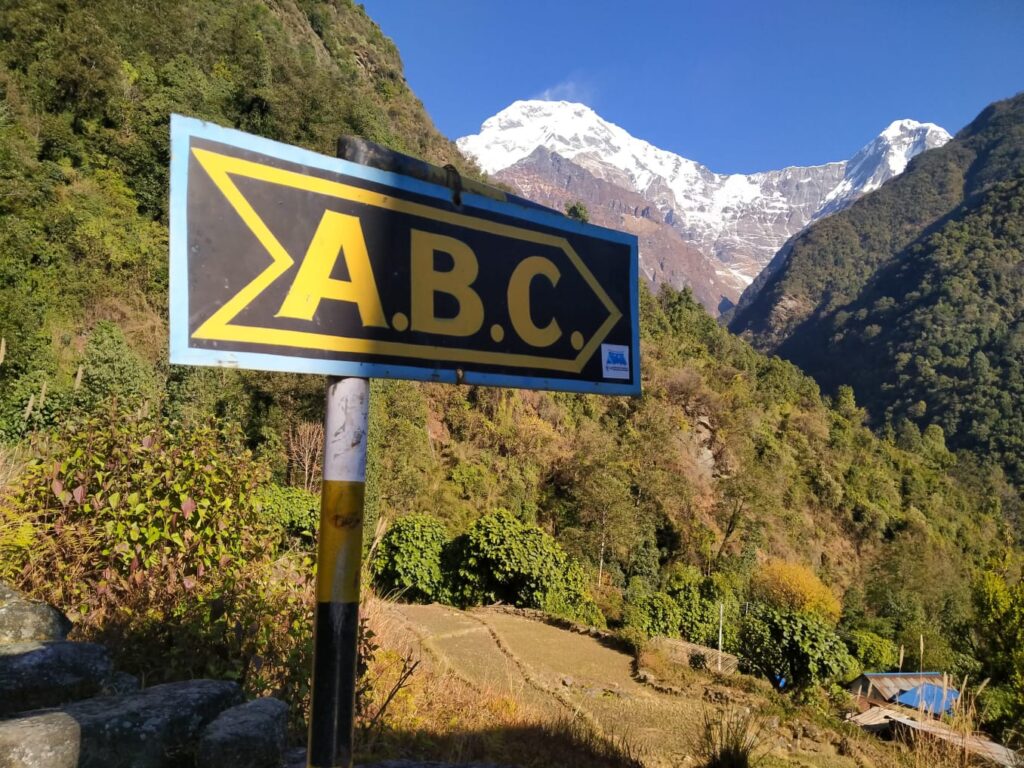
The Annapurna Base Camp Trek offers several route variations, allowing trekkers to customize their journey based on time, fitness level, and scenic preferences. Among the most popular starting or connecting points are Ghorepani, Ghandruk, and Jhinu Danda, each providing a unique experience before joining the main trail to Annapurna Base Camp.
The route from Ghorepani: The route from Ghorepani is one of the most scenic and culturally rewarding options. Ghorepani is famous for its proximity to Poon Hill, one of Nepal’s most celebrated viewpoints for sunrise over the Annapurna and Dhaulagiri mountain ranges. After enjoying the spectacular sunrise, trekkers continue through beautiful rhododendron forests toward Tadapani. From Tadapani, the trail gradually descends and connects to Chhomrong, the main gateway to the Annapurna Sanctuary. The journey then follows the classic ABC route through Bamboo, Dovan, Himalaya, and Deurali, before reaching Machhapuchhre Base Camp (MBC) and finally Annapurna Base Camp (ABC). This route is ideal for trekkers who wish to combine the famous Poon Hill experience with the Annapurna Base Camp Trek.
The Ghandruk route: The Ghandruk route is one of the shortest and most accessible approaches to Annapurna Base Camp. Ghandruk is a picturesque Gurung village known for its traditional stone houses, rich cultural heritage, and stunning views of Annapurna South and Machhapuchhre. From Ghandruk, the trail typically leads to Chhomrong, either directly or via the Kimrong Khola route, depending on the itinerary. Once in Chhomrong, trekkers follow the standard Annapurna Sanctuary trail through Bamboo, Dovan, Himalaya, and Deurali, eventually reaching Machhapuchhre Base Camp and Annapurna Base Camp. This route is particularly popular among trekkers seeking a shorter trek while still enjoying cultural experiences and magnificent mountain scenery.
The route from Jhinu Danda: The route from Jhinu Danda is commonly used as either a starting point or a finishing point for the Annapurna Base Camp Trek. Jhinu Danda is famous for its natural hot springs, located beside the Modi Khola River, making it a favorite place for relaxation. From Jhinu Danda, trekkers ascend to Chhomrong, where the trail enters the Annapurna Sanctuary region. The route then continues through Bamboo, Dovan, Himalaya, and Deurali, leading to Machhapuchhre Base Camp (MBC) and ultimately Annapurna Base Camp (ABC). Many trekkers choose to descend via Jhinu Danda after completing the trek, allowing them to enjoy the soothing hot springs as a rewarding end to their Himalayan adventure.
Whether starting from Ghorepani, Ghandruk, or Jhinu Danda, all routes eventually merge into the classic Annapurna Base Camp trail that leads deep into the heart of the Annapurna Sanctuary. Each option offers a distinct experience—Ghorepani provides breathtaking sunrise views from Poon Hill, Ghandruk showcases traditional Gurung culture and a shorter approach, while Jhinu Danda offers the added attraction of natural hot springs. Together, these route variations make the Annapurna Base Camp Trek one of the most flexible, diverse, and rewarding trekking experiences in Nepal.
Annapurna Base Camp Trek Highlights
The Annapurna Base Camp Trek is one of Nepal’s most popular trekking adventures, offering spectacular mountain scenery, diverse landscapes, and rich cultural experiences. Here are the major highlights of the trek:
- Reach Annapurna Base Camp (4,130m) and stand in the heart of the magnificent Annapurna Sanctuary.
- Enjoy panoramic views of Himalayan giants, including Annapurna I (8,091m), Annapurna South, Hiunchuli, Machhapuchhre (Fishtail), Gangapurna, and other surrounding peaks.
- Experience breathtaking sunrise and sunset views over snow-capped mountains from Annapurna Base Camp and other viewpoints along the trail.
- Visit Machhapuchhre Base Camp (3,700m) and enjoy close-up views of the iconic and sacred Fishtail Mountain.
- Trek through diverse landscapes, ranging from terraced farmlands and traditional villages to dense forests, alpine meadows, and glacial valleys.
- Walk through beautiful rhododendron and bamboo forests, especially colorful during the spring blooming season.
- Explore traditional Gurung and Magar villages, including Ghandruk and Chhomrong, and experience authentic Himalayan culture and hospitality.
- Witness the unique biodiversity of the Annapurna Conservation Area, Nepal’s largest protected conservation region.
- Cross suspension bridges, mountain streams, and scenic river valleys throughout the journey.
- Enjoy the famous Poon Hill sunrise viewpoint when trekking via the Ghorepani route, offering spectacular views of the Annapurna and Dhaulagiri ranges.
- Relax in the natural hot springs at Jhinu Danda, a perfect way to unwind after days of trekking.
- Experience dramatic changes in scenery and climate as you ascend from subtropical forests to high-altitude Himalayan terrain.
- Stay in traditional mountain teahouses, providing opportunities to interact with local communities and fellow trekkers.
- Capture incredible photography opportunities featuring glaciers, waterfalls, forests, villages, and towering Himalayan peaks.
- Enjoy a moderate trekking challenge suitable for both beginner and experienced trekkers seeking a rewarding Himalayan adventure.
Overall, the Annapurna Base Camp Trek combines stunning mountain views, cultural richness, diverse landscapes, and unforgettable trekking experiences, making it one of the best trekking destinations in Nepal and the Himalayas.
How Hard is Annapurna Base Camp (ABC) Trek Compared to Everest Base Camp (EBC)?
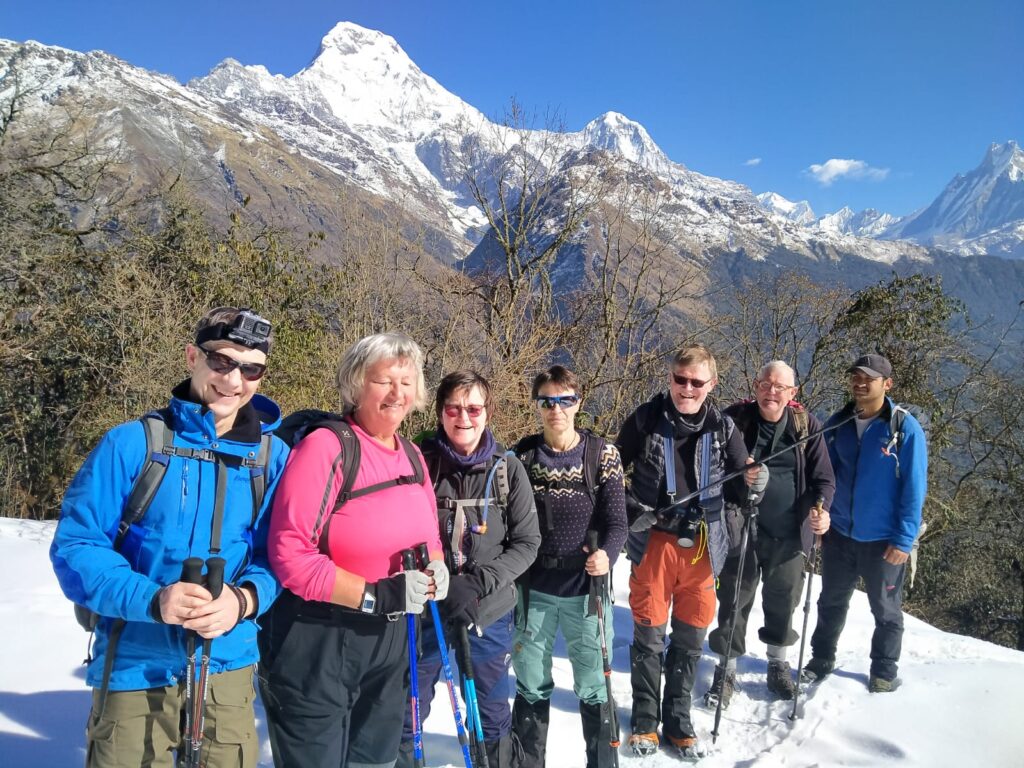
Both the Annapurna Base Camp (ABC) Trek and the Everest Base Camp (EBC) Trek are world-famous Himalayan adventures, but they differ in difficulty, altitude, terrain, and trekking experience. In general, the Annapurna Base Camp Trek is considered easier and shorter, while the Everest Base Camp Trek is more challenging and physically demanding.
1. Altitude Difference
The biggest difference between the two treks is altitude.
- Annapurna Base Camp (ABC): 4,130 meters
- Everest Base Camp (EBC): 5,364 meters
Because EBC goes significantly higher, the risk of altitude sickness is greater on the Everest trek. ABC also has altitude challenges, but they are comparatively milder and easier to manage for most trekkers.
2. Trek Duration
- ABC Trek: Usually 7–12 days
- EBC Trek: Usually 12–14 days (or more with acclimatization)
The longer duration of EBC means more days of continuous walking and higher physical strain.
3. Difficulty Level
ABC Trek: Moderate difficulty
EBC Trek: Moderate to strenuous
ABC is suitable for beginners with basic fitness, while EBC requires better endurance and preparation due to longer trekking days and higher elevation gain.
4. Terrain and Trail Conditions
ABC Trek: Forest trails, stone steps, village paths, shorter steep sections
EBC Trek: Rougher trails, rocky terrain, high-altitude barren landscapes, and longer ascents
ABC offers more greenery and varied scenery, while EBC becomes more rugged and remote as you go higher.
5. Accommodation and Comfort
Both treks have teahouses, but:
Annapurna Base Camp Trek teahouses are generally more comfortable at lower elevations
Everest Base Camp teahouses become more basic as altitude increases
6. Physical Fitness Requirement
Annapurna Base Camp Trek: Moderate fitness is enough (regular walking or light training recommended)
Everest Base Camp Trek: Good fitness level required (cardio training, stamina, and endurance are important)
Conclusion: The Annapurna Base Camp Trek is easier than the Everest Base Camp Trek in almost every aspect—altitude, duration, and physical demand. ABC is a great choice for beginners or those seeking a shorter Himalayan adventure, while Everest Base camp is better suited for trekkers looking for a more challenging and high-altitude experience.
Both treks are incredibly rewarding, but if you want a less demanding, more beginner-friendly Himalayan trek, Annapurna Base camp Trek is the better option.
What is the Hardest Part of the Annapurna Base Camp Trek?
The hardest part of the Annapurna Base Camp Trek is not a single section, but a combination of long uphill climbs, steep stone staircases, and continuous elevation gain. One of the most physically demanding stretches is the climb between Chhomrong and Sinuwa, where trekkers face a long descent followed by a steep uphill section. This “up and down” pattern can be tiring, especially after several days of trekking.
Another challenging section is the route from Deurali to Machhapuchhre Base Camp (MBC). As the altitude increases above 3,000 meters, the air becomes thinner, making breathing more difficult and walking slower. Trekkers often feel more fatigue here due to reduced oxygen levels combined with colder temperatures and rocky terrain.
Finally, the trek to Annapurna Base Camp (4,130m) itself can feel demanding due to altitude, cold weather, and early morning or late evening temperature drops. However, while these sections are challenging, they are not technical, and most trekkers can complete them successfully with proper pacing, hydration, and steady acclimatization.
How Many Hours Do You Walk Each Day on the Annapurna Base Camp Trek?
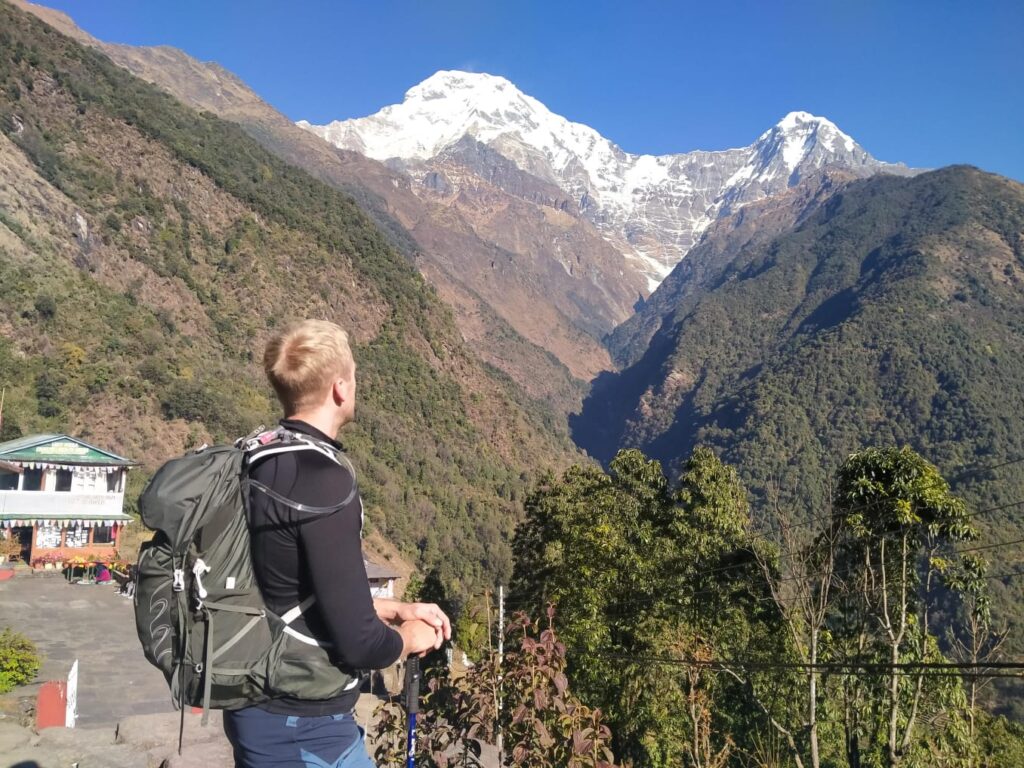
On the Annapurna Base Camp Trek, trekkers usually walk 5 to 7 hours per day on average, depending on the itinerary, pace, and altitude of the day. Some shorter days may take around 3 to 4 hours, while more demanding sections can extend up to 7 or 8 hours, especially when covering steep ascents or longer distances between villages.
In the lower part of the trek, such as from Nayapul to Ghandruk or Ghorepani, walking hours can feel longer due to continuous stone staircases and elevation gain. As you move higher toward Chhomrong, Bamboo, and Deurali, the terrain becomes more challenging, and the pace naturally slows because of altitude and thinner air. The final approach to Machhapuchhre Base Camp and Annapurna Base Camp (4,130m) can feel more demanding even if the distance is shorter, mainly due to altitude and cold conditions.
Overall, while daily walking hours are manageable for most trekkers, maintaining a steady pace, taking regular breaks, and staying well-hydrated are important to complete the Annapurna Base Camp Trek comfortably and enjoy the journey fully.
Can Older People Do the Annapurna Base Camp Trek?
Yes, older people can absolutely do the Annapurna Base Camp (ABC) Trek, as long as they are in good general health and adequately prepared. The trek is considered moderate in difficulty, meaning it does not require technical climbing skills, but it does involve several days of continuous walking on mountain trails with gradual altitude gain up to 4,130 meters (13,550 feet).
Many trekkers in their 50s, 60s, and even 70s successfully complete the Annapurna Base Camp Trek each year. The key factors are physical fitness, medical condition, and proper pacing. Older trekkers who regularly walk, hike, or engage in light exercise usually adapt well to the trekking demands. However, it is always recommended to consult a doctor before planning a high-altitude trek, especially for those with heart, lung, or joint conditions.
The most important considerations for older trekkers are walking pace and acclimatization. Taking it slow, avoiding rushing, and allowing extra rest days can make the trek much more comfortable and safe. Hiring a guide or porter can also significantly reduce physical strain and improve the overall experience. Tea house accommodations along the route provide basic comfort, making the journey more accessible.
In conclusion, age is not a major barrier for the Annapurna Base Camp Trek. With good preparation, a positive mindset, and sensible trekking habits, older trekkers can safely enjoy one of Nepal’s most beautiful Himalayan adventures.
FAQs
1. How long should I train before doing the Annapurna Base Camp Trek?
Most trekkers should prepare at least 4–8 weeks in advance with regular walking, cardio, and stair climbing to build stamina and leg strength.
2. What type of physical training is best for the ABC Trek?
The best training includes hiking, jogging, cycling, swimming, and stair workouts, as these improve endurance and help simulate uphill trekking conditions.
3. Can I complete the Annapurna Base Camp Trek without trekking experience?
Yes, beginners can complete it. The trek is non-technical, but good fitness and mental preparation are important for long walking days.
4. Does weather make the trek more difficult?
Yes, poor weather such as rain, snow, or cold winds can make trails slippery, reduce visibility, and increase physical effort during walking.
5. How does altitude affect physical performance on the trek?
Above 3,000 meters, oxygen levels decrease, which can cause slower walking pace, fatigue, and shortness of breath, especially near Base Camp.
6. Is the trek harder when done independently compared to with a guide?
Yes, trekking with a guide is easier because they manage navigation, pacing, accommodation, and safety, reducing overall stress and difficulty.
7. Which season makes the Annapurna Base Camp Trek easiest?
Spring and autumn are the easiest seasons due to stable weather, clear views, and safer trail conditions compared to winter or monsoon.
8. How does carrying a backpack affect trek difficulty?
A heavy backpack increases strain significantly. Keeping your load light (ideally 5–8 kg) makes the trek much easier and more enjoyable.
9. What are signs that the trek is becoming too difficult?
Common signs include extreme fatigue, dizziness, headaches, nausea, and loss of appetite, which may indicate altitude sickness or overexertion.
10. Does the difficulty change depending on the route?
Yes, routes via Ghorepani or longer itineraries feel more gradual, while shorter direct routes from Ghandruk or Jhinu Danda may feel steeper but quicker.

Ramchandra Lamichhane
Trekking Expert
No hidden fees • Local experts • Best price guarantee