
How Difficult Is the Manaslu Circuit Trek
Introduction
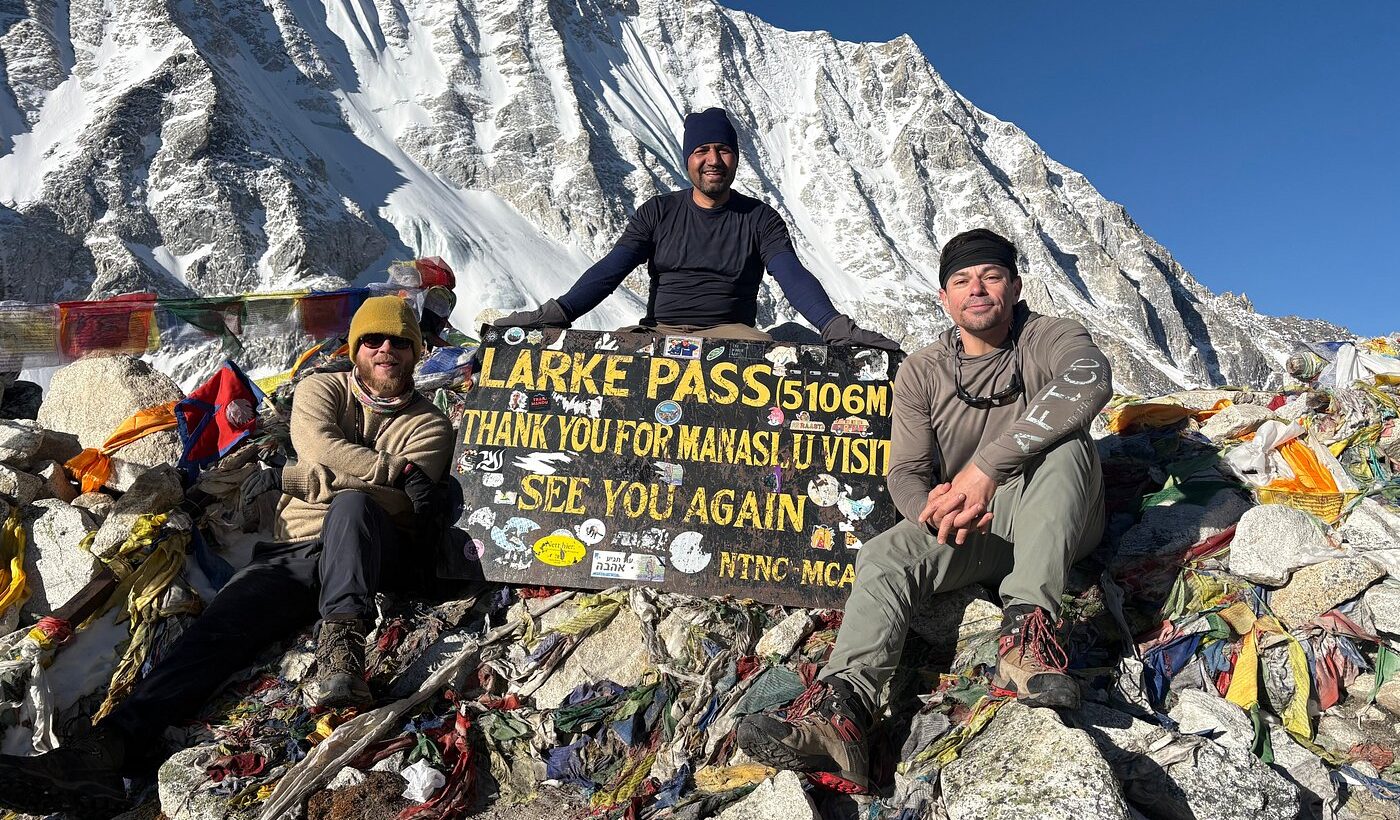
Nestled in the remote Himalayan wilderness of western Nepal, the Manaslu Circuit Trek is one of the most rewarding trekking adventures in the country. Encircling the majestic Mount Manaslu (8,163m), the trail takes trekkers through deep river gorges, ancient Tibetan-influenced villages, dense forests, high alpine meadows, and the dramatic crossing of Larke Pass. Unlike the busier Everest and Annapurna regions, Manaslu offers a more authentic and less crowded experience, allowing travelers to immerse themselves in untouched mountain landscapes and centuries-old Himalayan culture.
However, before committing to this incredible journey, one question naturally arises: How difficult is the Manaslu Circuit Trek? It is one of the most frequently asked questions among trekkers planning their Himalayan adventure. The answer is not entirely straightforward because the trek’s difficulty depends on several factors, including physical fitness, trekking experience, altitude adaptation, weather conditions, and mental endurance.
The Manaslu Circuit is generally considered a moderately challenging to strenuous trek. Over the course of two weeks or more, trekkers walk through remote terrain, gain significant elevation, and spend multiple days above 3,500 meters. The challenge reaches its peak at the crossing of Larke Pass (5,106m), where high altitude, cold temperatures, and long trekking hours test both body and mind.
Despite these challenges, thousands of trekkers successfully complete the Manaslu Circuit every year. With proper preparation, gradual acclimatization, and a positive mindset, the trek is achievable for anyone with a reasonable level of fitness and determination. Understanding the difficulty level beforehand helps trekkers prepare effectively and enjoy one of Nepal’s most spectacular trekking routes with confidence.
What Makes the Manaslu Circuit Trek Challenging?
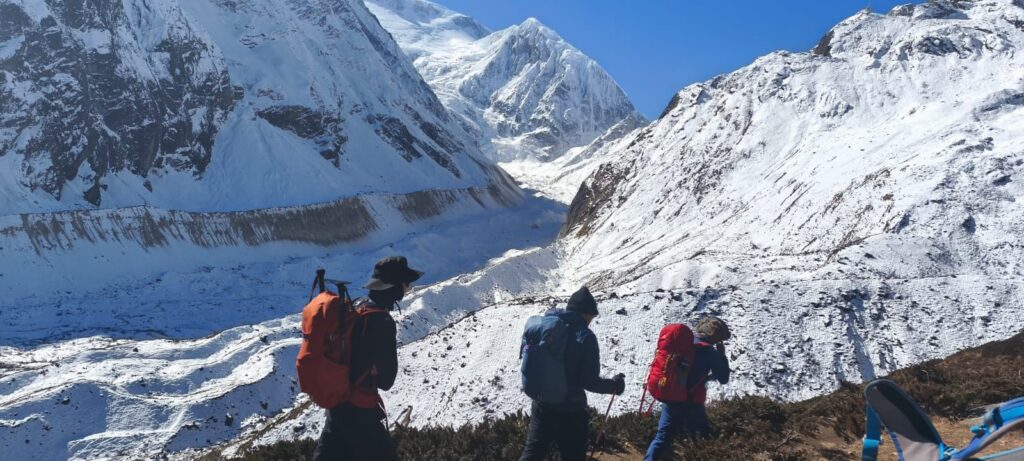
The Manaslu Circuit Trek is widely regarded as one of Nepal’s most rewarding yet demanding trekking adventures. Unlike the more commercialized trekking routes, the Manaslu region preserves a sense of wilderness that tests both physical endurance and mental resilience. The journey takes trekkers through remote Himalayan landscapes, ancient mountain villages, deep river gorges, and high mountain passes. Each day presents a new challenge, whether it is navigating rugged trails, adapting to increasing altitude, or trekking for extended hours across untouched terrain. The combination of isolation, elevation, and limited facilities makes the Manaslu Circuit Trek a true expedition rather than a simple mountain walk.
Remote Mountain Terrain
One of the defining challenges of the Manaslu Circuit Trek is its remote and rugged mountain terrain. The trail follows narrow paths carved into steep hillsides, crosses suspension bridges above roaring rivers, and winds through dense forests and rocky landscapes. Unlike heavily developed trekking routes, many sections remain untouched by modern infrastructure, creating a genuine wilderness experience. Trekkers must be prepared for uneven surfaces, occasional landslide-prone areas, and constant ascents and descents that demand balance, concentration, and stamina throughout the journey.
Long Trekking Days
The Manaslu Circuit Trek involves several long trekking days, often requiring six to eight hours of walking, and sometimes even more depending on the itinerary and trail conditions. As the route traverses vast distances between villages, trekkers spend extended periods on the trail each day. The continuous rhythm of climbing, descending, and crossing diverse terrain can gradually accumulate physical fatigue. Maintaining a steady pace and conserving energy become essential, particularly during higher sections of the trek where the air becomes thinner and the effort more demanding.
High-Altitude Environment
Altitude is perhaps the most significant challenge encountered during the Manaslu Circuit Trek. The trail gradually rises from subtropical river valleys to the dramatic heights of Larkya La Pass (5,106 meters), one of Nepal’s most spectacular high mountain crossings. As elevation increases, oxygen levels decrease, making even simple movements feel more strenuous. Proper acclimatization is crucial to reduce the risk of altitude-related illnesses. Trekkers must listen carefully to their bodies, stay hydrated, and follow a gradual ascent schedule to safely adapt to the high-altitude Himalayan environment.
Limited Infrastructure
Compared to popular trekking destinations such as the Everest and Annapurna regions, the Manaslu Circuit offers far more limited infrastructure. Accommodation is generally basic, communication networks can be unreliable, and access to modern facilities is often restricted in remote villages. Medical services, transportation options, and emergency resources are also less accessible. While these conditions add authenticity and cultural richness to the journey, they require trekkers to travel with realistic expectations, adequate preparation, and a willingness to embrace the simplicity of life in the remote Himalayas.
The challenges of the Manaslu Circuit Trek are precisely what make it such an unforgettable experience. Its remote landscapes, demanding trails, high-altitude passes, and untouched mountain culture create an adventure that rewards determination with some of the most extraordinary scenery and cultural encounters found anywhere in Nepal.
Manaslu Circuit Trek Difficulty at a Glance
The Manaslu Circuit Trek is widely regarded as a moderately challenging to strenuous Himalayan adventure that tests both physical endurance and mental resilience. Several factors contribute to its difficulty, including the trek’s extended duration, high-altitude environment, long daily walking hours, and the level of fitness required to comfortably complete the journey. Trekkers spend nearly two weeks navigating remote mountain trails, gradually ascending to elevations above 5,000 meters while covering significant distances each day. Although the trek does not involve technical climbing, the combination of rugged terrain, changing weather conditions, and reduced oxygen levels can make it demanding for those who are unprepared. Understanding these key aspects of the trek helps travelers set realistic expectations and prepare effectively for a safe and enjoyable experience in one of Nepal’s most spectacular trekking regions.
Trek Duration
The Manaslu Circuit Trek is typically completed in 12 to 16 days, depending on the itinerary, acclimatization schedule, and side excursions. Unlike shorter trekking routes in Nepal, the Manaslu Circuit requires trekkers to spend nearly two weeks continuously walking through remote mountain landscapes. The extended duration can be physically demanding as the body must recover overnight and prepare for another full day of trekking. Maintaining energy and motivation over such a long journey is often one of the hidden challenges of the trek. However, the gradual progression also allows trekkers to adapt to the changing environment and fully appreciate the region’s natural beauty and cultural richness.
Maximum Altitude
One of the primary factors influencing the difficulty of the Manaslu Circuit Trek is its high elevation. The highest point of the trek is Larke Pass, which stands at an impressive 5,106 meters (16,752 feet) above sea level. At this altitude, oxygen levels are significantly lower than at sea level, making even simple physical activities feel more strenuous. Trekkers may experience shortness of breath, fatigue, or mild symptoms of altitude sickness if they ascend too quickly. Proper acclimatization, hydration, and a gradual pace are essential for safely reaching and crossing the pass. The high-altitude environment adds both challenge and excitement to the overall trekking experience.
Daily Walking Hours
Trekkers on the Manaslu Circuit usually walk between 6 and 8 hours each day, although some days can be longer. The most demanding day is often the crossing of Larke Pass, which may require 8 to 10 hours of continuous hiking. Daily walks involve a combination of steep ascents, descents, rocky trails, suspension bridges, and uneven mountain terrain. While the distances may not appear extreme on paper, the changing elevations and rugged landscapes make each day physically demanding. Consistent walking endurance and mental resilience are important for completing the trek comfortably.
How Long Is the Manaslu Circuit Trek?
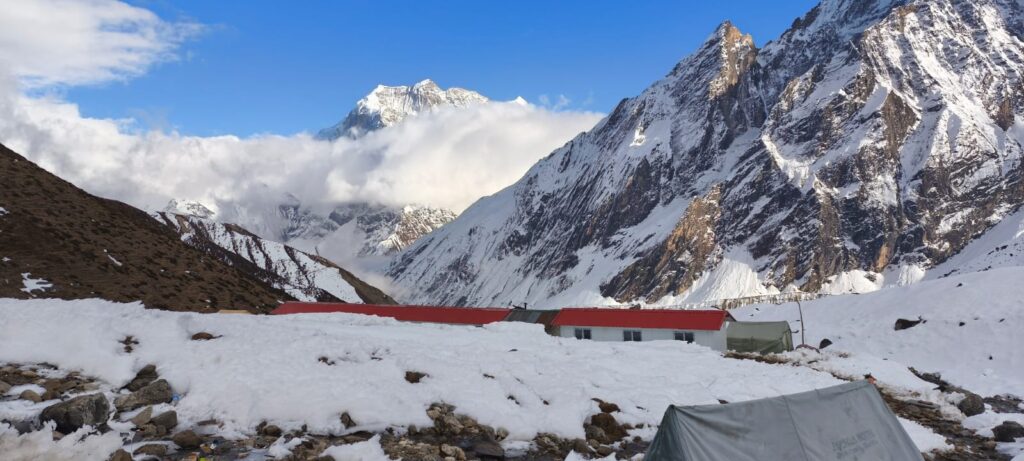
The Manaslu Circuit Trek is a remarkable Himalayan journey that typically takes between 12 and 18 days, depending on the chosen itinerary, acclimatization schedule, side excursions, and transportation arrangements. Encircling the world’s eighth-highest mountain, Mount Manaslu, the trek follows ancient trade routes through remote valleys, traditional mountain settlements, and dramatic alpine landscapes. While the route is not among Nepal’s longest treks, its combination of altitude, rugged terrain, and gradual ascent requires sufficient time for both acclimatization and enjoyment of the region’s natural and cultural treasures.
Typical Itinerary Length
Most trekkers complete the Manaslu Circuit Trek in 14 to 16 days, which provides an ideal balance between trekking progress and proper altitude adaptation. Standard itineraries begin with a drive to Machha Khola and conclude in Dharapani, where travelers continue toward Kathmandu or Pokhara. Some shorter itineraries compress the trek into 12 or 13 days, but these can be physically demanding and offer less time for acclimatization. Longer itineraries of 17 to 18 days allow trekkers to explore villages more deeply, enjoy acclimatization hikes, and fully immerse themselves in the tranquil atmosphere of the Manaslu region.
Daily Distance Covered
On average, trekkers cover 10 to 20 kilometers per day, depending on elevation gain, trail conditions, and the location of overnight stops. Lower sections of the trek often allow for longer walking distances due to gentler terrain and better oxygen levels. As the trail climbs higher into the mountains, daily distances may decrease while trekking time increases because of steeper ascents and the effects of altitude. Most trekking days involve approximately 6 to 8 hours of walking, though crossing the legendary Larkya La Pass can require a longer and more demanding day on the trail.
Total Trekking Distance
The complete Manaslu Circuit Trek covers approximately 170 to 180 kilometers (106 to 112 miles), depending on the specific route and side trips included in the itinerary. The journey winds through lush river valleys, pine and rhododendron forests, high alpine meadows, glacial landscapes, and remote mountain settlements before crossing the spectacular Larkya La Pass. Every kilometer reveals changing scenery and cultural diversity, making the trek feel less like a measure of distance and more like a gradual passage through the many layers of the Himalayas.
For most adventurers, a 14 to 16-day itinerary offers the best experience, providing enough time to trek safely, acclimatize properly, and appreciate the extraordinary landscapes and centuries-old cultures that make the Manaslu Circuit one of Nepal’s finest trekking adventures.
Understanding the Altitude Challenge
Altitude is one of the most significant factors that determines the difficulty of the Manaslu Circuit Trek. As trekkers ascend deeper into the Himalayas, the air becomes thinner and oxygen levels gradually decrease. What may feel like a comfortable walk at lower elevations can become physically demanding above 3,500 meters. The body requires time to adapt to these changing conditions, making altitude management an essential part of a safe and successful trek. Understanding the challenges of high elevation helps trekkers prepare both physically and mentally for one of Nepal’s most spectacular mountain adventures.
Larke La Pass (5,106m)
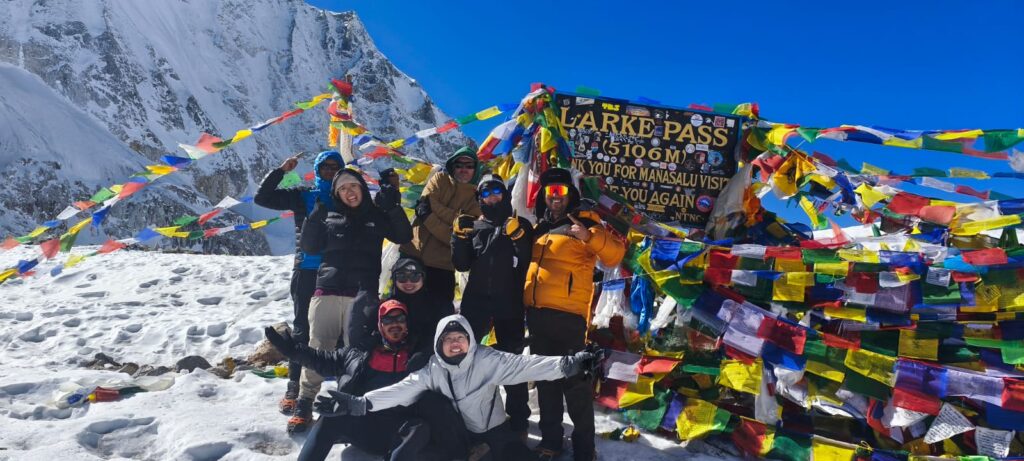
The crossing of Larkya La Pass at 5,106 meters is the highest and most demanding section of the Manaslu Circuit Trek. This legendary mountain pass rewards trekkers with breathtaking views of snow-capped peaks, glaciers, and vast Himalayan landscapes. However, reaching the summit of the pass requires a long day of trekking, often beginning before sunrise. The steep ascent, cold temperatures, strong winds, and reduced oxygen levels make this crossing both physically and mentally challenging. For many trekkers, conquering Larke La Pass becomes the defining achievement of the entire journey.
Risk of Altitude Sickness
As the trail climbs above 3,000 meters, the possibility of altitude sickness becomes a serious consideration. The reduced oxygen available at higher elevations can affect anyone, regardless of age or fitness level. Common symptoms may include headaches, nausea, dizziness, fatigue, loss of appetite, and difficulty sleeping. If ignored, these symptoms can develop into more severe altitude-related conditions. The key to prevention lies in ascending gradually, staying hydrated, maintaining a comfortable pace, and recognizing early warning signs. Awareness and proper preparation significantly reduce the risks associated with high-altitude trekking.
Importance of Acclimatization
Acclimatization is the foundation of a safe and enjoyable Manaslu Circuit Trek. It allows the body to gradually adjust to thinner air by spending additional time at increasing elevations. Most well-planned itineraries include acclimatization days in villages such as Samagaun or Samdo, where trekkers can rest and undertake short hikes to higher viewpoints before returning to sleep at a lower altitude. This process improves the body’s ability to utilize oxygen efficiently and greatly decreases the likelihood of altitude sickness. Patience during acclimatization often becomes the difference between merely reaching the destination and fully enjoying the extraordinary Himalayan experience.
The altitude challenge of the Manaslu Circuit Trek should never be underestimated. Yet, with proper pacing, adequate acclimatization, and a carefully designed itinerary, trekkers can safely navigate the high mountain environment and experience the unforgettable reward of standing atop the magnificent Larke La Pass surrounded by the grandeur of the Himalayas.
Larke La Pass: The Toughest Day of the Trek
For many trekkers, the crossing of Larkya La Pass is the most demanding and memorable day of the Manaslu Circuit Trek. Standing at an elevation of 5,106 meters, the pass marks the highest point of the journey and presents a true test of endurance, determination, and preparation. The combination of freezing temperatures, steep mountain trails, thin air, and unpredictable Himalayan weather transforms this day into a challenging yet deeply rewarding adventure. Reaching the summit of Larke La is often regarded as the crowning achievement of the entire trek.
Early Morning Start
The journey across Larke La Pass typically begins long before sunrise. Trekkers leave Dharamsala in the darkness of early morning, often between 3:00 and 5:00 AM, to take advantage of calmer weather conditions and reach the pass before strong afternoon winds develop. The cold mountain air can be biting, and headlamps illuminate the trail as trekkers steadily ascend through the silence of the high Himalayas. Although the early start can be physically demanding, it offers spectacular sunrise views as the surrounding peaks gradually emerge from the darkness, painting the mountains in shades of gold and crimson.
Steep Ascent and Descent
The trail to the top of Larke La Pass involves a long and gradual climb that becomes increasingly strenuous as altitude takes its toll. Every step requires greater effort due to the thinner air, and the final sections often feel slow and demanding. Upon reaching the prayer-flag-covered summit, trekkers are rewarded with panoramic views of towering Himalayan giants and vast glacial landscapes. However, the challenge is far from over. The descent toward Bimthang is steep, lengthy, and often harder on the knees and leg muscles than the ascent itself. This combination of uphill and downhill trekking makes pass-crossing day the longest and most physically taxing stage of the trek.
Weather Conditions
Weather can significantly influence the difficulty of crossing Larke La Pass. Conditions in the high Himalayas can change rapidly, even within a few hours. Trekkers may encounter freezing temperatures, strong winds, snowfall, icy trails, or reduced visibility, particularly during the shoulder seasons and winter months. Morning conditions are generally more stable, which is why guides prioritize an early departure. Proper clothing, layered insulation, gloves, and weather-resistant gear are essential for staying comfortable and safe throughout the crossing.
Physical Demands
Crossing Larke La Pass requires both physical strength and mental resilience. The day often involves eight to ten hours of continuous trekking at high altitude, where oxygen levels are considerably lower than at sea level. Fatigue accumulates quickly, and even experienced hikers may find themselves moving at a slower pace. Strong cardiovascular fitness, well-conditioned leg muscles, and adequate acclimatization are key factors for success. Equally important is maintaining a positive mindset, as determination often becomes the driving force that carries trekkers through the most challenging moments of the day.
Despite its challenges, the crossing of Larke La Pass remains one of the most unforgettable experiences in the Himalayas. The sense of accomplishment, the dramatic mountain scenery, and the journey through one of Nepal’s most remote trekking regions make this demanding day a highlight that many adventurers remember for a lifetime.
Terrain and Trail Conditions
The Manaslu Circuit Trek is celebrated not only for its spectacular mountain scenery but also for the remarkable diversity of its terrain. From subtropical river valleys to glacial highlands beneath towering Himalayan peaks, the trail constantly changes in character and difficulty. Trekkers encounter ancient pathways carved into cliffs, centuries-old stone staircases, suspension bridges swaying above wild rivers, and rugged alpine landscapes shaped by glaciers and snow. This ever-changing terrain adds excitement and adventure to the journey while also demanding endurance, balance, and careful footing. Understanding the nature of the trail helps trekkers prepare for one of Nepal’s most authentic and challenging trekking experiences.
Stone Staircases
Throughout the lower and middle sections of the Manaslu Circuit, trekkers frequently navigate long stretches of traditional stone staircases connecting remote mountain villages. Built by local communities over generations, these ancient pathways blend harmoniously into the rugged landscape. While visually charming, the endless steps can be physically demanding, especially during steep ascents and descents. Climbing hundreds of uneven stone steps requires strong leg muscles and steady pacing, while descending can place considerable strain on the knees. These staircases transform simple distances into rewarding physical challenges and contribute significantly to the trek’s overall difficulty.
Suspension Bridges
One of the most thrilling features of the Manaslu Circuit Trek is the abundance of suspension bridges crossing deep Himalayan gorges and powerful glacial rivers. These bridges connect isolated settlements and provide access through terrain that would otherwise be nearly impassable. Suspended high above rushing waters, some bridges stretch dramatically across vast valleys, offering breathtaking views of the surrounding mountains. Although structurally safe, crossing these bridges can be an exciting experience, particularly when strong winds sweep through the valleys or when caravans of mules and yaks share the route. They add a sense of adventure and remind trekkers of the remoteness of the region.
Forest Trails
The lower elevations of the trek pass through enchanting forests filled with pine, rhododendron, oak, and bamboo. These peaceful woodland paths offer a welcome contrast to the harsher alpine environment found higher up the trail. Sunlight filters through dense canopies, birdsong echoes across the valleys, and seasonal wildflowers bring vibrant color to the landscape. However, forest trails can also present challenges. During the monsoon season, sections may become muddy, slippery, and uneven, requiring careful footing. The continuous ups and downs through forested hills can be surprisingly tiring despite the tranquil surroundings.
Rocky and Glacial Sections
As the trail climbs toward the upper reaches of the Manaslu region, the landscape transforms into a dramatic world of rock, ice, and high-altitude wilderness. Vegetation gradually disappears, replaced by barren slopes, moraine fields, glacial streams, and rugged mountain terrain. The approach to Larkya La Pass traverses rocky pathways scattered with loose stones and exposed sections shaped by centuries of glacial movement. Trekkers must pay close attention to their footing as uneven surfaces, icy patches, and shifting rocks can make progress slower and more demanding. Combined with thin mountain air, these high-altitude sections create some of the most challenging yet awe-inspiring moments of the entire trek.
The varied terrain of the Manaslu Circuit is one of the reasons the trek is so highly regarded among adventure seekers. Every day introduces a new landscape, a different trail condition, and a fresh challenge. From ancient stone staircases and swaying suspension bridges to mystical forests and glacial mountain passes, the route offers an unforgettable journey through the raw and untamed beauty of the Nepal Himalayas.
Hiking Destinations During the Manaslu Circuit Trek
The Manaslu Circuit Trek offers much more than the main trekking route. Several breathtaking side hikes allow trekkers to explore hidden valleys, ancient monasteries, glacial lakes, and high Himalayan viewpoints. These optional excursions are excellent for acclimatization and provide a deeper connection with the natural beauty and traditional culture of the Manaslu region. From peaceful walks around Samagaun to challenging climbs toward mountain viewpoints, these hikes add extra adventure and unforgettable memories to the journey.
Hike to Pungyen Gompa
The hike to Pungyen Gompa is one of the most rewarding side trips from Samagaun, offering a perfect combination of culture, spirituality, and Himalayan scenery. This ancient Buddhist monastery sits in a quiet valley surrounded by the magnificent views of Mount Manaslu, glaciers, and alpine landscapes.
- Starting point: Samagaun
- Elevation: Around 4,050 meters
- Distance: Approximately 6–7 km round trip
- Duration: About 3–5 hours round trip
Nearest tea house: Samagaun (overnight stay available before and after the hike)
The trail gradually climbs through yak pastures and rocky paths before reaching the peaceful monastery. From Pungyen Gompa, trekkers can enjoy spectacular views of Manaslu, Himalchuli, Ngadi Chuli, surrounding glaciers, and the beautiful mountain valley below. It is also an excellent acclimatization hike before heading toward Samdo and Larkya La Pass.
Hike to Birendra Lake
Birendra Lake is a beautiful glacial lake located near Samagaun and is one of the easiest and most popular side hikes on the Manaslu Circuit Trek. The lake sits beneath the massive Manaslu glacier, creating a stunning turquoise landscape surrounded by snowy peaks.
- Starting point: Samagaun
- Elevation: Around 3,450 meters
- Distance: Approximately 3–4 km round trip
- Duration: About 1.5–3 hours round trip
- Nearest tea house: Samagaun
The short walk takes you through yak grazing fields and rocky mountain paths. From Birendra Lake, trekkers can see breathtaking views of Manaslu Glacier, Naike Peak, Samdo Peak, and surrounding Himalayan walls. The peaceful atmosphere and crystal-clear water make it an ideal place for photography, relaxation, and altitude adjustment.
Hike to Manaslu Base Camp
The hike to Manaslu Base Camp is one of the most spectacular and physically demanding side adventures from Samagaun. This route takes trekkers closer to the base of Mount Manaslu (8,163m) and offers a true high-altitude Himalayan experience.
- Starting point: Samagaun
- Elevation: Around 4,800–4,900 meters
- Distance: Approximately 14–16 km round trip
- Duration: About 7–9 hours round trip
- Nearest tea house: Samagaun
The trail passes through rocky terrain, moraines, and glacier landscapes while climbing steadily toward the mountain’s base. From the viewpoint near the base camp, trekkers can enjoy incredible views of Manaslu Glacier, Birendra Lake, Manaslu North, Peak 29, Himalchuli, and surrounding Himalayan peaks. Due to the altitude and longer walking distance, this hike is recommended only after proper acclimatization.
Hike to Tibet Border (Samdo Border Viewpoint)
The Tibet Border hike from Samdo is one of the most fascinating side adventures during the Manaslu Circuit Trek, offering trekkers a chance to explore the remote high-altitude landscapes near the Nepal–Tibet frontier. This less-traveled trail follows ancient Himalayan trade routes that were once used by traders, monks, and local communities traveling between Nepal and Tibet. The hike provides a deeper understanding of the Tibetan-influenced culture, traditional lifestyle, and dramatic mountain environment of the upper Manaslu region.
- Starting point: Samdo
- Elevation: Around 4,900–5,000 meters (depending on the viewpoint reached)
- Distance: Approximately 8–12 km round trip
- Duration: About 5–7 hours round trip
The journey begins from Samdo village (3,875m) and gradually climbs through a dry alpine landscape filled with rocky slopes, yak grazing areas, and wide Himalayan valleys. The trail becomes more remote as you move higher, with fewer signs of vegetation and human settlement. The route follows an old trading path toward the Rui La Pass (Nepal–Tibet border area), where traders historically crossed the mountains to exchange goods between the two regions.
Hike to Pungkar Lake
Pungkar Lake is a hidden alpine lake located near the Bhimtang region of the Manaslu Circuit Trek. It is one of the quieter and less-explored natural attractions along the route, offering trekkers a peaceful escape into the remote Himalayan wilderness. Surrounded by rocky landscapes, glaciers, and towering snow-covered peaks, this beautiful lake provides a unique opportunity to experience the untouched beauty of the Manaslu region away from the main trekking trail.
- Starting point: Bhimtang
- Elevation: Approximately 4,000–4,200 meters
- Distance: Around 6–8 km round trip
- Duration: About 3–5 hours round trip
- Nearest tea house: Bhimtang
The hike to Pungkar Lake begins from Bhimtang and follows a remote alpine trail through rocky terrain, open valleys, and glacial surroundings. As you ascend, the landscape becomes more dramatic, with fewer signs of human settlement and a true high-mountain atmosphere. The trail can be challenging due to uneven paths and high-altitude conditions, but the peaceful environment makes the effort worthwhile.
From Pungkar Lake, trekkers can enjoy breathtaking views of Manaslu range, Himlung Himal, Cheo Himal, surrounding glaciers, snow-covered peaks, and wide Himalayan valleys. The quiet surroundings, crystal-clear lake, and untouched landscapes make it an excellent side hike for nature lovers, photographers, and trekkers looking for a more secluded experience during the Manaslu Circuit Trek.
Adding these side hikes transforms the Manaslu Circuit Trek into a richer Himalayan adventure. These excursions not only help with acclimatization but also reveal hidden parts of the region that many trekkers miss. Whether exploring sacred monasteries, turquoise lakes, mountain viewpoints, or ancient border routes, each hike brings a new perspective on the beauty and culture of the Manaslu Himalayas.
Physical Fitness Required for the Manaslu Circuit Trek
The Manaslu Circuit Trek is a physically demanding Himalayan adventure that requires a good level of fitness, stamina, and determination. While technical climbing skills are not necessary, trekkers should be prepared for consecutive days of walking through steep mountain terrain, crossing high-altitude landscapes, and spending long hours on the trail. The combination of elevation gain, rugged paths, and the challenging crossing of Larkya La Pass makes physical preparation an important part of a successful trek. Those who invest time in building their fitness before the journey are more likely to enjoy the experience, adapt to the challenges of the Himalayas, and trek with greater confidence.
Recommended Fitness Level
The Manaslu Circuit Trek is best suited for individuals with a moderate to high level of physical fitness. Trekkers do not need to be elite athletes, but they should be comfortable walking for six to eight hours a day over varied terrain while carrying a daypack. The route involves frequent ascents and descents, uneven trails, and significant altitude gain over a relatively short period. Previous hiking or trekking experience is beneficial, though many first-time Himalayan trekkers successfully complete the circuit with adequate preparation. A strong fitness foundation allows trekkers to conserve energy, recover more quickly, and better appreciate the extraordinary landscapes along the way.
Endurance Training
Endurance is one of the most important physical qualities for the Manaslu Circuit Trek. Since the trek involves continuous walking over multiple days, the body must be accustomed to sustained activity rather than short bursts of effort. Activities such as long-distance hiking, brisk walking, cycling, swimming, and jogging are excellent ways to build stamina before the trek. Ideally, trekkers should begin training several weeks or months in advance, gradually increasing both distance and duration. Weekend hikes with elevation gain can be particularly valuable, as they closely simulate the conditions encountered in the Himalayas. Strong endurance helps reduce fatigue and allows trekkers to maintain a steady pace throughout the journey.
Strength and Cardiovascular Preparation
Building strength and cardiovascular fitness is equally important for tackling the demanding terrain of the Manaslu region. Strong leg muscles support the body during steep climbs and long descents, while a healthy cardiovascular system improves the body’s ability to utilize oxygen efficiently at higher elevations. Exercises such as squats, lunges, step-ups, stair climbing, and hill walking help develop the lower-body strength needed for mountain trekking. Cardiovascular activities like running, cycling, rowing, and hiking improve heart and lung capacity, making it easier to cope with long trekking days and thinner mountain air. Combining strength training with aerobic exercise creates a balanced fitness program that prepares trekkers for both the physical and environmental challenges of the trek.
The Manaslu Circuit Trek is not a race but a journey that rewards consistency, preparation, and perseverance. With proper endurance training, strong cardiovascular fitness, and a commitment to physical preparation, trekkers can confidently embrace the challenges of the trail and fully enjoy one of Nepal’s most spectacular trekking experiences. The fitter you are before arriving in the Himalayas, the more comfortable and rewarding your Manaslu adventure will be.
Is the Manaslu Circuit Trek Suitable for Beginners?
The Manaslu Circuit Trek is often considered one of Nepal’s most challenging teahouse treks, yet it can still be completed by determined beginners who are physically fit, well-prepared, and willing to embrace the demands of high-altitude trekking. Unlike shorter and more accessible trekking routes, the Manaslu Circuit takes adventurers deep into remote Himalayan terrain, where long walking days, significant elevation gain, and limited infrastructure require both endurance and resilience. While previous trekking experience is certainly beneficial, it is not an absolute requirement. With proper preparation, a realistic itinerary, and the guidance of experienced trekking professionals, first-time trekkers can successfully experience the extraordinary beauty of the Manaslu region.
Experience Requirements
The Manaslu Circuit Trek does not require technical mountaineering skills, rope work, or climbing experience. However, trekkers should be comfortable spending multiple days walking through mountainous terrain and adapting to changing weather and altitude conditions. The trek typically involves daily hikes of six to eight hours, with some days requiring even longer efforts. The crossing of Larkya La Pass at 5,106 meters adds a significant challenge that demands both physical and mental preparation. Beginners can complete the trek successfully, but they should approach it with realistic expectations and a commitment to training before arrival.
Advantages of Previous Trekking Experience
Previous trekking experience provides a valuable advantage on the Manaslu Circuit. Those who have completed multi-day hikes or lower-altitude treks are often more familiar with pacing themselves, managing fatigue, and adapting to life on the trail. Experienced trekkers usually understand the importance of hydration, acclimatization, proper gear, and energy conservation. They are also better prepared to handle the physical and psychological demands of long trekking days. While experience can make the journey more comfortable, it is important to remember that determination, fitness, and a positive attitude often matter just as much as trekking history.
Tips for First-Time Trekkers
For beginners, preparation is the key to success. Start a fitness program several weeks or months before the trek, focusing on endurance, cardiovascular conditioning, and leg strength. Invest in comfortable trekking boots and use them regularly before the trip to avoid discomfort on the trail. Follow a well-designed itinerary that includes adequate acclimatization days, especially in higher villages such as Samagaun and Samdo. Trek slowly, drink plenty of water, eat nutritious meals, and listen carefully to your body as altitude increases. Most importantly, avoid rushing. The Himalayas reward patience, and maintaining a steady pace greatly improves both safety and enjoyment.
The Manaslu Circuit Trek may not be the easiest choice for a first Himalayan adventure, but it is certainly achievable for motivated beginners. Those who arrive physically prepared, respect the challenges of altitude, and trek with experienced guides often discover that the journey is not only manageable but also deeply rewarding. The remote valleys, authentic mountain culture, and breathtaking Himalayan panoramas create an unforgettable experience that many first-time trekkers cherish for a lifetime.
Weather and Seasonal Challenges
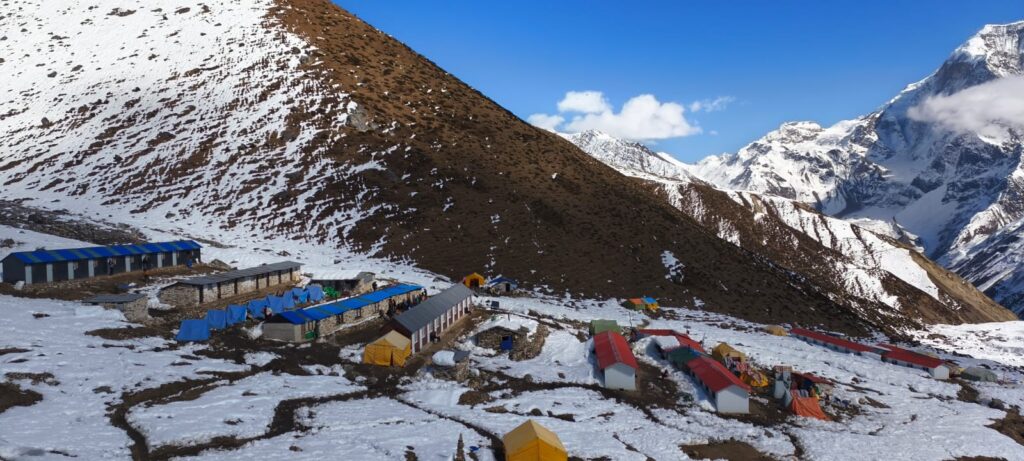
The weather conditions in the Manaslu Circuit Trek play a major role in determining the difficulty, comfort, and overall experience of the journey. Since the trail climbs from warm subtropical valleys to the high alpine region above 5,000 meters, trekkers experience dramatic changes in climate and temperature. Each season brings its own beauty and challenges, from blooming forests and clear mountain views to snowfall, slippery trails, and unpredictable mountain weather. Choosing the right season is essential for a safer and more enjoyable trekking experience.
Spring Trekking Conditions
Spring, from March to May, is one of the most favorable seasons for the Manaslu Circuit Trek. During this period, the weather gradually becomes warmer, skies are generally clear, and the mountains reveal their magnificent beauty. The lower trails come alive with blooming rhododendron forests, colorful wildflowers, and fresh greenery, creating a magical atmosphere throughout the journey. However, as temperatures rise, some lower regions can become warmer during the day, and occasional afternoon clouds may appear. Higher sections near Larke La Pass can still be cold, with possible snow remaining on the trail. Proper layering and preparation are important for managing changing conditions.
Autumn Trekking Conditions
Autumn, from September to November, is widely considered the best season for the Manaslu Circuit Trek due to its stable weather and excellent visibility. After the monsoon rains clear the atmosphere, the Himalayan peaks appear incredibly sharp and dramatic, offering some of the most breathtaking mountain views of the year. Trails are usually dry, making walking conditions more comfortable and predictable. The pleasant temperatures and clear skies make the challenging sections, including the Larke La Pass crossing, easier to manage. Although nights become colder as altitude increases, autumn remains the most popular time for trekkers seeking the perfect balance of safety, scenery, and adventure.
Winter Difficulties
Winter, from December to February, transforms the Manaslu region into a frozen Himalayan wilderness. The landscape becomes beautifully covered in snow, but the harsh conditions make the trek significantly more challenging. Temperatures can drop far below freezing at higher elevations, especially around Dharamsala and Larke La Pass. Heavy snowfall may block sections of the trail, and the pass can sometimes become difficult or impossible to cross safely. Shorter daylight hours also limit trekking time, requiring careful planning and early starts. Winter trekking is possible for experienced adventurers, but it demands excellent preparation, warm equipment, and flexibility.
Monsoon Challenges
The monsoon season, from June to August, brings heavy rainfall to many parts of the Manaslu region. Frequent rain can make trails muddy, slippery, and more difficult to navigate, especially in the lower valleys. Landslides and rockfalls become a concern in some areas due to saturated slopes, while clouds and mist may hide the spectacular mountain views that define the trek. Leeches can also appear in forested sections during wetter months. Although the Manaslu region receives less rainfall than some other trekking areas due to its location near the Tibetan plateau, monsoon trekking still requires careful planning and appropriate rain protection.
Each season offers a different perspective of the Manaslu Circuit Trek. Spring brings vibrant landscapes, autumn provides the clearest Himalayan views, winter offers a true wilderness experience, and monsoon reveals a quieter side of the mountains. For most trekkers, spring and autumn remain the ideal seasons because they provide the best combination of favorable weather, safer trails, and unforgettable Himalayan scenery.
Accommodation and Food During the Trek
Accommodation and food are important aspects of the Manaslu Circuit Trek, especially because the route passes through some of the most remote and untouched areas of Nepal. Unlike luxury trekking destinations with extensive facilities, the Manaslu region offers a more authentic Himalayan experience where trekkers stay in traditional mountain lodges and enjoy simple local meals. The facilities become more basic as the trail climbs higher, but the warmth of local hospitality, peaceful village surroundings, and cultural connection make the experience truly memorable. Understanding what to expect in terms of lodging and meals helps trekkers prepare properly for this remote mountain adventure.
Tea House Facilities
The Manaslu Circuit Trek is a tea house-based trek, meaning trekkers stay overnight in locally operated mountain lodges rather than camping. These tea houses are usually small family-run accommodations that provide basic rooms, meals, and a welcoming place to rest after a long day of walking. In lower villages, tea houses may offer more comfortable rooms with better facilities, while higher-altitude settlements provide simpler arrangements due to the remote environment.
Most tea houses provide basic twin-sharing rooms with wooden beds, mattresses, pillows, and blankets. Some lodges may have attached bathrooms in lower areas, but shared toilets are more common, especially at higher elevations. Hot showers are usually available in many villages for an additional cost, though they may become limited near the Larke La Pass area. Electricity is available in many places for charging devices, but power supply can be unreliable in remote sections. Internet access and mobile networks are also limited and depend on location and weather conditions.
The charm of tea house accommodation lies in its simplicity. Staying in these mountain lodges allows trekkers to interact with local families, experience traditional village life, and enjoy the peaceful atmosphere of the Himalayas. Although the facilities may not match urban standards, the genuine hospitality and cultural experience make the stay rewarding.
Availability of Meals
Food availability on the Manaslu Circuit Trek is generally good, with tea houses offering a variety of meals to support trekkers throughout the journey. Most lodges prepare fresh, simple, and energy-rich dishes designed to provide the calories needed for long trekking days. The menu usually includes traditional Nepali foods as well as some international options.
A typical meal often includes dal bhat (rice, lentils, and vegetable curry), which is a staple trekking meal because it is nutritious and provides sustained energy. Other common choices include noodles, pasta, fried rice, soups, potatoes, Tibetan-style dishes, momos, pancakes, eggs, bread, porridge, and seasonal vegetables. At higher elevations, food choices become more limited because supplies must be transported from lower regions, but tea houses still provide enough options for trekkers.
Drinking water is available along the route, and trekkers can refill bottles at tea houses. Purification tablets, filters, or other treatment methods are recommended to ensure safe drinking water. Hot drinks such as tea, coffee, and hot lemon are widely available and become especially comforting during colder days at higher altitude.
Comfort Levels in Remote Villages
The comfort level of accommodation gradually decreases as the trek moves deeper into the Manaslu region. Villages such as Soti Khola, Jagat, Namrung, and Samagaun generally offer relatively comfortable tea houses because they are more established trekking stops. These places may have better dining areas, warmer common rooms, and slightly improved facilities.
Higher villages near Samdo, Dharamsala, and the Larke La Pass region provide a much more basic experience. Due to the harsh environment and difficulty transporting supplies, rooms are often smaller, heating options are limited, and facilities are minimal. Nights can be extremely cold, and trekkers usually gather around a dining stove or heater area to stay warm and socialize with other travelers.
Despite the simplicity, staying in remote mountain villages offers a rare opportunity to experience authentic Himalayan culture. Trekkers can witness traditional lifestyles, observe ancient Buddhist influences, and connect with communities that have lived in these valleys for generations. The peaceful surroundings, mountain views, and genuine kindness of local people often become some of the most unforgettable parts of the journey.
The accommodation and food experience on the Manaslu Circuit Trek reflects the true spirit of Himalayan adventure. While the facilities are basic compared to city life, the combination of traditional tea houses, nourishing local meals, and warm mountain hospitality creates a unique travel experience. Trekkers who come prepared with realistic expectations will discover that the simplicity of the journey is one of the greatest highlights of exploring the remote Manaslu region.
Common Challenges Trekkers Face on the Manaslu Circuit Trek
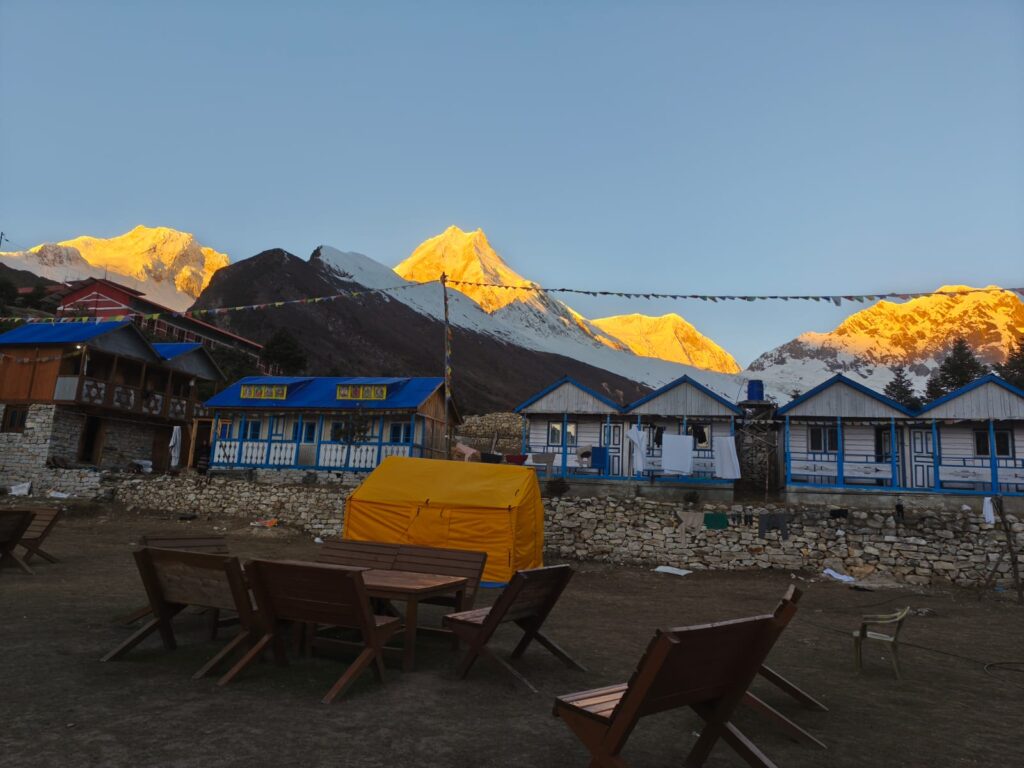
The Manaslu Circuit Trek offers an unforgettable journey through some of Nepal’s most remote and beautiful Himalayan landscapes, but its untouched nature also brings several challenges. Unlike easier trekking routes with developed facilities, the Manaslu region requires trekkers to adapt to high altitude, changing weather, long walking days, and simple mountain living. These difficulties are part of what makes the trek a true adventure, testing physical strength, patience, and mental endurance. With proper preparation, awareness, and a positive mindset, trekkers can overcome these obstacles and fully enjoy the incredible beauty of the region.
Altitude Sickness
Altitude sickness is one of the most important challenges faced by trekkers on the Manaslu Circuit Trek. As the trail gradually climbs from lower river valleys to elevations above 5,000 meters at Larkya La Pass, the amount of oxygen in the air decreases significantly. Some trekkers may experience symptoms such as headaches, tiredness, dizziness, difficulty sleeping, or loss of appetite. The risk increases when ascending too quickly without allowing the body enough time to adjust.
Proper acclimatization is essential for reducing altitude-related problems. A well-planned itinerary with gradual elevation gain, rest days, hydration, and a steady walking pace allows the body to adapt naturally. Trekkers should avoid rushing and pay attention to their physical condition throughout the journey. Respecting the altitude is one of the most important factors for completing the trek safely.
Cold Temperatures
Cold weather becomes a major challenge as the trek enters higher Himalayan areas. While lower sections of the trail may feel comfortable, temperatures drop sharply at higher elevations, especially around Samdo, Dharamsala, and the Larke La Pass region. Nights can become extremely cold, with temperatures falling below freezing during certain seasons.
The combination of cold air, strong winds, and high altitude can make trekking more demanding. Proper clothing is essential, including warm layers, thermal wear, gloves, a good sleeping bag, and windproof outer protection. Staying warm is not only about comfort but also about maintaining energy and preventing exhaustion during long mountain days.
Long Walking Hours
The Manaslu Circuit Trek requires consistent physical effort, with most trekking days involving around 6 to 8 hours of walking. Some sections, especially the crossing of Larke La Pass, may require even longer days. The challenge is not only the distance but the continuous change in terrain, including steep climbs, rocky paths, and long descents.
Long trekking hours can gradually create physical fatigue, especially for those who are not used to multi-day hikes. Maintaining a slow and steady pace is more effective than walking too fast and becoming exhausted early. Regular breaks, proper nutrition, and good preparation before the trek help trekkers manage the demanding schedule and enjoy the journey more comfortably.
Basic Facilities
Since the Manaslu region is a remote and less-developed trekking area, facilities along the trail are generally basic compared to popular routes. Accommodation is mostly provided through traditional tea houses, where rooms are simple and services are limited. At higher elevations, trekkers may need to share bathrooms, manage colder rooms, and adjust to fewer comfort options.
Although the facilities may seem modest, they offer an authentic Himalayan experience. The warmth of local hospitality, traditional mountain lifestyle, and peaceful surroundings often become some of the most memorable parts of the trek. Preparing mentally for a simpler way of living helps trekkers appreciate the unique charm of remote mountain villages.
Limited Internet and Electricity
Communication and electricity access can be limited throughout the Manaslu Circuit due to its remote location. Mobile network coverage is inconsistent, and internet services may not be available in many villages. In some tea houses, Wi-Fi may be offered for an additional cost, but the connection can be slow and unreliable, especially during bad weather.
Electricity is available in many settlements, but charging electronic devices may require additional fees, and power interruptions are possible. Carrying a power bank or portable charging device is recommended for trekkers who want to keep their phones, cameras, or other equipment powered. The limited connectivity also provides an opportunity to disconnect from the outside world and fully experience the peaceful atmosphere of the Himalayas.
The challenges of the Manaslu Circuit Trek are not simply obstacles—they are part of what makes the adventure meaningful. The altitude, cold weather, long trails, and remote conditions create a journey that requires preparation and determination, but they also lead to a deeper connection with nature, culture, and the true spirit of Himalayan exploration.
How to Make the Manaslu Circuit Trek Easier
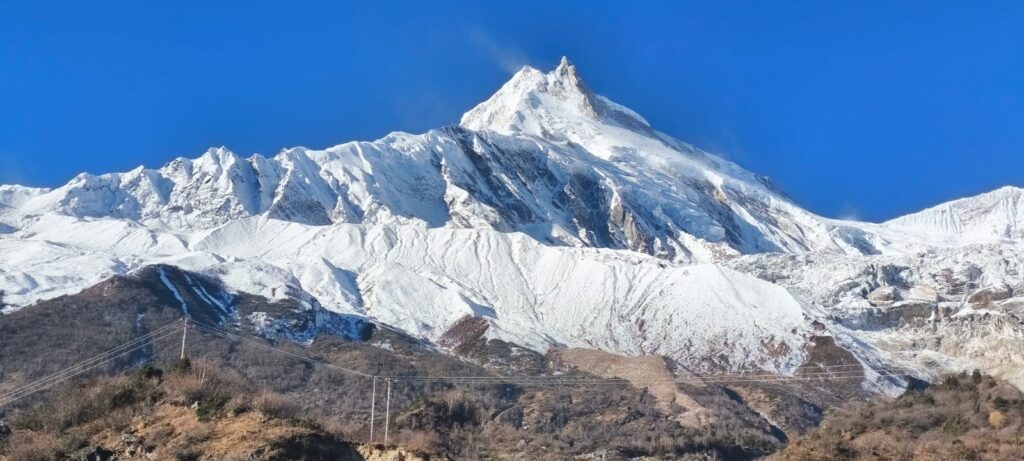
The Manaslu Circuit Trek is a challenging Himalayan adventure, but proper planning and preparation can make the journey much more comfortable and enjoyable. The difficulty of the trek comes mainly from high altitude, long walking days, remote landscapes, and changing weather conditions. However, trekkers who prepare wisely can significantly reduce these challenges and focus on experiencing the breathtaking mountain scenery, traditional villages, and unique culture of the Manaslu region. A thoughtful approach, combined with good trekking habits, helps transform a demanding journey into a rewarding Himalayan experience.
Proper Acclimatization
Proper acclimatization is one of the most important ways to make the Manaslu Circuit Trek easier and safer. As the trail gradually climbs toward higher elevations, the body needs enough time to adjust to reduced oxygen levels. Rushing upward too quickly increases fatigue and the risk of altitude sickness. A well-planned itinerary with gradual elevation gain and rest days allows your body to adapt naturally.
Spending extra time around higher villages such as Samagaun and taking short acclimatization hikes can improve your comfort before heading toward the Larke La Pass. Walking slowly, avoiding unnecessary exertion, and giving your body time to adjust can make a major difference. Successful high-altitude trekking is not about speed—it is about patience, consistency, and listening to your body.
Hiring an Experienced Guide
Hiring an experienced guide can greatly improve your Manaslu Circuit Trek experience, especially because the region is remote and the trail conditions can change quickly. A knowledgeable guide understands the route, weather patterns, altitude challenges, and local customs, helping trekkers make better decisions throughout the journey.
Guides also provide valuable support during difficult sections such as steep climbs, high-altitude areas, and the crossing of Larkya La Pass. They know the best places to stay, help arrange tea house accommodations, and communicate with local communities. Beyond safety, a local guide adds cultural depth by sharing stories, traditions, and insights about the villages and landscapes you pass through.
Trekking at a Comfortable Pace
Maintaining a comfortable pace is essential for reducing exhaustion and enjoying the Manaslu Circuit Trek. Many difficulties arise when trekkers push themselves too hard during the early days and lose energy later in the journey. The trail involves continuous climbs and descents, so conserving strength is more valuable than trying to walk quickly.
A steady rhythm with regular breaks allows your muscles to recover and helps your body adjust to altitude more effectively. Slow trekking also gives you more opportunities to appreciate the surrounding beauty, from ancient villages and prayer walls to dramatic Himalayan views. The Manaslu region is not a race; it is a journey meant to be experienced gradually.
Staying Hydrated
Hydration plays a vital role in maintaining energy and preventing altitude-related problems during the trek. At higher elevations, the dry mountain air and increased physical effort can cause the body to lose fluids faster than expected. Dehydration can worsen tiredness, headaches, and symptoms associated with altitude sickness.
Trekkers should drink water regularly throughout the day rather than waiting until they feel thirsty. Carrying a reusable bottle and using purification methods is recommended, as clean water sources are limited in remote areas. Warm drinks such as tea and soup from tea houses can also help maintain fluid intake, especially during colder sections of the trek.
Choosing the Right Season
Selecting the right season can make the Manaslu Circuit Trek significantly easier. The best trekking periods are generally spring (March to May) and autumn (September to November) when the weather is more stable, skies are clearer, and trail conditions are more favorable.
During these seasons, trekkers can enjoy better visibility, comfortable temperatures, and safer conditions for crossing high mountain sections. Winter brings heavy cold and possible snow around Larke La Pass, while monsoon can create slippery trails, landslide risks, and limited mountain views. Choosing the right time to trek reduces unnecessary difficulties and allows you to experience the Himalayas at their most beautiful.
Making the Manaslu Circuit Trek easier does not mean removing all challenges—it means preparing intelligently to handle them. With proper acclimatization, experienced guidance, a steady pace, good hydration, and suitable timing, trekkers can overcome the difficulties and enjoy one of Nepal’s most spectacular and authentic Himalayan adventures.
Manaslu Circuit Trek vs Annapurna Circuit Trek Difficulty
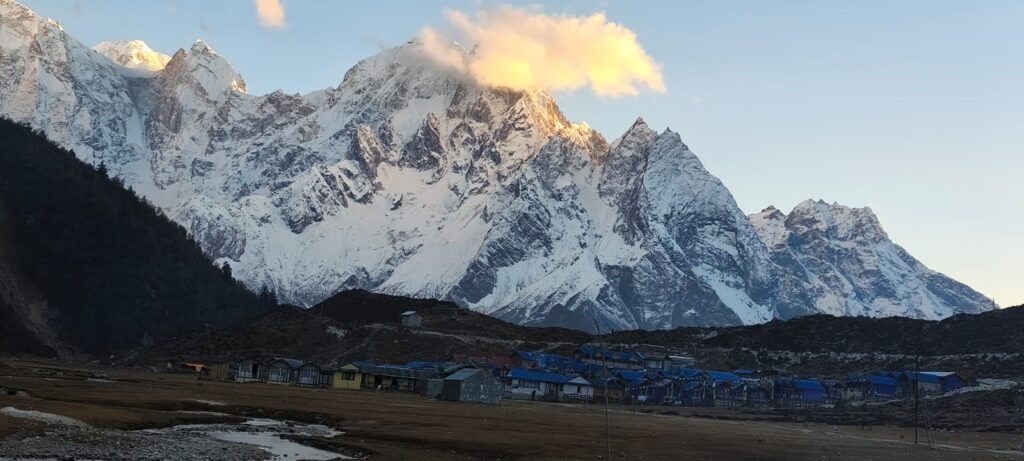
Both the Manaslu Circuit Trek and Annapurna Circuit Trek are among Nepal’s most famous Himalayan adventures, offering spectacular mountain scenery, rich cultural experiences, and challenging high-altitude trails. However, their difficulty levels differ significantly due to variations in altitude, trail development, remoteness, and trekking infrastructure. While Annapurna Circuit is more accessible and has better facilities, Manaslu Circuit provides a more rugged and isolated adventure that demands greater preparation and endurance.
Altitude Comparison
Altitude is one of the biggest factors that separates the difficulty of these two treks. The Manaslu Circuit Trek reaches its highest point at Larkya La Pass (5,106 meters), which is slightly higher than the Thorong La Pass (5,416 meters) on the Annapurna Circuit. Although Thorong La is technically higher, many trekkers find Manaslu more challenging because the route feels more remote and offers fewer comfort options during the altitude gain.
Both treks require proper acclimatization, as the thin mountain air can affect trekkers regardless of fitness level. The main difference is that Annapurna has more established trekking support, while Manaslu’s isolated environment can make altitude challenges feel more intense. Careful pacing, hydration, and gradual ascent are essential for both routes.
Trail Conditions
The trail conditions on Manaslu Circuit are generally considered more demanding than Annapurna Circuit. The Manaslu route follows rugged mountain paths, narrow cliffside trails, stone steps, forest tracks, and rocky sections near the high pass. Some areas remain less developed, giving trekkers a true wilderness experience but requiring more focus and physical effort.
The Annapurna Circuit has a wider and more developed trail system, with better-maintained paths in many sections and easier access to services. However, it also includes challenging climbs and long walking days, especially around Thorong La Pass. In comparison, Manaslu feels more adventurous because the trail is less crowded, less commercialized, and closer to its natural state.
Crowd Levels
Crowd levels create a noticeable difference between the two trekking experiences. The Annapurna Circuit is one of Nepal’s classic trekking routes and attracts a large number of travelers every year. Popular villages, viewpoints, and tea houses can become busy during peak seasons, creating a more social and lively atmosphere.
The Manaslu Circuit receives fewer trekkers because it is located in a restricted and more remote region. The quieter trails allow trekkers to enjoy peaceful mountain landscapes, traditional villages, and a stronger connection with nature. For those seeking solitude and a more authentic Himalayan experience, Manaslu offers a much more peaceful journey.
Remoteness
Remoteness is where the Manaslu Circuit becomes significantly more challenging than the Annapurna Circuit. The Manaslu region remains relatively untouched, with fewer roads, limited transportation access, and basic mountain facilities. Villages are scattered, communication can be unreliable, and emergency support is less accessible compared to Annapurna.
The Annapurna Circuit has better infrastructure, more frequent settlements, easier transportation options, and a wider range of accommodation choices. This makes it more comfortable for beginners and trekkers who prefer convenience. In contrast, Manaslu requires a greater level of preparation, flexibility, and willingness to adapt to simple mountain conditions.
Overall Difficulty Comparison
Manaslu Circuit Trek: More remote, rugged, quieter, and physically demanding due to limited infrastructure and challenging terrain. Best suited for trekkers seeking a wilderness adventure.
Annapurna Circuit Trek: More developed, accessible, and beginner-friendly, with better facilities and easier logistics.
Overall, the Manaslu Circuit Trek is generally considered more challenging than the Annapurna Circuit Trek, not only because of altitude but because of its remote environment, basic facilities, and untouched trails. However, with proper preparation, both treks offer unforgettable Himalayan experiences filled with breathtaking landscapes and cultural discoveries.
Manaslu Circuit Trek vs Everest Base Camp Difficulty
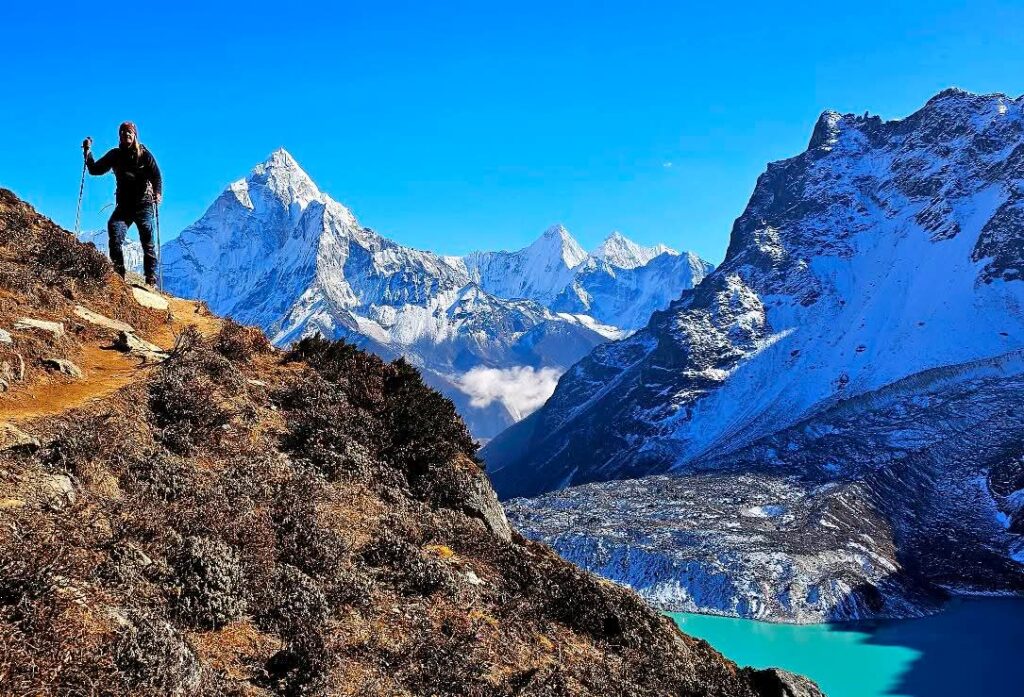
The Manaslu Circuit Trek and Everest Base Camp Trek are two of Nepal’s most iconic Himalayan adventures, each offering a unique challenge and unforgettable mountain experience. While the Everest Base Camp Trek is famous for bringing trekkers close to the world’s highest mountain, the Manaslu Circuit Trek is known for its remote landscapes, cultural richness, and wilderness atmosphere. Both require good physical preparation, but their difficulty comes from different factors. Everest Base Camp mainly challenges trekkers with altitude, while Manaslu tests endurance through remoteness, rugged trails, and a more isolated trekking environment.
Elevation Differences
Elevation plays a major role in the difficulty of both treks. The Everest Base Camp Trek reaches an altitude of approximately 5,364 meters at Everest Base Camp, with many trekkers also climbing Kala Patthar at around 5,545 meters for the famous Himalayan sunrise views. The high elevation means oxygen levels are significantly lower, making acclimatization a crucial part of the journey.
The Manaslu Circuit Trek reaches its highest point at Larkya La Pass (5,106 meters). Although slightly lower than Everest Base Camp and Kala Patthar, Manaslu can feel equally demanding because the route is more isolated and includes long ascents and descents through varied terrain. Both treks require gradual acclimatization, but the overall experience of altitude differs due to trail structure and available facilities.
Trekking Days
The duration of each trek depends on the chosen itinerary, but both usually require around two weeks in the mountains. The Everest Base Camp Trek generally takes about 12 to 16 days, including flights, acclimatization days, and return routes. The trail follows a more established path through famous Sherpa villages such as Namche Bazaar, Tengboche, and Dingboche.
The Manaslu Circuit Trek typically takes around 14 to 18 days, as the route covers a larger circuit through remote valleys and requires more time for gradual altitude gain. The trekking days can feel longer because of rugged terrain, fewer shortcuts, and fewer transportation options. While Everest focuses on reaching a single destination, Manaslu provides a complete journey around a Himalayan massif with continuous changes in landscape.
Infrastructure Comparison
Infrastructure is one of the biggest differences between these two trekking routes. The Everest Base Camp Trek is one of Nepal’s most developed trekking routes, with a wide range of tea houses, restaurants, charging facilities, internet services, and medical support available along the trail. The popularity of the region means trekkers have more comfort options and easier access to assistance.
The Manaslu Circuit Trek offers a more traditional and remote experience. Tea houses are available, but facilities are generally simpler, especially in higher villages near the Larke La Pass. Electricity, internet, and food choices can be limited, and emergency support is less accessible compared to the Everest region. This limited infrastructure adds to the adventure but also requires more preparation and self-reliance.
Overall Challenge Level
The overall difficulty of these two treks depends on what type of challenge a trekker finds more demanding. The Everest Base Camp Trek is challenging mainly because of altitude, long walking days, and the need to adapt to thin air. The route is physically demanding but supported by well-developed infrastructure and frequent trekking facilities.
The Manaslu Circuit Trek is often considered more challenging due to its remote nature, rugged trail conditions, fewer facilities, and the demanding crossing of Larke La Pass. Trekkers must be prepared for basic accommodation, changing weather, and longer periods away from modern comforts.
In summary:
- Everest Base Camp Trek: Higher altitude exposure, more crowded, better facilities, easier logistics.
- Manaslu Circuit Trek: More remote, quieter, rugged trails, fewer facilities, stronger wilderness experience.
For beginners with good fitness, Everest Base Camp may feel more manageable due to better infrastructure. For experienced trekkers seeking a quieter and more adventurous Himalayan journey, the Manaslu Circuit Trek offers a deeper challenge and a more authentic mountain experience.
Who Should Choose the Manaslu Circuit Trek?
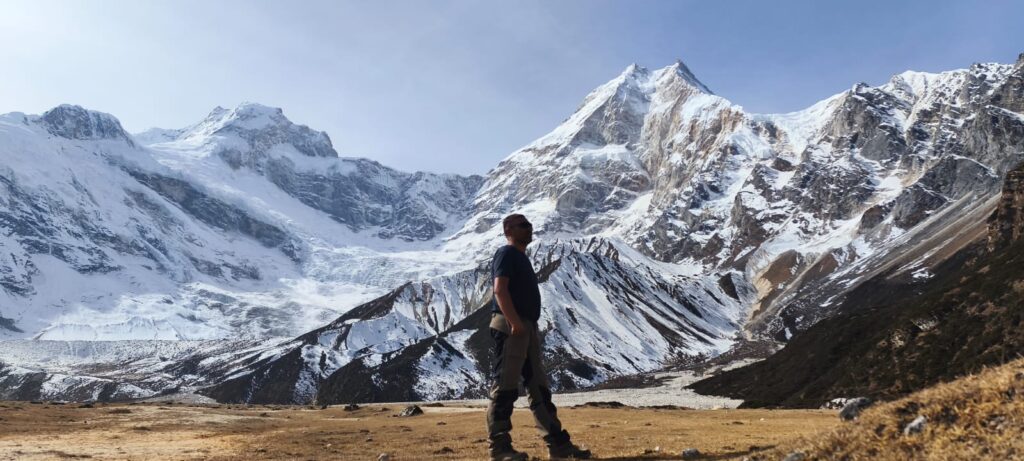
The Manaslu Circuit Trek is an ideal choice for travelers who want to experience the Himalayas beyond the usual trekking routes. Unlike some of Nepal’s more commercialized trails, the Manaslu region offers a journey through untouched landscapes, traditional mountain villages, and remote Himalayan communities. This trek is not only about reaching a destination but about embracing the challenges, simplicity, and beauty of the mountains. The combination of dramatic scenery, cultural encounters, and demanding trails makes it especially suitable for those looking for a deeper and more authentic trekking experience.
Adventure Seekers
The Manaslu Circuit Trek is perfect for adventure seekers who are drawn to remote landscapes and challenging mountain journeys. The trail takes trekkers through deep valleys, ancient settlements, dense forests, rocky paths, and high alpine terrain before reaching the spectacular Larkya La Pass at 5,106 meters. Every section of the trek brings a new experience, from crossing suspension bridges above powerful rivers to walking beneath towering Himalayan peaks.
Unlike easier trekking routes, Manaslu requires flexibility, endurance, and a willingness to adapt to changing conditions. Those who enjoy stepping away from modern comforts and discovering places that remain untouched by mass tourism will find this trek exceptionally rewarding.
Experienced Trekkers
Trekkers with previous hiking or high-altitude experience often find the Manaslu Circuit Trek a perfect challenge. The route involves long walking days, significant elevation gain, steep ascents, and demanding sections that require physical and mental preparation. Experience helps trekkers understand pacing, manage energy, handle changing weather, and adjust to life in remote mountain environments.
Although beginners with strong fitness levels can complete the trek, experienced trekkers may appreciate the full character of the journey. They are usually more comfortable with basic tea house facilities, unpredictable mountain conditions, and the slower rhythm required for high-altitude trekking.
Nature and Culture Enthusiasts
The Manaslu Circuit Trek is a paradise for travelers who love nature, landscapes, and cultural exploration. The trail passes through diverse environments, beginning with green subtropical forests and gradually transforming into alpine meadows, glaciers, and dramatic Himalayan wilderness. Trekkers can witness incredible views of mountains including Mount Manaslu, along with surrounding peaks that create one of Nepal’s most breathtaking trekking settings.
The journey also provides a rare opportunity to experience the traditional lifestyle of mountain communities. Villages along the route reflect Tibetan-influenced culture, ancient Buddhist traditions, monasteries, prayer walls, and local customs that have remained preserved for generations. For cultural travelers, the trek becomes a journey through both nature and heritage.
Those Seeking Less Crowded Trails
Travelers who prefer peaceful trails and a quieter Himalayan experience will find the Manaslu Circuit Trek especially appealing. Compared to popular routes like Everest Base Camp and Annapurna Circuit, Manaslu receives fewer trekkers, allowing visitors to enjoy the mountains in a more peaceful atmosphere.
The quieter environment creates a stronger connection with nature and provides more meaningful interactions with local communities. Trekkers can walk through remote valleys without the feeling of being surrounded by large groups, making the experience feel more personal and authentic.
The Manaslu Circuit Trek is best suited for those who seek adventure, authenticity, and a genuine connection with the Himalayas. It rewards travelers who are prepared to accept physical challenges in exchange for untouched landscapes, rich culture, and one of Nepal’s most unforgettable trekking experiences.
Final Verdict: How Difficult Is the Manaslu Circuit Trek?
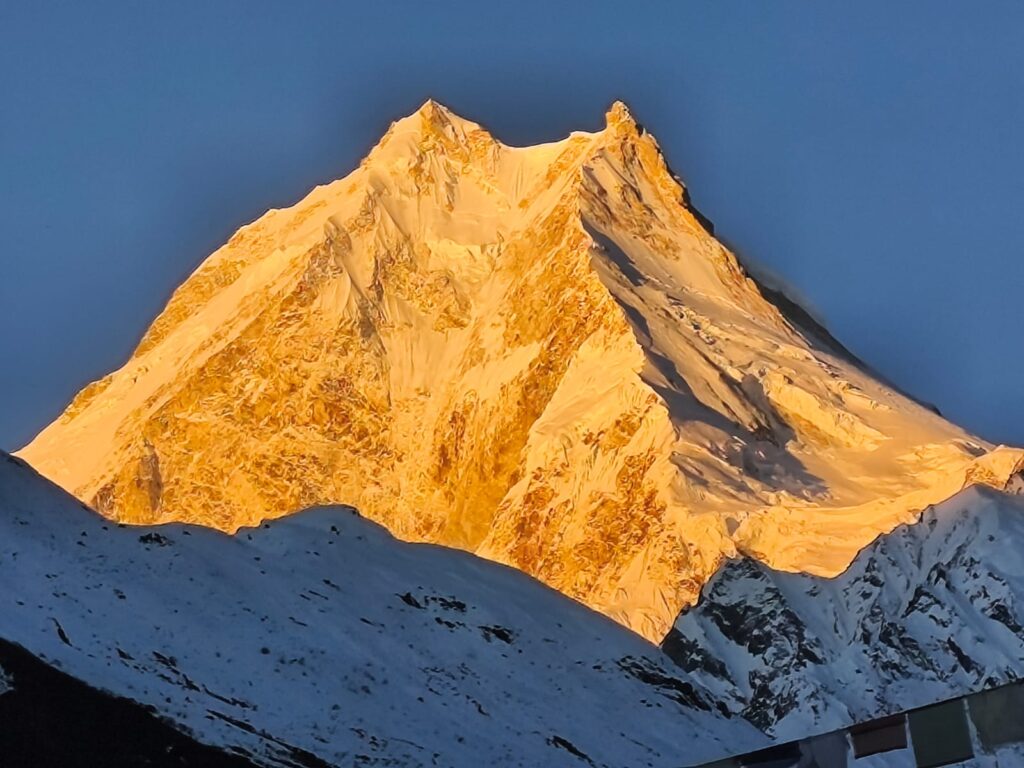
The Manaslu Circuit Trek is considered a moderate to challenging Himalayan trekking adventure that requires good physical fitness, mental preparation, and a willingness to adapt to remote mountain conditions. Unlike short and easy trekking routes, this journey takes you deep into the untouched landscapes of the Manaslu region, where high-altitude trails, long walking days, and limited infrastructure create a true wilderness experience. The difficulty of the trek does not come from technical climbing but from the combination of elevation, endurance, changing terrain, and the remote nature of the trail.
For trekkers who prepare properly, the challenges of the Manaslu Circuit become part of the adventure. Every uphill climb, mountain pass, and remote village adds a sense of achievement and allows travelers to experience the Himalayas in their purest form.
Overall Difficulty Rating: Moderate to Challenging
The Manaslu Circuit Trek difficulty level can be rated as moderate to challenging, making it suitable for trekkers who have a good fitness level and a strong desire for adventure. The trek usually takes around 14 to 18 days and involves walking approximately 6 to 8 hours per day through constantly changing landscapes.
The most demanding section of the trek is the crossing of Larkya La Pass at 5,106 meters, where trekkers face high altitude, freezing temperatures, steep climbs, and a long trekking day. However, the route does not require previous mountaineering experience, technical skills, or climbing equipment. With proper training, acclimatization, and a steady pace, determined trekkers can successfully complete this incredible Himalayan circuit.
Summary of Key Challenges
The difficulty of the Manaslu Circuit Trek comes from several factors that combine to create a challenging yet rewarding journey.
High-altitude environment is one of the biggest challenges, as the trail gradually climbs from lower valleys to over 5,000 meters. Reduced oxygen levels can cause fatigue and altitude-related discomfort, making proper acclimatization essential.
Long trekking days require consistent stamina and endurance. Trekkers must be prepared for several hours of walking each day across steep climbs, descents, rocky paths, and uneven mountain trails.
Remote mountain terrain adds another layer of difficulty. The trail passes through isolated Himalayan villages, narrow pathways, suspension bridges, forests, and rugged landscapes where conditions can change quickly.
Basic facilities and limited infrastructure mean trekkers must adjust to simple tea house accommodation, fewer transportation options, and limited internet or electricity access. This remote lifestyle is challenging for some travelers but also creates a more authentic Himalayan experience.
Weather conditions can also influence the difficulty of the trek. Cold temperatures, snowfall around high passes, and changing mountain weather require proper clothing, preparation, and flexibility.
Why the Trek Is Worth the Effort
Despite the challenges, the Manaslu Circuit Trek is one of the most rewarding trekking experiences in Nepal. The effort required to complete the journey is matched by extraordinary rewards: breathtaking Himalayan scenery, peaceful trails, ancient villages, and a deep connection with mountain culture.
Unlike crowded trekking routes, Manaslu offers a rare opportunity to explore a quieter side of Nepal, where traditional lifestyles and natural beauty remain beautifully preserved. Trekkers are rewarded with panoramic views of Mount Manaslu, dramatic valleys, glaciers, Buddhist monasteries, and welcoming local communities.
The challenge itself becomes part of the story. Each difficult climb builds confidence, every high-altitude step creates a sense of accomplishment, and every remote village reveals a new perspective on Himalayan life. The Manaslu Circuit Trek is not simply a walk through the mountains—it is a journey of endurance, discovery, and personal achievement.
For those seeking an authentic Nepal trekking experience away from crowded trails, the Manaslu Circuit Trek difficulty is a challenge worth accepting. Proper preparation transforms the obstacles into unforgettable memories and makes this trek one of the most meaningful adventures in the Himalayas.
Frequently Asked Questions (FAQ)
How difficult is the Manaslu Circuit Trek compared to Everest Base Camp?
The Manaslu Circuit Trek is slightly more challenging than the Everest Base Camp Trek because of its remote trails, fewer facilities, and rugged terrain. Everest Base Camp has higher altitude exposure, but Manaslu feels more adventurous due to its wilderness environment.
Can beginners do the Manaslu Circuit Trek?
Yes, beginners can complete the trek with proper preparation. A good fitness level, gradual pacing, proper acclimatization, and guidance from an experienced team make the journey achievable.
How fit do I need to be for the Manaslu Circuit Trek?
You should have moderate fitness and be comfortable walking 6–8 hours daily on mountain trails. Regular hiking, cardio training, and leg-strength exercises before the trek are highly recommended.
What is the hardest part of the Manaslu Circuit Trek?
The toughest section is crossing Larkya La Pass (5,106m). The long ascent, high altitude, cold weather, and steep descent make it the most demanding day of the trek.
How many hours do you walk each day?
Most days require around 6 to 8 hours of trekking. The Larkya La Pass crossing can take around 8 to 10 hours depending on weather and trail conditions.
Is altitude sickness common on the Manaslu Circuit Trek?
Altitude sickness is possible because the trek reaches above 5,000 meters. Proper acclimatization, slow walking, hydration, and a gradual itinerary help reduce the risk.
What is the highest point of the trek?
The highest point is Larkya La Pass at 5,106 meters (16,752 feet), offering spectacular views of glaciers and Himalayan peaks.
Can I extend the Manaslu Circuit Trek?
Yes, you can extend the trek by adding extra acclimatization days, exploring villages, or including side trips such as the Tsum Valley. Longer itineraries offer a more relaxed experience.
Can I combine Manaslu Circuit with another trek?
Yes, many trekkers combine Manaslu with the Tsum Valley Trek or continue toward the Annapurna region for a longer Himalayan adventure.
Which season is best for the Manaslu Circuit Trek?
The best seasons are spring (March–May) and autumn (September–November) due to stable weather, clear mountain views, and safer trail conditions.
Do I need a guide for the Manaslu Circuit Trek?
Yes, the Manaslu region requires a licensed guide because it is a restricted trekking area. A guide also improves safety, navigation, and cultural understanding.
How should I train for the Manaslu Circuit Trek?
Prepare with regular hiking, uphill walking, stair climbing, cardio exercises, and strength training. Building endurance before the trek helps you handle long days and high-altitude trails comfortably.
Ramchandra Lamichhane
Trekking Expert
No hidden fees • Local experts • Best price guarantee