Everest Base Camp Trek Return by Helicopter
Imagine standing at the base of the world’s highest mountain, feeling a deep sense of pride after days of trekking through the heart of the Himalayas. Now imagine returning not […]
Highlights
- Skip the long, strenuous hike back to Lukla and enjoy a thrilling flight over the very peaks you conquered on foot.
- Witness an unforgettable sunrise over Mt. Everest and surrounding peaks from the most famous viewpoint in the region.
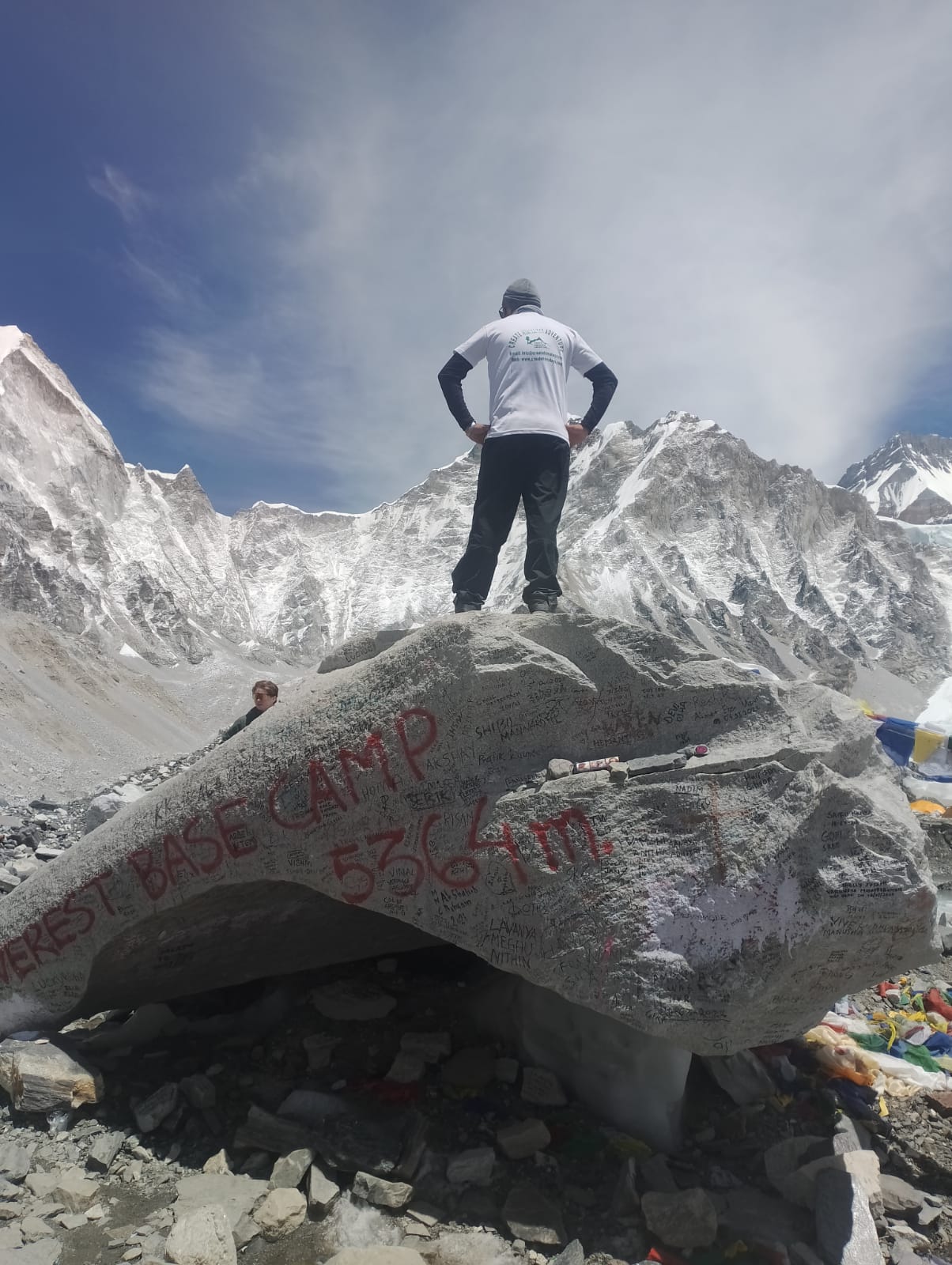
- Stand at the foot of the world's highest mountain at 5,364 meters, surrounded by ice, rock, and history.
- Sunrise view from Kala Patthar Viewpoint (5,545 m).
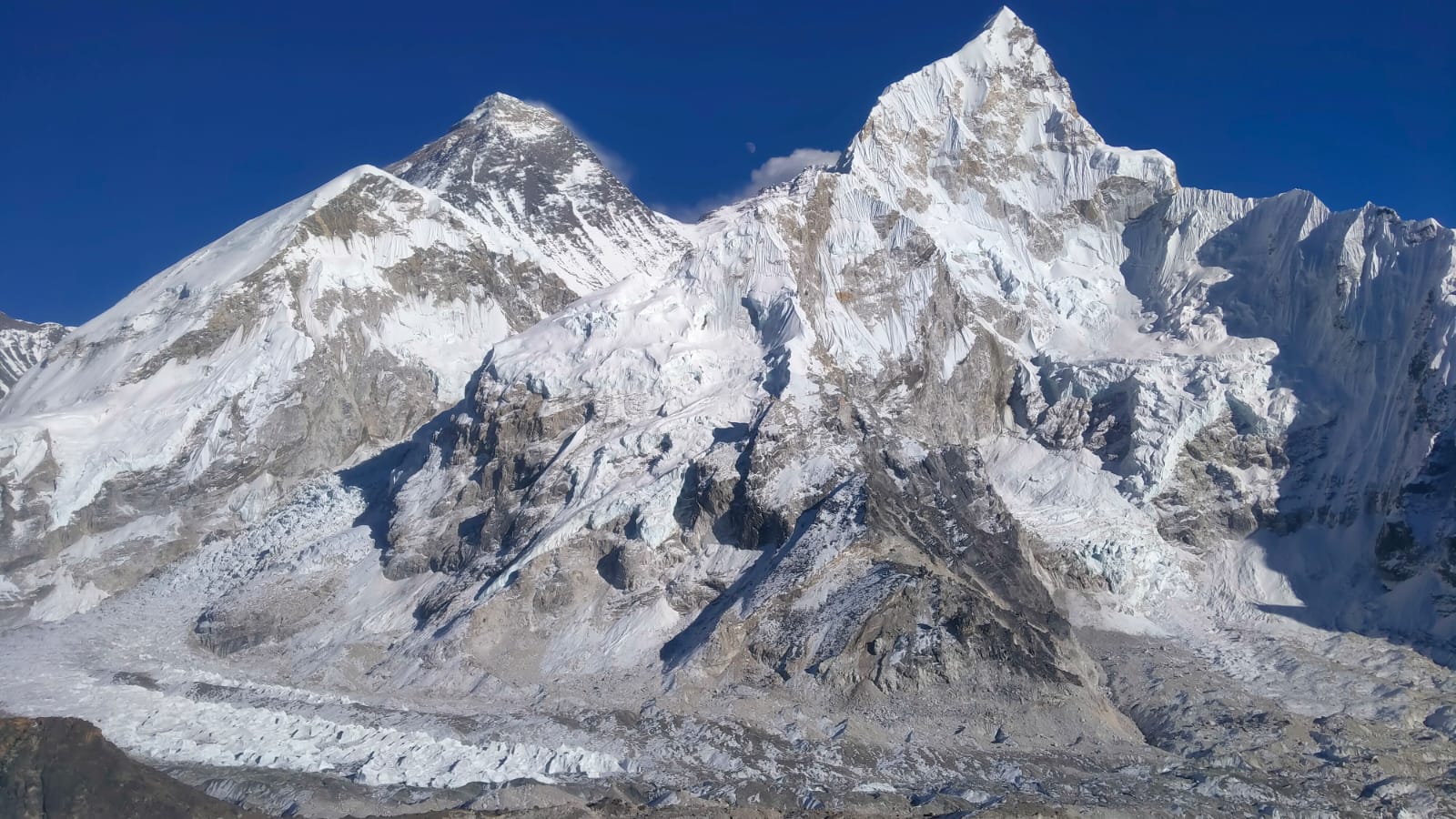
- Fly above glaciers and valleys, with bird's-eye views of Pumori, Lhotse, Nuptse, Lobuche, and Everest.
- Experience the spiritual and cultural heart of the Khumbu on the way to base camp.
- Trek alongside the world's deepest glacier, a breathtaking and humbling natural wonder.
- A perfectly curated itinerary that balances trekking days with acclimatization and cultural experiences.
- Flexible travel with direct flights from Kathmandu or via Ramechhap/Manthali depending on the season.
- Immerse yourself in Sherpa traditions, from monastery visits to sharing locally brewed drinks with new friends.
- Designed for those who want to optimize time and energy while still experiencing the full magic of the Everest region.
Overview
Imagine standing at the base of the world’s highest mountain, feeling a deep sense of pride after days of trekking through the heart of the Himalayas. Now imagine returning not by foot, but by helicopter—soaring above the trails you conquered and enjoying a breathtaking aerial view of the mighty peaks. This is the beauty of the Everest Base Camp Trek with Helicopter Return: the perfect blend of adventure and comfort.
Your journey begins as you leave Kathmandu behind. In quieter seasons, you’ll take a scenic 35-minute flight directly to Lukla. During peak months (March to May and September to November), you’ll drive to Ramechhap (5-6 hours drive) before catching a short 20-minute flight to Lukla.
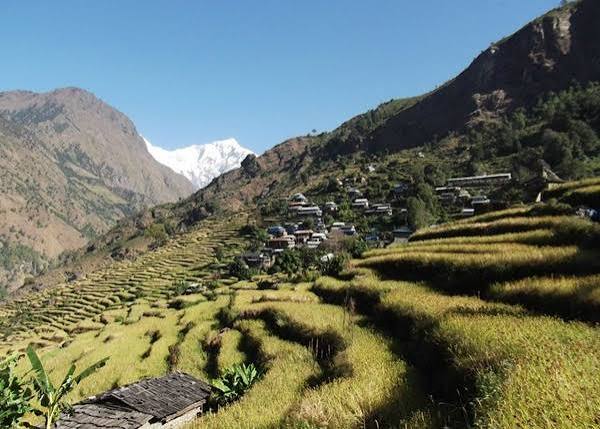
From Lukla, the trail follows the rushing Dudh Koshi River, passing through charming Sherpa villages and lush forests. Soon, you enter the protected area of Sagarmatha National Park, a UNESCO World Heritage Site known for its dramatic landscapes and rich culture.
The first major stop is Namche Bazaar, the vibrant heart of the Khumbu region. This lively Sherpa town is not only a trading hub but also an important acclimatization point, allowing your body to adjust to the altitude.
After a rest day in Namche, the trail continues to Tengboche, home to the region’s most famous monastery. Surrounded by prayer flags and mountain views, you’ll witness stunning panoramas of Ama Dablam, Lhotse, and Mount Everest.
As you trek higher to Dingboche and Lobuche, the scenery becomes more rugged and rocky terrain. Towering peaks such as Makalu, Cho Oyu, and Nuptse rise above you, creating a powerful Himalayan backdrop at every step.
Finally, the highlight of your journey arrives. From Gorak Shep, you hike alongside the impressive Khumbu Glacier until you reach Everest Base Camp at 5,364 meters. Standing among ice, rock, and mountaineering history, you’ll feel an overwhelming sense of achievement. Fly above the Himalayas on a hassle-free helicopter return to Lukla, leaving the long descent behind.
Trek Permits
To complete the Everest Base Camp Trek, trekkers must obtain official permits as required by the Nepalese government and local authorities. These permits are essential for entering and trekking in the Everest (Khumbu) region.
The main permits include the Sagarmatha National Park Entry Permit, which allows access to the protected national park area that includes Mount Everest and surrounding peaks. In addition, trekkers must also obtain the Khumbu Pasang Lhamu Rural Municipality Permit, which is mandatory for all foreign and domestic visitors entering the region via Lukla or surrounding routes.
These permits help support conservation efforts, maintain trekking infrastructure, and contribute to local community development. When booking through Create Himalaya Adventure, all necessary permits are arranged in advance, ensuring a smooth and hassle-free trekking experience for travelers.
Trek Cost
The cost of the Everest Base Camp Trek with helicopter return varies depending on the level of service, group size, travel season, and customization options chosen by the traveler. As this is a premium trekking package that includes both trekking and a scenic helicopter flight, the overall cost is higher than a standard round-trip trek.
The package generally includes domestic flights between Kathmandu and Lukla, accommodation in teahouses along the trekking route, three meals per day during the trek, experienced licensed guides, necessary permits, and coordination of helicopter services for the return journey. Some packages may also include porter support, emergency assistance, and additional comfort services depending on the selected itinerary.
Because of the flexibility and luxury element involved, travelers can choose between group packages and private customized options, allowing them to design their Everest experience based on comfort, time availability, and budget preferences.
Trek Route
The Everest Base Camp trekking route is one of the most iconic trails in the world, following the traditional path used by climbers and explorers for decades. The journey begins with a scenic flight from Kathmandu to Lukla, one of the most adventurous airports in the world.
From Lukla, the trail passes through charming Sherpa villages and beautiful landscapes including Phakding, Namche Bazaar, Tengboche, Dingboche, Lobuche, and Gorakshep, before finally reaching Everest Base Camp (5,364m). Many trekkers also hike to Kala Patthar, one of the best viewpoints for a close-up sunrise view of Mount Everest.
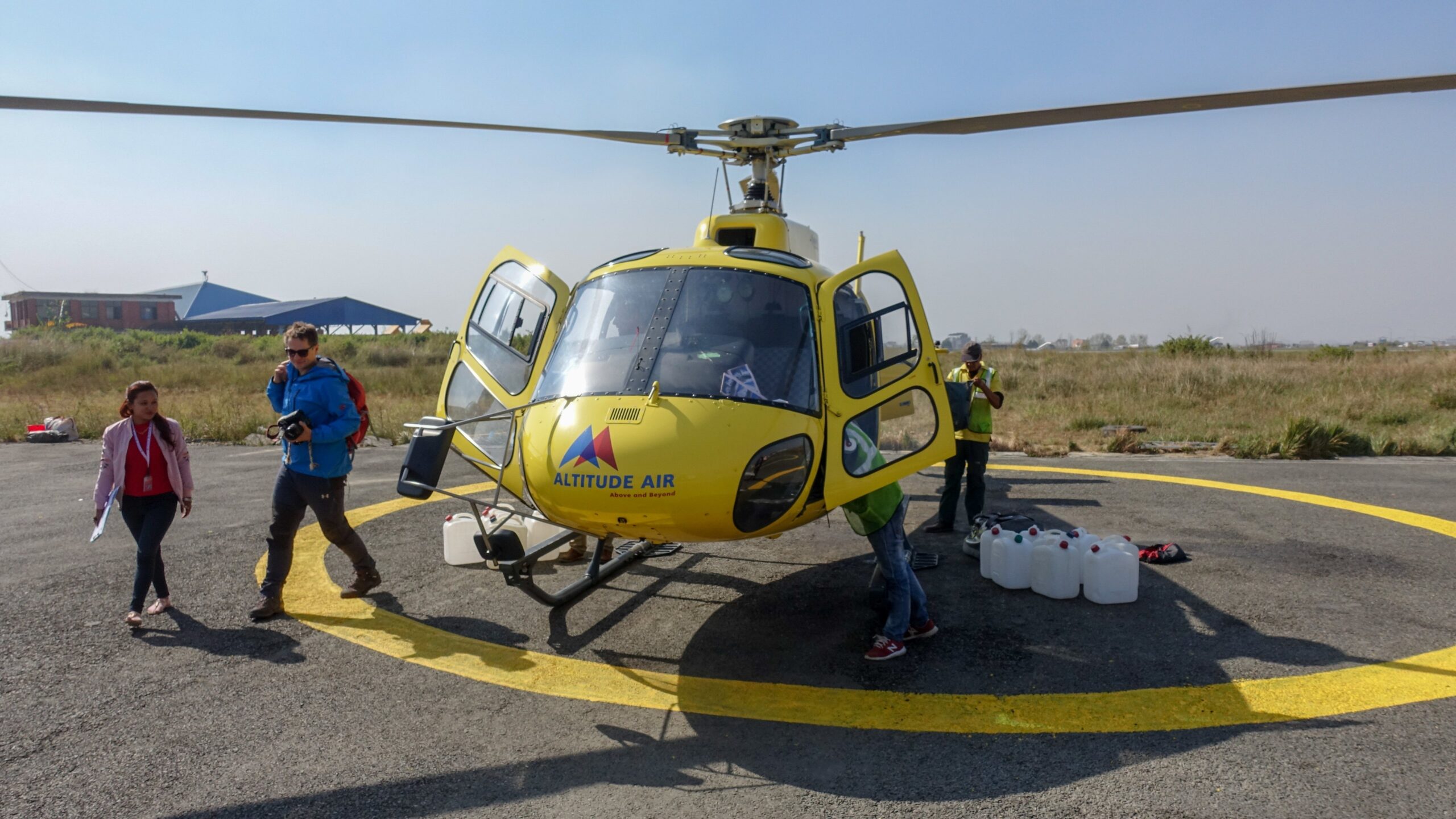
After completing the trek, instead of descending on foot, travelers board a helicopter from Gorakshep or nearby locations, offering a thrilling aerial journey back to Kathmandu. The flight passes over glaciers, icefalls, deep valleys, and Himalayan peaks, providing a once-in-a-lifetime perspective of the Everest region.
Food and Accommodation
Accommodation during the Everest Base Camp Trek is provided in traditional teahouses and mountain lodges, which are simple but comfortable enough to support trekkers in high-altitude conditions. Rooms are typically twin-shared with basic bedding, and heating is usually available only in dining areas, especially at higher elevations.
Despite the remote location, food availability is surprisingly diverse. Trekkers can enjoy freshly prepared meals such as traditional Dal Bhat (rice, lentils, vegetables, and pickles), as well as international options like pasta, noodles, fried rice, soups, pancakes, eggs, and bread items. Hot beverages such as tea, coffee, and ginger lemon honey drinks are widely available throughout the route.
As altitude increases, food prices and menu variety may change due to transportation challenges, but meals remain nutritious and energy-rich to support long trekking days.
Trek Difficulty
The Everest Base Camp Trek is classified as moderate to challenging, mainly due to its high altitude and long walking hours rather than technical difficulty. No climbing experience is required, but trekkers must be prepared for continuous walking, steep ascents, and changing weather conditions.
The altitude is the biggest challenge, with the trek reaching over 5,000 meters. Proper acclimatization days are included in the itinerary to help trekkers adjust safely. Physical fitness, mental preparation, and a slow walking pace are highly recommended for a successful journey.
The helicopter return option significantly reduces physical strain, allowing trekkers to complete the adventure without the demanding downhill return trek, making the overall experience more enjoyable and less exhausting.
Travel Insurance Requirement
Travel insurance is highly recommended and considered essential for the Everest Base Camp Trek. Due to the remote nature of the region and high-altitude environment, proper coverage ensures safety and peace of mind throughout the journey.
A suitable insurance policy should cover high-altitude trekking (up to at least 6,000 meters), emergency medical treatment, and helicopter evacuation services. Since weather conditions in the Himalayas can change rapidly, insurance also provides financial protection in case of delays, cancellations, or unforeseen emergencies.
Trekkers are strongly advised to arrange comprehensive travel insurance before arriving in Nepal to ensure a safe and worry-free trekking experience.
Why Choose Everest Base Camp Trek with Helicopter Return
The Everest Base Camp (EBC) Trek with Helicopter Return is a perfect choice for trekkers who want to experience the classic Everest trail in a more comfortable, time-efficient, and luxurious way. This option allows you to complete the iconic journey to Everest Base Camp and Kala Patthar on foot, enjoying Sherpa villages, monasteries, glaciers, and breathtaking Himalayan scenery, while returning by helicopter for a fast and scenic flight back to Lukla or Kathmandu. It is ideal for those with limited time or anyone who wants to avoid the long downhill trekking days after reaching EBC.
Another major advantage of this trek is the unmatched aerial views of Mount Everest, Lhotse, Nuptse, Ama Dablam, and the entire Khumbu region during the helicopter flight. Trekkers can experience both the adventure of trekking and the luxury of flying above the world’s highest mountains in a single trip. With reduced physical strain, maximum mountain experience, and unforgettable aerial scenery, the Everest Base Camp Trek with Helicopter Return offers a premium and highly rewarding Himalayan adventure in Nepal.
Trip Itinerary
Kathmandu or Manthali/Ramechap to Lukla (Flight) and Trek to Phakding.
Flights to Lukla operate differently depending on the season. During peak trekking seasons, most Lukla flights are operated from Manthali Airport, while during non-peak seasons, flights operate directly from Kathmandu.
Manthali to Lukla Flights (March, April, May, September, October, and November):
During these peak months, flights to Lukla depart from Manthali Airport, which is approximately a 5–6 hour drive from Kathmandu. To catch the flight, we leave Kathmandu between 1:00 AM and 3:00 AM by shared jeep and travel to Manthali Airport. From Manthali, a scenic 20-minute flight takes you to Lukla.
Kathmandu to Lukla Flights (January, February, June, July, August, and December):
During the non-peak seasons, flights operate directly from the domestic terminal of Tribhuvan International Airport in Kathmandu. These flights usually depart early in the morning, typically between 6:00 AM and 7:00 AM.
After a scenic flight to Lukla, we arrive at Lukla Airport. Our porter-guide will be there to welcome you and assist with trek preparations. Before starting the walk, we take a short snack break in Lukla and then begin our trek toward Phakding. En route, we witness breathtaking mountain scenery, traditional Sherpa villages, prayer wheels, and fluttering prayer flags along the banks of the Dudh Koshi River.
Note: Flight schedules and updates are subject to change. For the most up-to-date information regarding Lukla flights, please consult one of our representatives.
Phakding to Namche Bazaar
After breakfast, we begin our trek along the serene Dudh Koshi River, crossing several suspension bridges as we head toward Namche Bazaar. The trail passes through small settlements, including Toktok, Benkar, Chomua, and Monjo.
After Monjo, we enter Sagarmatha National Park for permit verification and continue to Jorsalle (2,740 m / 8,989 ft), a peaceful riverside stop and an ideal place for lunch, marking the halfway point to Namche. Following lunch, we cross two more suspension bridges and gradually ascend to the iconic Hillary Suspension Bridge. A steep climb then leads to Top Danda, where we enjoy the first breathtaking view of Mount Everest. From here, Namche Bazaar is about an hour away.
The trail is lined with mani stones, prayer wheels, chortens, and colorful prayer flags, reflecting the spiritual heritage of the Khumbu region, with scenic views of Kusum Kanguru, Thamserku, Nuptse, Taboche, and Mount Everest. After 5–6 hours of trekking, we arrive at the vibrant Sherpa town of Namche Bazaar—an ideal place for rest, acclimatization, and cultural immersion.
Acclimatization Day in Namche Bazaar
Proper acclimatization is essential to prevent altitude sickness while trekking at higher elevations. To adapt safely, we spend an acclimatization day in Namche Bazaar (3,440 m / 11,286 ft), the vibrant trading hub of the Everest region known for its modern amenities and warm Sherpa hospitality.
After breakfast, we take a short acclimatization hike to Hotel Everest View (3,880 m / 12,730 ft), one of the highest hotels in the world. This scenic viewpoint offers breathtaking panoramic views of Mount Everest, Lhotse, Nuptse, Ama Dablam, Thamserku, Khumbila, and surrounding Himalayan peaks.
The afternoon is free to explore Namche Bazaar, where you can visit the Everest Museum, browse local shops, enjoy cafés, or immerse yourself in the rich culture and lifestyle of the Sherpa community.
Trek from Namche to Tengboche
After breakfast, we continue our trek toward Tengboche. The trail ascends out of Namche Bazaar before leveling into a gradual climb through lush forests and past several stupas, including one built in memory of Tenzing Norgay Sherpa.
We pass through settlements such as Kenjoma, Sanasa, and Leushyasa, enjoying scenic mountain views before stopping for lunch at Phunke Tenga after 2–3 hours of trekking. From here, we cross a suspension bridge at the confluence of the Dudh Koshi River and Imja Khola and complete permit verification at the Sagarmatha National Park army post.
A steady 2–3 hour uphill climb then leads us to Tengboche (3,860 m), one of the finest viewpoints along the Everest Base Camp trek. Home to the revered Tengboche Monastery, the area offers panoramic views of Mount Everest, Lhotse, Nuptse, Ama Dablam, and Thamserku.
Arriving by mid-afternoon, we have time to visit the monastery and attend the evening Buddhist chanting ceremony, a peaceful and culturally enriching experience reflecting the deep spiritual traditions of the Khumbu region.
Trek from Tengboche to Dingboche
From Tengboche, we enjoy breathtaking Himalayan views before descending through alpine forests to Debuche and crossing the Imja River via a suspension bridge. The trail then reveals magnificent, ever-changing vistas of Mount Ama Dablam (6,812 m), often referred to as the Queen of the Himalayas. Passing through Sherpa villages such as Pangboche and Somare, we stop for lunch before continuing through Orsho and Kalapani. A gentle final ascent brings us to Dingboche, our overnight stop and key acclimatization point on the Everest Base Camp trek.
Acclimatization Day in Dingboche
Dingboche (4,410m) is a crucial acclimatization stop on the Everest Base Camp Trek, enabling trekkers to adjust to altitude and minimize the risk of altitude sickness. This peaceful Sherpa village offers a chilly alpine climate, cozy teahouses, small shops, and stunning Himalayan scenery—ideal for rest and recovery. Today, we take an acclimatization hike to Nangkartshang Peak (5,083m), one of the most popular viewpoints on the EBC trail. The gradual ascent rewards us with breathtaking 360-degree views of Everest, Lhotse, Makalu, Ama Dablam, Nuptse, and other surrounding peaks. After breakfast, we begin the short hike, returning to Dingboche by afternoon to relax and recharge. Carry water, snacks, sun protection, and a camera to capture the spectacular mountain vistas.
Dingboche to Lobuche
After breakfast, we pack our gear and set out as the first golden rays of sunrise glow behind Mount Ama Dablam. The trail gradually climbs toward Thukla, a place where we will have our lunch, passing a small gompa and open yak pastures along the way. As we continue, the route reveals striking views of Cholatse, Taboche, Dzongla Lake, and the rugged moraine of the Khumbu Glacier. After lunch, the ascent leads to the Thukla Pass Memorial, a moving site dedicated to mountaineers who lost their lives in the Himalayas, marked by stone tributes and prayer flags.
The trek then continues with sweeping views of Pumori, Lingtren, Khumbutse, and Nuptse before a final climb brings us to Lobuche (4,910m). Surrounded by towering peaks, Lobuche offers a peaceful high-altitude setting, warm Sherpa hospitality, and a stunning sunset over Nuptse as evening temperatures quickly cool.
Lobuche to Gorakshep and Everest Base Camp and back to Gorakshep
Today is the highlight of the Everest Base Camp Trek—the day you stand at the foot of the world’s highest mountain. Leaving Lobuche early after breakfast, we follow a steady trail past the Pyramid, a high-altitude research station set against dramatic Himalayan scenery.
The route winds across glacial terrain, offering constant views of Pumori, Nuptse, Lingtren, and surrounding peaks, before reaching Gorak Shep for rest and lunch. From here, we continue toward Everest Base Camp, walking alongside the Khumbu Glacier and catching striking glimpses of the Khumbu Icefall and Mount Everest itself.
Reaching base camp at 5,364m is one of the most powerful and unforgettable moments, a true sense of achievement in the heart of the Himalayas. After spending time soaking in the atmosphere and views, we return to Gorak Shep to rest.
Gorakshep - Morning hike to Kalapathar - Back to Gorakshep - Fly back to Lukla on a shared Helicopter flight.
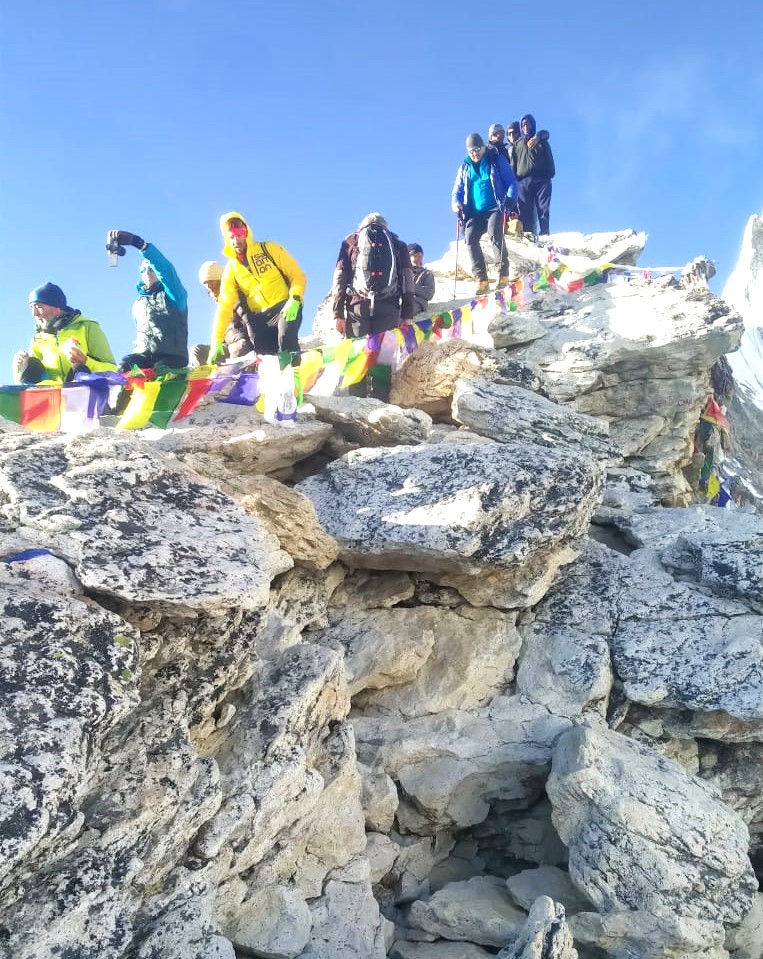
Today’s the highlight—hiking to Kala Patthar, the highest point of your Everest Base Camp journey. We start early under a starry sky, watching the sunrise paint Everest, Lhotse, Nuptse, and Pumori in gold and pink. From the top, the views are unforgettable. After photos and a warm breakfast at Gorak Shep, it’s time for a helicopter ride back to Lukla.
Helicopter Details:
Shared flight (private option available on request)
Altitude limit: above 4,500 m, only 3 passengers per shuttle
Shuttle system: groups are flown in two trips via Pheriche
Flight duration: 15–20 minutes with stunning aerial views
Arrive in Lukla by afternoon to rest and prepare for
Lukla to Kathmandu or Ramechap Airport and drive back to Kathmandu.
During peak trekking seasons (March, April, May, September, October, and November), flights from Lukla are often diverted to Manthali Airport instead of Kathmandu due to heavy traffic. The flight duration is approximately 20 minutes, followed by a 5–6 hour drive to Kathmandu by shared jeep. Please note that travel time may vary depending on road conditions, weather, and traffic. Early departures are common, and delays can occur, so flexibility in travel plans is recommended.
During the monsoon and winter months (January, February, June, July, August, and December), flights from Lukla usually operate directly to Kathmandu. The flight takes around 35 minutes, followed by a 30-minute drive to your hotel if you are staying in the city. Flight routes can change due to weather or air traffic conditions, so it’s best to check the current flight status before booking and allow some flexibility in your travel plans. After a leisurely breakfast, you will prepare for your journey back to Kathmandu (or via Manthali, if required). Upon arrival, a private transfer will take you to your hotel, where you can relax and rejuvenate in comfort after your remarkable Himalayan adventure with Create Himalaya.
Not Satisfied with This Itinerary?
Every traveler is different. Customize this trip with the help of our local travel specialists and create an itinerary that perfectly matches your interests, schedule, and budget.
What's included
- Airport Transfers: International Airport pick-up and drop-off service.
- Helicopter: Helicopter fly from Gorakshep to Lukla.
- Trekking Permits: The required paperwork and trekking permit are required for Sagarmatha National Park.
- Local Permits: Local Government permits of khumbu Pasang Lhamu Rural Municipality.
- Trekking Equipment: We provide sleeping bags, down Jackets, and Duffle bag if needed.
- Souvenirs: Create Himalaya Adventure T-Shirt as a souvenir.
- Meals: Three meals a day (breakfast, lunch, dinner) during the trek.
- Accommodation: Twin-bed sharing with a shared toilet during the trek.
- Guide Expenses: All costs for an English-speaking, government-licensed guide.
- Guide Insurance: Insurance coverage for guides.
- Trekking Map: Everest Region Trip Map for the group.
- First Aid Kit: Medical kit available during the trip.
- Taxes and Fees: Tourist service charge, VAT, government tax, and official expenses.
What's not included
- International Expenses: International airfare, visa, and travel insurance.
- Kathmandu Meals: Breakfast, Lunch and Dinner at Kathmandu.
- Accommodation in Kathmandu: Accommodation in Kathmandu or on the trek for any reason (Early arrival or delay, early arrival from trek due to any reason).
- Porter Service: Porter to carry your luggage during the trek (if you would like to take a porter, it will cost you USD 30 for the each day trip, which you could add from our add-on option).
- Gratuities: Tips for Guide and Porter (expected from trekkers involved in Everest Base Camp Trek without Lukla Flight).
Map
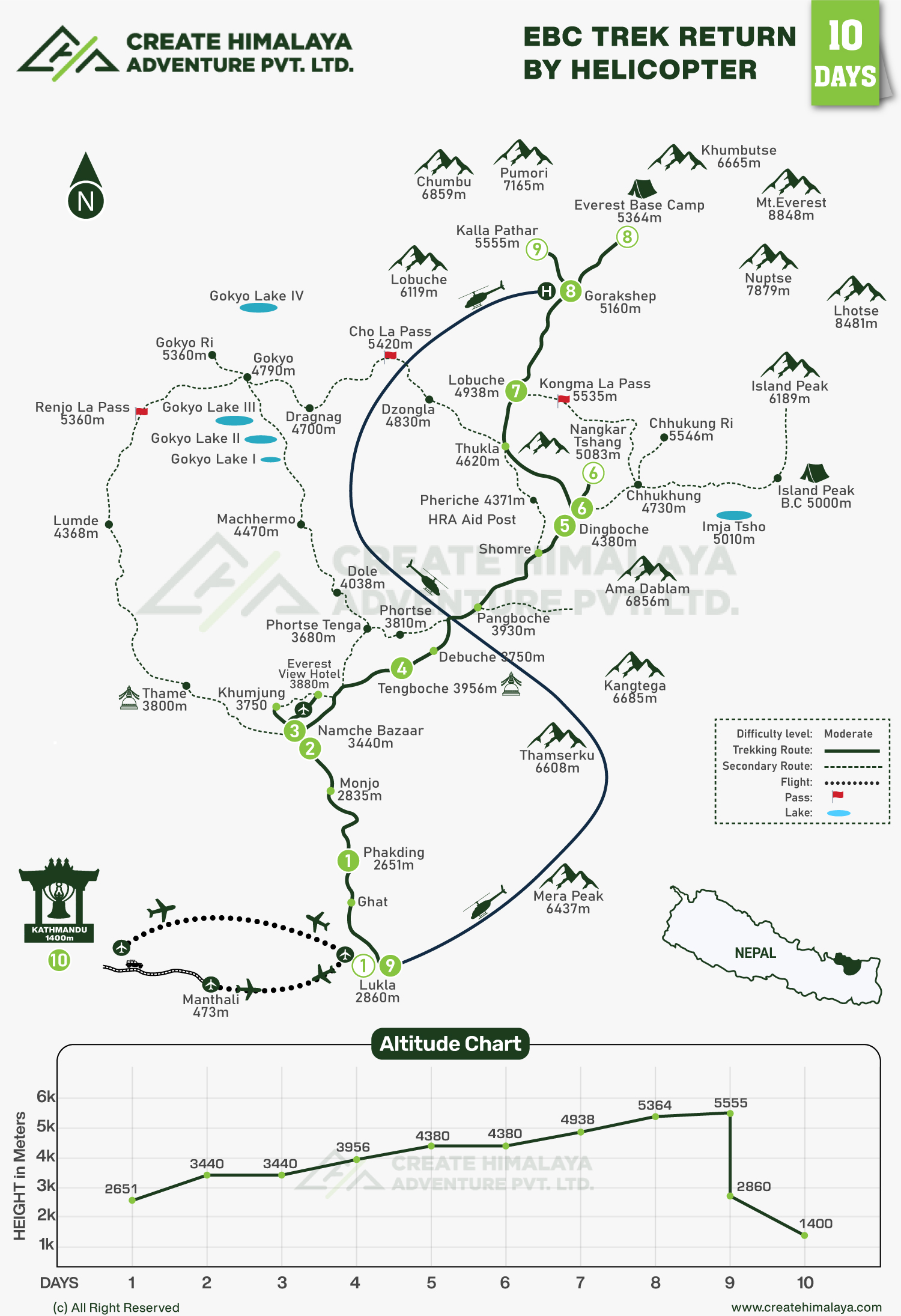
Everest Base Camp Trek with Return by Helicopter
The Everest Base Camp Trek with Return by Helicopter is one of the most exclusive and unforgettable trekking experiences in Nepal. This premium adventure offered by Create Himalaya Adventure combines the legendary Everest Base Camp trekking route with a breathtaking helicopter flight back from the Everest region, usually from Gorakshep or nearby high-altitude landing points.
This package is specially designed for trekkers who want to experience the raw beauty of the Himalayas but prefer a more comfortable and time-saving return journey. Instead of retracing the long downhill trail, travelers enjoy a spectacular aerial view of glaciers, valleys, Sherpa villages, and towering Himalayan peaks, including Mount Everest itself. It is the perfect blend of adventure, luxury, and efficiency in the world’s highest mountain region.
Best Time for Everest Base Camp Trek with Helicopter Return
The best time to undertake the Everest Base Camp Trek with helicopter return is during the spring (March to May) and autumn (September to November) seasons. These periods offer the most stable weather conditions, clear skies, and excellent visibility of the Himalayan range, making the trekking and flying experience truly unforgettable.
During spring, the trails come alive with blooming rhododendrons, lush forests, and vibrant landscapes. The temperatures are moderate, and the overall trekking conditions are comfortable. On the other hand, autumn is considered the peak trekking season in Nepal, offering crystal-clear mountain views after the monsoon, dry trails, and ideal flying conditions for helicopter operations.
Winter trekking is possible but comes with extremely cold temperatures, icy trails, and occasional flight disruptions due to weather. Similarly, the monsoon season (June to August) is not recommended because of heavy rainfall, poor visibility, and frequent delays or cancellations of flights and helicopter services.
Trekking Equipment
Proper trekking equipment is essential for the Everest Base Camp (EBC) Trek with Helicopter Return to ensure safety, comfort, and a successful high-altitude Himalayan adventure. Since the route passes through rugged mountain trails, glacier valleys, and elevations above 5,000 meters, trekkers should carry layered clothing and high-quality gear suitable for cold temperatures, strong winds, and rapidly changing weather conditions in the Everest region. Even though the return is by helicopter, proper gear is still required for the full trekking journey up to Everest Base Camp and Kala Patthar.
Trekking Equipment List:
- Waterproof trekking boots (well broken-in and comfortable for long walks)
- High-quality warm down jacket (for extreme cold conditions)
- Windproof and waterproof jacket with pants
- Thermal base layers (top and bottom for insulation)
- Lightweight trekking trousers and quick-dry t-shirts
- Warm hat, sun hat, and neck buff (for UV and cold protection)
- Insulated trekking gloves (light and heavy winter gloves)
- Sleeping bag (rated for -15°C to -25°C for high-altitude nights)
- Trekking poles for stability on steep and rocky trails
- Backpack (30–50L for daily essentials)
- Duffel bag or porter bag (for main luggage)
- High UV-protection sunglasses (glacier protection recommended)
- High SPF sunscreen and lip balm (very important at altitude)
- Headlamp with extra batteries
- Reusable water bottle or hydration bladder system
- Basic first aid kit with personal medications
- Toiletries and quick-dry travel towel
- Power bank and charging cables
- Energy snacks and protein bars for long trekking days
Altitude Sickness
Altitude sickness is one of the main concerns during the Everest Base Camp Trek, even when returning by helicopter. The trail gradually climbs from the lower Khumbu villages to Everest Base Camp at 5,364 meters, giving your body time to adjust to thinner air. Common symptoms include headache, tiredness, dizziness, reduced appetite, nausea, and disturbed sleep. The helicopter return saves several days of downhill trekking, but it does not remove the risk of altitude-related problems during the ascent. Proper acclimatization, steady walking, regular hydration, nutritious meals, and avoiding alcohol are important. If symptoms become severe or continue to worsen, descending to a lower elevation is the safest response. With careful pacing and professional guidance from Create Himalaya Adventure, trekkers can approach the high-altitude sections with greater confidence and awareness.
Health and Safety
Good health and sensible decision-making are essential for a safe Everest Base Camp Trek with helicopter return. The route involves long walking days, steep stone steps, uneven mountain trails, cold temperatures, and high elevations, so physical fitness should be combined with good preparation. Trekkers should inform their guide about any existing health concerns before starting the journey and pay close attention to changes in their condition throughout the trek. Staying hydrated, eating sufficiently, protecting yourself from strong Himalayan sunlight, and keeping warm at night can make a significant difference. Weather in the Everest region can also change quickly, particularly around the higher elevations, so the itinerary may need to remain flexible. Create Himalaya Adventure places safety first and works with experienced guides who monitor the group and help make practical decisions when mountain conditions change.
Preparation for Everest Base Camp Trek with Helicopter Return
Although the helicopter return shortens the overall journey, reaching Everest Base Camp still requires proper physical and mental preparation. Regular walking, hiking, stair climbing, and cardiovascular exercise in the weeks before departure can help build the endurance needed for consecutive trekking days. Comfortable trekking boots should be broken in before the trip, while warm layers, waterproof clothing, gloves, a sun hat, sunglasses, sunscreen, a quality sleeping bag, and a suitable daypack are important for the mountain environment. Mental preparation matters too because altitude, cold mornings, basic teahouse facilities, and changing weather can test your comfort zone. Since the return flight depends on weather and operational conditions, trekkers should also maintain a flexible mindset. Create Himalaya Adventure helps clients prepare with practical pre-trek guidance so they arrive in the Khumbu better equipped for the journey.
Comparing EBC Helicopter Return vs. Standard Trek Return
The biggest difference between the Everest Base Camp helicopter-return itinerary and the standard EBC trek is what happens after reaching Base Camp. With a helicopter return, trekkers complete the challenging uphill journey to Everest Base Camp and then fly back toward Kathmandu, dramatically reducing the number of walking days on the descent. This can be particularly attractive to travelers with limited vacation time or those who want to experience the classic EBC route without repeating the entire trail on foot. A standard trek, meanwhile, allows more time to enjoy the villages, forests, mountain scenery, and slower rhythm of the Khumbu on the way back. The helicopter option offers speed and convenience, while the traditional return provides additional trekking experience. Create Himalaya Adventure can recommend the more suitable format based on your available time, fitness level, interests, and travel priorities.
A Typical Day on the Everest Base Camp Trek with Helicopter
A normal trekking day in the Everest region begins early, usually with breakfast followed by several hours of walking through dramatic Himalayan landscapes. Depending on the section of the route, the trail may pass through pine and rhododendron forests, suspension bridges, Sherpa settlements, prayer wheels, mani stones, and exposed alpine terrain. The pace is deliberately steady rather than rushed, with breaks arranged for water, photographs, snacks, and acclimatization. After arriving at the day's teahouse, trekkers can rest, enjoy a warm meal, explore the village, or prepare for the following day's walk. The day of reaching Everest Base Camp is especially memorable, as the trail leads into the high-altitude landscape surrounding the world's highest mountain. After completing the trek, the helicopter return provides a completely different perspective, offering an aerial journey over the valleys and Himalayan peaks when weather and flight conditions permit.
Transportation and Flights
Transportation for the Everest Base Camp Trek with helicopter return usually begins with the journey from Kathmandu toward Lukla, the principal gateway to the Khumbu trekking region. The Lukla flight is short but highly dependent on mountain weather, visibility, and operational conditions, so schedules can change. During busy trekking periods, some flights may operate through Ramechhap/Manthali instead of Kathmandu, requiring an additional road transfer. After completing the trek, the helicopter flight from the Everest region provides a fast alternative to retracing the entire route on foot. The exact helicopter routing and landing arrangements depend on weather, airport regulations, aircraft availability, and the group's itinerary. Create Himalaya Adventure coordinates the necessary transportation and keeps the itinerary flexible because Himalayan aviation requires careful planning rather than rigid timing.
Guide and Porter
A knowledgeable guide and reliable porter can make the Everest Base Camp Trek with helicopter return considerably more comfortable and organized. Your guide handles route navigation, supports acclimatization planning, communicates with teahouses, helps manage unexpected situations, and shares insight into the Sherpa culture, mountain environment, and local communities. A porter can carry the majority of your trekking baggage, allowing you to walk with a lighter daypack and focus more on the scenery and experience. On a high-altitude route, local experience is especially valuable because trail conditions, weather, altitude, and logistics can change from one day to the next. Create Himalaya Adventure works with experienced, licensed trekking professionals who understand the Khumbu terrain and prioritize responsible, personalized support throughout the journey.
Trip Note
The Everest Base Camp Trek with helicopter return is one of the most rewarding and well-balanced Himalayan adventures available today. It combines the legendary trekking experience of the Everest region with the comfort and luxury of a scenic helicopter flight back to Kathmandu.
This journey allows travelers to explore Sherpa culture, walk through historic mountain trails, and witness some of the highest peaks on Earth while avoiding the long and physically demanding return descent. It is an ideal choice for those who want a complete Everest experience within limited time without compromising on adventure.
With expert planning, experienced guides, and professional service from Create Himalaya Adventure, this trek becomes not only a journey to Everest Base Camp but also a lifetime memory of the Himalayas.
FAQs
1. How long does the Everest Base Camp helicopter return trek take?
The journey usually takes around 10 to 14 days depending on the itinerary, acclimatization days, and walking pace. The helicopter return helps save 3–4 days of downhill trekking, making it a faster and more comfortable option.
2. Is the Everest Base Camp trek suitable for beginners?
Yes, beginners with good physical fitness can complete this trek. No technical climbing skills are required, but stamina and mental preparation for long walking days at high altitude are very important.
3. How high is Everest Base Camp?
Everest Base Camp is located at an altitude of 5,364 meters (17,598 ft). Proper acclimatization is essential to reduce the risk of altitude sickness.
4. What is the risk of altitude sickness on this trek?
Altitude sickness is one of the main challenges. However, a well-planned itinerary with rest days in Namche Bazaar and Dingboche helps the body adjust gradually. Staying hydrated and walking slowly is highly recommended.
5. What happens if the helicopter cannot fly due to weather?
In case of bad weather, helicopter flights may be delayed or rescheduled for safety reasons. Travelers may need to wait in Gorakshep or nearby areas until conditions improve.
6. Do I need prior trekking experience for this trip?
No prior trekking experience is required, but it is helpful. First-time trekkers can also complete this journey with proper preparation and guidance from experienced trekking staff.
7. What type of accommodation is available during the trek?
Accommodation is mainly in teahouses and mountain lodges. Rooms are simple, usually twin-sharing, with basic facilities. Higher altitudes have more limited comfort due to remote conditions.
8. What kind of food is available on the trail?
Trekkers can enjoy a variety of meals including Nepali dal bhat, noodles, pasta, fried rice, soups, eggs, bread, and pancakes. Hot drinks like tea, coffee, and ginger tea are available throughout the route.
9. How safe is the helicopter return from Everest region?
Helicopter flights are operated by experienced pilots trained for high-altitude conditions. Flights are generally safe and weather-dependent, with strict safety regulations followed.
10. What is the best month for clear mountain views?
The clearest views are usually during October–November and March–April, when the weather is stable and skies are generally crystal clear.
11. Can I customize the itinerary?
Yes, itineraries can be fully customized based on time, fitness level, and preferences. Private and group options are both available.
12. Is travel insurance necessary?
Yes, travel insurance is highly recommended. It should cover high-altitude trekking and emergency helicopter evacuation, as the region is remote and weather conditions can change quickly.
13. What permits are required for this trek?
You will need permits for Sagarmatha National Park and the Khumbu region. These are arranged in advance by the trekking agency before the trip begins.
14. What makes the helicopter return special?
The helicopter return offers a breathtaking aerial view of Mount Everest, glaciers, and Himalayan valleys. It saves time and reduces physical strain while providing a once-in-a-lifetime experience.
15. How difficult is the overall trek?
The trek is considered moderate to challenging due to altitude and long walking days. However, with proper preparation and pacing, it is achievable for most healthy trekkers.
No hidden fees • Best price guarantee
Related Packages
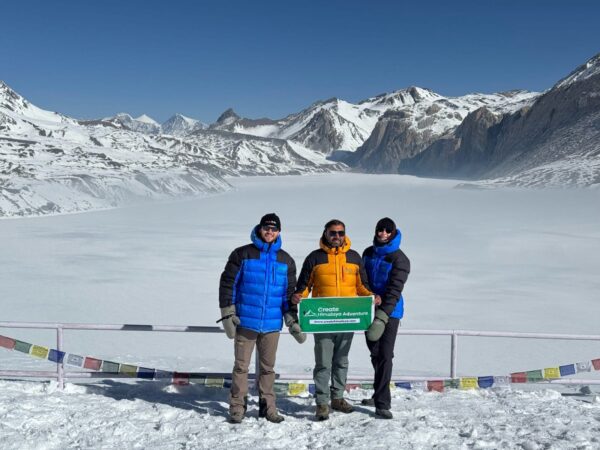
Annapurna Circuit with Tilicho Lake Trek – 13 Days
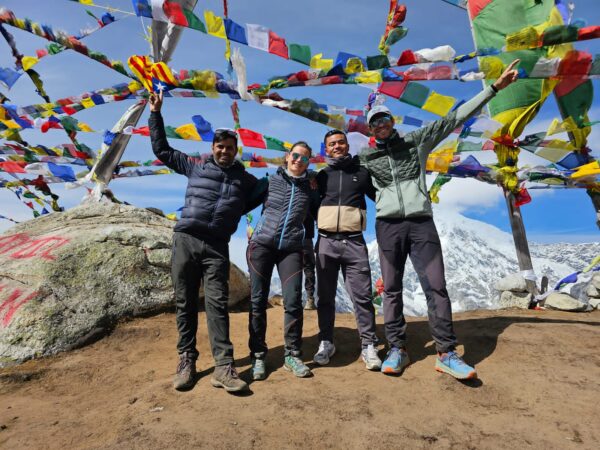
Langtang Valley Trek With Tamang Heritage Trail – 12 Days
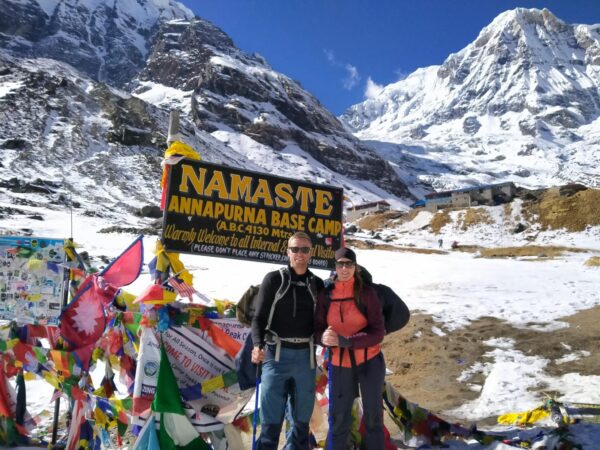
Annapurna Base Camp Trek – 11 Days