
Khumjung Village: Sherpa Culture, History, Attractions and Travel Guide
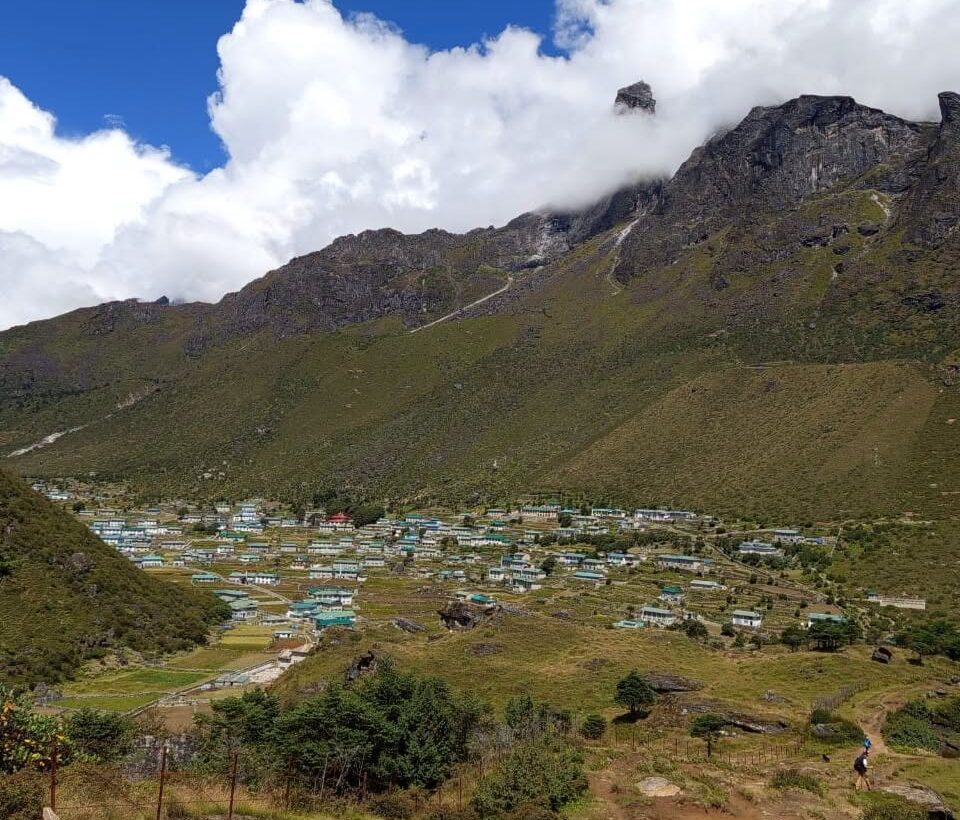
Khumjung Village is a traditional Sherpa settlement in the Khumbu region of northeastern Nepal. Situated at approximately 3,790 meters (12,434 feet), the village lies above Namche Bazaar within Sagarmatha National Park. Its stone-built houses, agricultural terraces, Buddhist monastery and mountain surroundings make it an interesting destination for travelers exploring the Everest region.
Unlike the busy trading centre of Namche Bazaar, Khumjung offers a quieter setting where visitors can learn about Sherpa traditions and mountain life. The village is also known for Khumjung Hillary School and the monastery associated with the famous Yeti scalp.
Whether you are walking towards Everest Base Camp, exploring the Gokyo Lakes route or planning a cultural excursion from Namche Bazaar, Khumjung provides an opportunity to understand the history and lifestyle of the communities living in the Himalayas.
Where Is Khumjung Village Located?
Khumjung Village is situated in the Solukhumbu District of Koshi Province in eastern Nepal. It lies in a broad valley above Namche Bazaar and forms part of Sagarmatha National Park, a UNESCO World Heritage Site.
The settlement is surrounded by Himalayan landscapes, with mountain peaks such as Ama Dablam, Kongde Ri and Everest visible from different viewpoints around the village.
Its position makes Khumjung accessible to trekkers following the main Everest trekking routes. Visitors can also reach it through a separate walk from Namche Bazaar.
Distance Between Khumjung and Namche Bazaar
Khumjung is approximately 4 to 5 kilometres from Namche Bazaar. The walking journey generally takes around 45 minutes to one hour, depending on the route, walking speed and acclimatization.
The trail passes through forested sections, open mountain terrain and yak grazing areas before reaching the settlement. It is a popular side excursion for trekkers staying in Namche Bazaar.
Khumjung Village Elevation and Landscape
Khumjung stands at approximately 3,790 metres above sea level. At this elevation, the reduced oxygen level makes gradual ascent and proper acclimatization important.
The village landscape consists of traditional stone houses, terraced agricultural fields and open grazing areas. Potatoes and buckwheat are among the crops grown by local households. Prayer flags and Buddhist structures reflect the religious traditions of the Sherpa community.
The surrounding mountains create a natural setting that changes throughout the day as sunlight moves across the valley.
How to Get to Khumjung Village
Reaching Khumjung generally involves flying to Lukla and continuing on foot through the Khumbu Valley. Visitors already staying in Namche Bazaar can also make a shorter excursion to the village.
Trekking from Lukla
Lukla is the main starting point for many trekking journeys in the Everest region. Its Tenzing-Hillary Airport connects the area with Kathmandu through domestic flights.
From Lukla, the walking route follows the Dudh Koshi Valley through Phakding and towards Namche Bazaar. After reaching Namche and allowing sufficient time for acclimatization, trekkers can continue towards Khumjung.
Depending on the walking schedule and acclimatization arrangements, reaching Khumjung from Lukla generally takes around three to four trekking days.
Walking from Namche Bazaar
The walk from Namche Bazaar to Khumjung follows a gradual uphill trail towards the Syangboche area before descending into the Khumjung Valley.
The route passes through pine and juniper vegetation, open hillsides and grazing areas. It is a suitable excursion for trekkers who have already adjusted to the altitude around Namche Bazaar.
Trekking Difficulty and Walking Conditions
The route between Namche Bazaar and Khumjung is generally considered moderate. It does not involve technically demanding climbing, although the altitude and uphill sections can make walking more tiring.
Beginners with reasonable physical fitness can complete this excursion, provided they have allowed enough time for acclimatization.
Most visitors explore Khumjung during a day trip from Namche Bazaar, while others choose to stay overnight to experience the village at a slower pace.
History of Khumjung Village
Khumjung is one of the established Sherpa settlements in the Khumbu region. Its history is closely connected to agriculture, livestock raising, Buddhism and traditional trade between the Himalayan communities.
For generations, local households have depended on farming and yak herding while maintaining connections with neighbouring settlements and communities across the Himalayan region.
Over time, Khumjung developed into an important Sherpa community with a distinct cultural and religious identity.
Sir Edmund Hillary and His Contribution
Sir Edmund Hillary, the New Zealand mountaineer who reached the summit of Mount Everest alongside Tenzing Norgay Sherpa in 1953, developed a close relationship with the Sherpa community.
Following their historic expedition, Hillary supported several development initiatives in the Khumbu region. His work focused on improving access to education and essential infrastructure for people living in remote mountain settlements.
His contribution remains particularly visible in Khumjung through the establishment of the village school.
Khumjung Hillary School
Khumjung Hillary School was established in 1961 through the support of Sir Edmund Hillary. It became an important educational institution for children living in Khumjung and surrounding settlements.
Before the development of educational facilities in remote mountain communities, access to formal schooling was limited. The school provided local children with opportunities to receive education closer to their homes.
Today, the institution remains one of the village’s best-known landmarks. Visitors interested in the educational history of the Khumbu region often include it in their Khumjung walking itinerary.
Sherpa Culture and Traditional Life in Khumjung
Sherpa culture is an important part of everyday life in Khumjung. The community maintains strong connections with Tibetan Buddhist traditions, mountain agriculture and livestock herding.
Traditional houses are commonly built using stone and wood. Buddhist symbols, prayer flags and religious structures can be seen throughout the settlement.
Agriculture and yak herding have historically supported local households. Potato cultivation, buckwheat farming and livestock management remain associated with the village’s traditional economy.
Sherpa Festivals and Religious Traditions
Local festivals provide an opportunity to understand the religious and cultural practices of the Sherpa community.
Mani Rimdu and Losar are among the important celebrations associated with Sherpa Buddhist traditions.
Mani Rimdu involves religious ceremonies, prayers and traditional masked dances. Losar marks the Tibetan and Sherpa New Year and is celebrated through family gatherings, traditional food and cultural activities.
The timing of festivals varies according to the local religious calendar. Visitors interested in attending a celebration should check the dates before planning their trip.
Everyday Life of Khumjung Residents
Daily activities in Khumjung are closely connected to the surrounding landscape and seasonal conditions.
Farming, livestock care, household responsibilities and community activities form part of village life. Prayer wheels, Buddhist shrines and monasteries also reflect the importance of religion in the local community.
Visitors walking through the settlement may see traditional houses, agricultural terraces and yak grazing areas. These everyday surroundings provide a better understanding of how people adapt their lifestyles to the conditions of the Everest region.
Khumjung Monastery and the Famous Yeti Scalp
Khumjung Monastery, also known as Khumjung Gompa, is an important Buddhist religious site in the village. It is closely associated with the spiritual traditions of the local Sherpa community.
The monastery is recognised for its traditional architecture, Buddhist decorations and religious significance. It also attracts international attention because of an unusual object traditionally associated with the Yeti.
History of Khumjung Monastery
Khumjung Gompa serves as a place of worship and community gathering. Its religious activities are connected to Tibetan Buddhist traditions followed by the local population.
The monastery stands within the village landscape, with prayer flags and the surrounding mountains contributing to its traditional Himalayan setting.
For visitors interested in local culture, the monastery provides an opportunity to learn about the religious practices and beliefs of the Sherpa people.
The Yeti Scalp Story
One of the most discussed objects associated with Khumjung Monastery is a supposed Yeti scalp.
The object is traditionally presented as a relic connected to the Himalayan legend of the Yeti, a mysterious creature believed in local folklore to inhabit remote mountain areas.
Sir Edmund Hillary and American zoologist Marlin Perkins examined the object in 1960. Scientific opinions have suggested that it may have originated from the skin of a Himalayan serow, a goat-antelope found in mountainous regions.
However, the object remains closely associated with the local Yeti legend and continues to attract the curiosity of visitors.
Religious and Cultural Importance
Beyond the Yeti story, the monastery holds religious importance for the people of Khumjung.
Monks and community members gather for prayers and ceremonies, maintaining traditions that have been passed between generations.
Visitors should respect the religious environment, follow local instructions and ask permission before taking photographs inside the monastery.
Best Things to See and Do in Khumjung Village
Khumjung offers several cultural and outdoor experiences for visitors exploring the Everest region. Most attractions can be visited on foot, making the settlement suitable for a short excursion from Namche Bazaar.
Visit Khumjung Hillary School
The Hillary School is one of the most recognised landmarks in Khumjung. Its establishment reflects the contribution of Sir Edmund Hillary to education in remote Himalayan communities.
Visitors can learn about the development of schooling in the Khumbu region and understand the importance of educational facilities for mountain settlements.
When visiting, respect school activities and follow any restrictions on entering the premises.
Explore Khumjung Monastery
Khumjung Gompa is worth visiting for its connection to Sherpa Buddhism and the local Yeti legend.
The monastery provides insight into traditional religious architecture and the spiritual practices of the community. Visitors can observe its surroundings and learn about the significance of Buddhist traditions in everyday village life.
Enjoy Views of Everest and Surrounding Mountains
The hills and open areas around Khumjung provide opportunities to observe the surrounding Himalayan landscape.
Depending on weather and visibility, visitors may see Mount Everest, Ama Dablam, Thamserku and Kantega from suitable viewpoints.
The area around Syangboche also offers mountain viewpoints above Namche Bazaar and Khumjung. Clear mornings generally provide better opportunities for mountain observation.
Experience Local Sherpa Hospitality
Spending time in a local teahouse provides an opportunity to experience the hospitality of the Sherpa community.
Visitors can enjoy traditional meals, interact with local residents and learn about life in the mountains. Staying overnight also allows more time to explore the village without rushing back to Namche Bazaar.
Khumjung Village vs Namche Bazaar
Khumjung and Namche Bazaar are two important settlements in the Everest region, but they offer different experiences.
Namche Bazaar functions as a major commercial and trekking centre, while Khumjung is known for its traditional settlement, cultural attractions and quieter surroundings.
| Category | Khumjung Village | Namche Bazaar |
| Atmosphere | Quiet and traditional | Busy trekking centre |
| Main attraction | Hillary School and monastery | Markets and trekking facilities |
| Accommodation | Small lodges and teahouses | Wider range of accommodation |
| Shopping | Limited facilities | More shops and trekking supplies |
| Food | Traditional local meals and teahouse dishes | Wider selection of meals |
| Experience | Sherpa village life | Commercial and trekking activities |
Which Village Should You Visit?
Your choice depends on the experience you want from your Everest region journey.
Namche Bazaar is a practical place to stay if you need trekking supplies, accommodation choices and other visitor facilities.
Khumjung is more suitable if you want to explore a traditional Sherpa settlement, visit its monastery and school, and spend time away from the main trekking centre.
Visiting both villages is a good option because they offer different perspectives on life in the Khumbu region.
Accommodation and Food in Khumjung Village
Khumjung has small lodges and teahouses that provide basic accommodation and meals for trekkers. Facilities are generally simpler than those available in Namche Bazaar.
Teahouses and Lodges
Most accommodation options in Khumjung offer basic rooms with beds and blankets. Shared bathrooms and communal dining areas are common features.
Some lodges have a central dining space with a traditional heating stove, where trekkers can relax after walking through the surrounding hills.
During busy trekking periods, particularly October and November, arranging accommodation in advance can help reduce uncertainty.
Traditional Food and Meals
Food in Khumjung includes common Nepali trekking meals and dishes associated with Himalayan communities.
Popular options include:
- Dal bhat with lentils, rice and vegetables.
- Thukpa, a traditional noodle soup.
- Tsampa, a food prepared using roasted barley flour.
- Butter tea, traditionally consumed in Himalayan communities.
- Momos, or steamed dumplings.
- Sherpa stew and other locally prepared meals.
Food availability depends on the lodge and seasonal supply conditions.
Accommodation and Food Costs
The reference information provides an estimated accommodation cost of USD 5 to 15 per night and meal prices of approximately USD 3 to 8 per dish.
These figures should be treated as indicative rather than fixed prices. Actual costs can change depending on the season, lodge facilities, food availability and local supply conditions.
Best Time to Visit Khumjung Village Nepal
Khumjung can be visited in different seasons, but spring and autumn are generally preferred for trekking in the Everest region.
Weather, visibility, temperature and trail conditions all influence the experience.
Spring (March to May)
Spring is a popular period for visiting Khumjung. Temperatures become more comfortable, and rhododendron forests at suitable elevations begin to bloom.
The season offers opportunities for walking through the surrounding hills and observing mountain scenery.
March and April are particularly suitable months for trekkers who prefer milder daytime conditions.
Summer and Monsoon (June to August)
The summer monsoon brings rainfall to many parts of Nepal. Lower trekking trails can become wet and muddy, while clouds may reduce visibility.
Travel is still possible, but visitors should prepare for changing weather and possible delays.
Autumn (September to November)
Autumn is one of the most favourable seasons for trekking in the Everest region.
After the monsoon, clearer skies often improve mountain visibility. October and November are especially popular because of generally favourable walking conditions.
However, this is also a busy trekking period, so accommodation availability should be considered.
Winter (December to February)
Winter brings colder temperatures and possible snowfall around Khumjung.
The village generally experiences quieter trekking conditions during this period. Visitors choosing winter travel should carry suitable cold-weather clothing and prepare for changing trail conditions.
Recommended Months to Visit
October and November are generally preferred for clear mountain views and trekking conditions. March and April are also good choices for visitors interested in spring landscapes.
Regardless of the season, temperatures can drop considerably after sunset, so appropriate clothing is important.
Essential Travel Tips for Visiting Khumjung
A little preparation can make your visit to Khumjung more comfortable and safer. The village is located at a considerable elevation, and visitors should plan their walking schedule carefully.
Trekking Permits
Khumjung is located inside Sagarmatha National Park, so visitors need to follow the park’s entry requirements.
The source information also mentions the Trekkers’ Information Management System (TIMS) card. However, trekking permit requirements and registration procedures can change.
Check the latest applicable regulations with the relevant authorities or a registered trekking agency before departure rather than relying on older permit information.
What to Pack for Khumjung
Weather conditions can change quickly in the Everest region. Carrying suitable trekking equipment helps you prepare for cold temperatures and different trail conditions.
Important items include:
- Warm down jacket.
- Thermal base layers.
- Comfortable trekking trousers.
- Waterproof jacket and trousers.
- Good-quality trekking boots.
- Trekking poles.
- Headlamp with spare batteries.
- Personal first-aid supplies and blister plasters.
- Sunglasses and high-SPF sunscreen.
- Reusable water bottle and water purification supplies.
- Power bank and charging cables.
Pack according to your trekking season and expected weather conditions.
Altitude Sickness and Safety
At approximately 3,790 metres, Khumjung is high enough for altitude-related illness to become a concern.
Trekkers should avoid ascending too quickly and allow sufficient time for acclimatization. Maintaining hydration, walking at a comfortable pace and recognising early symptoms of altitude sickness are important.
Avoid alcohol during the initial acclimatization period. If symptoms develop or become worse, do not continue ascending. Descending and seeking medical assistance may be necessary.
Medication such as acetazolamide (Diamox) should only be used after consulting a qualified medical professional.
Travel insurance should include appropriate coverage for high-altitude trekking and emergency helicopter evacuation where required.
Why Include Khumjung Village in Your Everest Trek?
Khumjung offers a different experience from the main trekking settlements of the Everest region. Its importance comes from the combination of Sherpa heritage, religious landmarks, educational history and mountain surroundings.
A Quieter Alternative to the Main Trekking Trail
Namche Bazaar attracts a large number of trekkers because it is an important stop on the Everest Base Camp route.
Khumjung provides a quieter environment where visitors can explore village streets, agricultural fields and traditional buildings.
The short walking distance from Namche makes it a convenient cultural excursion for trekkers who have additional time.
Learn About Sherpa Heritage
The village provides opportunities to understand the traditions and history of the Sherpa community.
Its monastery, traditional houses, farming areas and local way of life offer a perspective beyond the usual trekking experience.
Explore the Himalayan Landscape
Khumjung is surrounded by mountain terrain, open hillsides and valleys. Its location provides opportunities to observe the landscapes of the Khumbu region while exploring nearby settlements.
For trekkers who enjoy combining cultural visits with mountain walks, Khumjung is a worthwhile addition to an Everest itinerary.
Frequently Asked Questions About Khumjung Village
1. Where is Khumjung Village located in Nepal?
Khumjung Village is located in the Solukhumbu District of eastern Nepal, above Namche Bazaar in the Khumbu region. It lies within Sagarmatha National Park.
2. What is the altitude of Khumjung Village?
Khumjung Village is situated at approximately 3,790 metres (12,434 feet) above sea level.
3. How far is Khumjung from Namche Bazaar?
Khumjung is approximately 4 to 5 kilometres from Namche Bazaar. The walk generally takes around 45 minutes to one hour, depending on the route and walking pace.
4. Is Khumjung Village worth visiting?
Yes. Khumjung is worth visiting for its traditional Sherpa settlement, Hillary School, Buddhist monastery, Yeti scalp legend and surrounding mountain scenery.
5. Can beginners visit Khumjung Village?
Yes. Beginners with reasonable fitness can walk from Namche Bazaar to Khumjung. However, proper acclimatization is important because the village is located at approximately 3,790 metres.
6. How do I reach Khumjung from Kathmandu?
The usual trekking approach involves travelling from Kathmandu to Lukla by flight and then walking through Phakding and Namche Bazaar before reaching Khumjung.
7. What is Khumjung Hillary School famous for?
Khumjung Hillary School was established in 1961 with support from Sir Edmund Hillary. It is recognised for its contribution to education in the remote communities of the Everest region.
8. What is the Yeti scalp in Khumjung Monastery?
The Khumjung Monastery is associated with an object traditionally believed to be a Yeti scalp. It was examined by Sir Edmund Hillary and Marlin Perkins in 1960. Some scientific opinions suggest that it may have come from a Himalayan serow.
9. What is the best time to visit Khumjung Village?
October and November are popular months because of generally clear skies and favourable trekking conditions. March and April are also suitable for spring trekking.
10. Can I visit Khumjung as a day trip from Namche Bazaar?
Yes. Khumjung can be visited as a day excursion from Namche Bazaar. Visitors can explore the village, Hillary School and monastery before returning to Namche.
11. What food is available in Khumjung?
Teahouses generally serve dal bhat, thukpa, momos, tsampa and other common trekking meals. Food options depend on the accommodation and seasonal availability.
12. Do I need a trekking permit to visit Khumjung?
Yes. Khumjung is inside Sagarmatha National Park, so visitors must meet the applicable national park entry requirements. Check current permit and registration rules before travelling.
Final Thoughts
Khumjung Village provides an opportunity to explore the cultural side of the Everest region while enjoying the mountain environment of the Khumbu Valley. Its traditional Sherpa settlement, Hillary School and Buddhist monastery make it an interesting destination beyond the usual trekking stops.
Whether you visit during an acclimatization day in Namche Bazaar or include it in a longer Everest trekking journey, spending time in Khumjung offers a closer look at the communities and traditions that have shaped life in the Himalayan region.
Ramchandra Lamichhane
Trekking Expert
No hidden fees • Local experts • Best price guarantee