
2 PM Rule on Mount Everest: Why Every Climber Should Know
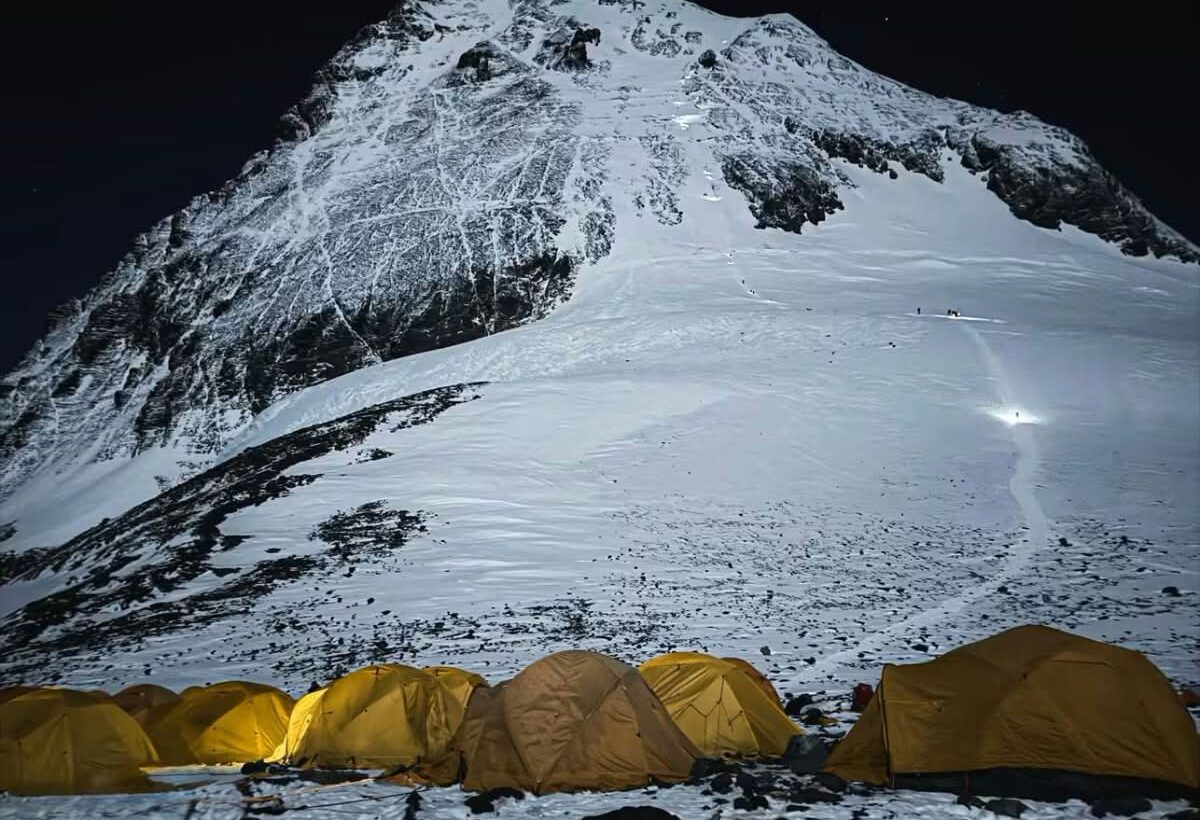
Standing on the summit of Mount Everest is a dream for climbers from around the world. Reaching 8,848.86 meters (29,031.7 feet) is one of the greatest achievements in mountaineering. But on Everest, reaching the summit is only half the challenge. Getting safely back down is just as important.
This is where the 2 PM Rule on Mount Everest becomes important.
The 2 PM rule is a widely followed turnaround guideline for Everest summit attempts. In simple terms, climbers who have not reached the summit by around 2 PM are expected to stop ascending and begin their descent, even if the summit appears close.
The reason is simple: above 8,000 meters, small delays can become serious problems. Fatigue increases, oxygen supplies are limited, weather can deteriorate, and descending in darkness is much more dangerous.
But is the 2 PM rule an official government regulation? When did it begin? Why 2 PM? And what happens if a climber ignores it?
Let’s look at the rule in a practical and easy-to-understand way.
What Is the 2 PM Rule on Mount Everest?
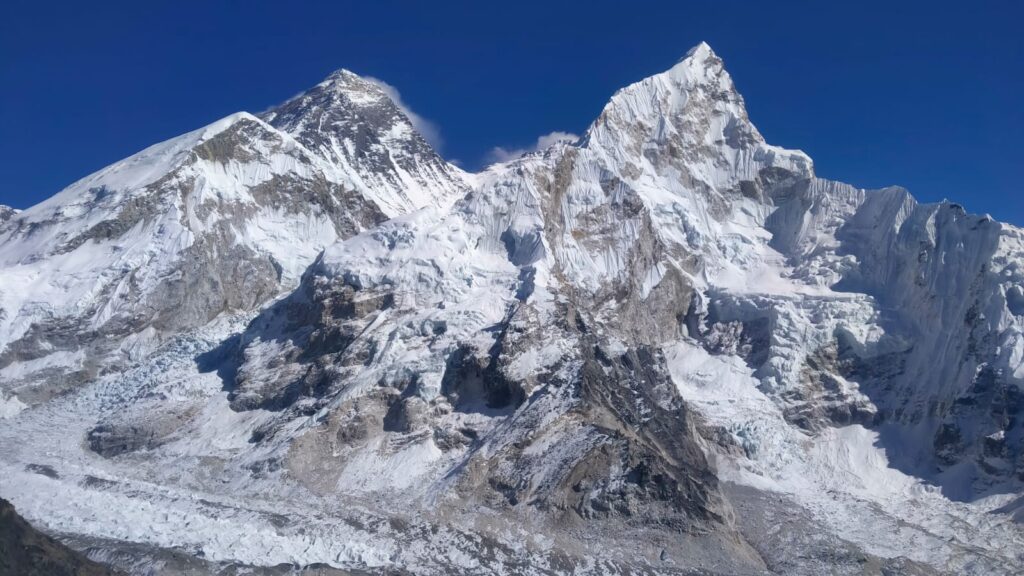
The 2 PM rule is a turnaround time used during the final Everest summit push.
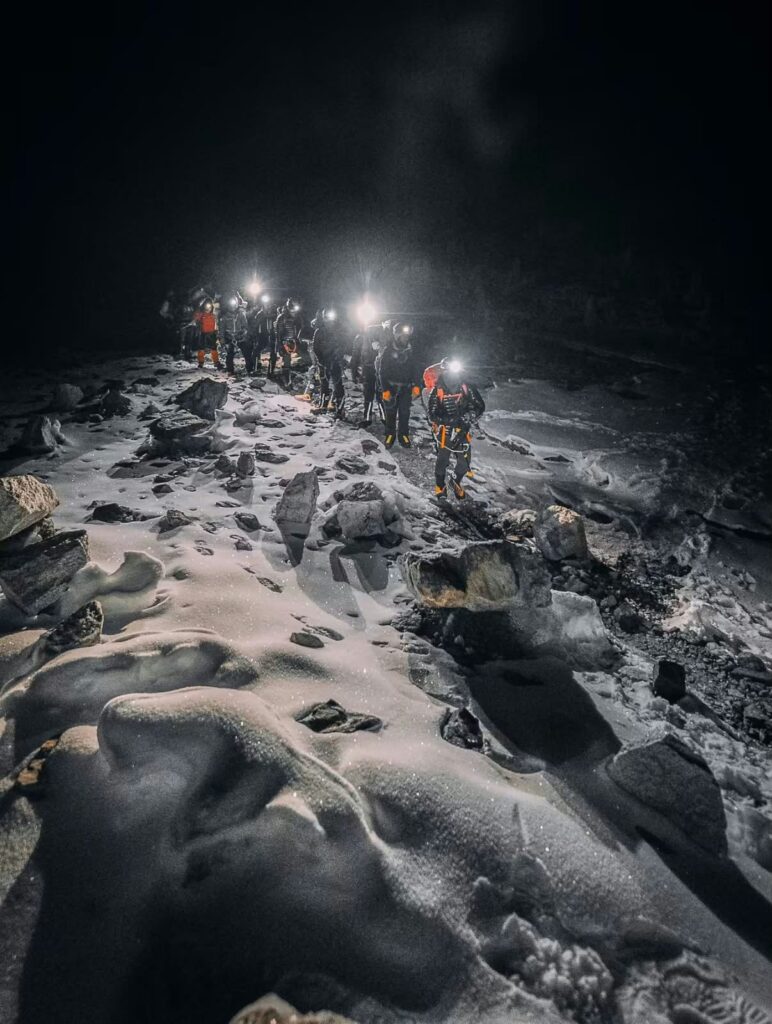
A climber normally begins the summit attempt from Camp IV, around the South Col, during the late evening or around midnight. The goal is to climb through the night and reach the summit during the morning or early afternoon. The climber then needs enough daylight, energy, oxygen and favorable weather to descend safely.
If the climber has not reached the summit by the agreed turnaround time, the team should turn around.
The important point is that 2 PM is generally treated as an outer limit, not a target. Strong and well-organized teams normally aim to reach the summit much earlier, often during the morning, leaving a larger safety margin for the descent.
In practical terms: Summit not reached by the agreed cutoff = turn around and descend.
It does not matter whether the summit is 500 meters away or only a short distance ahead. Once the turnaround time has been reached, continuing upward can leave too little time for a safe descent.
Why Is 2 PM a Critical Turnaround Time on Everest?
There is no magic scientific reason that makes 2 PM suddenly dangerous. Instead, the time represents a practical safety calculation.
A summit climber needs to consider several things at once:
- Remaining daylight
- Weather conditions
- Oxygen supply
- Physical energy
- Crowds and delays
- Fixed-rope traffic
- Distance back to Camp IV
- Risk of frostbite and hypothermia
- Ability to make good decisions while extremely tired
From Camp IV to the summit can take many hours, and the return journey also requires substantial time. Some sources describe the descent to Camp IV as taking six to eight hours or more, depending on conditions and the individual climber.
Therefore, reaching the summit late in the afternoon can create a dangerous chain of problems.
A climber may reach the highest point on Earth but then discover that the hardest part—getting back down—is still ahead.
Is the 2 PM Rule an Official Rule on Mount Everest?
This is one of the most important points to understand.
The 2 PM turnaround time is not a specific Nepal government law stating that every Everest climber must turn around at exactly 2 PM.
There is no simple regulation that says “2 PM” as a universal legal cutoff for every expedition.
Instead, the rule has developed through decades of mountaineering experience. Expedition operators, climbing guides and experienced high-altitude teams use turnaround times as part of their summit-day safety plans.
Different expeditions may establish slightly different turnaround times depending on:
- Weather forecasts
- Route conditions
- Team strength
- Oxygen strategy
- Expected traffic
- Summit-day schedule
- Guide and expedition leader decisions
So, it is better to describe the 2 PM rule as a widely recognized Everest safety practice and turnaround guideline, rather than claiming that it is a standalone government law.
Nepal has its own mountaineering regulations governing Everest expeditions, while the actual turnaround decision on summit day is normally made by expedition leaders and professional guides based on conditions on the mountain.
Why Timing Matters on Everest Summit Day
Everest summit day is carefully planned around time.
Climbers usually leave Camp IV during the night because they need many hours to reach the summit. Starting early also provides more daylight for the descent.
A typical South Col summit schedule can look broadly like this:
- Late evening to midnight: Leave Camp IV
- Early morning: Climb toward the Balcony and higher sections
- Morning: Continue toward the South Summit and Hillary Step area
- Late morning: Strong teams aim to reach the summit
- Afternoon: Begin or continue the descent
The exact schedule changes according to weather, route conditions and the expedition’s strategy. But the principle remains the same: climb early, summit early, and descend with enough time in reserve.
The summit itself is not the end of the day. Once a climber reaches the top, they still have to descend through some of the most exposed terrain on the mountain.
That is why experienced guides often emphasize that the real objective is not simply reaching the summit—it is returning safely to lower altitude.
The 2 PM Rule and the Everest Death Zone
The term Death Zone generally refers to elevations above 8,000 meters.
Everest’s summit is well inside this zone.
At such extreme altitude, the human body cannot function normally for long periods. Oxygen availability is extremely low, physical strength decreases quickly, and decision-making can become increasingly difficult.
Every additional hour spent above 8,000 meters matters.
This is why delays are dangerous. A climber who is already exhausted may need to negotiate fixed ropes, steep terrain, icy sections and other climbers while descending.
The combination of altitude + exhaustion + cold + limited oxygen + time pressure can turn a manageable problem into an emergency.
The 2 PM rule is therefore not really about the number “2.” It is about preventing climbers from spending too much additional time in an extremely hostile environment.
What Happens If Climbers Reach the Summit After 2 PM?
Reaching the summit after 2 PM does not automatically mean that a climber will die or that a disaster will happen.
Mountain conditions vary, and some climbers have successfully summited late.
However, a late summit significantly reduces the margin of safety.
The climber may have to descend:
- In worsening weather
- In darkness
- While physically exhausted
- With decreasing oxygen reserves
- Through crowded sections of fixed rope
- In stronger winds and colder temperatures
This is why experienced expedition leaders generally do not treat the 2 PM cutoff casually.
A climber might think, “I am only 100 meters from the summit, so I should continue.”
That is exactly when discipline becomes important.
The summit is not worth risking the descent.
How Weather and Visibility Affect the Everest Turnaround Time
Weather is one of the biggest reasons for having a turnaround time.
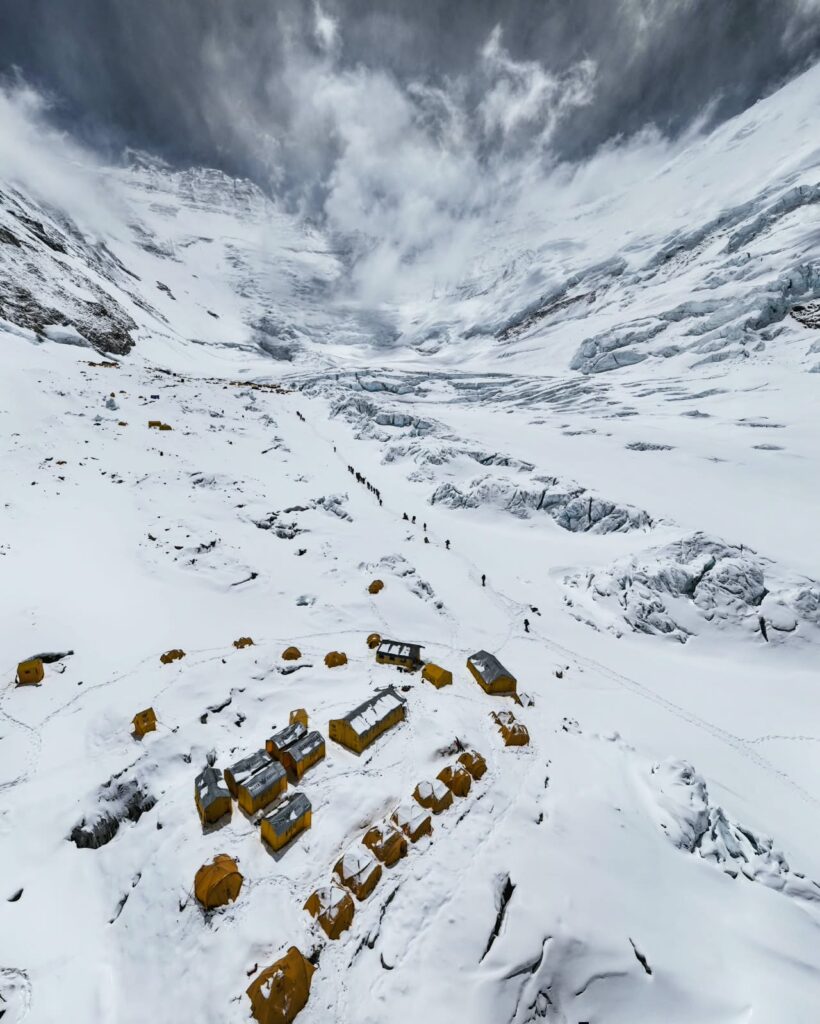
Everest can experience rapidly changing conditions. Winds can increase, clouds can move in, visibility can deteriorate, and temperatures can fall.
The 2019 Everest season demonstrated how congestion and delays can become dangerous. Large numbers of climbers attempted the summit around the same weather windows, creating significant queues and delays near the upper mountain. Nepal Tourism Board records also note that unfavorable winds affected summit attempts before climbers moved toward the summit during later weather windows.
A climber who loses two or three hours waiting on a fixed rope may suddenly find that a previously reasonable summit schedule has become a very late one.
This is why expedition leaders monitor both time and conditions, rather than looking only at the distance remaining to the summit.
What Factors Can Change the 2 PM Turnaround Time?
Although 2 PM is widely recognized, it should not be treated as a number that applies identically to every expedition.
An experienced expedition team may establish an earlier cutoff depending on the circumstances.
Factors can include:
- Weather forecast: If strong winds or a storm are expected in the afternoon, the team may require an earlier turnaround.
- Team speed: A slower climber needs more time for the descent, so the guide may make an earlier decision.
- Route congestion: Crowds at narrow sections, ladders or fixed ropes can create significant delays.
- Oxygen supply: Climbers using supplemental oxygen must carefully manage their supply for both ascent and descent.
- Physical condition: Headache, exhaustion, frostbite symptoms, confusion or signs of altitude illness can require an immediate descent.
- Route conditions: Ice, snow, wind and technical difficulties can slow progress considerably.
Therefore, the best approach is not simply to ask, “Can I reach the summit before 2 PM?”
The better question is: “Can I reach the summit and still descend safely under today’s conditions?”
Why Some Climbers Continue Beyond the 2 PM Cutoff
The answer is often psychological.
After months or years of preparation, enormous financial investment and weeks of physical hardship, a climber may find it extremely difficult to turn around when the summit is finally within sight.
This is often called summit fever.
A climber may think:
- “I am almost there.”
- “I have come this far.”
- “I may never get another chance.”
- “I only need another 30 minutes.”
But at 8,500 meters, another 30 minutes can be very different from another 30 minutes at sea level.
The 1996 Everest disaster remains one of the most powerful reminders of the consequences of delayed summit attempts. On May 10–11, 1996, several climbers reached the summit late, while severe weather later affected the upper mountain. Eight people died in the disaster. The tragedy helped reinforce the importance of strict turnaround discipline in commercial mountaineering.
The lesson is not that every late summit leads to disaster. The lesson is that a climber cannot control the mountain simply because the summit is close.
How Guides and Expedition Leaders Manage the Turnaround Time
Professional guides play an important role in summit-day decision-making.
Before the summit push, the guide and climber should understand the planned schedule, expected turnaround time and emergency procedures.
On summit day, guides monitor:
- Climbing speed
- Weather
- Visibility
- Physical condition
- Oxygen consumption
- Route congestion
- Remaining daylight
- Time needed to return
A good guide should be willing to say, “We turn around now,” even when the climber strongly wants to continue.
That decision can be difficult, particularly when the summit is visible.
But on Everest, responsible guiding means putting the climber’s safety ahead of summit success.
The final decision may therefore come earlier than 2 PM if conditions deteriorate. The 2 PM rule should never be interpreted as permission to keep climbing until exactly 2 PM regardless of what is happening around you.
How the 2 PM Rule Helps Make Everest Expeditions Safer
The greatest value of the 2 PM rule is that it creates a pre-planned safety boundary.
Instead of asking an exhausted climber near the summit to make a complicated decision, the expedition establishes the decision beforehand.
If the summit has not been reached by the agreed time, the plan changes from ascending to descending.
This simple principle can help protect climbers from:
- Running out of daylight
- Severe weather
- Oxygen shortages
- Extreme fatigue
- Frostbite
- Poor decision-making
- Dangerous late-night descent
The rule also protects guides and Sherpa team members who may otherwise be exposed to additional risks while assisting a climber who has stayed too long at extreme altitude.
In the end, a successful Everest expedition should not be measured only by whether someone stood on the summit.
The safest definition of success is reaching the summit when conditions allow—and returning safely to lower altitude.
Trekking in the Everest Region
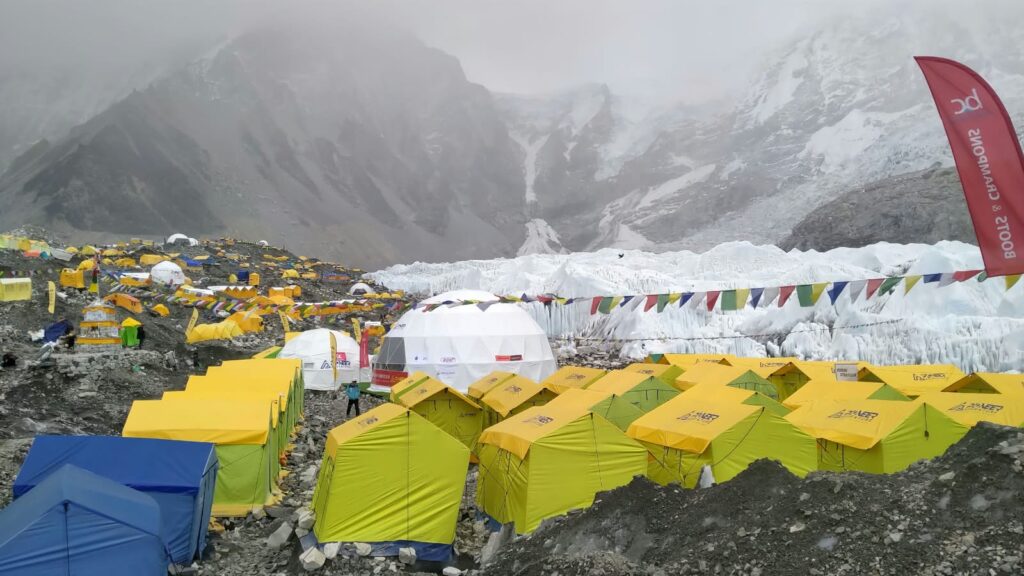
The Everest region is one of Nepal’s most popular trekking destinations, home to iconic routes such as the Everest Base Camp Trek, Gokyo Valley Trek, and Three Passes Trek. Treks in this region pass through Sherpa villages, high mountain valleys, Buddhist monasteries, and rugged Himalayan landscapes, with views of Everest and other major peaks. Proper acclimatization, experienced guides, suitable equipment, and careful planning are essential for a safe and enjoyable Everest region trekking experience.
Final Thoughts: Knowing When to Turn Back Matters
The 2 PM rule on Mount Everest is more than a clock on a schedule. It represents one of the most important principles of high-altitude mountaineering: knowing when to turn around. There is no guaranteed safe hour on Everest, and no single rule can remove the mountain’s risks. Weather, altitude, route conditions, traffic and individual health can change the plan at any moment.
That is why experienced climbers and professional guides use turnaround times as part of a broader safety strategy. If the summit is still ahead when the agreed cutoff arrives, turning around can feel like failure. In reality, it can be one of the strongest decisions a climber makes. On Mount Everest, the goal is not simply to stand on the highest point on Earth. The real achievement is coming home safely.
At Create Himalaya Adventure, we believe responsible Himalayan travel begins with safety, experienced leadership and respect for the mountain. For Everest expeditions and trekking in the Everest region, careful planning and professional guidance are essential.
Frequently Asked Questions About the 2 PM Rule on Everest
What is the 2 PM rule on Mount Everest?
The 2 PM rule is a widely followed turnaround guideline for Everest summit attempts. If a climber has not reached the summit by the agreed cutoff, they should stop ascending and begin descending.
Is the 2 PM rule a Nepal government law?
No. The specific 2 PM cutoff is not a standalone government law. It is a widely used mountaineering safety practice adopted by expedition teams and guides.
Since when has the 2 PM rule been implemented on Everest?
There is no single official implementation date for the 2 PM rule. The idea developed gradually from decades of high-altitude experience. Early Everest expeditions already recognized the importance of making summit attempts early and descending before afternoon conditions worsened. The 1996 Everest disaster became an important turning point in the wider adoption and strict enforcement of turnaround discipline.
Why do climbers need to turn around by 2 PM?
The main reason is to allow enough time for a safe descent before darkness, worsening weather, exhaustion and other risks become more serious.
Is 2 PM the target time to reach the Everest summit?
No. It should be considered an outer safety cutoff, not a target. Many teams aim to reach the summit considerably earlier.
What happens if a climber ignores the 2 PM rule?
Continuing late can increase exposure to bad weather, darkness, exhaustion, oxygen shortages, frostbite and other high-altitude dangers.
Does the 2 PM rule apply to Everest Base Camp trekkers?
No. Everest Base Camp trekkers do not climb into the Death Zone above 8,000 meters. The 2 PM turnaround practice discussed here relates to high-altitude Everest summit expeditions.
Can the turnaround time be earlier than 2 PM?
Yes. Guides and expedition leaders can decide to turn around earlier because of weather, route conditions, congestion, health concerns or slow progress.
Why is descending from Everest so important?
A climber is often extremely tired after reaching the summit. The descent still involves steep, exposed and technically demanding terrain, so reaching the summit does not mean the danger is over.
What is the most important lesson of the 2 PM rule?
The most important lesson is simple: the summit is optional, but a safe return is essential.
Ramchandra Lamichhane
Trekking Expert
No hidden fees • Local experts • Best price guarantee