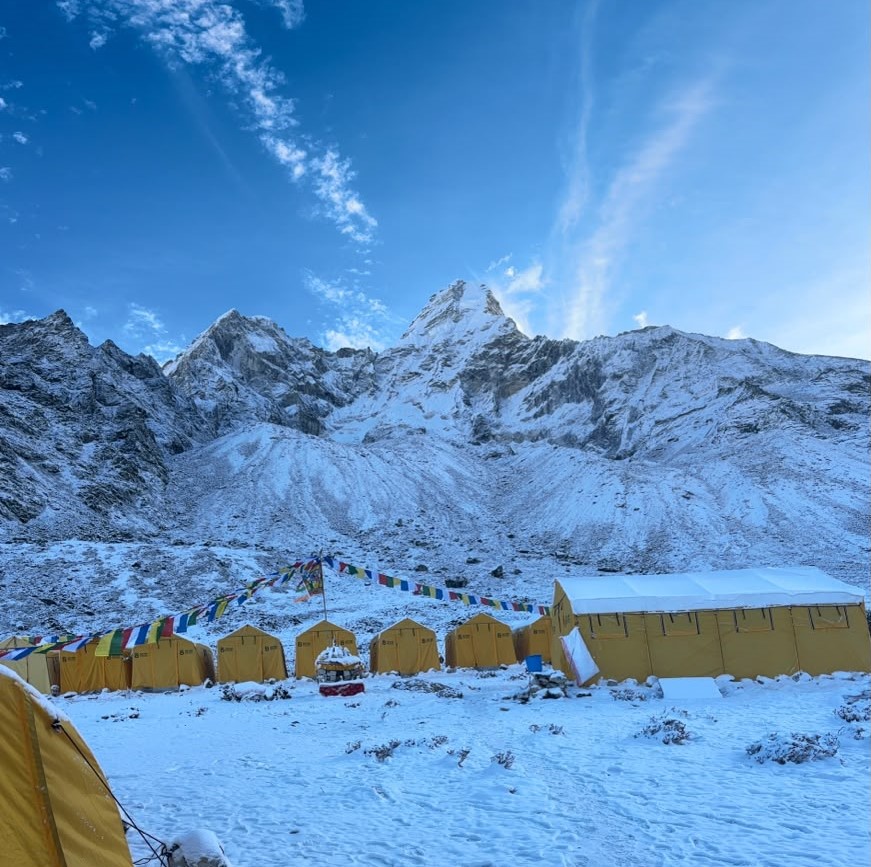
Ama Dablam Expedition
The Ama Dablam Expedition Nepal is one of the most iconic and technical mountaineering adventures in the Everest region. Standing at 6,812 meters (22,349 ft), Ama Dablam is widely admired […]
Highlights
- Summit Ama Dablam (6,812m / 22,349ft), one of the most beautiful and iconic mountains in the Himalayas.
- Climb the legendary Southwest Ridge Route, renowned for its exciting and technical alpine climbing.
- Experience a true Himalayan mountaineering expedition with rock, snow, and ice climbing sections.
- Enjoy spectacular views of Mount Everest, Lhotse, Nuptse, Makalu, Cho Oyu, Pumori, Thamserku, and Kangtega.
- Take a scenic mountain flight between Kathmandu and Lukla, the gateway to the Everest region.
- Trek through the heart of the Khumbu region, passing traditional Sherpa villages and ancient Buddhist monasteries.
- Explore the vibrant mountain town of Namche Bazaar, the cultural center of the Everest region.
- Visit the famous Tengboche Monastery, the largest and most important monastery in the Khumbu.
- Acclimatize gradually while enjoying breathtaking Himalayan landscapes and high-altitude scenery.
- Stay at a fully equipped Ama Dablam Base Camp surrounded by stunning mountain panoramas.
- Climb through high camps on exposed ridges with unforgettable views in every direction.
- Challenge yourself on technical sections including rock faces, fixed ropes, mixed terrain, and steep snow slopes.
- Witness incredible sunrises and sunsets over the Everest Himalayan range.
- Experience the rich culture, hospitality, and traditions of the Sherpa people.
- Gain valuable high-altitude climbing experience ideal for future 7,000m and 8,000m expeditions.
- Receive professional support from experienced Sherpa climbing guides and expedition staff.
- Celebrate a remarkable Himalayan achievement on one of Nepal’s most sought-after climbing peaks.
Overview
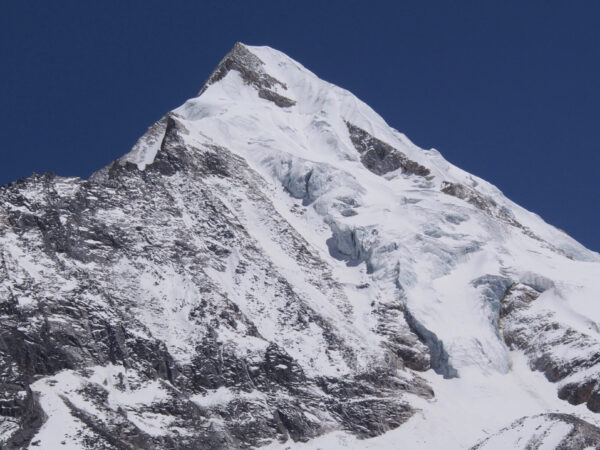
The Ama Dablam Expedition Nepal is one of the most iconic and technical mountaineering adventures in the Everest region. Standing at 6,812 meters (22,349 ft), Ama Dablam is widely admired as one of the most beautiful peaks in the Himalayas. Its sharp ridges, dramatic hanging glacier, and pyramid-shaped summit make it a dream destination for experienced climbers from around the world.
Known as the “Matterhorn of the Himalayas,” Ama Dablam offers an extraordinary combination of technical climbing, high-altitude adventure, and breathtaking Himalayan scenery. The mountain was first successfully climbed in 1961 via the Southwest Ridge Route, which remains the classic and most popular climbing route today.
The expedition begins with a scenic flight to Lukla followed by a beautiful trek through the legendary Everest region. The trail passes through traditional Sherpa villages, Buddhist monasteries, rhododendron forests, and stunning mountain landscapes before reaching Ama Dablam Base Camp at around 4,600 meters.
Unlike trekking peaks, the Ama Dablam climbing expedition requires advanced mountaineering skills. Climbers must be prepared for steep rock sections, fixed rope climbing, ice and snow slopes, exposed ridges, and challenging summit conditions.
During the climb, the route generally involves three high camps:
- Camp I (5,700m)
- Camp II (5,950m)
- Camp III (6,300m)
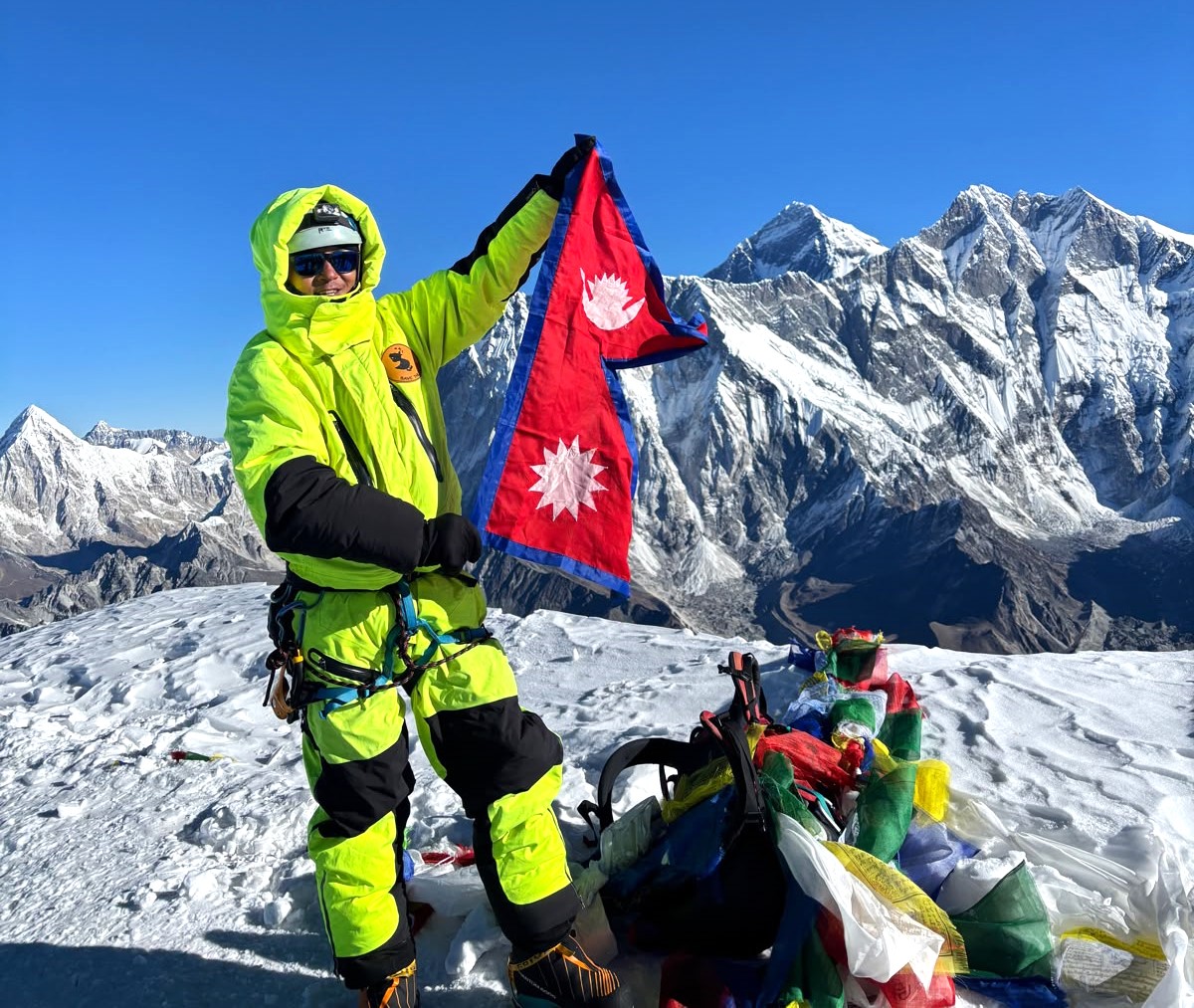
From the summit of Ama Dablam, climbers enjoy unforgettable views of the world’s highest mountains, including Mount Everest, Lhotse, Nuptse, Makalu, Cho Oyu, Pumori, Thamserku, and Kangtega.
Create Himalaya Adventure organizes Ama Dablam Expedition packages with experienced Sherpa climbing guides, professional logistics, safety management, and personalized support to make your Himalayan dream successful.
Ama Dablam Climbing Route
The standard Ama Dablam Southwest Ridge Route is the most popular and historically significant route used by climbers attempting the summit of Ama Dablam. First established during the mountain’s successful ascent in 1961, this route follows a spectacular ridge line that combines technical rock climbing, exposed traverses, mixed snow and ice sections, and breathtaking views of the Everest region.
The climb begins from Ama Dablam Base Camp at approximately 4,600 meters, where climbers spend several days acclimatizing and preparing for the ascent. From Base Camp, the route gradually gains elevation over rocky terrain before reaching Camp I. As climbers move higher, the terrain becomes increasingly technical, requiring the use of fixed ropes, climbing harnesses, ascenders, crampons, and ice axes.
One of the most challenging sections of the route lies between Camp I and Camp II, where climbers navigate steep rock faces, narrow ridges, and the famous Yellow Tower. This section demands confidence in exposed climbing environments and solid rope-handling skills. Above Camp II, the route transitions into mixed terrain consisting of snow, ice, and rock, leading toward Camp III.
The final summit push from Camp III involves steep snow slopes and technical climbing on high-altitude terrain. Climbers must carefully manage their pace and energy while ascending toward the summit ridge. Upon reaching the top of Ama Dablam at 6,812 meters, climbers are rewarded with extraordinary panoramic views of Mount Everest, Lhotse, Nuptse, Makalu, Cho Oyu, Pumori, Thamserku, Kangtega, and countless surrounding Himalayan peaks.
The Southwest Ridge Route is renowned not only for its technical challenges but also for its stunning scenery, making Ama Dablam one of the most sought-after climbing expeditions in Nepal. Proper acclimatization, previous mountaineering experience, and guidance from experienced Sherpa climbing professionals are essential for a safe and successful ascent.
Ama Dablam Base Camp (4,600m)
The expedition starts from Base Camp, located in a beautiful alpine meadow below the mountain. Climbers spend several days here for acclimatization, training, and preparation.
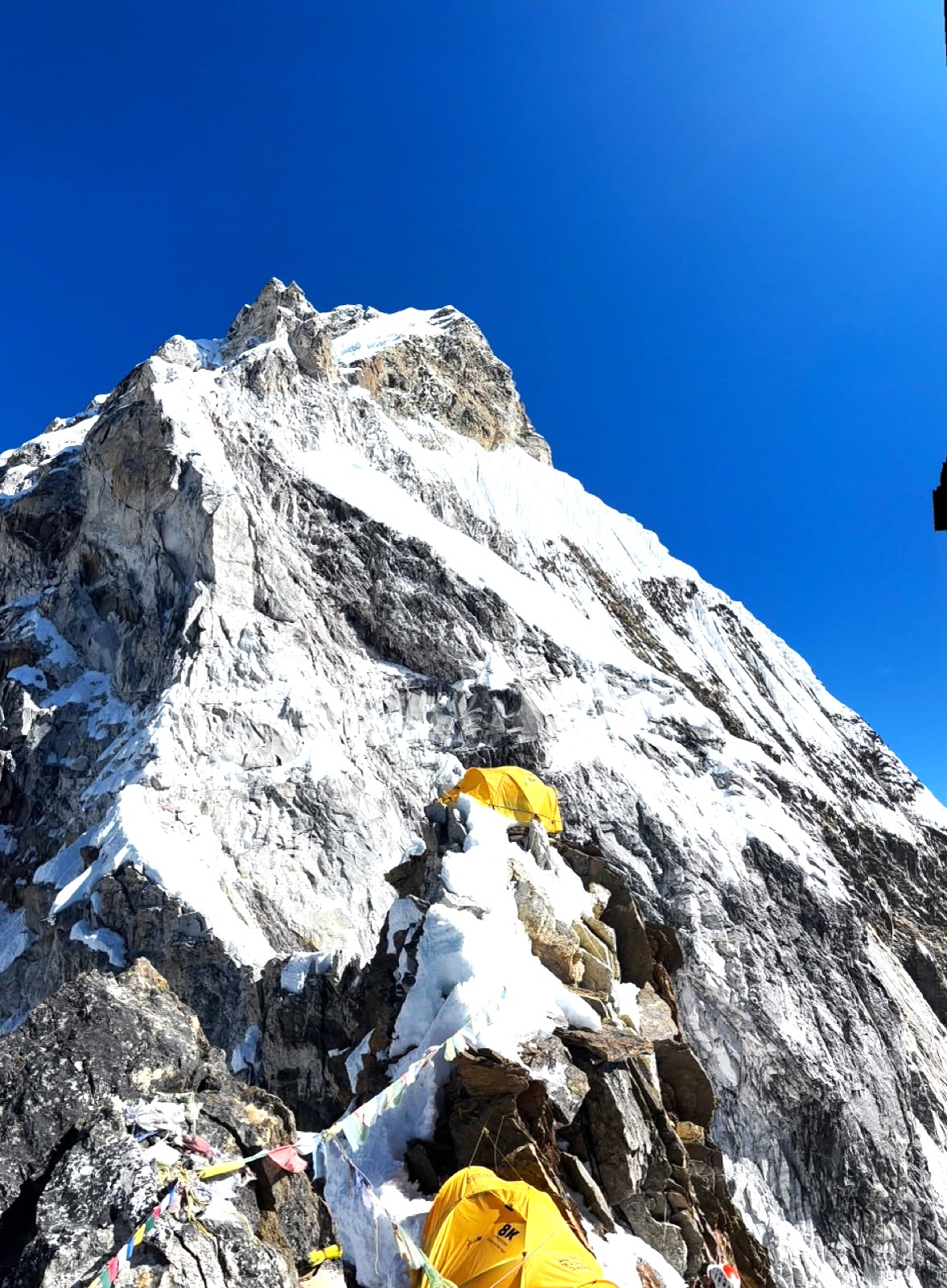
- Camp I (5,700m): The route from Base Camp to Camp I involves rocky terrain, scrambling, and exposed sections. Climbers begin using fixed ropes in technical areas.
- Camp II (5,950m): This is considered one of the most technical sections of the climb. The route includes steep rock climbing and the famous Yellow Tower section, requiring good rope skills and confidence.
- Camp III (6,300m): The climb continues through mixed snow and ice terrain. Climbers prepare for the final summit push from this high camp.
Ama Dablam Summit (6,812m)
The summit day involves steep snow slopes and technical climbing. Reaching the top provides incredible panoramic views of the Himalayan range.
Ama Dablam Expedition Difficulty
The Ama Dablam Expedition is considered one of the most demanding and technically challenging climbing adventures in the Himalayas. Unlike trekking peaks, this expedition requires climbers to navigate steep rock faces, exposed ridgelines, fixed ropes, mixed snow and ice terrain, and high-altitude conditions that demand both physical endurance and mental resilience. The route involves technical sections such as the Yellow Tower, narrow ridge traverses, and sustained climbing above 6,000 meters, where reduced oxygen levels can significantly affect performance. Climbers should have prior mountaineering experience, be proficient in using crampons, ice axes, harnesses, and ascenders, and possess strong fitness levels to handle long climbing days and challenging summit pushes. Proper acclimatization, technical climbing skills, and the ability to adapt to changing mountain weather are essential for a safe and successful ascent of Ama Dablam.
Difficulty Level: Advanced
Climbers should have:
- Previous experience on peaks above 6,000 meters
- Good physical fitness and endurance
- Experience with crampons and ice axe
- Knowledge of fixed rope climbing
- Rock and ice climbing skills
- Ability to handle long summit days
Ama Dablam is not recommended for beginners. Proper preparation and previous mountaineering experience are essential.
Why Climb Ama Dablam?
Ama Dablam is one of Nepal’s most desirable climbing peaks because of its remarkable combination of natural beauty, technical climbing, and high-altitude adventure. Often referred to as the “Matterhorn of the Himalayas,” this iconic mountain stands proudly in the heart of the Everest region and attracts climbers from around the world who seek a challenging yet rewarding Himalayan expedition.
The mountain offers an exceptional climbing experience that combines steep rock faces, exposed ridges, snow slopes, and ice climbing sections, making it one of the most exciting peaks in Nepal. Unlike many trekking peaks, Ama Dablam provides a true mountaineering challenge while remaining achievable for experienced climbers with proper preparation and technical skills.
One of the greatest attractions of climbing Ama Dablam is the breathtaking scenery throughout the expedition. From the trekking trails of the Khumbu Valley to the summit ridge, climbers are surrounded by spectacular views of Mount Everest, Lhotse, Nuptse, Makalu, Cho Oyu, Pumori, Thamserku, and countless other Himalayan giants. The summit itself offers one of the most impressive panoramic viewpoints in the entire Himalayas.
The expedition also provides a unique opportunity to experience the rich culture and hospitality of the Sherpa people. Along the journey, climbers pass through traditional villages, ancient monasteries, colorful prayer flags, and sacred Buddhist sites that add cultural depth to the adventure.
For many mountaineers, Ama Dablam serves as an ideal stepping stone toward larger Himalayan objectives, including 8,000-meter peaks such as Everest, Manaslu, and Cho Oyu. The expedition helps climbers develop valuable skills in high-altitude climbing, acclimatization, fixed-rope techniques, and expedition logistics.
Whether your goal is to challenge yourself on one of the world’s most beautiful mountains, gain valuable Himalayan climbing experience, or simply stand atop a legendary summit, the Ama Dablam Expedition delivers an unforgettable adventure that combines technical achievement, stunning landscapes, and lifelong memories.
Trip Itinerary
Arrival in Kathmandu
Upon arrival at Tribhuvan International Airport in Kathmandu, our representative will welcome you and transfer you to your hotel. After check-in, you will attend an expedition briefing covering the climbing itinerary, safety procedures, permits, and equipment requirements.
Preparation Day in Kathmandu
This day is dedicated to final expedition preparations. Meet your climbing guide, inspect personal climbing gear, complete permit formalities, and purchase or rent any missing equipment. You may also explore Kathmandu's cultural landmarks and bustling markets.
Fly from Kathmandu to Lukla and Trek to Phakding
Take an early morning scenic flight to Lukla (2,860m), the gateway to the Everest region. Enjoy spectacular aerial views of the Himalayas before beginning a gentle trek through Sherpa villages and pine forests to Phakding.
Trek from Phakding to Namche Bazaar
Follow the Dudh Koshi River, crossing several suspension bridges, including the famous Hillary Suspension Bridge. Enter Sagarmatha National Park and ascend steadily to Namche Bazaar, the vibrant Sherpa capital of the Khumbu region.
Acclimatization Day at Namche Bazaar
A crucial acclimatization day to help your body adjust to higher elevations. Hike to the Everest View Hotel (3,880m) for panoramic views of Everest, Lhotse, Ama Dablam, and Thamserku. Return to Namche for rest and recovery.
Trek from Namche Bazaar to Tengboche
Enjoy one of the most scenic trekking days in the Everest region. The trail offers magnificent views of Everest, Ama Dablam, and Nuptse before reaching Tengboche Monastery, the largest Buddhist monastery in the Khumbu.
Trek from Tengboche to Pangboche
Descend through rhododendron forests and cross the Imja Khola before ascending to Pangboche, one of the oldest Sherpa settlements in the region. The village provides outstanding close-up views of Ama Dablam.
Trek from Pangboche to Ama Dablam Base Camp
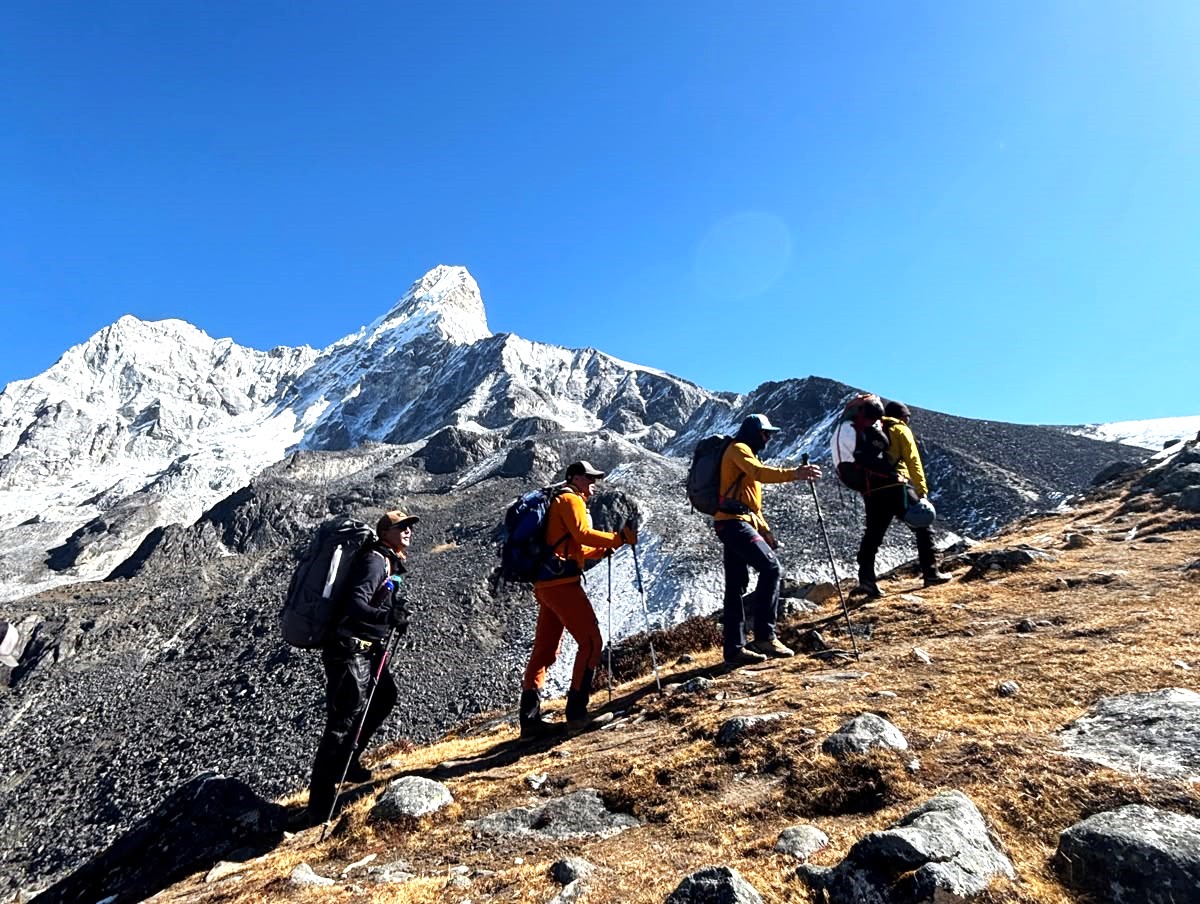
Leave the main Everest trail and follow a rugged alpine route toward Ama Dablam Base Camp. Upon arrival, settle into the expedition camp and begin preparations for the climbing phase.
Ama Dablam Climbing and Acclimatization Period
This period is reserved for acclimatization rotations, technical climbing practice, route preparation, and the summit attempt. Climbers ascend progressively through the mountain's high camps while adapting to altitude and weather conditions.
Camp Details
Ama Dablam Base Camp: 4,600m
Camp I: 5,700m
Camp II: 5,950m
Camp III: 6,300m
Ama Dablam Summit: 6,812m
Activities Include:
Acclimatization climbs
Fixed rope training
Ice and rock climbing practice
Establishment of high camps
Weather monitoring
Summit push and descent
The summit day typically requires 8–12 hours of climbing and descending, depending on weather and individual pace.
Trek from Ama Dablam Base Camp to Namche Bazaar
After a successful expedition, descend through Pangboche and Tengboche before reaching Namche Bazaar. Enjoy a comfortable evening celebrating your achievement.
Trek from Namche Bazaar to Lukla
Follow the familiar trail back through Monjo and Phakding to Lukla. This is the final trekking day of the expedition.
Fly Lukla to Kathmandu
Take an early morning flight back to Kathmandu. Upon arrival, transfer to your hotel and enjoy a well-deserved rest after the expedition.
Leisure Day in Kathmandu
A free day for relaxation, sightseeing, shopping, or exploring UNESCO World Heritage Sites in Kathmandu Valley. This day also serves as a contingency buffer in case of flight delays due to mountain weather.
Final Departure
Transfer to Tribhuvan International Airport for your onward journey. Our team will assist with airport arrangements and bid farewell after an unforgettable Ama Dablam Expedition in Nepal.
Not Satisfied with This Itinerary?
Every traveler is different. Customize this trip with the help of our local travel specialists and create an itinerary that perfectly matches your interests, schedule, and budget.
What's included
Airport Transfers
- International airport pick-up and drop-off service in Kathmandu.
Climbing Permits & Entry Fees
- Ama Dablam Expedition Climbing Permit.
- Sagarmatha National Park Entry Permit.
- Khumbu Pasang Lhamu Rural Municipality Permit.
- All required government paperwork and official fees.
Domestic Flights & Transportation
- Round-trip flight between Kathmandu and Lukla.
- All ground transportation as per the expedition itinerary.
Accommodation
- Hotel accommodation in Kathmandu (as per itinerary).
- Twin-sharing teahouse accommodation during the trek.
- Fully equipped tented accommodation at Ama Dablam Base Camp.
- High camp tents during the climbing period.
Meals
- Three meals a day (breakfast, lunch, and dinner) during trekking and climbing periods.
- Freshly prepared meals at Base Camp.
- High-altitude meals and hot drinks during climbing rotations.
Climbing Guides & Staff
- Experienced English-speaking, government-licensed climbing Sherpa guide.
- Professional trekking guide during the approach trek.
- Base Camp manager, cooks, kitchen staff, and support crew.
- Porters or yaks for transporting expedition equipment and supplies.
Base Camp Services
- Fully equipped Ama Dablam Base Camp.
- Dining tent, kitchen tent, and toilet tent.
- Tables, chairs, and sleeping mattress at Base Camp.
- Communication and expedition support facilities.
Climbing Logistics
- Fixed rope installation and route preparation.
- Group climbing equipment where applicable.
- High camp tents and camping equipment.
- Fuel and cooking equipment for Base Camp and higher camps.
Safety & Support
- Comprehensive first aid medical kit.
- Emergency oxygen available at Base Camp.
- Daily weather forecast updates during the expedition.
- Safety support and expedition coordination throughout the climb.
Trekking & Expedition Equipment
- Sleeping bag, down jacket, and duffel bag (upon request and return after the trip).
Staff Insurance
- Insurance coverage for climbing guides and expedition staff.
Souvenirs
- Create Himalaya Adventure T-shirt and expedition completion certificate.
Taxes & Official Charges
- Tourist service charges.
- Government taxes and VAT.
- All official expedition-related expenses.
What's not included
International Travel Expenses
- International airfare to and from Nepal.
- Nepal entry visa fees.
- Travel insurance covering high-altitude mountaineering and helicopter evacuation.
Personal Climbing Equipment
- Mountaineering boots.
- Crampons.
- Ice axe.
- Harness.
- Helmet.
- Ascender, descender, and personal climbing gear.
- Personal clothing and technical equipment.
Meals in Kathmandu
- Lunch and dinner in Kathmandu, except for any farewell dinner included in the package.
Personal Expenses
- Laundry services.
- Hot showers during the trek.
- Wi-Fi and internet charges.
- Telephone calls and battery charging fees.
- Personal shopping and souvenirs.
Drinks & Snacks
- Soft drinks, bottled water, energy drinks, and alcoholic beverages.
- Chocolates, energy bars, and personal snacks.
Extra Accommodation
- Additional hotel nights in Kathmandu due to early arrival, delayed departure, flight cancellation, or personal reasons.
Emergency & Unforeseen Expenses
- Costs arising from weather delays, natural disasters, political disturbances, strikes, or changes in government regulations.
- Additional rescue costs not covered by personal insurance.
Tips & Gratuities
- Tips for climbing Sherpas, guides, porters, Base Camp staff, and support crews.
Any Other Expenses
- Any services, activities, or expenses not specifically mentioned in the "What's Included" section.
Best Time for Ama Dablam Expedition
Choosing the right season is one of the most important factors for a successful Ama Dablam Expedition. Due to the mountain’s technical terrain and high-altitude environment, climbers generally attempt the summit during the two main Himalayan climbing seasons: spring and autumn. These periods offer the most stable weather, better visibility, safer climbing conditions, and higher summit success rates compared to winter or the monsoon season.
Spring Season (April – May)
Spring is considered one of the best times to climb Ama Dablam. During April and May, temperatures are relatively moderate at higher elevations, and the mountain receives more stable weather patterns. The days are longer, allowing climbers additional time for acclimatization, training, and summit attempts. Snow conditions are generally favorable, and the surrounding landscapes come alive with blooming rhododendron forests along the trekking route to Base Camp.
Spring also provides excellent visibility of the Everest region, with spectacular views of Mount Everest, Lhotse, Nuptse, Thamserku, Kangtega, and other Himalayan giants. Because of the reliable weather and comfortable climbing conditions, many experienced mountaineers choose spring for their Ama Dablam Expedition.
Advantages of Spring Climbing
- Stable weather conditions
- Longer daylight hours
- Favorable snow and ice conditions
- Excellent summit opportunities
- Comfortable temperatures for trekking and climbing
- Beautiful mountain scenery and blooming forests
Autumn Season (September – November)
Autumn is another highly recommended season for climbing Ama Dablam and is often regarded as the most popular period among mountaineers. Following the summer monsoon, the atmosphere becomes exceptionally clear, offering breathtaking mountain views and excellent visibility throughout the expedition. The weather is generally dry, with lower chances of precipitation and stable conditions for technical climbing.
During September, October, and November, climbers can enjoy crisp mountain air, clear skies, and reliable summit windows. The trekking trails in the Everest region are also at their best, making the journey to Ama Dablam Base Camp both enjoyable and scenic. October, in particular, is considered one of the finest months for an Ama Dablam summit attempt due to its combination of stable weather and excellent climbing conditions.
Advantages of Autumn Climbing
- Crystal-clear mountain views
- Dry and stable weather
- Excellent visibility for climbing
- Reliable summit opportunities
- Comfortable trekking conditions
- Ideal conditions for photography and mountain exploration
Winter and Monsoon Considerations
Although Ama Dablam can technically be climbed outside the main seasons, winter and monsoon expeditions are significantly more challenging. Winter brings extremely cold temperatures, heavy snowfall, and strong winds that can make climbing dangerous. During the summer monsoon season, frequent rain, cloud cover, and unstable weather create difficult trekking and climbing conditions. For the highest chance of success and safety, Create Himalaya Adventure strongly recommends planning your Ama Dablam Expedition during the spring or autumn climbing seasons.
Ama Dablam Expedition Permits
Obtaining the required permits is an essential part of any Ama Dablam climbing expedition. All climbers must secure official authorization from the Government of Nepal and local authorities before attempting the ascent. These permits help regulate mountaineering activities, support conservation efforts in the Everest region, and ensure the safety and management of climbers throughout the expedition.
The main permits required for the Ama Dablam Expedition include:
- Ama Dablam Climbing Permit issued by the Department of Tourism, Nepal
- Sagarmatha National Park Entry Permit
- Khumbu Pasang Lhamu Rural Municipality Permit
The cost of the climbing permit varies depending on the season, with spring and autumn being the most popular climbing periods. Climbers are also required to provide passport details, travel documents, and other necessary information during the permit application process.
Create Himalaya Adventure handles all permit arrangements, government paperwork, liaison requirements, and expedition documentation on behalf of our clients. Our team ensures that every permit is obtained in advance, allowing climbers to focus on preparation and enjoy a smooth, hassle-free expedition experience in the Himalayas.
Ama Dablam Expedition Cost
The Ama Dablam Expedition cost varies depending on several important factors, including the level of expedition support, group size, climbing logistics, guide-to-client ratio, accommodation standards, and the overall duration of the program. As one of Nepal’s most sought-after technical climbing peaks, Ama Dablam requires extensive planning, experienced climbing staff, specialized equipment, and comprehensive safety arrangements.
At Create Himalaya Adventure, we offer flexible expedition packages designed to meet the needs of both independent climbers and organized groups. Whether you are looking for a fully guided expedition with complete logistical support or a customized climbing program, our team can tailor the package according to your experience level, schedule, and climbing objectives.
The final expedition price may also be influenced by additional services such as private climbing guides, extra acclimatization days, personal climbing Sherpas, supplemental oxygen, helicopter transfers, or customized itineraries.
Choosing a professionally organized expedition not only enhances your chances of reaching the summit but also ensures greater safety and comfort throughout the journey. Create Himalaya Adventure is committed to providing reliable logistics, experienced mountain guides, and personalized service to help climbers achieve a successful ascent of one of the Himalayas’ most iconic peaks.
For detailed pricing, group discounts, and a customized Ama Dablam Expedition itinerary, please contact Create Himalaya Adventure. Our team will be happy to design the perfect climbing package based on your goals and experience.
Food and Accommodation During Ama Dablam Expedition
During Trekking
During the trekking phase of the Ama Dablam Expedition, climbers stay in comfortable teahouses and mountain lodges located along the famous Everest trekking route. These lodges provide basic yet cozy accommodation with twin-sharing rooms, warm dining areas, and welcoming hospitality from local Sherpa families. As you ascend through the Khumbu region, the facilities become simpler, but they remain clean and suitable for trekkers and climbers preparing for high-altitude adventures. Meals are freshly prepared and offer a variety of options to maintain energy levels throughout the journey. Popular dishes include traditional Nepali Dal Bhat, noodles, pasta, rice dishes, soups, potatoes, eggs, bread, pancakes, and a selection of hot beverages such as tea, coffee, and hot chocolate. These nutritious meals help support proper acclimatization and physical endurance during the trek.
Base Camp
Ama Dablam Base Camp serves as the main operational center for the expedition and provides a comfortable environment for climbers during acclimatization and preparation. The camp is equipped with spacious sleeping tents, a fully managed kitchen, a large dining tent, communication facilities, charging stations where available, and designated rest areas. Professional cooks and support staff prepare fresh and nutritious meals daily, ensuring climbers receive the calories and nutrients needed for demanding climbing activities. Breakfast, lunch, dinner, and snacks are carefully planned to provide a balanced diet rich in carbohydrates, proteins, and essential vitamins. The base camp atmosphere is both social and supportive, allowing climbers to rest, train, and prepare mentally and physically for the ascent.
High Camps
Accommodation at the higher camps is more basic and focused entirely on supporting the summit climb. Climbers stay in lightweight mountaineering tents positioned on exposed ridges and limited camping platforms. Due to the altitude and challenging terrain, facilities are minimal, and comfort becomes secondary to safety and efficiency. Meals at the high camps are designed to be lightweight, energy-rich, and easy to digest. Climbers typically consume hot soups, instant meals, noodles, energy bars, chocolates, dried fruits, nuts, and warm drinks to maintain hydration and strength. Proper nutrition and hydration at these elevations are essential for successful acclimatization, recovery, and summit performance. Despite the rugged conditions, the support provided by experienced Sherpa guides and expedition staff helps ensure climbers remain well cared for throughout the ascent of Ama Dablam.
Ama Dablam Expedition Equipment List
Proper equipment is essential for a safe and successful **Ama Dablam Expedition (6,812m)**. Since Ama Dablam is a technical climbing peak involving rock, snow, and ice climbing, climbers must carry high-quality mountaineering gear suitable for extreme alpine conditions.
Headwear
- Climbing helmet
- Warm wool or fleece hat
- Sun hat or cap
- Balaclava or face mask
- Neck gaiter or buff
- UV-protection glacier sunglasses
- Ski goggles for snow and wind conditions
Upper Body Clothing
Base Layers
- 2–3 moisture-wicking thermal tops
- Lightweight trekking shirts
- Long-sleeve sun shirt
Mid Layers
- Fleece jacket
- Softshell jacket
- Lightweight insulated jacket
Outer Layers
- Waterproof and windproof hardshell jacket (Gore-Tex or similar)
- Expedition-grade down jacket or down suit
Lower Body Clothing
Base Layers
- Thermal underwear (2 pairs)
Trekking and Climbing Layers
- Softshell climbing pants
- Lightweight trekking pants
- Waterproof hardshell pants
- Insulated down pants for higher camps
Handwear
- Lightweight liner gloves
- Softshell climbing gloves
- Insulated mountaineering gloves
- Expedition mittens for summit day
Footwear
Trekking
- Comfortable trekking boots or shoes
- Camp shoes or sandals
Climbing
- Insulated mountaineering boots (double boots recommended)
- Gaiters
- 4–5 pairs of trekking socks
- 2–3 pairs of warm mountaineering socks
Climbing Equipment
- Climbing harness
- Mountaineering helmet
- Crampons compatible with boots
- Ice axe
- Ascender (Jumar)
- Descender device (ATC or Figure 8)
- Locking carabiners (4–6)
- Non-locking carabiners (2–4)Safety cow's tail or lanyard
- Prusik cords
- Climbing slings
- Belay device
- Personal anchor system
Sleeping Equipment
- Expedition sleeping bag (-20°C to -30°C)
- Sleeping bag liner
- Inflatable sleeping mat
- Foam sleeping mat (optional)
Backpacks and Bags
- 70–90L expedition duffel bag
- 35–45L climbing backpack
- Waterproof pack cover
- Dry bags or compression sacks
Personal Accessories
- Headlamp with spare batteries
- Trekking poles
- Water bottles (2 liters minimum)
- Insulated water flask
- Personal toiletries
- Quick-dry towel
- Sunscreen SPF 50+
- Lip balm with UV protection
- Wet wipes
- Hand sanitizer
- Nail clipper
Personal Medical Kit
- Personal medications
- Diamox (after doctor's consultation)
- Pain relievers
- Blister treatment
- Bandages
- Antiseptic cream
- Electrolyte tablets
- Altitude sickness medication (if prescribed)
Electronics
- Mobile phone
- Camera
- Power bank
- Charging cables
- Universal travel adapter
- Spare camera batteries
High Camp Food and Snacks
- Energy bars
- Protein bars
- Chocolates
- Energy gels
- Nuts and dried fruits
- Electrolyte powder
Travel Documents
- Passport (valid for at least 6 months)
- Nepal visa
- Travel insurance covering high-altitude climbing
- Passport-sized photos
- Flight tickets
- Emergency contact information
Optional Items
- Satellite communicator
- Thermos bottle
- Ear plugs
- Lightweight book or e-reader
- Personal snacks
- Small repair kit
Equipment Rental in Nepal
Most technical climbing equipment can be rented in Kathmandu, including:
- Mountaineering boots
- Crampons
- Ice axe
- Harness
- Helmet
- Down jacket
- Sleeping bag
However, climbers are strongly advised to bring personally fitted boots, gloves, and essential climbing gear for maximum comfort and safety.
Equipment Checklist Summary
- Mountaineering Boots
- Crampons
- Ice Axe
- Harness
- Helmet
- Ascender & Descender
- Down Jacket or Down Suit
- Sleeping Bag (-20°C to -30°C)
- Waterproof Shell Layers
- Climbing Gloves & Mittens
- Trekking Backpack & Duffel Bag
- Travel Insurance
- Personal Medical Kit
A well-prepared gear setup significantly increases comfort, safety, and summit success during the Ama Dablam Expedition.
FAQs
1. How high is Ama Dablam?
Ama Dablam is 6,812 meters (22,349 ft) high.
2. Is Ama Dablam harder than Island Peak?
Yes. Ama Dablam is significantly more technical than Island Peak and requires advanced mountaineering skills, including rock climbing, fixed rope techniques, and high-altitude experience.
3. Do I need previous climbing experience?
Yes. Previous experience on peaks above 6,000 meters and familiarity with crampons, ice axes, and fixed ropes are highly recommended.
4. What is the best month to climb Ama Dablam?
The best climbing seasons are April to May (spring) and September to November (autumn), when weather conditions are generally stable and visibility is excellent.
5. How long does the Ama Dablam Expedition take?
A standard Ama Dablam Expedition usually takes around 28–35 days, including trekking, acclimatization, climbing rotations, and the summit attempt.
6. Is oxygen used during Ama Dablam climbing?
Most climbers attempt Ama Dablam without supplemental oxygen. However, emergency oxygen is typically available at Base Camp and carried as part of safety protocols.
7. Can beginners climb Ama Dablam?
No. Ama Dablam is not considered a beginner-friendly mountain. Climbers should have prior mountaineering experience and strong physical fitness.
08. Is there mobile phone network coverage on the Ama Dablam route?
Yes. Mobile network coverage is available in many parts of the Everest region, including Namche Bazaar, Tengboche, Pangboche, and often at Ama Dablam Base Camp. Coverage may vary depending on weather and network conditions. Local Ncell and Nepal Telecom SIM cards generally provide the best service.
09. Is Wi-Fi available at Ama Dablam Base Camp?
Limited internet access may be available at Base Camp through satellite communication systems or expedition communication services. Internet speed is generally slower than in cities and may incur additional charges.
10. Is there a heated dining tent at Ama Dablam Base Camp?
Yes. Most professionally organized expeditions provide a comfortable dining tent with heating facilities during meal times. The heated dining area offers a warm and social environment for climbers to relax after climbing activities.
11. Can I combine Ama Dablam with Everest Base Camp Trek?
Yes. Many climbers choose to combine the Ama Dablam Expedition with the Everest Base Camp Trek for better acclimatization and a more complete Everest region experience.
12. Can I combine Ama Dablam with Island Peak climbing?
Yes. Island Peak is often combined with Ama Dablam as an acclimatization climb and an excellent preparation for technical Himalayan mountaineering.
13. How much does a private Ama Dablam Expedition cost?
The cost of a private Ama Dablam Expedition depends on group size, guide ratio, logistics, climbing support, and services included. Private expeditions generally cost more than group departures due to personalized arrangements. Contact Create Himalaya Adventure for a customized quotation based on your requirements.
14. Do I need travel and rescue insurance?
Yes. Comprehensive travel insurance covering high-altitude mountaineering, helicopter evacuation, medical treatment, and emergency rescue is mandatory for all climbers.
15. How difficult is the summit day?
The summit day is physically demanding and can take 8–12 hours or more, depending on weather and climbing conditions. Climbers must be prepared for steep snow and ice slopes, exposure, and high-altitude challenges.
16. What kind of accommodation is available during the trek?
During the trek to Base Camp, accommodation is provided in comfortable mountain lodges and teahouses. At Base Camp and higher camps, climbers stay in expedition tents.
17. What food is served during the expedition?
Meals typically include a variety of nutritious options such as rice, pasta, noodles, soups, vegetables, eggs, potatoes, meat dishes, hot drinks, and energy snacks designed for high-altitude performance.
18. Are showers available during the expedition?
Hot showers are available in many teahouses along the trekking route. At Ama Dablam Base Camp, shower facilities may be available depending on expedition logistics and weather conditions.
19. How much weight can I bring on the Lukla flight?
Domestic flights to Lukla generally allow around 15 kg of baggage, including checked luggage and hand carry. Additional baggage may be subject to extra charges.
20. What happens if bad weather delays the expedition?
Weather delays are common in the Himalayas. Expedition itineraries include contingency days to accommodate flight delays, acclimatization adjustments, and summit scheduling.
21. Is helicopter evacuation available in emergencies?
Yes. Helicopter rescue services are available in the Everest region for medical emergencies and evacuation situations, provided the climber has appropriate insurance coverage.
22. What fitness level is required for Ama Dablam?
Climbers should have excellent cardiovascular fitness, endurance, strength, and previous experience in high-altitude environments. A structured training program is strongly recommended before the expedition.
23. How many climbers successfully summit Ama Dablam each year?
Success rates vary depending on weather, route conditions, and climber experience. With proper acclimatization, preparation, and professional support, Ama Dablam has a relatively high success rate among qualified climbers.
24. Is Ama Dablam safe to climb?
Like all Himalayan expeditions, Ama Dablam involves inherent risks. However, climbing with experienced guides, proper acclimatization, quality equipment, and sound decision-making significantly improves safety.
25. When should I book my Ama Dablam Expedition?
It is recommended to book at least 6–12 months in advance, especially for spring and autumn departures, as permits, flights, and expedition logistics can fill up quickly.
26. Can I customize my Ama Dablam Expedition itinerary?
Absolutely. Create Himalaya Adventure can customize your expedition based on your schedule, experience level, acclimatization requirements, and additional trekking or climbing objectives.
27. Why should I book Ama Dablam Expedition with Create Himalaya Adventure?
Create Himalaya Adventure combines experienced Sherpa support, professional expedition planning, safety-focused management, and personalized service to help climbers achieve a successful and unforgettable Ama Dablam summit experience.
No hidden fees • Best price guarantee