
Monsoon Trek in Nepal: Trekking During the Rainy Season
Introduction
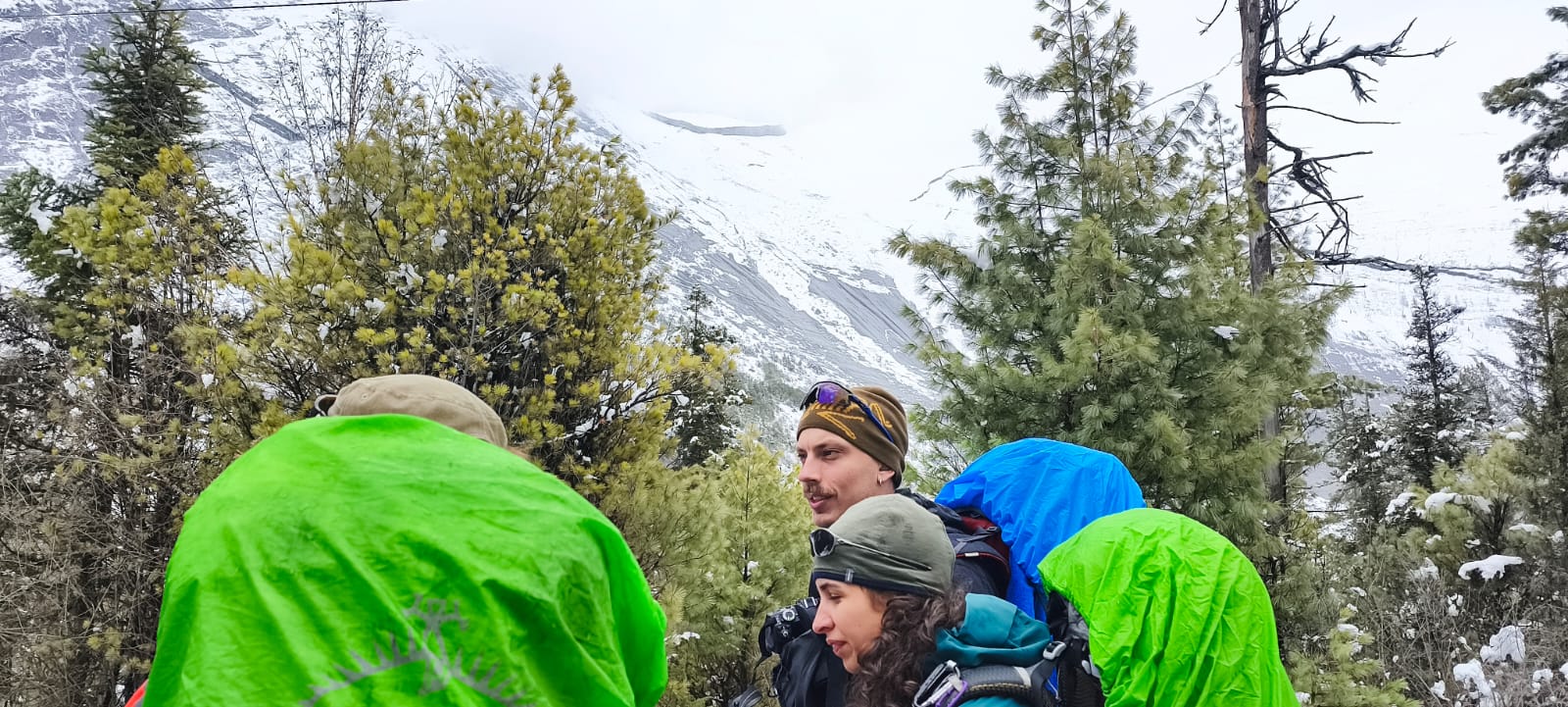
When people think about trekking in Nepal, spring and autumn are usually the first seasons that come to mind. However, monsoon trekking in Nepal offers a completely different experience that many travelers overlook. From lush green hills and mist-covered forests to peaceful trails and dramatic landscapes, the rainy season reveals a refreshing side of the Himalayas that cannot be seen at any other time of the year.
The monsoon season is often considered the least popular trekking period because heavy rainfall affects many regions of Nepal. Slippery trails, occasional landslides, and cloudy mountain views can make trekking more challenging. Despite these conditions, several trekking destinations remain excellent choices during the rainy season, especially those located in the Himalayan rain shadow. These regions receive significantly less rainfall and offer stable weather, clear mountain scenery, and comfortable trekking conditions.
One of the biggest advantages of trekking during the monsoon is the peaceful environment. Popular trekking routes become much quieter, allowing visitors to enjoy nature without large crowds. The forests are greener, waterfalls flow at their fullest, rivers become more powerful, and fresh mountain air creates a unique atmosphere that many experienced trekkers appreciate.
Monsoon is also a rewarding season for photographers and nature lovers. Vibrant wildflowers bloom across the hills, terraced farmlands become bright green, and dramatic clouds create stunning Himalayan landscapes. While the weather may be unpredictable in some areas, careful planning and choosing the right destination can turn a monsoon trek into an unforgettable adventure.
If you are looking for a unique trekking experience away from busy trails, monsoon trekking in Nepal can be an excellent choice. Selecting the right route, carrying suitable equipment, and trekking with an experienced local company like Create Himalaya Adventure will help ensure a safe, enjoyable, and memorable journey.
When is the Monsoon Season in Nepal?
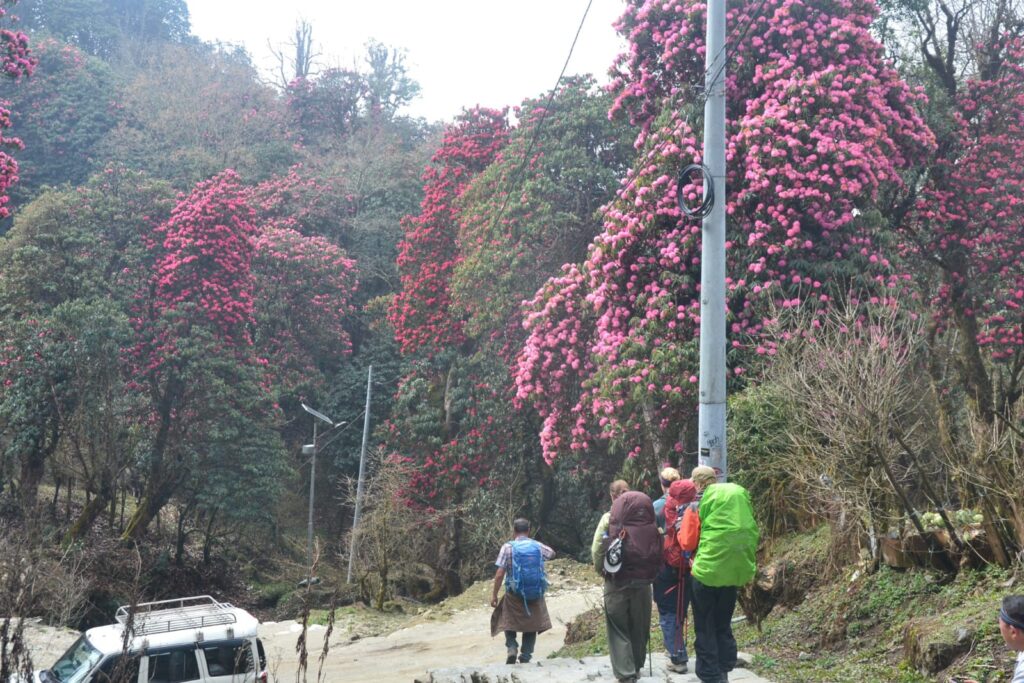
The monsoon season in Nepal generally begins in mid-June and continues until late September. During this period, warm and moisture-rich winds from the Bay of Bengal bring frequent rainfall across much of the country. The amount of rain varies depending on the region, altitude, and surrounding mountain ranges.
The southern plains and central hills usually receive the highest rainfall, while some northern Himalayan regions remain comparatively dry due to the natural barrier created by the Himalayas. These dry regions are known as rain shadow areas, making them ideal destinations for trekking during the monsoon months.
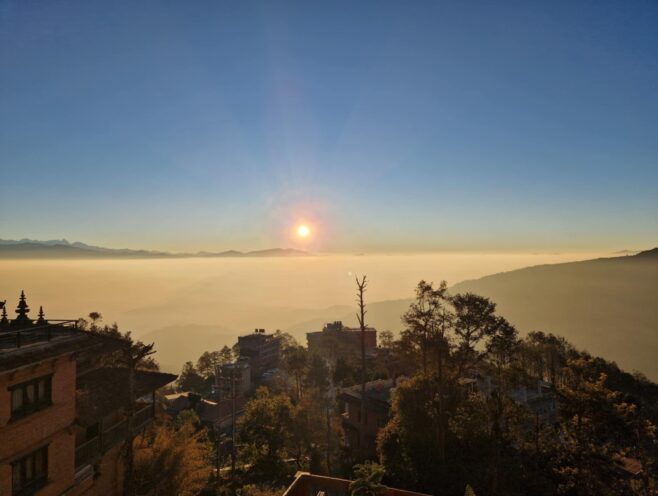
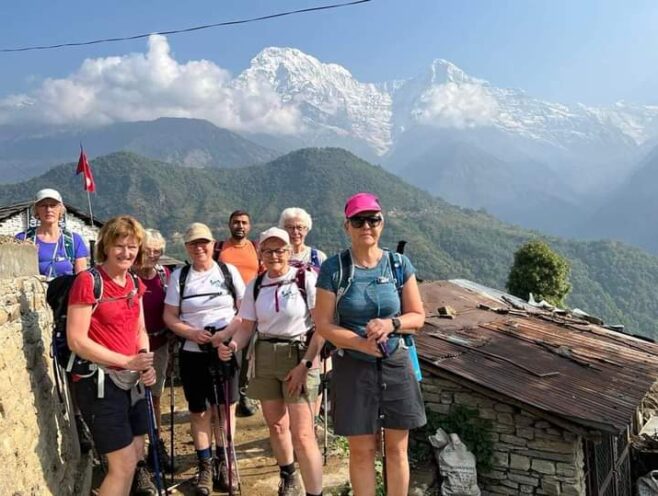
Here’s a general overview of the monsoon months:
Mid-June
The first rains begin to arrive, gradually turning forests and hillsides green. Temperatures remain warm, and humidity starts to increase.
July
July is typically the wettest month of the year. Heavy afternoon and evening showers are common in many trekking regions. Rivers rise rapidly, and waterfalls become especially impressive.
August
Rainfall continues throughout August, although weather patterns can vary from week to week. Higher Himalayan rain shadow areas generally remain much drier than lower elevations.
September
Rain gradually decreases during September. The landscapes remain beautifully green, while mountain views become clearer toward the end of the month. Many trekkers consider late September the transition period between monsoon and autumn trekking.
Although monsoon weather can be unpredictable, it does not mean trekking should be avoided altogether. Choosing the right destination plays a much bigger role than simply selecting the season.
Is Monsoon Trekking in Nepal Worth It?
Yes, monsoon trekking in Nepal is absolutely worth considering if you choose your destination wisely and prepare properly.
Many travelers assume trekking is impossible during the rainy season, but that is not entirely true. While some popular trails receive heavy rainfall, several trekking regions remain surprisingly dry and offer excellent trekking conditions throughout the monsoon months.
One of the greatest benefits is the peaceful trekking experience. Unlike the crowded spring and autumn seasons, monsoon trails are much quieter. Trekkers can enjoy the beauty of the Himalayas without waiting in lines at viewpoints or competing for accommodation in busy villages.
Nature also looks completely different during the rainy season. Hillsides become covered in fresh greenery, forests appear vibrant, rivers flow with incredible power, and waterfalls reach their maximum volume. The scenery feels alive and full of color.
Accommodation is generally easier to find, and local communities have more time to interact with visitors. This creates a more authentic cultural experience, allowing trekkers to enjoy genuine Himalayan hospitality.
However, monsoon trekking is not suitable for everyone. Trekkers should be comfortable walking on muddy trails, adapting to changing weather conditions, and remaining flexible if transportation schedules are affected by rain.
Those seeking luxury mountain photography with guaranteed blue skies may prefer autumn. On the other hand, travelers who enjoy peaceful trails, dramatic landscapes, and a more adventurous atmosphere often find monsoon trekking incredibly rewarding.
Pros and Cons of Trekking During the Monsoon
Like every trekking season, monsoon has both advantages and disadvantages. Understanding these factors helps trekkers choose whether this season matches their travel preferences.
Advantages of Monsoon Trekking
Peaceful Trails
Most international visitors prefer trekking during spring and autumn. As a result, trekking routes become significantly less crowded during monsoon, allowing for a quieter and more relaxing journey.
Beautiful Green Landscapes
The hills, forests, and valleys become incredibly lush after regular rainfall. Rice terraces glow with vibrant green colors, while wildflowers bloom across many lower elevations.
Powerful Waterfalls and Rivers
Monsoon transforms Nepal’s rivers and waterfalls into spectacular natural attractions. Many waterfalls that remain small during other seasons become breathtaking during the rainy months.
Better Availability
Hotels, teahouses, guides, and porters are usually more available during the off-season. Trekkers often enjoy greater flexibility when planning their itineraries.
Authentic Cultural Experience
With fewer tourists visiting mountain villages, local families often have more time to share their traditions, culture, and daily lifestyle with visitors.
Challenges of Monsoon Trekking
Frequent Rainfall
Rain showers can occur daily in many trekking regions, especially during July and August. Waterproof clothing becomes essential.
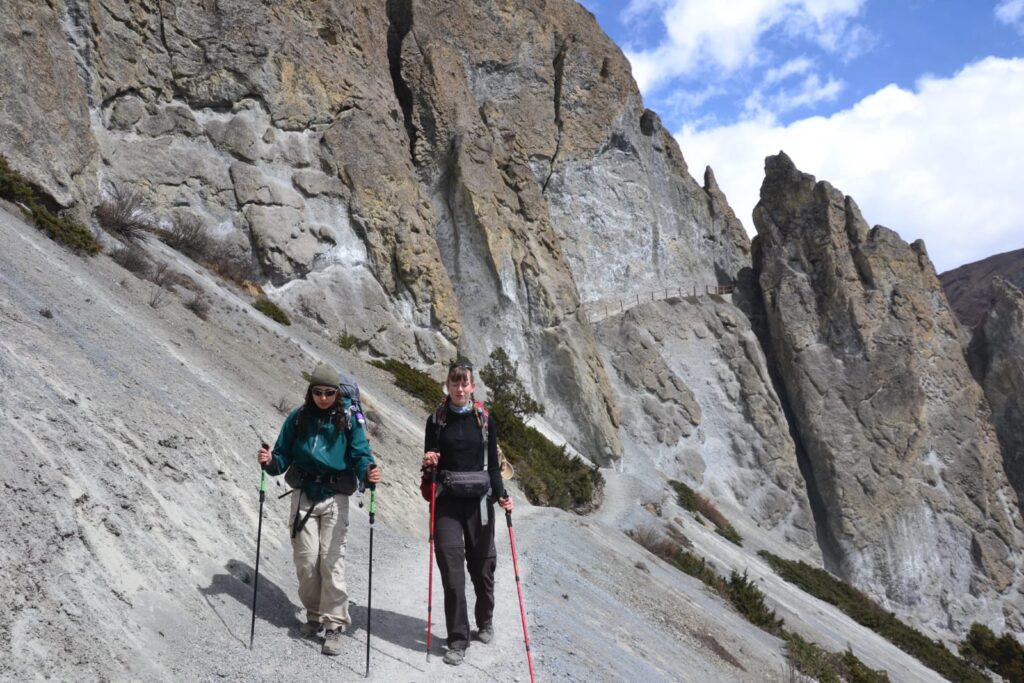
Slippery Trails
Mud, wet rocks, and forest paths require extra caution while walking. Proper trekking boots with good grip are highly recommended.
Transportation Delays
Heavy rainfall may occasionally affect road travel, especially in hilly regions where landslides can temporarily block highways.
Leeches in Forest Areas
Lower elevation forests may have leeches during the rainy season. Although harmless, they can be uncomfortable for some trekkers.
Limited Mountain Views
Clouds often cover high Himalayan peaks, particularly during the afternoon. Early mornings generally provide the best opportunities for clear views.
Despite these challenges, many experienced trekkers consider monsoon one of Nepal’s most rewarding trekking seasons when the correct trekking route is selected.
Best Monsoon Treks in Nepal
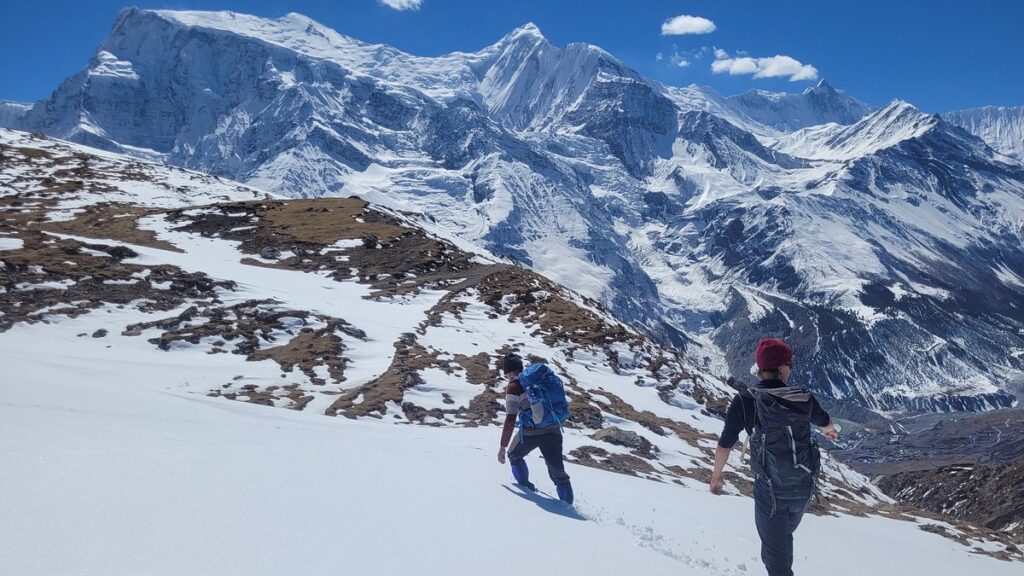
Not every trekking route is suitable during the rainy season. Fortunately, Nepal offers several outstanding destinations that receive very little rainfall, allowing trekkers to enjoy spectacular mountain scenery even during the monsoon months.
Upper Mustang Trek
The Upper Mustang Trek is widely regarded as the best monsoon trek in Nepal. Located north of the Annapurna and Dhaulagiri mountain ranges, Upper Mustang lies within the Himalayan rain shadow, where annual rainfall is remarkably low.
Instead of dense forests, trekkers explore dramatic desert-like landscapes, colorful cliffs, ancient caves, deep canyons, and centuries-old Tibetan Buddhist monasteries. Traditional villages such as Lo Manthang preserve a unique culture that has remained largely unchanged for generations.
The dry climate, comfortable trekking conditions, and fascinating cultural heritage make Upper Mustang one of the top choices for trekking during July and August.
Nar Phu Valley Trek
Hidden between the Annapurna and Manaslu regions, the Nar Phu Valley Trek offers a remote Himalayan adventure that remains relatively dry during the monsoon.
This restricted trekking region is famous for its medieval stone villages, Tibetan-influenced culture, ancient monasteries, narrow canyons, and breathtaking alpine scenery. Because relatively few trekkers visit Nar Phu Valley each year, the trail offers exceptional solitude and authentic cultural encounters.
For travelers seeking a less commercial trekking experience, Nar Phu Valley is an outstanding monsoon destination.
Upper Dolpo Trek
The Upper Dolpo Trek is one of Nepal’s most remote and adventurous trekking routes. Protected by high Himalayan ranges, this region receives very little rainfall even during the peak monsoon season.
Upper Dolpo features vast barren landscapes, turquoise lakes, high mountain passes, centuries-old monasteries, and unique Tibetan Buddhist traditions. The untouched wilderness and spectacular scenery make it a dream destination for experienced trekkers looking for an extraordinary Himalayan journey.
Although the trek requires more time and physical fitness, the rewards are unmatched for those seeking true wilderness.
Annapurna Circuit (Rain Shadow Section)
While the southern sections of the Annapurna Circuit receive considerable rainfall, the northern part of the trail enters the Himalayan rain shadow around Manang. From this point onward, rainfall decreases significantly.
Trekkers can enjoy dry valleys, dramatic mountain scenery, traditional villages, and stunning landscapes as they continue toward Thorong La Pass (5,416 m) and Muktinath. Many visitors choose to begin their trek closer to the rain shadow region to avoid wetter lower elevations.
This section of the Annapurna Circuit remains one of the most popular choices for monsoon trekking.
Tilicho Lake Trek During Monsoon
The Tilicho Lake Trek is another excellent option during the rainy season, particularly after reaching the Manang region. The trail gradually enters the rain shadow, where weather conditions become noticeably drier.
Tilicho Lake, situated at 4,919 meters, is one of the world’s highest lakes. Surrounded by snow-capped peaks and rugged mountain landscapes, it offers unforgettable scenery even during the monsoon months. Trekkers should still be prepared for occasional rain while traveling through the lower sections before reaching Manang.
Phoksundo Lake Trek
The Phoksundo Lake Trek takes trekkers to one of Nepal’s most beautiful alpine lakes inside Shey Phoksundo National Park. While the lower parts of the trail may receive rainfall, much of the upper region remains relatively dry compared to central Nepal.
The deep turquoise waters of Phoksundo Lake, dramatic cliffs, waterfalls, traditional villages, and rich Tibetan culture make this trek a wonderful monsoon destination. The peaceful surroundings and stunning natural beauty attract trekkers looking for a quieter Himalayan experience.
Why Rain Shadow Areas Are Ideal for Monsoon Trekking
One of the main reasons monsoon trekking is possible in Nepal is the existence of the Himalayan rain shadow. A rain shadow is a dry region located on the northern side of high mountain ranges. As moisture-laden monsoon clouds move north from the Bay of Bengal, they release most of their rain on the southern slopes of the Himalayas. By the time the clouds cross the mountains, very little moisture remains, leaving the northern valleys much drier.
This natural phenomenon creates ideal trekking conditions in places such as Upper Mustang, Nar Phu Valley, Upper Dolpo, Manang, and parts of the Annapurna Circuit. While many lower hill regions receive heavy rainfall, these high-altitude valleys often experience sunny mornings, light clouds, and only occasional showers.
Another advantage of rain shadow regions is the unique landscape. Unlike the dense forests of central Nepal, these areas feature colorful cliffs, rocky canyons, wide valleys, alpine deserts, and traditional Tibetan-style villages. The scenery is dramatically different from the lush green hills found elsewhere in the country, giving trekkers the opportunity to experience two completely different sides of Nepal.
Road access to rain shadow regions has also improved in recent years, making several trekking routes easier to reach than before. Combined with fewer crowds and stable weather, these destinations have become increasingly popular among trekkers looking for an off-season Himalayan adventure.
If you are planning a trek between June and September, choosing a rain shadow destination is the safest and most rewarding decision.
Weather Conditions During the Monsoon Trek
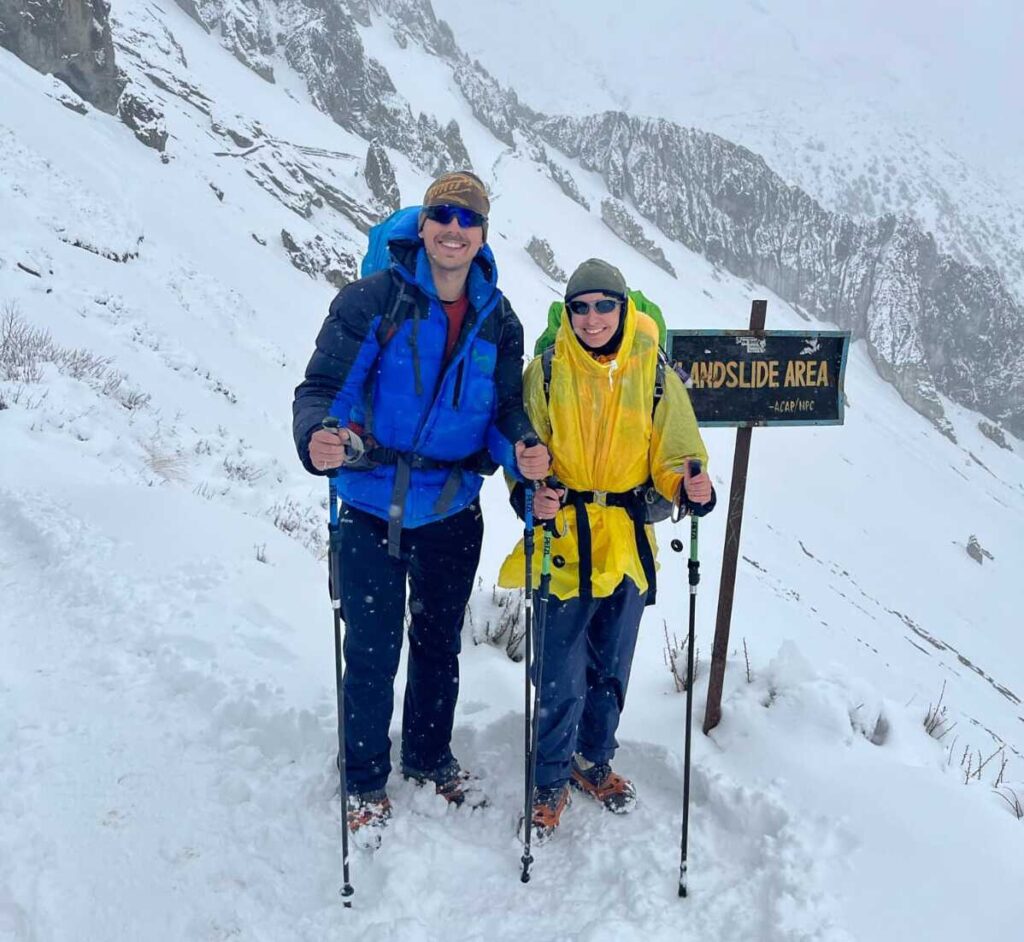
Weather is one of the most important factors to consider when planning a monsoon trek in Nepal. Unlike the clear and predictable skies of autumn, monsoon weather changes quickly and can vary from one valley to another.
In lower elevations, mornings often begin with partly cloudy skies, while rain usually develops during the afternoon or evening. Temperatures remain warm, with high humidity making the air feel even hotter. As trekkers gain altitude, temperatures become cooler, and rainfall generally decreases, especially inside rain shadow regions.
Typical daytime temperatures during the monsoon include:
- Kathmandu: 20°C–30°C
- Pokhara: 22°C–30°C
- Lower trekking regions: 18°C–28°C
- Higher elevations: 8°C–18°C
- High mountain passes: Below 5°C, especially during early mornings.
Although heavy rain is common in central Nepal, it rarely rains continuously throughout the day. Many trekkers start walking early in the morning to avoid afternoon showers. This not only improves trail conditions but also increases the chances of enjoying clearer mountain views.
Weather forecasts are helpful but should not be considered completely reliable in the Himalayas. Mountain weather changes rapidly, and flexibility is always important when trekking during the rainy season.
Trail Conditions You Should Expect
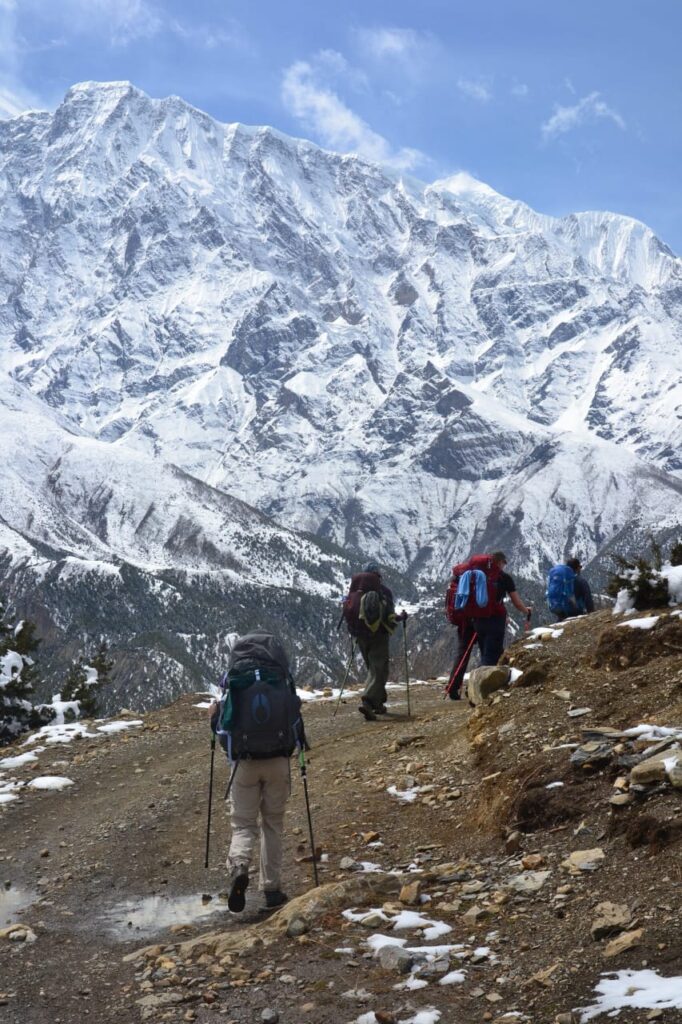
Monsoon changes the condition of trekking trails across Nepal. Understanding what to expect helps trekkers prepare both mentally and physically for the journey.
Muddy Forest Trails
Lower elevations with dense forests often become muddy after rainfall. Tree roots, wet leaves, and soft soil can make walking slower than usual. Trekking poles provide extra balance and reduce pressure on the knees.
Slippery Stone Steps
Many traditional villages are connected by stone staircases. During the rainy season, these stones become slippery, requiring careful footing and a slower walking pace.
River Crossings
Most trekking routes use permanent suspension bridges, making river crossings generally safe. However, rivers become much stronger during monsoon, creating spectacular scenery but requiring extra caution near riverbanks.
Landslides
Some highways and mountain roads may experience landslides after prolonged rainfall. These are more common along road sections leading to trekking starting points rather than on established mountain trails. Delays are possible, especially on routes connecting Kathmandu, Pokhara, Besisahar, and other trekking gateways.
Transportation Challenges During Monsoon
Transportation is often the biggest challenge during the rainy season. Heavy rainfall may temporarily block roads or delay domestic flights due to poor visibility.
Travelers should consider adding one or two buffer days to their itinerary. These extra days provide flexibility in case weather conditions affect transportation schedules.
Hiring a local trekking company like Create Himalaya Adventure can greatly reduce travel stress. Their experienced team monitors weather updates, road conditions, and transportation schedules, helping trekkers adjust their plans whenever necessary.
Despite these occasional delays, thousands of trekkers successfully complete monsoon treks every year with proper planning and realistic expectations.
Visibility and Mountain Views in the Rainy Season
A common misconception is that mountain views disappear completely during the monsoon. While clouds are certainly more frequent than in autumn, spectacular Himalayan panoramas are still possible if trekkers understand the weather patterns.
The best mountain views usually appear:
- Early in the morning before clouds develop.
- Immediately after overnight rainfall.
- Inside rain shadow regions where skies remain clearer.
Fresh rainfall also improves atmospheric visibility by washing dust and pollution from the air. As a result, mountain landscapes often appear cleaner and more vibrant than during the dry seasons.
Photographers frequently enjoy dramatic cloud formations surrounding snow-covered peaks. Rather than endless blue skies, monsoon offers ever-changing scenes of mist, sunlight, rainbows, and floating clouds that create unique photographic opportunities.
In lower valleys, green terraced fields, dense forests, waterfalls, and colorful wildflowers become equally attractive subjects, even when distant mountain peaks remain hidden behind clouds.
For the best photography experience:
- Start trekking before sunrise.
- Carry waterproof camera protection.
- Keep spare batteries in dry bags.
- Be patient with changing weather.
Monsoon rewards those who enjoy natural beauty in all its forms, not only snow-capped mountains.
Altitude Sickness During Monsoon Treks
Many trekkers wonder whether monsoon weather increases the risk of altitude sickness. The answer is no. Rain itself does not cause altitude sickness. The condition develops when the body cannot adapt to reduced oxygen levels at higher elevations.
However, monsoon can indirectly affect acclimatization if trekkers rush their itinerary after transportation delays or attempt to make up lost time. Maintaining a gradual ascent remains the most effective way to prevent altitude-related illnesses.
Common symptoms include:
- Persistent headache
- Loss of appetite
- Nausea
- Fatigue
- Difficulty sleeping
- Dizziness
If symptoms worsen, descending to a lower altitude is the safest solution.
To reduce the risk of altitude sickness:
- Ascend slowly.
- Include acclimatization days on high-altitude treks.
- Drink plenty of clean water.
- Avoid excessive alcohol.
- Eat regular meals.
- Listen to your guide’s advice.
Routes such as Upper Mustang, Nar Phu Valley, Tilicho Lake, Upper Dolpo, and the Annapurna Circuit all reach elevations above 3,500 meters, making proper acclimatization essential regardless of the season.
Professional guides from Create Himalaya Adventure are trained to recognize early signs of altitude sickness and respond appropriately, providing an additional level of safety throughout the trek.
Essential Packing List for a Monsoon Trek
Packing wisely is one of the keys to enjoying a comfortable monsoon trekking experience. Since weather conditions can change quickly, trekkers should prioritize lightweight, waterproof, and quick-drying equipment.
Waterproof Clothing
A high-quality waterproof jacket is your first line of defense against rain. Choose a breathable jacket that keeps moisture out while allowing body heat to escape.
Recommended clothing includes:
- Waterproof rain jacket
- Waterproof rain pants
- Quick-drying trekking shirts
- Moisture-wicking base layers
- Warm fleece jacket
- Lightweight down jacket for higher elevations
- Extra trekking socks
Avoid cotton clothing because it absorbs water and dries very slowly.
Trekking Footwear
Footwear plays a major role in staying safe on wet trails.
Choose:
- Waterproof trekking boots with ankle support
- Deep-grip rubber soles
- Comfortable trekking sandals for evenings
- Lightweight camp shoes
Well-fitted boots reduce the risk of slips while protecting feet from mud and wet conditions.
Backpack Protection
Keeping gear dry is just as important as staying dry yourself.
Carry:
- Waterproof backpack cover
- Dry bags for clothing
- Waterproof pouches for documents
- Plastic zip-lock bags for small valuables
Organizing gear inside separate waterproof bags makes it easier to find items while protecting them from unexpected rain.
Health and Personal Care Items
A basic first aid kit should always be part of your trekking equipment.
Recommended items include:
- Personal medications
- Bandages
- Antiseptic cream
- Pain relievers
- Blister treatment
- Water purification tablets
- Hand sanitizer
- Sunscreen
- Lip balm
- Insect repellent
- Small microfiber towel
Mosquitoes and leeches are more common in lower elevations during the rainy season, making insect repellent especially useful.
Electronics Protection
Rain and humidity can damage electronic devices if they are not properly protected.
Carry:
- Waterproof phone case
- Dry bag for cameras
- Power bank
- Extra batteries
- Charging cables
- Memory cards
Keeping electronics sealed inside waterproof storage whenever they are not in use will help prevent moisture damage.
Food and Accommodation During the Rainy Season
Food and accommodation are generally reliable during the monsoon season, especially on Nepal’s well-established trekking routes. Most teahouses and mountain lodges remain open, offering trekkers a warm and comfortable place to rest after a day on the trail. Since the rainy season attracts fewer visitors than spring and autumn, finding a room is usually easier, and the quieter atmosphere allows for a more peaceful and enjoyable stay. In remote trekking regions, some lodges may operate on a limited schedule, so planning your itinerary with a local trekking company is always recommended.
Meals served in teahouses are freshly prepared using locally sourced ingredients and are designed to provide the energy needed for long trekking days. The menu typically includes traditional Nepali Dal Bhat (rice, lentil soup, vegetables, and curry), fried rice, noodles, pasta, Tibetan bread, momos, pancakes, eggs, soups, and a variety of hot drinks such as tea, coffee, and hot lemon. Among these, Dal Bhat remains the most popular choice because it is nutritious, filling, and often comes with free refills in many teahouses, making it a favorite meal for trekkers.
Staying well-hydrated is equally important during the monsoon. Rather than drinking untreated water from natural sources, trekkers should choose boiled, filtered, or purified drinking water. Carrying a reusable water bottle along with purification tablets or a portable water filter is an environmentally friendly way to stay hydrated while reducing plastic waste in the mountains.
One of the hidden advantages of trekking during the rainy season is the opportunity to experience genuine Himalayan hospitality. With fewer trekkers passing through the villages, lodge owners often have more time to interact with guests, share local stories, introduce traditional customs, and offer a more personalized experience. These meaningful cultural interactions, combined with warm meals and peaceful mountain accommodations, make monsoon trekking in Nepal a unique and memorable adventure beyond the spectacular scenery alone.## Safety Tips for Monsoon Trekking in Nepal
Monsoon trekking requires more preparation than trekking during spring or autumn, but with the right precautions, it can be both safe and enjoyable. Understanding the weather, planning your itinerary carefully, and carrying the appropriate equipment will significantly reduce potential risks.
Here are some essential safety tips for trekking during the rainy season:
Check the Weather Forecast Daily
Mountain weather changes quickly, especially during the monsoon. Before leaving each morning, check the latest weather updates and listen to advice from local guides or teahouse owners. If heavy rain is expected, it is often better to delay your departure than to walk in poor conditions.
Start Trekking Early
Morning hours generally offer the best weather. Rain often develops in the afternoon, so beginning your trek shortly after sunrise allows you to reach your destination before heavier showers begin.
Stay on Marked Trails
Avoid taking shortcuts through forests or steep hillsides. Official trekking trails are safer and regularly used by local communities and other trekkers. Leaving the main trail increases the risk of getting lost or encountering unstable terrain.
Walk Carefully on Wet Trails
Rain makes rocks, wooden bridges, and stone staircases slippery. Walk at a steady pace, use trekking poles for balance, and avoid rushing, especially on descents.
Be Aware of Landslide-Prone Areas
Although major trekking routes are generally safe, landslides can occasionally occur after prolonged rainfall. If local authorities or guides advise waiting before crossing certain sections, always follow their recommendations.
Stay Hydrated
Many trekkers drink less water during rainy weather because they do not feel as hot. However, dehydration can still occur at higher altitudes. Drink plenty of purified water throughout the day.
Never Trek Alone in Remote Areas
Remote monsoon routes such as Upper Dolpo or Nar Phu Valley are best explored with an experienced guide. Professional guides know alternative routes, weather patterns, and emergency procedures if unexpected situations arise.
Proper planning and responsible decision-making are the keys to enjoying a safe monsoon adventure in Nepal.
Hiring a Guide or Porter for Monsoon Treks
Hiring a licensed guide or porter is one of the best investments you can make for a monsoon trek. While experienced trekkers may complete some routes independently, the rainy season presents additional challenges that local expertise can help overcome.
A professional guide offers much more than navigation. They monitor weather conditions, coordinate transportation, communicate with teahouse owners, recommend suitable walking speeds, and assist if any emergencies occur. Their local knowledge becomes especially valuable when trails, roads, or flight schedules change due to weather.
Porters also play an important role by carrying heavy backpacks, allowing trekkers to walk more comfortably and safely on wet trails. Carrying a lighter backpack reduces fatigue and lowers the chance of slipping on muddy paths.
At Create Himalaya Adventure, every trekking guide is government licensed, highly experienced, and trained in mountain safety and altitude awareness. The company carefully plans each itinerary according to seasonal conditions, ensuring that trekkers enjoy the safest and most enjoyable experience possible.
By hiring local guides and porters, travelers also contribute directly to Nepal’s mountain communities, helping create sustainable employment and supporting local families.
Monsoon Trek Cost and Permits in Nepal
The cost of a monsoon trek depends on the destination, trek duration, transportation, accommodation, permits, guide services, and personal spending. Since the rainy season is considered the off-season for many trekking regions, some hotels and transportation providers may offer better availability, although permit fees remain the same throughout the year.
Average Daily Trekking Cost
A standard trekking package may include:
- Airport transfers
- Ground transportation
- Trekking permits
- Teahouse accommodation
- Three meals per day during the trek
- Licensed trekking guide
- Porter service (if included)
- Government taxes and service charges
Luxury packages, private jeep transportation, domestic flights, and customized itineraries will increase the overall cost.
Trekking Permits Required
Permit requirements vary depending on the trekking destination.
Some of the most common permits include:
- Annapurna Conservation Area Permit (ACAP) – Required for trekking in the Annapurna region, including the Annapurna Circuit, Tilicho Lake, and Nar Phu Valley.
- Restricted Area Permit (RAP) – Required for restricted regions such as Upper Mustang, Nar Phu Valley, and Upper Dolpo. These permits must be arranged through a registered trekking agency.
- Shey Phoksundo National Park Entry Permit – Required for the Phoksundo Lake Trek and Upper Dolpo region.
Some restricted areas also require a minimum itinerary and specific permit regulations. Before traveling, always confirm the latest permit requirements through a registered local trekking company.
Booking your trek with Create Himalaya Adventure ensures that all necessary permits and paperwork are arranged before your departure, allowing you to focus entirely on enjoying the journey.
Who Should Choose a Monsoon Trek?
A monsoon trek in Nepal is an excellent option for travelers who want to experience the Himalayas from a different perspective. While the rainy season brings occasional challenges, it also offers peaceful trails, vibrant green landscapes, refreshing mountain air, and a more authentic cultural experience. If you don’t mind occasional rain and are looking to avoid the crowds of the peak trekking seasons, monsoon trekking can be a rewarding and memorable adventure. It is especially suitable for those who appreciate nature, flexibility, and off-the-beaten-path experiences.
A monsoon trek is ideal for travelers who:
- Prefer quieter trekking trails with fewer tourists.
- Enjoy lush green forests, blooming wildflowers, and spectacular waterfalls.
- Have flexible travel dates and can accommodate weather-related changes.
- Want to experience authentic local culture and traditional mountain villages.
- Wish to explore Nepal beyond the busy spring and autumn trekking seasons.
- Are comfortable trekking in changing weather conditions.
- Love landscape and nature photography with dramatic clouds, mist, and vibrant scenery.
- Seek unique trekking experiences in rain shadow regions such as Upper Mustang, Nar Phu Valley, Upper Dolpo, and the Annapurna region.
- Enjoy adventure and don’t mind occasional muddy or wet trail conditions.
- Value peaceful surroundings and a slower-paced trekking experience.
Monsoon trekking may not be the best choice for travelers whose priority is uninterrupted panoramic mountain views every day or those who prefer completely dry trail conditions. However, for adventure enthusiasts, experienced hikers, photographers, and anyone seeking a unique Himalayan journey, the monsoon season offers an unforgettable experience that showcases a different and equally beautiful side of Nepal.
Responsible Trekking During the Rainy Season
Responsible tourism becomes even more important during the monsoon because mountain environments are more fragile after heavy rainfall.
Every trekker can help protect Nepal’s natural beauty by following simple but meaningful practices.
Leave No Trace
Carry all non-biodegradable waste back to designated disposal points. Never leave plastic bottles, snack wrappers, or other rubbish along the trail.
Use Refillable Water Bottles
Instead of purchasing multiple plastic bottles, carry a reusable water bottle with purification tablets or a portable water filter.
Respect Local Culture
Many mountain villages follow traditional customs that have remained unchanged for generations. Dress modestly, ask permission before photographing local people, and respect monasteries and religious sites.
Stay on Established Trails
Walking off-trail damages vegetation and increases soil erosion, particularly during the rainy season when the ground is already soft.
Support Local Communities
Choose locally owned teahouses, hire local guides and porters, and purchase handmade products from village businesses whenever possible. Responsible trekking ensures that future generations can continue enjoying Nepal’s extraordinary natural and cultural heritage.
Why Choose Create Himalaya Adventure for Your Monsoon Trek?
Choosing an experienced trekking company can make all the difference when trekking in Nepal during the monsoon season. With over 19 years of experience, Create Himalaya Adventure has been organizing safe, reliable, and unforgettable trekking holidays across the Himalayas. Our expert team has extensive knowledge of Nepal’s seasonal weather patterns, trail conditions, transportation logistics, and the best rain shadow destinations for monsoon trekking. From the moment you arrive in Nepal, we take care of every detail, including airport transfers, trekking permits, transportation, accommodation, and personalized itinerary planning. Our government-licensed trekking guides prioritize your safety while sharing valuable insights into the local culture, history, and mountain landscapes. We also provide quality trekking equipment when needed, flexible itineraries that can be adjusted according to weather conditions, and 24-hour travel support throughout your journey. With transparent pricing, no hidden costs, and a strong commitment to responsible tourism, we ensure every trek is both enjoyable and sustainable. By choosing Create Himalaya Adventure, you are not only exploring some of Nepal’s most spectacular monsoon trekking destinations, such as Upper Mustang, Nar Phu Valley, Tilicho Lake, and Upper Dolpo, but also supporting local mountain communities and contributing to sustainable tourism. Whether you are an experienced trekker or visiting Nepal for the first time, our dedicated team is committed to making your monsoon trekking adventure safe, comfortable, and truly unforgettable.
Trip Note
Monsoon may not be Nepal’s busiest trekking season, but it offers a unique opportunity to experience the Himalayas from a different perspective. Green hillsides, peaceful trails, vibrant forests, dramatic skies, and welcoming mountain communities create a journey that feels both authentic and rewarding.
The key to a successful monsoon trek is choosing the right destination. Rain shadow regions such as Upper Mustang, Nar Phu Valley, Upper Dolpo, Manang, Tilicho Lake, and the northern Annapurna Circuit receive much less rainfall than other parts of Nepal, making them excellent choices between June and September.
Good preparation is equally important. Carry reliable waterproof equipment, allow extra travel days for possible weather delays, maintain a flexible schedule, and always prioritize safety over speed. Hiring an experienced local guide adds valuable support, especially when conditions change unexpectedly. If you are looking for fewer crowds, closer cultural interactions, and landscapes bursting with life, a monsoon trek can become one of your most memorable adventures in Nepal. With professional planning and expert local support from Create Himalaya Adventure, you can confidently explore the beauty of the Himalayas—even during the rainy season.
Frequently Asked Questions (FAQs)
Can beginners join a monsoon trek in Nepal?
Yes. Beginners can enjoy monsoon trekking by choosing easier rain shadow routes and trekking with an experienced guide.
Which insects are common during the monsoon trekking season?
Mosquitoes are common at lower elevations, while leeches are often found in damp forest areas. Both become less common as altitude increases.
How do I dry wet clothes while staying in teahouses?
Hang your clothes in warm dining rooms or near designated drying areas. Quick-drying fabrics are highly recommended.
Is drinking natural spring water safe during monsoon?
No. Always boil, filter, or purify natural water before drinking to avoid waterborne illnesses.
Are ATMs available on monsoon trekking routes?
ATMs are limited in remote trekking areas. Carry sufficient cash from Kathmandu or Pokhara before beginning your trek.
Can I charge my phone and camera during a monsoon trek?
Yes. Most teahouses provide charging facilities, although a small additional fee may apply in higher villages.
Does travel insurance cost more for monsoon trekking?
Insurance prices usually depend on altitude, coverage, and your home country rather than the trekking season itself.
Are helicopters available if evacuation becomes necessary?
Yes. Emergency helicopter evacuation is available in many trekking regions, provided your travel insurance covers helicopter rescue.
Can children participate in monsoon trekking?
Yes, but families should choose shorter and easier trekking routes that match the children’s age, fitness level, and experience.
What kind of sleeping bag is recommended for monsoon trekking?
A sleeping bag rated between -10°C and -15°C is suitable for most high-altitude monsoon treks.
Should I carry cash or are digital payments accepted?
Carry cash. Digital payment options are still limited in many mountain villages.
Are there any festivals that coincide with the monsoon trekking season?
Yes. Festivals such as Janai Purnima, Gai Jatra, and Krishna Janmashtami often take place during the monsoon, offering opportunities to experience Nepal’s rich cultural traditions.
What happens if my domestic flight is delayed due to weather?
Airlines usually reschedule flights when weather improves. Including one or two extra days in your itinerary is highly recommended.
Can I rent monsoon trekking equipment in Kathmandu?
Yes. Kathmandu has many reputable trekking shops that rent waterproof jackets, sleeping bags, trekking poles, backpacks, and other essential gear.
How much daily rainfall should trekkers expect?
Rainfall varies by location. Lower hill regions may experience frequent heavy showers, while rain shadow areas often receive very little rain.
Are there mobile network and internet services during monsoon treks?
Yes. Most popular trekking routes have mobile coverage and Wi-Fi in many villages, although connections may become slower during bad weather.
What vaccinations are recommended before trekking during the rainy season?
Consult your doctor before traveling. Routine vaccinations are generally sufficient, while additional vaccines may be recommended depending on your travel history and itinerary.
How many extra buffer days should I include in my itinerary?
Adding one to three extra days is recommended to accommodate possible transportation or weather-related delays.
Can I combine sightseeing with a monsoon trek?
Absolutely. Many travelers combine their trek with sightseeing in Kathmandu, Pokhara, Lumbini, or Chitwan National Park before or after their Himalayan adventure.
How far in advance should I book a monsoon trekking package?
Booking two to four weeks in advance is generally sufficient, although restricted-area treks requiring special permits should be arranged earlier to ensure smooth processing.
Ramchandra Lamichhane
Trekking Expert
No hidden fees • Local experts • Best price guarantee