
Manaslu Conservation Area (MCA)
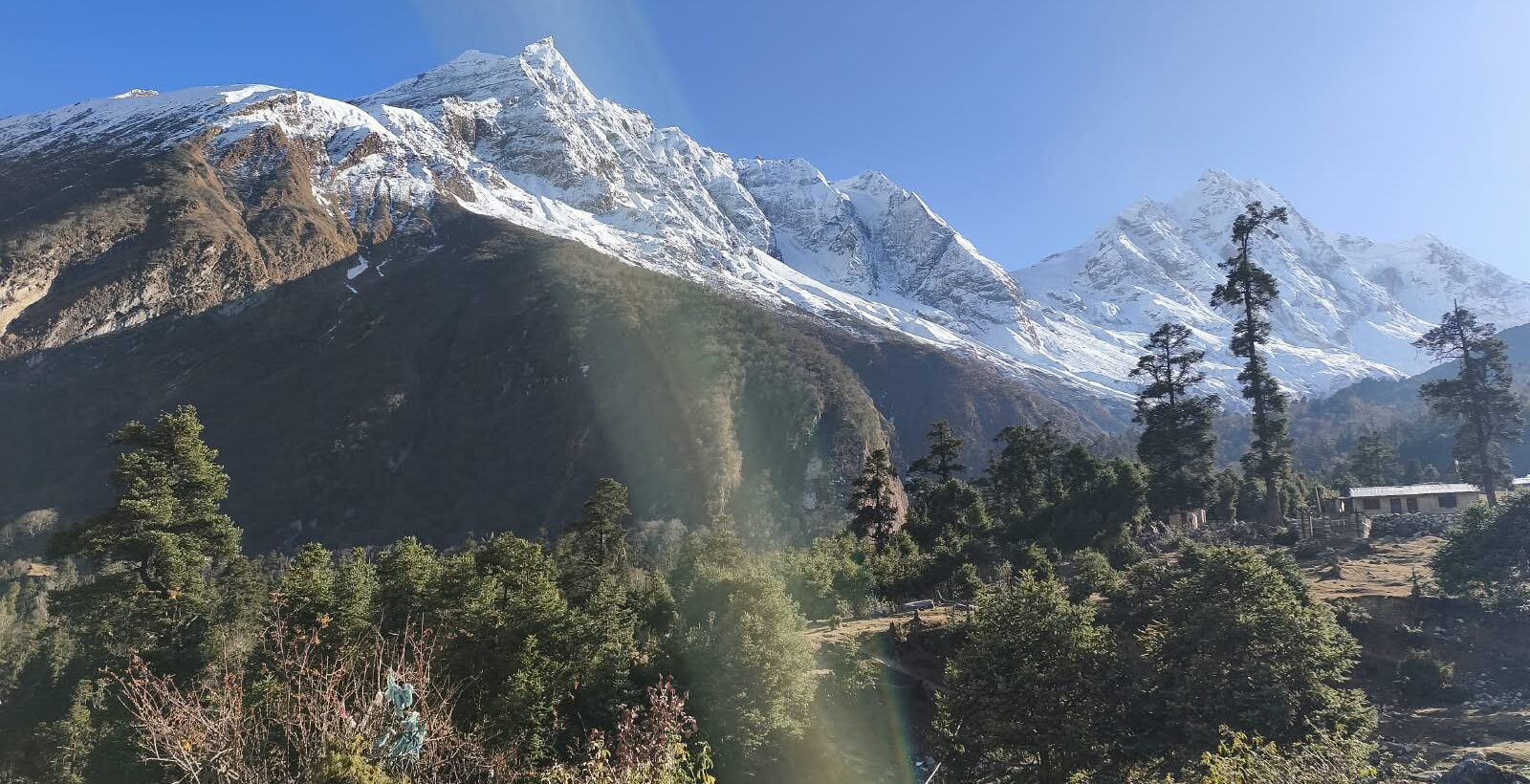
The Manaslu Conservation Area (MCA) is one of Nepal’s important protected regions, located in the Gorkha District around Mount Manaslu (8,163 m), the world’s eighth-highest mountain. Established in 1998, the conservation area covers 1,663 sq. km. and aims to protect the region’s diverse wildlife, plant species, fragile mountain ecosystems, and traditional cultural heritage.
The area is home to a rich variety of Himalayan flora and fauna, including rare species such as the snow leopard and red panda. Beyond its natural diversity, the Manaslu Conservation Area preserves traditional villages, Tibetan Buddhist monasteries, and cultural practices that remain part of local life.
For trekkers and nature enthusiasts, the conservation area offers opportunities to explore remote mountain valleys, alpine landscapes, traditional settlements, and diverse wildlife habitats. Popular routes such as the Manaslu Circuit Trek and Tsum Valley Trek allow visitors to experience this natural and cultural heritage while supporting local communities through responsible tourism.
In this guide, we explore the Manaslu Conservation Area, including its geography, biodiversity, local culture, major attractions, permits, and conservation efforts. We also explain how visitors can travel responsibly and help protect this unique Himalayan region for future generations.
Major Attractions of Manaslu Conservation Area
- Mount Manaslu (8,163 m), the world’s eighth-highest peak
- Manaslu Circuit and Tsum Valley Trek
- Larkya La Pass (5,106 m)
- Ancient Buddhist monasteries and mani walls
- Glacial lakes and the Budhi Gandaki River
- Rare wildlife, including snow leopards and red pandas
- Traditional Tibetan-influenced villages
- Rhododendron forests and alpine landscapes
- Remote trails and panoramic Himalayan views
What Is Manaslu Conservation Area?
The Manaslu Conservation Area (MCA) is a protected region covering 1,663 sq. km. (642 sq. mi.) in Nepal’s Gorkha District. Established in 1998, it aims to conserve the region’s rich biodiversity, fragile Himalayan ecosystem, and traditional Tibetan Buddhist culture.
The conservation area includes three trekking options: the Manaslu Circuit Trek, the Tsum Valley Trek, and a combined Manaslu Circuit and Tsum Valley Trek. All three routes pass through restricted areas, so trekkers must obtain the required permits and travel with a licensed guide. Independent solo trekking is not permitted.
Geographically, the Manaslu Conservation Area extends from the snow-covered Himalayan peaks to the subtropical valleys along the Budhi Gandaki River. It covers seven wards of Chumnubri Rural Municipality: Sirdibas, Chumchet, Chhekampar, Bihi, Prok, Lho, and Samagaun.
The conservation area was established to protect native wildlife, forests, cultural traditions, and natural resources while encouraging responsible tourism. It is managed by the National Trust for Nature Conservation (NTNC), which works with local communities to promote conservation and sustainable development.
One of the distinctive features of the Manaslu Conservation Area is its community-based conservation approach. Local residents actively participate in protecting forests, wildlife, and cultural heritage while creating economic opportunities through sustainable tourism. This approach helps preserve the natural and cultural character of the Manaslu region for future generations.
Best Time to Visit Manaslu Conservation Area
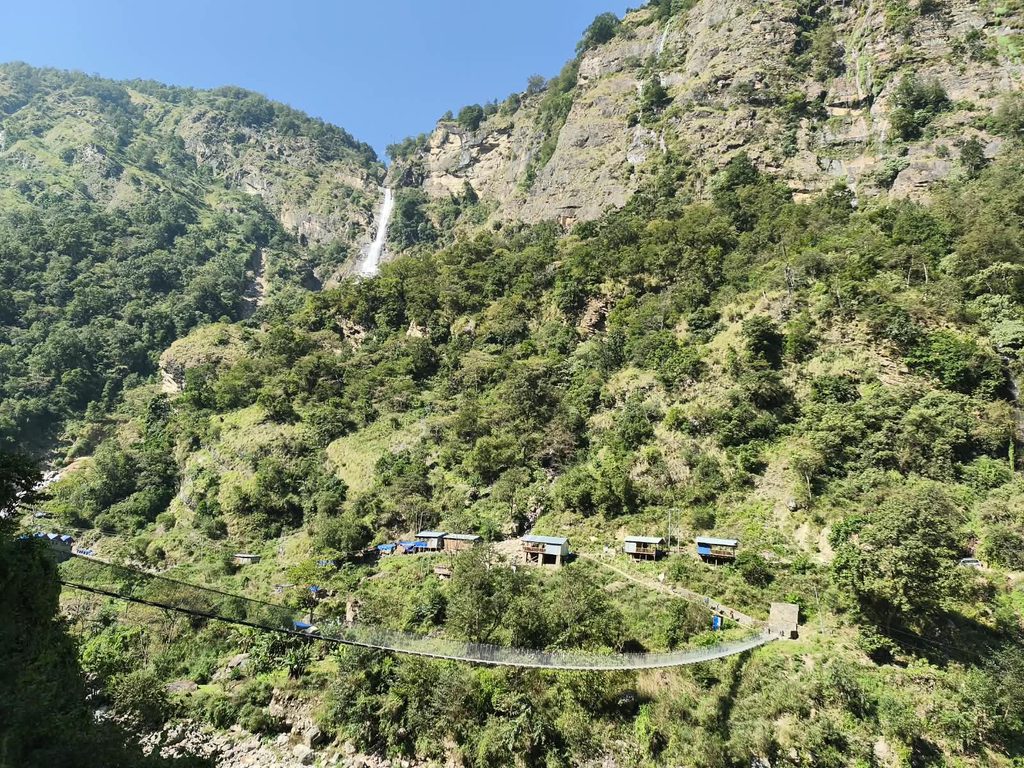
The best time to visit the Manaslu Conservation Area is during spring (March to May) and autumn (September to November). These seasons offer more stable weather, comfortable trekking temperatures, and clearer mountain views. Winter and monsoon are less suitable, particularly for trekking in higher elevations.
Spring (March to May)
Spring is a popular time to explore the Manaslu region. Temperatures become warmer, rhododendron forests bloom, and mountain views are generally clear. Wildlife also becomes more active as the weather warms up. It is a good season for trekking through forests, valleys, and traditional mountain villages.
Autumn (September to November)
Autumn is considered the best overall trekking season in Manaslu. Post-monsoon skies are generally clear, visibility is excellent, and trail conditions improve. Moderate temperatures make long walking days more comfortable, while the surrounding villages remain active with local farming and cultural activities.
Winter (December to February)
Winter brings freezing temperatures and heavy snowfall at higher elevations. Snow can block mountain trails and make crossing Larkya La Pass difficult. Lower sections may remain accessible, but proper winter clothing and careful planning are essential.
Monsoon (June to August)
Monsoon brings frequent rainfall, cloudy skies, muddy trails, and an increased risk of landslides. Mountain views are often limited, and some trail sections can become difficult to access. Although the landscape becomes greener with flowing waterfalls, this is generally the least suitable season for trekking.
Overall, spring and autumn are the most suitable seasons for visiting the Manaslu Conservation Area, especially if you want clear mountain views, manageable trail conditions, and a comfortable trekking experience.
How to Reach Manaslu Conservation Area
The Manaslu Conservation Area is accessible by road from Kathmandu, followed by a trekking journey through the Budhi Gandaki River valley in Gorkha District. Most trekkers begin their journey with a drive to Machha Khola, the main starting point of the Manaslu Circuit Trek. The road journey takes approximately 8–9 hours by private jeep or 10–12 hours by local bus, depending on traffic and road conditions. The route passes through Dhading Besi, Arughat, and other rural settlements before reaching Machha Khola.
From Machha Khola, the trekking trail follows the Budhi Gandaki River through narrow valleys, suspension bridges, terraced fields, forests, and traditional mountain villages. Trekkers gradually enter the conservation area as they continue towards Jagat, Deng, Namrung, and Samagaun. Jagat serves as an important permit-checkpoint location along the route, where trekking documents are verified before proceeding further. Since road access beyond the lower villages is limited, most of the Manaslu Conservation Area can only be explored on foot. Travellers must arrange the required permits and trek with a licensed guide through a registered trekking agency.
Biodiversity of the Manaslu Conservation Area
The Manaslu Conservation Area is home to diverse plant and animal life, supported by its wide range of elevations, forest types, and climatic conditions. From subtropical forests to alpine landscapes, the region provides habitats for numerous Himalayan species.
Flora
The Manaslu region contains more than 1,500 species of flowering plants. At lower elevations, forests are dominated by sal, oak, pine, and rhododendron. As the landscape rises, the vegetation gradually changes to birch, juniper, and other alpine plants adapted to colder conditions.
Spring brings seasonal rhododendron blooms across the hillsides, with flowers in shades of red, pink, and white. These different vegetation zones support the region’s ecological diversity and provide important habitats for wildlife.
The conservation area also protects 11 forest types, highlighting the variety of forest ecosystems found throughout the region.
Fauna
The Manaslu Conservation Area supports a wide range of Himalayan wildlife. Its forests, river valleys, and high-altitude habitats provide shelter and feeding grounds for numerous mammal species, birds, and other wildlife.
Different elevations support different animal habitats, from forest-dwelling mammals in the lower valleys to wildlife adapted to the colder alpine environment. The conservation area is particularly important for protecting species that are threatened by habitat loss, poaching, and environmental changes.
Rare and Endangered Species
Several rare and endangered animals inhabit the Manaslu Conservation Area. These include the elusive snow leopard, red panda, Himalayan musk deer, and Assam macaque.
The snow leopard inhabits remote, high-altitude terrain, while red pandas are associated with temperate forests containing suitable bamboo habitats. Himalayan musk deer are found in forested mountain environments, and Assam macaques inhabit parts of the region’s lower and middle elevations.
Protecting these species and their natural habitats is an important part of conservation efforts in the Manaslu region. Local communities and conservation initiatives play a role in reducing threats to wildlife and maintaining the ecological balance of this Himalayan landscape.
Manaslu Conservation Area Permit (MCAP): Cost, Rules and Requirements
The Manaslu Conservation Area Permit (MCAP) is mandatory for trekkers entering the Manaslu Conservation Area. It is required alongside the Manaslu Restricted Area Permit (RAP) for the Manaslu Circuit Trek.
The permit fee depends on the trekker’s nationality, but it does not change according to the trekking season.
MCAP Permit Cost
| Trekker Category | Permit Fee |
| Foreign nationals | NPR 3,000 |
| SAARC nationals (including Indian citizens) | NPR 1,000 |
| Nepali citizens | NPR 100 |
| Children below 10 years | Free |
Important Rule Update – March 22, 2026
The Department of Immigration now allows solo foreign trekkers to obtain an individual Manaslu Restricted Area Permit (RAP) without a second trekker. However, a licensed guide and a Nepal-registered trekking agency are still compulsory. One guide can accompany up to seven trekkers.
Note: This rule applies to the RAP, not the MCAP. The MCAP remains a separate mandatory conservation permit.
Local Culture and Village Life on the Trail
Many villages in the Manaslu region have strong Tibetan cultural influences, and Tibetan Buddhism remains an important part of everyday life. As you walk along the trail, you will encounter mani walls, chortens, prayer flags, monasteries, and traditional stone houses that reflect the region’s cultural heritage.
Religious sites such as Shringi Gompa, Mu Gompa, and Rachen Gompa hold cultural and spiritual significance for local communities. Visitors should respect local customs when entering monasteries and other religious places. Ask permission before taking photographs, particularly during prayers or religious ceremonies, and follow the guidance of local residents.
Agriculture remains an important part of village life, although farming is limited by steep terrain, limited irrigation, and a short growing season. Local households depend on seasonal crops, livestock, trade, and income from tourism-related activities.
Tourism has gradually changed village life across the Manaslu region. Teahouses, lodges, small shops, trekking services, and permit checkpoints provide employment and income for local residents. Despite these changes, many villages continue to maintain their traditional customs, religious practices, and close community connections.
Trekking Routes in Manaslu
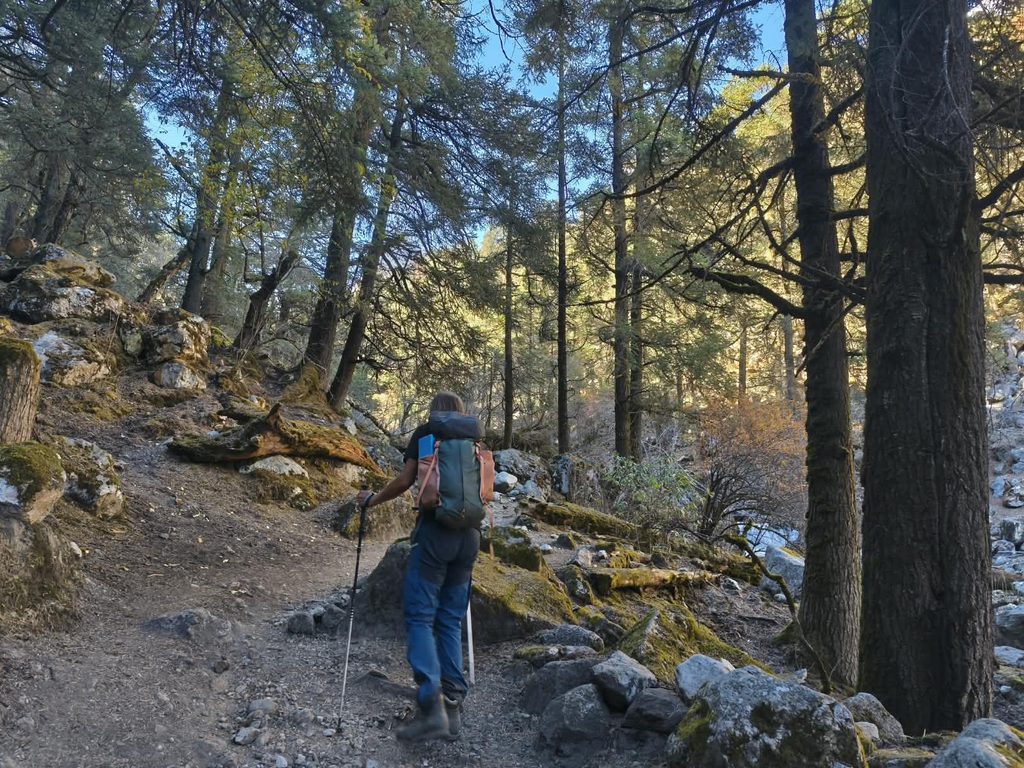
The Manaslu Conservation Area offers several trekking routes, ranging from the classic Manaslu Circuit to remote cultural journeys through Tsum Valley. Trekkers can also combine routes for a longer Himalayan experience.
Manaslu Circuit Trek
The Manaslu Circuit Trek is the region’s most popular route, usually taking 14–18 days. Starting from Machha Khola, the trail passes through traditional villages such as Namrung, Lho, Samagaun, and Samdo before crossing Larkya La Pass (5,106 m). The trek continues towards Dharapani in the Annapurna region.
Tsum Valley Trek
The Tsum Valley Trek explores a remote valley known for its Tibetan Buddhist culture, traditional villages, and ancient monasteries. Starting from the lower Budhi Gandaki region, the route passes through settlements such as Chumling, Chhekampar, and Nile. It is a quieter alternative for trekkers interested in local culture and mountain landscapes.
Manaslu Annapurna Circuit Trek
The Manaslu Annapurna Circuit Trek combines the Manaslu Circuit with the Annapurna Circuit. This extended journey takes trekkers through remote valleys, traditional settlements, high mountain passes, and diverse Himalayan landscapes across both regions.
Manaslu Tsum Valley Trek
The Manaslu Tsum Valley Trek combines the Tsum Valley and Manaslu Circuit routes into one extended journey. It offers opportunities to explore ancient monasteries, traditional villages, and the remote Tsum Valley before continuing towards Samagaun, Samdo, and Larkya La Pass.
Conclusion
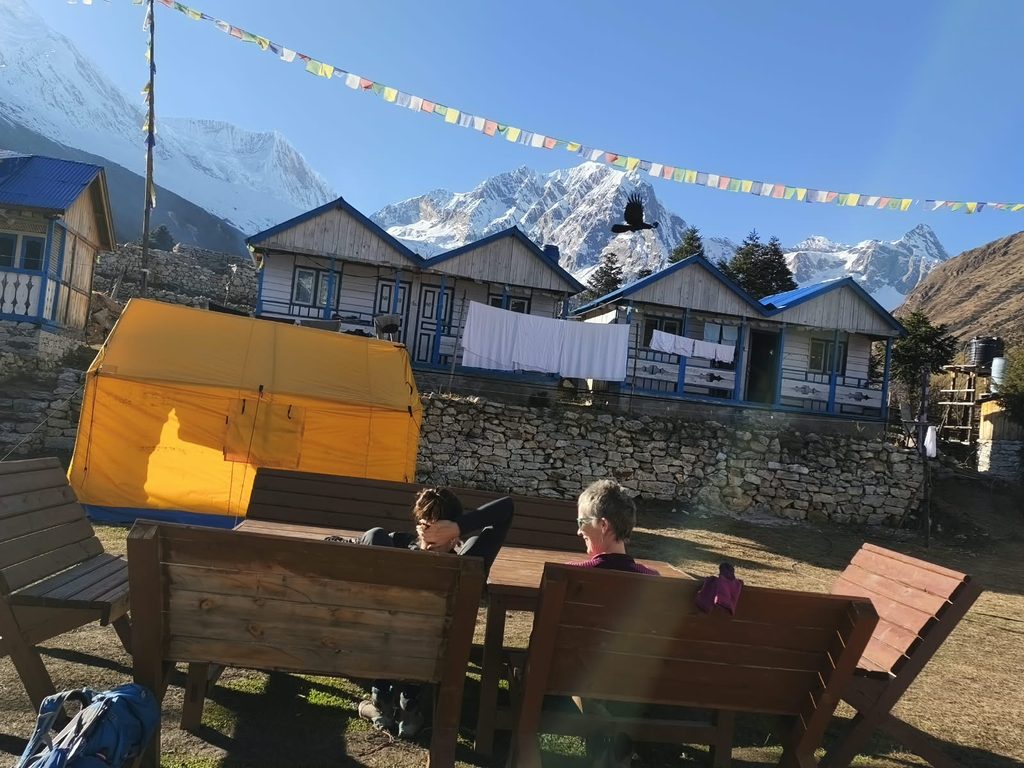
The Manaslu Conservation Area is an important natural and cultural region of Nepal, known for its diverse wildlife, traditional Himalayan villages, Buddhist heritage, and remote mountain landscapes. From the forests and river valleys to the high mountain terrain around Mount Manaslu, the region offers a unique combination of biodiversity and cultural experiences.
Whether exploring the Manaslu Circuit, visiting the culturally rich Tsum Valley, or discovering traditional mountain settlements, visitors can experience the natural and cultural heritage of this protected area. However, responsible tourism plays an important role in preserving its fragile environment and supporting local communities.
Before planning your visit, make sure to understand the required permits, trekking regulations, and seasonal conditions. By respecting local traditions, protecting wildlife habitats, and minimizing environmental impact, you can help conserve the Manaslu region for future generations.
Frequently Asked Questions About Manaslu Conservation Area
1. What is the Manaslu Conservation Area?
The Manaslu Conservation Area is a protected region in Gorkha District, Nepal, covering 1,663 sq. km. Established in 1998, it protects Himalayan biodiversity, wildlife, forests, traditional villages, and Tibetan Buddhist cultural heritage.
2. Where is the Manaslu Conservation Area located?
The Manaslu Conservation Area is located in Gorkha District in northern Nepal, around Mount Manaslu (8,163 m). It covers seven wards of Chumnubri Rural Municipality along the Budhi Gandaki River valley.
3. When was the Manaslu Conservation Area established?
The Manaslu Conservation Area was established in 1998 to protect the region’s natural resources, wildlife, forests, and traditional cultural heritage.
4. How big is the Manaslu Conservation Area?
The Manaslu Conservation Area covers approximately 1,663 square kilometers (642 square miles), extending from subtropical river valleys to high Himalayan mountain landscapes.
5. What is the best time to visit Manaslu Conservation Area?
The best time to visit the Manaslu Conservation Area is during spring (March to May) and autumn (September to November). These seasons generally offer clear mountain views, stable weather, and better trekking conditions.
6. What animals can be found in Manaslu Conservation Area?
The Manaslu Conservation Area is home to several rare Himalayan animals, including snow leopards, red pandas, Himalayan musk deer, and Assam macaques. Its forests and alpine habitats support diverse wildlife.
7. What plants are found in Manaslu Conservation Area?
The region has more than 1,500 species of flowering plants. Common vegetation includes sal, oak, pine, rhododendron, birch, and juniper, depending on elevation and climate.
8. Which are the major attractions of Manaslu Conservation Area?
Major attractions include Mount Manaslu, Larkya La Pass, Tsum Valley, traditional Tibetan-influenced villages, ancient Buddhist monasteries, glacial lakes, rhododendron forests, and the Budhi Gandaki River valley.
9. Which trekking routes are available in Manaslu Conservation Area?
The main trekking routes include the Manaslu Circuit Trek, Tsum Valley Trek, combined Manaslu Circuit and Tsum Valley Trek, and the extended Manaslu Annapurna Circuit Trek.
10. Do I need a permit to visit Manaslu Conservation Area?
Yes. Trekkers need the applicable restricted-area permits and conservation area permits for their chosen route. Permit requirements vary depending on whether you visit the Manaslu Circuit, Tsum Valley, or both.
11. Can I trek independently in Manaslu Conservation Area?
No. Independent trekking is not permitted on the restricted Manaslu and Tsum Valley routes. Trekkers must arrange the required permits through a registered trekking agency and travel with a licensed guide.
12. What is the highest point in Manaslu Conservation Area?
Mount Manaslu, at 8,163 meters, is the highest mountain in the conservation area. For trekkers following the Manaslu Circuit, Larkya La Pass (5,106 m) is the highest point on the standard route.
13. What is the Manaslu Conservation Area famous for?
The Manaslu Conservation Area is famous for its rich Himalayan biodiversity, Mount Manaslu, remote trekking trails, Tibetan Buddhist culture, traditional villages, and rare wildlife such as snow leopards and red pandas.
14. Which cultural attractions can I explore in Manaslu Conservation Area?
Visitors can explore traditional Tibetan-influenced villages, Buddhist monasteries, mani walls, chortens, and prayer-flag-lined trails. Shringi Gompa, Mu Gompa, and Rachen Gompa are among the region’s important religious sites.
15. How can visitors help protect Manaslu Conservation Area?
Visitors can support conservation by avoiding littering, respecting local traditions, following designated trails, minimizing plastic waste, respecting wildlife habitats, and using local guides, teahouses, and services.
Ramchandra Lamichhane
Trekking Expert
No hidden fees • Local experts • Best price guarantee