
How Difficult Is Mera Peak Climbing?
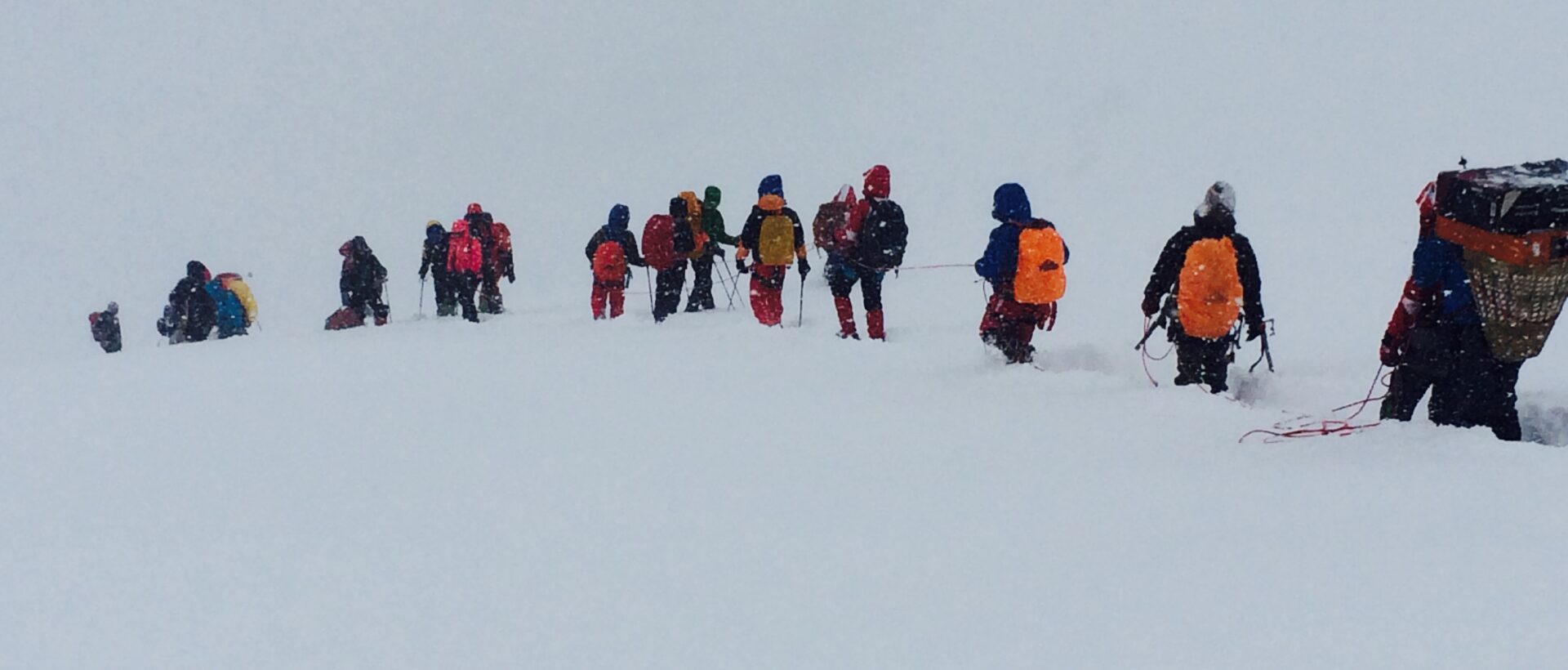
Mera Peak climbing is an exciting Himalayan adventure for trekkers who want to progress from high-altitude trekking to mountaineering. Standing at 6,476 metres (21,247 feet), Mera Peak is widely recognised as Nepal’s highest trekking peak. Although its standard climbing route is less technical than many other Himalayan climbing objectives, reaching the summit is physically demanding and requires proper preparation.
Many climbers consider Mera Peak a suitable introduction to 6,000-metre mountaineering. However, this does not mean it is an easy climb. The long approach through the Hinku Valley, high-altitude exposure, cold temperatures, glacier travel and demanding summit day can challenge even experienced trekkers. The reduced oxygen level above 5,000 metres makes every step more tiring, while changing Himalayan weather can affect the summit plan.
So, how difficult is Mera Peak climbing? Is it suitable for beginners? Do you need previous mountaineering experience? How fit should you be before attempting the summit?
In this guide, Create Himalaya Adventure explains the actual difficulty of Mera Peak, from the first trekking days to the final summit push, along with the fitness, skills and preparation needed for a successful expedition.
Overview
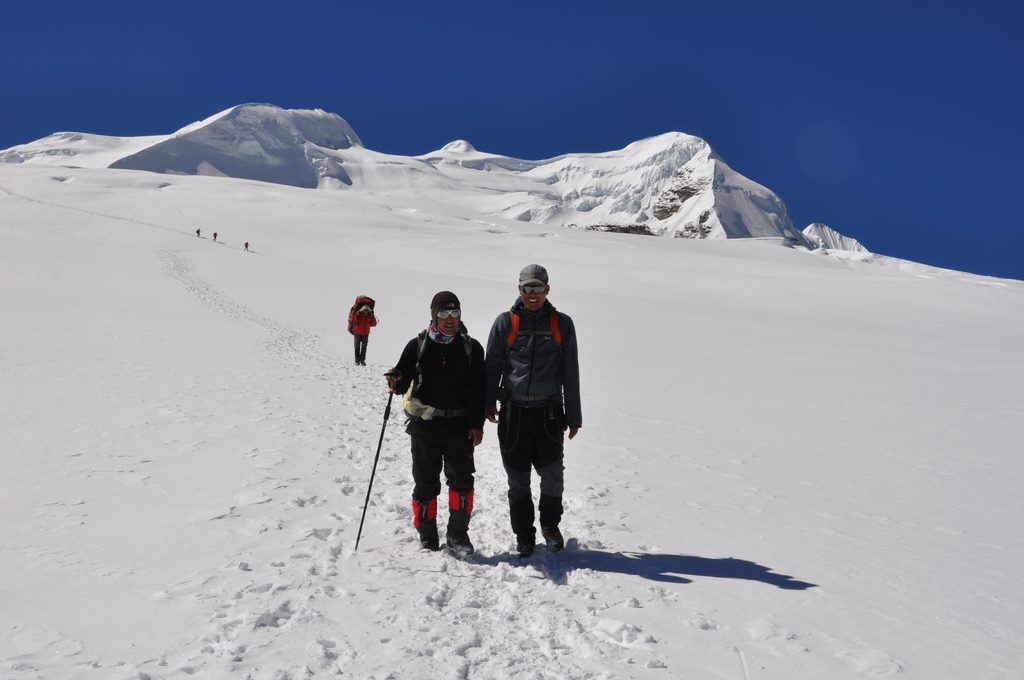
Mera Peak is generally considered a moderately challenging high-altitude climbing expedition. Its standard route is not technically extreme, but the combination of altitude, physical endurance and glacier conditions makes it considerably harder than an ordinary trekking holiday.
The mountain reaches 6,476 metres, where the availability of oxygen is significantly lower than at sea level. Climbers must walk for several hours each day, manage steep uphill sections and prepare for a long summit attempt in freezing temperatures.
The difficulty can be understood in three main ways:
- Physical difficulty: Long trekking days, continuous uphill walking, carrying personal equipment and completing the summit climb require considerable stamina.
- Technical difficulty: Climbers need to learn basic mountaineering techniques, including crampon walking, ice axe handling, harness use and rope travel.
- Mental difficulty: Cold weather, limited comfort, high-altitude fatigue and uncertainty about summit conditions require patience and determination.
Mera Peak is therefore more demanding than a regular Himalayan trek, even though its normal climbing route is considered relatively accessible compared with more technical mountains.
Is Mera Peak suitable for first-time climbers?
Yes, physically fit beginners can attempt Mera Peak with proper preparation, gradual acclimatization and an experienced climbing team. Previous mountaineering experience is beneficial but not always essential. However, beginners should not underestimate the physical demands of climbing above 6,000 metres.
What Makes Mera Peak Climbing Difficult?
Several factors contribute to the difficulty of the Mera Peak expedition. The biggest challenges are not limited to the actual summit climb; the trekking approach and high-altitude environment also require considerable effort.
Extreme altitude and low oxygen levels
Altitude is one of the biggest challenges of Mera Peak climbing. As you gain elevation, the amount of oxygen available with each breath decreases. Walking that feels comfortable at 3,000 metres can become exhausting above 5,000 metres.
The risk of acute mountain sickness (AMS) also increases with altitude. Climbers may experience headaches, nausea, dizziness, fatigue and sleeping difficulties. A gradual ascent and proper acclimatization are essential.
Long trekking days and steep mountain trails
The approach to Mera Peak involves several consecutive days of walking through forests, remote settlements, river valleys and rocky mountain paths. Some sections have steep ascents and descents, making the journey physically demanding.
You need enough endurance to walk for approximately five to seven hours on many trekking days, although actual walking times depend on the route and itinerary.
Glacier walking and snow-covered terrain
Above Khare, the climbing environment changes from ordinary trekking trails to high-altitude snow and glacier terrain. Climbers must become comfortable walking in mountaineering boots and crampons while remaining connected to the climbing rope where required.
Snow conditions and glacier hazards can change throughout the season, so the route should always be assessed by an experienced climbing guide.
Cold temperatures and strong Himalayan winds
Temperatures at Mera High Camp and the summit can fall well below freezing, particularly during early morning climbing hours. Strong winds can make conditions feel even colder. Proper layering, insulated gloves, warm boots and suitable sleeping equipment are essential.
Remote location and limited mountain facilities
The Hinku Valley is less developed than the main Everest Base Camp trekking corridor. Accommodation and services become increasingly basic as you approach Khare and High Camp. Access to medical facilities and emergency assistance is also limited, making preparation and a reliable support team important.
Mera Peak Climbing Difficulty by Route and Elevation
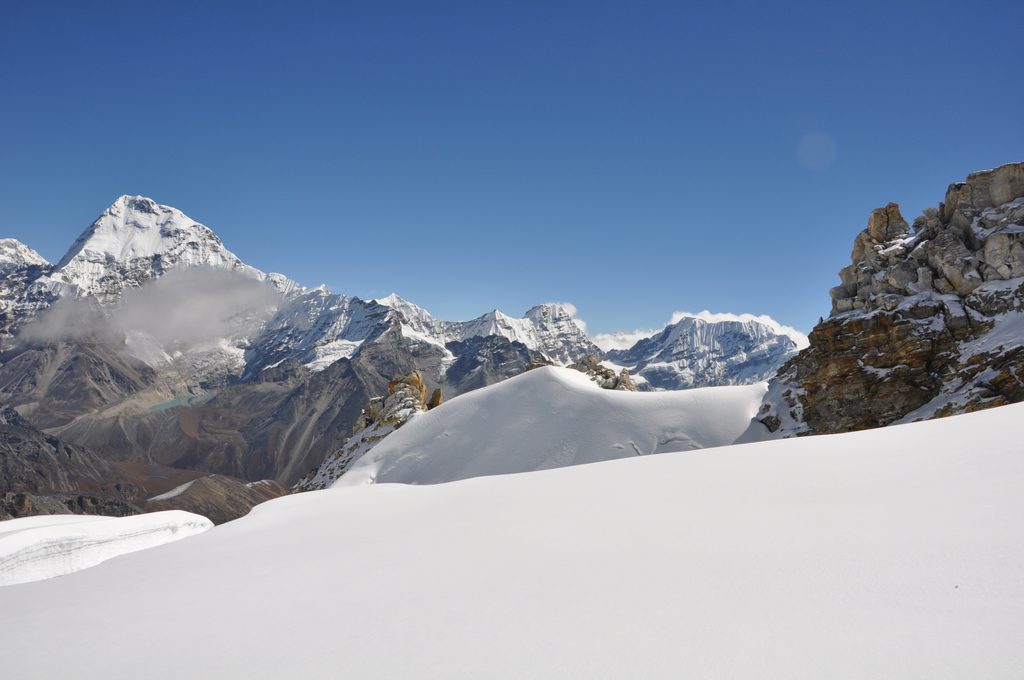
The difficulty of Mera Peak changes as you move from the lower Hinku Valley towards the glacier and summit. The early trekking days mainly involve walking on mountain trails, while the final stages require high-altitude climbing skills.
Lukla to Kothe: Trekking through the Hinku Valley
The journey begins in Lukla, followed by a trek towards the Hinku Valley. Depending on the chosen itinerary, the route may pass through Paiya, Panggom and other small mountain settlements. The trail includes forest paths, suspension bridges, uphill climbs and occasional steep descents.
This section is physically demanding because your body is adjusting to consecutive trekking days. Although the altitude is lower than the climbing section, maintaining a steady walking pace is important.
Kothe to Thangnak: Gradual ascent and changing terrain
From Kothe, the trail follows the Hinku Valley towards Thangnak. You walk through beautiful alpine landscapes with increasingly impressive views of surrounding mountains. The trail gradually gains elevation, and the thinner air starts making uphill walking more tiring.
This is an important stage for monitoring your body’s response to altitude.
Thangnak to Khare: High-altitude trekking
The walk from Thangnak to Khare is relatively short compared with some earlier trekking days, but it involves a significant altitude gain. The landscape becomes more exposed, with rocky terrain, glaciers and snow-covered mountain surroundings.
Khare, at approximately 5,045 metres, is the main preparation point before the climbing section. Climbers generally spend time here resting, acclimatizing and practising basic mountaineering skills.
Khare to Mera High Camp: Glacier approach and climbing preparation
The route from Khare towards Mera High Camp is where the expedition becomes a proper mountaineering adventure. Climbers cross snow and glacier terrain using appropriate climbing equipment. The ascent requires careful movement, proper foot placement and guidance from the climbing team.
Mera High Camp is generally established at approximately 5,700–5,800 metres, depending on the route and seasonal conditions. Spending a night at this elevation can be challenging because of the cold, wind and limited oxygen.
Mera High Camp to Summit: The most challenging section
The final ascent is the hardest part of Mera Peak climbing. Climbers normally leave High Camp during the night or early morning and follow the glacier route towards the summit.
The climb involves several hours of continuous uphill walking in crampons. The final section may involve steeper snow slopes and fixed-rope assistance, depending on the route conditions and climbing arrangements.
After reaching the summit, you must descend carefully. Reaching the top is only half the challenge; returning safely to a lower camp is equally important.
How Difficult Is the Mera Peak Summit Day?
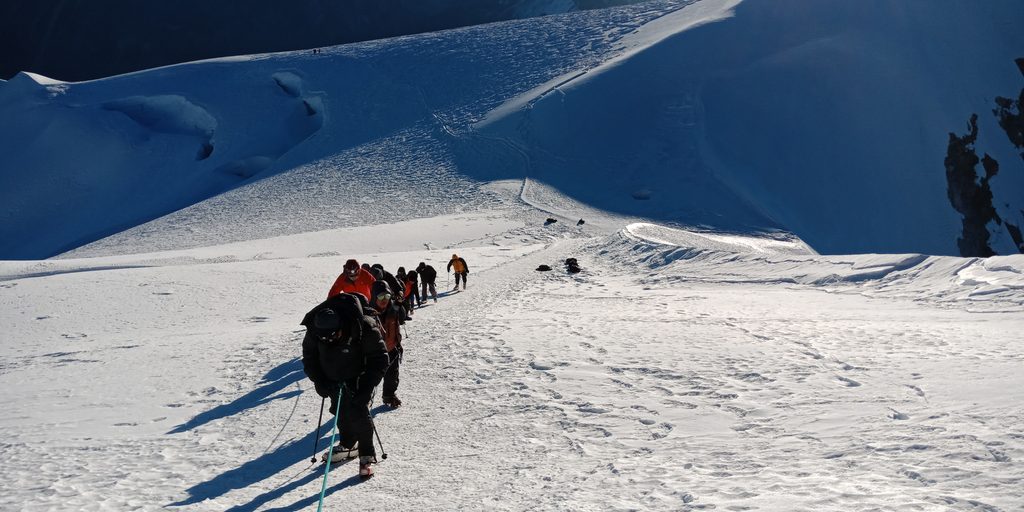
Summit day is generally the most physically demanding part of the entire Mera Peak expedition. It can take approximately 8–12 hours or sometimes longer, depending on weather, snow conditions, group fitness and the summit route.
Most climbing teams start around midnight or in the early morning to take advantage of colder snow conditions and reach the summit before stronger afternoon winds develop.
There are four major challenges:
- Early departure: Starting during the night can be difficult because you may have limited sleep at High Camp.
- Crampon walking: You need to maintain a steady rhythm while walking on snow and ice in heavy mountaineering boots.
- High-altitude exhaustion: The reduced oxygen level makes even moderate physical activity feel difficult.
- Long descent: After spending several hours climbing, you still need enough energy and concentration to descend safely.
The summit attempt should never be rushed. Your climbing guide should assess weather, snow conditions and the physical condition of the group before deciding whether to continue.
How Much Physical Fitness Is Required for Mera Peak?
You need a good level of physical fitness and endurance to climb Mera Peak. You do not necessarily need to be an athlete, but you should be comfortable walking uphill for several hours over consecutive days.
A suitable fitness programme should include cardiovascular exercise, leg strengthening and regular hiking. Ideally, begin your preparation 8–12 weeks before departure, adjusting the training intensity to your current fitness.
Your preparation should include:
- Hiking for five to seven hours with a backpack.
- Running, cycling or swimming to improve cardiovascular endurance.
- Stair climbing to develop leg strength.
- Squats and lunges to strengthen your thighs and calves.
- Core exercises to improve balance and stability.
- Practising longer walks on uneven mountain trails.
If you have completed high-altitude treks such as Everest Base Camp, Annapurna Circuit or similar mountain journeys, you may already have a useful endurance foundation. However, trekking experience alone does not replace mountaineering preparation.
Is Mera Peak Technically Difficult to Climb?
Mera Peak’s normal route is considered relatively straightforward in technical terms compared with more demanding Himalayan climbing peaks. However, it involves glacier travel and the use of mountaineering equipment.
You should become familiar with the following skills:
Crampon walking on snow and ice
Crampons attach to your mountaineering boots and provide grip on snow and ice. You need to learn proper foot placement, maintain balance and avoid catching one crampon on the other.
Using an ice axe and climbing harness
An ice axe helps with stability and safe movement on snowy slopes. A climbing harness allows you to connect to the rope system used by your climbing team.
Rope travel across glacier sections
Glaciers may contain hidden crevasses and unstable snow bridges. Climbers travel using an appropriate rope system under the direction of their guide. Understanding basic rope discipline is important.
Basic mountaineering training at Khare
Khare is an ideal location for practising essential climbing techniques before the summit attempt. Your climbing guide can demonstrate how to wear crampons, use an ice axe, operate climbing equipment and move safely as part of a rope team.
Previous experience is useful, but proper instruction and supervised practice are particularly important for first-time climbers.
Mera Peak Altitude Difficulty and Acclimatization
Altitude is one of the most serious factors affecting Mera Peak climbing success. At elevations above 5,000 metres, your body has to work harder because less oxygen is available. Even climbers with excellent physical fitness can develop altitude sickness.
Common symptoms of altitude sickness
- Persistent headache
- Nausea or vomiting
- Dizziness and unusual tiredness
- Loss of appetite
- Difficulty sleeping
Never continue ascending if you develop symptoms of altitude sickness. Severe headache, difficulty walking straight, confusion or breathlessness at rest can indicate a medical emergency requiring immediate descent and medical attention.
Why is acclimatization important?
Acclimatization gives your body time to adjust to lower oxygen availability. A well-planned Mera Peak itinerary should include suitable rest and acclimatization opportunities before reaching higher elevations.
Avoid ascending too quickly, drink adequate fluids and communicate any symptoms to your guide. Remember that being physically strong does not make you immune to altitude sickness.
Mera Peak Climbing Difficulty in Different Seasons
Weather conditions can make the same climbing route easier or considerably more challenging depending on the month. Spring and autumn are the main climbing seasons.
Season Months General climbing conditions
- Spring March–May Generally favourable, with longer days and comparatively warmer conditions
- Monsoon June–August Rain, clouds, slippery trails and possible travel disruptions
- Autumn September–November Generally clear skies and good mountain visibility
- Winter December–February Extreme cold, possible heavy snowfall and shorter daylight
- Spring (March–May): April is particularly popular because of longer daylight hours and generally favourable climbing conditions. May can become cloudier as the monsoon approaches.
Summer/Monsoon (June–August): This is generally the least favourable period. Rain, cloud cover, slippery trails and transport disruptions can make the approach difficult.
Autumn (September–November): October is one of the most popular months because the post-monsoon atmosphere often provides excellent visibility. November becomes colder, especially at higher camps.
Winter (December–February): Winter climbing is possible for suitably experienced and equipped teams, but severe cold, snow and shorter days increase the difficulty.
Actual climbing conditions vary every year, so the final summit decision must depend on the weather and mountain conditions rather than the calendar alone.
Mera Peak vs Island Peak: Which Is More Difficult?
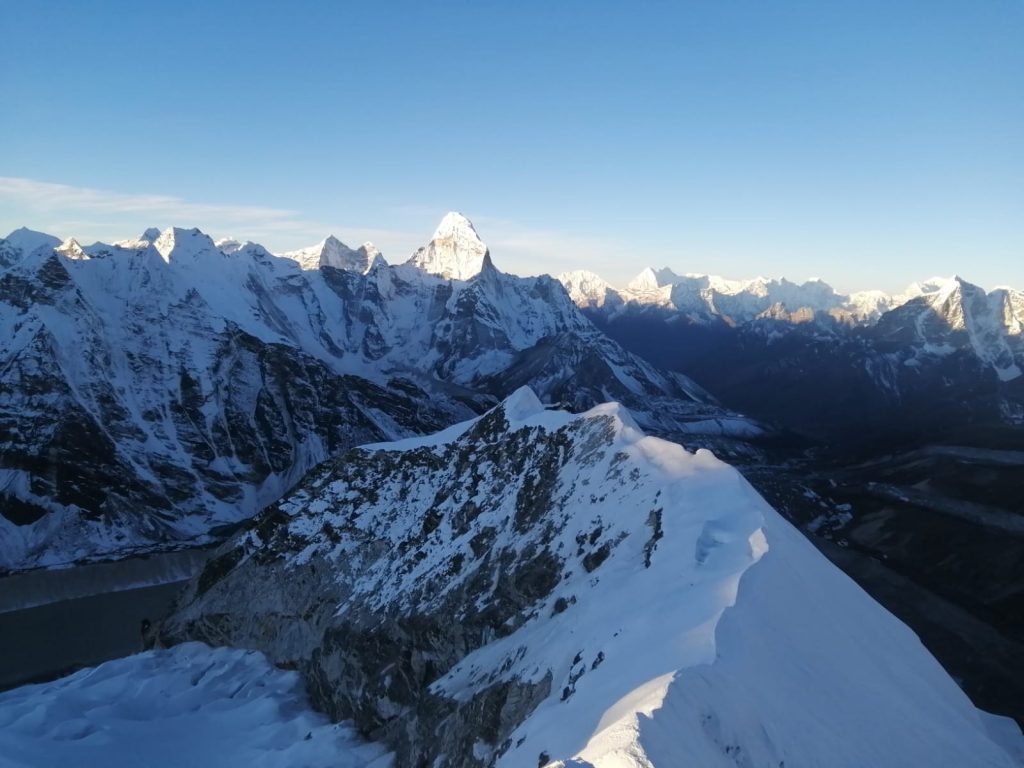
Mera Peak and Island Peak are two popular 6,000-metre climbing destinations in Nepal, but they offer different climbing experiences.
Mera Peak is generally more demanding in terms of altitude and endurance. Its summit is higher, and the long glacier approach and summit day require sustained physical effort.
Island Peak, on the other hand, involves more technical climbing challenges on its standard route, including steeper snow and ice sections, fixed ropes and a more pronounced headwall near the summit.
Difficulty factor Mera Peak Island Peak
- Summit elevation 6,476 m 6,189 m
- Main challenge Altitude and endurance Technical climbing and altitude
- Glacier travel Yes Yes
- Crampons and ice axe Required Required
- Summit day Long and physically demanding Technically demanding
Neither mountain should be considered easy. Your previous experience, physical fitness, climbing skills and the actual route conditions should determine which peak is more suitable.
Mera Peak vs Everest Base Camp Trek: How Much Harder Is It?
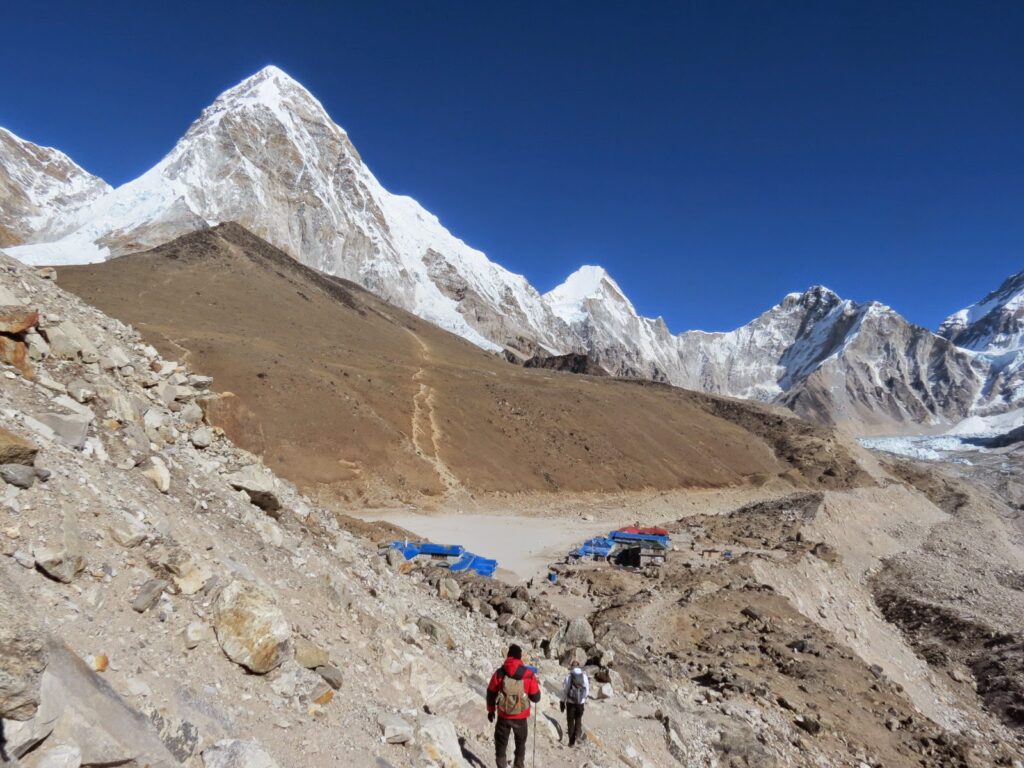
Mera Peak climbing is considerably more demanding than the Everest Base Camp Trek. Although both journeys involve high-altitude walking in the Everest region, Mera Peak adds glacier travel, mountaineering equipment and a summit attempt above 6,400 metres.
The Everest Base Camp Trek reaches approximately 5,364 metres, while Mera Peak’s highest summit is 6,476 metres. EBC is primarily a trekking adventure, whereas Mera Peak requires additional climbing preparation and technical support.
If you have completed the Everest Base Camp Trek, you may have a good foundation for Mera Peak. However, you will still need additional endurance training, acclimatization and mountaineering practice.
Can Beginners Climb Mera Peak Successfully?
Yes, beginners can climb Mera Peak if they are physically prepared, properly acclimatized and accompanied by an experienced climbing team. It is a popular option for trekkers who want to experience their first Himalayan 6,000-metre summit.
However, beginners should understand that reaching the summit is not guaranteed. Weather conditions, altitude sickness, snow conditions and individual fitness can affect the outcome.
Before booking your expedition, consider completing at least one demanding high-altitude trek. Learning basic mountaineering skills before departure will also make your climbing experience more comfortable and manageable.
How to Prepare for Mera Peak Climbing
Preparation should begin well before arriving in Nepal. A combination of physical training, hiking experience and basic mountaineering knowledge will help you manage the challenges of the expedition.
We recommend focusing on five areas:
1. Cardiovascular training: Running, cycling and swimming improve stamina and help you manage long trekking days.
2. Leg and core strength: Squats, lunges, step-ups and core exercises prepare your muscles for uphill walking and uneven terrain.
3. Backpack hiking: Practise walking with a backpack to become comfortable carrying your personal equipment.
4. High-altitude trekking: Experience at elevations above 3,500–4,000 metres can help you understand your body’s response to altitude.
5. Mountaineering skills: Learn basic crampon walking, ice axe handling, harness use and rope techniques under professional supervision.
Good preparation will make the expedition more manageable, but it cannot eliminate the risks associated with climbing at high altitude.
Tips for Making Mera Peak Climbing Easier and Safer
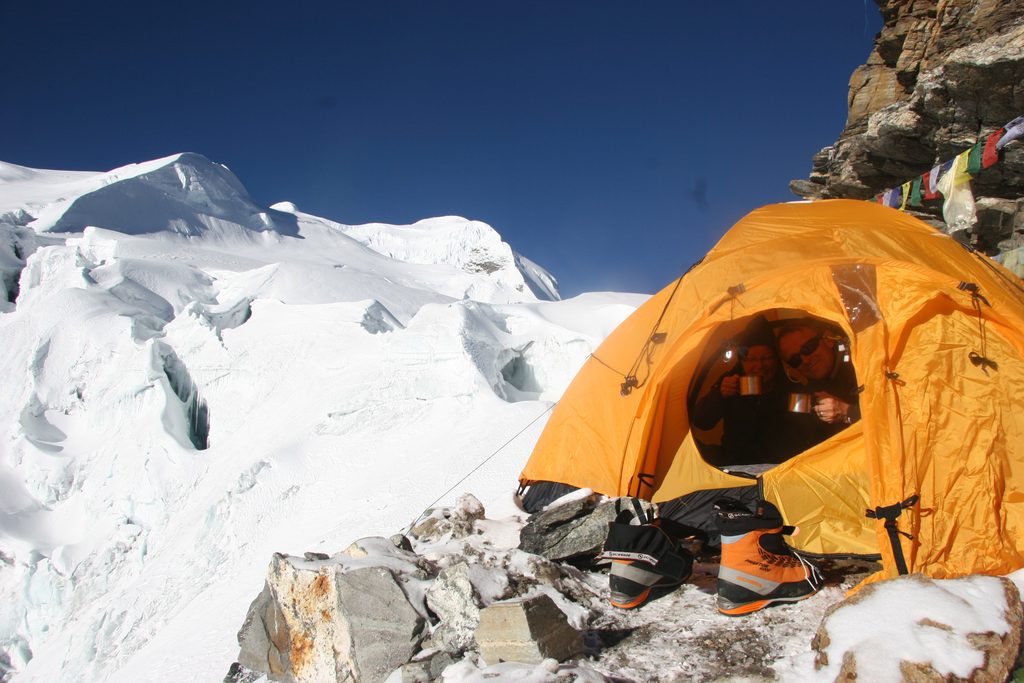
A successful Mera Peak expedition depends on more than physical strength. Your itinerary, climbing equipment, guide and decision-making all play important roles.
Here are some practical recommendations:
- Choose an itinerary that allows sufficient acclimatization rather than rushing towards Khare and High Camp.
- Hire an experienced climbing guide familiar with Mera Peak and the Hinku Valley.
- Wear properly fitted mountaineering boots and practise using crampons before the summit attempt.
- Carry suitable down clothing, insulated gloves, sunglasses and a warm sleeping bag.
- Maintain a steady walking pace and avoid unnecessary physical exhaustion.
- Eat regularly and drink enough water throughout the expedition.
- Keep a flexible schedule with additional time for unfavourable weather.
- Obtain travel insurance that specifically covers high-altitude mountaineering and helicopter evacuation.
- Follow your guide’s instructions and never continue climbing when conditions are unsafe.
Most importantly, do not measure success only by reaching the summit. A safe return is the most important part of every Himalayan climbing expedition.
Frequently Asked Questions
Is Mera Peak harder than Everest Base Camp Trek?
Yes. Mera Peak is harder because it involves higher altitude, glacier travel, mountaineering equipment and a demanding summit day. Everest Base Camp is a trekking destination rather than a technical climbing objective.
Can I climb Mera Peak without previous climbing experience?
Yes, provided you have good fitness, adequate preparation and professional climbing support. You will need to learn basic mountaineering skills before attempting the summit.
How many days does it take to climb Mera Peak?
Most standard Mera Peak expeditions take approximately 16–20 days, including arrival in Kathmandu, trekking, acclimatization, climbing and return travel. The exact duration depends on the selected route and itinerary.
Is Mera Peak more physically demanding than technically difficult?
Yes. On the normal route, altitude, endurance and the long summit day are major challenges. However, glacier travel and basic climbing techniques are still necessary.
Can I climb Mera Peak if I have completed the Annapurna Circuit?
Yes. Completing the Annapurna Circuit gives you useful high-altitude trekking experience and endurance. However, you should also prepare for glacier travel and learn basic mountaineering techniques.
How cold does it get at Mera High Camp?
Temperatures can fall well below freezing, particularly at night and during the early morning summit attempt. Strong winds can make the conditions feel even colder, so proper expedition clothing is essential.
Conclusion: Is Mera Peak Climbing Worth the Challenge?
Mera Peak climbing is a rewarding but demanding Himalayan adventure. Although its standard route is relatively less technical than some other climbing peaks in Nepal, the high elevation, long trekking approach, glacier conditions and challenging summit day require serious preparation.
For fit trekkers looking to move beyond ordinary trekking and experience their first 6,000-metre mountain, Mera Peak offers an excellent opportunity. With a sensible itinerary, proper acclimatization, suitable equipment and experienced climbing support, you can prepare for this remarkable Himalayan journey.
At Create Himalaya Adventure, we organise Mera Peak climbing expeditions with experienced local guides, carefully planned itineraries and a strong focus on climber safety. Whether you are an experienced trekker or preparing for your first Himalayan summit, our team can help you plan your expedition according to your fitness, experience and travel schedule.
Ready to take on Mera Peak? Contact Create Himalaya Adventure to discuss your climbing plans and prepare for your Himalayan summit adventure.
Ramchandra Lamichhane
Trekking Expert
No hidden fees • Local experts • Best price guarantee