Makalu Base Camp Trek
The Makalu Base Camp Trek is one of Nepal’s most rewarding wilderness adventures, leading trekkers into the remote eastern Himalayas beneath the towering presence of Mount Makalu (8,485 m), the […]
Highlights
- Trek to the base of Mount Makalu (8,485 m), the world's fifth-highest mountain.
- Enjoy stunning views of Makalu, Everest, Lhotse, Chamlang, and Baruntse.
- Explore the unspoiled wilderness of Makalu Barun National Park.
- Walk through diverse landscapes, from lush forests and traditional villages to alpine meadows and glaciers.
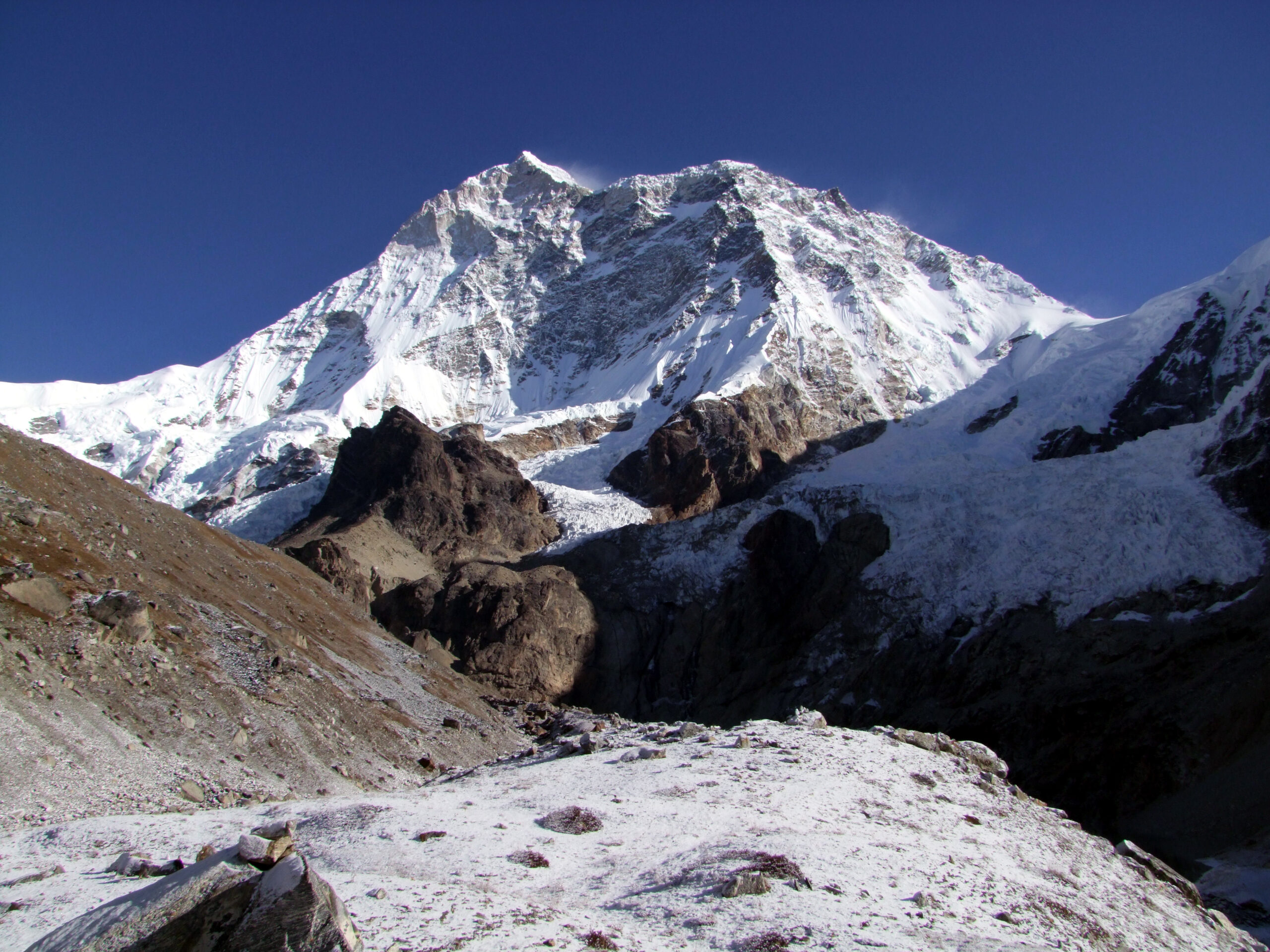
- Witness the spectacular Barun Glacier and Makalu's impressive south face.
- Experience authentic Himalayan culture in remote mountain communities.
- Spot rare wildlife, including red pandas, musk deer, and Himalayan thar.
- Enjoy a peaceful trekking experience away from the crowds of popular routes.
- Capture incredible photographs of mountains, forests, rivers, and wildlife.
- Discover one of Nepal's most rewarding off-the-beaten-path trekking adventures.
Overview
The Makalu Base Camp Trek is one of Nepal’s most rewarding wilderness adventures, leading trekkers into the remote eastern Himalayas beneath the towering presence of Mount Makalu (8,485 m), the world’s fifth-highest mountain. Far from the crowded trekking routes of Everest and Annapurna, this extraordinary journey offers a rare opportunity to experience untouched landscapes, rich biodiversity, and authentic mountain culture in a peaceful Himalayan setting.
The adventure begins with a scenic flight from Kathmandu to Tumlingtar, followed by a drive to the trailhead. The route gradually ascends through lush subtropical forests, terraced farmlands, traditional villages, and deep river valleys before entering the pristine wilderness of Makalu Barun National Park. As trekkers gain elevation, the scenery transforms dramatically from rhododendron forests and alpine meadows to rugged glacial terrain surrounded by towering snow-capped peaks.
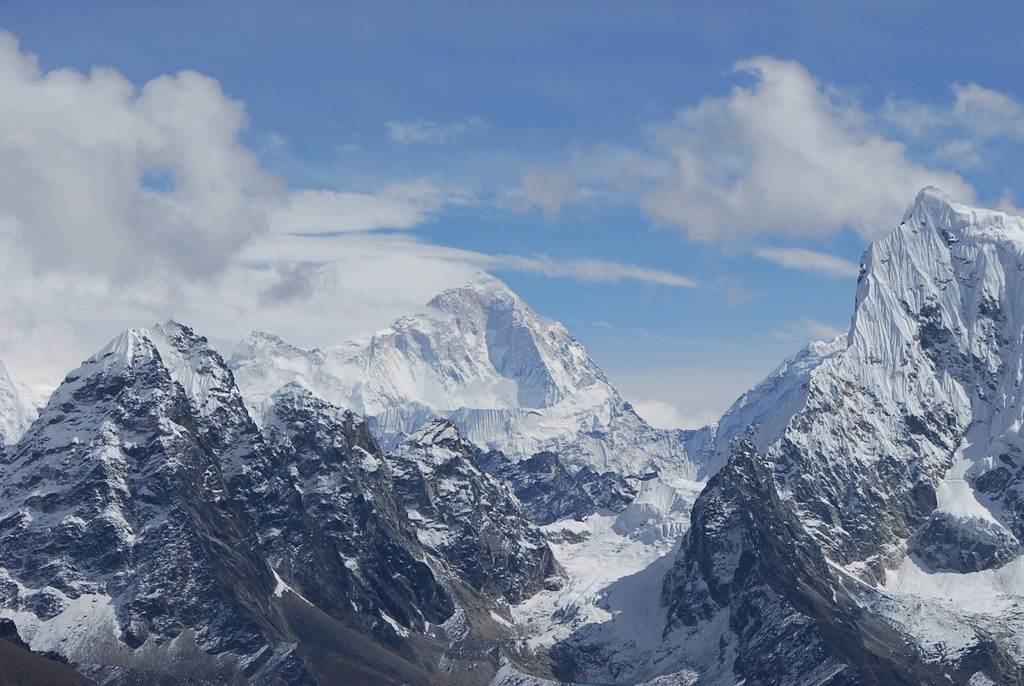
Reaching Makalu Base Camp at approximately 4,870 meters (15,978 ft) is the highlight of the trek. From here, trekkers are rewarded with breathtaking views of the immense south face of Mount Makalu, the Barun Glacier, and neighboring Himalayan giants including Everest, Lhotse, Chamlang, and Baruntse. The base camp area also offers opportunities to explore glacial lakes, moraines, and high-altitude landscapes that remain largely untouched by mass tourism.
The trek is considered moderately challenging to strenuous due to its duration, remote location, and significant altitude gain. However, the gradual ascent allows proper acclimatization, making it achievable for trekkers with good physical fitness and previous hiking experience. The route’s remoteness is part of its appeal, offering solitude and a genuine sense of exploration rarely found on more popular trekking trails.
One of the greatest treasures of this journey is the remarkable biodiversity of Makalu Barun National Park. The protected area is home to thousands of species of flowering plants, hundreds of bird species, and rare wildlife such as the snow leopard, red panda, Himalayan thar, musk deer, and wild yak. Nature lovers, birdwatchers, and photographers will find endless opportunities to capture the region’s extraordinary beauty.
For travelers seeking an off-the-beaten-path Himalayan adventure, the Makalu Base Camp Trek delivers an unforgettable combination of dramatic mountain scenery, diverse ecosystems, cultural encounters, and true wilderness exploration. It is a trek that showcases Nepal’s raw natural beauty while providing a unique and immersive experience in one of the most remote corners of the Himalayas.
Makalu Base Camp Trek Difficulty
The Makalu Base Camp Trek is considered a moderately challenging to strenuous trek, best suited for trekkers with good physical fitness and some prior hiking experience. The route involves long walking days, steep ascents and descents, remote mountain trails, and high-altitude trekking.
The highest point of the trek is Makalu Base Camp (4,870 m / 15,978 ft), where thinner air can make hiking more demanding. However, the itinerary is designed with gradual altitude gain, allowing trekkers enough time to acclimatize properly and reduce the risk of altitude sickness.
Unlike the more developed Everest and Annapurna regions, facilities along the Makalu trail are basic, and the remote nature of the trek adds an extra level of challenge. Trekkers should be prepared for rugged terrain, changing weather conditions, and several days of walking through isolated mountain landscapes.
With proper preparation, a reasonable fitness level, and a positive attitude, the Makalu Base Camp Trek is an achievable and highly rewarding adventure for those seeking a true Himalayan wilderness experience.
Makalu Base Camp Trek Route
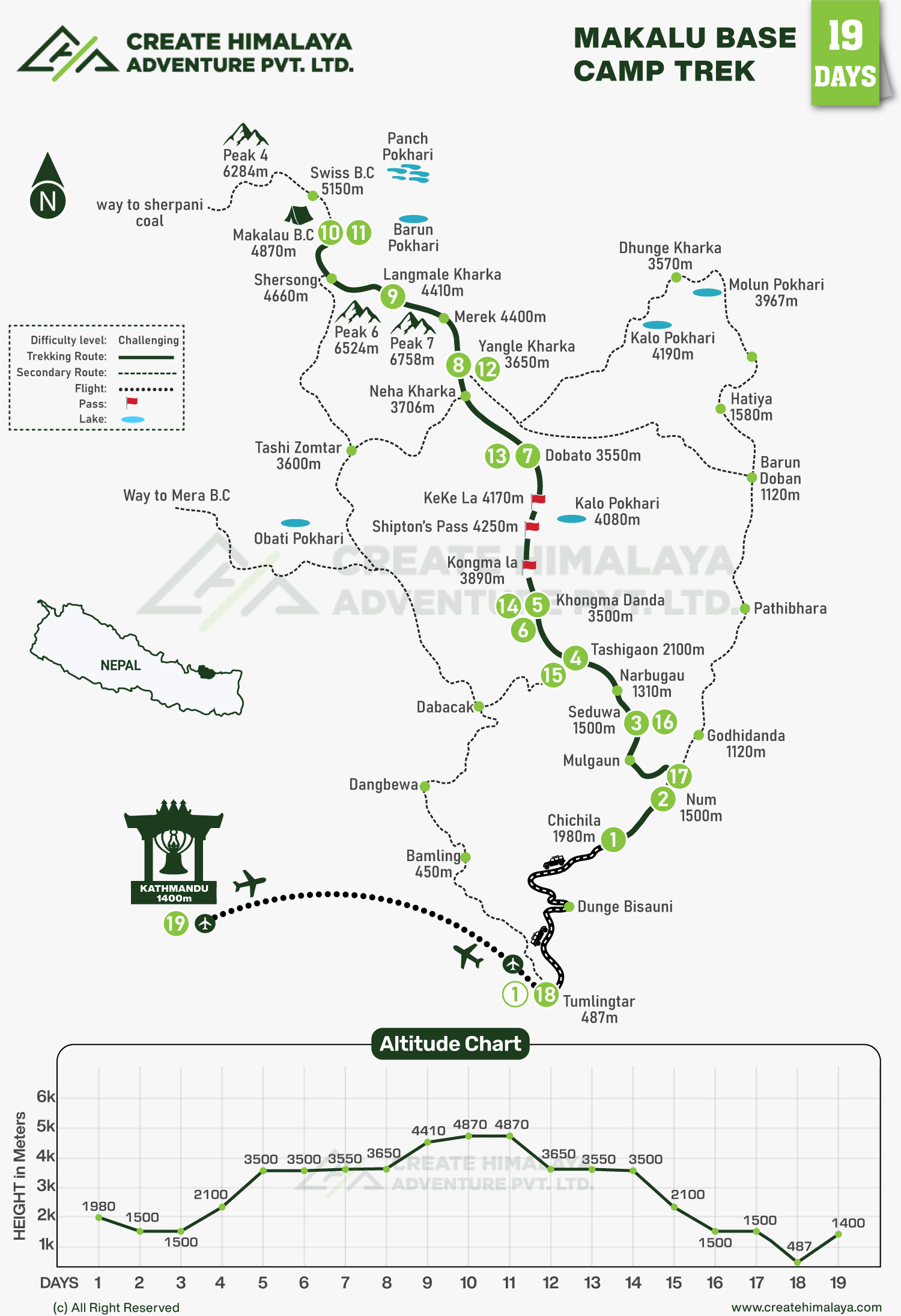
The Makalu Base Camp Trek begins with a scenic flight from Kathmandu to Tumlingtar, followed by a drive to Chichila, the starting point of the trek. From here, the trail passes through traditional villages, dense forests, terraced farmlands, and river valleys as it gradually ascends into the remote Makalu region.
The route typically follows Chichila – Num – Seduwa – Tashigaon – Khongma Danda – Dobate – Yangri Kharka – Langmale Kharka – Makalu Base Camp. Along the way, trekkers cross the beautiful landscapes of the Makalu Barun National Park, traverse alpine meadows, and enjoy spectacular views of snow-capped Himalayan peaks.
After reaching Makalu Base Camp (4,870 m), trekkers spend time exploring the surrounding glaciers, lakes, and viewpoints before retracing the route back through the Barun Valley. The return journey follows the same trail to Num and Chichila before driving back to Tumlingtar for the flight to Kathmandu.
This route offers an incredible combination of remote wilderness, diverse ecosystems, traditional mountain culture, and breathtaking views of Makalu, Everest, Lhotse, Chamlang, and Baruntse.
Trip Itinerary
Kathmandu to Tumlingtar Flight and Drive to Chichila
Your Makalu Base Camp Trek begins with an exciting morning flight from Kathmandu to Tumlingtar (487m), a small town located in eastern Nepal. During the flight, travelers can enjoy breathtaking aerial views of lush hills, winding rivers, and distant Himalayan peaks. Upon landing at Tumlingtar Airport, the trekking crew and vehicles will be ready for the scenic drive to Chichila.
The drive follows winding mountain roads through traditional Rai and Sherpa settlements, terraced farmland, and dense subtropical forests. As you gain elevation, the landscape gradually changes, offering panoramic views of rolling hills and remote villages. Chichila is a peaceful hilltop village known for its welcoming local communities and beautiful natural surroundings. The village provides a perfect introduction to the untouched beauty of the Makalu region. Overnight stay at a local teahouse in Chichila.
Trek from Chichila to Num
After breakfast, the trek officially begins as you leave Chichila and follow a scenic trail through forests, ridges, and traditional mountain settlements. The route passes through small villages where you can observe the daily lifestyles of local communities that have preserved their traditions for generations.
Throughout the day, trekkers enjoy stunning views of deep river valleys and green hills stretching toward the horizon. The trail features a combination of gradual ascents and descents, making it an enjoyable introduction to the trekking days ahead. Eventually, you reach Num, a picturesque village dramatically situated on a ridge above the Arun River Valley. The location offers magnificent views of the surrounding landscapes and serves as an important gateway into the Makalu-Barun region. Overnight stay in Num.
Trek from Num to Seduwa
Today's trek is one of the most memorable sections of the lower Makalu route. The day begins with a steep descent through forests and farmland to the powerful Arun River. After crossing a suspension bridge over the river, the trail climbs steadily uphill through terraced fields and traditional settlements.
As you ascend, the scenery becomes increasingly beautiful, with dense forests, cascading streams, and cultivated hillsides surrounding the route. Along the way, you will reach the entrance checkpoint of the Makalu-Barun National Park and Conservation Area, one of Nepal's most biologically diverse protected regions. Continuing onward, you arrive at Seduwa, a charming village surrounded by fertile agricultural land. This settlement offers wonderful opportunities to interact with local families and experience rural Himalayan culture. Overnight stay in Seduwa.
Trek from Seduwa to Tashi Gaon
Leaving Seduwa behind, the trail gradually climbs through forests, cultivated terraces, and small mountain hamlets. The route provides excellent views of the surrounding hills and valleys while introducing trekkers to the rich biodiversity of the Makalu-Barun region.
As the elevation increases, the landscapes become more rugged and the mountain atmosphere more pronounced. Tashi Gaon is the last permanent settlement before entering the higher alpine wilderness of the Makalu region. The village is inhabited primarily by Sherpa families who have lived in these mountains for generations. From here, trekkers can enjoy spectacular views of surrounding peaks and experience the warm hospitality of the local community. Overnight stay at a teahouse in Tashi Gaon.
Tashi Gaon to Khongma Danda
This is one of the most physically demanding days of the Makalu Base Camp Trek. The trail ascends steeply through dense rhododendron forests, oak woodlands, and mountain vegetation. As you continue climbing, the views become increasingly dramatic, revealing distant snow-covered peaks and deep valleys below.
The route gains significant elevation throughout the day, making a steady pace essential. During spring, the rhododendron forests bloom with vibrant colors, creating one of the most beautiful sections of the trek. Upon reaching Khongma Danda, trekkers are rewarded with magnificent panoramic views of the eastern Himalayas. The cooler mountain climate and high-altitude setting mark the transition into the alpine zone of the journey. Overnight stay in Khongma Danda.
Acclimatization Day at Khongma Danda
Proper acclimatization is essential for a successful and safe trek to Makalu Base Camp. Today is dedicated to helping your body adjust to the higher altitude while allowing time to rest and recover from the previous day's climb.
A short hike to nearby viewpoints offers breathtaking panoramas of surrounding Himalayan peaks, ridges, and valleys. The "climb high, sleep low" principle helps improve acclimatization and reduces the risk of altitude sickness. The remainder of the day can be spent relaxing, exploring the surrounding area, or interacting with fellow trekkers and local hosts. Overnight stay at Khongma Danda.
Trek Khongma Danda to Dobato
Today's route is among the most spectacular sections of the entire Makalu Base Camp Trek. The trail crosses several high mountain passes over, including Shipton La (4200 m) and Keke La (4152 m), offering unforgettable views of Makalu, Chamlang, Baruntse, and other towering Himalayan peaks.
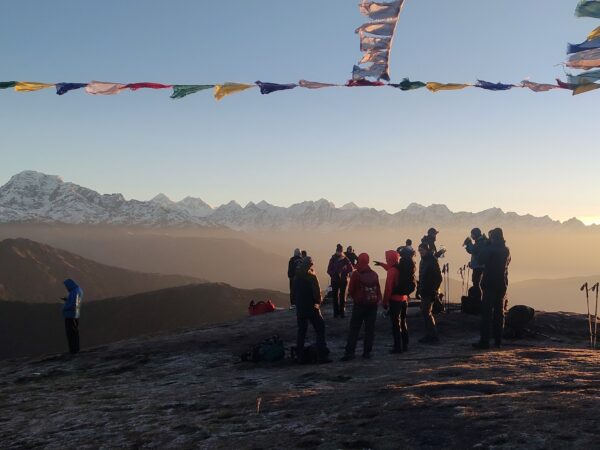
The landscape becomes increasingly rugged as you traverse alpine ridges decorated with colorful prayer flags fluttering in the mountain winds. The dramatic scenery, combined with the sense of remoteness, creates a truly memorable trekking experience. After crossing the high passes, the trail descends to Dobato, a peaceful resting point surrounded by pristine mountain wilderness. Overnight stay in Dobato.
Trek from Dobato to Yangle Kharka
The trail descends into the spectacular Barun Valley, one of Nepal's most pristine and untouched Himalayan landscapes. As you enter the valley, towering cliffs, waterfalls, and glacial rivers create a dramatic backdrop throughout the journey.
The route follows the Barun River through dense forests and open meadows, providing opportunities to spot Himalayan wildlife and rare alpine plants. Gradually, the vegetation thins and broad grazing pastures appear. Yangle Kharka is a beautiful alpine meadow surrounded by towering peaks and rugged mountain terrain. The peaceful atmosphere and stunning scenery make it one of the most rewarding overnight stops on the trek. Overnight stay in Yangle Kharka.
Trek from Yangle Kharka to Langmale Kharka
Leaving Yangle Kharka behind, the trail follows the upper Barun Valley toward the higher alpine zone. As the elevation increases, the landscape becomes increasingly barren yet incredibly dramatic. Dense vegetation gradually disappears, replaced by rocky terrain, glacial moraines, and wide-open mountain vistas. The surrounding scenery is dominated by towering Himalayan peaks, creating a sense of adventure and isolation rarely found on other trekking routes in Nepal.
Throughout the day, trekkers enjoy magnificent views of Mount Makalu, Peak 6, Peak 7, and other snow-covered summits rising above the valley. The route is relatively gradual compared to previous days, allowing trekkers to appreciate the spectacular surroundings while continuing the acclimatization process. Upon reaching Langmale Kharka, a remote alpine pasture, you are rewarded with some of the finest mountain panoramas of the entire trek. Overnight stay at a teahouse in Langmale Kharka.
Trek from Langmale Kharka to Makalu Base Camp
Today marks one of the most anticipated days of the journey as you trek toward the legendary Makalu Base Camp. The trail follows glacial valleys and rugged mountain landscapes while gradually ascending toward the foot of the world's fifth-highest mountain. Along the route, trekkers pass through fascinating geological formations shaped by glaciers over thousands of years.
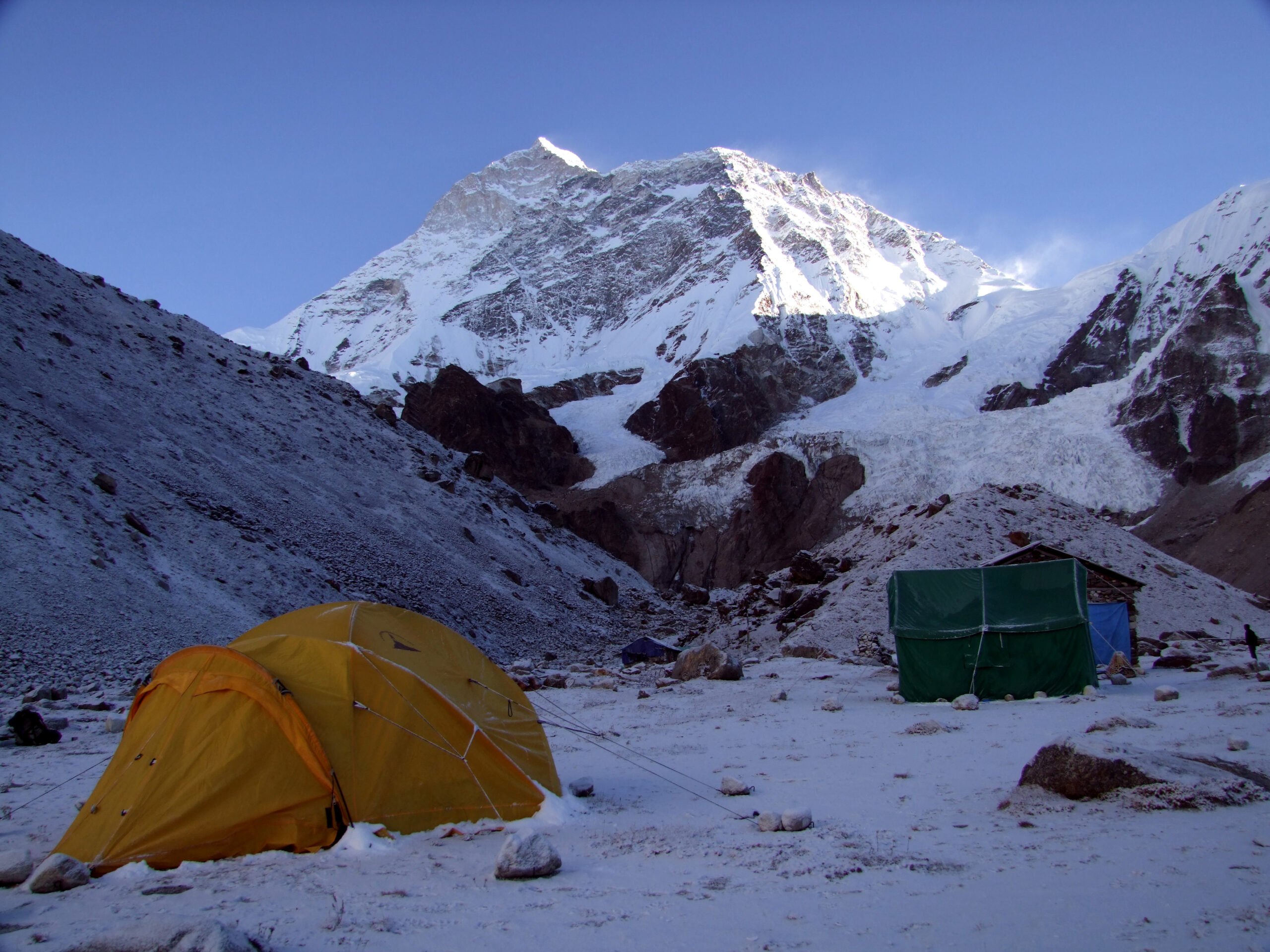
As the trail climbs higher, breathtaking views unfold in every direction. The enormous south face of Mount Makalu dominates the skyline, while neighboring peaks such as Baruntse, Chamlang, and Mera Peak create a spectacular Himalayan panorama. Upon arriving at Makalu Base Camp, trekkers are welcomed by one of Nepal's most dramatic mountain settings. The remote location, surrounded by glaciers and towering peaks, creates an unforgettable sense of accomplishment. Overnight stay at Makalu Base Camp.
Explore Makalu Base Camp
A full day is dedicated to exploring the incredible surroundings of Makalu Base Camp. This allows trekkers to fully appreciate the stunning beauty of the region without the pressure of covering long distances. Short hikes around the base camp provide exceptional viewpoints overlooking glaciers, icefalls, and some of the highest mountains in the world.
The area offers outstanding photography opportunities and uninterrupted views of Mount Makalu's impressive south face. On clear days, trekkers can also enjoy panoramic views of Everest, Lhotse, Baruntse, and countless Himalayan peaks stretching across the horizon. The peaceful atmosphere and pristine wilderness make this one of the most memorable days of the trek. Overnight stay at Makalu Base Camp.
Makalu Base Camp to Yangle Kharka
After witnessing sunrise over the Himalayan giants, the return journey begins. Descending from Makalu Base Camp offers a completely different perspective of the spectacular landscapes encountered on the ascent. The lower altitude makes trekking more comfortable, allowing trekkers to fully enjoy the scenery.
The route retraces the path through Langmale Kharka and the upper Barun Valley before reaching Yangle Kharka. Along the way, the dramatic mountain views remain constant, while the warmer temperatures and increased oxygen levels make the trek feel considerably easier. Overnight stay at Yangle Kharka.
Trek from Yangle Kharka to Dobato
Today's journey continues down the beautiful Barun Valley, passing through alpine meadows, rocky landscapes, and sections of forest. The valley's untouched wilderness provides excellent opportunities to observe native bird species and appreciate the remarkable biodiversity of the Makalu-Barun region.
As you gradually gain distance from the high alpine zone, the scenery transitions once again into greener terrain. The descent is steady but manageable, leading back to the peaceful settlement of Dobato. The familiar surroundings offer a comfortable overnight stop while reflecting on the incredible experiences at Makalu Base Camp. Overnight stay at Dobato
Dobato to Khongma Danda
The trail climbs back toward the high mountain passes crossed earlier in the trek. Although the ascent can be challenging, the reward comes in the form of breathtaking views across the eastern Himalayas. The route traverses ridges adorned with colorful prayer flags and passes through rugged alpine terrain shaped by centuries of natural forces.
Clear weather often provides panoramic views of Makalu, Chamlang, Kangchenjunga, and numerous surrounding peaks. After crossing the passes, a gradual descent leads back to Khongma Danda. Overnight stay at Khongma Danda.
Trek from Khongma Danda to Tashi Gaon
Leaving the alpine environment behind, the trail descends through rhododendron forests and mountain woodlands. As you lose elevation, the air becomes warmer and vegetation becomes increasingly dense. The dramatic transition from high-altitude wilderness to forested landscapes highlights the incredible diversity of the Makalu region.
Arriving back at Tashi Gaon provides an opportunity to reconnect with local culture and enjoy the comforts of a traditional mountain village. Overnight stay at Tashi Gaon.
Trek from Tashi Gaon to Seduwa
Today's route follows a pleasant descent through terraced farmland, forests, and small settlements. The trail offers wonderful views of the surrounding hills and valleys while providing insight into rural life in eastern Nepal.
As you approach Seduwa, agricultural fields and traditional homes dominate the landscape. The village's peaceful atmosphere makes it an ideal location to relax after several days spent in the high mountains. Overnight stay at Seduwa.
Trek from Seduwa to Num
The trek continues with a descent to the Arun River before climbing back to the ridge-top village of Num. Although the route includes some challenging sections, the scenery remains rewarding throughout the day.
Crossing suspension bridges and passing through forests and cultivated hillsides, trekkers enjoy their final day on the main trekking trail. Upon reaching Num, spectacular views of the Arun Valley provide a fitting farewell to the remote landscapes of the Makalu region. Overnight stay at Num.
Num to Chichila and Drive to Tumlingtar
The final trekking day follows familiar trails through villages, forests, and ridges toward Chichila. The journey offers one last opportunity to appreciate the cultural richness and natural beauty of eastern Nepal.
After reaching Chichila, a scenic drive takes you back to Tumlingtar. The road passes through picturesque countryside, traditional settlements, and fertile farmland. Upon arrival in Tumlingtar, you can celebrate the successful completion of one of Nepal's most rewarding trekking adventures. Overnight stay in Tumlingtar.
Tumlingtar to Kathmandu
After breakfast, transfer to Tumlingtar Airport for the flight back to Kathmandu. As the aircraft rises above the hills of eastern Nepal, trekkers enjoy a final aerial view of the magnificent Himalayan landscapes explored during the journey.
Upon arrival in Kathmandu, the Makalu Base Camp Trek officially concludes. This unforgettable adventure leaves travelers with incredible memories of remote valleys, rich cultural encounters, pristine wilderness, and breathtaking mountain scenery surrounding one of the world's highest peaks.
Not Satisfied with This Itinerary?
Every traveler is different. Customize this trip with the help of our local travel specialists and create an itinerary that perfectly matches your interests, schedule, and budget.
What's included
- Airport Transfers: International airport pick-up and drop-off service in Kathmandu.
- Trekking Permits: All required permits including Makalu Barun National Park entry permit.
- Transportations: All necessary ground transportation (car, jeep, van, or bus) as per group size and itinerary, including Kathmandu to starting/ending trek point transfers.
- Domestic Flight: Assistance with flight or long-distance road transport to reach the trek starting point (Tumlingtar/Seduwa route depending on itinerary).
- Trekking Equipment: Sleeping bag, down jacket, and duffel bag (if required) during the trek.
- Meals: Three meals a day (breakfast, lunch, dinner) during the trekking period.
- Accommodation: Twin-sharing teahouse accommodation during the trek with basic shared toilet facilities.
- Licensed Guide: Experienced, English-speaking, government-licensed trekking guide throughout the journey.
- Guide Expenses: All wages, meals, accommodation, and insurance for the trekking guide.
- Porter Service: Porter to carry luggage (generally 1 porter for 2 trekkers, weight limit applies).
- First Aid Kit: Basic medical kit carried by the guide for emergency use during the trek.
- Trekking Map: Makalu Base Camp Trek route map for group reference.
- Souvenirs: Create Himalaya Adventure T-shirt as a complimentary gift.
- Taxes & Fees: All government taxes, VAT, and official service charges included.
What's not included
- International Airfare: Flights to and from Nepal are not included.
- Nepal Visa Fee: Visa charges upon arrival at Kathmandu airport.
- Travel Insurance: Mandatory high-altitude travel insurance (must cover trekking and emergency evacuation).
- Kathmandu Meals: Lunch and dinner in Kathmandu before and after the trek.
- Accommodation in Kathmandu: Hotel stays in Kathmandu due to early arrival, late departure, or itinerary changes.
- Personal Expenses: Items such as snacks, drinks, hot showers, charging devices, Wi-Fi, and laundry during the trek.
- Porter Extra Weight or Optional Porter Upgrade: Extra porter service beyond standard inclusion (if needed, available at additional cost).
- Gratuities: Tips for guide and porter (expected but not mandatory).
- Emergency Evacuation: Helicopter rescue or emergency transport costs (should be covered by insurance).
Map
Best Time to Do the Makalu Base Camp Trek
The best time to do the Makalu Base Camp Trek is during the spring (March to May) and autumn (September to November) seasons. These months offer the most stable weather, clear mountain views, and comfortable trekking conditions.
Spring (March to May)
Spring is one of the most popular seasons for the trek. The forests come alive with colorful rhododendron blooms, temperatures are pleasant, and visibility is generally excellent. This is an ideal time for nature lovers and photographers.
Autumn (September to November)
Autumn is considered the best overall season for the Makalu Base Camp Trek. After the monsoon rains, the skies are crystal clear, the mountain views are spectacular, and the trails are dry and comfortable for trekking.
Winter (December to February)
The trek is possible in winter, but cold temperatures, snowfall, and icy trails at higher elevations can make the journey more challenging. It is best suited for experienced trekkers prepared for harsh mountain conditions.
Monsoon (June to August)
The monsoon season is generally not recommended due to heavy rainfall, slippery trails, leeches, and limited mountain views. Flight and travel delays are also more common during this period.
For the best trekking experience, plan your Makalu Base Camp adventure between March–May or September–November for clear skies, stunning Himalayan panoramas, and favorable weather conditions.
Permits for Makalu Base Camp Trek
To trek to Makalu Base Camp, trekkers must obtain the necessary permits as the route passes through the protected Makalu Barun National Park, one of Nepal’s most important conservation areas.
Makalu Barun National Park Entry Permit
The Makalu Barun National Park Entry Permit is the primary permit required for the trek. It grants access to the national park and its diverse landscapes, wildlife, and trekking trails.
Available at: Nepal Tourism Board in Kathmandu or designated entry checkpoints along the route.
Local Area Permit (Makalu Rural Municipality Permit)
Depending on the trekking itinerary and current local regulations, trekkers may also need a permit issued by the local rural municipality.
Important Note
The Makalu Base Camp Trek does not require a restricted area permit, making it more accessible than some other remote trekking regions in Nepal. However, permit requirements and regulations may change, so it is advisable to verify the latest information before your trek.
Trekkers should carry all required permits throughout the journey, as they may be checked at various checkpoints along the trail.
Food for Makalu Base Camp Trek
Food during the Makalu Base Camp Trek is simple, fresh, and primarily based on traditional Nepalese cuisine. Due to the remote nature of the region, menu options are more limited than on popular trekking routes such as Everest or Annapurna.
The most common and recommended meal is Dal Bhat (rice, lentil soup, vegetables, and pickles), which provides excellent energy for trekking and is available at most teahouses along the trail. Other meal options may include noodles, fried rice, Tibetan bread, chapati, porridge, soups, and various potato dishes.
As you gain altitude, food choices become more basic, but meals are generally prepared fresh using locally available ingredients. Higher camps often offer simpler menus focused on providing the energy needed for long trekking days.
Breakfast typically consists of eggs, bread, pancakes, porridge, tea, or coffee, while lunch and dinner usually include hearty meals to help trekkers maintain their energy levels.
It is also advisable to carry personal snacks such as energy bars, chocolates, nuts, or dried fruits for extra nutrition during long stretches between villages and teahouses.
Accommodation for Makalu Base Camp Trek
Accommodation on the Makalu Base Camp Trek is basic and reflects the remote nature of the region. Most trekkers stay in simple teahouses and family-run lodges located in villages such as Num, Seduwa, and Tashigaon.
Rooms are generally twin-sharing and include a bed, mattress, pillow, and blanket. Bathrooms are shared, and hot showers may be available at lower elevations for an additional cost.
Beyond Tashigaon, accommodation becomes more limited and rustic. Some higher-altitude lodges offer only basic facilities, and camping may be required in certain areas depending on the season and availability.
Heating is usually available only in the dining room, while electricity and charging services are limited and may incur extra charges. Trekkers should be prepared for simple mountain lodging throughout the journey.
Safety for Makalu Base Camp Trek
The Makalu Base Camp Trek is a remote and challenging Himalayan adventure, so proper safety preparation is very important. The main safety concerns include altitude sickness, weather conditions, and the need for a guide.
Altitude Challenge
The trek reaches up to 4,870 meters at Makalu Base Camp, where the risk of altitude sickness increases. Symptoms such as headache, nausea, and dizziness can occur if ascent is too fast. A gradual itinerary with proper acclimatization days is essential to stay safe. Importance of a Guide
Hiring a licensed guide is highly recommended for this trek. The route is remote, less marked, and passes through isolated areas. A guide ensures safe navigation, helps manage emergencies, and supports proper acclimatization planning.
Weather Preparedness
Weather in the Makalu region can change quickly, especially at higher elevations. Trekkers should be prepared for cold temperatures, strong winds, and possible snowfall. Proper layering, waterproof clothing, and high-quality trekking gear are essential for safety and comfort.
Overall Safety Tip
With good physical preparation, a reliable guide, and proper weather gear, the Makalu Base Camp Trek is a safe and rewarding wilderness adventure in one of Nepal’s most remote regions.
Equipment for Makalu Base Camp Trek
Proper equipment is essential for a safe and comfortable Makalu Base Camp Trek, as the route passes through remote terrain, high altitude, and changing weather conditions.
Clothing
- Thermal base layers (top and bottom)
- Insulating fleece or down jacket
- Waterproof and windproof jacket and pants
- Trekking shirts and quick-dry trousers
- Warm hat, sun hat, and gloves (inner + outer)
- Woolen socks and lightweight liner socks
Footwear
- Sturdy waterproof trekking boots (well broken-in)
- Comfortable camp shoes or sandals
- Gaiters (recommended for snow or muddy trails)
Trekking Gear
- Backpack (30–50L for daily use)
- Duffel bag (for porters, if using service)
- Sleeping bag (rated -10°C to -20°C recommended)
- Trekking poles for steep ascents and descents
- Headlamp with extra batteries
Health & Safety Items
- Personal first aid kit
- Altitude sickness medication (consult doctor)
- Sunscreen and lip balm (SPF 50+)
- Water purification tablets or filter bottle
- Rehydration salts and basic medicines
Personal Essentials
- Sunglasses (UV protection)
- Reusable water bottles
- Snacks (energy bars, nuts, chocolates)
- Toiletries and quick-dry towel
- Power bank and charging cables
Trip Note
The Makalu Base Camp Trek is a remarkable journey into one of Nepal’s most remote and untouched Himalayan regions. Organized by Create Himalaya Adventure, this trek takes you to the base of Mount Makalu (8,485 m), the fifth-highest mountain in the world. The adventure begins with a scenic flight to Tumlingtar and a drive to the trailhead, followed by a trek through traditional Rai and Sherpa villages, lush forests, terraced fields, and the pristine landscapes of Makalu Barun National Park. As the trail climbs higher, trekkers pass through alpine meadows, rugged valleys, and glacial terrain before reaching Makalu Base Camp (4,870 m), where spectacular views of Makalu, Everest, Lhotse, Chamlang, and Baruntse await.
This trek is considered moderately challenging to strenuous and is best suited for trekkers with good fitness and a spirit of adventure. Along the route, accommodation is provided in simple teahouses and local lodges, offering an authentic Himalayan experience and traditional Nepali meals. The Makalu region is also known for its rich biodiversity, with opportunities to spot rare wildlife such as red pandas, Himalayan thar, musk deer, and even snow leopards. With experienced guides, proper acclimatization, and well-organized support from Create Himalaya Adventure, the Makalu Base Camp Trek offers an unforgettable combination of wilderness, culture, and breathtaking mountain scenery.
FAQs
1. How difficult is the Makalu Base Camp Trek?
The trek is considered **moderately difficult to strenuous**. It involves long walking days, steep climbs, and high altitude up to 4,870 m. Good fitness and prior trekking experience are recommended.
2. How long does the Makalu Base Camp Trek take?
The trek usually takes **18 to 22 days**, depending on the itinerary, acclimatization days, and route variations.
3. What is the best time for Makalu Base Camp Trek?
The best seasons are **spring (March–May)** and **autumn (September–November)** when the weather is stable and mountain views are clear.
4. Do I need a guide for the trek?
Yes, a **licensed guide is highly recommended** because the route is remote, less marked, and passes through isolated areas with limited facilities.
5. What permits are required for Makalu Base Camp Trek?
You need a **Makalu Barun National Park Entry Permit** and possibly a **local area permit** depending on the itinerary.
6. Is altitude sickness a risk on this trek?
Yes, altitude sickness is a major concern as the trek goes above 4,800 meters. Proper acclimatization and a slow ascent are very important.
7. What type of accommodation is available?
Accommodation is mostly in **basic teahouses and lodges**, especially in lower villages. Higher regions may have very limited facilities or require camping.
8. What kind of food is available during the trek?
You can expect simple meals like **Dal Bhat, noodles, rice, soups, eggs, and potatoes**. Food options become more limited at higher altitudes.
9. How much does the Makalu Base Camp Trek cost?
The cost usually ranges from **USD 1,800 to USD 3,000 per person**, depending on services, group size, and itinerary.
10. Is the Makalu Base Camp Trek crowded?
No, it is one of the **least crowded trekking routes in Nepal**, offering a peaceful and remote Himalayan experience.
11. What mountains can I see from Makalu Base Camp?
You can see spectacular views of **Mount Makalu, Everest, Lhotse, Chamlang, and Baruntse** on clear days.
12. Is travel insurance required?
Yes, travel insurance covering **high-altitude trekking and emergency evacuation** is strongly recommended.
13. Can beginners do the Makalu Base Camp Trek?
It is not ideal for complete beginners. It is better suited for trekkers with some prior high-altitude hiking experience.
14. What makes Makalu Base Camp Trek special?
Its main highlights are **remote wilderness, fewer tourists, rich biodiversity, dramatic landscapes, and close-up views of Mount Makalu**.
No hidden fees • Best price guarantee