
Best Time to Climb Mera Peak: Weather, Seasons and Month-by-Month Guide
Introduction
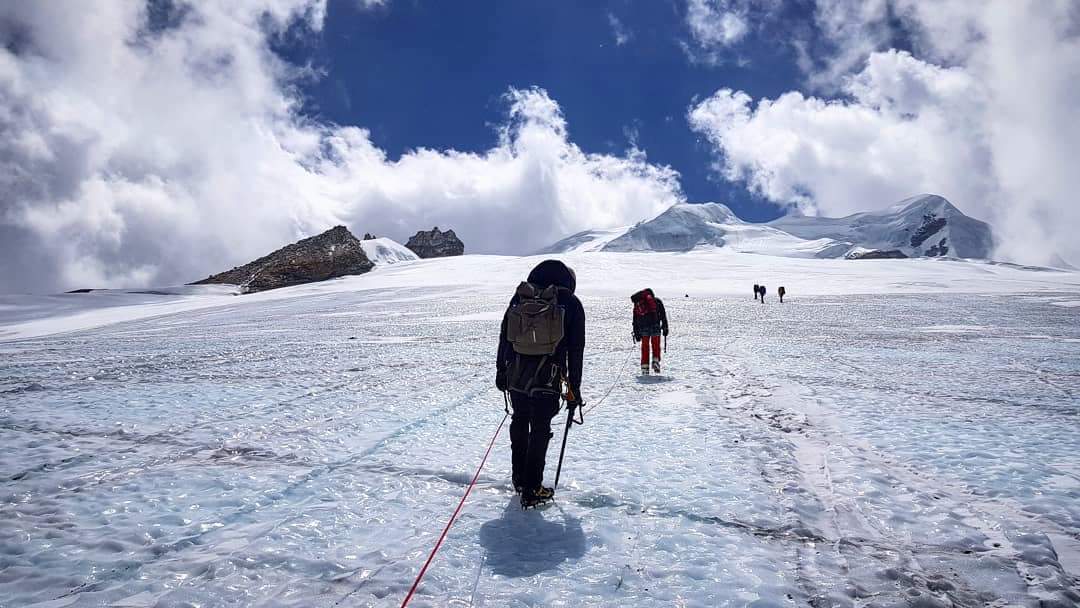
Mera Peak (6,476 m) is one of the most popular trekking peaks in Nepal and an excellent introduction to high-altitude mountaineering. Located in the remote Hinku Valley of the Makalu Barun region, it offers an adventurous climbing experience, beautiful Himalayan landscapes and spectacular views of some of the world’s highest mountains, including Everest, Lhotse, Makalu, Cho Oyu and Kangchenjunga.
Although Mera Peak can be attempted during different months of the year, choosing the right season makes a significant difference to the overall climbing experience. Weather conditions, snowfall, glacier conditions, temperature, wind speed and visibility all influence the difficulty of reaching the summit.
The best time to climb Mera Peak is generally spring (April and May) and autumn (October and November). These seasons usually offer more favourable weather, better visibility and suitable opportunities for summit attempts. October is particularly popular for clear mountain views, while April offers warmer daytime temperatures and longer daylight hours.
However, the weather in the Himalayas can change quickly, even during the best climbing seasons. Climbers should always follow their guide’s recommendations and allow flexibility for a suitable summit window.
Overview of Mera Peak Climbing Seasons
Mera Peak has four distinct climbing seasons: spring, summer, autumn and winter. Each season offers different weather conditions and challenges. Understanding these seasonal differences helps you select the most appropriate departure date.
Spring Season (March–May)
Spring is one of the best seasons for Mera Peak climbing. Temperatures gradually increase, daylight hours become longer and the lower Hinku Valley comes alive with blooming rhododendrons and green forests.
March is generally colder, particularly around Khare and higher elevations, where winter snow may remain on the trails and glacier. April is one of the most favourable months, offering a good balance of temperature, daylight and climbing conditions.
May is also suitable, especially during the first half. However, afternoon clouds, occasional snowfall and pre-monsoon weather disturbances may become more frequent towards the end of the month.
Spring is particularly attractive for climbers who prefer relatively warmer trekking conditions and beautiful mountain scenery.
Summer/Monsoon Season (June–August)
Summer coincides with the monsoon season in Nepal. Heavy rainfall affects the lower valleys, making walking trails slippery and increasing the possibility of landslides and rockfalls.
Cloud cover frequently reduces mountain visibility, while flights to and from Lukla may experience delays or cancellations. At higher elevations, rain in the lower valleys can occur alongside snowfall on the glacier.
Although the region becomes greener and quieter, June, July and August are generally not recommended for a standard Mera Peak climbing expedition.
Autumn Season (September–November)
Autumn is another excellent season for Mera Peak climbing. After the summer monsoon, the atmosphere gradually becomes clearer, the lower trails become drier and mountain visibility generally improves.
September is a transitional month. Early September can still experience monsoon rainfall, but conditions usually become more favourable towards the end of the month.
October is considered one of the best months for Mera Peak climbing because of its generally clear skies, stable weather patterns and excellent Himalayan panoramas.
November also offers good climbing opportunities, particularly during the first half. However, temperatures decrease considerably as winter approaches, especially at Mera High Camp and the summit.
Winter Season (December–February)
Winter is the coldest season for Mera Peak climbing. Temperatures drop significantly above 4,000 metres, and strong winds, heavy snowfall and deep snow can make the approach and summit route more challenging.
The Zatrwa La Pass and higher trails may become difficult to cross following substantial snowfall. Some teahouses may also close or operate with limited facilities.
Winter climbing is possible for experienced mountaineers with suitable equipment, professional guidance and a flexible itinerary. However, it is not the preferred season for most climbers.
Best Time to Climb Mera Peak: Spring vs Autumn
Spring and autumn are the two main climbing seasons, but they offer slightly different experiences.
Spring (April–May) is generally warmer, with longer days and more comfortable temperatures during the trekking portion. The forests of the Hinku Valley become colourful with rhododendron flowers, creating beautiful scenery along the approach route. Snow conditions can be suitable for glacier travel, although fresh snowfall and afternoon clouds are possible.
Autumn (October–November) generally provides clearer skies, excellent mountain visibility and drier conditions following the monsoon. October is particularly attractive for photographers and climbers hoping to enjoy panoramic views from the summit.
The main difference is that spring usually offers warmer conditions, while autumn is often preferred for clear mountain views.
For first-time Mera Peak climbers, both seasons are suitable with proper acclimatization, physical preparation and experienced climbing support.
Best Month to Climb Mera Peak: Month-by-Month Guide
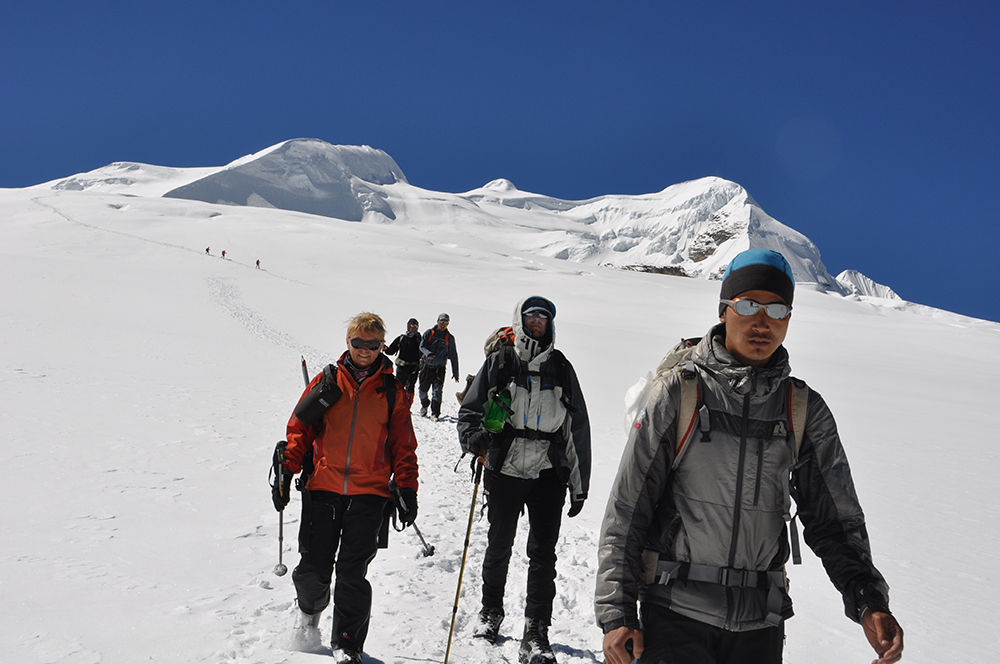
Choosing the right month is important because weather conditions in the Hinku Valley and around the Mera Glacier change throughout the year. Here is what climbers can generally expect from January to December.
Mera Peak Climbing in January
January is one of the coldest months for climbing Mera Peak. Temperatures at higher elevations can fall well below freezing, particularly during the night and early morning. Heavy snowfall may affect the approach trails, Zatrwa La Pass and glacier.
Climbing is possible for experienced mountaineers, but extreme cold, strong winds and limited weather windows make January unsuitable for most beginners.
Mera Peak Climbing in February
February remains cold, although daylight gradually increases towards the end of the month. Snow accumulation may still affect high passes and the climbing route.
Early February is generally challenging, while late February can offer improving conditions depending on snowfall and weather patterns. It is still considered an off-season month.
Mera Peak Climbing in March
March marks the beginning of the spring climbing season. Lower elevations gradually become warmer, and trekking conditions start improving.
However, higher elevations remain cold, and snow from winter may still cover parts of the route. Late March is generally more favourable than early March, but climbers should prepare for cold summit conditions.
Mera Peak Climbing in April
April is one of the best months to climb Mera Peak. The weather is generally favourable, daytime temperatures become more comfortable and the lower Hinku Valley displays beautiful spring vegetation.
Climbers can enjoy relatively longer days and good opportunities for summit attempts. However, occasional snowfall, afternoon clouds and strong winds remain possible at higher elevations.
April is an excellent choice for climbers seeking a balance between comfortable trekking conditions and suitable mountain weather.
Mera Peak Climbing in May
May is another popular month, particularly during the first half. Temperatures are generally warmer, and longer daylight hours provide more flexibility during the trekking stages.
However, pre-monsoon weather disturbances become more common as the month progresses. Afternoon clouds, rain at lower elevations and snowfall at higher elevations can affect visibility and climbing conditions.
Early May is generally preferable to late May for a Mera Peak expedition.
Mera Peak Climbing in June
June marks the beginning of the monsoon transition. Rainfall gradually increases, and clouds frequently cover the surrounding mountains.
The lower trails may become muddy and slippery, while weather-related flight disruptions can affect travel arrangements. June is generally not recommended for a regular Mera Peak climbing itinerary.
Mera Peak Climbing in July
July falls in the middle of Nepal’s monsoon season. Heavy rainfall, poor visibility and possible landslides make the approach trek more challenging.
At higher elevations, fresh snowfall and unstable weather can complicate glacier travel. July is one of the least suitable months for climbing Mera Peak.
Mera Peak Climbing in August
August continues to experience monsoon conditions, with frequent rain, cloudy skies and unpredictable weather.
Although the landscape becomes lush and green, climbing conditions remain uncertain. Flight cancellations, slippery trails and poor visibility can affect the expedition.
August is generally not recommended for Mera Peak climbing.
Mera Peak Climbing in September
September is a transitional month between monsoon and autumn. Early September can still experience rainfall and cloud cover, while conditions generally improve towards the second half.
Late September can be a good option for climbers with flexible schedules. However, the upper mountain may still have unsettled snow conditions, so the route should be assessed by an experienced climbing guide.
Mera Peak Climbing in October
October is widely considered one of the best months for Mera Peak climbing. The monsoon has generally ended, the skies become clearer and mountain visibility is often excellent.
The lower trekking trails are usually dry, and climbers have better opportunities to enjoy views of Everest, Lhotse, Makalu and Kangchenjunga.
October is also a popular month, so teahouses and climbing camps may be busier. Early reservations are recommended.
Mera Peak Climbing in November
November is another good month, particularly during the first half. The skies are generally clear, the atmosphere is dry and mountain views can be spectacular.
However, temperatures become colder, especially at Khare, Mera High Camp and the summit. Late November brings shorter daylight hours and increasing exposure to winter conditions.
Climbers should carry adequate cold-weather equipment and allow enough time for acclimatization.
Mera Peak Climbing in December
December marks the beginning of winter climbing conditions. Temperatures drop considerably, and snowfall can make high-altitude trails and glacier routes difficult.
Although clear days are possible, extreme cold, strong winds and shorter daylight hours increase the challenges of summit day.
December is generally suitable only for experienced climbers with proper winter mountaineering equipment and professional support.
Mera Peak Weather and Temperature Throughout the Year
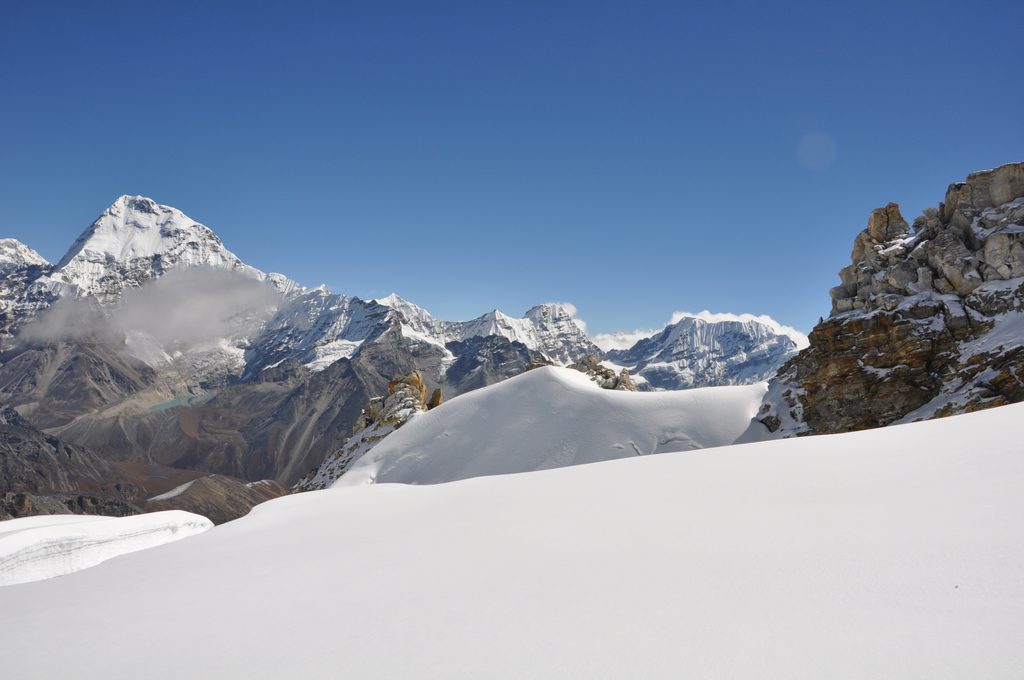
Weather conditions on Mera Peak vary significantly according to altitude and season. The lower Hinku Valley can experience relatively mild daytime temperatures, while the upper mountain remains extremely cold throughout the year.
As climbers move higher from Lukla towards Kothe, Thaknak, Khare and Mera High Camp, temperatures decrease and exposure to wind increases.
The following are broad planning considerations rather than fixed monthly temperature forecasts.
Temperature in the Lower Hinku Valley −5°C to 15°C
The lower Hinku Valley generally experiences milder conditions during spring and autumn. Daytime temperatures can be comfortable for trekking, although mornings and evenings may remain chilly.
During the monsoon, humidity and rainfall increase. Winter brings colder mornings and possible snowfall at higher trail sections.
Temperature at Khare and Mera Base Camp −10°C to −15°C
Khare, located at approximately 5,045 metres, is an important acclimatization and preparation point before the summit attempt.
Daytime temperatures may occasionally rise above freezing in favourable spring and autumn conditions, but nighttime temperatures frequently fall below freezing. Strong winds can make the surroundings feel considerably colder.
Temperature at Mera High Camp – Approximately −23°C to −13°C
Mera High Camp is located at approximately 5,780 metres. Conditions become much colder because of the exposed mountain environment.
Even during the main climbing seasons, temperatures can drop significantly below freezing at night. Climbers need a high-quality sleeping bag, insulated clothing and suitable mountaineering equipment.
Temperature at Mera Peak Summit – −20°C to −28°C
The summit of Mera Peak reaches 6,476 metres, where temperatures remain cold throughout the year. Wind chill can make conditions feel much colder than the actual air temperature.
A good layering system, insulated gloves, warm headwear, suitable mountaineering boots and protection against wind are essential for summit day.
Snow Conditions and Glacier Climbing Throughout the Seasons
Snow and glacier conditions are important factors when planning a Mera Peak expedition. Unlike ordinary trekking routes, the final section requires glacier travel using mountaineering equipment and appropriate climbing techniques.
During spring, snow cover can provide suitable conditions for travelling across the glacier, although fresh snowfall may increase avalanche hazards and conceal crevasses.
Autumn generally offers favourable climbing opportunities following the monsoon. However, glacier conditions can vary depending on previous snowfall, temperature and seasonal weather.
Winter may bring deep snow, icy sections and challenging trail conditions. During the monsoon, fresh snowfall, poor visibility and changing glacier conditions can make route assessment more difficult.
Climbers should always follow their guide’s instructions when crossing crevassed terrain. Crampons, harnesses, ropes and ice axes must be used appropriately.
How Weather Affects the Mera Peak Summit Day
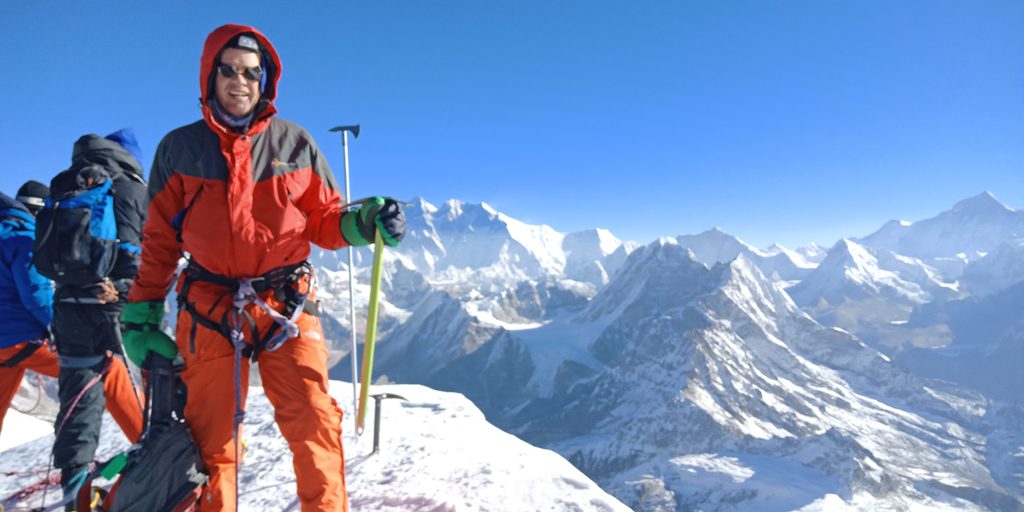
Summit day is one of the most challenging parts of the Mera Peak expedition. Climbers usually leave Mera High Camp during the early morning hours, often around 2:00–3:00 a.m., depending on weather, route conditions and the climbing team’s plan.
The ascent involves travelling across glacier terrain, climbing snow slopes and approaching the final summit section. Strong winds, snowfall, extreme cold and poor visibility can make the climb considerably more difficult.
Weather conditions are particularly important because the summit route is exposed, and afternoon winds or changing visibility can create additional risks.
A clear morning with manageable winds and suitable snow conditions provides a better opportunity for a successful summit attempt. However, even during the best seasons, reaching the summit is never guaranteed.
An experienced climbing guide will assess the weather forecast, snow conditions and the physical condition of the group before deciding whether to proceed.
Best Time for Mera Peak Climbing Photography and Mountain Views
Mera Peak is famous for its spectacular Himalayan panorama. From the summit, climbers can enjoy views of several major Himalayan peaks, including Mount Everest (8,848.86 m), Lhotse (8,516 m), Makalu (8,485 m), Cho Oyu (8,188 m) and Kangchenjunga (8,586 m).
October and November are generally excellent months for mountain photography because the post-monsoon atmosphere often provides clearer visibility.
April and May also offer beautiful photography opportunities, particularly along the lower Hinku Valley, where rhododendron forests and spring landscapes create colourful scenery.
For photographers, October is an especially attractive choice because of its combination of clear skies, mountain panoramas and autumn landscapes.
Crowds and Accommodation Availability During Mera Peak Climbing Seasons
Mera Peak is less crowded than some popular Everest trekking routes, but accommodation availability can become limited during the main spring and autumn seasons.
April, May and October usually attract more trekkers and climbing groups. Teahouses in Kothe, Thaknak and Khare can become busy during popular departure periods.
During the quieter months, accommodation may be easier to find, but some lodges may operate with limited services or close temporarily.
High Camp accommodation is generally arranged through expedition camping arrangements, depending on the climbing itinerary and operator.
Booking through an experienced trekking company helps organize accommodation, climbing equipment, guides, porters and other necessary arrangements before departure.
Mera Peak Climbing: Seasonal Challenges and Weather Risks
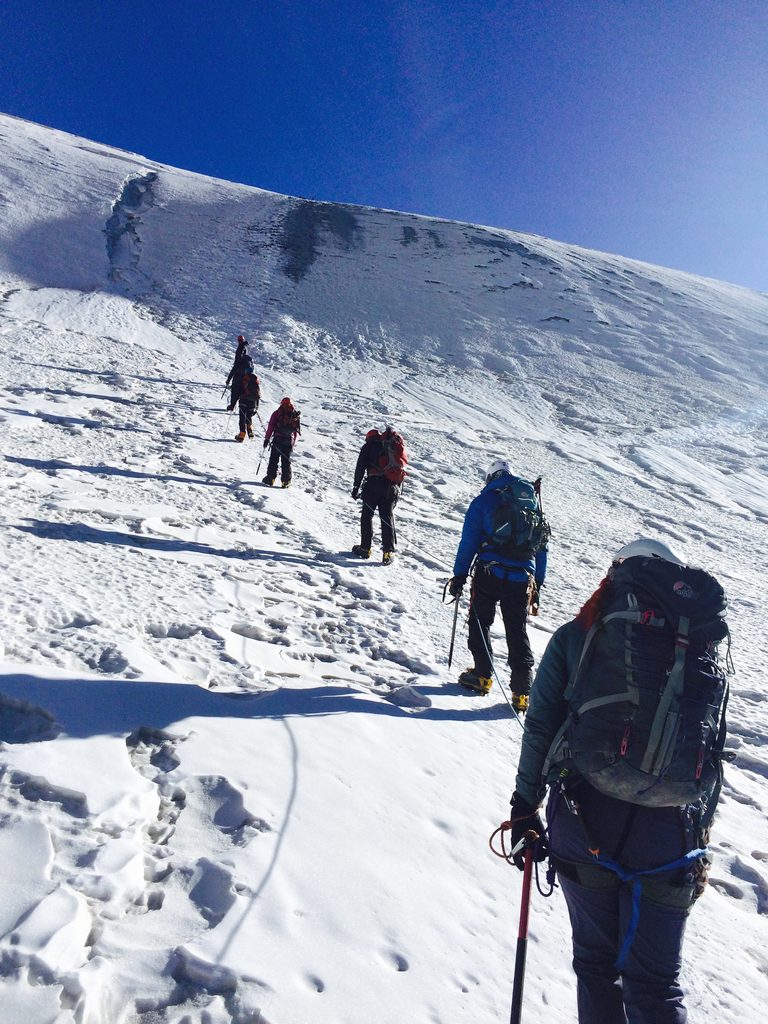
Although spring and autumn offer the most favourable climbing opportunities, Mera Peak remains a challenging high-altitude mountain. Climbers should understand the main seasonal risks before beginning their expedition.
Heavy Snowfall and Avalanche Risks
Fresh snowfall can increase the risk of avalanches and make glacier travel more difficult. Snow accumulation may also cover crevasses and affect the climbing route.
Strong Winds and Extreme Cold
Strong winds are particularly challenging around Mera High Camp and the summit. Wind chill can increase the risk of frostbite and hypothermia if climbers are not properly equipped.
Monsoon Rain and Landslides
During June, July and August, heavy rainfall can cause landslides, slippery trails and rockfalls along the approach route. These conditions can also affect transportation and flight schedules.
Flight Delays and Visibility Problems
Flights between Kathmandu or Ramechhap and Lukla are highly dependent on weather conditions. Poor visibility, strong winds and cloud cover can cause delays or cancellations.
Allowing additional days before and after the expedition is important to reduce the impact of unexpected travel disruptions.
How to Choose the Right Month for Your Mera Peak Expedition
Choosing the right month depends on your climbing experience, weather preferences, travel schedule and expectations.
If you prefer warmer trekking conditions and longer daylight hours, April and early May are excellent choices. If clear skies and spectacular mountain photography are your priorities, October and early November are particularly attractive.
For climbers looking for quieter trails, late March or late September may be worth considering, although conditions can be less predictable.
Regardless of your chosen month, proper acclimatization, physical fitness, suitable equipment and professional climbing support are essential.
At Create Himalaya Adventure, we recommend planning your Mera Peak expedition during April, May, October or early November. Our experienced local guides monitor weather conditions and assess the climbing route to help provide a safe and enjoyable Himalayan adventure.
Why Choose Create Himalaya Adventure for Mera Peak Climbing?
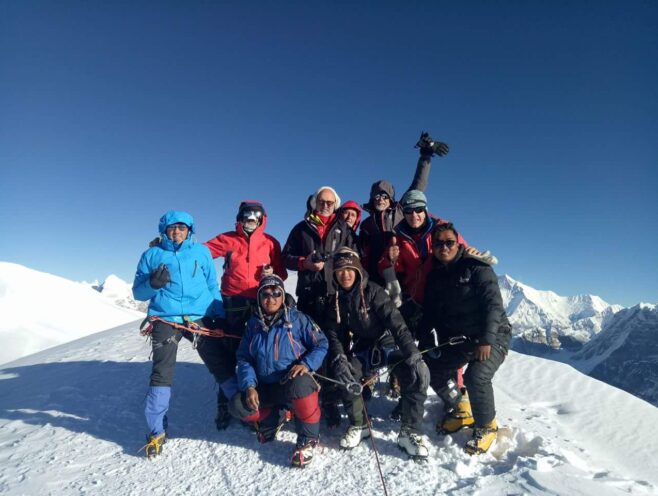
Climbing a 6,476-metre Himalayan peak requires careful planning, experienced mountain guides and reliable logistical support. Choosing the right trekking company can make a significant difference to your overall expedition experience.
Create Himalaya Adventure is a Kathmandu-based, government-licensed trekking and tour company with more than 19 years of experience organizing trekking, peak climbing and adventure holidays in Nepal, Tibet and Bhutan.
We focus on providing personalized climbing experiences with experienced local guides, well-planned itineraries and safety-oriented mountain support.
Our Mera Peak climbing services include:
- Experienced and licensed climbing guides familiar with the Hinku Valley and Mera Peak route.
- Proper acclimatization and a carefully designed climbing itinerary.
- Assistance with climbing permits and necessary arrangements.
- Reliable accommodation, meals and transportation arrangements.
- Guidance on mountaineering equipment and pre-climbing preparation.
- First-aid support and appropriate emergency planning.
- Small-group departures and customized private expeditions.
- Dedicated assistance before, during and after your climbing adventure.
Whether you are planning your first Himalayan climbing experience or adding another trekking peak to your mountaineering journey, our team is ready to help organize your expedition.
Contact Create Himalaya Adventure to plan your Mera Peak climbing adventure during the best season and experience the magnificent Himalayas of Nepal.
Frequently Asked Questions
1. How many days should I allow for a Mera Peak climbing expedition?
A typical Mera Peak climbing expedition takes around 14–18 days, depending on the route, acclimatization schedule and starting point. It is advisable to include additional days for weather delays, rest and possible changes to the summit plan.
2. Is it possible to change the Mera Peak summit date due to bad weather?
Yes, the summit date can be adjusted if weather conditions are unsuitable. A flexible itinerary allows your climbing guide to wait for a safer weather window rather than attempting the summit during strong winds, snowfall or poor visibility.
3. How many summit days should I keep as a backup?
Ideally, allow at least one or two additional days in your overall expedition schedule. These buffer days provide flexibility if snowfall, strong winds, flight delays or other unexpected conditions affect your original climbing plan.
4. Does Mera Peak require previous mountaineering experience?
Previous mountaineering experience is helpful but not always essential. Mera Peak is considered a trekking peak, but climbers need basic knowledge of crampons, ice axes, harnesses and rope techniques. Beginners should receive proper training from an experienced climbing guide before attempting the summit.
5. Can I climb Mera Peak without joining a group?
Yes, you can arrange a private Mera Peak expedition without joining a group departure. However, you must follow the applicable Nepal mountaineering permit requirements and climbing-guide regulations. A registered trekking or expedition company can organize the necessary arrangements.
6. What happens if I cannot reach the summit because of bad weather?
If weather conditions become dangerous, your climbing guide may postpone or cancel the summit attempt. Safety should always come before reaching the top. Depending on the remaining itinerary, you may wait for better conditions or descend without making another attempt.
7. Are Mera Peak climbing permits available throughout the year?
Mera Peak climbing permits are issued under Nepal’s mountaineering regulations and can generally be arranged for different climbing seasons. However, permit requirements and fees may change. A registered expedition company can help obtain the appropriate permit for your planned departure date.
8. Do I need a special sleeping bag for Mera Peak climbing?
Yes, a high-quality four-season sleeping bag suitable for temperatures around -20°C or colder is recommended, particularly for high-altitude camping. The exact temperature rating should depend on the season, your accommodation arrangements and your personal cold tolerance.
9. Can altitude sickness affect my Mera Peak summit attempt?
Yes, altitude sickness can affect anyone climbing Mera Peak because the summit reaches 6,476 metres. Symptoms may include headaches, nausea, dizziness, fatigue and loss of appetite. Proper acclimatization, gradual ascent and sufficient hydration are important. Severe symptoms require immediate descent and medical attention.
10. Is there mobile network coverage along the Mera Peak route?
Mobile network coverage is available in some lower settlements, but it becomes unreliable as you travel deeper into the Hinku Valley and towards Khare and Mera High Camp. Climbers should not depend on regular mobile connectivity and should discuss emergency communication arrangements with their expedition company.
11. Can I rent climbing equipment in Kathmandu or Khare?
Yes, many mountaineering shops in Kathmandu offer climbing equipment for rent or purchase, including crampons, ice axes, harnesses, helmets and mountaineering boots. Some equipment may also be arranged through your expedition company. It is better to check availability and sizing in Kathmandu rather than relying on Khare.
12. How much extra money should I carry for unexpected expenses?
It is sensible to carry approximately USD 200–300 as emergency spending money, although your actual needs depend on your package inclusions and itinerary. Extra expenses may include additional accommodation, meals, hot showers, charging, Wi-Fi, tips and unexpected travel delays.
13. Are hot showers and charging facilities available during the expedition?
Hot showers and charging facilities are available in some lower-altitude teahouses, particularly in established villages along the route. However, availability becomes limited at higher elevations, and services at Khare may be more basic. At Mera High Camp, facilities are generally limited because accommodation is arranged in tents.
14. Can I combine Mera Peak climbing with another trekking adventure?
Yes, Mera Peak can be combined with other Himalayan adventures if you have sufficient time, fitness and acclimatization. Popular options include the Amphu Lapcha Pass crossing towards the Everest region or longer trekking itineraries connecting different parts of the Khumbu. These combinations require careful route planning and suitable climbing experience.
15. How early should I book my Mera Peak climbing expedition?
Booking two to four months in advance is a good idea, particularly for popular spring and autumn departures. Early reservations provide more time to arrange climbing permits, flights, guides, accommodation and equipment. For private groups or peak-season travel, booking even earlier is recommended.
Ramchandra Lamichhane
Trekking Expert
No hidden fees • Local experts • Best price guarantee