
Everest Base Camp vs Annapurna Base Camp Trek: Which Is Better for You?
Introduction
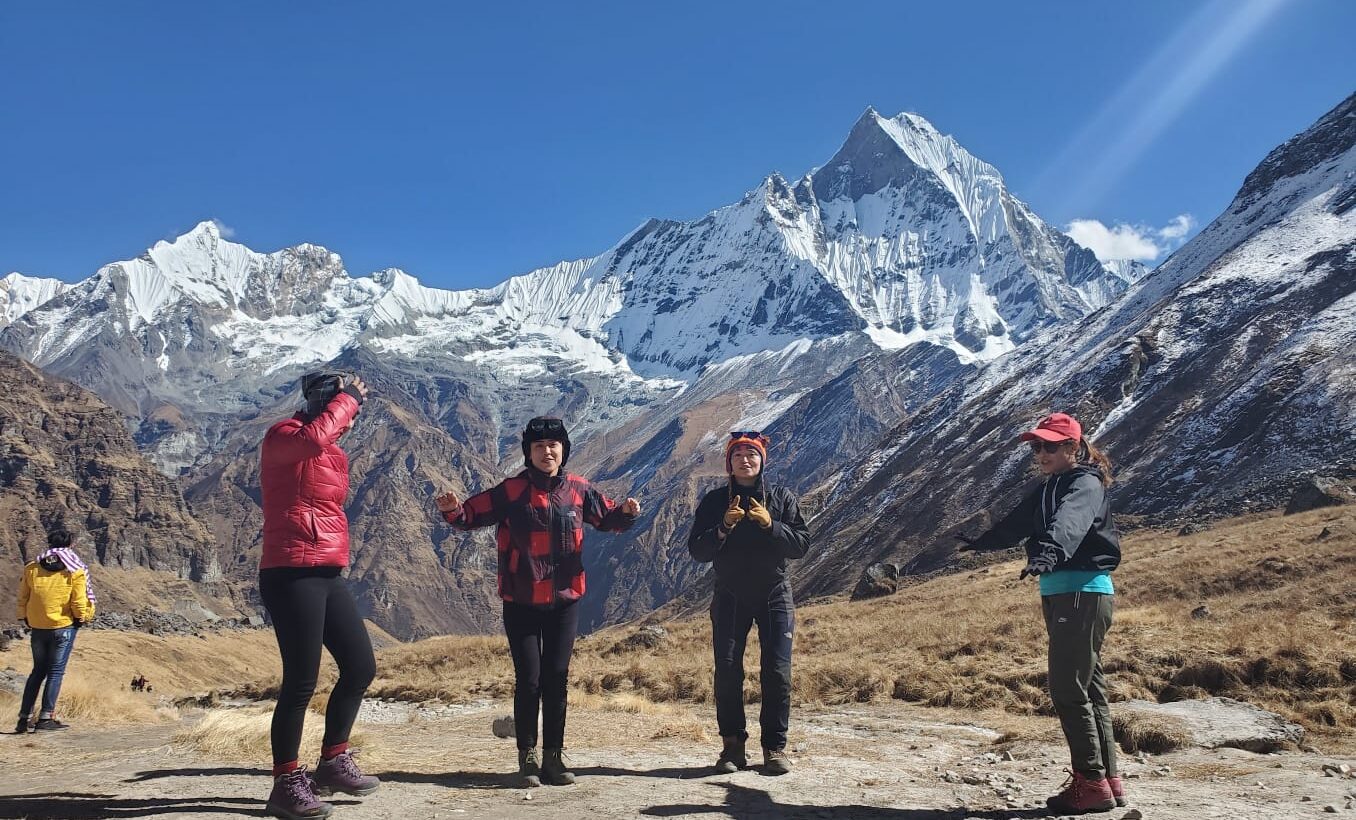
Nepal is home to some of the world’s most remarkable Himalayan trekking routes, but two names appear again and again in travelers’ plans: Everest Base Camp Trek and Annapurna Base Camp Trek. Both lead deep into the Himalayas, both offer unforgettable mountain scenery, and both introduce travelers to the warm hospitality of Nepal’s mountain communities. Yet, they are surprisingly different experiences.
Choosing between Everest Base Camp and Annapurna Base Camp is not simply a matter of deciding which mountain is higher. The two journeys differ in altitude, landscape, culture, duration, transportation, trail character, accommodation, and physical demands.
The Everest Base Camp Trek is the classic choice for travelers who dream of standing beneath Mount Everest and exploring the legendary Khumbu Valley. The Annapurna Base Camp Trek, meanwhile, is particularly appealing to those who want a shorter Himalayan adventure with dramatic mountain scenery, lush forests, traditional villages, and a spectacular journey into the Annapurna Sanctuary.
So, which one should you choose?
The answer depends on what kind of Himalayan experience you are looking for.
Everest Base Camp vs Annapurna Base Camp at a Glance
Before going into the details, it helps to understand the major differences.
| Feature | Everest Base Camp Trek | Annapurna Base Camp Trek |
|---|---|---|
| Region | Everest/Khumbu Region | Annapurna Region |
| Main Attraction | Mount Everest and the stunning Khumbu Valley | Annapurna Sanctuary and surrounding Himalayan peaks |
| Highest Sleeping Point | Gorak Shep (5,164 m) | Annapurna Base Camp (4,130 m) |
| Maximum Trekking Altitude | Kala Patthar (5,545 m) offers a higher viewpoint than EBC | Annapurna Base Camp (4,130 m) |
| Typical Duration | Around 12–16 days | Around 7–12 days |
| Difficulty | Moderate to challenging due to higher altitude | Moderate and suitable for many trekkers |
| Main Culture | Sherpa culture, monasteries, and Buddhist traditions | Gurung, Magar, and other Himalayan communities |
| Landscapes | Alpine valleys, glaciers, rugged trails, and high Himalayan peaks | Lush forests, waterfalls, terraced fields, villages, and mountain views |
| Transportation | Usually involves a Lukla flight or alternative road and flight arrangements | Generally accessible by road to the trailhead from Pokhara |
| Best For | Trekkers seeking Everest views, high-altitude adventure, and iconic Himalayan experiences | Trekkers looking for a shorter, diverse, and scenic Himalayan journey |
These are general comparisons because both treks have several possible itineraries and variations.
Where Are Everest Base Camp and Annapurna Base Camp?
Everest Base Camp lies in Nepal’s Khumbu region, within the Everest trekking area. The route passes through famous settlements such as Lukla, Phakding, Namche Bazaar, Tengboche, Dingboche and Lobuche before reaching Everest Base Camp.
The journey is as much about the route as the destination. You walk through deep valleys, cross suspension bridges, pass Buddhist monuments and gradually enter the high alpine landscape surrounding the world’s highest mountain.
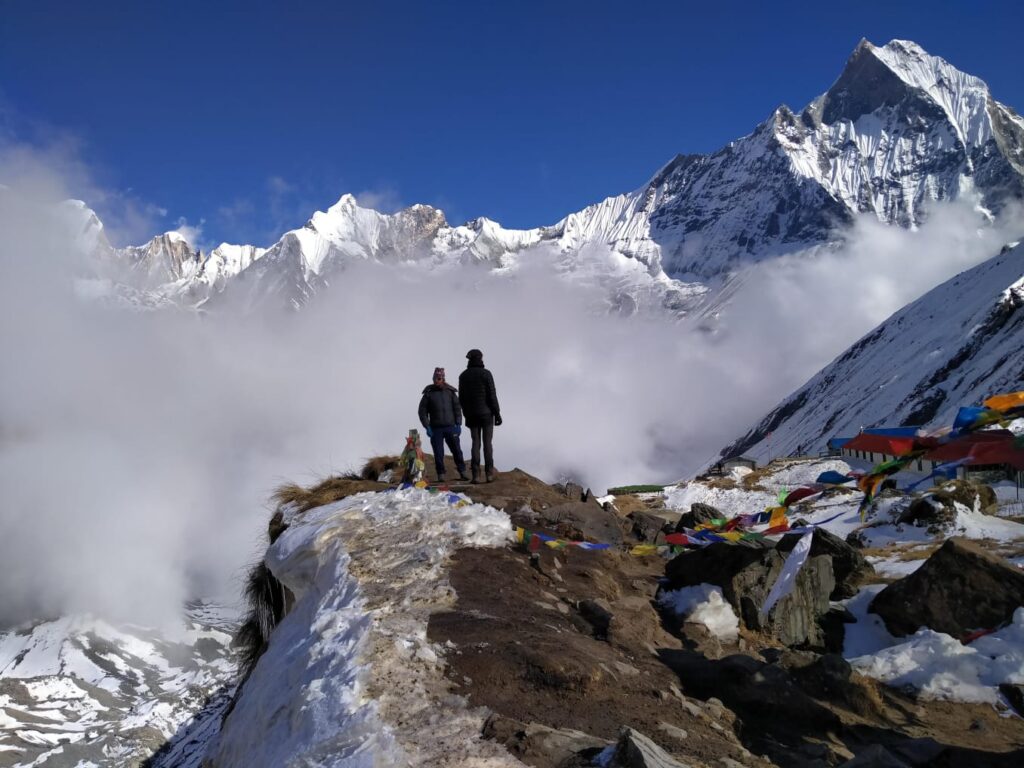
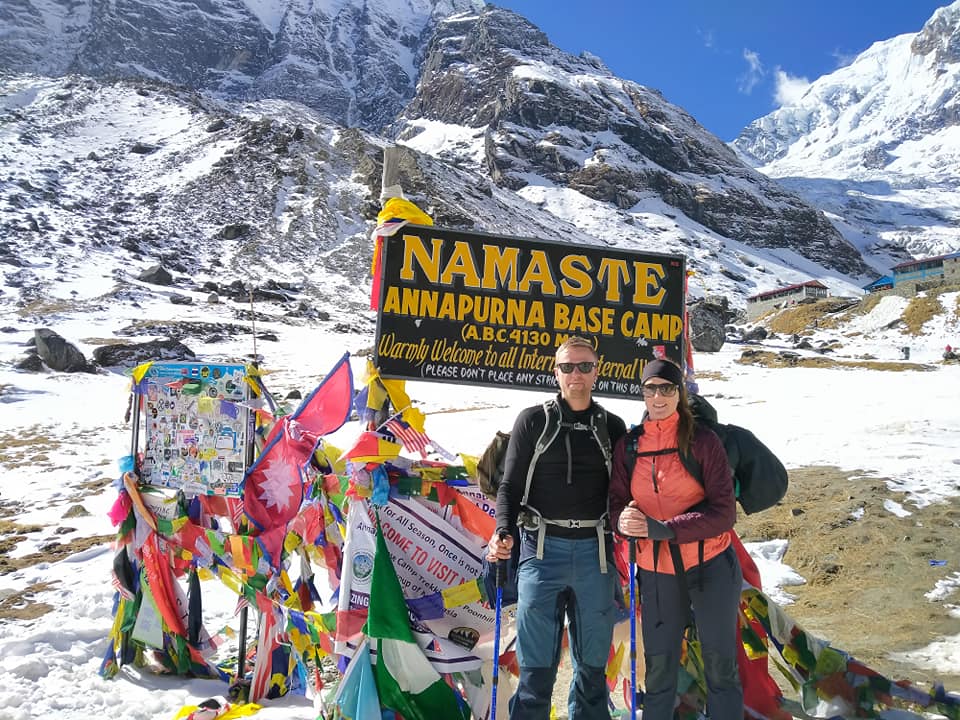
Annapurna Base Camp lies inside the Annapurna Sanctuary, surrounded by a spectacular amphitheater of Himalayan peaks. The trail typically passes through villages and forests before entering the higher sanctuary landscape.
One of the biggest differences is the feeling of the journey. Everest gradually takes you deeper into a high-altitude mountain environment, while Annapurna Base Camp gives you a striking transition from lower green hills and forests to dramatic Himalayan peaks.
Everest Base Camp Trek: What Makes It Special?
For many trekkers, Everest Base Camp is a dream rather than simply a destination.
The trail follows the historic Khumbu route and introduces travelers to the culture of the Sherpa people. Namche Bazaar is an important acclimatization stop and a fascinating mountain town. Tengboche adds a spiritual dimension through its famous monastery and panoramic mountain surroundings.
As you continue higher, vegetation becomes thinner and the landscape increasingly dominated by rock, snow, glaciers and enormous Himalayan peaks.
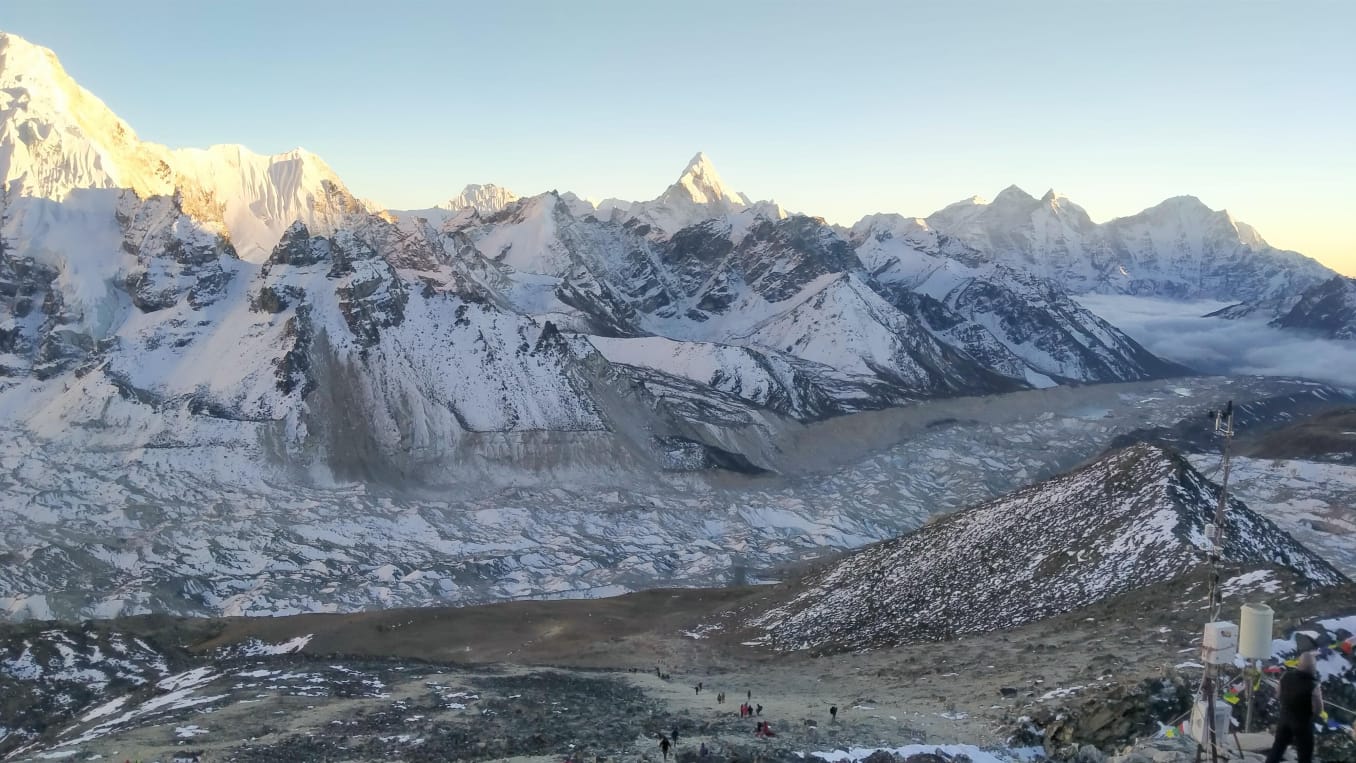
Reaching Everest Base Camp is a memorable achievement, but many trekkers consider the hike to Kala Patthar one of the visual highlights of the entire journey. From this viewpoint, the surrounding Himalayan panorama provides an exceptional perspective of Everest and neighboring peaks.
EBC is therefore ideal for someone who wants the classic Everest experience, not merely a mountain walk.
Annapurna Base Camp Trek: What Makes It Special?
Annapurna Base Camp offers a very different kind of Himalayan adventure.
The journey can begin in areas where terraced fields, villages and green hills dominate the scenery. As you gain altitude, the trail passes through rhododendron forests, waterfalls, suspension bridges and traditional mountain settlements.
Eventually, the landscape changes dramatically as the trail enters the Annapurna Sanctuary. Towering mountains surround the valley, creating a natural Himalayan amphitheater.
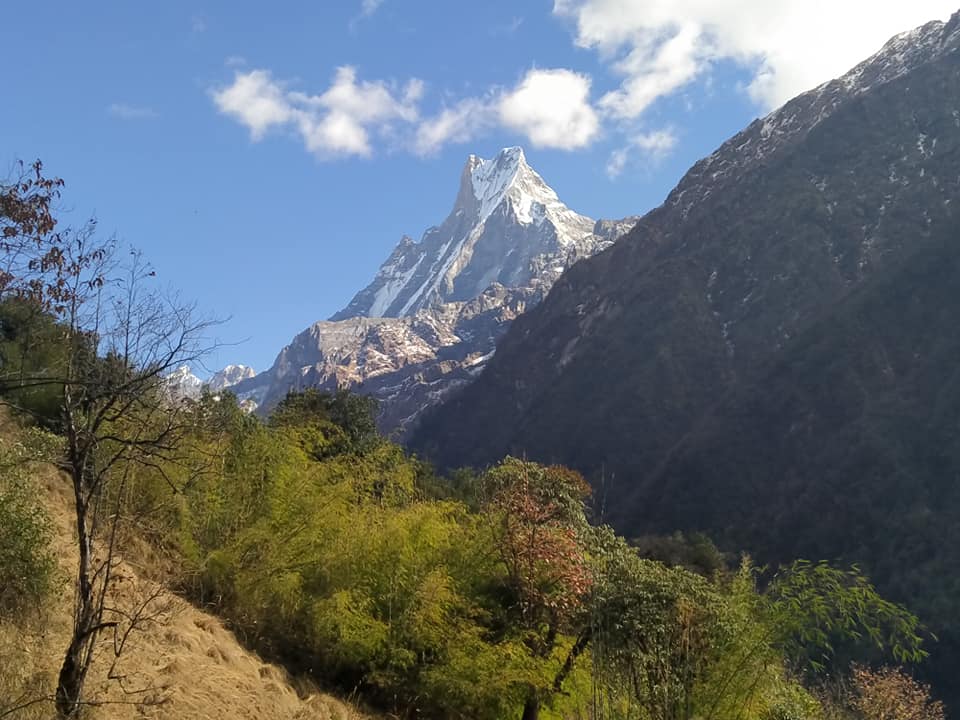
The appearance of Machhapuchhre (Fishtail) is one of the memorable features of the journey, while Annapurna I and other surrounding peaks create an enormous backdrop at the sanctuary.
ABC is particularly attractive to travelers who want to experience many different landscapes within a relatively short trek.
EBC vs ABC: Which Has Better Mountain Views?
This is one of the hardest questions to answer because both offer extraordinary scenery.
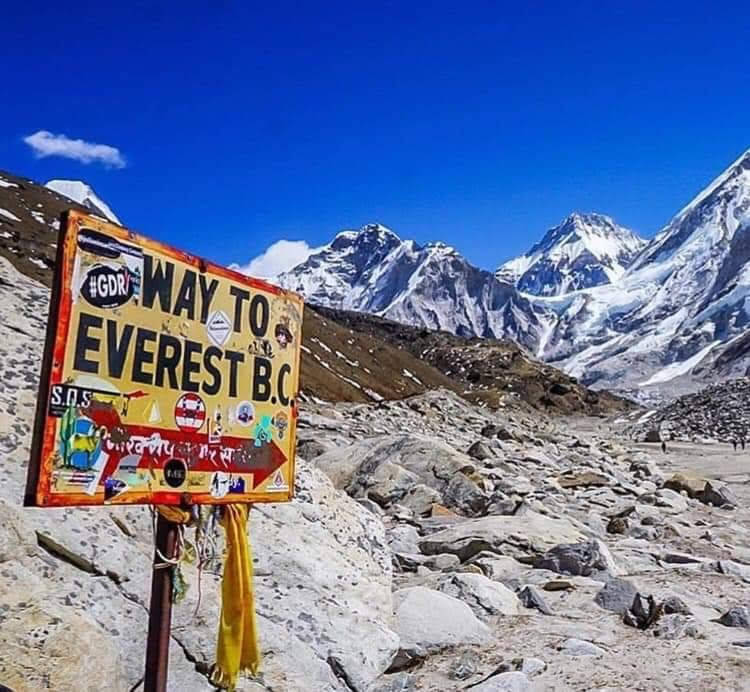
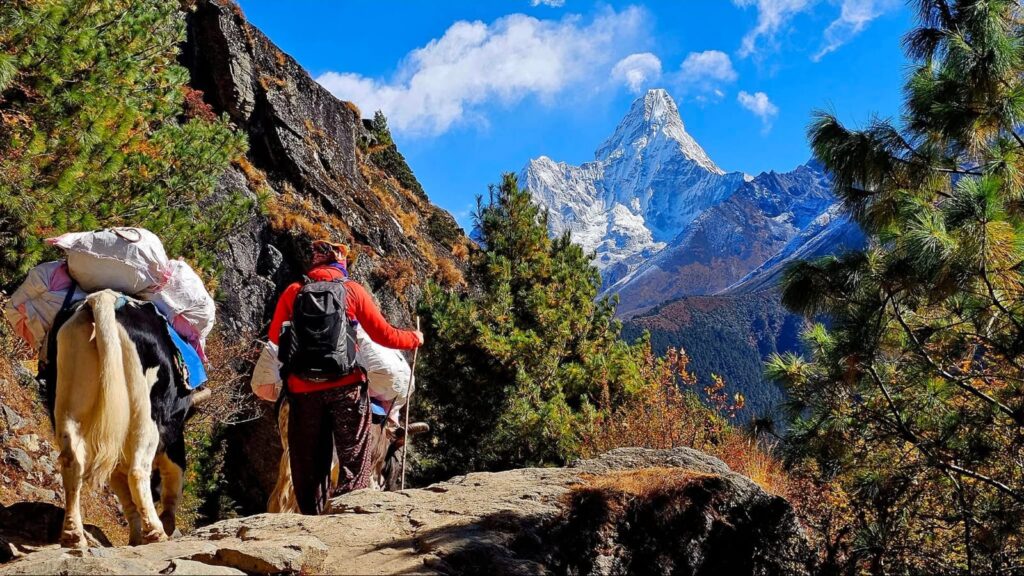
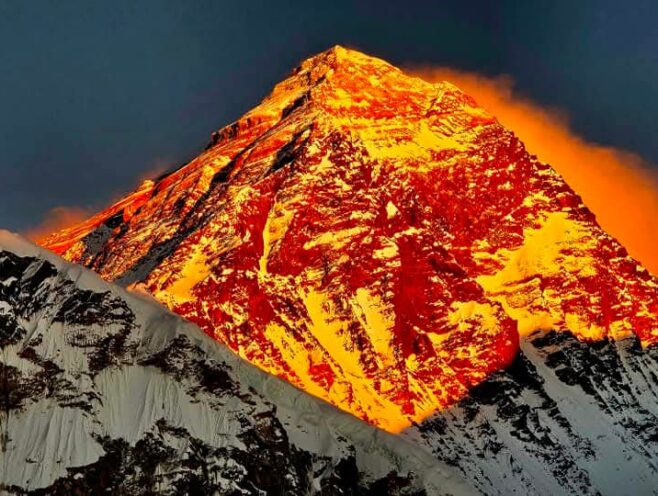
Everest Base Camp has the advantage of its name and iconic mountain environment. The route brings views of Everest, Lhotse, Nuptse, Ama Dablam, Thamserku and numerous other peaks.
The landscape becomes increasingly dramatic as you climb through the Khumbu Valley.
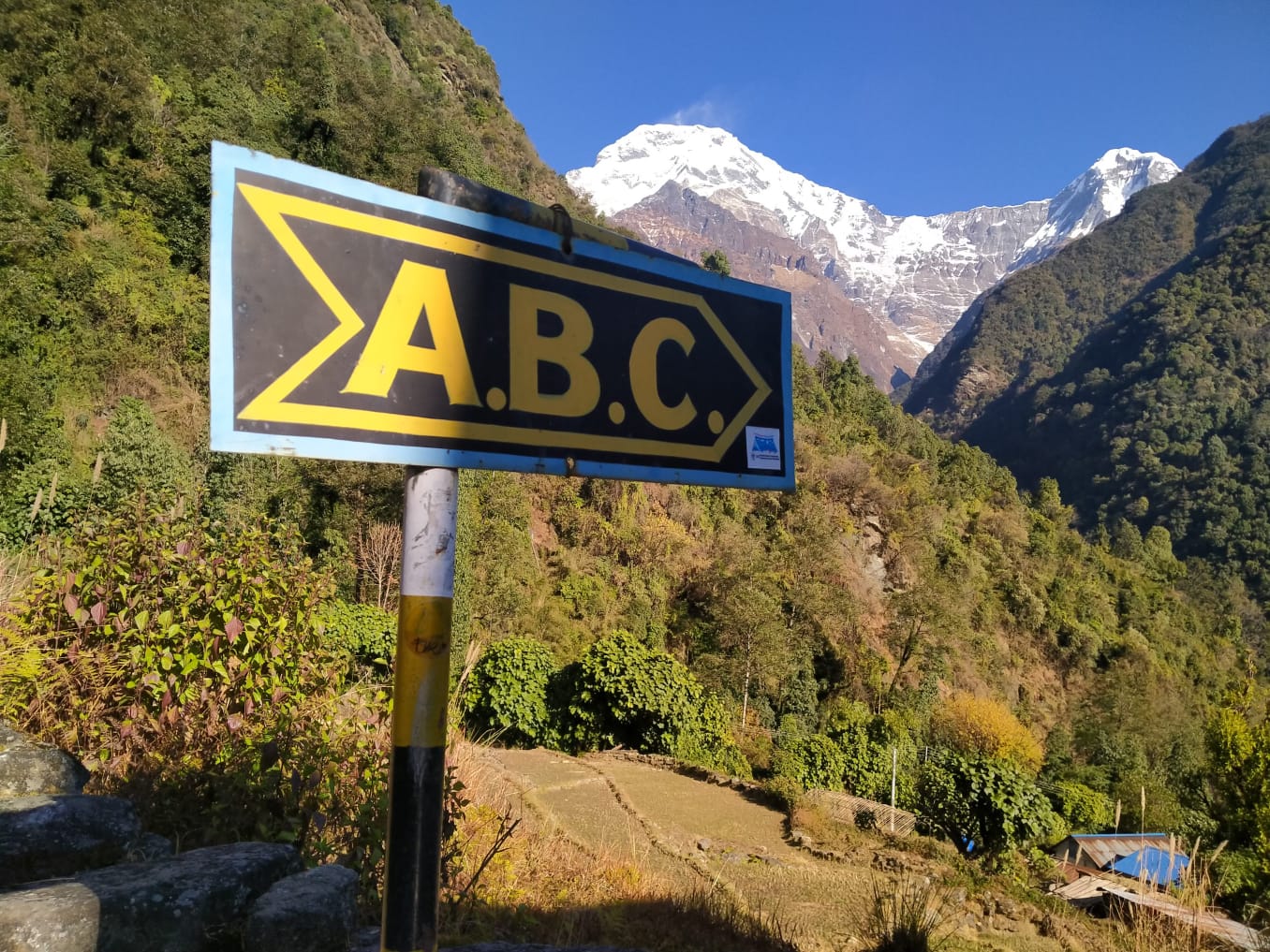
Annapurna Base Camp offers a different visual experience. Instead of following one enormous valley toward Everest, you eventually enter a sanctuary surrounded by mountains. Annapurna I, Annapurna South, Hiunchuli and Machhapuchhre create an impressive wall of Himalayan scenery.
- Choose EBC if: your priority is seeing Mount Everest and exploring the legendary Khumbu landscape.
- Choose ABC if: you prefer a mixture of forests, waterfalls, villages and dramatic mountain walls.
There is no universal winner. The better view depends on what you personally want to see.
EBC vs ABC: Which Trek Is More Difficult?
Difficulty is another area where travelers often make assumptions.
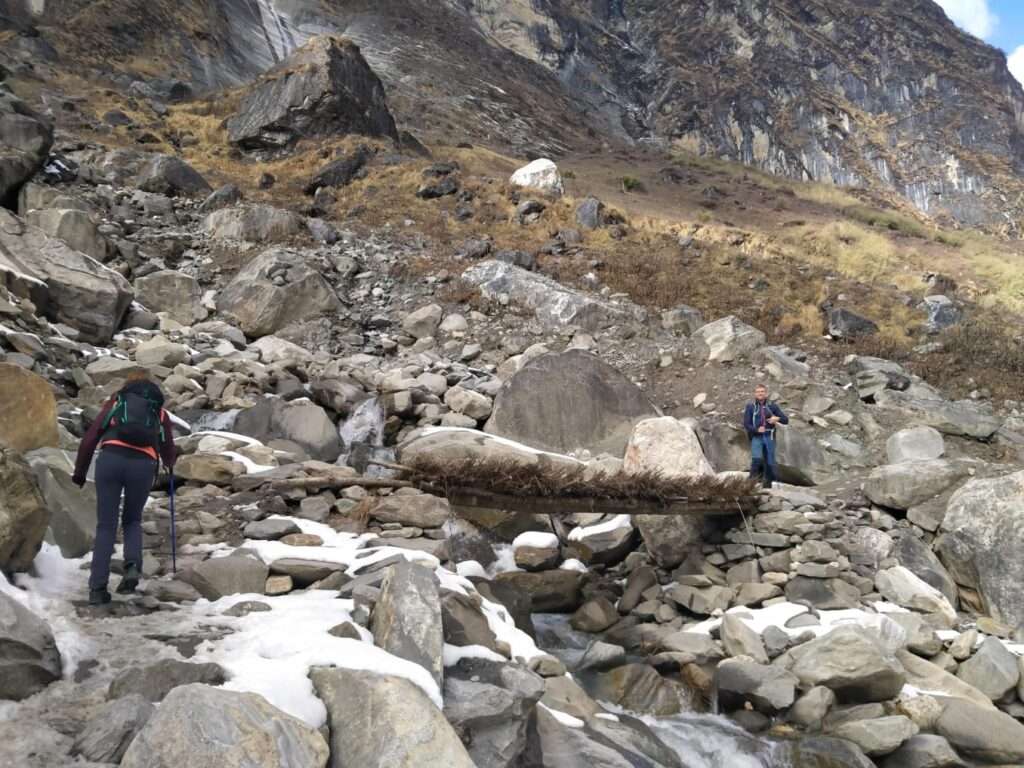
Everest Base Camp is generally considered more demanding because of its higher elevation and longer exposure to altitude. The trail includes substantial uphill and downhill walking, and the air becomes significantly thinner as you approach the high settlements.
The challenge is not necessarily that you walk extremely long distances every day. Rather, altitude, accumulated fatigue and repeated ascents and descents make the journey demanding.
Annapurna Base Camp can also involve steep stone staircases and considerable elevation changes. However, the trek generally reaches a lower maximum altitude and can be completed in a shorter period.
For most trekkers:
- EBC = greater altitude challenge
- ABC = more manageable high-altitude adventure
Fitness still matters greatly on both routes.
Which Trek Reaches a Higher Altitude?
Everest Base Camp is considerably higher than Annapurna Base Camp.
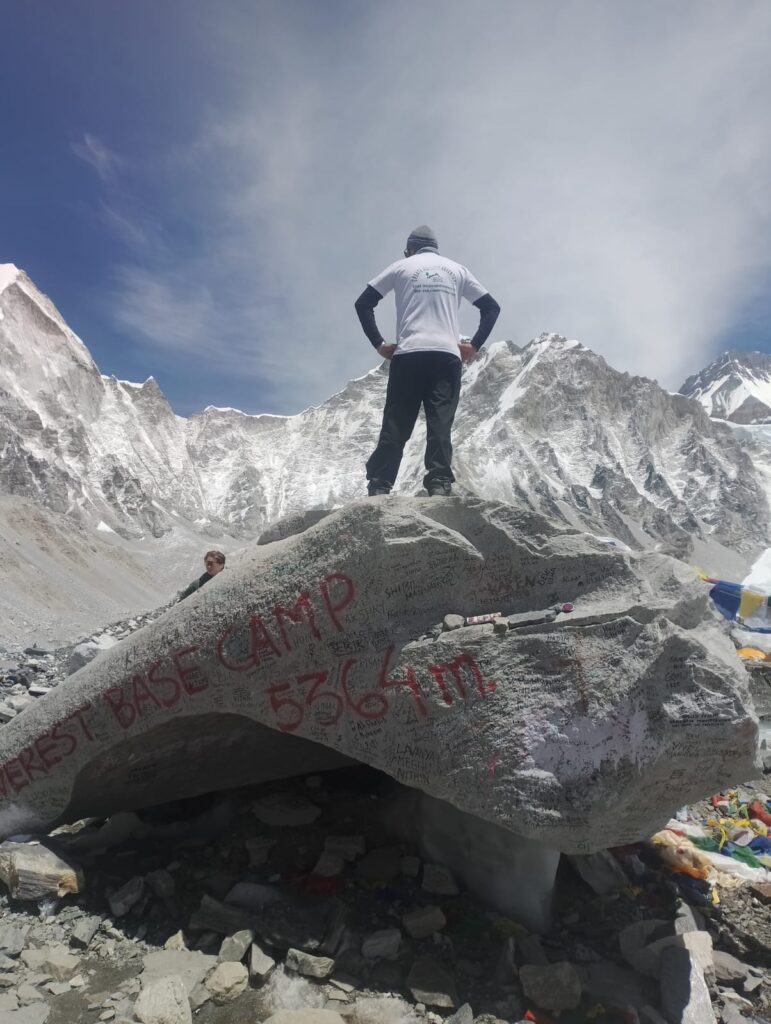
Everest Base Camp itself is around 5,364 meters, while Kala Patthar, a popular viewpoint on the route, rises to approximately 5,545 meters.
Annapurna Base Camp is around 4,130 meters.
This difference is important. A trekker who is comfortable at 4,000 meters may still experience significant challenges when approaching 5,000 meters and above.
Altitude should therefore be treated seriously on the EBC route. A sensible itinerary includes adequate acclimatization, gradual elevation gain, hydration, proper pacing and attention to symptoms of altitude sickness.
EBC vs ABC for Beginners: Which Is Better?
For a first Himalayan trek, Annapurna Base Camp can be the more approachable choice for many travelers.
Its relatively lower maximum altitude, shorter itinerary options and diverse landscapes make it attractive to beginners who have reasonable fitness.
That does not mean ABC is effortless. The trail includes plenty of stairs, uneven terrain and long walking days.
Everest Base Camp is also possible for first-time trekkers. You do not need to be an experienced mountaineer. What matters more is preparation, fitness, patience and following an itinerary that allows proper acclimatization.
If you are a beginner with limited trekking time, ABC may be the gentler introduction to Himalayan trekking. If standing beneath Everest is a lifelong dream, however, EBC can absolutely be your first major trek with appropriate preparation.
Trekking Distance and Duration Compared
EBC usually requires a longer itinerary because of the distance involved and the need for acclimatization days.
Namche Bazaar and Dingboche are particularly important places where trekkers normally spend additional time adjusting to elevation.
ABC can often be completed in roughly one week to ten days depending on the starting and ending points and the chosen route.
This makes ABC particularly attractive to travelers who have limited vacation time but still want a genuine Himalayan trekking experience.
The key point is that shorter does not automatically mean easy. Annapurna’s stone steps can be demanding, while EBC’s difficulty comes increasingly from altitude.
EBC vs ABC: Which Offers Better Cultural Experiences?
Culture is one of the most rewarding parts of both treks.
The Everest region is strongly associated with Sherpa culture and Tibetan Buddhism. Along the trail, trekkers encounter monasteries, prayer wheels, mani walls, prayer flags and traditional mountain settlements.
The Annapurna region provides a different cultural experience, with communities including Gurung and Magar people along many routes. Traditional houses, local customs, village life and mountain hospitality become important parts of the journey.
If monasteries and Sherpa heritage strongly interest you, EBC may have greater appeal.
If you want to combine Himalayan scenery with diverse village life and lower-elevation cultural encounters, ABC is an excellent choice.
Forests, Wildlife and Natural Diversity
Annapurna Base Camp generally provides greater ecological variety during a single trek.
The route can move from subtropical vegetation and terraced landscapes into rhododendron forests and finally into alpine terrain. In spring, blooming rhododendrons can add remarkable color to the lower sections.
Everest Base Camp has less forest once you move higher into the Khumbu. Its strength is the grandeur of the alpine environment: glaciers, rocky valleys, high passes, snow-covered peaks and barren mountain landscapes.
So, ABC wins for vegetation and landscape variety, while EBC excels in high-altitude Himalayan scenery.
Accommodation and Food on EBC vs ABC
Both treks rely heavily on teahouse accommodation.
Rooms are generally simple, with basic beds and shared bathroom facilities in many places. Facilities become more limited as altitude increases.
Dal Bhat is one of the most dependable meals on both routes. It is filling, familiar to trekkers and particularly useful during long days of walking. Other common choices can include noodles, soups, potatoes, rice dishes, eggs and simple bakery items.
Electricity, charging facilities, hot showers and internet access may be available in many settlements, but services can become more limited or expensive at higher elevations.
The important thing is to approach both treks as mountain journeys rather than expecting hotel-level comfort.
EBC vs ABC: Which Trek Costs More?
In general, Everest Base Camp tends to cost more than Annapurna Base Camp.
One reason is transportation. Depending on the itinerary and current operational arrangements, reaching the Everest trailhead can involve flights or additional ground transportation.
The longer duration also means additional accommodation, food and guide/porter expenses.
ABC can be more economical because its trailheads have relatively straightforward road access and the trek can be completed in fewer days.
Your final budget will depend on whether you trek privately or in a group, your accommodation preferences, transportation choices, guide and porter arrangements, and how many days you spend in Nepal.
Permits Required for EBC and ABC
Both trekking regions require appropriate permits.
For the Everest region, trekkers generally need the Sagarmatha National Park entry permit and the relevant local-area permit for the Khumbu region.
For Annapurna, the Annapurna Conservation Area Permit (ACAP) is required.
Permit requirements and procedures can change, so travelers should confirm the latest rules before departure.
Using a registered local trekking agency can make the permit process, transportation, accommodation and guide arrangements considerably easier.
Best Time to Trek EBC and ABC
The classic trekking seasons for both regions are spring and autumn.
Spring generally brings increasingly warm conditions, blooming rhododendrons and good mountain visibility.
Autumn is particularly popular because the summer monsoon has generally cleared the atmosphere, often producing crisp mountain views.
Winter is possible, but temperatures can become very cold, particularly at night and at higher elevations. Snow can also affect some sections.
Monsoon brings rain to many parts of Nepal. However, some travelers still choose specific routes and itineraries during this period.
The best season ultimately depends on your preferred weather, crowd levels and trekking experience.
Which Trek Has Better Sunrise and Sunset Views?
Both can produce extraordinary mountain light.
On the Everest route, Kala Patthar is one of the most famous places for sunrise views, with Everest and surrounding peaks illuminated by the first light of the day.
At Annapurna Base Camp, waking up surrounded by enormous Himalayan peaks can be equally memorable. Machhapuchhre and the Annapurna range can glow dramatically during sunrise.
For photographers, both routes provide excellent opportunities.
The difference is more about composition. EBC provides iconic high-mountain silhouettes and vast alpine landscapes, while ABC offers the intimate feeling of standing inside a mountain sanctuary.
EBC vs ABC: Which Is Better for Photography?
Choose EBC if your photography goals include:
- Mount Everest
- Glaciers
- High-altitude landscapes
- Buddhist monasteries
- Sherpa villages
- Suspension bridges
- Dramatic mountain panoramas
Choose ABC if you want:
- Rhododendron forests
- Waterfalls
- Terraced hills
- Traditional villages
- Machhapuchhre
- Annapurna peaks
- Diverse landscapes
For photographers who want maximum landscape variety in a shorter trek, ABC is difficult to beat.
Routes and Transportation Compared
The Everest trek has traditionally been associated with flying to Lukla. Flight operations can be affected by weather, airport conditions and seasonal scheduling, so travelers should keep flexibility in their itinerary.
Alternative transportation arrangements may be used depending on current road and flight operations.
Annapurna offers greater flexibility because several trailheads can be reached by road. Depending on the chosen itinerary, travelers can drive toward areas such as Ghandruk, Jhinu Danda or other route access points.
This makes Annapurna particularly convenient for travelers who prefer road-based logistics.
Safety and Altitude Sickness
Altitude is the most important safety consideration on EBC.
Common symptoms of altitude sickness can include headache, nausea, dizziness, fatigue and loss of appetite. More serious symptoms require immediate attention and descent.
However, altitude should not be ignored on ABC either.
The safest approach on either trek is to ascend gradually, drink enough fluids, avoid rushing, eat properly, sleep adequately and communicate honestly with your guide if you feel unwell.
A good trekking itinerary should never prioritize reaching the destination over your health and safety.
What Should You Pack for EBC and ABC?
The basic packing list for both routes is similar.
Essential items include:
- Good-quality trekking boots
- Warm base layers
- Fleece or insulating layer
- Down jacket
- Waterproof jacket and trousers
- Warm hat and gloves
- Sunglasses
- Sunscreen
- Sleeping bag suitable for cold conditions
- Trekking poles
- Comfortable backpack
- Water bottles or hydration system
- Personal first-aid and essential medications
- Headlamp
- Power bank
EBC generally requires greater attention to cold-weather equipment because of the higher elevations.
EBC vs ABC for Solo Travelers
Both routes are popular enough that independent trekkers can encounter other travelers along the trail.
Nevertheless, trekking with a licensed guide offers significant advantages, especially in unfamiliar mountain environments.
A guide can assist with route decisions, accommodation, communication, altitude awareness and emergencies.
For travelers with limited Himalayan experience, hiring a professional guide is not simply about navigation. It can make the entire journey more comfortable and culturally meaningful.
Which Trek Is More Crowded?
Both EBC and ABC are popular.
The busiest periods are generally the major trekking seasons, particularly autumn and spring.
Everest Base Camp often feels busier because of its global reputation and concentration of trekkers following the classic route.
Annapurna also receives substantial numbers of visitors, but the broader region offers many route variations that can provide a quieter experience.
Traveling slightly outside peak periods or choosing alternative itineraries can help reduce the feeling of crowds.
EBC vs ABC: Which Offers Better Value for Money?
If your priority is maximum adventure and the Everest experience, EBC can offer exceptional value despite its higher overall cost.
You are not only paying to reach a base camp. You are experiencing the Khumbu Valley, Sherpa culture, famous monasteries, high-altitude settlements and the landscape surrounding the world’s highest mountain.
ABC offers excellent value for travelers with less time or a more moderate budget. In a shorter period, you can experience forests, villages, waterfalls, dramatic Himalayan peaks and a spectacular mountain sanctuary.
In simple terms:
- EBC offers an iconic Everest adventure.
- ABC offers a compact and highly varied Himalayan experience.
Everest Base Camp vs Annapurna Base Camp: Pros and Cons
| Feature | Everest Base Camp Trek | Annapurna Base Camp Trek |
|---|---|---|
| Pros | • Close-up experience of Mount Everest • Legendary Khumbu landscapes • Rich Sherpa culture • Exceptional high-altitude scenery • Famous Kala Patthar viewpoint • Strong sense of achievement | • Lower maximum altitude • Shorter itinerary options • Diverse landscapes • Beautiful forests and waterfalls • Rich village culture • Dramatic Annapurna Sanctuary • Generally more affordable |
| Cons | • Higher altitude • Longer itinerary • Greater acclimatization requirements • Generally higher cost • Colder conditions at higher elevations | • Steep stone stair sections • Weather can change quickly • Some trails can be busy • Lower sections can be wet during rainy periods |
Everest Base Camp or Annapurna Base Camp: Which Should You Choose?
There is no single answer that works for every traveler.
Choose Everest Base Camp if you:
- Have always dreamed of seeing Mount Everest
- Want a classic Himalayan trekking experience
- Enjoy high-altitude environments
- Have enough time for a longer trek
- Want to experience Sherpa culture and the Khumbu Valley
Choose Annapurna Base Camp if you:
- Have less time
- Prefer a shorter Himalayan trek
- Want forests, waterfalls and mountain scenery
- Prefer a lower maximum altitude
- Want a diverse combination of nature and village culture
- Are looking for a potentially more budget-friendly trek
If your heart says Everest, choose EBC.
If you want variety, accessibility and a shorter adventure, ABC may be the better choice.
Can You Do Both Everest Base Camp and Annapurna Base Camp?
Yes, it is possible to experience both during a longer Nepal holiday.
However, combining them requires considerably more time and careful planning. Instead of rushing from one trek to another, it is better to allow sufficient recovery and transportation time.
A longer Nepal itinerary can combine one trek with cultural sightseeing in Kathmandu, exploration around Pokhara, jungle activities in Chitwan or other destinations.
For travelers who have several weeks available, experiencing both regions can provide an excellent overview of Nepal’s Himalayan diversity.
Why Choose Create Himalaya Adventure for EBC or ABC?
Choosing the right trekking company can make a significant difference to your experience.
Create Himalaya Adventure has more than 19 years of experience organizing trekking and adventure journeys in Nepal. As a local trekking company, we understand the practical realities of Himalayan travel, from route planning and transportation to accommodation, permits, guides and mountain safety.
We provide experienced licensed trekking guides and reliable porter services while designing itineraries around the traveler’s available time, fitness and interests.
Our approach is not simply about taking travelers from one village to another. We aim to create meaningful journeys that respect local communities, support local businesses and encourage responsible tourism.
Whether your dream is to stand beneath Mount Everest at the end of the legendary EBC trail or enter the spectacular Annapurna Sanctuary, our team can help you choose an itinerary that matches your expectations.
Final Verdict: EBC or ABC?
Everest Base Camp and Annapurna Base Camp are both exceptional treks, but they tell completely different Himalayan stories.
EBC is about the legendary Everest landscape, high-altitude adventure, Sherpa culture and the satisfaction of reaching one of the world’s most famous trekking destinations.
ABC is about variety. It combines forests, waterfalls, villages, cultural encounters and towering Himalayan peaks within a comparatively compact journey.
If Mount Everest is your dream, EBC is the obvious choice.
If you want a shorter, varied and highly scenic Himalayan adventure, ABC deserves serious consideration.
Ultimately, the best trek is not necessarily the highest or most famous one. It is the journey that fits your time, fitness, budget and personal idea of adventure.
And whichever trail you choose, Nepal’s Himalayas have a way of giving you memories that last far beyond the final day of the trek.
Frequently Asked Questions: Everest Base Camp vs Annapurna Base Camp
1. Is Everest Base Camp More Famous Than Annapurna Base Camp?
Yes. Everest Base Camp has worldwide recognition because it is associated with Mount Everest, the highest mountain on Earth. Annapurna Base Camp is also internationally popular, but its appeal comes more from the dramatic Annapurna Sanctuary, diverse landscapes, and close-up views of several Himalayan peaks.
2. Can You Actually Stand at the Foot of Mount Everest on the EBC Trek?
Not exactly. Everest Base Camp is located on the Nepal side of the mountain at about 5,364 meters, but Mount Everest itself rises far above it. The surrounding landscape includes glaciers, enormous peaks, and expedition areas rather than a viewpoint directly underneath the summit.
3. Is Annapurna Base Camp Inside a Natural Mountain Amphitheater?
Yes. One of the defining features of the Annapurna Base Camp experience is its location inside the Annapurna Sanctuary. Mountains rise dramatically around the area, creating a spectacular enclosed Himalayan setting that feels very different from the long valleys of the Everest region.
4. Which Trek Feels More Remote: EBC or ABC?
The answer depends on the section of the trail. Everest Base Camp generally feels increasingly remote as you move deeper into the Khumbu and higher above the tree line. Annapurna Base Camp also has remote sections, but the lower route passes through numerous villages and accessible areas.
5. Can You See the Stars Clearly on the EBC or ABC Trek?
Yes. Clear nights at higher elevations can offer spectacular views of the stars because there is relatively little artificial light. The experience can be particularly impressive around the higher settlements, where the dark Himalayan sky creates excellent conditions for stargazing.
6. Which Trek Gives You More “Himalayan Village” Experiences?
Both provide authentic village experiences, but they have different characters. EBC introduces travelers to distinctive Sherpa settlements, while ABC passes through communities in the Annapurna foothills where traditional village life, terraced fields, forests, and local architecture are prominent.
7. Are There Famous Monasteries to Visit on the Everest Base Camp Trek?
Yes. Buddhist monasteries are an important part of the Everest journey. Tengboche Monastery is particularly significant, and prayer wheels, mani walls, chortens, prayer flags, and other Buddhist features can be encountered throughout the Khumbu.
8. Does the Annapurna Base Camp Trek Have Natural Hot Springs?
Yes. Natural hot springs near the Annapurna trekking routes are a popular attraction. Depending on the chosen itinerary, trekkers can enjoy a warm soak after several days of walking, making it a memorable addition to the mountain journey.
9. Which Trek Has More Dramatic Changes in Landscape?
Annapurna Base Camp is particularly notable for rapid landscape changes. The journey can move from subtropical forests and terraced hills to rhododendron woodland and eventually into a high alpine sanctuary. EBC gradually transitions toward a colder, more rugged high-altitude environment.
10. Can You Meet Local Mountain Guides and Porters on Both Treks?
Yes. Guides and porters are an important part of Nepal’s trekking industry. Hiring local professionals provides practical assistance while also contributing directly to the livelihoods of people from mountain communities.
11. Which Trek Is Better for Travelers With Only One Week in Nepal?
If your entire Nepal holiday is limited to about a week, neither classic trek fits comfortably without significant compromises. Annapurna Base Camp has shorter itinerary possibilities, making it more adaptable, while the traditional EBC journey normally requires substantially more time.
12. Is EBC or ABC Better for a First Himalayan Adventure?
Both can be suitable, but they appeal to different first-time trekkers. ABC is often attractive for travelers seeking a shorter introduction to Himalayan trekking, while EBC is ideal for those whose primary motivation is experiencing the Everest region.
13. Can You Trek to EBC or ABC Without Carrying Heavy Luggage?
Yes. Trekkers commonly use porter services to carry their main bags while keeping a lighter daypack for personal essentials. This can make long walking days considerably more comfortable.
14. What Makes the Everest Region Different From the Annapurna Region?
The Everest region is strongly defined by its Sherpa heritage, Buddhist traditions, high-altitude valleys, glaciers, and the iconic presence of Everest. The Annapurna region combines Himalayan peaks with greener foothills, forests, waterfalls, terraced landscapes, and culturally diverse villages.
15. Which Trek Is Better for a Romantic Himalayan Getaway?
Annapurna Base Camp can be particularly appealing for couples because of its varied landscapes, village atmosphere, mountain scenery, and shorter itinerary options. However, couples who share a lifelong dream of seeing Everest may find EBC far more meaningful.
16. Can You Extend the Annapurna Base Camp Trek With Other Adventures?
Yes. The Annapurna region has numerous trekking and sightseeing possibilities, allowing travelers to extend their trip according to their interests. ABC can be combined with additional trekking routes or time around Pokhara for a broader Nepal experience.
17. Can You Add Extra Days to an Everest Base Camp Trek?
Yes. EBC itineraries can be extended with additional acclimatization, rest, exploration, or side trips. Extra days can make the journey more comfortable and provide flexibility if weather or personal fitness affects the schedule.
18. Which Trek Offers More Chances to Interact With Local People?
Both routes provide opportunities for interaction, particularly when staying in locally operated teahouses and walking through villages. The experience depends greatly on how you travel. A slower itinerary and respectful engagement with residents can create much more meaningful encounters.
19. Is the Journey to Base Camp More Important Than Reaching Base Camp?
For many experienced trekkers, yes. The destination is only one part of the experience. Walking through Himalayan villages, crossing suspension bridges, watching the landscape change, meeting local people, and gradually adapting to the mountains often become the memories travelers value most.
20. EBC vs ABC: Which Trek Will Give You a More Memorable Nepal Experience?
There is no universal winner. EBC is the stronger choice for travelers who want the legendary Everest experience and the high-altitude character of the Khumbu. ABC is ideal for travelers who want a shorter journey filled with forests, villages, waterfalls, and spectacular mountain scenery.
The most memorable trek is ultimately the one that matches your dream, available time, fitness, and preferred style of adventure.

Ramchandra Lamichhane
Trekking Expert
No hidden fees • Local experts • Best price guarantee