
Rasuwa Flood 2026: How It Impacts Langtang Region Trek
Nepal’s Himalayas attract travelers with their dramatic peaks, quiet mountain settlements, historic trails, and the sense of adventure found around every bend. Yet life in the mountains can change quickly when intense rainfall, landslides, glacial events, and powerful river surges occur. The Rasuwa Flood 2026 has brought this reality into sharp focus, raising concerns among local communities and travelers planning journeys into the Langtang Himalayas. Rasuwa is more than a remote mountain district; it is an important gateway to several well-known trekking routes, including the Langtang Valley, Gosaikunda, and Tamang Heritage trails. Damage to roads, bridges, river crossings, and other infrastructure can therefore disrupt a trek long before visitors actually reach the high mountains.
For trekkers, however, the situation needs to be understood carefully rather than viewed as a simple case of “Langtang is closed.” A major natural disaster can affect different parts of a region in very different ways. Some lower access points may face serious transportation problems while sections farther inside the valley may remain relatively undisturbed. Even so, an apparently clear trail does not automatically mean that trekking is safe. A damaged bridge, unstable hillside, blocked road, limited communication, or lack of emergency access can make an otherwise manageable journey dangerous. This is why travelers considering Langtang should pay close attention to current local information and wait for proper assessments before setting out. The key issue is not only whether the walking trail exists, but whether the entire journey—from the roadhead to the mountains and back—can be completed safely.
The flood has undoubtedly created a difficult period for Langtang and the communities whose livelihoods are connected with tourism, but it does not define the future of the region. Mountain destinations can recover through careful reconstruction, trail maintenance, infrastructure repairs, and the resilience of local people. Until Langtang is ready to receive trekkers again, visitors can consider other remarkable areas of Nepal, including Annapurna, Everest, Manaslu, Upper Mustang, and Dolpo, depending on the season and prevailing conditions. Rather than rushing back simply to complete a planned itinerary, responsible travelers should give recovery efforts the time they require and choose their route according to real-time safety information. Once access is restored and local communities are prepared, returning trekkers can do more than enjoy the landscapes—they can also contribute to the revival of local lodges, guides, porters, transport operators, and small businesses. In the aftermath of a disaster, responsible tourism can become part of the journey toward recovery.
What Happened During the Rasuwa Flood 2026?
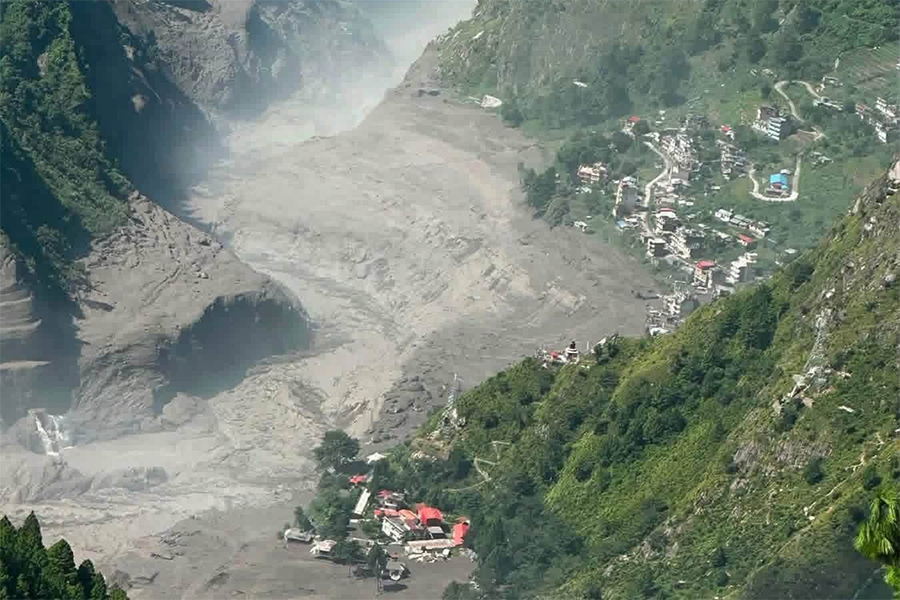
The Rasuwa disaster occurred in a mountainous environment where rivers, steep slopes, glaciers, and fragile geological formations exist close together. A sudden high-impact event can therefore trigger several hazards at the same time. Floodwater can rapidly carry mud, rocks, trees, and other debris downstream, while saturated slopes become more vulnerable to landslides.
The August 2026 disaster caused severe disruption in parts of Rasuwa and affected important infrastructure used by local residents and visitors. Roads and bridges are particularly important in this region because many Himalayan trekking routes begin only after a long overland journey from Kathmandu.
The situation has also drawn attention to the vulnerability of settlements and transportation corridors in Nepal’s high mountain districts. For local people, the consequences are much more serious than a temporary travel inconvenience. Homes, businesses, roads, bridges, communications, and livelihoods can all be affected when a major flood passes through a narrow Himalayan valley.
For the tourism industry, the timing is also significant. Late August is close to the transition between the monsoon and autumn trekking seasons. Many international trekkers begin preparing for Nepal’s busiest trekking months during this period.
Why Is Rasuwa Important for Langtang Trekking?
Rasuwa is closely connected with the Langtang trekking region. Syabrubesi is one of the principal gateways for trekkers heading toward the Langtang Valley. It is also associated with routes leading toward Gosaikunda and the Tamang Heritage area.
A typical Langtang journey begins in Kathmandu and continues by road toward the northern mountain districts. Trekkers eventually reach the trailhead before beginning the walk through forests, traditional villages, alpine landscapes, and high Himalayan terrain.
This means that the condition of the road network is just as important as the condition of the trekking trail itself.
A trekking route can remain beautiful and physically walkable, but if vehicles cannot safely reach the starting point, the trek cannot operate normally. Similarly, if a bridge has been swept away, trekkers may not be able to cross a river even when the trail on both sides remains intact. This is why the Rasuwa flood should be understood as both an access problem and a trekking-safety issue.
How Has the Flood Affected the Langtang Region?
The impact varies from place to place, and it is important not to assume that every village and every section of the Langtang trekking route has experienced the same level of damage. The areas closest to major rivers and transportation corridors are naturally more exposed to flooding. Roads can be buried under debris, sections of tracks can disappear, and bridges can become unusable. Such damage can isolate communities and make normal transportation extremely difficult.
For the tourism sector, the effects can be felt by hotels, teahouses, guides, porters, transport operators, food suppliers, and small shops. Trekking is not only an outdoor activity in Langtang. It supports a network of local businesses and families throughout the region.
The flood may therefore affect trekking even in places where there is no direct damage to the walking trail. If supplies cannot reach lodges, transportation is interrupted, or emergency access becomes difficult, operating a normal trekking itinerary becomes challenging.
Is Langtang Valley Trek Affected by the Rasuwa Flood?
This is one of the most important questions for anyone planning a Langtang trip. The answer should be considered carefully because the condition of the access route and the condition of the upper Langtang Valley trail are not necessarily the same thing.
The Langtang Valley extends deep into the Himalayan landscape. After leaving the lower gateway areas, trekkers gradually move through forest, mountain settlements, and increasingly high-altitude terrain toward Langtang Village and Kyanjin Gompa.
Early reports and trekking-sector assessments have indicated serious problems around the Rasuwa access corridor, particularly around infrastructure and transportation. That does not automatically mean that every part of the upper Langtang Valley has been destroyed.
However, this distinction does not mean that trekkers should immediately start the journey. A route can only be considered ready for trekking when authorities and local professionals have checked the entire travel chain. Roads, bridges, trails, river crossings, accommodation, communications, and emergency evacuation options all need to be considered.
Therefore, trekkers should wait for reliable local confirmation before traveling to Langtang, rather than judging the situation solely from photographs or social media posts.
Is Langtang Trek Safe After the Rasuwa Flood?
Safety should come before travel plans. After a major flood, the danger does not necessarily disappear when the water level falls. Mountain slopes can remain unstable for days or weeks. Newly formed landslides can block trails, rivers can change their course, and damaged bridges may collapse under weight.
There can also be secondary problems. A road that appears open in the morning may become blocked after rainfall. A river crossing that was manageable before the disaster may become dangerous because the river has changed its channel.
For these reasons, the safest approach is to consider Langtang trekking temporarily uncertain until the affected routes have been inspected and officially or locally confirmed as safe.
Trekkers should not attempt to bypass damaged infrastructure on their own. Taking an unofficial route around a destroyed bridge or walking through an unstable landslide area can turn a travel problem into a serious emergency.
How Long Will It Take to Reopen the Langtang Region for Trekking?
There is no reliable single number of days that can be given at this stage. Reopening a trekking destination after a major flood involves much more than clearing a road. Authorities and local communities may need to remove debris, repair roads, rebuild bridges, inspect trails, assess buildings, restore communication systems, and make sure emergency services can reach the area.
A temporary road opening does not necessarily mean that the trekking region is fully operational.
For example, vehicles might eventually reach Syabrubesi while a damaged bridge farther along the route still prevents normal trekking. Similarly, a trail may be physically passable but remain unsuitable if there is no reliable emergency evacuation access.
The reopening process is therefore likely to happen in stages rather than through one simple announcement.
A practical way to think about it is:
Road access → bridge and infrastructure inspection → trail assessment → lodge and community recovery → safety confirmation → trekking reopening.
The exact timeline will depend on the extent of damage, weather conditions, available reconstruction resources, and the decisions of local authorities.
Trekkers should therefore avoid booking around an assumed reopening date until dependable information becomes available.
Will Langtang Be Open for the Autumn Trekking Season?
Autumn is traditionally the most popular trekking period in Nepal. September, October, and November generally attract large numbers of international visitors because weather and mountain visibility often improve after the monsoon.
The Rasuwa flood has created uncertainty for the Langtang region at precisely the time when autumn trekking preparations are beginning.
Whether Langtang can fully welcome trekkers during the autumn season will depend heavily on the speed of recovery. If roads and bridges are restored quickly and the trekking trails pass safety inspections, some tourism activity may resume progressively.
But it would be irresponsible to guarantee that the entire region will return to normal by a particular date.
The better approach for travelers is to remain flexible. Those planning a Nepal trekking holiday can keep Langtang as an option while preparing a second route in case access remains restricted.
What Should Trekkers Do If They Have Already Booked Langtang Trek?
If you have already booked a Langtang trek, there is no need to panic. The first step is to contact your trekking company and ask for the latest local assessment, not simply a general update about Nepal. Conditions in one district can be very different from another.
Ask whether the road to the trailhead is operational, whether bridges are usable, whether the trekking route has been inspected, and whether accommodation is functioning normally.
If the route remains closed, postponing the trip may be the simplest option. Another possibility is changing the itinerary to a different trekking region where conditions are suitable.
A reputable local trekking agency can help you compare these options and make changes without turning your entire Nepal holiday into a cancellation.
Which Trekking Regions Can Be Good Alternatives to Langtang?
One advantage Nepal offers trekkers is the extraordinary variety of its mountain regions. If Langtang access remains restricted, travelers do not necessarily have to abandon their Himalayan plans.
Annapurna Region
The Annapurna region offers some of Nepal’s most diverse trekking experiences. Depending on current local conditions, travelers can consider routes such as Annapurna Base Camp, Annapurna Circuit, Mardi Himal, and Poon Hill.
The region has a large tourism network, which can make itinerary planning easier. However, monsoon-related landslides and road conditions still need to be checked before departure.
Everest Region
The Everest region remains one of Nepal’s most famous trekking destinations. Everest Base Camp, Gokyo Valley, and the Everest Three High Passes offer different levels of adventure.
The Everest region has its own transportation and weather challenges, particularly regarding flights and high mountain conditions. It should therefore be considered as an alternative only after checking current access and weather information.
Manaslu Region
The Manaslu Circuit Trek is an excellent choice for trekkers looking for a quieter and more remote Himalayan experience.
The route passes through culturally rich mountain villages and eventually reaches the dramatic Larkya La area. Like Langtang, however, Manaslu has difficult mountain roads and exposed terrain, so current conditions should always be confirmed before travel.
Upper Mustang
For travelers considering trekking during or close to the monsoon period, Upper Mustang deserves special attention.
Located in the rain-shadow of the Annapurna and Dhaulagiri ranges, Upper Mustang receives considerably less monsoon rainfall than many other parts of Nepal. Its barren cliffs, ancient villages, caves, monasteries, and distinctive Tibetan-influenced culture make it completely different from Langtang.
It is not a direct replacement for the green forests and snowy landscapes of Langtang, but it can be an excellent alternative for travelers who want a Himalayan adventure when wetter regions are experiencing difficult conditions.
Dolpo Region
For experienced trekkers looking for something genuinely remote, Dolpo is another possibility.
The landscape around Phoksundo Lake and the Upper Dolpo region offers dramatic scenery, traditional Himalayan culture, and a sense of wilderness that is difficult to find on more established routes.
However, Dolpo is considerably more remote and logistically demanding. It is not the easiest last-minute substitute for Langtang, particularly for first-time trekkers.
Which Alternative Trek Is Safer During the Rasuwa Situation?
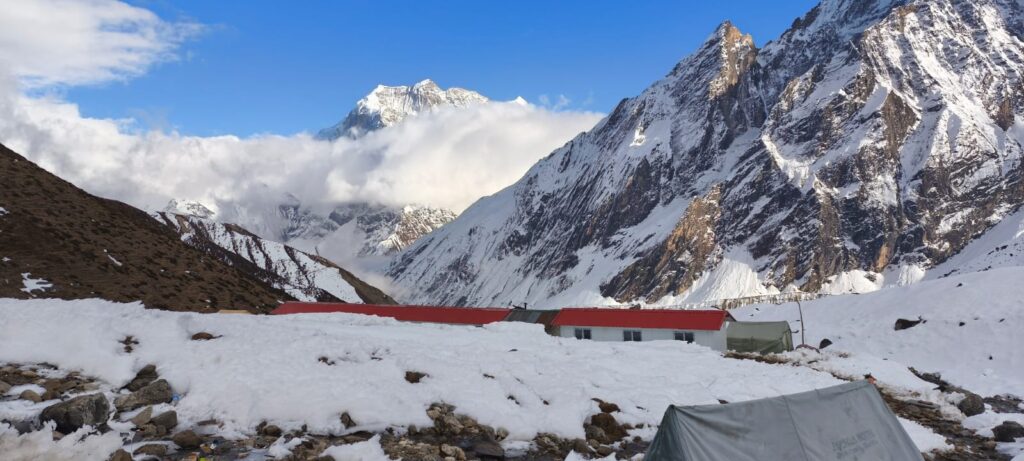
There is no single trekking region that can honestly be declared 100% safe during Nepal’s monsoon transition or following widespread natural disasters.
Safety depends on the specific route, current rainfall, road conditions, trail conditions, altitude, local warnings, and access to emergency services.
For travelers looking for a potentially more suitable monsoon alternative, Upper Mustang is often attractive because of its rain-shadow geography. For those traveling later in the autumn season, Annapurna, Everest, and Manaslu can provide several alternatives depending on their current route conditions.
The key principle is simple: choose the destination based on current conditions, not only on its reputation as a safe trekking region.
How Will the Rasuwa Flood Affect Local Tourism?
The impact of the disaster reaches far beyond trekkers. Many families in Himalayan communities depend directly or indirectly on tourism. A teahouse owner may rely on autumn visitors for a large portion of annual income. A guide may spend months preparing for the trekking season. Porters, drivers, cooks, shopkeepers, farmers, and local suppliers are also connected to the tourism economy.
When visitors stop coming, the financial consequences can continue long after the floodwater disappears.
At the same time, communities need time to rebuild. Responsible tourism can eventually become part of that recovery, but visitors should return only when travel is safe and local authorities are comfortable receiving tourists.
How Can Trekkers Support Langtang After the Flood?
Once Langtang officially becomes accessible again, returning travelers can make a meaningful contribution to the local economy.
Choose locally operated teahouses and restaurants where possible. Hire local guides and porters. Buy products made by local communities rather than bringing everything from Kathmandu. Treat damaged areas with sensitivity and avoid turning disaster sites into tourist attractions.
Most importantly, give local communities time to recover. A responsible trek is not simply about reaching a destination. It is also about respecting the people who live along the trail.
What Should You Check Before Booking Langtang Trek?
Before confirming your trek, check these points:
- Is the road to the trailhead officially accessible?
- Have damaged bridges been repaired or safely replaced?
- Has the trekking trail been inspected?
- Are teahouses operating?
- Is mobile communication available?
- Can emergency evacuation be arranged if necessary?
- Are there current landslide or flood warnings?
- Has Langtang National Park or the relevant local authority provided an update?
- Does your travel insurance cover natural disasters and route changes?
- Can your trekking company provide a current local assessment?
Conditions can change quickly in the Himalayas. A professional local trekking company can often provide more practical information about the trail than an old online itinerary.
Why Choose a Local Trekking Company for Your Langtang Trek?
In a changing situation such as this, local knowledge becomes especially valuable. Create Himalaya Adventure has more than 19 years of experience organizing trekking and mountain adventures in Nepal. Our team works with local guides and trekking professionals who understand the practical realities of Himalayan travel, including transportation, accommodation, weather, permits, trail conditions, and itinerary changes.
If Langtang is temporarily unavailable, we can help travelers explore suitable alternatives rather than simply canceling their entire Nepal adventure. Depending on current conditions and your interests, we can help arrange routes in the Annapurna, Everest, Manaslu, Mustang, or other trekking regions.
Our priority is always to put traveler safety, responsible tourism, and local community support ahead of simply completing a booking.
Frequently Asked Questions
Is Langtang Trek open after Rasuwa flood?
The status of Langtang Trek can change as authorities assess roads, bridges, trails, and other infrastructure. Trekkers should confirm the latest local conditions before traveling rather than relying on older trekking information.
Is Langtang Valley safe for trekking?
Safety depends on the condition of the specific route, weather, bridges, river crossings, and access roads. Even if parts of the upper Langtang Valley remain intact, trekkers should wait for reliable confirmation that the complete route can be traveled safely.
When will Langtang Trek reopen?
There is no guaranteed reopening date unless the relevant authorities and local tourism representatives announce one. Reopening depends on infrastructure repairs, trail inspections, weather, and the restoration of safe transportation and emergency access.
Is Syabrubesi affected by the flood?
Syabrubesi and the surrounding Rasuwa transportation corridor have been among the areas of concern following the disaster. Because Syabrubesi is a major gateway for Langtang trekking, damage to roads and infrastructure can directly affect trekking operations.
Can I trek Langtang in autumn 2026?
It may be possible if the necessary roads, bridges, trails, accommodation, and safety systems are restored before the autumn season. However, trekkers should not assume that the route will automatically be ready in September or October. Check the latest conditions before booking.
What are the best alternatives to Langtang Trek?
Depending on the season and current conditions, alternatives can include Annapurna Base Camp, Annapurna Circuit, Mardi Himal, Everest Base Camp, Gokyo Valley, Manaslu Circuit, Upper Mustang, and Dolpo. The best option depends on your trekking experience, available time, budget, and current weather conditions.
Is Upper Mustang safe after the Rasuwa flood?
The Rasuwa flood does not automatically make Upper Mustang unsafe because it is in a different part of Nepal and lies within a rain-shadow area. Nevertheless, travelers should check current road, weather, and local conditions before departure because mountain travel can change quickly.
Has the Langtang trekking trail been destroyed?
It is inaccurate to assume that the entire Langtang trekking trail has been destroyed. The disaster has caused serious disruption in the wider Rasuwa area, particularly affecting infrastructure and access. The condition of individual sections of the trekking route should be confirmed through current local assessments.
Can I reach Langtang Valley without passing through Syabrubesi?
Syabrubesi is the traditional gateway for the Langtang Valley Trek, so normal itineraries generally depend on reaching the area. If the usual access route is disrupted, alternative approaches may not be straightforward and should only be considered if officially assessed and supported.
Will the Rasuwa flood affect Langtang trekking permits?
A natural disaster does not necessarily mean trekking permits are permanently cancelled. Permit requirements can remain in place even when access is temporarily restricted. Trekkers should check the latest requirements and route status before starting their journey.
Should I postpone my Langtang Trek because of the flood?
Postponing is a sensible option if authorities or your local trekking operator cannot confirm safe access. If your travel dates are flexible, waiting for updated road and trail assessments can reduce unnecessary risk and allow you to enjoy the trek under better conditions.
Can I change my Langtang Trek booking to another trekking region?
In many cases, a trekking itinerary can be changed when circumstances make the original route impractical. Contact your trekking agency as early as possible to discuss alternatives such as Annapurna, Everest, Manaslu, or Upper Mustang.
Will flights from Kathmandu be affected by the Rasuwa disaster?
The Rasuwa flood primarily affects land access to the region rather than automatically stopping flights throughout Nepal. However, weather can affect flights to mountain destinations such as Lukla. Travelers should check the specific route and current aviation conditions before departure.
Are hotels and teahouses in Langtang still operating?
Accommodation availability may differ between villages. Some lodges may be able to operate while others may have been affected by access problems or supply disruptions. Confirm that your planned overnight stops are open before beginning the trek.
Is the Tamang Heritage Trail affected by the Rasuwa flood?
The Tamang Heritage Trail is also located in the Rasuwa area, so travelers should check its current condition separately from the Langtang Valley Trek. Damage to roads, bridges, and local infrastructure can affect the route even when individual walking sections remain usable.
Is Gosaikunda Trek affected by the Rasuwa flood?
Gosaikunda routes connect with the wider Langtang and Rasuwa trekking network, so some itineraries may be affected by access problems. The condition of the specific starting point and trail should be checked before planning a Gosaikunda journey.
Can I visit Langtang for sightseeing without doing a full trek?
A short visit may still depend on the same roads and infrastructure used by trekkers. If access to the area remains restricted, sightseeing trips may face the same problems as trekking itineraries. Travelers should wait until local authorities confirm that tourism access is appropriate.
What should I do if my Langtang Trek is cancelled because of the flood?
Ask your trekking company about postponement, itinerary changes, or alternative routes. Rather than abandoning your entire Nepal holiday, you may be able to switch to another region with suitable conditions and continue your Himalayan experience.
Will the Rasuwa flood increase the cost of Langtang Trek?
The cost could change temporarily if transportation becomes difficult, alternative routes are required, or accommodation and supply chains are disrupted. However, there is no reason to assume that trekking prices will permanently increase because of the disaster.
Is it responsible to visit Langtang soon after the flood?
Only when local authorities and communities indicate that tourism can safely resume. Returning visitors can eventually support local businesses and livelihoods, but visiting too early can place additional pressure on rescue, reconstruction, transportation, and emergency services.
Can children or first-time trekkers visit Langtang after the flood?
First-time trekkers and families should be particularly cautious while infrastructure and trails are being assessed. Once the route is officially suitable for tourism, a properly planned Langtang itinerary can be considered, but current conditions should always determine the final decision.
What should I check before traveling to Langtang after the disaster?
Check road access, bridge conditions, trail status, weather forecasts, accommodation availability, communication facilities, local warnings, and emergency evacuation options. A current assessment from a reputable local trekking company can also help you understand conditions on the ground.
Will the flood affect the Langtang trekking experience in the future?
The region may experience a period of reconstruction and recovery, but this does not mean Langtang will lose its appeal. In fact, responsible tourism can become an important part of the area’s economic recovery once the route is safe and communities are ready to receive visitors.
Should I choose Langtang or another Nepal trek for late 2026?
The decision should depend on the latest condition of the Langtang route when you are ready to travel. If access has been restored and the trail is confirmed safe, Langtang can remain an excellent choice. If recovery is still underway, choosing another region may provide a smoother and more enjoyable trekking experience.

Ramchandra Lamichhane
Trekking Expert
No hidden fees • Local experts • Best price guarantee