
Best Time to Visit Kailash Mansarovar: Complete Season and Travel Guide
Introduction
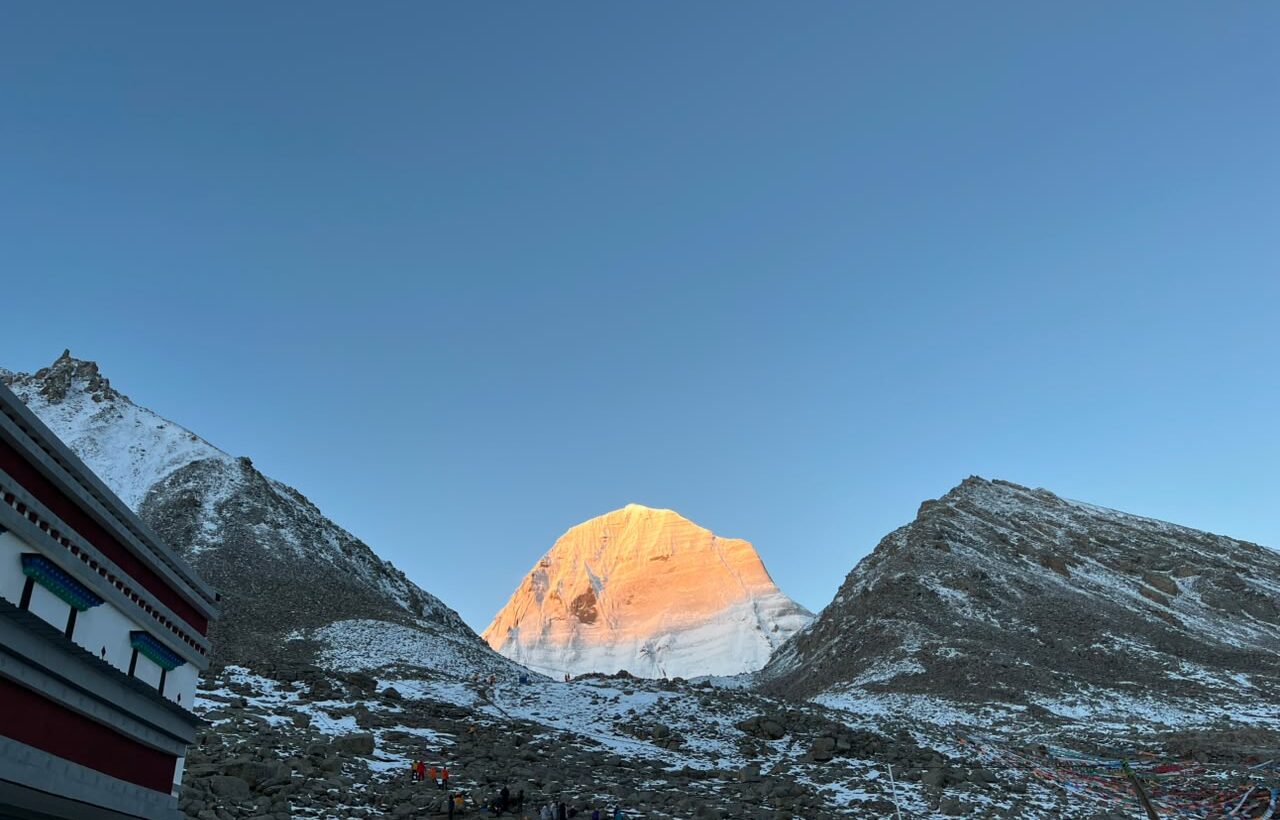
Few places in the Himalayas carry the spiritual power and mystery of Mount Kailash and Lake Mansarovar. Rising in the remote landscape of western Tibet, this extraordinary destination has attracted pilgrims, spiritual seekers and adventurous travelers for centuries.
For Hindus, Mount Kailash is traditionally regarded as the sacred abode of Lord Shiva. In Buddhism, the mountain is associated with profound spiritual traditions and is revered as Kang Rinpoche, meaning “Precious Snow Mountain.” Jains connect the mountain with the spiritual liberation of their first Tirthankara, Rishabhadeva, while followers of the ancient Bon tradition also consider the region deeply sacred.
Beside the mountain lies Lake Mansarovar, one of the world’s highest freshwater lakes and another important pilgrimage site. Together, Kailash and Mansarovar form a destination where religion, mythology, nature and high-altitude adventure meet.
But reaching this remote part of the Tibetan Plateau is not possible in the same way throughout the year. The temperature can become extremely cold, snow can block high passes, roads can become difficult and access depends on permits and local conditions.
That makes one question particularly important:
When is the best time to visit Kailash Mansarovar?
In general, the main pilgrimage period falls between May and September, with June and September often being particularly attractive months. However, the right month depends on whether your priority is comfortable weather, religious festivals, clearer mountain views, fewer crowds or a suitable trekking environment.
What Are Kailash and Mansarovar?
Mount Kailash stands at approximately 6,638 meters (21,778 feet) above sea level in the Kailash Range of Tibet. Unlike many Himalayan peaks of similar height, Kailash has remained unclimbed. Its distinctive, almost perfectly shaped summit has contributed greatly to the mountain’s spiritual character.
The mountain is also the source region of several major Asian river systems. The Indus, Sutlej, Brahmaputra and Karnali rivers originate in the broader Tibetan Plateau surrounding Kailash.
Lake Mansarovar, located near Mount Kailash, sits at around 4,590 meters. Its enormous blue surface, surrounded by barren mountains and open Tibetan landscapes, creates one of the most striking scenes in the region.
For pilgrims, the journey is not simply about reaching a geographical destination. The lake and mountain represent purification, devotion, faith and spiritual transformation.
The Ancient History and Spiritual Importance of Kailash Mansarovar
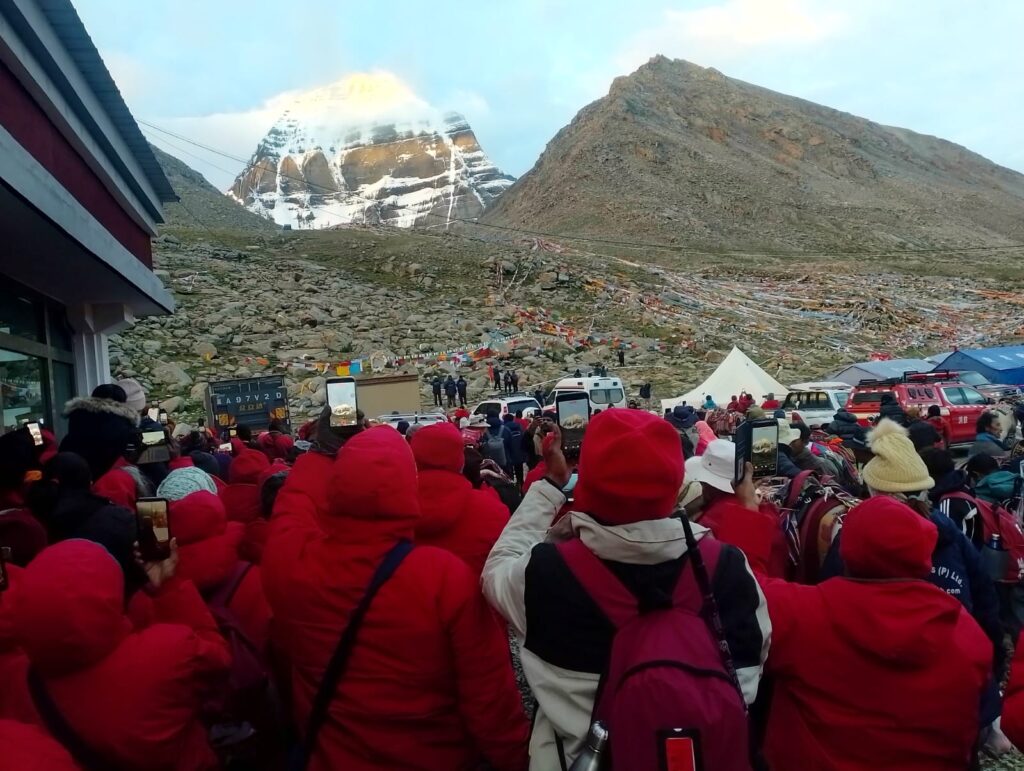
The history of Kailash Mansarovar is inseparable from the religious traditions of Asia.
Kailash in Hindu Tradition
In Hindu mythology, Mount Kailash is regarded as the divine residence of Lord Shiva and Goddess Parvati. Shiva is traditionally believed to reside in meditation on the mountain, making Kailash one of the most sacred pilgrimage destinations for Hindus.
Lake Mansarovar also has a special place in Hindu belief. According to tradition, the lake was created in the mind of Lord Brahma before appearing on Earth. Its name is commonly connected with the Sanskrit words Manas, meaning mind, and Sarovar, meaning lake.
For many Hindu pilgrims, visiting the lake and seeing Mount Kailash is a lifelong spiritual aspiration.
Kailash in Buddhist Tradition
Tibetan Buddhists know Mount Kailash as Kang Rinpoche, or “Precious Snow Mountain.” The region is associated with sacred Buddhist geography and meditation traditions.
The mountain also features prominently in stories surrounding Milarepa, one of Tibet’s most celebrated Buddhist yogis. Traditional accounts describe a spiritual contest between Milarepa and the Bon practitioner Naro-Bonchung.
Kailash in Jainism
Jain tradition connects Mount Kailash, particularly the sacred site known as Ashtapada, with the first Tirthankara, Rishabhadeva. It is believed to be connected with his attainment of liberation.
Kailash in the Bon Tradition
The ancient Bon religion of Tibet also considers the mountain sacred. In Bon tradition, Mount Kailash is known as Tise and is associated with important cosmological and spiritual beliefs.
This shared reverence makes Kailash Mansarovar unusual. Several major religious traditions recognize the same remote Himalayan landscape as sacred.
Why Is Mount Kailash Still Unclimbed?
One of the most fascinating aspects of Mount Kailash is that it has never been officially climbed to its summit.
The mountain’s religious importance is the main reason climbing is not accepted as an ordinary mountaineering objective. Instead of ascending the peak, pilgrims walk around it.
This circumambulation is known as Kora in Tibetan Buddhism and Parikrama in Hindu tradition.
The journey around the mountain therefore becomes the spiritual centerpiece of a Kailash pilgrimage.
When Is the Best Time to Visit Kailash Mansarovar?
The most suitable period for a Kailash Mansarovar journey is generally May through September.
The exact operating period can change from year to year depending on border arrangements, permits, weather, transportation and local regulations.
For travelers looking for a broad recommendation:
- June: excellent balance between weather and accessibility.
- September: excellent for clear skies, mountain scenery and a quieter atmosphere.
- May: attractive for early-season travelers and religious occasions, but colder.
- July and August: warmer, but travelers coming through Nepal need to consider monsoon-related road conditions.
There is therefore no single “perfect” month for everyone.
Kailash Mansarovar Travel Season at a Glance
Month General Character Recommended For
- January–April Very cold and winter-dominated Generally unsuitable
- May Cold, beginning of main season Spiritual travelers and early-season trips
- June Favorable travel conditions Best all-round choice
- July Warmer but variable Flexible travelers
- August Mild to warm, changing weather Travelers comfortable with uncertainty
- September Cool, crisp and often clear Photography and quieter journeys
- October onward Increasingly cold Generally unsuitable for standard pilgrimage
These are broad seasonal patterns rather than guarantees. Conditions in the high Himalayas can change quickly.
What Is Kailash Mansarovar Weather Like?
Kailash Mansarovar has a high-altitude Tibetan climate.
Do not expect the type of summer weather experienced in Kathmandu, Pokhara or lower Himalayan valleys.
Even during the warmest months, mornings and nights can be very cold. Strong sunlight can make the afternoon feel pleasant, while temperatures can fall sharply once the sun disappears.
Wind is another important factor.
At high elevations, exposed passes and open plateaus can feel considerably colder than the actual temperature suggests.
Travelers should therefore prepare for four different conditions during the same day:
- Bright sunshine
- Cold wind
- Sudden cloud
- Freezing temperatures at night
- Good clothing is essential regardless of the month.
Kailash Mansarovar in May
May represents the beginning of the main travel season.
The landscape can still carry traces of winter, particularly around higher elevations. Snow may remain near mountain passes, and mornings can be particularly cold.
The advantage is the atmosphere.
The early season can feel peaceful, dramatic and less crowded than some of the busier pilgrimage periods.
May is also significant because important Buddhist religious dates sometimes fall during this period.
Why choose May?
- Fresh mountain landscapes
- Crisp air
- Dramatic snow scenery
- Early pilgrimage atmosphere
- Potentially fewer travelers than peak periods
What should you expect?
Be prepared for cold nights and potentially challenging conditions around the higher sections of the kora.
Kailash Mansarovar in June
For many travelers, June is one of the best months for Kailash Mansarovar.
By June, the main travel season is generally established. The days are relatively long, conditions are often more manageable and the surrounding landscape begins to feel more accessible.
The combination of relatively favorable weather and an active pilgrimage environment makes June a strong choice for first-time visitors.
It is particularly suitable if you want to balance:
spiritual experience + trekking conditions + scenery + practical accessibility.
Kailash Mansarovar in July
July brings warmer conditions to the Tibetan Plateau, but the situation can be more complicated for travelers traveling overland from Nepal.
The Tibetan side is considerably drier than much of Nepal during the summer monsoon. However, the route from Kathmandu toward the Nepal-Tibet border can experience heavy rainfall.
Rain can contribute to:
- Landslides
- Road damage
- Traffic interruptions
- Delayed transportation
- Difficult driving conditions
Therefore, travelers choosing July should keep some flexibility in their itinerary.
The weather at Kailash itself may be perfectly manageable while the approach journey in Nepal experiences disruption.
Kailash Mansarovar in August
August remains within the principal pilgrimage season.
Temperatures are generally more comfortable than in May, making the month attractive for travelers who strongly dislike cold conditions.
However, August can also bring changing weather and cloud cover. Travelers using the Nepal route should again remember that Nepal’s monsoon can affect road travel even though western Tibet has a much drier climate.
If you travel in August, it is wise to maintain a flexible schedule and avoid planning important onward connections too tightly.
Kailash Mansarovar in September
September is one of the most beautiful times to experience the Kailash region.
The landscape often takes on a remarkably crisp appearance. Blue skies, sharp mountain ridges and the deep colors of Lake Mansarovar can create exceptional views.
The weather also begins transitioning toward autumn, so temperatures become cooler.
For photographers and travelers who want dramatic Himalayan scenery, September is a particularly strong choice.
September advantages
- Excellent mountain visibility on favorable days
- Crisp atmosphere
- Beautiful photographic conditions
- Cooler trekking temperatures
- Potentially fewer pilgrims than major festival periods
- The trade-off is that nights can become increasingly cold as the month progresses.
Best Time for the Mount Kailash Kora
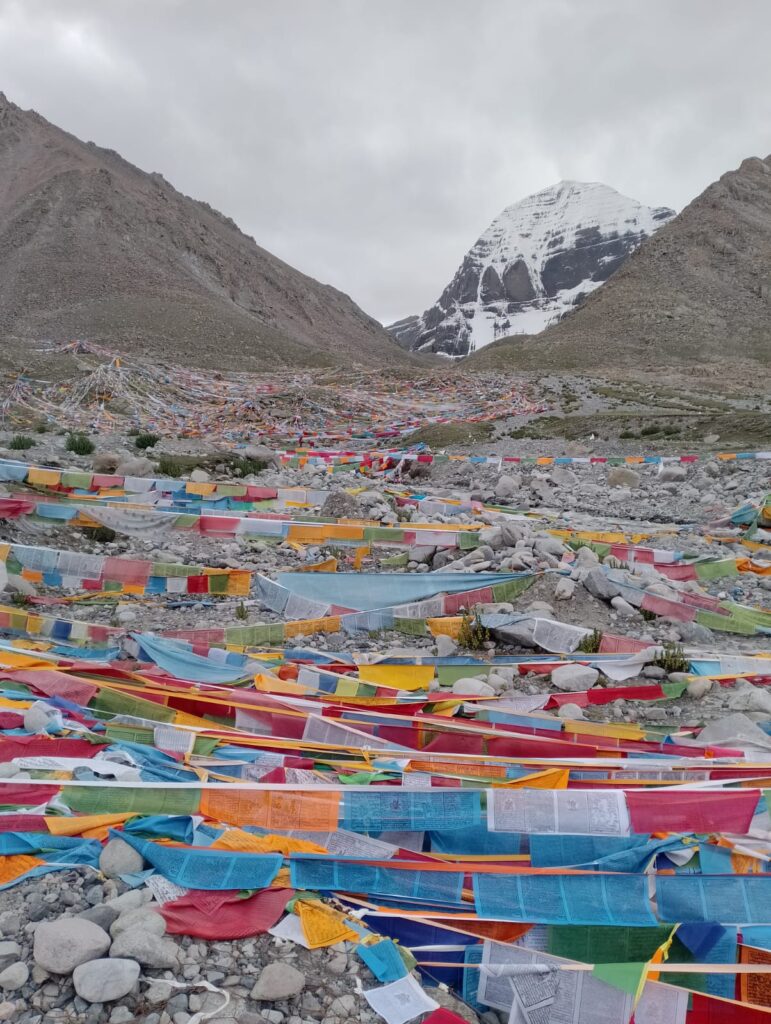
The Mount Kailash Kora is the most physically demanding part of many pilgrimage itineraries.
The traditional circuit covers roughly 52 kilometers, although the actual walking distance can vary according to the route and itinerary.
The highest point is Dolma La Pass, at more than 5,600 meters.
This section deserves particular respect.
Even fit travelers can struggle because of altitude, cold, wind and the steep ascent.
For this reason, favorable weather matters greatly.
June and September are excellent months to consider for the kora, while May can be suitable for travelers prepared for colder conditions.
Why Dolma La Pass Is the Toughest Section
Dolma La is not difficult simply because it is steep.
The real challenge comes from the combination of:
extreme altitude + thin air + cold + wind + physical exertion.
Some travelers reach the pass feeling strong and then suddenly experience fatigue, headache or breathlessness.
A slow pace is far more valuable than trying to maintain the walking speed of the group.
Proper acclimatization before beginning the kora is essential.
Best Time to Visit Lake Mansarovar
Lake Mansarovar can be visited during the main Kailash pilgrimage season.
May offers a colder, more dramatic atmosphere, while June, July and August provide comparatively warmer conditions.
September can be especially appealing for scenery.
The lake is not merely a scenic attraction. It is a sacred body of water with deep religious significance.
Many pilgrims spend time beside the lake for prayer, meditation and reflection rather than rushing through the area.
Best Time for Photography
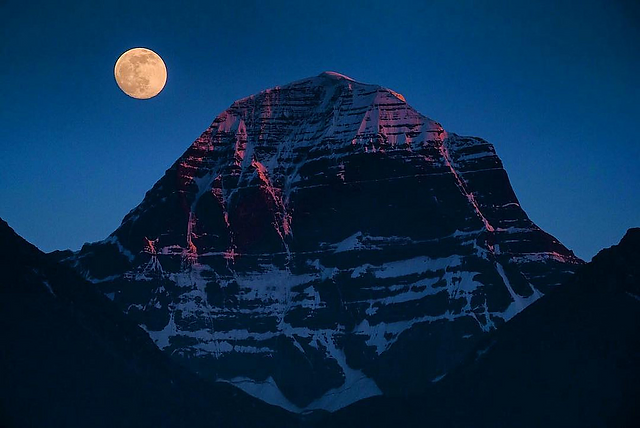
If photography is one of your priorities, September is an excellent option.
The combination of clear skies, intense Himalayan light and dramatic landscapes can produce unforgettable photographs.
June can also be very rewarding.
Remember that mountain photography is highly dependent on daily weather. A “good photography month” does not guarantee clear skies every day.
Early morning is often particularly rewarding because the light can be softer and the mountain atmosphere clearer.
Best Time for a Less Crowded Experience
If you prefer a quieter journey, consider traveling outside major festival dates.
September is often an appealing choice for travelers who want a calmer atmosphere.
However, Kailash is an important pilgrimage destination, so even the quieter periods should not be expected to feel completely empty.
A less crowded journey can provide more peaceful moments for photography, meditation and personal reflection.
Saga Dawa and the Spiritual Calendar
Religious festivals can make the Kailash experience even more meaningful.
Saga Dawa is one of the most important Buddhist observances in Tibet. It commemorates significant events in the life of Buddha and is particularly sacred to Tibetan Buddhists.
The date changes each year because it follows the Tibetan lunar calendar.
Traveling around an important festival can provide an extraordinary cultural experience, but it may also mean greater numbers of pilgrims and higher demand for transportation and accommodation.
Therefore, festival travel requires early planning.
Is Kailash Mansarovar Possible During the Nepal Monsoon?
Yes, journeys can take place during July and August, but the answer depends on the route and current travel conditions.
The important distinction is between Tibet’s weather and Nepal’s weather.
Western Tibet generally receives far less rainfall than Nepal during the monsoon. However, travelers approaching Tibet from Kathmandu may encounter rain-related road problems before crossing the border.
For this reason, July and August travelers should keep additional buffer days.
Which Month Is Best for First-Time Pilgrims?
For a first Kailash Mansarovar journey, June or September would generally be among the strongest choices.
Choose June if you want:
- A well-established pilgrimage season
- A good balance of temperature and accessibility
- Active pilgrimage atmosphere
- Choose September if you prefer:
- Clearer-looking landscapes
- Photography
- Cooler weather
- A potentially quieter atmosphere
Your physical condition and route are just as important as the calendar.
What Should You Pack for Kailash Mansarovar?
Weather can change rapidly, so packing should focus on flexibility.
Essential items include:
- Warm down jacket
- Thermal inner layers
- Windproof and waterproof jacket
- Waterproof trekking trousers
- Warm gloves
- Woolen hat
- Sunglasses
- Sunscreen
- Comfortable trekking boots
- Trekking poles
- Warm sleeping bag
- Water bottle
- Headlamp
- Personal medicines
- Small backpack
- Lip balm and moisturizer
- A good layering system allows you to adapt when the temperature changes.
How to Prepare for High Altitude
The greatest challenge on a Kailash Mansarovar journey is often not the cold but the altitude.
Lake Mansarovar is already at approximately 4,590 meters, while the kora takes you substantially higher.
Preparation should begin before arriving in Tibet.
Walking regularly, improving cardiovascular fitness and building endurance can help, but physical fitness does not completely prevent altitude sickness.
The most important principles are:
ascend gradually, stay hydrated, walk slowly and listen to your body.
If serious altitude-related symptoms develop, inform your guide immediately.
How to Choose Your Kailash Travel Month
Rather than asking only, “Which month has the best weather?” ask what kind of experience you want.
- Choose May if: You enjoy early-season landscapes, colder conditions and a more traditional pilgrimage atmosphere.
- Choose June if: You want the best overall balance and are visiting for the first time.
- Choose July if: You prefer warmer conditions and can tolerate possible monsoon-related travel delays.
- Choose August if: Your schedule falls in the middle of the pilgrimage season and you prefer relatively warmer temperatures.
- Choose September if: You care most about scenery, photography, crisp mountain views and a quieter experience.
Kailash Mansarovar Travel Tips for Every Season
No matter when you visit, a few principles remain important.
Do not rush the journey. Kailash is a high-altitude pilgrimage, not a race.
Keep buffer days. Weather and road conditions can cause unexpected delays.
Respect local customs. Kailash and Mansarovar are sacred places for several religions.
Follow your guide’s instructions. Local guides understand changing conditions and route requirements.
Prepare for basic facilities. Remote sections of the journey cannot provide the same level of comfort found in major cities.
Protect the environment. Carry waste properly and avoid damaging the fragile Tibetan landscape.
Final Verdict: What Is the Best Time to Visit Kailash Mansarovar?
The main Kailash Mansarovar travel season is May to September, but each month offers a slightly different experience.
If you want the best all-round month, June is a strong choice.
If you want clear mountain scenery and photography, September is particularly attractive.
If you want a spiritually significant festival experience, check the annual religious calendar before selecting your departure.
If you choose July or August, remember that conditions in western Tibet and the Nepal approach route can be very different.
Ultimately, the best time to visit Kailash Mansarovar is the period when weather, route accessibility, permits, your physical preparation and your personal spiritual objectives come together.
Kailash is not simply a mountain to be photographed or a destination to be checked off a travel list. For millions of believers, it is a sacred center of the world. The journey toward it can be physically demanding, logistically challenging and deeply emotional. Choosing the right season allows you to experience that journey with greater comfort, preparation and appreciation.
For travelers planning the pilgrimage from Nepal, working with an experienced local trekking and tour operator such as Create Himalaya Adventure can also make the journey easier to organize, particularly when arranging transportation, permits, accommodation, guides and high-altitude logistics.
Note: Despite the recent floods in Nepal, the Kailash Mansarovar Overland Tour via the Kodari–Zhangmu–Nyalam route is now open for travelers planning their journey to Kailash.
FAQs About Kailash Mansarovar
1. How many days are normally required for a Kailash Mansarovar pilgrimage?
A complete Kailash Mansarovar journey usually takes around 10–16 days, depending on the starting point, route, transportation, acclimatization schedule and number of days allocated for the Mount Kailash kora. Travelers coming from Nepal should also keep some extra time available because mountain weather, road conditions and border procedures can cause unexpected delays.
2. Can senior citizens travel to Kailash Mansarovar?
Yes, senior citizens can undertake the journey if they are physically fit and medically cleared for high-altitude travel. Age alone does not determine suitability. The major concerns are altitude, walking endurance and existing medical conditions. A slower itinerary with adequate acclimatization is preferable for older travelers.
3. Do I need to be physically fit for the Kailash Mansarovar Yatra?
A reasonable level of fitness is highly recommended. You do not need to be an experienced mountaineer, but you should be comfortable walking for several hours at high altitude. Regular walking, stair climbing and cardiovascular exercise before the trip can help prepare your body for the demanding sections of the pilgrimage.
4. Can I complete the Kailash Kora without being an experienced trekker?
Yes. Many ordinary travelers complete the kora without previous high-altitude trekking experience. However, it is physically demanding because of the elevation, especially around Dolma La Pass. Walking slowly, taking appropriate breaks and following your guide’s instructions are more important than having advanced trekking skills.
5. Is there any age limit for visiting Mount Kailash?
There is no universal age rule that applies to every Kailash journey. Requirements can vary according to the route, nationality, travel operator and current regulations. Travelers should check the applicable requirements before booking rather than relying on an old age-limit policy found online.
6. Can children accompany their parents on a Kailash Mansarovar trip?
Children can face greater difficulty with extreme altitude than adults, so a Kailash journey should not be planned for young children without careful professional and medical assessment. The high elevation, cold environment, limited facilities and strenuous kora make this destination unsuitable for many children.
7. Is it possible to hire a porter or horse during the Mount Kailash Kora?
Availability of support services can vary by route and season. In some sections, horses or other local assistance may be available, but they should never be considered guaranteed. Travelers who may struggle with the kora should discuss available support options with their tour operator before departure.
8. What type of accommodation can I expect during the Kailash Mansarovar journey?
Accommodation varies considerably depending on the route. Major towns may offer hotels or better-equipped lodges, while remote sections generally provide simple guesthouses or basic accommodation. During the kora, facilities are considerably more basic than those found in Kathmandu or other major tourist cities.
9. Is vegetarian food easily available during the pilgrimage?
Vegetarian meals are commonly available on organized Kailash pilgrimage routes, particularly because many travelers visit for religious reasons. However, food choices become more limited in remote areas. Travelers with strict dietary requirements should inform their tour operator before departure and carry suitable snacks for additional security.
10. Will my mobile phone work throughout the Kailash Mansarovar journey?
Mobile connectivity is not reliable throughout the entire journey. Network coverage can disappear completely in remote areas, particularly during the kora. Connectivity is generally better in larger settlements than on isolated sections of the Tibetan Plateau. Travelers should therefore avoid depending entirely on mobile internet for communication.
11. Can I use credit cards and ATMs during the Kailash Mansarovar trip?
Cash is important because remote settlements have limited banking facilities and card-payment options. Travelers should carry enough local currency for personal expenses before entering remote areas. The amount required depends on the itinerary and what is included in the tour package.
12. What happens if the weather prevents us from completing the Kailash Kora?
If severe weather makes the trail unsafe, the itinerary may need to be changed or the kora may have to be shortened or abandoned. Safety takes priority over completing the pilgrimage according to schedule. Experienced guides and operators monitor conditions and make decisions based on local circumstances.
13. Is photography allowed around Mount Kailash and Lake Mansarovar?
Photography is generally possible in many outdoor areas, but travelers should respect religious customs and local restrictions. Some sacred sites or religious ceremonies may have specific rules. Always ask your guide before photographing people, monasteries, religious activities or restricted locations.
14. What should I do if I cannot complete the Mount Kailash Kora?
Do not force yourself to continue if you become seriously exhausted or develop concerning altitude symptoms. Inform your guide immediately. Depending on your location and the conditions, local assistance or an alternative arrangement may be possible. Completing the entire kora is not worth putting your health at serious risk.
15. How far in advance should I book a Kailash Mansarovar trip?
Booking several months ahead is advisable, particularly for travel during the busiest pilgrimage periods. Early planning gives you more time to arrange permits, transportation, accommodation, flights and necessary preparations. It is especially important for travelers with fixed vacation dates because access arrangements can be limited.
Ramchandra Lamichhane
Trekking Expert
No hidden fees • Local experts • Best price guarantee