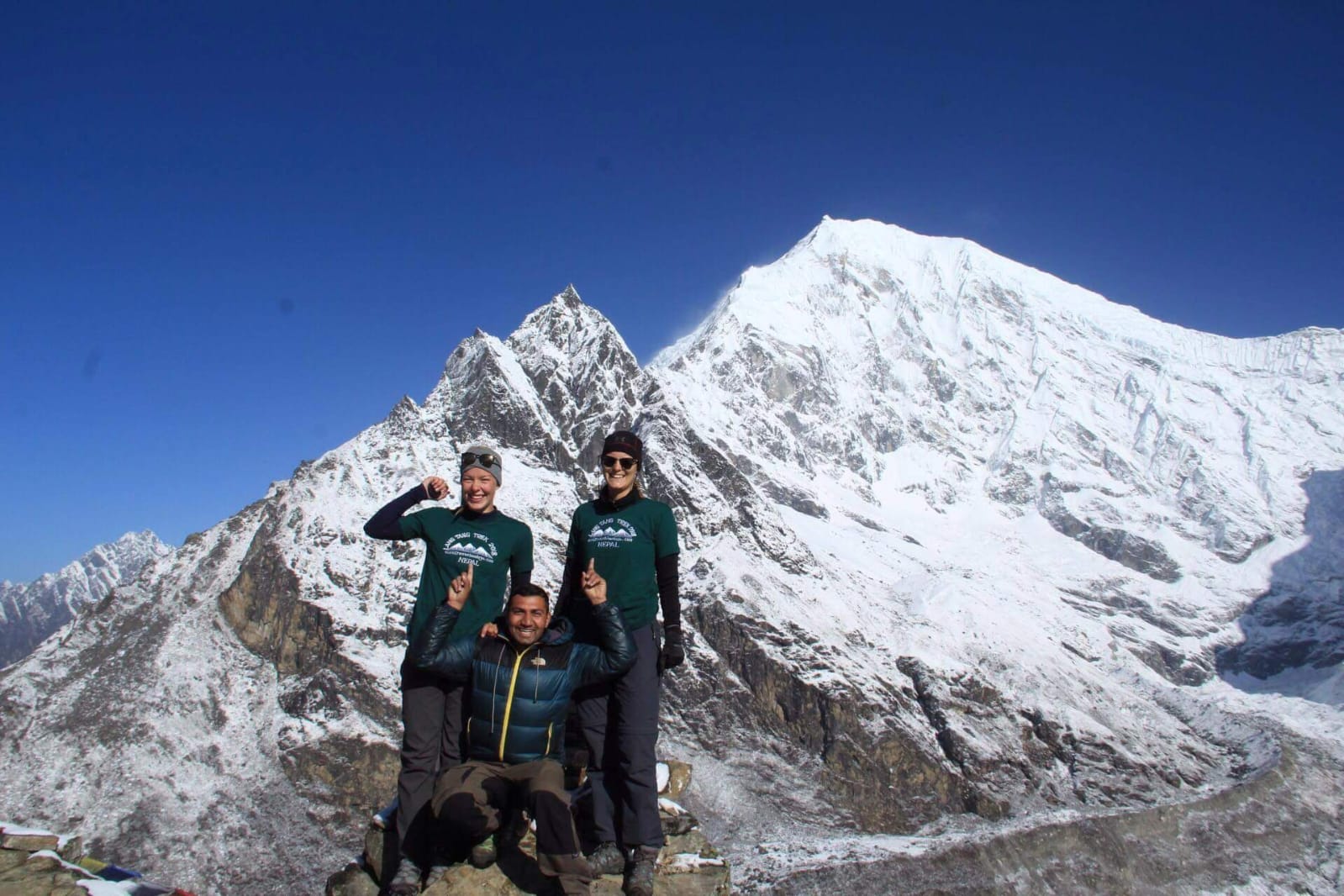
Langtang Gosainkunda Helambu Trek
The Langtang Gosainkunda Helambu Trek is a classic Himalayan journey that blends three distinct regions of northern Nepal into one unforgettable trekking experience Langtang Valley, Gosainkunda Lake, and the Helambu […]
Highlights
- Scenic drive from Kathmandu to Syabrubesi
- Explore the beautiful Langtang Valley
- Visit traditional Tamang and Hyolmo villages
- Stunning views of Langtang Lirung, Ganesh Himal, and Dorje Lakpa
- Explore the ancient Kyanjin Gompa monastery
- Hike to Kyanjin Ri for panoramic Himalayan sunrise views
- Experience peaceful yak pastures and glacier landscapes
- Visit the sacred Gosainkunda alpine lakes
- Cross the adventurous Lauribina Pass (4,610 m)
- Trek through lush rhododendron and pine forests
- Discover the cultural beauty of the Helambu region
- Enjoy less crowded and peaceful trekking trails
- Rich wildlife and natural beauty inside Langtang National Park
- Best Time for Langtang Gosainkunda Helambu Trek
Overview
The Langtang Gosainkunda Helambu Trek is a classic Himalayan journey that blends three distinct regions of northern Nepal into one unforgettable trekking experience Langtang Valley, Gosainkunda Lake, and the Helambu region. Located just north of Kathmandu, this trek offers an ideal combination of accessibility and remote Himalayan beauty, making it one of the most diverse and rewarding trekking routes in Nepal. The journey takes trekkers through dramatic changes in landscape—from lush subtropical forests and deep river valleys to high alpine terrain, sacred mountain lakes, and culturally rich hillside villages. Along the way, it passes through traditional Tamang and Hyolmo settlements, ancient Buddhist monasteries, and untouched natural wilderness inside the protected area of Langtang National Park. With close-up views of towering Himalayan peaks, rich biodiversity, and strong spiritual significance, this trek offers a perfect balance of natural beauty, cultural immersion, and high-altitude adventure, all within a relatively short distance from the capital.
The Langtang Gosainkunda Helambu Trek is a complete Himalayan adventure that begins with a scenic drive from Kathmandu to Syabrubesi,the gateway to the Langtang region. Passing through winding mountain roads, rivers, terraced fields, and rural settlements along the Trishuli River. ascends through Langtang Valley, crosses sacred alpine landscapes around Gosainkunda, and descends through the cultural Helambu region, finally ending at Melamchi Bazaar. It is one of Nepal’s most diverse and rewarding trekking experiences, combining nature, culture, spirituality, and adventure in a single journey.
Langtang Valley
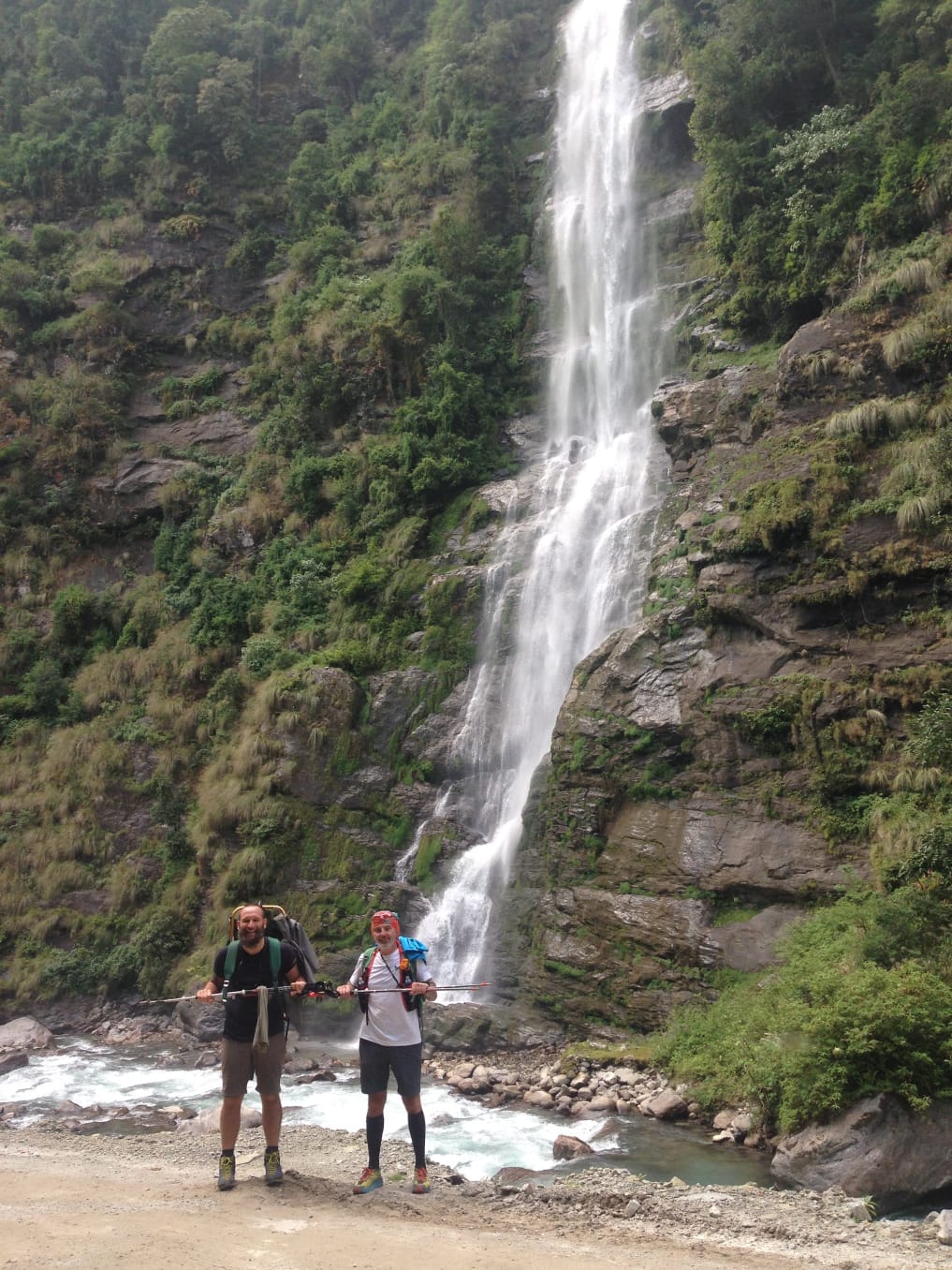
From Syabrubesi, the trail follows the Langtang River valley through lush forests, waterfalls, and suspension bridges, gradually ascending toward Lama Hotel and deeper into the mountains.
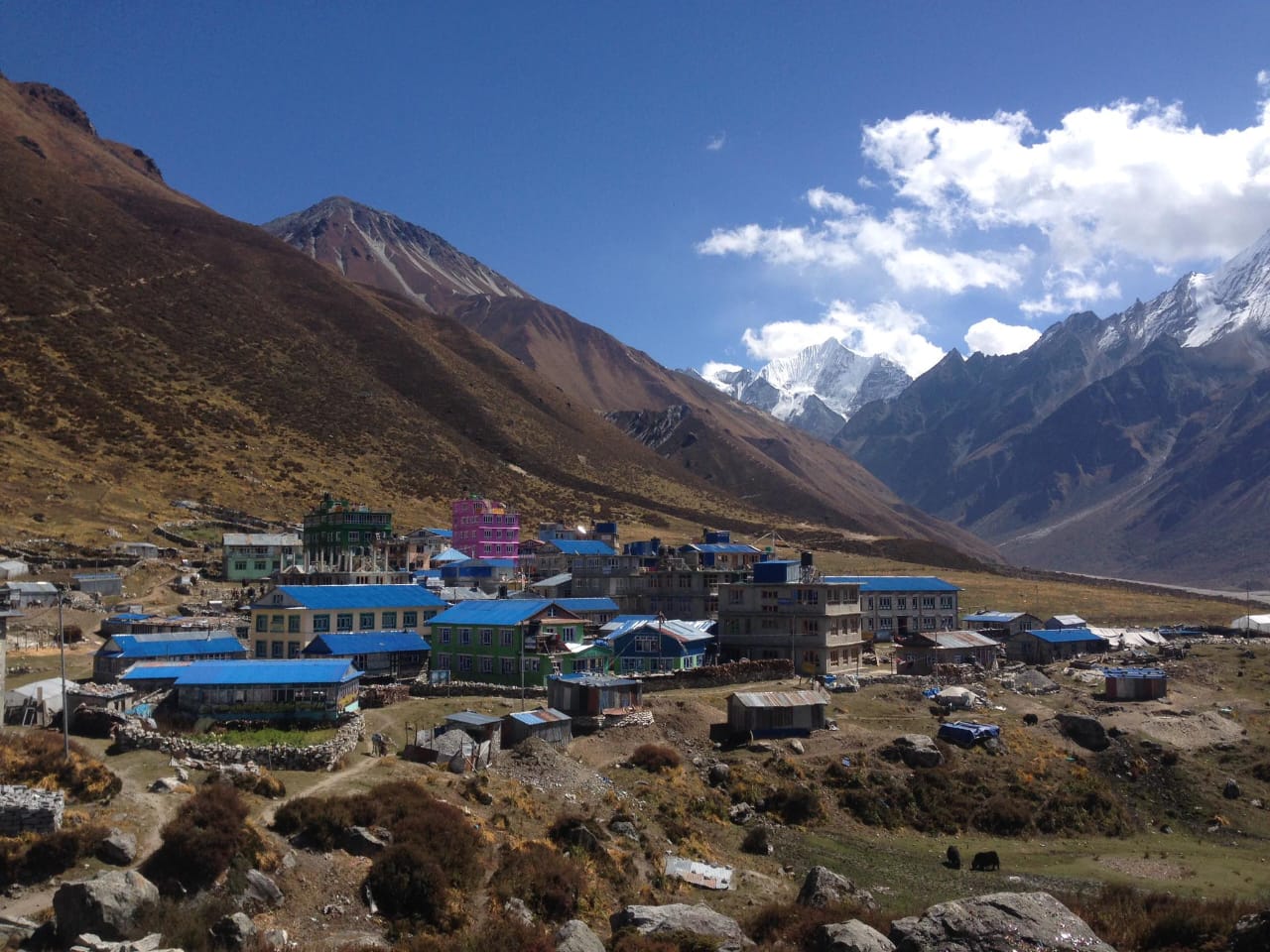
The route passes through traditional settlements like Lama Hotel and Langtang Village, eventually reaching the beautiful alpine settlement of Kyanjin Gompa, the cultural and spiritual heart of the valley.
From here, trekkers explore iconic viewpoints such as Kyanjin Ri and Tserko Ri, which offer breathtaking sunrise and panoramic views of Langtang Lirung, Dorje Lakpa, Yala Peak, and surrounding Himalayan ranges.
Gosainkunda Region
After exploring Langtang Valley, the trail ascends toward the sacred alpine region of Gosainkunda, passing through Chandanbari (Sing Gompa), known for its monastery, yak cheese production, and peaceful forest surroundings.
The route also includes serene spots like Surya Kunda, before reaching the sacred Gosainkunda Lake, a high-altitude pilgrimage site surrounded by rugged mountains and spiritual significance for both Hindus and Buddhists.
Helambu Region (Descent Section)
From Gosainkunda, the trek descends into the lush and culturally rich Helambu region, passing through traditional villages such as Tharepati, Tarkeghyang, and Melamchi Gaun. This area is known for its warm Hyolmo culture, ancient monasteries, terraced hills, and peaceful rural lifestyle.
The journey gradually continues downhill through green forests and farmland until it reaches the final exit point at Melamchi Bazaar, marking the official end of the trek.
Culture, Nature & Experience
Throughout the journey, trekkers experience a rich blend of Tamang and Hyolmo cultures, Buddhist traditions, prayer flags, monasteries, and authentic Himalayan village life.
The landscape changes dramatically—from subtropical forests filled with rhododendron, pine, and bamboo to alpine meadows and glacial terrain. Wildlife includes red pandas, Himalayan tahr, musk deer, langurs, and diverse bird species.
Mountain Views
The trek offers spectacular Himalayan scenery, including peaks such as Langtang Lirung (7,227 m), Dorje Lakpa, Ganesh Himal, Yala Peak, and Jugal Himal range, visible from various viewpoints along the route.
Langtang Gosainkunda Helambu Trek Route
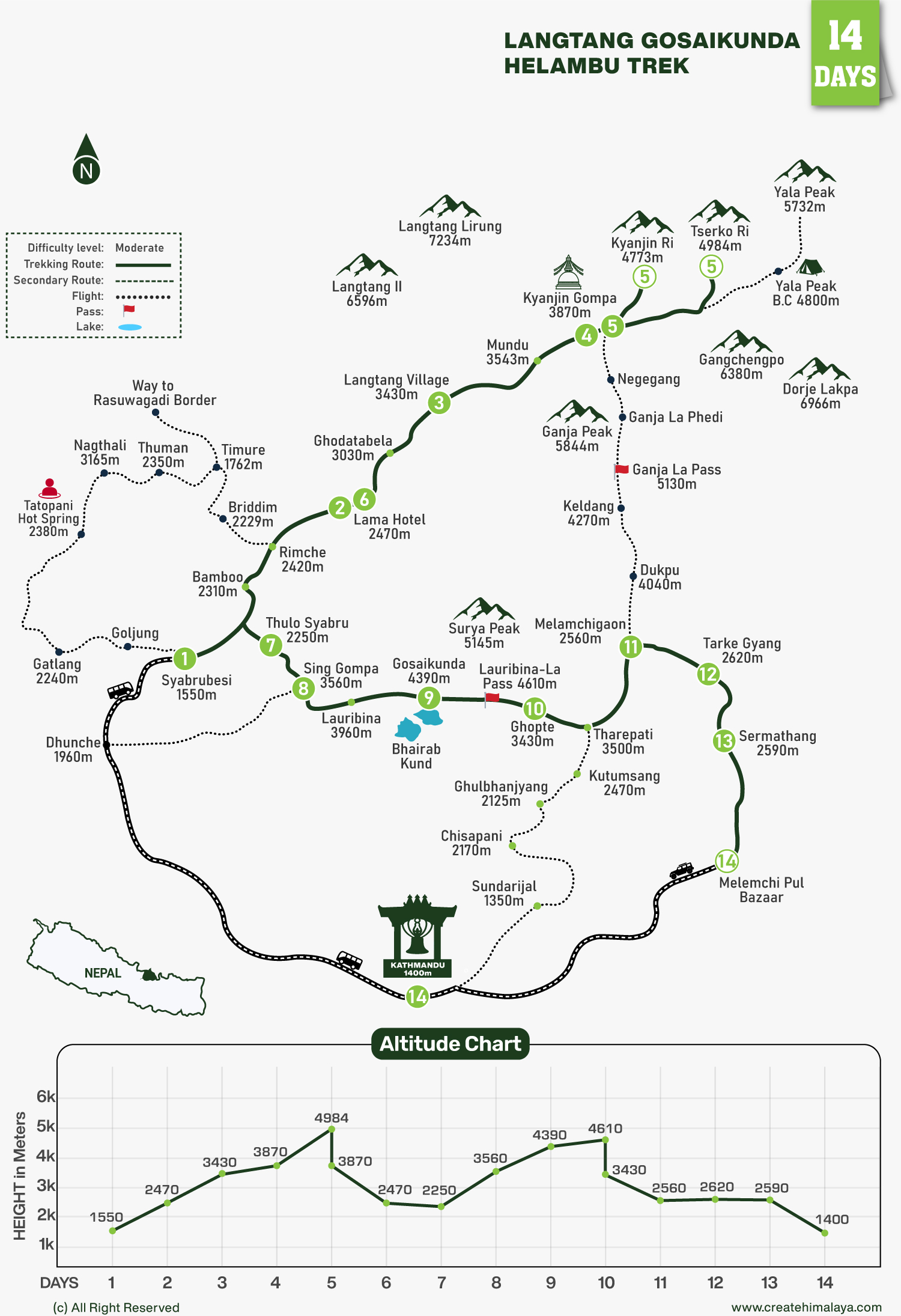
The trek begins with a drive from Kathmandu to Syabrubesi and follows the Langtang Valley through Lama Hotel, Langtang Village, and Kyanjin Gompa. After exploring the valley, the trail heads toward Thulo Syabru, Sing Gompa, and the sacred Gosainkunda Lakes before crossing Lauribina Pass. The route then continues through Ghopte, Melamchi Gaon, Tarkeghyang, Sermathang, and Melamchi Bazaar before returning to Kathmandu.
Langtang Gosainkunda Helambu Trek Difficulty
The Langtang Gosainkunda Helambu Trek is considered a moderate to challenging Himalayan trek. Trekkers walk for 5 to 7 hours daily across forest trails, steep ascents, rocky paths, and high mountain passes. Lauribina Pass at 4,610 meters is the highest point of the trek and requires good physical fitness and proper acclimatization. Previous trekking experience is helpful but not mandatory for physically fit trekkers.
Trip Itinerary
Drive from Kathmandu to Syabrubesi
Your Langtang Gosainkunda Helambu Trek begins with a scenic drive from Kathmandu to Syabrubesi, the gateway to the Langtang region. The drive passes through beautiful hills, terraced farmland, rivers, waterfalls, and traditional mountain villages with occasional views of Ganesh Himal and surrounding peaks. After arriving in Syabrubesi, trekkers can relax and prepare for the Himalayan adventure ahead.
Trek from Syabrubesi to Lama Hotel
The trail follows the Langtang River through dense bamboo, oak, and rhododendron forests inside Langtang National Park. Trekkers cross several suspension bridges and pass small settlements while gradually ascending through peaceful mountain scenery. The route offers opportunities to spot wildlife such as monkeys and colorful Himalayan birds before reaching Lama Hotel for overnight stay.
Trek from Lama Hotel to Langtang Village
Today’s trail climbs steadily through forests before the valley opens into wide alpine landscapes with spectacular mountain views. Passing Ghodatabela and traditional Tamang settlements, trekkers enjoy breathtaking scenery of Langtang Lirung and surrounding snow-capped peaks. Langtang Village offers a wonderful opportunity to experience local culture, hospitality, and mountain lifestyle in the Himalayas.
Trek from Langtang Village to Kyanjin Gompa
A short but incredibly scenic trekking day leads toward Kyanjin Gompa through yak pastures, prayer flags, mani walls, and glacier landscapes. Surrounded by towering Himalayan peaks, Kyanjin Gompa is one of the most beautiful places in the Langtang region. After reaching the village, trekkers can explore the ancient monastery, local cheese factory, and nearby viewpoints.
Exploration Day at Kyanjin Gompa
This acclimatization day allows trekkers to hike to Kyanjin Ri (4,773 m) or Tserko Ri (4,984 m) for spectacular sunrise and panoramic mountain views. The viewpoints offer breathtaking scenery of Langtang Lirung, Dorje Lakpa, glaciers, icefalls, and surrounding Himalayan ranges. After enjoying the incredible landscapes and taking photographs, trekkers return to Kyanjin Gompa for overnight stay.
Trek from Kyanjin Gompa to Lama Hotel
The trail descends through Langtang Village, Ghodatabela, and beautiful forest landscapes alongside the Langtang River. Trekkers can enjoy different perspectives of the valley and surrounding mountains while gradually returning to lower elevation. Overnight stay at Lama Hotel surrounded by peaceful forest scenery.
Trek from Lama Hotel to Thulo Syabru
Leaving the main Langtang Valley trail, the route heads toward the traditional Tamang village of Thulo Syabru. The trail passes through forests, hillsides, and mountain settlements with occasional Himalayan views. Thulo Syabru is known for its rich culture, stone houses, friendly locals, and beautiful mountain surroundings.
Trek from Thulo Syabru to Sing Gompa (Chandanbari)
The trail gradually climbs through dense rhododendron, pine, and oak forests with excellent views of Ganesh Himal and Langtang mountain ranges. During spring, the colorful rhododendron blooms make the route exceptionally beautiful. Sing Gompa is a peaceful monastery settlement famous for local yak cheese production and spiritual atmosphere.
Trek from Sing Gompa to Gosainkunda
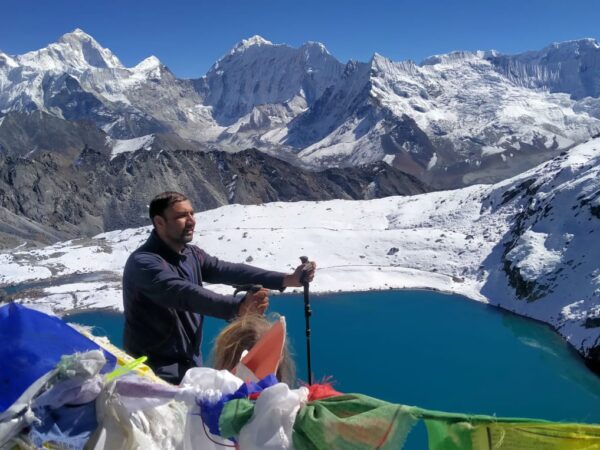
Today’s trek enters alpine terrain above the tree line with dramatic mountain scenery and wide Himalayan views. Passing Lauribina, trekkers continue toward the sacred Gosainkunda Lakes, an important pilgrimage destination for Hindus and Buddhists. The turquoise alpine lakes surrounded by snowy peaks create one of the most memorable highlights of the entire trek.
Cross Lauribina Pass and Trek to Ghopte
This is one of the most adventurous and rewarding days of the trek. Early in the morning, trekkers cross Lauribina Pass with breathtaking views of frozen lakes, rugged mountain landscapes, and Himalayan peaks. After crossing the pass, the trail descends through rocky terrain and forests toward Ghopte, a peaceful settlement surrounded by nature.
Trek from Ghopte to Melamchi Gaon
The trail continues through dense forests, ridges, and traditional villages while entering the culturally rich Helambu region. Trekkers can enjoy peaceful walking trails, beautiful landscapes, and authentic mountain village life along the route. Melamchi Gaon offers traditional Hyolmo culture and scenic Himalayan surroundings.
Trek from Melamchi Gaon to Tarkeghyang
Today’s trek passes beautiful forests, terraced farmland, and traditional settlements before reaching Tarkeghyang, one of the largest and most culturally important villages in Helambu. Trekkers can visit ancient monasteries, interact with local people, and enjoy panoramic mountain views in this peaceful Himalayan village.
Trek from Tarkeghyang to Sermathang
The trail follows scenic ridges through forests, monasteries, and charming villages with excellent views of the Langtang and Jugal Himal ranges. Sermathang is a beautiful Hyolmo settlement known for its monasteries, peaceful atmosphere, and traditional mountain lifestyle.
Trek from Sermathang to Melamchi Bazaar and Drive to Kathmandu
The final day of the trek descends through green hills, farmlands, forests, and local villages toward Melamchi Bazaar. After completing the trek, a scenic drive returns you to Kathmandu, marking the end of the unforgettable Langtang Gosainkunda Helambu Trek adventure in Nepal.
Not Satisfied with This Itinerary?
Every traveler is different. Customize this trip with the help of our local travel specialists and create an itinerary that perfectly matches your interests, schedule, and budget.
What's included
- Airport Transfers: International Airport pick-up and drop-off service.
- Trekking Permits: The required paperwork and trekking permit are required for Langtang National Park.
- Transportations: All ground Transportations ( Car, Jeep,Van, Bus) as per group size.
- Trekking Equipment: We provide sleeping bags, down Jackets, and Duffle bag if needed.
- Souvenirs: Create Himalaya Adventure T-Shirt as a souvenir.
- Meals: Three meals a day (breakfast, lunch, dinner) during the trek.
- Accommodation: Twin-bed sharing with a shared toilet during the trek.
- Guide Expenses: All costs for an English-speaking, government-licensed guide.
- Guide Insurance: Insurance coverage for guides.
- Trekking Map: Langtang Gosainkunda Helambu Region Trip Map for the group.
- First Aid Kit: Medical kit available during the trip.
- Taxes and Fees: Tourist service charge, VAT, government tax, and official expenses.
What's not included
- International Expenses: International airfare, visa, and travel insurance.
- Kathmandu Meals: Breakfast, Lunch and Dinner at Kathmandu.
- Accommodation in Kathmandu: Accommodation in Kathmandu or on the trek for any reason (Early arrival or delay, early arrival from trek due to any reason).
- Porter Service: Porter to carry your luggage during the trek (if you would like to take a porter, it will cost you USD 30 for each day trip, which you could add from our add-on option).
- Gratuities: Tips for Guide and Porter (expected from trekkers involved in the Trek.
Map
Best Time for Langtang Gosainkunda Helambu Trek
Spring (March to May) and autumn (September to November) are the best seasons for the Langtang Gosainkunda Helambu Trek. Spring offers blooming rhododendron forests, mild temperatures, and clear mountain views, while autumn provides stable weather, excellent visibility, and comfortable trekking conditions. Winter trekking is possible for experienced trekkers, although snow around Lauribina Pass may make the trail more challenging. The monsoon season brings rain and slippery trails but offers lush green landscapes and fewer trekkers.
Food and Accommodation
The Langtang Gosainkunda Helambu Trek offers comfortable teahouse accommodation throughout the trekking route, providing trekkers with a warm and authentic Himalayan experience. Most teahouses offer simple twin-sharing rooms with comfortable beds, blankets, and shared bathrooms, while dining halls provide a cozy place to relax and socialize with fellow trekkers. Accommodation becomes more basic at higher elevations, but local hospitality remains excellent throughout the journey. Trekkers can enjoy a wide variety of fresh and energy-rich meals including Dal Bhat, noodles, fried rice, soups, pasta, Tibetan bread, pancakes, tea, coffee, and seasonal local dishes. The meals are hygienic, filling, and ideal for maintaining energy during long days of trekking in the Himalayas.
Langtang Gosunda Helambu Trek Cost
The Langtang Gosainkunda Helambu Trek usually costs between USD 850 and USD 1,350 per person depending on group size, itinerary length, transportation type, accommodation standard, and services included. The package generally covers trekking permits, guide and porter services, accommodation, meals during the trek, transportation, government taxes, and trekking support services.
Langtang Gosainkunda Helambu Trek Permit
The Langtang Gosainkunda Helambu Trek requires the Langtang National Park Entry Permit for all foreign trekkers entering the protected Langtang region. The permit can be obtained from the Nepal Tourism Board office in Kathmandu or at the entry checkpoint before starting the trek. Trekkers must carry a valid passport and Nepal visa while issuing the permit. The permit fee helps support environmental conservation, trail maintenance, wildlife protection, and local community development inside Langtang National Park.
Trek Equipment List
- Clothing
- Down jacket
- Waterproof jacket and pants
- Thermal wear
- Trekking shirts and pants
- Warm fleece jacket
- Gloves and woolen hat
- Sunglasses and sun hat
- Footwear
- Trekking boots
- Camp shoes or sandals
- Warm trekking socks
- Trekking Gear
- Backpack and daypack
- Sleeping bag
- Trekking poles
- Water bottles
- Headlamp
- Personal Items
- Sunscreen and lip balm
- Toiletries
- Personal medicines
- Power bank and camera
- Quick-dry towel
Why Trek with Create Himalaya Adventure
- Experienced and professional local trekking guides
- Flexible and customized trekking itineraries
- Affordable price with quality service
- Strong focus on safety and customer satisfaction
- Friendly and reliable support team
- Comfortable accommodation and transportation management
- Proper acclimatization planning for safe trekking
- Authentic local culture and Himalayan experiences
- Small group and private trekking options available
- 24/7 travel assistance in Nepal
FAQs
1. What is the Langtang Gosainkunda Helambu Trek?
The Langtang Gosainkunda Helambu Trek is a spectacular Himalayan journey that combines the scenic Langtang Valley, the sacred Gosainkunda Lakes, and the culturally rich Helambu region in one unforgettable adventure.
2. How long is the Langtang Gosainkunda Helambu Trek?
Most itineraries take between 14 and 18 days, depending on the route, acclimatization days, side hikes, and trekking pace.
3. Where does the trek start and end?
The trek typically starts from Syabrubesi and ends at Melamchi Gaun in the Helambu region, from where trekkers drive back to Kathmandu.
4. What is the highest point of the trek?
The highest point is Lauribina Pass, which sits at approximately 4,610 meters (15,125 feet) above sea level.
5. How difficult is the Langtang Gosainkunda Helambu Trek?
The trek is considered moderately challenging due to its duration, high altitude, steep ascents and descents, and the crossing of Lauribina Pass.
6. Is this trek suitable for beginners?
Yes, physically fit beginners can complete the trek with proper preparation, acclimatization, and a steady walking pace.
7. What permits are required for the trek?
Trekkers need a Langtang National Park Entry Permit and a Langtang Rural Municipality Permit.
8. How much does the Langtang Gosainkunda Helambu Trek cost?
The average cost ranges from USD 900 to USD 1,800, depending on the itinerary, group size, accommodation standard, and services included.
9. What is the best season for this trek?
Spring (March to May) and autumn (September to November) offer the best weather, clear mountain views, and ideal trekking conditions.
10. Can I do the Langtang Gosainkunda Helambu Trek in winter?
Yes, winter trekking is possible and rewards trekkers with snow-covered landscapes, peaceful trails, and crystal-clear mountain views. However, temperatures can drop below freezing, and snowfall near Lauribina Pass may make the trek more challenging.
11. Do I need previous trekking experience?
Previous trekking experience is helpful but not mandatory. Good fitness and determination are more important.
12. Is altitude sickness a concern?
Yes, altitude sickness can occur above 3,000 meters, especially around Kyanjin Gompa, Gosainkunda, and Lauribina Pass. Proper acclimatization is essential.
13. What is Lauribina Pass?
Lauribina Pass (4,610m) is the highest point of the trek and offers breathtaking panoramic views of the Langtang, Ganesh, Manaslu, and Annapurna mountain ranges.
14. Why is Gosainkunda Lake famous?
Gosainkunda Lake is a sacred alpine lake located at 4,380 meters and is revered by both Hindus and Buddhists. It is believed to have been created by Lord Shiva.
15. What is Kyanjin Gompa?
Kyanjin Gompa (3,870m) is a historic Buddhist monastery and one of the most important cultural and scenic highlights of the Langtang Valley.
16. What mountains can be seen during the trek?
Trekkers can enjoy spectacular views of Langtang Lirung (7,227m), Dorje Lakpa (6,966m), Gangchempo (6,387m), Ganesh Himal (7,422m), Yala Peak (5,520m), Manaslu (8,163m), and many surrounding Himalayan peaks.
17. What are the major viewpoints of the Langtang Gosainkunda Helambu Trek?
The trek features several outstanding viewpoints:
Kyanjin Ri (4,773m) – One of the best viewpoints in Langtang Valley, offering panoramic views of Langtang Lirung, glaciers, and surrounding peaks.
Tserko Ri (4,984m) – The highest popular viewpoint in Langtang Valley with breathtaking sunrise and mountain panoramas.
Lauribina (3,910m) – A famous ridge viewpoint overlooking Ganesh Himal, Langtang Himal, and Gosainkunda region.
Gosainkunda Lake (4,380m) – Stunning alpine lake surrounded by rugged Himalayan landscapes.
Lauribina Pass (4,610m) – Offers magnificent views of Langtang, Ganesh Himal, Manaslu, and distant Annapurna ranges.
Tharepati (3,690m) – A scenic viewpoint in Helambu with panoramic mountain vistas and beautiful sunrise views.
18. How many hours do I walk each day?
Most trekking days involve 5 to 7 hours of walking, depending on the route, altitude, and weather conditions.
19. What type of accommodation is available?
Accommodation is mainly in traditional teahouses and mountain lodges offering simple but comfortable rooms and basic facilities.
20. What food is available during the trek?
Popular meals include Dal Bhat, noodles, pasta, soups, fried rice, potatoes, Tibetan bread, pancakes, eggs, tea, coffee, and seasonal vegetables.
21. Are vegetarian meals available?
Yes, vegetarian options are widely available throughout the trekking route.
22. Is travel insurance necessary?
Yes, travel insurance covering high-altitude trekking, medical emergencies, and helicopter evacuation is strongly recommended.
23. Should I hire a guide for this trek?
Hiring a licensed guide is highly recommended for navigation, safety, cultural insights, and local support throughout the journey.
24. Are porters available?
Yes, porters can be arranged to carry your luggage and make the trek more comfortable and enjoyable.
25. Is there mobile network coverage on the trail?
Mobile coverage is available in many villages but may become limited or unavailable in remote and high-altitude sections.
26. Is Wi-Fi available during the trek?
Many teahouses provide Wi-Fi services for an additional fee, although connection speeds can be slow.
27. What cultural experiences can I expect?
The trek passes through traditional Tamang, Sherpa, and Hyolmo villages, allowing trekkers to experience local customs, monasteries, prayer flags, festivals, and authentic mountain lifestyles.
28. What wildlife can be seen in Langtang National Park?
Trekkers may encounter red pandas, Himalayan black bears, musk deer, Himalayan thar, langur monkeys, and numerous bird species.
29. What makes Helambu special?
Helambu is known for its beautiful landscapes, ancient Buddhist monasteries, traditional Hyolmo culture, terraced farmlands, and peaceful mountain villages, including the charming settlement of Melamchi Gaun.
30. Why choose the Langtang Gosainkunda Helambu Trek?
This trek offers an exceptional combination of Himalayan scenery, sacred lakes, high mountain viewpoints, diverse cultures, traditional villages, rich wildlife, and less-crowded trails. From the spectacular viewpoints of Tserko Ri and Kyanjin Ri to the sacred waters of Gosainkunda and the cultural beauty of Helambu, it is one of Nepal's most rewarding trekking adventures.
No hidden fees • Best price guarantee
Related Packages
Annapurna Circuit with Tilicho Lake Trek – 13 Days
Everest Three High Passes Trek – 16 Days
Annapurna Panorama Trek – 10 Days