
Annapurna Base Camp Trek Packing List
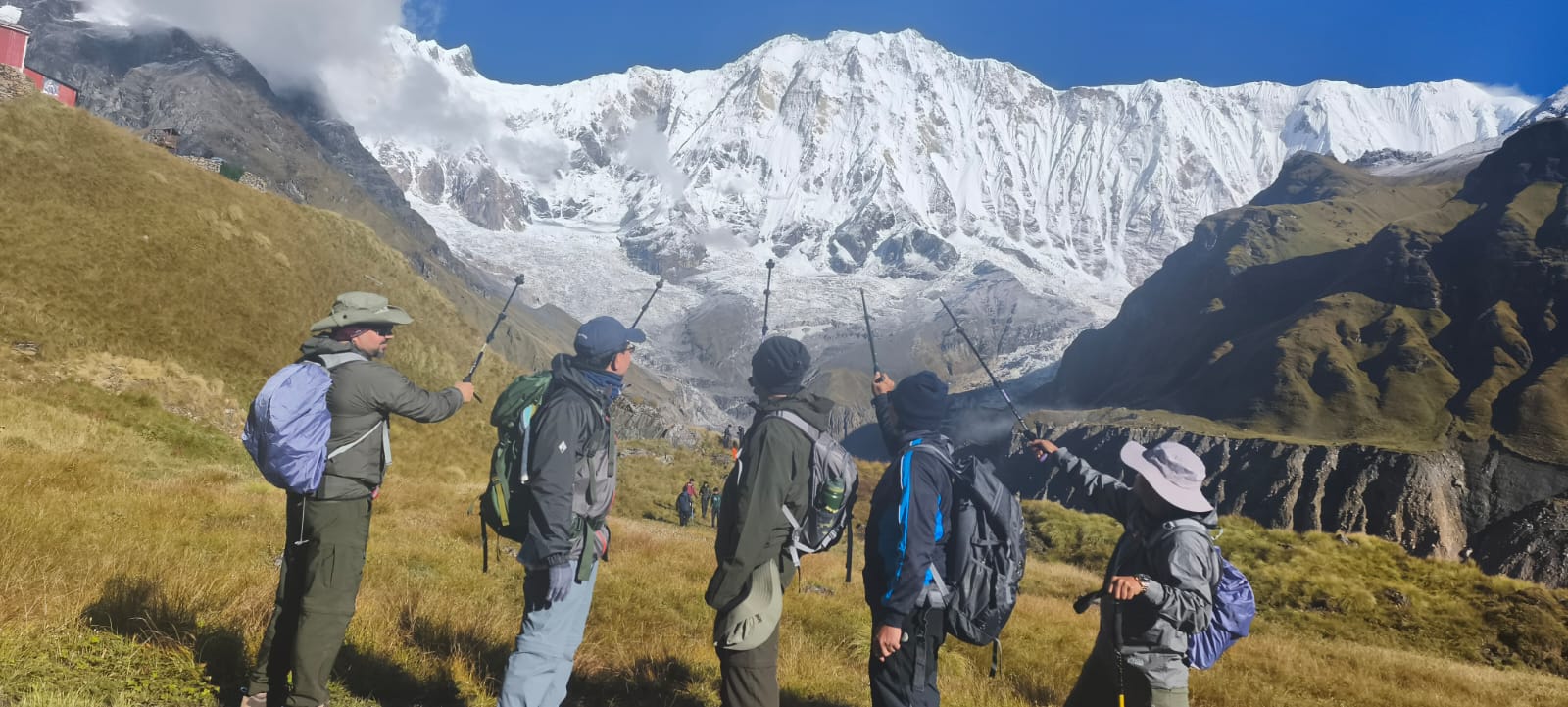
The Annapurna Base Camp Trek is one of Nepal’s most popular Himalayan adventures, taking trekkers through traditional mountain villages, lush rhododendron forests, beautiful river valleys, and spectacular snow-covered landscapes. Reaching Annapurna Base Camp at 4,130 meters is an unforgettable experience, but having the right equipment is essential for a comfortable and enjoyable journey.
Knowing what to pack for the Annapurna Base Camp Trek can be challenging, especially for first-time trekkers. The weather changes with altitude, and the temperatures around Machhapuchhre Base Camp and Annapurna Base Camp can drop significantly at night. You may experience warm, sunny afternoons in the lower villages and freezing temperatures at higher elevations during the same trek.
At Create Himalaya Adventure, we recommend packing light while preparing for changing mountain conditions. You do not need expensive mountaineering equipment or a different outfit for every day. A few carefully selected layers, comfortable trekking boots, a warm sleeping bag, and essential personal items are usually sufficient.
This complete Annapurna Base Camp packing list covers clothing, footwear, trekking equipment, sleeping gear, first aid, toiletries, and travel documents. It also includes seasonal packing advice and practical tips to help you prepare for your trek without carrying unnecessary weight.
Understanding the Weather Before Packing
Before preparing your Annapurna Base Camp Trek packing list, it is important to understand the weather and temperature along the route. The trek begins in relatively warm, lower-altitude areas and gradually climbs toward the Annapurna Sanctuary, where temperatures can be considerably colder.
Spring and autumn generally offer favorable trekking conditions, while winter brings colder nights and possible snowfall. During the monsoon, rain, slippery trails, and wet clothing can make the journey more challenging.
At higher elevations, especially between Deurali, Machhapuchhre Base Camp, and Annapurna Base Camp, temperatures can fall below freezing. Strong winds and sudden weather changes can make it feel even colder.
Therefore, your packing list should include lightweight clothing for walking, warm layers for evenings, and waterproof protection for unexpected rain or snow.
Clothing Packing List for Annapurna Base Camp Trek
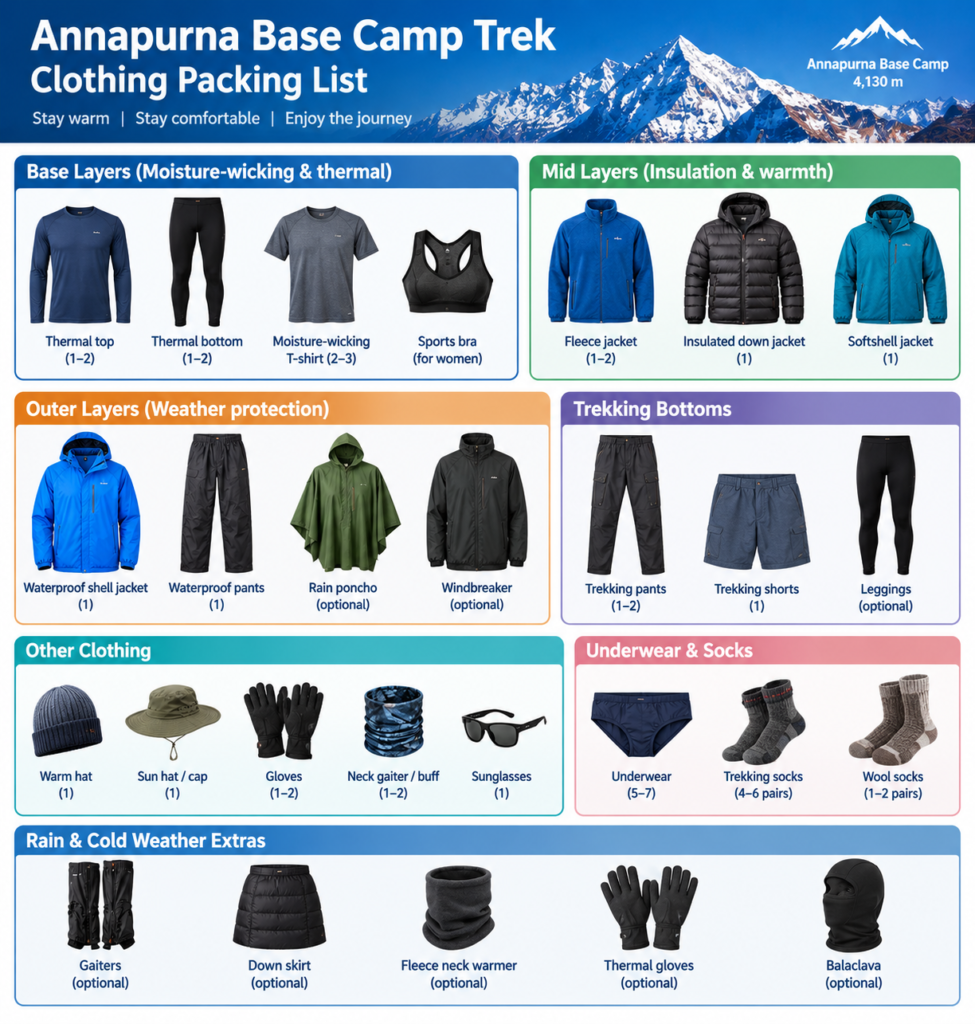
Choosing the right clothing is one of the most important parts of preparing for the Annapurna Base Camp Trek. Instead of packing bulky winter clothes, use a layering system that allows you to adjust your clothing according to the weather and your activity level.
Base layers
- 2–3 moisture-wicking thermal tops
- 1–2 thermal trousers
- 3–4 quick-drying T-shirts
- 3–4 pairs of comfortable underwear
Merino wool and synthetic fabrics are suitable because they help manage sweat and dry faster than cotton. Avoid cotton clothing for trekking, as it retains moisture and can make you uncomfortable in cold conditions.
Mid layers
- 1–2 fleece jackets or pullovers
- 1 lightweight insulated jacket
- 1 pair of fleece trousers
A fleece jacket provides warmth during cool mornings and evenings. A lightweight insulated jacket is especially useful when you stop walking, rest at teahouses, or reach higher elevations.
Outer layers
- 1 waterproof and windproof jacket
- 1 pair of waterproof trousers
A breathable waterproof jacket protects you from rain, snow, and cold winds. Waterproof trousers are particularly useful during the monsoon and winter seasons.
Warm clothing
- 1 warm down or synthetic insulated jacket
- 1 warm fleece or woolen hat
- 1 pair of insulated gloves
- 1 pair of lightweight gloves
- 1 neck gaiter or buff
A warm down jacket is particularly important around Machhapuchhre Base Camp and Annapurna Base Camp, where temperatures can drop below freezing. You can wear it over your other layers when you are resting or walking in particularly cold conditions.
Trekking Boots and Other Footwear
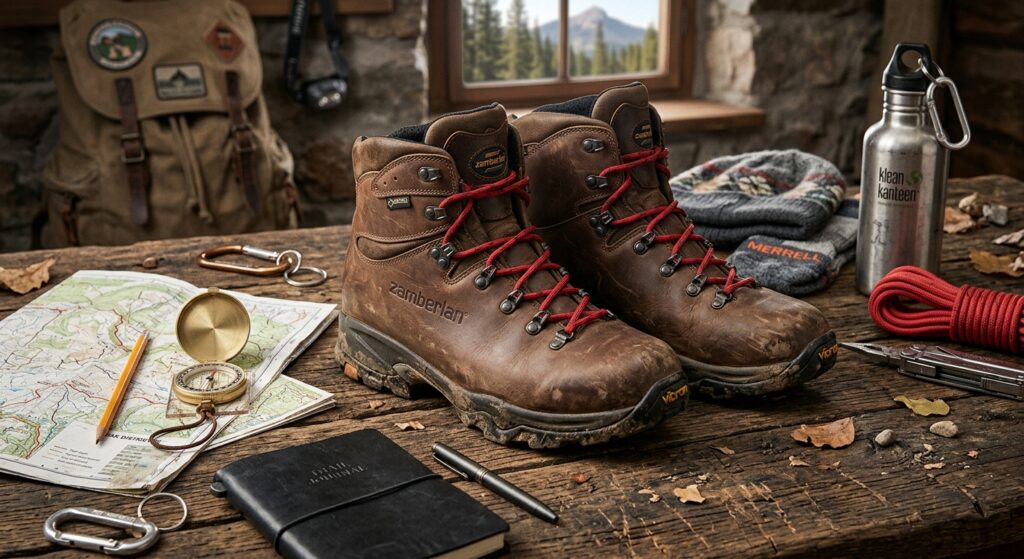
The Annapurna Base Camp trail includes stone staircases, forest paths, rocky sections, and uneven terrain. Comfortable footwear is essential for preventing blisters and reducing discomfort during long walking days.
- Trekking boots: Choose well-fitting, sturdy, water-resistant or waterproof hiking boots with good grip and ankle support.
- Trekking socks: Carry 3–4 pairs of moisture-wicking wool or synthetic hiking socks.
- Camp shoes: Pack lightweight sandals, slippers, or comfortable shoes for use at teahouses.
- Gaiters: These are optional but useful when trekking through snow, mud, or wet trails.
Wear your trekking boots on several practice walks before arriving in Nepal. New or poorly fitted boots can cause painful blisters, especially on steep uphill and downhill sections.
You generally do not need crampons for the regular Annapurna Base Camp route in normal trekking conditions. However, during winter or periods of heavy snowfall, suitable traction equipment may be necessary depending on trail conditions.
Backpack and Duffel Bag
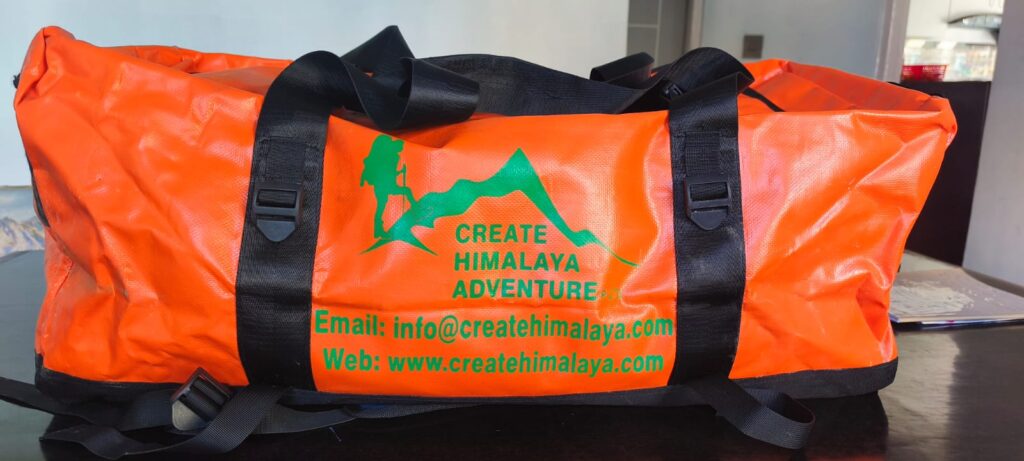
Your bags should be comfortable, durable, and suitable for carrying trekking equipment. If you are trekking with a guide and porter, you can keep most of your clothing and heavier belongings in a main duffel bag while carrying essential items in your daypack.
Main duffel bag
A soft duffel bag with a capacity of approximately 60–80 liters is suitable for most trekkers. It should be durable, preferably water-resistant, and easy for porters to carry.
Keep your main bag as light as possible. If you are trekking with a porter, confirm the weight allowance with your trekking company before departure. A practical target is around 10–12 kg per trekker, depending on the company’s porter arrangements.
Daypack
A 25–35-liter daypack is generally sufficient for carrying your daily essentials, including:
- Water bottle or hydration bladder
- Rain jacket and extra layers
- Sunscreen and sunglasses
- Snacks and personal medication
- Camera, phone, and power bank
- Passport and important documents
A comfortable daypack with padded shoulder straps, a waist belt, and a rain cover will make your daily walks easier.
Sleeping Gear for Annapurna Base Camp
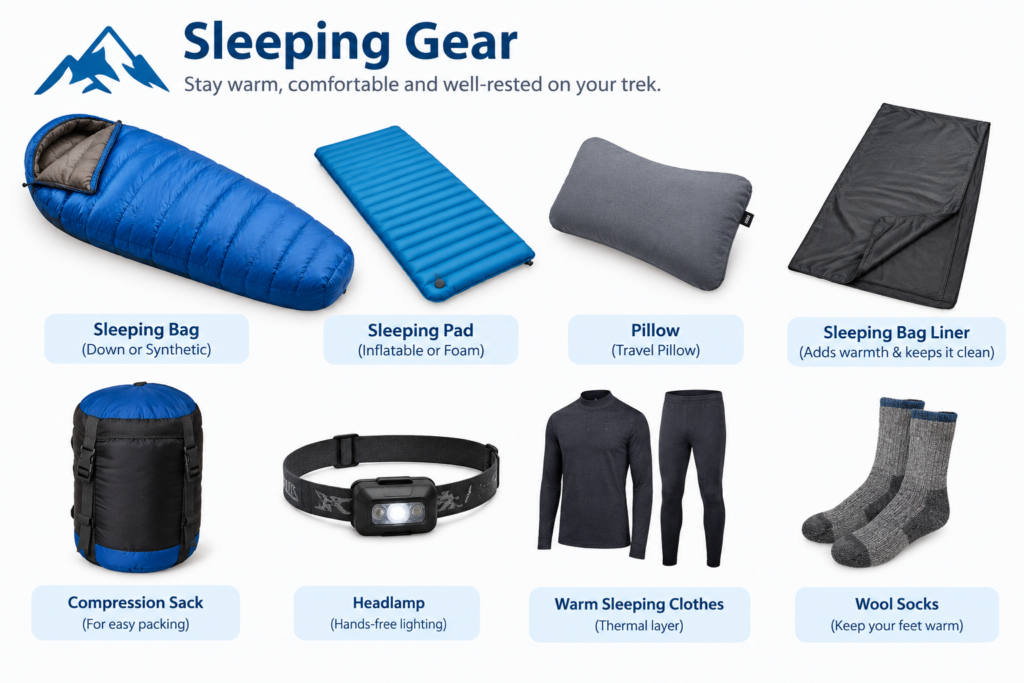
Although teahouses provide beds and blankets along the Annapurna Base Camp route, a good sleeping bag is recommended, particularly during colder months and at higher elevations.
Pack a sleeping bag with a comfort temperature rating suitable for the season. A bag with a comfort rating around -10°C is a useful choice for colder conditions, while trekkers visiting in warmer months may need less insulation. Always check the expected weather and the sleeping bag’s comfort rating rather than relying only on its advertised extreme rating.
A sleeping bag liner is optional but helpful. It provides additional warmth, keeps your sleeping bag cleaner, and offers extra comfort when using lodge bedding.
If you are trekking with Create Himalaya Adventure, ask us about sleeping bag availability before bringing one from home. This can help you avoid carrying unnecessary equipment.
Essential Trekking Equipment and Accessories
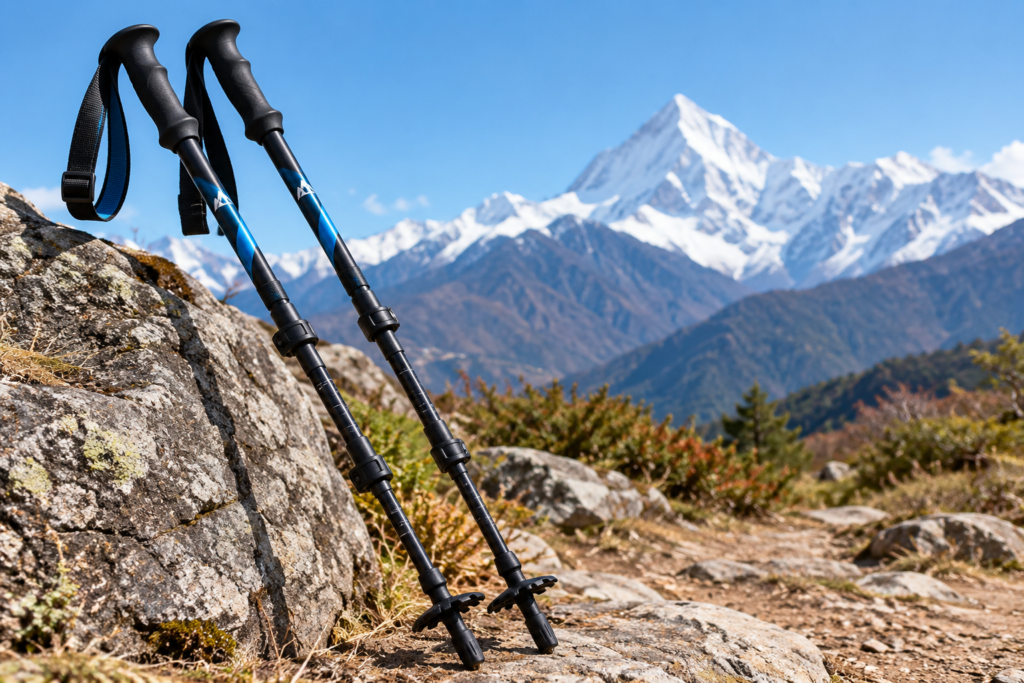
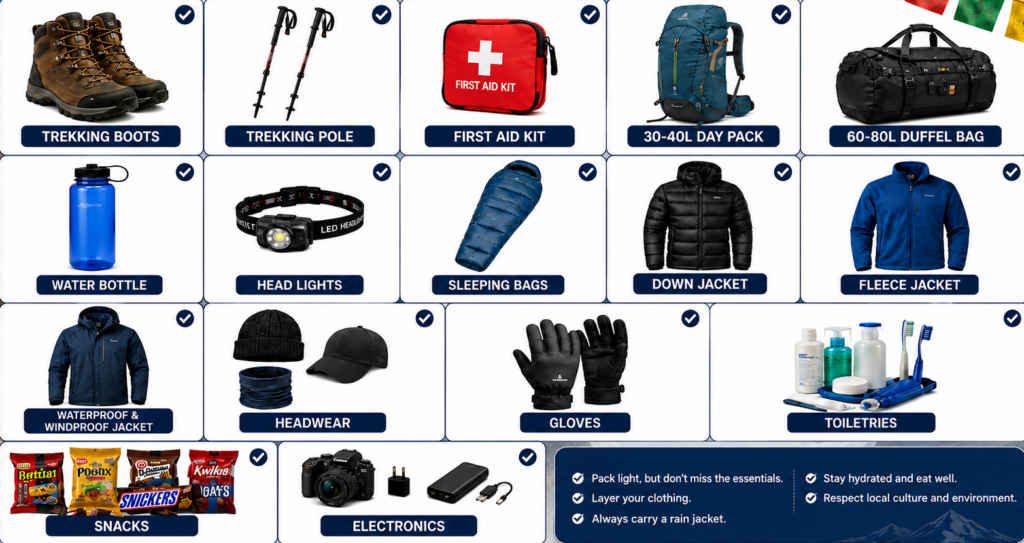
A few practical accessories can make a considerable difference during your Annapurna Base Camp adventure.
- Trekking poles: Useful for reducing pressure on your knees, especially on steep staircases and downhill trails.
- Headlamp: Essential for early starts, dark teahouse corridors, and nighttime visits to the bathroom. Carry spare batteries or a rechargeable model.
- Water bottles: Carry enough capacity for approximately 2 liters of drinking water, adjusting for your needs and the day’s conditions.
- Sunglasses: Choose UV-protective sunglasses to protect your eyes from strong sunlight and snow glare.
- Sun hat: A brimmed hat or cap protects your face during sunny days.
- Waterproof backpack cover: Helps protect your belongings from rain and snow.
- Dry bags: Useful for keeping clothing, electronics, and documents dry.
- Power bank: Helpful when charging facilities are limited or require an additional fee.
- Reusable stuff sacks: Keep clothing and other belongings organized inside your bags.
You can also bring a camera, binoculars, or a small notebook if you enjoy photography or recording your trekking experience. These items are optional, so consider their weight before packing.
First Aid Kit and Personal Medication
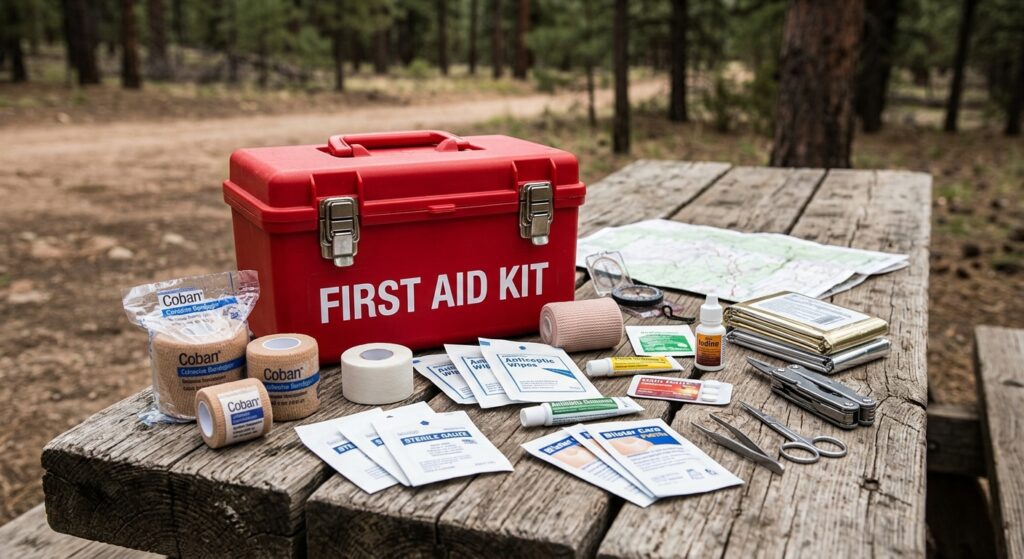
A personal first aid kit is an important part of your Annapurna Base Camp packing list. Although your guide may carry a group first aid kit, you should bring basic supplies for minor problems during the trek.
Consider packing:
- Personal prescription medication
- Pain relief medication
- Blister plasters and regular adhesive bandages
- Antiseptic wipes
- Medical tape and small gauze dressings
- Oral rehydration salts
- Medication for common stomach problems
- Sunscreen with SPF 30 or higher
- Lip balm with SPF
- Hand sanitizer
If you are considering altitude sickness medication, consult your doctor before the trek. Do not take prescription medicines without appropriate medical advice. Learn to recognize symptoms of altitude sickness and inform your guide immediately if you feel unwell.
Toiletries and Personal Hygiene
Teahouses along the Annapurna Base Camp trail provide basic bathroom facilities. Hot showers may be available at some stops for an additional charge, but facilities become more limited at higher elevations.
Pack only the toiletries you need for the duration of your trek.
- Toothbrush and toothpaste
- Small bar of soap or biodegradable liquid soap
- Quick-drying towel
- Shampoo in a small container
- Toilet paper or pocket tissues
- Wet wipes
- Moisturizer
- Sunscreen and lip balm
- Nail clippers
- Personal hygiene products
Women should also bring sufficient menstrual products, as availability and choice may be limited in remote villages.
Carry a small bag for used tissues and personal waste where disposal facilities are unavailable. Avoid leaving rubbish along the trail, and use biodegradable products where practical.
Travel Documents, Permits, and Money
Keep your important travel documents in a waterproof pouch inside your daypack. You should carry:
- Valid passport and photocopies
- Nepal visa, if applicable
- Annapurna Conservation Area Permit (ACAP)
- Travel insurance documents
- Emergency contact details
- Trekking itinerary and booking information
- Some Nepalese cash
The ACAP permit is required for the Annapurna Base Camp Trek. Keep it accessible for permit checks along the route.
Travel insurance should cover trekking at the maximum altitude of your itinerary and emergency helicopter evacuation, if required. Check the policy carefully before purchasing it.
There are limited banking facilities along the trail, so withdraw sufficient Nepalese rupees in Kathmandu or Pokhara. You may need cash for snacks, hot showers, charging electronic devices, and other personal expenses.
Electronics and Communication
You can stay connected with family and friends during much of the Annapurna Base Camp Trek, although mobile network coverage and internet access vary by location.
Consider packing the following electronic items:
- Smartphone with offline maps
- Power bank and charging cable
- Universal travel adapter
- Camera and spare batteries
- Headphones (optional)
You can purchase a Nepalese SIM card in Kathmandu or Pokhara. Mobile coverage may become unreliable in remote valleys, and Wi-Fi and device charging are often available at teahouses for an additional fee. Keep your electronic devices in a waterproof bag, especially during the monsoon.
Seasonal Packing Tips for Annapurna Base Camp
Your packing list should change according to the season you plan to trek. Spring and autumn generally require fewer heavy winter layers than winter, while monsoon trekking demands additional rain protection.
Season
Additional items to pack
- Spring (March–May):Lightweight layers, sunscreen, sunglasses and a warm jacket
- Autumn (September–November): Fleece, down jacket, gloves and sun protection
- Winter (December–February): Heavy insulated jacket, warm gloves, thermal layers and a suitable sleeping bag
- Monsoon (June–August): Waterproof jacket, rain trousers, backpack cover and quick-drying clothing
Regardless of the season, carry warm clothing for higher elevations. Even during spring and autumn, temperatures can drop considerably after sunset.
What Not to Pack for the Annapurna Base Camp Trek
Overpacking is a common mistake, particularly among first-time trekkers. Carrying unnecessary items makes your journey more difficult and increases the load on your porter.
You generally do not need:
- Heavy cotton clothes or bulky hoodies
- Multiple pairs of casual shoes
- Large bottles of toiletries
- Expensive mountaineering equipment
- A laptop or unnecessary electronic devices
- Hard-shell suitcases
- Excessive changes of clothing
Technical climbing equipment is not normally required for the standard Annapurna Base Camp Trek. Pack according to the season and your itinerary rather than preparing for every possible situation.
Complete Annapurna Base Camp Trek Packing Checklist
Use this quick checklist when preparing your bags before leaving for Nepal.
- Your packing checklist
- 0/36 packed
Clothing
- 2–3 thermal tops and 1–2 thermal bottoms
- 3–4 quick-dry T-shirts
- 1–2 fleece jackets
- 1 down jacket
- 1 waterproof jacket and trousers
- 2 trekking pants
- 3–4 pairs of underwear
- 3–4 pairs of trekking socks
- Warm hat, sun hat and neck gaiter
- Lightweight and insulated gloves
Footwear and bags
- Broken-in trekking boots
- Lightweight camp shoes
- 25–35L daypack
- 60–80L duffel bag
- Daypack rain cover
- Dry bags or packing sacks
Trekking equipment
- Trekking poles
- Headlamp and spare batteries
- Water bottles (around 2L capacity)
- Sleeping bag suitable for the season
- Sleeping bag liner (optional)
- Power bank
Health and hygiene
- Personal medicines and first aid kit
- Blister plasters and bandages
- Sunscreen and SPF lip balm
- Water purification tablets or filter
- Toothbrush and toothpaste
- Quick-drying towel
- Hand sanitizer and toilet paper
Documents and electronics
- Passport and copies
- ACAP permit
- Travel insurance
- Nepalese cash
- Phone and charger
- Camera (optional)
- Emergency contact information
- Reset checklist
Final Tips for Packing Smart
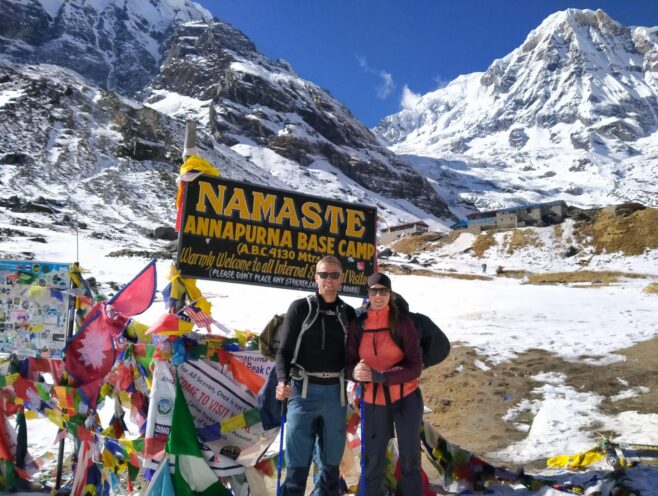
The secret to a comfortable Annapurna Base Camp Trek is carrying the right equipment without overloading your bags. Choose clothing that can be layered, wear comfortable trekking boots, and prepare for cold nights at higher elevations.
Pack your daily essentials in your daypack and keep heavier items in your main duffel bag if you are using a porter. Before departure, check your equipment, test your headlamp, and make sure your boots fit comfortably.
If you are unsure about what to bring, you can buy or rent many trekking items in Kathmandu and Pokhara. At Create Himalaya Adventure, our team can also help you prepare your equipment list according to your itinerary, trekking season, and personal requirements.
With thoughtful preparation and the right gear, you can focus on enjoying the mountain scenery, local culture, and unforgettable experience of reaching Annapurna Base Camp.
Frequently Asked Questions
1. What should I pack for the Annapurna Base Camp Trek?
Pack layered clothing, comfortable trekking boots, a warm down jacket, a suitable sleeping bag, trekking poles, a headlamp, a water bottle, personal medication, toiletries, and essential travel documents. Adjust your clothing according to the season.
2. Do I need a sleeping bag for Annapurna Base Camp?
A sleeping bag is recommended, especially during winter and colder months. Teahouses provide blankets, but they may not provide enough warmth at higher elevations. A sleeping bag with a suitable comfort rating adds extra insulation.
3. What size backpack is best for the ABC Trek?
A 25–35-liter daypack is suitable for carrying daily essentials. If you are using a porter, a 60–80-liter duffel bag is generally sufficient for your remaining trekking equipment and clothing.
4. Do I need crampons for the Annapurna Base Camp Trek?
Crampons are not usually necessary on the standard route during normal trekking seasons. However, winter snowfall and icy trail conditions may require additional traction equipment. Check the current conditions before departure.
5. Can I rent trekking equipment in Kathmandu or Pokhara?
Yes. You can rent or purchase many trekking items, including sleeping bags, down jackets, trekking poles, and backpacks in Kathmandu and Pokhara. However, bring your own well-fitting, broken-in trekking boots whenever possible.
6. How much weight should I pack for the Annapurna Base Camp Trek?
Aim to keep your main luggage around 10–12 kg if you are using a porter, subject to your trekking company’s weight allowance. Your daypack should contain only the essentials you need during the day’s walk.
7. What kind of shoes should I wear for the ABC Trek?
Wear sturdy, comfortable trekking boots with good grip and preferably waterproof protection. Break them in before your trek to reduce the risk of blisters. Lightweight sandals or slippers are useful for relaxing at teahouses.
8. Is a down jacket necessary for Annapurna Base Camp?
Yes, a warm down or synthetic insulated jacket is highly recommended. Temperatures can fall below freezing near Annapurna Base Camp, particularly at night and during the colder trekking seasons.

Ramchandra Lamichhane
Trekking Expert
No hidden fees • Local experts • Best price guarantee